Mexico’s reputation abroad tends to orbit around a handful of familiar names, Cancun, Cabo, Puerto Vallarta, and while those destinations earn their popularity, they represent only a small slice of what the country actually offers.
Beyond the resort strips and cruise ports sits a Mexico built around colorful colonial towns, lagoons the color of stained glass, ghost towns turned pilgrimage sites, and coastal villages that have somehow avoided the crowds despite genuinely stunning scenery.
This guide covers ten destinations that consistently surprise travelers who make the effort to seek them out.

Each one comes with practical details on getting there, where to stay, and what to actually do, so you can build a trip around the version of Mexico that most travelers never see, closer to the deliberate, off the beaten path spirit behind wandering through small, storybook villages rather than the most obvious tourist stops, just applied south of the border instead.
Quick Comparison
| Destination | State | Best For | Recommended Stay |
|---|---|---|---|
| Bacalar | Quintana Roo | Turquoise lagoon scenery | 2 to 3 nights |
| Real de Catorce | San Luis Potosí | Ghost town atmosphere | 1 to 2 nights |
| Mazunte | Oaxaca | Laid back beach town | 3 to 4 nights |
| Valle de Guadalupe | Baja California | Wine country | 2 to 3 nights |
| Izamal | Yucatán | Colorful colonial charm | 1 to 2 nights |
| Todos Santos | Baja California Sur | Artsy coastal escape | 3 to 4 nights |
| Tepoztlán | Morelos | Mystical mountain village | 1 to 2 nights |
| Bernal | Querétaro | Monolith and pueblo mágico charm | 1 to 2 nights |
| Cholula | Puebla | Ancient pyramid and colonial streets | 1 to 2 nights |
| Sayulita | Nayarit | Bohemian surf town | 3 to 4 nights |
The 10 Hidden Gems in Mexico
Bacalar, Quintana Roo
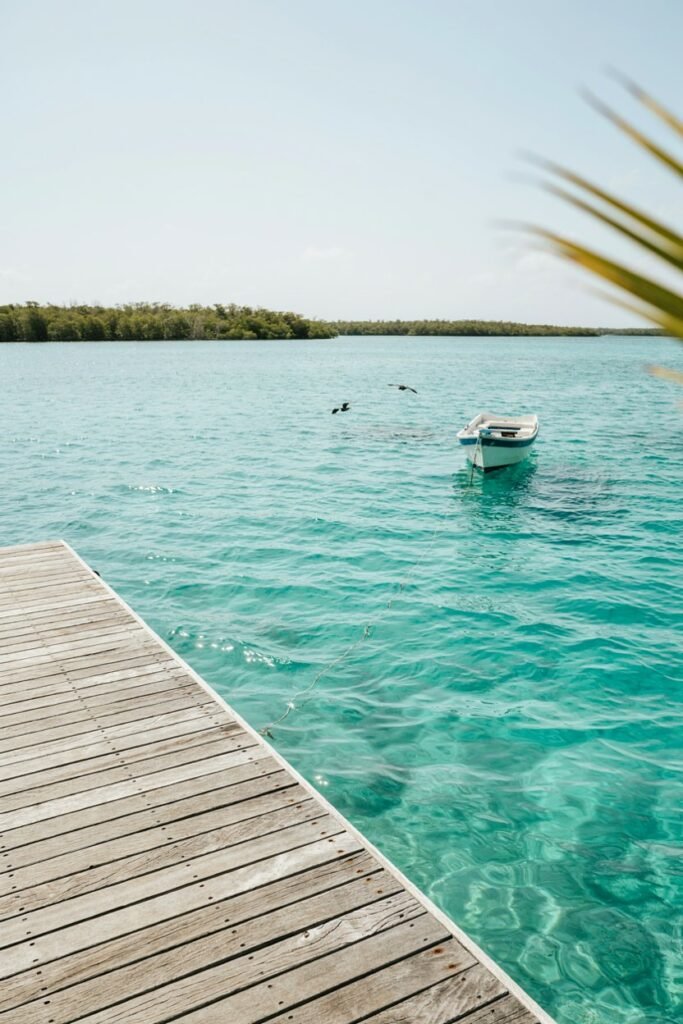
Bacalar’s lagoon shifts through seven distinct shades of turquoise and blue depending on the depth and light, earning it the nickname the Lagoon of Seven Colors, and it remains far quieter than the Caribbean coast just a couple of hours away.
Why Visit
The lagoon itself is the draw, calm, clear, and genuinely striking, with none of the crowds that have overtaken much of the nearby Riviera Maya. Bacalar suits travelers who want the natural beauty associated with Mexico’s Caribbean coast without the resort development.
Getting There
Chetumal Airport, about forty minutes away, offers the closest air access, though many travelers arrive by bus or rental car from Cancun or Tulum, roughly a two and a half to three hour drive south.
Where to Stay
Small lakefront guesthouses and boutique hotels line the lagoon’s edge, offering direct water access as the main draw. The town center, a short distance from the water, provides more budget friendly options with an easy walk or short taxi to the lagoon.
What to Do
Swim or kayak in the lagoon, visit the Pirate Channel, a narrow, current fed passage connecting different parts of the lagoon, and take a boat tour to see the full range of colors across the water’s varying depths. The San Felipe Fort, a small colonial fortress overlooking the lagoon, is worth a quick visit for the view alone.
My Tip
I would book a sunrise boat tour if the option is available, since the lagoon’s colors shift dramatically with the early light and the water is noticeably calmer before the day’s wind picks up, closer to the timing strategy worth applying to any well planned trip where the best light matters more than convenience.
Real de Catorce, San Luis Potosí
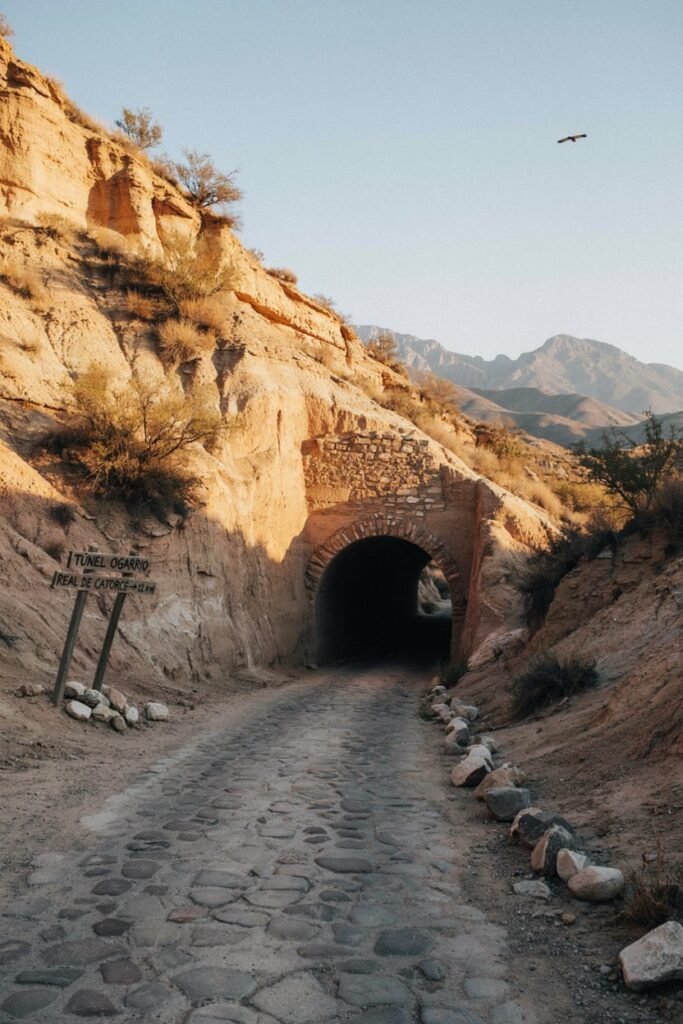
Real de Catorce is a former silver mining town turned near ghost town, reached through a mile long tunnel carved directly through a mountain, and it delivers one of the most genuinely unusual arrival experiences in the country.
Why Visit
The town’s cobblestone streets, crumbling colonial buildings, and dramatic high desert setting give it an atmosphere unlike anywhere else on this list.
It draws both history focused travelers and pilgrims visiting the town’s church, along with a growing number of visitors drawn to the surrounding desert’s reputation among certain spiritual traditions.
Getting There
The nearest major airport is in San Luis Potosí city, roughly three hours away by car. The final approach into town requires passing through the Ogarrio Tunnel, a narrow, one lane passage with alternating traffic direction controlled at set intervals.
Where to Stay
Small guesthouses within the town itself offer the most atmospheric stay, many housed in restored colonial buildings. Given the town’s small size, options are limited, so booking ahead matters more here than in larger destinations.
What to Do
Walk the town’s quiet, crumbling streets, visit the Parroquia de la Purísima Concepción church, and take a horseback or jeep tour into the surrounding high desert for dramatic, otherworldly scenery. The town’s semi abandoned bullring and scattered mining ruins are worth exploring for a sense of the area’s boom and bust history.
My Tip
I would plan for cooler temperatures than the rest of Mexico might suggest, given the town’s high elevation, and I would time the drive through the tunnel around the posted alternating schedule to avoid a long wait at either end.
Mazunte, Oaxaca
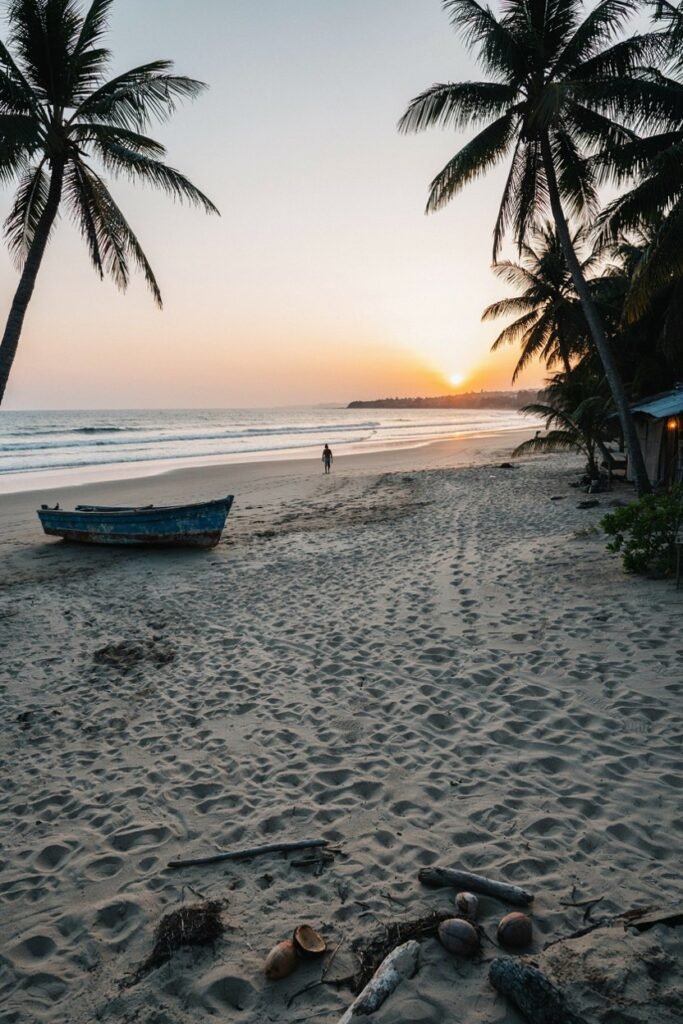
Mazunte offers a version of Oaxaca’s coast that has largely resisted the development seen elsewhere in Mexico, keeping its beaches quiet and its pace genuinely slow.
Why Visit
The combination of a laid back, bohemian atmosphere, strong sea turtle conservation efforts, and beaches that remain uncrowded even during peak season make Mazunte a strong choice for travelers who want a beach destination without the resort crowds of Cancun or Cabo.
Getting There
Huatulco Airport, roughly an hour away, offers the closest air access, with Puerto Escondido, about an hour and a half in the other direction, serving as another common gateway with a wider range of flight options.
Where to Stay
Small eco friendly guesthouses and boutique hotels line the town and nearby beaches, generally low key and blending into the natural surroundings rather than dominating them. Nearby San Agustinillo, an even smaller neighboring beach town, offers a quieter alternative a short walk away.
What to Do
Visit the Mexican Turtle Center, dedicated to sea turtle conservation and research, watch sunset from Punta Cometa, a scenic headland just outside town, and spend time simply on the beach, since Mazunte’s coastline is genuinely one of the more peaceful stretches on Mexico’s Pacific coast.
My Tip
I would rent a hammock or beach chair for a full lazy afternoon rather than trying to pack the visit with activities, since Mazunte’s appeal comes largely from its unhurried pace, similar to the value in packing efficiently for a week away rather than overloading the itinerary.
Valle de Guadalupe, Baja California
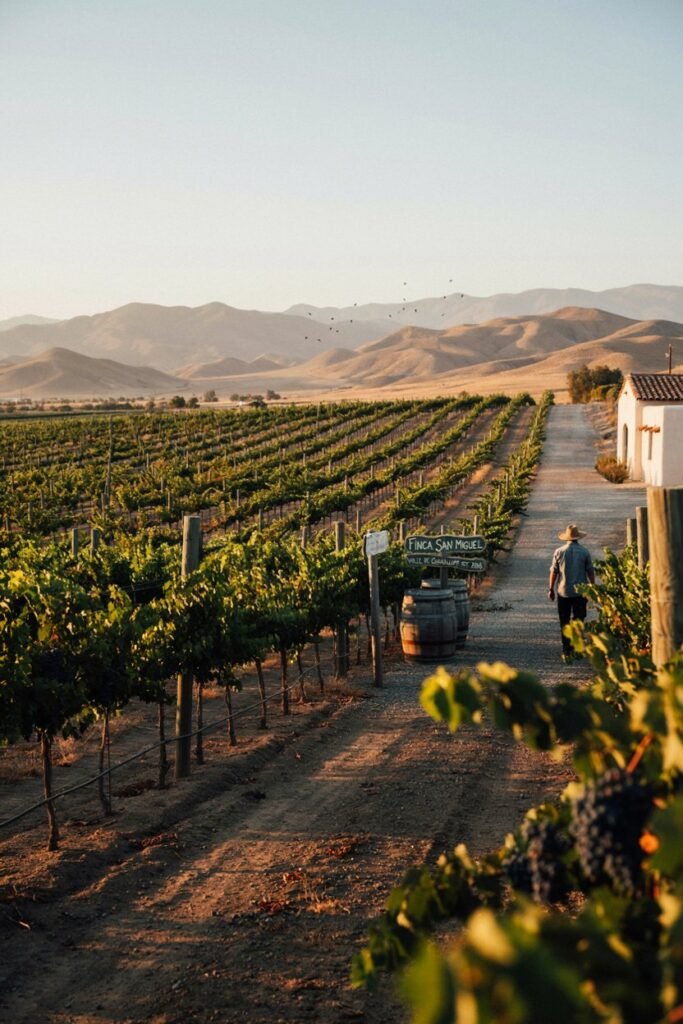
Valle de Guadalupe has quietly become one of the most respected wine regions in North America, and it remains largely unknown to travelers outside of Mexico and a growing circle of wine enthusiasts.
Why Visit
The valley’s combination of boutique wineries, farm to table restaurants, and dramatic high desert scenery gives it a character closer to a smaller, more rustic version of Napa Valley than most travelers expect from a Mexican wine region.
Getting There
Tijuana International Airport, roughly an hour and a half away, offers the most convenient air access, with San Diego, just across the border, serving as a common alternative gateway for travelers already in Southern California.
Where to Stay
Boutique hotels and vineyard stays throughout the valley offer the most immersive experience, often set directly among the vines. Ensenada, a short drive away, provides a wider range of accommodations with easy access into the valley for day trips.
What to Do
Visit several boutique wineries for tastings, many offering genuinely excellent food pairings alongside their wine, and explore the valley’s growing culinary scene, which has drawn increasing attention from chefs across Mexico and beyond.
A rental car makes exploring the scattered wineries considerably easier than relying on organized tours alone.
My Tip
I would book a few winery visits in advance rather than showing up unannounced, since many of the smaller, more interesting operations run by appointment only rather than maintaining regular public hours, similar to the advance booking worth doing for any long international flight and connecting itinerary where showing up unprepared costs you more time than planning ahead would have.
Izamal, Yucatán
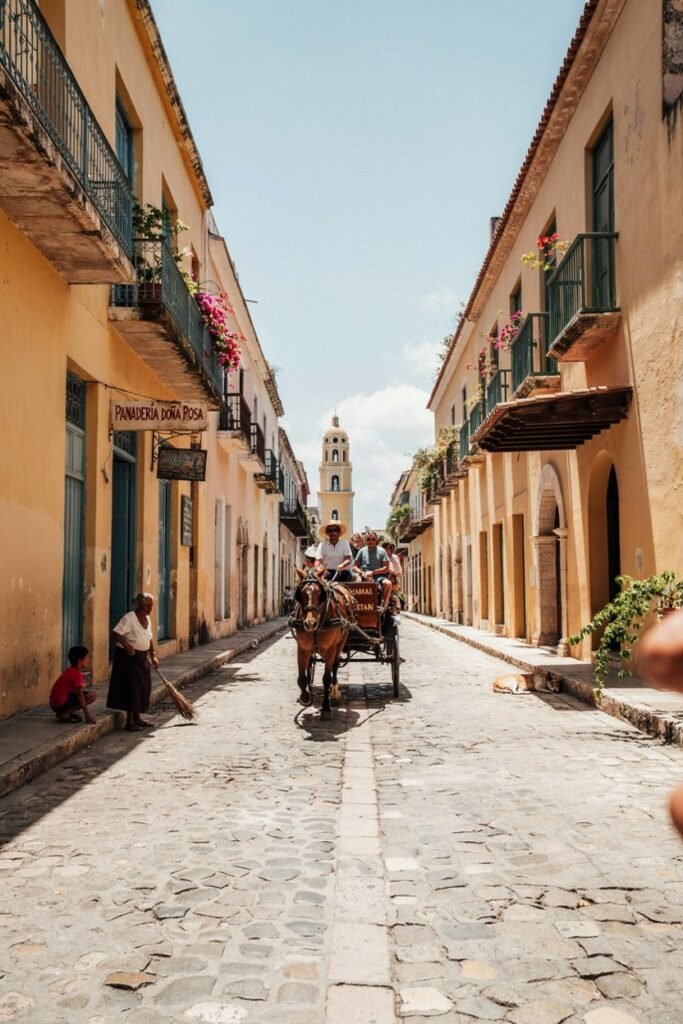
Izamal, known as the Yellow City for its uniformly painted buildings, offers a colonial charm with far fewer visitors than nearby Merida or the Riviera Maya.
Why Visit
Nearly every building in the town center is painted the same warm yellow, creating a visually striking, cohesive streetscape that photographs beautifully and feels distinct from any other town in the region.
The town also sits atop ancient Mayan structures, adding a genuine historical layer beneath the colonial surface.
Getting There
Izamal is roughly an hour’s drive from Merida, making it an easy day trip or short overnight addition to a broader Yucatan itinerary.
Where to Stay
Small boutique hotels within the yellow painted center offer the most immersive stay, generally housed in restored colonial buildings that match the town’s distinctive aesthetic.
What to Do
Visit the Convento de San Antonio de Padua, a massive 16th century monastery built atop a Mayan pyramid, climb Kinich Kak Moo, one of the largest Mayan pyramids in the Yucatan, right within the town itself, and take a horse drawn carriage ride through the colorful streets.
My Tip
I would visit as a day trip from Merida if time is limited, but an overnight stay lets you experience the town’s quiet evening atmosphere once the day visitors have left, closer to the appeal behind choosing a genuinely unhurried destination over a rushed checklist stop.
Todos Santos, Baja California Sur
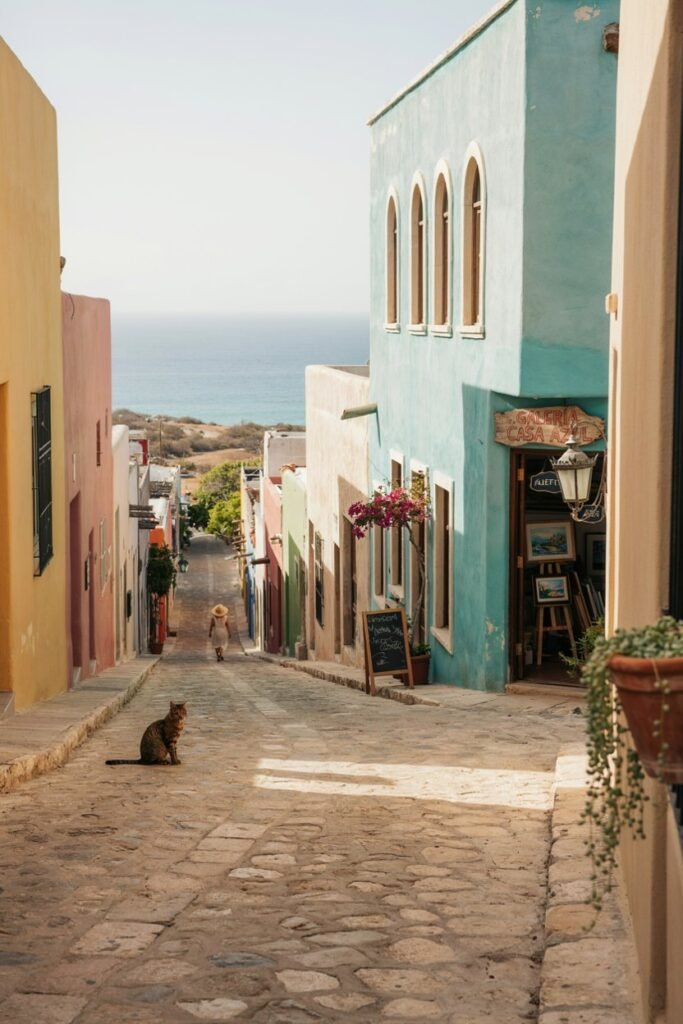
Todos Santos pairs a genuinely artsy, creative community with dramatic Pacific coastline, offering an alternative to the more built up resort areas further south near Cabo San Lucas.
Why Visit
A strong community of artists and galleries, combined with excellent surf breaks and a noticeably slower pace than Cabo, gives Todos Santos a distinct identity that draws a different kind of traveler than the destinations it sits near geographically.
Getting There
Los Cabos International Airport, roughly an hour away, serves as the main gateway, with a straightforward drive north along the coast.
Where to Stay
The town center offers boutique hotels within walking distance of galleries, restaurants, and shops. Beachfront accommodations a short distance from town provide direct access to the area’s strong surf breaks for travelers prioritizing time in the water.
What to Do
Browse the town’s numerous art galleries, many featuring genuinely notable work from both local and international artists, learn to surf at one of the nearby beaches, and visit the historic Hotel California, whose connection to the famous song remains a point of local debate and charm regardless of its accuracy.
My Tip
I would spend at least one full day simply wandering the gallery district without a fixed plan, since Todos Santos rewards unhurried exploring more than a tightly scheduled itinerary.
Tepoztlán, Morelos
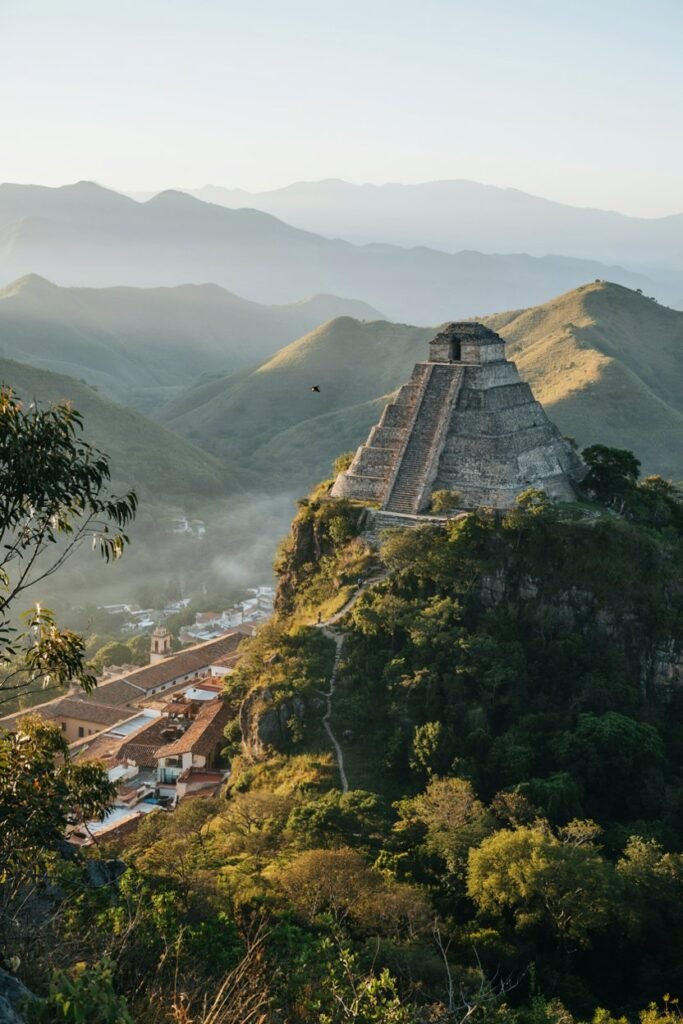
Tepoztlán sits beneath a dramatic mountain range just over an hour from Mexico City, and its reputation for mystical energy draws a steady stream of visitors seeking a spiritual or reflective retreat.
Why Visit
The town’s combination of a hilltop pyramid, the Tepozteco, dramatic surrounding cliffs, and a lively weekend market gives it a genuinely different character than a typical colonial town, part historic site, part wellness destination, part scenic mountain village.
Getting There
Tepoztlán is easily reached by bus or car from Mexico City, roughly an hour and a half drive, making it a popular weekend escape for city residents and a manageable day trip or overnight addition for international visitors.
Where to Stay
Boutique hotels and wellness focused retreats throughout the town cater to travelers seeking a quieter, more reflective stay, while options closer to the main square put you nearer the market and restaurants.
What to Do
Hike up to the Tepozteco pyramid for a dramatic view over the town and surrounding valley, browse the weekend artisan market, and explore the town’s numerous small shops selling local crafts, food, and traditional remedies.
My Tip
I would tackle the hike up to the Tepozteco early in the morning, both to avoid the midday heat and to catch the clearest views before afternoon clouds tend to roll in over the surrounding peaks, similar to the early start worth planning around any multi day hike with real elevation and shifting conditions.
Bernal, Querétaro
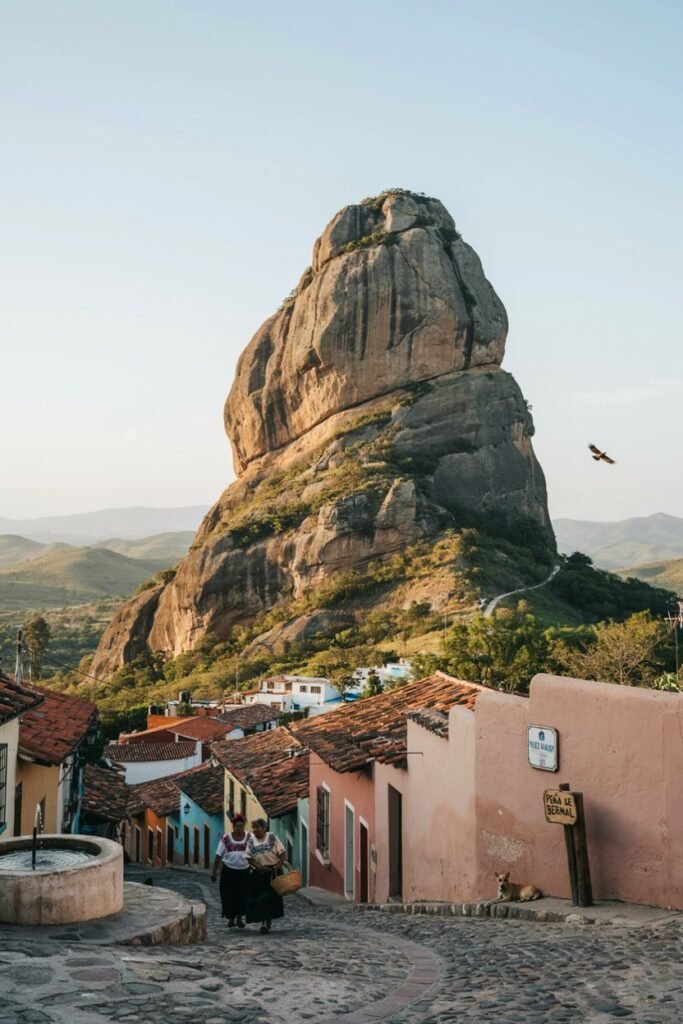
Bernal sits beneath the Peña de Bernal, one of the tallest monoliths in the world, and the combination of dramatic rock formation and charming pueblo mágico streets makes it a strong day trip or short overnight destination.
Why Visit
The monolith itself is reason enough to visit, but the town’s cobblestone streets, candy shops, and relaxed atmosphere give it a genuine small town charm that pairs well with the dramatic natural backdrop.
Getting There
Querétaro city, roughly an hour away, offers the closest airport with reasonable domestic flight connections, and Bernal is an easy drive from either Querétaro or Mexico City, about two and a half hours further.
Where to Stay
Small boutique hotels within the town center put you close to the main square and an easy walk to trailheads for the monolith. Given the town’s compact size, most accommodations are within a short walk of everything worth seeing.
What to Do
Hike partway up the Peña de Bernal, since a full summit requires technical climbing gear but a well marked trail covers a significant, rewarding portion for regular hikers, browse the town’s famous candy and cheese shops, and wander the cobblestone streets at a relaxed pace.
My Tip
I would combine Bernal with a stop in Tequisquiapan, a nearby town known for its own charm and thermal springs, similar to how pairing a small village with a nearby complementary stop often makes for a more satisfying day than visiting either alone.
Cholula, Puebla
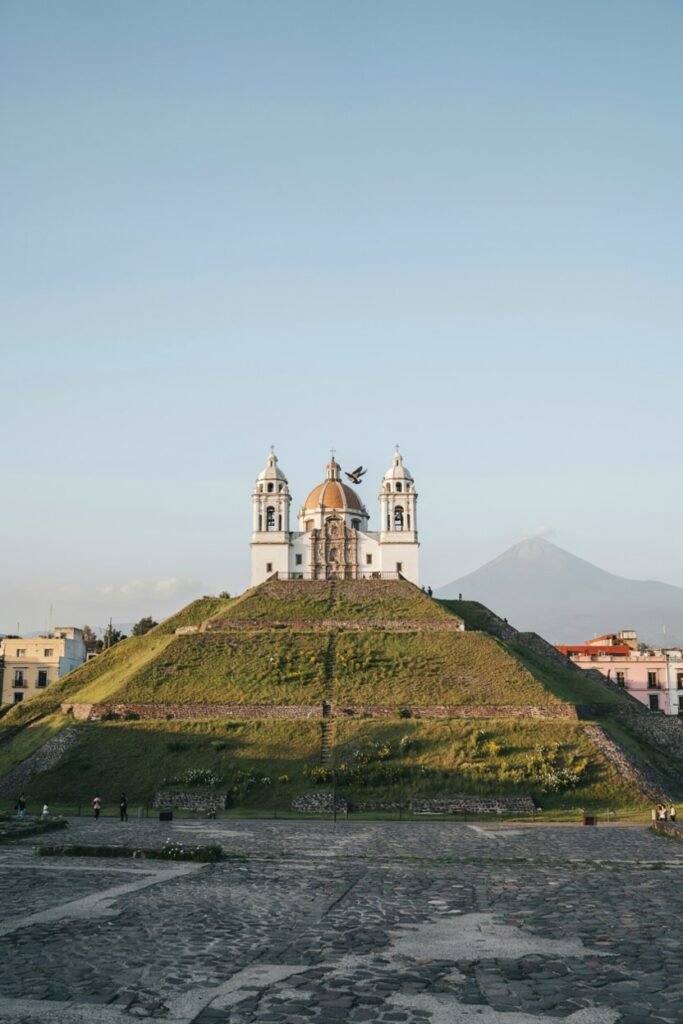
Cholula sits just outside the city of Puebla and is home to the largest pyramid by volume in the world, though most visitors do not realize it at first, since centuries of growth have buried it beneath what looks like a natural hill topped with a colonial church.
Why Visit
The layered history here, an ancient pyramid literally buried beneath a colonial era church, gives Cholula a genuinely unusual character, and the surrounding town’s colorful streets and relaxed plaza life make it worth more than the quick photo stop many visitors treat it as.
Getting There
Puebla’s airport offers domestic connections, and Cholula sits just a short drive or rideshare from Puebla’s city center, making it an easy add on rather than a standalone trip.
Where to Stay
Staying in Cholula itself offers a quieter, more small town feel, while basing yourself in nearby Puebla provides a wider range of accommodations and dining with an easy trip out to Cholula for a day or half day visit.
What to Do
Climb to the Church of Our Lady of Remedies atop the pyramid mound for sweeping views over the surrounding valley and, on clear days, the Popocatépetl volcano in the distance. Explore the tunnels beneath the pyramid itself, and spend time in Cholula’s main plaza, particularly lively in the evening.
My Tip
I would time the visit for late afternoon, both for cooler temperatures on the climb up and for the chance of a clearer volcano view than the haze that often builds over the valley by midday, similar to the careful, capsule wardrobe approach worth taking when packing for a walking heavy destination with variable weather.
Sayulita, Nayarit
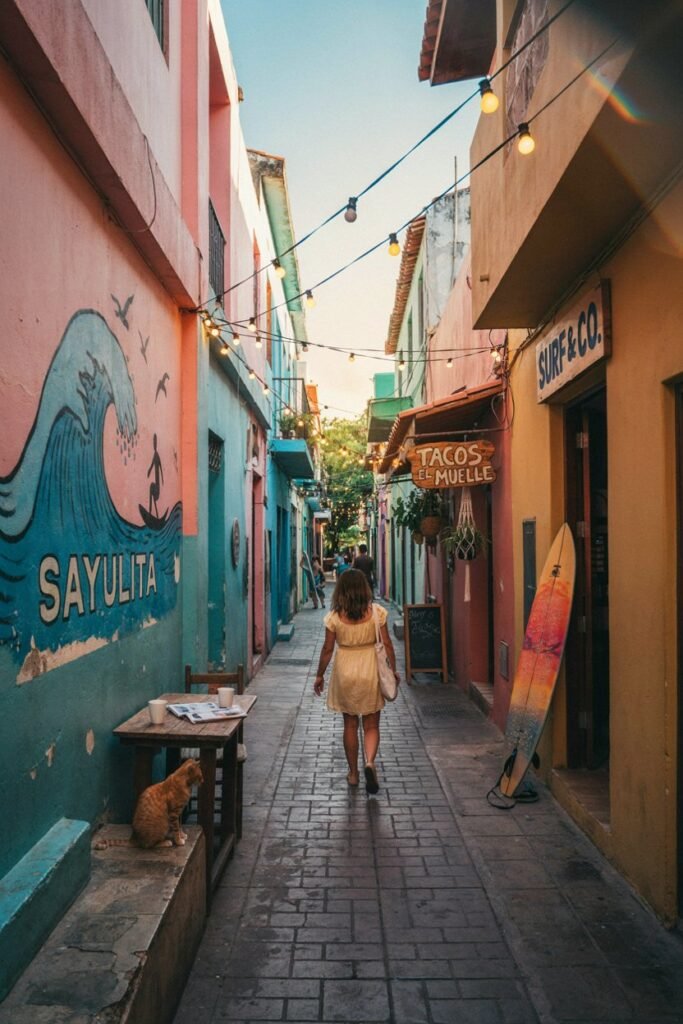
Sayulita has grown from a sleepy fishing village into a well loved surf town, though it retains a genuinely bohemian, colorful character that distinguishes it from the more built up resort areas nearby along Mexico’s Pacific coast.
Why Visit
Consistent, beginner friendly surf breaks, a colorful town center full of murals and small shops, and a lively but not overwhelming nightlife scene give Sayulita broad appeal across different types of travelers.
Getting There
Puerto Vallarta International Airport, roughly forty five minutes away, offers the closest and most convenient air access, with a straightforward drive or shuttle north along the coast.
Where to Stay
The town center puts you close to the beach, restaurants, and nightlife, ideal for most visitors. Quieter accommodations on the outskirts of town offer a more relaxed base with an easy walk or short rideshare into the center.
What to Do
Learn to surf at one of the beginner friendly breaks right in town, browse the colorful main streets for local art and crafts, and take a short trip to nearby Punta de Mita or the Marietas Islands for a quieter beach day or snorkeling trip.
My Tip
I would visit during shoulder season rather than peak winter months if crowds are a concern, since Sayulita’s popularity has grown considerably and the busiest weeks can feel noticeably different from the quieter, more laid back version of the town, closer to the seasonal timing worth considering when choosing versatile pieces and timing for a warm weather trip.
How to Plan a Trip to Mexico’s Hidden Gems
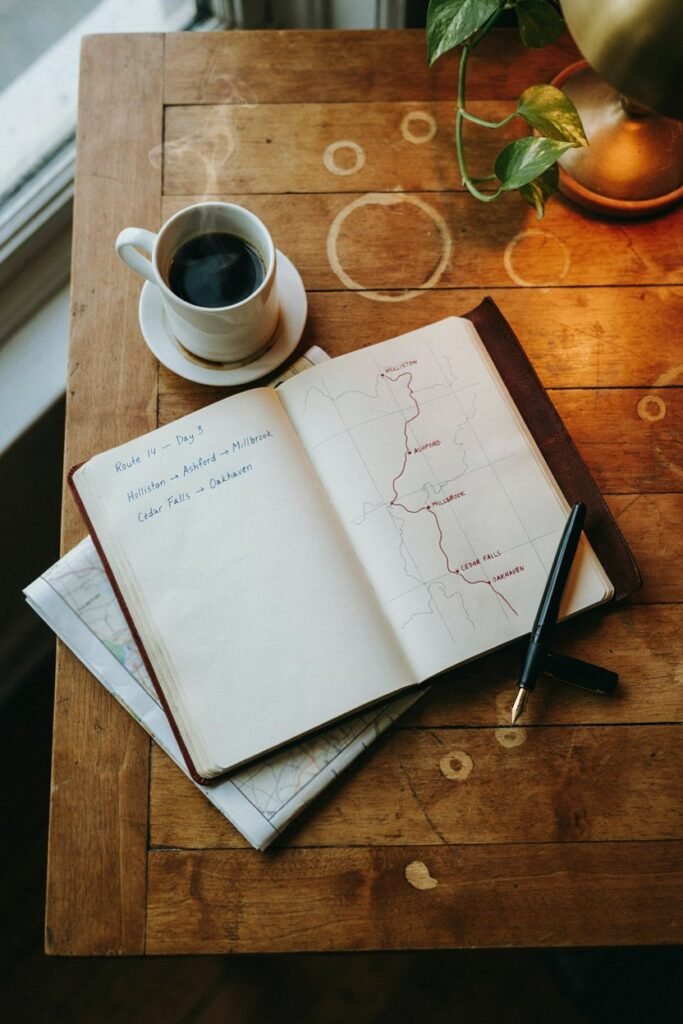
Most of these destinations pair naturally with a nearby larger city or well known tourist hub, making them easy additions to a broader Mexico itinerary rather than standalone trips requiring separate travel arrangements.
Bacalar pairs well with Tulum or Cancun, Izamal with Merida, Cholula with Puebla, and Tepoztlán or Bernal with Mexico City, letting you combine a familiar entry point with a genuinely off the beaten path add on.
Renting a car opens up considerably more flexibility for several of these destinations, particularly Valle de Guadalupe, Real de Catorce, and Bernal, where organized tours and public transportation options are more limited than in Mexico’s major tourist zones.
Building in a bit of extra time and flexibility, rather than a tightly scheduled itinerary, matters more here than for well trodden destinations, closer to the deliberate, unhurried approach behind packing with real intention rather than rushing through every stop.
What to Pack for Mexico’s Hidden Gems

Given the range of climates and elevations across these ten destinations, from Real de Catorce’s high desert cool to Mazunte’s tropical coastal heat, packing depends heavily on your specific route.
For coastal destinations, lightweight, breathable clothing and strong sun protection cover most needs, similar to the approach behind avoiding common overpacking mistakes on any warm weather trip.
For higher elevation destinations like Real de Catorce or Tepoztlán, packing layers matters more than travelers expect, since temperatures can swing considerably between day and night even in a generally warm country.
Comfortable walking shoes are essential across nearly every destination on this list, given the emphasis on cobblestone streets, hiking, and general wandering that defines most of these towns.
Safety Tips for Off the Beaten Path Travel in Mexico
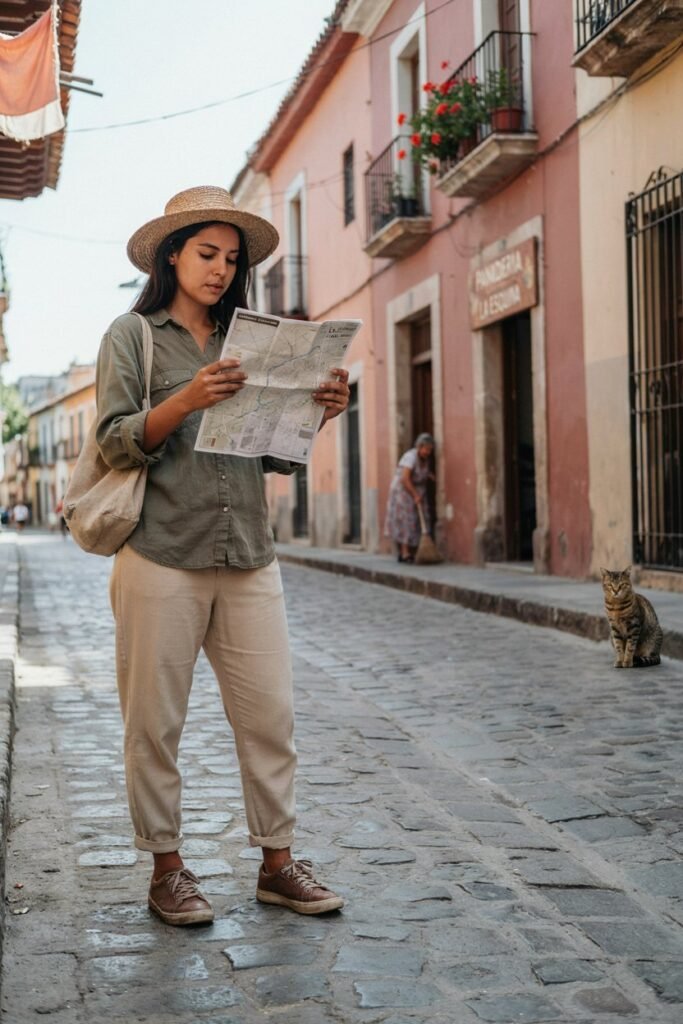
Most of these destinations see far fewer tourists than Mexico’s major resort areas, which generally means a quieter, more relaxed travel experience, though it also means fewer English speaking services and less established tourist infrastructure in some cases.
Checking current travel advisories for your specific region before departure is a reasonable precaution regardless of destination, since conditions can vary meaningfully between different states and regions within Mexico.
Renting a car for some of the more remote destinations on this list is generally safe on well traveled routes during daylight hours, though sticking to main roads and avoiding overnight driving in unfamiliar rural areas is a sensible precaution.
As with any international destination, keeping copies of important documents, using reputable transportation options, and staying aware in crowded markets or plazas applies here as it would anywhere else.
Getting Around Between Destinations
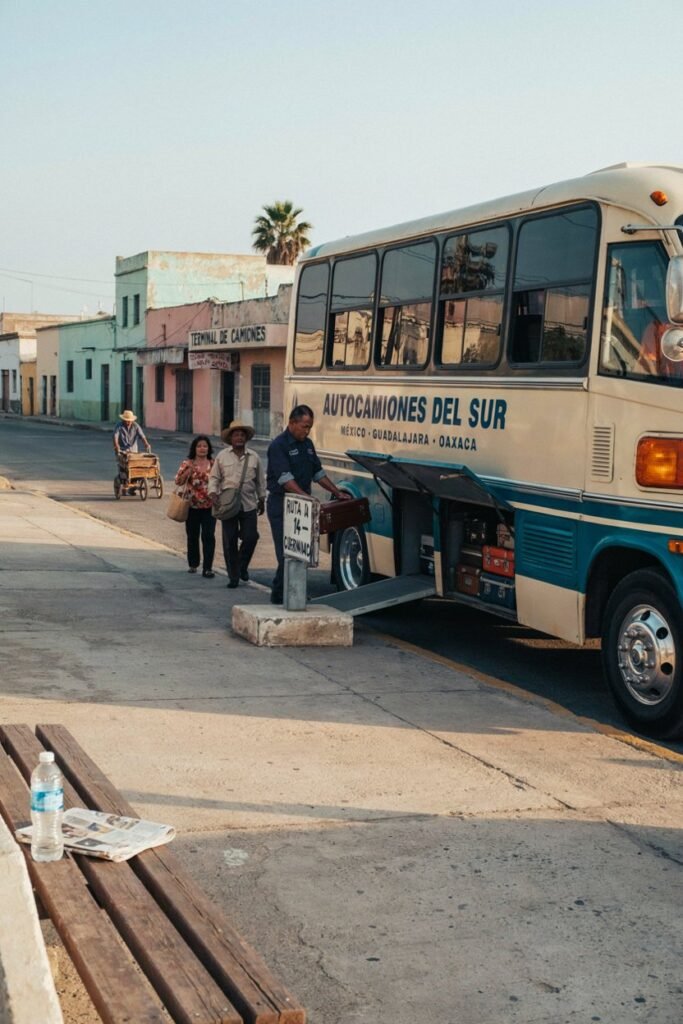
Mexico’s bus network is genuinely excellent by international standards, with comfortable, reliable long distance service connecting most major cities and many smaller towns as well.
For destinations directly served by bus routes, Cholula, Izamal, and Bernal among them, this often proves more relaxing and cost effective than renting a car, particularly for solo travelers or those uncomfortable navigating unfamiliar roads.
For more remote or spread out destinations, particularly Real de Catorce and Valle de Guadalupe, a rental car offers considerably more flexibility, letting you explore surrounding areas and set your own schedule rather than working around fixed bus departure times.
Ridesharing apps operate reliably in and around most of Mexico’s larger cities, making the initial and final legs of a trip to these hidden gems, getting from an airport to a bus station, or from a bus station to your accommodation, considerably easier than they might otherwise be.
Domestic flights within Mexico are worth considering for longer distances, particularly connecting different regions like the Yucatan and Baja California, where driving would consume days better spent actually exploring your destinations.
Respecting Local Communities as You Travel
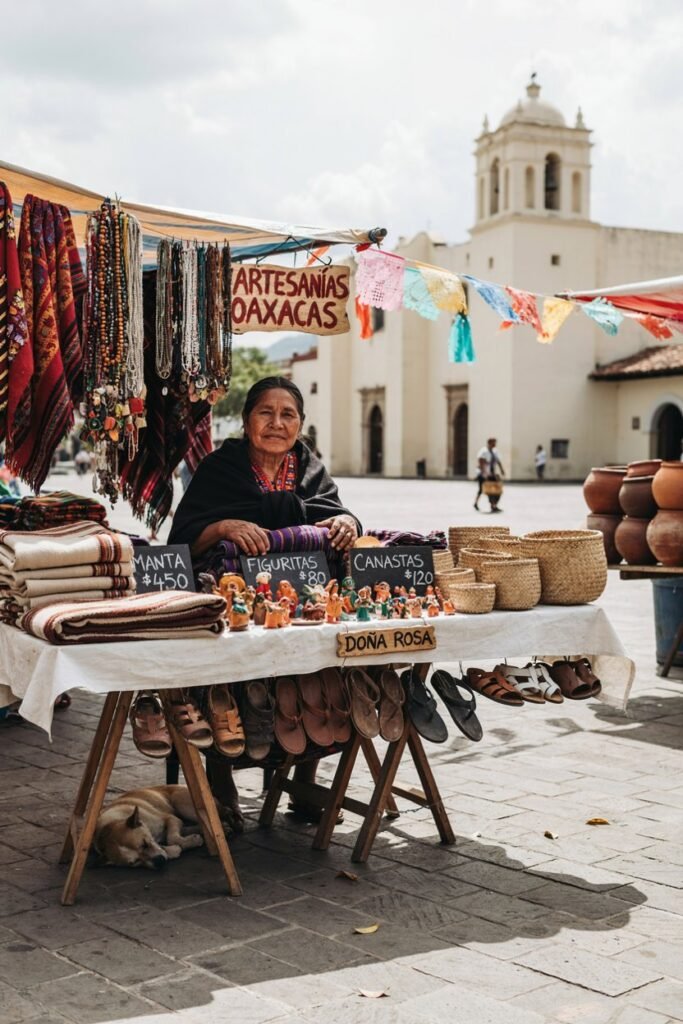
Many of the destinations on this list are experiencing growing tourism interest precisely because they have avoided the kind of large scale development seen in Mexico’s major resort areas.
Traveling thoughtfully, supporting locally owned accommodations and restaurants over international chains where possible, and being mindful of your impact on smaller, less resourced communities helps preserve what makes these places worth visiting in the first place.
This matters particularly in destinations like Real de Catorce and Tepoztlán, both of which hold genuine spiritual and cultural significance for local communities beyond their appeal to outside visitors.
Approaching these places with genuine curiosity and respect, rather than treating them purely as a photo backdrop or checklist item, tends to produce a considerably richer travel experience anyway, along with being the more considerate way to visit.
Building These Destinations Into a Longer Mexico Itinerary

For travelers with more time, combining several of these hidden gems with Mexico’s better known destinations creates a genuinely well rounded trip, balancing the convenience and infrastructure of major tourist areas with the discovery and quieter pace these ten destinations offer.
A two week itinerary might reasonably combine a few days in Cancun or Playa del Carmen with a detour to Bacalar and Izamal, or pair a Mexico City stay with day trips to Tepoztlán, Bernal, and Cholula.
Building this kind of mixed itinerary requires a bit more planning than sticking to a single resort destination, but the payoff, a trip that genuinely captures more of what Mexico actually offers, is worth the extra research and flexibility it demands.
Frequently Asked Questions
Which of these hidden gems is easiest for a first time visitor to Mexico?
Cholula and Tepoztlán, both easily reached from major cities with well established tourist infrastructure, offer an accessible introduction to off the beaten path Mexico without requiring extensive independent travel planning.
Can I combine multiple hidden gems into one trip?
Yes, particularly within the same region. Bacalar and Izamal both pair naturally with a broader Yucatan itinerary, while Tepoztlán, Bernal, and Cholula can all be combined into a central Mexico route built around Mexico City.
Do I need to speak Spanish to visit these destinations?
Basic Spanish is genuinely helpful in most of these towns, since English is less commonly spoken than in Mexico’s major resort areas. That said, most accommodations catering to travelers, along with major attractions, generally offer at least some English language support.
Is it safe to rent a car for these destinations?
Generally yes, particularly for well traveled routes during daylight hours. Research current conditions for your specific route, and consider organized transportation for a few of the more remote destinations like Real de Catorce if you are not comfortable with unfamiliar rural driving.
What is the best time of year to visit these hidden gems?
This varies by region, but late fall through early spring generally offers the most comfortable weather across most of these destinations, avoiding both the most intense summer heat in coastal areas and the rainy season that affects much of the country between roughly June and October.
Are these destinations budget friendly compared to Mexico’s major resort areas?
Generally yes. Most of these towns offer considerably lower accommodation and dining costs than Cancun, Cabo, or Puerto Vallarta, since they have not developed the same resort focused tourism infrastructure and pricing.
How do I choose between these ten destinations if I only have time for a few?
Consider grouping by region and interest rather than trying to sample a bit of everything. A Yucatan focused trip pairs Bacalar and Izamal naturally, a central Mexico trip combines Tepoztlán, Bernal, and Cholula well, and a Pacific coast trip could pair Sayulita, Mazunte, or Todos Santos depending on how far you are willing to travel between stops.
What should I know about local customs before visiting smaller Mexican towns?
A friendly greeting before diving into a request or question is genuinely appreciated in smaller, less tourist saturated towns, along with modest dress when visiting churches or religious sites. Learning a handful of basic Spanish phrases, even if you are not fluent, goes a long way toward a warmer reception in destinations that see fewer international visitors than Mexico’s major resort areas.
Do any of these destinations require advance reservations for popular activities?
Yes, several do. Winery visits in Valle de Guadalupe often require advance booking, boat tours in Bacalar can fill up during peak season, and accommodations in smaller towns like Real de Catorce or Izamal are limited enough that booking ahead is worth doing rather than assuming availability on arrival.
Final Thoughts
Mexico’s most famous destinations earn their reputation, but they represent only a narrow slice of what the country actually holds. These ten hidden gems offer a different kind of trip, one built around quieter beaches, colorful colonial streets, and landscapes that feel genuinely surprising even to travelers who assumed they already knew what to expect from a trip to Mexico.
Whichever of these destinations you choose, building in the flexibility to actually slow down and experience them, rather than rushing through on a tight schedule, tends to produce the kind of trip worth remembering long after you have returned home.
There is a particular kind of satisfaction that comes from telling someone about a trip to Mexico and watching their expression shift once you mention a place they have genuinely never heard of. That reaction is not really the point of seeking out destinations like these, but it is a fair reflection of just how much of the country remains overlooked by travelers who default to the same handful of familiar names every time. Consider this list a starting point rather than a complete inventory, and let your own curiosity fill in the rest as you go.