
Southern Spain is one of those destinations that makes it easy to fall in love with a place before you have even finished exploring it.
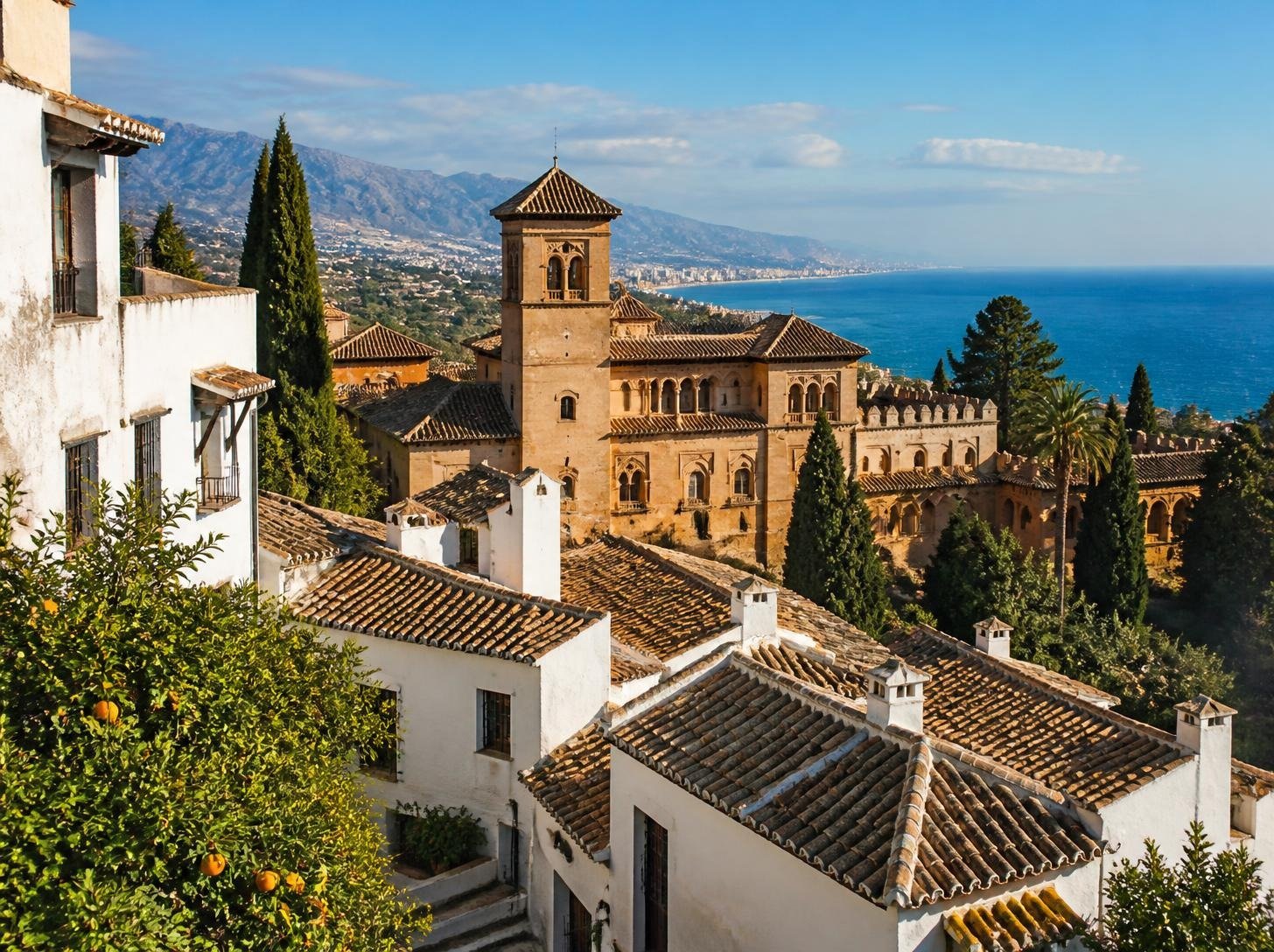
Across Andalusia, Moorish palaces stand beside grand cathedrals, whitewashed villages climb steep hillsides, and Mediterranean and Atlantic coastlines offer scenery that changes dramatically from one town to the next.
Golden sunlight falls across ancient stone streets, orange trees fill historic courtyards, and small restaurants serve traditional Spanish dishes long into the evening.
What makes southern Spain especially appealing is its variety. You can spend one morning exploring the intricate architecture of a centuries-old palace, the afternoon relaxing on a sandy beach, and the following day driving through olive groves toward a village built around a rocky gorge.
Each destination has its own character, from the lively streets of Seville to the peaceful mountain communities of Las Alpujarras.
The region also suits different travel styles and budgets. Major cities offer excellent public transportation, museums, cultural attractions, and plenty of accommodation choices. Smaller villages provide a slower pace, scenic walking routes, and opportunities to experience traditional Andalusian life away from the busiest tourist areas.
This guide explores twelve of the most beautiful places in southern Spain, including historic cities, charming white villages, mountain retreats, and spectacular coastal landscapes. You will also find practical advice on transportation, accommodation, the best time to visit, and ways to organize your itinerary.
If you are planning a longer Spanish adventure, my Spain in one week: six different itineraries guide can help you combine several destinations into a manageable trip. For the journey itself, my airport carry on essentials guide covers useful items to pack for a comfortable flight.
Quick Guide to These Beautiful Places
| Place | Known For | Ideal Stay |
|---|---|---|
| Granada and the Alhambra | Moorish architecture and mountain views | 2 to 3 days |
| Seville | Historic palaces, flamenco, and grand plazas | 2 to 3 days |
| Córdoba | The Mezquita and flower-filled courtyards | 1 to 2 days |
| Ronda | Dramatic gorge and historic bridge | 1 to 2 days |
| Setenil de las Bodegas | Houses built beneath enormous rock formations | Half day |
| Arcos de la Frontera | Clifftop streets and panoramic countryside views | Half day to 1 day |
| Frigiliana | Whitewashed streets and Moorish heritage | Half day to 1 day |
| Nerja | Mediterranean beaches, sea views, and caves | 1 to 2 days |
| Cádiz | Atlantic beaches and historic old town | 1 to 2 days |
| Cabo de Gata | Volcanic landscapes and secluded beaches | 2 to 3 days |
| Las Alpujarras | Mountain villages and hiking trails | 2 to 3 days |
| Úbeda and Baeza | Renaissance architecture and olive groves | 1 to 2 days |
1. Granada and the Alhambra
Why it’s beautiful
<image prompt: Alhambra Palace in Granada, intricate Moorish arches and reflecting pools, Sierra Nevada mountains in the background, realistic travel photography>
Granada combines spectacular architecture, mountain scenery, and a historic atmosphere that makes it one of the most memorable destinations in southern Spain.
The city sits near the foothills of the Sierra Nevada, creating beautiful views across the rooftops and surrounding countryside.
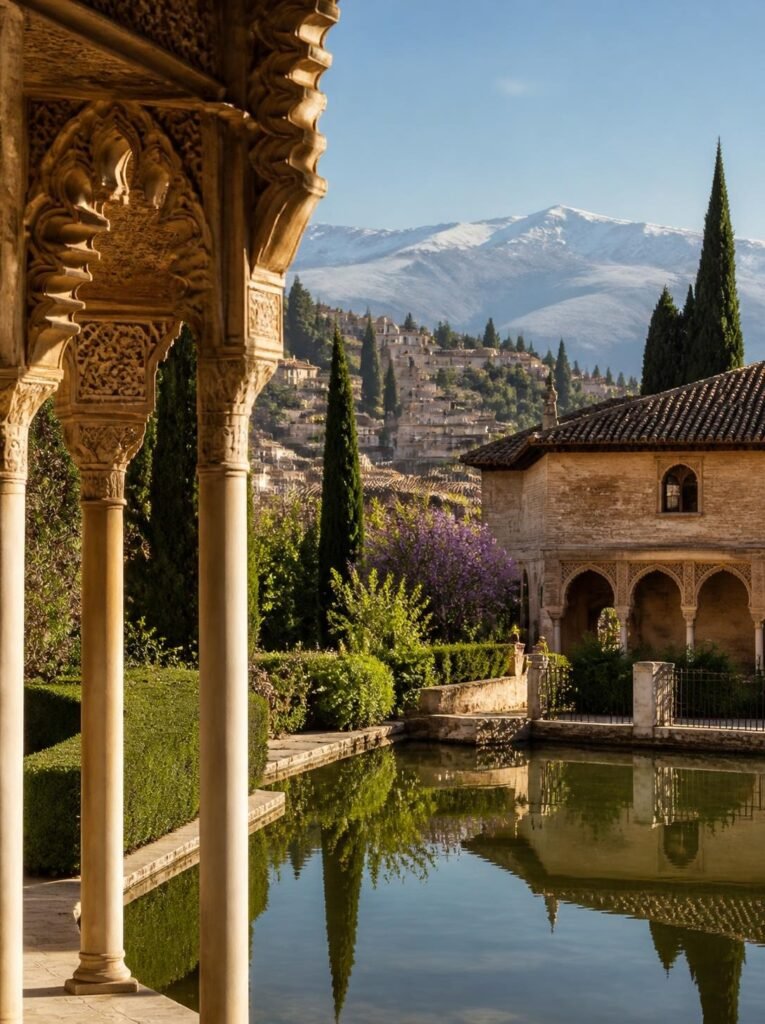
Its most famous landmark is the Alhambra, a palace and fortress complex developed under the Nasrid dynasty. Intricate plasterwork, geometric tile patterns, carved wooden ceilings, peaceful courtyards, and carefully designed gardens demonstrate the extraordinary craftsmanship of Islamic Spain. The Generalife gardens provide another highlight, with fountains, landscaped terraces, and views over the city.
Beyond the palace complex, Granada’s older neighborhoods reveal another side of the city. The Albaicín features narrow cobbled streets, traditional white houses, small squares, and viewpoints overlooking the Alhambra. Walking through this historic district offers a wonderful contrast to the grand architecture of the palace.
Best things to do
Visit the Alhambra and Generalife, explore the Albaicín, admire the view from Mirador de San Nicolás, and spend an evening sampling tapas around the city center. Granada is particularly well known for its traditional tapas culture, with many bars serving a small dish alongside a drink.
Travelers interested in exploring beyond the main attractions can also visit the Sacromonte neighborhood, known for its hillside cave dwellings and connections to flamenco traditions.
Getting there and where to stay
Granada has rail and bus connections to cities such as Málaga, Córdoba, and Seville. Staying in the historic center makes it easier to reach restaurants and major attractions on foot, while accommodation around the Albaicín offers atmospheric streets and scenic views.
Travel tip: Book Alhambra tickets well in advance, especially during spring, summer, and public holidays. Check the entry time for the Nasrid Palaces carefully because access is timed. Comfortable walking shoes are essential for the hills, steps, and extensive grounds.
For a more detailed sightseeing plan, see my guide to the 5 best places to visit in Granada.
2. Seville
Why it’s beautiful
<image prompt: Plaza de España in Seville, elaborate curved Renaissance Revival architecture, canal, tiled bridges, palm trees, bright Andalusian sunshine, realistic travel photography>
Seville is one of the most striking cities in Andalusia, with elegant architecture, shaded plazas, colorful tiled courtyards, and streets lined with orange trees. The capital of Andalusia has a lively atmosphere, but its historic neighborhoods also offer quiet corners where you can appreciate the city’s architectural details.
The Real Alcázar is a major highlight. This royal palace complex combines Islamic artistic influences with later architectural styles, creating richly decorated rooms, peaceful courtyards, and beautiful gardens. Nearby, Seville Cathedral dominates the skyline, while the Giralda tower provides a memorable view across the rooftops.
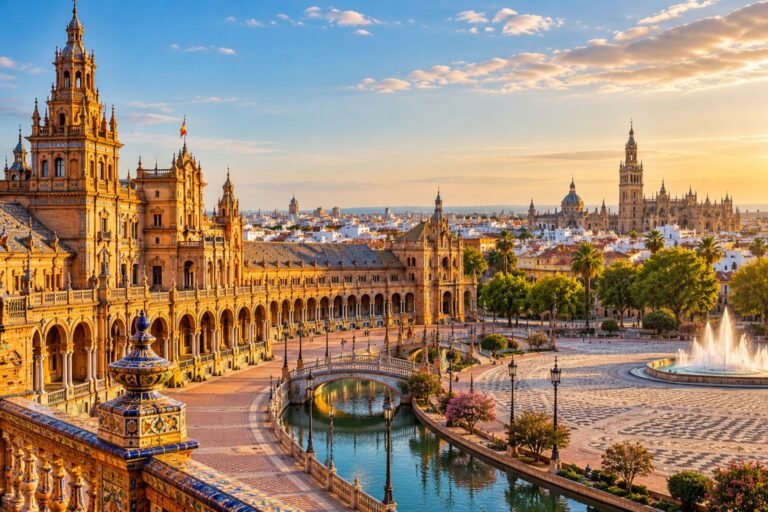
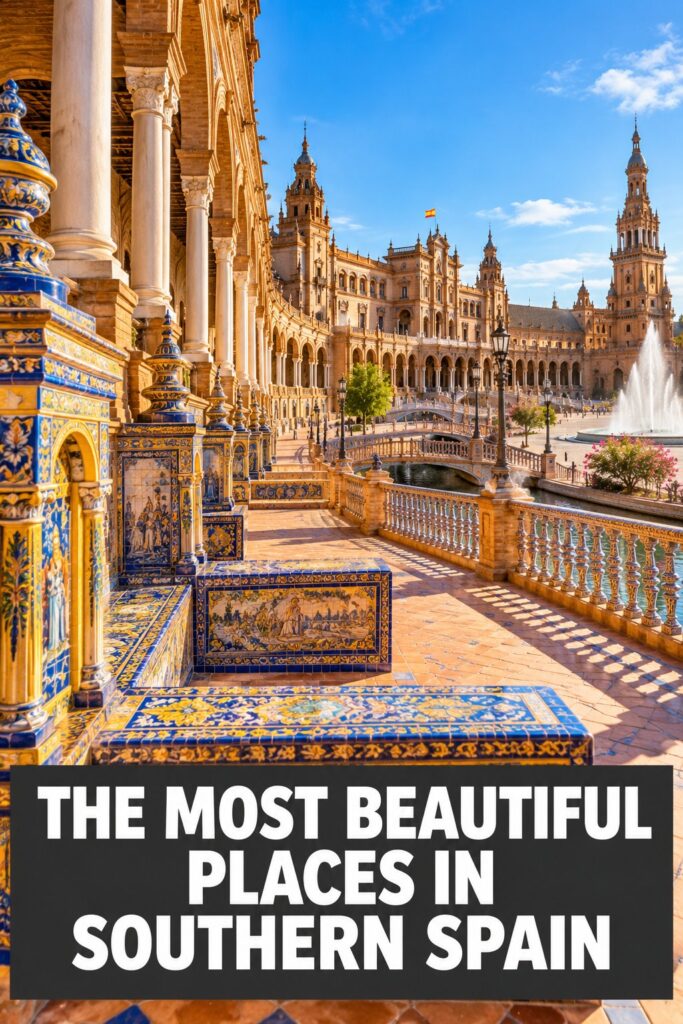
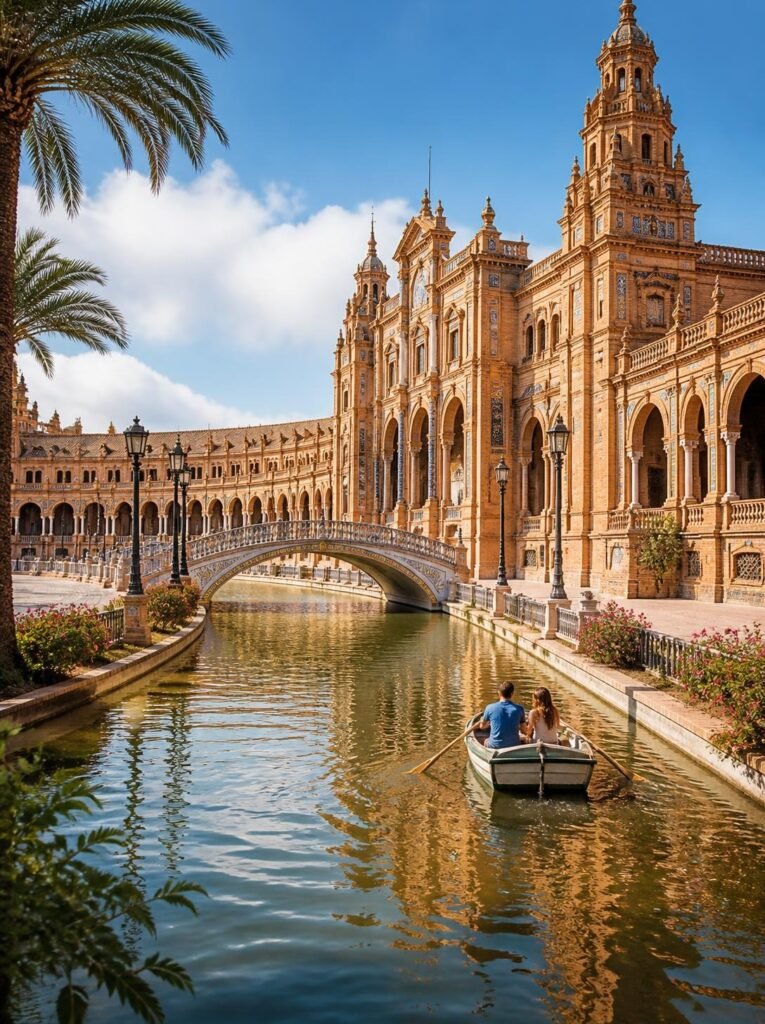
Plaza de España is another essential stop. Its sweeping semicircular building, decorative ceramic benches, bridges, and central canal create one of the city’s most recognizable scenes. The surrounding María Luisa Park is a pleasant place to walk when you need a break from sightseeing.
Best things to do
Explore the Real Alcázar, visit Seville Cathedral, climb the Giralda if access permits, and spend time around Plaza de España. Walk through the Santa Cruz neighborhood to discover narrow lanes and small plazas, then cross the Guadalquivir River to Triana for traditional ceramics, local restaurants, and a different perspective on the city.
Flamenco performances are another worthwhile experience. Choose a reputable venue and allow time to enjoy dinner or tapas before or after the show.
Getting there and where to stay
Seville has an airport and high-speed rail connections to major Spanish cities. The historic center is convenient for sightseeing, while Triana offers a neighborhood atmosphere with restaurants and river views.
Travel tip: Spring and autumn are generally comfortable seasons for exploring Seville. Summer temperatures can become extremely high, so plan outdoor activities for early morning and evening. Reserve tickets for major attractions ahead of your visit.
3. Córdoba
Why it’s beautiful
<image prompt: Córdoba Mezquita-Cathedral interior, famous red and white striped arches, historic Islamic architecture, realistic architectural travel photography>
Córdoba is a beautiful choice for travelers who appreciate history, architecture, and walkable old towns. Once a major center of learning and culture under Muslim rule, the city preserves an extraordinary collection of historic buildings and traditional Andalusian streets.
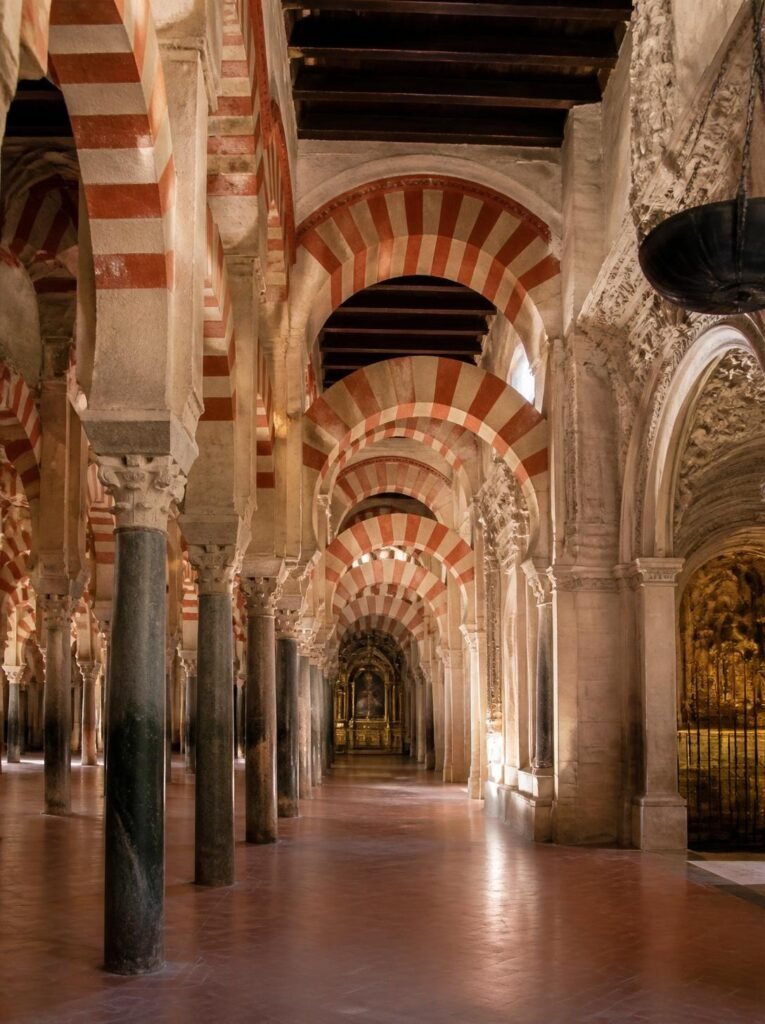
The Mezquita-Cathedral is its defining landmark. Inside, rows of red-and-white striped arches create a distinctive architectural scene, while later Christian additions reflect the city’s changing history. The combination of architectural styles makes the building particularly fascinating to explore.
Outside the monument, the historic Jewish Quarter, known as the Judería, features narrow streets, whitewashed walls, traditional shops, and flower-filled patios. The Roman Bridge across the Guadalquivir River provides lovely views toward the old city, especially around sunset.
Córdoba is also known for its courtyard culture. During the annual patio festival, typically held in May, participating residents open decorated courtyards to visitors. Colorful flowers, tiled walls, fountains, and carefully arranged plants make these spaces especially attractive.
Best things to do
Tour the Mezquita-Cathedral, walk through the Judería, cross the Roman Bridge, and visit the Alcázar de los Reyes Cristianos if its gardens and historic grounds interest you. Leave time to explore side streets rather than following only the busiest routes.
Traditional local dishes, including salmorejo, a chilled tomato-based soup, are worth trying at a local restaurant.
Getting there and where to stay
High-speed trains connect Córdoba with Seville, Madrid, and other major cities. The historic center is compact enough for a short visit, making Córdoba a practical stop between Seville and Granada.
Travel tip: Arrive at the Mezquita early to enjoy the architecture before the busiest periods. If your trip coincides with the patio festival, check official schedules and any access requirements before visiting.
4. Ronda

Why it’s beautiful
<image prompt: Ronda Spain Puente Nuevo stone bridge spanning the dramatic El Tajo gorge, white historic buildings and rolling Andalusian countryside, realistic travel photography>
Ronda is one of the most dramatic towns in southern Spain because of its extraordinary setting above the El Tajo gorge. The deep ravine divides the historic town, and the famous Puente Nuevo bridge connects its two sides. From the surrounding viewpoints, you can appreciate the scale of the gorge and the rugged landscape stretching beyond the town.
The historic center contains traditional houses, small squares, old churches, and streets that reward slow exploration. Ronda’s architecture reflects several periods of Spanish history, and the surrounding countryside adds to its appeal.
Unlike the larger cities, Ronda feels especially suited to travelers who enjoy scenic walks and unhurried afternoons. The views change throughout the day as sunlight moves across the gorge and the surrounding hills.
Best things to do
Walk across Puente Nuevo, explore the old town, visit the historic bullring and its museum, and look for viewpoints along the gorge. If you have time, follow a walking route that descends toward the valley for a different perspective of the bridge and cliffs.
Ronda also makes a convenient starting point for visiting nearby white villages, including Setenil de las Bodegas.
Getting there and where to stay
Ronda can be reached by train, bus, or car from destinations such as Málaga and Seville, although journey times vary by route. Accommodation in the old town places you near the main attractions, while properties outside the center may provide countryside views.
Travel tip: Consider staying overnight instead of visiting only on a day trip. Early mornings and evenings are generally quieter, and an overnight stay allows more time to explore without rushing between attractions.
5. Setenil de las Bodegas

Why it’s beautiful
<image prompt: Setenil de las Bodegas white village in Andalusia, distinctive houses and cafes built directly beneath massive natural rock overhangs, realistic travel photography>
Setenil de las Bodegas stands out from other Andalusian villages because of its unusual relationship with the surrounding rock formations. Rather than simply building houses on a hillside, residents constructed parts of the village beneath enormous rock overhangs, allowing the natural stone to become part of the buildings.
The result is a village with streets that feel unlike anywhere else in the region. Rock ceilings hang above narrow lanes, while whitewashed facades, small restaurants, and traditional shops sit directly beneath the cliffs.
The best-known streets include Calle Cuevas del Sol and Calle Cuevas de la Sombra. Each offers a different view of how the village developed around its natural surroundings.
Best things to do
Walk through the rock-covered streets, stop for a coffee or traditional meal, and explore the quieter lanes above the main tourist area. Small viewpoints around the village provide opportunities to appreciate the unusual layout from higher ground.
Setenil is also a good destination for photography, particularly when the contrast between the pale buildings and dark rock formations is most visible.
Getting there and where to stay
The village is approximately an hour’s drive from Ronda, depending on traffic and the route. Many travelers visit as part of a white-village itinerary, although an overnight stay can be appealing if you prefer a quieter experience.
Travel tip: Parking can become difficult during busy periods, and the central streets are not designed for heavy visitor traffic. Park in designated areas and explore the village on foot. Visit early or later in the afternoon for a more relaxed walk.
6. Arcos de la Frontera
Why it’s beautiful
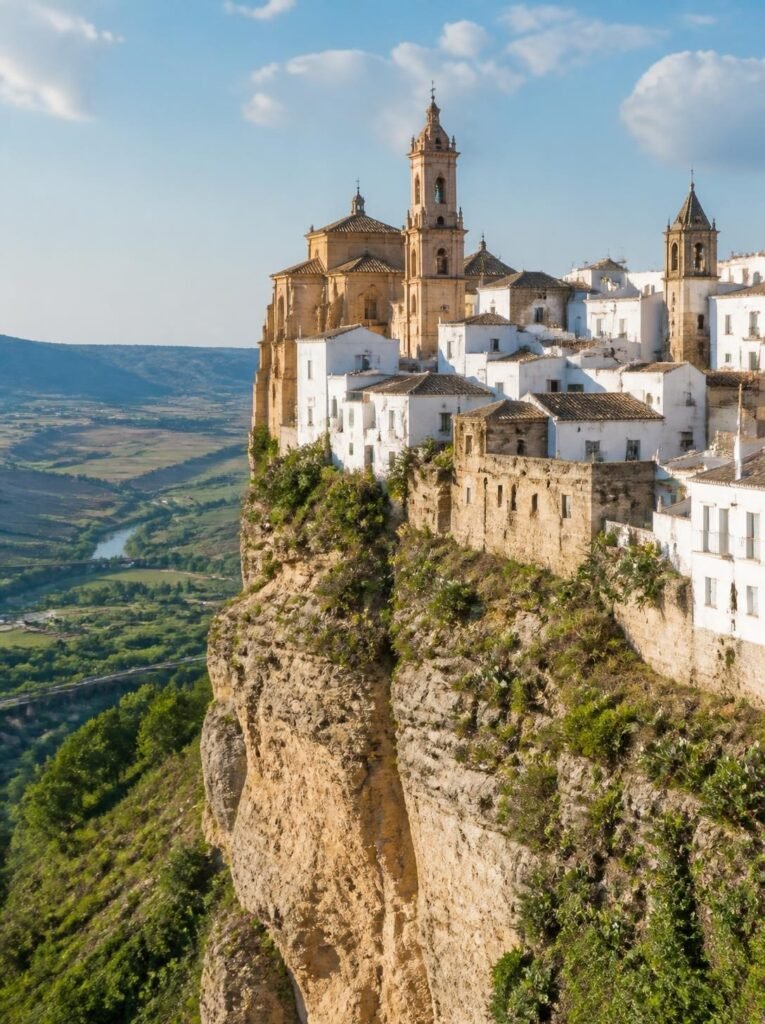
<image prompt: Arcos de la Frontera whitewashed Andalusian hilltop village perched on a limestone ridge above green countryside, historic church and panoramic valley views, realistic travel photography>
Arcos de la Frontera is one of Andalusia’s most impressive white villages. Built along a steep limestone ridge, it overlooks a river and the surrounding countryside, creating sweeping views from several points in the old town.
Its narrow streets wind between whitewashed buildings, traditional doorways, small squares, and historic churches. The village’s elevated position gives it a dramatic appearance, especially when viewed from a distance.
Arcos also offers a glimpse of traditional Andalusian architecture without the scale of a major city. The pace is slower, and exploring the old quarter on foot allows you to appreciate details that are easy to miss when driving through.
Best things to do
Wander through the historic center, visit Plaza del Cabildo, admire the exterior of the Basilica of Santa María de la Asunción, and look for viewpoints over the valley. Small cafes and restaurants make pleasant stops between walks.
Travelers with a rental car can combine Arcos with other white villages in the Cádiz province, depending on the available time and driving route.
Getting there and where to stay
Arcos is accessible by road from Seville and Jerez, with bus services also available. A rental car provides greater flexibility if you plan to visit several villages in one trip.
Travel tip: Leave your car outside the narrowest parts of the old town whenever possible. Streets can be steep, and parking near the main viewpoints may be limited. Wear comfortable shoes and allow extra time for the uphill sections.
7. Frigiliana

Why it’s beautiful
<image prompt: Frigiliana Andalusia whitewashed village, narrow cobblestone streets, colorful flower pots, traditional Moorish architecture, Mediterranean hillside views, realistic travel photography>
Frigiliana is a charming hillside village near Nerja, known for its whitewashed houses, colorful flower pots, and narrow streets that climb through the historic Moorish quarter. Its elevated position provides views across the surrounding hills toward the Mediterranean coast.
The old quarter is especially attractive to visitors who enjoy walking without a strict itinerary. Small stairways connect different levels of the village, while traditional doorways, ceramic details, and quiet corners create plenty of opportunities to stop and take photographs.
Frigiliana also preserves visible reminders of its Moorish heritage. A ceramic tile trail through the historic area explains episodes of local history, adding context to the buildings and streets.
Best things to do
Explore the old quarter on foot, follow the ceramic tile history trail, browse local craft shops, and enjoy a meal or drink on a terrace overlooking the hills. The village is small enough for a half-day visit, although travelers who enjoy photography may want to stay longer.
Frigiliana pairs naturally with Nerja, making it easy to combine mountain village scenery with time by the sea.
Getting there and where to stay
The village is approximately fifteen minutes by car from Nerja, with bus services available on certain routes and schedules. Málaga is also a possible starting point for a day trip.
Travel tip: Arrive early during warmer months to explore before the midday heat and busiest visitor periods. The streets include steep sections and stairs, so comfortable footwear is more useful than dress shoes.
For more sightseeing ideas, read my guide to the prettiest village in Spain: Frigiliana.
8. Nerja
Why it’s beautiful
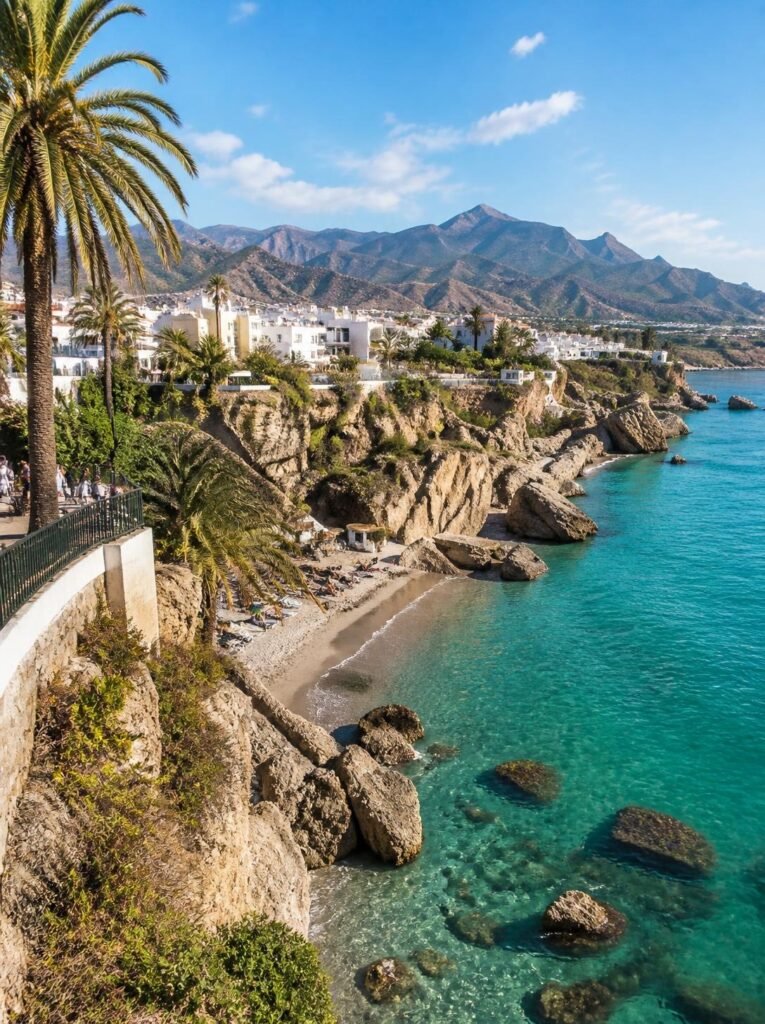
<image prompt: Nerja Balcón de Europa Mediterranean viewpoint, turquoise sea, rocky coastline, palm trees and white buildings, sunny Andalusian coastal scenery, realistic travel photography>
Nerja offers a different kind of beauty from the historic cities and inland villages. Located along the Costa del Sol, it combines Mediterranean views, rocky coves, sandy beaches, and a compact town center that is easy to explore.
The Balcón de Europa is the town’s best-known viewpoint. This palm-lined promenade projects toward the sea, offering broad views of the coastline and the surrounding cliffs. It is a natural place to pause during a walk through the center.
Nerja is also famous for its caves, a large cave system featuring impressive chambers, stalactites, and stalagmites. The caves provide an interesting alternative to beach activities, particularly on a hot afternoon.
The coastline around Nerja includes beaches of different sizes and settings. Some are close to the center, while others sit beneath cliffs and require additional walking to reach.
Best things to do
Walk along the Balcón de Europa, explore the town’s streets, visit the Nerja Caves, and spend time at a beach that suits your preferences. Travelers who enjoy outdoor activities can also investigate coastal walking routes and nearby viewpoints.
The town makes a convenient base for combining beach time with excursions to Frigiliana and other nearby communities.
Getting there and where to stay
Nerja is roughly an hour from Málaga by road, although traffic affects journey times. Buses also connect the town with Málaga and other destinations along the coast.
Staying near the center gives you easy access to restaurants, shops, and the main promenade. Beachfront accommodation may be preferable if swimming and relaxing by the water are your priorities.
Travel tip: Summer beaches can become crowded, especially on weekends. Arrive early if you want a good spot, carry sun protection, and check local conditions before swimming near rocky coves.
9. Cádiz

Why it’s beautiful
<image prompt: Cádiz historic old town Spain with golden-domed cathedral, white buildings, Atlantic Ocean and La Caleta beach, warm coastal sunlight, realistic travel photography>
Cádiz is one of southern Spain’s most distinctive coastal cities. Surrounded by the Atlantic on almost all sides, it has a compact historic center, elegant squares, narrow streets, and beaches within easy reach of the old town.
The golden dome of Cádiz Cathedral is a recognizable part of the skyline. From the surrounding streets, you can explore historic buildings, small shops, traditional markets, and restaurants serving seafood from the region.
La Caleta beach is particularly appealing because of its setting between historic fortifications. The combination of sand, sea, and old stone buildings gives the area a different atmosphere from the larger resort beaches elsewhere along the coast.
Cádiz is also a wonderful destination for walking. Its historic center is relatively compact, and the coastal setting provides opportunities to pause for sea views throughout the day.
Best things to do
Visit Cádiz Cathedral, stroll through the old town, explore the central market, and spend time at La Caleta beach. If you enjoy panoramic views, look into visiting one of the city’s historic towers when access is available.
Local seafood dishes are a highlight, and restaurants around the old town provide opportunities to sample regional specialties.
Getting there and where to stay
Trains connect Cádiz with Seville and other destinations in the region, making it a practical stop without a rental car. Staying in the old town places you within walking distance of many attractions and restaurants.
Travel tip: Cádiz can be a good option during warmer months because of its Atlantic setting, although summer temperatures can still rise considerably. Check beach conditions and local weather before planning a full day by the water.
10. Cabo de Gata

Why it’s beautiful
<image prompt: Cabo de Gata-Níjar Natural Park Almería Spain, rugged volcanic cliffs, turquoise Mediterranean water, isolated golden beach, dry dramatic landscape, realistic travel photography>
Cabo de Gata-Níjar Natural Park offers some of the most distinctive scenery in southern Spain. Unlike the green hills and whitewashed villages found elsewhere in Andalusia, this protected coastal region features dry volcanic terrain, rugged cliffs, clear water, and beaches framed by dramatic rock formations.
The landscape is particularly appealing to travelers who prefer nature and open spaces over busy resort towns. Small fishing communities, coastal trails, and secluded coves provide opportunities to explore at a slower pace.
Playa de los Genoveses and Playa de Mónsul are among the best-known beaches in the area. Their natural settings and distinctive rock formations make them popular with photographers and beachgoers. Access rules, parking arrangements, and visitor restrictions can vary by season, so check local information before setting out.
Best things to do
Explore the coastal villages, walk designated hiking trails, visit scenic beaches, and look for viewpoints overlooking the Mediterranean. Depending on local conditions, swimming and other water activities can also be part of your trip.
The park is best suited to travelers who enjoy spending time outdoors. A flexible itinerary helps because the most rewarding stops may involve short hikes, detours, or additional time at a particular beach.
Getting there and where to stay
A rental car is generally the most convenient way to explore Cabo de Gata, with Almería serving as a useful starting point. Accommodation in nearby villages can provide access to beaches and walking routes without requiring long drives every day.
Travel tip: Carry enough drinking water, sunscreen, and suitable footwear. Shade and services can be limited at remote beaches, and mobile reception may vary. Follow local signs and restrictions, particularly in protected areas.
11. Las Alpujarras
Why it’s beautiful
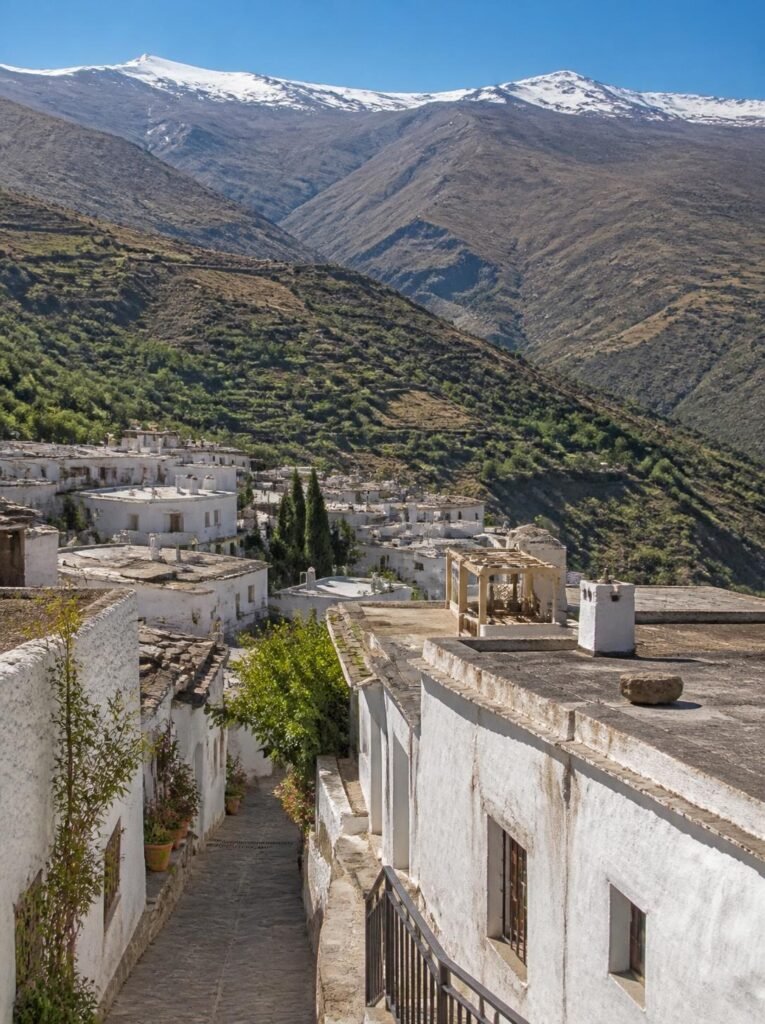
<image prompt: Pampaneira and Capileira white mountain villages in Las Alpujarras southern Spain, traditional flat-roofed houses, terraced hillsides and Sierra Nevada mountain scenery, realistic travel photography>
Las Alpujarras is a mountainous region on the southern slopes of the Sierra Nevada, known for its peaceful villages, terraced hillsides, winding roads, and traditional architecture.
Villages such as Pampaneira, Bubión, and Capileira are among the most appealing places to visit. Their white houses, narrow lanes, small squares, and mountain views create a striking contrast with the busier cities of Andalusia.
The region is especially attractive to travelers who enjoy walking and rural scenery. Paths connect villages and lead through farmland, hillsides, and valleys, offering a closer look at the landscape beyond the main roads.
Local craft shops and small restaurants add to the experience. Rather than rushing between attractions, visitors can spend time exploring a village, stopping for lunch, and enjoying the mountain air.
Best things to do
Walk around Pampaneira, explore Bubión, and visit Capileira for elevated views of the surrounding mountains. Depending on your fitness and available time, consider a marked walking route between villages.
The region also offers opportunities to sample traditional mountain dishes and browse locally made crafts.
Getting there and where to stay
Las Alpujarras is accessible from Granada by car and bus, although journey times depend on your destination and the route. Staying overnight gives you more flexibility for walking and allows you to explore several villages without rushing.
Travel tip: Mountain roads can be winding, and weather conditions may change with elevation. Allow extra driving time, check forecasts before hiking, and bring layers even when the weather is warm in Granada.
12. Úbeda and Baeza

Why they’re beautiful
<image prompt: Úbeda Renaissance architecture in Jaén Spain, elegant historic stone palaces, ornate facades, quiet plaza and olive groves in the distance, realistic architectural travel photography>
Úbeda and Baeza are two historic towns in the province of Jaén that deserve attention from travelers interested in architecture and quieter cultural destinations. Both are recognized as UNESCO World Heritage Sites for their exceptional Renaissance urban landscapes.
Úbeda features elegant stone palaces, historic churches, and impressive squares. Its architecture gives the town a refined appearance, and walking through the historic center reveals ornate facades and carefully preserved buildings.
Baeza offers a similarly attractive collection of historic monuments, with plazas, churches, and streets that reflect the region’s architectural heritage. The surrounding countryside is dominated by olive groves, an important part of the local landscape and economy.
Together, the towns offer a rewarding alternative to Andalusia’s more heavily visited destinations. They are particularly appealing to travelers who prefer exploring historic streets at a relaxed pace.
Best things to do
Walk through Úbeda’s historic center, admire the architecture around Plaza Vázquez de Molina, and visit Baeza’s central squares and monuments. If you enjoy food experiences, look for opportunities to learn about local olive oil production and sample oils from the Jaén region.
Getting there and where to stay
Both towns can be reached by road, and bus connections are available from selected cities. A rental car makes visiting both in one trip easier, although you should check public transportation schedules if traveling without one.
Travel tip: Visit both towns over one or two days rather than trying to explore every monument in a few hours. Check opening times before your trip, as individual historic buildings may have different schedules.
Planning a Trip to Southern Spain
Choosing beautiful destinations is only part of planning a successful trip. Transportation, weather, accommodation, and the time available all influence which places make the most sense for your itinerary.
Getting Around Southern Spain

Major cities such as Seville, Córdoba, Granada, and Málaga are connected by rail and bus services. Trains are particularly useful for moving between larger cities, while buses provide additional options for routes that do not have convenient rail connections.
A rental car becomes more valuable when your itinerary includes smaller villages, rural landscapes, and natural parks. Setenil de las Bodegas, Arcos de la Frontera, and parts of Cabo de Gata are easier to explore when you have control over your schedule.
You do not necessarily need a car for the entire trip. One practical approach is to travel between the major cities by train, then rent a car for a few days to explore the countryside.
Before booking, compare the total cost of transportation, including rental fees, fuel, parking, and any additional insurance. In historic towns, narrow streets and limited parking can make a car less convenient than walking.
Best Time to Visit Southern Spain
Spring and autumn are generally excellent seasons for exploring Andalusia. Temperatures are often more comfortable for walking, and the countryside can be especially attractive in spring.
Summer is popular for beach trips, but inland cities such as Seville and Córdoba can become extremely hot. If you visit during July or August, schedule outdoor sightseeing for early morning and late afternoon, and use the hottest part of the day for indoor attractions or a rest.
Winter can be a good option for travelers interested in historic cities and a quieter atmosphere. Coastal areas often remain milder than the mountains, although rain and cooler temperatures are possible. Snow can affect the Sierra Nevada, particularly at higher elevations.
Your ideal season depends on your priorities. Choose spring or autumn for extensive sightseeing, summer for coastal activities if you can manage the heat, and winter for a different perspective on the region’s cities and villages.
Where to Stay
Seville, Granada, and Málaga are useful bases for exploring different parts of southern Spain. Seville works well for historic city sightseeing and trips toward Cádiz or the white villages. Granada is convenient for the Alhambra and Las Alpujarras, while Málaga offers coastal access and transportation connections.
For travelers who want a slower experience, consider spending nights in Ronda, Nerja, or a village in Las Alpujarras. Staying in smaller destinations allows more time for morning walks, local meals, and quieter evenings.
When choosing accommodation, consider how you plan to travel each day. Staying near a train station can be useful if you will rely on public transportation, while accommodation with parking may be more practical for a road trip.
Booking early is advisable during major festivals, school holidays, and the busiest summer weeks. Compare the location as well as the nightly price, since accommodation far from the historic center may require extra transportation costs.
Budget Tips for Southern Spain
Southern Spain can suit different budgets, but costs vary considerably between destinations and seasons. Large cities and popular coastal areas may have higher accommodation prices during busy periods, while smaller towns can provide better value.
These strategies can help you manage expenses:
- Travel outside peak periods: Spring and autumn often provide a useful balance between weather and visitor numbers, although major festivals can increase prices.
- Use public transportation where practical: Train and bus travel can be more economical than renting a car for an entire trip.
- Look for menú del día: Many restaurants offer set lunch menus on working days, although availability and prices vary.
- Explore local food markets: Markets and neighborhood bakeries can be convenient places to find affordable meals and regional products.
- Choose accommodation carefully: Staying a short walk from the busiest tourist streets may offer better value without sacrificing convenience.
- Book popular attractions in advance: Advance reservations can help you secure entry to major sites such as the Alhambra and avoid rearranging your itinerary.
- Allow time for free activities: Historic streets, public squares, coastal promenades, and many scenic viewpoints can be enjoyed without paying an admission fee.
Granada is particularly well known for its tapas tradition, with participating bars often serving a small dish alongside a drink. The custom varies between establishments, so ask locally rather than assuming every bar follows the same practice.
Safety Tips for Travelers
Southern Spain is a popular travel region, but basic precautions can make your trip more comfortable.
Keep your phone, wallet, and other valuables secure in crowded streets, markets, train stations, and major tourist attractions. Use official transportation services and check your route before leaving, particularly when arriving in a new city at night.
Heat is an important consideration, especially in summer. Carry water, use sunscreen, wear a hat, and take breaks in shaded areas. Avoid strenuous walks during the hottest hours, and pay attention to local weather warnings.
If you rent a car, check parking restrictions before leaving the vehicle and avoid driving into narrow historic streets unless access is clearly permitted. In rural areas, keep an eye on fuel levels and plan ahead for longer journeys.
For hiking and coastal visits, follow marked trails, respect protected areas, and check conditions before swimming or walking along exposed cliffs. Remote beaches may have limited facilities, so prepare accordingly.
Suggested Southern Spain Itineraries
The twelve destinations in this guide are spread across a large region, so trying to visit all of them in a short trip can make the journey unnecessarily tiring. Choosing a few connected destinations usually creates a better experience.
Southern Spain in 5 Days
For a shorter trip, focus on the major historic cities.
Spend two days in Seville, allowing time for the Real Alcázar, cathedral, Plaza de España, and the Santa Cruz neighborhood. Travel to Córdoba for a day to explore the Mezquita and historic center, then continue to Granada for the final two days.
This route works well by train, although you should check journey times and book major attractions in advance. If the Alhambra is a priority, secure tickets before finalizing the rest of your schedule.
Southern Spain in 7 Days
A week provides more flexibility for combining historic cities with a village visit.
Spend two days in Seville, one day in Córdoba, and two days in Granada. Use the remaining time for Ronda and Setenil de las Bodegas, or choose Nerja and Frigiliana if you prefer a coastal finish.
Your choice depends on transportation. Ronda and Setenil are easier to combine by car, while Nerja and Frigiliana can be paired through coastal bus services or a rental car.
For more route options, use my Spain in one week: six different itineraries guide.
Southern Spain in 10 Days
Ten days allow a more relaxed combination of cities, villages, and coastline.
Start with Seville and Córdoba, continue to Granada, and spend time exploring the Alhambra and Albaicín. From Granada, consider visiting Las Alpujarras if mountain scenery appeals to you.
Next, head toward Málaga and Nerja, including Frigiliana on a day trip. Finish with Ronda and Setenil de las Bodegas, or travel toward Cádiz if Atlantic beaches and coastal history are higher priorities.
Cabo de Gata and Úbeda and Baeza are worthwhile additions when you have extra time, but they may require a separate route because of their locations. Avoid adding destinations simply to increase the number of stops; longer stays often make a trip more enjoyable.
Frequently Asked Questions
What’s the most beautiful place in southern Spain?
The answer depends on what you enjoy most. Granada is a strong choice for Moorish architecture and mountain scenery, while Seville stands out for its royal palace, historic streets, and grand plazas. Ronda appeals to travelers who love dramatic landscapes, and Cabo de Gata offers a more rugged coastal setting.
For a first visit, Granada and Seville are excellent starting points because they combine major attractions with restaurants, accommodation, and transportation options.
How many days do I need to explore southern Spain?
A week is enough to visit several major highlights, such as Seville, Córdoba, and Granada, with room for one additional destination. Ten days or more allows a slower pace and makes it easier to include villages, beaches, or mountain scenery.
If you have only a few days, concentrate on one area instead of trying to cross the entire region.
Do I need a car to visit southern Spain?
No, a car is not essential for visiting the major cities. Seville, Córdoba, and Granada can be combined using public transportation, and Málaga offers useful connections for coastal travel.
A rental car is more helpful when visiting smaller white villages, rural areas, and Cabo de Gata. You can also combine trains for city travel with a short car rental for countryside excursions.
What’s the best time to visit southern Spain?
Spring and autumn are generally the most comfortable seasons for sightseeing. Summer is suitable for beach-focused trips, but inland temperatures can become very high. Winter offers a quieter city experience, although mountain weather can be cold and coastal conditions less predictable.
Check local forecasts and festival dates before choosing your travel dates.
Can I visit the white villages without a car?
Yes, some white villages have bus connections, and organized day trips are another option. However, services can be limited, particularly on weekends or outside peak travel periods.
Check schedules carefully and allow enough time for return journeys. A rental car is often more convenient when visiting several villages in one day.
Is southern Spain expensive to visit?
Southern Spain offers a range of accommodation, dining, and transportation options. Costs depend on the season, destination, and type of experience you prefer.
Traveling outside peak periods, using trains between major cities, choosing local restaurants, and booking accommodation in advance can help keep expenses manageable.
Which coastal destination should I choose?
Nerja is a convenient option for combining beaches with a lively town center and nearby villages. Cádiz offers Atlantic beaches alongside historic streets and seafood restaurants. Cabo de Gata is better suited to travelers seeking rugged landscapes, natural beaches, and outdoor activities.
Consider how much time you want to spend sightseeing, swimming, hiking, or simply relaxing before choosing your base.
Final Thoughts
Southern Spain offers a remarkable variety of places to explore, from Granada’s intricate palace architecture and Seville’s grand monuments to Ronda’s dramatic gorge and the unusual rock-covered streets of Setenil de las Bodegas.
Coastal destinations such as Nerja, Cádiz, and Cabo de Gata add another dimension to the region, while Las Alpujarras, Frigiliana, and the historic towns of Úbeda and Baeza reward travelers who venture beyond the busiest tourist routes.
The best itinerary is not necessarily the one with the most destinations. Give yourself time to wander through historic streets, enjoy a long lunch, discover a quiet viewpoint, and appreciate the differences between the coast, mountains, and inland countryside.
For a first trip, Seville, Córdoba, and Granada make a practical starting route. If you have more time, add a white village or a coastal stop to experience another side of Andalusia.
Planning a longer European adventure? My guides to cheap Greek islands on a budget and the 15 best places to visit in France offer more inspiration for your next trip.