France can be surprisingly difficult to plan because there is so much to see. Paris may be the obvious starting point, but some of the country’s most memorable experiences are found well beyond the capital, in hilltop villages, coastal cities, wine country, and medieval towns that rarely make it onto a rushed first itinerary.
When I started digging into France trip planning, the thing that stood out most was how differently each region actually functions, not just scenically but practically. Some cities are effortless without a car.
Others genuinely require one. Figuring out which is which before you book anything saves a huge amount of frustration later.
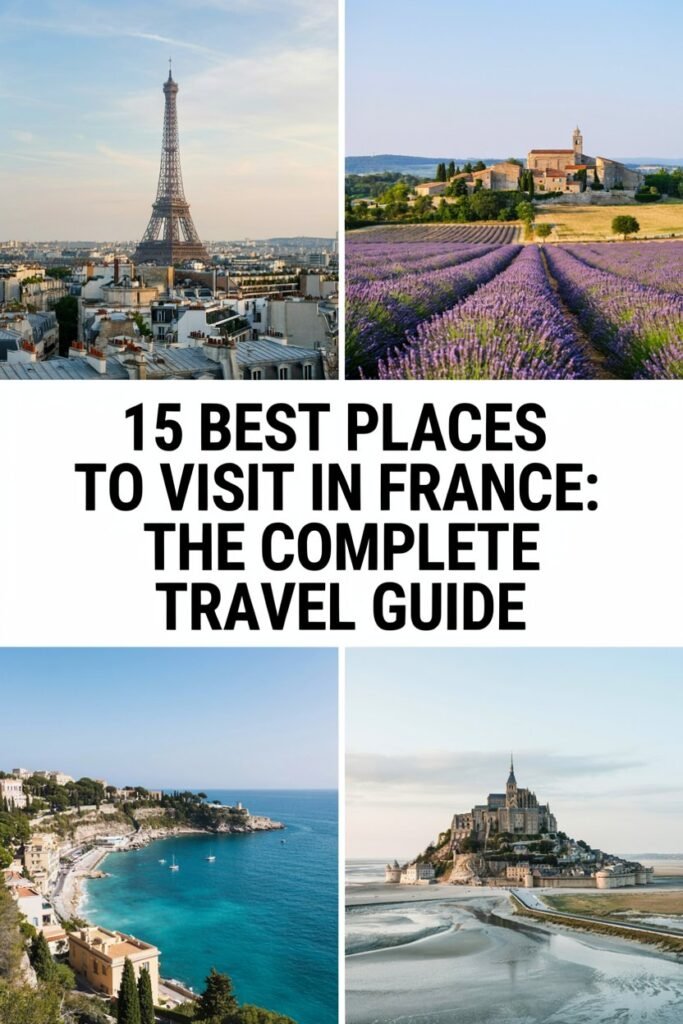
This guide covers fifteen destinations across France, cities, coastal spots, historic towns, and countryside regions, along with the practical information to actually plan around them.
It also walks through everything from the moment you start planning at home through landing at a French airport and making your way into the country, since that part of the trip causes just as much stress as choosing where to go.
If you’re also thinking through the packing side of a longer international trip, this pairs well with my airport carry on essentials guide, since a lot of that advice applies directly to a long haul flight to France.
Quick Guide to the Best Places to Visit in France
| Destination | Best For | Ideal Stay | Car Needed |
|---|---|---|---|
| Paris | First time visitors, culture | 3 to 5 days | No |
| Nice | Beaches, Riviera | 3 to 4 days | Not essential |
| Lyon | Food, history | 2 to 3 days | No |
| Strasbourg | Old town, Christmas | 2 to 3 days | No |
| Bordeaux | Wine, food | 2 to 4 days | Optional |
| Provence | Villages, countryside | 4 to 7 days | Recommended |
| Loire Valley | Castles, countryside | 2 to 4 days | Recommended |
| Marseille | Coast, history | 2 to 3 days | No |
| Annecy | Lakes, mountains | 2 to 3 days | Optional |
| Mont Saint Michel | History, scenery | 1 to 2 days | Helpful |
| Carcassonne | Medieval history | 1 to 2 days | Optional |
| Colmar | Villages, romance | 2 days | Optional |
| Normandy | History, coast | 3 to 5 days | Recommended |
| French Alps | Mountains, skiing | 3 to 7 days | Optional |
| Cannes | Beaches, luxury | 2 to 3 days | No |
1. Paris
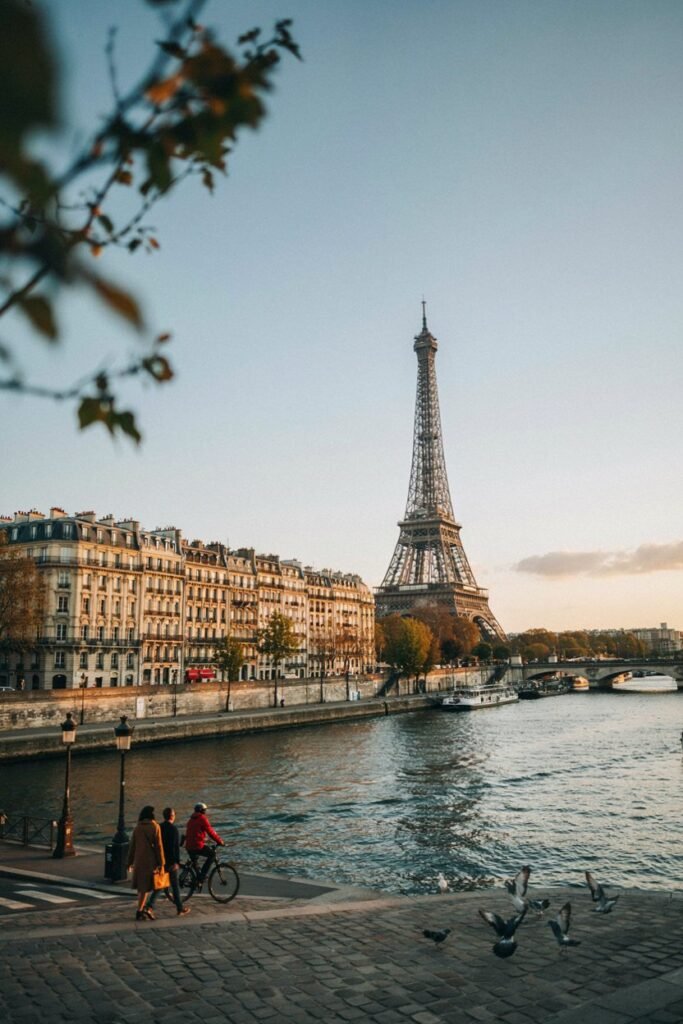
Paris earns its reputation, but it also gets treated as a stand in for all of France, which sells the rest of the country short. What makes Paris different from everywhere else on this list is sheer density.
World class museums, historic neighborhoods, and iconic landmarks sit within walking or metro distance of each other in a way no other French city quite matches. It works well for nearly any traveler, though it especially rewards first time visitors and anyone drawn to art, history, and food culture.
Best things to do. The Eiffel Tower, the Louvre Museum, wandering Montmartre, Notre Dame and the surrounding Île de la Cité, the Latin Quarter, a Seine river cruise, the Arc de Triomphe, and the Jardin du Luxembourg all belong on a first visit.
How to get there. Charles de Gaulle and Orly are the two main airports, both well connected to central Paris by train, and as France’s rail hub, nearly every other French city on this list connects to Paris directly by TGV.
Where to stay. Le Marais offers atmosphere and a strong restaurant scene, the Latin Quarter is convenient and historic, Saint Germain leans upscale and romantic, Montmartre feels charming and more residential, and staying near the Louvre puts you closest to central sightseeing.
Getting around. Skip the rental car entirely. Paris has extensive public transportation, and the metro is generally the easiest way to get around the city, with cycling and Seine boat trips as pleasant alternatives for shorter distances.
Best time to visit. Spring brings mild weather and blooming gardens, summer offers long days but heavier crowds, fall provides pleasant sightseeing weather with noticeably fewer crowds, and winter is colder but often cheaper for both flights and hotels.
Budget tips. Stay slightly outside the most expensive central arrondissements, rely on public transportation rather than taxis, book major attractions ahead of time when possible, eat lunch at casual local spots rather than tourist focused restaurants, and walk between nearby attractions instead of taking short, unnecessary metro hops.
Safety tips. Keep valuables secure in crowded tourist areas, be particularly careful around busy transportation hubs, never leave a phone or wallet unattended on a cafe table, use official transportation and reputable ride services, and stay alert to common tourist scams around major landmarks.
2. Nice
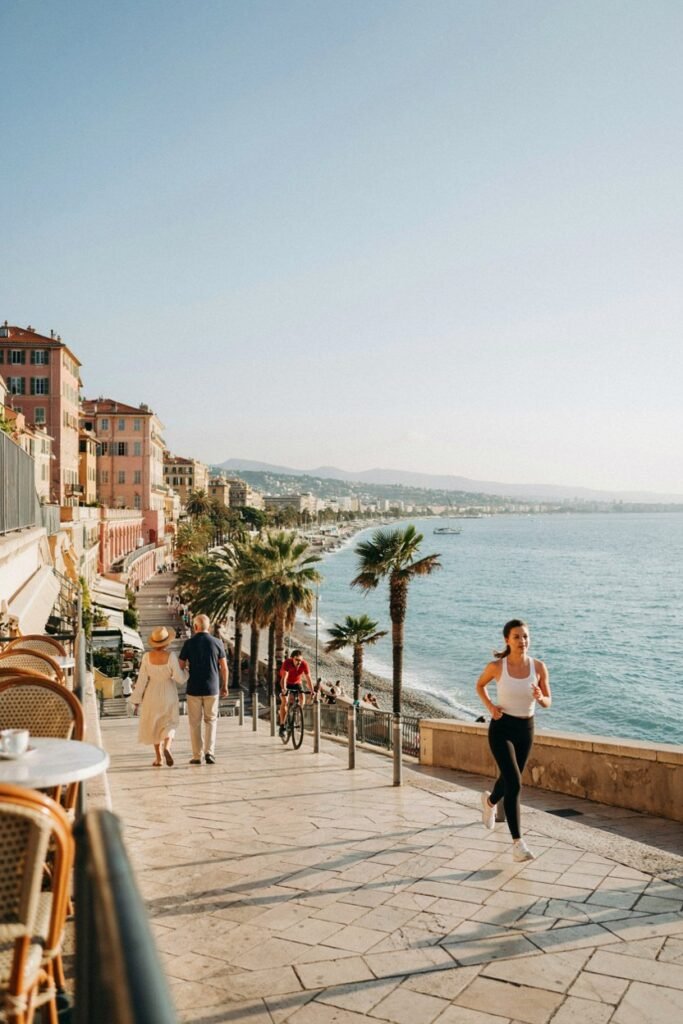
Nice anchors the French Riviera and offers a genuinely different pace than Paris, built around the coastline, warm weather, and a slower, more relaxed rhythm.
It works particularly well for beach focused travelers and anyone using it as a base for exploring the broader Riviera.
Best things to do. The Promenade des Anglais, wandering Old Nice’s narrow streets, climbing Castle Hill for panoramic views, browsing the Cours Saleya market, spending an afternoon at the beach, and taking a day trip to a nearby coastal town.
How to get there. Nice Côte d’Azur Airport is the second busiest in France after Paris, with direct flights from many international destinations, and the TGV also connects Nice to Paris and other major French cities.
Where to stay. Old Nice puts you closest to the historic core and restaurant scene, while the area directly along the Promenade des Anglais suits travelers prioritizing beach access.
Getting around. You can comfortably avoid a rental car if you’re mainly staying in Nice itself, since the city center is compact and walkable, though a car becomes genuinely useful if you want to explore hilltop villages and the surrounding countryside beyond the coast.
Best time to visit. Late spring through early fall offers the warmest, most reliable beach weather, though the shoulder seasons of May and September bring comparable warmth with smaller crowds.
Budget tips. Beach access itself is free, so budget conscious travelers can enjoy a huge part of the Nice experience without spending much, while saving budget for a nicer dinner or a day trip to a nearby village.
Safety tips. Keep an eye on belongings at the beach specifically, since unattended bags are a common target, and use the same general awareness you’d apply in any busy coastal tourist city.
3. Lyon
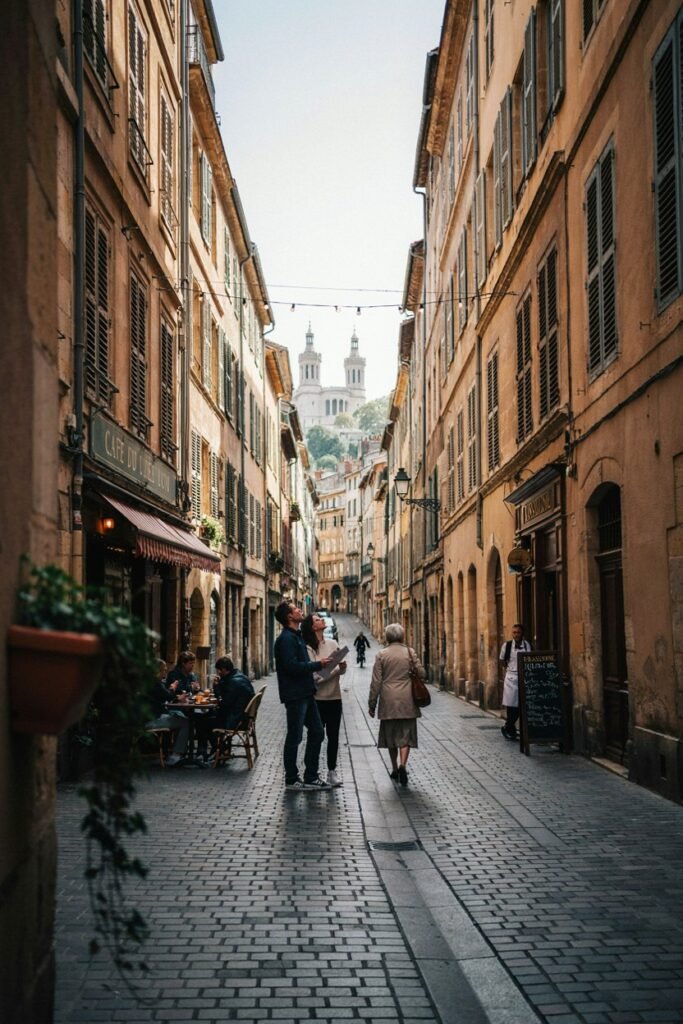
Lyon rarely gets the attention Paris or Nice does, which is part of why food and history focused travelers tend to love it once they arrive.
It holds a genuine reputation as one of France’s culinary capitals, alongside a well preserved old town that feels distinctly different from the more polished center of Paris.
Best things to do. Wander the Renaissance streets of Vieux Lyon, ride the funicular up to the Basilica of Notre-Dame de Fourvière for sweeping city views, explore the traboules, Lyon’s historic hidden passageways, and spend time simply eating your way through the city’s bouchon restaurants.
How to get there. Lyon connects to Paris by TGV in roughly two hours, making it one of the easiest and most efficient add ons to a Paris based trip, and it also has its own international airport with direct connections to several other European cities.
Where to stay. Vieux Lyon puts you in the heart of the historic district, while Presqu’île offers a more central, practical base within walking distance of most major sights.
Getting around. Don’t rent a car unless you’re continuing into the surrounding region afterward. The city itself is much easier to explore on foot and by public transportation, and parking in the historic core is genuinely inconvenient.
Best time to visit. Spring and fall offer the most comfortable temperatures for walking the city’s hilly streets.
Budget tips. Lyon’s food scene includes plenty of accessible, affordable options alongside its higher end restaurants, so budget travelers can still eat extremely well here without overspending.
Safety tips. Lyon is generally straightforward and low stress to navigate, with the usual big city awareness around busy transit stations being the main precaution worth keeping in mind.
4. Strasbourg
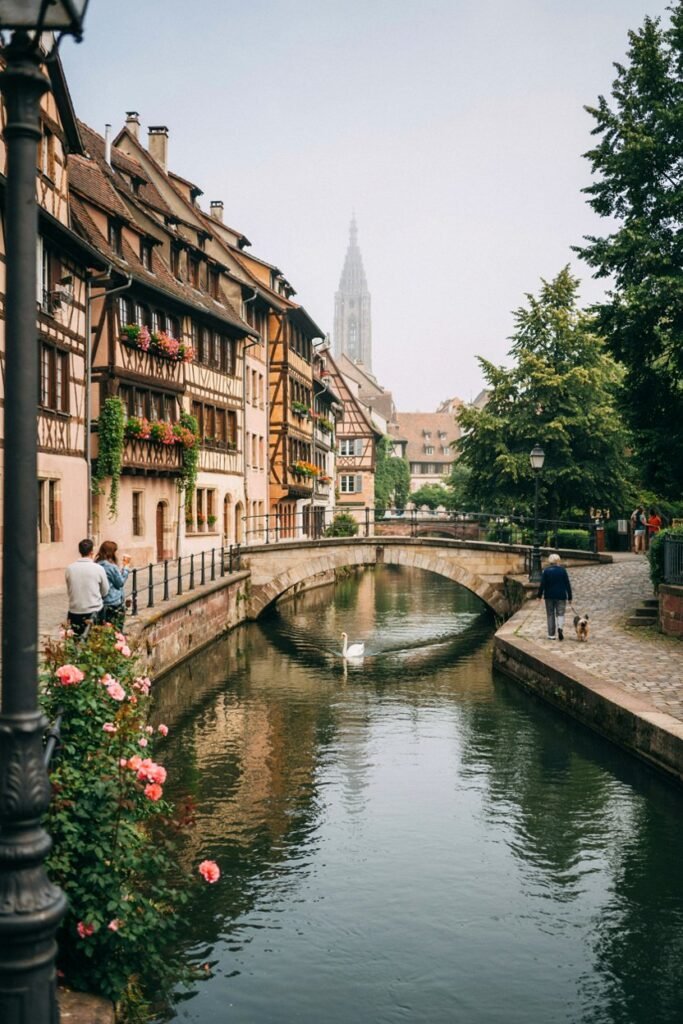
Strasbourg sits right on the German border, and that blended cultural history shows up everywhere, from the half timbered architecture to the local cuisine. It’s especially well known for its Christmas market, one of the oldest and most celebrated in Europe.
Best things to do. Wander the Petite France district’s canals and half timbered houses, visit the Strasbourg Cathedral, and if you’re visiting in winter, spend an evening at the Christmas market.
How to get there. The TGV connects Strasbourg to Paris in under two hours, and the city also sits within easy reach of the German border for travelers combining countries.
Where to stay. Staying within or near Petite France puts you in the most scenic and walkable part of the city.
Getting around. Strasbourg’s compact old town is entirely walkable, and a car adds very little value here beyond parking hassle.
Best time to visit. December for the Christmas market atmosphere specifically, or spring and early fall for comfortable, less crowded sightseeing.
Budget tips. Strasbourg tends to be more affordable than Paris or Nice for both accommodation and meals, making it a good stop for stretching a broader France budget.
Safety tips. Standard big city awareness applies, with extra attention to belongings during the busy Christmas market season specifically, given the crowds.
5. Bordeaux
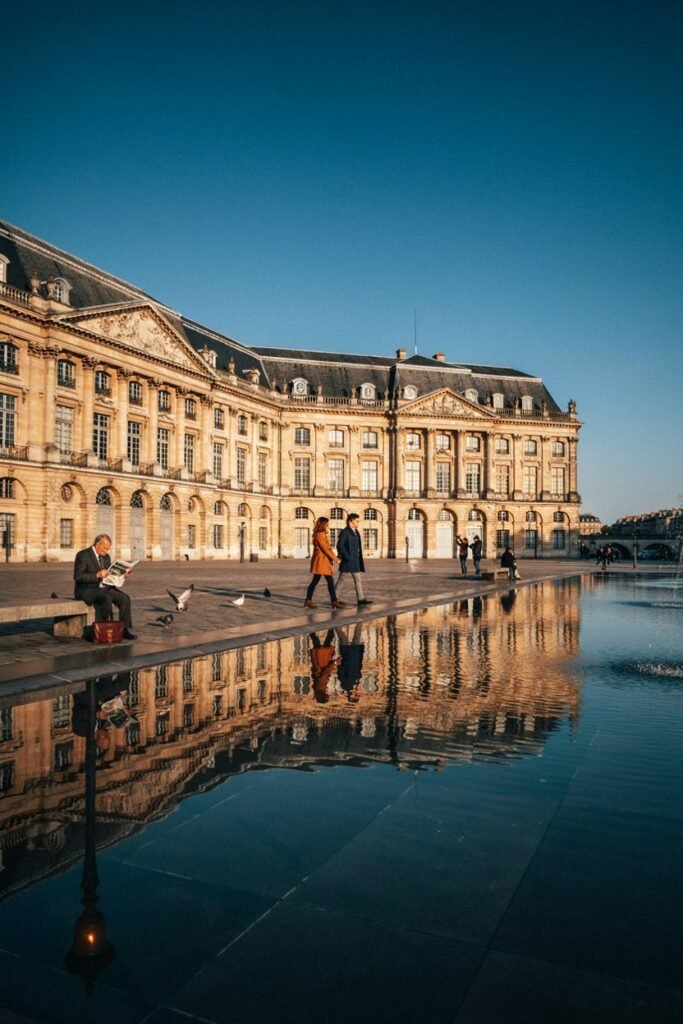
Bordeaux is built around wine, and that identity shapes nearly everything about visiting, from the surrounding vineyard day trips to the food pairings found throughout the city itself.
Best things to do. Visit the Cité du Vin wine museum, wander the elegant Place de la Bourse and its famous water mirror reflection, and book a day trip out to the surrounding vineyards for tastings.
How to get there. The TGV connects Bordeaux to Paris in about two hours, and the city has its own international airport as well.
Where to stay. Central Bordeaux, near the historic Golden Triangle district, keeps you close to restaurants and walkable sightseeing.
Getting around. A car is optional here. The city center is walkable and well served by tram, though a car opens up more flexibility for exploring the surrounding wine country independently rather than relying on organized tours.
Best time to visit. Late spring through early fall, with September specifically offering the added appeal of harvest season in the surrounding vineyards.
Budget tips. Organized wine tours can add up quickly, so consider booking just one or two rather than several, and balance them with free wandering through the city’s own architecture and riverfront.
Safety tips. Bordeaux is generally easygoing for travelers, with the standard precautions around busy tourist areas and transit hubs applying as they would anywhere else in France.
6. Provence
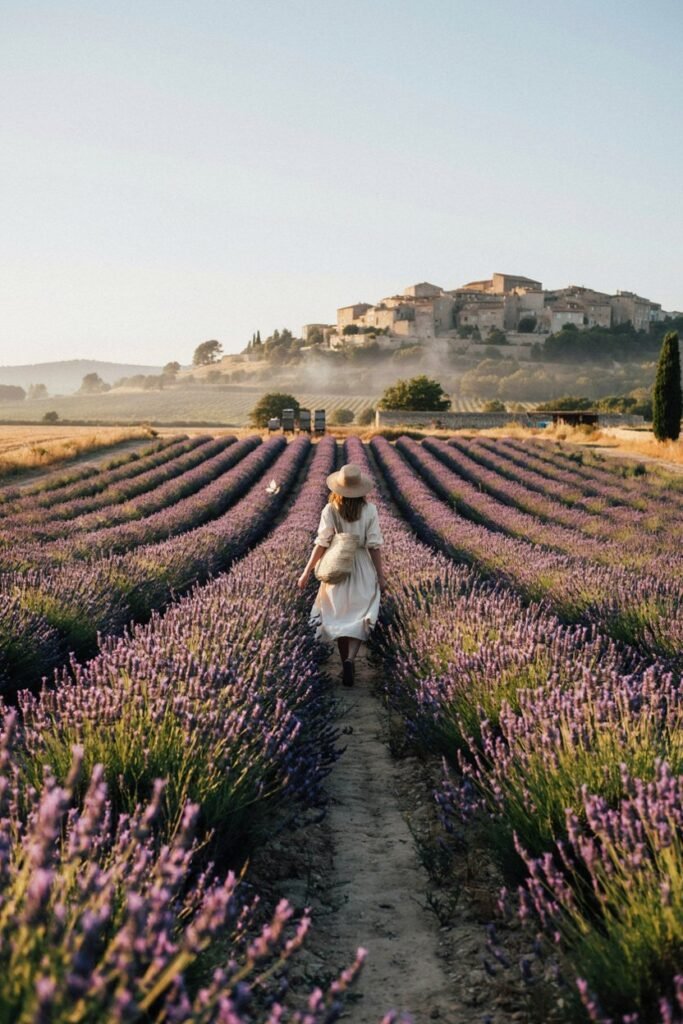
Provence isn’t one single stop so much as a region, and that changes how you should plan around it entirely. The appeal here is lavender fields, hilltop villages, markets, and countryside rather than any single headline attraction.
Best things to do. Drive between villages like Gordes, Roussillon, and Ménerbes, visit a lavender field if visiting in summer, explore local markets, and take time in Avignon for its historic papal palace.
How to get there. Fly into Marseille or take the TGV there from Paris, then continue into the Provence countryside from that base.
Where to stay. Basing yourself in a smaller village or a town like Avignon gives you a more authentic feel than staying in Marseille and commuting out each day.
Getting around. Rent a car. This is the one destination on this list where a car genuinely changes the entire trip, since the whole point of Provence is getting between smaller villages, vineyards, markets, and countryside that public transportation simply doesn’t reach efficiently.
Best time to visit. Late June through early August for lavender in bloom, though the crowds and heat both peak during that exact window, making late spring or early September a more comfortable alternative if lavender isn’t the top priority.
Budget tips. Renting a car adds cost, but staying in smaller villages rather than resort towns can offset it significantly, and markets offer an affordable way to eat well throughout the region.
Safety tips. Provence is low key and low stress overall, with the main practical concern being unfamiliar rural roads rather than any typical urban tourist risk.
7. Loire Valley
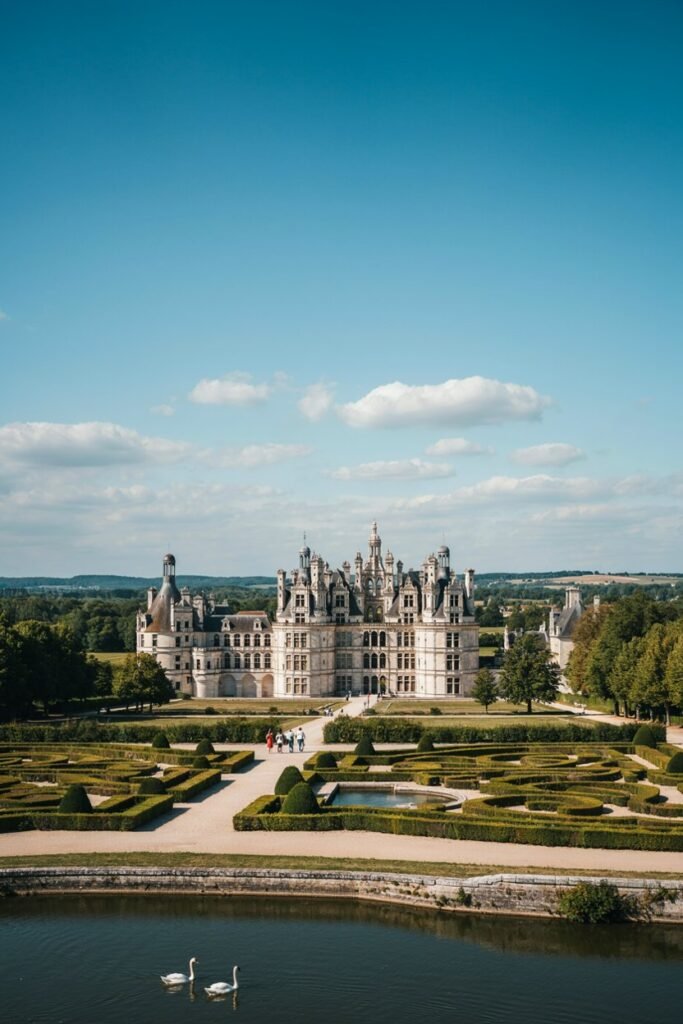
The Loire Valley is castle country, home to an enormous concentration of elegant châteaux scattered across gentle countryside along the Loire River.
Best things to do. Visit Château de Chambord for its sheer scale, Château de Chenonceau for its dramatic bridge spanning the river, and take time to simply drive or bike between smaller, less crowded châteaux along the way.
How to get there. Take the train from Paris to Tours or Blois, both under two hours, and use either as your base for exploring the surrounding châteaux.
Where to stay. Tours or Amboise both work well as central, practical bases with good access to the region’s major châteaux.
Getting around. A car makes a real difference here, since it lets you visit multiple châteaux in a single day on your own schedule rather than relying on limited public transportation or organized tour timing.
Best time to visit. Spring and early fall offer comfortable temperatures for walking the extensive château grounds and gardens.
Budget tips. Château entry fees add up quickly if you’re visiting several, so consider a regional pass if one is available, or prioritize two or three châteaux rather than trying to see everything.
Safety tips. This is one of the lowest stress regions on this entire list from a safety standpoint, with rural road awareness being the main practical consideration.
8. Marseille
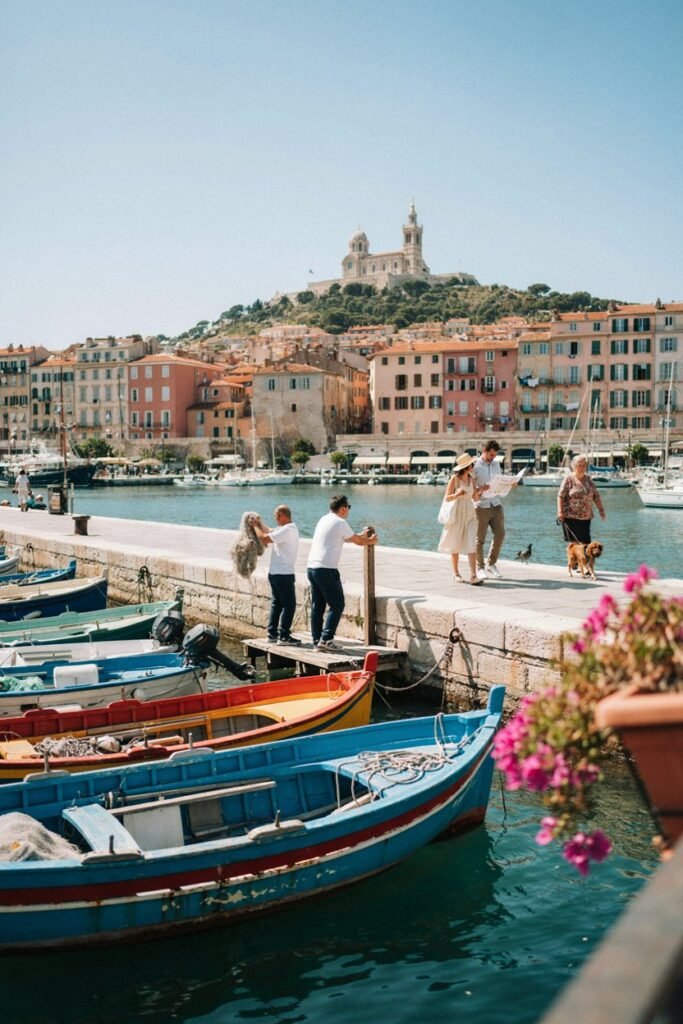
Marseille is France’s oldest city and its second largest, offering a grittier, more working port city character than the polish of Nice further along the coast.
Best things to do. Explore the Old Port, visit Notre-Dame de la Garde for sweeping views over the city, wander the Le Panier neighborhood’s colorful streets, and take a boat trip out to the Calanques for dramatic coastal scenery.
How to get there. Marseille has its own international airport, and the TGV connects it to Paris in about three hours.
Where to stay. Staying near the Old Port puts you close to the main sights and a strong restaurant scene.
Getting around. Skip the car within the city itself, since Marseille’s public transportation and walkable center cover most sightseeing needs, though a car or boat tour becomes useful for reaching the Calanques.
Best time to visit. Late spring through early fall for the best weather to enjoy the coastline and outdoor markets.
Budget tips. Marseille tends to run more affordable than Nice or Paris for both food and accommodation, making it a good value stop on a broader Riviera itinerary.
Safety tips. Standard urban awareness applies, with a bit of extra attention warranted around the busiest parts of the Old Port during peak tourist hours.
9. Annecy
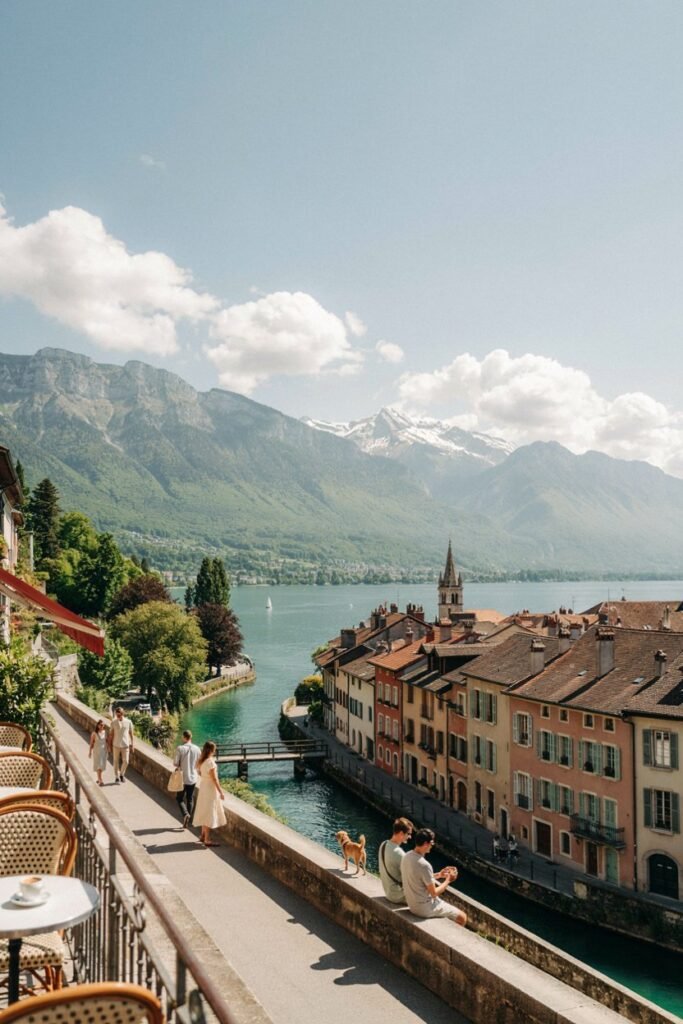
Known as the Venice of the Alps, Annecy combines a turquoise lake, snow capped mountains, and a genuinely charming old town into one compact, walkable destination.
Best things to do. Walk along the canals of the old town, rent a paddleboard or kayak on Lake Annecy, and take the short trip up into the surrounding mountains for hiking or skiing depending on season.
How to get there. Take the train from Paris via Lyon, roughly four hours total, or fly into Geneva, just across the Swiss border, and continue by car or train from there.
Where to stay. The old town area puts you closest to the canals and main sights, with lake adjacent options available for travelers prioritizing water access.
Getting around. A car is optional if you’re staying centrally, though it opens up more flexibility for exploring the surrounding mountain villages.
Best time to visit. Summer for lake activities and hiking, winter for nearby skiing.
Budget tips. Lake activities like swimming and walking the canals are largely free, keeping this an affordable stop even with the region’s overall Alpine price tag.
Safety tips. Very low stress overall, with the usual outdoor activity precautions applying if you’re hiking or on the water.
10. Mont Saint Michel
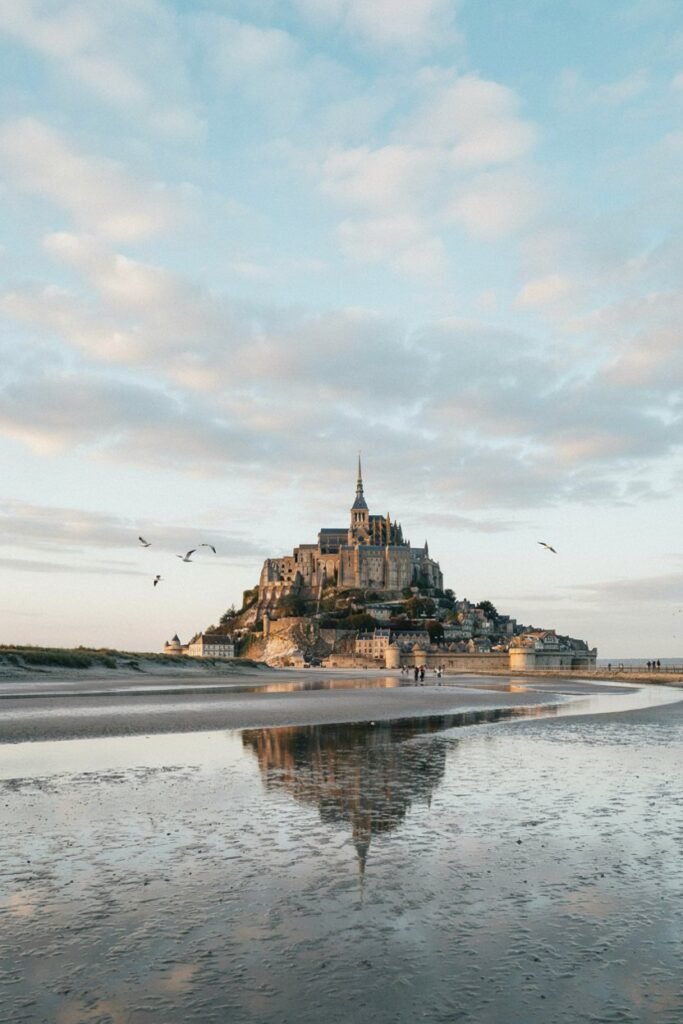
This dramatic tidal island abbey is one of the most photographed sites in France, rising directly out of the surrounding bay.
Best things to do. Walk the abbey itself, explore the small village streets leading up to it, and time your visit around the tides, which dramatically change the surrounding landscape.
How to get there. The nearest train station is in Rennes or Pontorson, followed by a shuttle bus to the island itself, and renting a car from Paris, about four hours, gives you the most flexibility.
Where to stay. Most visitors stay in a nearby town rather than directly on the island, since island accommodation is limited and expensive.
Getting around. Helpful to have a car for this trip specifically, since Mont Saint Michel sits somewhat remote from major rail lines.
Best time to visit. Spring and fall offer comfortable temperatures and smaller crowds than the peak of summer.
Budget tips. A day trip rather than an overnight stay keeps costs down significantly, since accommodation directly around the island commands a real premium.
Safety tips. Pay close attention to posted tide schedules if you plan to walk on the surrounding sand, since tides here come in unusually fast and have caught visitors off guard.
11. Carcassonne
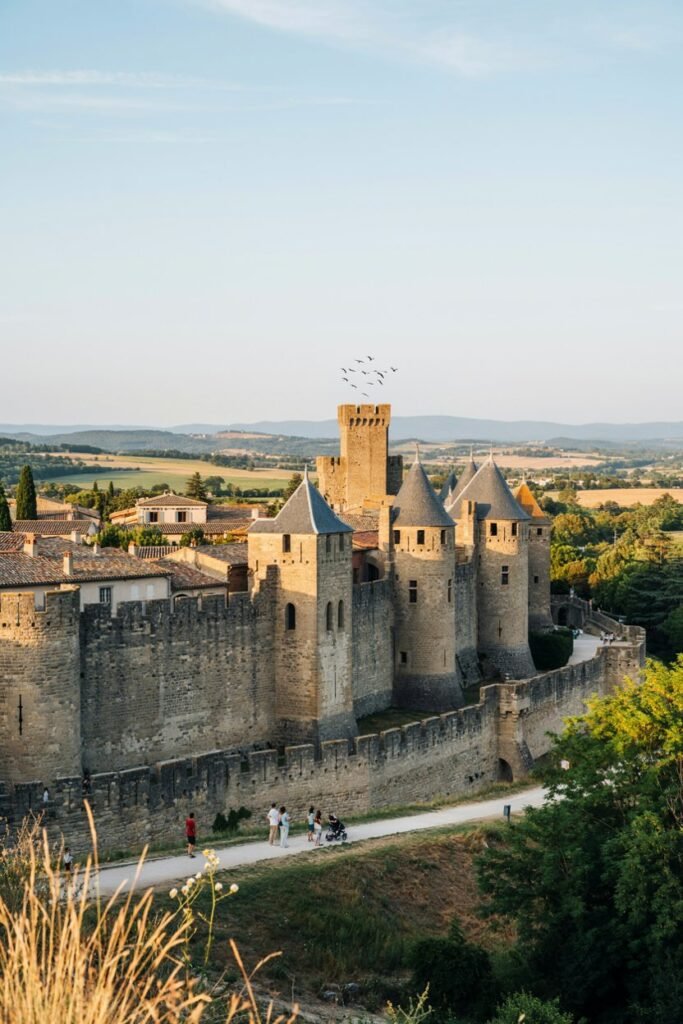
Carcassonne’s fortified medieval citadel is one of the best preserved in Europe, and walking through its walls feels like stepping into an entirely different century.
Best things to do. Walk the full length of the fortified walls, explore the narrow streets within the citadel, and visit the Basilica of Saints Nazarius and Celsus.
How to get there. The TGV connects Carcassonne to Paris in around four and a half hours, or you can fly into a regional airport with connections from other European cities.
Where to stay. Staying within the citadel itself is memorable, though it does get busy with day trippers, while the newer town below offers a quieter, more practical alternative.
Getting around. A car is optional, useful mainly if you’re combining Carcassonne with other stops in the surrounding region.
Best time to visit. Spring and fall, avoiding both peak summer crowds and heat within the citadel’s stone walls.
Budget tips. The citadel itself is free to walk through, with fees only applying to specific interior sites, making this a fairly affordable stop overall.
Safety tips. Straightforward and low risk, with the main practical note being uneven medieval stone streets that are worth navigating in proper footwear.
12. Colmar
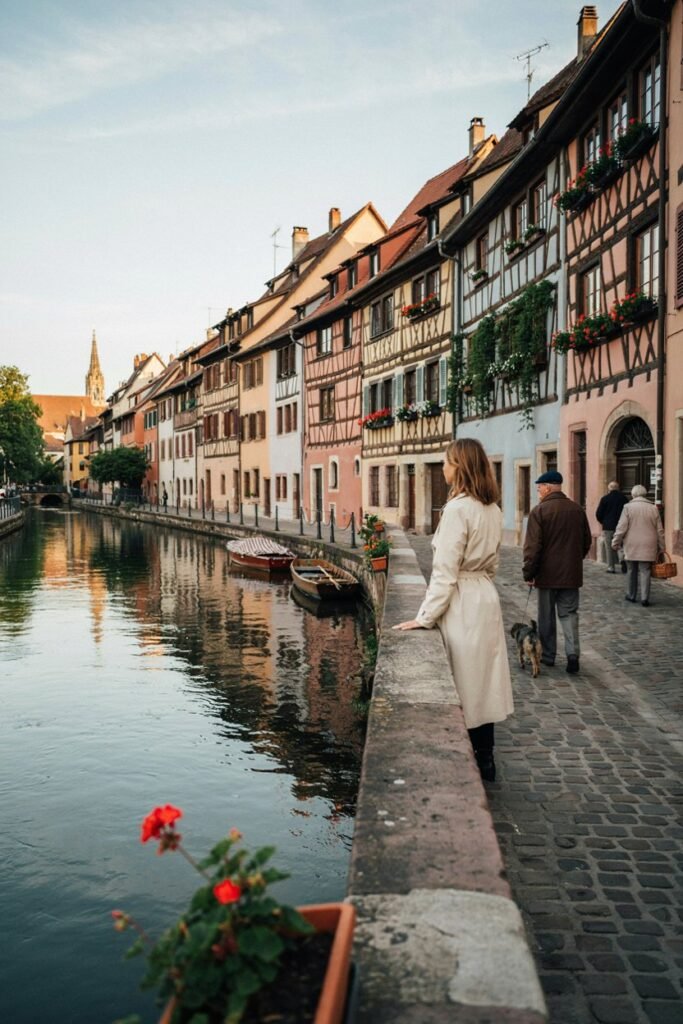
Colmar’s fairy tale, half timbered old town has become one of the most photographed small towns in France, and it pairs naturally with a broader Alsace region trip alongside Strasbourg.
Best things to do. Wander the Petite Venise canal district, browse the old town’s colorful storefronts, and visit during the Christmas market season if your timing allows.
How to get there. Take the train from Strasbourg, under an hour, or from Paris via a connection, roughly three hours total.
Where to stay. The old town itself offers charming, walkable accommodation within easy reach of everything worth seeing.
Getting around. Entirely walkable, with a car adding little value unless you’re using Colmar as a base for exploring the wider Alsace wine route.
Best time to visit. December for the Christmas market, or late spring through summer when the town’s flower boxes are in full bloom.
Budget tips. Colmar is a low cost stop overall, with most of the experience centered around simply walking and taking in the architecture rather than paid attractions.
Safety tips. One of the lowest stress destinations on this entire list, with no particular safety concerns beyond general travel awareness.
13. Normandy
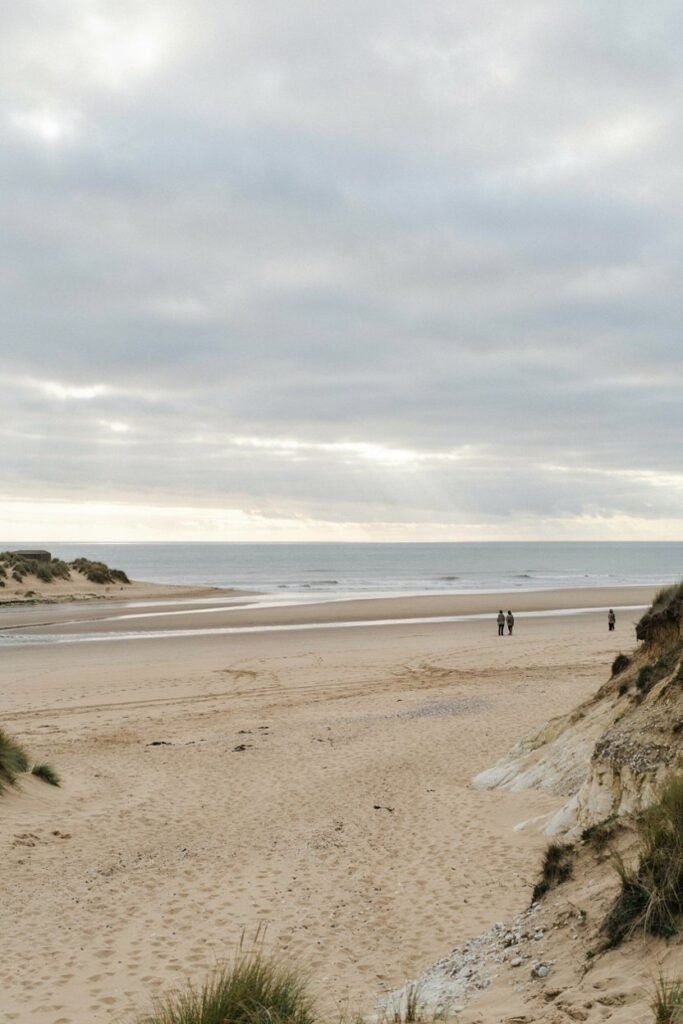
Normandy combines dramatic coastline with deeply significant World War II history, making it a meaningful stop for history focused travelers in particular.
Best things to do. Visit the D-Day beaches and the American Cemetery at Omaha Beach, explore the historic port city of Honfleur, and take in the dramatic cliffs at Étretat.
How to get there. Rent a car from Paris, roughly two to three hours depending on your specific destination within the region, since Normandy’s sites are spread out enough that a car genuinely helps.
Where to stay. Bayeux or Honfleur both work well as central, charming bases for exploring the region.
Getting around. Recommended to rent a car here, since the D-Day beaches, cemeteries, and coastal towns are spread across a wide area that public transportation doesn’t cover efficiently.
Best time to visit. Spring through fall, with early June specifically drawing visitors around the D-Day anniversary.
Budget tips. Many of the historic sites, including the beaches themselves, are free to visit, with the American Cemetery also offering free admission.
Safety tips. Normandy is calm and low risk overall, with the main consideration being respectful behavior at historic and memorial sites.
14. French Alps
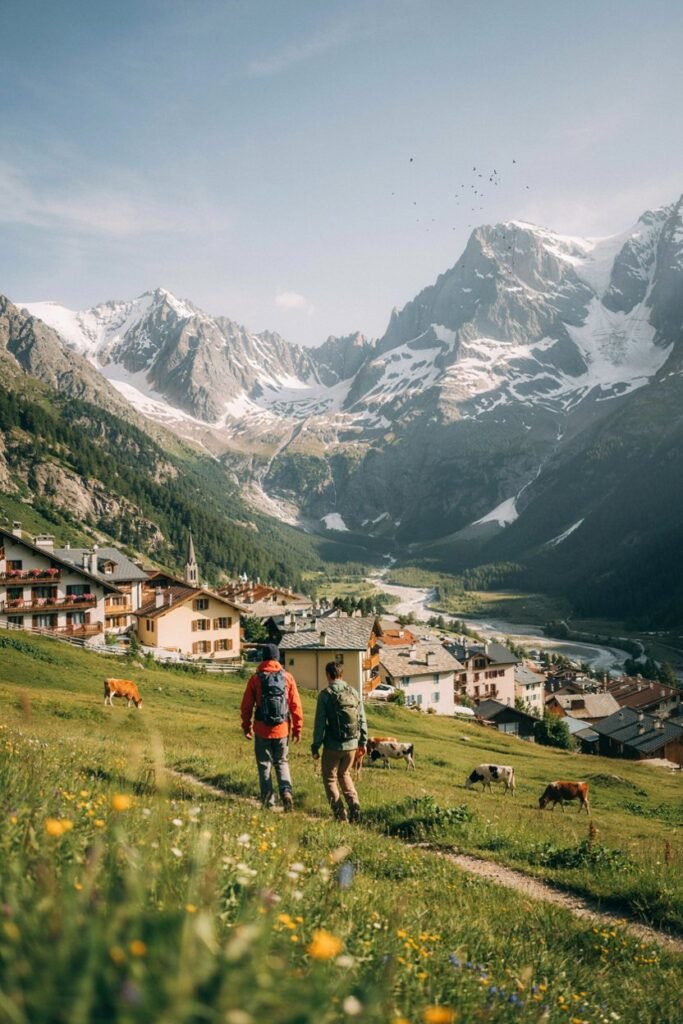
The French Alps offer a completely different kind of trip than anywhere else on this list, built around mountain scenery, skiing in winter, and hiking in summer.
Best things to do. Ski or snowboard at a resort like Chamonix or Val d’Isère in winter, hike alpine trails in summer, and take a cable car up for panoramic mountain views regardless of season.
How to get there. Fly into Geneva or Lyon, both with direct connections to the major Alpine resort towns by shuttle bus, train, or rental car.
Where to stay. Choose your base around your specific activity, with Chamonix offering strong access to both skiing and hiking depending on season.
Getting around. A car is optional depending on your specific resort town, since many are well connected by shuttle and train, though it adds flexibility for exploring multiple villages.
Best time to visit. Winter for skiing, generally December through March, and summer for hiking, generally June through September.
Budget tips. Ski passes and equipment rentals are the biggest cost here, so booking accommodation slightly outside the most central resort areas can meaningfully reduce overall trip cost.
Safety tips. Follow posted trail and slope conditions carefully, check weather before any high altitude activity, and consider travel insurance that specifically covers winter sports if skiing is part of your trip.
15. Cannes
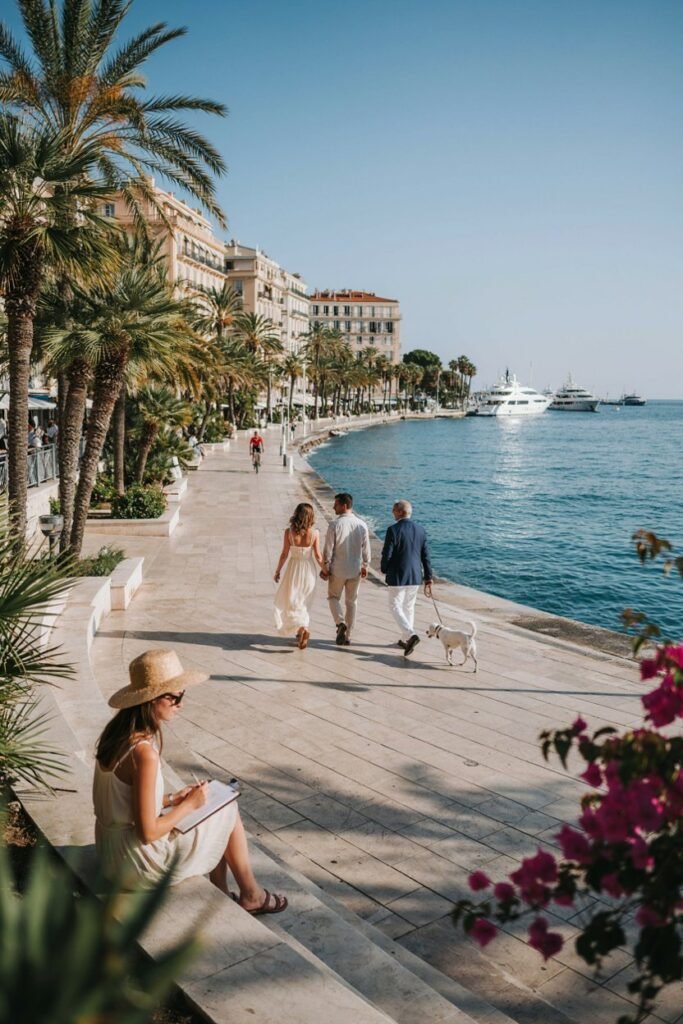
Cannes is synonymous with glamour thanks to its famous film festival, but it also offers a genuinely pleasant beach town experience outside of that one week each year.
Best things to do. Walk La Croisette along the waterfront, relax on the beach, and explore the old town district of Le Suquet for a quieter, more historic contrast to the glitzier waterfront.
How to get there. Fly into Nice Côte d’Azur Airport, then take a short train ride to Cannes, roughly thirty to forty minutes.
Where to stay. Staying near La Croisette puts you closest to the beach and main waterfront activity.
Getting around. No car needed. Cannes is compact and walkable, and it pairs easily with Nice by train for travelers combining both stops.
Best time to visit. Late spring through early fall for beach weather, while the film festival period in May brings significant crowds and higher prices worth planning around rather than stumbling into unexpectedly.
Budget tips. Cannes runs on the pricier end, so budget travelers may want to base themselves in Nice and visit Cannes as a day trip instead of an overnight stay.
Safety tips. Standard coastal tourist city precautions apply, particularly around beach areas and busy waterfront restaurants.
Which Place in France Is Right for You?
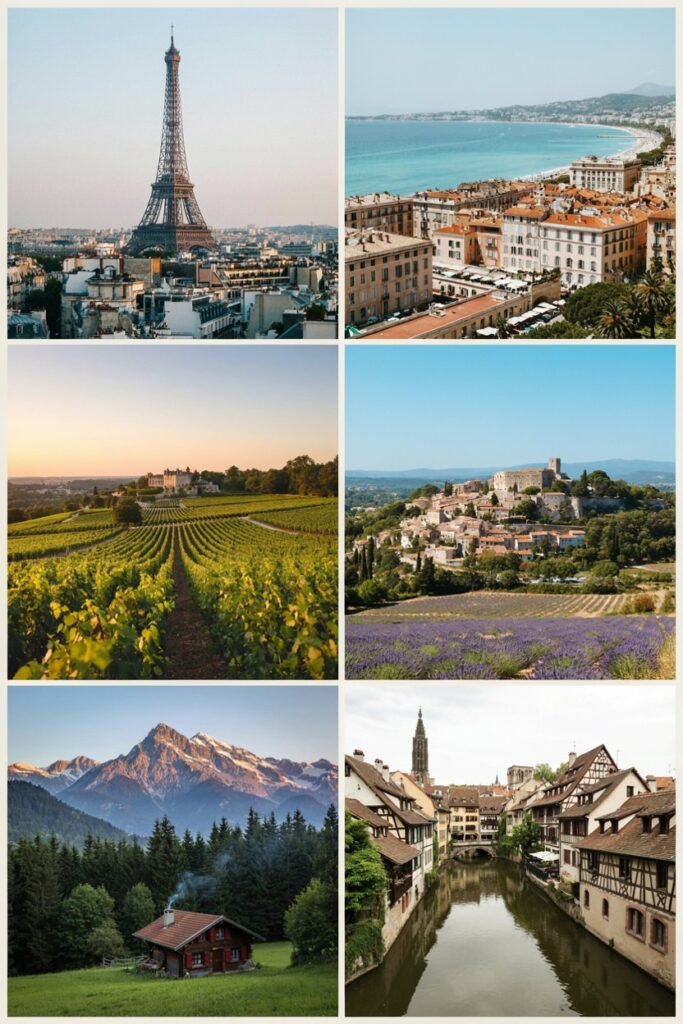
| If you want… | Go to… |
|---|---|
| A first time introduction to France | Paris |
| Beaches and Riviera glamour | Nice |
| Incredible food | Lyon |
| Wine country | Bordeaux |
| Romantic countryside villages | Provence |
| Castles | Loire Valley |
| Medieval history | Carcassonne |
| Christmas markets | Strasbourg or Colmar |
| Mountain scenery | French Alps or Annecy |
| Meaningful history | Normandy |
| Luxury and glamour | Cannes |
Do You Need to Rent a Car in France?
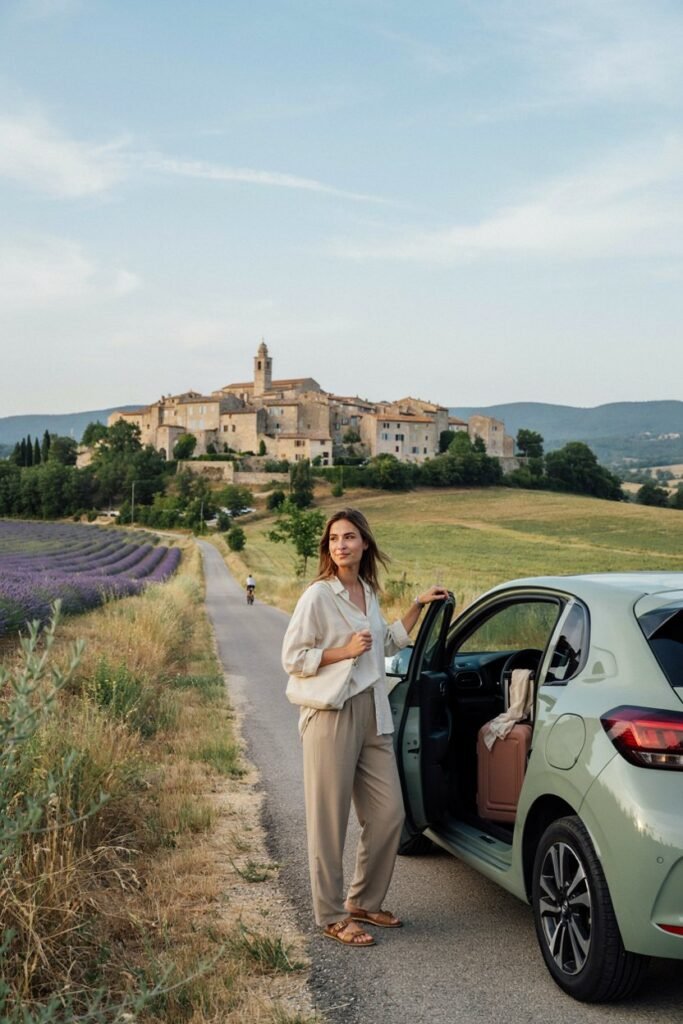
This might be one of the most useful questions to answer before you book anything else.
Skip the car if you’re visiting Paris, Lyon, Strasbourg, Nice, Bordeaux, or Marseille. These cities are compact, well served by public transportation, and genuinely easier without the hassle of parking and navigating unfamiliar city streets.
Consider renting a car for Provence, the Loire Valley, Normandy, the broader French countryside, Alpine villages, and any multi day road trip connecting several rural destinations. These are the places where the entire appeal depends on getting between smaller towns and villages that trains simply don’t reach.
France’s rail network makes city to city travel remarkably straightforward, which is exactly why a car often creates more hassle than it solves inside major cities specifically, even though it becomes genuinely valuable the moment your itinerary shifts toward the countryside.
How to Get Around France
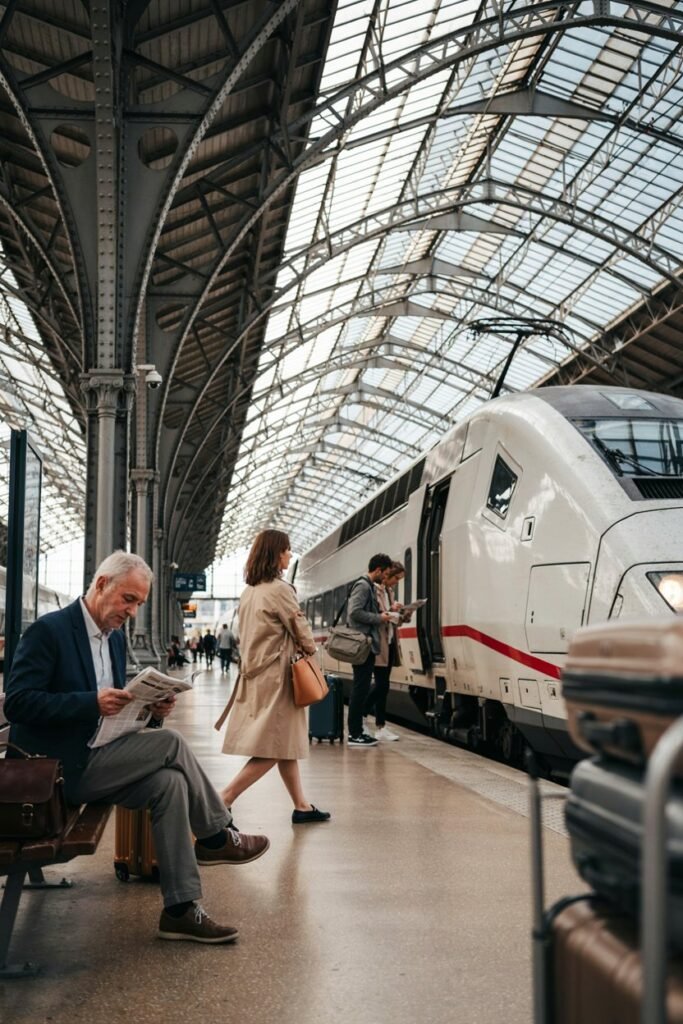
By Train
The TGV, France’s high speed rail service, connects major cities like Paris, Lyon, Marseille, Bordeaux, and Strasbourg quickly and comfortably, often faster door to door than flying once you account for airport time. TER trains handle more regional, local routes, connecting smaller towns that the TGV doesn’t reach directly.
By Rental Car
Worthwhile the moment your itinerary includes rural regions like Provence or the Loire Valley.
Be prepared for tolls on the highway network, limited and sometimes expensive parking in city centers, and a driving style that can feel a bit more assertive than some travelers are used to.
One way rentals, picking up in one city and dropping off in another, are widely available and worth considering for a road trip style itinerary.
By Bus
A useful, budget friendly option for some regional routes and smaller destinations not well served by rail, though generally slower than the train equivalent.
Walking
Don’t underestimate this option. A huge number of French destinations, particularly historic town centers, are genuinely best experienced on foot rather than any form of transportation at all.
What Is the Best Time to Visit France?
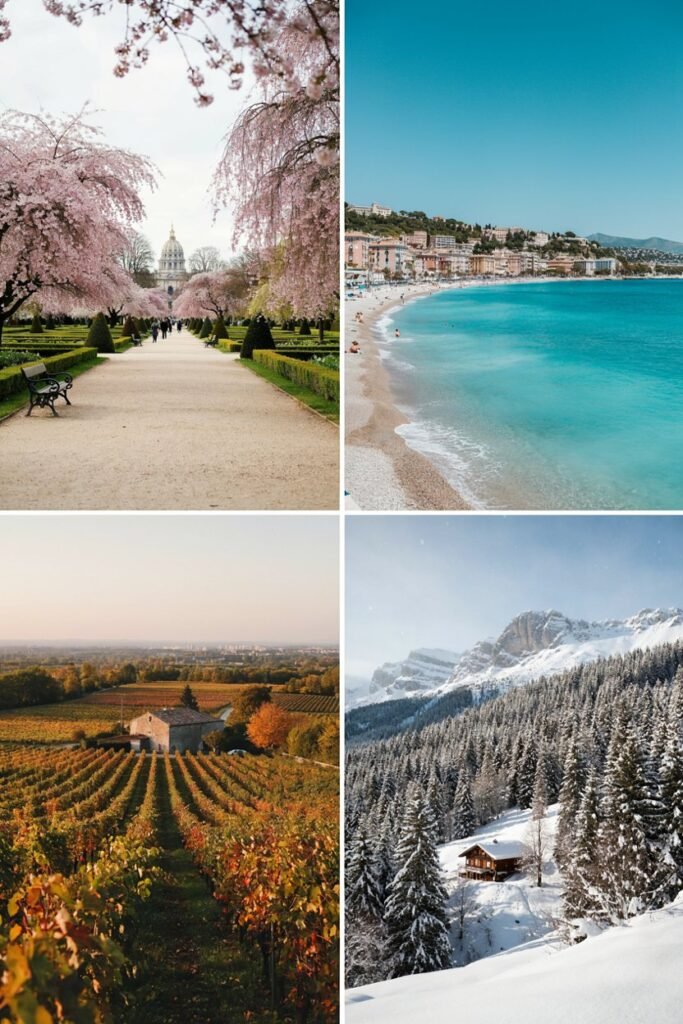
France does not have one single best season, since the right time genuinely depends on which region you’re visiting and what you want to do there.
March to May is excellent for comfortable sightseeing, blooming gardens, fewer crowds than peak summer, and city breaks in places like Paris and Lyon.
June to August is best for beaches, the French Riviera, the Alps, long daylight hours, and outdoor activities generally, though popular destinations can get genuinely crowded during this stretch.
September to October deserves particular attention, since it’s an excellent window for wine regions, Provence specifically, food focused travel, countryside exploration, comfortable temperatures, and noticeably fewer crowds than peak summer.
November to February works well for Christmas markets, museum focused city trips, ski destinations in the Alps, and generally lower off season prices in areas that aren’t winter sport focused.
How Much Does a Trip to France Cost?
Budget traveler. Hostels or budget hotels, inexpensive meals from bakeries and casual local spots, trains booked strategically in advance, and a heavy reliance on free attractions and public parks.
Mid range traveler. Comfortable, well located hotels, a mix of casual and sit down restaurants, paid museum and attraction entry, and occasional taxis or ride shares when convenient.
Luxury traveler. Upscale hotels and resorts, fine dining, private transportation, and premium, often skip the line experiences at major attractions.
How to Save Money Traveling in France
Traveling outside peak summer immediately reduces both crowds and prices across accommodation and flights.
Booking trains early, whenever fares allow it, locks in noticeably lower prices than booking close to your travel date. Staying near public transportation rather than directly beside major attractions usually costs less while adding only a short walk or metro ride.
Eating a larger lunch and a lighter dinner takes advantage of the fact that many restaurants offer better value fixed price lunch menus than dinner pricing. Visiting free museums and parks, which France has no shortage of, fills out an itinerary without adding cost.
Walking between nearby attractions instead of taking short, unnecessary transit hops saves both money and time. Using regional TER trains rather than the pricier TGV when the route allows it can meaningfully cut transportation costs. And avoiding a rental car in major cities specifically removes both a real expense and a genuine hassle.
Sample France Itineraries
5 days. Paris plus a day trip to Versailles.
7 days. Paris plus Lyon, or Paris plus the Loire Valley.
10 days. Paris, Lyon, and Nice.
14 days. Paris, the Loire Valley, Provence, and Nice.
France road trip. Paris, then the Loire Valley, then Bordeaux, then Provence, then Nice, ideally over two weeks or more to avoid feeling rushed between stops.
Don’t try to squeeze all fifteen destinations from this guide into one trip. A slower pace through fewer places consistently makes for a better trip than a rushed checklist approach.
France Travel Safety Tips
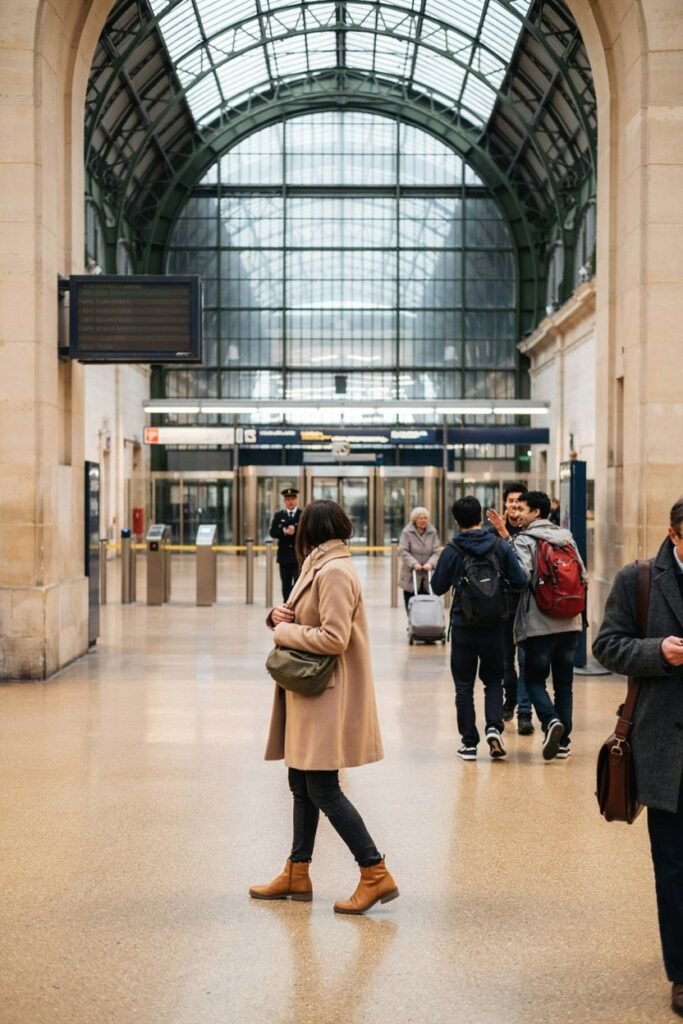
Keep valuables secure and out of sight in crowded tourist areas, particularly around major landmarks and busy transit hubs. Avoid displaying large amounts of cash in public.
Keep bags zipped and positioned in front of you rather than behind you in busy areas. Use licensed transportation and reputable ride share services rather than unmarked taxis.
Be cautious with unfamiliar people offering unsolicited help or petitions around major tourist attractions, a common setup for distraction based scams. Save emergency information offline in case you lose signal or wifi access.
Carry travel insurance for the duration of your trip. And check local conditions before hiking, skiing, or swimming in any of the more outdoor focused regions on this list.
France is generally straightforward and low stress to travel around, but busy tourist destinations call for the same basic precautions you’d use in any major international destination, nothing more dramatic than that.
Getting There: Before You Even Leave Home
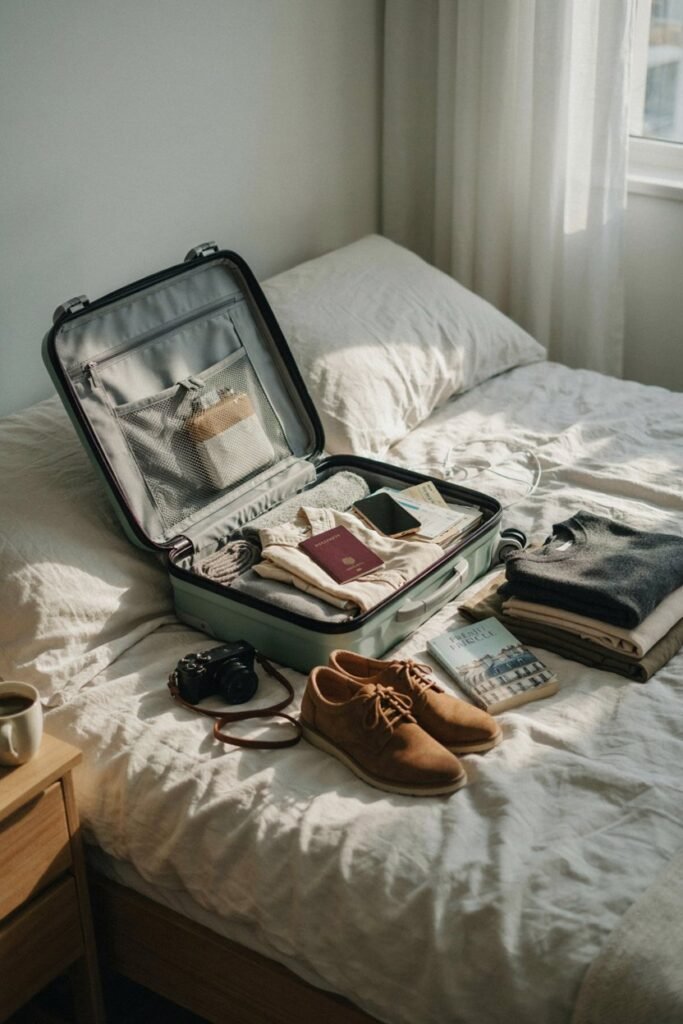
Passport and Visa Requirements
Check your passport’s expiration date well ahead of your trip, since many countries require several months of validity remaining beyond your travel dates for entry into France and the broader Schengen area.
Visa requirements depend heavily on your nationality, and travelers from many countries can enter for short tourist stays without a visa, though this needs to be confirmed against your specific citizenship rather than assumed.
Check your home country’s French embassy or consulate website directly for current, accurate requirements before booking anything.
Booking Flights
Book flights as early as reasonably possible, particularly for summer travel or around major French holidays, since both price and availability tighten during those windows.
Consider which airport fits your itinerary best, since Paris has two major international airports, Charles de Gaulle and Orly, and landing at the one closer to your first destination or hotel can save meaningful time.
Travel Insurance
Given the cost and length of a typical international trip to France, travel insurance is genuinely worth considering, particularly coverage that includes trip interruption, lost luggage, and medical care while abroad.
Booking Accommodation and Trains
Research and book any long distance TGV routes ahead of time if your itinerary is set, since advance fares are often significantly cheaper than tickets bought close to your travel date.
Book accommodation in popular destinations, especially Paris and Provence during peak season, well ahead of time, since the best located and most reasonably priced options do sell out.
Currency and Cash
France uses the euro, and card payments are widely accepted throughout the country, more so than in some other international destinations, though it’s still worth carrying some cash for smaller shops, markets, and rural areas.
Notify your bank of your travel dates ahead of time to avoid any card blocks while abroad.
Phone and Internet Access
Decide ahead of time whether you’ll use an international data plan through your existing carrier, buy a local or European SIM card, or rely on a portable wifi device.
Consistent internet access makes navigating trains, translating menus, and finding your way around considerably easier throughout the trip.
Arriving in France: What Happens After You Land
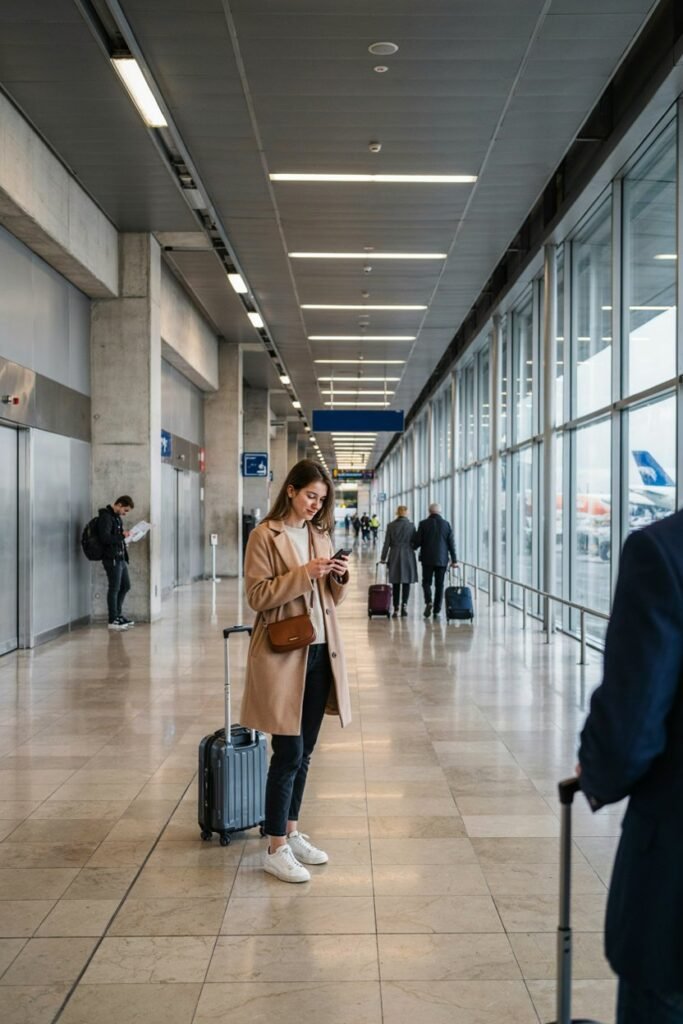
Immigration and Customs
After landing, you’ll go through passport control, where you’ll need your passport and any required entry documentation. Customs comes next, where you’ll declare any items as required.
The process at a major airport like Charles de Gaulle is generally efficient, though it can take longer during peak arrival periods, especially in summer.
Getting From the Airport Into Paris
From Charles de Gaulle, the RER B train offers a direct, relatively quick route into central Paris, while the Roissybus and various shuttle options serve as alternatives depending on your specific hotel location.
From Orly, the Orlyval train connects to the RER system, or the Orlybus offers a more budget friendly route into the city.
Exchanging Money or Finding an ATM
Airport currency exchange counters and ATMs are both readily available in the arrivals area of major French airports, and international ATMs throughout the country generally accept foreign cards reliably, often with better exchange rates than airport currency counters.
Picking Up a SIM or Portable Wifi
If you arranged a SIM card or portable wifi device ahead of time, airport pickup counters are typically located near the arrivals area, making this a natural first stop after clearing customs.
Connecting to Your Next Destination
If your itinerary includes travel beyond Paris on your arrival day, note that most TGV trains depart from Gare de Lyon, Gare du Nord, or Gare Montparnasse depending on your destination, and each of these stations is reachable from both major airports by train or taxi.
What to Pack for France
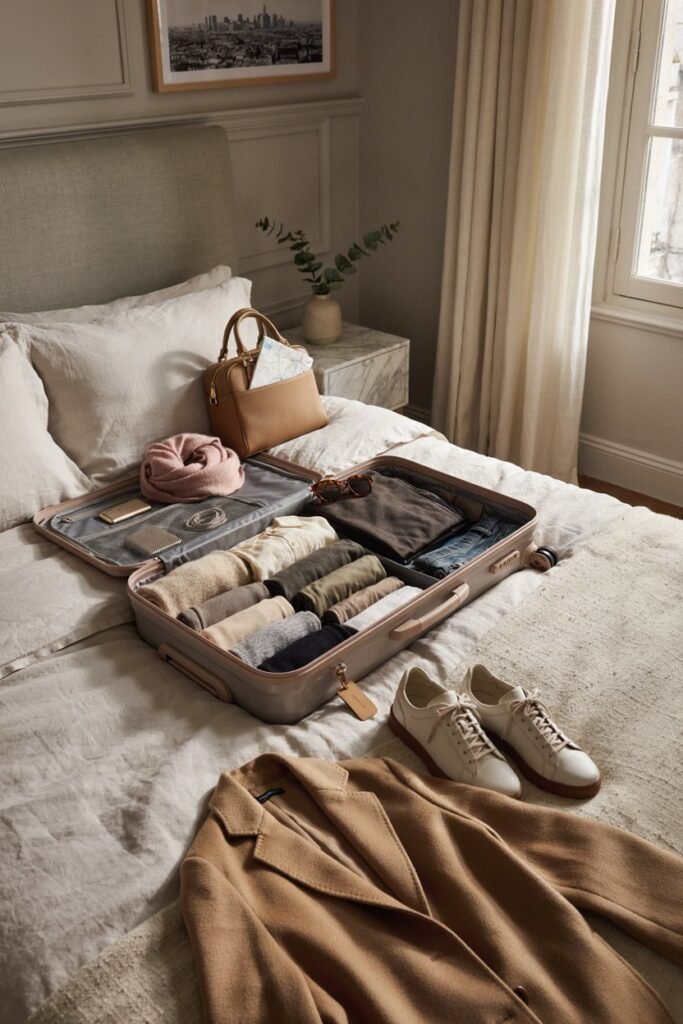
Comfortable walking shoes matter enormously here, given how much of a typical France trip involves walking through cobblestone old towns and between train stations.
Layers work well across most regions and seasons, since weather can shift noticeably between city and countryside. A portable charger is genuinely useful given how much time you’ll spend relying on your phone for maps, train tickets, and translation.
A small day bag keeps your essentials accessible while you’re out exploring. A scarf or light jacket is worth packing regardless of season, since evenings can turn cool even during a warm French summer.
And if you’re visiting Provence in lavender season or planning a trip around any major holiday, book both flights and accommodation earlier than you think you need to, since demand climbs noticeably during those specific windows.
For more detail on the broader packing side of a longer international trip, my summer packing list for couples guide covers a lot of overlapping ground.
Final Thoughts
France rewards travelers who resist the urge to see everything in one trip. Whether you’re drawn to Paris’s density of world class sights, the slower rhythm of a Provençal village, the wine culture of Bordeaux, or the mountain air of the Alps, the country has enough range that fifteen different trips here could each look completely different from one another.
Plan around the region you’re actually most drawn to, decide early whether a rental car fits your itinerary, and give yourself more time in fewer places rather than rushing through a long list.
If a bigger international trip is part of your travel plans this year, my guides to best travel destinations in Japan and best travel destinations in Arizona are worth a look for planning what comes next.
And for the packing and logistics side of any big trip, my backpacking essentials for your next trip, backpack essentials for multi day hiking, the most incredible hiking trips in the USA, best road trips in America, and cheap weekend getaways for couples guides round out the planning for whatever trip comes after this one.