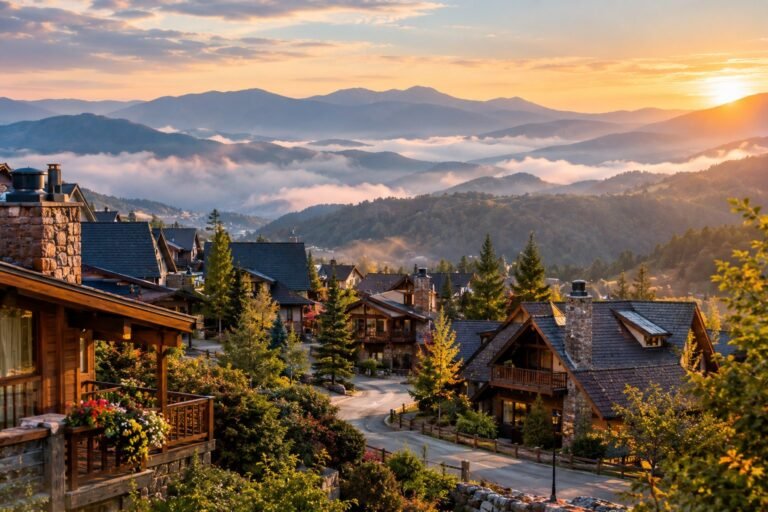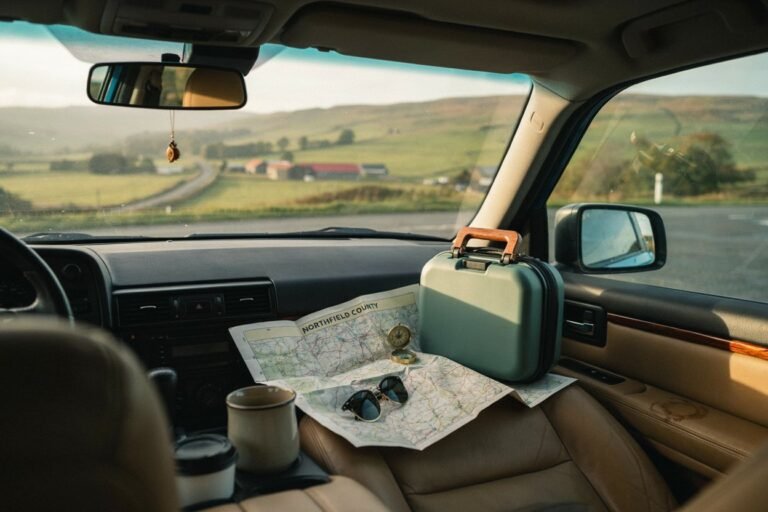


Arizona is one of those places where a road trip can change completely within a few hours. You can start the morning surrounded by red rock formations, spend the afternoon exploring a desert town, and end the day watching the sky turn orange over the mountains.
When I started planning Arizona trips, I quickly realized that choosing where to go was harder than I expected, because the state has so many destinations that deserve more than a quick stop.
That’s really the challenge with Arizona. It isn’t one landscape wearing different outfits — it’s several completely different states stitched together.
The Grand Canyon, Sedona’s red rocks, Tucson’s Sonoran Desert, and Flagstaff’s pine forests can all feel like separate trips entirely, even though they’re a few hours apart by car.

This guide is for anyone trying to figure out where to actually go, not just what exists.
Whether you have a long weekend or two weeks to fill, you’ll find a rundown of the best destinations, who each one suits, how long to spend there, and the practical details that make an Arizona trip run smoothly.
If you’re mapping out a broader multi-state itinerary, our guide to the best places to visit in the USA is a good place to see how Arizona fits into a bigger picture.
How I Chose These Arizona Destinations

I did not want this to be another list of places that simply names famous Arizona attractions and tells you they are beautiful.
When I plan a trip, I want to know what I can actually do once I arrive, whether the destination deserves one day or several, how complicated it will be to get around, and whether there are practical ways to keep the trip within budget. Those are the details I have found make the biggest difference once you are actually traveling.
I also wanted to include a mixture of famous destinations and places that can easily be overlooked. The Grand Canyon is an obvious choice, but Arizona has historic towns, desert parks, mountain communities, scenic road trip stops, and quieter destinations that can make a trip much more memorable.
The destinations below are therefore not ranked simply by popularity. I am looking at the overall experience, scenery, things to do, accessibility, accommodation options, transportation, and the type of traveler each place suits best.
1. Sedona

Sedona is one of the Arizona destinations I would put near the top of almost any itinerary. The red rock scenery is the obvious attraction, but what makes the area special to me is how easy it is to combine outdoor adventures with a relaxed town experience.
You can spend the morning hiking, stop for lunch in town, take a scenic drive in the afternoon, and finish the day watching the rocks change color as the sun begins to set. That variety is one of the reasons I would recommend giving Sedona more than a quick stop.
How to Get to Sedona
Sedona is easiest to reach by car, especially if you are planning to explore other parts of Arizona during the same trip.
From Phoenix, the drive takes roughly two hours depending on traffic and your exact starting point. Flagstaff is much closer, making it another practical base if you are combining Sedona with northern Arizona.
If you are flying into Arizona, Phoenix Sky Harbor International Airport is one of the most convenient major airports for a wider Arizona road trip. Flagstaff Pulliam Airport is closer to Sedona, although flight options can be more limited.
I would personally prefer having a car here because many of the places I would want to visit around Sedona are spread out.
Where to Stay in Sedona
The best place to stay depends on how you want your trip to feel.
Staying close to Uptown Sedona puts you near restaurants, shops and many of the area’s main conveniences. It can be a good choice if you want to leave the car parked occasionally and explore part of town on foot.
Other areas around Sedona can provide a quieter experience and sometimes better value, particularly if you are willing to stay a short drive from the busiest areas.
For families, I would look for accommodation with parking and enough space to relax after a day outside. For couples, a quieter property with red rock views can make the stay feel much more special.
Things to Do in Sedona
Hiking is one of the biggest reasons people visit Sedona, and there are trails for different experience levels.
Some popular choices include Cathedral Rock, Bell Rock, Devil’s Bridge and West Fork Trail. You do not have to tackle the most difficult hikes to enjoy the scenery, though. There are plenty of viewpoints and shorter walks that still give you an impressive introduction to the landscape.
I also recommend allowing time to explore Uptown Sedona. The shops, galleries, restaurants and small local businesses give the trip a different pace after several hours outdoors.
A scenic drive is another easy way to experience the area. Oak Creek Canyon is particularly worthwhile if you have time to explore beyond the center of Sedona.
If you are traveling with children or anyone who does not enjoy long hikes, I would not worry about missing out. Sedona can be enjoyed through viewpoints, short walks, scenic drives and relaxed meals just as much as through strenuous trails.
Getting Around Sedona
Having a car gives you the most flexibility, especially if you want to visit several trailheads and viewpoints in one day.
There are also local transportation options in the area, including the Sedona Shuttle, which can be useful for accessing certain popular trail areas when shuttle service is operating.
Walking works well around parts of Uptown, but it is not practical for seeing the wider Sedona area.
Rideshare services may be useful for some trips around town, but I would not plan an entire Sedona vacation around rideshare availability. For me, a rental car makes the itinerary much easier and gives you more freedom to change plans.
Where to Rent a Car
If you are arriving through Phoenix, you can rent a car at or around Phoenix Sky Harbor International Airport and begin your road trip from there.
Another option is renting in Flagstaff if you are flying into the area or beginning your Arizona trip farther north.
Before booking, I would compare the complete rental price rather than looking only at the advertised daily rate. Taxes, airport fees, insurance, additional driver charges and fuel costs can make a noticeable difference to the final price.
Budget Tips for Sedona
Sedona can become expensive, particularly during busy travel periods, so accommodation is one of the areas where I would look for savings first.
Staying slightly outside the busiest part of town can reduce accommodation costs while still keeping you close enough to explore everything comfortably.
I also recommend bringing water and snacks when heading out for the day. Buying everything at tourist areas can quickly increase your daily spending.
Many of the best experiences in Sedona involve hiking, viewpoints and scenic drives, so you do not necessarily need to spend a lot on paid attractions to have a memorable trip.
If you are planning several activities, compare the total cost before booking tours. Sometimes a rental car and independent exploration can work out better, while other times a guided experience makes more sense.
Sedona Safety Tips
Arizona’s heat deserves respect, even when the temperature does not initially feel extreme.
Carry enough water for your plans, wear suitable footwear and check the weather before heading onto a trail. I would also avoid treating a difficult hike casually simply because photographs make it look easy.
Stay on marked trails and be especially careful around steep edges and exposed viewpoints.
If you are hiking during warmer months, starting early can make a significant difference. Tell someone where you are going when heading into less populated areas, and do not depend entirely on mobile phone service.
When to Visit Sedona
Spring and fall are particularly appealing because temperatures are generally more comfortable for spending time outdoors. These periods can also be busy, so accommodation and popular activities may need to be planned ahead.
Summer can be extremely hot, especially during the middle of the day, while winter brings cooler temperatures and occasional snow at higher elevations.
I would choose the season based on what I wanted to do rather than simply looking for the cheapest travel dates.
How Long to Stay in Sedona
I would give Sedona at least two full days if hiking and sightseeing are priorities.
Three days would be even better if you want to explore several trails, enjoy the town, take a scenic drive and still have time to slow down.
Trying to squeeze Sedona into a few rushed hours is possible, but it does not give you much opportunity to appreciate what makes the area special.
2. Grand Canyon National Park

No Arizona travel guide would feel complete without the Grand Canyon. It is one of those destinations that can be difficult to appreciate from photographs alone because the scale is so much greater than you expect.
What I like about including the Grand Canyon in an Arizona trip is that you do not have to be an experienced hiker to enjoy it. The viewpoints alone can make the visit worthwhile, while travelers who want a bigger adventure can plan hikes into the canyon.
How to Get to the Grand Canyon
The South Rim is the most accessible and most visited part of the Grand Canyon, and it works particularly well for a road trip through northern Arizona.
Flagstaff is a popular base for travelers who want to combine the Grand Canyon with other northern Arizona destinations. Williams is another option and has its own historic character.
If you are driving from Sedona, you can combine both destinations in the same northern Arizona itinerary, although I would avoid trying to see everything in a single day.
The North Rim offers a different experience and is more remote, so travelers should check seasonal access before planning a visit.
Where to Stay
Staying inside or very close to the national park can save driving time and make sunrise and sunset much easier to enjoy.
However, these accommodations can fill quickly, particularly during popular travel periods.
If park accommodation is unavailable or outside your budget, look at nearby communities such as Tusayan or Williams. The tradeoff is that you may spend more time driving.
For me, staying close to the South Rim becomes more valuable if sunrise and sunset are important parts of the trip.
Things to Do at the Grand Canyon
Start with the viewpoints.
It may sound obvious, but give yourself time to simply look at the canyon rather than immediately moving from one attraction to another.
Mather Point is one of the popular viewpoints near the South Rim, while other viewpoints along the rim provide different perspectives.
The Rim Trail is another good option because you can enjoy sections of it without committing to a major hike into the canyon.
If you are an experienced hiker, you can plan a more demanding hike below the rim, but this requires considerably more preparation than a normal day hike.
Sunrise and sunset are also worth making time for. The changing light can completely alter the appearance of the canyon.
Getting Around the Grand Canyon
You can drive to the South Rim and use the park’s shuttle system for certain areas and routes.
During busy periods, using the shuttle can be easier than repeatedly searching for parking.
If you are staying outside the park, having a car is still useful because it gives you flexibility before and after entering the park.
Budget Tips for the Grand Canyon
National park entrance fees should be included in your travel budget before you arrive.
One of the easiest ways to keep spending under control is to plan meals and snacks before entering the park rather than relying entirely on restaurants during the day.
Accommodation close to the canyon can also be expensive, so compare the cost of staying nearby with the extra driving involved in staying farther away.
If you plan to visit several national parks during the same trip, look into whether an annual national parks pass makes financial sense for your itinerary.
Grand Canyon Safety Tips
The biggest mistake I would avoid is underestimating the canyon.
A walk that seems easy going downhill can become exhausting on the return journey. Heat, dehydration and changing weather can make hiking more difficult than expected.
Stay away from unstable edges, follow posted guidance and carry sufficient water.
If you plan to hike below the rim, research the route carefully and be honest about your fitness level.
Do not let the excitement of getting the perfect photograph encourage you to stand somewhere unsafe.
3. Page

Page is one of the destinations I would recommend to travelers who want dramatic scenery without spending their entire trip hiking.
The landscape around Page looks completely different from Sedona and the Grand Canyon, which makes it particularly useful when building a varied Arizona road trip.
The area is also a great example of why I prefer planning an Arizona trip around regions rather than simply choosing destinations based on popularity.
How to Get to Page
Page is located in northern Arizona and is most convenient by car.
It works especially well when combined with the Grand Canyon, Horseshoe Bend and other attractions in the surrounding area.
The drive is part of the experience because the landscape gradually changes as you move through northern Arizona.
If you are planning a longer road trip, Page can also be combined with destinations in southern Utah.
Where to Stay in Page
Page has a useful selection of hotels and other accommodation options, making it easier to stay overnight rather than treating the area as a rushed stop.
I recommend staying in Page if you want to visit several nearby attractions because constantly driving long distances from another city can make the itinerary tiring.
For families, I would prioritize convenient parking and comfortable rooms. For couples, a property with a good view or a quieter location can make the stay more enjoyable.
Things to Do in Page
Horseshoe Bend is one of the major attractions near Page and is relatively accessible compared with many major hiking destinations.
Antelope Canyon is another major reason travelers visit the area. Because access is managed through guided experiences, check current booking requirements before your trip rather than assuming you can simply arrive and walk in.
Lake Powell provides another completely different experience, especially for travelers interested in boating and water activities.
What I enjoy about Page is that you can build a full day around several different experiences without needing to spend every hour on a difficult trail.
Getting Around Page
A car is the easiest option.
The main attractions are spread across the surrounding area, so having your own transportation gives you considerably more flexibility.
If you are booking a guided canyon experience, check the meeting location carefully and allow enough time to arrive before the scheduled start.
Budget Tips for Page
Accommodation can be more affordable than staying directly inside some of Arizona’s most famous tourist areas, but prices can rise during busy periods.
Book popular guided experiences early when possible, particularly if you are traveling on fixed dates.
I would also group nearby attractions together rather than driving back and forth unnecessarily. Planning the route before leaving your hotel can save both fuel and time.
Safety Tips for Page
Desert heat can be intense, particularly during summer.
Carry water, wear sun protection and avoid spending long periods outdoors during the hottest part of the day when conditions are extreme.
Be careful around overlooks and follow marked paths.
If you are visiting a canyon or joining a guided experience, follow the instructions provided by your guide. Conditions inside narrow canyon areas can be very different from what you experience outside.
4. Scottsdale

Scottsdale gives you a completely different side of Arizona.
After spending time around red rocks, national parks and desert trails, I like the idea of having a destination where the trip can slow down a little.
Scottsdale works particularly well for travelers who want good restaurants, comfortable accommodation, shopping, spas, art and easy access to outdoor activities without giving up the conveniences of a city.
How to Get to Scottsdale
Scottsdale is located in the Phoenix metropolitan area, so Phoenix Sky Harbor International Airport is the most convenient major airport for many travelers.
You can drive from the airport to Scottsdale, and the area is also accessible by rideshare and other local transportation options.
If Scottsdale is part of a larger Arizona road trip, you can use it as a starting or ending point before heading toward destinations farther north or south.
Where to Stay in Scottsdale
Old Town Scottsdale is a convenient choice if you want restaurants, shops, galleries and nightlife close by.
Resort areas are better suited to travelers who want a more relaxed vacation and plan to spend plenty of time enjoying the property itself.
For a budget conscious trip, I would compare hotels slightly outside the most popular areas rather than assuming you need to stay in the center.
Things to Do in Scottsdale
Explore Old Town Scottsdale, visit local galleries, enjoy the restaurant scene and spend some time outdoors.
The nearby desert landscape also makes it easy to add hiking and scenic drives to a Scottsdale stay.
If you want a slower trip, you can make the accommodation part of the experience and spend time by the pool or at a spa.
That flexibility is one of the main reasons I would recommend Scottsdale to travelers who do not want every day of their vacation packed with activities.
Getting Around Scottsdale
A rental car is useful if you plan to explore beyond Scottsdale.
However, if you are staying near Old Town and your itinerary is mostly restaurants, shopping and local activities, rideshare services can sometimes be more convenient than keeping a car for the entire stay.
This is one destination where I would actually calculate the cost of parking, rental fees and fuel before deciding whether I need a vehicle every day.
Budget Tips for Scottsdale
Scottsdale can become expensive quickly if you choose a luxury resort, eat every meal out and book several paid experiences.
You can reduce costs by staying outside the most expensive resort areas, choosing restaurants carefully and mixing paid experiences with free outdoor activities.
If you are renting a car, compare the total cost with rideshare prices for your planned itinerary.
Scottsdale Safety Tips
The biggest consideration is the desert heat.
Plan outdoor activities around cooler parts of the day during hot periods, carry water and pay attention to weather conditions.
If you are hiking, do not assume that a short trail automatically means it is safe in extreme heat.
5. Saguaro National Park

Saguaro National Park is one of the places I would include for travelers who want to experience the Sonoran Desert properly.
The enormous saguaro cacti give this part of Arizona a landscape that looks completely different from the red rocks around Sedona or the canyon scenery farther north.
The park is divided into two districts around Tucson, which makes it particularly convenient to combine with a Tucson visit.
How to Get There
The park is easiest to explore by car.
Because the two districts are separated by Tucson, I would plan your route before setting out rather than assuming you can casually drive from one side to the other.
Tucson International Airport is the most practical airport for travelers focusing on southern Arizona.
Where to Stay
Tucson is the most convenient base for exploring Saguaro National Park.
You will find a wide range of hotels, vacation rentals and other accommodation options throughout the city.
I would choose your hotel based on your wider itinerary rather than simply choosing the cheapest room. Staying closer to the side of the park you plan to explore most can save driving time.
Things to Do
Scenic drives are one of the easiest ways to experience the park.
There are also hiking trails for different abilities, and the landscape is particularly beautiful around sunrise and sunset.
Photography is another major reason to visit. The combination of giant saguaros, desert mountains and changing light gives you plenty to work with without needing to plan an elaborate activity.
Getting Around
A car is strongly recommended.
There are limited options for exploring the park without your own transportation, and the spread out layout makes driving much more practical.
If you are already staying in Tucson, a rental car gives you the freedom to visit the park early in the morning and return to the city when you are finished.
Budget Tips
One of the best things about Saguaro National Park is that you can enjoy much of the experience without paying for expensive tours.
Pack your own food and water, combine the park with other Tucson attractions and plan your route before leaving your accommodation.
Safety Tips
Do not underestimate desert conditions.
Carry plenty of water, protect yourself from the sun and be cautious about hiking during extreme heat.
Wear sturdy shoes and watch where you place your hands and feet because desert environments contain plants and wildlife that can cause injuries.
For the best experience, start outdoor activities early when temperatures are more manageable.
A Note Before Planning Your Arizona Trip
One thing I would emphasize when planning any Arizona itinerary is that the map can be misleading.
Several destinations may look relatively close together, but the actual driving time can add up quickly once you account for roads, traffic, stops, meals and sightseeing.
I have found that an Arizona trip feels much better when I leave enough space between major destinations rather than trying to collect as many places as possible.
The goal should not be to see everything.
The goal should be to give yourself enough time to actually enjoy the places you came to see.
6. Flagstaff

Flagstaff is one of the Arizona destinations I would recommend to travelers who want a change from the hot desert landscapes found around Phoenix and Scottsdale.
Sitting at a much higher elevation, the city has a noticeably different feel, with pine forests, cooler temperatures, mountain scenery and a historic downtown.
I especially like Flagstaff as a base because it gives you access to several northern Arizona attractions without requiring you to stay in a remote area. It can work well as part of a road trip to the Grand Canyon, but I would also give the city some attention of its own rather than treating it only as a place to sleep.
How to Get to Flagstaff
Flagstaff is easy to reach by car from several major Arizona destinations.
From Phoenix, the drive is roughly two and a half hours, depending on traffic and your starting point. Sedona is much closer, so combining the two destinations is very practical.
Flagstaff Pulliam Airport also provides commercial air service, although travelers will usually find more flight options through Phoenix Sky Harbor International Airport.
If you are building a northern Arizona road trip, I would personally prefer driving because it gives you much more flexibility with stops along the way.
Where to Stay in Flagstaff
Downtown Flagstaff is a convenient choice if you want restaurants, shops, cafes and historic buildings within walking distance.
There are also hotels near the main roads leading into and out of the city, which can be more convenient if Flagstaff is mainly a base for exploring the surrounding area.
For families, I would look for accommodation with parking and enough room to relax after a day of sightseeing. For couples, staying downtown can make the evenings more enjoyable because you can walk to dinner instead of getting back into the car.
Things to Do in Flagstaff
Spend some time exploring historic downtown Flagstaff before heading into the surrounding forests.
The Lowell Observatory is another worthwhile stop, particularly if you are interested in astronomy and science.
Outdoor lovers can explore hiking trails in the Coconino National Forest, while travelers visiting in colder months may also find opportunities for winter activities in the surrounding mountains.
One thing I appreciate about Flagstaff is that it does not require you to fill every hour with major attractions. Walking around downtown, finding a local restaurant and enjoying the cooler mountain atmosphere can easily become part of the experience.
Getting Around Flagstaff
Having a car is useful if you plan to explore outside the city.
Downtown is walkable, but the surrounding attractions and natural areas are spread out.
Public transportation is available for getting around parts of the city, but I would not rely on it if your itinerary includes the Grand Canyon, Sedona or more remote outdoor areas.
If you are renting a car, Flagstaff can be a convenient place to pick one up if you are flying into the local airport.
Budget Tips for Flagstaff
Flagstaff can become more expensive during busy periods, particularly when visitors are using it as a base for northern Arizona attractions.
One way I would save money is by staying slightly outside downtown while still choosing a location with easy road access.
Having a room with a refrigerator or simple kitchen facilities can also help reduce food costs.
If you are using Flagstaff as a base, group your activities by direction so that you are not constantly driving back and forth.
Safety Tips for Flagstaff
Remember that Flagstaff’s elevation means the weather can be very different from Phoenix.
Temperatures can drop considerably, particularly after sunset and during winter.
If you are hiking, check the weather before leaving and bring appropriate clothing even if the weather feels warm when you start.
Winter visitors should also check road conditions before driving through mountain areas.
How Long to Stay
I would recommend at least two nights if Flagstaff is part of a larger northern Arizona road trip.
That gives you enough time to explore the city and use it as a comfortable base for nearby attractions.
7. Monument Valley

Monument Valley is one of those places that can make you stop the car simply because the landscape looks so different from anywhere else on the trip.
The enormous sandstone formations rising from the desert create one of Arizona’s most recognizable landscapes. Even though the destination is often associated with Arizona, it sits along the Arizona and Utah border, so it works particularly well as part of a larger Southwest road trip.
How to Get to Monument Valley
Driving is the easiest way to reach Monument Valley.
It is relatively remote compared with destinations such as Scottsdale or Sedona, so I would plan fuel stops and accommodation before setting out.
Many travelers combine Monument Valley with Page, the Grand Canyon or destinations in southern Utah.
This is one destination where I would not recommend arriving without understanding the distances involved. The roads can stretch for long periods with limited services.
Where to Stay
The easiest option is to stay in or around Monument Valley if you want to experience sunrise or sunset without a long drive afterward.
There are also accommodation options farther away, but I would only choose them if they fit naturally into your road trip.
Because choices can be limited, booking early is particularly important during busy travel periods.
Things to Do in Monument Valley
The scenic drive is the main attraction.
Give yourself plenty of time to stop at viewpoints and appreciate the changing landscape instead of rushing through the route.
A guided tour can also provide a much deeper experience because local guides can explain the landscape, history and cultural significance of the area.
Sunrise and sunset are particularly memorable here. The light changes the color and appearance of the sandstone formations, which is one reason I would strongly consider staying overnight.
Getting Around Monument Valley
A personal vehicle is the easiest way to reach the area, but access to certain areas may involve guided experiences.
I would check current rules before assuming that every road or attraction can be explored independently.
A guided tour can also be worthwhile if you want to learn more about the area rather than simply driving through it.
Budget Tips
Because Monument Valley is remote, fuel and food planning matter.
Fill your tank before heading into more isolated areas and carry snacks and water.
Accommodation can also be limited, so compare prices early rather than waiting until the last minute.
If you are already planning to visit Page and the Grand Canyon, combining the destinations into one road trip can help you get more value from your transportation costs.
Safety Tips
Remote desert travel requires more preparation than visiting a major city.
Keep your vehicle fueled, carry water and avoid relying entirely on mobile phone service.
Check weather and road conditions before setting out.
Respect local rules and cultural sites, and never assume that an isolated road is safe simply because it appears quiet.
How Long to Stay
One night can be enough for a quick visit, particularly if you arrive in time for sunset and leave after sunrise.
I would consider two nights if you want a slower experience or plan to take a guided tour.
8. Petrified Forest National Park
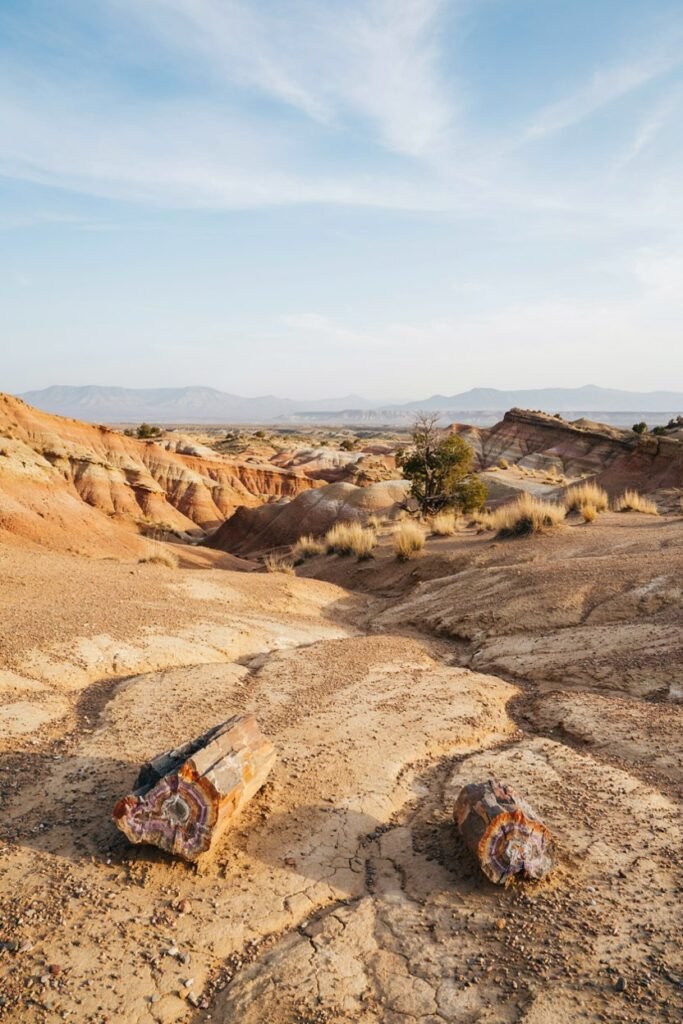
Petrified Forest National Park is one of the Arizona destinations I think deserves more attention.
It is very different from the Grand Canyon and Sedona, which makes it a great addition to a road trip where you want to see several types of landscapes.
The colorful desert, petrified wood and wide open scenery create an experience that feels completely separate from Arizona’s famous red rock destinations.
How to Get There
The park is located in northeastern Arizona and is easiest to visit by car.
It works especially well as a stop along a road trip through northern or eastern Arizona.
Because the park stretches across a large area, I would enter with a rough plan of what you want to see rather than simply driving in without knowing how much time you have.
Where to Stay
There are no traditional large resort areas inside the park, so most travelers stay in nearby communities.
Holbrook is one practical base for exploring the park.
If you are doing a longer road trip, you can also visit the park while traveling between other destinations rather than booking a separate stay nearby.
Things to Do
Drive through the park and stop at the major viewpoints.
Explore the areas where petrified wood can be seen and visit the Rainbow Forest Museum to learn more about the geological history of the area.
The colorful landscapes are particularly enjoyable for photography, and several shorter trails make it possible to explore without committing to a long hike.
I would give yourself more time than you think you need if you enjoy stopping for photographs because the scenery changes significantly as you move through the park.
Getting Around
A car is the most practical option.
The park is spread out, and having your own vehicle makes it much easier to explore at your own pace.
There is no need to rush from one attraction to another. I would rather plan a comfortable route with several stops than try to see everything quickly.
Budget Tips
Bring food and water with you so that you are not depending entirely on services along the route.
The main savings opportunity is simply planning ahead.
If the park is already along your road trip route, you can experience a lot without adding the expense of a separate tour.
Safety Tips
Carry plenty of water, especially during warmer months.
Stay on designated routes and trails, pay attention to weather conditions and avoid wandering into areas where access is restricted.
Remember that desert environments can feel deceptively quiet. Make sure someone knows your general plans if you are traveling through remote areas.
9. Prescott

Prescott is a destination I would recommend to travelers who want to experience a more relaxed and historic side of Arizona.
It does not have the overwhelming scale of the Grand Canyon or the dramatic red rock formations of Sedona, but that is part of its appeal.
The historic downtown, surrounding forests and mountain atmosphere give Prescott a personality that feels very different from the larger Arizona cities.
How to Get to Prescott
Prescott is easiest to reach by car.
It is located northwest of Phoenix and can work well as a short road trip from the Phoenix area.
The drive also gives you the opportunity to experience the landscape changing as you gain elevation.
Where to Stay
Downtown Prescott is a good option if you want restaurants, shops and historic attractions close by.
There are also hotels outside the central area that may offer better value or easier parking.
If you want a quiet weekend, I would look beyond the busiest downtown streets and choose accommodation with a more relaxed setting.
Things to Do in Prescott
Spend time around the historic courthouse square and explore the surrounding downtown streets.
The area has plenty of restaurants, shops, galleries and historic buildings.
Outdoor enthusiasts can also explore nearby lakes, forests and hiking trails.
What I like about Prescott is that you do not have to create an exhausting itinerary. It works well for travelers who want a slower weekend with a combination of history, food and outdoor scenery.
Getting Around
A car is useful for exploring beyond downtown.
You can walk around much of the historic center, but outdoor attractions and nearby communities are easier to reach by vehicle.
If Prescott is only a short weekend stop, you could drive your own car rather than renting one.
Budget Tips
Prescott can be easier on the budget than some of Arizona’s more heavily visited destinations.
Look for accommodation a short drive from the center and compare weekday and weekend rates.
You can also combine free outdoor activities with meals and local sightseeing rather than paying for an activity every day.
Safety Tips
If you are hiking outside town, carry water and check the weather.
Higher elevation means conditions can differ from the desert areas around Phoenix.
When driving through surrounding mountain roads, allow extra time and avoid rushing.
10. Bisbee

Bisbee is one of the Arizona destinations I would choose when I want something completely different from the state’s major natural attractions.
The former mining town has narrow streets, historic buildings, small businesses, galleries, restaurants and a distinctly artistic atmosphere.
It is not the kind of destination where I would arrive with a checklist of twenty attractions. The appeal is slowing down, walking around and allowing yourself time to explore.
How to Get to Bisbee
Bisbee is in southeastern Arizona, relatively close to the Mexican border.
Driving is the easiest way to reach it.
Tucson is the nearest major city and can work as part of a southern Arizona road trip.
Because Bisbee is farther from Phoenix and the state’s northern attractions, I would combine it with other southern Arizona destinations rather than trying to include it in a short northern itinerary.
Where to Stay
Staying in or near the historic district gives you the best access to the town’s restaurants, galleries and unusual architecture.
Some accommodations are located in historic buildings, which can make the stay itself part of the experience.
If you prefer easy parking and quieter surroundings, look slightly outside the center.
Things to Do
Walk through the historic streets and explore the independent shops and galleries.
The town’s mining history is another major part of the experience, so consider taking a mine related tour if the current schedule fits your trip.
Spend time enjoying local restaurants and cafes rather than rushing to the next attraction.
For me, Bisbee is best when you leave some space in the schedule.
Getting Around
The historic center is walkable, although the hills and stairways can make walking more demanding than expected.
A car is useful for reaching areas outside the center and for exploring the wider region.
I would avoid driving around the historic streets unnecessarily and park where permitted before exploring on foot.
Budget Tips
Bisbee can be enjoyed without spending a large amount on attractions.
Walking around town, exploring shops and enjoying the historic atmosphere can fill much of a day.
Compare accommodation prices outside the busiest part of the historic district if you are traveling on a budget.
Safety Tips
Wear comfortable shoes because the terrain can be steep and uneven.
Be cautious when walking along roads and stairs, particularly after dark.
If you are exploring outside town, carry water and make sure your vehicle has enough fuel before heading into more remote areas.
Planning the Rest of Your Arizona Trip
One of the biggest lessons I have learned from planning road trips is that adding another destination is not always an improvement.
Arizona is large, and trying to combine northern, central and southern destinations into one short vacation can leave you spending more time behind the wheel than actually enjoying the places you came to see.
For a shorter trip, I would choose one region and explore it properly.
For a longer vacation, you can gradually connect regions together.
A northern Arizona itinerary could focus on Sedona, Flagstaff, the Grand Canyon, Page and Monument Valley.
A southern Arizona itinerary could combine Tucson, Saguaro National Park, Bisbee and other nearby destinations.
A Phoenix focused trip could include Scottsdale, desert attractions and day trips into surrounding areas.
That approach makes the journey feel much more relaxed and gives you enough time to experience each destination rather than simply collecting photographs.
11. Jerome

Jerome is one of the Arizona destinations I would recommend when you want a place with character rather than another large tourist attraction.
Built into the Black Hills above the Verde Valley, this former mining town has steep streets, historic buildings, small galleries, restaurants and viewpoints overlooking the surrounding landscape.
I enjoy destinations like Jerome because they encourage you to slow down. You can spend a few hours walking through town, looking around the shops and learning about its history before continuing your Arizona road trip.
How to Get to Jerome
Jerome is easiest to reach by car.
It sits between Prescott and Sedona, which makes it an excellent addition to a northern Arizona road trip.
If you are coming from Sedona, the drive is relatively short, so I would consider combining the two rather than making Jerome a completely separate trip.
The roads leading into Jerome are winding and mountainous, so allow more time than you might expect from the distance on a map.
Where to Stay in Jerome
There are historic accommodations in and around town, although availability can be more limited than in larger Arizona destinations.
Staying in Jerome makes sense if you want to experience the town after the day visitors have left.
Alternatively, you can stay in Cottonwood or Sedona and visit Jerome as a day trip.
For me, the choice depends on the type of trip. A night in Jerome is more about atmosphere and history, while staying in a larger nearby town gives you more accommodation and restaurant choices.
Things to Do in Jerome
Spend time walking through the historic streets and exploring the independent shops and galleries.
The town’s mining history is a major part of its identity, so visiting a museum or historic attraction can help you understand why Jerome developed where it did.
The Jerome State Historic Park is another worthwhile stop for travelers interested in the town’s past.
I would also leave time simply to enjoy the views. Because Jerome sits high above the valley, several areas offer impressive scenery.
Getting Around Jerome
You can explore much of the historic center on foot, but be prepared for steep streets, stairs and uneven surfaces.
A car is useful for arriving and exploring the wider area, but once you have parked, walking is often the better way to experience the town.
Budget Tips
Jerome can be visited without spending much money.
Walking through town, exploring the streets and enjoying the scenery are inexpensive ways to spend the day.
If you want to save on accommodation, consider staying in Cottonwood and visiting Jerome as a day trip.
Safety Tips
Wear comfortable shoes with good grip.
The steep streets can be surprisingly tiring, especially if you are not used to walking on hills.
Take care when driving the mountain roads and allow extra time rather than rushing around curves.
12. Lake Havasu City

Lake Havasu City is the destination I would consider when I want a completely different Arizona experience centered around water.
The lake, warm weather and outdoor activities make it especially appealing for travelers who want to spend less time hiking through desert landscapes and more time enjoying the water.
It can also be a fun stop during a western Arizona road trip.
How to Get to Lake Havasu City
Lake Havasu City is easiest to reach by car.
It is several hours from Phoenix, depending on your route and starting point, so I would treat it as a dedicated destination rather than a quick stop if you are coming from central Arizona.
The city is also accessible from southern California and Las Vegas, which makes it useful for travelers combining Arizona with neighboring states.
Where to Stay
There are hotels, vacation rentals and other accommodation options around the city.
If your main priority is spending time on the lake, look for accommodation that makes access to the waterfront convenient.
Families may prefer a vacation rental with a kitchen and additional space, particularly for longer stays.
Things to Do
Water activities are the main attraction.
Depending on the season and current conditions, you can enjoy boating, kayaking, fishing, swimming and other lake activities.
The London Bridge is another recognizable attraction and gives you an easy sightseeing stop even if you are not spending the entire day on the water.
I would also leave time to relax. Not every Arizona destination needs to be packed with hiking and sightseeing.
Getting Around
A car is the easiest way to explore Lake Havasu City and the surrounding area.
If you are staying near the waterfront and have most of your activities nearby, you may not need to drive constantly.
For boating activities, check whether your chosen provider offers transportation or equipment rental before making plans.
Budget Tips
Lake activities can become expensive if you book multiple rentals and tours.
If you are traveling with family or friends, compare the total cost of renting equipment or a boat with the cost per person of guided activities.
A vacation rental with a kitchen can also reduce food costs.
Safety Tips
Follow local water safety rules and pay attention to weather conditions.
Arizona’s heat can make outdoor water activities feel deceptively manageable, so continue drinking water even when you are spending the day around the lake.
Use appropriate sun protection and never assume that being near water eliminates the risk of heat related problems.
13. Phoenix

Phoenix is more than simply the place where you land before beginning an Arizona road trip.
The capital city can be a worthwhile destination on its own, particularly if you enjoy restaurants, museums, art, desert landscapes and a mixture of urban and outdoor experiences.
I would consider Phoenix especially useful for travelers who want the convenience of a major city before heading into smaller Arizona destinations.
How to Get to Phoenix
Phoenix Sky Harbor International Airport is one of the easiest arrival points for an Arizona vacation.
There are numerous flight connections, making Phoenix a practical starting point for travelers coming from outside Arizona.
If you are planning a road trip, you can pick up a rental car here and begin your journey immediately.
Where to Stay
Downtown Phoenix is convenient for travelers interested in museums, restaurants and city attractions.
Other neighborhoods offer different experiences, including areas with resort style accommodation and easier access to outdoor activities.
If Phoenix is only your arrival or departure point, I would choose accommodation based on your flight time and the direction of your next destination.
Things to Do
Explore the city’s museums and cultural attractions, then make time for the surrounding desert landscape.
Camelback Mountain is one of the best known hiking destinations in the area, although it is considerably more demanding than the name might suggest.
The Desert Botanical Garden is another excellent option for seeing Sonoran Desert plants without committing to a long hike.
Phoenix also has a strong restaurant scene, so I would not rush through the city without trying at least a few local restaurants.
Getting Around
This is one Arizona destination where you have several transportation choices.
Rental cars are convenient if you plan to leave the city or visit destinations throughout the metropolitan area.
Rideshare services are useful for restaurants, nightlife and shorter trips.
Public transportation can also be useful for certain parts of the metropolitan area.
If you are staying in Phoenix for only a couple of days and have no plans to drive outside the city, I would compare the cost of a rental car with rideshare before booking.
Budget Tips
Phoenix offers a much wider range of accommodation than smaller tourist destinations, so comparing different neighborhoods can make a significant difference.
Traveling during less popular periods can also help with hotel prices.
For activities, combine paid attractions with free outdoor experiences rather than paying for something every day.
Safety Tips
Phoenix summers can be extremely hot.
I would avoid strenuous outdoor activities during the hottest part of the day and plan hikes for cooler hours when conditions allow.
Carry plenty of water, use sun protection and check weather conditions before heading outside.
14. Tucson

Tucson is one of my favorite choices for travelers who want a combination of food, history, culture and desert scenery.
It also makes an excellent base for exploring southern Arizona, especially if you want to visit Saguaro National Park.
The city has a personality of its own, so I would not treat Tucson as merely a place to sleep between outdoor attractions.
How to Get to Tucson
Tucson is easy to reach by car from Phoenix, and the drive makes it possible to combine both cities during a longer Arizona trip.
Tucson International Airport also provides another option for travelers who want to focus specifically on southern Arizona.
If you are flying into Phoenix and renting a car, driving to Tucson can be a straightforward addition to your itinerary.
Where to Stay
Downtown Tucson works well if you want restaurants, nightlife and cultural attractions nearby.
Other areas provide easier access to outdoor attractions and can be more convenient if you are planning early morning trips to Saguaro National Park.
For families, I would prioritize parking and room size. For couples, staying near the city’s restaurants can make evenings easier and more enjoyable.
Things to Do
Saguaro National Park should be near the top of your list if you are visiting Tucson.
The Arizona Sonora Desert Museum is another excellent place to learn about the plants and animals of the region.
Spend some time exploring Tucson’s food scene as well. The city’s culinary traditions are an important part of its identity.
You can also explore historic neighborhoods, museums and nearby mountain areas depending on how much time you have.
Getting Around
A rental car is the easiest option if you want to explore southern Arizona.
Tucson is spread out, and many outdoor attractions are outside the central areas.
Rideshare can work for evenings and individual trips, but I would not rely on it for a full outdoor focused itinerary.
Budget Tips
Staying outside the most expensive central areas can help reduce accommodation costs.
Another easy saving strategy is to combine several nearby attractions on the same day so you are not constantly driving across the city.
Local restaurants can also offer good value compared with resort style dining.
Safety Tips
As with much of Arizona, heat is the biggest concern during warmer periods.
Plan outdoor activities early, carry water and check the weather.
If you are exploring desert areas, pay attention to where you step and avoid touching plants or wildlife.
15. Petrified Forest and Route 66 Road Trip

If you enjoy road trips as much as I do, I would consider combining several eastern Arizona attractions into one journey rather than visiting them individually.
Historic Route 66 communities, Holbrook and Petrified Forest National Park can create a completely different Arizona experience from the popular Phoenix and Sedona itinerary.
The appeal here is the journey itself.
How to Plan the Road Trip
Start from Flagstaff or Phoenix depending on where you are arriving from, then travel east through northern Arizona.
You can stop in historic communities along the way before continuing toward Petrified Forest National Park.
This type of trip works best when you leave room for spontaneous stops.
One of my favorite things about road trips is discovering places that were not necessarily the main reason for the journey.
Where to Stay
You can stay in larger towns along the route and use them as overnight bases.
Holbrook is particularly practical when visiting Petrified Forest National Park.
If you want a more memorable road trip experience, look for historic accommodation along Route 66 where available.
Things to Do
Explore historic Route 66 communities, stop at roadside attractions, visit Petrified Forest National Park and allow time for scenic drives.
Do not underestimate how much fun it can be to simply stop for photographs, local food and small attractions along the road.
Getting Around
A rental car is essential for this type of itinerary.
I would choose a comfortable vehicle with good fuel economy unless your plans require a larger vehicle.
Before leaving each major town, check your fuel level and identify your next reliable fuel stop.
Budget Tips
Road trips can look inexpensive at first but become costly through fuel, restaurants and spontaneous purchases.
Set a daily spending limit before leaving.
Pack drinks and snacks, compare accommodation prices and avoid changing hotels every night when a longer stay in one town makes sense.
Safety Tips
Check your vehicle before starting a long drive.
Keep water in the car and make sure you have enough fuel.
Be careful when driving at night in remote areas because wildlife can appear on the road.
Allow extra time for long stretches between destinations rather than trying to maintain a rushed schedule.
Getting Around Arizona

One of the biggest decisions you will make when planning an Arizona vacation is whether you need a rental car.
For most travelers planning to visit several destinations, I would strongly recommend having one.
Arizona is not a state where you can always rely on public transportation to connect major natural attractions.
A rental car gives you the freedom to stop at viewpoints, change your schedule and reach smaller towns that would otherwise be difficult to access.
Renting a Car in Arizona

Phoenix Sky Harbor International Airport is one of the easiest places to rent a car because of the number of rental companies and vehicle choices available.
You can also find rental locations around cities such as Tucson and Flagstaff.
Before booking, compare the complete price rather than just the advertised daily rate.
Check the mileage policy, fuel policy, insurance requirements, additional driver fees, airport charges and cancellation terms.
If you are staying in Phoenix or Scottsdale for several days without leaving the metropolitan area, you may not need the vehicle for the entire trip.
In that situation, I would consider renting a car only for the portion of the trip where you actually need one.
When Public Transportation Makes Sense
Public transportation can be useful in larger cities such as Phoenix and Tucson.
It is less useful when your goal is visiting remote hiking areas, national parks and small towns.
Rideshare services can fill some of the gaps, particularly around cities.
For destinations such as Sedona, the Grand Canyon and Page, however, I would plan transportation much more carefully.
When a Guided Tour Makes More Sense
You do not always need to rent a car.
A guided tour can be a better option if you are uncomfortable driving long distances, traveling alone or simply want someone else to handle transportation.
This can be particularly useful for certain popular attractions where access is managed through guided experiences.
The key is to compare the total cost and convenience rather than automatically assuming a rental car is cheaper.
Budget Tips for an Arizona Vacation
Arizona can be surprisingly affordable if you plan carefully, but costs can rise quickly during busy travel periods.
Book Accommodation Strategically
You do not always need to stay directly beside the main attraction.
Sometimes staying 20 to 40 minutes away can save a significant amount of money.
Just make sure the additional driving does not create a bigger inconvenience than the savings are worth.
Plan Your Driving Route
Fuel is one of the easiest costs to underestimate.
Instead of constantly driving back and forth between destinations, organize your itinerary geographically.
This saves fuel, time and energy.
Bring Food and Water
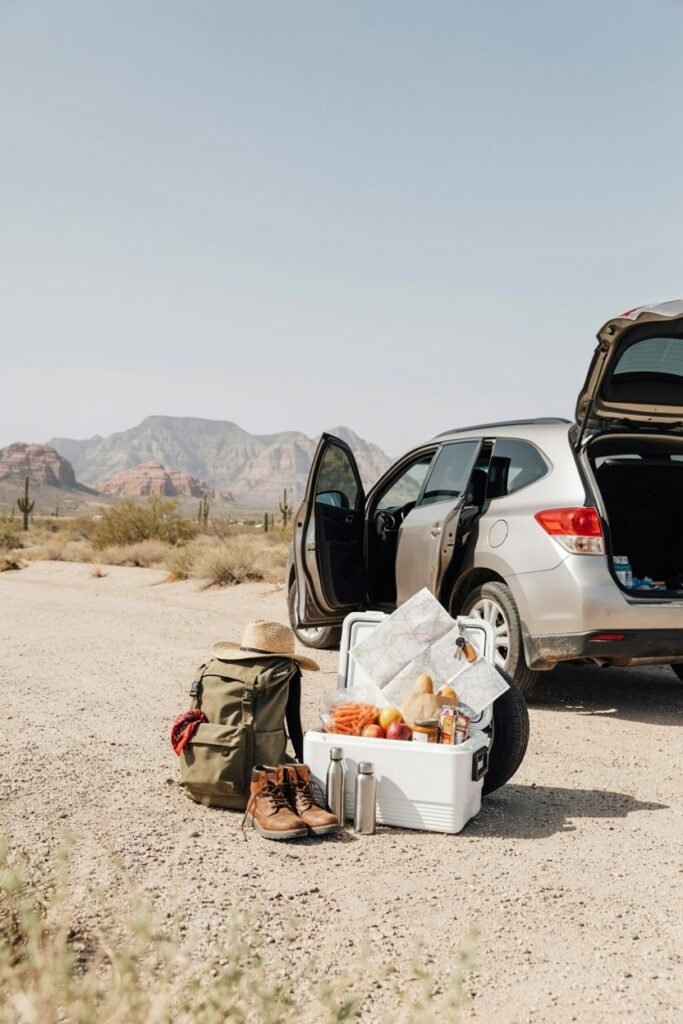
For road trips and outdoor days, I rarely see a reason to buy every snack and drink at tourist areas.
Keep water, simple snacks and meals in the car when appropriate.
This can make a noticeable difference over a week long trip.
Travel During Shoulder Seasons
Spring and fall can offer a good balance between weather and demand in many parts of Arizona.
However, always check the conditions for the specific destination because Arizona’s elevations create significant differences in weather.
Mix Expensive and Free Activities
You do not need to book a paid tour every day.
Some of my favorite travel days are built around scenic drives, viewpoints, walking through historic towns and exploring public outdoor areas.
Spend money where the experience is genuinely worth it to you.
Arizona Safety Tips Every Traveler Should Know

Arizona is beautiful, but the environment can be demanding.
Take the Heat Seriously
This is probably the most important advice I would give.
Do not wait until you feel extremely thirsty before drinking water.
If temperatures are very high, move outdoor activities to cooler parts of the day and reconsider strenuous hikes.
Carry More Water Than You Think You Need
This is especially important when leaving cities and traveling through remote areas.
A full water bottle is not always enough for a long hike or unexpected delay.
Check Weather Conditions
Weather can change quickly, especially in mountainous areas.
A comfortable morning does not guarantee comfortable conditions later in the day.
Be Careful Around Canyon Edges
Never sacrifice safety for a photograph.
Stay behind barriers where they are provided and avoid unstable edges.
Prepare for Remote Driving
Keep your fuel level comfortable, carry water and do not assume that every stretch of road will have a gas station nearby.
Download important maps before leaving areas with reliable service.
The Best Time to Visit Arizona

There is no single perfect month for the entire state.
The best time depends on where you are going.
Spring can be excellent for many desert destinations because temperatures are often more comfortable for outdoor activities.
Fall can also be a great choice, particularly for road trips.
Summer can be extremely hot in Phoenix, Scottsdale, Tucson and other low elevation areas, while higher elevation destinations such as Flagstaff can offer cooler conditions.
Winter can be surprisingly pleasant in southern Arizona while bringing much colder conditions to northern areas.
If hiking is your priority, I would choose your travel dates around comfortable outdoor temperatures rather than simply choosing the cheapest flights.
How Many Days Do You Need in Arizona?
For a quick introduction, three days can work if you concentrate on one region.
With five days, you can begin connecting major destinations.
Seven days gives you considerably more flexibility.
Ten days or longer is ideal if you want to combine northern and southern Arizona without rushing.
The mistake I would avoid is trying to see every famous destination simply because you have a rental car.
Long driving days can look manageable on paper but become exhausting once you add meals, traffic, photographs, fuel stops and unexpected delays.
A Simple 3 Day Arizona Itinerary
For three days, I would keep the itinerary focused.
Day 1
Arrive in Phoenix and travel toward Sedona.
Spend the afternoon exploring Sedona and enjoy the scenery around sunset.
Day 2
Spend the day hiking, sightseeing and exploring Sedona.
Take your time rather than trying to visit every trail.
Day 3
Travel toward the Grand Canyon and spend the day around the South Rim before continuing to your next destination or returning toward Phoenix.
This is a fairly active itinerary, so I would only choose it if you are comfortable with the driving.
A 5 Day Arizona Itinerary
Day 1
Phoenix and Scottsdale.
Day 2
Drive to Sedona and explore the area.
Day 3
Spend a full day in Sedona.
Day 4
Travel to the Grand Canyon and explore the South Rim.
Day 5
Continue toward Page or return toward Phoenix depending on your departure plans.
A 7 Day Arizona Itinerary
For a week, I would be more ambitious.
Day 1
Phoenix and Scottsdale.
Day 2
Drive to Sedona.
Day 3
Full day in Sedona.
Day 4
Grand Canyon.
Day 5
Page and Horseshoe Bend.
Day 6
Monument Valley.
Day 7
Return toward Phoenix or continue into Utah depending on your overall road trip.
This itinerary involves considerable driving, so I would not recommend it if you prefer slow travel.
A 10 Day Arizona Itinerary
With ten days, you can slow the itinerary down.
Spend the first couple of days around Phoenix and Scottsdale before heading north to Sedona.
Give Sedona two full days, then continue to Flagstaff and the Grand Canyon.
From there, travel toward Page and Monument Valley.
You can then return through eastern Arizona or continue toward southern Arizona if you have enough time.
If you want to include Tucson, Saguaro National Park and Bisbee, I would consider making this a larger loop rather than repeatedly returning to Phoenix.
Which Arizona Destination Is Best for You?

Best for a first Arizona trip: Grand Canyon
Best for red rock scenery: Sedona
Best for photography: Page
Best for a luxury getaway: Scottsdale
Best for desert landscapes: Saguaro National Park
Best for a mountain atmosphere: Flagstaff
Best for history: Bisbee
Best for a quiet historic town: Prescott
Best for unusual scenery: Petrified Forest National Park
Best for a road trip: Monument Valley
Best for water activities: Lake Havasu City
Best for food and culture: Tucson
Best for history and character: Jerome
Final Thoughts
Arizona is one of those places where I think it is better to choose your destinations based on the kind of trip you want rather than trying to follow someone else’s perfect itinerary.
If you want dramatic scenery, Sedona, the Grand Canyon, Page and Monument Valley give you some of the most memorable landscapes in the state.
If you want a slower vacation, Scottsdale, Prescott or Bisbee can give you more time to enjoy restaurants, historic streets and local experiences.
If outdoor adventure is your priority, Flagstaff, Saguaro National Park and the many surrounding desert areas offer plenty to explore.
What makes an Arizona trip especially rewarding is the variety. You can combine a major national park with a historic town, a desert landscape with a mountain community, or a busy city with a quiet road trip stop.
My biggest recommendation is to leave yourself enough time to enjoy the places you choose. Arizona rewards travelers who slow down, look beyond the obvious attractions and allow the journey between destinations to become part of the experience.