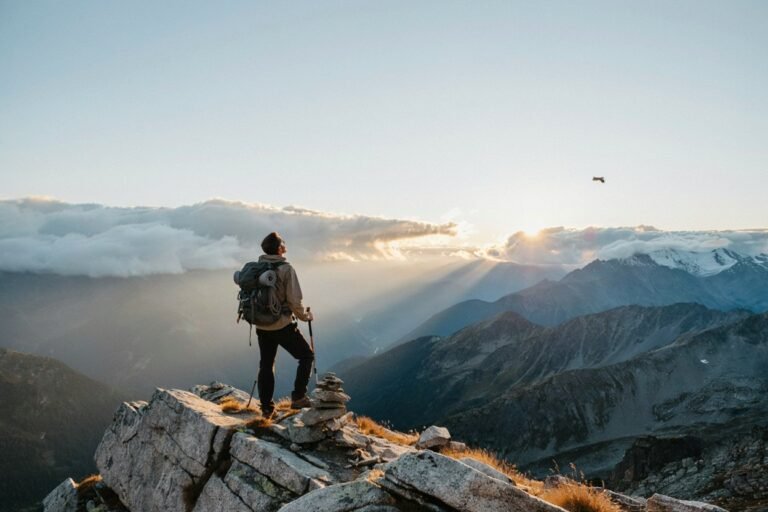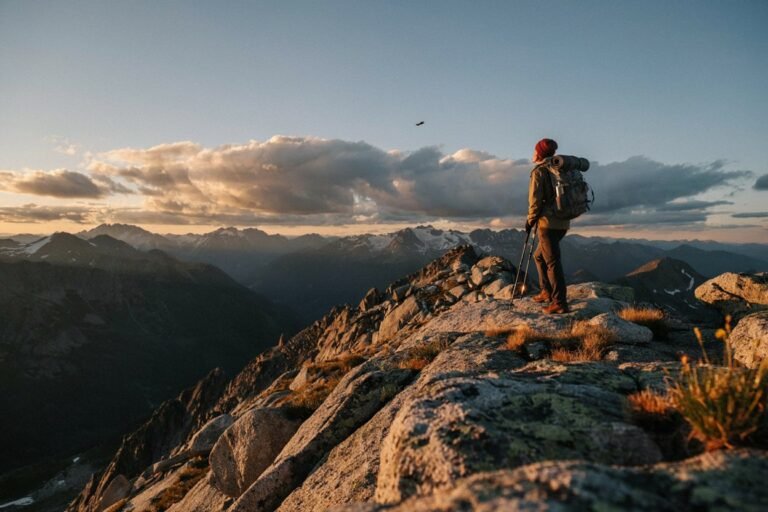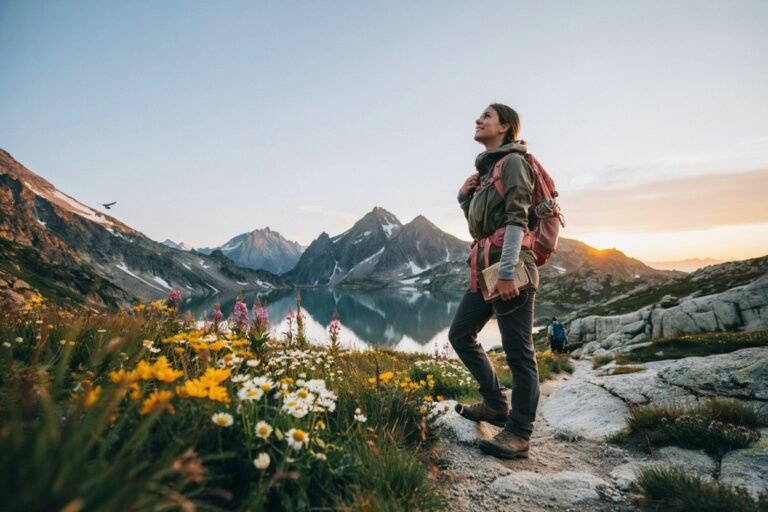

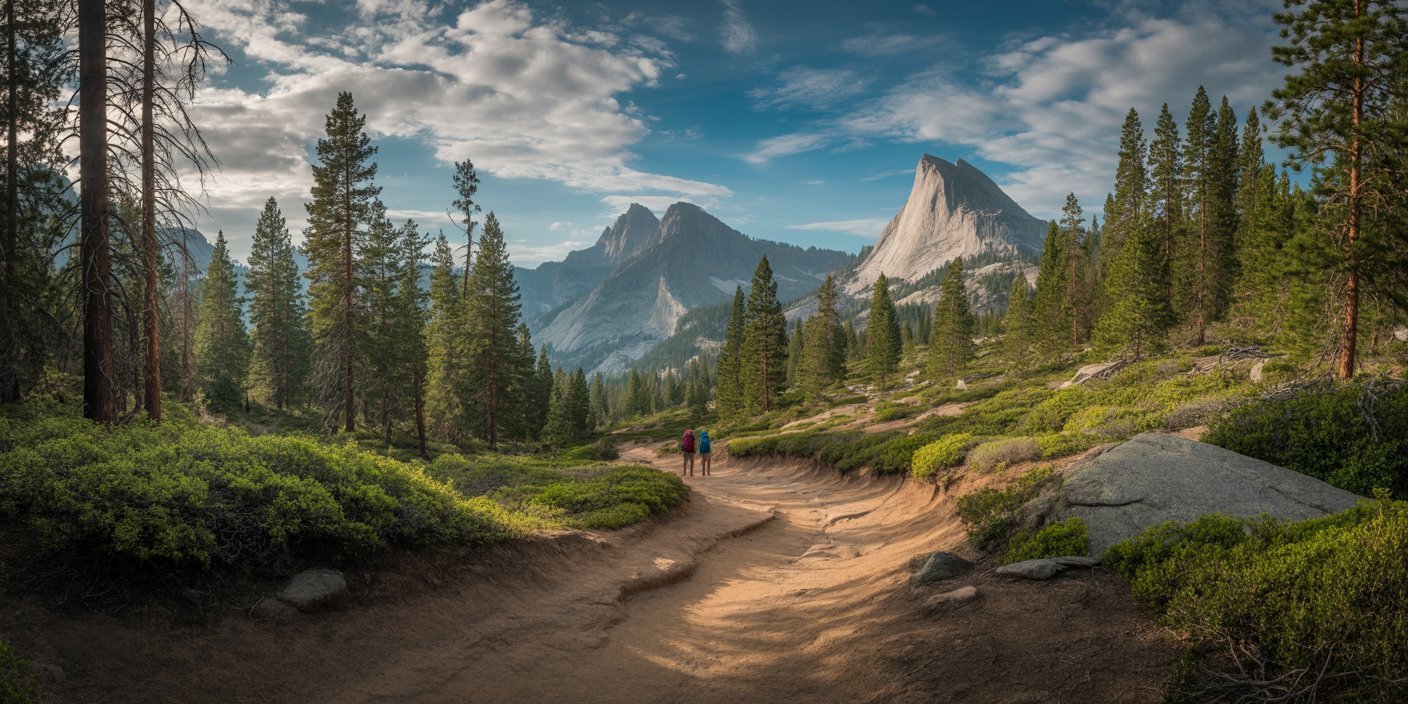
I have always believed that some of the best travel memories come from the places you have to work a little harder to reach.
A beautiful viewpoint feels even more rewarding when you have walked the trail, taken in the scenery along the way, and experienced the landscape changing with every step.
Hiking has a way of showing you a side of a destination that you simply cannot see from a car window.
You notice the small details, like the sound of a waterfall before you see it, the way sunlight moves across a mountain valley, or the peaceful feeling of standing somewhere surrounded only by nature.

Over time, I have found that the most memorable trails are not always the longest or the most difficult.
Some are challenging climbs that push you outside your comfort zone, while others are shorter adventures that lead to views you will never forget. What matters most is the experience they create.
America is filled with incredible hiking destinations, from the towering granite cliffs of Yosemite and the dramatic landscapes of Zion to peaceful forest trails, coastal viewpoints, and hidden waterfalls across the country.
Whether you are an experienced hiker searching for your next challenge or someone looking for a beautiful trail to add to your travel plans, these hikes offer some of the most unforgettable outdoor experiences in America.
How I Chose These Hiking Trails

Putting together a list of the best hiking trails is not just about choosing the most famous names.
A truly special hike should offer more than just a destination at the end of the trail. It should create a feeling of adventure, reward your effort with incredible scenery, and leave you with memories that stay long after you return home.
For this list, I focused on trails that showcase the incredible variety of landscapes across America.
Some take you through dramatic mountain ranges, others lead to powerful waterfalls, peaceful lakes, breathtaking viewpoints, and unique natural wonders that make each hike completely different.
I also considered the overall experience, including the scenery, difficulty, accessibility, and what makes each trail worth adding to a travel bucket list.
Whether you are chasing a challenging summit or simply looking for a beautiful place to slow down and enjoy nature, there is a trail here that offers something special.
1. The Mist Trail, Yosemite National Park, California
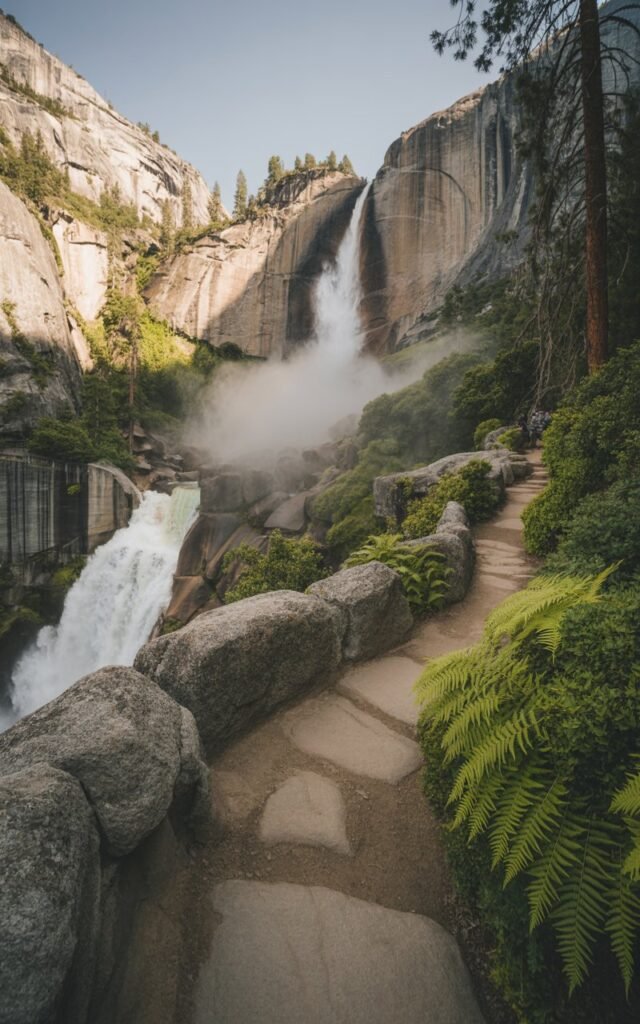
There are hikes where the view at the end is the main reward, and then there are hikes like the Mist Trail, where the entire journey feels like the experience.
From the first steps along the Merced River to the moment you feel the spray from Vernal Fall, this trail makes you feel surrounded by the raw beauty of Yosemite.
What I remember most is not just reaching the waterfalls, but everything that happened before.
The sound of rushing water getting louder, the massive granite cliffs rising above the trail, and the cool mist in the air made every part of the climb feel special.
The Trail Experience
The Mist Trail takes you past two of Yosemite’s most famous waterfalls, Vernal Fall and Nevada Fall. The route includes steep granite steps, forest sections, and incredible viewpoints overlooking Yosemite Valley.
The complete hike is around 7 miles round trip with approximately 2,200 feet of elevation gain. Most hikers spend about 5 to 6 hours on the trail, especially if they stop to enjoy the scenery.
Things to Know Before Hiking
This is a challenging trail, especially during the climb toward the waterfalls. The steps can be steep, and the mist from Vernal Fall can make sections of the trail wet and slippery.
A comfortable pace makes a big difference here. Take breaks when needed and give yourself time to enjoy the views instead of rushing to reach the top.
When to Visit
The best time to hike the Mist Trail is usually late spring through early summer when snowmelt creates the most impressive waterfalls. If you prefer cooler weather and fewer visitors, early fall is another great option.
Pack These Essentials
- Comfortable hiking shoes with strong grip
- Plenty of water
- High energy snacks
- Lightweight waterproof jacket
- Sunscreen and sunglasses
- Small backpack for essentials
- Camera or phone for photos
My Best Advice
Start early because this is one of Yosemite’s most popular trails. The earlier you begin, the more peaceful the experience will feel.
Also, do not underestimate the trail just because it is popular. The elevation gain and steep sections can be tiring, so prepare properly and enjoy the journey.
Why It Is Worth Adding to Your List
The Mist Trail captures everything people love about Yosemite in one adventure. It has powerful waterfalls, dramatic mountain scenery, and those rare moments where you stop and realize you are standing somewhere truly unforgettable.
2. Angels Landing, Zion National Park, Utah
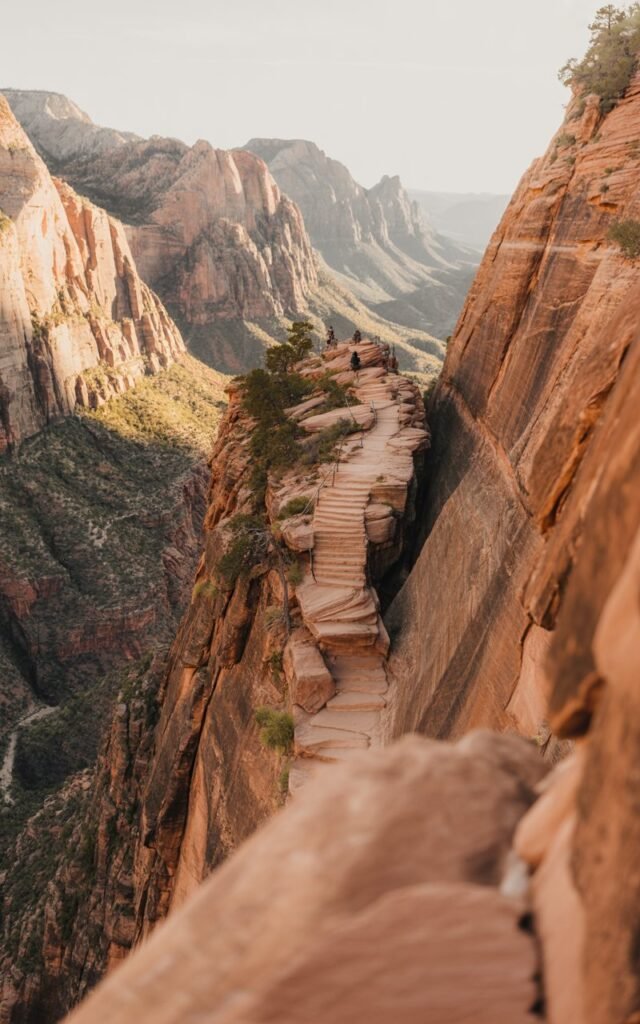
There are some hikes that challenge you physically, and there are others that challenge your confidence. Angels Landing is both.
Rising high above Zion Canyon, this legendary trail combines steep climbs, dramatic cliffs, and some of the most unforgettable views in the Southwest.
I still remember reaching the final section of the trail and looking across the canyon below.
The narrow ridge, the massive red cliffs, and the feeling of standing above one of Utah’s most beautiful landscapes made every difficult step feel worth it.
The Trail Experience
Angels Landing is famous for its final ridge walk, where hikers use chains bolted into the rock to carefully make their way toward the summit.
Before reaching that section, the trail takes you through steep switchbacks and the famous Walter’s Wiggles, a series of tight turns carved into the mountainside.
The hike is about 5.4 miles round trip with approximately 1,500 feet of elevation gain. Most hikers complete it in around 4 to 5 hours, depending on their pace and how much time they spend enjoying the viewpoints.
Things to Know Before Hiking
This is not a beginner friendly trail. The steep climbs, exposed sections, and narrow ridgeline require good fitness, careful footing, and comfort with heights.
A permit is required for the final chain section, so planning ahead is important. Always check weather conditions before hiking because rain, ice, or strong winds can make the exposed areas dangerous.
When to Visit
Spring and fall are usually the best seasons for hiking Angels Landing because temperatures are more comfortable.
Summer can be extremely hot, especially during the middle of the day, so an early start is highly recommended.
Pack These Essentials
- Hiking shoes with excellent grip
- Plenty of water
- High energy snacks
- Sunscreen and a hat
- Lightweight layers for changing temperatures
- Small backpack for essentials
- Camera or phone for the incredible views
My Best Advice
Start early to avoid the biggest crowds and heat. Take your time on the final ridge and never rush the chain section. The views are incredible, but safety should always come first.
If you are uncomfortable with heights or unable to get a permit, the nearby West Rim Trail offers amazing Zion scenery without the same exposure.
Why It Is Worth Adding to Your List
Angels Landing is more than just a hike. It is an experience that pushes you outside your comfort zone while rewarding you with some of the most spectacular views in Zion National Park.
Few trails create the same feeling of adventure, accomplishment, and awe all at once.
3. Half Dome, Yosemite National Park, California
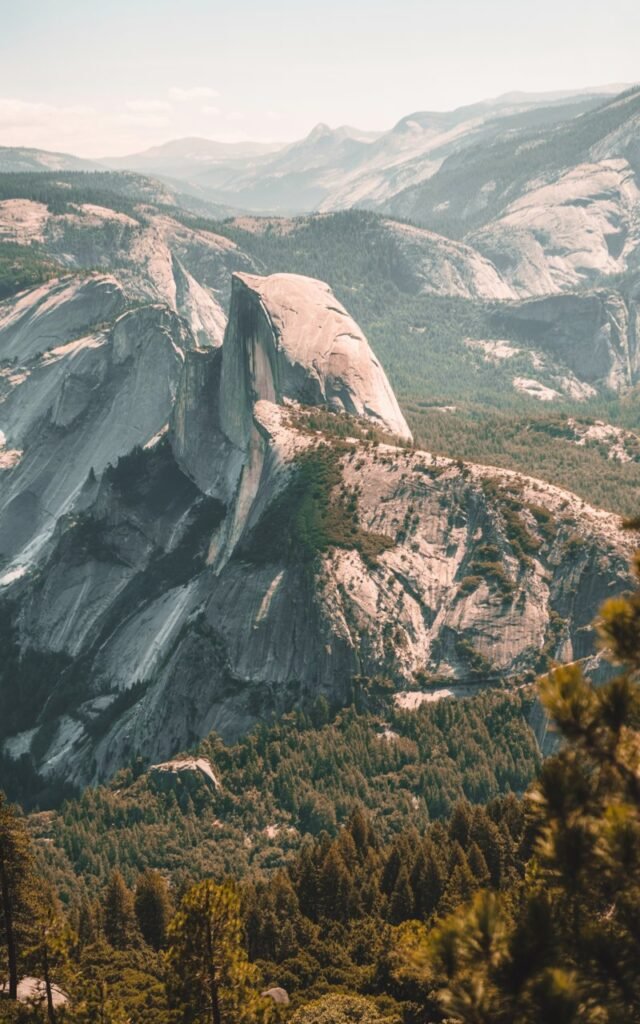
Some mountains are admired from a distance, but Half Dome is one of those places that calls you to experience it up close.
Rising nearly 5,000 feet above Yosemite Valley, this iconic granite formation has become one of the most recognizable hiking destinations in the United States.
What makes Half Dome unforgettable is the feeling of reaching the top after a long and demanding climb. Standing on the summit and looking across Yosemite’s vast wilderness gives you a sense of accomplishment that is difficult to match.
The Trail Experience
The Half Dome hike takes you through some of Yosemite’s most beautiful landscapes, including forest paths, the Mist Trail, Vernal Fall, and Nevada Fall before the final climb toward the famous cables.
The complete route is about 14 to 16 miles round trip with approximately 4,800 feet of elevation gain. Most hikers spend around 10 to 12 hours completing the journey, making it a full day adventure that requires preparation.
Things to Know Before Hiking
Half Dome is considered one of Yosemite’s most challenging day hikes. The steep elevation gain, long distance, and exposed cable section near the summit make it a serious undertaking.
A permit is required to climb the cables, and they are only installed during the warmer months when conditions are safer.
Hikers should also be prepared for changing weather, tired legs, and the mental challenge of the final ascent.
When to Visit
The best time to hike Half Dome is usually late May through early October, when the cables are in place and trail conditions are more predictable.
Summer offers the longest daylight hours, while early fall brings cooler temperatures and fewer crowds.
Pack These Essentials
- Sturdy hiking shoes with excellent grip
- Plenty of water or a hydration system
- High energy snacks and a packed lunch
- Gloves for the cable section
- Sunscreen and sunglasses
- Layers for changing mountain temperatures
- Headlamp in case the hike takes longer than expected
My Best Advice
Start before sunrise because Half Dome is a long day on the trail. Train with longer hikes before your trip, and do not underestimate how tiring the final climb can be.
Take your time on the cables and avoid rushing past other hikers. The summit views are incredible, but the journey there is just as important.
Why It Is Worth Adding to Your List
Half Dome is the kind of adventure that stays with you long after you leave Yosemite.
It tests your endurance, rewards your effort, and gives you one of the most unforgettable views in the entire national park system. For hikers looking for a true bucket list challenge, this trail is hard to beat.
4. The Narrows, Zion National Park, Utah
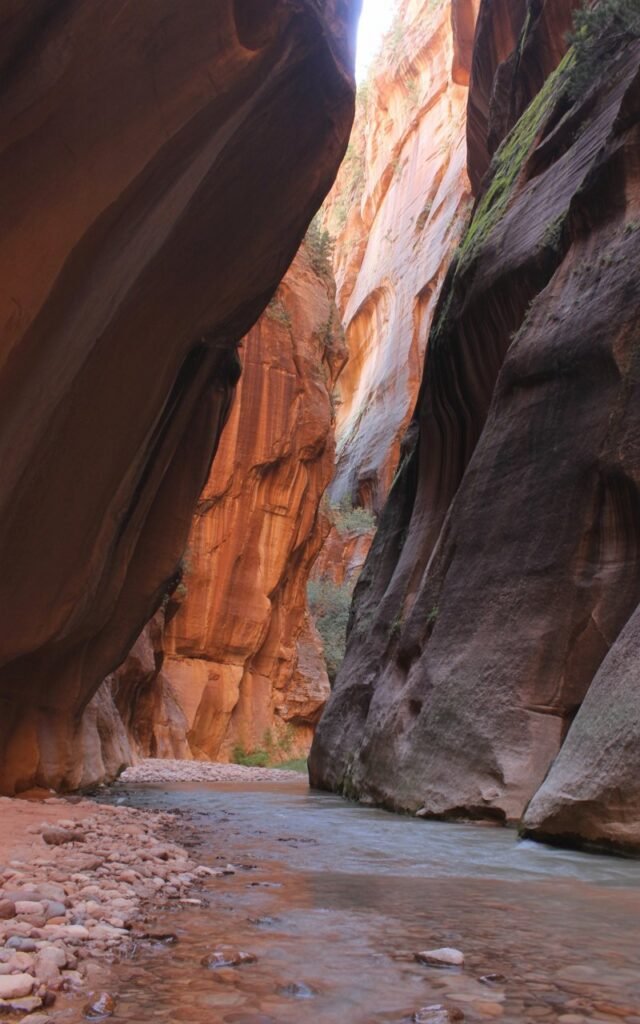
Some hikes take you above the landscape, while others take you directly through it. The Narrows is one of those rare adventures where the trail itself becomes part of the experience.
Instead of following a traditional path, you walk through the Virgin River surrounded by towering canyon walls that rise hundreds of feet above you.
The first time I saw photos of this hike, I wondered if the scenery could really look that dramatic in person.
Standing inside the narrow canyon with the cool water flowing around my feet, I realized it was even more impressive than I expected.
The Trail Experience
The Narrows follows the narrowest section of Zion Canyon, where the river winds between massive sandstone cliffs.
The hike changes constantly as you walk through water, around smooth rocks, and beneath some of the most incredible canyon scenery in the world.
Many visitors hike the Bottom Up route from the Temple of Sinawava, which can be as short or long as you choose.
The full day hike to Big Springs is about 10 miles round trip, while many hikers turn around earlier after experiencing the most scenic sections.
Things to Know Before Hiking
This hike is unlike most trails because you spend much of your time walking through the river.
Water levels, weather conditions, and flash flood risks are important factors to consider before starting.
Good preparation is essential. The river can be cold, rocks can be slippery, and sturdy footwear makes a huge difference. Always check Zion’s current conditions before your visit.
When to Visit
Late spring through early fall is usually the best time to hike The Narrows when water temperatures are more comfortable and conditions are generally better. Summer is popular, but early morning starts help avoid crowds.
Pack These Essentials
- Water shoes or sturdy hiking boots that can get wet
- Hiking poles for balance on slippery rocks
- Dry bag for electronics and valuables
- Plenty of water and snacks
- Quick drying clothing
- Lightweight layers for cooler canyon temperatures
- Sunscreen and a hat
My Best Advice
Check the river forecast before hiking because flash floods can make The Narrows extremely dangerous.
Start early if you want a quieter experience, and take your time because the best moments are often found in the quieter sections of the canyon.
If you do not want to hike through deep water, the Riverside Walk at the start of the trail still offers beautiful views of the canyon entrance.
Why It Is Worth Adding to Your List
The Narrows is one of those hikes that feels completely different from anything else.
Walking between towering canyon walls with the river flowing beside you creates an adventure that is both peaceful and unforgettable.
It is not just a hike through Zion, it is a chance to experience the park from a completely different perspective.
5. Precipice Trail, Acadia National Park, Maine
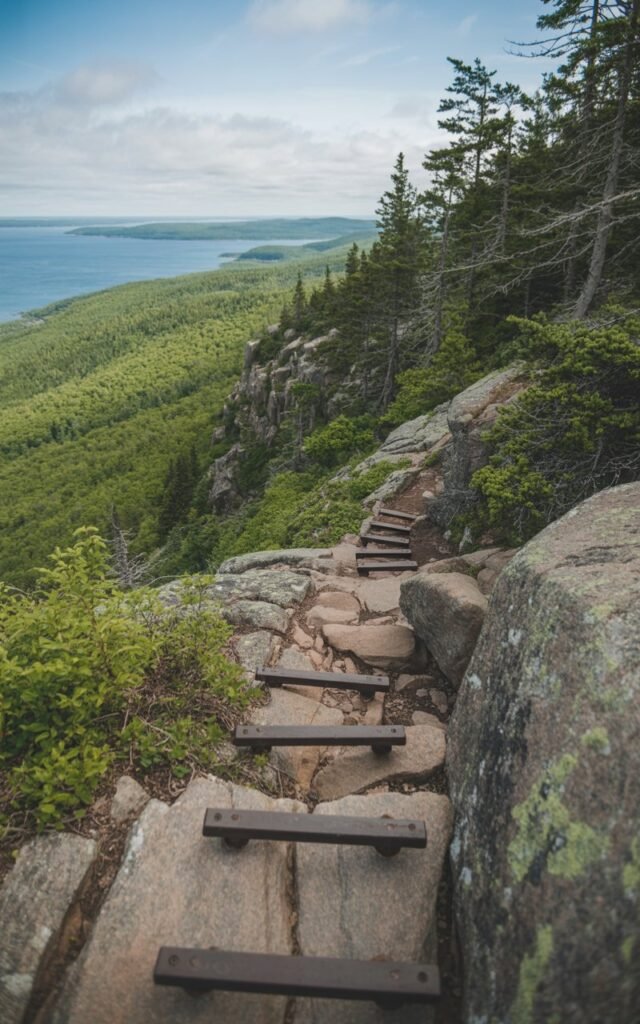
The Precipice Trail is not the kind of hike you forget easily. While many trails reward you with beautiful views at the end, this one makes the entire climb feel like an adventure.
With iron rungs, steep rock faces, and exposed sections along Champlain Mountain, it offers one of the most thrilling hiking experiences on the East Coast.
The first time I learned about this trail, I was surprised by how much adventure could fit into such a short distance.
Standing above the rocky coastline with views stretching across Acadia made every careful step feel completely worth it.
The Trail Experience
The Precipice Trail takes you up the eastern face of Champlain Mountain using a combination of rocky paths, metal ladders, iron rungs, and narrow ledges.
The route is challenging but incredibly rewarding, with incredible views of Frenchman Bay and the surrounding landscape.
The trail is about 2.5 miles round trip with approximately 1,000 feet of elevation gain. Most hikers complete it in around 2 to 3 hours, depending on their pace and how often they stop to enjoy the scenery.
Things to Know Before Hiking
This is one of Acadia’s most challenging trails and is not recommended for beginners or anyone uncomfortable with heights.
The exposed sections require careful movement, and some areas involve climbing rather than simply walking.
The trail can also become slippery when wet, so checking weather conditions before starting is extremely important.
Pets and small children are not recommended on this route because of the steep drop offs and difficult sections.
When to Visit
The best time to hike the Precipice Trail is usually late spring through early fall when conditions are safer and the trail is free of ice.
Summer offers the most reliable weather, while early fall provides beautiful foliage throughout Acadia.
Pack These Essentials
- Sturdy hiking shoes with excellent grip
- Plenty of water
- Small backpack for essentials
- Lightweight layers for changing weather
- Sunscreen and sunglasses
- Camera for the coastal views
- Gloves for extra grip on metal rungs
My Best Advice
Start early in the day to enjoy cooler temperatures and fewer hikers on the narrow sections. Take your time, especially on the iron rungs, and never rush through the exposed areas.
If the trail feels too intimidating, Acadia has many other scenic hikes that offer incredible views without the same level of difficulty.
Why It Is Worth Adding to Your List
The Precipice Trail is a perfect example of how a short hike can create a huge memory.
Between the adventurous climb, dramatic mountain views, and incredible coastal scenery, it offers a side of Acadia National Park that feels wild, exciting, and unforgettable.
6. Bright Angel Trail, Grand Canyon National Park, Arizona
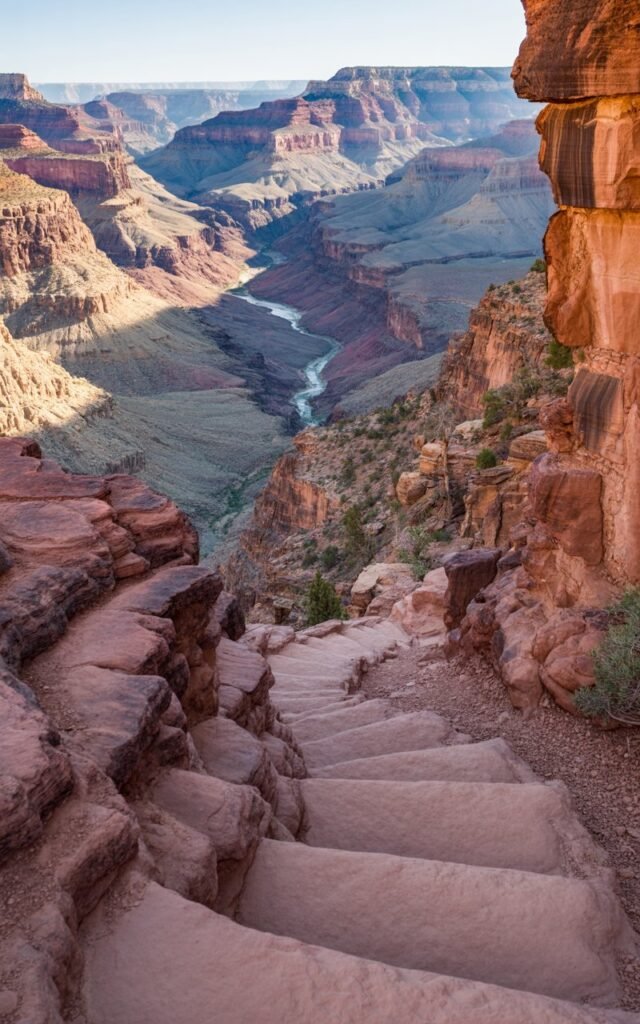
The Grand Canyon is one of those places that feels impossible to fully understand until you stand beside it.
The Bright Angel Trail gives you the rare opportunity to move beyond the rim and experience the canyon from within, surrounded by towering rock layers that reveal millions of years of Earth’s history.
The first time I looked back up at the canyon walls from the trail, I realized how different the landscape feels from below.
The views change constantly, and every turn offers a new perspective that you simply cannot get from the overlook.
The Trail Experience
The Bright Angel Trail is one of the most famous routes into the Grand Canyon.
The trail descends through dramatic switchbacks, passing viewpoints, rest areas, and incredible geological formations along the way.
The full hike to the Colorado River and back is about 16 miles round trip with nearly 4,800 feet of elevation gain on the return climb.
Many hikers choose shorter routes, such as hiking to Indian Garden, which is about 9 miles round trip.
Things to Know Before Hiking
The biggest challenge of Bright Angel Trail is not the way down, but the climb back up. The desert heat, elevation changes, and long uphill return make this a demanding hike that requires good preparation.
Water availability can change depending on conditions, so always check current trail information before your trip. Starting early is one of the best decisions you can make, especially during warmer months.
When to Visit
Spring and fall are usually the best times to hike Bright Angel Trail because temperatures are more comfortable.
Summer can be extremely hot inside the canyon, while winter may bring icy conditions on higher sections of the trail.
Pack These Essentials
- Plenty of water and electrolyte drinks
- Comfortable hiking shoes with good support
- High energy snacks and a packed lunch
- Sun protection including sunscreen and a hat
- Lightweight layers for changing temperatures
- Trekking poles for support on steep sections
- Camera for the incredible canyon views
My Best Advice
Do not underestimate this trail because the first part feels easy. Remember that every step down means you will eventually need to climb back up.
Pace yourself, take breaks, and give yourself more time than you think you need.
If you are visiting for the first time, consider making a shorter hike instead of trying to reach the canyon floor. The views are spectacular at every distance.
Why It Is Worth Adding to Your List
Bright Angel Trail offers a completely different way to experience the Grand Canyon. Instead of simply looking across the landscape, you become part of it.
The combination of incredible scenery, challenging terrain, and the feeling of walking through one of the world’s greatest natural wonders makes this a truly unforgettable adventure.
7. Kalalau Trail, Kauai, Hawaii
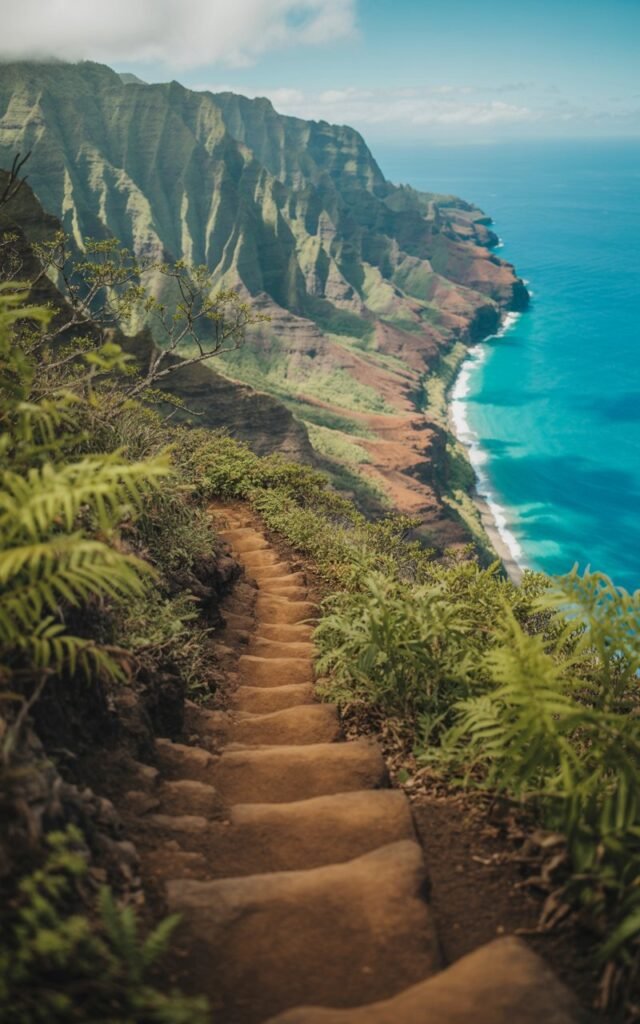
Some hikes feel like a journey into another world, and the Kalalau Trail is one of them.
Located along the stunning Na Pali Coast of Kauai, this trail takes you through lush tropical valleys, dramatic sea cliffs, and remote beaches that look almost too beautiful to be real.
The first time I saw the coastline from the trail, I understood why so many hikers consider this one of the greatest adventures in Hawaii.
The combination of green mountains rising from the ocean, crashing waves below, and the feeling of being completely surrounded by nature makes every mile unforgettable.
The Trail Experience
The Kalalau Trail follows the rugged northwestern coastline of Kauai, offering some of the most spectacular views in the Hawaiian Islands.
Along the way, hikers pass through forests, cross streams, climb rocky sections, and experience incredible viewpoints overlooking the Pacific Ocean.
The full trail to Kalalau Beach is about 22 miles round trip with approximately 6,000 feet of total elevation gain and loss. Most hikers complete it as a multi day backpacking trip, usually taking 2 to 3 days.
Things to Know Before Hiking
This is a challenging and remote trail that requires preparation. The narrow paths, steep cliffs, muddy conditions, and unpredictable weather can make sections difficult, especially after rain.
A permit is required to continue beyond Hanakapiai Valley, and reservations often fill quickly. Always check current trail conditions before your visit because landslides and weather can affect accessibility.
When to Visit
The best time to hike the Kalalau Trail is generally May through September, when the weather is often drier and trail conditions are more manageable.
Winter brings heavier rainfall and a higher chance of muddy trails.
Pack These Essentials
- Sturdy hiking shoes with good traction
- Plenty of water and a water filter
- Lightweight backpacking gear
- Rain jacket and quick drying clothing
- High energy snacks and meals
- Sunscreen and insect repellent
- Small first aid kit
- Camera for the incredible coastline views
My Best Advice
Start early to avoid hiking during the hottest part of the day, and give yourself plenty of time to enjoy the scenery instead of rushing through the trail.
The views along the Na Pali Coast are some of the best parts of the experience.
Be prepared for changing conditions, especially mud and rain. Good shoes and a flexible mindset will make the adventure much more enjoyable.
Why It Is Worth Adding to Your List
The Kalalau Trail is more than just a hike. It is an unforgettable journey through one of Hawaii’s most beautiful landscapes, where every turn reveals another incredible view.
Between the dramatic cliffs, tropical forests, and peaceful beaches, it offers the kind of adventure that stays with you long after you leave Kauai.
8. Mount LeConte via Alum Cave Trail, Great Smoky Mountains, Tennessee
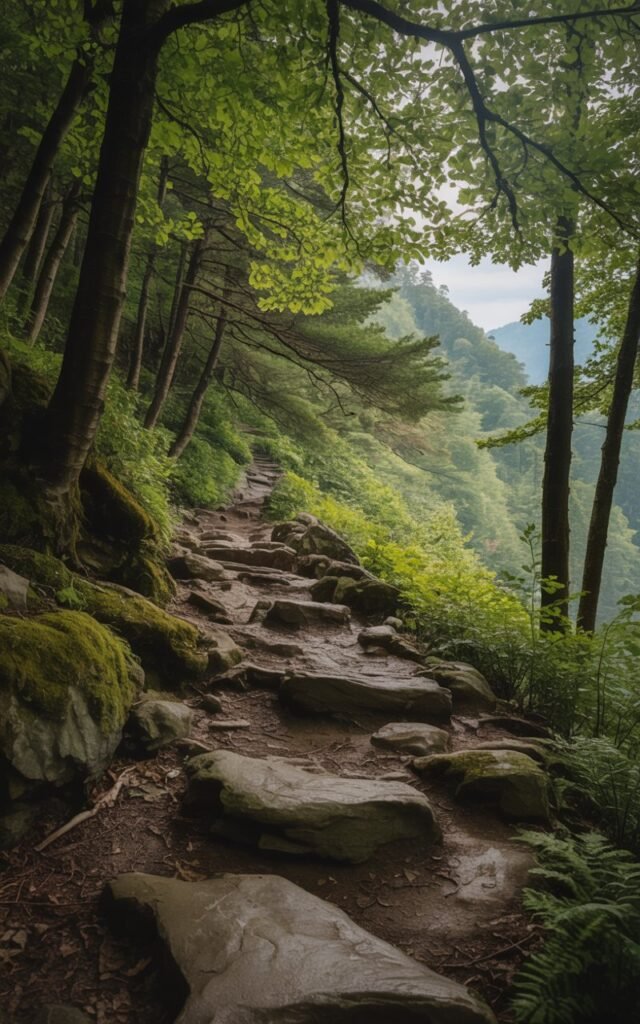
Some mountain hikes are all about reaching the summit, but the journey to Mount LeConte is what makes this trail truly special.
Following the Alum Cave Trail, you pass through rushing streams, towering forests, dramatic rock formations, and some of the most beautiful scenery in the Great Smoky Mountains.
The first time I experienced this trail, I was surprised by how much the landscape changed along the way.
One moment you are walking through quiet woodland, and the next you are standing beneath massive cliffs with sweeping views of the mountains stretching in every direction.
The Trail Experience
The Alum Cave Trail is the most popular route to Mount LeConte, taking hikers past highlights like Arch Rock, Inspiration Point, and Alum Cave Bluffs before continuing toward the summit.
The hike is about 11 miles round trip with approximately 2,700 feet of elevation gain. Most hikers complete it in around 6 to 8 hours, depending on their pace and how much time they spend enjoying the viewpoints.
Things to Know Before Hiking
Although the trail is well maintained, it is still a challenging mountain hike. The steady elevation gain, long distance, and changing weather conditions can make it more demanding than it first appears.
The higher you climb, the cooler the temperatures become, even during warmer months. Good preparation and proper layers will make a big difference throughout the hike.
When to Visit
Spring and fall are some of the best times to hike Mount LeConte. Spring brings wildflowers and flowing streams, while autumn transforms the mountains with incredible fall colors. Summer is also popular, but starting early helps avoid heat and crowds.
Pack These Essentials
- Comfortable hiking boots with good support
- Plenty of water
- Trail snacks and a packed lunch
- Lightweight layers for changing temperatures
- Rain jacket for unpredictable mountain weather
- Trekking poles for extra support
- Camera for the mountain views
My Best Advice
Start early and give yourself enough time to enjoy the trail instead of focusing only on reaching the summit. The viewpoints along the way are just as memorable as the final destination.
Always check the weather before leaving because conditions in the Smokies can change quickly. A sunny morning at the trailhead can feel completely different several miles higher.
Why It Is Worth Adding to Your List
Mount LeConte via Alum Cave Trail is one of those hikes that captures everything people love about the Great Smoky Mountains.
The beautiful forests, dramatic overlooks, and feeling of accomplishment at the summit make it a trail that is worth experiencing at least once.
9. Cascade Pass Trail, North Cascades National Park, Washington
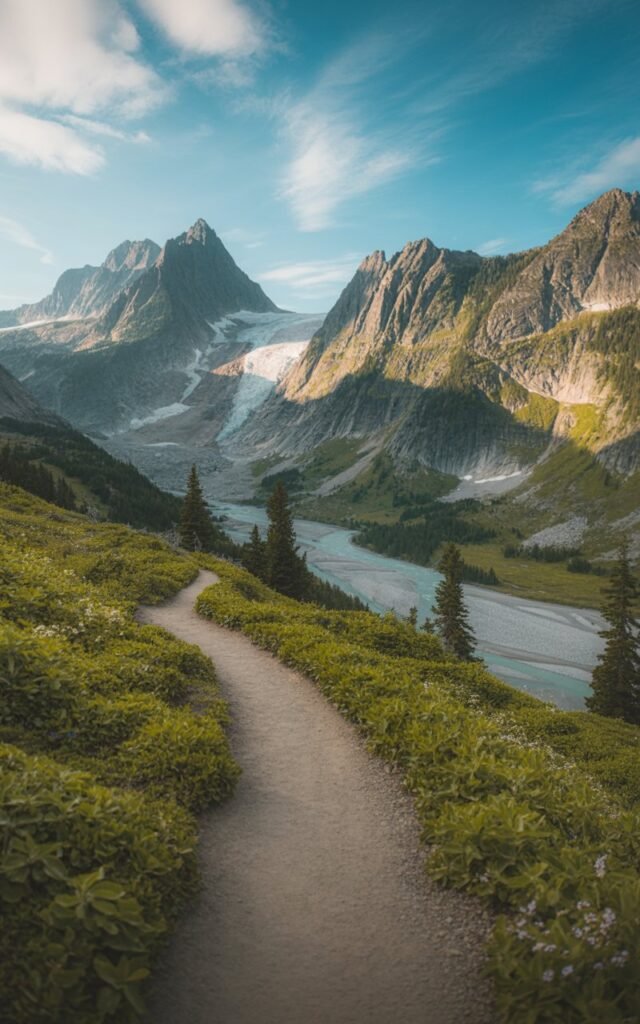
Some hikes reward you with one incredible viewpoint, but the Cascade Pass Trail feels like a journey through an entire mountain landscape.
As you climb through forests and alpine meadows, the views slowly open up to reveal some of the most dramatic peaks in the North Cascades.
The first time I reached the pass, I remember looking across the valley and feeling completely surrounded by mountains.
The rugged peaks, wildflowers, and quiet wilderness created the kind of scenery that makes you want to stop and take everything in.
The Trail Experience
The Cascade Pass Trail is one of the most scenic hikes in North Cascades National Park.
The route follows a series of switchbacks through forest before opening into alpine terrain with breathtaking views of glaciers, valleys, and surrounding mountain peaks.
The hike is about 6.7 miles round trip with approximately 1,800 feet of elevation gain.
Most hikers complete it in around 3 to 5 hours, depending on their pace and how much time they spend enjoying the viewpoints.
Things to Know Before Hiking
Although the trail is not extremely long, the elevation gain makes it a challenging workout.
The weather can also change quickly in the mountains, so being prepared for different conditions is important.
Wildlife sightings are common in this area, including mountain goats and other alpine animals. Always keep a safe distance and respect the wilderness around you.
When to Visit
The best time to hike Cascade Pass is usually July through September, when the trail is mostly clear of snow and wildflowers fill the meadows.
Early fall is especially beautiful as cooler temperatures and changing colors arrive.
Pack These Essentials
- Comfortable hiking shoes or boots
- Plenty of water
- Trail snacks
- Lightweight layers for changing weather
- Rain jacket
- Sunscreen and sunglasses
- Camera for the mountain views
My Best Advice
Start early if you want a quieter experience and better chances of seeing wildlife.
Take your time on the climb because the best part of this hike is enjoying how the scenery changes as you gain elevation.
Also, bring extra layers even on sunny days. The pass can feel much cooler and windier than the trailhead.
Why It Is Worth Adding to Your List
Cascade Pass Trail is a perfect example of why the North Cascades are often called one of America’s hidden mountain treasures.
With incredible views, peaceful alpine scenery, and a true wilderness feeling, this hike offers the kind of adventure that stays in your memory long after you leave.
10. Angels Rest, Columbia River Gorge, Oregon
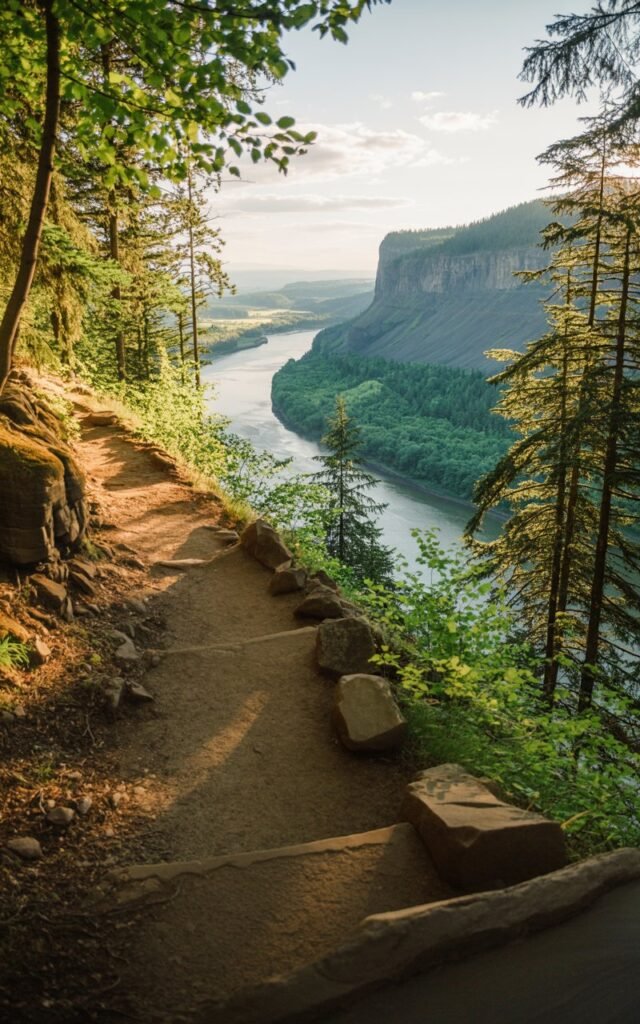
Some hikes reward you with a beautiful destination, but Angels Rest makes the entire climb feel worthwhile.
Rising above the Columbia River Gorge, this trail offers sweeping views of the river, surrounding mountains, and endless forest that make you appreciate just how impressive Oregon’s landscape can be.
The first time I reached the rocky viewpoint, I understood why this hike is such a favorite among locals.
After the steady climb through the forest, stepping out onto the open ridge with the gorge stretching below felt like the perfect reward.
The Trail Experience
The Angels Rest Trail takes you through a forested path filled with towering trees before opening up to one of the best viewpoints in the Columbia River Gorge.
The final section includes rocky terrain and a short scramble before reaching the exposed cliffside overlook.
The hike is about 4.8 miles round trip with approximately 1,500 feet of elevation gain. Most hikers complete it in around 3 to 4 hours, depending on their pace and how long they spend enjoying the views at the top.
Things to Know Before Hiking
Although it is not a very long trail, Angels Rest is a steady uphill climb that can feel challenging, especially on warmer days.
The exposed viewpoint at the top has steep drop offs, so staying on the marked areas is important.
The trail can also become muddy and slippery after rain, so good footwear is highly recommended.
When to Visit
Spring and fall are some of the best times to hike Angels Rest. Spring brings green forests and wildflowers, while autumn adds beautiful colors throughout the gorge. Summer mornings are also a good option before temperatures rise.
Pack These Essentials
- Comfortable hiking shoes with good traction
- Plenty of water
- Trail snacks
- Lightweight layers for changing weather
- Sunscreen and sunglasses
- Camera for the gorge views
My Best Advice
Start early, especially on weekends, because Angels Rest is one of the most popular hikes near Portland. Take your time on the climb and save energy for the final rocky section.
The viewpoint is a perfect place to slow down, enjoy a snack, and take in the scenery instead of rushing back down.
Why It Is Worth Adding to Your List
Angels Rest is a great reminder that some of the best hiking experiences do not require a full day in the wilderness.
With its beautiful forest trail, rewarding climb, and incredible Columbia River Gorge views, it is a hike that delivers far more than you expect.
Planning Your Hiking Adventure

A great hiking experience starts long before you reach the trailhead. After exploring different trails, I have learned that a little preparation can completely change the way you enjoy a hike.
The right planning helps you spend less time worrying about problems and more time taking in the scenery around you.
Check Trail Conditions Before You Go
Trail conditions can change quickly, especially in mountain areas and national parks. Before your trip, check the official park website for updates about closures, weather conditions, permits, and safety alerts.
Some trails that look manageable in photos can become much more challenging because of snow, rain, extreme heat, or recent storms.
Plan Your Route and Hiking Time
Always know what you are getting into before starting a trail. Look at the distance, elevation gain, estimated hiking time, and difficulty level.
Remember that trail times are only estimates. Most hikers take longer than expected because they stop for photos, enjoy viewpoints, or take breaks along the way.
Reserve Permits Early
Many of America’s most popular hiking trails have limited access to protect the environment and manage crowds.
Trails like Angels Landing and Half Dome require permits, and these spots can fill quickly during busy seasons.
If a permit is required, plan your trip early and check the reservation process before making travel arrangements.
Pack the Right Hiking Gear
Having the right equipment makes every hike more comfortable. You do not need expensive gear for every trail, but a few essentials can make a big difference.
Important items include:
- Comfortable hiking shoes or boots
- A reliable backpack
- Plenty of water
- Trail snacks or a packed lunch
- Weather appropriate layers
- Sunscreen and sunglasses
- First aid supplies
- Navigation tools or offline maps
Choose the Right Season
The same trail can feel completely different depending on when you visit. Spring may bring wildflowers and flowing waterfalls, while fall offers cooler temperatures and colorful scenery.
Before choosing your hiking dates, research the best season for your specific destination. Some high elevation trails may still have snow well into summer, while desert hikes can become dangerously hot during warmer months.
Start Early When Possible
Starting your hike early is one of the simplest ways to improve your experience. Morning starts usually mean cooler temperatures, fewer crowds, better parking options, and more peaceful moments on the trail.
For popular hikes in national parks, arriving early can make the difference between enjoying the trail and feeling overwhelmed by crowds.
Respect the Trail and Leave No Trace
The most beautiful hiking destinations stay that way because visitors take care of them. Stay on marked paths, pack out your trash, respect wildlife, and avoid disturbing natural areas.
A memorable hike is not only about what you experience, but also about helping protect these places for future travelers.
Enjoy the Journey, Not Just the Destination
The best hiking memories often happen between the starting point and the final viewpoint. Take time to notice the scenery changing, enjoy quiet moments, and appreciate the effort it takes to reach somewhere special.
A well planned hike allows you to focus less on the challenges and more on the experience that brought you there in the first place.
Frequently Asked Questions
What is the best time of year to go hiking in America?
The best time to hike depends on the destination. Spring and fall are often ideal because temperatures are more comfortable and crowds are usually smaller.
Summer is great for many mountain trails and national parks, while some higher elevation hikes are only accessible during the warmer months.
What should I bring on a hiking trip?
The essentials depend on the length and difficulty of the trail, but every hike should start with good hiking shoes, plenty of water, snacks, weather appropriate clothing, sunscreen, and a small backpack.
For longer or more challenging hikes, extra layers, trekking poles, a first aid kit, and navigation tools are also helpful.
Are these hiking trails suitable for beginners?
Some trails on this list are beginner friendly, while others require more experience and preparation. Always check the distance, elevation gain, and trail conditions before starting.
Beginners can still enjoy many famous hikes by choosing shorter routes or turning around before the most difficult sections.
Do I need a permit for these hiking trails?
Some popular hikes require permits, especially in busy national parks. Trails like Angels Landing and Half Dome have specific permit systems, so it is important to check official park requirements and reserve your spot ahead of time.
Final Thoughts
The best hiking trails are not just about reaching a viewpoint or checking another destination off your list.
They are about the moments you experience along the way, the quiet sections of trail, the unexpected views, and the feeling of standing somewhere that makes you appreciate the beauty around you.
From the waterfalls of Yosemite and the cliffs of Zion to peaceful forests, alpine lakes, and dramatic mountain landscapes, these trails represent some of the best outdoor adventures America has to offer.
You do not have to complete every challenging route to enjoy hiking. Start with a trail that matches your experience level, take your time, and focus on enjoying the journey.
Some of the greatest travel memories are created one step at a time, and these hikes are the kind of adventures you will remember long after you return home.