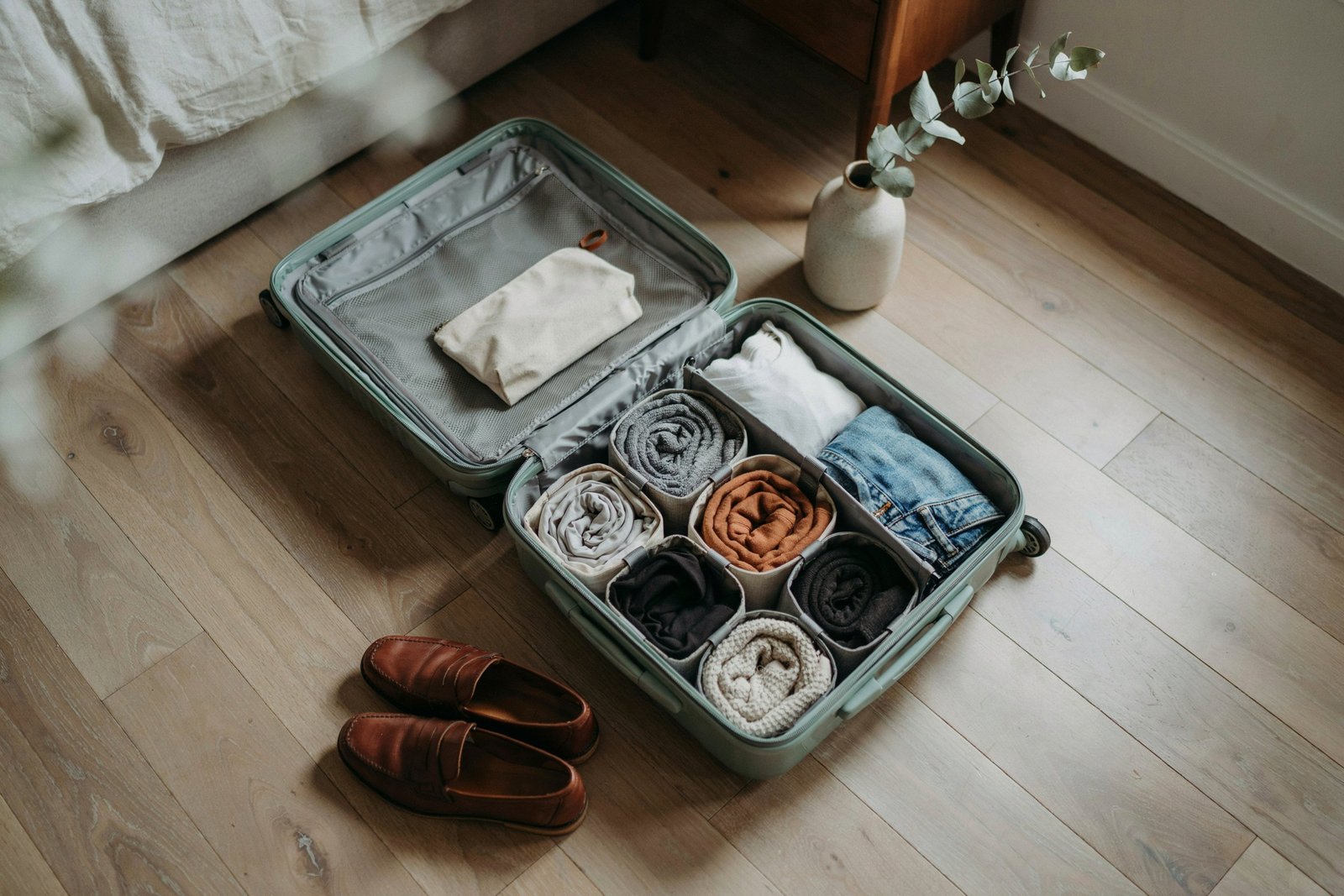
Packing a carry-on well is a skill, not a talent. Anyone can learn it.
Once you understand a few core principles, you will stop dreading the packing process and start looking forward to it, because you will finally trust that you have everything you need without dragging a heavy suitcase behind you.
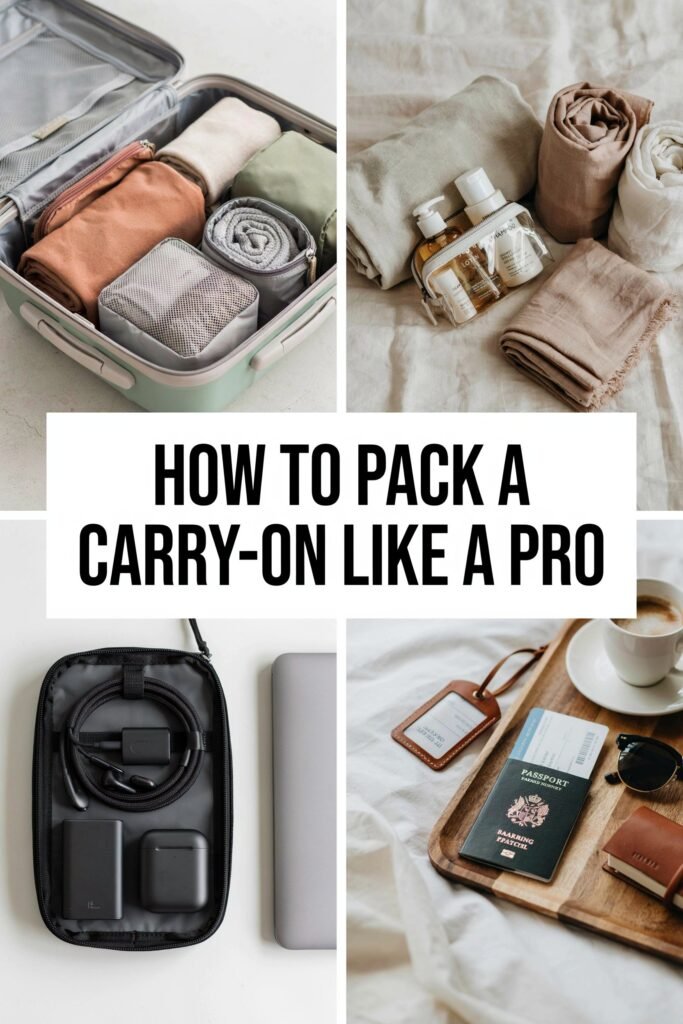
This guide walks you through everything you need to know, from choosing the right bag to folding techniques, packing order, liquids rules, and the small habits that separate a stressed traveler from a calm one.
By the end, you will have a repeatable system you can use for every trip, whether it is a weekend getaway or a two week adventure.
Disclaimer
This post may contain affiliate links. As an Amazon Associate, I earn from qualifying purchases at no additional cost to you. The information in this article is for educational and informational purposes only. Travel rules, airline baggage policies, and product availability may change, so always check the latest details before your trip.
Amazon Shopping List
- BAGAIL Compression Packing Cubes
- Etekcity Digital Luggage Scale
- Travelpro Maxlite Air Carry-On Luggage
- BAGSMART Hanging Toiletry Bag
- Veken Packing Cubes and Travel Organizer Set
- Anker Portable Power Bank
- ZOPPEN RFID Blocking Travel Passport Wallet
Why Carry-On Only Travel Is Worth Mastering
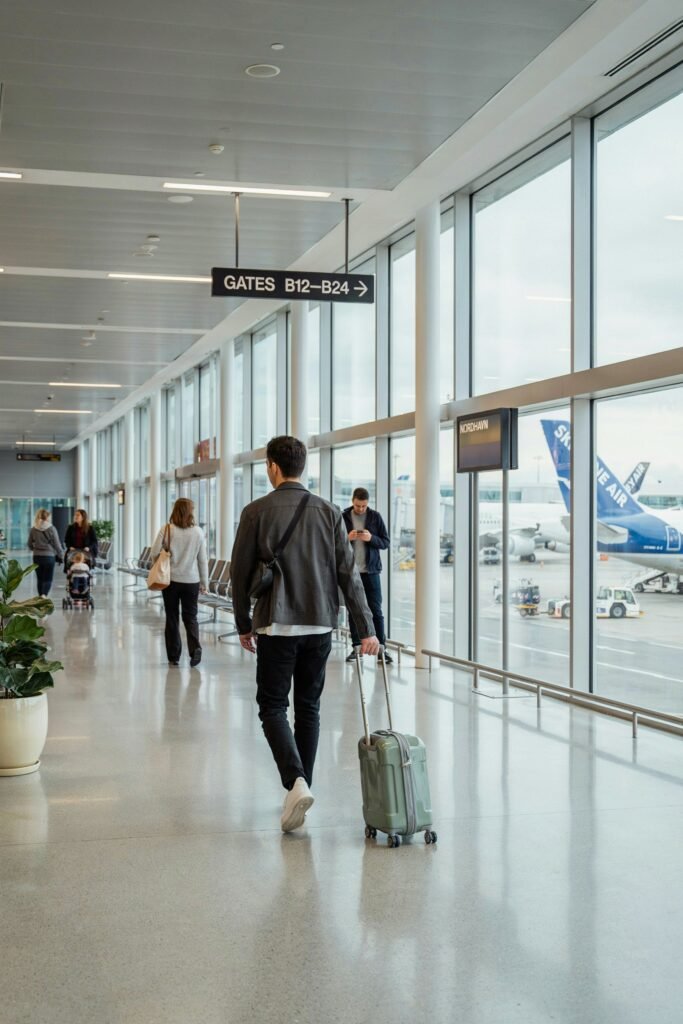
Before we get into the how, it helps to understand the why. Traveling with only a carry-on changes the entire experience of a trip.
You skip the checked baggage line at the airport. You never stand at a carousel wondering if your suitcase made the connection.
You walk off the plane and go straight to your destination.
If your flight gets rebooked or your gate changes at the last minute, you are not weighed down by a bag you cannot easily carry.
There is also a financial upside. Many airlines now charge for checked bags, and those fees add up quickly, especially on round trip or multi city itineraries.
A well packed carry-on can save you real money over the course of a year of travel.
Beyond convenience and cost, there is a psychological benefit too. Packing light forces you to think intentionally about what you actually need.
Most people who try it once say they never go back to overpacking. You realize how little you actually use out of a bulging suitcase, and that realization tends to carry over into how you pack forever.
Step One: Choose the Right Bag
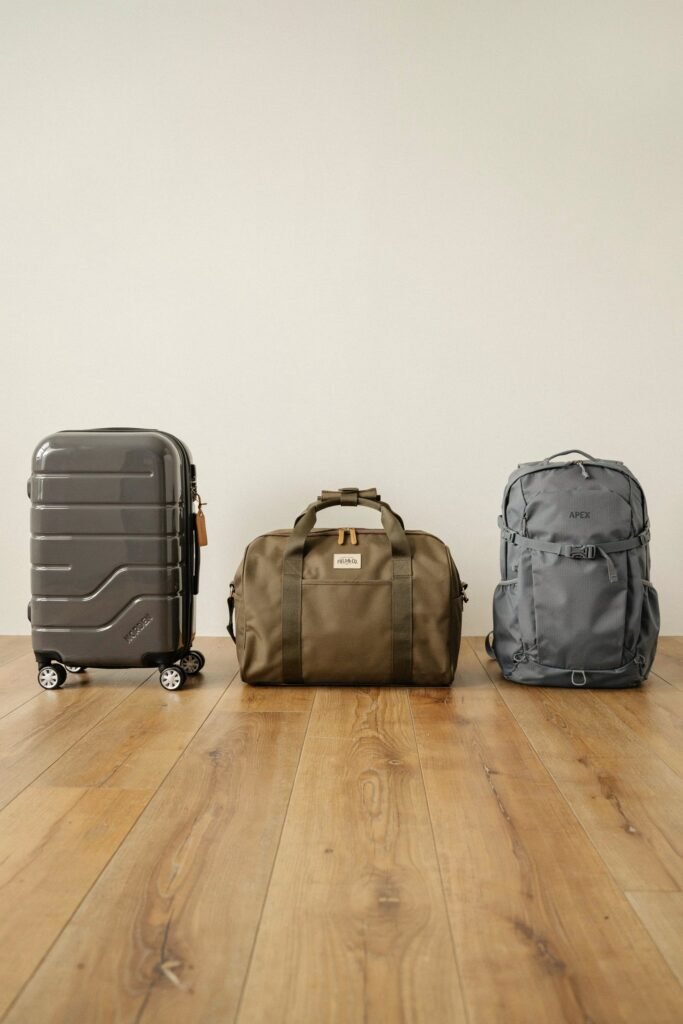
Everything starts with the bag itself. A great packing system cannot fix a bag that is the wrong shape, size, or material for your travel style.
Size and Airline Limits
Carry-on size limits vary by airline, so always check the specific dimensions allowed by the airline you are flying.
Most standard carry-on bags fall somewhere close to 22 by 14 by 9 inches, but budget airlines are often stricter, sometimes requiring a smaller personal item only or charging extra for a full sized carry-on.
If you fly a mix of airlines, choose a bag that fits the tightest restriction you are likely to encounter, so you never get caught off guard at the gate.
Hard Shell vs Soft Shell
Hard shell bags protect your belongings better and tend to hold their shape, which makes them easier to pack efficiently since the interior space stays consistent.
They are a strong choice if you carry anything fragile, like electronics or gifts.
Soft shell bags flex a little, which can be an advantage when you are trying to squeeze into an overhead bin or when your bag is slightly overpacked.
They are usually lighter too, which matters if your airline enforces a strict weight limit even on carry-ons.
Neither option is universally better. Choose based on what you tend to pack and how you tend to travel.
Wheels and Handles
A spinner with four wheels is easier to maneuver through crowded airports, since it rolls beside you instead of behind you.
A two wheel bag with a sturdy handle can be more durable on rough terrain, like cobblestone streets or unpaved paths.
Think about where you are actually going to use the bag most before choosing.
Backpacks as Carry-Ons
If you plan to walk long distances, take trains, or navigate places without smooth pavement, a well designed travel backpack can outperform a rolling bag entirely.
Look for one with a padded hip belt, a supportive frame, and enough structure to keep your items organized rather than sliding into one loose pile.
Step Two: Make a List Before You Touch Your Closet
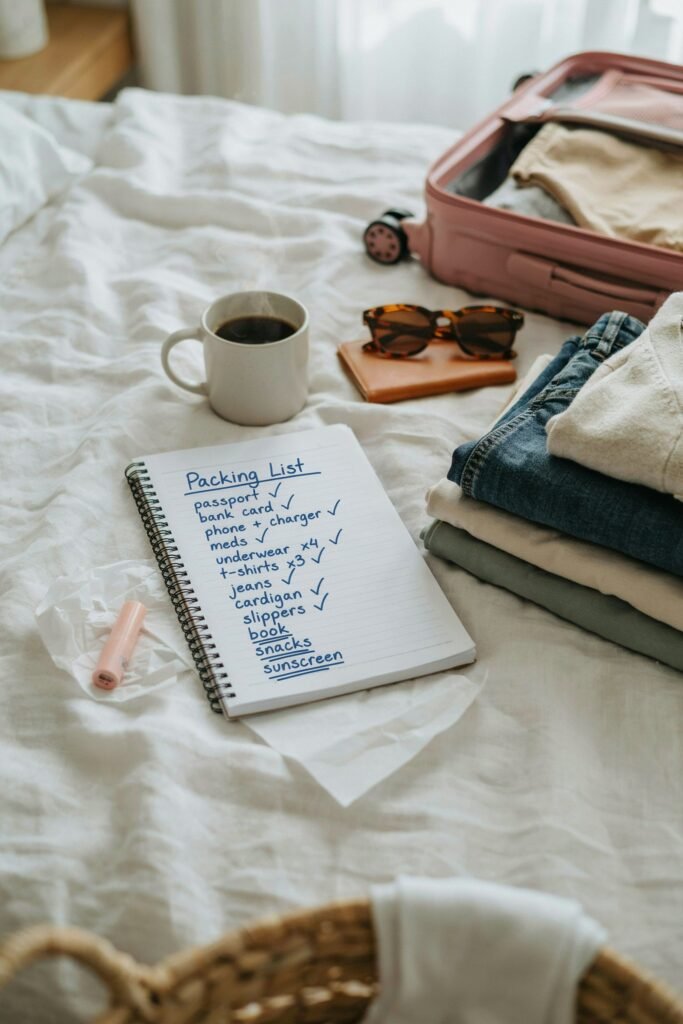
The biggest packing mistake most people make is starting to pack before they know what they need.
This leads to overpacking, because when you are staring at your closet without a plan, everything looks essential.
Instead, sit down first and write out your trip by day.
Note the weather, the activities, and any dress codes you might encounter, such as a nice dinner or a business meeting. From there, build a simple list of categories.
A useful structure looks like this. Tops, bottoms, outerwear, sleepwear, undergarments, shoes, toiletries, electronics, and documents.
Fill in each category with the minimum number of items that will realistically get you through the trip, then add one or two backup pieces only if truly necessary.
This single step will do more to reduce your luggage size than any folding trick ever could.
Step Three: Build a Capsule Wardrobe
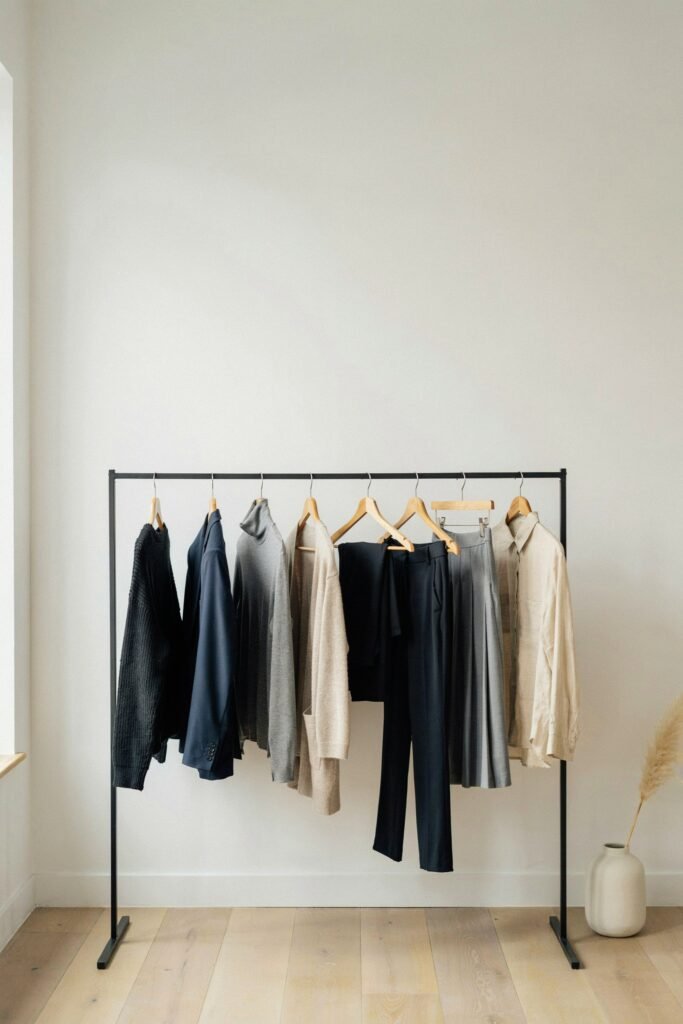
A capsule wardrobe is a small collection of clothing items that all coordinate with each other, so you can create multiple outfits from a limited number of pieces.
This is the single most powerful tool for packing light without sacrificing style or comfort.
Start with a neutral color palette. Black, navy, gray, and beige mix and match easily, and you can add one or two accent colors for personality.
Choose tops and bottoms that can each be worn at least three different ways, either dressed up or down, or paired with different layers.
Aim for pieces that can transition between daytime and evening with a small change, like swapping a t shirt for a blouse or adding a blazer.
This way, ten to twelve clothing items can realistically produce well over twenty distinct outfit combinations.
Fabric choice matters here too.
Merino wool, certain synthetic blends, and travel specific fabrics resist wrinkles and odor, which means you can wear them multiple times before washing. This alone can cut the number of items you need to pack nearly in half.
Step Four: Master Folding and Rolling Techniques

How you pack your clothes affects both the space they take up and how wrinkled they end up.
Rolling
Rolling clothes is generally the most space efficient method for casual items like t shirts, athletic wear, and casual pants.
It also makes it easy to see everything at a glance, since rolled items can stand upright in your bag like files in a drawer, rather than being stacked in a pile where you have to dig to the bottom.
The Bundle Method
For dressier items that wrinkle easily, like blazers or button up shirts, the bundle method works better than rolling.
This involves wrapping softer items around a central core of folded stiffer items, which reduces the sharp creases that come from traditional folding.
It takes a bit of practice, but it is worth learning if you often travel with business or formal wear.
Packing Cubes
Packing cubes are one of the best investments you can make for carry-on travel.
They compress your clothing, keep categories separated, and make it easy to find what you need without unpacking the entire bag.
Use one cube for tops, one for bottoms, and a smaller one for undergarments and socks.
Compression cubes with a zipper that presses items flatter can free up a surprising amount of extra space.
Step Five: Pack in the Right Order
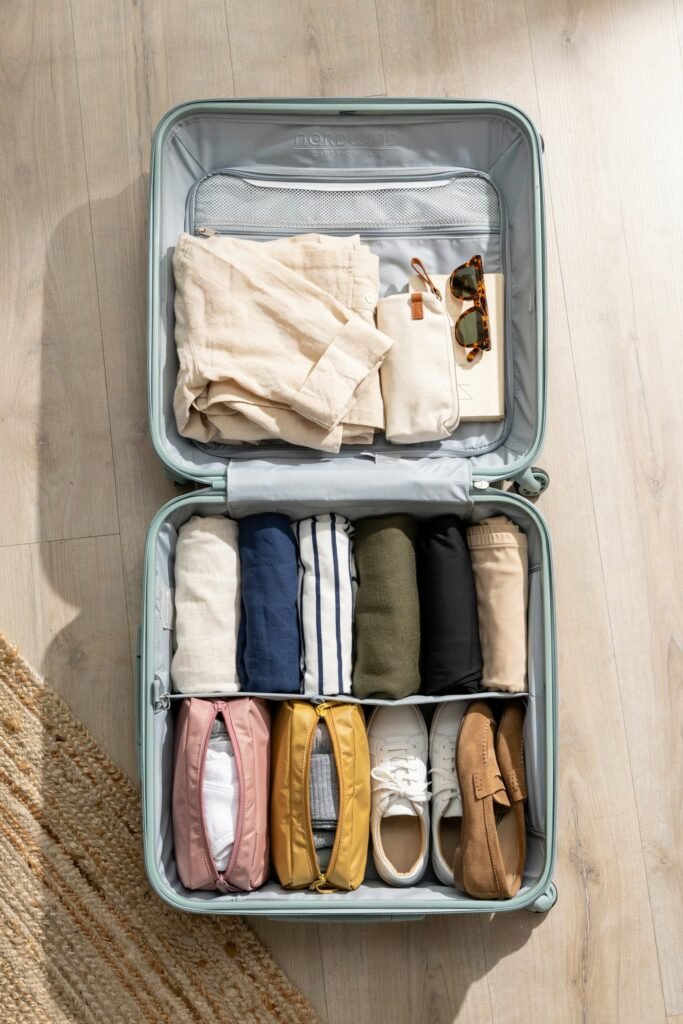
The order in which you place items in your bag matters as much as how you fold them.
Start with a layer of shoes at the bottom near the wheels, since this is usually the heaviest and most durable part of your load.
Stuff the inside of each shoe with socks or small items to save space. Place rolled or bundled clothing next, filling in gaps as you go.
Keep a flatter layer for dressier items on top, where they are less likely to get crushed.
Finally, place items you will need quick access to, like a travel pillow, a light jacket, or snacks, near the top or in an external pocket.
Heavier items should generally sit toward the bottom and closer to the wheels or your back if using a backpack, since this keeps the bag balanced and easier to carry or roll.
Step Six: Navigate Liquids and Toiletries Rules
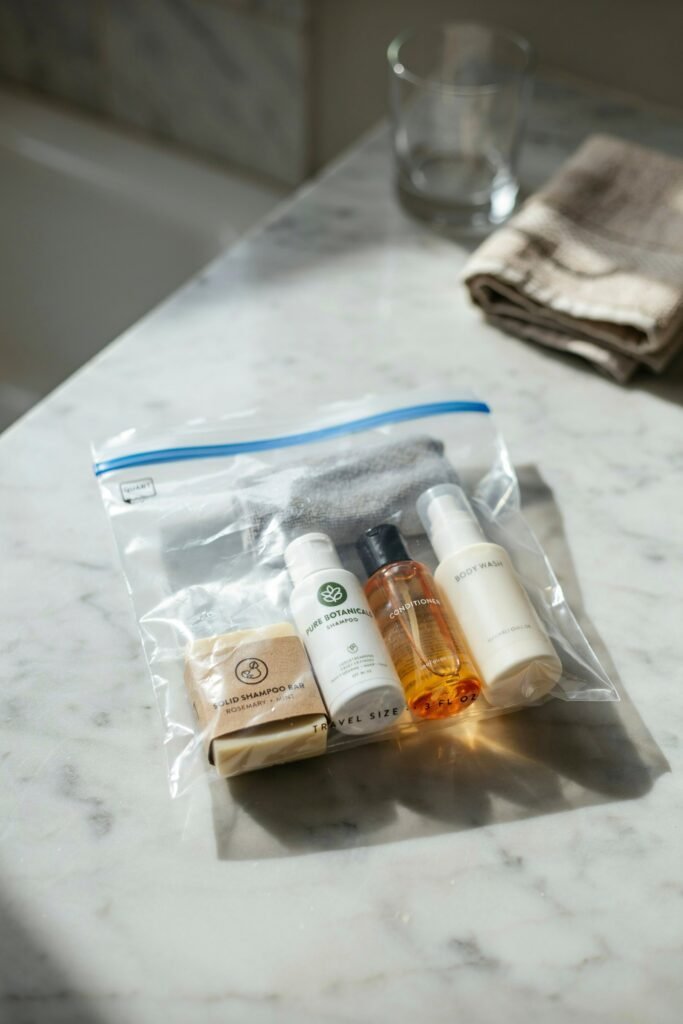
Liquids are often the trickiest part of carry-on packing because of security restrictions.
Most countries follow some version of a rule limiting liquids, gels, and aerosols to a maximum of about 3.4 ounces or 100 milliliters per container, all of which need to fit into a single clear quart sized bag.
Always check the specific rules for your departure country and airline, since exact limits can vary and occasionally change.
To make the most of this limited space, decant your favorite products into small reusable travel bottles rather than bringing full sized versions.
Solid alternatives are another great option. Shampoo bars, solid perfume, and solid deodorant are not subject to the same liquid restrictions and can save a significant amount of space and weight.
Keep your liquids bag near the top of your carry-on or in an easily accessible pocket, since you will likely need to remove it during airport security screening.
Step Seven: Organize Electronics and Documents
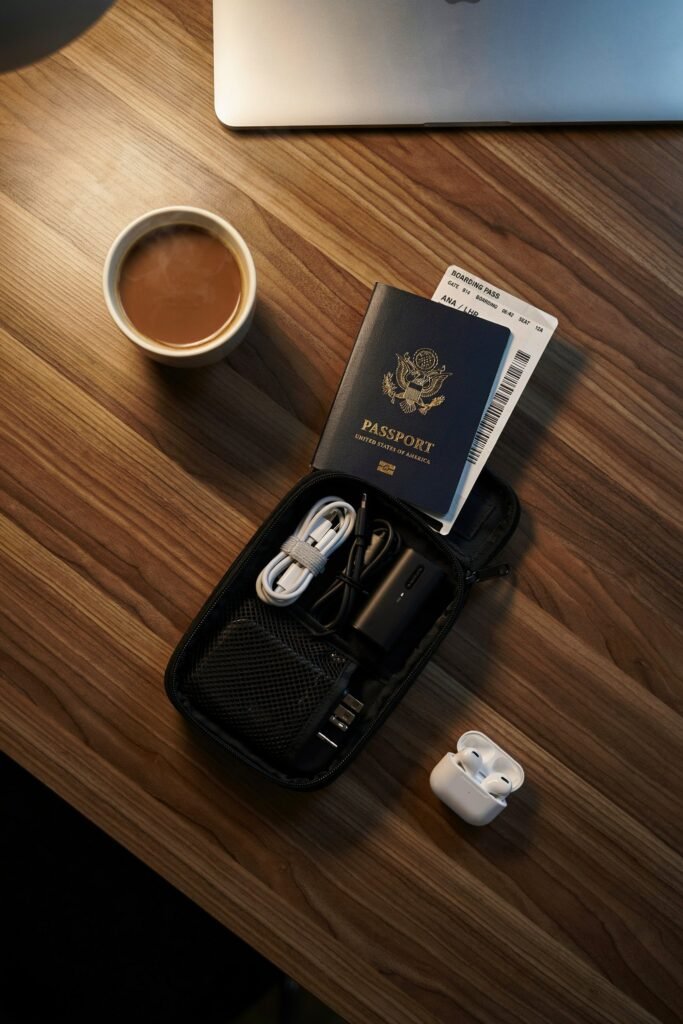
Tangled cords and loose chargers are one of the most common sources of carry-on chaos.
A small electronics organizer or pouch keeps cables, adapters, and battery packs contained and easy to find.
Keep your passport, boarding pass, and any other essential travel documents in a single dedicated pocket that you can access without opening your whole bag.
Many travelers like to use a slim document folder or a small crossbody bag for this purpose, especially during the security and boarding process when you need quick access repeatedly.
If you travel internationally, consider a universal power adapter rather than several country specific ones, since it saves both space and the hassle of remembering which one you need.
Step Eight: Use Every Inch of Space Wisely
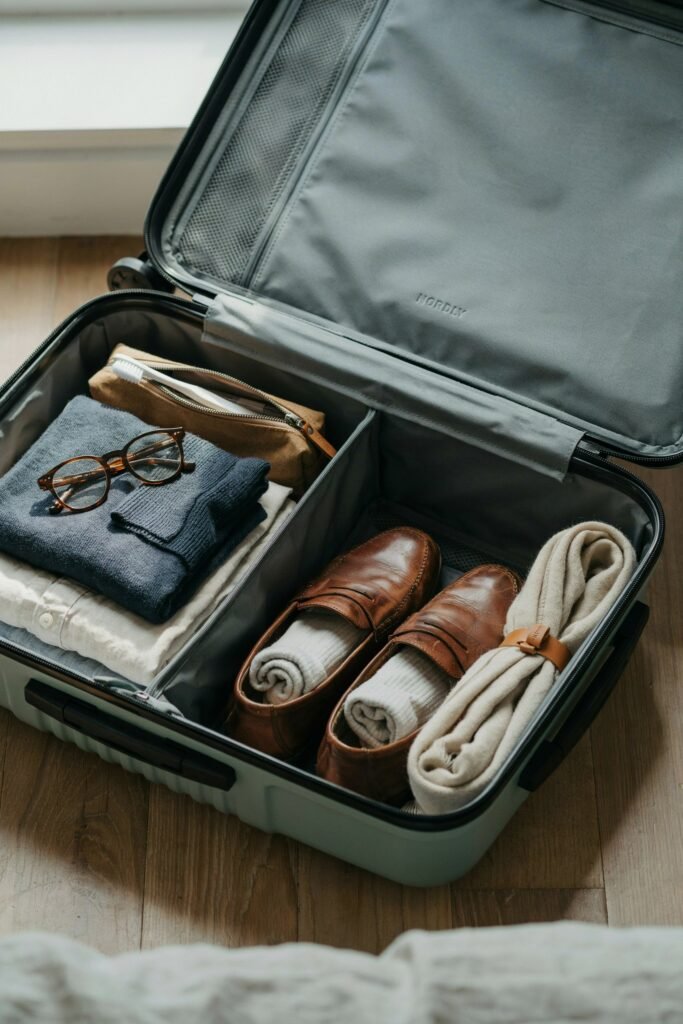
Once your main items are packed, look for small gaps you can fill.
Socks and underwear can be tucked into shoes. Belts can be coiled around the inside edge of the bag rather than folded flat.
Thin items like scarves or light layers can be slid along the sides of the bag where structure would otherwise leave dead space.
If your bag has exterior pockets, use them for items you want fast access to, such as headphones, a phone charger, or reading material, so you are not digging through your main compartment mid flight.
Wearing your bulkiest item, like a heavy jacket or your largest pair of shoes, onto the plane instead of packing it is another simple trick that frees up meaningful space inside your bag.
Step Nine: Weigh and Double Check Before You Leave
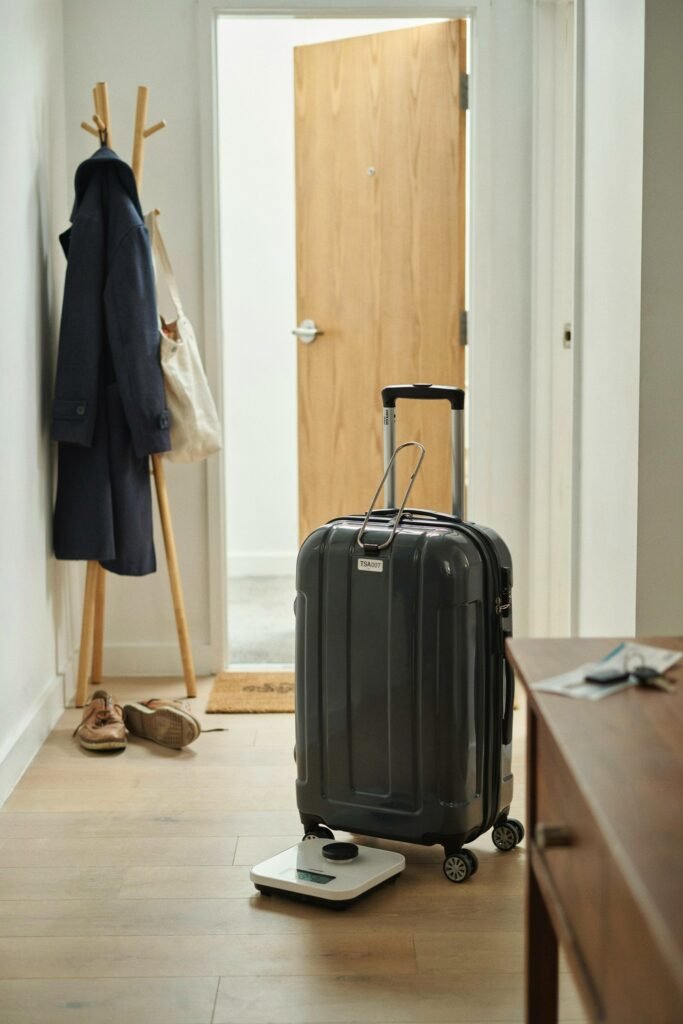
Even carry-on bags sometimes have weight limits, particularly on international and budget airlines.
Weigh your packed bag at home using a simple luggage scale so there are no surprises at check in.
Go through your list one final time and confirm you have your essential documents, medications, chargers, and any items you cannot easily replace at your destination.
It helps to keep a small running note on your phone of things you tend to forget, so you can check against it every time you pack.
Common Carry-On Packing Mistakes to Avoid
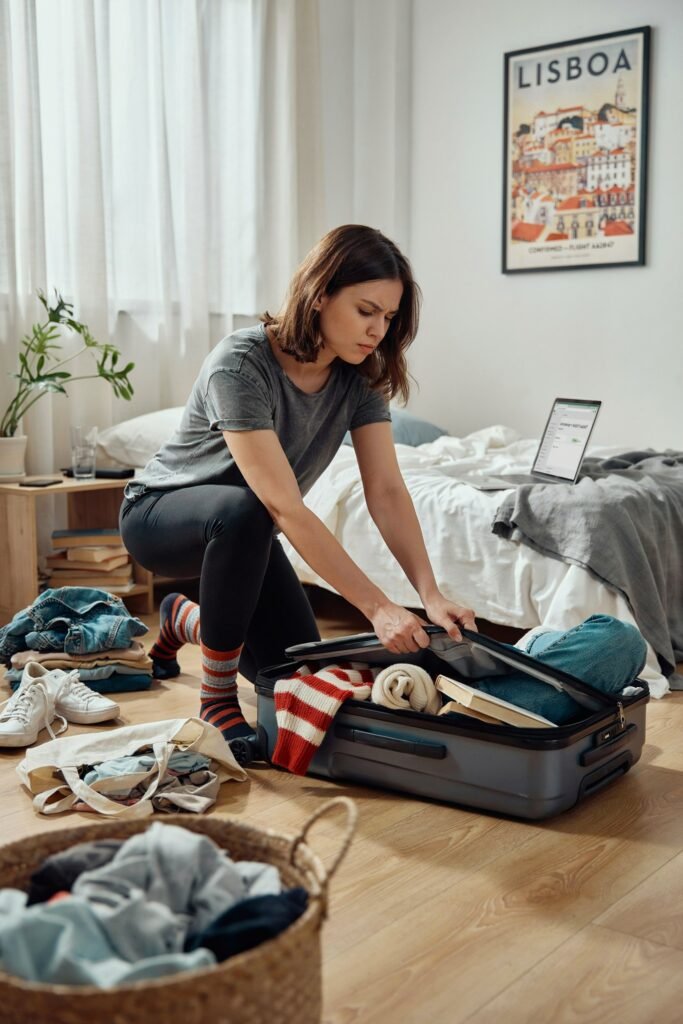
A few mistakes come up again and again, even among frequent travelers.
Packing for a version of the trip that will not actually happen is one of the most common.
It is tempting to bring an outfit for every possible scenario, but most trips follow a fairly predictable rhythm, and it is better to pack for the trip you are actually taking rather than every hypothetical situation.
Bringing too many shoes is another frequent issue, since shoes are heavy and bulky relative to how often they actually get worn.
Two or three versatile pairs are usually enough for most trips.
Forgetting to leave a small amount of empty space is also easy to overlook.
A completely full bag leaves no room for anything you pick up along the way, whether that is a souvenir, a gift, or simply extra layers if the weather turns colder than expected.
Building Your Own Repeatable System
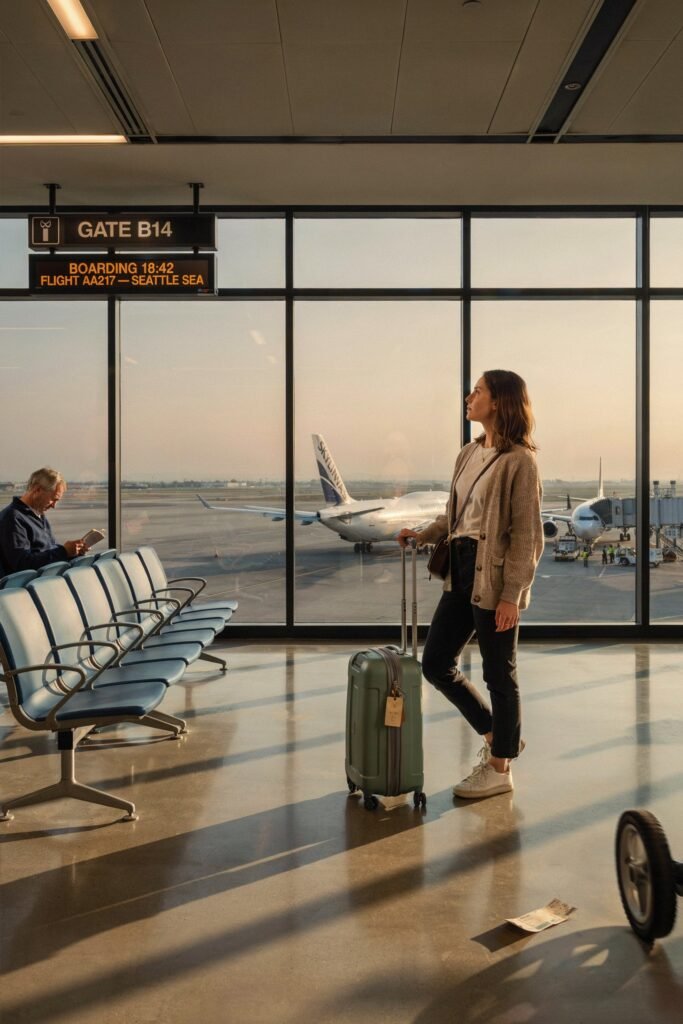
The real goal here is not to follow one packing list perfectly, but to build a system that works for how you personally travel.
Pay attention to what you actually use during a trip and what stays untouched at the bottom of your bag.
Adjust your list accordingly for next time.
Over a few trips, you will land on a personal formula, your own version of a capsule wardrobe, your preferred folding method, and your ideal packing order.
At that point, packing stops being a chore and becomes second nature, something you can do calmly in twenty minutes instead of anxiously the night before a flight.
Traveling light is less about restriction and more about clarity.
When you know exactly what is in your bag and why it is there, you travel with more confidence, more ease, and a lot less stress at the airport.
Frequently Asked Questions
Can I fit a week’s worth of clothes in a carry-on?
Yes, if you build a capsule wardrobe and plan to rewear a few versatile pieces.
Most travelers can comfortably pack five to seven days worth of outfits using ten to twelve clothing items.
What is the best way to avoid wrinkles without an iron?
Use the bundle method for dressier pieces and choose wrinkle resistant fabrics like merino wool or travel blends.
Rolling casual items also helps reduce creasing compared to flat folding.
Are packing cubes really worth it?
Most frequent travelers say yes.
They compress clothing, keep categories organized, and make it much easier to find items without unpacking your whole bag at security or in your hotel room.
How do I handle liquids over the limit I really need?
Decant favorites into small reusable bottles under the allowed size, or switch to solid alternatives like shampoo bars and solid perfume, which are not subject to the same restrictions.
What is the one item people always forget?
A phone charger or adapter is the most commonly forgotten item, followed closely by medications.
Keeping a running note on your phone of essentials helps prevent this every time you pack.
Final Thoughts
Packing a carry-on well is not about owning the fanciest bag or memorizing a rigid checklist.
It is about knowing yourself as a traveler and building a system that fits how you actually move through a trip.
Start with a plan, choose versatile pieces, pack with intention, and leave a little room to breathe.
Once you get the hang of it, you will wonder why you ever checked a bag in the first place.