Ireland is a land of legend, lush landscapes, and timeless charm, but some of its magic is hidden in the villages you might not find on every tourist map.
These small towns and villages are where colorful cottages meet winding cobblestone streets, friendly locals welcome you like family, and every corner feels like a story waiting to be discovered.
Exploring these villages isn’t just about taking photos—it’s about experiencing the warmth, culture, and beauty that make Ireland so unforgettable.
From quaint pubs serving hearty meals to riverside walks and historic architecture, each village has its own character and charm.
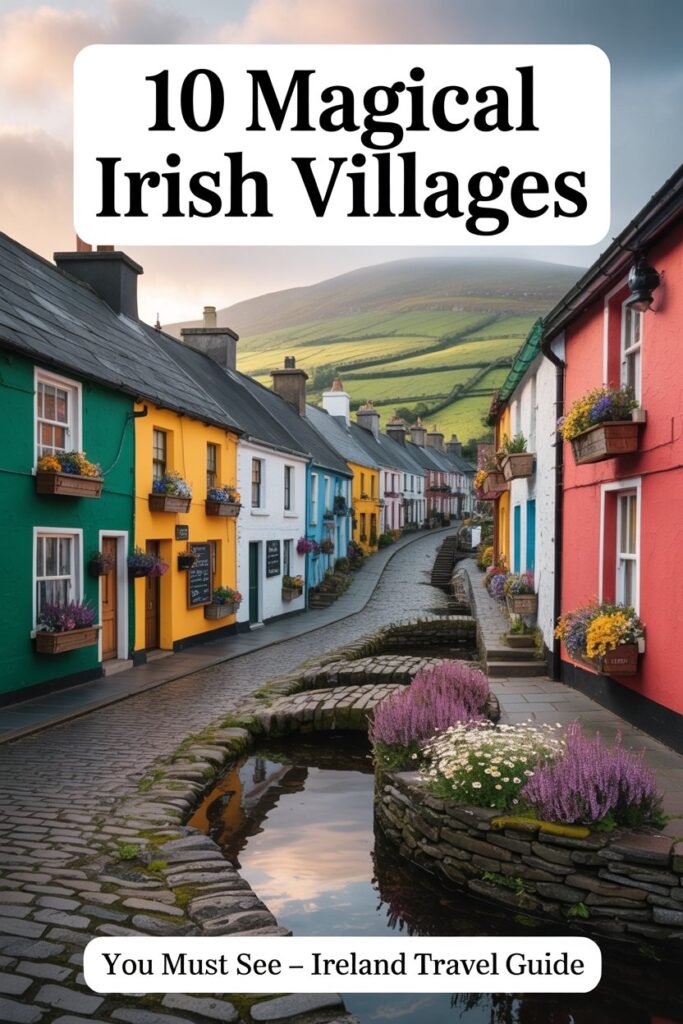
In this guide, I’ll take you through 10 magical Irish villages you must see, sharing tips for first-time visitors on where to stay, places to eat, and insider insights so you can make the most of each enchanting stop.
Whether you’re planning your first trip to Ireland or looking to escape the crowds, these villages promise a journey full of wonder, history, and quintessential Irish charm.
Disclaimer: This post contains affiliate links. If you make a purchase through these links, we may earn a small commission at no extra cost to you.

Amazon Shopping List: 10 Magical Irish Villages You Must See – Ireland Travel Guide
- Lightweight Carry-On Luggage
Perfect for quick trips to charming Irish villages and scenic towns.
BUY NOW ON AMAZON - Wide-Brim Sun Hat
Protects you from the sun while exploring Ireland’s beautiful outdoors.
BUY NOW ON AMAZON - Travel Packing Cubes Set
Keeps clothes and essentials organized for stress-free travel.
BUY NOW ON AMAZON - Comfortable Walking Shoes
Ideal for strolling through historic streets, cobblestone paths, and scenic villages.
BUY NOW ON AMAZON - Lightweight Rain Jacket
Keeps you dry and comfortable during Ireland’s unpredictable weather.
BUY NOW ON AMAZON
1. Adare, County Limerick – Ireland’s Most Picturesque Village
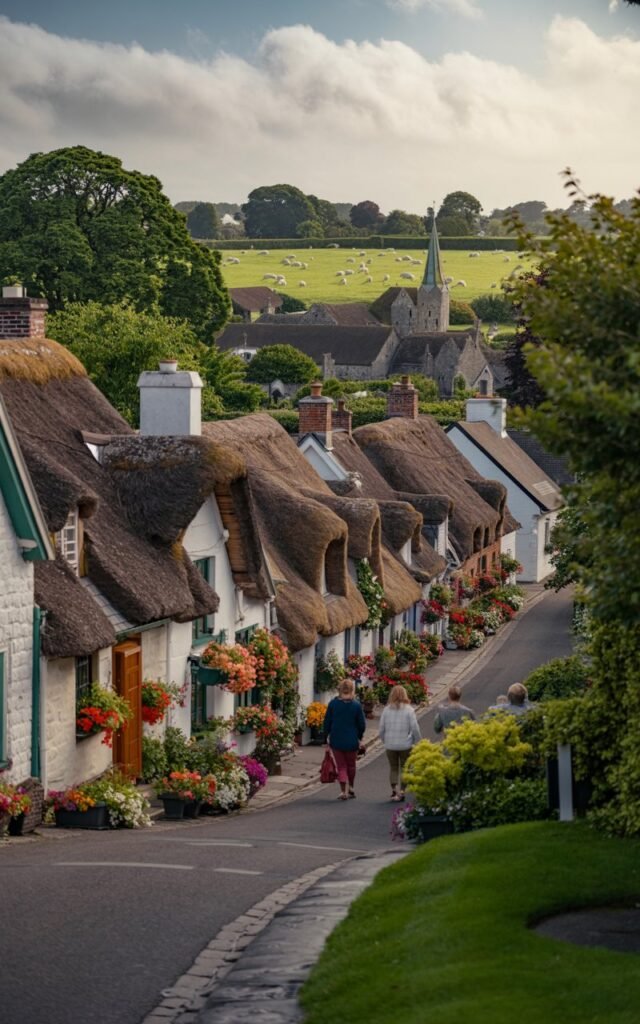
When I first arrived in Adare, I felt like I had stepped into a storybook.
The thatched-roof cottages, colorful gardens, and cobblestone streets instantly made me slow down and just take it all in.
There’s something about the peaceful atmosphere here that makes you want to linger over every corner, peek into the boutique shops, and watch the River Maigue meander quietly nearby.
Where to Stay:
For my first night, I splurged a little at Adare Manor—walking through its manicured gardens and historic halls felt like being in a movie.
If you prefer something smaller, Herbert Lodge offers a cozy, homey vibe and is just a short stroll from the village center, perfect for first-time visitors who want comfort and convenience.
Places to Eat:
I had one of my favorite meals at The Oak Room in Adare Manor, where the Irish flavors are elevated beautifully.
For a more casual stop, I grabbed a fresh scone and coffee at Adare Farm Shop Café—it felt like sitting in a local’s living room, surrounded by warmth and friendly chatter.
And yes, I couldn’t resist a pint of Guinness at a traditional pub—it felt like the perfect way to soak in the village charm.
Tips for Visitors:
- Wander slowly on foot; the village is tiny, and the real magic is in noticing the little details.
- Respect the cottages—they’re lived in, not just for tourists.
- I found early morning visits magical; the light hitting the thatched roofs and quiet streets is perfect for photos and peaceful walks.
- Take a short stroll along the River Maigue—it’s a lovely way to connect with nature and enjoy some quiet moments.
Adare isn’t just pretty—it’s a place that makes you feel the history, charm, and warmth of Ireland.
Walking its streets, sipping coffee, and listening to the gentle village rhythm reminded me why Ireland’s villages feel so magical.
You will also love: How to Pack for a 7-Day Irish Village Trip
2. Doolin, County Clare – The Heart of Traditional Irish Music
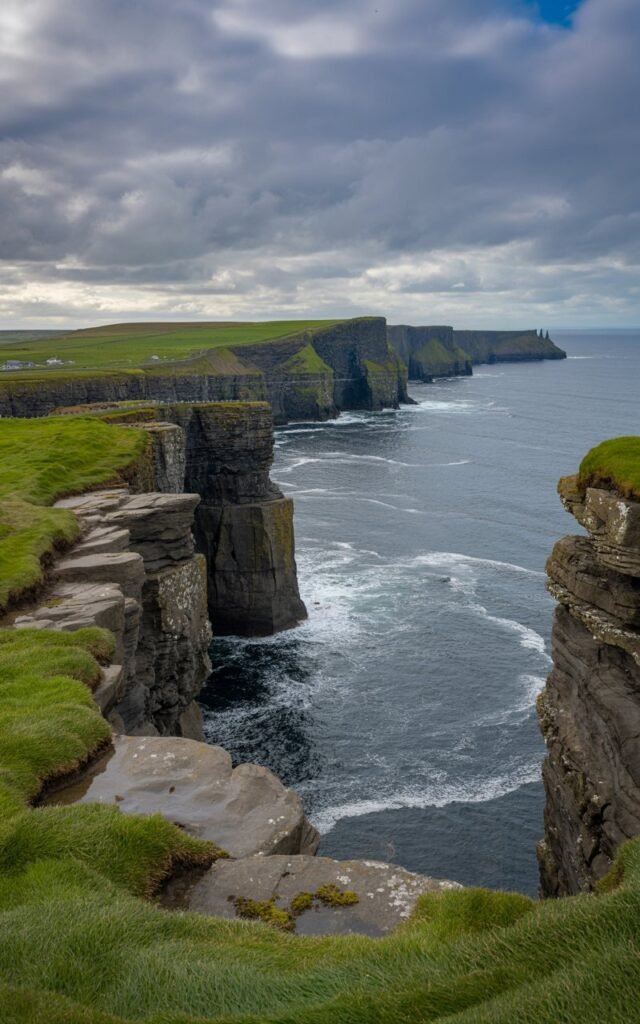
I still remember the first time I wandered into Doolin—a small, coastal village that instantly felt like the soul of Ireland.
The air smelled of the sea, the colorful cottages lined the streets, and you could hear the faint strains of traditional Irish music drifting from cozy pubs.
It’s the kind of place where you just want to slow down, grab a pint, and let the atmosphere soak in.
Where to Stay:
For my stay, I chose Hotel Doolin, a charming, modern hotel just a short walk from the village center.
It felt welcoming and perfectly placed for exploring both the village and nearby natural wonders like the Cliffs of Moher.
For a more intimate experience, Doolin Hostel & Camping gives you a cozy, budget-friendly option right in the heart of the village.
Places to Eat:
I had some of my most memorable meals at Gus O’Connor’s Pub, where the fish and chips were fresh, hearty, and paired with live music.
Another favorite was Roadford Restaurant, offering locally sourced dishes and a relaxed, friendly vibe.
Don’t leave Doolin without trying seafood chowder or a traditional Irish stew—both felt like comfort in a bowl.
Tips for Visitors:
- Doolin is small, so walking is the best way to explore its charm.
- Music is everywhere—try to catch a session in one of the pubs; it’s authentic, lively, and unforgettable.
- Take a day to visit the Cliffs of Moher—they’re just a short drive away, and the views are truly breathtaking.
- I loved wandering the village in the late afternoon, when the light hits the cottages just right and the streets feel peaceful.
Doolin isn’t just a stop on a map—it’s a place where music, sea, and community meet.
Sitting in a pub listening to traditional tunes while the Atlantic breeze filled the windows made me fall in love with the rhythm and soul of Ireland all over again.
Learn more with us: 25 Incredible Irish Villages You Need to Visit Once in a Lifetime

3. Kinsale, County Cork – Ireland’s Gourmet Seaside Town
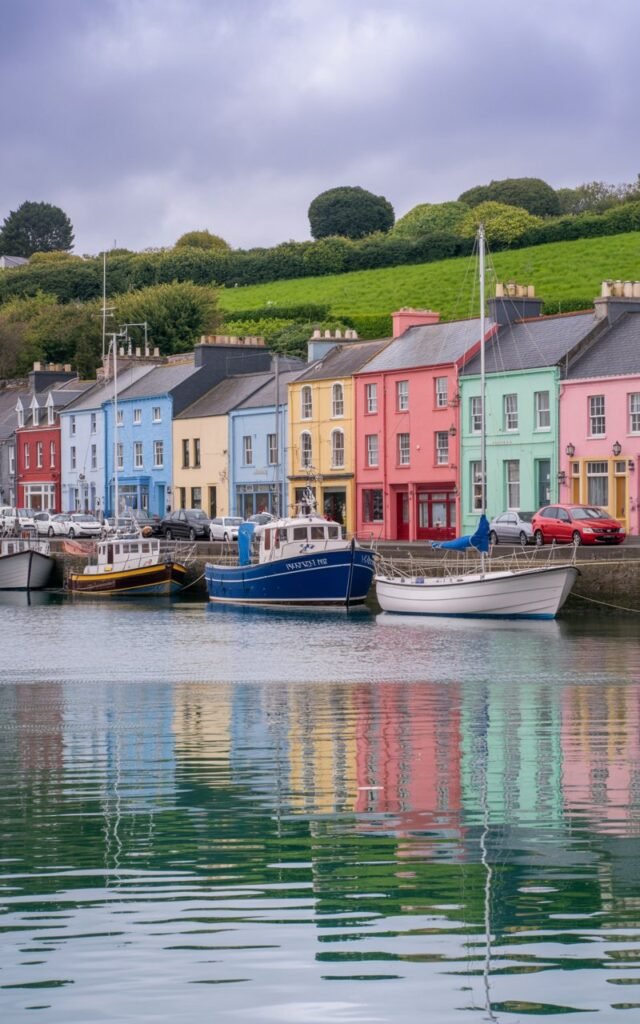
The first time I arrived in Kinsale, I was struck by the brightly painted buildings, winding streets, and salty sea air.
This small coastal town feels lively yet relaxed, and it’s famous for its seafood, art galleries, and charming harbor. Walking along the waterfront, I felt like I had stepped into a painting.
Where to Stay:
I stayed at Actons Hotel, right near the harbor, which made exploring the town easy and convenient.
For a more boutique experience, Trident Hotel offers stunning views of the bay and easy access to walking trails and historic sites.
Both options are perfect for first-time visitors looking to combine comfort with charm.
Places to Eat:
Kinsale is a foodie’s paradise. I couldn’t resist dining at Fishy Fishy Café, where the seafood felt fresh from the ocean just moments before it reached my plate.
The Black Pig Wine Bar is a cozy spot for locally sourced dishes paired with Irish craft beers or wine.
Don’t leave without trying Kinsale’s famous seafood chowder—it’s rich, flavorful, and unforgettable.
Tips for Visitors:
- Explore the town on foot; the streets are narrow and full of hidden gems.
- Visit Charles Fort, a short walk from the town, for a dose of history and panoramic views.
- If you’re a foodie, take a guided food or culinary tour—it’s a fun way to discover local flavors and stories.
- I loved strolling the harbor at sunset—the colorful buildings reflected in the water, and the atmosphere was magical.
Kinsale combines coastal beauty, history, and gourmet delights, making it a village that’s both relaxing and inspiring.
Sitting by the harbor with a cup of coffee, watching boats bob gently in the water, I felt fully immersed in Ireland’s charm and hospitality.
You will also love: 10 Magical Irish Villages That Feel Like a Fairytale
4. Cong, County Mayo – A Village Steeped in History and Charm
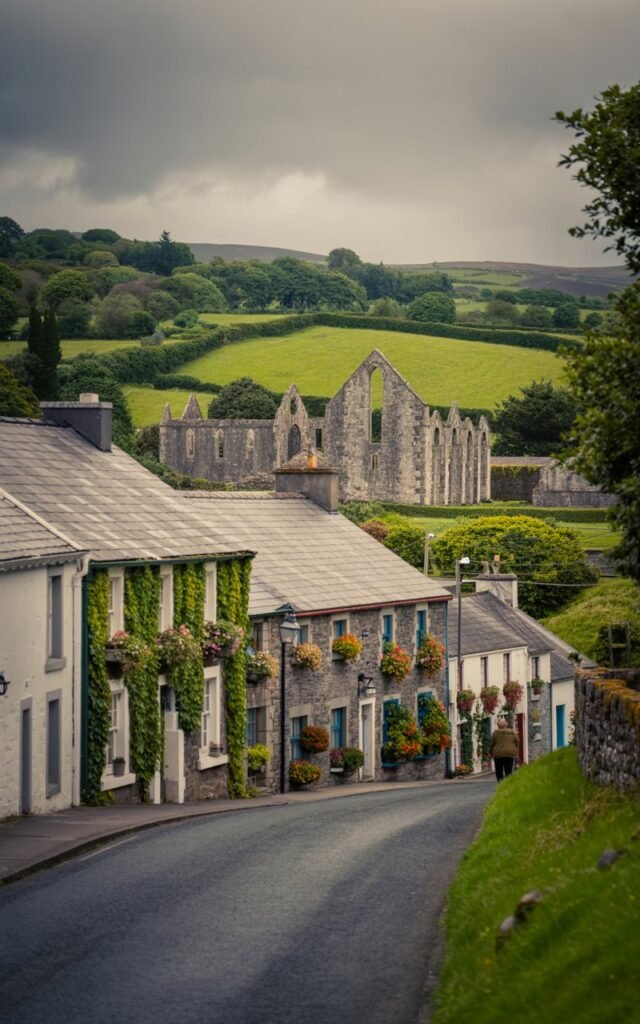
Visiting Cong felt like stepping into a quieter, more timeless Ireland.
Nestled between Lough Corrib and rolling green hills, the village is famous for Ashford Castle and its connection to the classic film The Quiet Man.
Walking its peaceful streets, I immediately felt a sense of calm and history.
Where to Stay:
For a truly memorable stay, I splurged at Ashford Castle, where the luxury, gardens, and historic rooms made me feel like royalty.
If you prefer a smaller, cozier option, The Lodge at Ashford Castle offers charming rooms with easy access to the village and castle grounds.
Places to Eat:
Dining in Cong is a treat. I loved The Village Restaurant, where fresh, locally sourced dishes felt like home-cooked comfort with a gourmet twist.
For a casual stop, The Quiet Man Bar & Restaurant serves hearty Irish fare, including traditional stews and fresh fish.
Don’t miss the chance to try Irish smoked salmon or a local lamb dish—they’re unforgettable.
Tips for Visitors:
- Spend time wandering the castle grounds and nearby Abbey ruins—they’re perfect for photos and quiet reflection.
- Take a walk along Lough Corrib; the scenery is stunning and peaceful.
- If you’re a history lover, explore the Quiet Man filming locations around the village—it’s a delightful nod to classic cinema.
- Early morning walks in Cong are magical—the mist over the lake and the quiet streets make it feel almost enchanted.
Cong is a village that combines history, cinematic charm, and natural beauty.
Sitting by the lake, listening to birds, and feeling the calm energy of the village reminded me why small Irish villages can feel more magical than bustling cities.
You might also like: 11 Irish Villages That Look Straight Out of a Movie

5. Clifden, County Galway – The Capital of Connemara
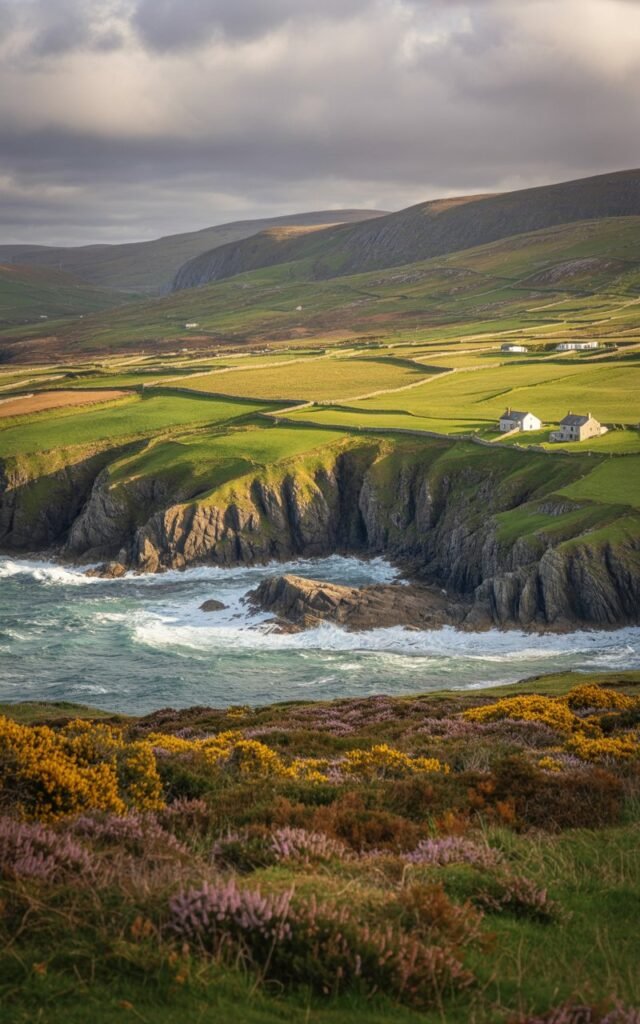
The first time I arrived in Clifden, I immediately fell in love with its rugged coastal beauty and colorful town center.
Known as the “Capital of Connemara,” the village perfectly blends small-town charm with access to some of Ireland’s most breathtaking landscapes.
Driving along the Sky Road, with the Atlantic stretching endlessly, felt like a scene straight out of a postcard.
Where to Stay:
For my stay, I chose Abbeyglen Castle Hotel, which offered cozy, historic rooms and stunning views of the surrounding mountains and ocean.
For a simpler, intimate option, Clifden Station House Hotel is right in town, perfect for first-time visitors who want easy access to shops, cafes, and walking routes.
Places to Eat:
Clifden has a surprisingly vibrant food scene. I loved Mitchell’s Restaurant, where fresh seafood and hearty Irish dishes were served with a friendly, welcoming vibe.
For a casual lunch, Off the Square offers excellent local flavors in a relaxed setting.
Don’t miss tasting freshly caught Atlantic seafood—it’s some of the best I’ve ever had.
Tips for Visitors:
- Take a scenic drive along the Sky Road—the views of the coast and mountains are unforgettable.
- Explore Connemara National Park, just a short drive from the village, for hiking and wildlife spotting.
- Stroll through the village center, pop into local artisan shops, and enjoy the friendly atmosphere.
- Sunset walks along the coast are magical—the light on the water and hills is perfect for photos and quiet reflection.
Clifden is a village where nature and community meet.
Sitting in a small café with the ocean breeze drifting in, I felt a deep connection to Ireland’s wild beauty, making it one of the most memorable stops on my journey.
6. Kenmare, County Kerry – A Quaint Town with Coastal Charm
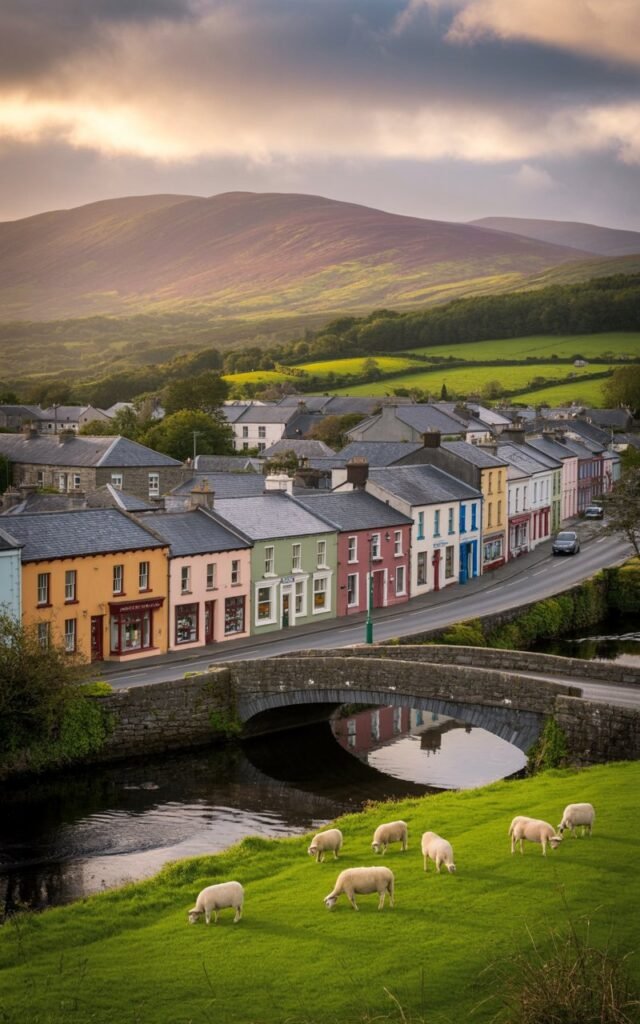
Arriving in Kenmare, I immediately felt the warmth of a village that balances charm with lively energy.
Nestled at the tip of the Iveragh Peninsula, it’s the perfect gateway to the Ring of Kerry and Killarney National Park, while still feeling like a peaceful retreat.
The colorful storefronts and cobblestone streets make wandering around a true pleasure.
Where to Stay:
I stayed at Park Hotel Kenmare, a historic property with modern comforts and easy access to the town center.
For a more intimate experience, Sheen Falls Lodge offers luxurious rooms surrounded by scenic gardens and waterfalls—ideal for first-time visitors looking to combine nature and comfort.
Places to Eat:
Kenmare is known for its culinary scene. I loved dining at The Lime Tree Restaurant, where locally sourced ingredients are turned into Irish and international dishes with flair.
For a casual meal, Packie’s Bar & Restaurant serves hearty Irish classics and fresh seafood in a welcoming, local atmosphere.
Don’t miss trying seafood chowder or smoked salmon—they’re exceptional here.
Tips for Visitors:
- Explore the town on foot; the streets are compact, and every corner has a cozy café or boutique.
- Take a drive along the Ring of Kerry, starting from Kenmare, for breathtaking coastal and mountain scenery.
- Visit Kenmare Bay for quiet walks and photo opportunities.
- Evening walks in town are magical—the streetlights cast a warm glow, and the village feels intimate yet lively.
Kenmare is a village where natural beauty meets friendly local charm.
Sitting at a café overlooking the bay, enjoying a warm meal, and watching the village lights twinkle as the sun set made me appreciate Ireland’s small-town magic in a whole new way.
7. Killarney, County Kerry – Lakes, Mountains, and Timeless Charm
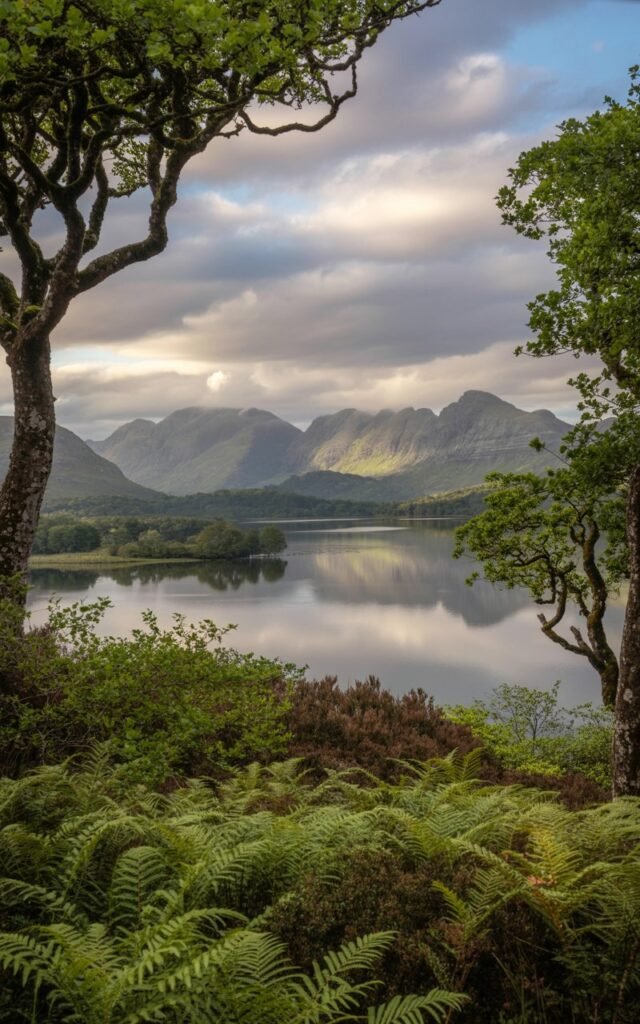
The first time I visited Killarney, I was immediately captivated by its lush landscapes, sparkling lakes, and vibrant town center.
The town feels alive yet peaceful, with plenty of cafes, shops, and pubs, while just a short walk or drive takes you into the Killarney National Park, one of Ireland’s most beautiful natural spots.
Where to Stay:
For my stay, I chose The Killarney Park Hotel, which offered modern comfort, a warm welcome, and easy access to both town and park.
For a more historic feel, Muckross House Lodge inside the national park gives you the experience of staying close to nature with a touch of Irish heritage.
Places to Eat:
Killarney has a fantastic dining scene. I loved The Laurels Pub & Restaurant, where traditional Irish dishes are served with local ingredients and a cozy vibe.
For lighter fare or a scenic lunch, Celtic Whiskey Bar & Larder offers small plates and panoramic views.
Don’t miss the chance to try Kerrygold cheeses, fresh trout, or hearty Irish stews.
Tips for Visitors:
- Explore Killarney National Park on foot or by bike—it’s magical, with lakes, forests, and historic castles.
- Take a jaunting car ride for a truly Irish experience.
- Visit Ross Castle and Muckross House to combine history with stunning scenery.
- Early mornings and late afternoons are ideal for photography—the soft light over the lakes is unforgettable.
Killarney perfectly blends town charm and natural beauty.
Walking along the lakes, sipping coffee in a cozy café, and listening to the gentle hum of the village reminded me why this area is one of Ireland’s most beloved destinations.
8. Howth, County Dublin – A Charming Coastal Escape
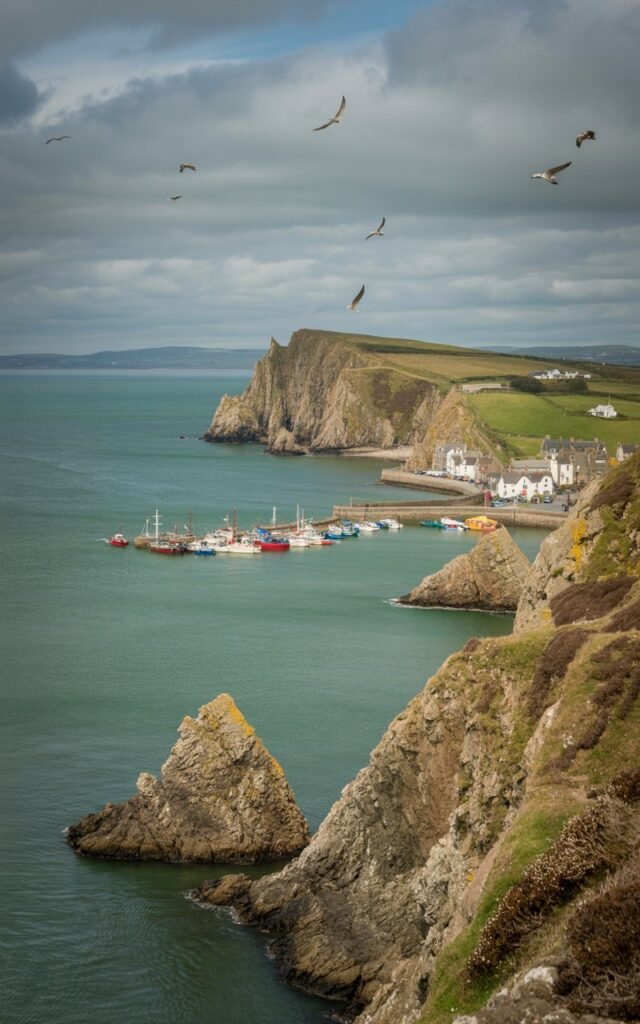
The first time I visited Howth, I felt like I had discovered Dublin’s hidden seaside gem.
The village sits on a rugged peninsula with colorful houses, a bustling harbor, and stunning cliffside walks. The salty sea air and the sound of gulls instantly made me slow down and just take it all in.
Where to Stay:
For first-time visitors, The Abbey Hotel offers a cozy, welcoming base in the heart of Howth, just steps from the harbor.
For a more scenic stay, Marlfield House Hotel is nearby and provides peaceful surroundings while still being accessible to the village center.
Places to Eat:
I had one of my favorite meals at Aqua Restaurant, with fresh seafood and panoramic views of the harbor.
For a casual bite, The Oar House Fish Restaurant serves excellent fish and chips and local specialties in a relaxed, friendly setting.
Don’t leave without trying freshly caught crab or oysters—Howth is famous for its seafood.
Tips for Visitors:
- Walk the Howth Cliff Path Loop for breathtaking coastal views and plenty of photo opportunities.
- Explore the harbor and watch the fishing boats come and go—it’s lively but charming.
- Visit the Howth Castle grounds for a touch of history and beautiful gardens.
- I found the mornings magical, with soft light over the water and peaceful streets perfect for strolling.
Howth is a village where coastal beauty, history, and local life come together.
Sitting at the harbor with a warm coffee and watching the waves crash against the cliffs made me appreciate Ireland’s seaside charm in a completely new way.
9. Avoca, County Wicklow – Ireland’s Colorful Village of Crafts
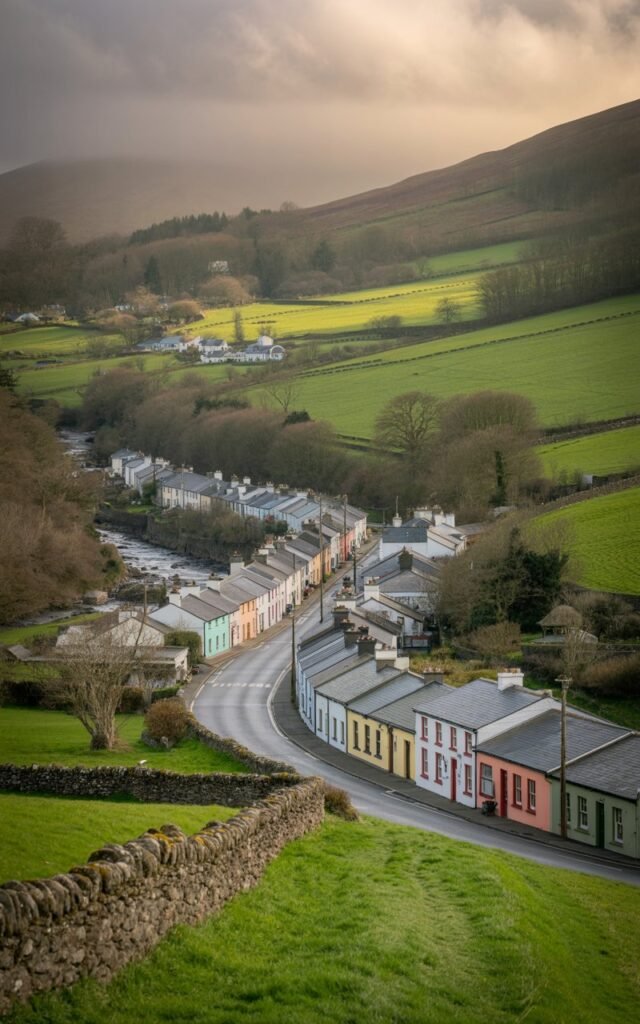
The first time I wandered into Avoca, I was charmed by its vivid, colorful streets, artisan shops, and cozy riverside vibe.
Known for the famous Avoca Handweavers, the village feels both quaint and lively, with a mix of history, craft, and natural beauty that makes it a joy to explore.
Where to Stay:
For my stay, I chose The Coach House Hotel, a cozy option right in the heart of the village with comfortable rooms and easy access to local attractions.
For a more boutique experience, BrookLodge & Macreddin Village nearby offers luxury, relaxation, and a beautiful setting in Wicklow’s countryside.
Places to Eat:
I loved visiting Avoca Café, where the menu showcases fresh, local ingredients, and the breads, pastries, and jams are made right on site.
The Bakehouse is another charming spot for casual meals and coffee, perfect for a relaxing afternoon.
Don’t miss sampling locally produced cheeses, fresh baked goods, and traditional Irish soups—they’re all delicious.
Tips for Visitors:
- Explore the Avoca Handweavers shop and take home a piece of Ireland’s craft heritage.
- Take a gentle walk along the Avoca River—it’s peaceful and scenic.
- Visit early in the day to enjoy a quiet stroll before the village fills with tourists.
- I loved pausing at the small bridges and riverside benches—it’s perfect for soaking in the village’s charm and snapping photos.
Avoca is a village where craft, history, and natural beauty meet.
Sitting by the river with a cup of tea and watching the colorful streets come alive made me appreciate Ireland’s artistic and cozy side—an experience I still remember fondly.
10. Roundstone, County Galway – A Seaside Village Straight Out of a Painting
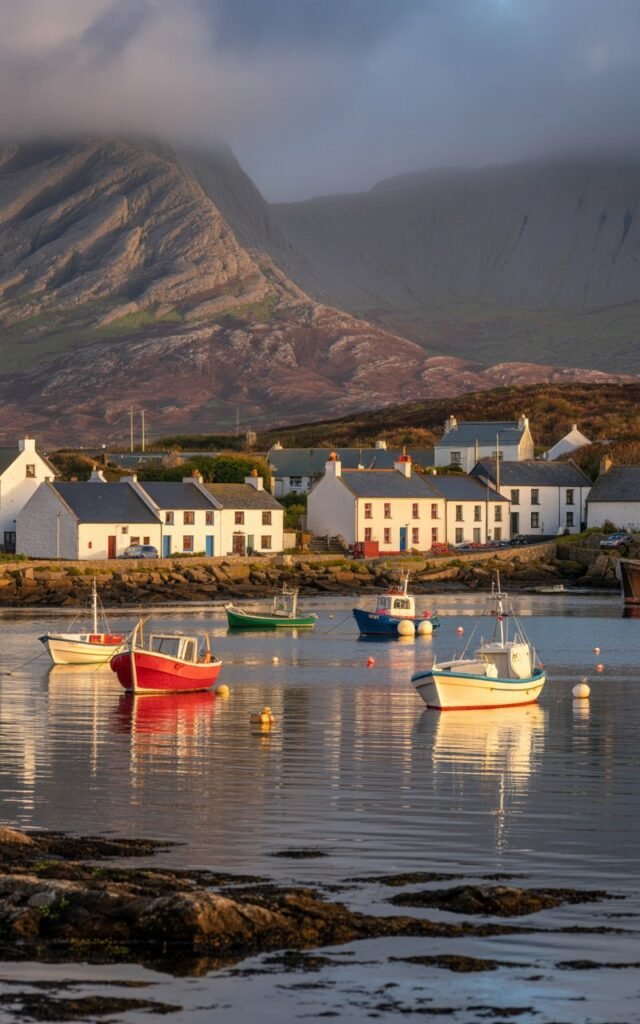
The first time I arrived in Roundstone, I felt like I had stepped into a postcard-perfect Irish village.
Nestled along the rugged Connemara coast, its colorful cottages, sparkling harbor, and the surrounding mountains make it one of Ireland’s most picturesque spots.
The quiet energy and fresh sea air immediately put me at ease.
Where to Stay:
I stayed at Roundstone House, a charming bed-and-breakfast right near the harbor, which made it easy to explore on foot.
For a more luxurious stay, Connemara Coast Hotel offers stunning views of the sea and mountains, perfect for first-time visitors who want comfort and scenery in one.
Places to Eat:
I loved dining at Fisherman’s Pub, where fresh seafood caught that morning was prepared simply and deliciously.
For a relaxed lunch with a view, Pier Head Bar & Restaurant overlooks the harbor and serves hearty Irish favorites.
Don’t leave without trying freshly caught crab, mussels, or traditional fish stew—Roundstone is a seafood lover’s dream.
Tips for Visitors:
- Walk along the harbor and explore the small streets lined with colorful cottages—it’s perfect for photos.
- Take a drive along the Connemara coast for dramatic cliffs and sweeping ocean views.
- Visit early morning or late afternoon for quiet streets and soft light over the water.
- Bring layers and a light jacket—the coastal breeze can be chilly even in summer.
Roundstone is a village where nature and community meet beautifully.
Watching the fishing boats bob in the harbor, hearing the gentle waves, and wandering the colorful streets reminded me why Ireland’s villages feel so magical—quiet, vibrant, and unforgettable.
Conclusion – Discover the Magic of Ireland’s Villages
Exploring these 10 magical Irish villages showed me a side of Ireland that feels authentic, timeless, and full of charm.
From the storybook streets of Adare to the colorful harbor of Roundstone, each village has its own personality, local flavors, and breathtaking scenery.
Visiting these villages isn’t just about sightseeing—it’s about immersing yourself in the culture, slowing down, and enjoying the small moments.
Walking cobblestone streets, sipping coffee in a cozy café, listening to traditional music, or simply soaking in the natural beauty makes these villages unforgettable.
For first-time visitors, the key is to plan ahead but leave room for discovery—choose your stays thoughtfully, explore local eateries, and take time to wander on foot.
These villages are reminders that sometimes, the most magical experiences are found in the quieter, less-visited corners of a country.
Whether you’re a seasoned traveler or visiting Ireland for the first time, these villages offer history, culture, and a touch of Irish enchantment you won’t find anywhere else.