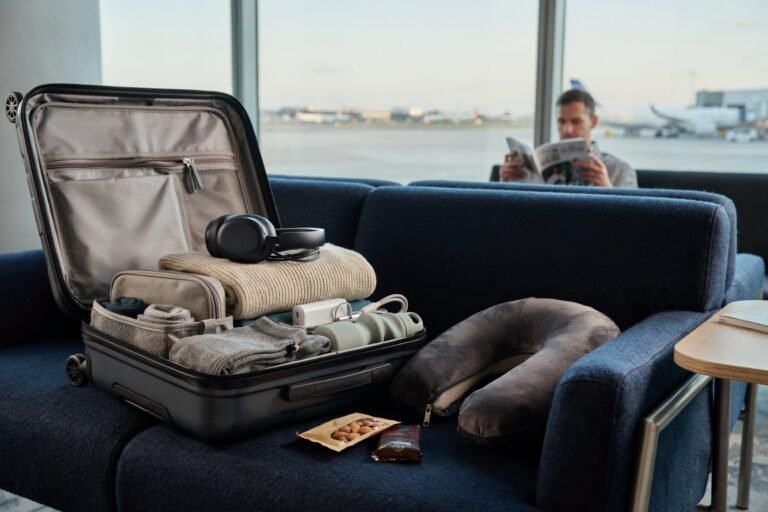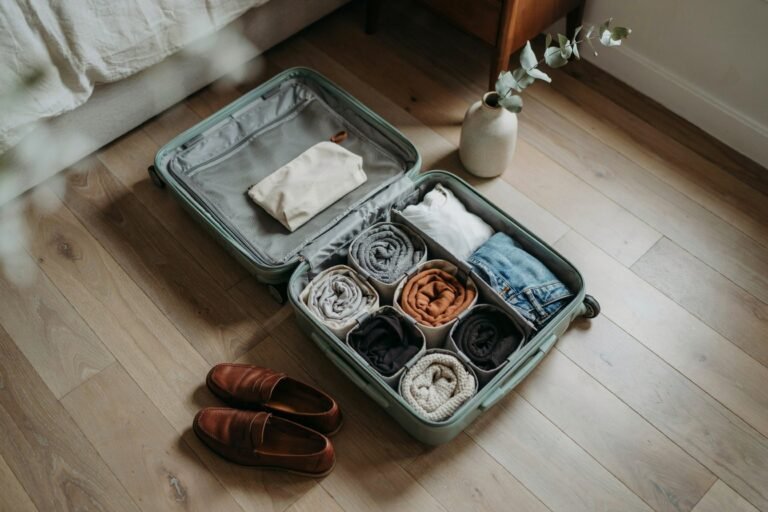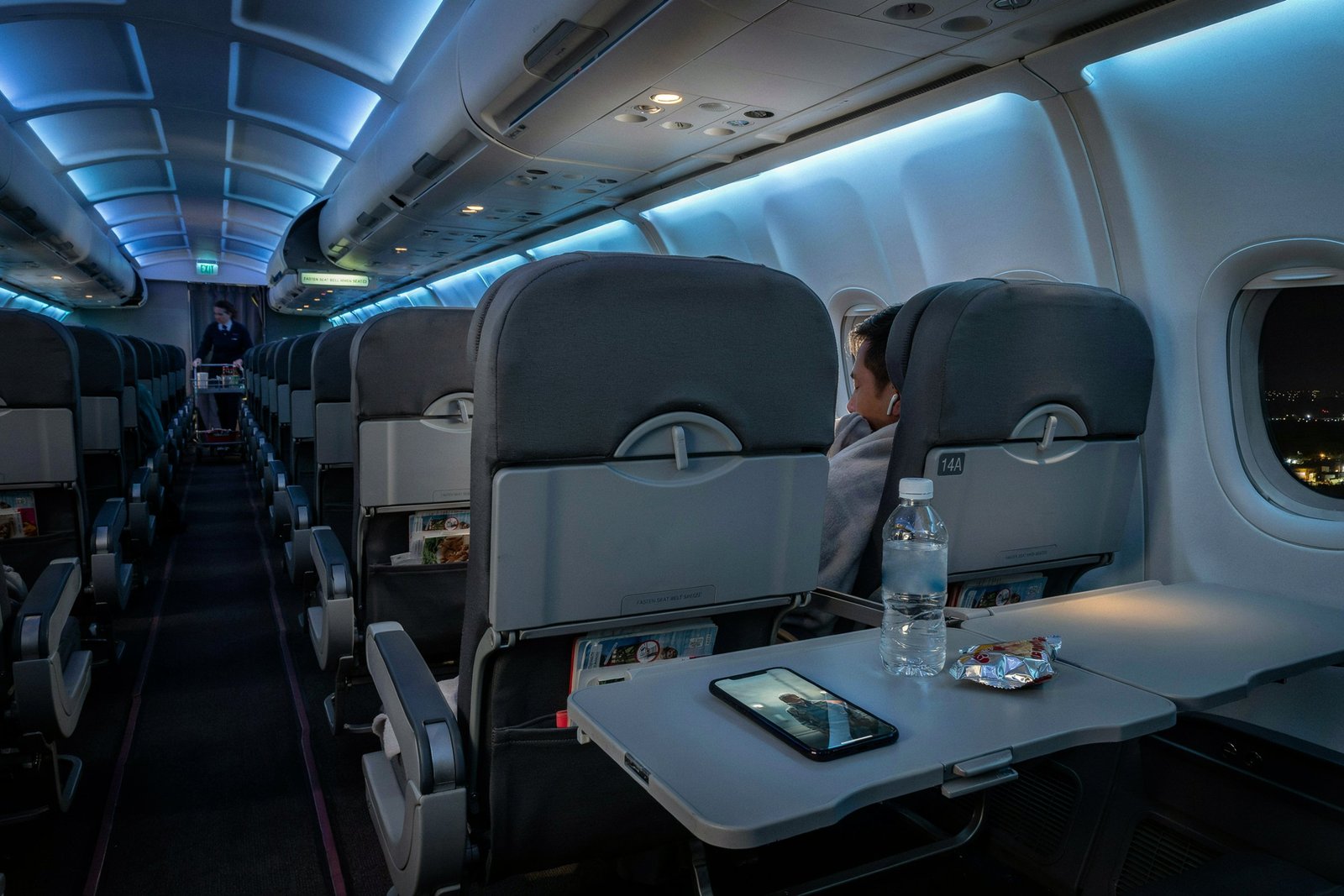
I have taken more red eye flights than I can count, and I used to think surviving one simply meant closing my eyes and hoping for the best.
It never worked. I would land groggy, stiff, and completely out of sync for the first day of my trip.
After a few rough overnight flights, I finally figured out what actually makes a difference between arriving somewhat refreshed and arriving completely exhausted.
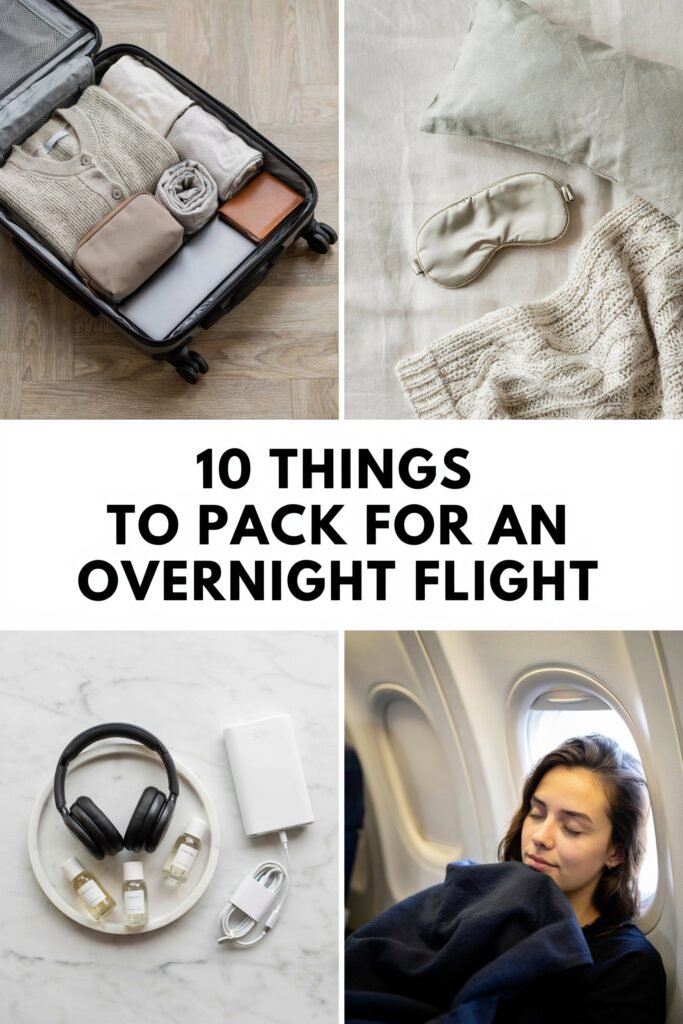
Packing for a red eye is not about filling your carry on with every travel gadget you can find.
It is about choosing a few practical things that genuinely help with sleep, comfort, and feeling human when you step off the plane.
These are the items I bring every time, along with why each one earns a place in my bag.
Quick Packing Snapshot
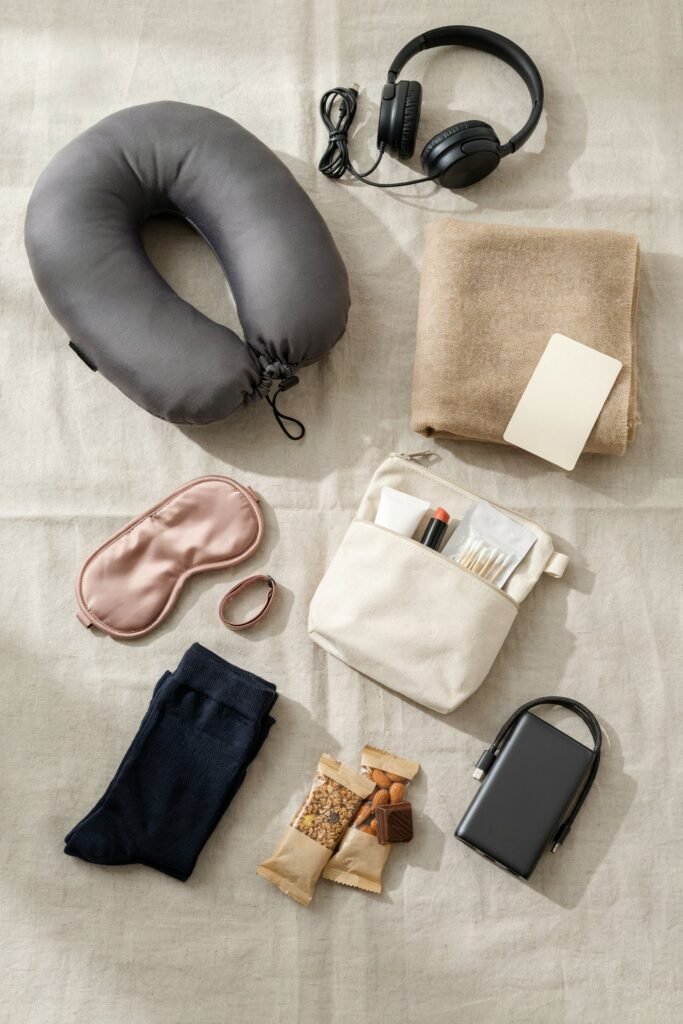
If you are packing in a hurry, here is the short version of what I would grab:
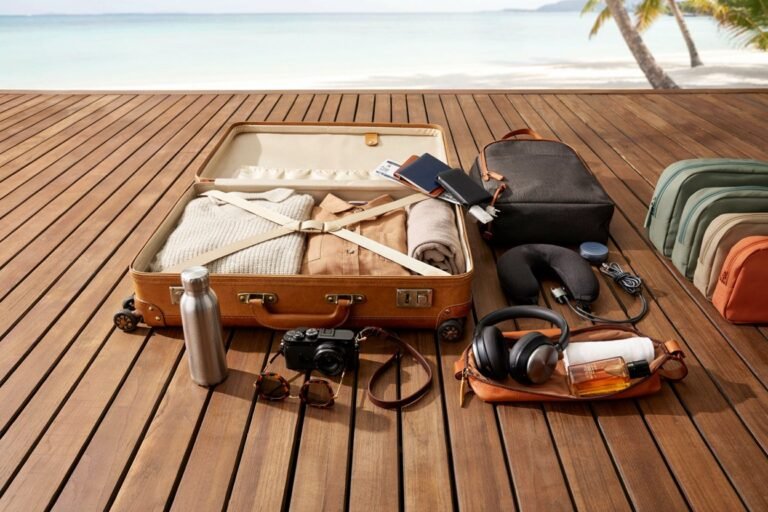
- A supportive travel pillow
- A sleep mask and blue light blocking glasses
- Noise canceling headphones or earplugs
- A packable blanket or oversized scarf
- Compression socks
- A comfortable change of clothes
- Travel size skincare and a refillable water bottle
- Downloaded offline entertainment
- Snacks you genuinely enjoy
- A portable charger with the right cords
Now let’s get into why each item matters and how I actually use it during a long overnight flight.
1. A Compression Travel Pillow
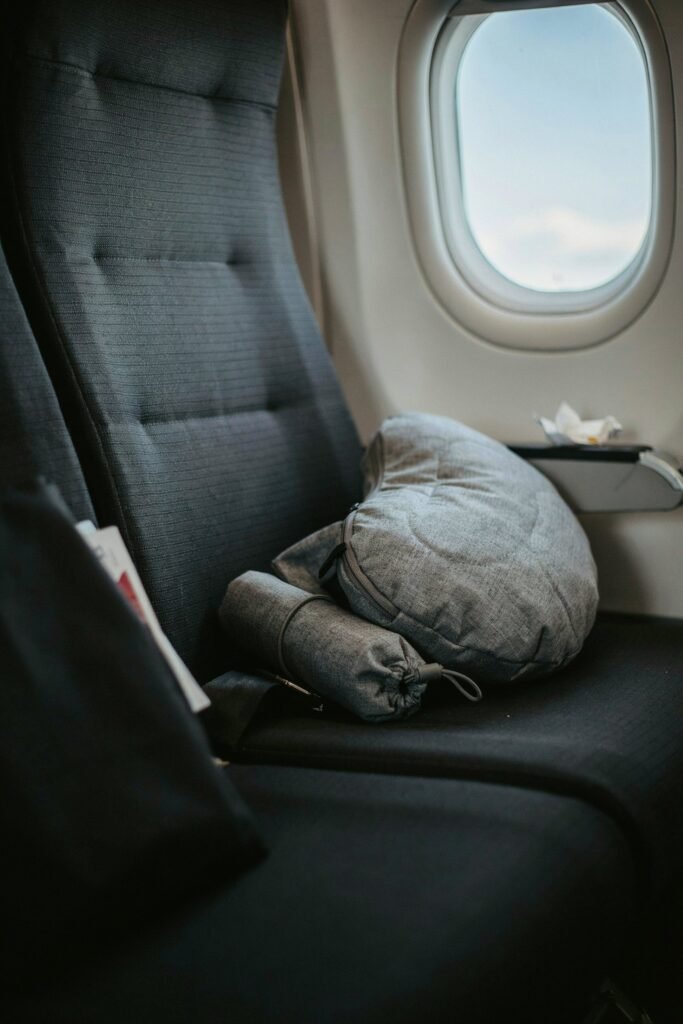
I resisted buying a proper travel pillow for years because I thought they were bulky and unnecessary.
Then I took a nine hour flight using nothing but a rolled up hoodie and woke up with a crick in my neck that lasted for two full days of my trip.
That was the last time I flew without proper neck support.
A compression travel pillow is different from the giant inflatable ones you see in airport shops.
It packs down to roughly the size of a water bottle but expands into a firm, supportive shape once you release it.
That firmness is what makes the biggest difference for me. Soft, floppy pillows let your head roll around, which is usually what leaves you feeling stiff when you wake up.
My tips for choosing one:
- Look for a slight forward lean, since most people naturally tilt forward when sleeping upright.
- Choose one with a compact carrying pouch so it does not take up loose space in your bag.
- If you get warm easily, look for a breathable cover instead of thick memory foam.
This is honestly the single item that has made the biggest difference in how I feel after a red eye flight.
2. A Sleep Mask and Blue Light Blocking Glasses
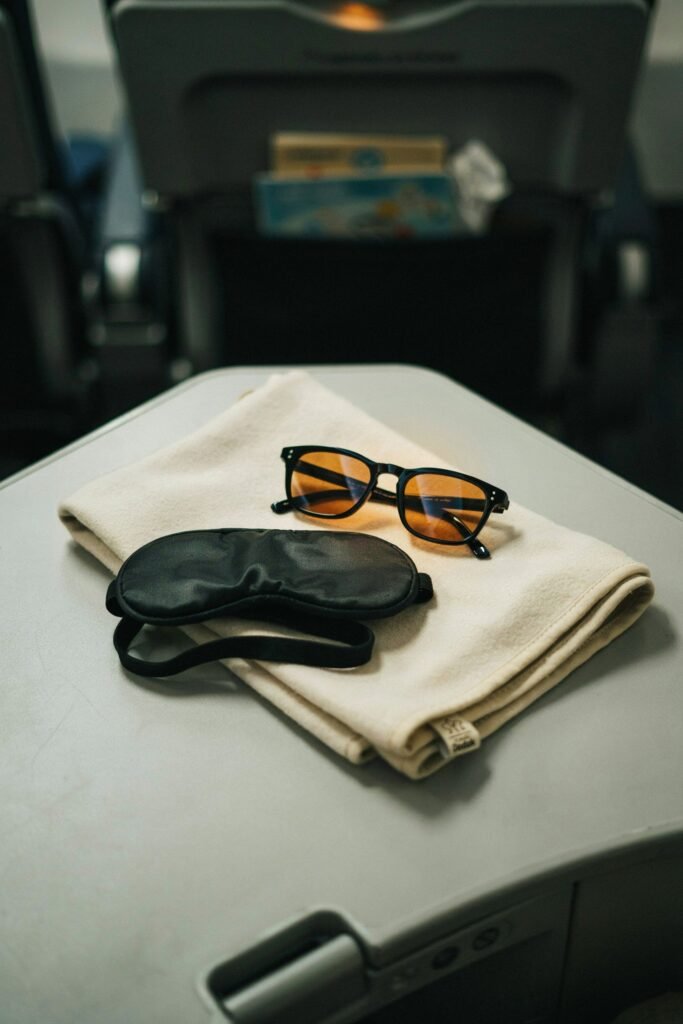
Cabin lighting is one of those things you do not think about until you are actually trying to sleep.
Even with the main lights turned off, there is usually a screen glowing nearby, a reading light left on, or a flight attendant moving through the cabin during meal service.
A good sleep mask blocks all of that out instantly. I prefer a contoured style rather than a completely flat mask because it does not press directly against my eyelids.
The little bit of extra space makes it much more comfortable when I am trying to fall asleep.
I also started wearing blue light blocking glasses during the hour or two before I plan to sleep.
It seemed like a small step at first, but I like having that little wind down routine, especially when I have been looking at my phone or laptop right up until boarding.
A few things I have learned:
- Choose a mask with an adjustable strap because one size does not always feel comfortable.
- Avoid hard plastic eye cups unless you have tried them before.
- Put the mask on before you are completely ready to sleep so your body has time to settle into the routine.
3. Noise Canceling Headphones or Earplugs
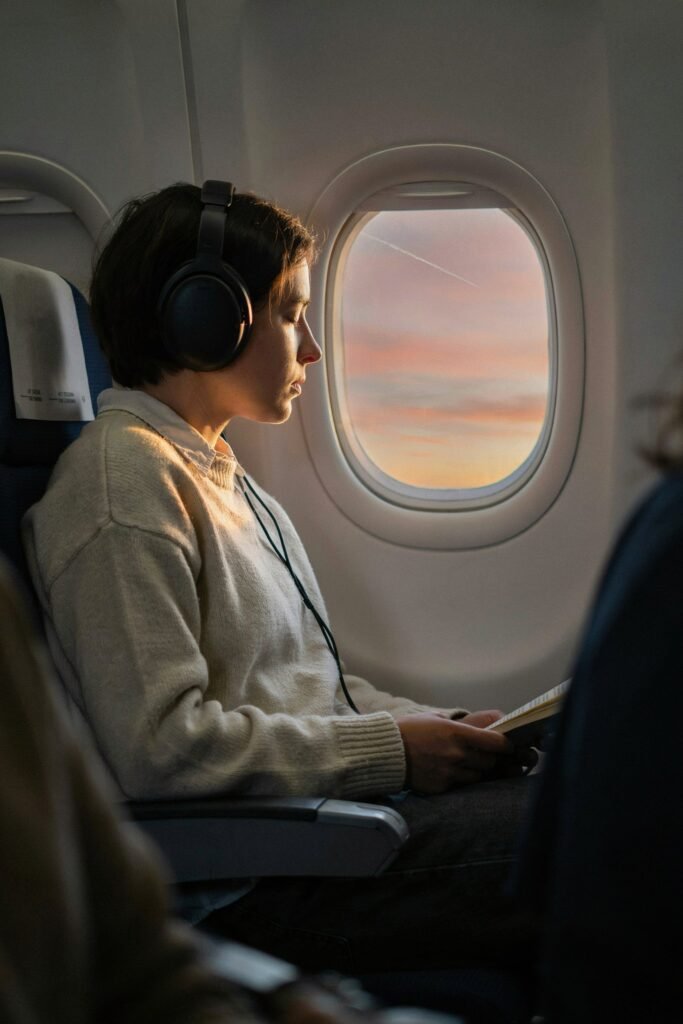
Engine noise, crying babies, chatty seatmates, and the constant clink of the beverage cart are all part of flying. Unfortunately, none of them make falling asleep any easier.
I avoided noise canceling headphones for a long time because I considered them an unnecessary splurge.
Then I took one particularly loud overnight flight sitting near a group celebrating a bachelor party. I changed my mind very quickly.
If noise canceling headphones are not in your budget, good foam earplugs can work surprisingly well too.
I actually pack both now. Headphones eventually become uncomfortable after several hours, and earplugs give me a simple backup when I just want quiet.
Practical advice for this one:
- Fully charge your headphones before leaving home and keep the charging cable in your personal item.
- If you use earplugs, softer foam styles are usually more comfortable for sleeping.
- Test new headphones or earplugs at home before your flight. Finding out they bother you at 30,000 feet is not ideal.
4. A Lightweight Packable Blanket or Oversized Scarf
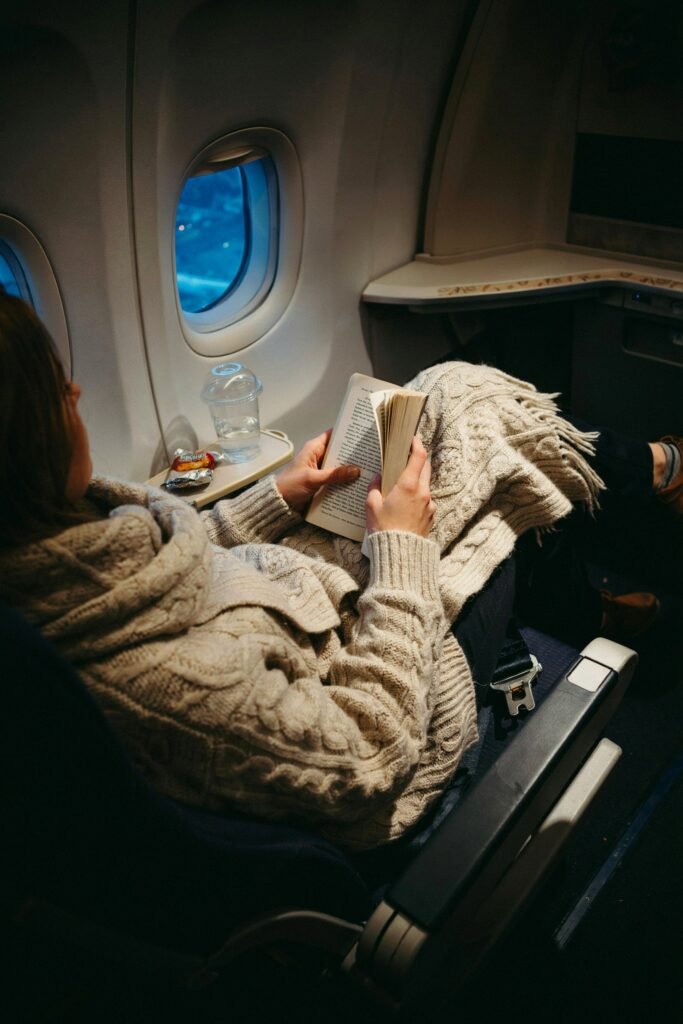
I stopped relying on airplane blankets after a flight to Iceland where the cabin felt absolutely freezing and the blanket I was given was so thin it barely covered my shoulders.
Now I always bring my own. Personally, I prefer an oversized scarf over a traditional travel blanket because it does more than one job.
I can use it as a blanket, fold it up as a makeshift pillow, or throw it over my shoulders as soon as I land somewhere colder than expected.
A dedicated packable travel blanket works just as well if you would rather keep things separate.
What I look for:
- A soft material that is not too bulky, since thick fabrics take up carry on space quickly.
- Something machine washable because it will eventually end up on an airport floor.
- A neutral color that works with the rest of my travel clothes.
5. Compression Socks
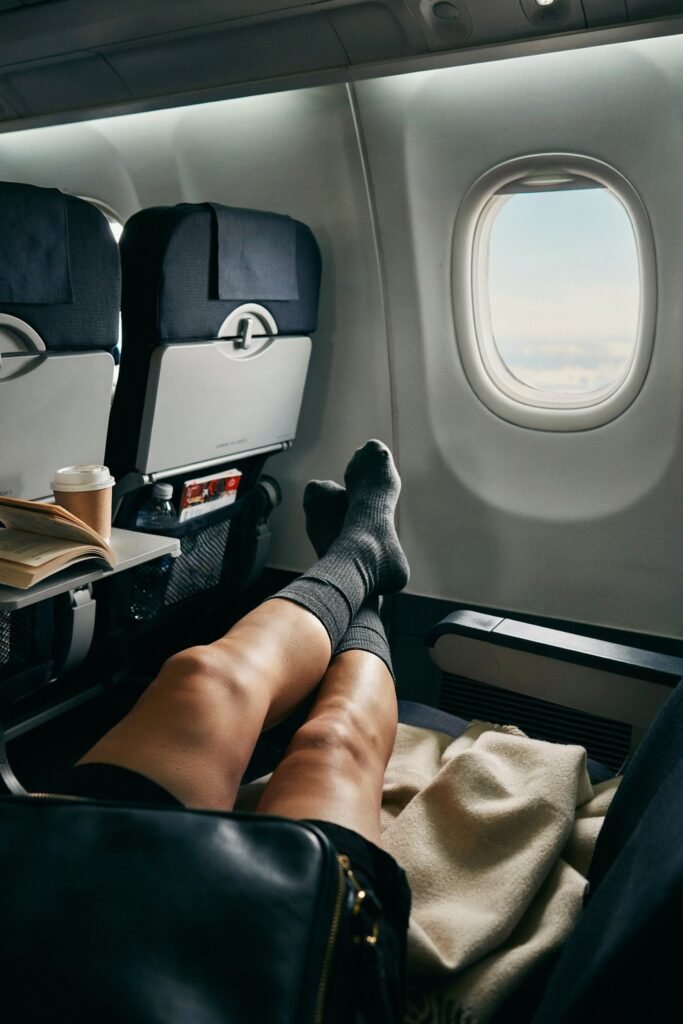
I ignored compression socks for a long time because I assumed they were mainly for people with specific health concerns.
Then a flight attendant casually mentioned how common swelling and stiffness are on long flights, and I finally paid attention.
Compression socks use gentle graduated pressure to support circulation in your legs. For me, the biggest difference is how my legs feel after landing.
They do not have that same heavy, puffy feeling I used to notice after sitting for hours.
A few things I have learned:
- Put them on before boarding. Pulling them on in a cramped airplane seat is much harder.
- Look for graduated compression rather than a regular tight sock.
- You do not necessarily need a medical grade pair unless your doctor has specifically recommended one.
6. A Comfortable Change of Clothes
There is a very specific kind of misery that comes from stepping off a ten hour flight still wearing the same stiff jeans you put on the night before.
I learned that lesson on a trip to Japan. I landed feeling wrinkled, uncomfortable, and completely unprepared to start exploring.
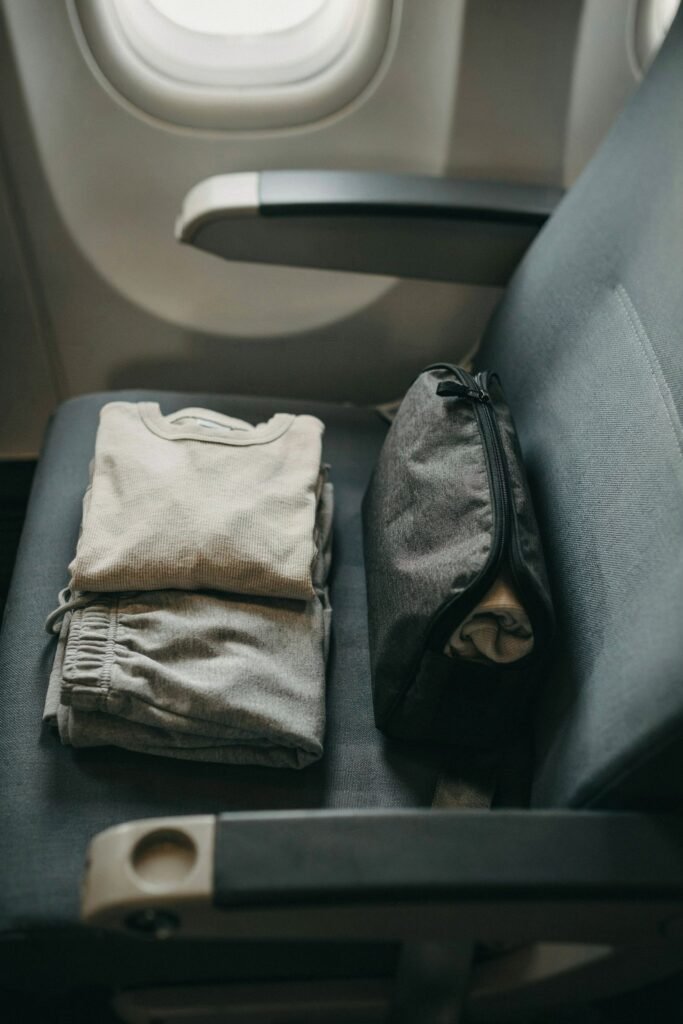
Now I always pack a comfortable change of clothes and switch sometime before landing.
It does not have to be pajamas. I usually choose loose pants or joggers with a soft t shirt.
I want something comfortable enough to sleep in but still presentable if I end up walking straight into a city center.
A few tips that have made this easier:
- Change in the bathroom about two hours before landing so you have time to settle back into your seat.
- Pack the outfit in its own small bag so you are not digging through your entire carry on.
- Bring soft slip on shoes or thick socks for the flight, since feet can swell after sitting for several hours.
7. Skincare and Hydration Essentials
Cabin air is much drier than most places you will experience on the ground.
I did not really understand how much of a difference that could make until I landed in Portugal with skin so tight and dry that I genuinely looked like I had aged overnight.
That was the trip that made me start taking in flight skincare seriously.
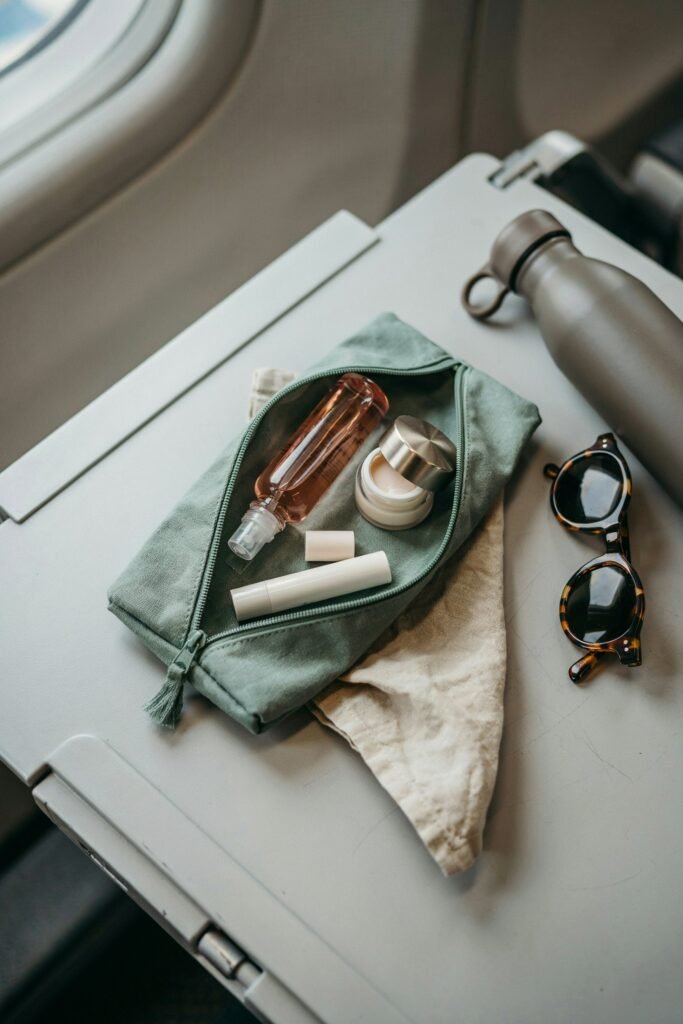
Now I keep a small pouch just for my essentials. A hydrating facial mist, a rich moisturizer, and lip balm are the three things I never leave behind.
I usually apply moisturizer before I try to sleep and then again about an hour before landing.
That second application makes a noticeable difference in how my skin feels when I arrive.
Hydration matters from the inside too. I always bring a refillable water bottle and make a conscious effort to drink throughout the flight.
What works well for me:
- Fill your refillable water bottle after security so you are not relying on tiny cups from the beverage cart.
- Choose travel size skincare products that meet the current liquid rules.
- Avoid excessive alcohol and caffeine during the flight since they can make you feel even more dehydrated.
8. Downloaded Entertainment for Offline Use
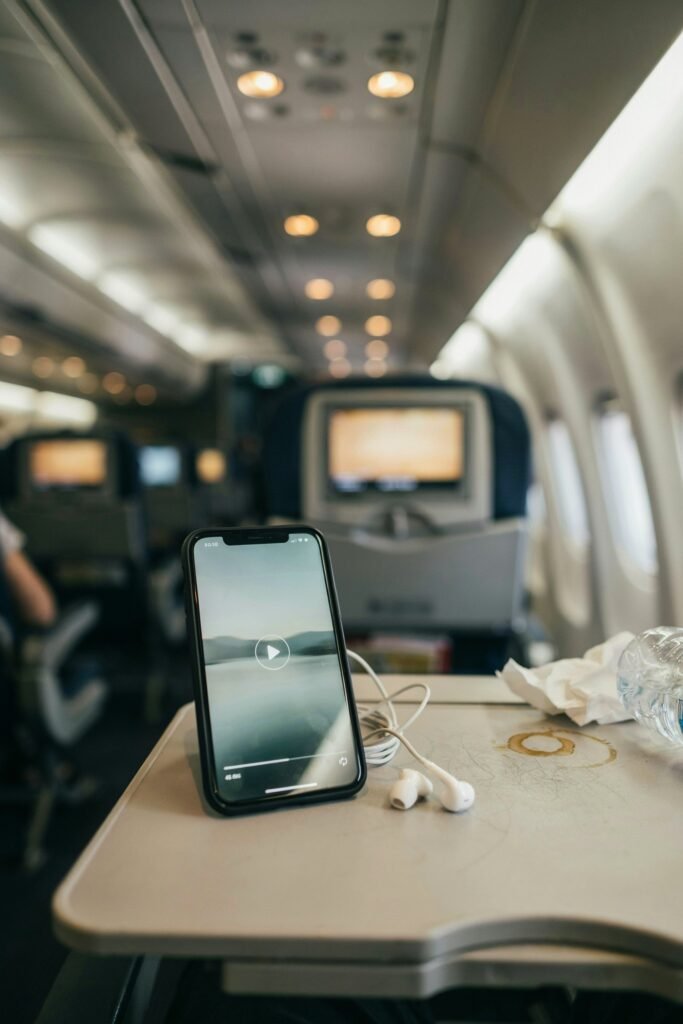
I used to assume every plane would have reliable Wi Fi and a decent selection of movies.
Then I took a red eye where the entertainment system was not working and the Wi Fi never connected once.
Eight hours with absolutely nothing to do taught me not to rely on the plane for entertainment.
Now I download a few shows, movies, podcasts, or audiobooks before I leave for the airport.
I usually choose something engaging for the beginning of the flight and something calmer for the part of the night when I am trying to wind down.
A few things that help:
- Download everything the night before. Airport Wi Fi is not something I like depending on for large files.
- Bring a portable charger and keep the right charging cable in your personal item.
- Choose something familiar for the later part of the flight. I find a show or audiobook I already know is much easier to relax with than something completely new.
9. Snacks You Actually Like
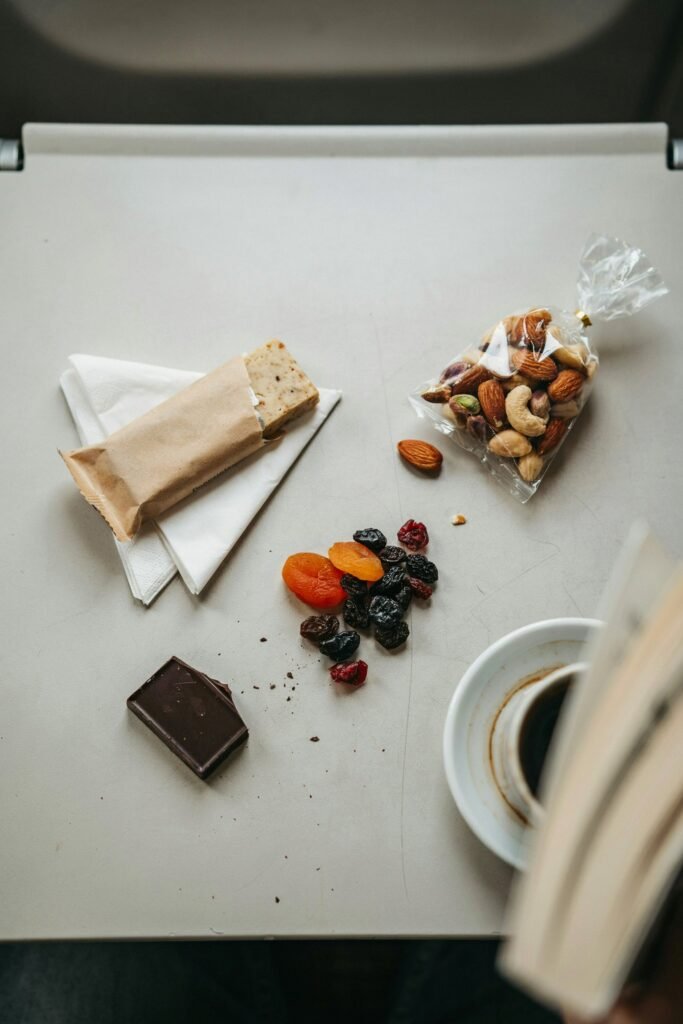
Airline food can be unpredictable.
I have had flights with surprisingly good meals and others where the only thing left by the time the cart reached my row was a small packet of pretzels.
I stopped leaving my in flight snacks to chance after one long haul flight where the meal I wanted had already run out before the crew reached the back of the plane.
Now I pack food I actually enjoy.
It makes the flight feel a little more comfortable, and it also helps if there is a delay or an unexpectedly long layover.
My usual picks include:
- Protein bars or nut mixes because they are filling without feeling too heavy.
- Dried fruit or crackers that travel well and do not make a mess.
- Something slightly indulgent, like a good chocolate bar. Sometimes a small treat makes an overnight flight feel much less miserable.
10. A Portable Charger and the Right Cords
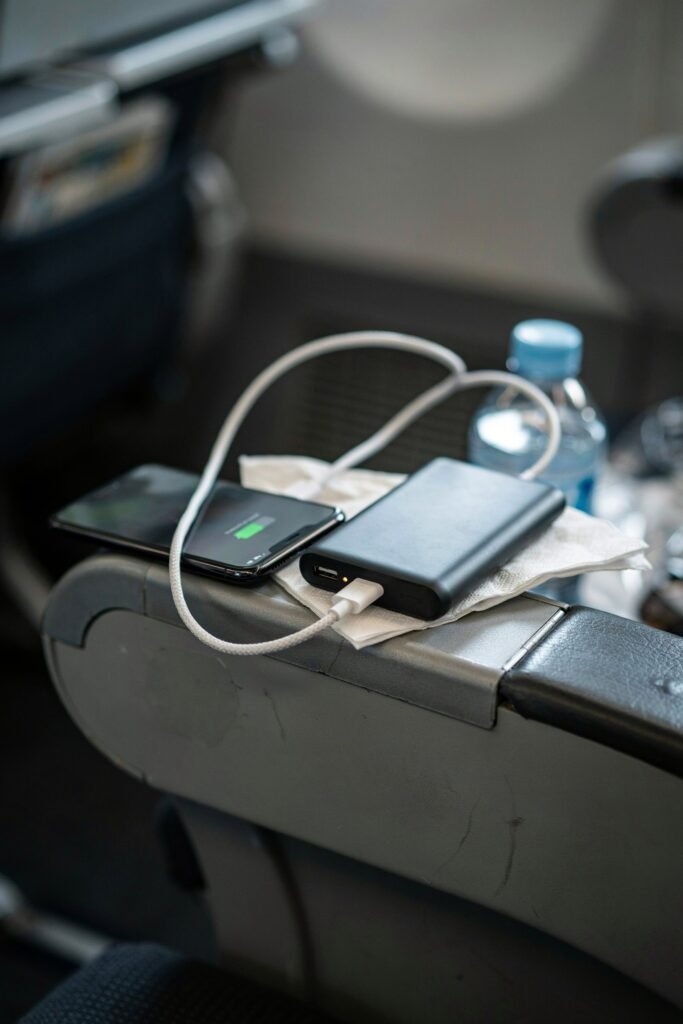
I learned this lesson the hard way during a layover in Dallas.
My phone died right as I was trying to pull up my connecting gate information and boarding pass.
Not every airport seat has a working outlet, and even when one is available, you may be sharing it with the person beside you or dealing with a port that simply does not work.
A portable charger is one of those things that feels optional until the exact moment you desperately need it.
Now I keep a compact charger in my personal item along with the specific cords I need for my phone and headphones.
It sounds like a small thing, but arriving somewhere with a dead phone can quickly become a problem.
No maps, no boarding pass for your next flight, and no easy way to contact the person waiting for you.
A few practical notes:
- Check your airline’s current rules for portable chargers and battery capacity before packing one.
- Keep your charger and cords in your personal item so they are easy to reach during layovers.
- Charge the battery pack fully the night before your flight. A dead portable charger is not much help.
How I Organize My Red Eye Carry On
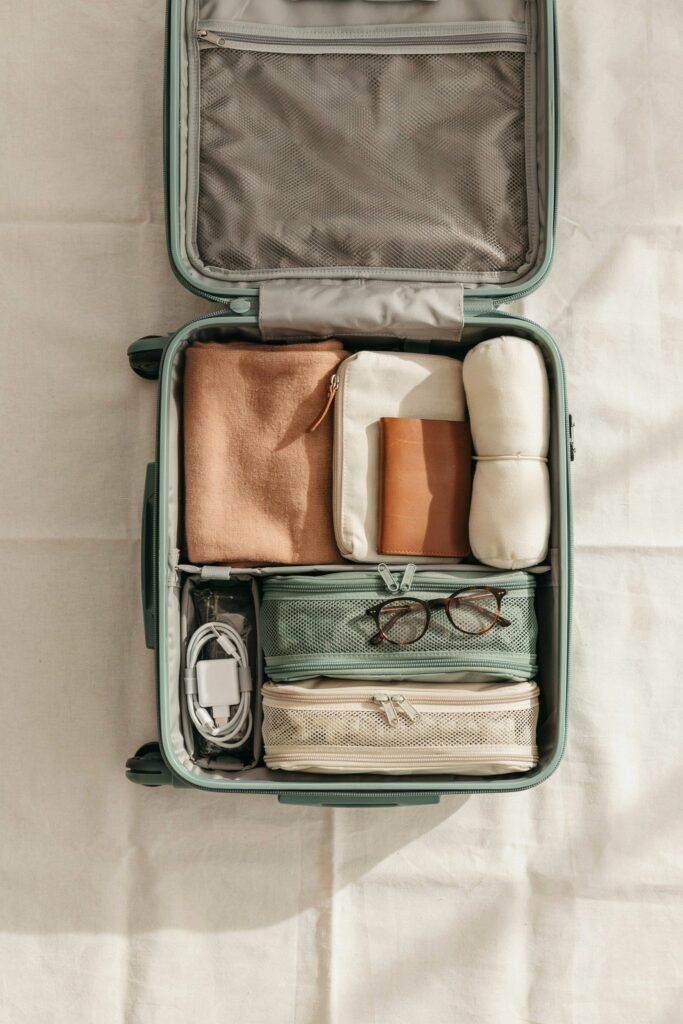
The items you pack matter, but how you organize them makes a huge difference too.
I used to throw everything into my carry on and then spend half the flight digging around for my headphones or moisturizer.
Now, I keep the things I need during the flight together.
My usual setup is pretty simple:
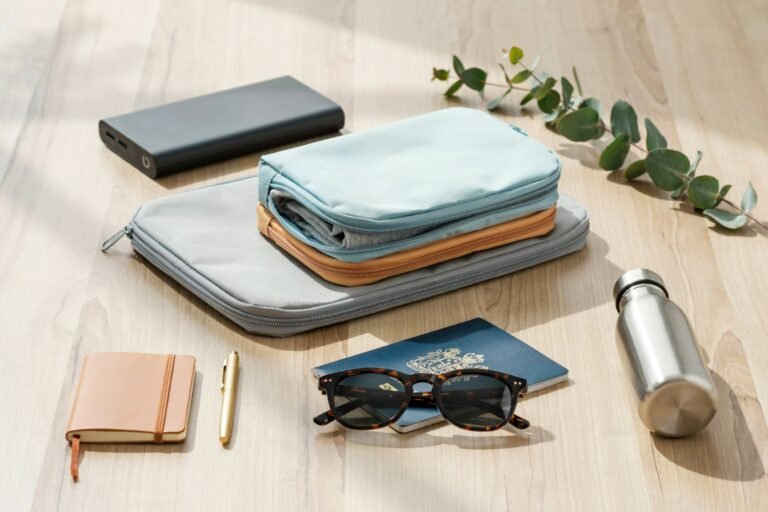
- Personal item: Passport, phone, charger, headphones, snacks, and my small skincare pouch.
- Easy access section: Travel pillow, sleep mask, and earplugs.
- Small packing pouch: Cords, portable charger, and smaller electronics.
- Clothing section: Comfortable change of clothes and oversized scarf.
I also try to pack anything I will need during the flight near the top of my bag.
The last thing I want to do at midnight is unpack my entire carry on while the person next to me is trying to sleep.
What I Do Before Boarding a Red Eye
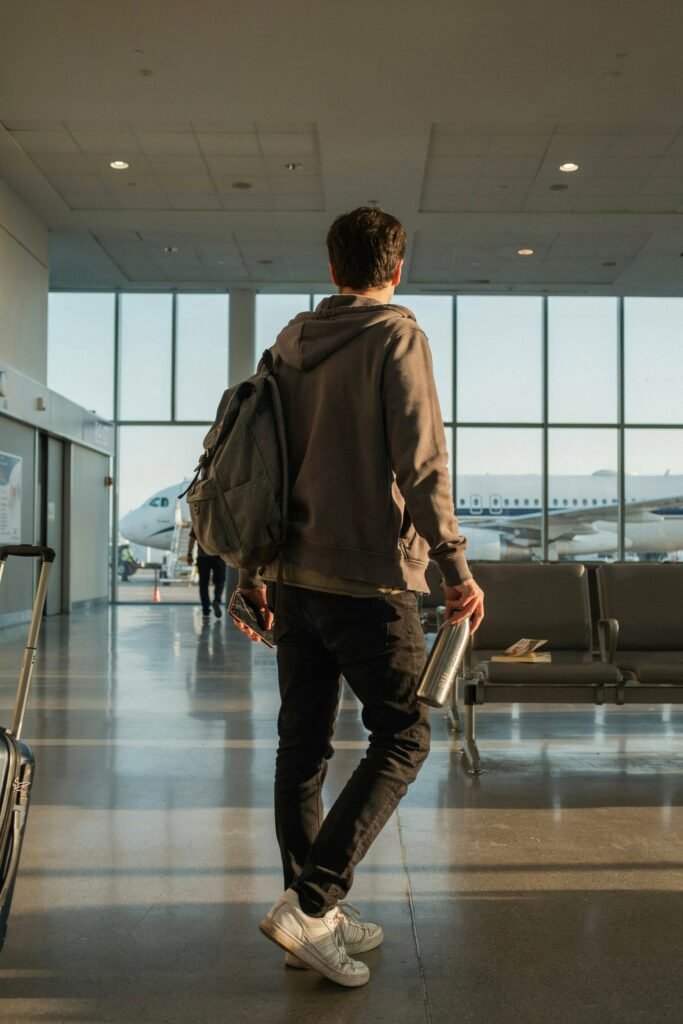
I have found that preparing before boarding makes the actual flight much easier.
I do not wait until I am sitting in my seat to figure everything out.
Before I board, I usually:
- Fill my water bottle after security.
- Use the bathroom before getting on the plane.
- Check that my phone and portable charger are fully charged.
- Download anything I want to watch or listen to.
- Keep my pillow, headphones, and comfort pouch within easy reach.
- Put on my compression socks if I am wearing them for the flight.
This little routine takes only a few minutes, but it means I can settle in much faster once I am on the plane.
What I Would Not Pack for a Red Eye Flight
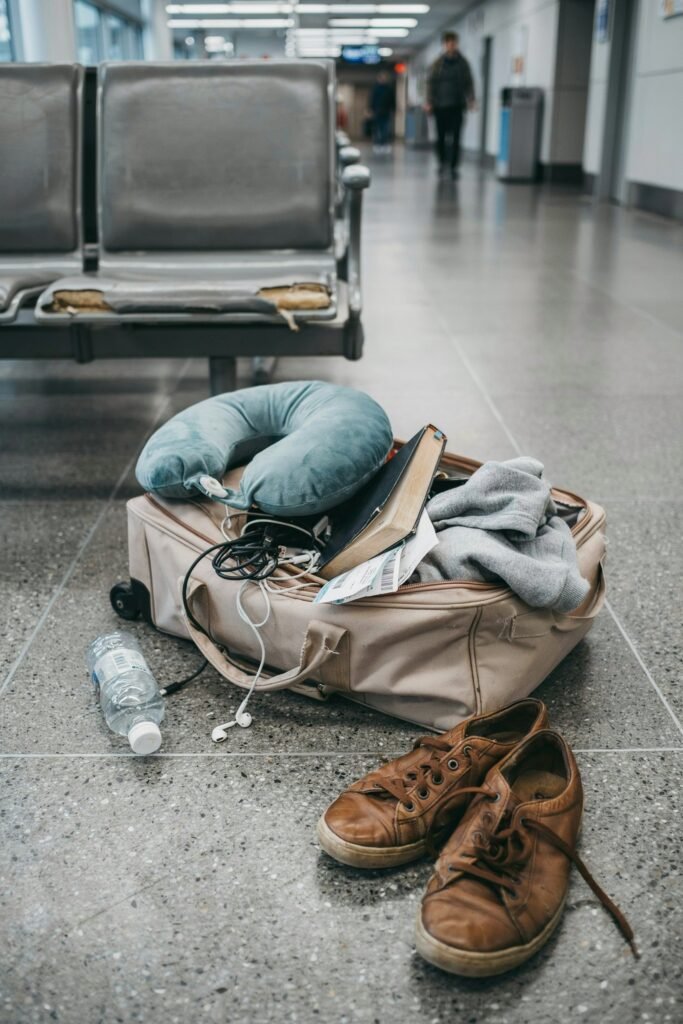
I have become much more selective with my carry on over time.
There are plenty of travel products that look useful online but end up taking up space without making the flight any more comfortable.
I would skip:
- Bulky travel blankets that take up half your bag.
- Too many skincare products.
- Full size toiletries.
- Multiple pairs of backup shoes.
- Anything you have never tested before.
The last one is especially important.
A red eye flight is not the time to discover that your new neck pillow is uncomfortable or your headphones hurt after an hour.
Frequently Asked Questions
What should I pack for an overnight flight?
My main red eye essentials are a travel pillow, sleep mask, noise canceling headphones, compression socks, comfortable clothes, skincare, snacks, offline entertainment, and a portable charger.
How do I sleep better on a red eye flight?
I find that a supportive pillow, sleep mask, earplugs or noise canceling headphones, and comfortable clothing make the biggest difference.
I also try to start winding down rather than staying glued to my phone for the entire flight.
Should I bring a blanket on an overnight flight?
I prefer an oversized scarf or lightweight packable blanket. It gives me an extra layer without taking up too much room in my carry on.
What snacks are good for a red eye flight?
Protein bars, nuts, crackers, dried fruit, and a small treat like chocolate are some of my favorite options. I choose things that are filling, easy to pack, and not messy.
Do I really need a portable charger for a flight?
I would definitely recommend one.
Airport outlets and airplane charging ports are not always reliable, and having a charged phone is especially important when you are traveling through connecting airports.
Should I bring a change of clothes on an overnight flight?
For long flights, I personally think it is worth it.
Changing into soft, comfortable clothes before landing can make you feel much fresher when you arrive.
Final Thoughts
I used to think the only way to get through a red eye was to accept that I would feel awful the next day.
I would pack my usual carry on, board the plane, and hope I somehow managed to sleep.
Now I know that the little things matter much more than I expected.
A proper travel pillow, comfortable clothes, a sleep mask, and snacks I actually enjoy have completely changed how I approach overnight flights.
I still do not think anyone is going to call a red eye relaxing, but arriving tired is very different from arriving completely wrecked.
If you have an overnight flight coming up, do not feel like you need to buy every travel gadget available.
Start with the items that solve your biggest problems and build your own red eye routine around them.
Mine has changed a lot over time, but these are the essentials that continue to earn a place in my bag every single trip.