
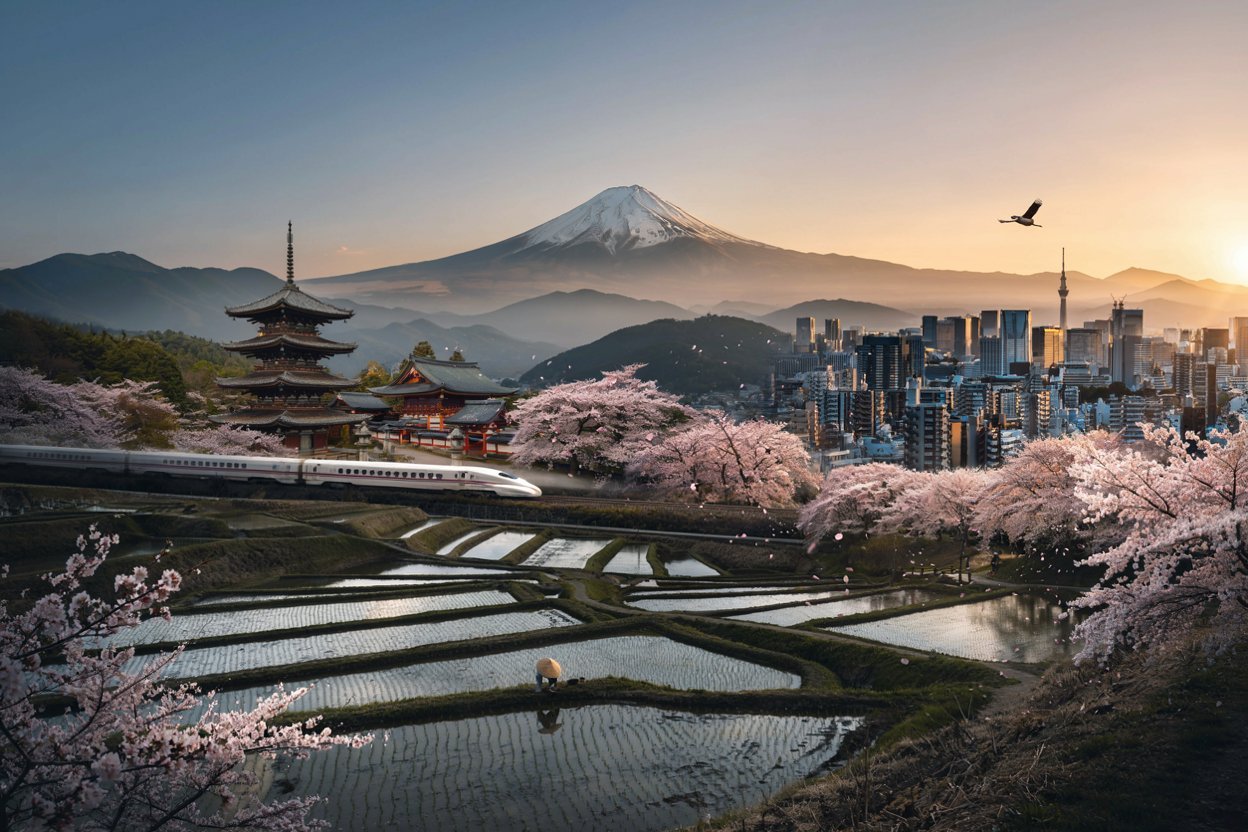
When I started planning my first trip to Japan, I made the same mistake that many travelers do.
I wanted to see everything.
My original itinerary included nearly every famous city, countless attractions, and so many train rides that I realized I would spend more time moving between destinations than actually enjoying them.
The more I researched, the more I understood that Japan isn’t a country you should rush through.
Some of my favorite memories came from slowing down. Sitting in a tiny café while watching locals start their day.
Wandering through quiet temple gardens without looking at my phone. Getting pleasantly lost in narrow streets filled with family owned shops.
Watching the sunset from a peaceful viewpoint instead of racing to the next attraction.
Those moments became the highlights of my trip.
That’s exactly why I put together this 10 day itinerary.
Instead of trying to cram every famous destination into one vacation, this route gives you enough time to experience Japan’s incredible cities while still leaving room for spontaneous discoveries that make a trip truly memorable.
If this is your first visit, I honestly think this itinerary offers one of the best balances between iconic landmarks, authentic neighborhoods, beautiful nature, incredible food, and unforgettable cultural experiences.
By the end of these ten days, you’ll have experienced the energy of Tokyo, admired Mount Fuji, relaxed in a traditional hot spring, explored Kyoto’s timeless temples, visited Osaka’s lively streets, and returned home feeling like you experienced much more than just Japan’s biggest tourist attractions.
Disclaimer
This post may contain affiliate links. As an Amazon Associate, I earn from qualifying purchases at no additional cost to you. I only recommend travel products that I genuinely believe make exploring Japan more comfortable, organized, and enjoyable. The information in this article is for general informational purposes only. Travel schedules, attraction hours, and local regulations may change, so always check the latest details before your trip.
Amazon Shopping List
- Japan Travel Guide Book – I always like having a guidebook to discover both famous and hidden spots.
- BAGAIL Compression Packing Cubes – I use these to keep my suitcase organized throughout the trip.
- Anker Portable Power Bank – I never travel without one for long sightseeing days.
- Universal Travel Adapter – I always pack one so my devices stay charged anywhere in Japan.
- RFID Passport Wallet – I like keeping my passport, cards, and travel documents together.
- Comfortable Walking Shoes – I always wear supportive shoes because you’ll be walking a lot.
- Reusable Water Bottle – I keep one with me to stay hydrated while exploring cities, temples, and gardens.
Why I Chose This 10 Day Route
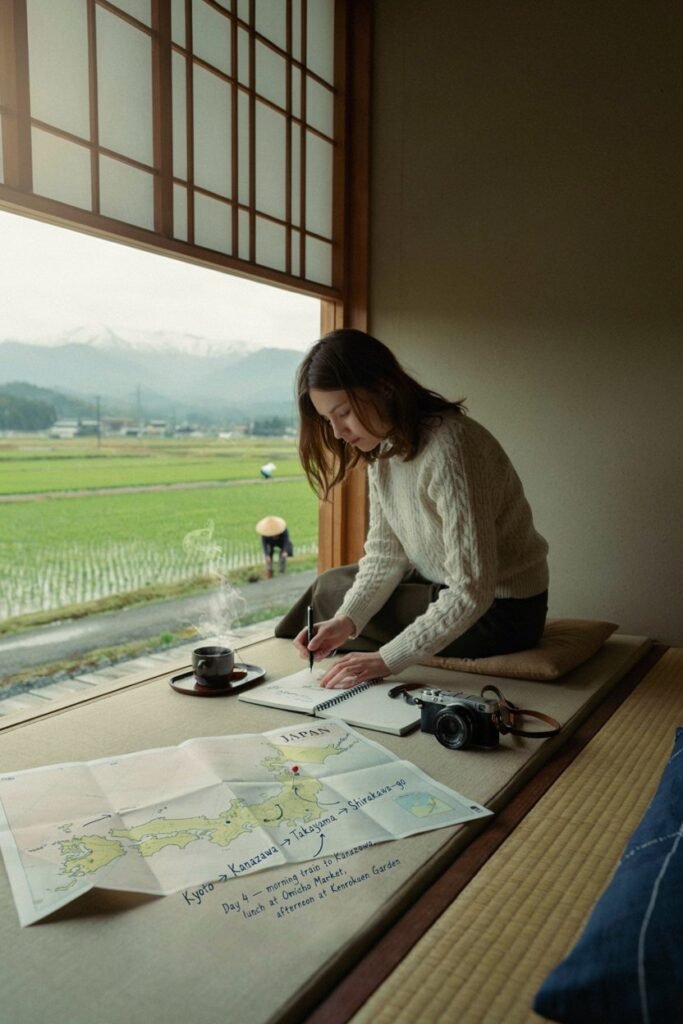
One thing I quickly realized while planning was that Japan has far too much to see in just one trip.
Rather than trying to visit six or seven cities, I decided to focus on fewer destinations and experience them properly.
That decision completely changed my trip.
Instead of constantly worrying about catching trains or checking into new hotels every night, I actually had time to enjoy each destination.
I discovered hidden cafés.
I wandered through neighborhoods that weren’t listed in guidebooks.
I found parks where locals gathered after work.
I even stumbled upon tiny restaurants serving some of the best meals I had during my entire vacation.
Traveling slower allowed Japan to surprise me.
That’s exactly what I hope this itinerary helps you experience too.
Is 10 Days Enough for Japan?
Absolutely.
Would I have happily stayed longer?
Without question.
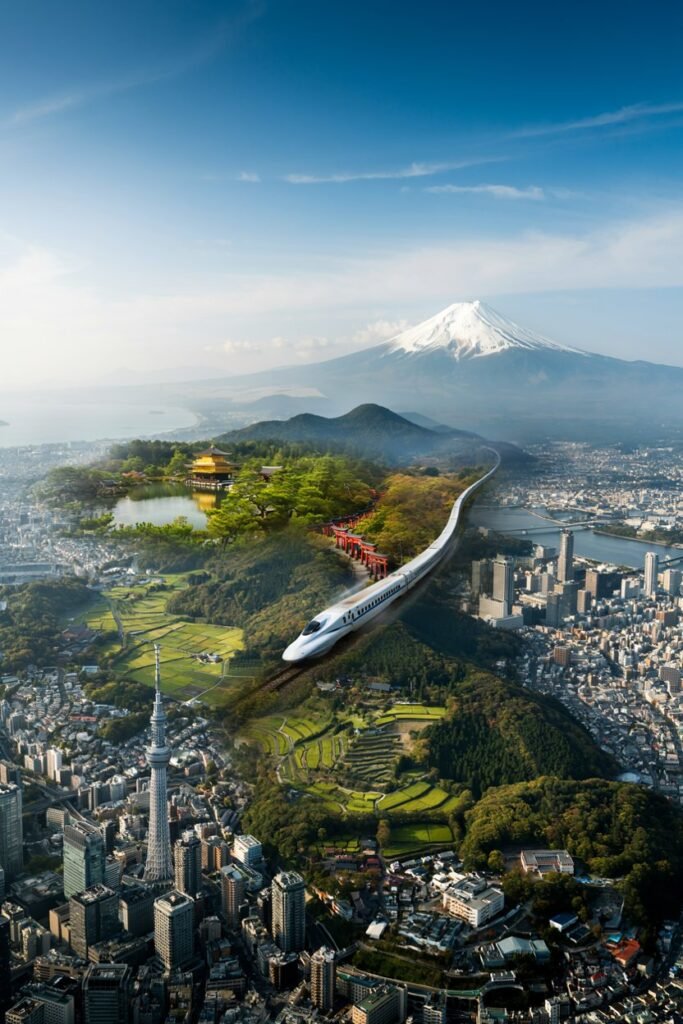
But if you only have ten days, this itinerary lets you experience many of Japan’s highlights without feeling completely exhausted.
You’ll have enough time to enjoy each destination while still covering several of the country’s most iconic regions.
Here’s what this itinerary includes:
- Tokyo
- Mount Fuji area
- Hakone
- Kyoto
- Nara
- Osaka
It’s a route that’s easy to follow, beginner friendly, and works well whether you’re traveling as a couple, with friends, or even on your own.
Before You Leave for Japan
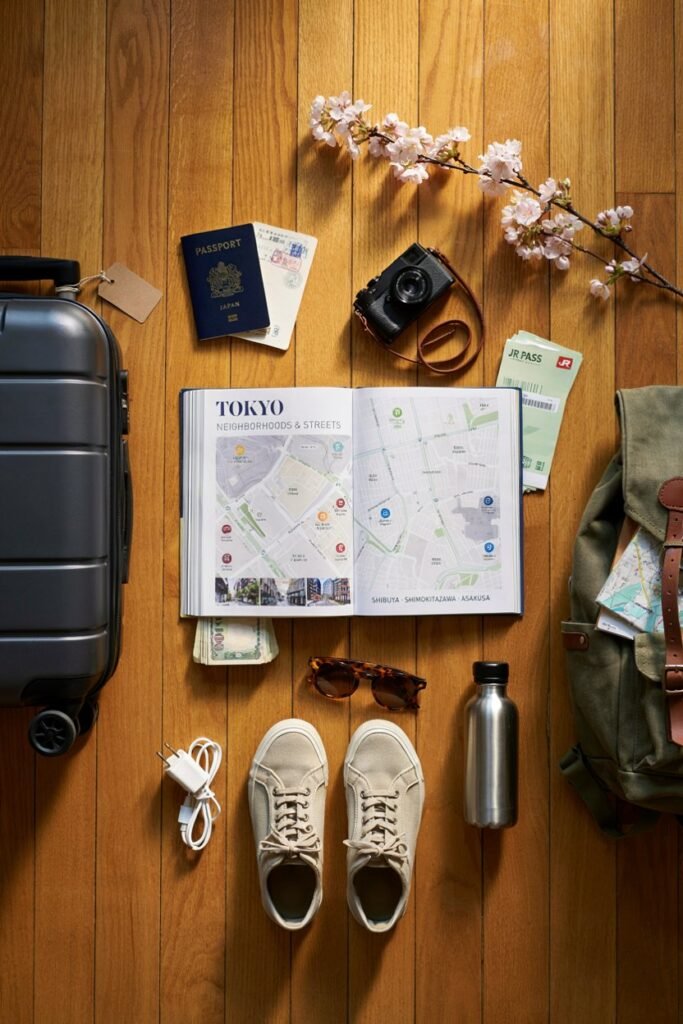
A little preparation made my trip much smoother.
These are the things I was most thankful for.
Apply for Any Required Travel Documents
Always check Japan’s latest entry requirements before booking your flights.
Having everything organized well before departure saves unnecessary stress.
Book Hotels Early
Japan is incredibly popular throughout the year.
I found that booking accommodations several months in advance gave me better hotel choices and noticeably lower prices.
If you’re visiting during cherry blossom season or autumn foliage, booking early is even more important.
Download Helpful Apps
Before flying, I downloaded several apps that made everyday travel much easier.
My favorites included:
- Google Maps
- Google Translate
- Offline Maps
- Currency Converter
- Train schedule app
Having them ready before landing saved me a lot of time.
Pack Light
One lesson I learned very quickly was that carrying a large suitcase through busy train stations isn’t much fun.
Japan has excellent luggage forwarding services, but packing lighter makes moving between cities far easier.
Comfortable walking shoes were probably the most important thing I packed.
Some days I walked well over 20,000 steps without even realizing it.
Days 1 to 3: Discover Tokyo
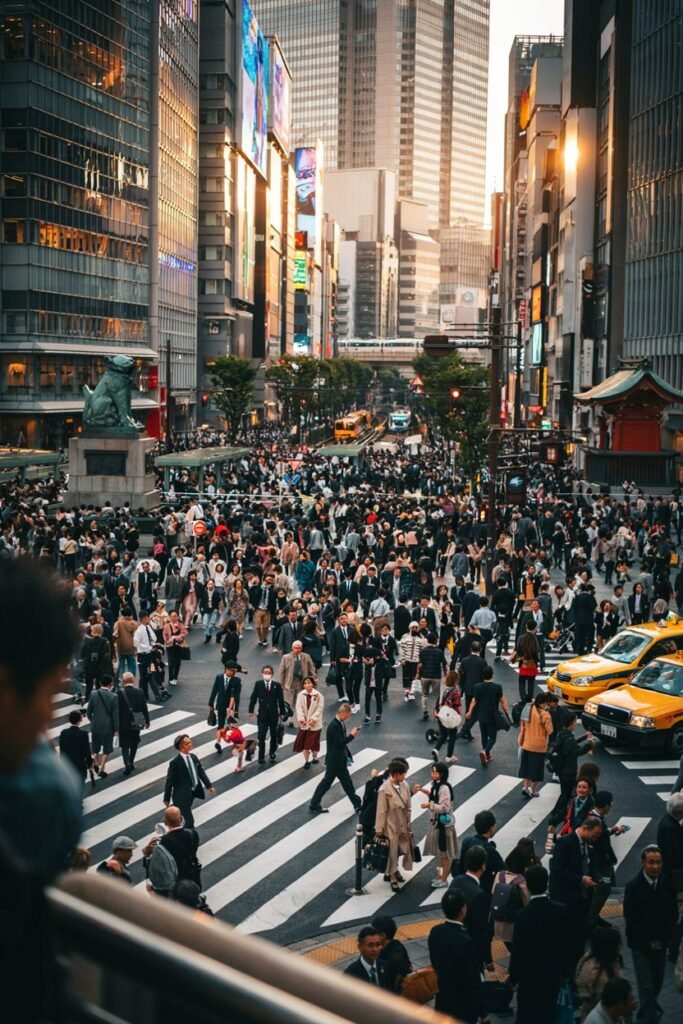
There really isn’t another city quite like Tokyo.
The moment I stepped outside the station, I was surrounded by towering skyscrapers, flashing billboards, peaceful shrines, tiny ramen shops, fashionable shopping streets, and beautifully maintained parks.
It somehow manages to feel incredibly modern while preserving centuries of tradition.
Rather than trying to see everything, I focused on exploring one neighborhood at a time.
That made the city feel much less overwhelming.
Day 1: Arrive in Tokyo and Explore Shibuya
After checking into my hotel, I resisted the temptation to plan too much.
Long flights are exhausting, and I wanted my first day to feel relaxed.
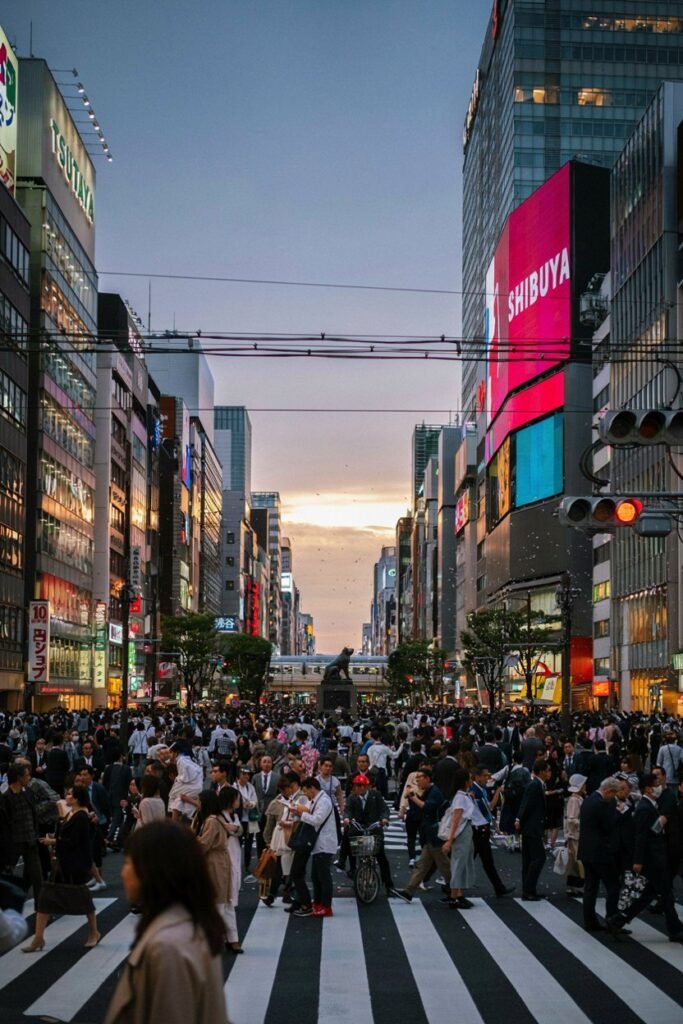
I spent the afternoon exploring Shibuya, one of Tokyo’s most famous districts.
Walking across the iconic Shibuya Crossing was surprisingly fun.
Even though I’d seen countless photos before arriving, standing in the middle of one of the world’s busiest intersections felt completely different in person.
Nearby, I wandered through quiet side streets filled with small cafés, boutique stores, bakeries, and restaurants.
Those little streets ended up being just as memorable as the famous crossing itself.
Things to Do
- Walk across Shibuya Crossing.
- Visit the Hachiko Statue.
- Explore Shibuya Center Gai.
- Enjoy panoramic city views from Shibuya Sky.
- Browse local shops.
- Try your first authentic bowl of ramen.
What I Ate
For my first dinner in Japan, I kept things simple.
A steaming bowl of tonkotsu ramen with crispy gyoza turned out to be the perfect welcome meal after a long flight.
Fresh ingredients, rich broth, and handmade noodles immediately reminded me why Japanese food is loved around the world.
Travel Tip
Don’t overload your first day.
Jet lag affects everyone differently, so leave yourself plenty of time to relax and simply enjoy wandering around.
Day 2: Traditional Tokyo
One thing I loved about Tokyo was how quickly the atmosphere could change.
Only a short train ride from the busy shopping districts, I found peaceful temples, traditional streets, and beautiful gardens.
It almost felt like visiting two completely different cities.
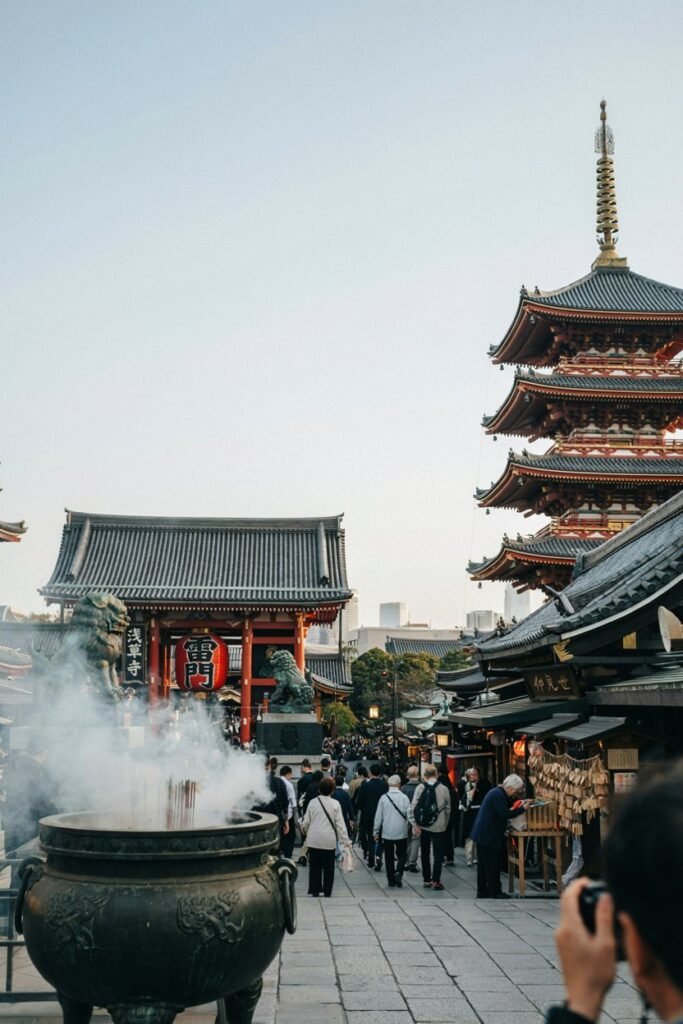
I started my morning at Senso ji Temple before the crowds became too large.
Watching locals quietly offer prayers while incense drifted through the air created one of the most peaceful moments of my trip.
From there, I explored Nakamise Shopping Street, stopping for freshly made snacks and browsing handmade souvenirs.
The afternoon was perfect for wandering through Ueno Park before finishing the day in Akihabara, where bright lights and electronics stores created an entirely different atmosphere.
Don’t Miss
- Senso ji Temple
- Nakamise Shopping Street
- Ueno Park
- Ameya Yokocho Market
- Akihabara
Food I Recommend
This was the day I discovered Japanese melon bread.
Freshly baked with a crispy sweet crust and soft interior, it quickly became one of my favorite snacks.
I also couldn’t resist trying freshly made matcha ice cream while walking through Asakusa.
Day 3: Tokyo Like a Local
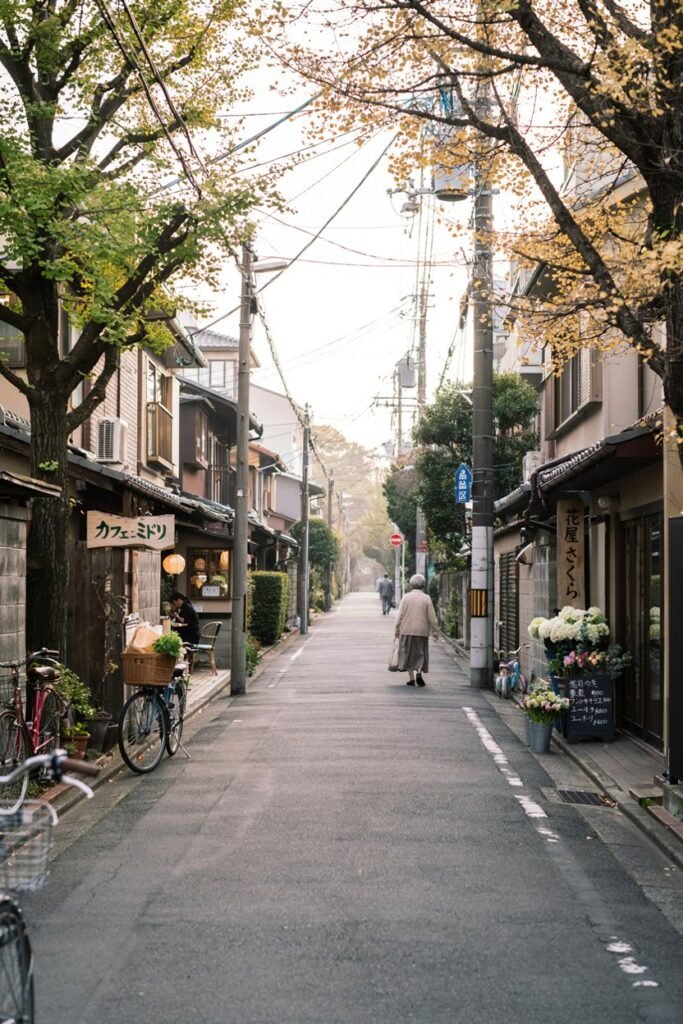
Instead of spending another day visiting famous landmarks, I wanted to experience everyday Tokyo.
That decision ended up creating some of my favorite memories.
I wandered through quieter neighborhoods where locals shopped, stopped at tiny bakeries, relaxed in peaceful parks, and discovered cafés tucked away in residential streets.
Without constantly following a sightseeing checklist, I noticed details I probably would have missed otherwise.
Flower shops spilling onto sidewalks.
Small bookstores filled with curious readers.
Tiny restaurants with only a handful of seats.
It reminded me that some of the best travel experiences happen when you leave room for unexpected discoveries.
Great Neighborhoods to Explore
- Yanaka
- Kichijoji
- Daikanyama
- Nakameguro
Each offers a completely different side of Tokyo and feels far less crowded than the city’s biggest attractions.
Where to Stay in Tokyo
I recommend staying somewhere with easy train access.
My favorite areas include:
Shibuya
Perfect for nightlife, shopping, and first time visitors.
Shinjuku
Excellent transportation connections and countless restaurants.
Ueno
Great value with convenient access to museums and parks.
Asakusa
Ideal if you enjoy traditional neighborhoods and a quieter atmosphere.
Budget Tip
One thing that helped me save money was eating lunch at local restaurants instead of dinner.
Many restaurants offer lunch specials that include the same delicious meals at significantly lower prices.
It became one of my favorite ways to enjoy authentic Japanese food while keeping my travel budget under control.
Day 4: Escape to Hakone
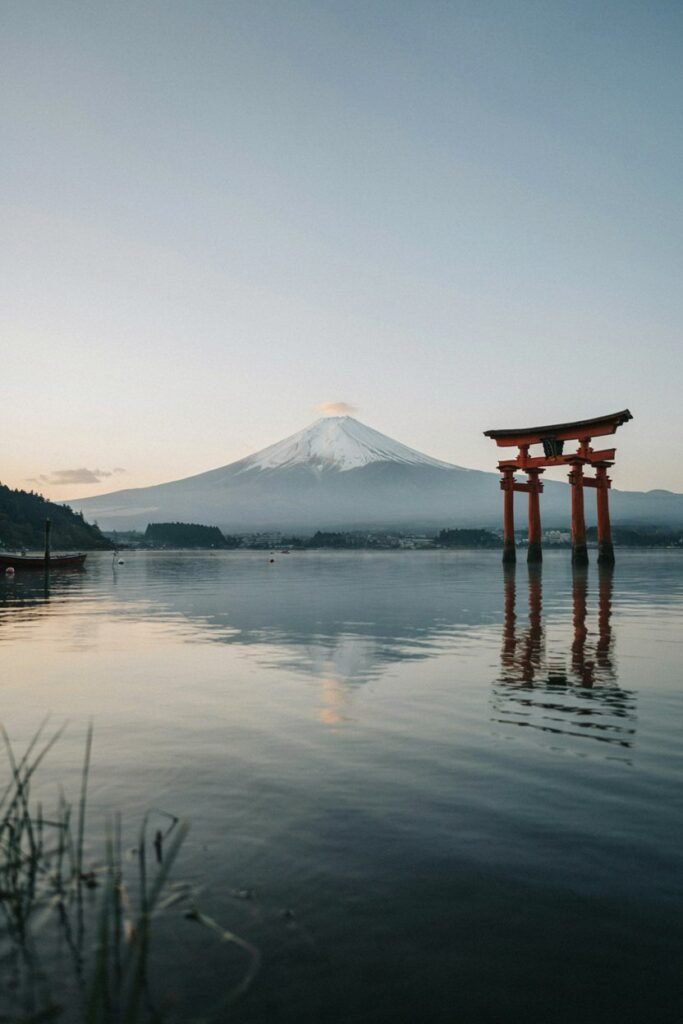
I had heard countless people recommend Hakone before my trip, and now I completely understand why.
After several busy days in Tokyo, arriving in Hakone felt incredibly refreshing.
The cooler mountain air, peaceful lakes, and slower pace instantly helped me relax.
One of my favorite parts of the day was simply sitting beside Lake Ashi and enjoying the incredible scenery.
On a clear day, you can even catch unforgettable views of Mount Fuji rising above the landscape.
It was one of those moments where I stopped taking photos for a while and simply appreciated where I was.
Best Things to Do
- Cruise across Lake Ashi.
- Ride the Hakone Ropeway.
- Visit Owakudani volcanic valley.
- Relax in a traditional Japanese onsen.
- Explore the Hakone Open Air Museum.
- Walk through peaceful mountain trails.
What I Ate
Hakone is famous for its black eggs cooked naturally in Owakudani’s volcanic hot springs.
Of course, I had to try one.
The flavor wasn’t dramatically different from a regular egg, but eating one while standing beside steaming volcanic vents made it a memorable experience.
Dinner at my ryokan was equally unforgettable.
A beautifully prepared multi course kaiseki meal filled with seasonal ingredients became one of the best meals of my trip.
Every dish looked almost too beautiful to eat.
Where to Stay
If your budget allows, spend one night in a traditional ryokan with an onsen.
It became one of my favorite experiences in Japan.
Waking up surrounded by mountains before enjoying a traditional Japanese breakfast made the stay even more special.
Travel Tip
Reserve your ryokan well in advance.
The most popular accommodations often book out several months ahead, especially during spring and autumn.
Day 5: Mount Fuji and Continue to Kyoto
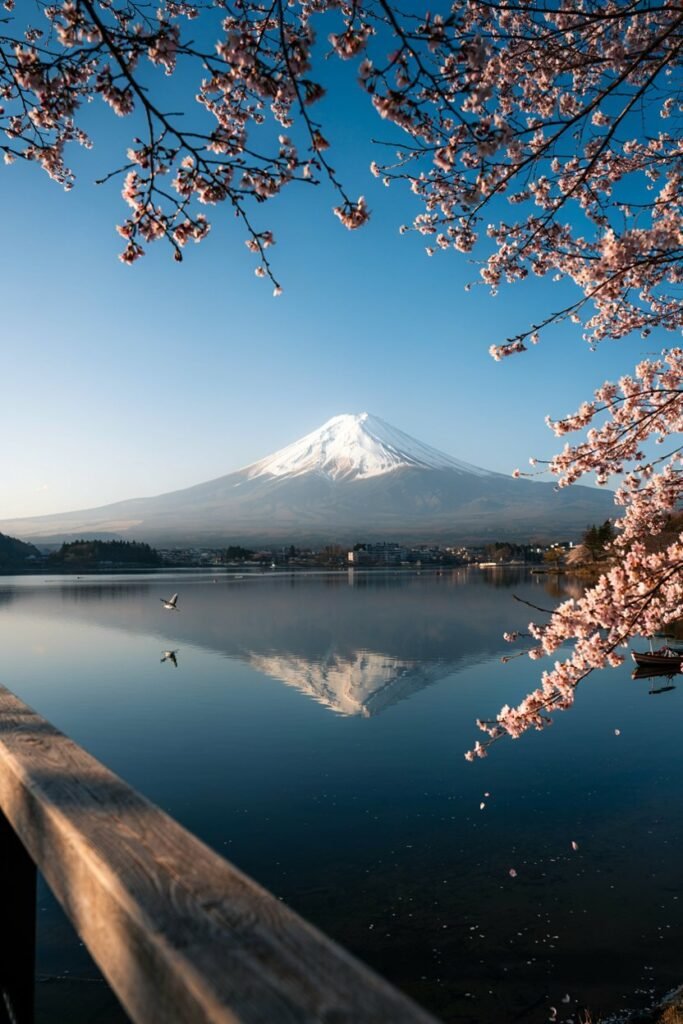
Seeing Mount Fuji for the first time is something I’ll never forget.
I’d seen thousands of photographs before arriving, but nothing compares to seeing Japan’s most famous mountain appear through the morning clouds.
I spent the morning exploring the Fuji area before continuing my journey to Kyoto.
Although the train ride was longer, Japan’s comfortable and efficient rail system made the journey surprisingly enjoyable.
Watching the scenery change outside the window became part of the experience.
Best Stops Around Mount Fuji
- Chureito Pagoda.
- Lake Kawaguchiko.
- Oshino Hakkai.
- Oishi Park.
- Scenic viewpoints around Fuji Five Lakes.
Every location offered a different perspective of the mountain.
If you’re lucky enough to have clear weather, bring your camera because you’ll probably end up taking far more photos than you planned.
What I Ate
Before leaving the area, I stopped at a small restaurant overlooking the lake and ordered handmade udon noodles.
Simple meals often became my favorites throughout this trip.
Fresh ingredients, homemade broth, and beautiful scenery somehow made everything taste even better.
Travel Tip
Mount Fuji doesn’t always reveal itself.
Clouds frequently cover the summit, so try to remain flexible with your plans if possible.
Early mornings usually provide the clearest views.
Days 6 and 7: Discover Kyoto
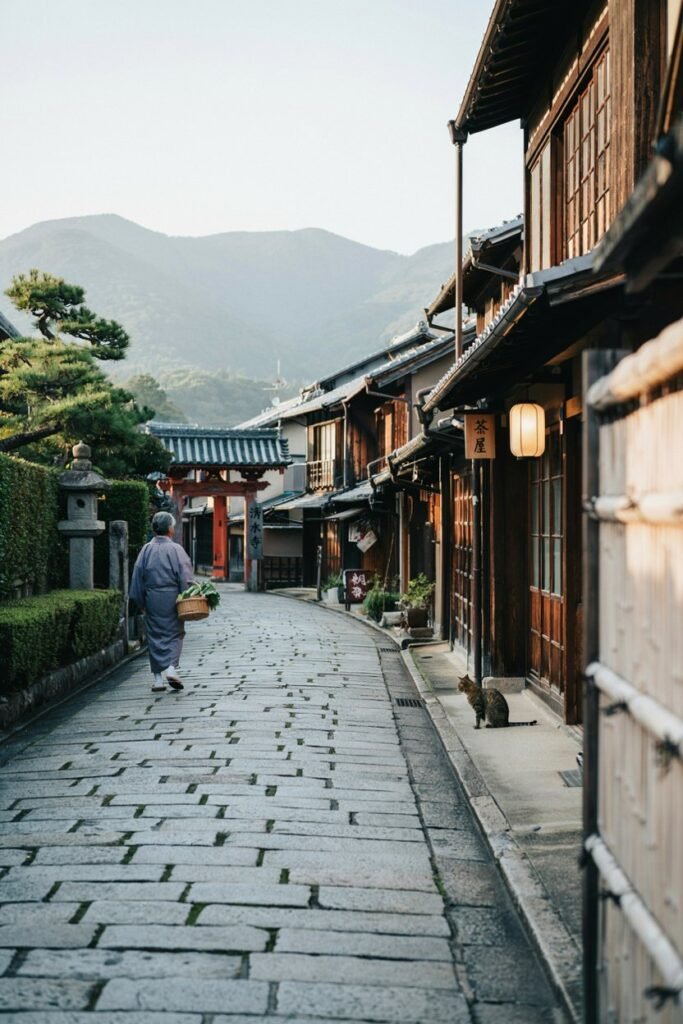
Kyoto completely captured my heart.
If Tokyo impressed me with its modern skyline, Kyoto won me over with its timeless beauty.
Walking through quiet temple gardens, historic streets, bamboo forests, and traditional neighborhoods felt like stepping into another era.
I quickly realized that Kyoto isn’t a city you should rush.
The best moments happened when I slowed down, wandered side streets, and allowed myself to explore beyond the major attractions.
Day 6: Kyoto’s Famous Temples
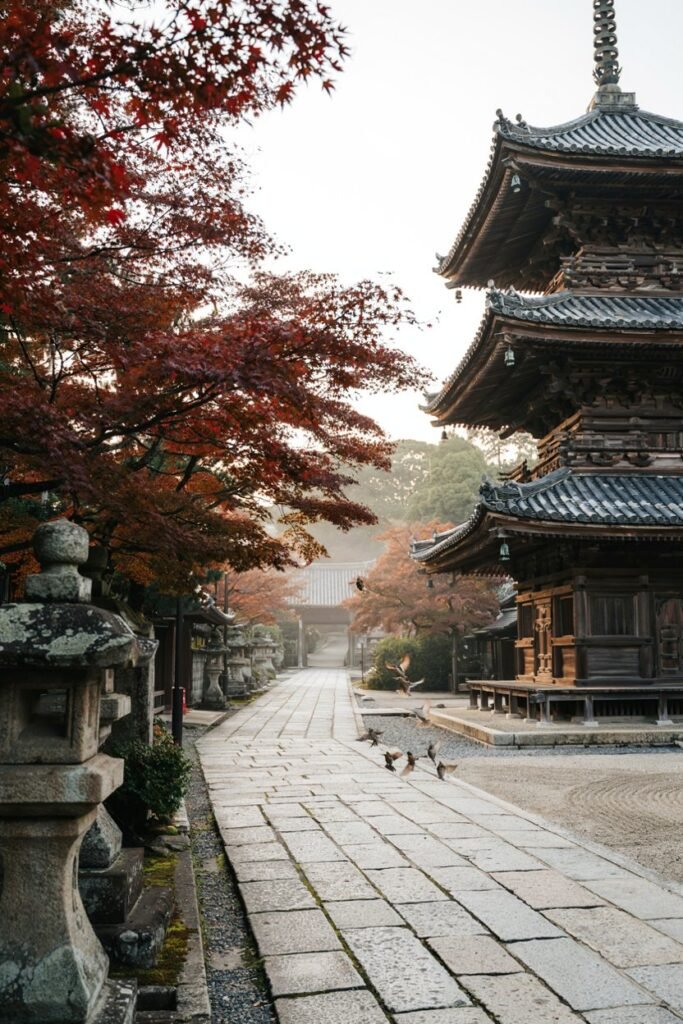
I started early because I wanted to experience Kyoto before the streets became busy.
That decision was one of the best I made.
Watching the morning sunlight filter through temple grounds while everything remained peaceful created some of my favorite memories from the trip.
Must Visit Attractions
- Fushimi Inari Taisha.
- Kiyomizu dera Temple.
- Yasaka Shrine.
- Higashiyama Historic District.
- Gion.
Walking through thousands of bright red torii gates at Fushimi Inari felt surreal.
The higher I climbed, the fewer visitors I encountered, making the experience even more rewarding.
Later, wandering through Higashiyama’s preserved streets became another highlight.
Small cafés, handmade pottery shops, traditional wooden buildings, and quiet alleyways made me feel like I had stepped back in time.
What I Ate
Kyoto introduced me to some incredible traditional dishes.
My favorites included:
- Yudofu.
- Matcha desserts.
- Fresh wagashi sweets.
- Handmade soba noodles.
I also couldn’t resist stopping at a traditional tea house for a bowl of freshly prepared matcha.
Taking a quiet break there became one of the most relaxing moments of my day.
Travel Tip
Visit Fushimi Inari as early as possible.
The atmosphere is completely different before large tour groups begin arriving.
Day 7: Arashiyama and Western Kyoto
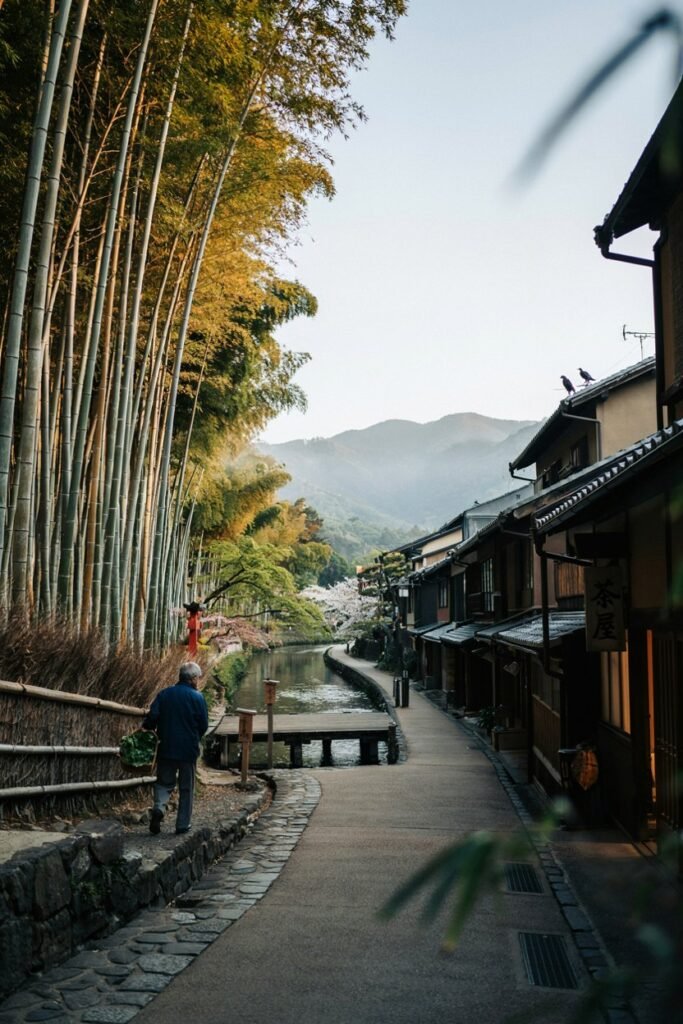
If I could spend one extra day anywhere on this itinerary, it would probably be Kyoto.
There always seemed to be another beautiful garden, peaceful temple, or hidden café waiting around the next corner.
For my final day, I headed west to Arashiyama.
Although the bamboo forest is one of Kyoto’s most photographed locations, I found that the surrounding area offered just as much beauty.
The riverside scenery, mountain views, traditional streets, and peaceful atmosphere made it easy to spend an entire day exploring.
Best Things to Do
- Walk through the Bamboo Grove.
- Visit Tenryu ji Temple.
- Cross Togetsukyo Bridge.
- Visit Iwatayama Monkey Park.
- Explore riverside cafés.
- Browse local craft shops.
One thing I really enjoyed was simply walking along the Katsura River.
Away from the busiest attractions, the scenery became wonderfully peaceful.
What I Ate
Lunch consisted of freshly grilled yakitori from a small local restaurant followed by matcha soft serve while walking beside the river.
Simple meals like these became some of my happiest travel memories.
Travel Tip
Don’t leave Arashiyama immediately after visiting the bamboo grove.
Continue exploring the surrounding streets.
Some of my favorite discoveries happened after leaving the most famous attractions behind.
Day 8: Spend the Day in Nara
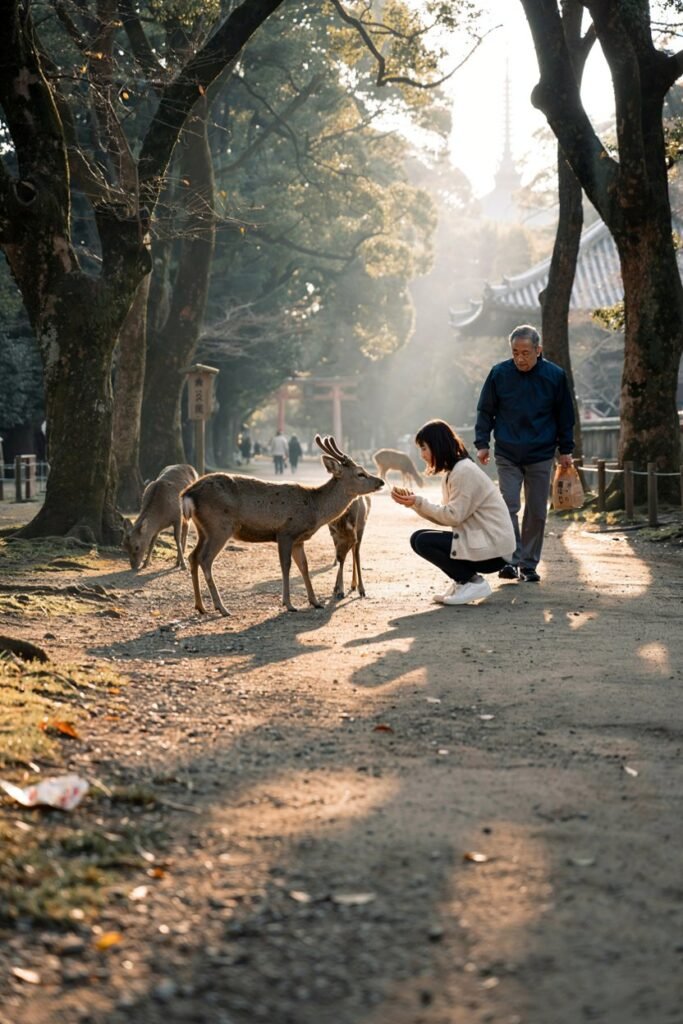
One of the best decisions I made was taking a day trip to Nara.
Since it’s less than an hour from Kyoto by train, it was incredibly easy to add to my itinerary.
I’d seen photos of the famous deer before visiting, but seeing them freely wandering through the parks was something entirely different.
Watching families, photographers, and other travelers interact with the deer created such a fun and relaxed atmosphere.
Of course, I quickly learned that the deer know exactly who has the special deer crackers.
If you buy some, be prepared for plenty of eager attention.
Beyond the deer, Nara surprised me with its peaceful temples, beautiful gardens, and slower pace.
It felt less crowded than Kyoto while still offering an incredible amount of history.
Best Things to Do
- Visit Nara Park.
- Feed the friendly deer.
- Explore Todai ji Temple.
- See the Great Buddha.
- Walk through Isuien Garden.
- Visit Kasuga Taisha Shrine.
What I Ate
For lunch, I stopped at a small local restaurant serving freshly made tempura with rice, miso soup, and seasonal vegetables.
It was simple, fresh, and one of those meals that reminded me how consistently good Japanese food is.
Before leaving, I also picked up some traditional mochi from a famous local shop.
Watching the staff pound fresh mochi by hand was almost as entertaining as eating it.
Travel Tip
Visit early in the morning if possible.
The deer are generally calmer, and you’ll have a much better chance of exploring the temples before larger crowds arrive.
Day 9: Experience Osaka
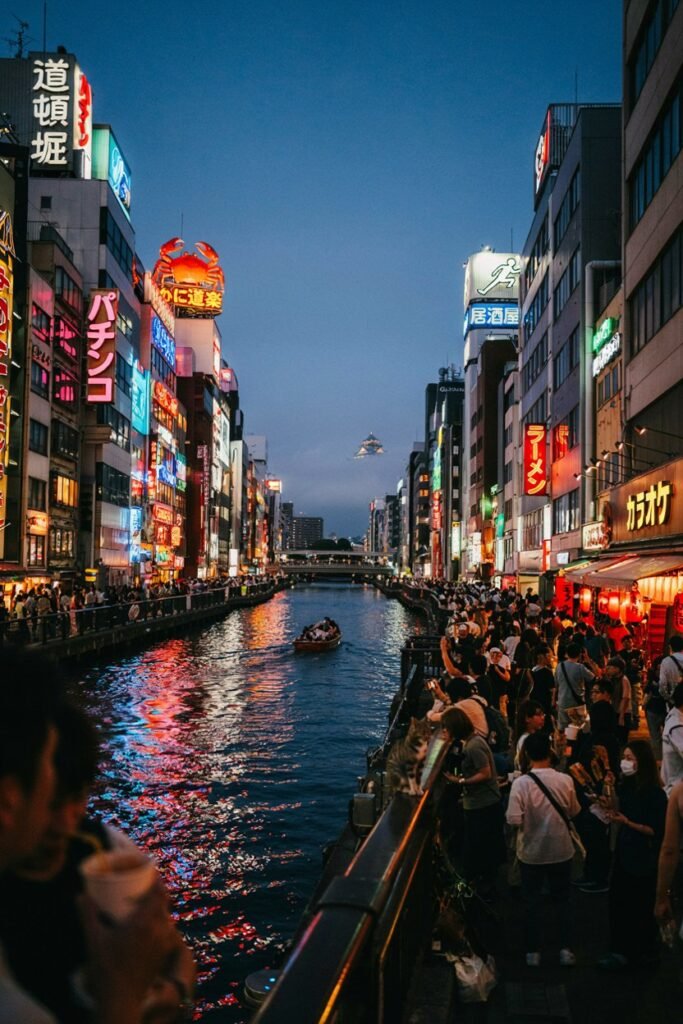
If Tokyo is fast paced and Kyoto is peaceful, Osaka feels playful.
The city has an infectious energy that’s hard not to enjoy.
People seemed incredibly friendly, the food was outstanding, and the atmosphere felt much more relaxed than I expected.
I spent most of the day exploring Dotonbori, wandering through shopping streets, and simply enjoying the city’s incredible food scene.
Everywhere I looked there were colorful signs, street food vendors, and restaurants packed with both locals and visitors.
It quickly became one of my favorite cities for eating.
Best Things to Do
- Walk through Dotonbori.
- Visit Osaka Castle.
- Explore Kuromon Market.
- Ride the Tempozan Ferris Wheel.
- Shop in Shinsaibashi.
- Visit Umeda Sky Building.
What I Ate
If you’re visiting Osaka, arrive hungry.
Some of my favorite dishes included:
- Takoyaki.
- Okonomiyaki.
- Kushikatsu.
- Fresh sushi.
- Japanese cheesecake.
I honestly don’t think I had a bad meal during my entire stay.
Even grabbing a quick snack from a tiny street stall turned into a memorable experience.
Travel Tip
Dotonbori becomes especially lively after sunset.
The glowing neon lights reflecting across the canal create one of Osaka’s most iconic views.
Day 10: A Relaxed Final Morning Before Heading Home
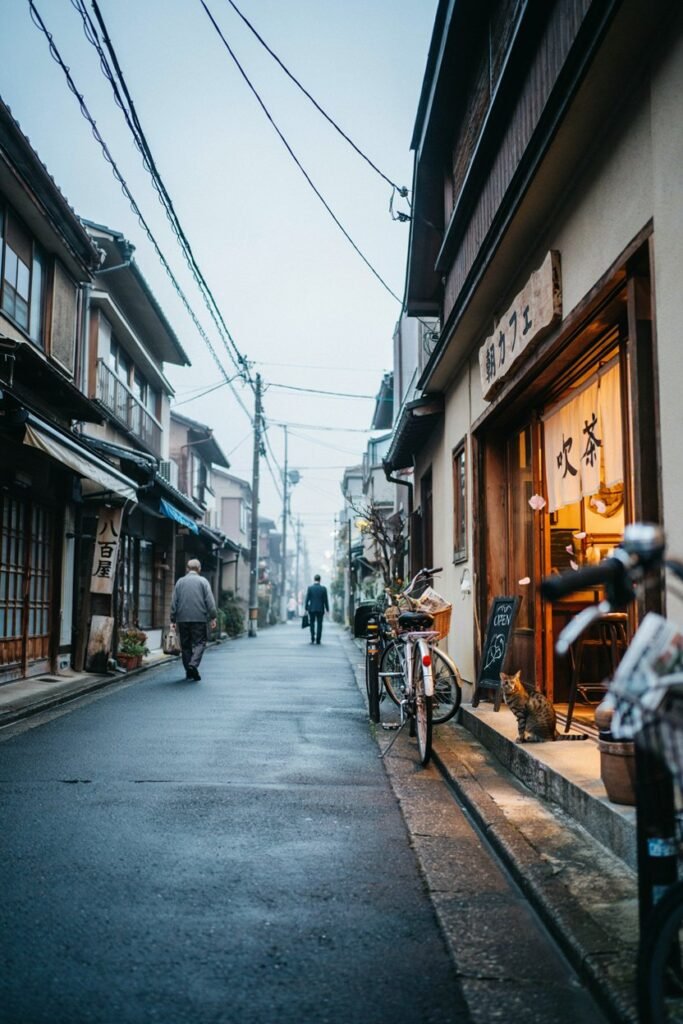
I purposely kept my final day flexible.
After nine incredible days of exploring, I didn’t want to spend my last morning rushing between attractions.
Instead, I enjoyed breakfast at a quiet café, took one final walk through the neighborhood, picked up a few souvenirs, and reflected on everything I’d experienced.
Looking back, I realized that my favorite memories weren’t always the biggest attractions.
They were the little moments.
Ordering coffee from a neighborhood café.
Watching trains glide past while waiting at a station.
Finding a peaceful temple with almost no visitors.
Talking with kind locals despite the language barrier.
Those are the memories that stayed with me long after I returned home.
If your flight leaves later in the day, use your remaining time to enjoy one final Japanese meal before heading to the airport.
It felt like the perfect way to end an unforgettable trip.
Transportation Tips That Made My Trip Easier
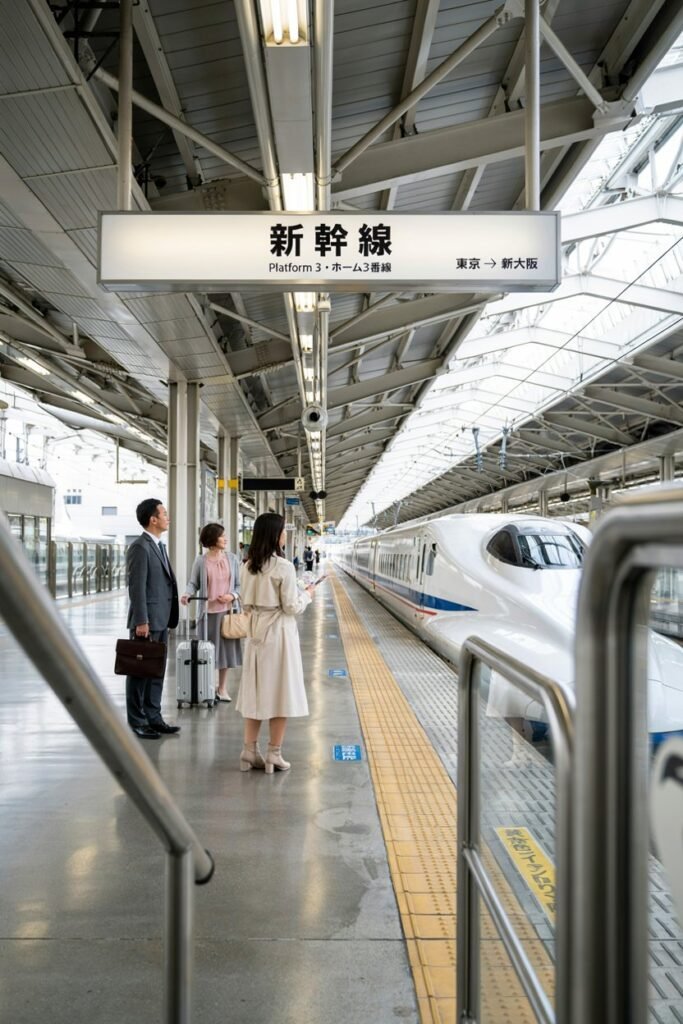
Japan’s transportation system is one of the best I’ve ever experienced, but I still learned a few things that made traveling much easier.
Reserve Long Distance Seats
For popular routes, especially during weekends and holidays, reserving seats gave me peace of mind.
I never had to worry about standing during long journeys.
Arrive Early
Large stations like Tokyo Station and Kyoto Station are enormous.
Giving yourself an extra twenty minutes helps you find the correct platform without rushing.
Use Luggage Forwarding
One of the smartest decisions I made was forwarding my larger suitcase between hotels.
Traveling with only a small overnight bag made moving through train stations much easier.
The service was reliable, affordable, and saved me a lot of unnecessary stress.
My Favorite Food Discoveries So Far
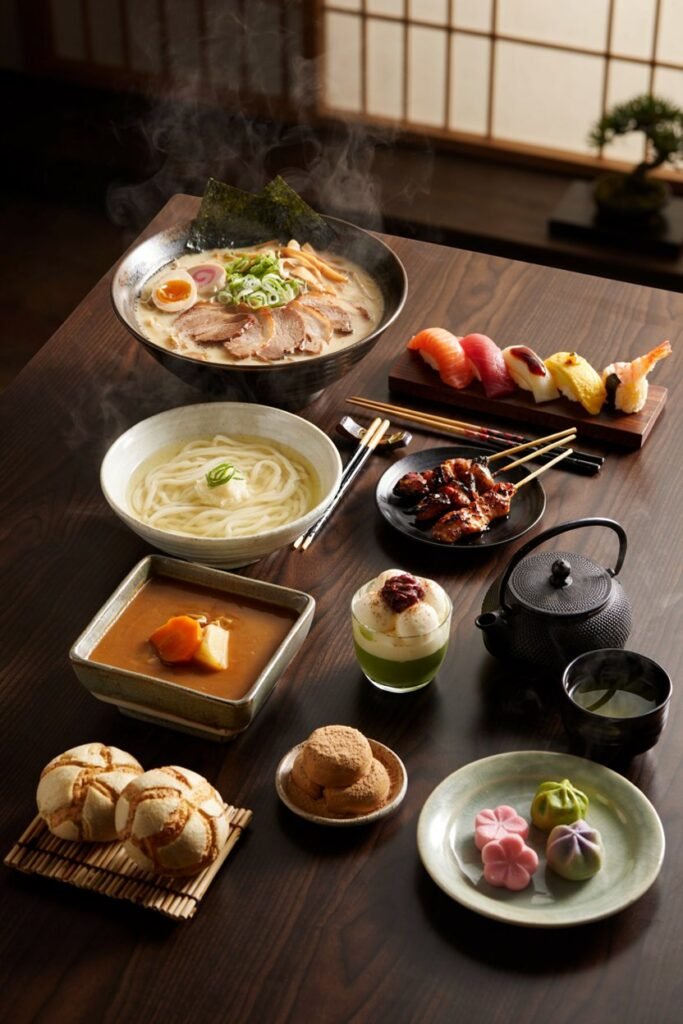
By this point in the trip, I’d already discovered several dishes that I still think about today.
Some of my favorites included:
- Tonkotsu ramen.
- Fresh sushi.
- Handmade udon noodles.
- Kaiseki dinner.
- Matcha desserts.
- Wagashi sweets.
- Yakitori.
- Japanese curry.
- Melon bread.
- Fresh mochi.
One thing I quickly realized is that some of the best meals weren’t found in famous restaurants.
Several of my favorite dining experiences happened in tiny family owned restaurants that I stumbled upon while exploring.
Those unexpected discoveries became some of the most memorable parts of my trip.
Estimated Budget for a 10 Day Japan Trip
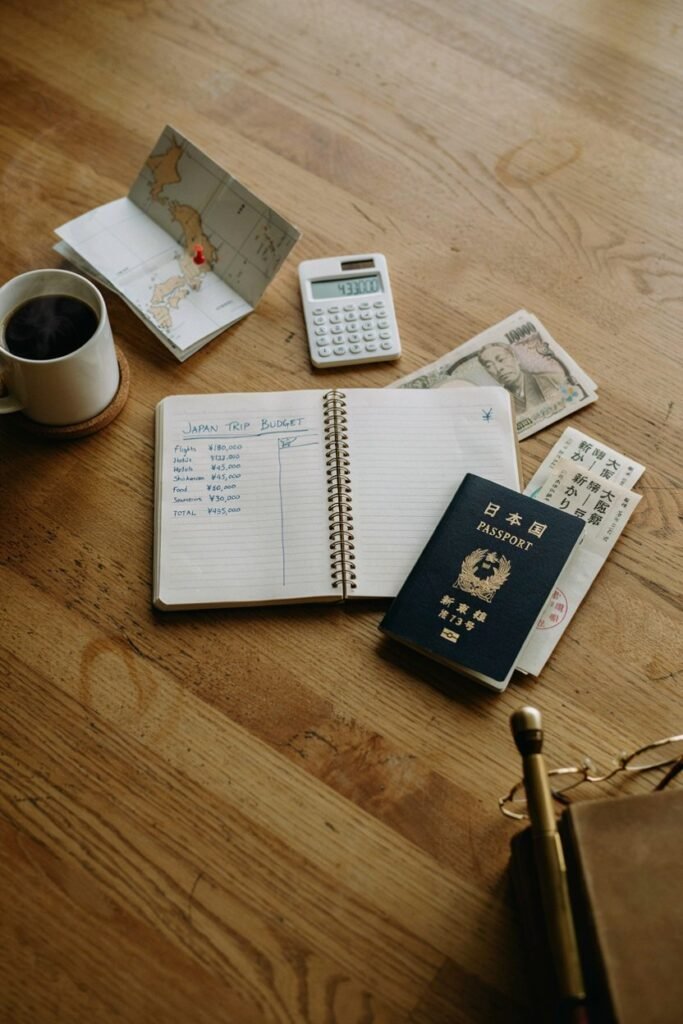
One thing that surprised me was that Japan can fit a variety of travel budgets.
With a little planning, it’s possible to have an amazing trip without overspending.
Budget Traveler
- Hotels: $50 to $90 per night
- Food: $20 to $35 per day
- Transportation: $15 to $30 per day
- Attractions: $10 to $25 per day
Estimated Total: $1,200 to $1,700, excluding international flights.
Mid Range Traveler
- Hotels: $120 to $220 per night
- Food: $40 to $70 per day
- Transportation: $25 to $50 per day
- Attractions: $20 to $50 per day
Estimated Total: $2,300 to $3,500, excluding international flights.
Luxury Traveler
- Hotels: $350 and up per night
- Fine dining experiences.
- Luxury ryokan stays.
- Private tours.
- Premium transportation.
Estimated Total: $5,000+, excluding international flights.
Where I Would Stay in Each Destination
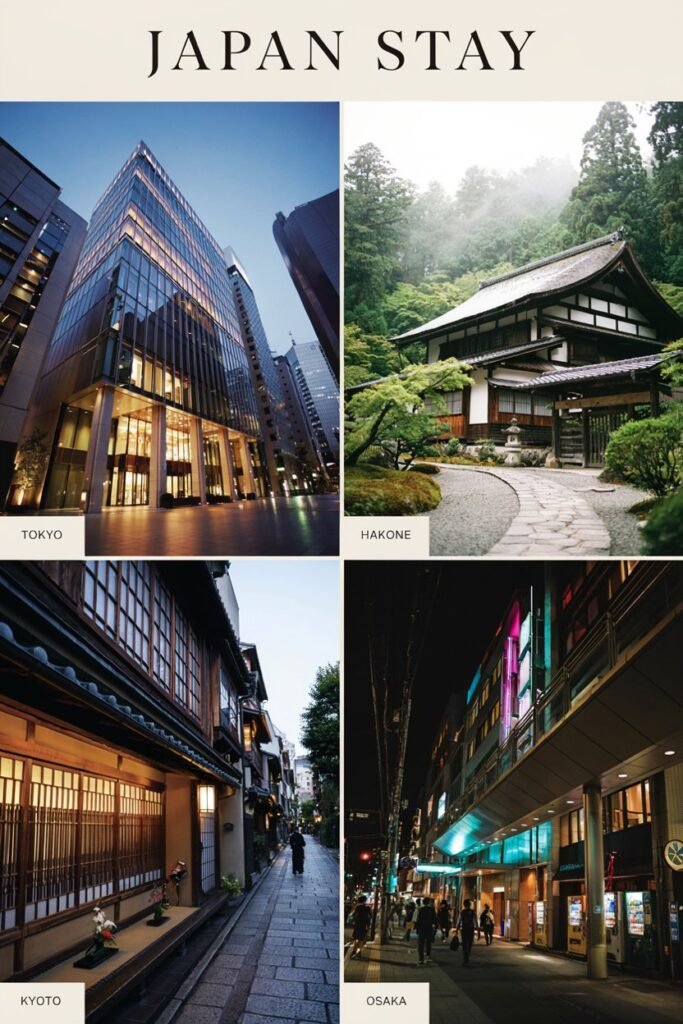
Choosing hotels near train stations made traveling much easier.
Here’s what worked best for me.
Tokyo
Stay in:
- Shibuya.
- Shinjuku.
- Ueno.
- Asakusa.
Hakone
Book a traditional ryokan with an onsen if your budget allows.
It became one of the highlights of my trip.
Kyoto
I loved staying near Gion because I could easily walk to several temples and historic neighborhoods.
Osaka
Namba was my favorite area thanks to its excellent restaurants, shopping, and transportation connections.
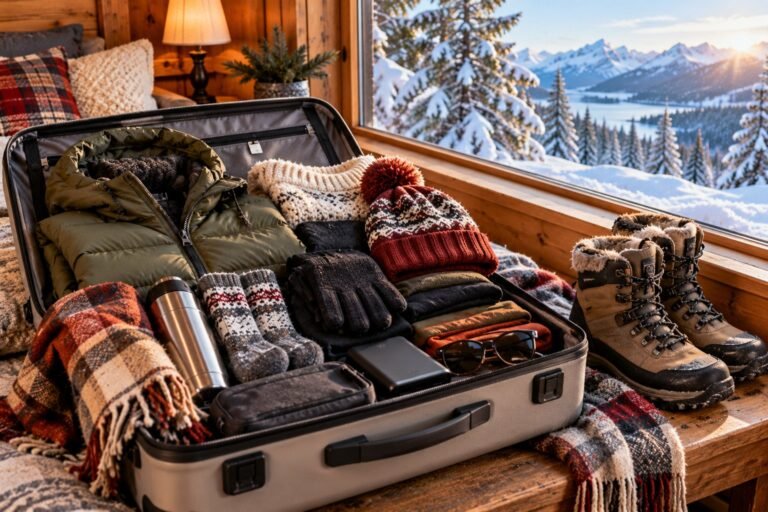
My Japan Packing Checklist
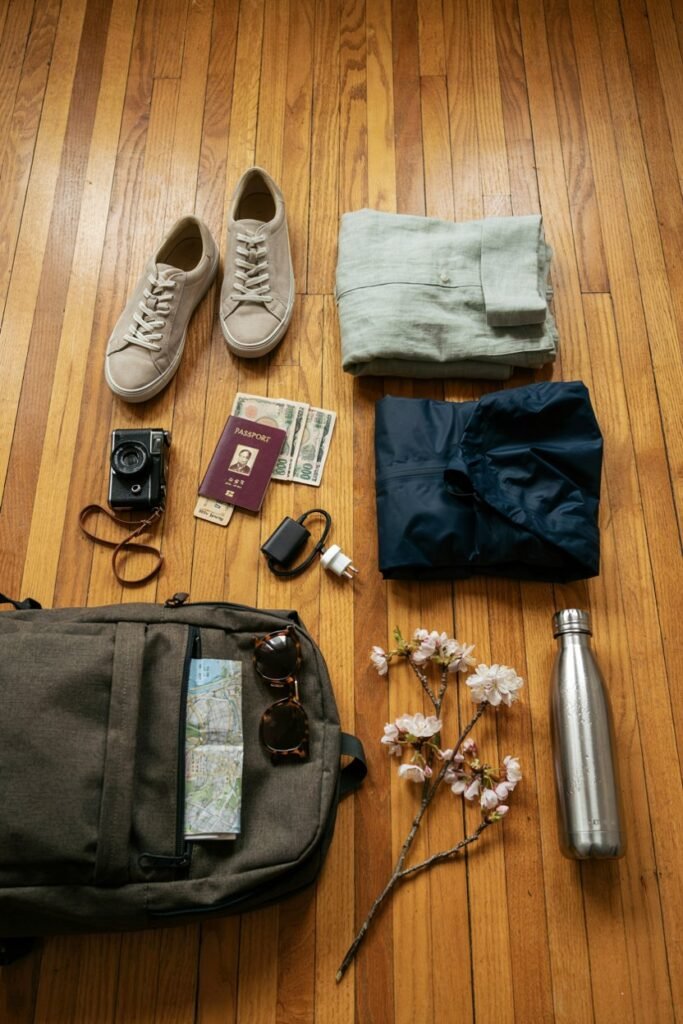
These are the items I was happiest to have with me throughout the trip.
- Comfortable walking shoes.
- Lightweight rain jacket.
- Portable charger.
- Universal travel adapter.
- Passport.
- Credit and debit cards.
- Some Japanese yen.
- Reusable water bottle.
- Day backpack.
- Camera.
- Sunglasses.
- Compact umbrella.
- Comfortable clothing for layering.
- Small medicine kit.
- Copies of hotel reservations.
Packing light made moving between cities much easier.
Helpful Tips I Wish I Knew Before Visiting Japan
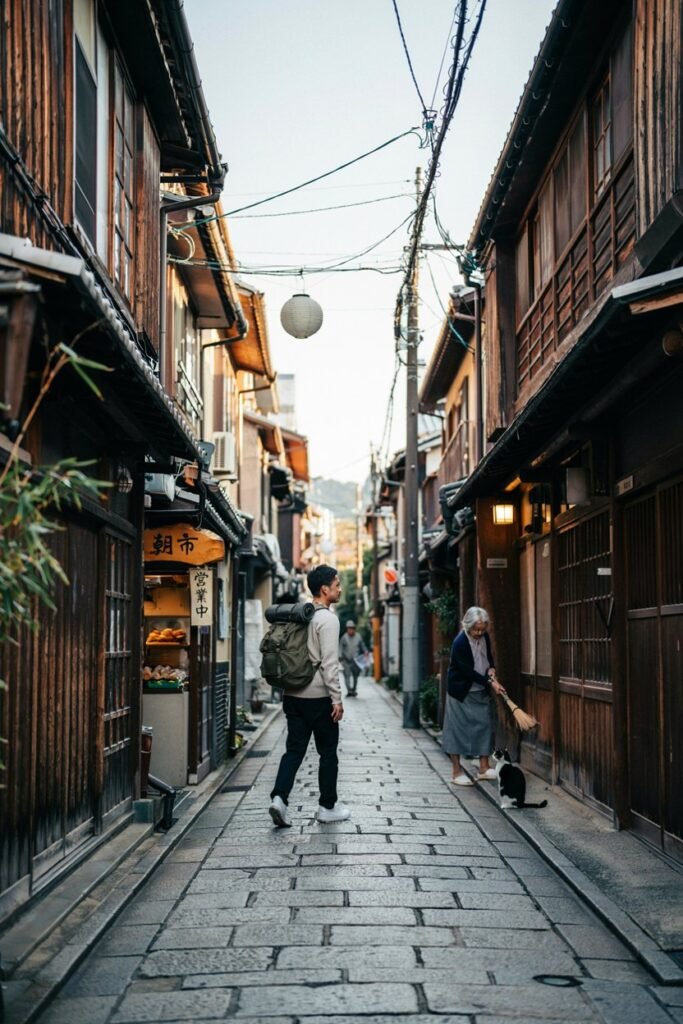
After spending ten incredible days exploring the country, there are a few things I’d absolutely do again.
Carry a Small Trash Bag
Public trash bins aren’t always easy to find, so having a small reusable bag came in handy more often than I expected.
Be Respectful of Quiet Spaces
Trains, temples, and many public places are noticeably quieter than in many other countries.
Keeping conversations low made me feel more comfortable blending in with local customs.
Keep Some Cash
Although credit cards are widely accepted, smaller restaurants, temples, and local shops sometimes prefer cash.
Start Your Days Early
Some of my favorite experiences happened before 9 a.m.
Popular attractions were quieter, the weather was cooler, and photography was much easier.
Leave Room for Unexpected Discoveries
Some of my favorite cafés, gardens, and neighborhoods weren’t on my itinerary at all.
Giving myself free time allowed those unexpected moments to happen naturally.
Frequently Asked Questions
Is 10 days enough for Japan?
Yes.
Ten days provides enough time to experience several of Japan’s most iconic destinations without feeling overly rushed.
Should I buy the JR Pass?
It depends on your exact itinerary.
Calculate your expected train costs first, as the pass isn’t always the most economical option.
Is Japan expensive?
It can be, but careful planning makes a huge difference.
I found that eating at local restaurants, booking hotels early, and using public transportation helped keep costs manageable.
Is Japan safe for solo travelers?
From my experience, Japan felt incredibly safe.
As always, it’s important to stay aware of your surroundings and take normal travel precautions.
What’s the best season to visit?
Spring offers beautiful cherry blossoms, autumn brings colorful foliage and comfortable temperatures, summer is great for festivals and mountain scenery, and winter is perfect for snowy landscapes and relaxing in traditional hot springs.
Final Thoughts
Planning this 10 day itinerary turned out to be one of the best travel decisions I’ve ever made.
Instead of trying to squeeze every famous destination into one vacation, I focused on experiencing fewer places more deeply. Looking back, that made all the difference.
I still remember the excitement of crossing Shibuya Crossing for the first time, the peaceful silence of Kyoto’s temples in the early morning, the incredible view of Mount Fuji appearing through the clouds, and the laughter I couldn’t help but smile at while feeding the friendly deer in Nara.
Then there were the moments I never planned for.
Finding a tiny ramen shop tucked away on a quiet side street.
Watching the sunset from a riverside bench in Arashiyama.
Talking with a kind shop owner who patiently helped me choose souvenirs despite our language differences.
Those simple experiences became just as meaningful as the famous attractions.
If you’re planning your first trip to Japan, my biggest piece of advice is this: don’t try to see everything.
Give yourself time to wander without a schedule, enjoy long meals, explore neighborhoods that aren’t listed in every guidebook, and leave space for unexpected discoveries.
Japan has a remarkable way of rewarding travelers who slow down.
I left with hundreds of photos, unforgettable memories, and a long list of places I still want to visit. And if there’s one thing I’m certain of, it’s that one trip to Japan will never feel like enough.