
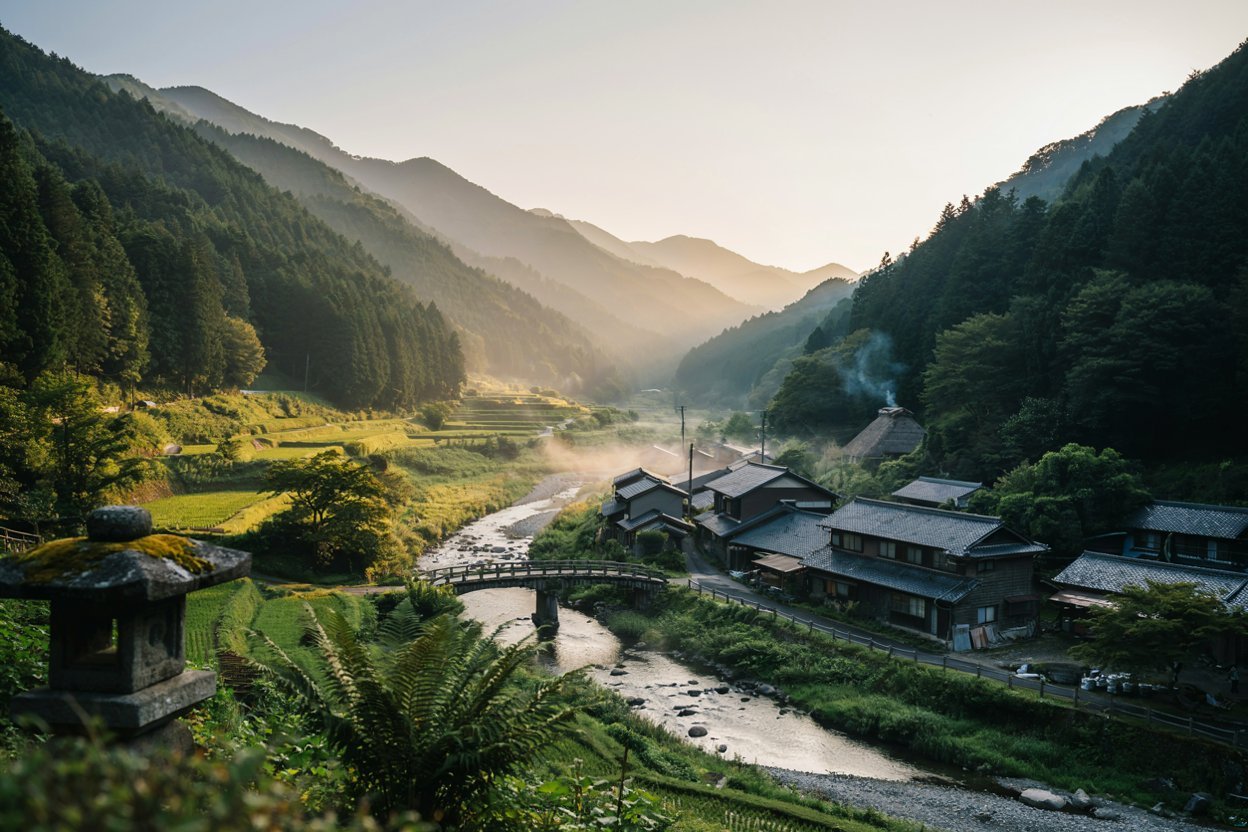
Whenever I think about Japan, my mind doesn’t immediately jump to Tokyo’s neon lights or Kyoto’s famous temples.
Those places are incredible, and they absolutely deserve their reputation, but they weren’t the places that stayed with me long after I came home.
The memories I find myself talking about most happened far away from the crowds.
They happened in quiet villages where fishermen waved as they untied their boats at sunrise. They happened on peaceful streets where I could hear nothing but birds singing and the distant sound of temple bells.
They happened while eating fresh seafood at a tiny family restaurant where no English menu existed, yet somehow the owner made me feel completely welcome.
Those moments reminded me that Japan has another side. One that many travelers never get to experience because they’re busy checking off the country’s biggest attractions.
After spending time planning my route beyond the usual tourist trail, I discovered places that felt authentic, peaceful, and surprisingly easy to visit.
Every destination on this list offered something different. Some were surrounded by mountains, others overlooked the sea, and a few looked as though they hadn’t changed for hundreds of years.
What I loved most was how relaxed these places felt. Instead of rushing between famous landmarks, I had time to slow down, enjoy local food, chat with friendly residents, and simply appreciate the beauty around me.
If you’re planning your first trip to Japan or returning to explore beyond the major cities, these hidden gems deserve a place on your itinerary.
They offer a side of Japan that feels quieter, more traditional, and often far more memorable than the places everyone else visits.
By the end of this guide, you’ll have plenty of ideas for building an unforgettable itinerary filled with scenic villages, historic towns, breathtaking coastlines, and peaceful mountain escapes.
Disclaimer
This post may contain affiliate links. As an Amazon Associate, I earn from qualifying purchases at no additional cost to you. I only recommend travel products that I genuinely believe make exploring Japan’s hidden gems more comfortable and enjoyable. The information in this article is for general informational purposes only. Travel information, transportation schedules, and attraction hours may change, so always check the latest details before your trip.
Amazon Shopping List You Need
- Japan Travel Guide Book – I always bring one to help me discover places beyond the usual tourist attractions.
- BAGAIL Compression Packing Cubes – I use these to keep my luggage organized while traveling between destinations.
- Anker Portable Power Bank – I never explore Japan without a fully charged backup battery.
- Universal Travel Adapter – I always pack one so I can charge my devices anywhere.
- RFID Passport Wallet – I like keeping my passport and travel documents in one secure place.
- Comfortable Walking Shoes – I always wear supportive shoes because hidden gems usually mean lots of walking.
- Compact Travel Umbrella – I never visit Japan without one since the weather can change quickly.
Why I Always Recommend Exploring Beyond Japan’s Famous Cities
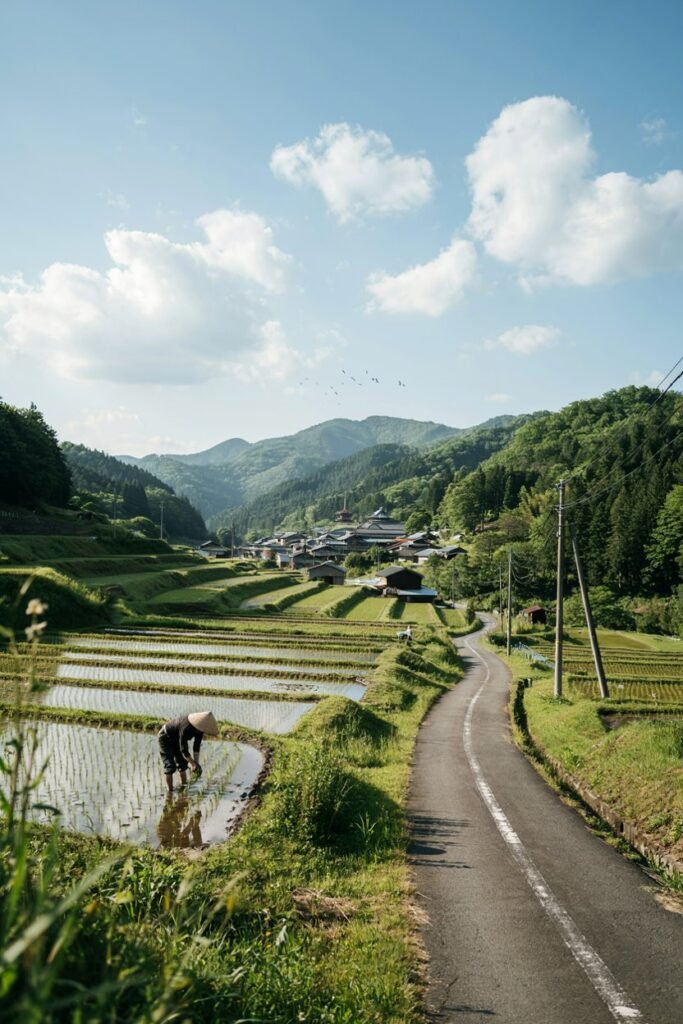
There is nothing wrong with visiting Tokyo, Kyoto, Osaka, or Hiroshima. In fact, I think every first time visitor should experience them at least once.
But after spending a few days in those bustling cities, I found myself craving somewhere quieter.
I wanted to wake up without hearing traffic.
I wanted to eat somewhere that wasn’t surrounded by long lines.
I wanted to experience everyday life in Japan rather than simply visiting its biggest attractions.
That’s exactly what these hidden destinations offered.
Many of them receive only a fraction of the visitors that famous tourist spots attract each year, yet the scenery is every bit as beautiful.
Some places introduced me to centuries old traditions that are still alive today.
Others surprised me with dramatic coastlines, crystal clear rivers, charming cafés, and locals who seemed genuinely happy to see visitors.
Perhaps the biggest surprise was how affordable many of these destinations were.
Hotels often cost less than those in Japan’s largest cities, restaurants felt more relaxed, and attractions rarely required waiting in long queues.
If your idea of a perfect vacation involves discovering places that feel authentic rather than overcrowded, you’ll probably fall in love with these destinations just as much as I did.
Before You Visit Japan’s Hidden Gems
One thing I quickly realized while exploring smaller towns was that they operate very differently from major cities.
Planning ahead made my trip much smoother, and I’d recommend doing the same.
Here are a few things worth keeping in mind before visiting these lesser known destinations.
Consider Renting a Car
Japan’s train network is fantastic, but not every hidden destination has frequent rail service.
For some of the places in this guide, renting a car gave me much more flexibility.
I could stop at scenic viewpoints, explore nearby villages, and travel at my own pace without worrying about bus schedules.
If you’re planning to visit several rural destinations, renting a car can actually save both time and stress.
Carry Some Cash
Although Japan is becoming increasingly cashless, I noticed that several small restaurants, family owned cafés, temples, and local shops still preferred cash.
Having some Japanese yen with me meant I never had to worry about being unable to pay.
Stay Longer Than One Night
One mistake I almost made was treating these places as quick day trips.
I’m so glad I didn’t.
Some of my favorite memories happened early in the morning before tour buses arrived and later in the evening after most visitors had left.
Those peaceful hours completely changed the atmosphere.
Learn a Few Japanese Phrases
You certainly don’t need to speak fluent Japanese, but simple phrases like “thank you” and “good morning” always brought smiles.
Even small efforts seemed genuinely appreciated.
1. Ine – Kyoto Prefecture’s Beautiful Floating Fishing Village
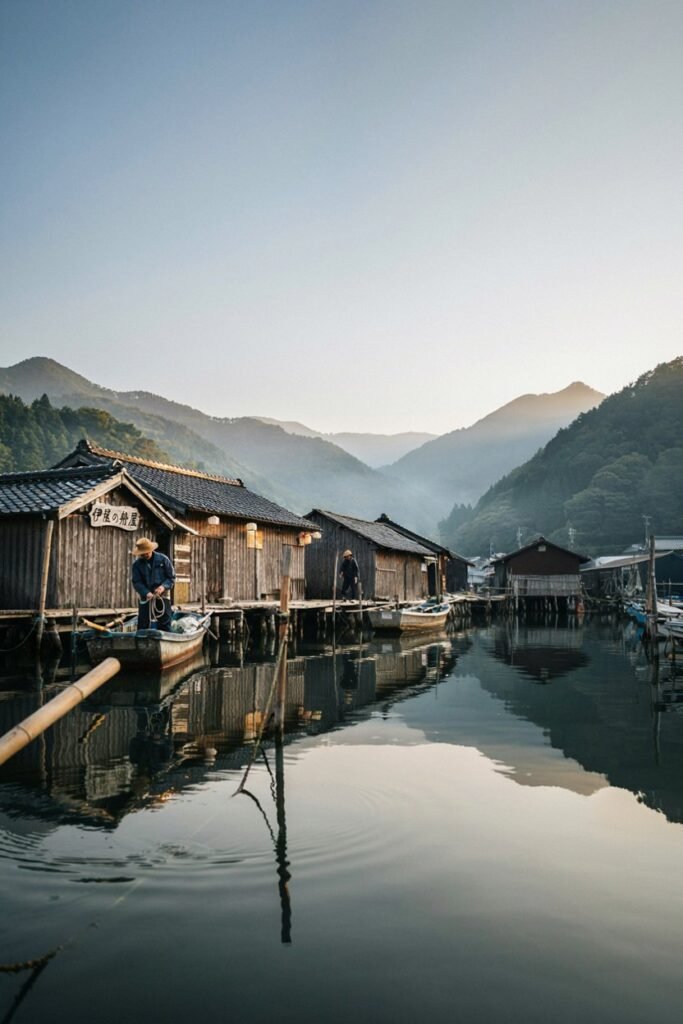
If there is one place I recommend to almost everyone planning a trip to Japan, it’s Ine.
I honestly couldn’t believe how peaceful it felt.
After leaving the busy streets of Kyoto behind, the scenery slowly transformed into rolling hills, quiet roads, and eventually one of the most beautiful fishing villages I have ever seen.
The first thing I noticed was the unique wooden boat houses sitting directly above the water.
Known as Funaya, these traditional buildings have sheltered fishing boats for generations, and seeing hundreds of them lined along the calm bay creates a view unlike anywhere else in Japan.
Rather than crowds of tourists, I found fishermen preparing their boats, locals cycling along quiet roads, and cafés overlooking the water where it felt perfectly acceptable to spend an hour doing absolutely nothing.
It was one of those places where time simply seemed to slow down.
Why I Loved Visiting Ine
What made Ine unforgettable wasn’t a single attraction.
It was the atmosphere.
Instead of rushing from one landmark to another, I found myself slowing down naturally.
Watching fishing boats glide across the bay while enjoying fresh seafood for lunch turned into one of my favorite moments from the entire trip.
Sometimes the simplest experiences become the most memorable.
Best Things to Do in Ine
- Walk along the waterfront and admire the traditional Funaya houses.
- Take a sightseeing boat around Ine Bay.
- Visit a local seafood restaurant overlooking the harbor.
- Explore nearby cafés serving homemade desserts and coffee.
- Rent a bicycle and ride through the quiet village.
- Stay overnight in a renovated Funaya guesthouse for a truly unique experience.
What to Eat
Fresh seafood is the highlight here.
I still remember ordering a seafood rice bowl filled with fish caught that very morning. Every bite tasted incredibly fresh.
If seafood isn’t your favorite, many local cafés also serve delicious Japanese curry, noodles, and seasonal desserts.
Best Time to Visit
Spring and autumn were my favorite seasons for Ine.
The temperatures were comfortable, the scenery was beautiful, and there were noticeably fewer visitors than during peak holiday periods.
Early morning is especially magical when the bay is calm and the village slowly wakes up.
Getting There
The easiest route is from Kyoto.
Take a train toward Amanohashidate before continuing by local bus to Ine.
If you’re planning to explore several hidden gems around northern Kyoto, renting a car makes the journey much easier and gives you the freedom to stop at scenic viewpoints along the way.
Travel Tip
Spend at least one night here if your schedule allows.
Most day visitors leave during the afternoon, and the village becomes wonderfully peaceful in the evening. Watching the sunset over the bay without crowds was one of the highlights of my entire Japan trip.
2. Ouchi-juku – A Village That Feels Frozen in Time
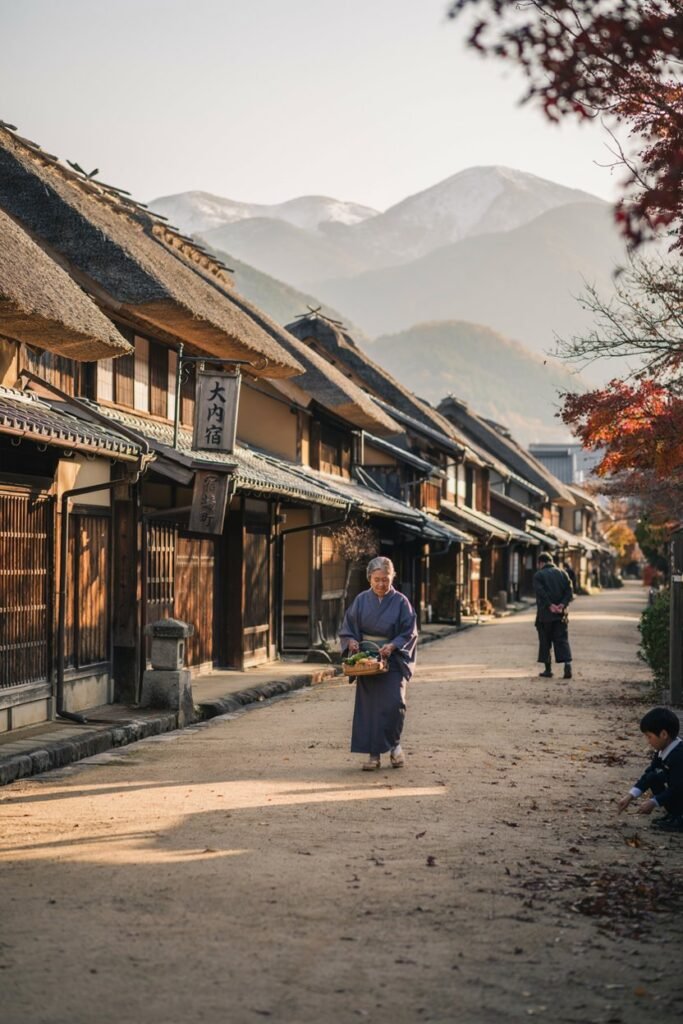
The first time I walked into Ouchi-juku, it genuinely felt like stepping into another century.
Unlike many historic towns that have become heavily commercialized, this village has managed to preserve much of its original charm.
The wide dirt road, rows of traditional thatched roof houses, wooden storefronts, and mountain backdrop instantly transported me back to Japan’s Edo period.
What surprised me most was how peaceful everything felt.
Even though visitors do come here, the village still maintains a quiet, relaxed atmosphere that encourages you to slow down and simply enjoy your surroundings.
I spent far longer here than I originally planned because every corner seemed worth exploring.
Whether it was browsing handmade crafts, watching smoke rise from old rooftops, or stopping for a warm bowl of soba noodles, Ouchi-juku felt authentic in a way that’s becoming increasingly rare.
Why This Village Is Worth Visiting
Unlike reconstructed tourist attractions, Ouchi-juku remains a preserved post town that once welcomed travelers journeying between regions centuries ago.
Walking through its historic streets made me appreciate just how rich Japan’s history really is.
Don’t Miss
- Climb to the panoramic viewpoint overlooking the village.
- Try the famous Negi Soba, traditionally eaten using a green onion instead of chopsticks.
- Visit local craft shops selling handmade souvenirs.
- Explore the village early in the morning for the quietest atmosphere.
- Visit during winter if you want to see the snow-covered rooftops.
Local Food I Recommend
Trying Negi Soba was one of the most memorable meals of my trip.
It was unlike anything I’d ever experienced before and became a fun conversation with the restaurant staff.
3. Yakushima – The Ancient Island That Completely Took My Breath Away
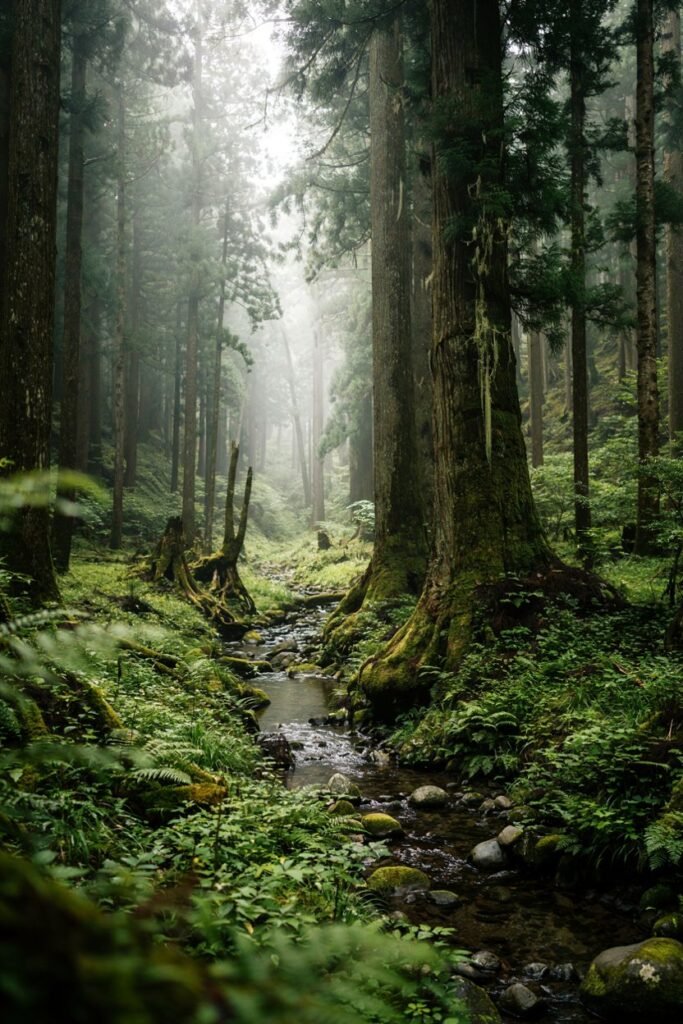
If there was one destination on this trip that made me feel like I had stepped into another world, it was Yakushima.
I had seen countless photos before visiting, but nothing prepared me for what it actually felt like to stand beneath giant cedar trees that have been growing for thousands of years.
The air felt cooler, the forests seemed impossibly green, and every hiking trail looked like it belonged in a fantasy movie.
It wasn’t difficult to understand why this island inspired the scenery in Princess Mononoke. Everywhere I looked, moss covered rocks, winding streams, and towering ancient trees created a landscape unlike anywhere else I had ever seen.
What I appreciated most was how peaceful it felt.
Instead of hearing traffic or crowds, I listened to birds singing, rivers flowing through the forest, and leaves gently moving in the breeze.
It reminded me that some of the best travel experiences don’t come from checking famous landmarks off a list. Sometimes they’re found by slowing down and simply enjoying nature.
Why Yakushima Is So Special
Yakushima is a UNESCO World Heritage Site known for its ancient cedar forests, dramatic mountains, waterfalls, and incredible biodiversity.
Some cedar trees on the island are believed to be more than 2,000 years old, while the famous Jomon Sugi may be several thousand years older.
Whether those estimates are exact or not, standing beside these enormous trees gives you a real sense of how ancient this landscape is.
Best Things to Do
- Hike through Shiratani Unsuikyo Ravine.
- Visit the famous Jomon Sugi cedar tree if you’re up for a challenging full day hike.
- Relax at Senpiro Falls.
- Watch wild monkeys and deer in their natural habitat.
- Explore quiet coastal roads by car.
- Spend an evening watching the stars away from city lights.
What I Ate
After a long morning of hiking, nothing tasted better than a simple meal made with fresh local ingredients.
Yakushima is well known for flying fish, fresh seafood, locally grown fruit, and delicious sweet potatoes.
The meals felt homemade and comforting, which was exactly what I needed after spending hours exploring the island.
Best Time to Visit
Spring and autumn offer pleasant hiking weather.
Summer is lush and vibrant, although rainfall is more frequent.
If you’re visiting during the rainy season, don’t let the weather discourage you. The forests become even more magical when the mist rolls through the trees.
Getting There
Most visitors travel by ferry or domestic flight from Kagoshima.
Renting a car once you arrive is one of the easiest ways to explore the island since many attractions are spread out.
Travel Tip
Pack waterproof hiking shoes and a lightweight rain jacket.
Even if the forecast looks clear, Yakushima’s weather can change quickly, and a little rain often adds to the island’s magical atmosphere rather than taking away from it.
4. Kurashiki – Japan’s Most Charming Canal Town
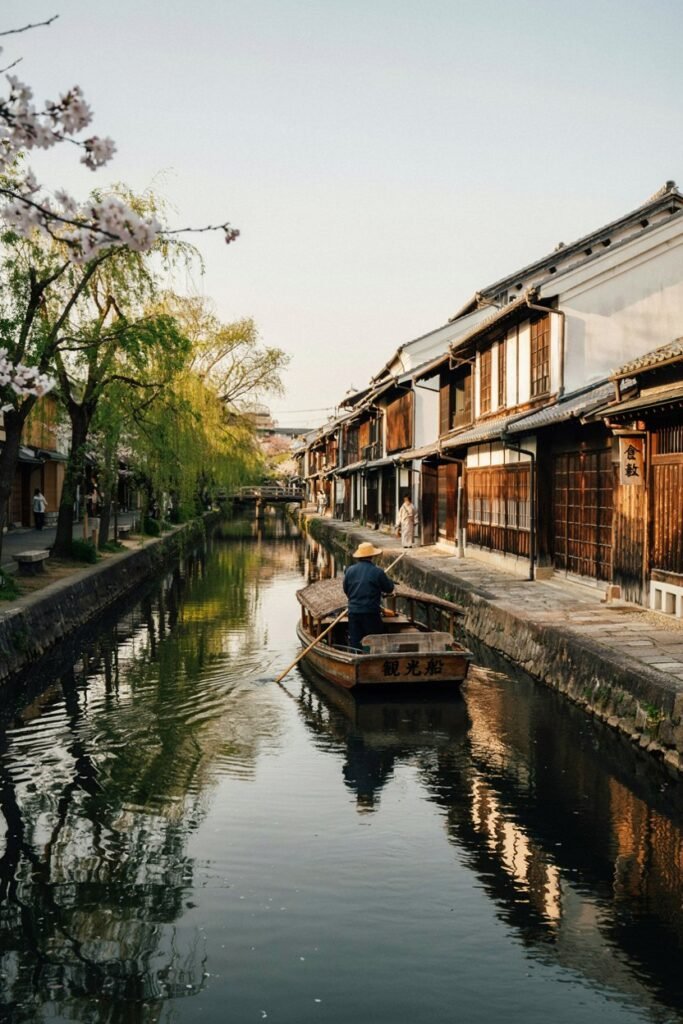
When people think about beautiful canals, destinations in Europe often come to mind first.
I certainly wasn’t expecting to find one of my favorite canal towns in Japan.
Kurashiki immediately won me over with its elegant white buildings, willow trees swaying over peaceful waterways, and traditional warehouses that have been transformed into museums, cafés, and boutique shops.
Walking through the historic Bikan Quarter felt incredibly relaxing.
Without the constant rush of larger cities, I could take my time browsing local stores, enjoying fresh pastries from neighborhood bakeries, and stopping every few minutes to admire the reflections on the water.
It quickly became one of those places where I completely lost track of time.
Why I Think Kurashiki Is Worth Visiting
Kurashiki combines history, art, shopping, and beautiful scenery without feeling crowded.
It’s easy to spend an entire day wandering through its charming streets without ever feeling rushed.
Every season brings a different atmosphere, from cherry blossoms in spring to colorful leaves in autumn and magical evening illuminations during special events.
Best Things to Do
- Walk through the historic Bikan Quarter.
- Take a traditional boat ride along the canal.
- Visit the Ohara Museum of Art.
- Browse local artisan shops.
- Enjoy coffee at one of the canal side cafés.
- Watch the town light up after sunset.
What to Eat
Kurashiki has plenty of cozy restaurants serving fresh seafood, handmade soba noodles, and delicious Japanese desserts.
One afternoon I stopped at a small café overlooking the canal and ordered matcha cheesecake with freshly brewed coffee.
It turned into one of my favorite breaks during the trip.
Sometimes travel isn’t about rushing between attractions.
Sometimes it’s simply about finding a quiet place to sit and enjoy the moment.
Best Time to Visit
Spring and autumn offer comfortable temperatures and beautiful scenery.
Early morning is especially peaceful before day visitors begin arriving.
Getting There
Kurashiki is easily accessible by train from Okayama, making it an excellent day trip or overnight destination.
Travel Tip
Stay until the evening if possible.
Many visitors leave before sunset, but the historic district becomes even more beautiful once the lights begin reflecting across the canal.
5. Tsumago-juku – Walking Through Japan’s Edo Period
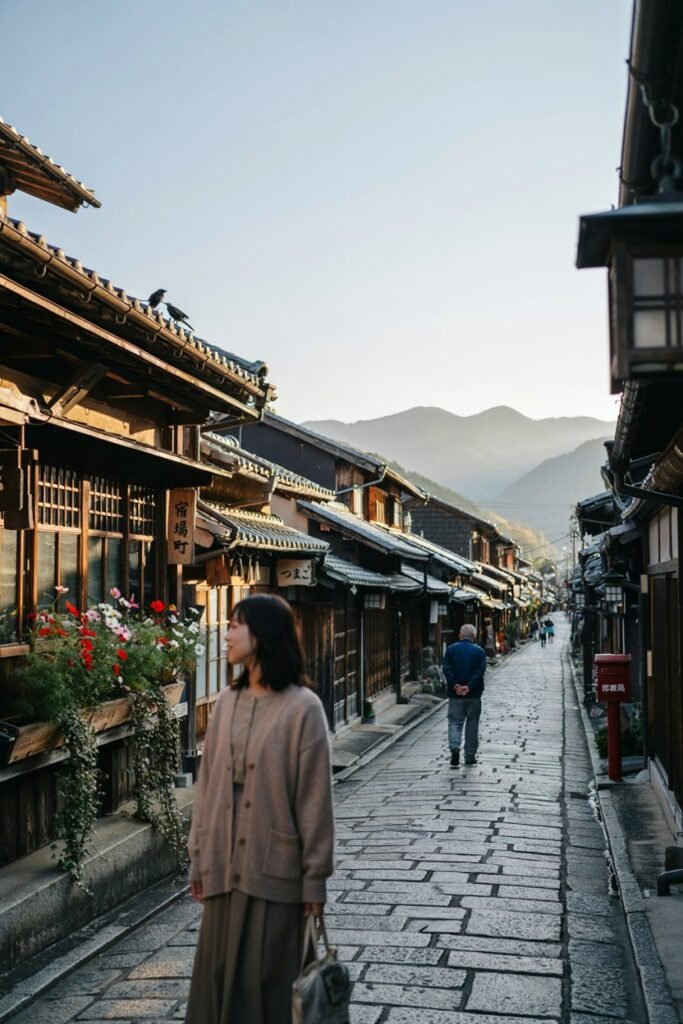
Out of every historic town I visited, Tsumago-juku felt the most authentic.
Unlike places that have modern buildings squeezed between traditional ones, Tsumago has done an incredible job preserving its historic character.
Electric wires are hidden from view, many buildings have been carefully restored, and the streets remain remarkably peaceful.
Walking here genuinely felt like traveling back hundreds of years.
I arrived in the morning while the streets were still quiet.
Shop owners were opening their doors, locals greeted one another, and the scent of freshly prepared food drifted through the village.
It didn’t feel like an attraction.
It felt like a community that had simply continued living while preserving its incredible history.
Why Tsumago Stands Out
This former post town once welcomed travelers walking the famous Nakasendo Trail between Kyoto and Tokyo.
Today, visitors can still walk sections of that historic route, making it one of Japan’s most rewarding destinations for anyone interested in history and nature.
Best Things to Do
- Walk through the preserved Edo period streets.
- Hike part of the Nakasendo Trail to Magome.
- Visit local museums explaining the town’s history.
- Shop for handcrafted wooden souvenirs.
- Stop at traditional tea houses.
- Take photographs early in the morning before crowds arrive.
What to Eat
Local soba noodles quickly became one of my favorite meals here.
I also discovered delicious grilled rice dumplings topped with sweet miso that made the perfect afternoon snack.
Best Time to Visit
Autumn is especially beautiful when colorful leaves surround the mountains.
Spring also brings comfortable temperatures and blooming flowers.
Getting There
Take a train to Nagiso Station before transferring to a local bus into the village.
If you’re driving through central Japan, Tsumago is an easy addition to a road trip itinerary.
Travel Tip
Wear comfortable walking shoes.
Although the village itself is easy to explore, you’ll likely want to hike part of the Nakasendo Trail once you see how beautiful the surrounding countryside is.
6. Hagi – A Historic Castle Town That Quietly Stole My Heart
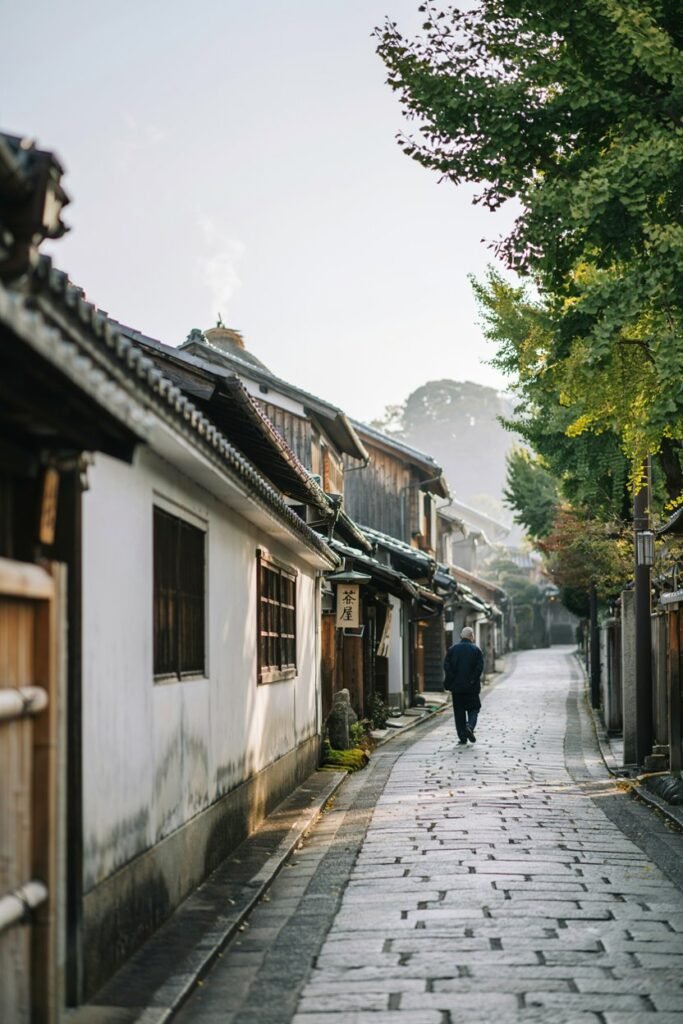
By the time I reached Hagi, I thought I had a pretty good idea of what to expect from Japan’s historic towns.
I was wrong.
Hagi felt completely different.
Instead of busy shopping streets or large crowds, I found quiet neighborhoods lined with white walls, beautifully preserved samurai residences, and narrow streets that invited me to wander without any particular destination in mind.
What surprised me most was how peaceful everything felt.
Some afternoons I could walk for several minutes without seeing another visitor, making it easy to imagine what life might have been like here hundreds of years ago.
The slower pace gave me time to notice the little details that are easy to miss in busier places, from carefully maintained gardens to small pottery workshops where local artisans still practice traditional techniques.
Why Hagi Is Worth Visiting
Hagi played an important role during Japan’s history, but today it feels refreshingly relaxed.
It’s the perfect destination if you enjoy history, traditional architecture, and discovering places that haven’t been overwhelmed by tourism.
Best Things to Do
- Walk through the former samurai district.
- Visit Hagi Castle Ruins.
- Explore local pottery studios.
- Rent a bicycle to see more of the town.
- Visit small museums showcasing local history.
- Watch the sunset along the Sea of Japan.
What to Eat
Fresh seafood is excellent here, but I also enjoyed trying local Hagi beef and traditional Japanese sweets from family owned bakeries.
Stopping at a small café after a morning of exploring quickly became part of my routine.
Best Time to Visit
Spring brings cherry blossoms throughout the town, while autumn covers the surrounding hills in vibrant colors.
Getting There
Hagi can be reached by train and bus from Yamaguchi City, although driving makes exploring the surrounding coastline much easier.
Travel Tip
Rent a bicycle if you can.
Many of Hagi’s attractions are spread across town, and cycling lets you discover charming streets that most visitors never see.
7. Nyuto Onsen – The Hot Spring Escape I Didn’t Want to Leave
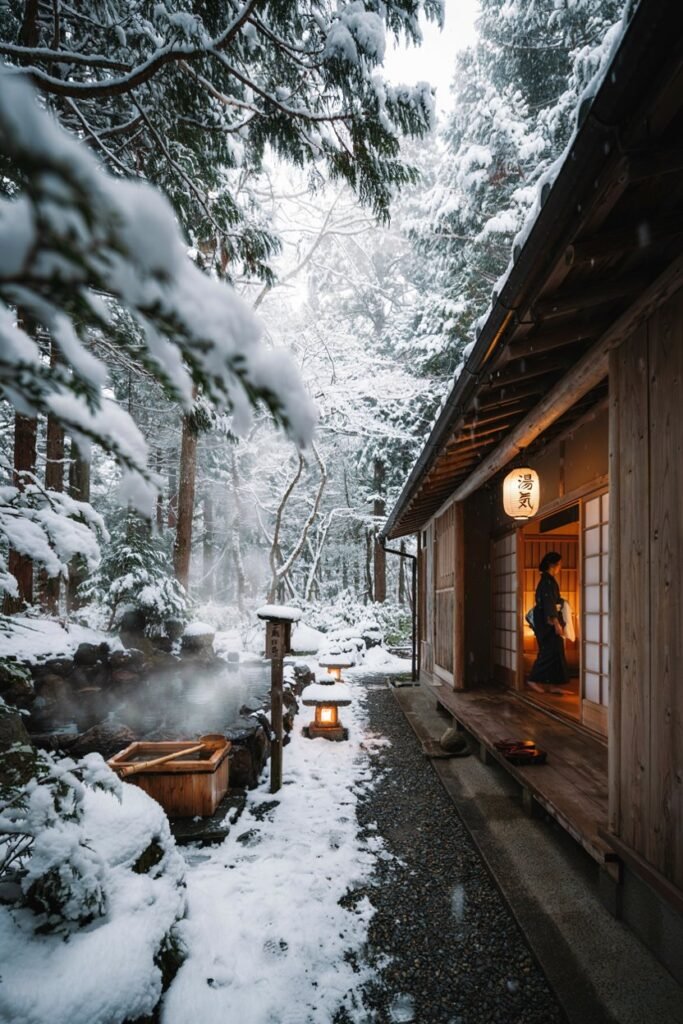
I don’t think any trip to Japan feels complete without visiting an onsen, but instead of choosing one of the famous resort towns, I wanted somewhere quieter.
That’s exactly what I found at Nyuto Onsen.
Hidden among forests in Akita Prefecture, this collection of traditional hot spring inns felt like a peaceful retreat from the modern world.
After days of sightseeing, soaking in naturally heated mineral water while surrounded by trees was exactly what I needed.
The atmosphere was incredibly relaxing.
There were no towering hotels or busy shopping streets.
Just wooden inns, fresh mountain air, and the gentle sound of nature.
Why You’ll Love Nyuto Onsen
Each ryokan has its own unique hot spring, and several allow visitors to experience multiple baths using a day pass.
It’s one of the most relaxing places I’ve ever visited.
Best Things to Do
- Soak in outdoor hot springs.
- Stay overnight in a traditional ryokan.
- Enjoy a multi course Japanese dinner.
- Walk nearby forest trails.
- Visit several different onsen in one day.
What to Eat
Dinner at my ryokan featured seasonal mountain vegetables, grilled fish, rice, soup, and beautifully presented local dishes.
It wasn’t just dinner.
It felt like an experience.
Best Time to Visit
Winter is breathtaking when snow surrounds the outdoor baths, while autumn offers beautiful fall colors.
Travel Tip
Always review basic onsen etiquette before visiting.
Knowing the customs helps everyone enjoy the experience comfortably.
8. Takachiho Gorge – One of Japan’s Most Beautiful Natural Wonders
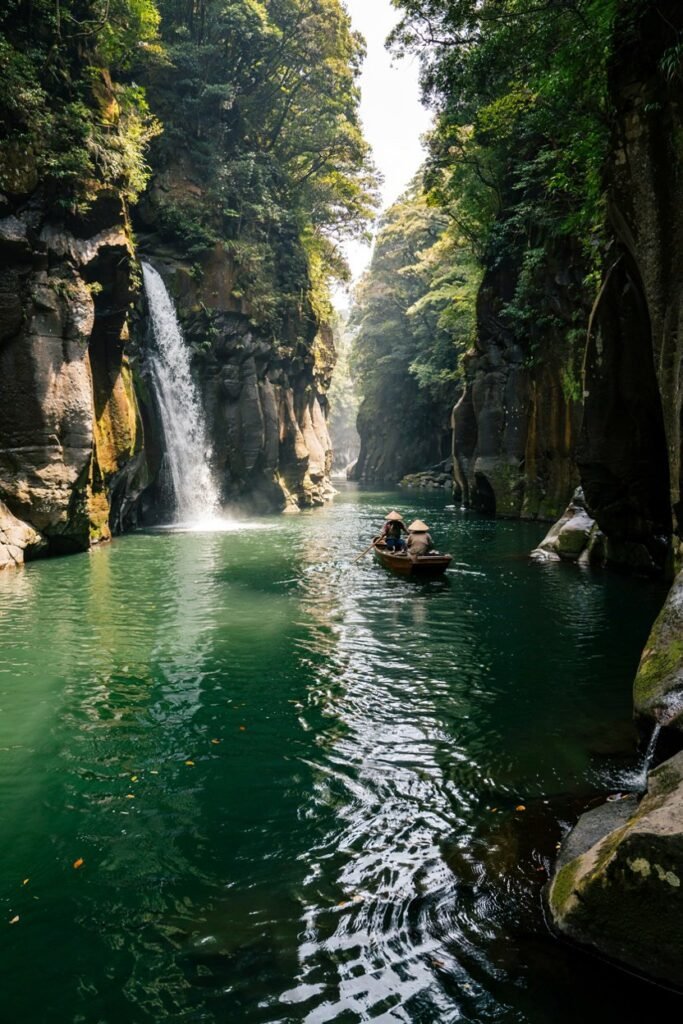
Some places are beautiful in photographs.
Takachiho Gorge somehow manages to look even better in person.
Towering cliffs rise dramatically above emerald green water while waterfalls cascade into the river below.
As I rented a small rowing boat and slowly floated through the gorge, I couldn’t stop looking around.
Every turn revealed another incredible view.
It honestly felt like one of the most peaceful places I’d visited during my entire trip.
Why It Stands Out
Takachiho combines stunning scenery with Japanese mythology, giving visitors both natural beauty and fascinating stories connected to the area.
Best Things to Do
- Rent a rowing boat.
- Walk the riverside trail.
- Visit nearby shrines.
- Watch the famous Takachiho night dance performance.
- Explore local cafés after your visit.
Best Time to Visit
Spring and autumn provide comfortable weather, but early mornings offer the calmest conditions for boating.
Travel Tip
Reserve your boat in advance during busy travel seasons.
They often sell out earlier than many visitors expect.
9. Gokayama – A Peaceful Alternative to Shirakawa-go
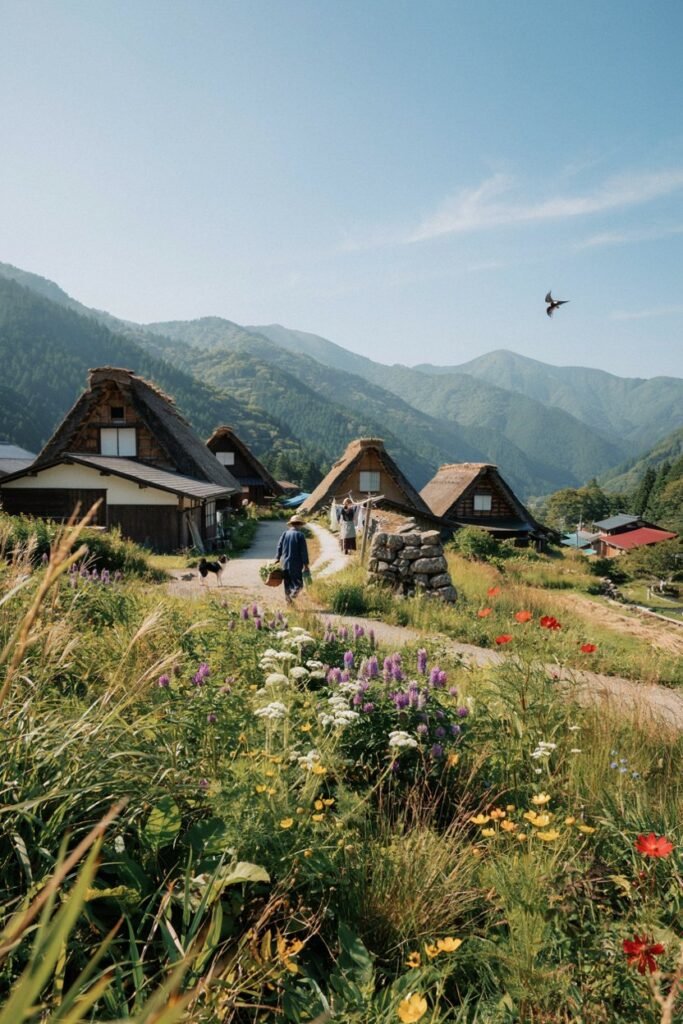
Many travelers have heard of Shirakawa-go, but very few continue just a little farther to Gokayama.
That turned out to be one of the best decisions I made.
The village has the same beautiful traditional farmhouses with steep thatched roofs, yet it feels quieter and much less crowded.
Walking through the village gave me time to appreciate the craftsmanship behind these remarkable homes without constantly waiting for people to move out of my photos.
The slower pace made the experience far more enjoyable.
Why Visit Gokayama Instead
You’ll still experience the charm of Japan’s traditional mountain villages while enjoying a much more peaceful atmosphere.
Best Things to Do
- Explore the historic village.
- Visit traditional farmhouses.
- Learn about washi paper making.
- Photograph the surrounding mountains.
- Stay overnight in a traditional guesthouse.
What to Eat
Local mountain vegetables, handmade tofu, soba noodles, and seasonal dishes were some of my favorite meals here.
Everything tasted wonderfully fresh.
Travel Tip
Spend the night if possible.
The village becomes incredibly quiet once day visitors leave, and waking up surrounded by mountains is something you’ll remember for years.
10. Tomonoura – The Coastal Town That Ended My Trip Perfectly
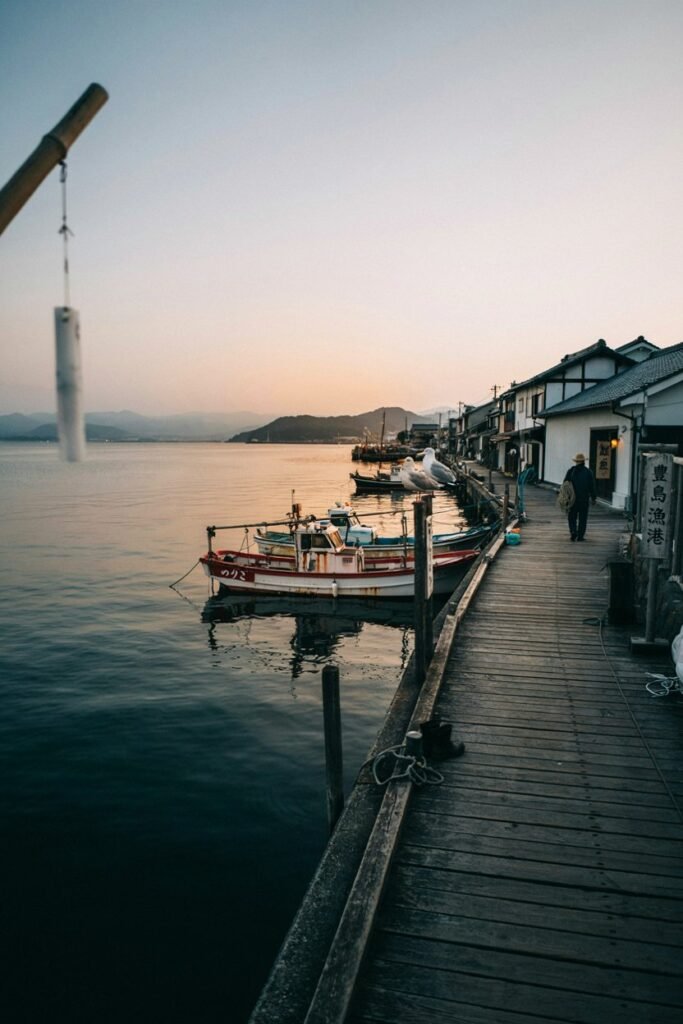
I couldn’t have asked for a better place to finish my journey than Tomonoura.
This charming port town has inspired artists, filmmakers, and writers for generations, and after spending a day here, I completely understood why.
Fishing boats gently floated in the harbor.
Historic buildings lined the waterfront.
Friendly locals greeted visitors with warm smiles.
Everything felt calm.
Rather than rushing to see attractions, I simply enjoyed wandering through quiet streets, watching the harbor, and taking in the slower rhythm of everyday life.
It reminded me that travel doesn’t always need an itinerary packed with activities.
Sometimes the destination itself is enough.
Best Things to Do
- Walk along the historic harbor.
- Visit local temples.
- Explore traditional streets.
- Watch sunset over the Seto Inland Sea.
- Browse family owned cafés and shops.
What to Eat
Fresh seafood is the highlight here.
I also discovered locally made sweets that paired perfectly with a cup of green tea while overlooking the water.
Travel Tip
Visit during the late afternoon.
The golden light reflecting across the harbor creates one of the most beautiful sunsets you’ll see in Japan.
Best Time to Visit Japan’s Hidden Gems
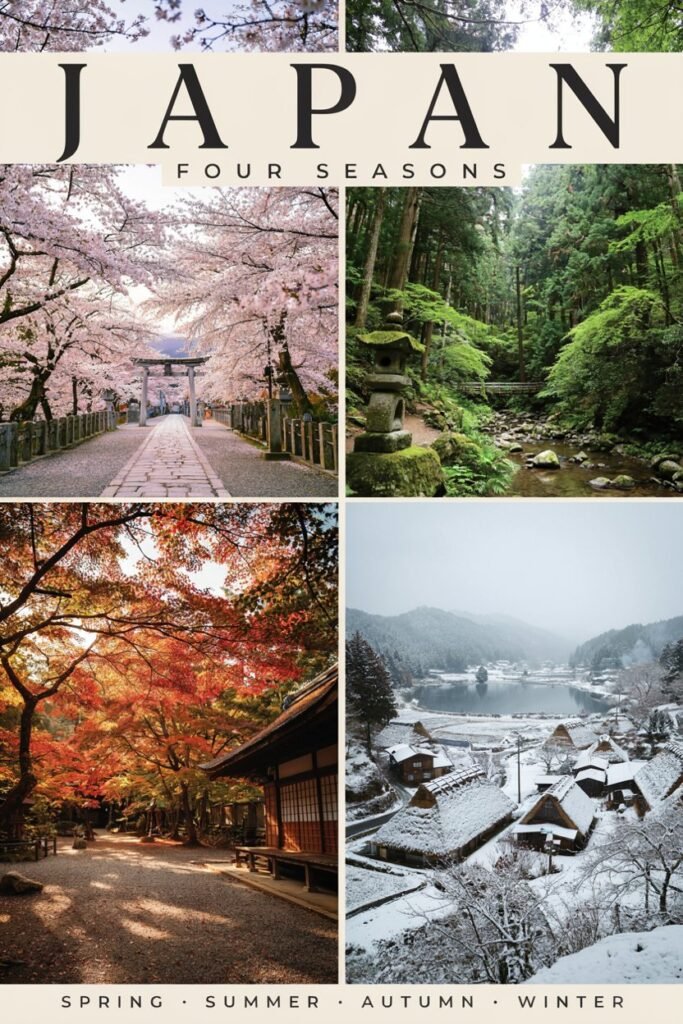
One thing I loved about these destinations is that every season offers something different.
Spring (March to May)
Cherry blossoms, mild temperatures, and beautiful gardens make spring one of the most popular times to visit.
Summer (June to August)
Lush green mountains, colorful festivals, and longer daylight hours are perfect for nature lovers, although some regions can be hot and humid.
Autumn (September to November)
If I had to choose just one season, autumn would probably be my favorite.
Comfortable weather and brilliant fall foliage make almost every destination even more beautiful.
Winter (December to February)
Snow transforms mountain villages into magical landscapes, and it’s the perfect season for relaxing in traditional hot springs.
Suggested 10 Day Hidden Japan Itinerary
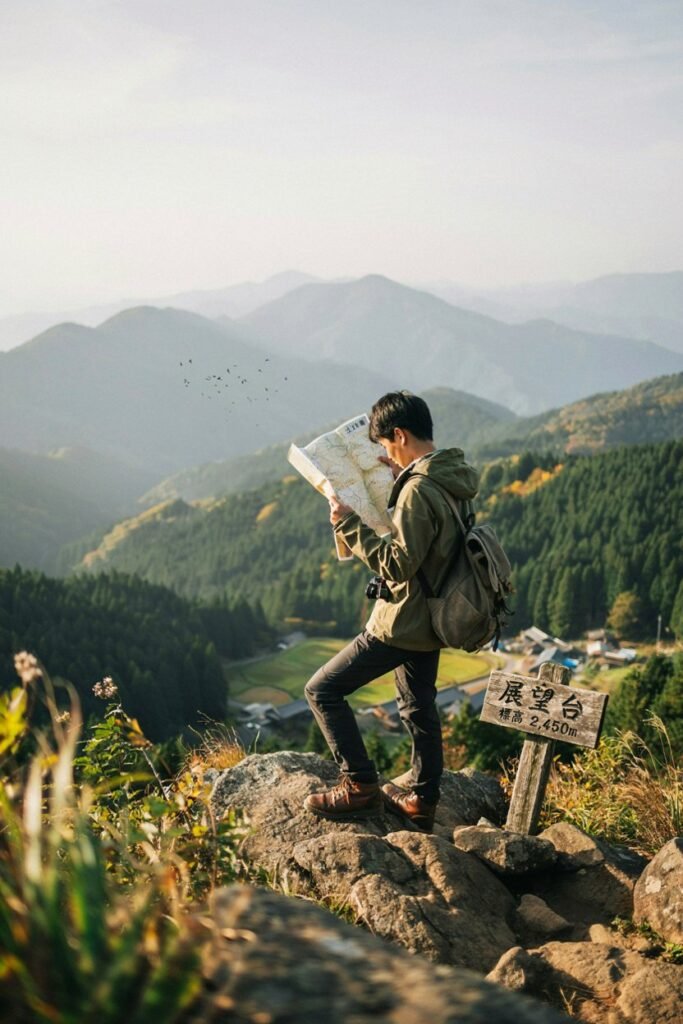
Days 1 and 2
Explore Kyoto before visiting Ine.
Day 3
Travel to Tsumago-juku.
Day 4
Visit Kurashiki.
Days 5 and 6
Discover Tomonoura and Hagi.
Days 7 and 8
Relax at Nyuto Onsen.
Days 9 and 10
Finish your adventure exploring Yakushima or Takachiho Gorge, depending on your interests.
This itinerary gives you enough time to actually enjoy each destination rather than constantly rushing from one place to another.
Budget Tips That Helped Me Save Money
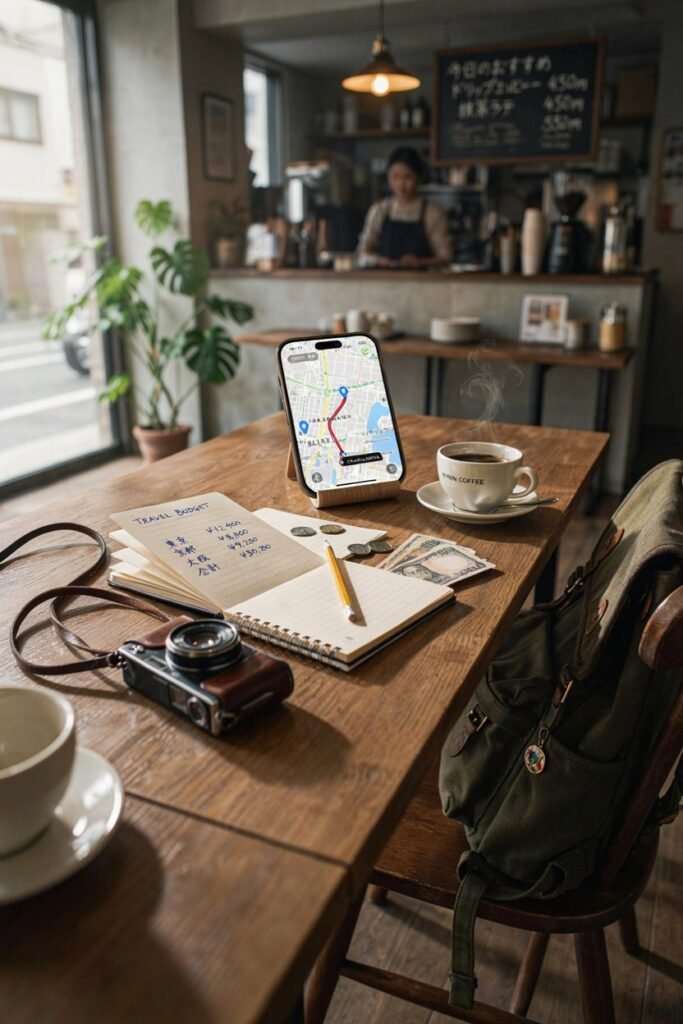
One of the biggest surprises during my trip was realizing that many hidden destinations were actually more affordable than Japan’s major cities.
Here are a few ways I kept my travel budget under control:
- Book accommodations several months in advance, especially during spring and autumn.
- Stay at family run guesthouses or traditional ryokan when possible for a more authentic experience.
- Eat at local restaurants instead of tourist hotspots. The meals were often better and noticeably cheaper.
- Carry a reusable water bottle to refill throughout the day.
- Group nearby destinations together to reduce transportation costs.
- If you’re visiting several rural areas, compare the cost of renting a car with multiple train tickets. In some cases, driving can be the better value.
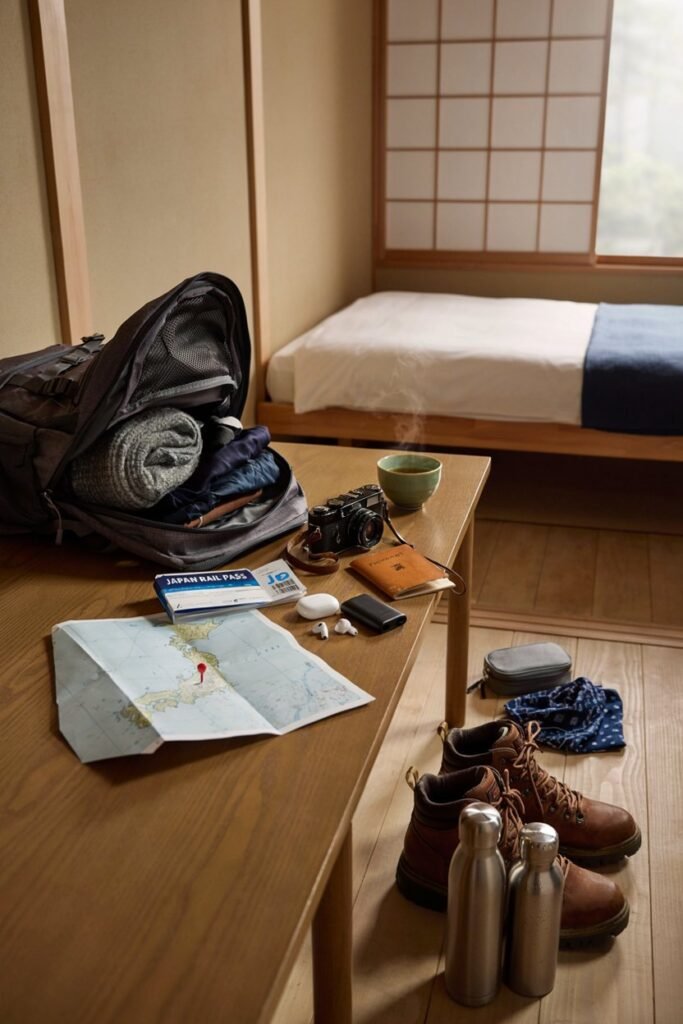
My Hidden Japan Packing List
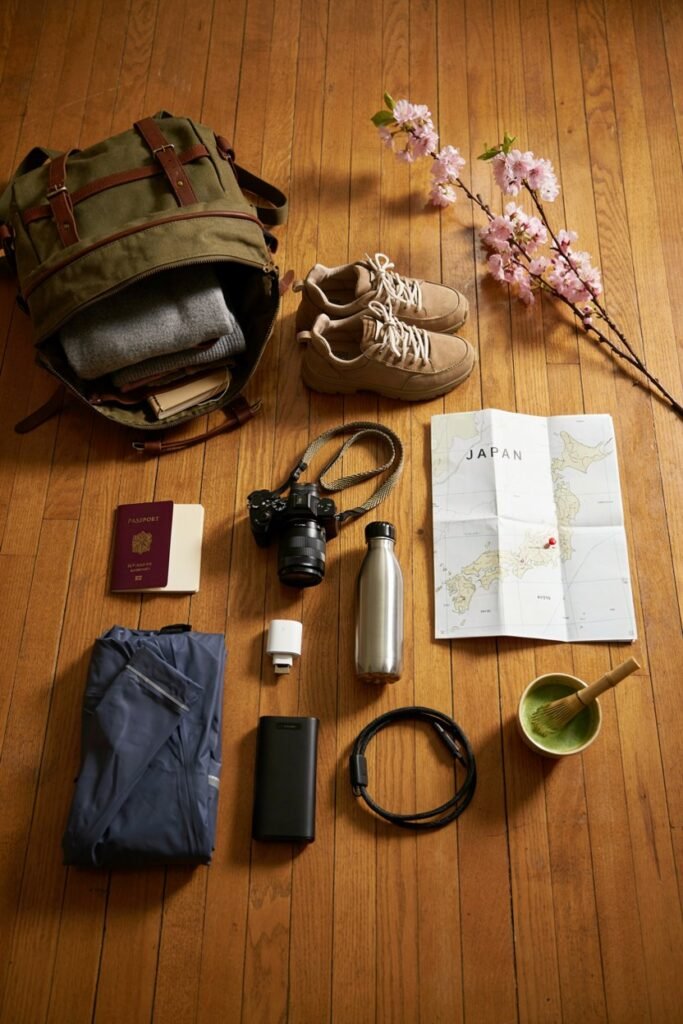
After exploring these quieter destinations, there are a few items I was especially glad I packed:
- Comfortable walking shoes
- Lightweight rain jacket
- Portable charger
- Universal travel adapter
- Reusable water bottle
- Small backpack for day trips
- Cash for rural towns
- Camera or smartphone with extra storage
- Light layers for changing temperatures
- Basic Japanese phrase app or offline map
Packing light also made moving between destinations much easier.
Frequently Asked Questions
Are these hidden gems suitable for first time visitors to Japan?
Absolutely. If you’re already planning to visit cities like Tokyo or Kyoto, adding one or two of these destinations gives you a much broader view of Japan.
Do I need to speak Japanese?
Not at all.
Learning a few simple greetings is appreciated, but I found people to be patient and welcoming, especially when I was polite and willing to communicate with a smile.
Is renting a car necessary?
Not always.
Several destinations are accessible by train and bus, but renting a car gives you much more flexibility when exploring rural regions.
How many hidden gems should I visit in one trip?
I’d recommend choosing three or four rather than trying to see all ten.
Travel feels much more enjoyable when you leave room for unexpected discoveries instead of rushing through every destination.
Final Thoughts
Looking back, these hidden gems completely changed the way I think about traveling in Japan.
Of course, I loved experiencing the energy of Tokyo, the temples of Kyoto, and the famous attractions that first inspired me to visit.
But the places that stayed with me the longest were the quiet fishing villages, peaceful mountain towns, relaxing hot springs, and historic streets where everyday life unfolded at its own pace.
Those were the moments that felt genuine.
Those were the places where I slowed down, talked with local people, lingered over long lunches, admired the scenery without feeling rushed, and created memories that still make me smile long after returning home.
If you’re planning a trip to Japan, don’t be afraid to step away from the usual tourist route. Even adding one or two of these hidden gems to your itinerary can completely change your experience.
Sometimes the most unforgettable destinations aren’t the ones on the front cover of every travel guide.
They’re the quiet places waiting just beyond the crowds, where Japan reveals a slower, more authentic side that you’ll never forget.