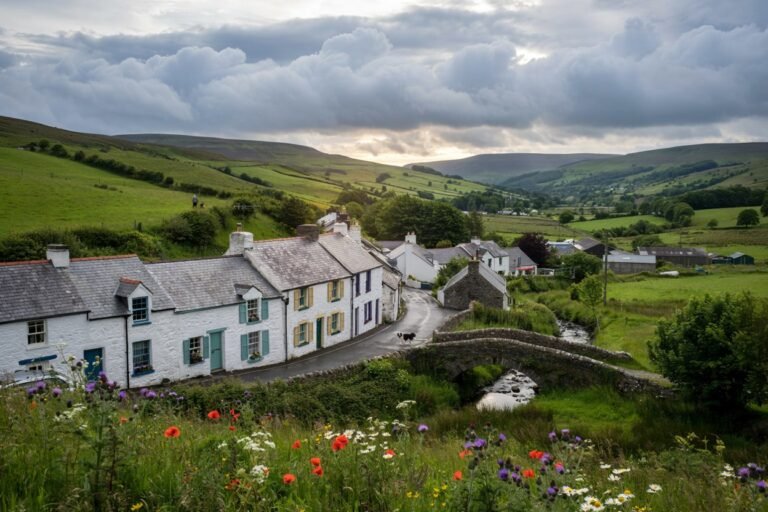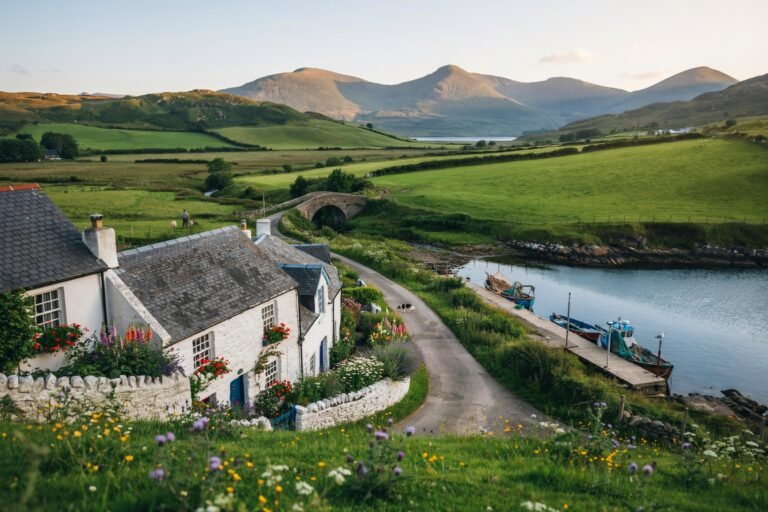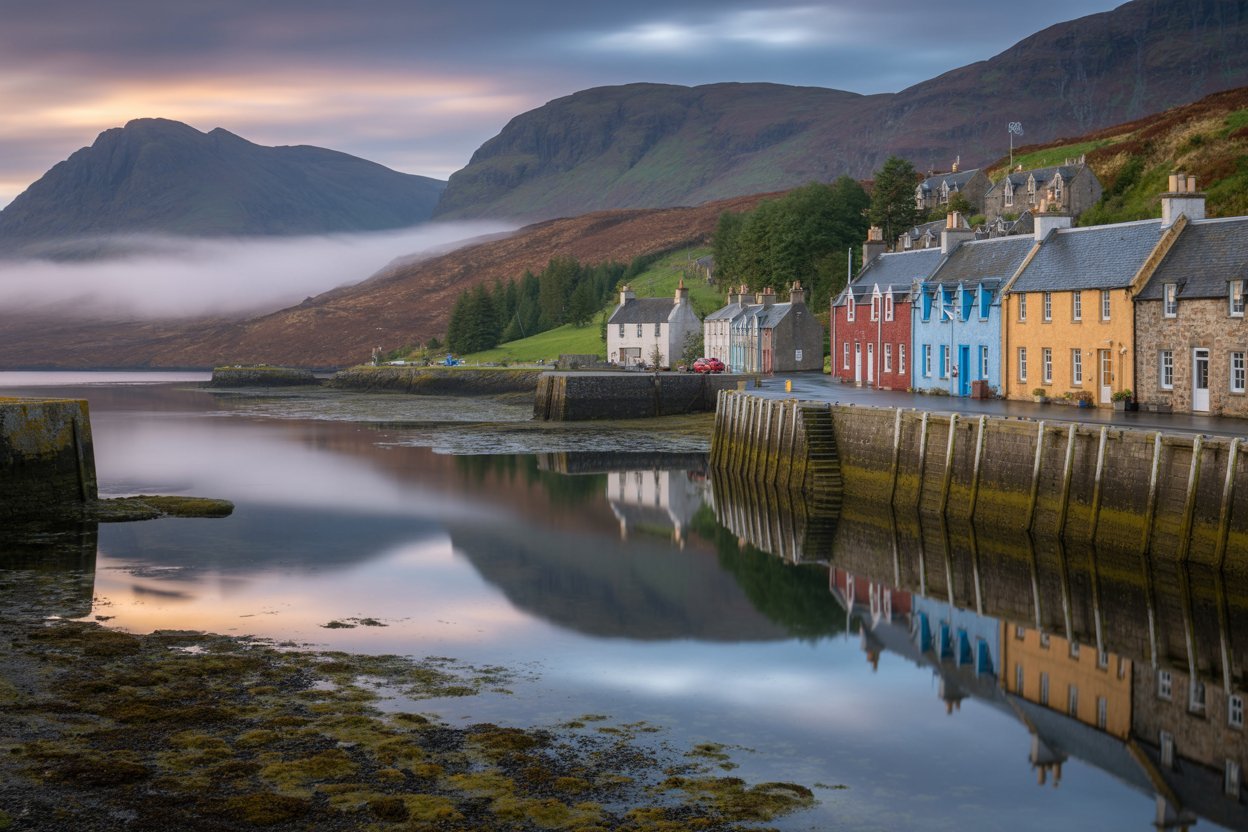
Scotland is one of those places that feels almost magical the moment you arrive.
Beyond the famous cities and castles, it’s the small villages that really steal your attention quiet streets, colorful houses, misty hills, and peaceful harbors that look like they belong in a storybook.
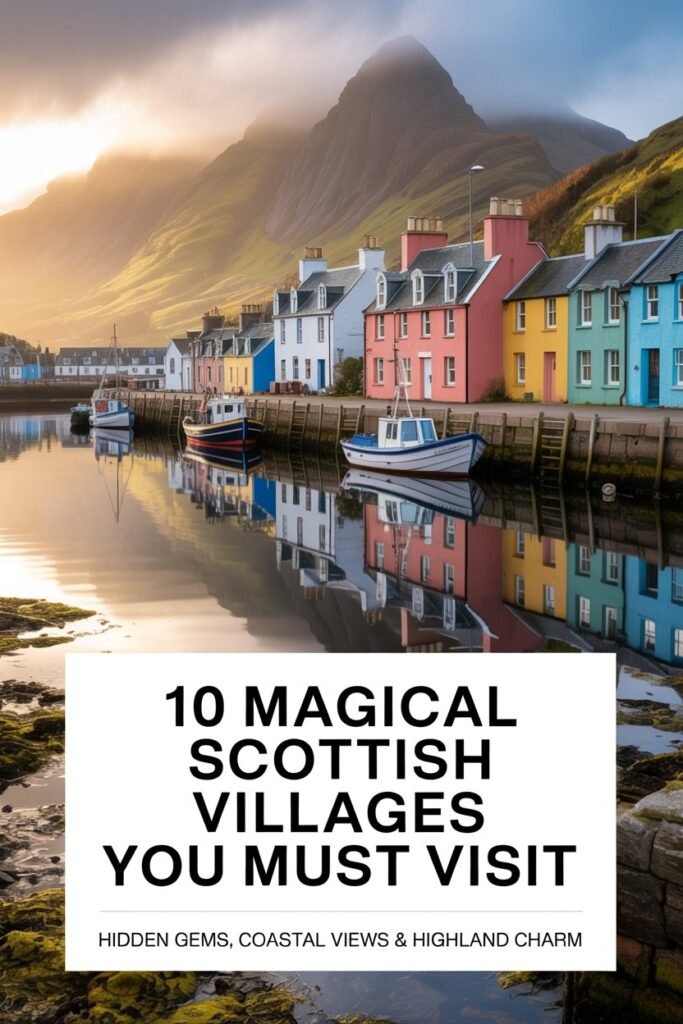
In this post, I’m sharing 10 magical Scottish villages that are worth seeing at least once in your life.
Each one has its own charm, from coastal beauty to Highland landscapes, and they all give that calm, unforgettable feeling Scotland is known for.
Disclaimer: This post may contain affiliate links, which means I may earn a small commission at no extra cost to you. Travel conditions and experiences can vary, so always check local weather, transportation, and seasonal information before your trip.
Amazon Shopping List: Magical Scottish Villages You Must Visit
- Scotland Travel Guide Book (Hidden Villages Edition)
- Waterproof Walking Shoes or Hiking Boots
- Lightweight Waterproof Daypack Backpack
- Anti-Theft Crossbody Travel Bag
- Packing Cubes Travel Organizer Set
- Compact Travel Umbrella (Windproof)
- Binoculars for Scenic Views & Nature Exploration
Why These Scottish Villages Are Worth Visiting
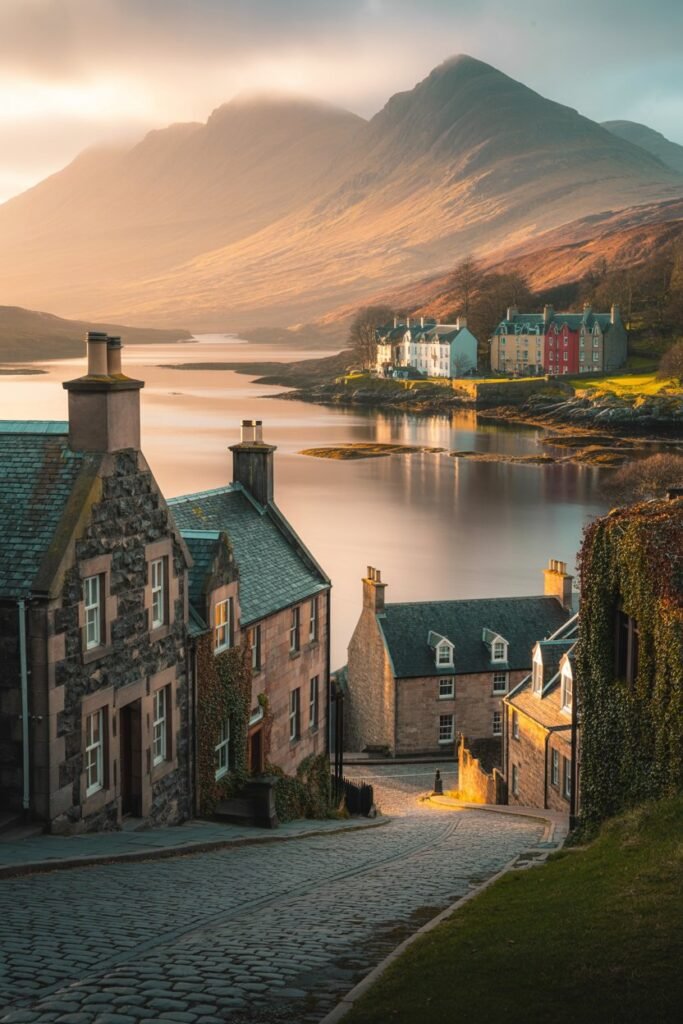
Before jumping into the list, it’s worth saying that these villages aren’t just “pretty places” they each have a unique atmosphere that makes you slow down and take everything in.
From quiet coastal views to historic stone streets and mountain backdrops, they offer a completely different side of Scotland compared to the busy cities.
If you love peaceful travel spots, scenic walks, and places that feel untouched by time, you’ll really enjoy exploring these magical villages.
Here Are the 10 Must-See Scottish Villages
Now let’s get into the list. These villages are some of the most beautiful and peaceful places in Scotland, each offering its own unique charm from colorful harbors to quiet Highland views.
Whether you’re planning a trip or just exploring from home, these spots are definitely worth seeing at least once.
1. Portree (Isle of Skye)
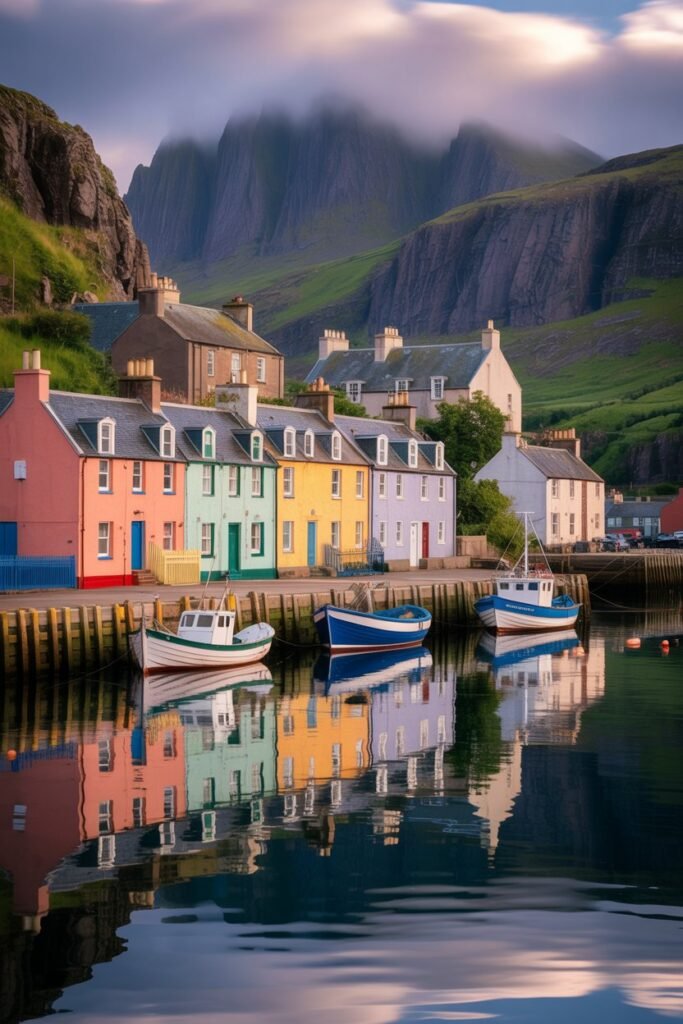
Portree is the main village on the Isle of Skye and one of the most scenic spots in Scotland.
It’s known for its colorful harbor houses, calm waters, and surrounding cliffs that make the whole area feel peaceful and dramatic at the same time.
There are small cafés, local shops, and a relaxed coastal vibe that makes it a great place to slow down and explore.
It’s also a good base for visiting nearby attractions like the Old Man of Storr and Fairy Pools.
How to Visit
- Easiest way is by car from Inverness or Glasgow
- Guided Isle of Skye tours are also a popular option
- Public transport is available but less frequent
Where to Stay
- Small hotels, guesthouses, and B&Bs in or near the village
- Book early, especially in summer
- Staying just outside Portree can be quieter and more scenic
Safety Tips
- Roads are narrow, so drive carefully
- Weather changes quickly—bring a light jacket
- Plan ahead during peak travel seasons
Portree is best enjoyed slowly, taking in the views and relaxed atmosphere.
2. Tobermory (Isle of Mull)
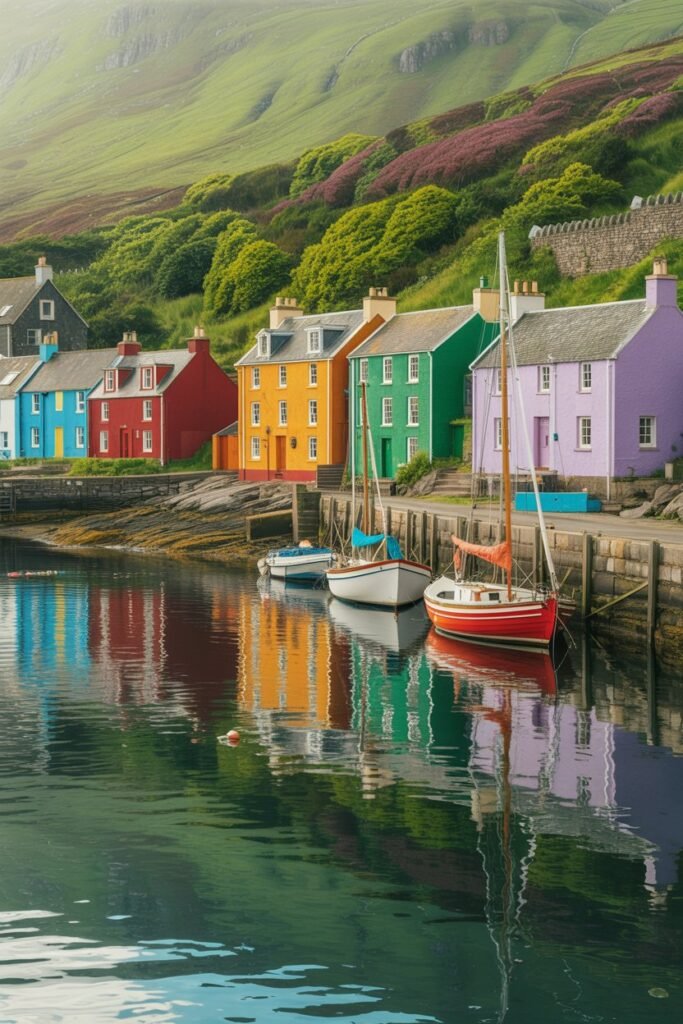
Tobermory is one of the most charming coastal villages in Scotland, famous for its row of bright, colorful houses along the harbor.
It sits on the Isle of Mull and feels peaceful, scenic, and full of character.
The village has a relaxed island vibe with small shops, local cafés, seafood spots, and a quiet waterfront where you can watch fishing boats come and go.
It’s also known for its beautiful views across the bay, especially on calm days when the reflections look perfect.
How to Visit
- Take a ferry from Oban to the Isle of Mull, then drive or take a bus to Tobermory
- Guided tours from mainland Scotland are also available
- Ferries run more often in peak travel seasons
Where to Stay
- Cozy guesthouses and small hotels near the harbor
- Book early during summer as it gets busy
- Staying near the waterfront gives the best views
Safety Tips
- Ferry schedules can change with weather, so always check ahead
- Roads on the island are narrow and single-track in places
- Pack for changing weather, even in warmer months
Tobermory is the kind of place where you slow down without trying — just walking around the harbor feels like enough.
3. Plockton
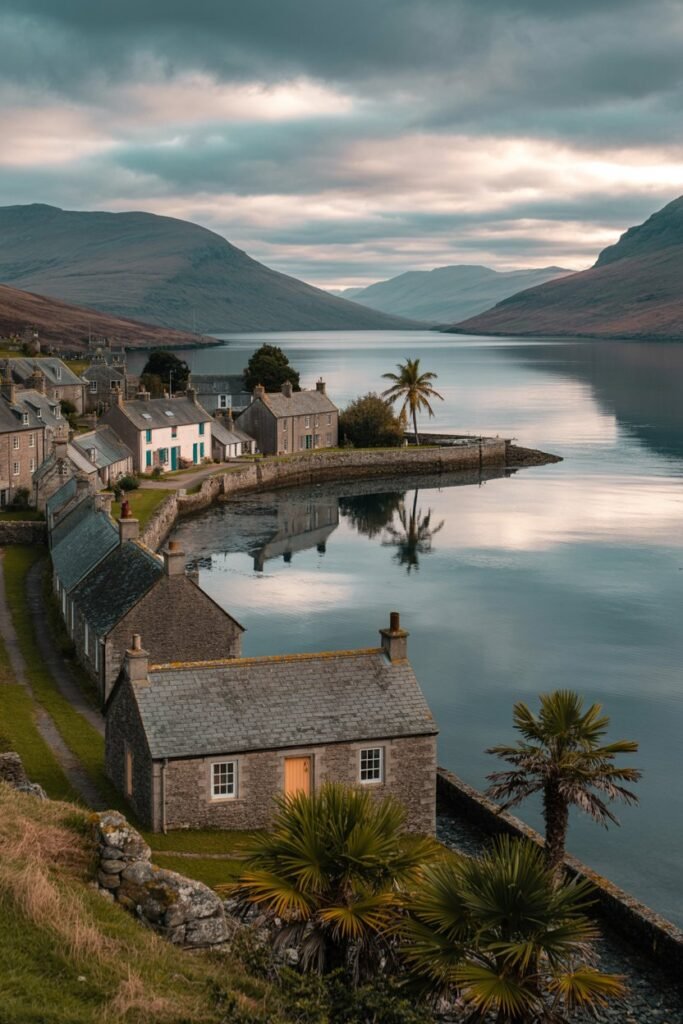
Plockton is a small Highland village that feels incredibly peaceful and unique.
It sits on the edge of a sheltered bay, surrounded by hills, and is surprisingly known for its palm trees that grow along the waterfront giving it a soft, almost tropical feel despite being in the Highlands.
The village is quiet, with stone cottages, calm waters, and a slow pace that makes it perfect for relaxing walks. You’ll often see small boats on the bay and locals going about a very calm daily life.
How to Visit
- Easiest access is by car from Inverness or Kyle of Lochalsh
- There’s also a small train station nearby with scenic rail routes
- Many visitors include it as a stop on a North West Highlands trip
Where to Stay
- Small B&Bs and guesthouses are the main options
- Limited accommodation, so booking early is important
- Staying near the waterfront gives the best experience
Safety Tips
- Roads can be narrow and winding, especially approaching the village
- Weather can shift quickly, so bring layers
- Limited shops, so it’s good to carry essentials
Plockton is best enjoyed slowly — it’s less about activities and more about the calm, scenic atmosphere.
4. Fort Augustus
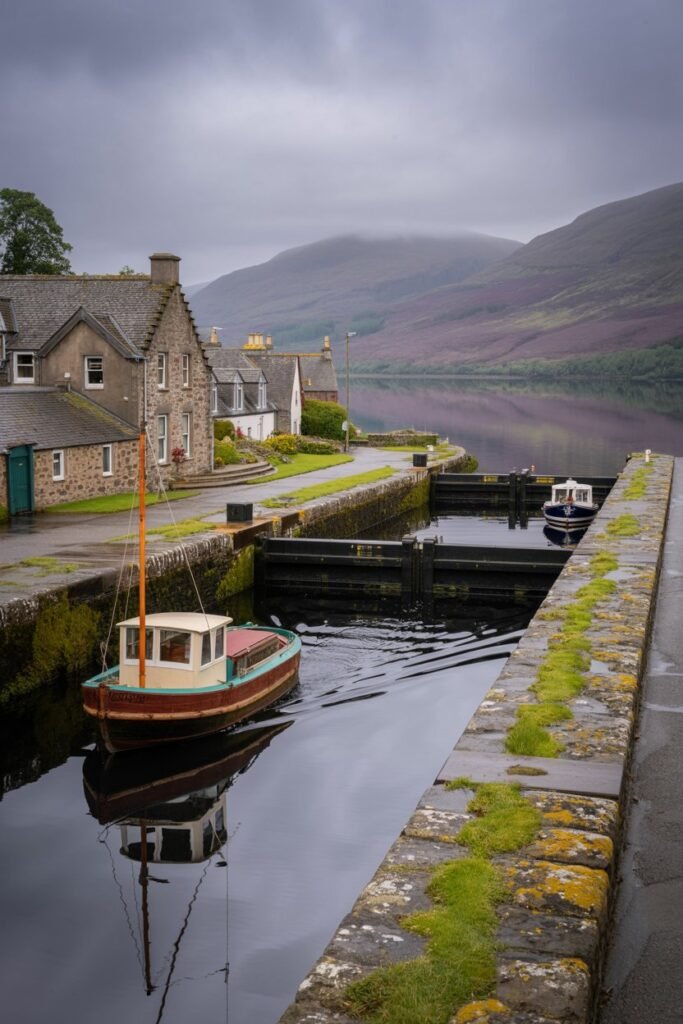
Fort Augustus is a peaceful Highland village sitting at the southern tip of Loch Ness.
It’s known for its series of canal locks, where boats slowly move through while surrounded by beautiful mountain scenery.
The village has a calm, scenic feel with stone buildings, small cafés, and great views of Loch Ness.
Many visitors come here hoping to catch a glimpse of the famous “Nessie,” but even without that, the atmosphere alone is worth the visit.
How to Visit
- Easily reached by car from Inverness (about 1–1.5 hours)
- Also included in many Loch Ness day tours
- Bus routes are available but limited
Where to Stay
- Small hotels, guesthouses, and lodges near the canal
- Staying by the water gives the best views and experience
- Book early during summer travel season
Safety Tips
- Walk carefully near canal edges and water areas
- Weather can change quickly, so carry a light jacket
- It can get busy during peak tourist months, so plan ahead
Fort Augustus is a calm, scenic stop that feels perfect for slow walks and quiet moments by the water.
5. Dunkeld
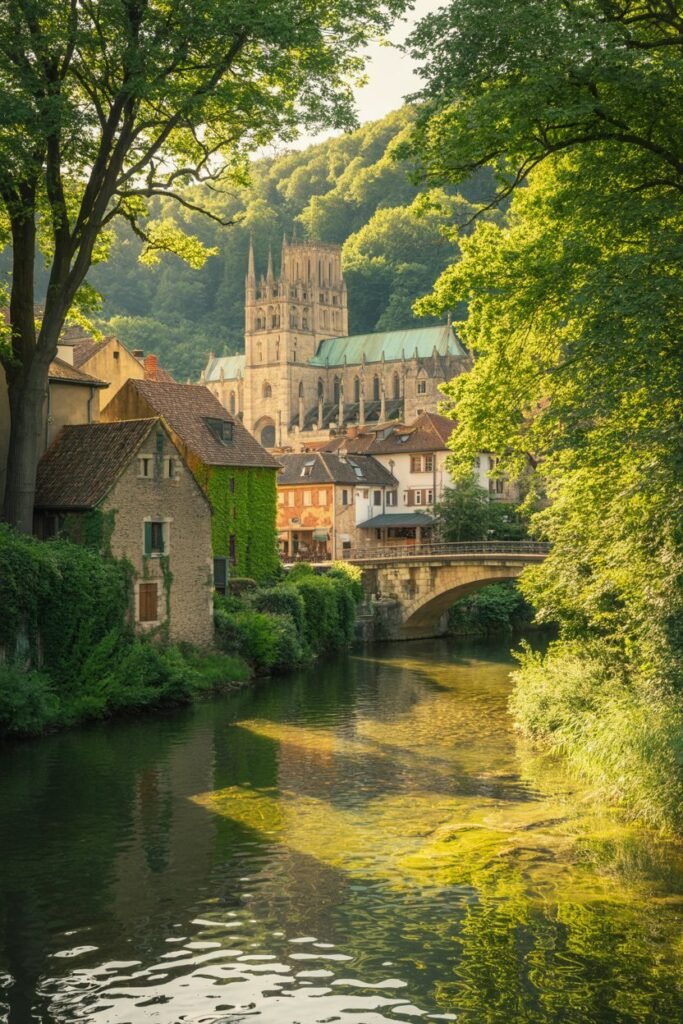
Dunkeld is a beautiful riverside village in Perthshire, known for its peaceful setting along the River Tay and its mix of nature and history.
It feels calm and green, with stone buildings, small streets, and woodland all around.
One of the highlights is Dunkeld Cathedral, which sits right by the river and adds a historic charm to the village.
There are also lovely walking trails nearby, especially through The Hermitage, where tall trees and waterfalls make the area feel magical.
How to Visit
- Easy to reach by train from Edinburgh or Perth
- Also accessible by car via the A9 route
- Often included in scenic Scotland road trips
Where to Stay
- Cozy guesthouses, small hotels, and countryside lodges
- Staying near the river gives the best views and atmosphere
- Book ahead during weekends and holidays
Safety Tips
- Be careful on woodland trails, especially after rain
- Wear comfortable walking shoes for nature paths
- Weather can be unpredictable, so bring layers
Dunkeld is perfect if you want a mix of history, nature, and a quiet village feel in one stop.
6. Culross
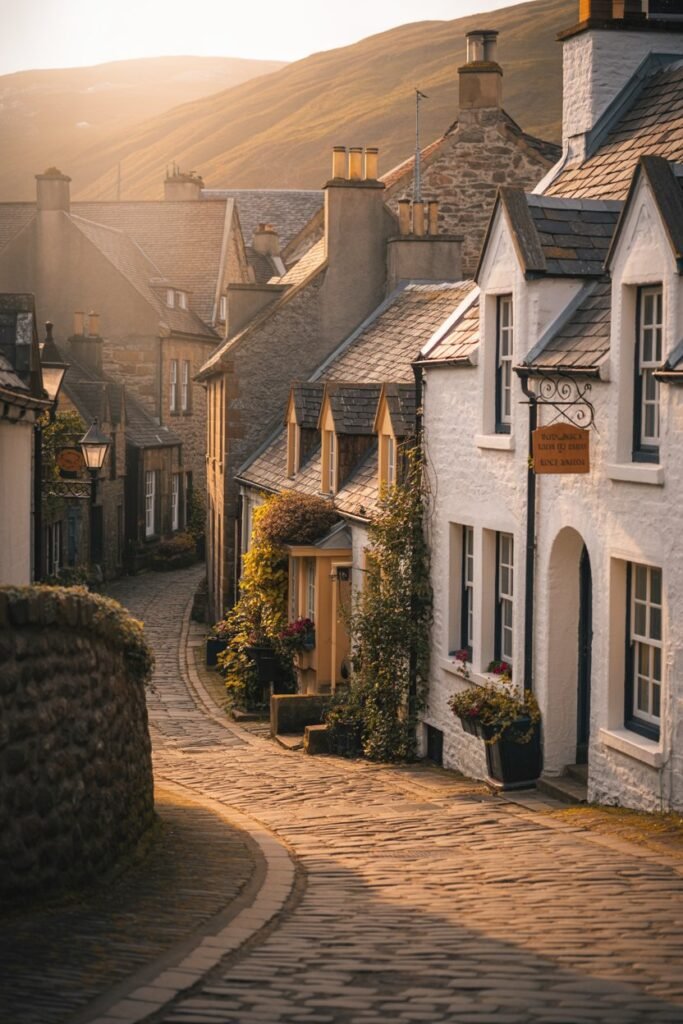
Culross is one of the most beautiful historic villages in Scotland, known for its cobbled streets, whitewashed houses, and timeless atmosphere.
Walking through it feels like stepping back in time, with buildings that have been carefully preserved for centuries.
The village sits along the Firth of Forth and has a quiet, old-world charm that makes it popular for filming and photography.
Every corner feels scenic, from the steep lanes to the iconic yellow-painted Culross Palace.
How to Visit
- Easy day trip from Edinburgh or Glasgow by car (about 1 hour)
- Limited public transport, so driving is best
- Often included in small group heritage tours
Where to Stay
- Very limited accommodation in Culross itself
- Nearby towns like Dunfermline offer more hotel options
- Many visitors stay in Edinburgh and travel in for the day
Safety Tips
- Cobblestone streets can be uneven, so wear comfortable shoes
- It can be quiet and empty in some areas, so plan your visit during daytime
- Watch your step on steep lanes
Culross is best enjoyed slowly, just wandering its streets and taking in the historic charm.
7. Braemar
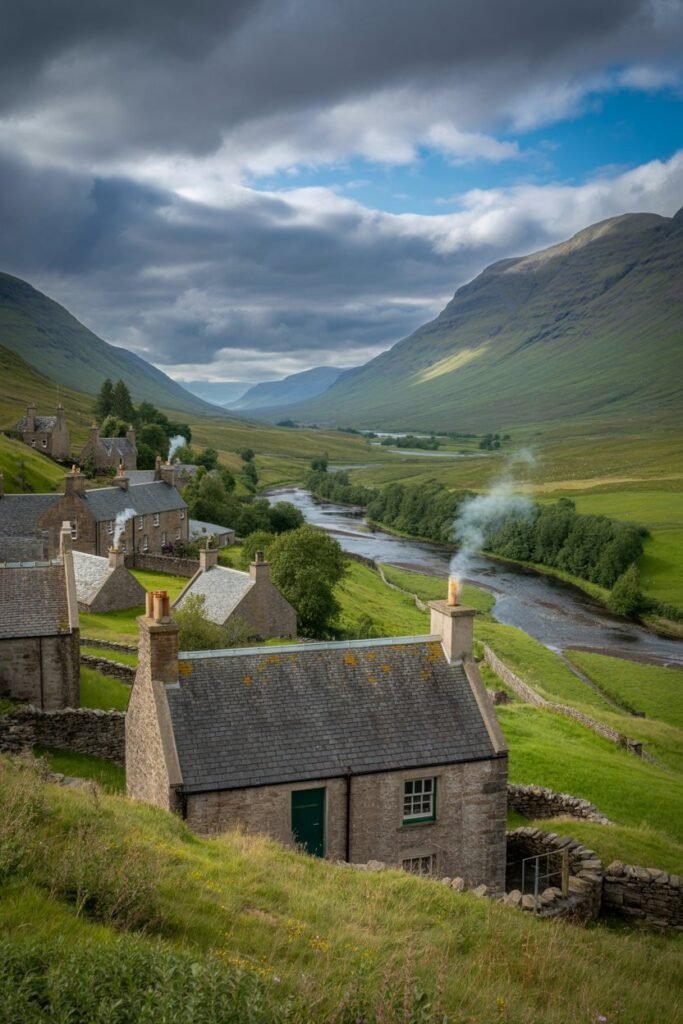
Braemar is a peaceful Highland village surrounded by mountains, deep valleys, and wide open landscapes.
It sits in the heart of the Cairngorms National Park and feels calm, fresh, and very close to nature.
The village is small but full of charm, with stone cottages, a quiet river, and stunning views in every direction.
It’s also well known for the annual Braemar Gathering, a traditional Highland games event that brings the area to life.
How to Visit
- Best reached by car from Aberdeen or Edinburgh
- Scenic drive through the Cairngorms is part of the experience
- Some guided tours include Braemar as a stop
Where to Stay
- Small hotels, inns, and guesthouses in the village
- Cozy countryside lodges nearby for more privacy
- Book early during event seasons like the Highland Games
Safety Tips
- Weather can be colder and more unpredictable due to elevation
- Drive carefully on rural mountain roads
- Carry warm layers even in summer
Braemar is perfect if you want a quiet escape surrounded by pure Highland scenery and fresh mountain air.
8. Luss
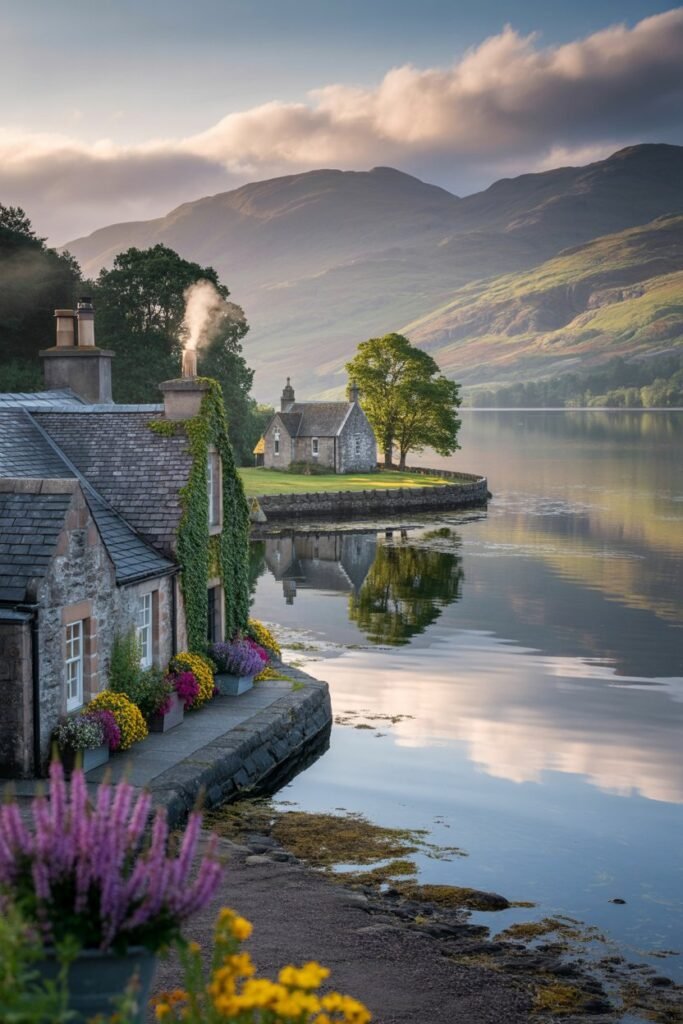
Luss is a beautiful village on the banks of Loch Lomond, often described as one of the most picturesque spots in Scotland.
It has traditional stone cottages, quiet streets, and stunning lake views that make it feel calm and postcard-perfect.
The village is small, but it’s perfect for slow walks by the water, taking photos, or just sitting and enjoying the peaceful scenery.
The backdrop of mountains across the loch makes it especially beautiful on clear days.
How to Visit
- Easy day trip from Glasgow (about 45 minutes to 1 hour by car)
- Also included in many Loch Lomond tours
- Public transport is available but less direct
Where to Stay
- Small guesthouses and lodges in or near the village
- Plenty of accommodation options around Loch Lomond area
- Staying near the water gives the best views
Safety Tips
- Be careful near the loch edges, especially with children
- Parking can get busy in peak season
- Weather can change quickly, so bring a light jacket
Luss is a peaceful stop that’s perfect for relaxing, walking, and enjoying Scotland’s natural beauty at a slower pace.
9. St. Abbs
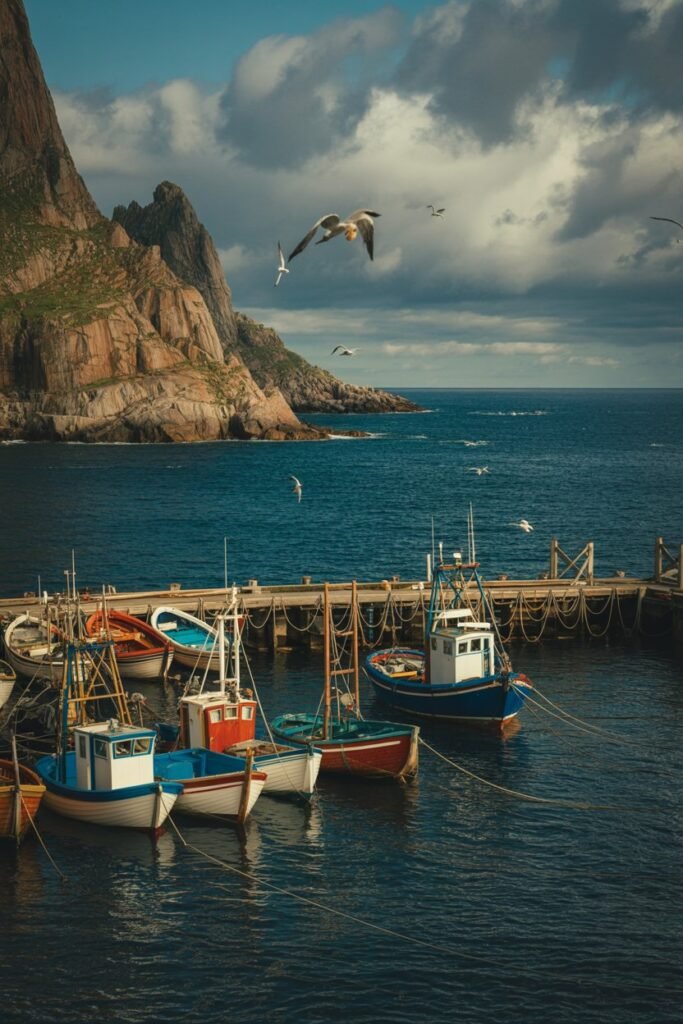
St. Abbs is a small coastal fishing village in southeast Scotland, known for its dramatic cliffs, clear sea views, and peaceful harbour.
It feels quiet and untouched, making it a perfect escape if you love nature and the sea.
The village is also popular for its coastal walks, especially around St. Abbs Head, where you can see seabirds, rugged cliffs, and stunning ocean views.
It has a simple, laid-back charm that makes it feel very different from busier tourist spots.
How to Visit
- Best reached by car from Edinburgh (about 1.5 hours)
- Public transport is limited, so driving is easier
- Often included in East Lothian coastal day trips
Where to Stay
- Small guesthouses and cottages in or near the village
- Nearby Eyemouth offers more accommodation options
- Book early during summer months
Safety Tips
- Cliff edges can be steep, so stay on marked paths
- Weather can be windy along the coast
- Wear sturdy shoes for walking trails
St. Abbs is perfect for a quiet coastal walk and fresh sea air in a peaceful setting.
10. Aberfeldy
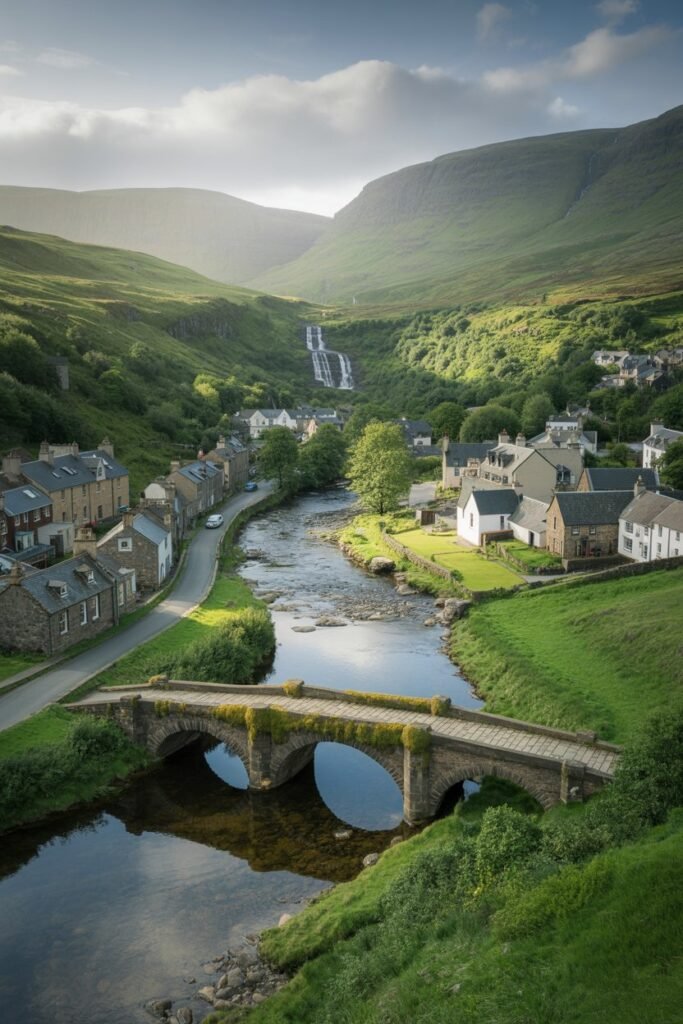
A peaceful Highland town surrounded by rivers, waterfalls, and green countryside views.
Aberfeldy is a peaceful Highland town surrounded by rivers, hills, and lush green countryside.
It sits along the River Tay and is known for its calm atmosphere, scenic walks, and natural beauty.
One of the highlights here is the nearby Birks of Aberfeldy, a beautiful woodland walk with waterfalls and wooden bridges that feels very refreshing and quiet.
The town itself is small but charming, with cafés, local shops, and a relaxed pace of life.
How to Visit
- Easy to reach by car from Perth (about 45 minutes)
- Bus routes are available but less frequent
- Often included in central Scotland road trips
Where to Stay
- Cozy hotels, inns, and guesthouses in town
- Countryside lodges nearby for a quiet stay
- Good mix of budget and mid-range options
Safety Tips
- Woodland trails can be slippery after rain
- Wear comfortable walking shoes for nature paths
- Weather can change quickly, so carry light layers
Aberfeldy is a great final stop on a Scottish village journey — calm, green, and full of natural charm.
Travel Summary
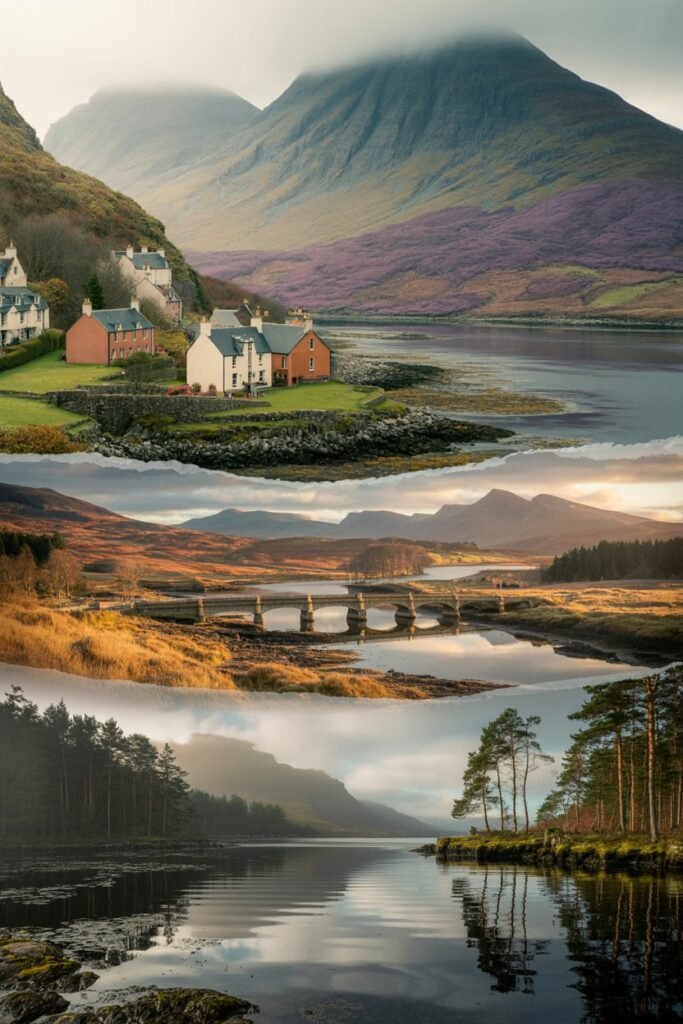
Scotland is full of hidden gems, and these villages are some of the most magical examples of its natural beauty and history.
From colorful coastal spots like Tobermory and Portree to peaceful Highland escapes like Braemar and Aberfeldy, each village offers something unique.
What makes them special is not just the scenery, but the calm atmosphere, slow pace of life, and connection to nature.
Whether you prefer mountains, lakes, or coastal views, there’s a Scottish village that fits every type of traveler.
Best Time to Visit Scotland
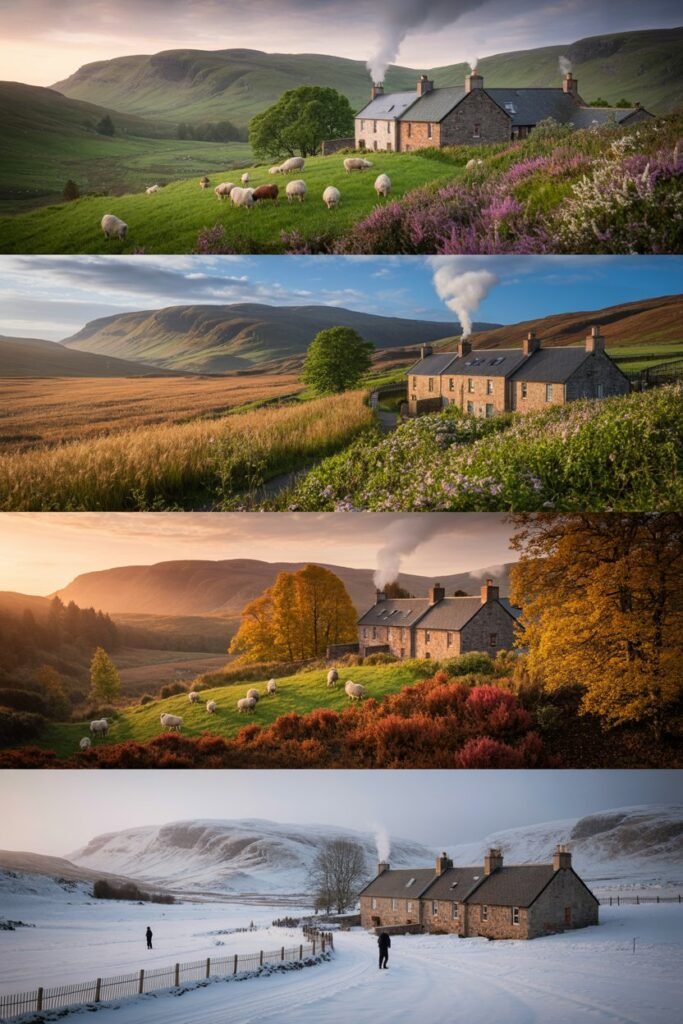
The best time to visit these Scottish villages is late spring to early autumn (May to September) when the weather is milder and the landscapes are green and vibrant.
- Spring (March–May): Fresh scenery, fewer crowds
- Summer (June–August): Best weather and long daylight hours
- Autumn (September–November): Beautiful golden colors and quieter villages
- Winter (December–February): Cold, but very peaceful and atmospheric
Each season gives a different kind of beauty, but summer is the most popular for travel.
Travel Tips for Scotland
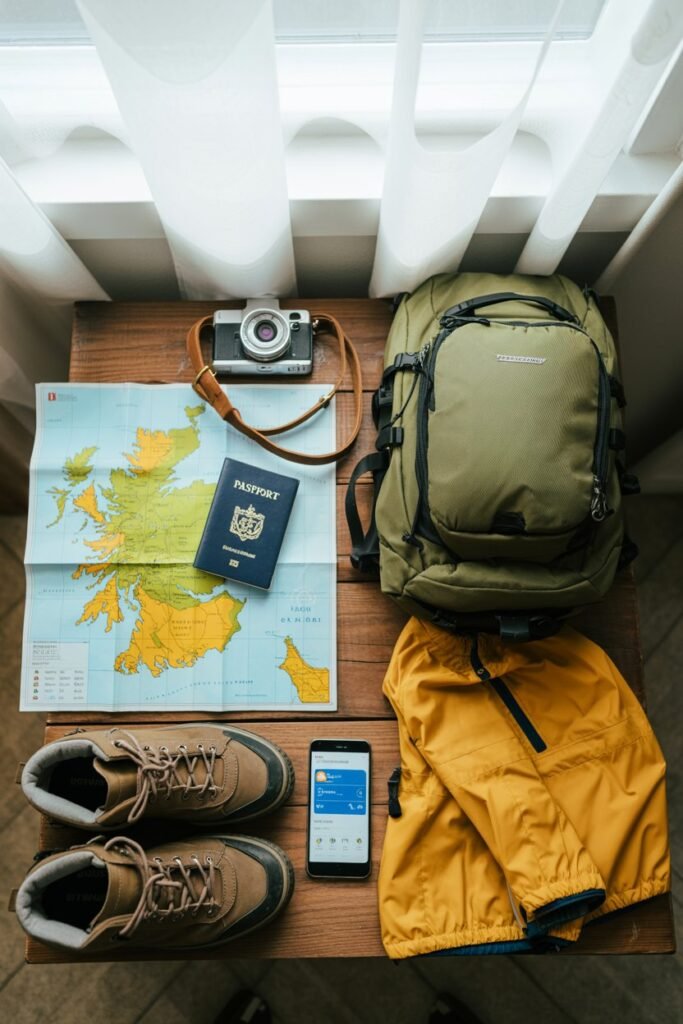
Here are a few simple tips that can make your trip smoother:
- Drive carefully — many village roads are narrow and winding
- Always carry layers — the weather changes quickly
- Book accommodation early, especially in summer
- Some villages have limited shops, so plan essentials ahead
- A car is the best way to explore multiple villages
- Respect nature trails and local areas
- Start your days early to avoid tourist crowds
FAQ
What is the most beautiful village in Scotland?
It depends on your taste, but Portree, Tobermory, and Luss are often considered the most scenic because of their colorful houses and waterfront views.
How many days do you need to explore Scottish villages?
A good trip is usually 5–10 days if you want to visit multiple villages without rushing. A road trip works best.
Do I need a car to visit these villages?
Yes, a car makes it much easier to explore most of these villages, especially in the Highlands and Isle of Skye.
Are these villages expensive to visit?
Not necessarily. Some areas can be pricey in peak season, but there are guesthouses, B&Bs, and budget options available if booked early.
What is the best time to visit Scottish villages?
Late spring to early autumn (May–September) is best for weather, scenery, and longer daylight hours.
Can you visit these villages in winter?
Yes, but expect colder weather, shorter days, and some travel limitations. The upside is fewer crowds and a very peaceful atmosphere.
Final Thoughts
Exploring Scotland’s villages is one of those travel experiences that stays with you long after the trip is over.
Each place has its own personality some are colorful and lively, others are quiet and tucked away in the Highlands, but all of them share that peaceful, timeless charm.
What makes them truly special isn’t just how they look, but how they make you feel slower, calmer, and more connected to nature.
Whether you’re planning a road trip or just saving ideas for the future, these villages are definitely worth adding to your list.