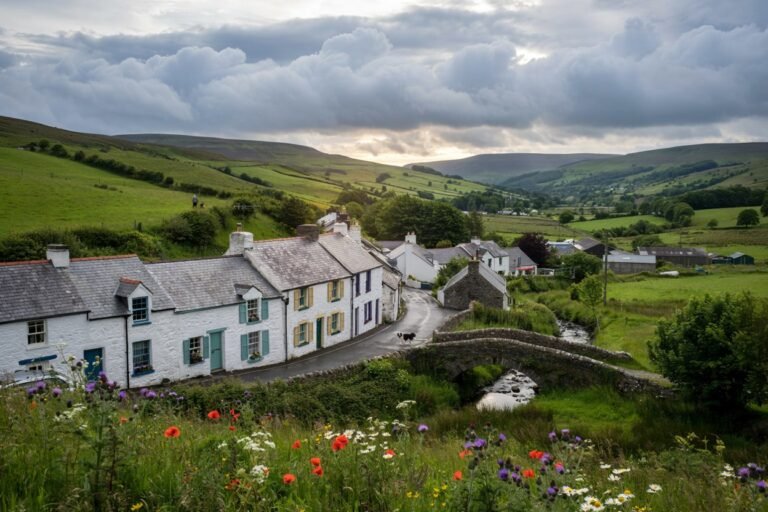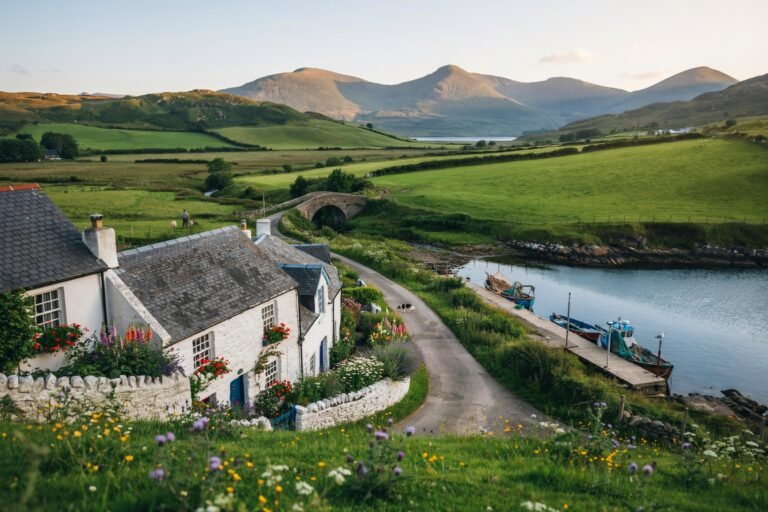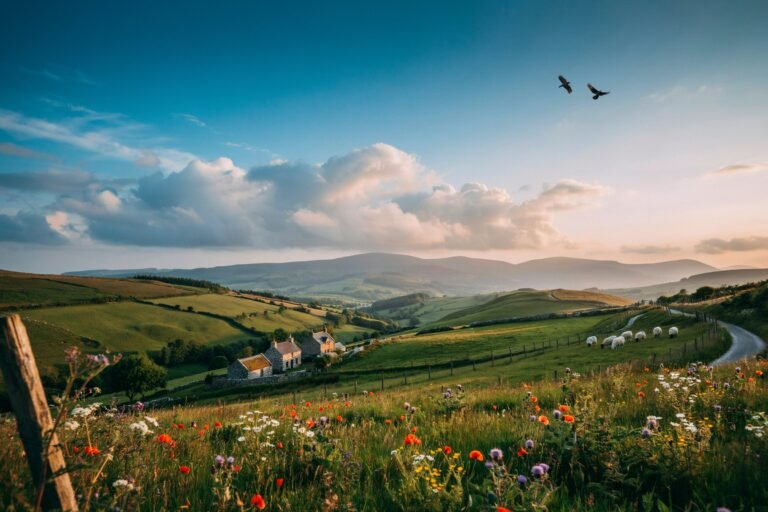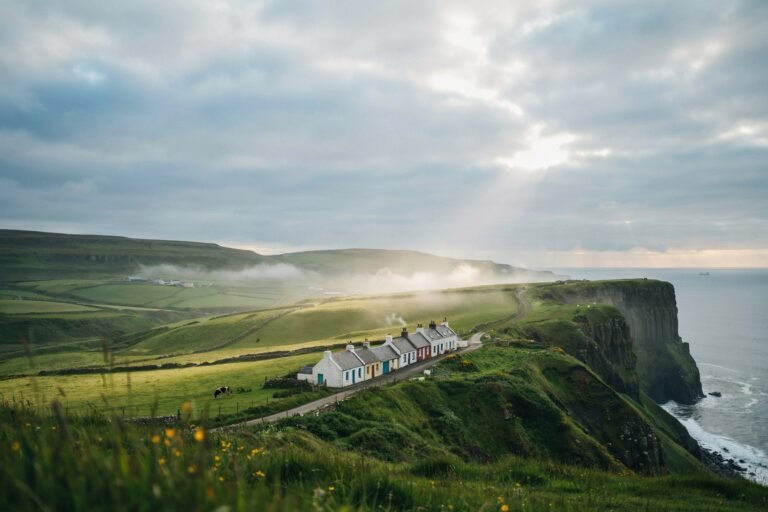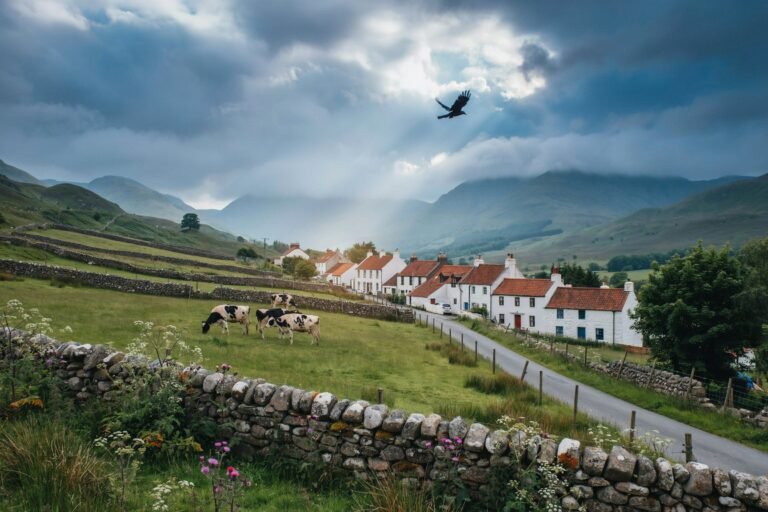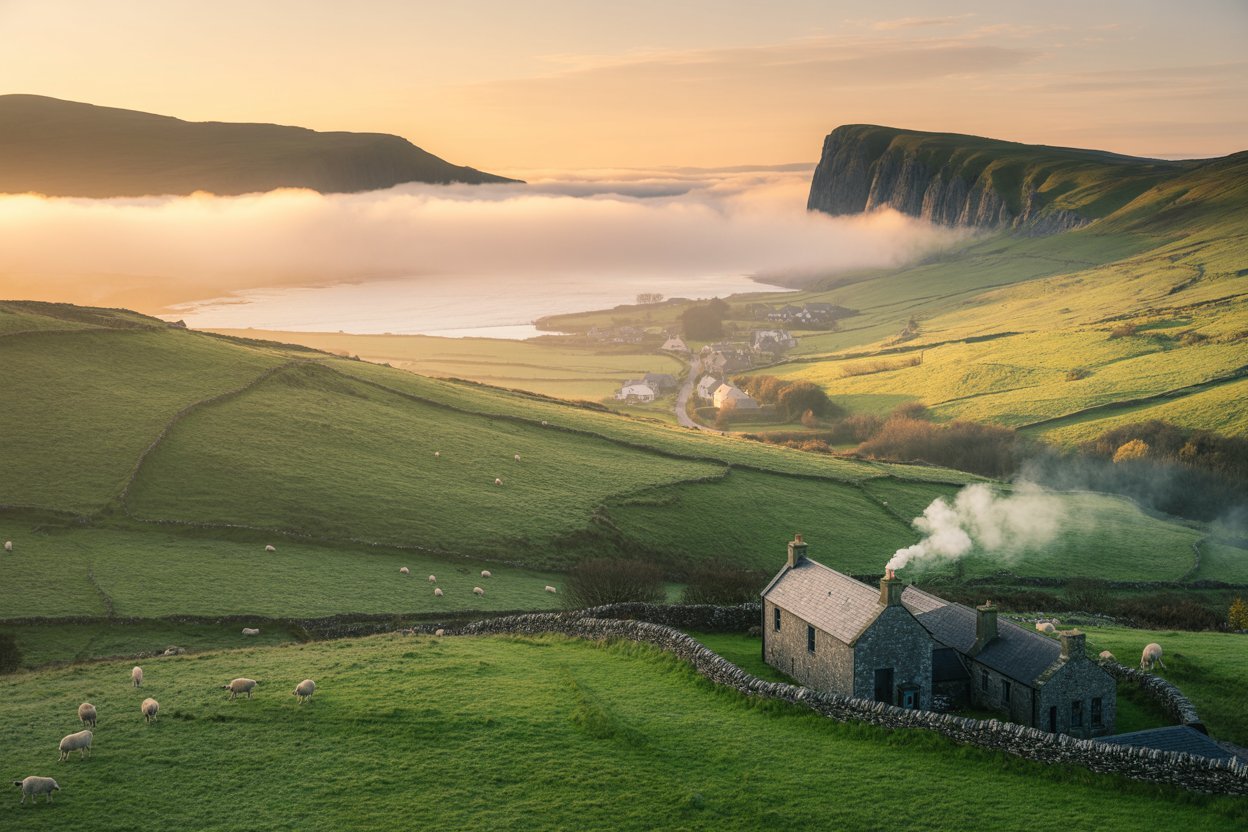
Ireland is often associated with famous places like Dublin, the Cliffs of Moher, and bustling tourist routes, but some of its most unforgettable spots are actually the quieter ones.
Hidden away from the usual crowds, these places offer a more peaceful and authentic side of the country.
When I started looking beyond the typical travel guides, I realized how many beautiful locations are tucked into small villages, coastal roads, and remote landscapes.
These hidden gems feel more personal, less rushed, and honestly more magical than the popular hotspots.
In this post, I’m sharing 12 magical hidden gems in Ireland that deserve a place on your travel list if you want something truly special and a little different.
Disclaimer: This post may contain affiliate links, which means I may earn a small commission at no extra cost to you. Always check local weather, transportation schedules, and travel conditions before visiting new destinations.
Amazon Shopping List: Magical Hidden Gems in Ireland You Need to See
- Ireland Hidden Gems Travel Guide Book
- Lightweight Waterproof Daypack Backpack
- Comfortable Waterproof Walking Shoes
- Anti-Theft Crossbody Travel Bag
- Compact Travel Umbrella (Windproof)
- Travel First Aid Kit
- Binoculars for Scenic Views & Nature Trips
Why These Hidden Gems in Ireland Are Special
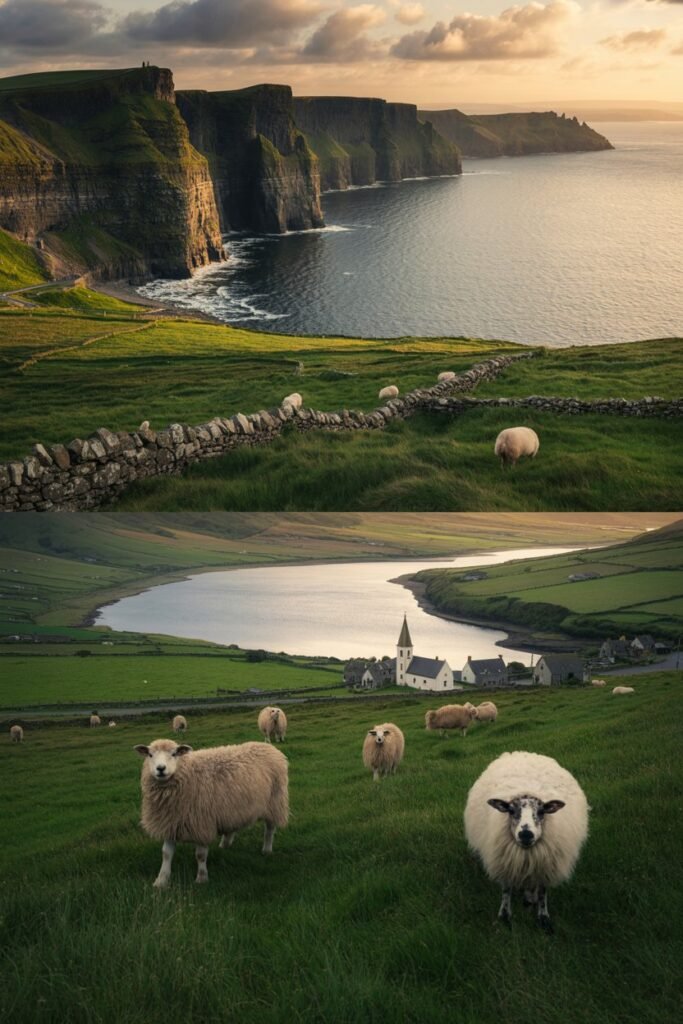
What makes these locations stand out is how untouched and calm they feel compared to popular tourist spots. You get:
- Fewer crowds
- Natural, unspoiled landscapes
- Small village charm
- Scenic views without the rush
It feels like discovering a different side of Ireland.
12 Magical Hidden Gems in Ireland
1. Glendalough, County Wicklow
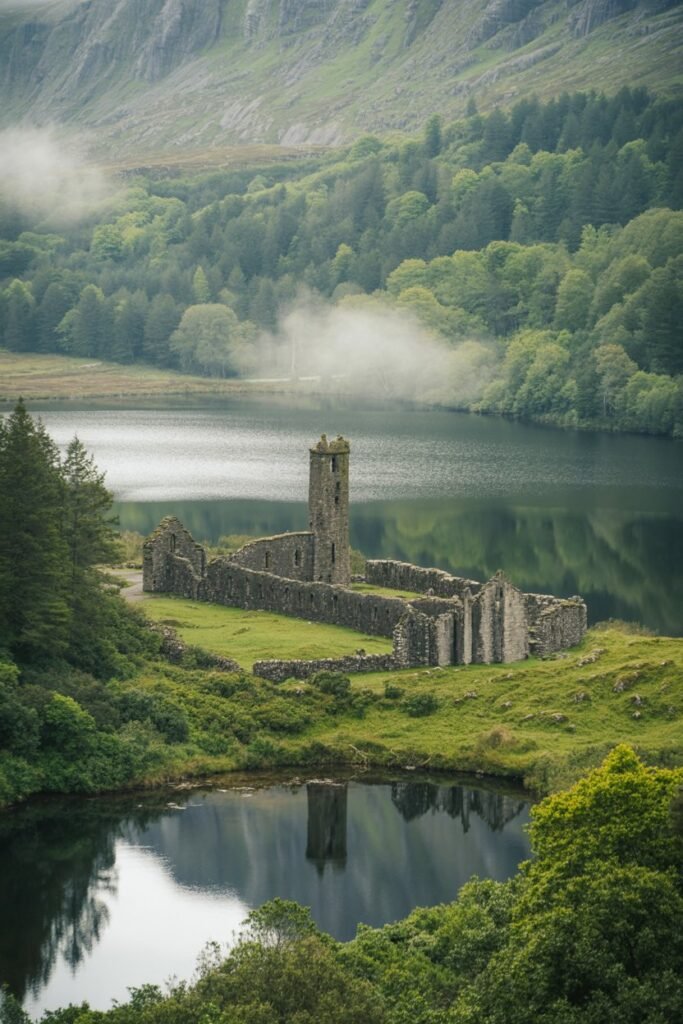
Glendalough is a peaceful valley known for its ancient monastic site, scenic lakes, and forest trails.
It’s one of the easiest hidden gems in Ireland to combine history, nature, and light adventure in one visit.
What you can do there:
You can explore the monastic ruins, walk the lakeshore trails, hike into the Wicklow Mountains, or simply enjoy the quiet views around Upper and Lower Lake. It’s also great for photography and slow nature walks.
How to get there:
It’s about 1–1.5 hours from Dublin by car. You can also join a day tour from Dublin if you don’t want to drive, but having a car gives you more flexibility to explore nearby areas.
Best places to stay:
Nearby options include small guesthouses and B&Bs in Laragh and Roundwood. If you want more comfort and options, stay in Dublin and do a day trip.
Where to eat or find local food:
There are a few small cafés and pubs around Laragh village. For more variety, stop at local markets or grocery shops in nearby towns like Wicklow or Bray. You’ll find fresh local ingredients, snacks, and simple Irish meals.
2. The Dark Hedges, County Antrim
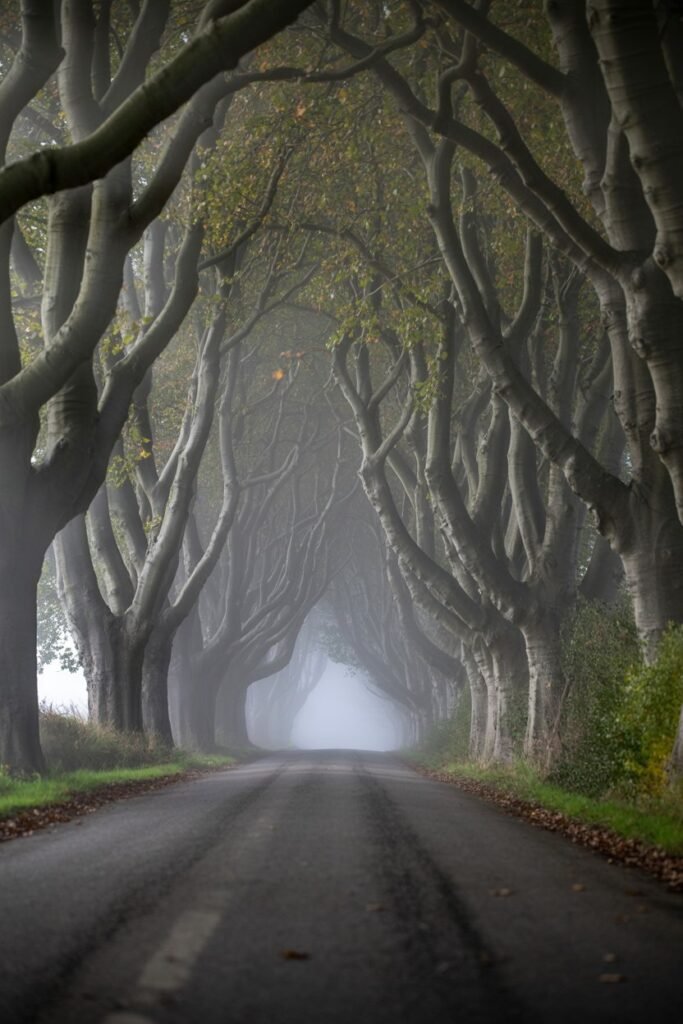
The Dark Hedges is one of the most iconic and atmospheric spots in Ireland, known for its long road lined with dramatic beech trees that form a natural tunnel. It feels quiet, slightly mysterious, and very cinematic.
What you can do there:
You can walk along the tree-lined road, take photos, and explore nearby countryside routes. It’s mainly a short stop, but perfect for photography and scenic drives around the area.
How to get there:
It’s located in Northern Ireland, about 1 hour from Belfast by car. Driving is the easiest way to visit, and it’s often included in Causeway Coast road trip routes.
Best places to stay:
Stay in nearby towns like Ballycastle, Bushmills, or Ballymena for easy access. These areas have cozy hotels, guesthouses, and countryside stays.
Where to eat or find local food:
Nearby villages have traditional pubs and small restaurants serving local Irish food.
Bushmills also has cafés and food spots where you can grab simple meals or snacks. For ingredients, local supermarkets in Ballycastle or Coleraine are the best option.
3. Achill Island, County Mayo
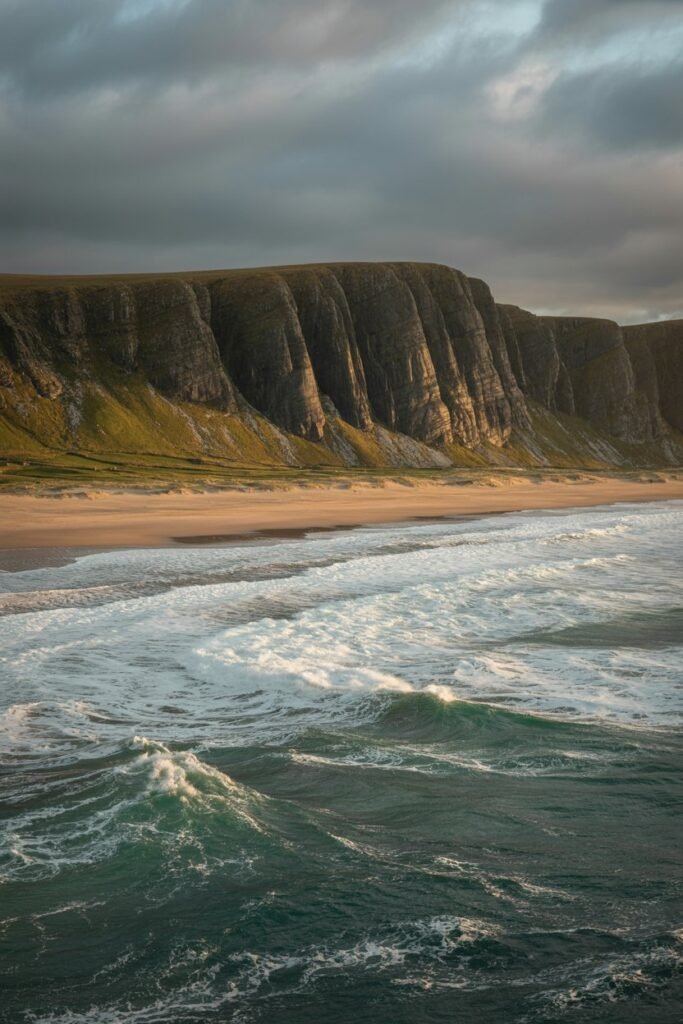
Achill Island is one of Ireland’s most dramatic coastal destinations, known for its wild beaches, rugged cliffs, and open landscapes.
It feels remote, peaceful, and untouched, making it perfect for a slow travel experience.
What you can do there:
You can explore Keem Bay, relax on quiet beaches, drive the Atlantic Drive for coastal views, or hike along cliff paths.
It’s also great for photography and nature walks with very few crowds.
How to get there:
You can reach Achill Island by driving from Westport (about 1–1.5 hours). The island is connected by a bridge, so no ferry is needed.
Best places to stay:
Stay in Keel or Dooagh for easy access to beaches and views. There are small hotels, B&Bs, and holiday cottages across the island.
Where to eat or find local food:
You’ll find small cafés, seafood spots, and local pubs in Keel and Achill Sound.
For groceries or ingredients, local shops and small supermarkets on the island or in Westport are the best option before you arrive.
4. Gougane Barra, County Cork
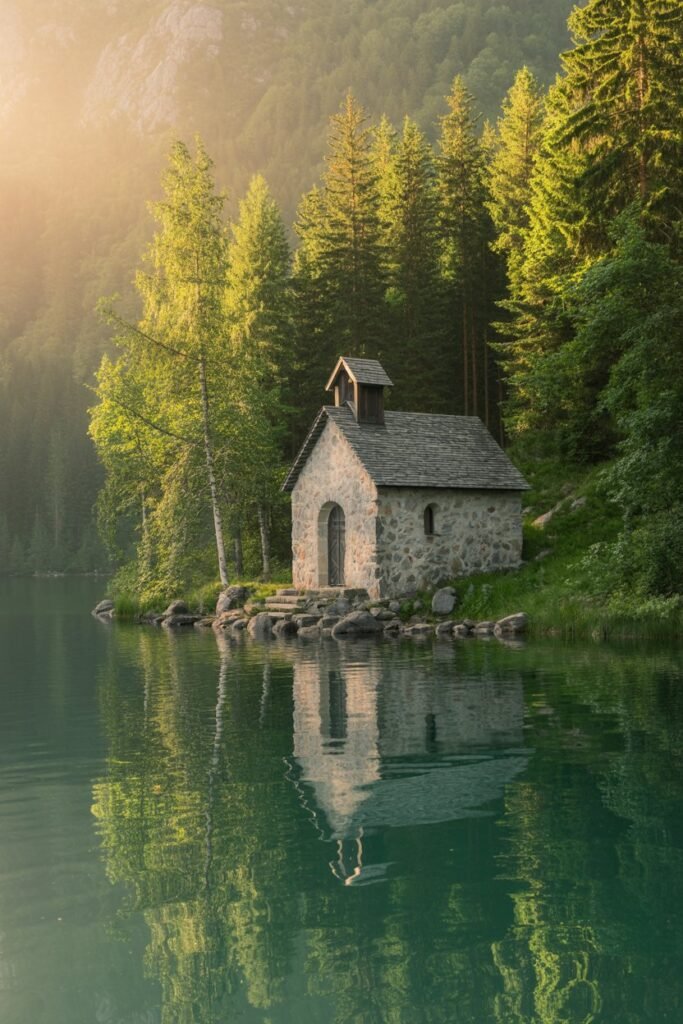
Gougane Barra is a quiet, scenic escape known for its small lakeside chapel surrounded by forests and rolling hills.
It feels peaceful and almost spiritual, making it one of the most calming hidden gems in Ireland.
What you can do there:
You can walk the forest trails, explore the lake area, take photos of the chapel, or simply enjoy the quiet surroundings. It’s also a great spot for slow walks and nature reflection.
How to get there:
It’s about 1.5–2 hours from Cork City by car. Driving is the best option since public transport is very limited in this area.
Best places to stay:
There are nearby guesthouses and small countryside hotels around Ballingeary and Macroom.
Staying in Cork City is also an option if you prefer more comfort and drive in for a day trip.
Where to eat or find local food:
There are a few local pubs and cafés in nearby villages. For more options or ingredients, stop in Macroom or Cork City supermarkets before heading up to Gougane Barra.
5. Slieve League Cliffs, County Donegal
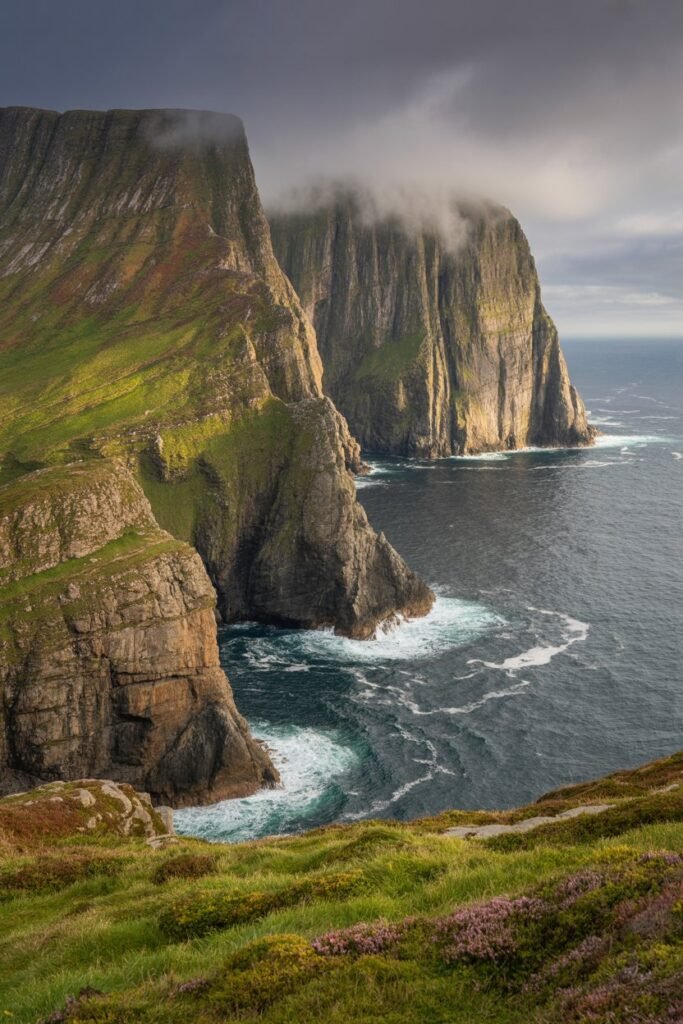
Slieve League Cliffs are some of the highest sea cliffs in Europe, offering dramatic ocean views and a more peaceful alternative to the Cliffs of Moher. The scenery feels wild, raw, and completely untouched.
What you can do there:
You can take in the cliff viewpoints, walk short hiking trails, or do the longer hike along the cliff edge if you’re experienced. It’s also a top spot for photography and watching Atlantic waves crash below.
How to get there:
It’s about 1.5 hours from Donegal Town by car. Driving is essential, as public transport is very limited in this remote area.
Best places to stay:
Stay in nearby villages like Carrick or Killybegs for easy access. Donegal Town also has more accommodation options including hotels and B&Bs.
Where to eat or find local food:
You’ll find small pubs and cafés in Carrick and nearby towns serving traditional Irish meals. For groceries or ingredients, stop in Donegal Town or Killybegs supermarkets before heading up to the cliffs.
6. Kylemore Abbey, County Galway
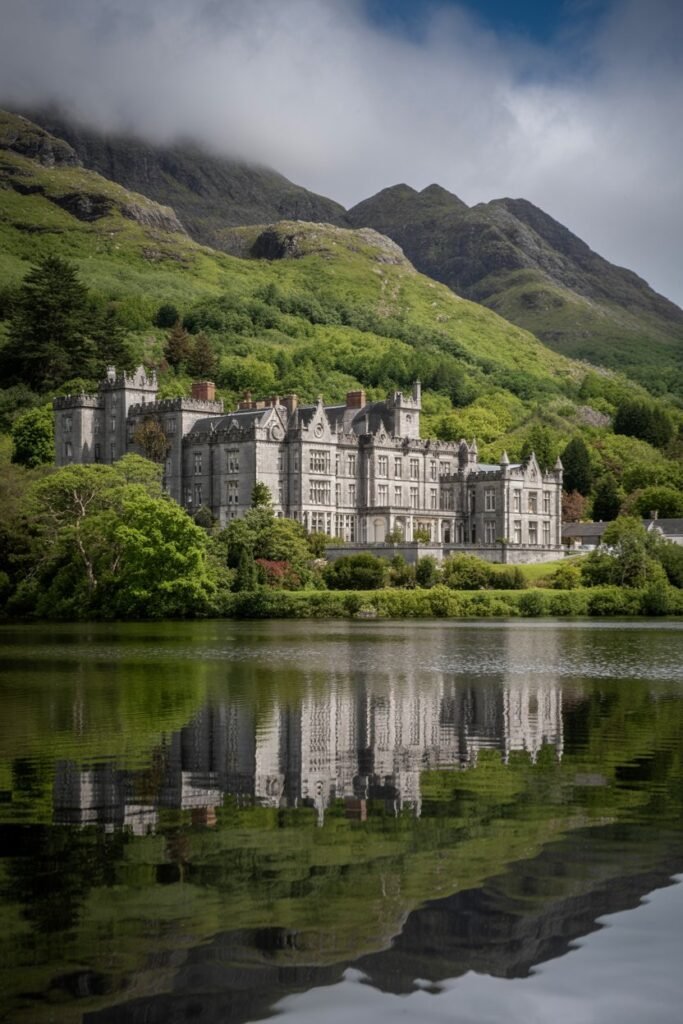
Kylemore Abbey is one of the most beautiful and peaceful spots in Ireland, set beside a calm lake with mountains in the background. It feels like a fairytale place, combining history, gardens, and nature in one destination.
What you can do there:
You can tour the abbey, explore the Victorian walled gardens, walk along the lakeside trails, or take photos of the castle reflection in the water. There’s also a café and craft shop on site.
How to get there:
It’s about 1.5–2 hours from Galway City by car. Driving is the easiest way, especially if you want to explore Connemara on the same trip.
Best places to stay:
Stay in nearby Letterfrack, Clifden, or Galway City. Clifden is especially good if you want scenic countryside stays close to Connemara.
Where to eat or find local food:
There’s a café at Kylemore Abbey serving light meals and snacks. For more options or ingredients, nearby towns like Clifden and Letterfrack have small restaurants, pubs, and grocery stores with local produce.
7. The Burren, County Clare
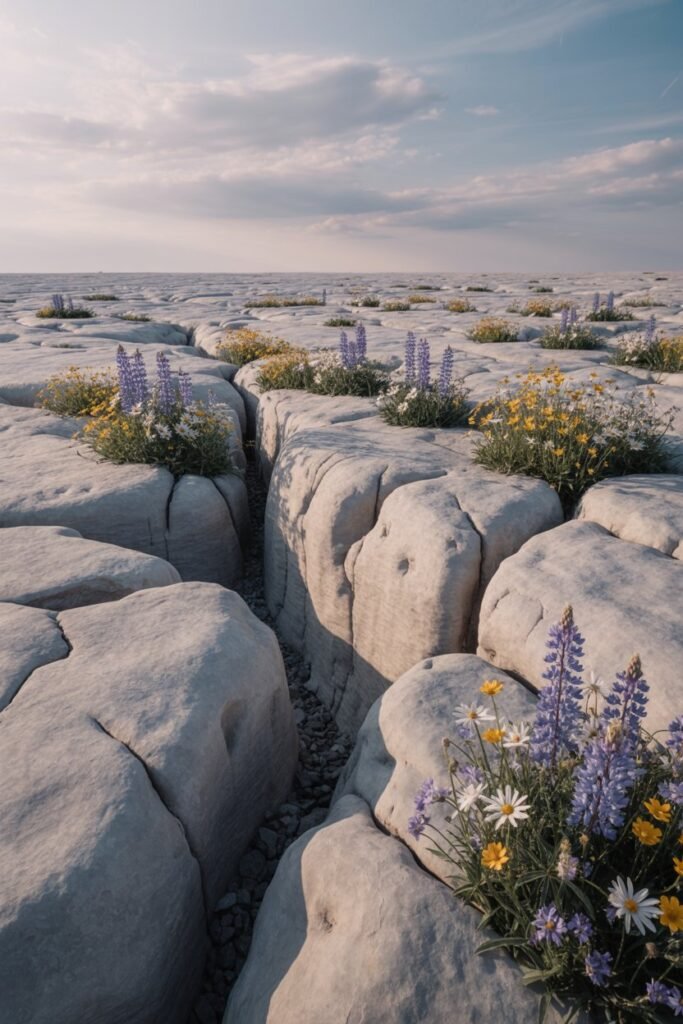
The Burren is a unique rocky landscape that looks almost otherworldly, with limestone pavements, rare wildflowers, and ancient stone structures.
It feels quiet, open, and very different from the typical green Irish scenery.
What you can do there:
You can explore walking trails, visit ancient dolmens and ruins, or drive through scenic routes with stunning views. It’s also a great place for nature lovers and photography.
How to get there:
It’s about 1–1.5 hours from Galway or Shannon by car. Driving is the best option since many of the best viewpoints are spread out.
Best places to stay:
Stay in nearby towns like Doolin, Lisdoonvarna, or Ballyvaughan. These areas have cozy B&Bs, guesthouses, and small hotels close to the landscape.
Where to eat or find local food:
Doolin and Lisdoonvarna have traditional pubs and restaurants serving local Irish dishes.
For groceries or ingredients, small shops in these towns or larger supermarkets in Ennis are your best options before heading into the Burren.
8. Dingle Peninsula, County Kerry
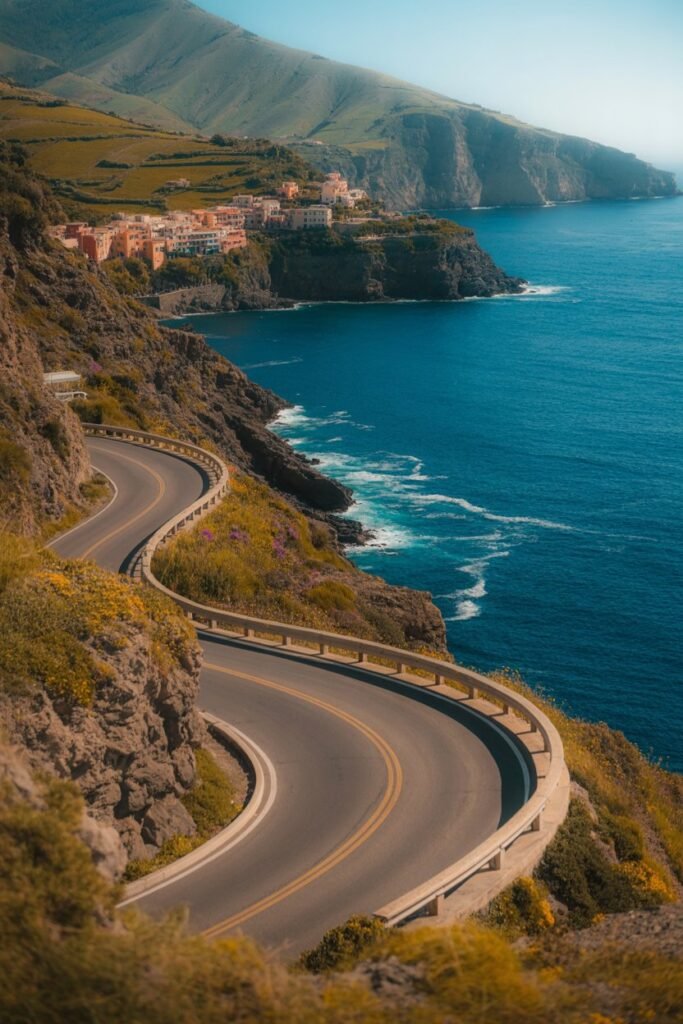
The Dingle Peninsula is one of Ireland’s most scenic coastal routes, known for colorful villages, rugged cliffs, and breathtaking ocean views. It feels relaxed, authentic, and full of natural beauty.
What you can do there:
You can drive the Slea Head Drive, visit Inch Beach, explore Dingle town, or stop at scenic cliff viewpoints along the coast. It’s also great for dolphin watching and photography.
How to get there:
It’s about 1 hour from Killarney or 1.5 hours from Tralee by car. Driving is the best way to experience the full coastal route.
Best places to stay:
Stay in Dingle town for easy access to restaurants and tours, or choose nearby countryside B&Bs for a quieter stay with scenic views.
Where to eat or find local food:
Dingle town has plenty of seafood restaurants, cafés, and traditional pubs.
For groceries or ingredients, small supermarkets and local shops in Dingle are the most convenient before exploring the peninsula.
9. Lough Tay (Guinness Lake), Wicklow Mountains
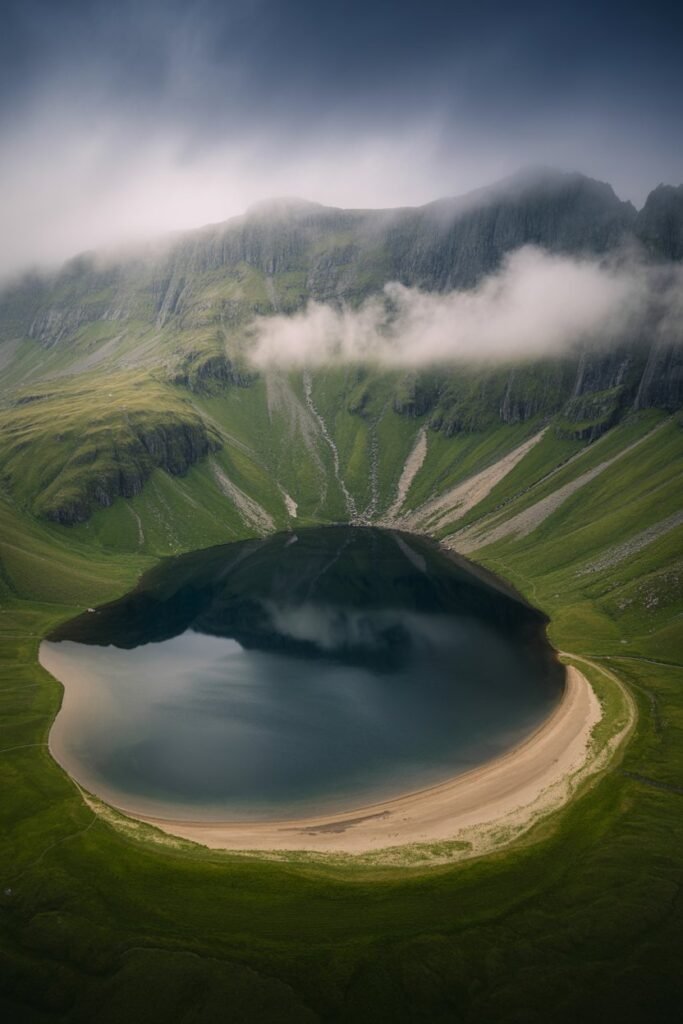
Lough Tay, often called Guinness Lake because of its dark water and white sandy edge, is one of the most striking hidden views in the Wicklow Mountains. It feels quiet, dramatic, and almost surreal when seen from above.
What you can do there:
You can enjoy scenic viewpoints along the Wicklow Mountains drive, take photos from designated lookout points, or combine it with hikes in the surrounding hills. It’s mostly about the view, so it’s a short but memorable stop.
How to get there:
It’s about 1–1.5 hours from Dublin by car. The best access is via the Sally Gap drive, which offers multiple scenic stops along the way.
Best places to stay:
Stay in nearby towns like Roundwood, Laragh, or even Dublin if you’re planning a day trip. Laragh is closest and gives you easier access to the Wicklow Mountains.
Where to eat or find local food:
Small cafés and pubs in Laragh and Roundwood offer simple Irish meals. For groceries or ingredients, stop in Wicklow Town or Bray before heading into the mountains.
10. Inis Meáin, Aran Islands
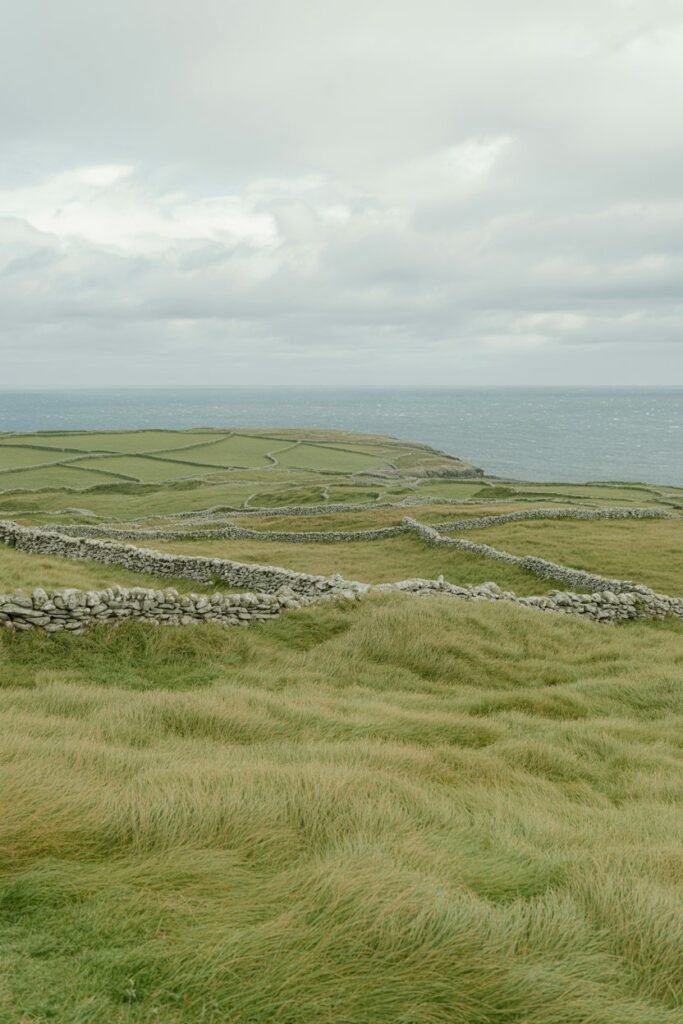
Inis Meáin is the quietest of the Aran Islands and feels like stepping back in time.
It’s known for its stone walls, peaceful landscapes, and strong traditional Irish culture. Unlike more touristy spots, it stays calm and authentic.
What you can do there:
You can cycle or walk around the island, explore stone forts, enjoy coastal views, and experience slow island life. It’s perfect for quiet reflection and photography.
How to get there:
Take a ferry from Rossaveal (near Galway) or from Doolin in County Clare. The journey includes a boat ride, followed by a small island transfer.
Best places to stay:
There are small guesthouses and B&Bs on the island offering simple, local-style stays. Alternatively, stay in Galway City and do a day trip or overnight visit.
Where to eat or find local food:
There are a few small cafés and local spots on the island serving fresh, simple meals.
For groceries or ingredients, it’s best to stock up in Galway before taking the ferry, as options on the island are limited.
11. Glenveagh National Park, County Donegal
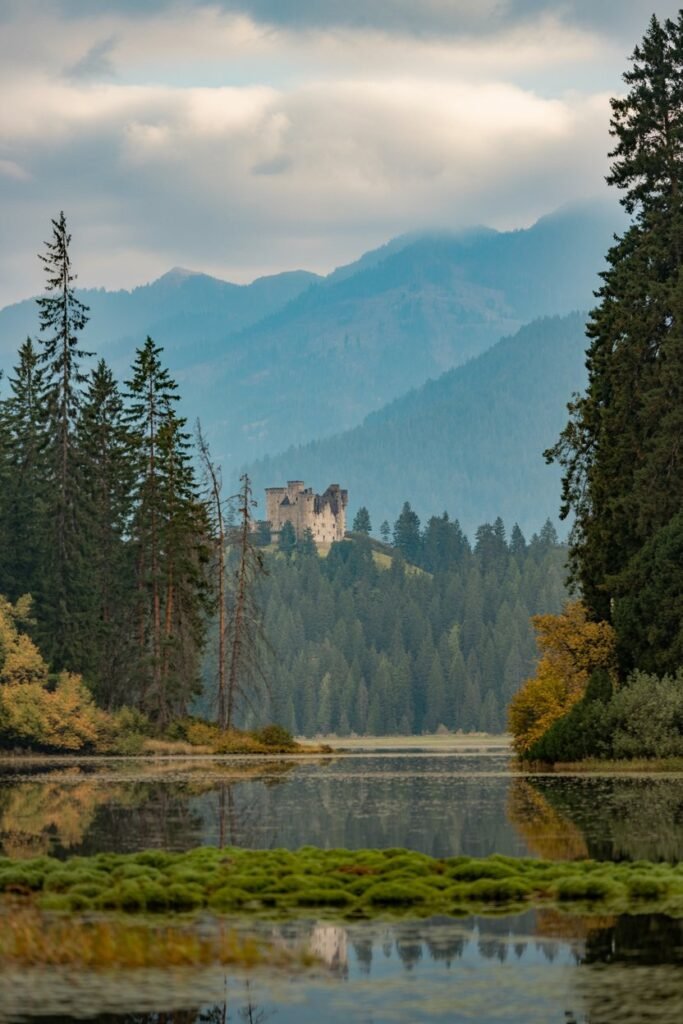
Glenveagh National Park is a vast, peaceful escape filled with mountains, lakes, forests, and a beautiful castle at its heart.
It feels remote and untouched, making it perfect for a calm nature-focused visit.
What you can do there:
You can walk scenic trails, visit Glenveagh Castle and its gardens, enjoy lakeside views, or take guided tours of the estate. It’s also great for wildlife spotting and photography.
How to get there:
It’s about 30–40 minutes from Letterkenny by car. Driving is the easiest way to reach the park and explore nearby scenic routes.
Best places to stay:
Stay in Letterkenny for more hotel options, or choose small countryside guesthouses closer to the park for a quieter stay.
Where to eat or find local food:
There’s a café inside the park for light meals and snacks. For more variety or groceries, Letterkenny has supermarkets, restaurants, and local food shops where you can stock up before visiting.
12. Coumshingaun Lake, County Waterford
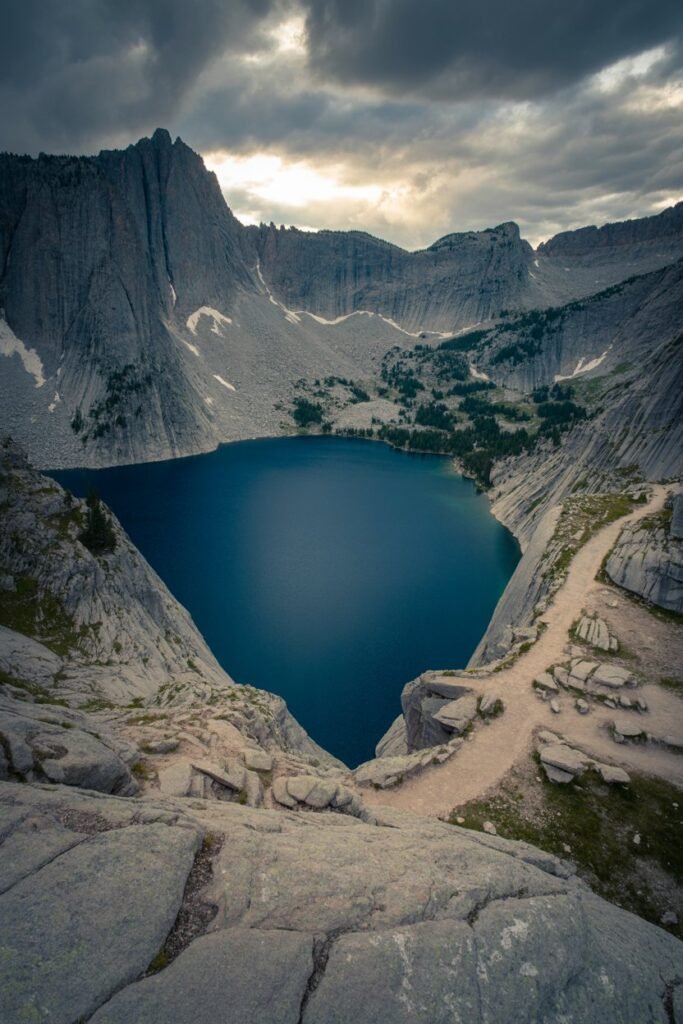
Coumshingaun Lake is a hidden mountain lake surrounded by steep cliffs, often called one of the most beautiful glacial lakes in Ireland.
It feels remote, quiet, and incredibly scenic, especially for hiking lovers.
What you can do there:
You can hike the famous loop trail around the lake, enjoy panoramic cliff views, take photos of the water below, or simply relax and take in the natural landscape. It’s a rewarding but moderately challenging hike.
How to get there:
It’s about 30–40 minutes from Dungarvan by car. Driving is the best option, as the trailhead is in a rural area with limited transport access.
Best places to stay:
Stay in Dungarvan for hotels, guesthouses, and seaside accommodation. It’s the closest town with good facilities and easy access to the trail.
Where to eat or find local food:
Dungarvan has cafés, pubs, and restaurants serving fresh Irish food and seafood.
For groceries or ingredients, local supermarkets in Dungarvan are the best place to stock up before heading to the lake.
Travel Tip
When exploring hidden gems in Ireland, renting a car is the best option.
Many of these locations are in rural areas with limited or no public transport, so driving gives you the freedom to stop at scenic viewpoints and small villages along the way.
It’s also a good idea to plan for changing weather, wear comfortable walking shoes, and keep snacks or water with you since some spots don’t have nearby shops or restaurants.
Internal Travel Itinerary Idea (Ireland Hidden Gems Route)
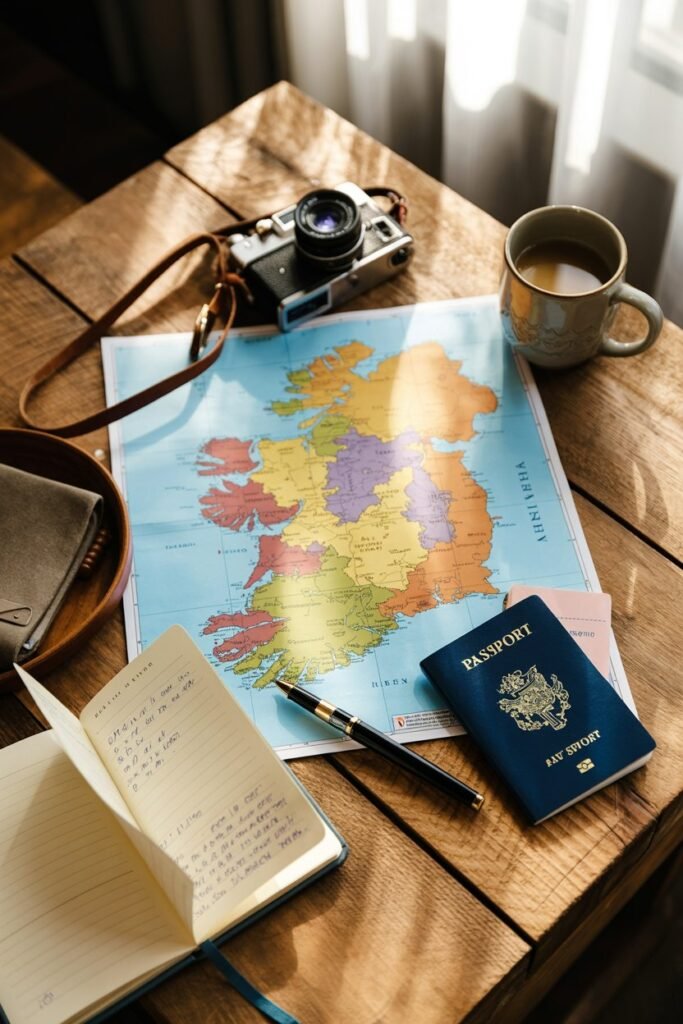
If you want to see these hidden gems in a smart way, here’s a simple travel route that helps you save time and avoid rushing:
3–5 Day Ireland Hidden Gems Route Idea:
Day 1: Dublin + Wicklow Area
- Glendalough
- Lough Tay (Guinness Lake)
Stay overnight in Dublin, Laragh, or Roundwood
Day 2: Wicklow to Galway
- Kylemore Abbey
- The Burren
Stay in Galway City or Clifden
Day 3: West Coast Exploration
- Dingle Peninsula (or part of it if time is short)
Stay in Dingle or Tralee
Day 4: Clare to Donegal (optional longer trip)
- Slieve League Cliffs
- Glenveagh National Park
Stay in Donegal Town or Letterkenny
Day 5: Northern Ireland Add-On (optional)
- The Dark Hedges
Stay in Belfast or Ballycastle
This route helps you group locations by region so you’re not constantly driving long distances back and forth.
Estimated Budget / Travel Cost

Your total cost for visiting these hidden gems in Ireland depends on how you travel, but here’s a simple breakdown:
1. Car Rental (most important cost)
- Around €40–€80 per day depending on season
- Fuel depends on distance, usually €10–€20 per day for regional travel
2. Accommodation
- Budget B&Bs: €70–€120 per night
- Mid-range hotels: €120–€200 per night
- Countryside guesthouses: often cheaper outside cities
3. Food
- Budget meals: €10–€20 per meal (cafés, pubs)
- Restaurant meals: €20–€40 per person
- Groceries for simple meals: €30–€60 per day
4. Attractions
- Many hidden gems are free (cliffs, hikes, lakes)
- Paid sites like Kylemore Abbey: around €10–€15 entry
Overall estimate (per day):
- Budget traveler: €100–€150 per day
- Mid-range traveler: €150–€250 per day
Common Mistakes to Avoid
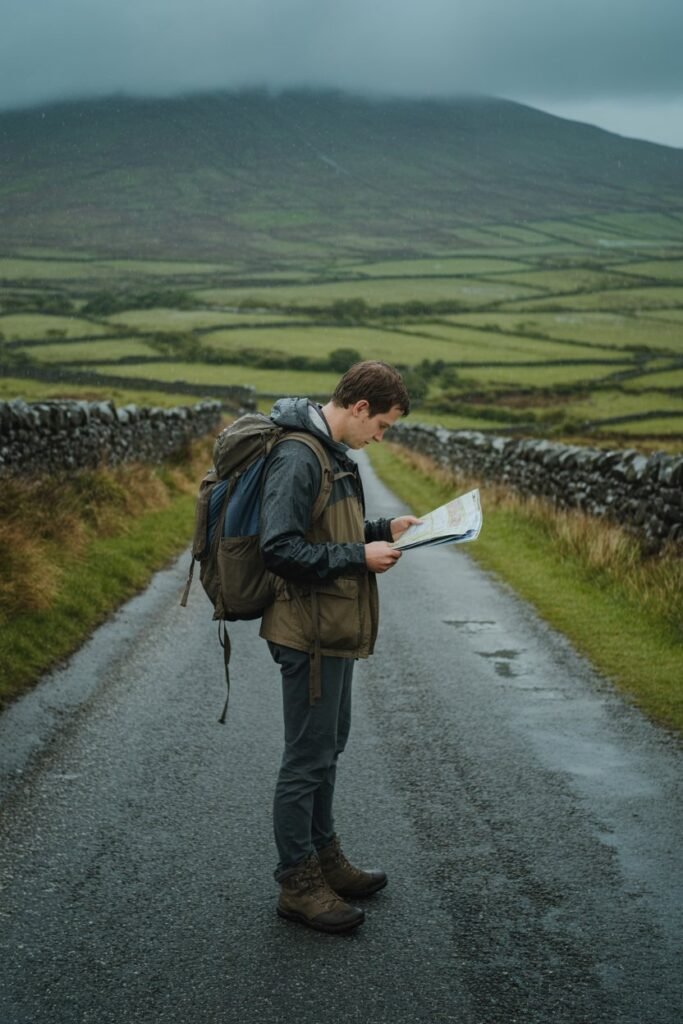
Many travelers miss the best experience in Ireland’s hidden gems because of a few simple mistakes.
One of the biggest is only sticking to popular tourist cities and skipping rural areas, where some of the most beautiful views are found.
Another mistake is not planning for changing weather, which can affect hiking and road trips quickly.
Also, rushing from one place to another means you miss the peaceful, slow experience these locations are known for.
Finally, not checking transport options can be a problem since many of these spots are remote and easier to reach by car.
FAQ
Can you visit all these hidden gems in one trip?
Yes, but it depends on how long you stay. Most travelers need at least 5–10 days to comfortably explore multiple regions without rushing.
Do you need a car to visit these places?
In most cases, yes. A car gives you the freedom to reach remote areas like cliffs, lakes, and countryside villages that are not well connected by public transport.
What is the best time to visit Ireland?
Late spring to early autumn (May to September) is ideal for better weather, longer daylight hours, and safer hiking conditions.
Are these places expensive to visit?
Many hidden gems are free to visit. Your main costs will be transport, accommodation, and food.
Final Thoughts
Ireland’s hidden gems offer a completely different experience from the usual tourist spots.
They feel quieter, more natural, and more connected to the real beauty of the country.
What makes these places special is not just the scenery, but the slow pace and peaceful atmosphere you get when you step away from the busy routes.
Whether you’re planning a short trip or a longer road adventure, these locations are worth adding to your itinerary.
If you save and plan this list properly, you’ll get to experience a side of Ireland that many visitors completely miss.
Disclaimer
This post is for informational and travel inspiration purposes only. Always check local travel conditions before visiting.