Packing for an Asia trip can feel exciting and overwhelming at the same time.
Whether you’re heading to busy cities like Bangkok, peaceful islands in the Philippines, or cultural hubs like Tokyo or Bali, what you carry in your hand luggage can make or break your travel experience.
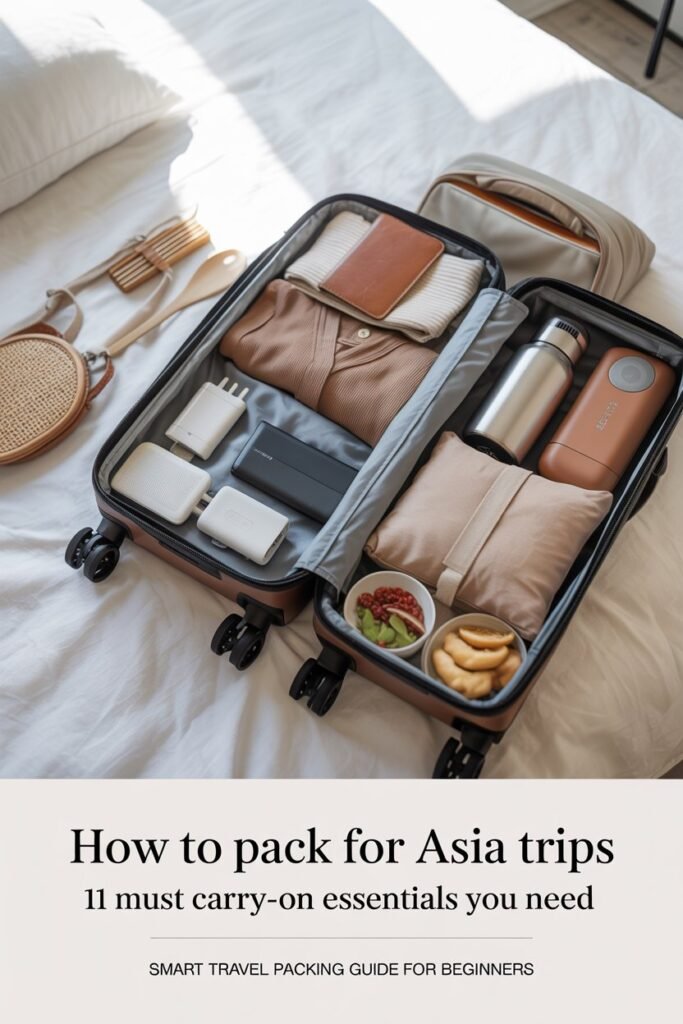
From long flights and airport delays to unpredictable weather and crowded transport, Asia trips require smart, lightweight, and well-planned carry-on packing. Over time, I’ve realized that the goal is not to pack more—but to pack right.
In this guide, you’ll find 11 must-carry-on essentials that make traveling easier, plus practical tips to help you stay organized, comfortable, and stress-free throughout your trip.
Disclaimer: This post may contain affiliate links, which means I may earn a small commission at no extra cost to you. Always check airline baggage rules, weather conditions, and destination requirements before packing for international travel.
Amazon Shopping List: How to Pack for Asia Trips and Vacations
- Lightweight Carry-On Suitcase (Hard Shell)
- Packing Cubes Travel Organizer Set
- TSA Approved Toiletry Bottles Set
- Foldable Travel Backpack (Daypack)
- Anti-Theft Crossbody Travel Bag
- Portable Luggage Scale
- Universal Travel Adapter (Worldwide Plug Converter)
A Quick Pre-Packing Reality Check (Important Before You Start)
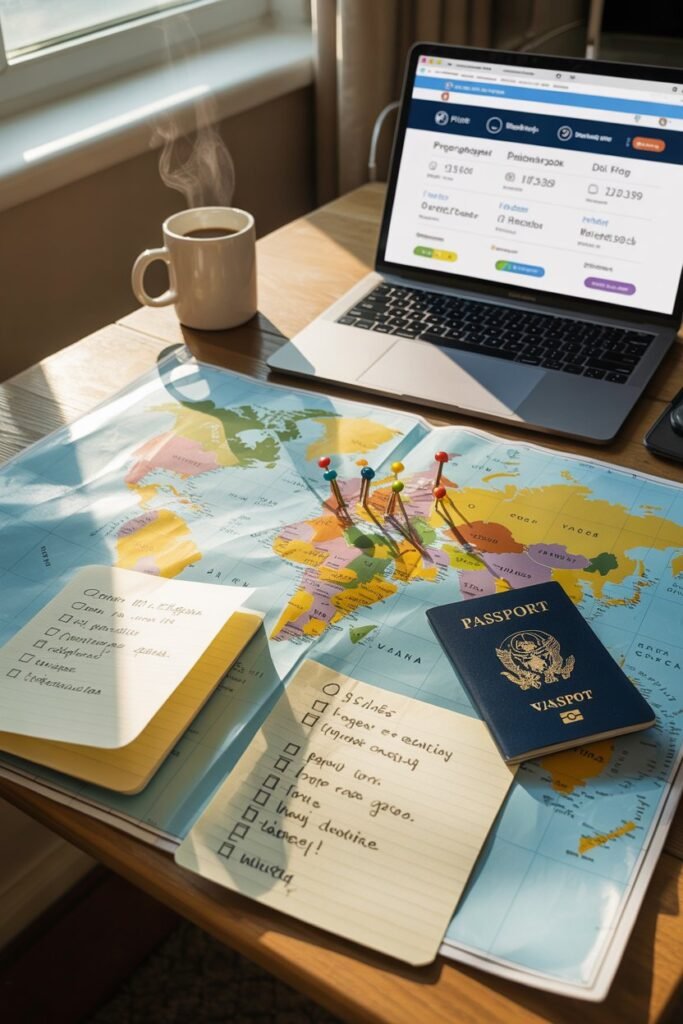
Before we jump into the essentials, here’s something many travelers get wrong:
Asia is diverse. One country can feel completely different from another.
- Southeast Asia = humid, hot, tropical rain
- East Asia = seasonal weather changes
- Cities = lots of walking + public transport
- Islands = beach + sun exposure + casual living
This means your carry-on should be:
- Lightweight
- Multi-purpose
- Weather-flexible
- Comfort-focused
Now let’s get into the essentials.
11 Must Carry-On Essentials for Asia Trips
Packing for Asia trips is all about being prepared without overpacking.
With long flights, changing weather, and busy travel days, the right carry-on essentials can make your journey easier, lighter, and much more comfortable from start to finish.
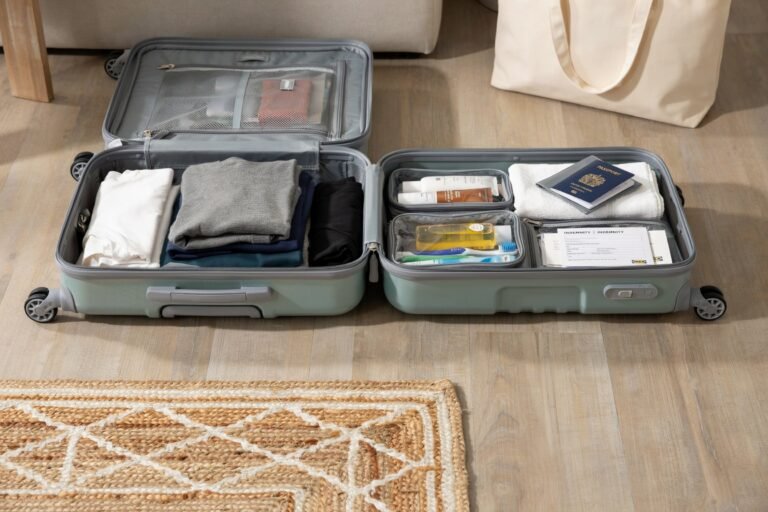
1. Travel Documents Organizer
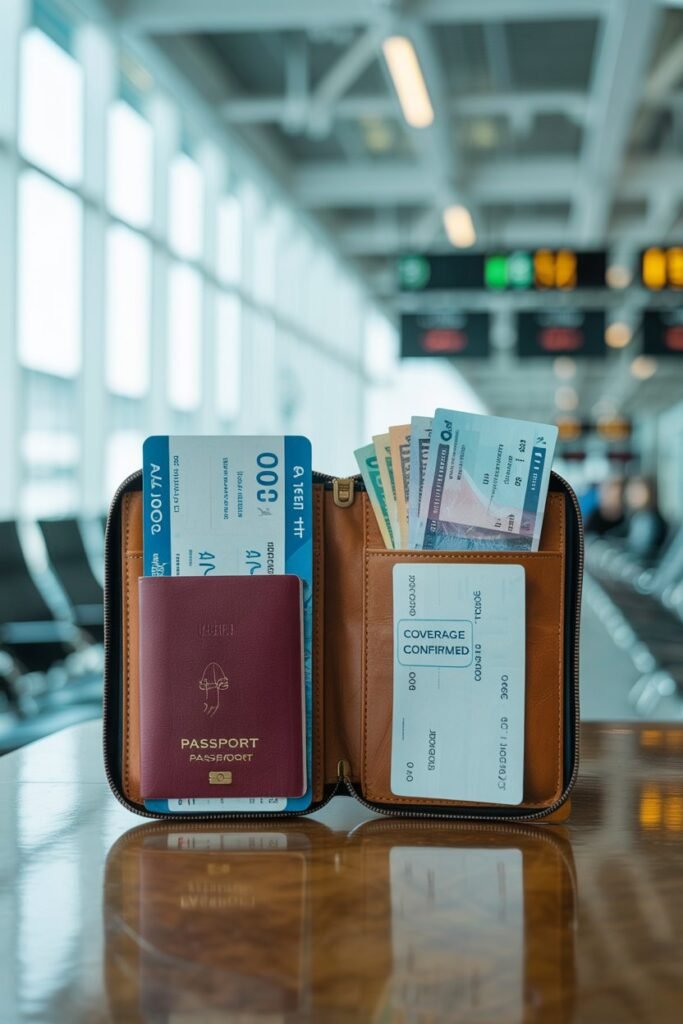
Your travel documents are the one thing you absolutely cannot afford to misplace during an Asia trip, so keeping them well-organized in your carry-on is non-negotiable.
A good travel documents organizer helps you keep everything in one secure, easy-to-reach place.
Instead of digging through your bag at immigration or check-in counters, you’ll have everything neatly arranged and ready.
Make sure to include:
- Passport (with at least 6 months validity)
- Visa documents (if required for your destination)
- Flight tickets or boarding passes (printed or digital backup)
- Hotel reservations and address details
- Travel insurance documents
- Emergency contact information
- Photocopies or scanned copies saved on your phone or email
Asia travel often involves multiple checkpoints, especially in busy airports or when moving between countries, so having everything in one pouch saves time and reduces stress.
A smart extra tip is to keep digital backups stored in your email or cloud storage in case anything gets lost.
You can also keep one copy in your checked luggage and one in your carry-on for safety.
Think of this organizer as your “travel control center”—it keeps your journey smooth from departure to arrival.
2. Portable Power Bank
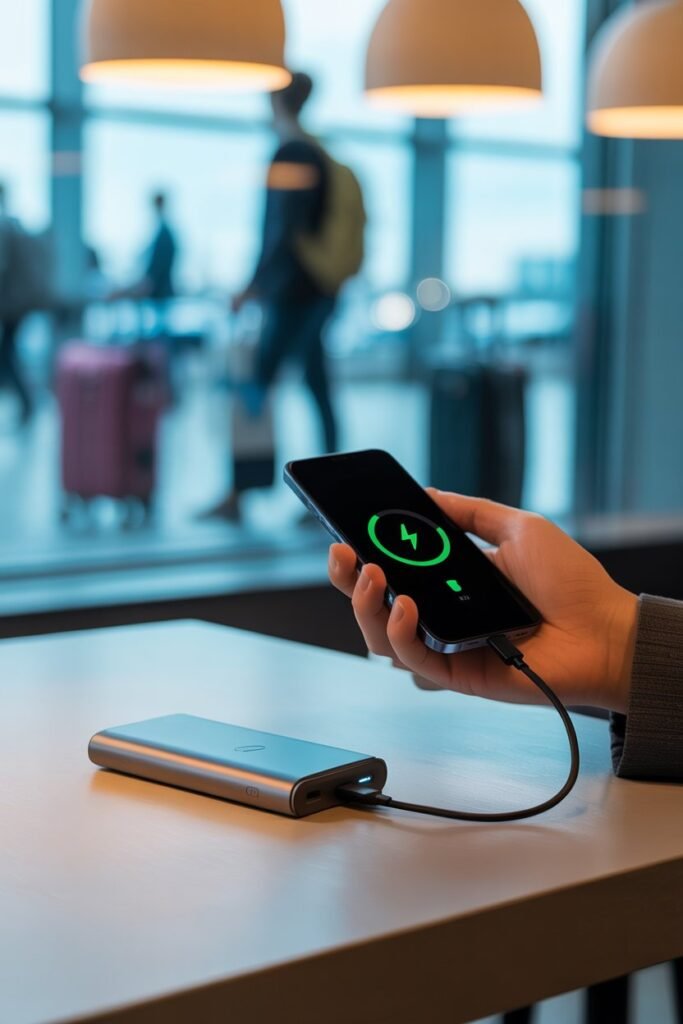
A portable power bank is one of the most important items you’ll rely on during an Asia trip because your phone becomes your map, translator, camera, and travel assistant all in one.
Between long airport layovers, city navigation, ride-hailing apps, and taking photos, your battery will drain faster than usual.
That’s why carrying a reliable power bank is essential for staying connected and stress-free.
A 10,000–20,000 mAh power bank is usually perfect for travel. It can recharge your phone multiple times and is still compact enough to fit easily into your carry-on bag.
This becomes even more important in Asia where:
- You may spend long hours in transit (trains, buses, ferries)
- Charging points may not always be available
- You’ll rely heavily on mobile data and GPS
Make sure your power bank is fully charged before leaving your accommodation each day.
If possible, choose one with fast-charging capability so you don’t waste time waiting for your devices to power up.
In short, a power bank is not just a convenience—it’s your backup lifeline for communication, navigation, and travel safety.
3. Universal Travel Adapter
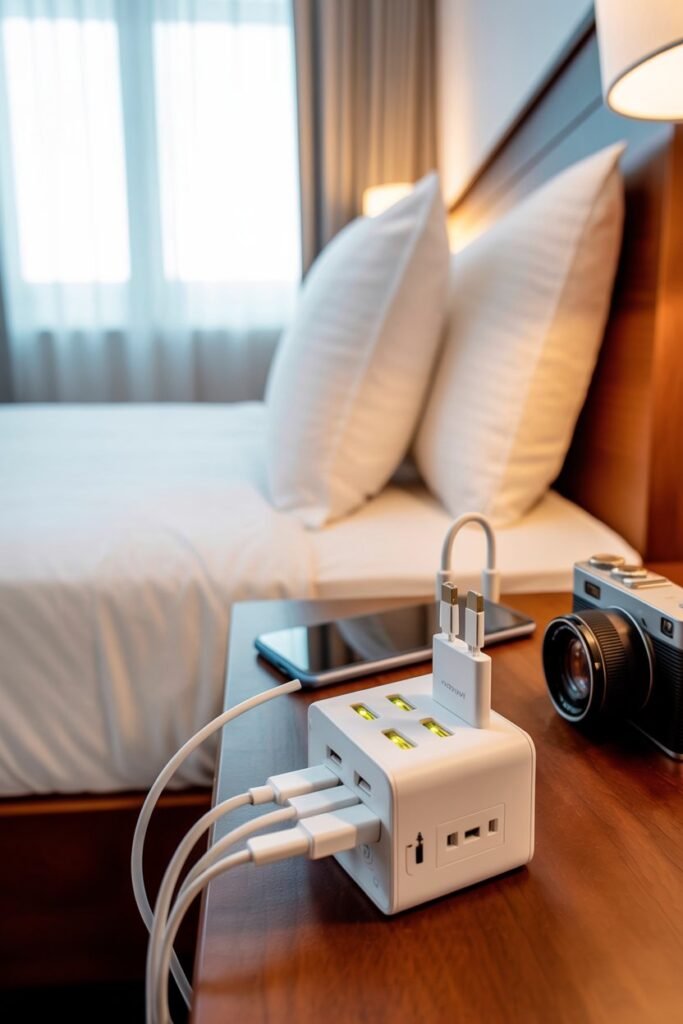
A universal travel adapter is one of those small items that quietly saves you from a lot of frustration during international travel, especially across Asia where plug types vary from country to country.
Depending on where you’re visiting, you may encounter different socket types such as Type A, C, D, G, and more.
Instead of buying multiple adapters or struggling to find compatible charging points, a universal adapter allows you to plug in anywhere without stress.
This is especially useful if your Asia trip includes multiple destinations like Thailand, Vietnam, Japan, or Malaysia, where plug standards are not the same.
A good travel adapter should ideally:
- Support multiple plug types in one device
- Have USB ports for charging multiple gadgets
- Be compact and easy to pack
- Include surge protection for device safety
When you’re traveling, your phone, camera, and power bank all depend on proper charging access. Without an adapter, even the best gadgets become useless.
Think of it as a small investment that keeps your entire travel tech setup running smoothly. It’s one of those essentials you only forget once—because you won’t forget it again after that.
4. Lightweight Clothing Layer
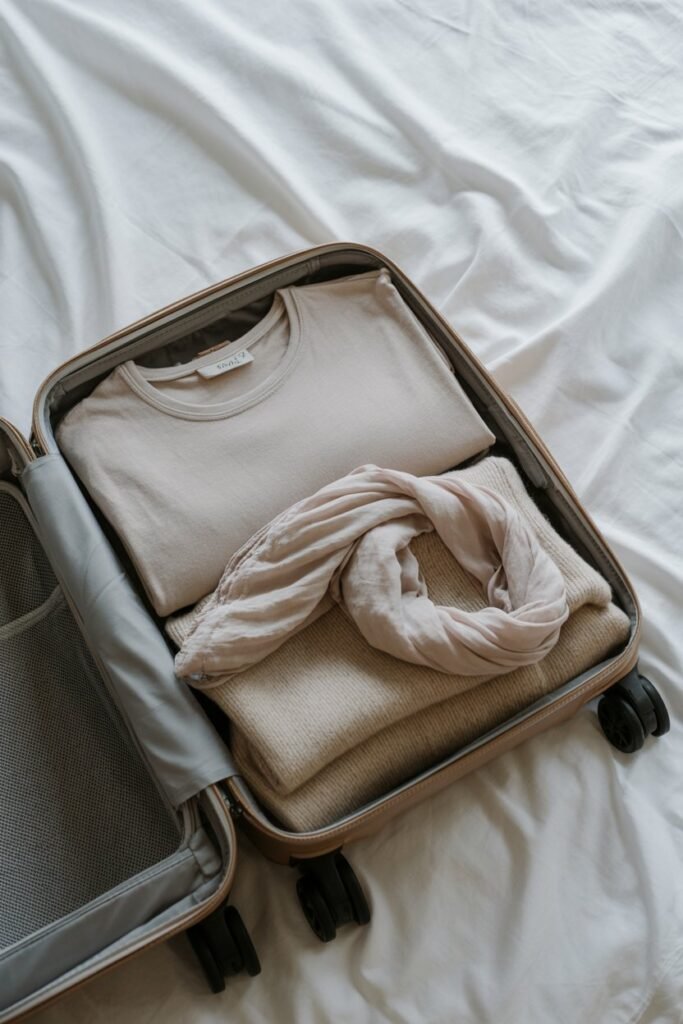
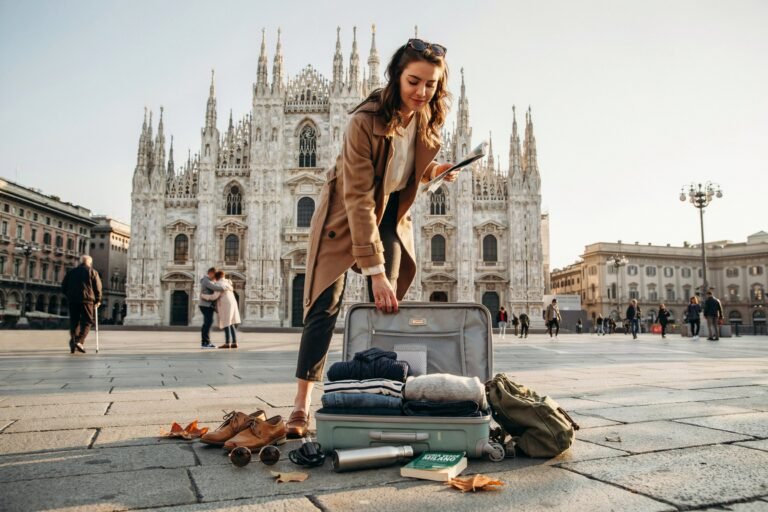
Even if most of your clothes are packed in your checked luggage, having a lightweight clothing layer in your carry-on is extremely important for comfort and flexibility during your journey.
Airplanes can get unexpectedly cold, airports can be heavily air-conditioned, and weather conditions in parts of Asia can change quickly—especially if you’re moving between cities or islands.
That’s why it’s smart to always keep at least one extra outfit option with you, such as:
- A breathable T-shirt or light top
- A comfortable long-sleeve shirt or thin sweater
- A scarf or shawl for added coverage
A scarf is especially useful during Asia travel because it can serve multiple purposes:
- Keeping warm on long flights
- Acting as a modest cover when visiting temples or religious sites
- Providing sun protection in hot climates
- Even doubling as a light blanket during transit
The goal is not to overpack, but to stay prepared for unexpected situations.
Having a simple clothing layer in your carry-on gives you comfort, flexibility, and peace of mind throughout your journey—no matter where you land or how the weather changes.
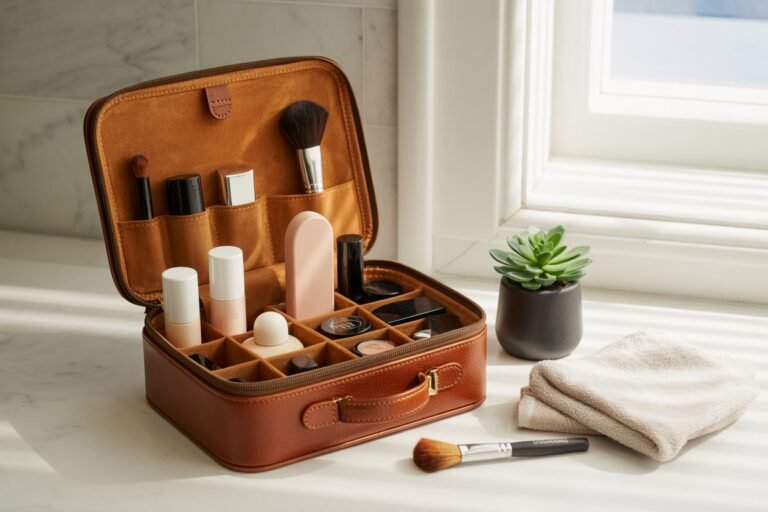
5. Personal Hygiene Kit (Travel Size)
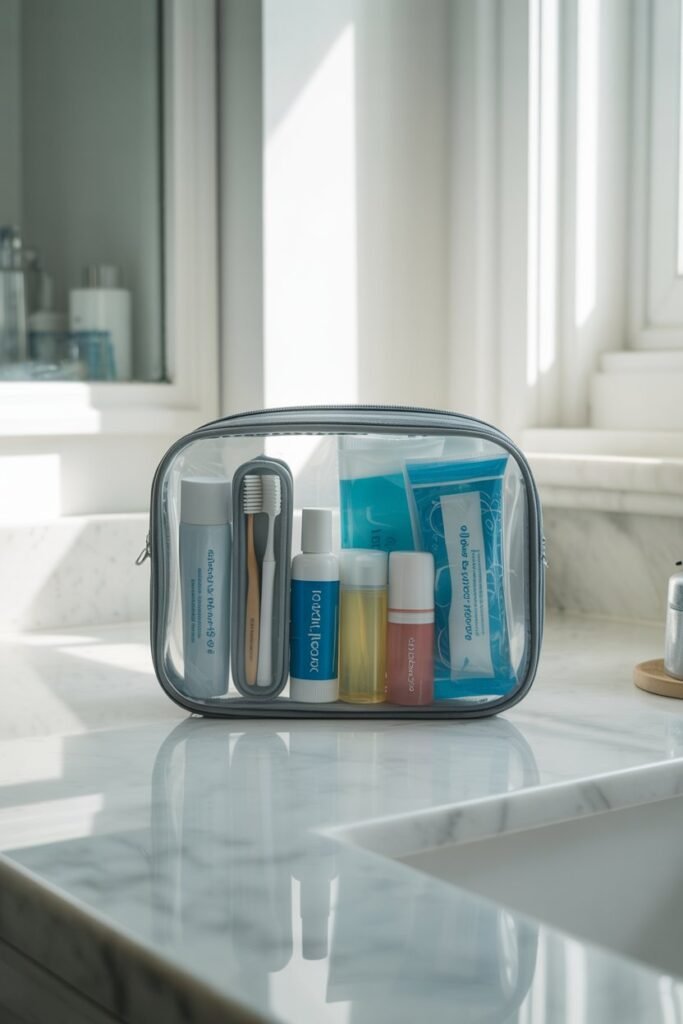
A personal hygiene kit is one of the most important carry-on essentials for any Asia trip because long flights, airport layovers, and hot climates can quickly make you feel uncomfortable if you’re not prepared.
Instead of relying on airport stores or waiting until you reach your hotel, it’s always better to keep a small, travel-sized hygiene kit within reach in your carry-on bag.
Your kit should include simple but essential items like:
- Travel-size toothbrush and toothpaste
- Face wipes or cleansing wipes
- Hand sanitizer
- Deodorant (roll-on or mini spray)
- Lip balm to prevent dryness
- Tissues or wet wipes for quick clean-ups
Many destinations in Asia are warm and humid, especially in Southeast regions, so staying fresh during transit is not just about comfort—it also helps you feel more confident and relaxed after long hours of travel.
Another helpful tip is to pack everything in a small waterproof pouch. This keeps your items organized and prevents leaks from spilling into your bag.
A well-prepared hygiene kit might seem small, but it makes a big difference during long journeys, especially when you’re moving between airports, buses, or exploring immediately after arrival.
6. Basic First Aid & Medication Pack
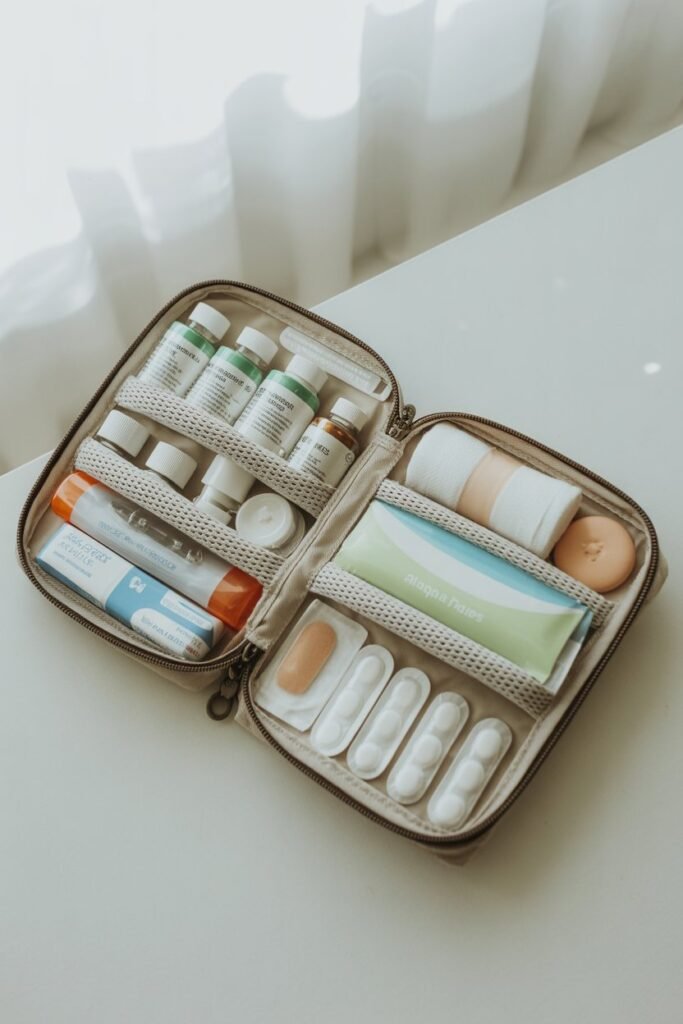
When traveling to Asia, having a small but well-prepared first aid and medication kit in your carry-on is a smart and responsible choice.
It helps you handle minor health issues quickly without the stress of searching for a pharmacy in an unfamiliar place.
Even if you’re perfectly healthy, travel can sometimes cause unexpected discomforts like fatigue, headaches, motion sickness, or mild allergies.
Being prepared helps you stay comfortable and enjoy your trip without interruptions.
A simple travel-friendly medication kit can include:
- Pain relievers for headaches or body aches
- Motion sickness tablets for flights, buses, or boats
- Antihistamines for allergies or insect bites
- Basic band-aids for small cuts or blisters
- Any personal prescription medications you regularly take
If you’re visiting tropical parts of Asia, this becomes even more useful due to heat, humidity, and active outdoor exploration.
It’s also important to keep medications in their original packaging where possible, along with a small note or prescription if required, especially for international travel.
The goal is not to expect problems, but to be ready for small situations that can easily be managed.
A compact first aid kit gives you peace of mind and keeps your travel experience smooth, safe, and stress-free.
7. Reusable Water Bottle (Empty Before Security)
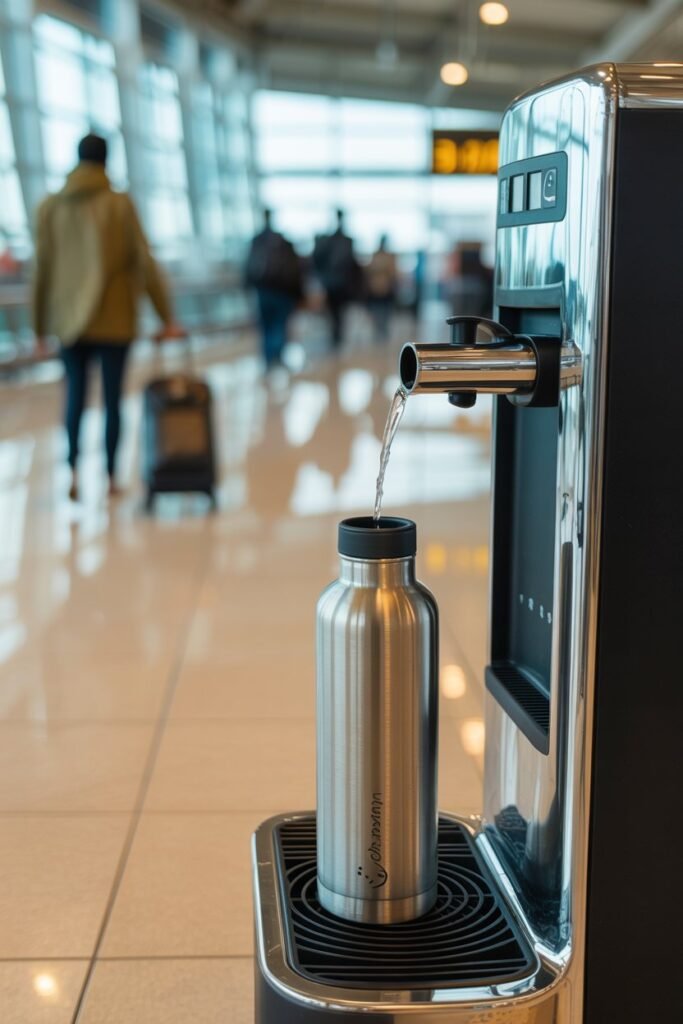
Staying hydrated is one of the simplest but most overlooked parts of traveling, especially on long trips to Asia where you’ll likely deal with heat, humidity, and long hours of movement between airports, cities, and attractions.
A reusable water bottle is a must-have in your carry-on, but the key rule is to keep it empty before passing airport security.
Once you’re through, you can refill it at water stations inside the airport or after boarding.
This small habit offers several benefits:
- Keeps you hydrated during long flights and layovers
- Saves money on expensive airport bottled water
- Reduces single-use plastic waste
- Helps you stay comfortable in hot climates
Many Asia destinations, especially in Southeast Asia, can be quite warm, and dehydration can happen faster than expected when you’re walking, exploring, or adjusting to new environments.
A lightweight, leak-proof bottle is ideal so you don’t have to worry about spills in your bag.
Stainless steel or BPA-free plastic bottles are both good options depending on your preference.
Think of it as a simple item that supports your energy, comfort, and overall travel health throughout your journey.
8. Snacks for Long Travel Hours
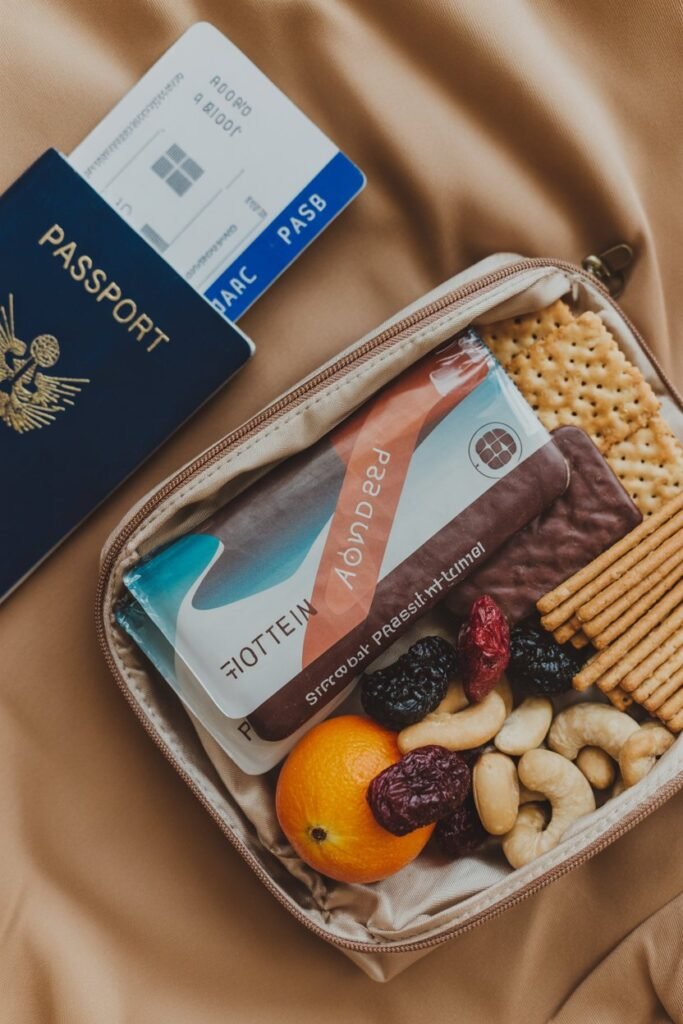
Travel days are often unpredictable, especially when flying to Asia where long-haul flights, layovers, and transit delays are common.
That’s why carrying your own snacks in your carry-on is a smart and practical move.
Even if airlines provide meals, they may not always match your timing, preferences, or portion needs.
Having your own snacks ensures you stay satisfied and energized throughout your journey.
Some of the best travel-friendly snacks include:
- Protein bars for quick energy
- Mixed nuts and seeds for healthy fats
- Dried fruits like raisins, mango, or dates
- Whole grain crackers or biscuits
- Small snack packs that are easy to open and eat
These types of snacks are lightweight, non-messy, and perfect for long hours in transit.
They also come in handy if you experience delays at airports or if food options are limited during late-night travel.
Another important tip is to avoid overly perishable or strong-smelling foods, especially when traveling in shared spaces like planes or buses.
Having your own snacks might seem like a small detail, but it gives you comfort, control, and peace of mind—especially when travel schedules don’t go as planned.
9. Neck Pillow + Eye Mask
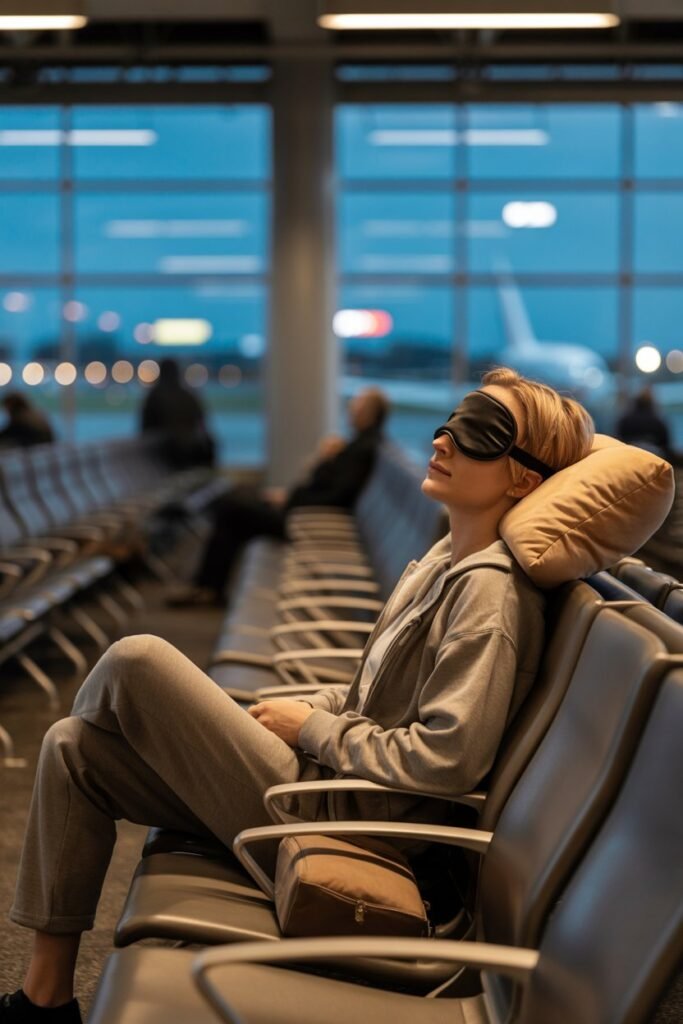
Long-haul flights to Asia can be physically exhausting, especially if you’re traveling for 8–15+ hours depending on your departure location.
That’s why a neck pillow and eye mask are two simple carry-on essentials that can make a huge difference in your comfort and energy levels.
A neck pillow helps support your head and neck while sitting upright, making it easier to sleep or rest without waking up sore or stiff.
This is especially helpful if you’re on overnight flights or have multiple connections.
An eye mask, on the other hand, blocks out light from cabin screens, overhead lights, or fellow passengers.
This helps your body relax and improves your chances of getting proper rest during the flight.
Together, they help you:
- Sleep better on planes
- Reduce neck pain and stiffness
- Arrive feeling more refreshed
- Minimize jet lag fatigue
If possible, choose a memory foam neck pillow that offers better support, and a soft, breathable eye mask that feels comfortable for long wear.
Even if you don’t sleep for the entire flight, being able to rest properly can significantly improve how you feel when you land in Asia and start exploring.
10. Lightweight Day Bag (Foldable Backpack)
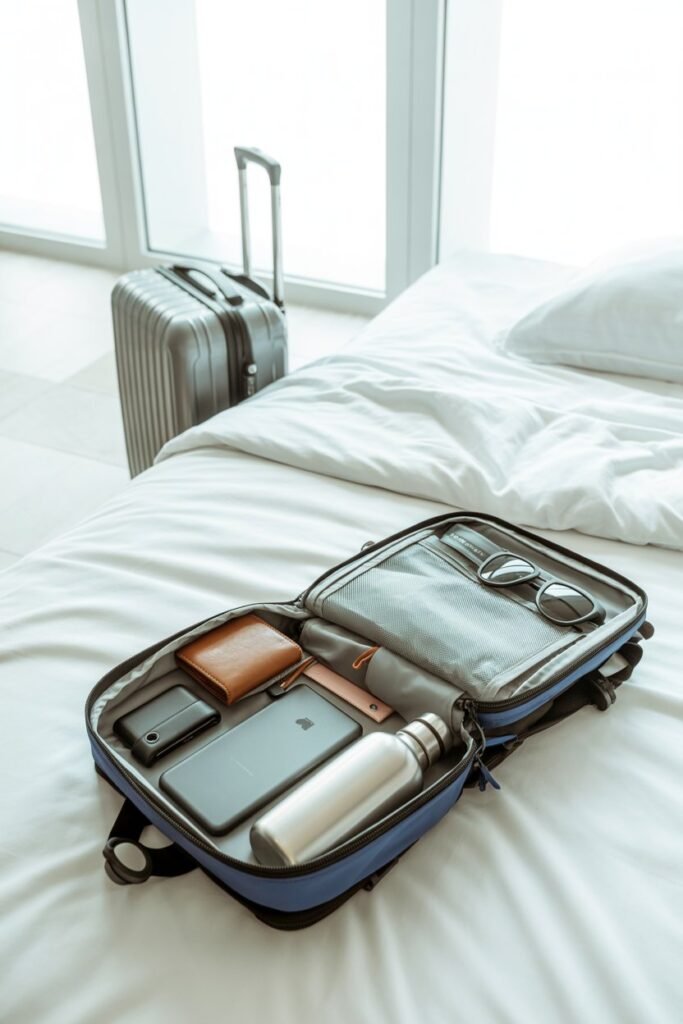
Once you arrive in Asia, you’ll quickly realize how useful a lightweight day bag is for daily activities.
A foldable backpack is one of the smartest items you can carry because it gives you flexibility without adding bulk to your luggage.
Instead of carrying your main suitcase everywhere, a small day bag is perfect for:
- City sightseeing and walking tours
- Beach trips and island excursions
- Visiting markets and shopping areas
- Carrying essentials during day outings
The best part is that foldable backpacks take up almost no space in your carry-on. You can easily pack them flat and only open them when needed.
When choosing one, look for:
- Lightweight but durable material
- Comfortable straps for long use
- Water-resistant fabric for unpredictable weather
- Enough space for essentials like water, wallet, phone, and snacks
Asia travel often involves a lot of movement—walking, public transport, and short trips between attractions—so having a small, reliable bag makes your experience much easier and more enjoyable.
It keeps your hands free, your essentials organized, and your travel day stress-free.
11. Secure Money Setup (Wallet, Cards & Cash Strategy)
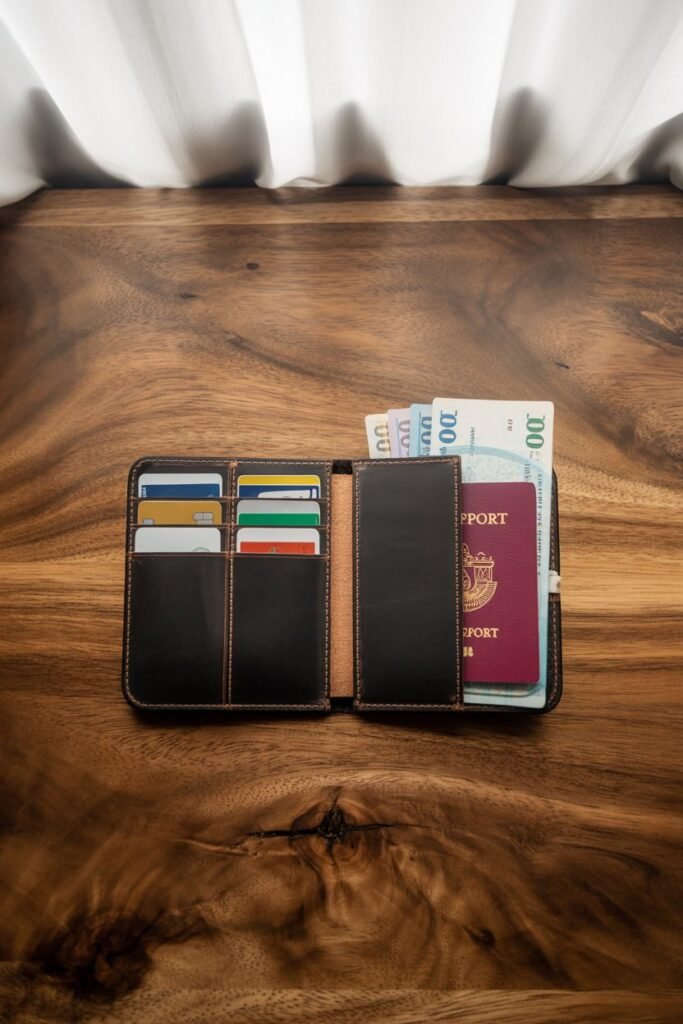
Money management is one of the most important parts of traveling to Asia, and how you carry it can make your trip either smooth or stressful.
Instead of keeping everything in one place, it’s smarter to organize your money into a secure and balanced setup in your carry-on.
A good travel money setup should include:
- One main travel wallet for daily use
- Debit or credit cards (preferably more than one option)
- A small amount of local currency or USD for emergencies
- A backup card stored separately in your carry-on
Many cities in Asia are now cashless, especially for transportation, hotels, and restaurants. However, cash is still very important for:
- Small local shops and markets
- Street food vendors
- Taxis or rural transport
- Emergency situations when card systems are down
One of the smartest travel habits is splitting your money instead of keeping it all in one place. For example:
- Keep some cash in your wallet for daily spending
- Store extra cash in a hidden pouch in your carry-on
- Keep backup cards in a separate compartment or secure pocket
This reduces risk and ensures you’re never completely stranded if something gets lost or delayed.
A well-planned money setup gives you confidence and flexibility, especially when navigating unfamiliar cities across Asia.
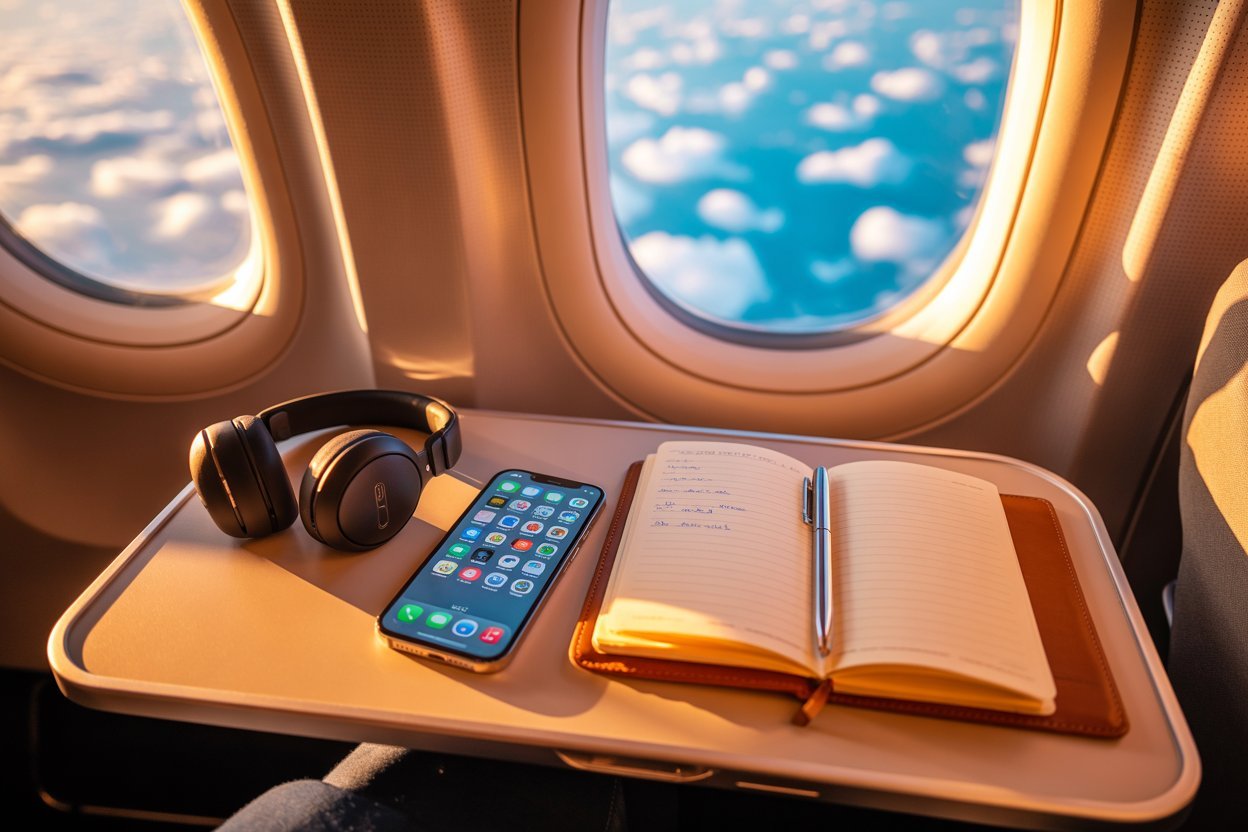
12. Portable Entertainment & Travel Comfort Kit (Bonus Essential)
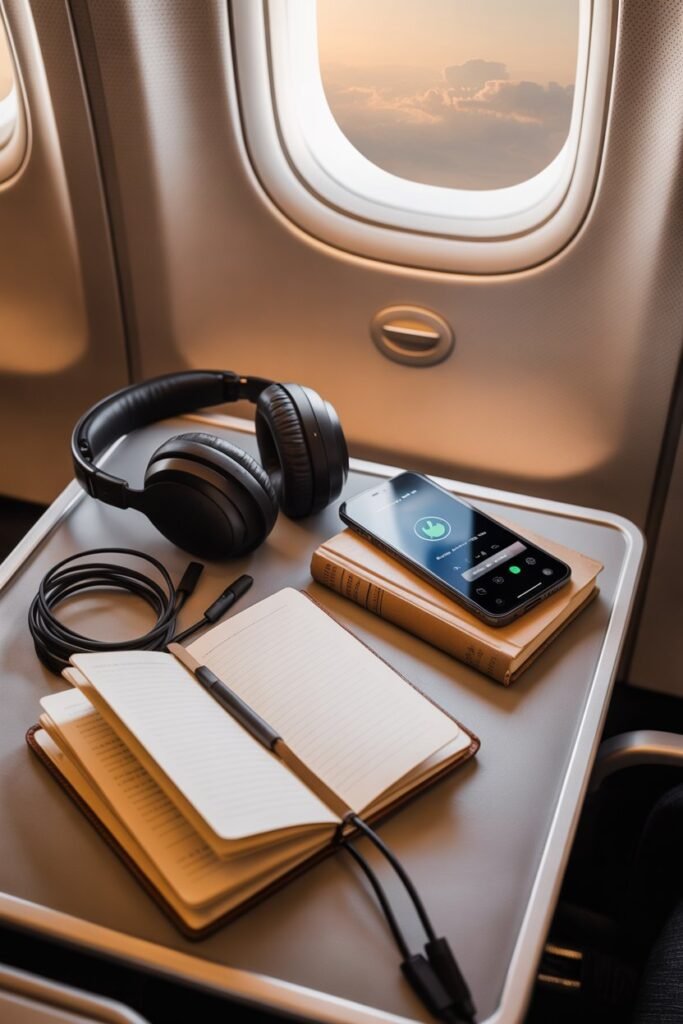
Long flights, airport layovers, and travel delays are very common when heading to Asia, so having a small entertainment and comfort kit in your carry-on can make the journey much more enjoyable and less tiring.
This isn’t just about passing time—it’s about keeping yourself mentally relaxed and comfortable during long hours of travel.
Your travel comfort kit can include:
- Downloaded movies, music, or podcasts on your phone or tablet
- Earphones or noise-canceling headphones
- A book or e-reader for offline reading
- A small notepad or journal for writing thoughts or travel plans
- Charging cables and adapters in an easy-access pouch
If you’re someone who gets restless during long flights, this kit becomes especially useful.
It helps reduce boredom, anxiety, and travel fatigue while giving you control over how you spend your time.
Another underrated tip is to download everything before your flight—don’t rely on in-flight WiFi or airport networks, as they can be slow or unavailable.
This final carry-on essential ensures that your journey is not just about reaching your destination, but also about enjoying the travel experience itself in a relaxed and comfortable way.
Smart Packing Tips for Asia Trips
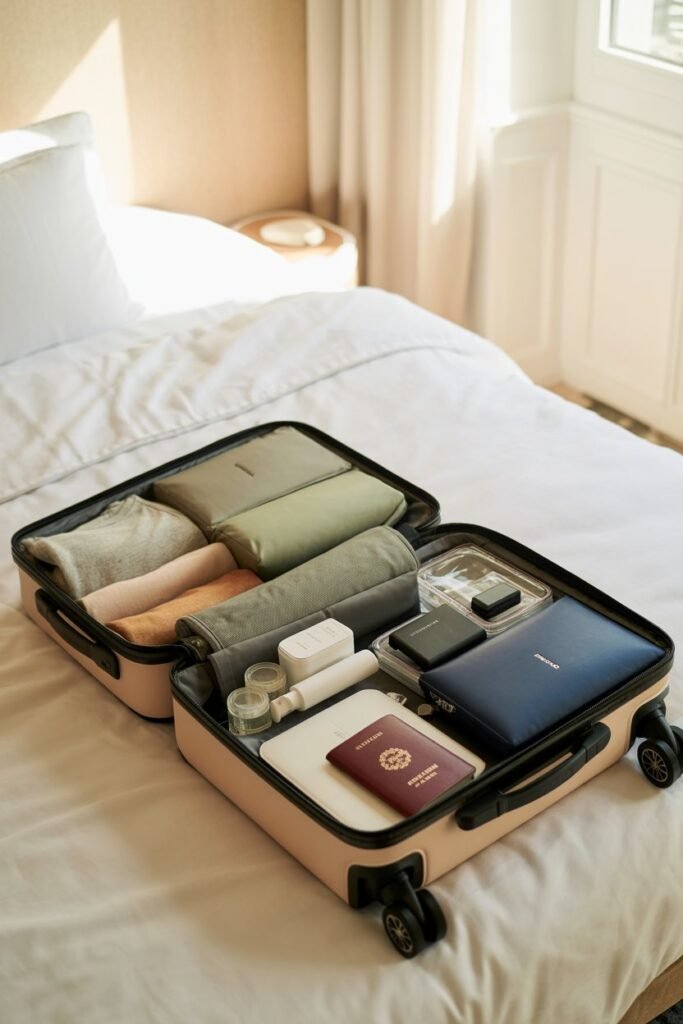
Pack for Heat + Sudden Rain
Many Asia destinations are tropical. Always include:
- Light breathable fabrics
- Compact rain jacket or poncho
Don’t Overpack Shoes
A good rule:
- 1 walking shoe
- 1 sandal or slipper
Use Packing Cubes
They help:
- Save space
- Organize outfits
- Reduce stress when unpacking
Keep Essentials in Carry-On Only
Never put in checked luggage:
- Passport
- Medications
- Electronics
- Money
Common Mistakes to Avoid
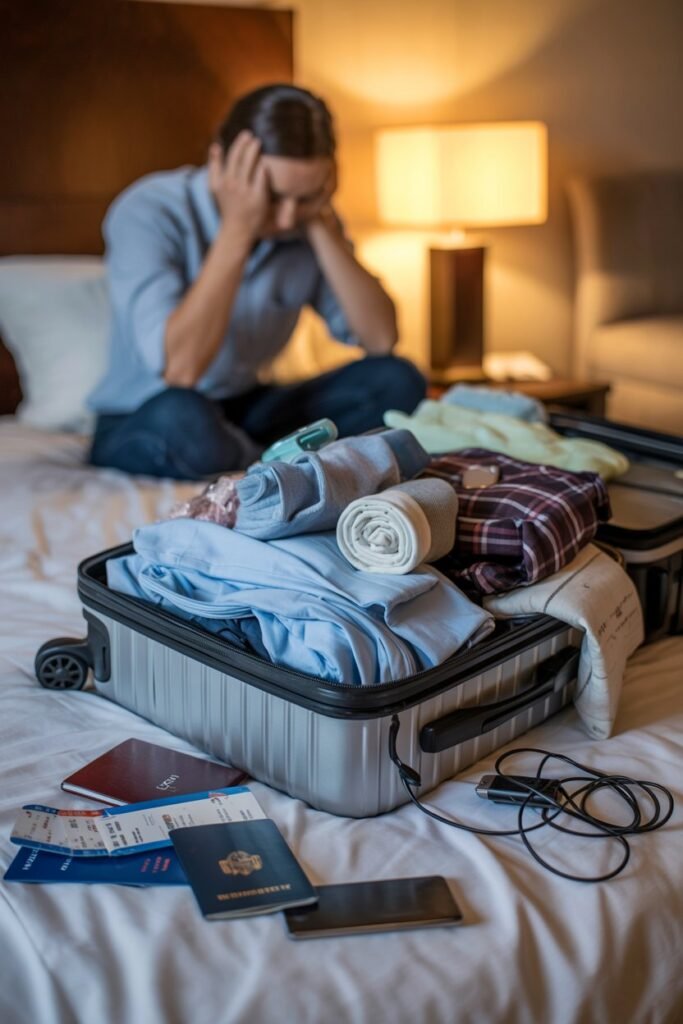
- Overpacking clothes “just in case”
- Forgetting travel adapters
- Not carrying enough cash backup
- Ignoring weather differences across Asia
- Carrying heavy bags that slow you down
Why Smart Carry-On Packing Matters
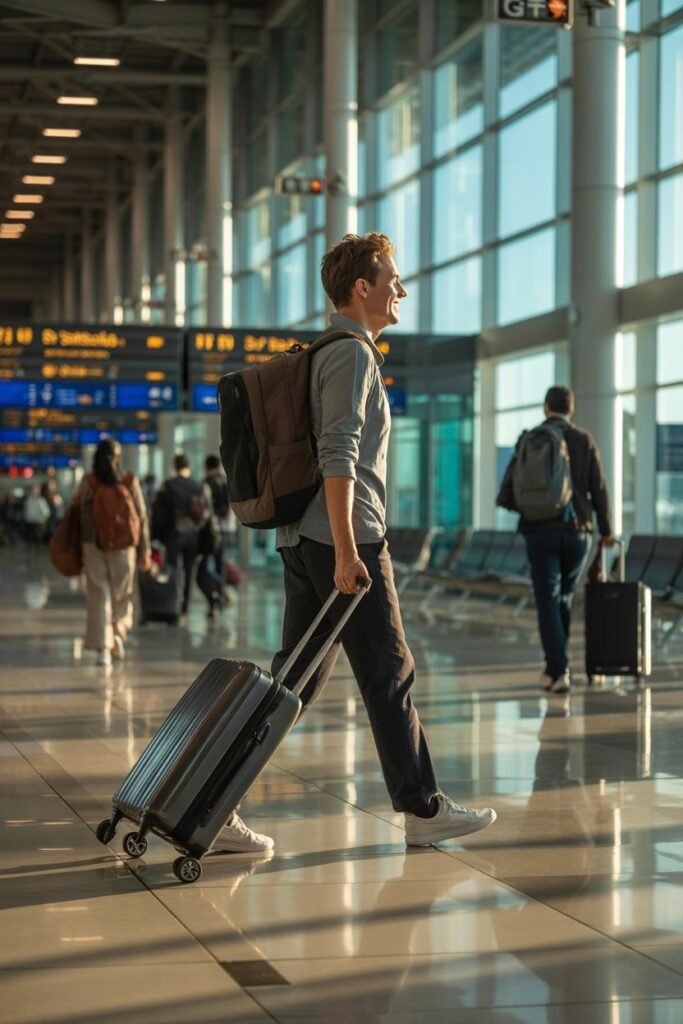
Asia travel often involves:
- Long flights
- Multiple transport systems
- Walking-heavy sightseeing
- Hot and humid weather
A well-packed carry-on gives you freedom, comfort, and confidence from the moment you land.
You don’t want to feel stressed or unprepared—you want to enjoy the experience fully.
FAQ
What is the most important carry-on item for Asia travel?
Your travel documents and passport organizer are the most important items.
Can I survive Asia travel with just a carry-on?
Yes, especially for short trips or city travel, if you pack smart and use laundry services.
Do I need cash in Asia?
Yes. Even though cities are digital-friendly, small shops, taxis, and rural areas often prefer cash.
How many clothes should I pack for Asia?
Usually 3–5 outfits in your carry-on, depending on trip length.
Final Thought
Packing for Asia trips is not about taking everything—it’s about taking the right things.
A well-organized carry-on gives you comfort, safety, and flexibility no matter where your journey takes you.
Once you master this, traveling becomes lighter, easier, and far more enjoyable.