
Dubai is one of the trickier places I’ve packed for, not because the weather is complicated, it’s reliably hot, but because the city genuinely spans everything from strict modesty requirements at religious sites to five-star beach clubs to air-conditioned malls cold enough to need a jacket indoors.
Getting this one wrong means either being uncomfortably underdressed somewhere that matters or dragging a suitcase full of clothes you never actually wear.

This guide breaks down exactly what to pack, why, and how to think about Dubai’s specific climate and culture so you’re not guessing.
If you’re planning the broader logistics of the trip alongside packing, our travel checklist and airport carry-on essentials guide are worth reading first, and our backpacking essentials guide covers general packing habits that apply here too, even though Dubai isn’t a backpacking destination in the traditional sense.
Disclaimer: This post may contain affiliate links, which means I may earn a small commission at no extra cost to you. Packing needs may vary based on season, activities, and local guidelines, so always check weather conditions before your trip.
Amazon Shopping List: How to Pack for Dubai Trips
- Lightweight Carry-On Suitcase (Hard Shell)
- Packing Cubes Travel Organizer Set
- Breathable Lightweight Clothing Set
- Comfortable Walking Sandals or Sneakers
- Anti-Theft Crossbody Travel Bag
- Foldable Wide-Brim Sun Hat
- Sunglasses with UV Protection
Why Dubai Packing Is Different From a Typical Beach Trip

Most hot-weather destinations only require you to think about sun and heat. Dubai adds a few more layers to that equation.
The city is genuinely modern and cosmopolitan in tourist areas, malls, beach clubs, restaurants, but it’s also part of the UAE, a Muslim-majority country with cultural and legal expectations around modest dress in public and religious spaces.
On top of that, indoor air conditioning in Dubai is aggressive, malls and restaurants are kept noticeably colder than most visitors expect, which means you’ll actually want layers despite outdoor temperatures regularly exceeding 100°F (38°C) for much of the year.
Getting Dubai packing right means planning for three environments at once: blazing outdoor heat, over-air-conditioned indoor spaces, and culturally appropriate dress for public and religious settings.
Understanding Dubai’s Climate Before You Pack

Dubai has essentially two seasons that matter for packing purposes. From roughly November through March, daytime temperatures sit in a genuinely pleasant range, often 75 to 85°F (24 to 29°C), with cooler evenings that can call for a light layer.
From April through October, temperatures climb dramatically, frequently exceeding 100°F (38°C) with high humidity, especially near the coast.
Rain is rare year-round, so a heavy rain jacket is unnecessary, though a light layer for wind or a rare shower doesn’t hurt.
Knowing which season you’re traveling in changes a few specific packing decisions below, particularly around evening layers and how much sun protection to prioritize.
Clothing Essentials

Lightweight, breathable tops Pack 5 to 7 tops in linen, cotton, or moisture-wicking technical fabric. Loose-fitting is far more comfortable in Dubai’s heat than tight, synthetic materials that trap sweat.
Modest options for public and religious sites At least 2 to 3 outfits should cover shoulders and knees. This matters specifically for visiting mosques like the Jumeirah Mosque,
government buildings, and more traditional neighborhoods like Deira or Al Fahidi. Tourist areas, malls, and beach clubs are considerably more relaxed, but having modest options avoids being caught without them.
Lightweight pants and maxi skirts 2 to 3 pairs, in linen or a breathable blend, both for modest coverage and for protection from intense midday sun during outdoor activities like desert excursions.
Shorts and casual daywear Fine for tourist zones, malls, and beach areas, but not appropriate for religious sites or more conservative neighborhoods. Pack 1 to 2 pairs if your itinerary includes beach clubs or casual sightseeing days.
A light sweater, cardigan, or shawl This is the item first-time Dubai visitors consistently forget. Restaurants, malls, and even taxis run their air conditioning cold enough that a light layer genuinely matters indoors, even during the hottest months outside.
Swimwear Standard swimwear is fine at hotel pools, beach clubs, and most private beaches. If you’re visiting a public beach or a more conservative area, a slightly more modest one-piece or coverup is worth having on hand.
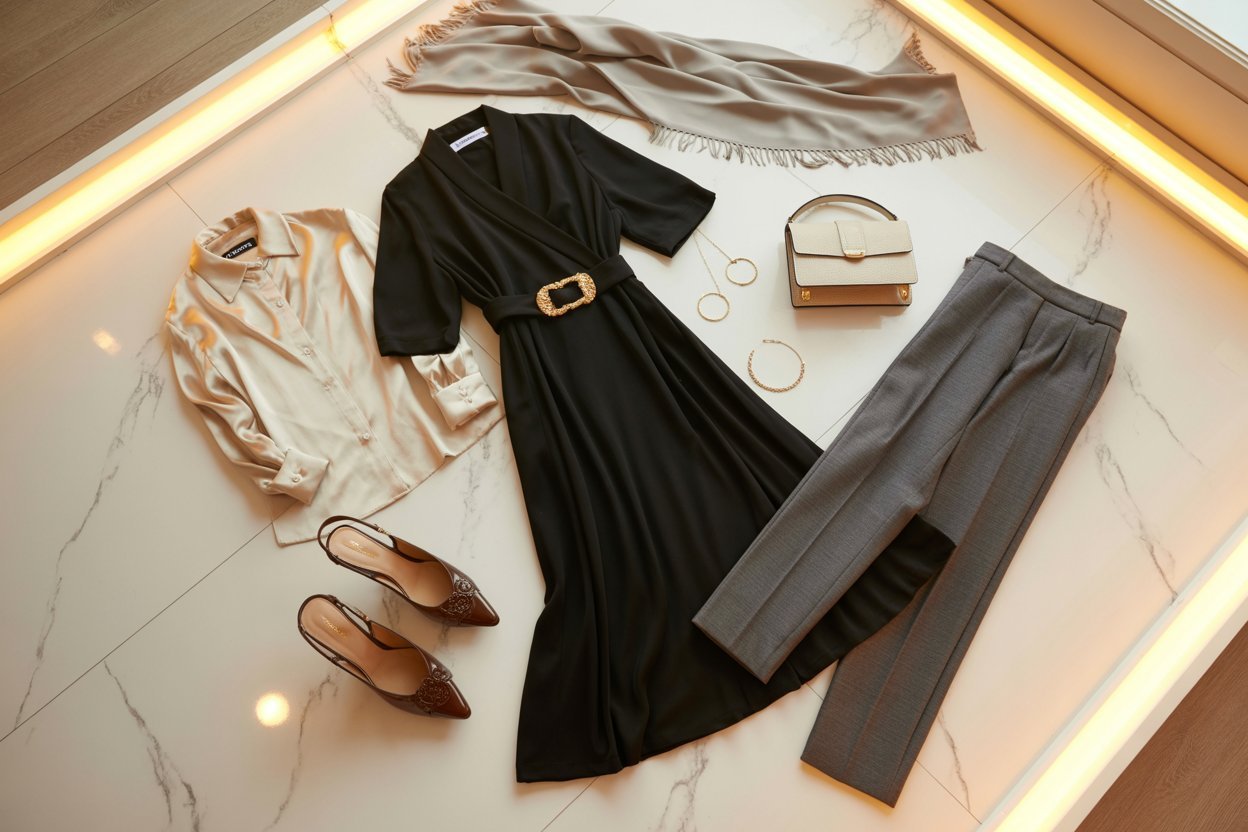
One dressier outfit Dubai has an active nightlife and fine dining scene, and many upscale restaurants and rooftop bars enforce a smart casual or elevated dress code. One polished outfit, a dress or button-down with tailored pants, covers this without needing multiple formal options.
A modest cover-up or long cardigan Useful over swimwear when walking between a pool area and your hotel room, and doubles as a layer for mosque visits if it’s long enough to meet coverage requirements.
Footwear

Comfortable walking sandals Dubai’s malls and attractions involve significant walking, often on hot pavement outdoors before you reach an air-conditioned interior. A supportive sandal with proper grip handles both environments well.
Closed-toe shoes for desert excursions If a desert safari, dune bashing, or camel trekking is part of your itinerary, closed shoes protect against hot sand and loose terrain far better than open sandals.
One dressier shoe option A low heel or polished flat for the one dressier outfit above, and for any upscale dinner or evening venue with a stricter dress code.
Three pairs total is generally sufficient. Dubai’s tourist infrastructure is modern and shoe-friendly almost everywhere, so you don’t need the same footwear variety a hiking-heavy destination would require.
Sun and Heat Protection

This category matters more in Dubai than almost anywhere else on this list of destinations we’ve covered, given how intense and consistent the sun exposure is.
- High SPF, sweat-resistant sunscreen, SPF 50 is a reasonable baseline given the intensity of desert sun, reapplied more frequently than you’d expect to need at home
- A wide-brim hat or cap, genuinely useful for both beach time and any outdoor sightseeing, including desert excursions
- Quality sunglasses with UV protection, since glare off sand and water is significant
- A cooling towel or small portable fan, worth considering for outdoor excursions during the hotter months specifically
- Lip balm with SPF, an easy item to forget that matters more than expected given how dry and hot the air can be
Toiletries and Health Essentials

- Travel-sized toiletries in a clear quart bag for carry-on compliance, refillable rather than buying new travel sizes each trip
- A compact first aid kit, covering basic pain relief, blister care, and any personal medication, along with electrolyte tablets or packets given how easily dehydration sneaks up in this climate
- Insect repellent, less critical than in tropical destinations but still worth having for desert camps or evening outdoor dining
- A refillable water bottle, since staying hydrated matters enormously here and most hotels and malls have refill stations
A note on medication: the UAE has notably strict laws around certain medications, including some common over-the-counter and prescription drugs that are restricted or require documentation.
If you take regular medication, research the UAE’s specific import rules before you travel and carry medication in original packaging with a copy of your prescription.
Tech and Documents

- A universal power adapter, since the UAE uses UK-style three-pin outlets (Type G), different from North American, European, and most Asian standards
- A portable charger, useful given how much time you’ll likely spend outdoors between air-conditioned stops
- Your passport and any required visa documentation, and it’s worth double-checking current visa requirements for your nationality before departure, since rules can change
- A small pouch with copies of important documents, kept separate from your main bag
Cultural and Practical Packing Notes
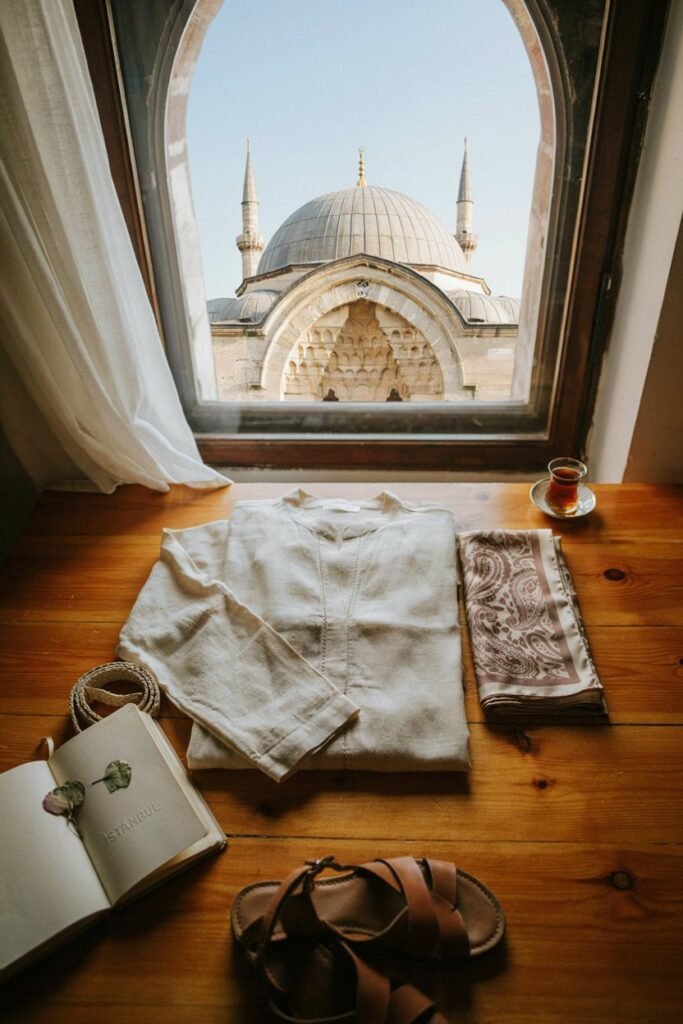
A few things worth understanding before you finalize your suitcase, since Dubai’s blend of modern tourism and traditional cultural expectations trips up a lot of first-time visitors.
- Tourist zones are genuinely relaxed. Malls, hotels, beach clubs, and major attractions see visitors in shorts, sundresses, and swimwear daily without issue.
- Religious sites and government buildings require modest dress. Shoulders and knees covered at minimum, and some mosques provide loaner abayas for visitors who arrive without appropriate coverage.
- Public displays of affection are best kept minimal, a cultural norm rather than a packing concern, but worth knowing as you plan your trip overall.
- Alcohol is legal in licensed venues, hotels, and restaurants, but not sold in most general stores. Not a packing item, but relevant to trip planning.
- Modesty expectations increase outside tourist-heavy areas. If you’re exploring older neighborhoods like Al Fahidi or Deira, leaning toward your more modest clothing options is a matter of respect and comfort, not just legal requirement.
Packing for Specific Dubai Activities
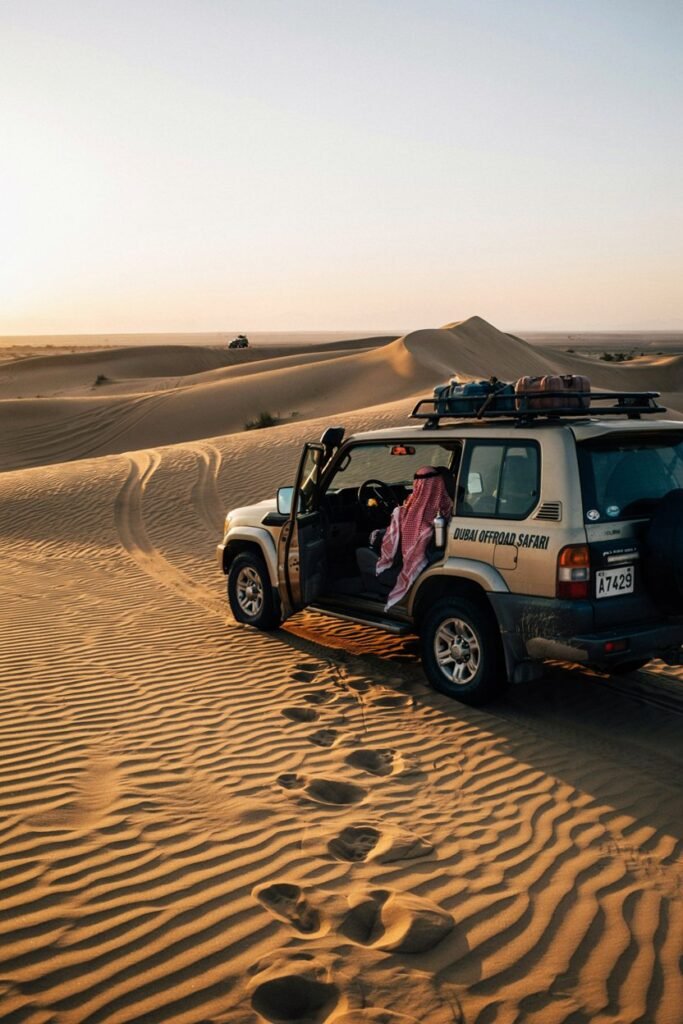
Desert safari or dune bashing Closed-toe shoes, a light long-sleeve layer for sun protection, and a scarf or bandana to manage blowing sand are all worth packing specifically for this excursion.
Beach clubs and pools Standard swimwear, a cover-up, and reef-safe sunscreen if you’re near any marine environments.
Souks and older neighborhoods Comfortable closed or semi-closed shoes given the uneven ground in some older markets, along with a more modest outfit out of cultural respect.
Upscale dining and nightlife One elevated outfit and appropriate shoes, since many venues enforce a smart casual minimum and will turn away guests in flip-flops or overly casual wear.
Skiing at Ski Dubai If an indoor ski trip is on your itinerary, note that this is a genuinely cold indoor environment, roughly 25°F (-4°C), and most facilities rent proper winter gear on-site, so you don’t need to pack for it, just know it’s coming.
How to Pack It All Efficiently

- Roll rather than fold, which saves space and reduces wrinkling, particularly useful for linen pieces that crease easily
- Use packing cubes to separate modest outfits from casual and beach wear, so you’re not digging through your whole suitcase to find the right category for a given day
- Pack layers you can add or remove easily, since moving between blazing outdoor heat and cold indoor air conditioning happens constantly throughout a single day
- Leave extra suitcase space, since Dubai’s shopping scene is a genuine highlight of the destination for a lot of visitors, and you’ll likely want room to bring things home
Safety Tips and How to Navigate Dubai

Dubai is consistently ranked among the safest major cities in the world for tourists, with low street crime and strict enforcement of public safety laws.
That said, a few practical habits make a real difference in how smoothly a trip goes, especially for first-time visitors unfamiliar with the city’s layout and customs.
Getting around the city
- The Dubai Metro is clean, efficient, and tourist-friendly, connecting most major attractions, malls, and the airport. Buy a Nol Card at any station for easy tap-in access rather than purchasing single tickets each ride.
- Taxis are plentiful, metered, and generally safe, easily hailed at hotels, malls, or via the RTA taxi app. Ride-share apps like Careem and Uber also operate widely and tend to be a reliable option for late-night travel.
- Renting a car gives flexibility but adds complexity. Dubai’s highways are modern and well-maintained, but traffic can be intense, and speed cameras are strictly enforced with automatic fines. If you’re not confident navigating fast-paced highway driving, taxis or ride-shares are the easier choice.
- Distances are larger than they appear on a map. Dubai is spread out, and a trip that looks close on a map can take 30 to 40 minutes by car given the scale of the city. Build that into your daily planning rather than assuming everything is a short hop apart.
General safety habits
- Petty theft is rare, but standard precautions still apply. Keep valuables secure in busy tourist areas and souks, the same as you would anywhere.
- Heat-related illness is the most common real risk for visitors, particularly during summer months. Carry water at all times, limit prolonged outdoor exposure during peak midday heat, and know the signs of heat exhaustion, dizziness, nausea, and excessive sweating are early warning signs worth taking seriously.
- Follow posted rules at beaches and pools. Some beaches have designated swimming zones and flag systems indicating water conditions, and lifeguards aren’t present at every stretch of coastline.
- Photography restrictions exist around certain government buildings, military sites, and some private individuals, particularly local women who may not wish to be photographed. When in doubt, ask before taking a photo that includes people you don’t know.
- Emergency numbers are straightforward and widely posted. Dial 999 for police, 998 for ambulance, and 997 for fire, and most tourist areas have visible police presence and assistance points.
Cultural navigation notes
- Friday is the main day of prayer, and some businesses adjust hours slightly, particularly in the late morning, though most tourist-facing venues operate close to normal.
- During Ramadan, eating, drinking, and smoking in public during daylight hours is restricted, even for visitors, though hotels and designated areas typically offer exceptions for tourists. If your trip overlaps with Ramadan, it’s worth researching current guidance specific to that year’s dates.
- Google Maps and Maps.me both work reliably for navigation, and most taxi drivers and metro staff speak functional English, making independent navigation genuinely manageable for first-time visitors.
FAQ
Do I really need to cover up in Dubai, or is that outdated advice? It depends entirely on where you are.
Tourist zones, malls, and hotels are genuinely relaxed about Western dress, but mosques, government buildings, and more traditional neighborhoods do expect modest coverage, and having those outfits on hand avoids an uncomfortable situation.
What’s the biggest packing mistake first-time Dubai visitors make? Forgetting a light layer for indoor spaces. Dubai’s air conditioning is aggressive enough that a lot of visitors end up cold in restaurants and malls despite sweltering heat just outside the door.
Is swimwear like a bikini okay at hotel pools? Yes, standard swimwear is completely normal at hotel pools and private beach clubs. Public beaches can vary slightly in norms, and a bit more modest coverage is a reasonable default if you’re unsure.
What time of year should I visit to avoid packing for extreme heat? November through March offers the most comfortable temperatures for outdoor activities, while April through October requires much more deliberate heat and sun protection planning.
Are there restrictions on what medications I can bring into the UAE? Yes, and this is worth researching specifically before you travel, since the UAE restricts or requires documentation for certain common medications that are unregulated in many other countries.
Always travel with medication in original packaging and any relevant prescription documentation.
Final Thoughts
Dubai rewards a slightly more thoughtful packing approach than a typical beach destination, not because it’s a difficult place to dress for, but because it genuinely spans several different environments in a single day, blazing heat, freezing air conditioning, five-star beach clubs, and centuries-old mosques, sometimes all before dinner.
Pack for all three, lean into breathable fabrics and one solid layer for indoor cold, keep a couple of modest outfits on standby, and Dubai’s mix of modern luxury and cultural depth becomes a lot easier to actually enjoy instead of constantly adjusting around.