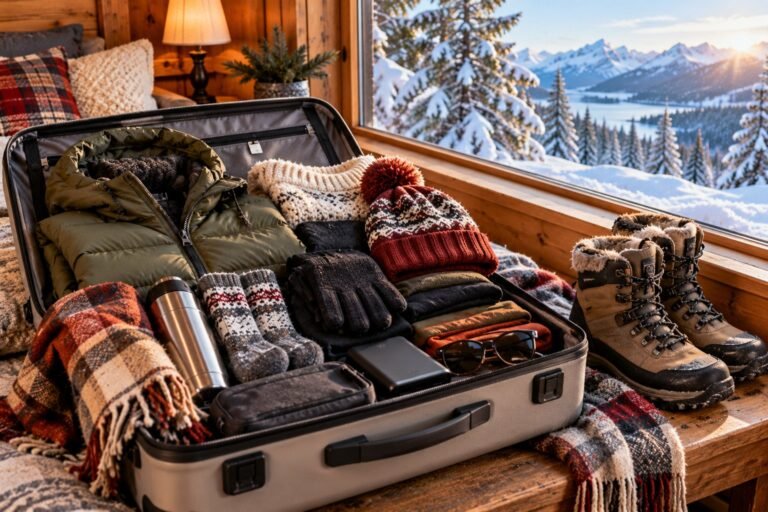

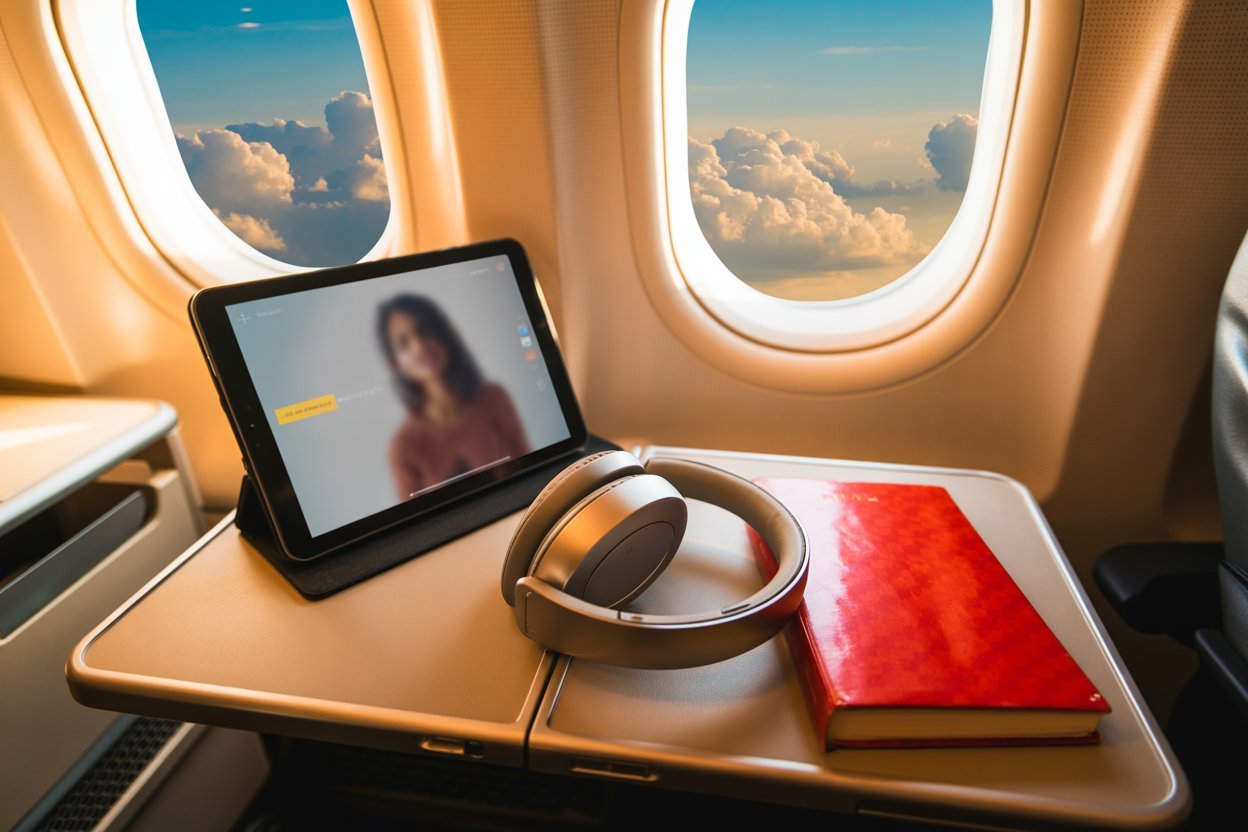
I never give my carry on much thought until the moment I actually need something from it. Whether it is a delayed flight, a long layover, or simply wanting to freshen up before landing, the items I pack within easy reach often end up being the most important things I bring.
After a few trips, I realized that a well packed carry on is about more than saving space. It is about having everything you need to stay comfortable, organized, and prepared without digging through a checked suitcase.
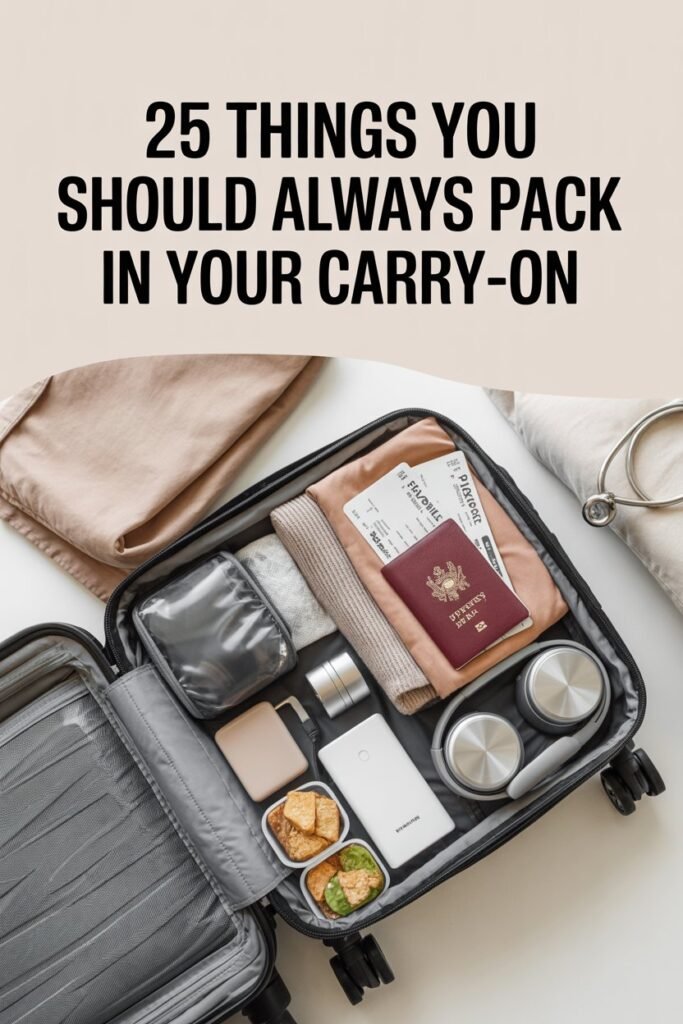
These days, I pack my carry on with intention. Every item has a purpose, and it has made traveling feel much less stressful from the moment I leave home until I arrive at my destination.
This guide covers 25 carry on essentials I never like to travel without, along with the practical items that make every journey smoother, whether you are flying for a weekend getaway or an international adventure.
Disclaimer: This post may contain affiliate links, which means I may earn a small commission at no extra cost to you. Packing needs vary based on destination, trip length, and airline policies, so always check travel requirements before your trip.
Amazon Shopping List You Need
- Lightweight Carry-On Suitcase
- Packing Cubes Travel Organizer Set
- Travel Neck Pillow & Eye Mask Set
- TSA Approved Toiletry Bottles Set
- Foldable Travel Backpack or Daypack
- Portable Luggage Scale
- Anti-Theft Crossbody Travel Bag
Why Your Carry-On Matters More Than You Think
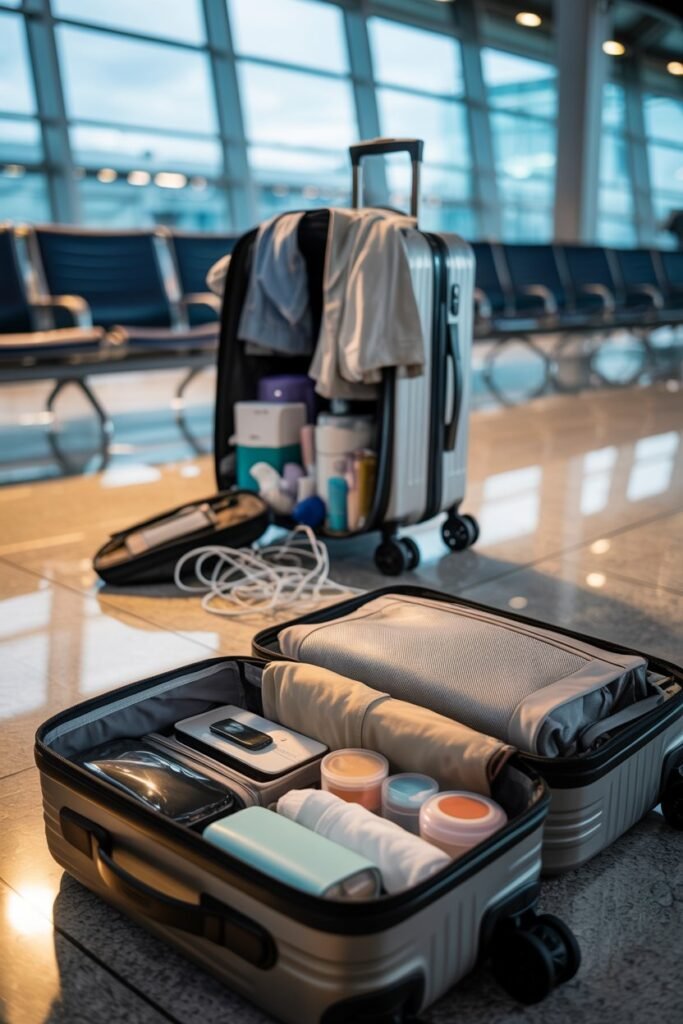
Your carry on is more than just a small bag for your flight. It is your travel survival kit, holding the essentials that can make your journey more comfortable, organized, and stress free.
Travel days rarely go exactly as planned. Flights can be delayed, checked luggage can arrive late, weather can change your plans, and sometimes you simply need quick access to important items after a long journey.
A well prepared carry on gives you confidence because you know your most important belongings are always within reach.
Why Your Carry On Matters
A smart carry on helps you handle unexpected situations while keeping your travel experience smoother. Instead of searching through a suitcase or worrying about lost luggage, you have everything you need close by.
Your carry on provides:
- Comfort during long flights and layovers.
- Security if your checked luggage is delayed.
- Easy access to documents, electronics, and personal items.
- A more organized and enjoyable travel experience.
What Makes a Good Carry On Setup
The best carry on is not the one packed with the most items. It is the one packed with the right essentials.
I always focus on items that solve common travel problems, such as staying comfortable during long flights, keeping devices charged, having important documents nearby, and being prepared for unexpected delays.
A well organized carry on should include:
- Important travel documents.
- Electronics and chargers.
- Medication and personal care items.
- Comfortable travel essentials.
- A change of clothes.
- Snacks and hydration items.
Travel Tip
Before leaving home, imagine being without your checked luggage for 24 hours. What would you need immediately?
Those items should always go in your carry on.
Once you create the perfect carry on system, traveling becomes noticeably easier. You spend less time worrying about what could go wrong and more time enjoying the journey ahead.
You will also love: 11 Long-Flight Essentials You’ll Regret Not Packing
25 Things You Should Always Pack in Your Carry-On
Packing your carry-on the right way can make travel much smoother and less stressful.
From essential documents to comfort items and emergency basics, the things you keep with you onboard can save you time, money, and unnecessary hassle during your trip.
This checklist covers 25 must-have items every traveler should always pack before boarding.
1. Passport and Essential Travel Documents

Your passport is the most important item you will pack for any international trip.
Without it, you may not be able to board your flight, enter your destination, or return home.
Before leaving, I always make sure my passport and travel documents are organized, easy to access, and protected.
What to Pack
- Valid passport with at least six months remaining before expiration.
- Visa documents if required.
- Travel insurance information.
- Flight tickets and accommodation confirmations.
- Driver’s license or international driving permit.
- Copies of important documents.
- Emergency contact information.
- Vaccination records or health documents if needed.
Why It’s Important
Many travelers focus on clothing and gadgets but forget that missing documents can completely disrupt a trip.
Having everything prepared before you leave gives you peace of mind and makes airport check ins, hotel arrivals, and unexpected situations much easier.
I always keep both physical and digital copies of my important documents. A printed copy stored separately from my passport can be helpful if something gets lost, while digital copies saved securely allow easy access while traveling.
Helpful Travel Tips
- Check your passport expiration date several months before your trip.
- Research visa requirements early because some applications can take weeks.
- Keep your passport in a waterproof travel wallet.
- Avoid carrying all your important documents in one place.
- Save copies of documents in a secure cloud storage account.
- Take photos of your passport information page for emergencies.
Best Travel Organization Tip
Create a small travel document folder where you keep everything together before your departure. I usually organize my passport, boarding passes, hotel details, insurance information, and reservation confirmations in one place so I don’t waste time searching during the trip.
Having your essential travel documents ready is one of the simplest ways to make your journey smoother and stress free from the moment you leave home.
You will like reading this post: 11 Things You Should Always Pack in Your Carry-On.
2. Wallet with Everyday Essentials
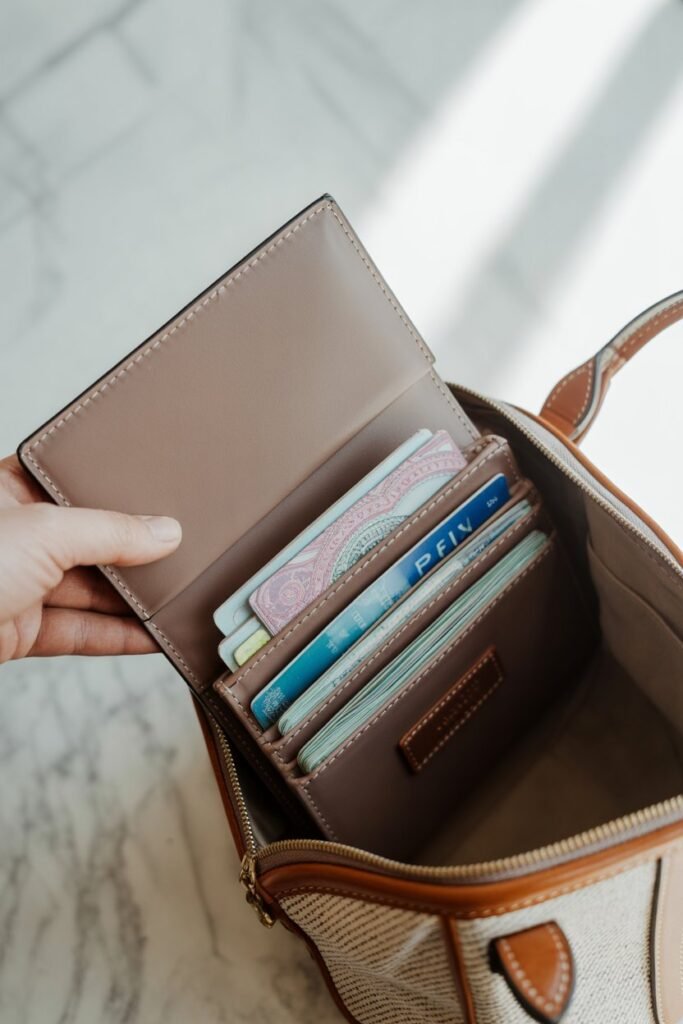
A travel wallet is one of those small items that can make a big difference during any trip.
I always keep my everyday essentials organized in one place so I can quickly access what I need at airports, restaurants, shops, and during sightseeing.
The goal is to carry everything important without adding unnecessary bulk.
What to Pack
- Credit and debit cards.
- Small amount of local currency.
- Travel insurance card.
- Identification card.
- Transportation cards or passes.
- Hotel address and emergency contact information.
- Membership cards if needed.
- A few important receipts.
Why It’s Important
Having a well organized wallet saves time and reduces stress while traveling. You don’t want to be searching through your bag at a busy airport, train station, or restaurant when you need to pay or show identification.
I usually keep my main payment card separate from my backup card and avoid carrying too much cash. This way, if one item is lost, I still have another option available.
Helpful Travel Tips
- Inform your bank before traveling internationally to avoid card issues.
- Carry a small amount of local currency for cafés, markets, and places that do not accept cards.
- Use a slim travel wallet to avoid overpacking.
- Keep emergency contact details written down in case your phone battery dies.
- Store a backup card separately from your main wallet.
- Avoid keeping unnecessary cards that you won’t use during your trip.
Best Travel Organization Tip
Choose a wallet that is compact, secure, and easy to access. A good travel wallet should have separate sections for cash, cards, and important information so you can quickly find what you need.
I also like keeping a little emergency cash hidden separately from my everyday spending money. It has helped me feel prepared when visiting places where card payments are not always accepted.
A simple, organized travel wallet gives you confidence while exploring new destinations and keeps your most important everyday essentials safe throughout your journey.
3. Phone and Charging Essentials
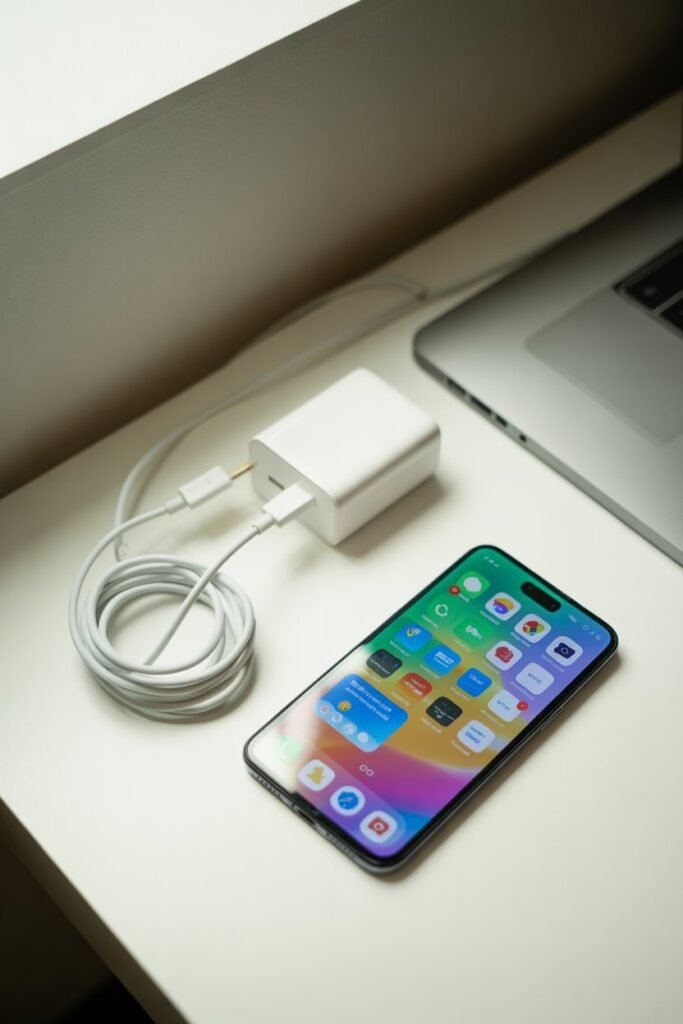
Your phone is one of the most useful travel tools you will carry.
I use mine for navigation, taking photos, booking transportation, checking reservations, translating languages, and staying connected with family.
Having the right charging essentials ensures you never run out of battery when you need it most.
What to Pack
- Smartphone.
- Phone charger and charging cable.
- Portable power bank.
- Universal travel adapter.
- Extra charging cable.
- Wireless earbuds.
- Phone case with protection.
- SIM card or eSIM information.
- Offline maps and important travel apps.
Why It’s Important
A dead phone battery can quickly become a problem when you’re in an unfamiliar place.
You may need your phone to show your boarding pass, find your hotel, contact transportation, or capture important travel memories.
I always charge my devices before leaving my accommodation and carry a portable charger during long sightseeing days.
It gives me peace of mind when exploring cities, hiking trails, or spending hours away from a power outlet.
Helpful Travel Tips
- Download offline maps before arriving at your destination.
- Save hotel addresses and important reservations on your phone.
- Bring a universal adapter for international trips.
- Keep a backup charging cable in your bag.
- Turn on battery saving mode during long travel days.
- Protect your phone with a durable case.
Best Travel Organization Tip
Create a small electronics pouch where you keep your charger, adapter, cables, and power bank together.
This prevents tangled cords and makes it easy to find everything when moving between hotels, airports, and destinations.
Before each trip, I also download useful travel apps, save important documents, and organize my photos so my phone is ready from the moment I arrive.
A reliable phone setup makes traveling easier, safer, and more enjoyable. From finding hidden gems to staying connected on the go, your phone becomes one of your most valuable travel companions.
Read more: The Ultimate Summer Vacation Packing List for Couples (Everything You Actually Need)
4. Power Bank (Portable Charger)
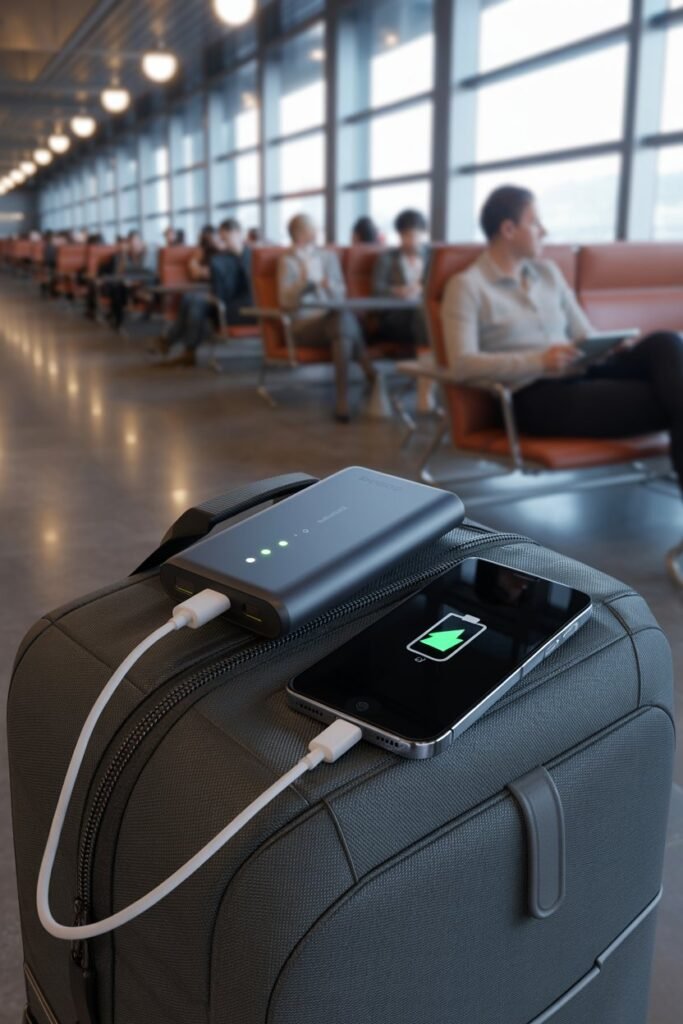
A portable charger is one of the most useful travel essentials I always pack.
Long travel days often mean hours at airports, exploring new cities, using maps, taking photos, and staying connected, which can quickly drain your phone battery.
A reliable power bank gives you the freedom to enjoy your trip without constantly searching for a charging outlet.
What to Pack
- Portable power bank with enough capacity for your phone.
- Charging cable that matches your devices.
- USB C cable if your devices support fast charging.
- Small protective pouch.
- Extra charging cable for backup.
Why It’s Important
Your phone becomes your travel assistant when you’re away from home. You may need it for directions, translation, digital tickets, hotel reservations, online payments, and emergency communication.
I learned that a low battery can become stressful when exploring a new destination, especially when you’re taking a full day trip or visiting places where charging stations are not easily available.
Carrying a power bank gives you confidence to enjoy your adventures without worrying about your battery percentage.
Helpful Travel Tips
- Choose a power bank with enough capacity for at least one full phone charge.
- Charge your power bank the night before your travel day.
- Keep it in your carry on bag instead of checked luggage.
- Use a fast charging model to save time.
- Avoid cheap chargers that may damage your devices.
- Check airline rules before flying because some airlines have limits on battery capacity.
Best Travel Organization Tip
Keep your power bank and charging cables inside a small electronics pouch with your phone charger and adapter.
This keeps everything together and prevents you from digging through your luggage when your battery is running low.
I usually carry my power bank during sightseeing days, road trips, and long flights because those are the moments when I use my phone the most.
It has helped me capture photos, navigate unfamiliar places, and stay connected without interruptions.
A good portable charger may seem like a small item, but it can make your entire travel experience smoother and more stress free.
5. Charging Cable and Travel Adapter
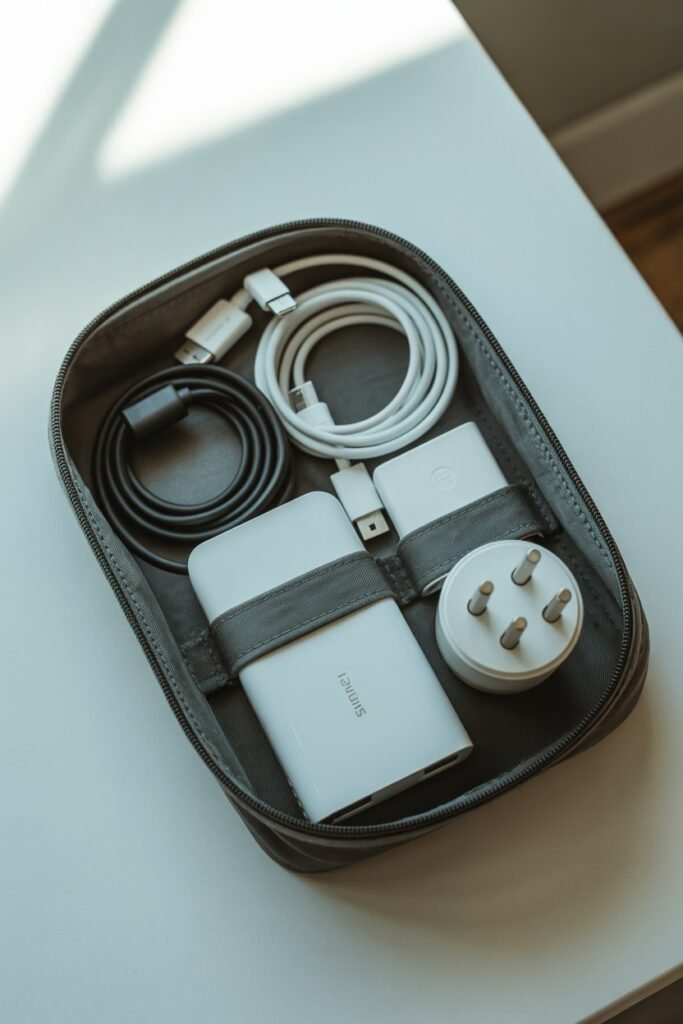
A charging cable and travel adapter may seem like small items, but they are some of the most important things to pack for any trip.
I have learned that forgetting a charger or arriving in a country with different power outlets can quickly turn into a frustrating situation.
Having the right charging setup keeps your phone, camera, and other devices ready whenever you need them.
What to Pack
- Phone charging cable.
- Laptop or tablet charger if needed.
- Universal travel adapter.
- USB or USB C charging adapter.
- Extra charging cable for backup.
- Multi port charger for charging several devices at once.
Why It’s Important
Different countries use different plug types and voltage systems, so your regular charger may not work everywhere. A universal travel adapter allows you to connect your devices safely while traveling internationally.
I always pack my charging cables in my carry on bag because my phone is essential for boarding passes, maps, travel bookings, and communication.
Having everything easily accessible saves time, especially during long airport waits or when arriving at a new hotel.
Helpful Travel Tips
- Buy a universal adapter that works in multiple countries.
- Check your destination’s plug type before traveling.
- Choose a charger with multiple USB ports if you carry several devices.
- Keep a backup cable in your day bag.
- Label your cables if traveling with multiple people.
- Test your adapter before leaving home.
Best Travel Organization Tip
Keep all your electronic accessories together in a small travel pouch. I usually store my adapter, cables, power bank, and chargers in one place so I can quickly find everything when moving between airports, hotels, and destinations.
A small electronics pouch also prevents lost cables and keeps your luggage organized throughout your trip.
Extra Tip for International Travelers
Before your trip, check whether your devices support the voltage used at your destination.
Most modern phones, tablets, and laptops are designed for international use, but some appliances may require a voltage converter in addition to an adapter.
A reliable charging setup gives you one less thing to worry about while traveling. With your devices powered and ready, you can focus more on exploring, taking photos, and enjoying your adventure.
6. Noise-Canceling Headphones or Earbuds
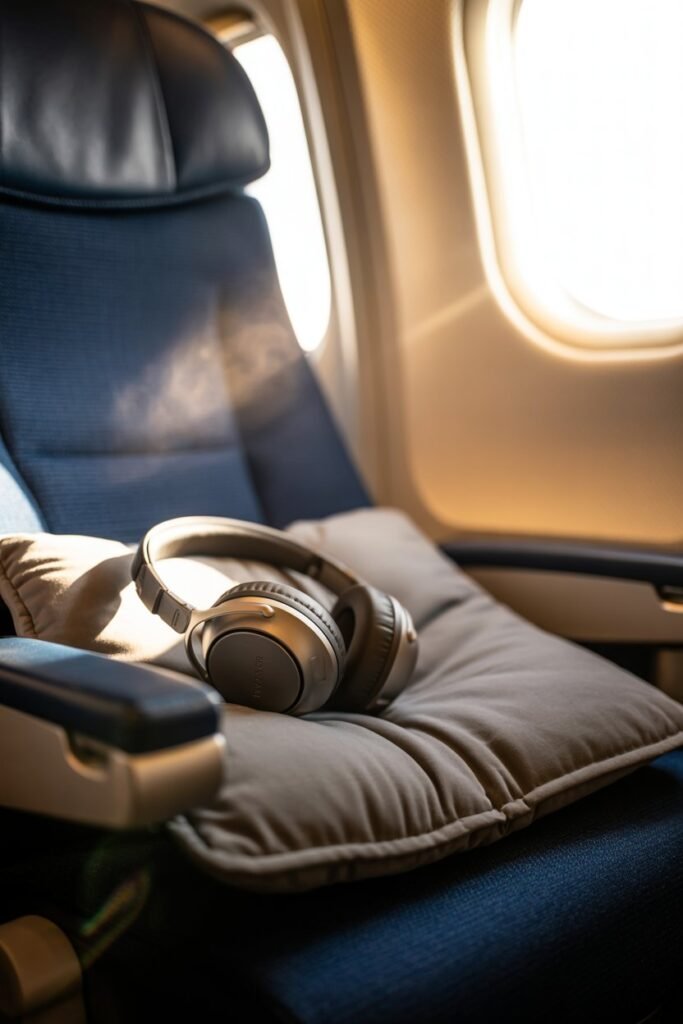
Noise canceling headphones or earbuds are one of those travel essentials I never want to forget.
Whether I’m on a long flight, waiting at an airport, riding a train, or relaxing in a hotel room, having a way to block out distractions makes the entire journey more comfortable.
What to Pack
- Noise canceling headphones or wireless earbuds.
- Charging case for earbuds.
- Charging cable.
- Carrying pouch.
- Wired backup headphones if needed.
- Audio adapter for airplane entertainment systems.
Why It’s Important
Travel can involve a lot of noise, from crowded airports and busy streets to airplane engines and other passengers.
A good pair of headphones helps create a more peaceful experience and allows you to relax during long journeys.
I love using mine during flights to listen to music, watch movies, enjoy podcasts, or simply rest without constant background noise. They are also useful when I need a quiet moment after a busy day of sightseeing.
Helpful Travel Tips
- Fully charge your headphones before leaving.
- Download music, podcasts, or movies for offline use.
- Choose comfortable headphones for long flights.
- Keep them in your carry on bag for easy access.
- Bring a charging cable or case if they require power.
- Avoid packing them in checked luggage.
Best Travel Organization Tip
Store your headphones in a small protective case to prevent damage and keep cables or accessories together. I usually keep mine in my personal bag so I can grab them quickly during flights, train rides, or unexpected delays.
Why They Are Worth Packing
A good pair of noise canceling headphones can make even the longest travel days feel easier. They help you relax, sleep better during transportation, and enjoy your favorite entertainment wherever you are.
From peaceful flights to quiet evenings in a hotel, this small travel item can make a big difference in your overall travel experience.
Discover more: 11 Things You Should Avoid Packing for Any Travel Destination
7. Basic Medication Kit
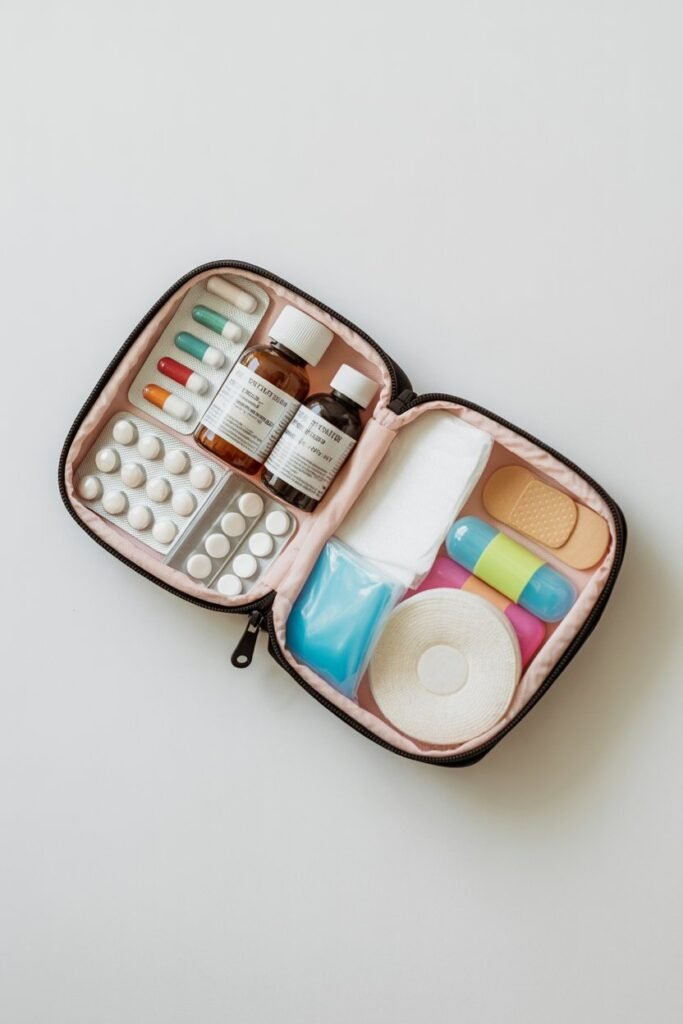
A basic medication kit is one of those travel essentials I always recommend packing before any trip. Even when you feel healthy, unexpected situations can happen while traveling.
A headache after a long flight, an upset stomach from trying new foods, or a small cut during an outdoor adventure can quickly become inconvenient if you are not prepared.
What to Pack
- Pain reliever such as acetaminophen or ibuprofen.
- Motion sickness medication if needed.
- Allergy medication.
- Bandages and small wound care supplies.
- Antiseptic wipes.
- Antibacterial cream.
- Stomach relief medication.
- Rehydration salts.
- Any personal prescription medications.
- Small first aid items like tweezers and gauze.
Why It’s Important
Having a small medication kit saves time and stress when you are away from home.
Finding a pharmacy in an unfamiliar destination can be difficult, especially when you are dealing with a language barrier, traveling late at night, or visiting a remote area.
I always pack a small kit in my carry on because it gives me peace of mind during flights, road trips, and outdoor activities.
It is much easier to handle minor problems quickly when you already have the essentials with you.
Helpful Travel Tips
- Pack prescription medications in their original containers.
- Bring enough medication for your entire trip plus a little extra.
- Check medication rules before traveling internationally.
- Keep important prescriptions or medical information accessible.
- Avoid packing medication you have never used before without understanding how it works.
- Store your kit in a waterproof pouch.
Best Travel Organization Tip
Keep your medication kit separate from your other luggage items so it is easy to access when needed.
A small travel pouch works perfectly for organizing medicine, first aid supplies, and personal health essentials.
I also like adding a few items based on the type of trip I am taking. For example, hiking trips may require extra blister care, while beach vacations may need additional sunburn relief and insect bite treatment.
A well prepared medication kit is small, lightweight, and can prevent minor problems from interrupting your travel plans.
8. Hand Sanitizer
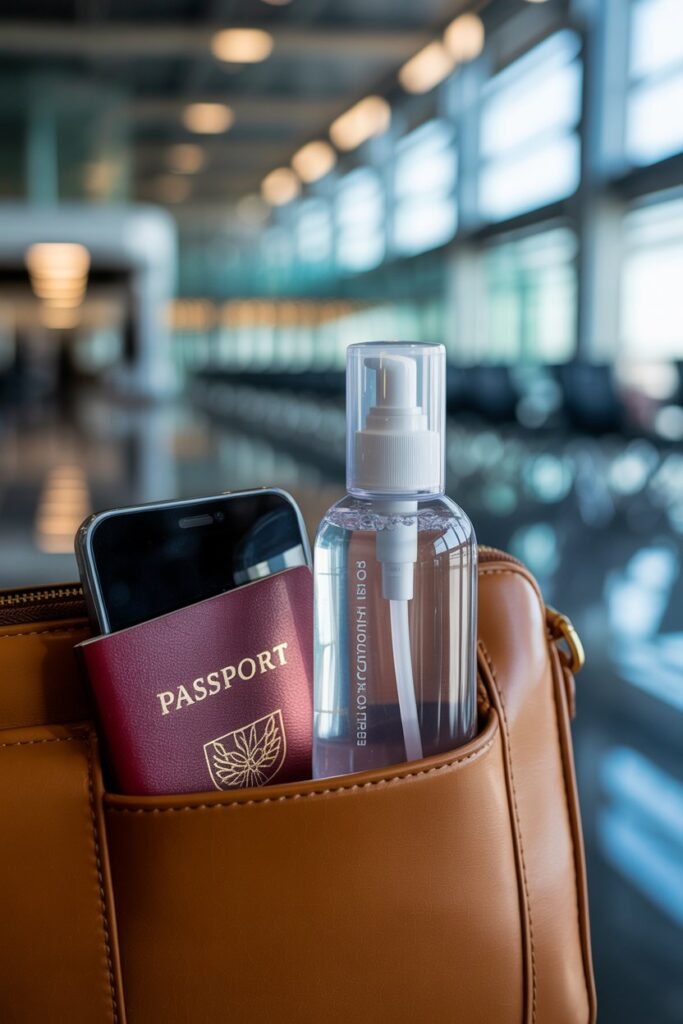
Hand sanitizer is a simple travel essential that can make a big difference during your journey.
When you’re exploring new places, using public transportation, visiting busy attractions, or eating on the go, access to soap and clean water is not always guaranteed.
Keeping a small bottle with you helps you stay fresh and prepared throughout the day.
What to Pack
- Travel size hand sanitizer.
- Alcohol based sanitizer.
- Refillable travel bottle if needed.
- Sanitizing wipes for extra cleaning.
- Small pouch to keep it with your travel essentials.
Why It’s Important
Travel often means touching many shared surfaces, from airport security trays and train handles to restaurant menus and attraction entrances.
Having hand sanitizer nearby makes it easier to clean your hands when you cannot immediately find a restroom.
I always keep one in my personal bag because it is useful during long flights, road trips, sightseeing days, and outdoor adventures.
It is one of those small items that takes up almost no space but provides extra comfort while traveling.
Helpful Travel Tips
- Choose a travel size bottle that is easy to carry.
- Keep it in an outside pocket of your bag for quick access.
- Avoid carrying oversized bottles when flying.
- Use sanitizer after touching shared surfaces and before eating when soap is unavailable.
- Pack sanitizing wipes for cleaning airplane seats, tables, or personal items.
Best Travel Organization Tip
Store your hand sanitizer in a small travel pouch with other daily essentials like tissues, wipes, lip balm, and medication. This creates an easy access kit that you can grab whenever you leave your hotel.
I usually keep a smaller bottle in my day bag and a backup bottle with my luggage, especially for longer trips. It saves me from having to search for one while exploring busy destinations.
Hand sanitizer may seem like a small item, but it is one of those travel essentials that helps you feel more comfortable, prepared, and confident wherever your adventure takes you.
Explore more: 11 Summer Vacation Packing Essentials You’ll Regret Not Packing (Fully Detailed Guide)
9. Face Masks (Optional but Useful)
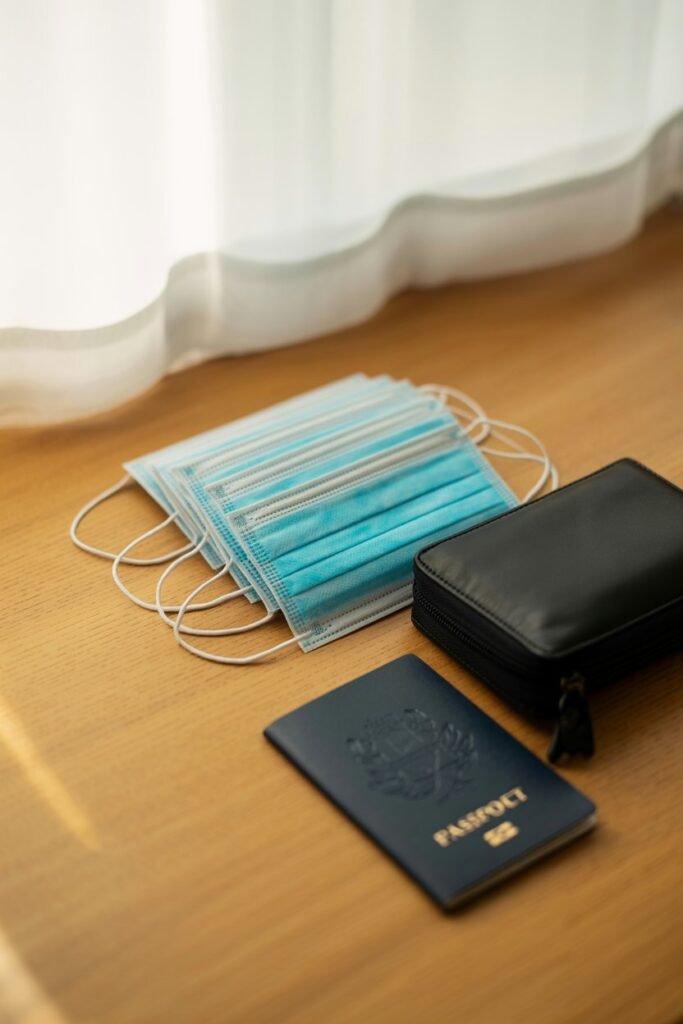
Face masks may not be necessary for every trip, but they can still be a useful item to keep in your travel bag. I like having a few available because travel often means spending long periods in crowded airports, airplanes, public transportation, and busy tourist areas.
What to Pack
- Comfortable disposable masks.
- Reusable washable masks.
- Small storage pouch.
- Extra masks for longer trips.
- Tissues or wipes for personal comfort.
Why It’s Important
Long flights, crowded places, and changing environments can sometimes make travelers feel uncomfortable, especially during busy travel seasons.
Having a mask available gives you an extra option when you need more personal comfort or when visiting places where masks are recommended or required.
I usually keep a few lightweight masks in my carry on because they take up very little space and can be useful during unexpected situations, such as a crowded airport, a long train ride, or when someone nearby is feeling unwell.
Helpful Travel Tips
- Choose lightweight masks that are comfortable for long periods.
- Pack extras because disposable masks can get damaged or lost.
- Keep them in an easy to reach pocket.
- Avoid storing used masks with clean items.
- Wash reusable masks after use.
- Check current travel guidelines for your destination before leaving.
Best Travel Organization Tip
Keep your masks in a small clean pouch inside your personal bag. This makes them easy to find without mixing them with other travel items.
I also like keeping a few extra health essentials nearby, such as tissues, hand sanitizer, and wipes, so I have everything I need during long travel days.
While face masks are optional for many travelers today, they remain a lightweight item that can provide extra comfort and confidence when exploring new destinations.
10. Lip Balm and Moisturizer
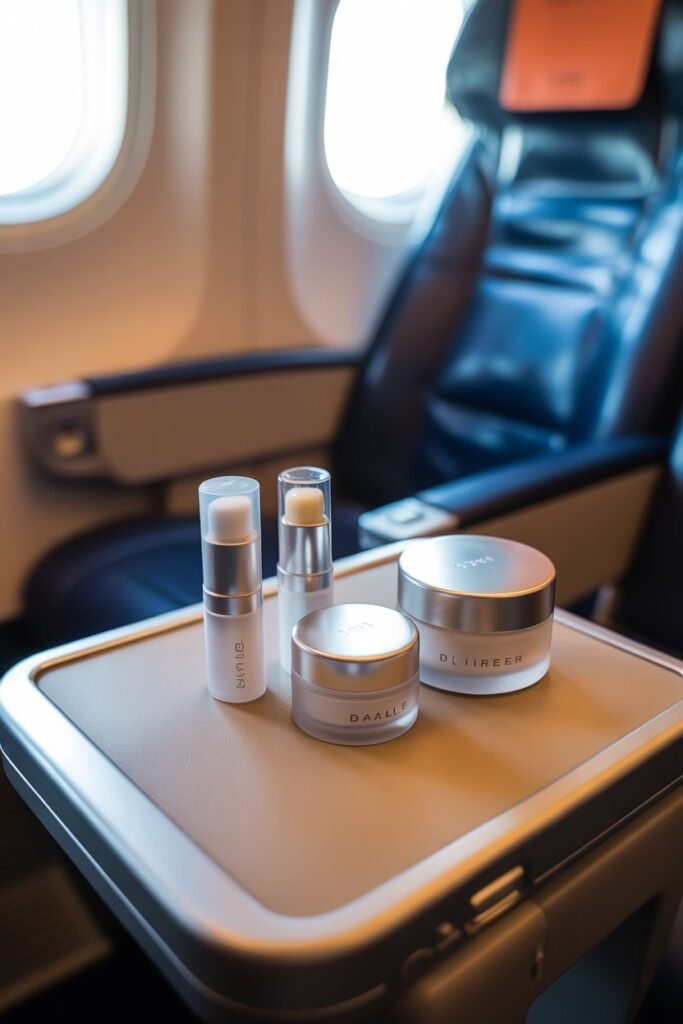
Lip balm and moisturizer are small travel essentials that can make a big difference, especially during long flights and outdoor adventures.
Changes in weather, dry airplane air, sun exposure, and spending more time outdoors can leave your skin feeling dry and uncomfortable.
What to Pack
- Hydrating lip balm.
- Face moisturizer.
- Travel size body lotion.
- Hand cream.
- SPF lip balm for sunny destinations.
- Lightweight moisturizer for warm climates.
Why It’s Important
Travel can be tough on your skin. Airplane cabins have very dry air, while destinations with strong sun, wind, or cold temperatures can quickly cause dryness and irritation.
I always pack a small moisturizer and lip balm because they help me feel refreshed after long journeys.
Applying moisturizer after a flight or a full day of sightseeing helps bring comfort back to dry skin.
Helpful Travel Tips
- Choose travel size products to save space.
- Use SPF lip balm when visiting sunny destinations.
- Pack a moisturizer that matches your skin type.
- Apply lip balm before long flights.
- Keep a small tube in your personal bag for easy access.
- Avoid trying completely new skincare products right before traveling.
Best Travel Organization Tip
Keep your lip balm and moisturizer in your daily essentials pouch along with hand sanitizer, tissues, and other personal care items.
This makes it easy to freshen up during flights, road trips, and sightseeing days.
I usually keep a small moisturizer in my carry on because my skin often feels dry after hours of traveling. Having these simple items nearby helps me feel more comfortable and ready to enjoy the destination.
A good lip balm and moisturizer may not take up much space, but they are two of those little travel items that help you feel your best throughout your entire trip.
11. Travel Pillow
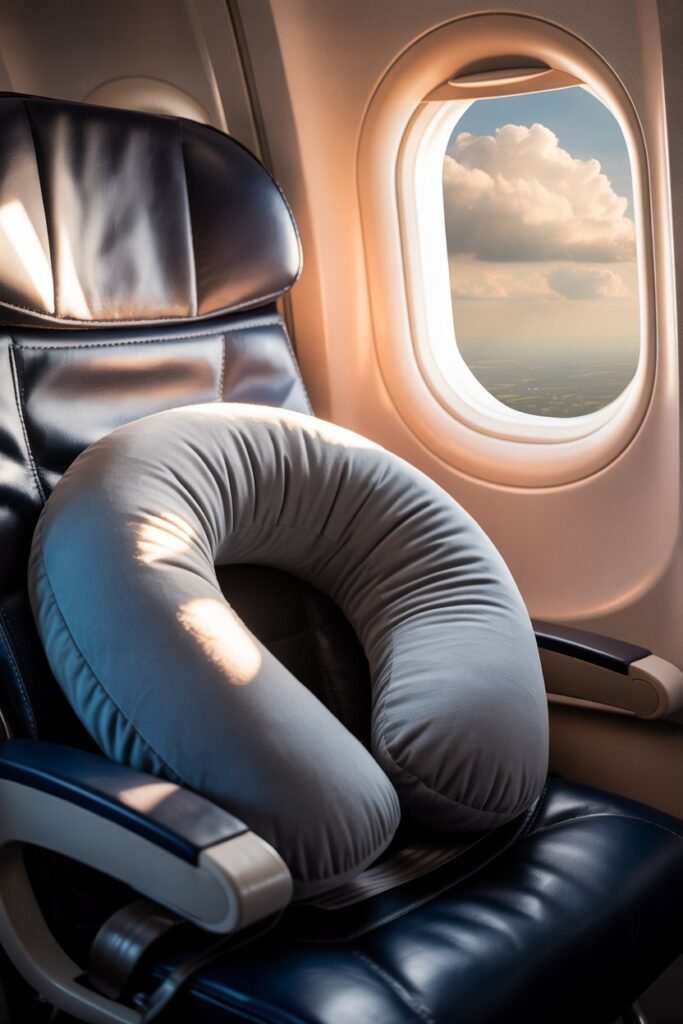
A travel pillow is one of those items you don’t realize you need until you’re stuck on a long flight, train ride, or road trip.
Having proper neck support can make a huge difference when trying to rest while traveling. I always appreciate having one with me during long journeys because it helps me arrive feeling more comfortable and less tired.
What to Pack
- Comfortable travel pillow.
- Memory foam neck pillow.
- Inflatable pillow for saving space.
- Pillow cover for easy cleaning.
- Small carrying pouch.
Why It’s Important
Sleeping while sitting upright can be difficult, especially during long flights or overnight transportation. A good travel pillow provides support for your neck and head, helping you relax and get better rest while on the move.
I found that having a travel pillow makes long journeys much easier. Instead of constantly adjusting my position or waking up with neck discomfort, I can rest more comfortably and enjoy the trip from the beginning.
Helpful Travel Tips
- Choose a pillow with good neck support.
- Look for lightweight designs that are easy to carry.
- Pick a washable cover for better hygiene.
- Test your pillow before your trip.
- Choose an inflatable option if you want to save luggage space.
- Keep it attached to your carry on for quick access.
Best Travel Organization Tip
Attach your travel pillow to the outside of your backpack or keep it in an easy access pocket. Avoid packing it deep inside your luggage because you will most likely need it during the flight, train ride, or airport wait.
I also recommend choosing comfort over appearance. The best travel pillow is the one that actually supports your neck and helps you rest during those long hours between destinations.
A small travel pillow can turn an uncomfortable journey into a much more relaxing experience, making it one of the most useful items for frequent travelers.
12. Eye Mask
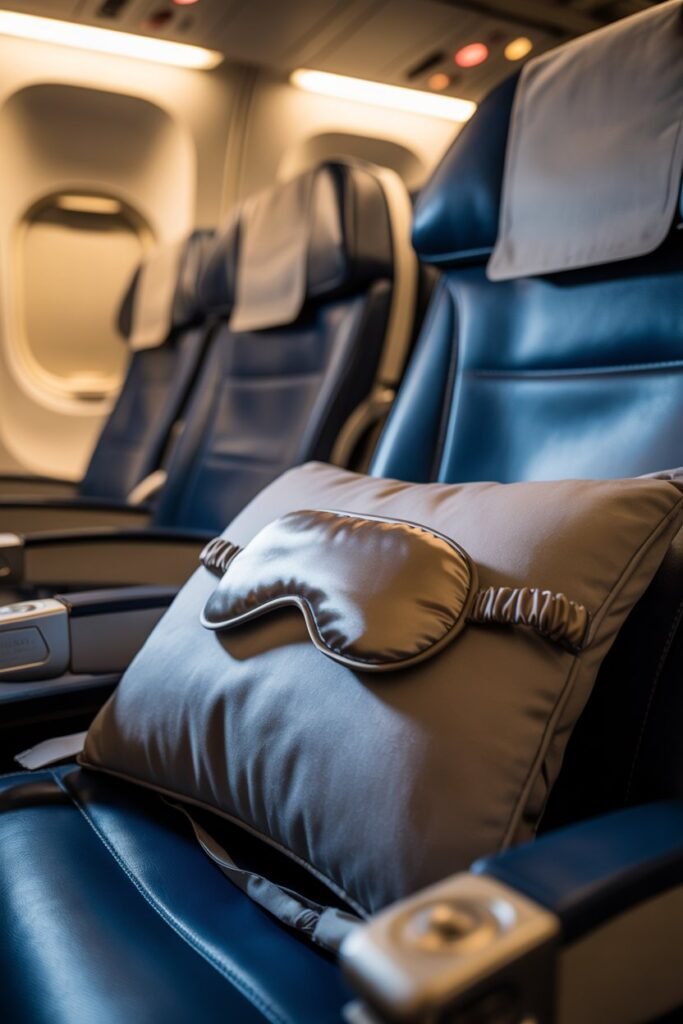
An eye mask is a simple travel essential that can make resting during a journey much easier. Whether you’re on a long flight, staying in a bright hotel room, or trying to sleep in a different time zone, blocking out unwanted light can help you relax and get better quality rest.
What to Pack
- Comfortable sleep eye mask.
- Soft adjustable eye mask.
- Silk or breathable fabric mask.
- Small storage pouch.
- Backup eye mask for longer trips.
Why It’s Important
Travel often disrupts your normal sleep routine. Bright airplane cabins, airport lights, early morning arrivals, and unfamiliar hotel rooms can make it difficult to rest properly.
I always like having an eye mask in my carry on because it helps create a more comfortable sleeping environment wherever I am. It is especially useful during overnight flights when I want to rest before arriving at my destination.
Helpful Travel Tips
- Choose a soft mask that does not put pressure on your eyes.
- Pick an adjustable design for a comfortable fit.
- Look for breathable materials if you travel to warm destinations.
- Keep it in your personal bag for easy access.
- Pair it with a travel pillow and noise canceling headphones for better rest.
- Wash reusable eye masks regularly.
Best Travel Organization Tip
Keep your eye mask with your other flight essentials, such as your travel pillow, headphones, and charging cable. Having a small comfort pouch makes it easy to prepare for a long journey without searching through your luggage.
I usually take mine out as soon as I settle into my seat because it helps signal my body that it is time to relax, especially when traveling across different time zones.
An eye mask takes up almost no space but can greatly improve your travel comfort. For long flights, overnight trips, and busy travel days, it is one of the easiest ways to create a more peaceful resting experience.
13. Empty Water Bottle
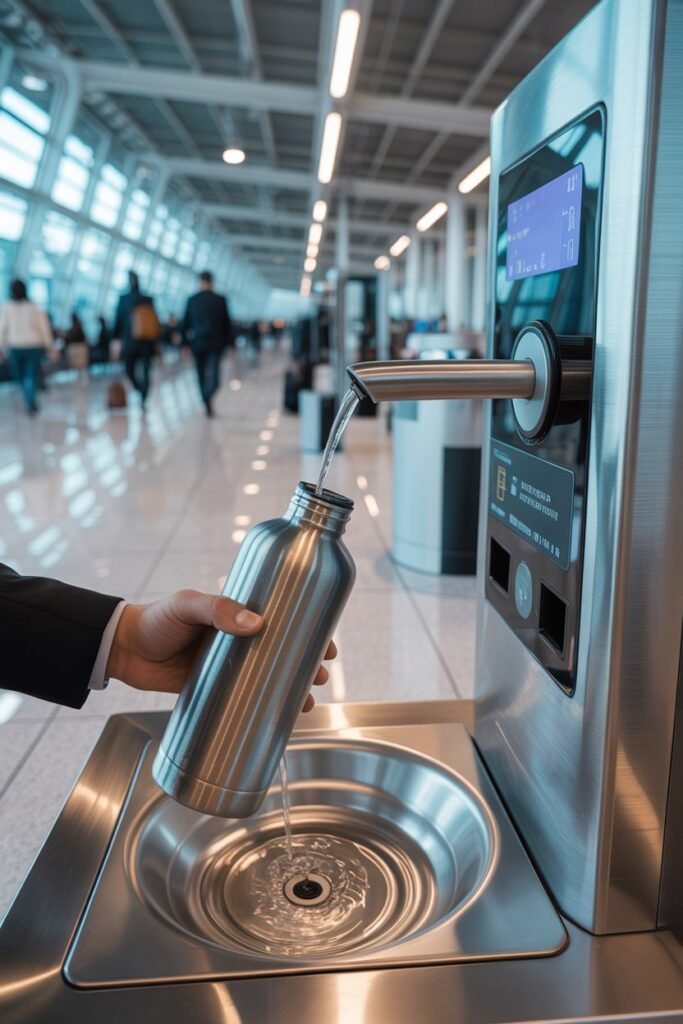
An empty water bottle is one of the simplest travel essentials that can save money, reduce waste, and keep you comfortable throughout your journey. I always pack one before a trip because staying hydrated is important, especially during long flights, outdoor adventures, and full days of sightseeing.
What to Pack
- Reusable water bottle.
- Lightweight stainless steel or BPA free bottle.
- Collapsible water bottle for saving space.
- Bottle with a leak proof lid.
- Insulated bottle for keeping drinks cold.
Why It’s Important
Travel days can be exhausting, and dehydration can make you feel tired and uncomfortable. Having your own bottle means you can refill it whenever you find a safe water source instead of constantly buying single use plastic bottles.
I especially find it useful when exploring cities, hiking, visiting national parks, or spending long hours outdoors. A quick refill before heading out means I can focus on enjoying the experience instead of searching for a place to buy water.
Helpful Travel Tips
- Bring an empty bottle through airport security and fill it after passing through.
- Choose a lightweight bottle that is easy to carry.
- Check whether tap water is safe to drink at your destination.
- Use an insulated bottle for hot summer destinations.
- Clean your bottle regularly during your trip.
- Avoid bottles that easily leak inside your bag.
Best Travel Organization Tip
Attach your water bottle to the outside of your backpack or keep it in an easy access pocket. This makes it convenient to refill during sightseeing without unpacking your luggage.
I also prefer bottles with a wide opening because they are easier to clean and can be filled with ice when visiting warm destinations.
An empty water bottle may seem like a small item, but it is one of those travel essentials that makes daily adventures easier.
From airports and train stations to beaches and hiking trails, having water with you helps you stay refreshed wherever you go.
14. Healthy Snacks

Healthy snacks are one of those travel essentials I always recommend packing before a trip.
Long travel days can make it difficult to find good food when you’re hungry, especially during flights, road trips, airport delays, or busy sightseeing days.
Having a few snacks with you keeps your energy levels steady and helps you avoid spending extra money on expensive convenience foods.
What to Pack
- Nuts and trail mix.
- Protein bars.
- Granola bars.
- Dried fruit.
- Crackers.
- Dark chocolate.
- Energy bites.
- Packaged healthy snacks that travel well.
Why It’s Important
Travel schedules do not always go as planned. You may have an early morning flight, a delayed connection, or a full day exploring without a convenient place to stop for food.
I always keep a few snacks in my carry on because they are helpful when hunger hits unexpectedly. Having something quick to eat helps me stay energized and enjoy the journey instead of feeling tired or distracted.
Helpful Travel Tips
- Choose snacks that are easy to pack and do not spoil quickly.
- Avoid foods that can easily melt or leak inside your bag.
- Pack individual portions for easier access.
- Bring protein rich snacks to stay full longer.
- Check food restrictions before traveling internationally.
- Keep snacks in your personal bag instead of checked luggage.
Best Travel Organization Tip
Store your snacks in a small reusable pouch or zip bag so they are easy to find during flights, road trips, and sightseeing. I usually keep mine near my water bottle and other daily essentials so I can grab them quickly.
Extra Tip for Long Trips
If you’re traveling for several hours, combine different types of snacks to keep things interesting. A mix of protein, healthy fats, and carbohydrates can help provide longer lasting energy throughout the day.
A few carefully chosen snacks take up very little space but can make a big difference during travel. They help you stay comfortable, save money, and keep your energy up while exploring new destinations.
15. Change of Clothes
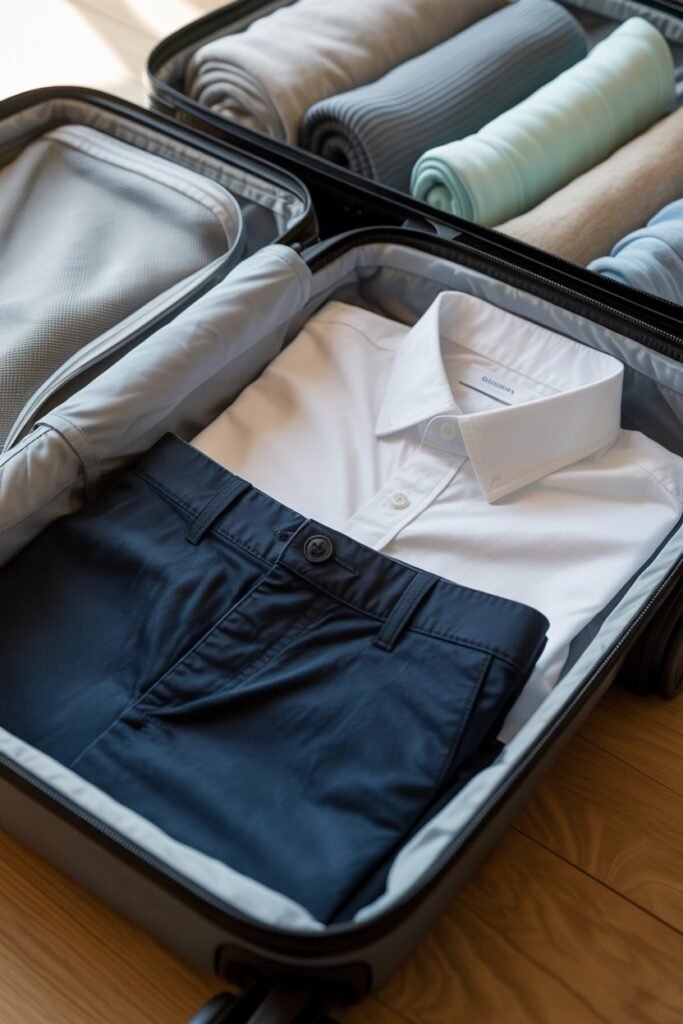
A change of clothes is one of the most practical travel essentials I always pack in my carry on.
Even when I am traveling for a short trip, having a fresh outfit available can make a long journey much more comfortable.
Unexpected delays, lost luggage, spills, or changing weather can happen, and a spare set of clothes gives you peace of mind.
What to Pack
- Comfortable shirt or top.
- Extra pants, shorts, or leggings.
- Fresh underwear and socks.
- Lightweight jacket or sweater.
- Comfortable shoes if needed.
- Sleepwear for overnight travel.
- Basic toiletries for freshening up.
Why It’s Important
Travel days can be unpredictable. A delayed flight, a long layover, or checked luggage arriving late can leave you without access to your belongings.
I always keep a small change of clothes in my personal bag because it helps me feel refreshed after hours of traveling.
Changing into clean clothes after a long flight or before exploring a new destination can make a huge difference in comfort.
Helpful Travel Tips
- Choose lightweight clothing that does not take up much space.
- Pack clothes that can be mixed and matched.
- Include a comfortable outfit suitable for unexpected situations.
- Keep an extra pair of underwear and socks in your carry on.
- Pack a light layer for cold airplanes or changing weather.
- Use packing cubes to keep spare clothes organized.
Best Travel Organization Tip
Place your change of clothes near the top of your carry on bag so you can access it quickly without unpacking everything. I usually pack mine in a small packing cube along with other flight essentials.
For longer trips, I also choose versatile clothing that can be worn in different situations, such as a comfortable outfit that works for both traveling and casual sightseeing.
A simple change of clothes takes up very little space but can make your journey much more comfortable. It is one of those travel items you appreciate most when something unexpected happens.
16. Underwear and Socks
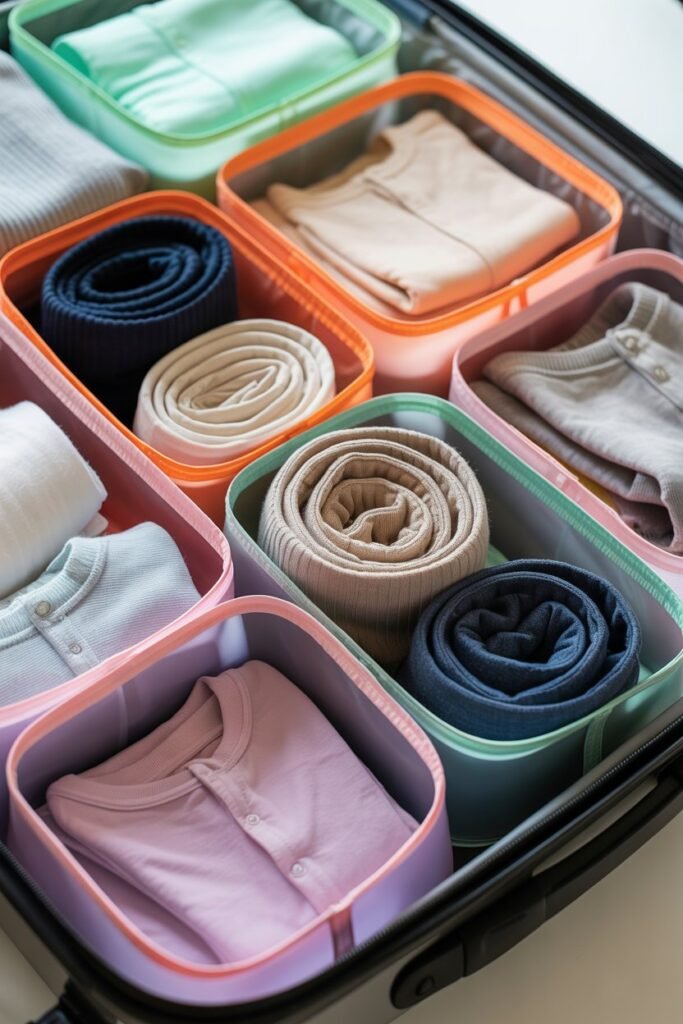
Underwear and socks may seem like basic items, but they are some of the most important things to pack for any trip. Having enough fresh pairs can make long travel days, outdoor adventures, and unexpected delays much more comfortable.
What to Pack
- Enough underwear for your entire trip.
- Extra pairs for unexpected situations.
- Comfortable everyday socks.
- Moisture wicking socks for hiking or outdoor activities.
- Warm socks for colder destinations.
- Lightweight socks for warm weather.
Why It’s Important
Comfort matters when you are traveling. Walking through airports, exploring new cities, hiking trails, or spending hours on transportation can become uncomfortable without the right clothing essentials.
I always pack extra underwear and socks because they take up very little space but are incredibly useful. Having a clean pair available after a long flight, a busy sightseeing day, or a sudden change of plans can make you feel refreshed and more comfortable.
Helpful Travel Tips
- Pack at least one or two extra pairs beyond what you think you need.
- Choose breathable fabrics for warm destinations.
- Bring thicker socks for hiking or colder climates.
- Avoid packing only one type of sock for different activities.
- Keep a spare pair in your carry on bag.
- Use packing cubes to keep smaller clothing items organized.
Best Travel Organization Tip
Store underwear and socks together in a small packing cube or separate pouch. This keeps them organized, saves space, and makes it easier to find them without searching through your luggage.
I usually keep one fresh pair of underwear and socks in my carry on during longer trips. It is a small habit that makes travel days much easier, especially if luggage gets delayed.
These simple clothing essentials may not be the most exciting items on your packing list, but they are some of the things you will appreciate the most throughout your journey.
17. Travel Toiletry Essentials
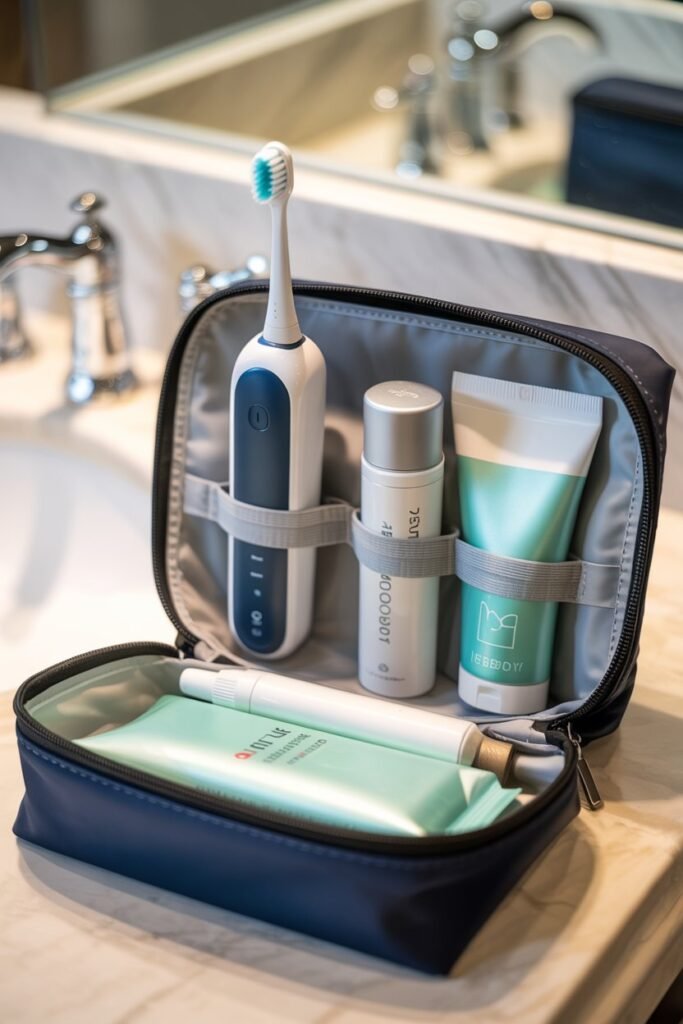
Travel toiletries are some of the most important items to pack because they help you feel clean, comfortable, and refreshed throughout your journey. After a long flight, a busy sightseeing day, or an outdoor adventure, having your personal care essentials nearby can make a big difference.
What to Pack
- Toothbrush and toothpaste.
- Face wash.
- Moisturizer.
- Shampoo and conditioner.
- Body wash or soap.
- Deodorant.
- Razor and shaving essentials.
- Hairbrush or comb.
- Sunscreen.
- Travel size skincare products.
- Feminine hygiene products if needed.
- Small towel or washcloth.
Why It’s Important
Travel can affect your normal routine, especially when you are moving between airports, hotels, and different destinations.
Having your own toiletries means you do not have to rely completely on hotel supplies or search for stores after arriving.
I always pack my favorite personal care items because familiar products help me feel more comfortable while traveling.
A quick shower, fresh skincare routine, and clean clothes can completely change how you feel after a long travel day.
Helpful Travel Tips
- Pack liquids in travel size containers to save space.
- Follow airline liquid rules when flying with carry on luggage.
- Choose products that you already know work well for you.
- Keep toiletries in a waterproof bag to prevent leaks.
- Bring sunscreen for sunny destinations.
- Pack multi use products when possible to reduce luggage.
Best Travel Organization Tip
Use a clear toiletry bag to keep everything organized and easy to find. I usually separate daily essentials like toothbrush, deodorant, and skincare from items I use less often.
Keeping toiletries together also makes hotel check ins easier because you can quickly grab what you need without unpacking your entire suitcase.
Extra Tip for Longer Trips
For longer vacations, consider refillable travel containers instead of buying new products every time. They save space, reduce waste, and allow you to bring the products you already enjoy using.
A well organized toiletry bag helps you feel prepared from the moment you leave home.
These small personal care items may not take up much room, but they can make your entire travel experience more comfortable and enjoyable.
18. Wet Wipes or Cleaning Wipes
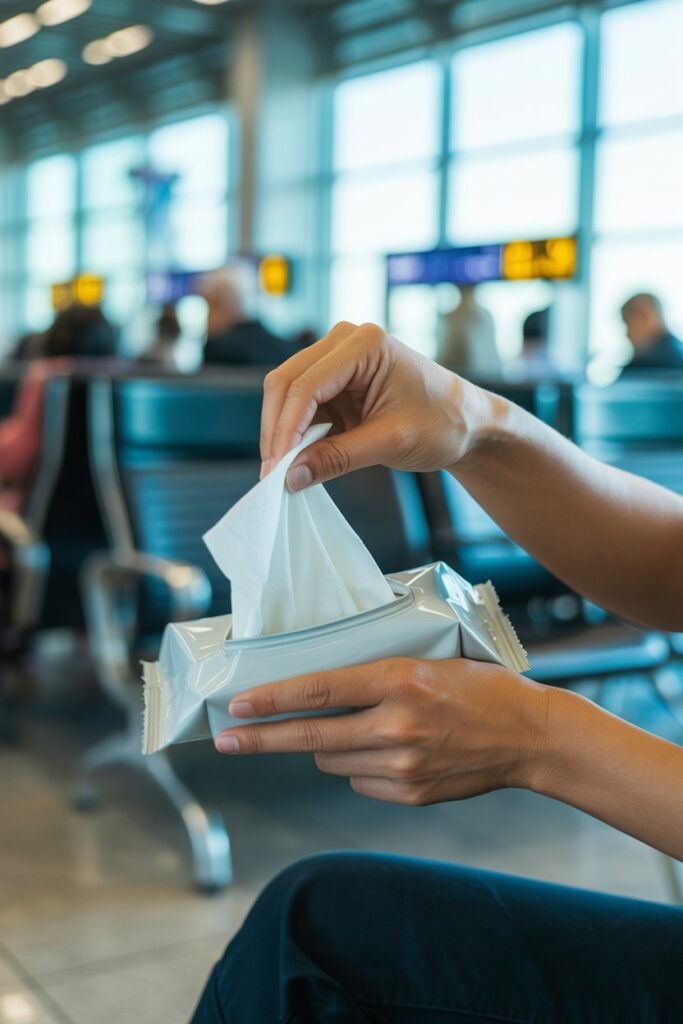
Wet wipes or cleaning wipes are one of those small travel essentials that I always keep in my bag. They are lightweight, easy to carry, and surprisingly useful during flights, road trips, sightseeing days, and outdoor adventures.
What to Pack
- Travel size wet wipes.
- Antibacterial cleaning wipes.
- Face or body wipes.
- Individually wrapped wipes for convenience.
- Small resealable pouch to prevent drying.
Why It’s Important
Travel can get messy, especially when you are spending long hours away from your hotel.
Whether you need to clean your hands, wipe down a tray table on a plane, freshen up after a long day, or clean small spills, wipes can quickly solve many little problems.
I always carry them because they take up almost no space but provide extra comfort when traveling.
They are especially helpful during airport waits, long flights, train rides, and outdoor activities where access to soap and water may not be available.
Helpful Travel Tips
- Choose compact travel packs to save space.
- Keep wipes in your personal bag for easy access.
- Use disinfecting wipes for cleaning personal surfaces.
- Store them in a sealed pouch to prevent drying.
- Pack extra packs for longer trips.
- Check airline restrictions if carrying larger liquid based cleaning products.
Best Travel Organization Tip
Keep your wipes together with other everyday essentials like hand sanitizer, tissues, lip balm, and medication in a small personal care pouch. This makes it easy to grab everything you need during your journey.
I usually keep a small pack in my day bag while exploring because it is useful after eating, visiting crowded attractions, or spending hours outdoors.
Extra Tip for Long Travel Days
A few wipes can help you feel refreshed when you do not have time for a full shower or when you are moving between destinations.
They are especially valuable during overnight flights, layovers, and busy travel schedules.
Wet wipes may seem like a simple item, but they are one of those travel essentials you appreciate the most when you need them.
They help you stay comfortable, clean, and prepared wherever your adventure takes you.
19. Small First Aid Kit
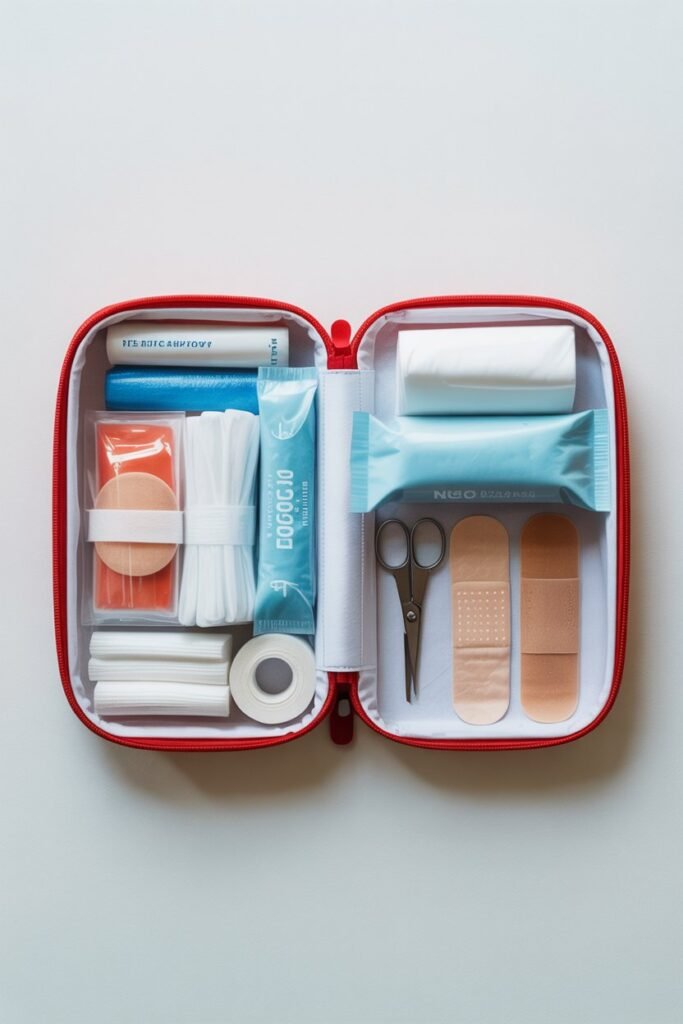
A small first aid kit is one of those travel essentials you may not use every day, but you will be thankful to have when a minor problem happens.
From small cuts and blisters to headaches or unexpected discomfort, having basic supplies nearby can save time and prevent small issues from affecting your trip.
What to Pack
- Adhesive bandages in different sizes.
- Antiseptic wipes.
- Small gauze pads.
- Medical tape.
- Antibacterial ointment.
- Tweezers.
- Scissors or small safety scissors if allowed.
- Pain relief medication.
- Blister patches.
- Disposable gloves.
- Allergy medication if needed.
Why It’s Important
Travel often involves more walking, outdoor activities, and unfamiliar environments. A small blister from exploring a new city, a minor scrape during a hike, or a small cut while traveling can happen when you least expect it.
I always prefer carrying a compact first aid kit because it gives me peace of mind. Instead of searching for a pharmacy in an unfamiliar place, I already have the basics needed to handle small situations quickly.
Helpful Travel Tips
- Keep your first aid kit small and focused on essentials.
- Replace expired medications and supplies regularly.
- Pack prescription medications separately.
- Store everything in a waterproof pouch.
- Keep it in an easy to reach part of your luggage.
- Check airline rules before packing items like scissors or sharp tools.
Best Travel Organization Tip
Use a small zippered pouch or travel first aid bag to keep everything together. I like organizing items by category, such as wound care supplies, medications, and personal care items, so I can find what I need quickly.
Keeping your first aid kit in your carry on is especially helpful during flights, road trips, and longer journeys where access to your checked luggage may not be possible.
Extra Tip for Adventure Trips
If you are planning hiking, camping, beach activities, or outdoor adventures, consider adding extra items like blister protection, insect bite relief, and additional wound care supplies.
A small first aid kit takes up very little space but provides valuable peace of mind.
It helps you stay prepared for unexpected moments so you can spend more time enjoying your destination and less time worrying about small problems.
20. Extra Supply of Prescription Medication
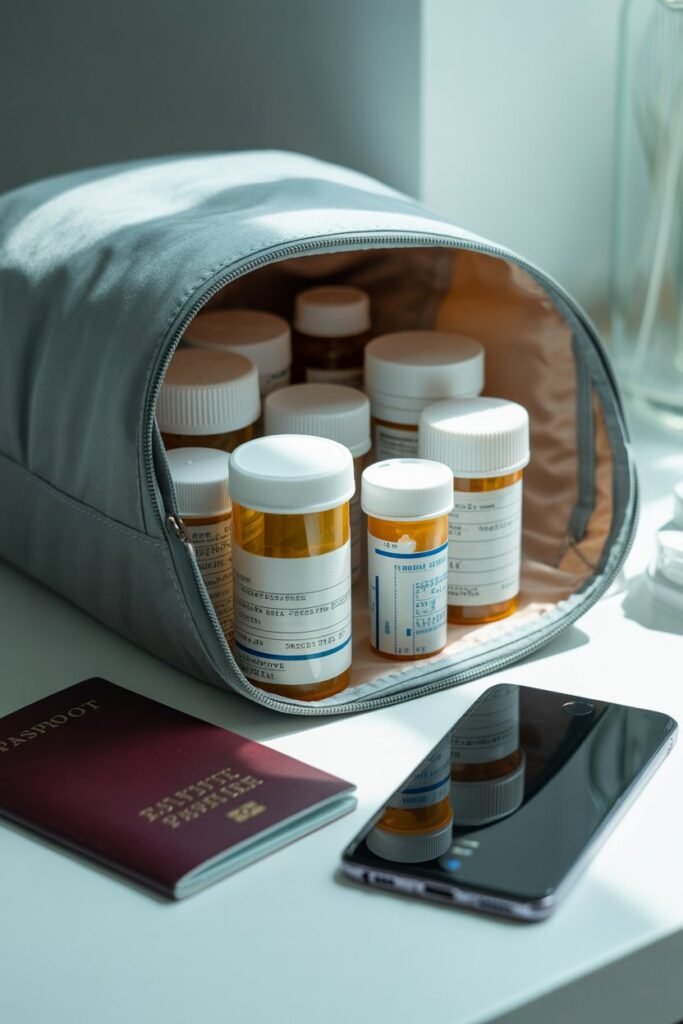
Prescription medication is one of the most important travel essentials to prepare before leaving home.
Unlike clothing or other items that can easily be replaced, getting your medication in another country can be difficult, especially if there are language barriers, different regulations, or limited access to certain medicines.
What to Pack
- Enough prescription medication for your entire trip.
- Extra supply in case of delays or unexpected changes.
- Original medication containers with labels.
- Copy of your prescription or doctor’s note if needed.
- List of your medications and dosages.
- Important medical information.
Why It’s Important
Travel plans can change unexpectedly. Flights can be delayed, luggage can get lost, or you may decide to extend your stay.
Having extra medication ensures you are not left without something essential while away from home.
I always recommend keeping prescription medication in my carry on bag instead of checked luggage.
This keeps it accessible during flights and protects you from situations where your suitcase does not arrive on time.
Helpful Travel Tips
- Refill prescriptions before your trip so you have enough supply.
- Pack medication in your carry on luggage.
- Keep medicines in their original labeled containers.
- Check medication rules for your destination before traveling internationally.
- Carry a written prescription or medical letter when recommended.
- Store medication properly according to temperature requirements.
Best Travel Organization Tip
Create a small medication pouch that includes your prescriptions, important medical information, and any related travel documents. Keep it separate from your regular toiletries so it is easy to access when needed.
For longer trips, I also like making a simple medication checklist before leaving home. This helps ensure nothing is forgotten during the busy days leading up to travel.
Extra Tip for International Travel
Some countries have restrictions on certain medications, so it is important to research requirements before your trip.
Having proper documentation can make airport checks and border crossings much easier.
Your health should always come first while traveling.
Packing an extra supply of prescription medication is a simple step that helps you enjoy your trip with more confidence and fewer worries.
21. Notebook and Pen
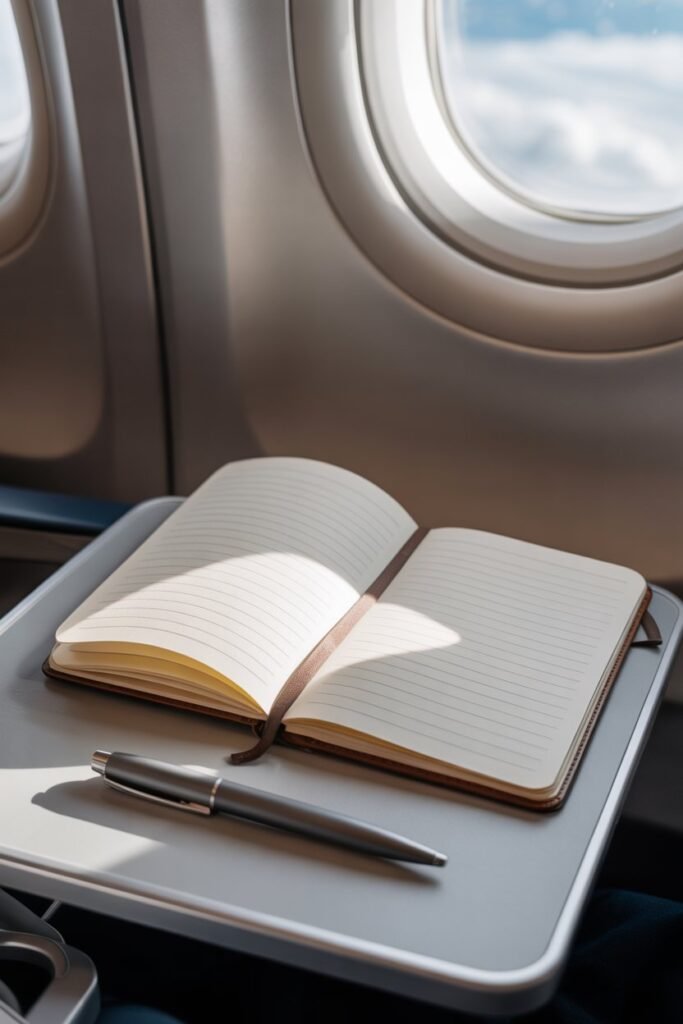
A notebook and pen may seem old fashioned in a world where everything is stored on our phones, but they remain one of my favorite travel essentials.
There is something special about writing down memories, important details, and experiences as you explore a new destination.
What to Pack
- Small travel notebook.
- Comfortable pen.
- Extra pen in case one stops working.
- Travel journal for memories.
- Small pouch to protect your notebook.
Why It’s Important
A notebook can be useful for many situations while traveling. You can write down travel plans, restaurant recommendations, addresses, expenses, important reminders, or special moments you want to remember.
I love using a notebook during trips because it allows me to capture little details that I might forget later.
A handwritten note about a favorite café, a beautiful view, or a memorable experience can become a meaningful keepsake long after the trip ends.
Helpful Travel Tips
- Choose a lightweight notebook that fits easily in your bag.
- Keep a pen with you because you may need one for forms or notes.
- Write down your hotel address in case your phone battery dies.
- Use it to track daily expenses and travel plans.
- Leave space for tickets, postcards, or small travel memories.
- Avoid carrying a large notebook that adds unnecessary weight.
Best Travel Organization Tip
Keep your notebook and pen in your personal bag or day backpack so they are always accessible.
I like having mine with other everyday essentials because I can quickly write something down whenever inspiration comes.
It is especially useful during flights, train rides, café breaks, or quiet moments when you want to reflect on your journey.
Extra Tip for Travel Memories
Use your notebook as a simple travel journal. Write about your favorite meals, places you visited, people you met, and experiences that stood out. Years later, those small notes can bring back the feeling of your adventure.
A notebook and pen take up almost no space, but they can add a personal touch to your travels. They help you stay organized, remember important details, and create a lasting record of your journey.
22. Travel Insurance Details
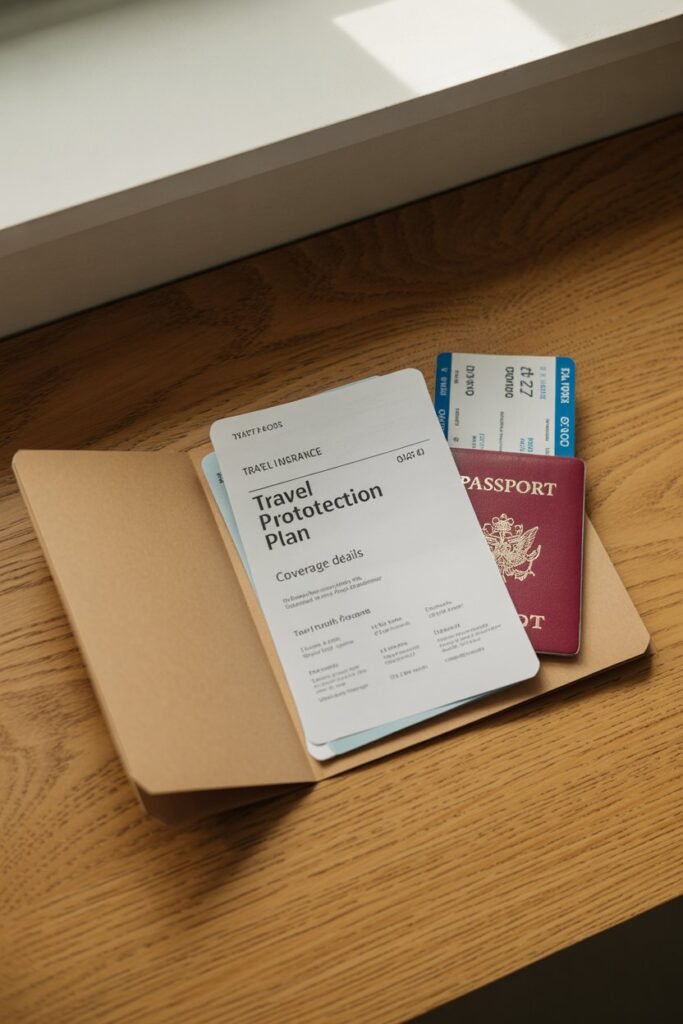
Travel insurance details are one of those things you hope you never need, but you will be grateful to have if something unexpected happens. From flight cancellations and lost luggage to medical emergencies and travel delays, having the right coverage can protect your trip and give you peace of mind.
What to Pack
- Travel insurance policy details.
- Insurance provider contact information.
- Emergency assistance phone numbers.
- Policy number.
- Digital and printed copies of your insurance documents.
- Receipts for important travel expenses if needed.
Why It’s Important
Travel does not always go exactly as planned. Flights can be delayed, bags can go missing, or unexpected health issues can happen while you are away from home.
I always keep my travel insurance information easy to access because stressful situations are much easier to handle when you already know who to contact and what coverage you have.
Helpful Travel Tips
- Purchase travel insurance before your trip begins.
- Read what your policy covers and what it does not.
- Save digital copies of your documents on your phone.
- Keep emergency contact numbers available offline.
- Carry important insurance details in your personal bag.
- Keep receipts and records if you need to make a claim.
Best Travel Organization Tip
Store your insurance information in the same folder as your passport, flight details, and hotel confirmations. I also save a digital copy on my phone so I can access it even if I lose my physical documents.
Having everything organized before departure means you can focus on enjoying your vacation instead of searching for important information during an emergency.
Extra Tip for International Travel
Before traveling abroad, check whether your insurance includes medical coverage, emergency evacuation, trip cancellations, lost luggage, and other situations that matter for your destination.
A good travel insurance plan is not just another document to carry. It is a safety net that helps protect your health, money, and travel experience when unexpected situations happen.
Taking a few minutes to organize your travel insurance details before leaving home can make your entire journey feel safer and more relaxed.
23. Copies of Important Documents
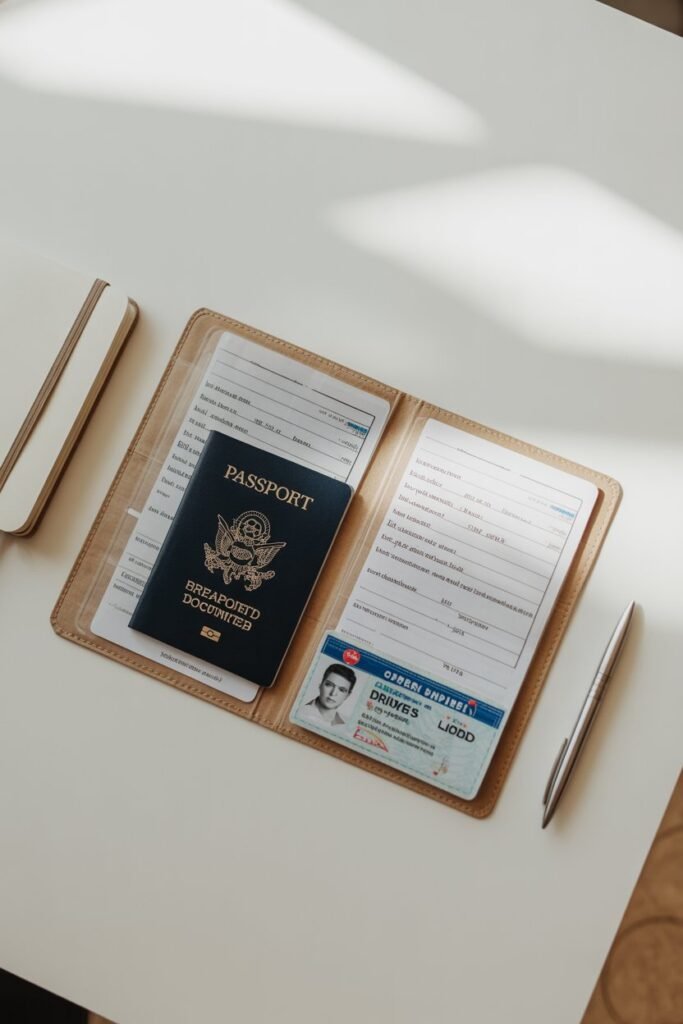
Copies of important documents are one of the easiest travel essentials to prepare, but they can make a huge difference if something goes wrong during your trip.
Losing your passport, identification, or travel information can be stressful, but having backup copies gives you an extra layer of security and makes handling unexpected situations much easier.
What to Pack
- Copy of your passport information page.
- Copy of your visa documents if required.
- Flight confirmations.
- Hotel reservations.
- Travel insurance information.
- Driver’s license or identification card.
- Emergency contact information.
- Copies of important medical documents if needed.
Why It’s Important
While traveling, important documents can be lost, stolen, or damaged. Having backup copies allows you to quickly provide necessary information when contacting airlines, hotels, embassies, insurance companies, or local authorities.
I always keep both physical and digital copies of my important documents because they give me peace of mind.
A printed copy can be useful when internet access is unavailable, while digital copies make it easy to access information from anywhere.
Helpful Travel Tips
- Keep printed copies separate from your original documents.
- Save digital copies in a secure cloud storage account.
- Email important documents to yourself as an additional backup.
- Avoid storing all copies in the same place as your originals.
- Check that all documents are clear and readable before traveling.
- Update copies whenever travel information changes.
Best Travel Organization Tip
Create a dedicated travel document folder on your phone and keep all digital copies organized in one place.
For physical copies, I recommend storing them in a separate travel pouch away from your passport and wallet.
I usually prepare my document copies before leaving home because it saves time and stress if something unexpected happens during the trip.
Extra Tip for International Travel
If you are traveling abroad, having copies of your passport and important documents can be especially helpful if you need assistance from your country’s embassy or local authorities.
These backup copies may seem unnecessary when everything is going smoothly, but they can become one of the most valuable things you carry when you need them.
A few minutes of preparation before your trip can protect your plans and help you travel with more confidence.
24. Light Jacket or Sweater
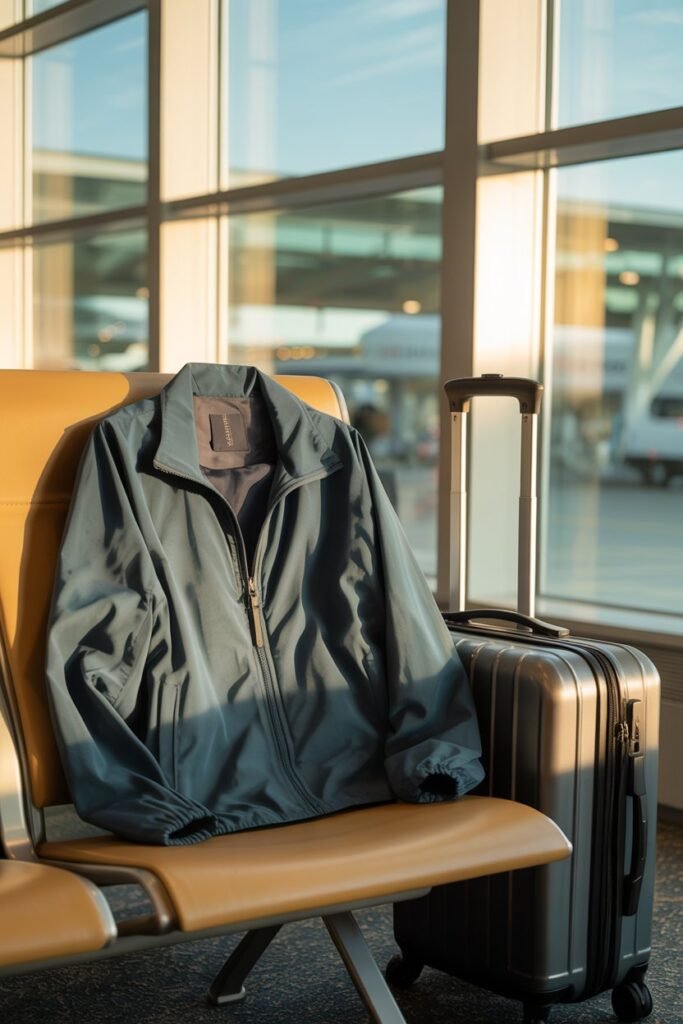
A light jacket or sweater is one of those travel essentials I always pack, even when I am visiting a warm destination.
Weather can change quickly, airplanes can feel cold, and evenings may become cooler than expected.
Having an extra layer keeps you comfortable without adding too much weight to your luggage.
What to Pack
- Lightweight jacket.
- Comfortable sweater or cardigan.
- Windbreaker for outdoor activities.
- Light hoodie for flights.
- Packable rain jacket if needed.
- Thin layer that matches different outfits.
Why It’s Important
Travel often involves different temperatures throughout the day. A sunny afternoon can turn into a cool evening, and places like airplanes, museums, restaurants, and public transportation often have strong air conditioning.
I always keep a light jacket in my carry on because it is useful during flights and unexpected weather changes.
It has also helped during early morning sightseeing, sunset walks, and outdoor activities when temperatures drop.
Helpful Travel Tips
- Choose a lightweight jacket that is easy to carry.
- Pick a neutral color that works with different outfits.
- Bring a water resistant option for unpredictable weather.
- Avoid bulky jackets that take up too much luggage space.
- Wear your jacket during travel days to save packing room.
- Check the weather forecast before your trip.
Best Travel Organization Tip
Keep your light jacket near the top of your suitcase or attach it to your backpack so it is easy to access. I usually pack mine last because I know I may need it during the journey.
A versatile layer that works for flights, sightseeing, and evenings can save you from packing extra clothing while keeping you prepared for changing conditions.
Extra Tip for Different Destinations
For summer trips, a thin cardigan or lightweight jacket is often enough for cool evenings.
For mountain destinations, coastal areas, or places with unpredictable weather, a windproof or water resistant layer can be a better choice.
A light jacket may not seem essential when packing, but it is one of those items you appreciate when the temperature changes.
It helps you stay comfortable and enjoy every part of your adventure, from airport departures to evening walks in a new city.
25. Small Entertainment Options
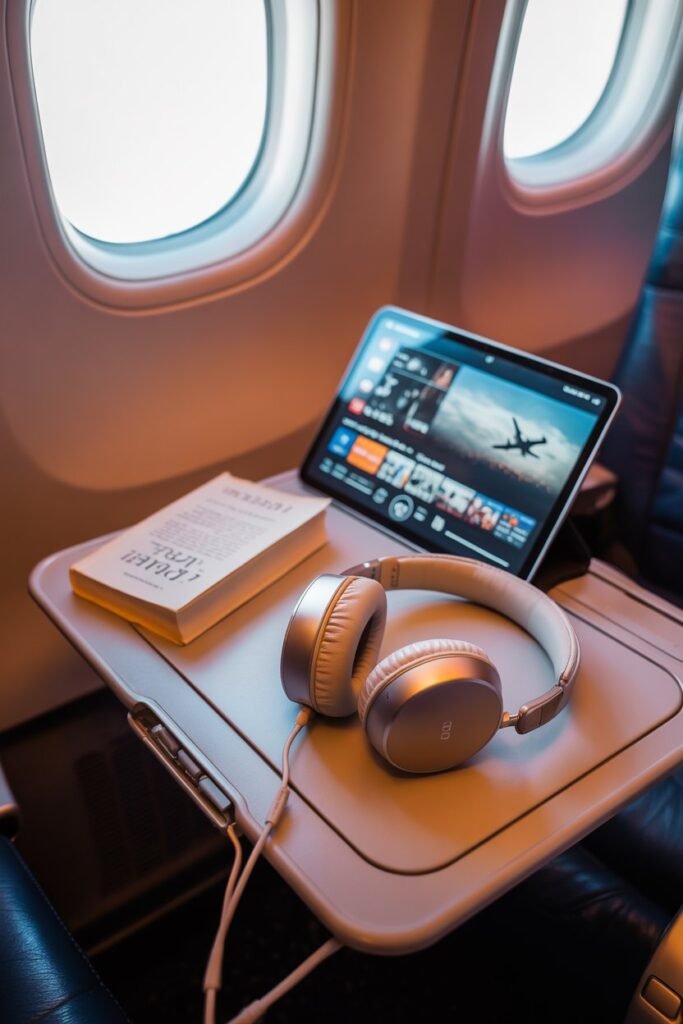
Small entertainment items are easy to overlook when packing, but they can make long travel days much more enjoyable.
Whether you are waiting at an airport, sitting on a long flight, relaxing at your hotel, or taking a train ride, having something to keep you entertained can make the journey feel much easier.
What to Pack
- E reader or tablet.
- Downloaded movies or shows.
- Books or magazines.
- Travel journal.
- Playing cards.
- Small travel games.
- Downloaded podcasts or music.
- Puzzle books.
Why It’s Important
Travel often includes moments of waiting, such as airport layovers, delayed flights, long bus rides, or quiet evenings after exploring.
Having simple entertainment options helps you relax and enjoy those slower moments.
I always like having something available for downtime because not every part of a trip is filled with activities.
Sometimes the best travel memories happen during quiet moments, like reading a book by the beach, listening to music while watching the scenery pass by, or writing about the day’s adventures.
Helpful Travel Tips
- Download entertainment before leaving home in case WiFi is unavailable.
- Choose lightweight options that do not take up much space.
- Bring items you genuinely enjoy using.
- Use headphones when watching or listening in shared spaces.
- Avoid packing too many entertainment items you may not use.
- Keep digital entertainment organized on your phone or tablet.
Best Travel Organization Tip
Create a small travel entertainment folder on your device with your favorite movies, playlists, podcasts, books, and travel apps before your trip. This saves time and keeps everything ready when you need it.
For physical items, I prefer packing one small book or notebook instead of carrying several things that add unnecessary weight.
Extra Tip for Long Trips
Entertainment can also help during stressful travel moments. A favorite playlist, relaxing audiobook, or familiar movie can make a long journey feel more comfortable and help you recharge before arriving at your destination.
Small entertainment options may not be essential for every traveler, but they can add comfort, relaxation, and enjoyment to your travel experience. A little preparation can turn long waiting times into moments you actually look forward to.
Smart Carry-On Packing Tips
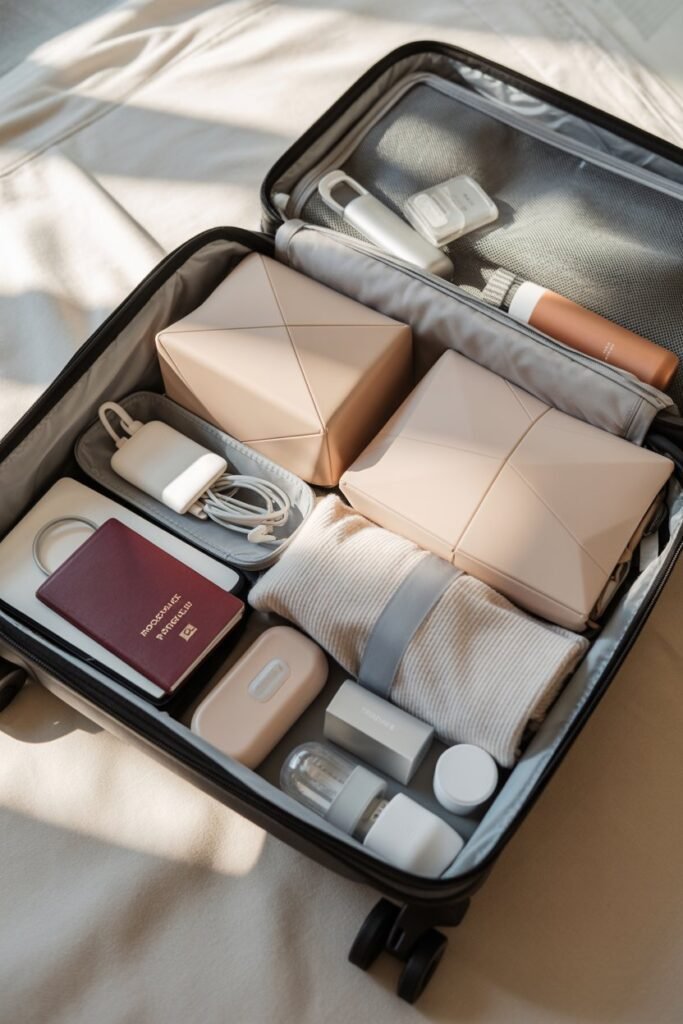
Packing the right items is only part of the process. How you pack matters just as much.
- Keep essentials in a top or front pocket for quick access
- Use small pouches to organize categories (toiletries, electronics, meds)
- Avoid overpacking your carry-on so it stays lightweight
- Always check airline liquid rules before packing toiletries
- Keep valuables close to you at all times
A well-organized carry-on saves time, reduces stress, and makes airport navigation easier.
Common Mistakes to Avoid
Many travelers make simple mistakes that cause unnecessary stress later.
- Packing valuables in checked luggage instead of carry-on
- Forgetting chargers or adapters
- Not carrying a change of clothes for long trips
- Overpacking liquids beyond airline limits
- Ignoring comfort items like neck pillows or snacks
Avoiding these mistakes alone can make your travel experience much smoother.
Why Smart Carry-On Packing Changes Your Travel Experience
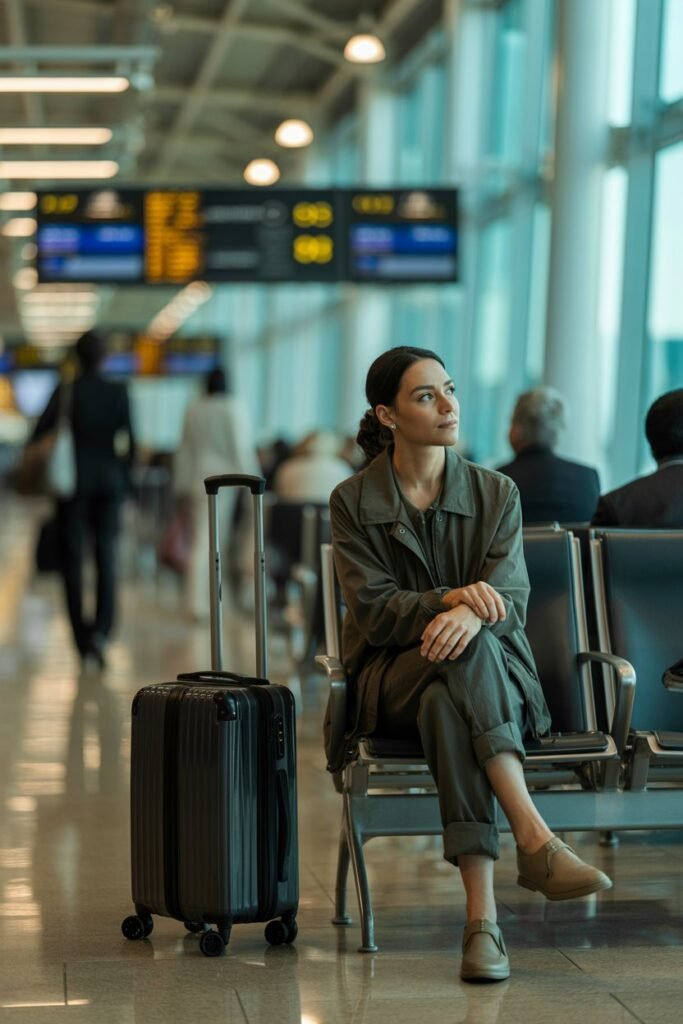
Once your carry-on is properly packed, you stop worrying about “what if” situations. Instead of stressing over lost luggage or discomfort, you feel prepared and in control.
It also helps you move faster through airports, stay more comfortable on flights, and adjust easily when travel plans change unexpectedly.
Frequently Asked Questions
What should never go into checked luggage?
Important documents, medications, electronics, wallets, and valuable items should stay in your carry on.
Should medications stay in a carry on?
Yes. Keep medications close to you during travel.
How many snacks should I bring?
Bring enough for delays and long travel periods without overpacking.
Is a power bank important?
Yes. Delays and heavy phone use can drain batteries quickly.
How heavy should a carry on be?
This depends on your airline, so always check baggage guidelines before flying.
Final Thoughts
Packing a carry on is not about stuffing as many items as possible into a bag. It is about packing smart.
The right essentials can make your trip more comfortable, less stressful, and much easier to manage.
I have found that some of the smallest items end up becoming the most useful ones during travel.
A charger, extra socks, snacks, or a simple hoodie may not seem important at home, but during a long travel day they can completely change your experience.
The goal is simple. Pack what truly helps and leave behind what you do not need. A smart carry on can make almost every trip feel smoother from start to finish.