Traveling across Europe for 30 days sounds like a dream — until you start packing.
Suddenly, it feels impossible to fit a month’s worth of clothes, shoes, toiletries, electronics, and travel essentials into one small carry-on bag.
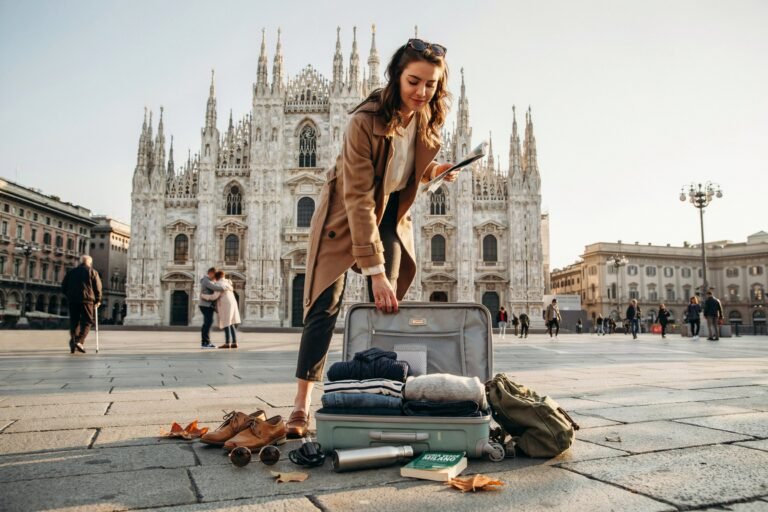
But here’s the truth: you absolutely can travel Europe for 30 days with only a carry-on. In fact, many experienced travelers prefer it.
Packing light saves money on baggage fees, makes train travel easier, helps you avoid lost luggage disasters, and gives you freedom to move through airports, cobblestone streets, and tiny hotel staircases without struggling under heavy suitcases.
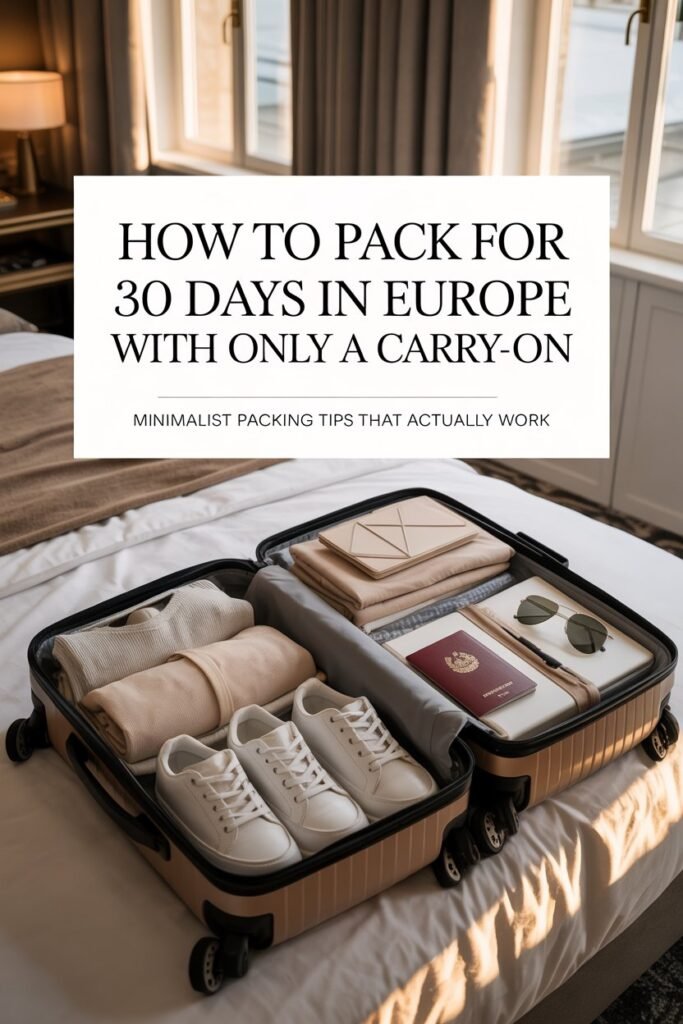
The secret isn’t bringing more. It’s bringing smarter.
This guide will show you exactly how to pack for 30 days in Europe using only a carry-on bag — without feeling unprepared, uncomfortable, or underdressed.
Whether you’re backpacking, city-hopping, traveling by train, or taking a summer vacation through multiple countries, this complete guide will help you pack efficiently and confidently.
Disclaimer: This post may contain affiliate links, which means I may earn a small commission at no extra cost to you. Packing needs vary based on destination, season, and airline policies, so always check baggage requirements before traveling.
Amazon Shopping List: How to Pack for 30 Days in Europe in a Carry-On
- Lightweight Carry-On Suitcase (Hard Shell)
- Packing Cubes Travel Organizer Set
- Compression Packing Cubes or Vacuum Travel Bags
- Foldable Travel Backpack (Daypack)
- Anti-Theft Crossbody Travel Bag
- Portable Luggage Scale
- Comfortable Walking Shoes for Travel
Why Traveling Europe With Only a Carry-On Is Worth It
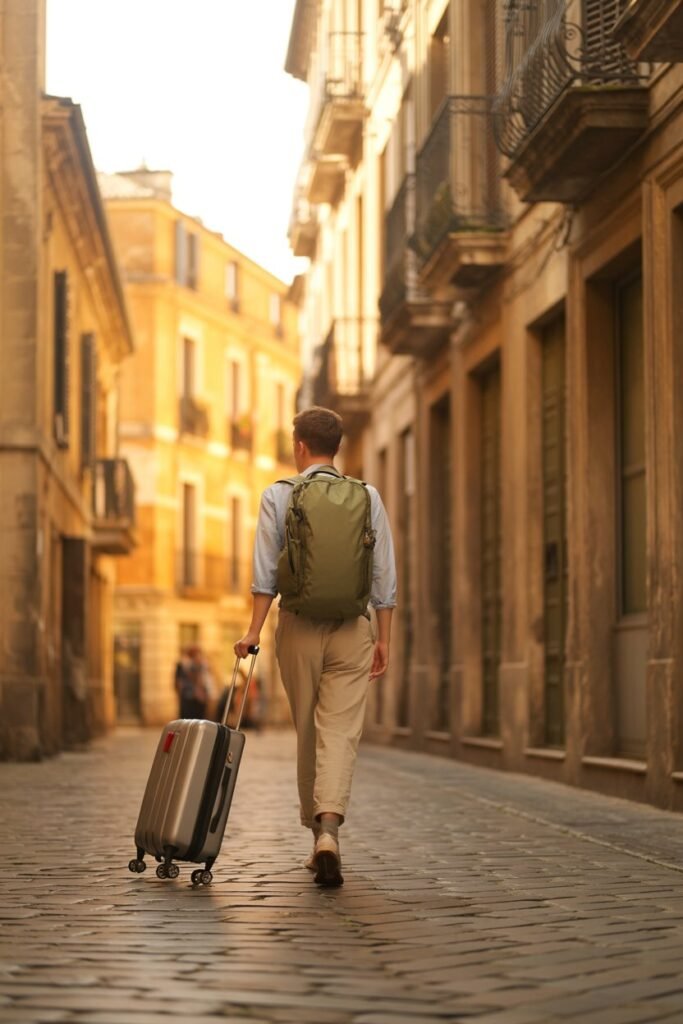
Before diving into packing lists and outfit planning, it’s important to understand why seasoned travelers swear by carry-on-only travel.
You Move Around More Easily
Europe often involves:
- Cobblestone streets
- Narrow staircases
- Small elevators
- Busy train stations
- Walking between hotels and public transportation
Dragging a giant suitcase through Rome, Paris, or Amsterdam quickly becomes exhausting.
A lightweight carry-on gives you flexibility and comfort.
You Save Money
Many European budget airlines charge expensive checked baggage fees.
Airlines like:
- Ryanair
- easyJet
- Wizz Air
often make checked luggage surprisingly expensive.
Traveling with only a carry-on helps you avoid those extra costs.
You Avoid Lost Luggage
Nothing ruins a trip faster than arriving in another country while your suitcase ends up somewhere else.
Carry-on travel keeps your belongings with you at all times.
Packing Light Reduces Stress
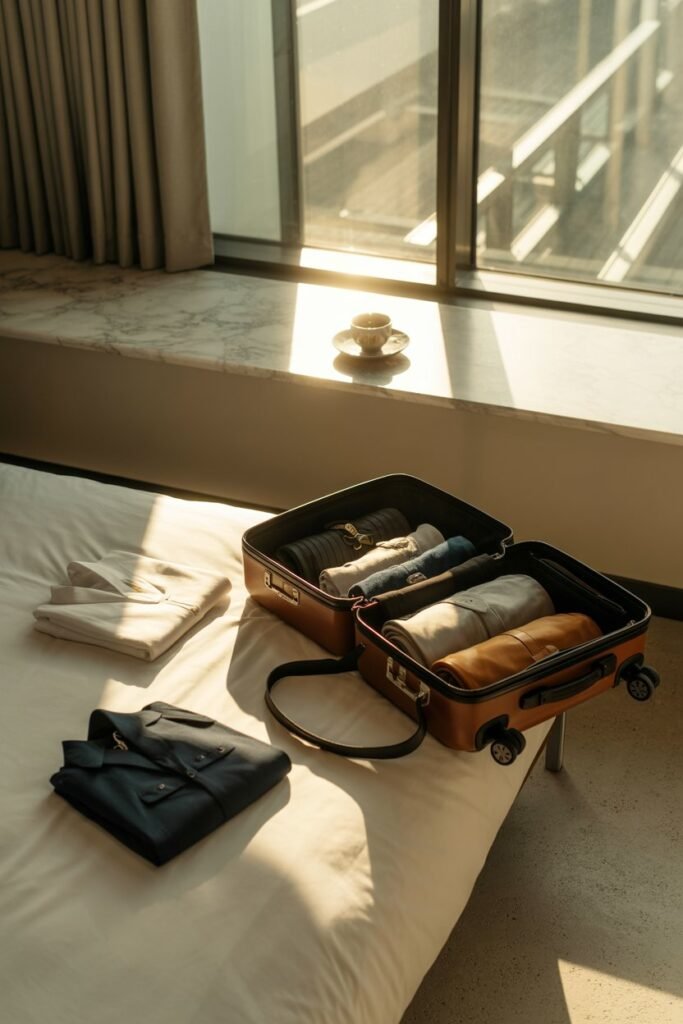
When you pack fewer things:
- You make decisions faster
- You stay organized
- You carry less weight
- You spend less time repacking
Minimalist travel often feels more relaxing and freeing.
The Biggest Mistake People Make When Packing for Europe
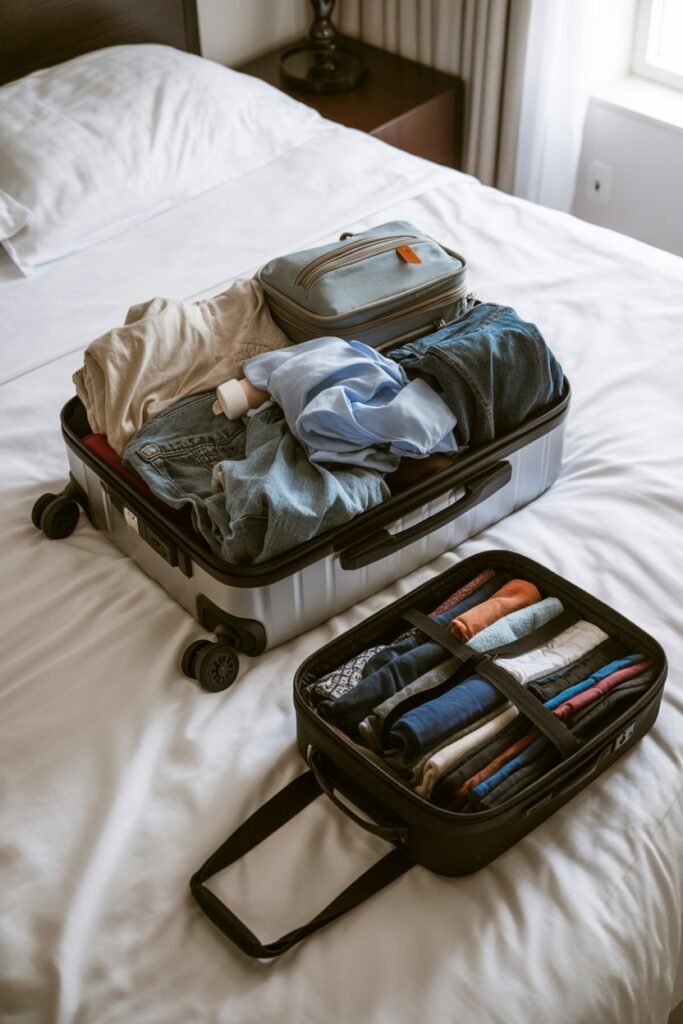
Most travelers pack for:
- “What if” situations
- Too many outfit choices
- Fashion fantasy scenarios
- Multiple weather extremes
The result?
An overstuffed suitcase filled with things they never wear.
The reality is:
You will likely rotate the same favorite outfits repeatedly.
The goal is not to pack for 30 completely different days.
The goal is to pack:
- Versatile clothing
- Easy layers
- Mix-and-match pieces
- Items you can rewear
You’re packing for one week that you can repeat four times.
Choosing the Right Carry-On Bag
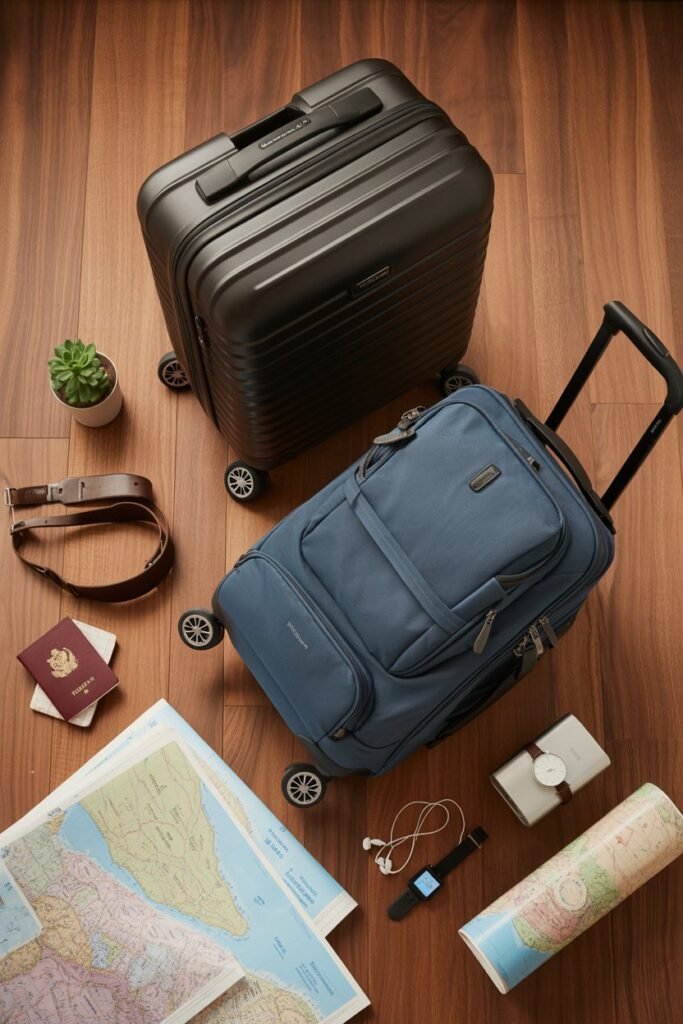
Your bag matters more than people think.
The wrong bag can make travel miserable.
Best Carry-On Size for Europe
Most airlines allow:
- 21–22 inch carry-ons
- Around 7–10kg weight limits on budget airlines
Always check airline rules before flying.
Backpack vs Carry-On Suitcase
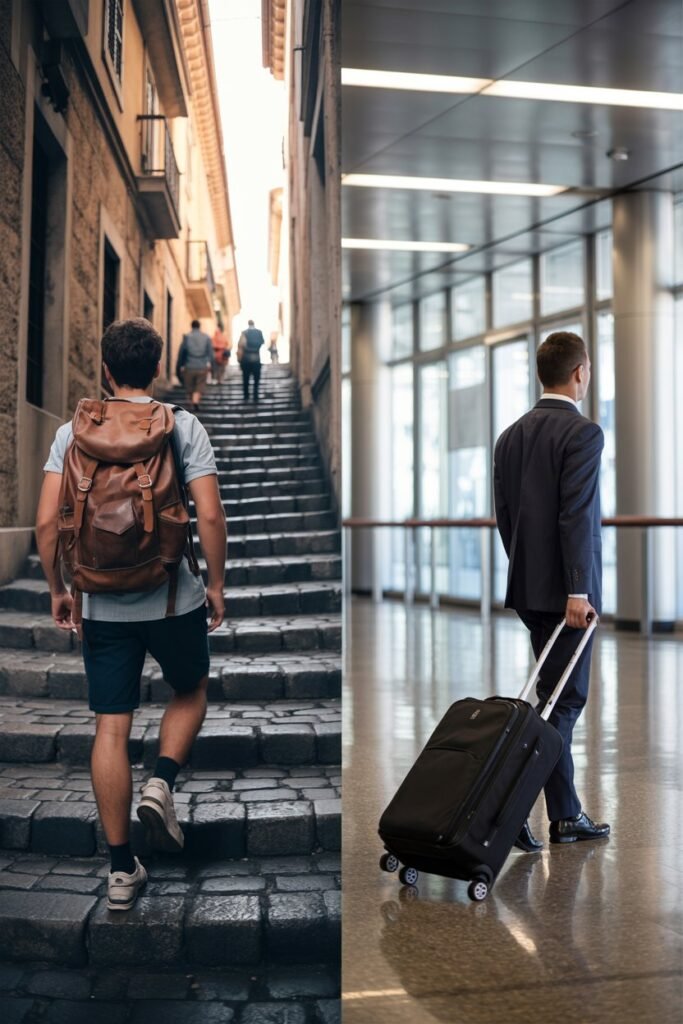
Carry-On Backpack Pros
- Easier on stairs
- Better for train travel
- Great for uneven streets
- More flexible in tight spaces
Best for:
- Backpackers
- Multi-country trips
- Frequent movement
Carry-On Suitcase Pros
- Better organization
- Easier access
- Wrinkle reduction
- Better for city travel
Best for:
- Hotel-based trips
- Slower travel styles
- Fashion-focused travelers
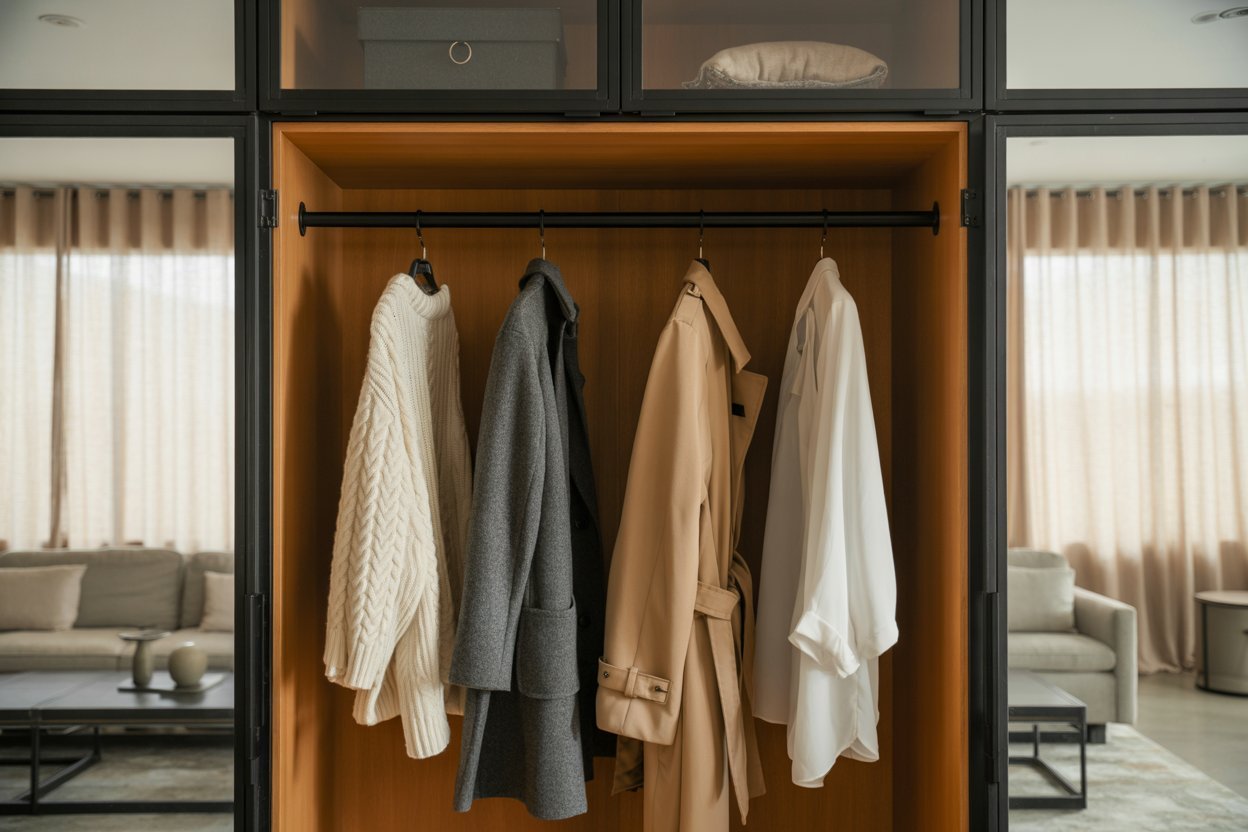
Essential Packing Rule: Build a Capsule Wardrobe
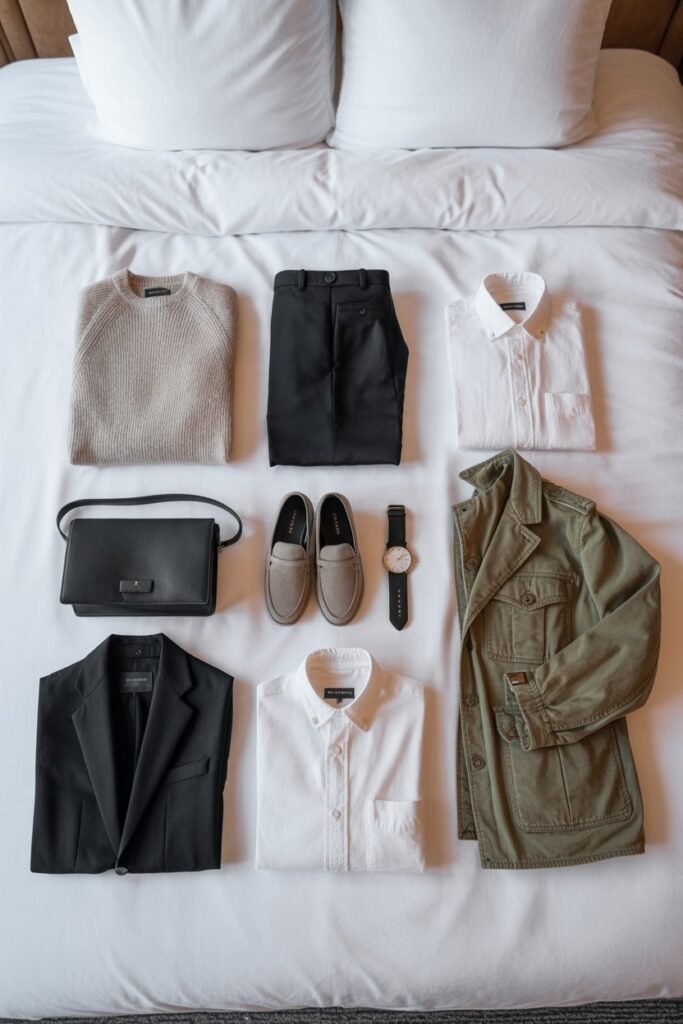
A capsule wardrobe is the ultimate carry-on packing secret.
Instead of packing random clothing items, choose pieces that:
- Match each other
- Layer easily
- Work for multiple occasions
- Use neutral colors
Best Color Strategy
Stick with:
- Black
- White
- Beige
- Gray
- Navy
- Olive
Then add:
- 1–2 accent colors
This makes every outfit interchangeable.
The Ultimate 30-Day Europe Carry-On Packing List
Here’s a realistic minimalist packing list that actually works.
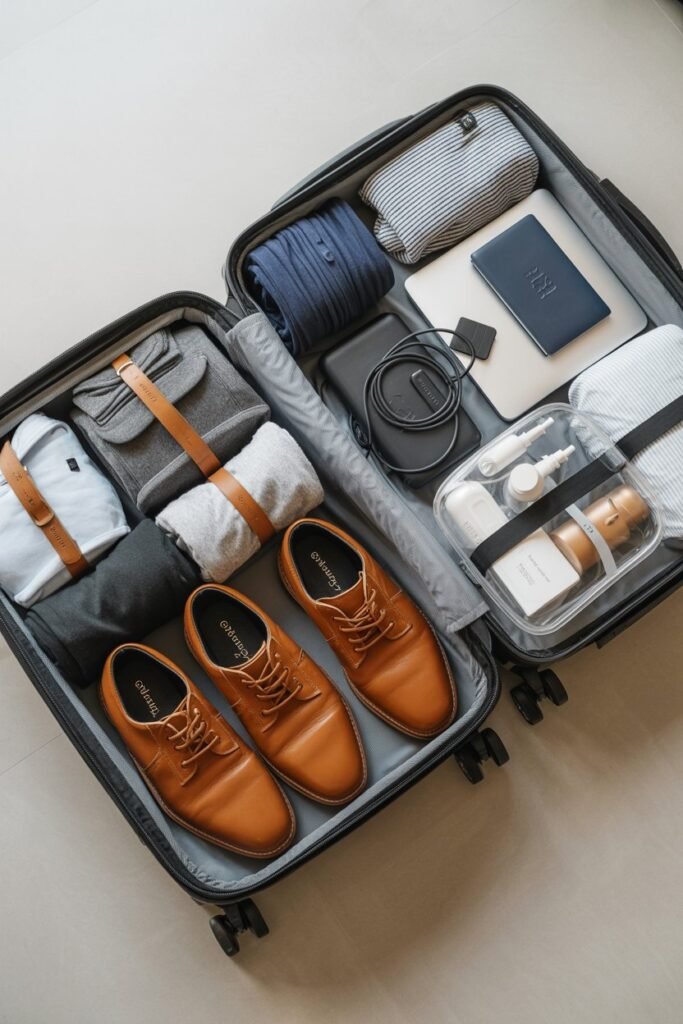
Clothing Essentials
Tops
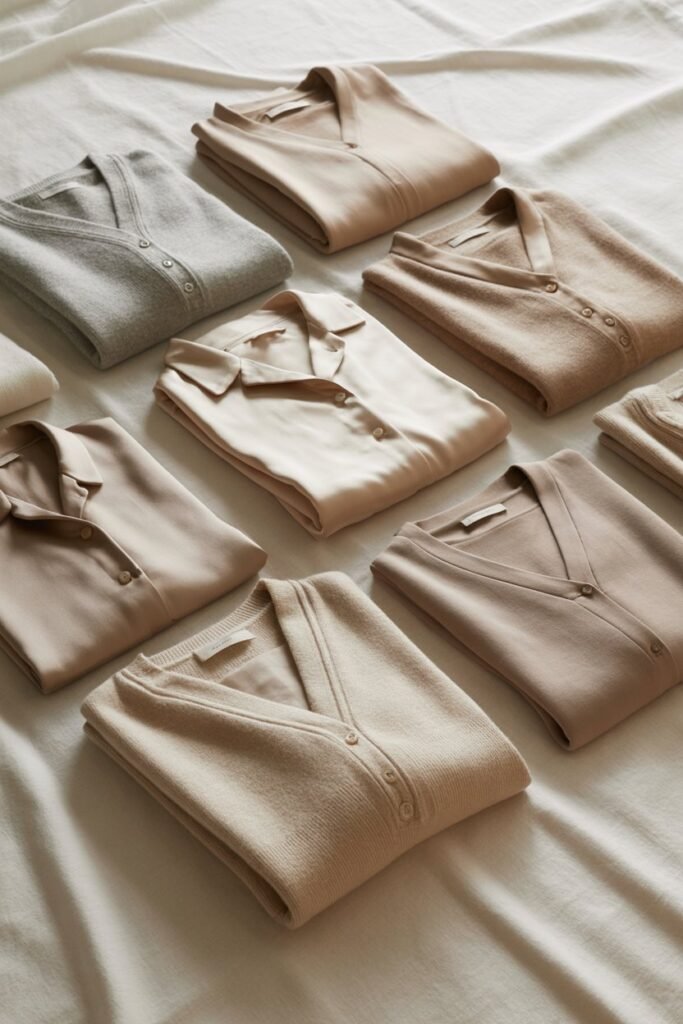
Pack:
- 4–5 basic tops
- 2 nicer shirts/blouses
- 1 lightweight sweater
- 1 layering cardigan or hoodie
Choose wrinkle-resistant fabrics whenever possible.
Bottoms
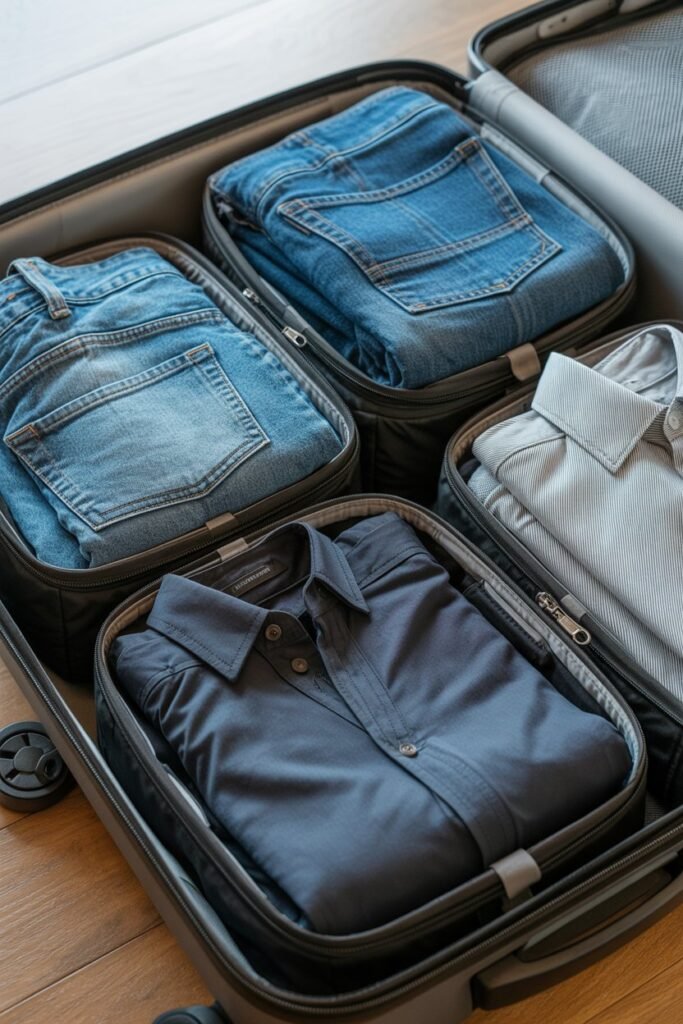
Pack:
- 2 pairs of comfortable pants
- 1 pair of jeans or trousers
- 1 pair of shorts or skirt (seasonal)
Avoid packing too many bottoms.
Most travelers repeatedly wear the same 2–3 pairs.
Dresses (Optional)

For women:
- 1 casual dress
- 1 versatile dress for dinners/events
Choose neutral styles that can be dressed up or down.
Outerwear
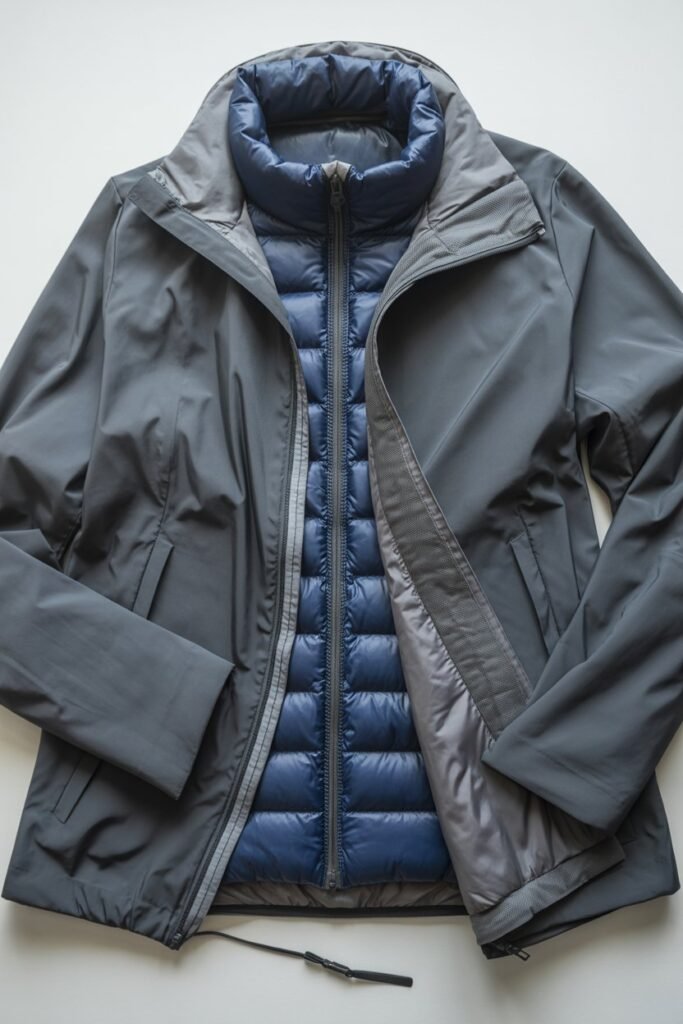
This depends heavily on season.
Summer
- Light jacket
- Thin cardigan
- Compact rain jacket
Spring/Fall
- Medium jacket
- Sweater layers
- Waterproof outer layer
Winter
- Packable down jacket
- Thermal layers
- Gloves/scarf
Layering matters far more than heavy bulky coats.
Shoes: The Area Most People Overpack
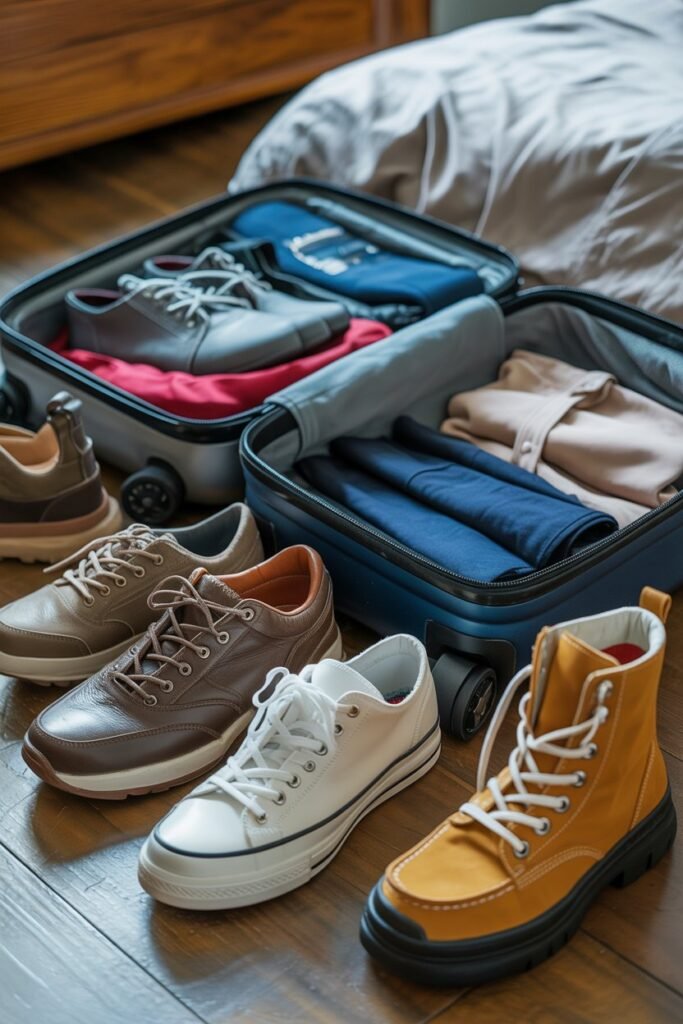
Shoes take up massive space.
You do NOT need:
- 6 shoe options
- “Just in case” heels
- Heavy boots you rarely wear
Ideal Shoe Strategy
Bring:
- Comfortable walking shoes
- Casual everyday shoes
- Optional dressier lightweight shoes
That’s it.
Best Shoes for Europe Travel
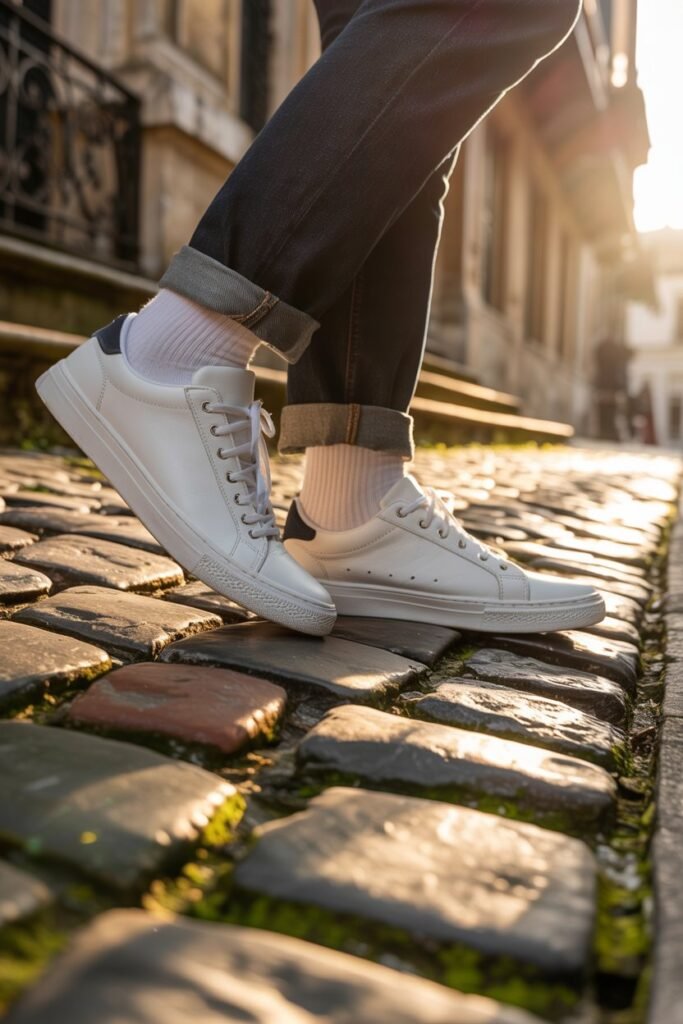
Europe often involves walking 15,000–25,000 steps daily.
Prioritize:
- Comfort
- Breathability
- Versatility
White sneakers remain one of the best travel choices because they match nearly everything.
Underwear & Socks
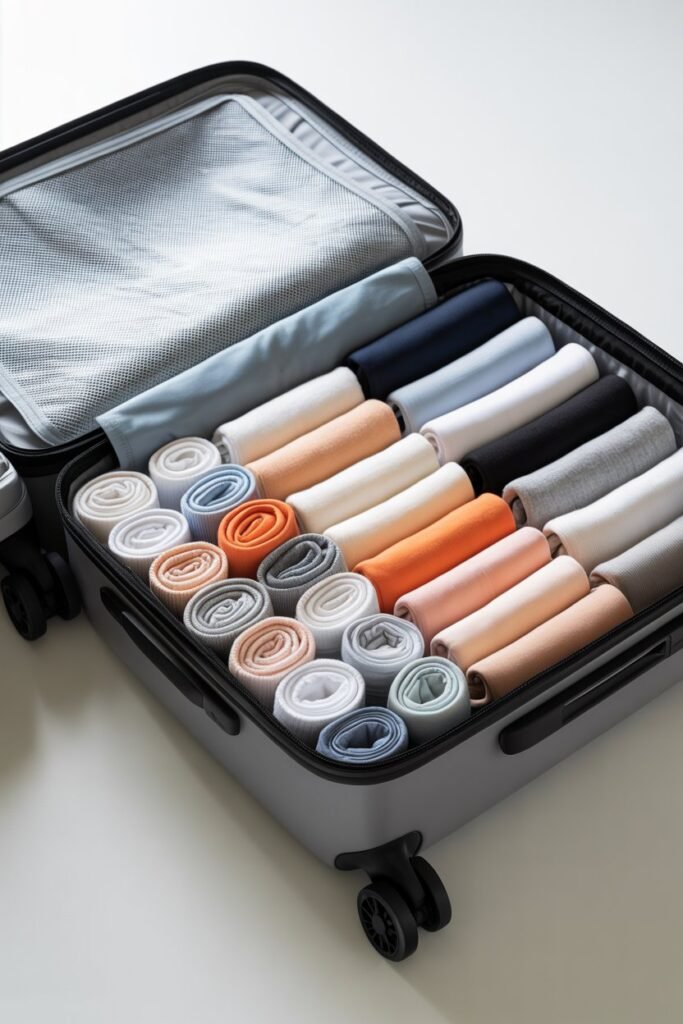
Pack:
- 7–10 underwear pairs
- 5–7 socks
- 2–3 bras
You’ll wash clothes during your trip.
You do NOT need 30 outfits.
Pajamas & Loungewear
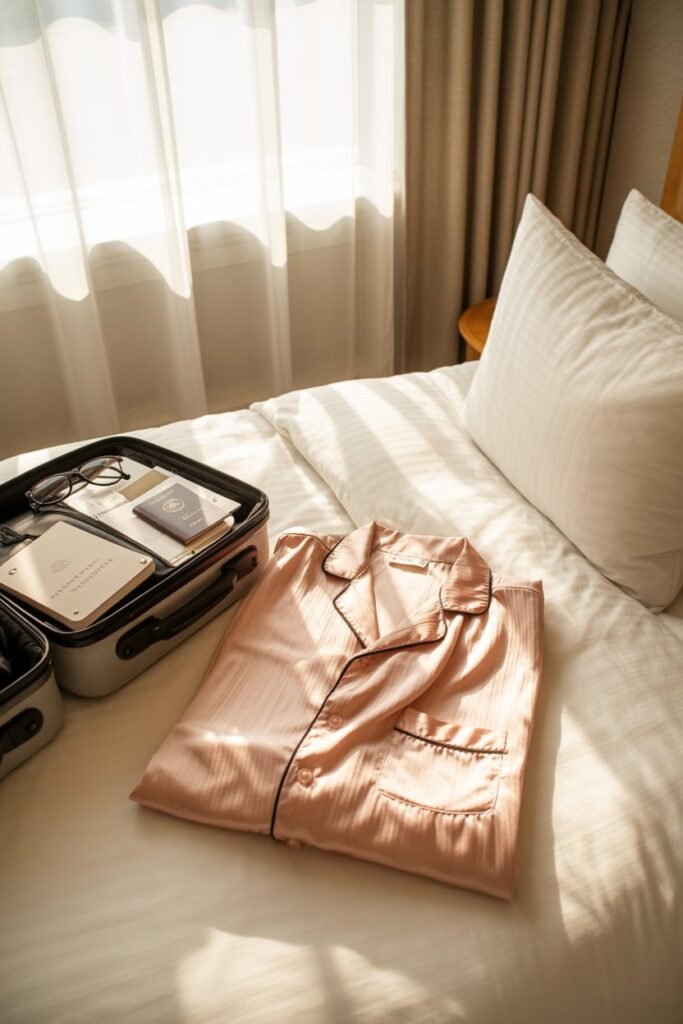
Keep it simple:
- 1 lightweight sleepwear set
Avoid bulky pajamas.
How to Handle Laundry During a 30-Day Europe Trip
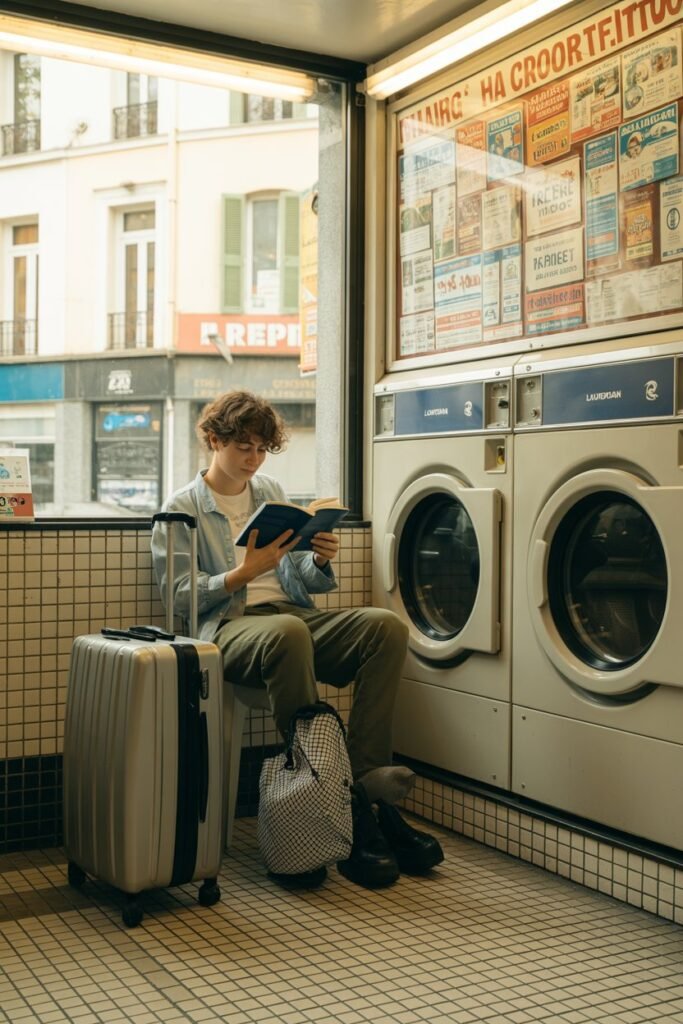
Laundry is the reason carry-on travel works.
Options include:
- Hotel laundry
- Airbnb washing machines
- Laundromats
- Hand washing
Most travelers do laundry every:
- 5–7 days
Travel-sized detergent sheets work extremely well.
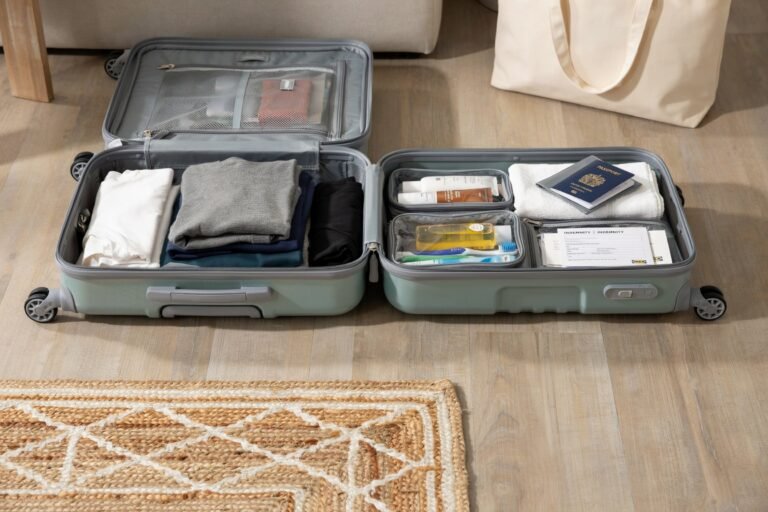
The Best Packing Cubes Strategy
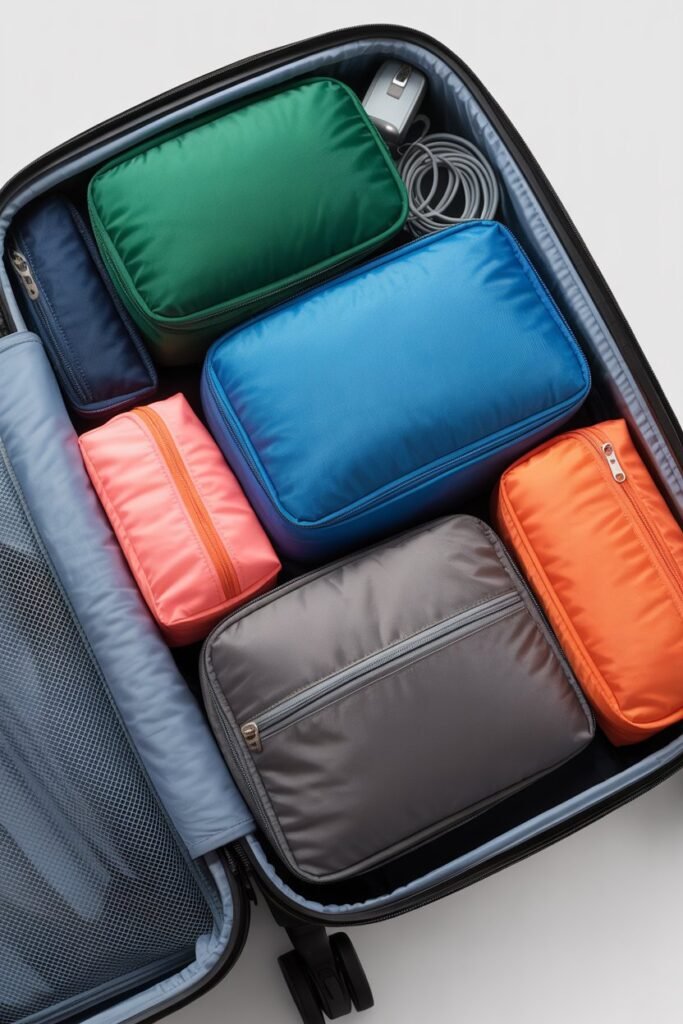
Packing cubes completely change carry-on organization.
Use separate cubes for:
- Tops
- Bottoms
- Underwear
- Electronics
- Toiletries
Benefits:
- Faster packing
- Better organization
- Space compression
- Less mess
Once you use packing cubes, it’s hard to travel without them.
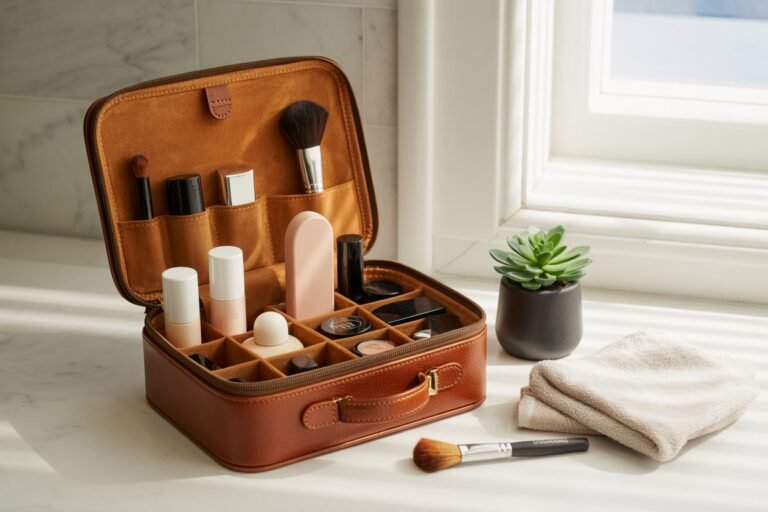
Toiletries: What You Actually Need
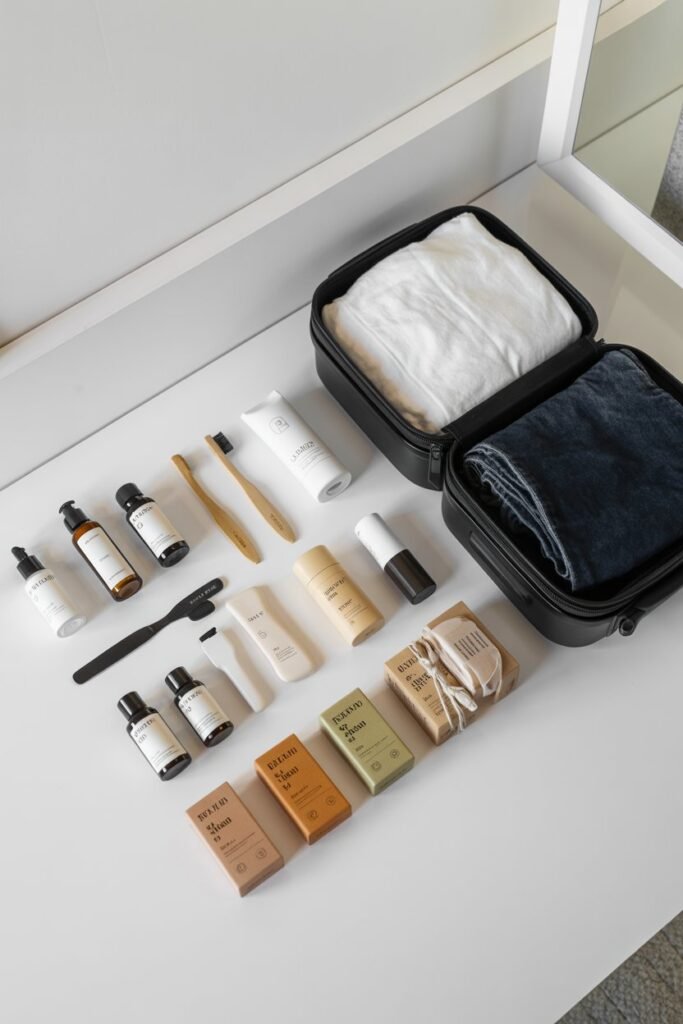
Europe has stores everywhere.
You do NOT need giant bottles of products.
Smart Toiletry Strategy
Pack travel sizes only:
- Toothbrush
- Toothpaste
- Shampoo
- Conditioner
- Skincare basics
- Sunscreen
- Deodorant
- Minimal makeup
Remember:
You can buy replacements during the trip.
Important Carry-On Liquid Rules
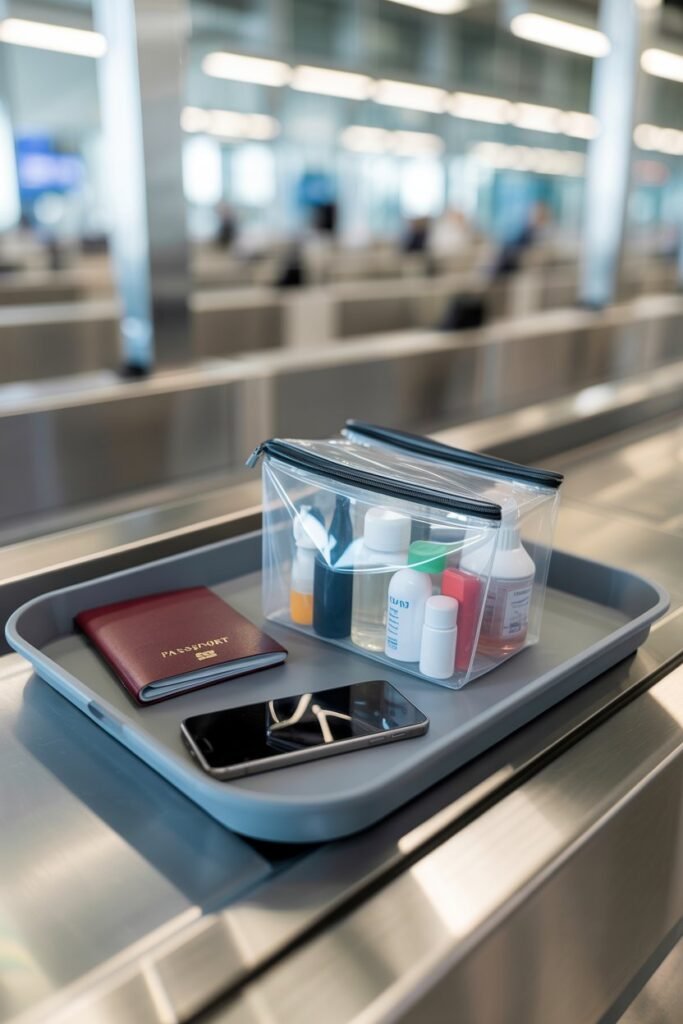
Most airlines require liquids to be:
- Under 100ml each
- Stored in a clear bag
Solid toiletries help save space:
- Shampoo bars
- Solid deodorant
- Soap bars
Electronics to Pack
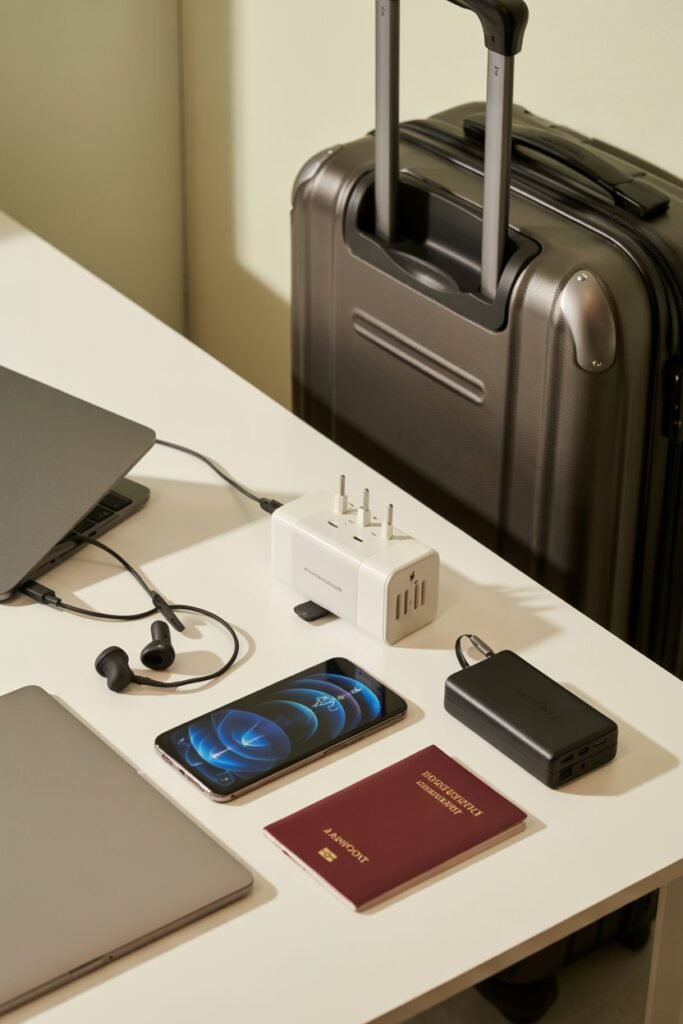
Keep electronics minimal.
Essentials
- Phone
- Charger
- Power bank
- Universal adapter
- Earbuds/headphones
Optional
- Tablet
- Camera
- E-reader
- Laptop
If you won’t truly use it often, leave it behind.
Why a Universal Adapter Is Essential
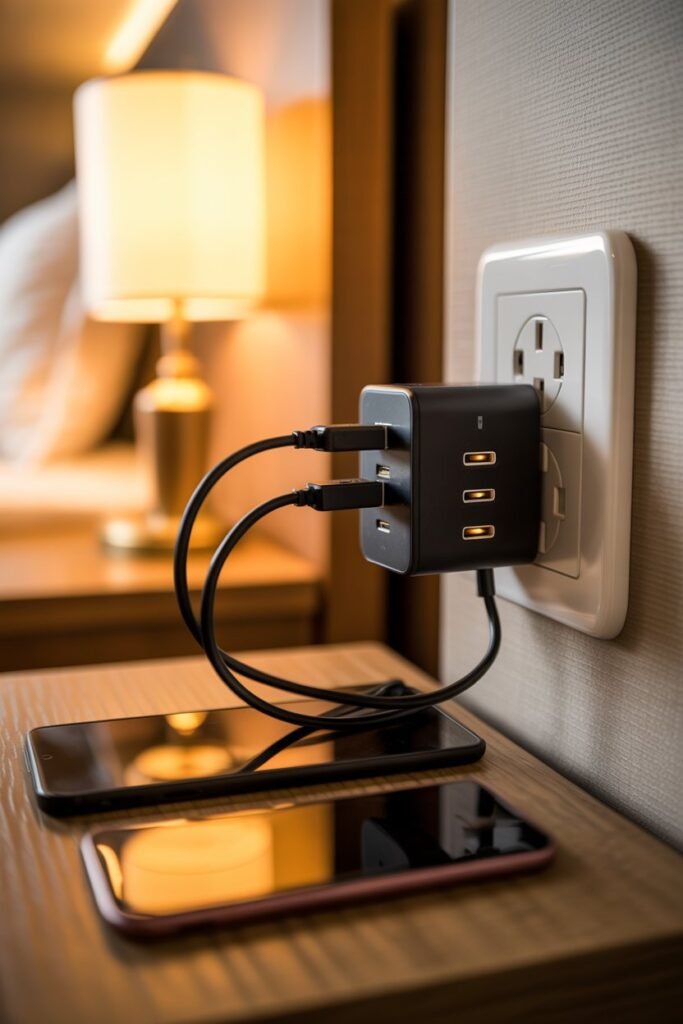
Europe uses different plug types depending on the country.
A universal adapter prevents frustration and keeps devices charged everywhere.
Travel Documents You Should Never Forget
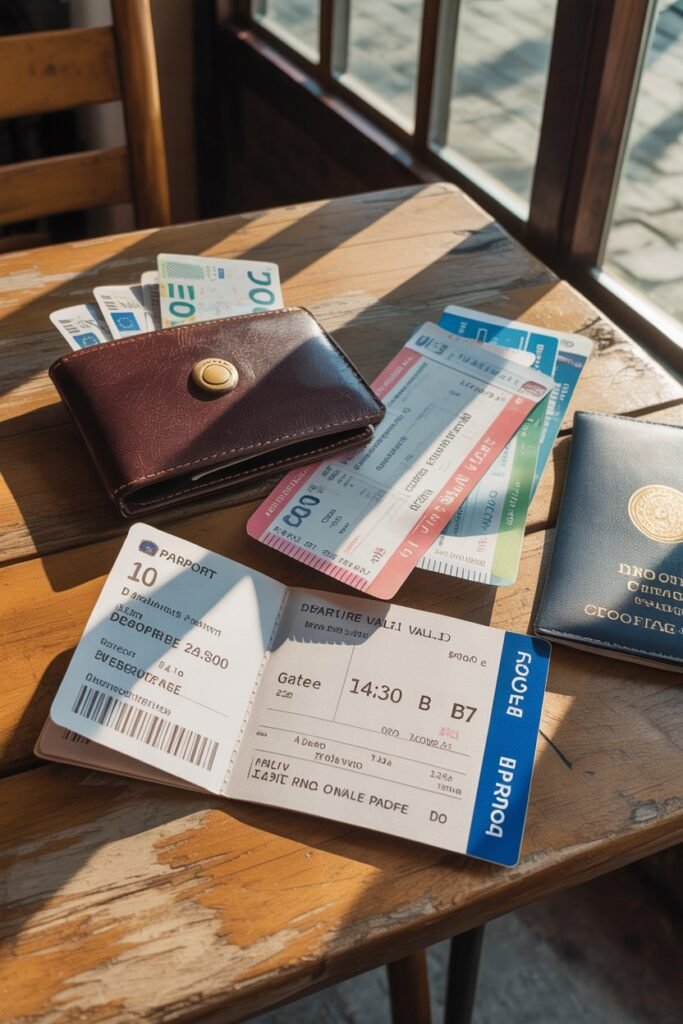
Keep these accessible:
- Passport
- Travel insurance
- Flight confirmations
- Hotel reservations
- Train tickets
- Emergency contacts
- Debit/credit cards
Always keep digital backups on your phone.
How to Pack for Multiple European Climates
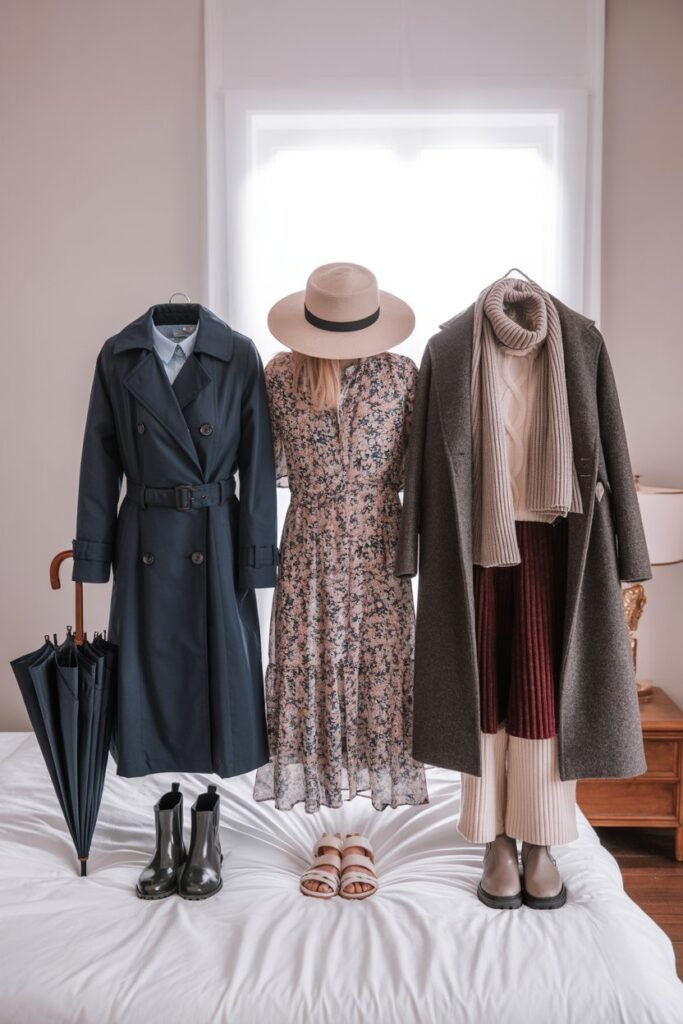
Europe weather changes dramatically by region.
You might experience:
- Rain in London
- Heat in Rome
- Cold evenings in Amsterdam
The answer is layering.
Best Layering Formula
- Base layer
- Mid layer
- Lightweight outer layer
This adapts to changing weather without overpacking.
How to Dress Like a European Traveler
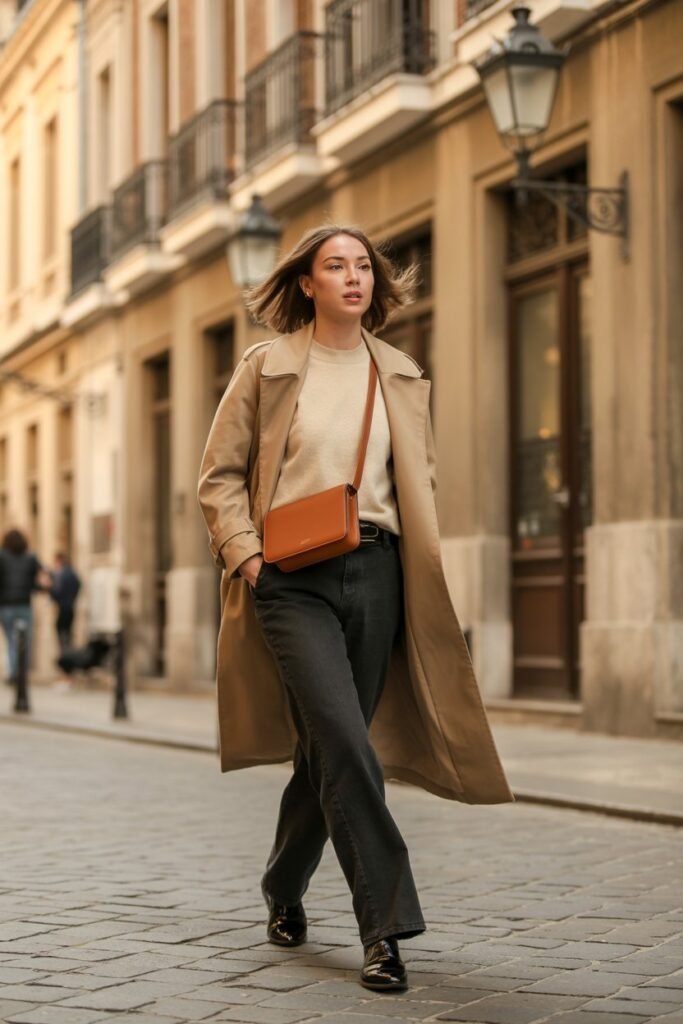
Many travelers worry about “looking touristy.”
The easiest solution:
- Wear simple neutral outfits
- Avoid flashy logos
- Choose clean shoes
- Prioritize fit over trends
European fashion often leans:
- Minimal
- Neutral
- Practical
- Timeless
Simple outfits almost always look more polished.
Essential Airport Outfit Tips
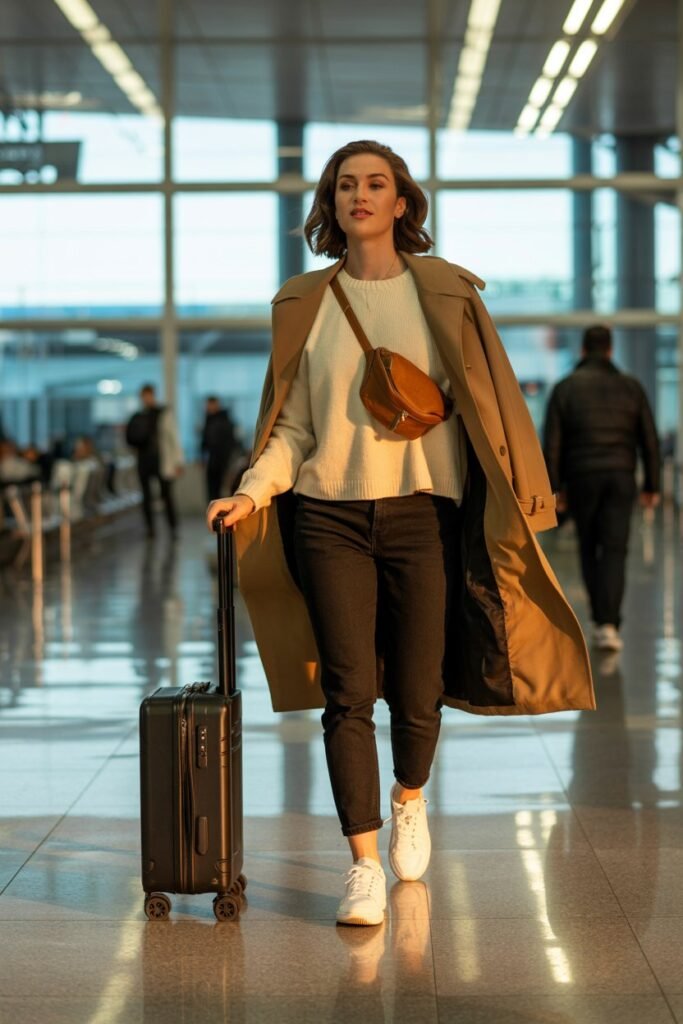
Wear your bulkiest items during travel days:
- Jacket
- Sneakers
- Hoodie
- Jeans
This saves space inside your carry-on.
Also prioritize:
- Stretchy fabrics
- Comfortable layers
- Easy security access
The Best Fabrics for Carry-On Travel
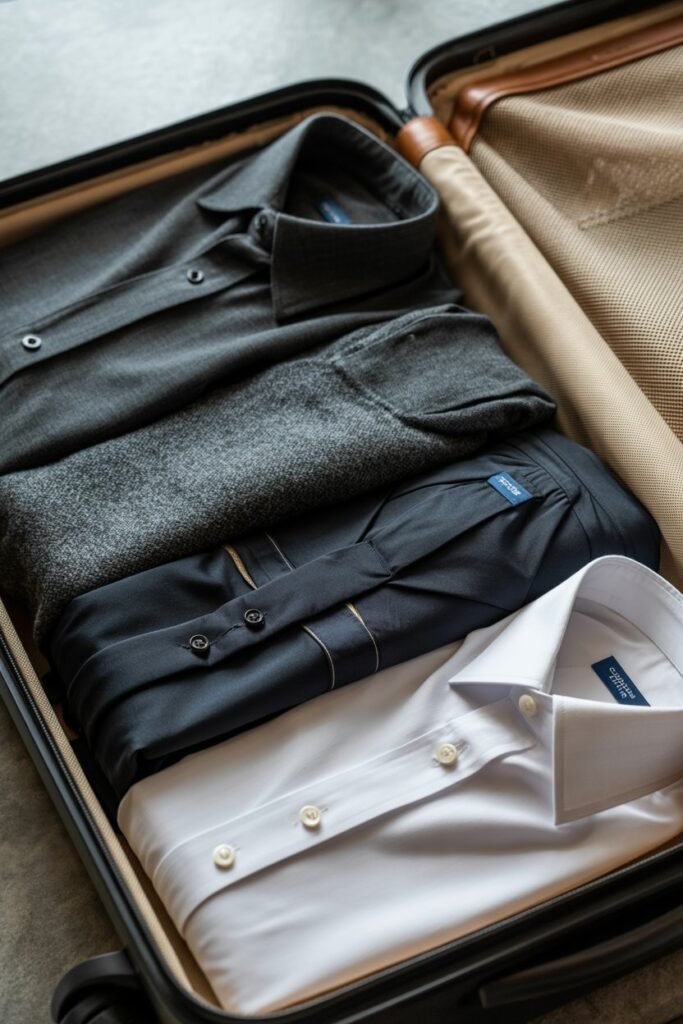
Some fabrics travel far better than others.
Best Choices
- Merino wool
- Polyester blends
- Athletic fabrics
- Lightweight cotton blends
These resist:
- Wrinkles
- Odors
- Heavy weight
Avoid heavy denim overload whenever possible.
How to Prevent Overpacking
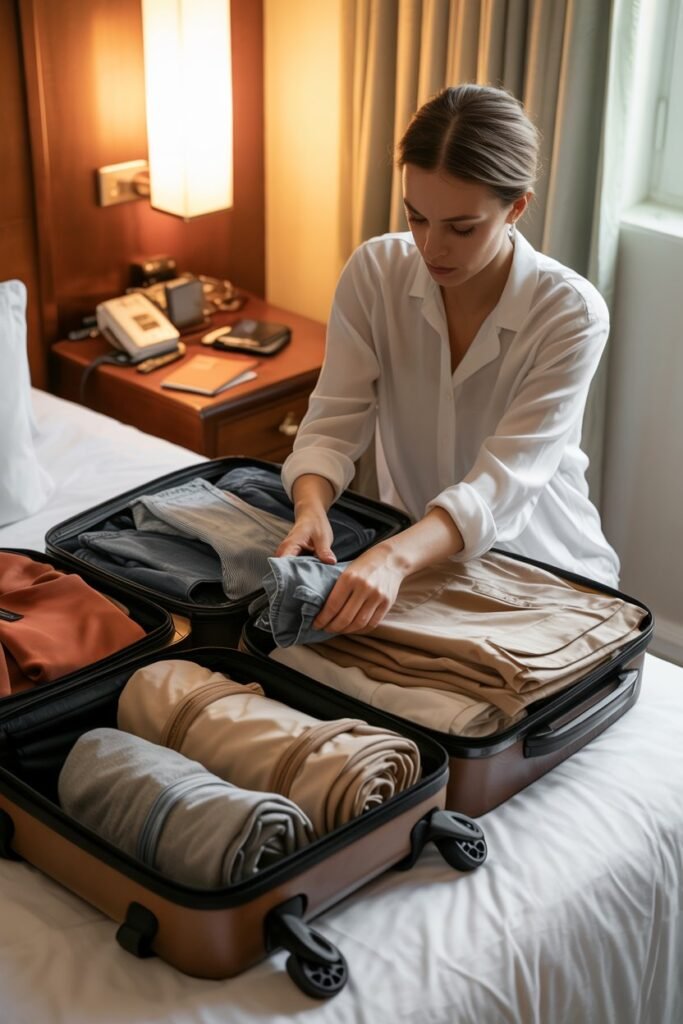
Ask yourself:
“Would I wear this at least 3 times?”
If the answer is no, don’t pack it.
Another useful rule:
Lay everything out first.
Then remove 30%.
Most travelers never miss the removed items.
Smart Space-Saving Packing Techniques
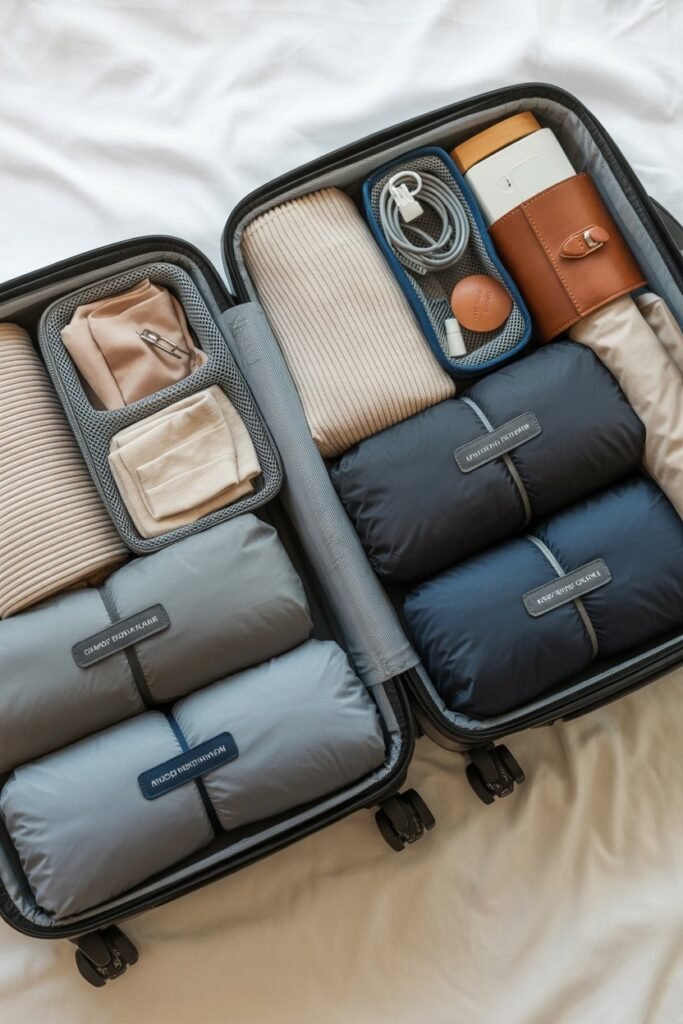
Roll Your Clothes
Rolling helps:
- Reduce wrinkles
- Maximize space
- Improve visibility
Use Compression Packing Cubes
These reduce clothing bulk significantly.
Especially useful for:
- Sweaters
- Jackets
- Winter wear
Fill Empty Spaces
Use shoes to store:
- Socks
- Chargers
- Small accessories
Every inch matters in carry-on packing.
What NOT to Pack for Europe
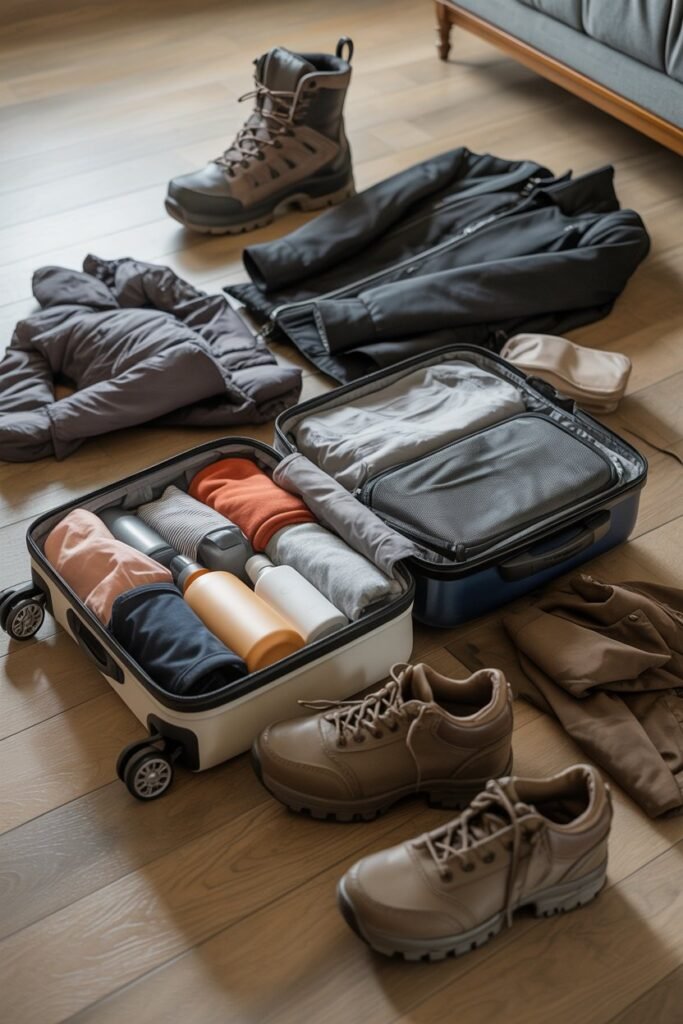
Avoid:
- Too many shoes
- Full-size toiletries
- Hair tools you rarely use
- Heavy books
- Multiple jackets
- “Maybe” outfits
- Expensive jewelry
Less truly is more.
Minimalist Packing Mindset
Packing light is partly psychological.
Many people overpack because they fear discomfort.
But experienced travelers know:
- Europe has stores
- Laundry exists
- Repeating outfits is normal
- Nobody notices your outfit repetition
Freedom matters more than excessive options.
Carry-On Packing for Different Seasons
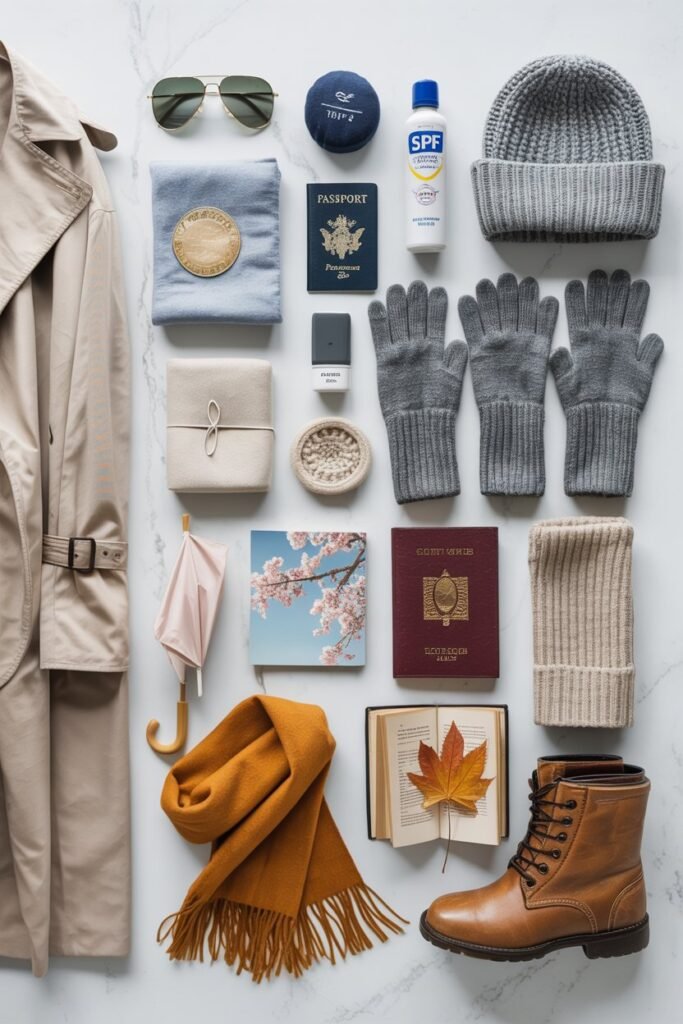
Summer in Europe
Prioritize:
- Breathable fabrics
- Sunglasses
- Sandals
- Light layers
Southern Europe can become extremely hot.
Winter in Europe
Use:
- Thermal layers
- Packable coats
- Waterproof shoes
- Wool socks
The key is warmth without bulk.
Spring & Fall in Europe
These are the trickiest seasons because weather changes quickly.
Pack:
- Layers
- Light waterproof jacket
- Closed-toe shoes
- Sweaters
Best Personal Item to Bring
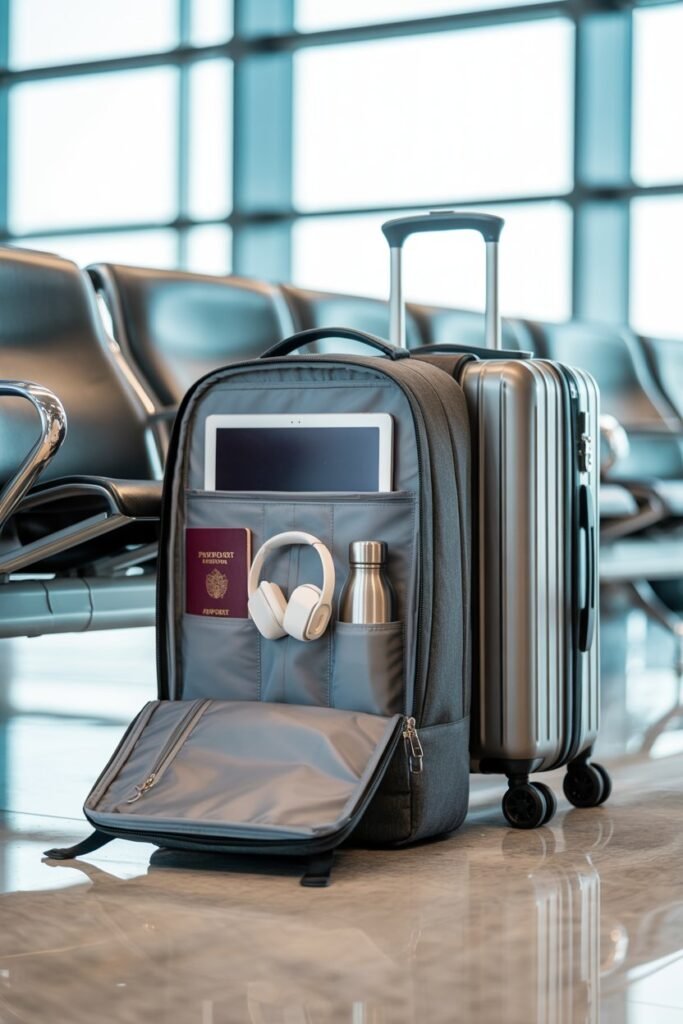
Besides your carry-on, most airlines allow a personal item.
Best options:
- Small backpack
- Tote bag
- Crossbody bag
Use it for:
- Electronics
- Snacks
- Important documents
- Water bottle
- Entertainment
Safety Tips for Carry-On Travelers
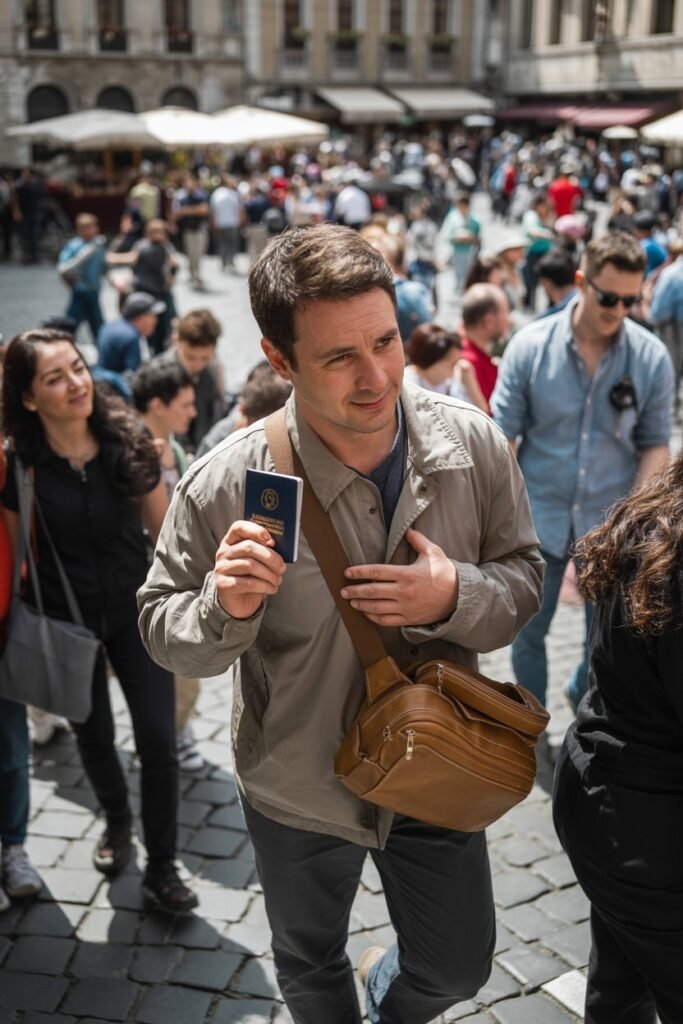
Keep Valuables Close
Always carry:
- Passport
- Wallet
- Electronics
Never leave them unattended.
Use Anti-Theft Features
Helpful options:
- Lockable zippers
- Hidden pockets
- RFID wallets
Especially useful in crowded tourist areas.
Common Carry-On Packing Mistakes
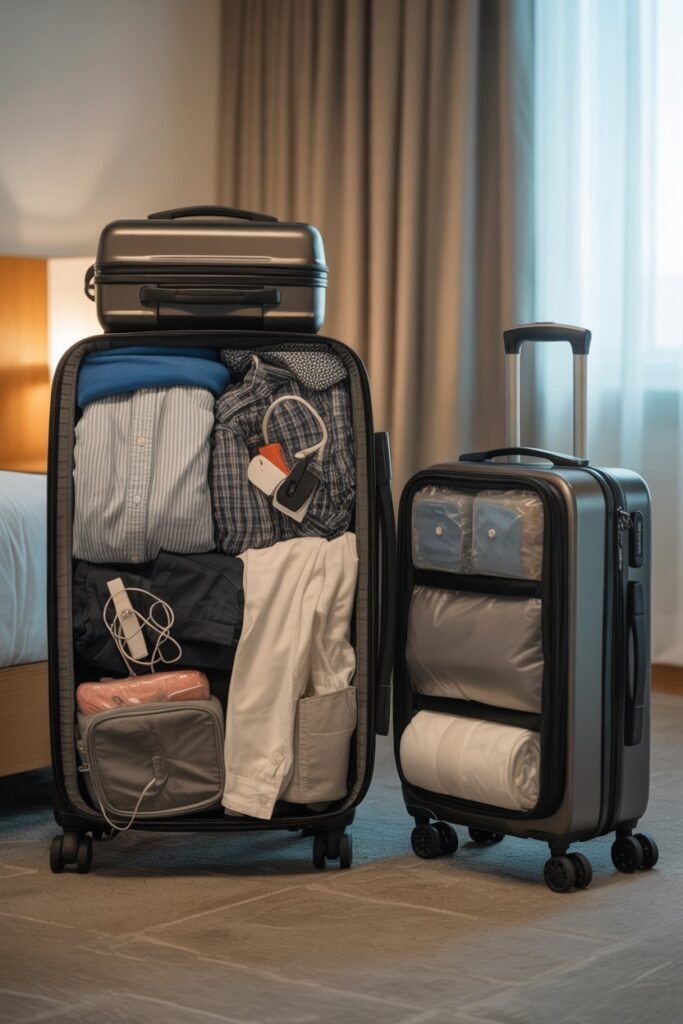
Packing Too Many “Cute” Outfits
Reality:
Comfortable versatile outfits win every time.
Ignoring Laundry Access
Laundry is part of long-term travel.
Plan for it.
Bringing Heavy “Just in Case” Items
These usually go unused.
Overpacking Toiletries
Europe has pharmacies and stores everywhere.
Choosing Fashion Over Comfort
Painful shoes ruin trips quickly.
Sample 30-Day Europe Carry-On Capsule Wardrobe
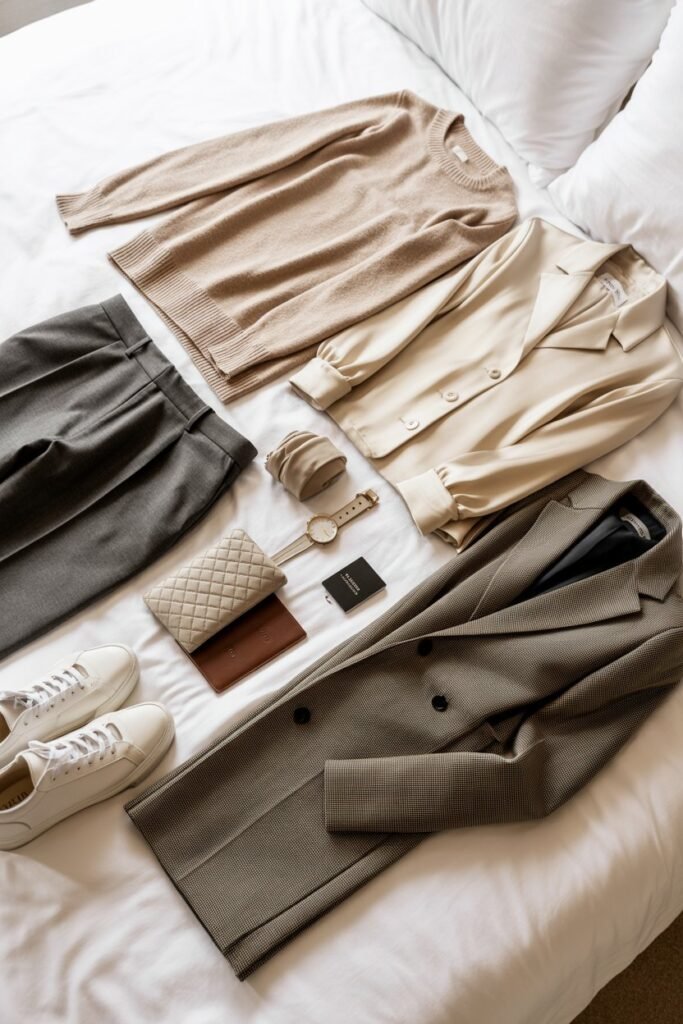
Here’s a simple realistic example:
Tops
- 3 neutral t-shirts
- 2 nicer tops
- 1 sweater
- 1 cardigan
Bottoms
- 2 pants
- 1 jeans
- 1 shorts/skirt
Shoes
- White sneakers
- Comfortable flats/sandals
Outerwear
- Lightweight waterproof jacket
Extras
- Scarf
- Sunglasses
- Compact umbrella
This creates dozens of outfit combinations.
Frequently Asked Questions
Can you really travel Europe for 30 days with only a carry-on?
Yes. Thousands of travelers do it successfully every year by using capsule wardrobes, laundry access, and smart packing techniques.
How many outfits do I need for 30 days in Europe?
You only need enough clothing for about 7 days. Laundry allows you to rewear items throughout the trip.
What size carry-on is best for Europe?
Most travelers prefer:
- 35–45L backpacks
or - 21–22 inch rolling carry-ons
Always check airline baggage rules.
Is a backpack or suitcase better for Europe?
Backpacks are better for mobility and stairs, while rolling suitcases work well for city-based travel.
What shoes are best for Europe trips?
Comfortable walking shoes are essential because Europe often involves long walking days and uneven streets.
Should I pack differently for summer vs winter in Europe?
Absolutely. Summer requires lighter breathable clothing, while winter needs layering and thermal pieces.
Final Thoughts
Packing for 30 days in Europe with only a carry-on may seem impossible at first, but it becomes surprisingly simple once you focus on versatility instead of quantity.
The truth is that most travelers use only a small percentage of what they pack. Carry-on travel forces you to pack intentionally, move freely, and travel more comfortably.
Instead of hauling around heavy luggage, you’ll enjoy:
- Easier airport experiences
- Faster train transfers
- Less stress
- More flexibility
- More freedom to enjoy the journey
And after your first successful carry-on-only Europe trip, you may never want to check a suitcase again.
The best travel memories rarely come from the clothes you packed.
They come from the experiences you had while traveling lighter, smarter, and more confidently.