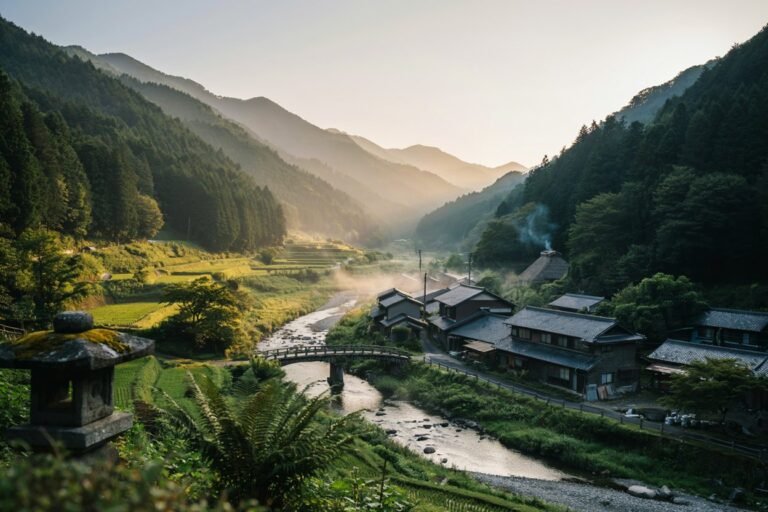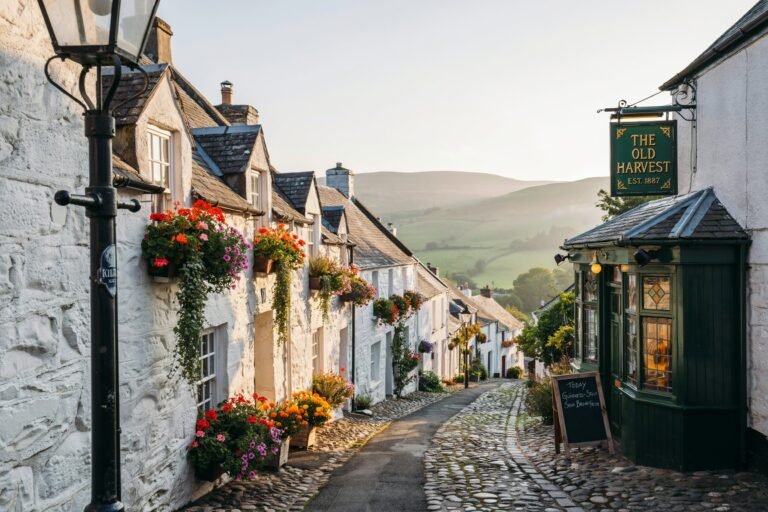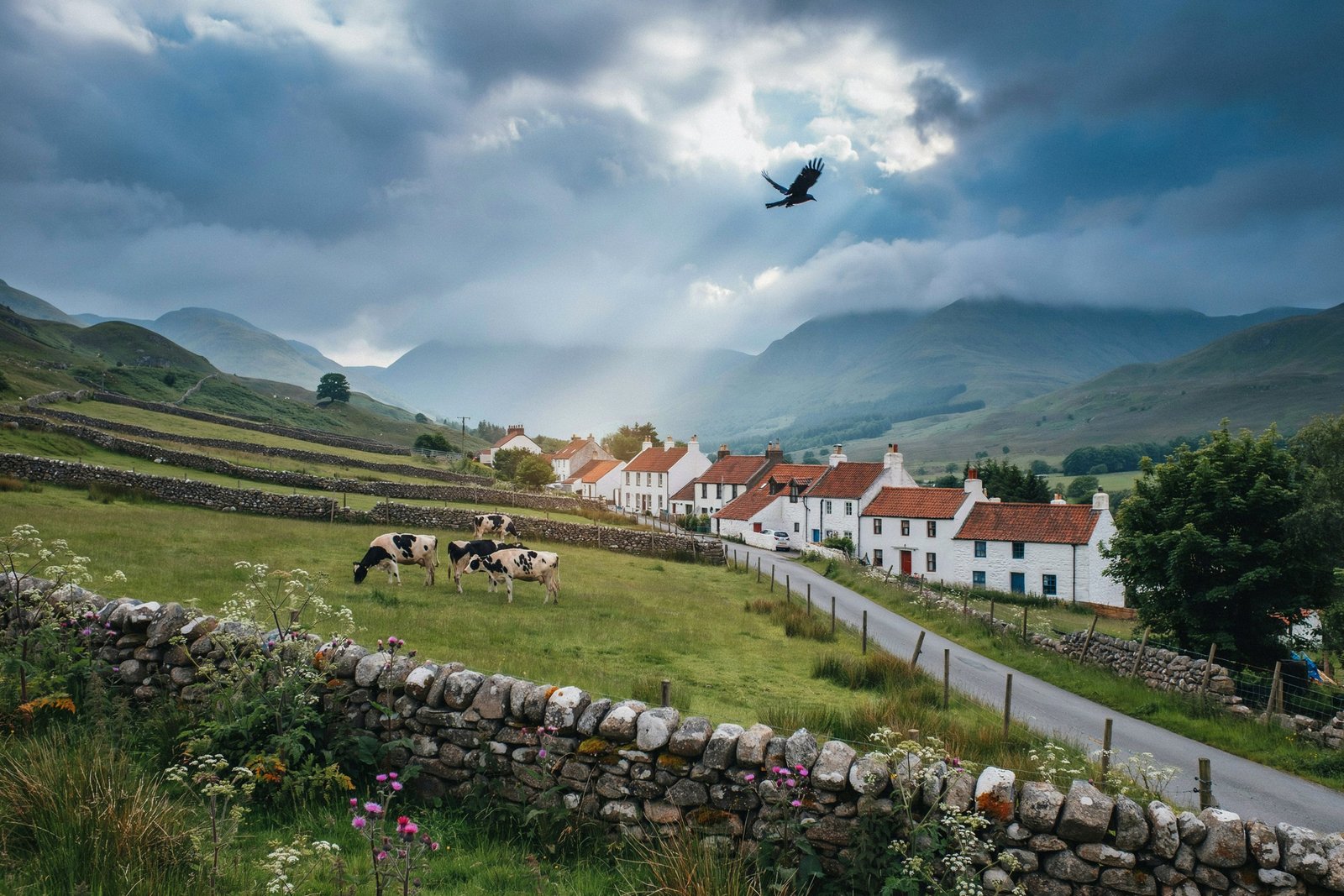
Ireland has a way of making even the simplest moments feel unforgettable.
Some of the memories that stay with me most are not from crowded attractions or famous landmarks, but from quiet corners where the pace is slower and the scenery feels almost unreal.
The first time I explored Ireland beyond the major cities, I quickly understood why the small villages are such a special part of the country.
Narrow roads lead to colorful cottages, cozy pubs welcome travelers like old friends, and every turn seems to reveal another beautiful view of green hills, rocky coastlines, or historic stone buildings.
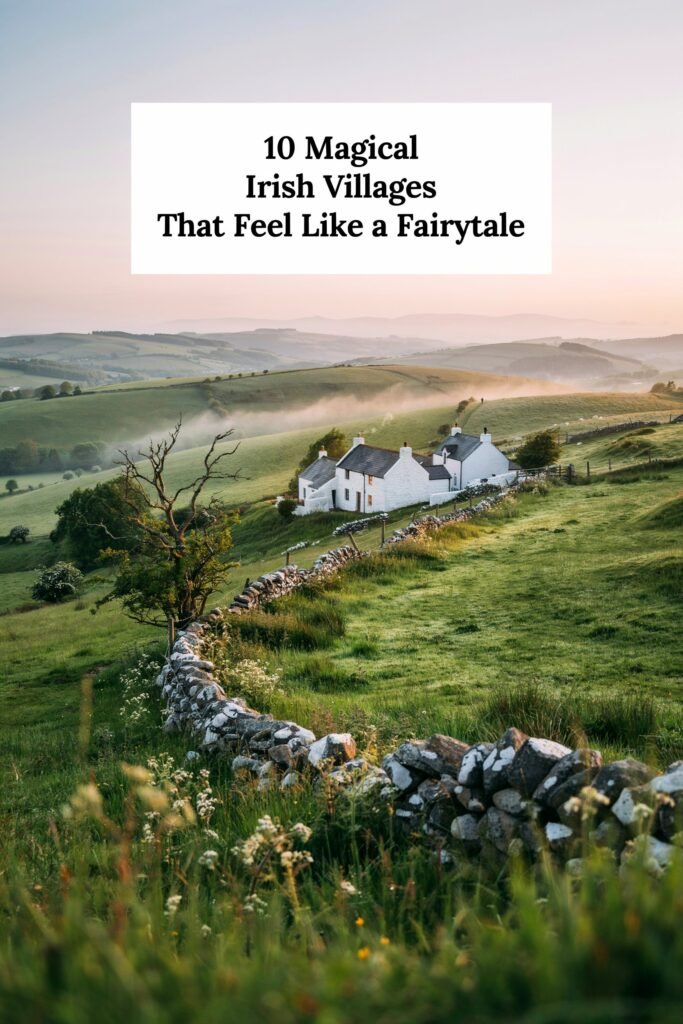
What I love most about these villages is the feeling they give you. They invite you to slow down, take a walk without a schedule, enjoy a local meal, and experience the everyday charm that makes Ireland so memorable.
If you are planning an Irish road trip or simply want to discover a more authentic side of the country, these villages are worth adding to your itinerary.
Each one has its own story, scenery, and unique character that makes it feel like a place you will remember long after you leave.
Disclaimer: This post may contain affiliate links, which means I may earn a small commission at no extra cost to you. Travel conditions, opening hours, and seasonal experiences may vary. Always check local information and weather forecasts before planning your trip.
Amazon Shopping List: Magical Irish Villages That Feel Like a Fairytale
- Ireland Travel Guide Book (Hidden Gems & Villages Edition)
- Comfortable Walking Shoes for Exploring Cobblestone Streets
- Anti-Theft Crossbody Travel Bag
- Lightweight Waterproof Rain Jacket
- Compact Windproof Travel Umbrella
- Foldable Daypack Backpack for Day Trips
- Binoculars for Scenic Coastal and Countryside Views
Why Visit Ireland’s Small Villages?
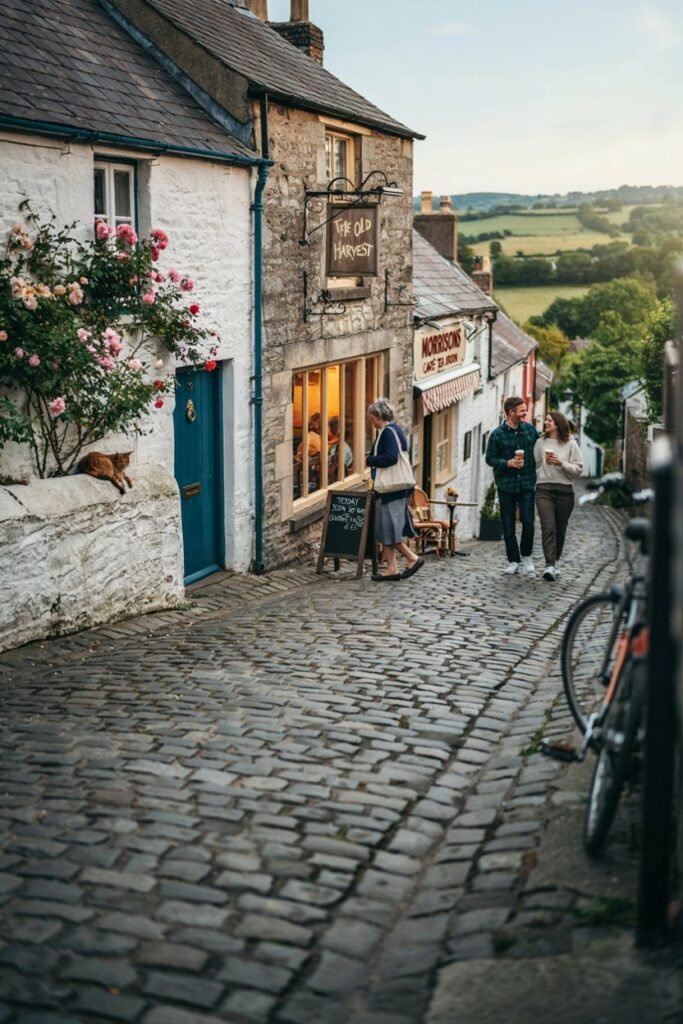
Many visitors focus on Ireland’s famous cities, but its villages often provide the experiences travelers remember most.
They offer a slower pace where you can truly appreciate the local culture, enjoy traditional Irish hospitality, and discover landscapes that feel wonderfully peaceful.
Visiting these villages also allows you to:
- Experience authentic Irish culture
- Enjoy fewer crowds than major cities
- Discover hidden castles and ancient ruins
- Taste fresh local seafood and traditional Irish dishes
- Explore scenic coastal drives and countryside walks
- Meet welcoming locals eager to share stories and recommendations
Most villages are small enough to explore on foot, making them perfect for travelers who enjoy leisurely walks and discovering unexpected corners.

1. Adare, County Limerick
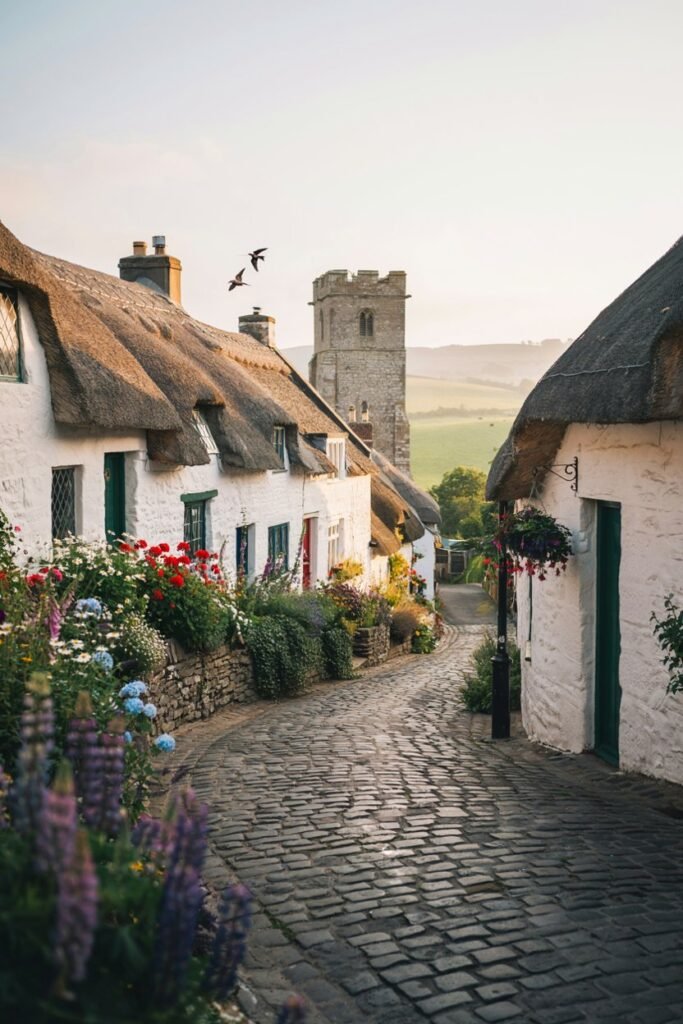
Often called Ireland’s prettiest village, Adare looks exactly how many people imagine a fairytale village should.
Beautiful thatched cottages, medieval churches, elegant stone buildings, and perfectly maintained gardens create a picture perfect destination that feels frozen in time.
Walking through Adare feels peaceful from the moment you arrive. Every street seems carefully preserved, with colorful flowers decorating charming cottages and inviting cafés offering homemade Irish treats.
How to Get There
Adare is located about 25 minutes from Shannon Airport and roughly 40 minutes from Limerick City.
If you’re driving from Dublin, the journey takes approximately three hours using well maintained motorways.
Public buses also connect Adare with Limerick, making it accessible even if you don’t plan to rent a car.
Getting Around
The village itself is wonderfully walkable.
Most attractions, restaurants, shops, and historic sites are located within a short walking distance of one another.
Comfortable walking shoes are all you need to enjoy the village at a relaxed pace.
Best Things to Explore
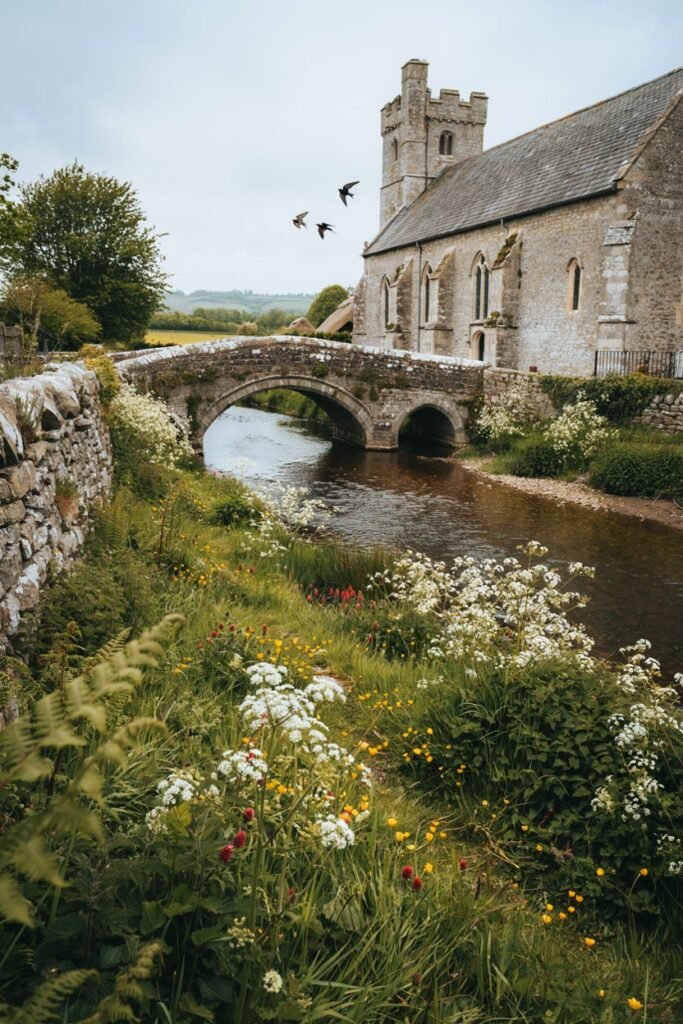
- Traditional thatched cottages
- Adare Heritage Centre
- Medieval churches
- Beautiful boutique shops
- Riverside walking paths
- Local cafés serving fresh pastries
- Historic stone bridges
- Nearby Adare Manor grounds
Take time to browse the independent gift shops where you’ll find handmade Irish crafts, locally produced foods, and unique souvenirs.
Where to Stay
For the best experience, stay within walking distance of the village center.
You’ll find:
- Cozy bed and breakfasts
- Boutique guesthouses
- Luxury hotels
- Historic manor accommodations
Staying overnight allows you to experience the village after most day visitors leave, creating an even more peaceful atmosphere.
Safety Tips
Adare is considered one of Ireland’s safest villages.
Even so, it’s always wise to:
- Use marked pedestrian crossings along the main road
- Carry a light rain jacket since weather changes quickly
- Wear comfortable shoes on older stone pathways
- Keep valuables secure while shopping
Local Tip
Visit early in the morning or later in the evening for the quietest experience and the best lighting for photography.
You will also like: 10 Magical Irish Villages You Must See – Ireland Travel Guide
2. Dingle, County Kerry
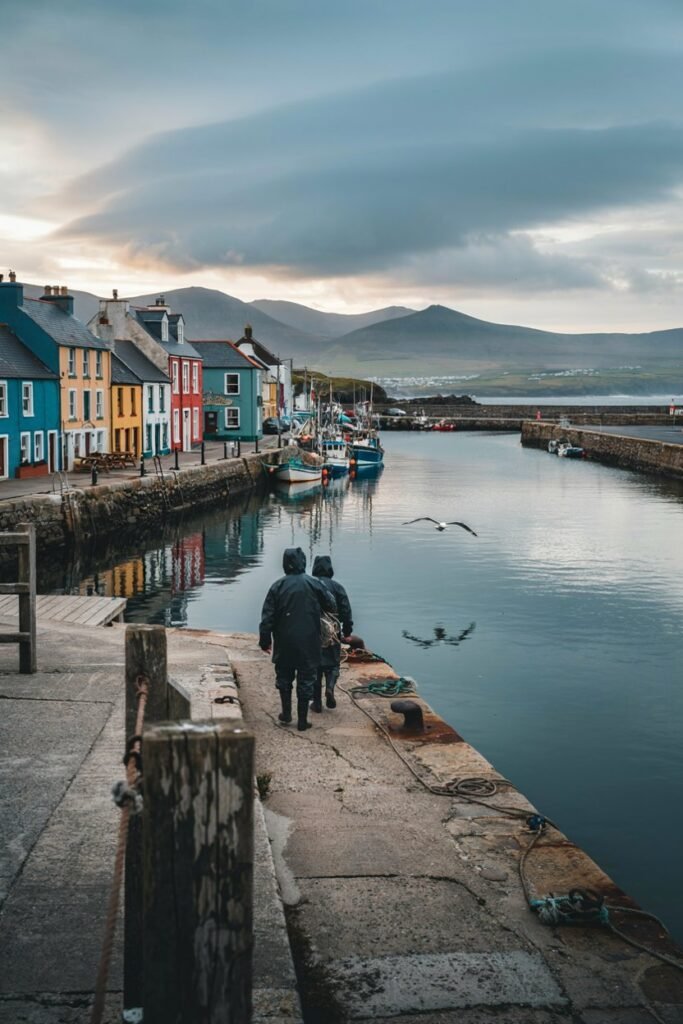
Located along the spectacular Wild Atlantic Way, Dingle combines colorful streets, incredible coastal scenery, fresh seafood, and traditional Irish music into one unforgettable destination.
Unlike many tourist towns, Dingle has managed to keep its authentic charm. Fishing boats still arrive daily, locals gather in family owned pubs, and live music often begins spontaneously during the evening.
The village is lively without ever feeling overwhelming, making it one of my favorite places to spend several days rather than simply stopping for a few hours.
How to Get There
Dingle is approximately two hours from Shannon Airport and around one hour from Kerry Airport.
Driving along the Dingle Peninsula is part of the experience, offering breathtaking coastal scenery the entire way.
Public buses also operate between Tralee and Dingle throughout the year.
Getting Around
The village center is easy to explore on foot.
If you plan to visit nearby beaches, Slea Head Drive, or scenic viewpoints, renting a car gives you much greater flexibility.
Cycling is also popular during summer months.
Best Things to Explore
- Dingle Harbour
- Traditional Irish pubs
- Local seafood restaurants
- Dingle Oceanworld Aquarium
- Slea Head Drive
- Coumeenoole Beach
- Dunquin Pier
- Ancient beehive huts
- Scenic coastal viewpoints
Don’t miss an evening spent listening to traditional Irish music performed by local musicians inside one of Dingle’s welcoming pubs.
Where to Stay
Excellent accommodation options include:
- Family run guesthouses
- Harbor view hotels
- Cozy bed and breakfasts
- Boutique inns
- Luxury countryside lodges
Staying near the harbor allows you to walk to restaurants, shops, and evening entertainment without needing your car.
Safety Tips
The village itself is very safe, but remember:
- Coastal cliffs can become slippery after rain
- Drive carefully on narrow country roads
- Stay behind safety barriers at cliff viewpoints
- Watch changing weather before hiking
Local Tip
Start your drive around Slea Head early in the morning. You’ll enjoy quieter roads, better parking at viewpoints, and incredible morning light over the Atlantic Ocean.
You might like this: 11 Irish Villages That Look Straight Out of a Movie
3. Kenmare, County Kerry
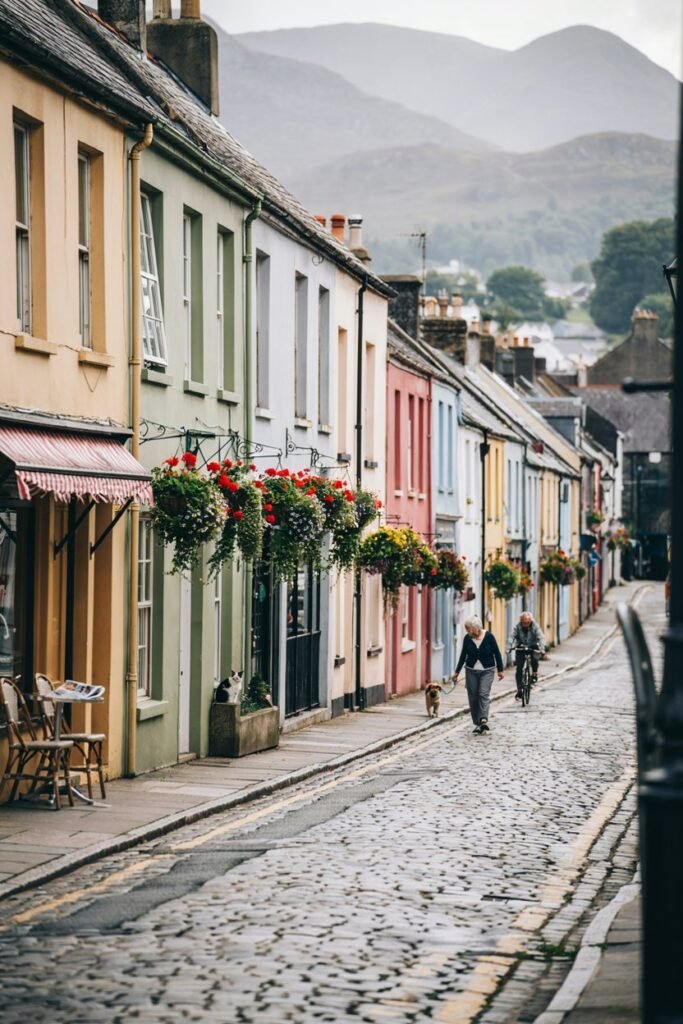
Nestled between the famous Ring of Kerry and the rugged Beara Peninsula, Kenmare offers the perfect balance of natural beauty, colorful streets, and relaxed village life.
Although many travelers pass through on their way around the Ring of Kerry, Kenmare deserves far more than a quick stop.
Its welcoming atmosphere, independent shops, award winning restaurants, and peaceful surroundings make it one of Ireland’s hidden treasures.
The tree lined streets are filled with brightly painted buildings, artisan boutiques, and inviting cafés where it’s easy to spend an entire afternoon without feeling rushed.
How to Get There
Kenmare is about one hour and fifteen minutes from Kerry Airport and approximately two hours from Cork Airport.
If you’re driving the Ring of Kerry, Kenmare makes an excellent overnight base because of its central location.
Getting Around
The village center is compact and very easy to explore on foot.
Having a rental car is highly recommended if you want to explore nearby mountain passes, coastal viewpoints, waterfalls, and national parks.
Best Things to Explore
- Colorful town center
- Stone Circle
- Local artisan shops
- Traditional Irish pubs
- Ring of Kerry scenic drive
- Beara Peninsula
- Killarney National Park
- Ladies View
- Moll’s Gap
Kenmare is also one of the best places in southwest Ireland to enjoy locally sourced seafood and farm to table dining.
Where to Stay
Choose from:
- Charming guesthouses
- Boutique hotels
- Historic inns
- Luxury countryside retreats
- Self catering cottages
Staying within the village allows you to enjoy dinner, evening walks, and live music without needing to drive.
Safety Tips
- Carry waterproof clothing because weather changes quickly.
- Follow posted signs while exploring hiking trails.
- Keep a safe distance from cliff edges during scenic drives.
- Drive slowly on winding mountain roads.
Local Tip
Spend at least two nights in Kenmare if possible. Its central location makes it an excellent base for exploring several of Ireland’s most beautiful scenic routes without constantly changing accommodation.

4. Kinsale, County Cork
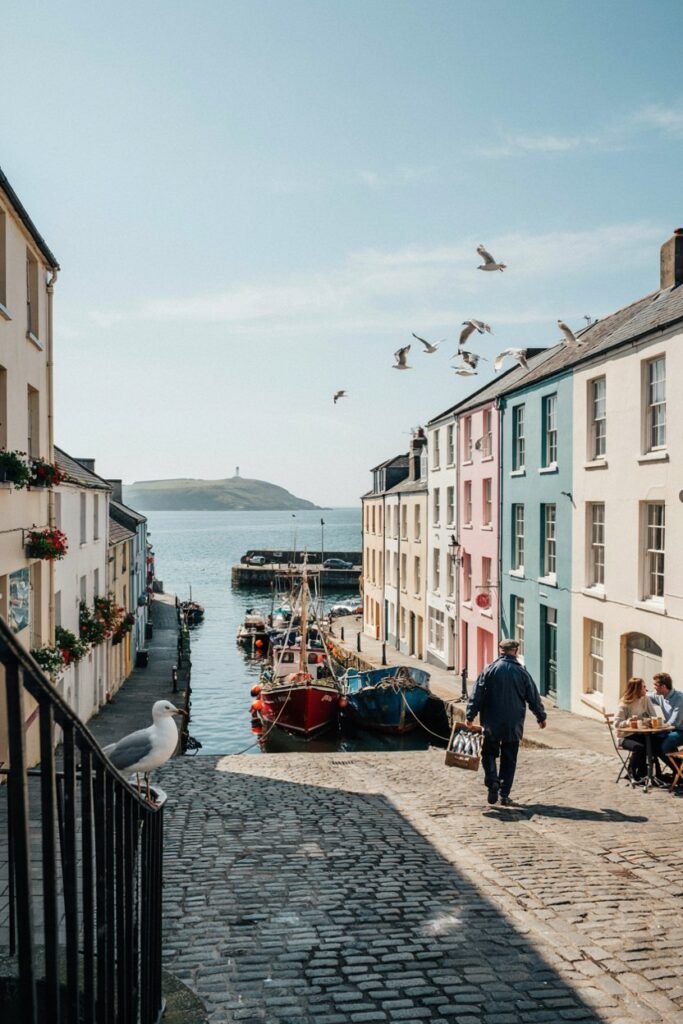
Kinsale is the kind of village that instantly makes you slow down. Brightly painted buildings line the narrow streets, fishing boats bob gently in the harbor, and every corner seems to hide a cozy café, seafood restaurant, or local art gallery.
Known as Ireland’s gourmet capital, Kinsale is the perfect place to combine sightseeing with incredible food.
Fresh seafood, colorful streets, and beautiful waterfront views create an atmosphere that feels both lively and wonderfully relaxed.
One of my favorite moments here was wandering through the harbor just before sunset.
The colorful houses reflected in the calm water while local musicians played outside nearby pubs. It felt like the entire village was inviting visitors to stay just a little longer.
How to Get There
Kinsale is about 25 minutes from Cork Airport and around three hours from Dublin by car.
Regular buses also connect Cork City with Kinsale throughout the day.
Getting Around
The village is compact and easy to explore on foot.
Walking allows you to discover hidden alleyways, waterfront paths, boutique shops, and scenic viewpoints you might otherwise miss.
If you plan to visit nearby beaches or forts, having a rental car is helpful but not essential.
Best Things to Explore
- Kinsale Harbour
- Charles Fort
- Desmond Castle
- Colorful shopping streets
- Seafood restaurants
- Local art galleries
- Scenic waterfront walks
- Boat tours
Don’t leave without trying locally caught seafood. Kinsale is famous throughout Ireland for its excellent restaurants.
Where to Stay
Accommodation options include:
- Harbor view hotels
- Boutique guesthouses
- Luxury inns
- Charming bed and breakfasts
Staying near the harbor allows you to enjoy evening walks and live music without needing transportation.
Safety Tips
- Wear comfortable shoes because many streets are steep.
- Stay on marked walking paths around Charles Fort.
- Be cautious near the harbor after dark.
- Carry a light waterproof jacket since coastal weather changes quickly.
Local Tip
Book restaurants ahead during summer because many of Kinsale’s most popular seafood spots fill up quickly.
5. Cong, County Mayo
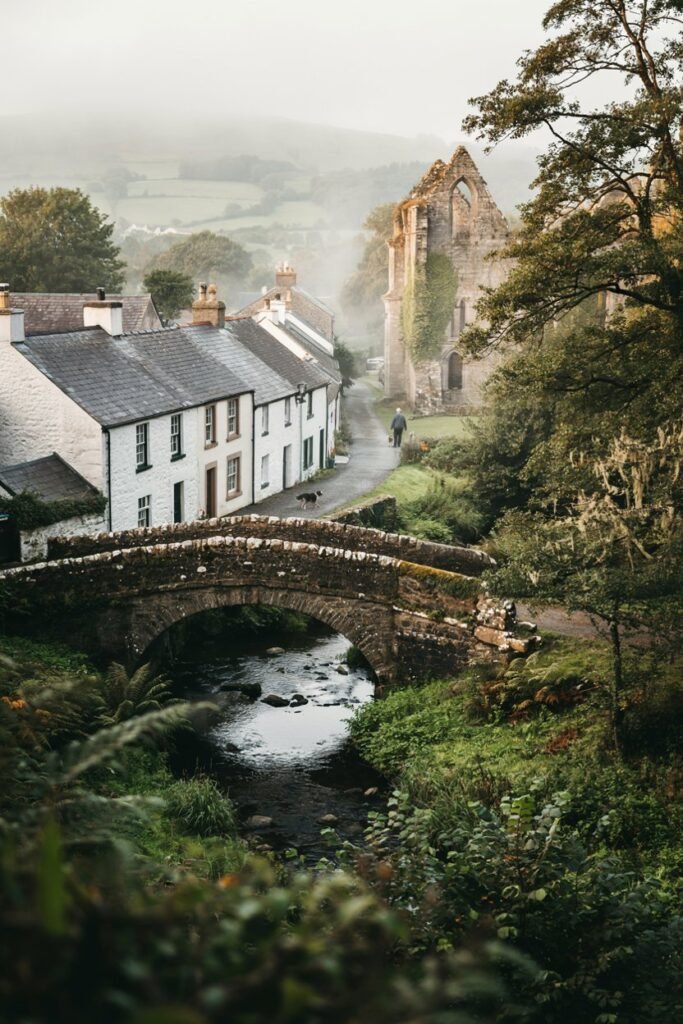
Cong feels like stepping into a real fairytale.
Surrounded by peaceful lakes, ancient forests, medieval ruins, and stone bridges, this tiny village is famous for its magical scenery and timeless atmosphere.
The quiet streets encourage you to slow down and simply enjoy the surroundings. Gentle rivers flow beneath old bridges while birds sing from centuries old trees that surround the historic abbey.
Even if you’ve never seen the classic film The Quiet Man, you’ll still appreciate the peaceful charm that made Cong internationally famous.
How to Get There
Cong is approximately one hour from Galway and around 45 minutes from Ireland West Airport.
Driving is the easiest option, although guided tours from Galway are also available.
Getting Around
The village is very small and completely walkable.
Everything from the abbey ruins to the river walks can easily be explored on foot.
A car is useful if you plan to visit nearby Connemara National Park or Lough Corrib.
Best Things to Explore
- Cong Abbey
- Ashford Castle grounds
- River walks
- Stone bridges
- Woodland trails
- Quiet Man Museum
- Lough Corrib
- Falconry experiences
Nature lovers can easily spend an entire day exploring the forests and lakes surrounding the village.
Where to Stay
You’ll find:
- Cozy country inns
- Traditional guesthouses
- Boutique hotels
- Luxury castle accommodations
An overnight stay allows you to experience the peaceful evenings after most visitors have left.
Safety Tips
- Wear sturdy shoes on woodland paths.
- Carry insect repellent during summer.
- Follow marked trails near rivers.
- Respect private areas around Ashford Castle.
Local Tip
Visit early in the morning when mist rises over the river. It creates one of the most magical scenes you’ll find anywhere in Ireland.
6. Doolin, County Clare
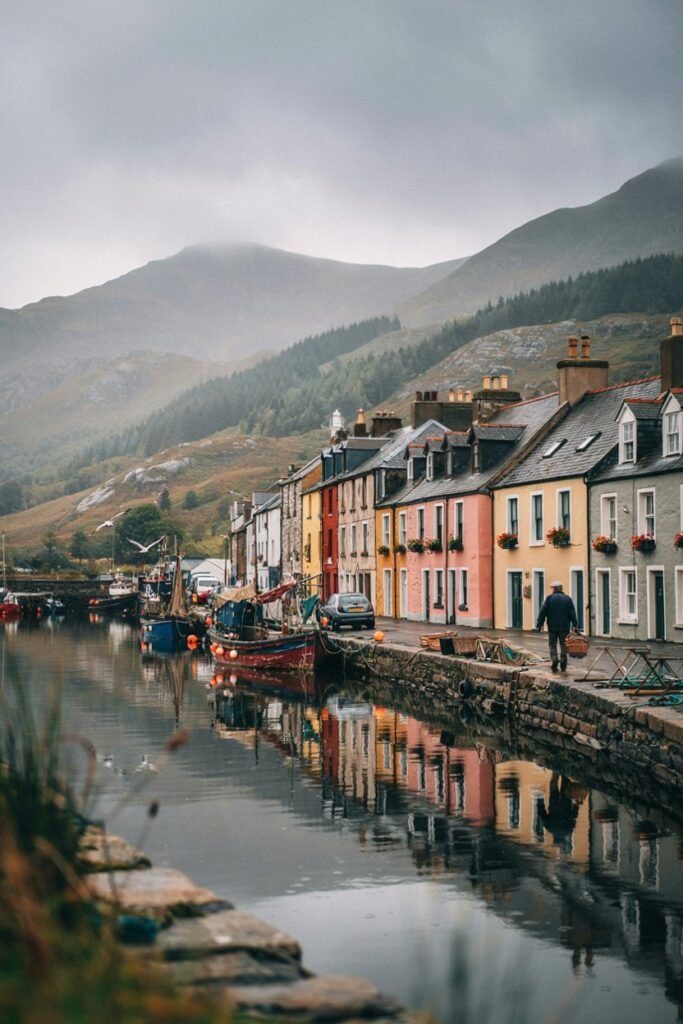
Doolin may be small, but it offers some of Ireland’s biggest scenery.
Located along the Wild Atlantic Way, this charming village is famous for traditional Irish music, colorful cottages, dramatic coastline, and easy access to the Cliffs of Moher.
The atmosphere feels wonderfully authentic. Music drifts from family owned pubs each evening while travelers gather to share stories after exploring the surrounding coastline.
Unlike larger tourist towns, Doolin still feels like a close knit Irish village where locals greet visitors with genuine warmth.
How to Get There
Doolin is about one hour from Shannon Airport and approximately ninety minutes from Galway.
Driving offers the most flexibility, although buses also connect Doolin with Galway and Ennis.
Getting Around
The village itself can easily be explored on foot.
Having a rental car allows you to visit nearby attractions including the Burren National Park and scenic coastal viewpoints.
Boat tours also depart from Doolin Pier to the Aran Islands.
Best Things to Explore
- Cliffs of Moher
- Doolin Pier
- Traditional Irish music pubs
- The Burren
- Aran Islands
- Coastal walking trails
- Sea caves
- Local cafés
Don’t miss an evening music session inside one of Doolin’s traditional pubs. Many performances happen naturally without a formal schedule.
Where to Stay
Accommodation includes:
- Family owned bed and breakfasts
- Country cottages
- Boutique inns
- Small hotels with ocean views
Staying in the village lets you enjoy live music without worrying about driving afterward.
Safety Tips
- Stay behind barriers at the Cliffs of Moher.
- Never climb over fences for photographs.
- Wear waterproof shoes on cliff walks.
- Check weather forecasts before hiking.
Local Tip
Take the ferry to the Aran Islands if your schedule allows. The islands offer spectacular scenery and an unforgettable glimpse into traditional Irish life.
7. Clifden, County Galway
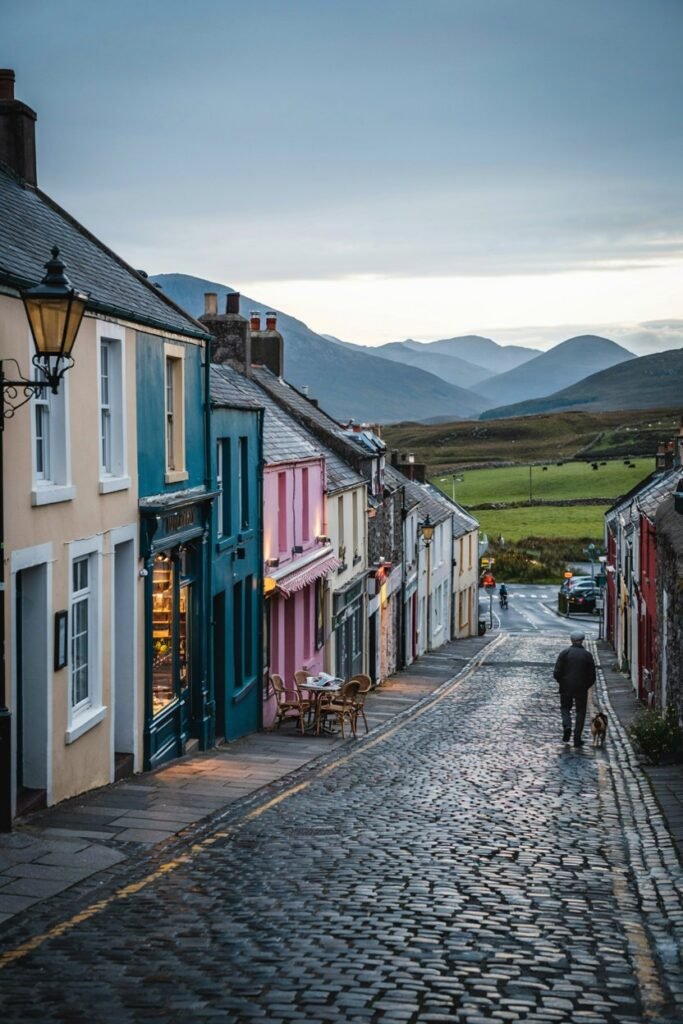
The first time I drove into Clifden, I immediately understood why so many people fall in love with Connemara. The village is surrounded by rugged mountains, sparkling lakes, and endless stretches of Atlantic coastline.
It feels wild in the best possible way, yet the town itself is warm, colorful, and incredibly welcoming.
Unlike some of Ireland’s busier destinations, Clifden has a relaxed pace that encourages you to linger.
You can spend the morning browsing local bookstores, enjoy a leisurely seafood lunch, and finish the day watching the sunset along one of Ireland’s most scenic drives.
If you enjoy dramatic landscapes, photography, or simply escaping the crowds, Clifden is a place you’ll remember long after your trip ends.
How to Get There
Clifden is about 80 minutes from Galway City by car.
If you’re relying on public transportation, several daily buses connect Galway with Clifden, making it accessible even without renting a vehicle.
Driving, however, gives you the freedom to explore the surrounding countryside at your own pace.
Getting Around
The village center is small enough to explore entirely on foot.
To experience the breathtaking scenery around Clifden, including Sky Road and Connemara National Park, having a rental car is highly recommended.
Best Things to Explore
- Sky Road scenic drive
- Clifden Castle ruins
- Connemara National Park
- Alcock and Brown Landing Site
- Local artisan shops
- Cozy cafés
- Traditional Irish pubs
- Scenic Atlantic viewpoints
One afternoon, I stopped at a small café for what I thought would be a quick coffee.
Instead, I ended up chatting with a local couple who happily pointed me toward several hidden viewpoints that never appeared in my guidebook.
Those unexpected conversations often become the best part of traveling through Ireland.
Where to Stay
Choose accommodation close to the village center so you can enjoy evening walks and live music.
Popular options include:
- Boutique hotels
- Family run guesthouses
- Cozy bed and breakfasts
- Countryside cottages
Safety Tips
- Drive carefully on winding rural roads.
- Watch for sheep crossing the road outside the village.
- Bring waterproof clothing even if the morning begins with sunshine.
- Wear proper footwear if you plan to hike nearby trails.
Local Tip
Drive the Sky Road just before sunset. The changing light over the Atlantic creates one of the most spectacular views I experienced anywhere in Ireland.
8. Westport, County Mayo
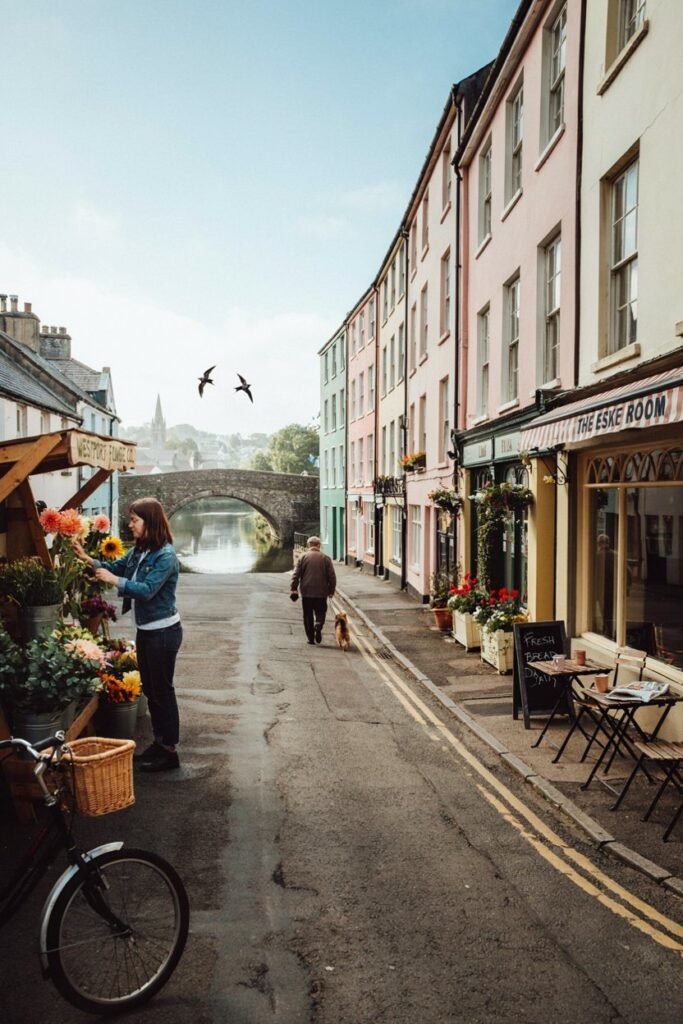
Westport has a wonderful energy that instantly makes visitors feel at home.
Colorful Georgian buildings line the streets, flower filled bridges cross peaceful rivers, and welcoming cafés spill onto the sidewalks during sunny afternoons.
Although it offers plenty to see, Westport never feels rushed. It is the kind of place where you can spend hours wandering without a schedule, discovering little shops, local bakeries, and friendly conversations around every corner.
One morning I grabbed breakfast from a small family owned bakery and sat beside the river watching locals begin their day.
There wasn’t a famous landmark in sight, yet it became one of my favorite memories from the entire trip.
How to Get There
Westport is about one hour from Ireland West Airport.
Direct train services from Dublin also make Westport one of the easiest villages on this list to reach without driving.
Getting Around
The town center is extremely walkable.
Bicycle rentals are popular if you’d like to explore the Great Western Greenway, while a rental car makes it easier to visit nearby beaches and mountain viewpoints.
Best Things to Explore
- Great Western Greenway
- Westport House
- Croagh Patrick
- Clew Bay
- Local markets
- Riverside walks
- Traditional pubs
- Independent boutiques
Where to Stay
You’ll find accommodation for every budget.
Options include:
- Boutique hotels
- Riverside guesthouses
- Historic inns
- Luxury country hotels
- Comfortable self catering apartments
Safety Tips
- Wear sturdy shoes if hiking Croagh Patrick.
- Follow marked cycling routes.
- Carry water during longer walks.
- Keep an eye on changing weather conditions.
Local Tip
Even if you don’t plan to hike Croagh Patrick, drive to the nearby viewpoints. The panoramic views across Clew Bay are absolutely worth the short journey.
9. Carlingford, County Louth
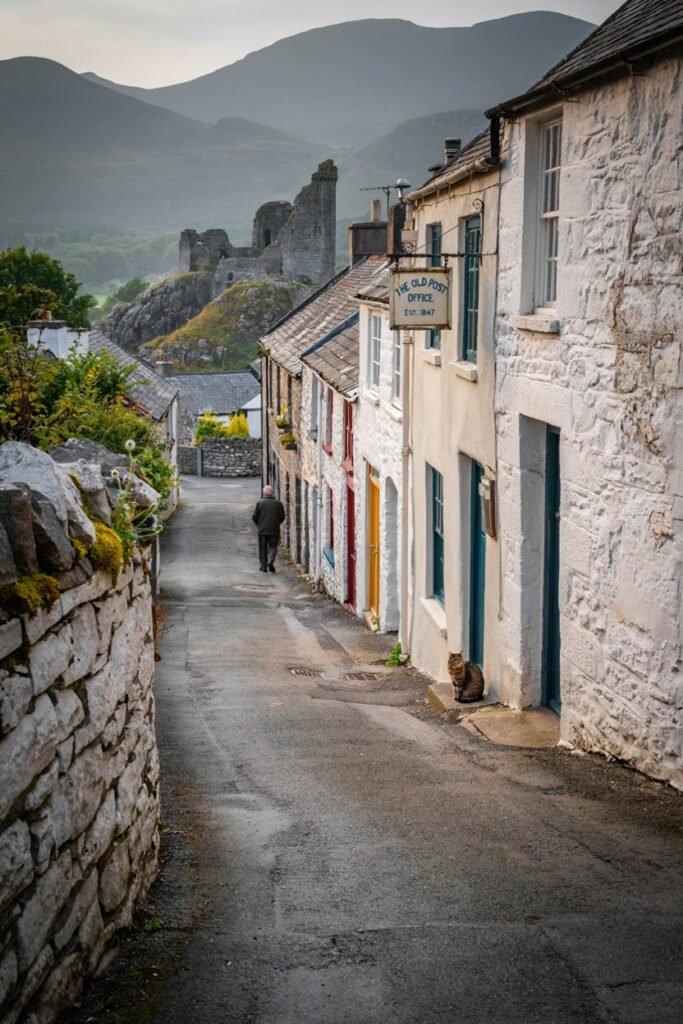
Carlingford feels like stepping into medieval Ireland.
Ancient stone buildings, narrow lanes, castle ruins, and beautiful mountain scenery create an atmosphere unlike anywhere else in the country.
Despite its growing popularity, the village has managed to preserve its historic charm. Walking through its quiet streets early in the morning almost feels like traveling back several centuries.
One of the things I loved most was how easily history blended with everyday life. Locals greeted one another outside cafés while medieval walls quietly stood in the background, reminding you just how much history these streets have witnessed.
How to Get There
Carlingford is about 90 minutes from Dublin by car.
Bus services are available from nearby Dundalk, although renting a car provides greater flexibility if you’re exploring the surrounding region.
Getting Around
The village itself is compact and best explored on foot.
Nearby mountain trails and scenic drives are easier to reach by car.
Best Things to Explore
- King John’s Castle
- Medieval streets
- Carlingford Lough
- Scenic harbor
- Local cafés
- Mountain walking trails
- Historic churches
- Boutique craft shops
Where to Stay
Visitors can choose from:
- Boutique inns
- Historic guesthouses
- Luxury hotels
- Cozy cottages
- Waterfront accommodations
Safety Tips
- Wear comfortable shoes on uneven cobblestone streets.
- Stay on marked hiking trails.
- Dress in layers because weather can change quickly near the mountains.
- Take extra care when walking near the harbor after rain.
Local Tip
Spend an evening walking along Carlingford Lough. Watching the sun disappear behind the mountains creates a peaceful ending to the day that photos simply cannot capture.
10. Ardmore, County Waterford
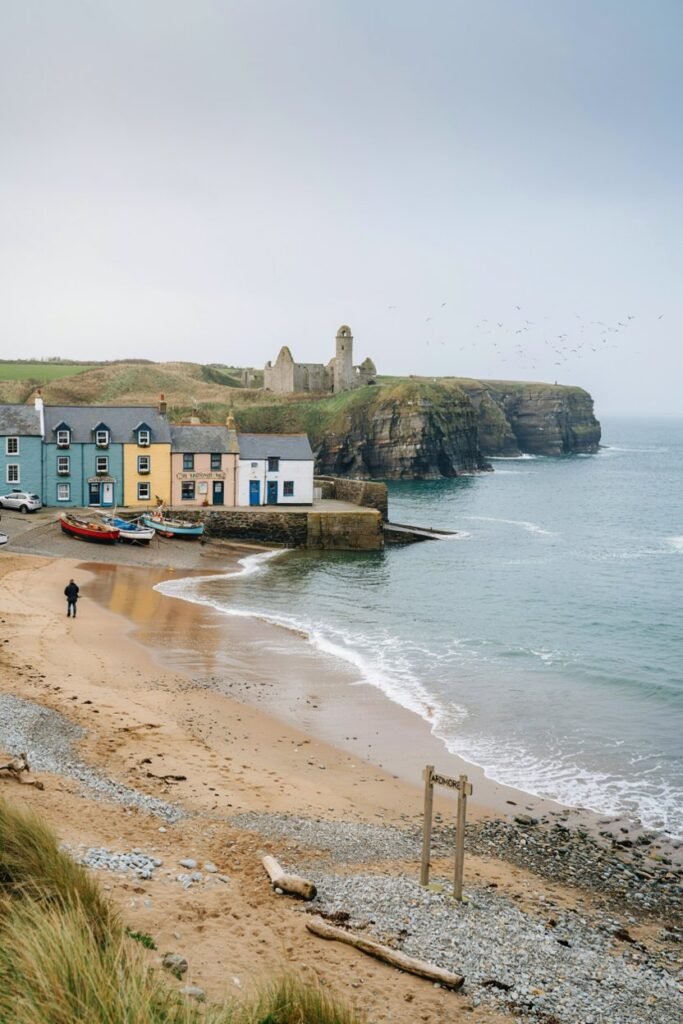
Ardmore may not receive as much attention as some of Ireland’s famous coastal villages, but that is exactly what makes it so special.
Perched beside the Atlantic Ocean, Ardmore combines sandy beaches, ancient history, dramatic cliffs, and a wonderfully relaxed atmosphere.
There is something incredibly calming about starting your morning with a walk along the cliff path before the village begins to wake up.
The sound of waves crashing below and the fresh sea air make it one of those places where time seems to slow down.
It became one of those unexpected destinations that completely exceeded my expectations.
How to Get There
Ardmore is around one hour from Cork by car and approximately two and a half hours from Dublin.
Having a rental car is the easiest way to reach the village and explore the surrounding coastline.
Getting Around
Everything within Ardmore can easily be explored on foot.
A car is useful for visiting nearby beaches, scenic coastal routes, and neighboring villages.
Best Things to Explore
- Ardmore Cliff Walk
- Round Tower
- Ancient cathedral ruins
- Sandy beach
- Coastal viewpoints
- Local seafood restaurants
- Quiet harbor
- Historic walking trails
Where to Stay
Popular accommodation includes:
- Family run bed and breakfasts
- Boutique hotels
- Seaside guesthouses
- Coastal cottages
Choose accommodation near the beach if you enjoy early morning walks by the ocean.
Safety Tips
- Keep a safe distance from cliff edges.
- Wear shoes with good grip for coastal paths.
- Check tide times before exploring beaches.
- Bring a windproof jacket, even during summer.
Local Tip
Wake up early one morning just to watch the sunrise over the Atlantic. With only a handful of people around, it feels like you have the entire coastline to yourself.
Best Time to Visit Ireland’s Villages
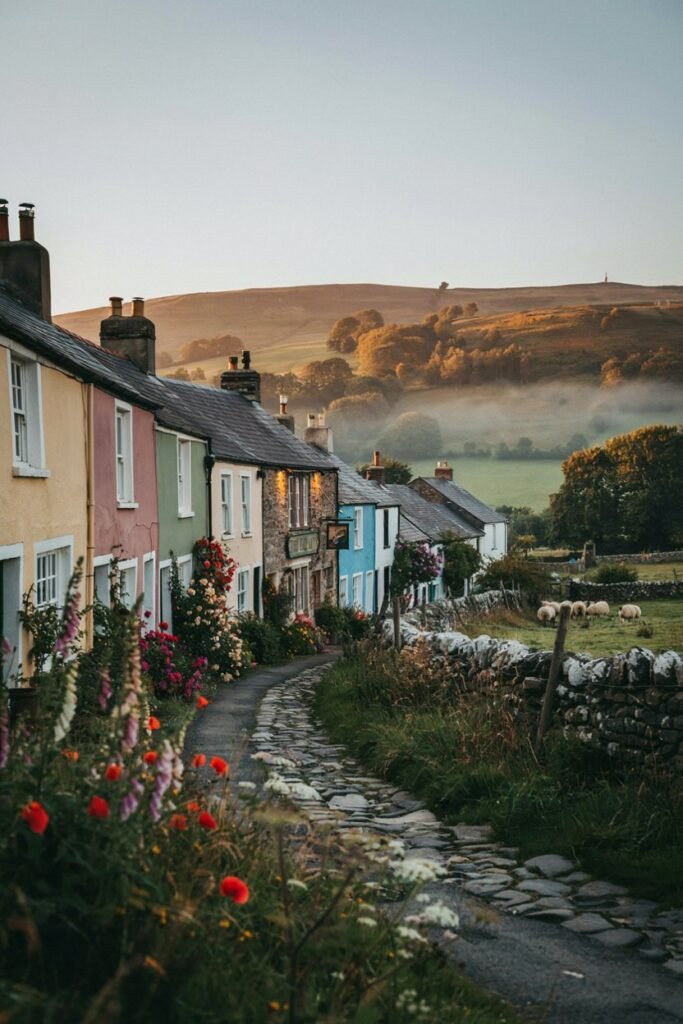
Choosing the right season can completely change your experience in Ireland’s villages.
After exploring these charming places, I found that May, June, September, and early October offer the best balance of beautiful scenery, comfortable temperatures, and fewer crowds.
May to June is a wonderful time to visit if you want to see Ireland looking its most vibrant.
The countryside is covered in fresh greenery, flowers begin to bloom, and the longer days give you more time to explore quiet villages, coastal paths, and scenic roads without the peak summer crowds.
July to August brings the warmest weather and the longest daylight hours, making it perfect for road trips, hiking, and exploring coastal villages.
The tradeoff is that popular destinations can feel busier, so booking accommodations and activities ahead of time is a smart idea.
September to early October is the season I personally love most. The summer rush starts to fade, the landscapes take on beautiful autumn tones, and villages feel calmer and more authentic.
It is the perfect time for slow mornings, cozy pubs, scenic drives, and enjoying Ireland at a more relaxed pace.
November to April offers a completely different experience. The villages become quieter, fireplaces glow in traditional pubs, and the scenery can feel beautifully dramatic.
However, you should expect cooler temperatures, shorter days, and some seasonal closures.
For that classic Irish village experience, I would choose late spring or early autumn. These seasons offer the best combination of colorful landscapes, comfortable weather, and the peaceful atmosphere that makes Ireland’s villages so unforgettable.
Tips for Planning an Irish Village Road Trip
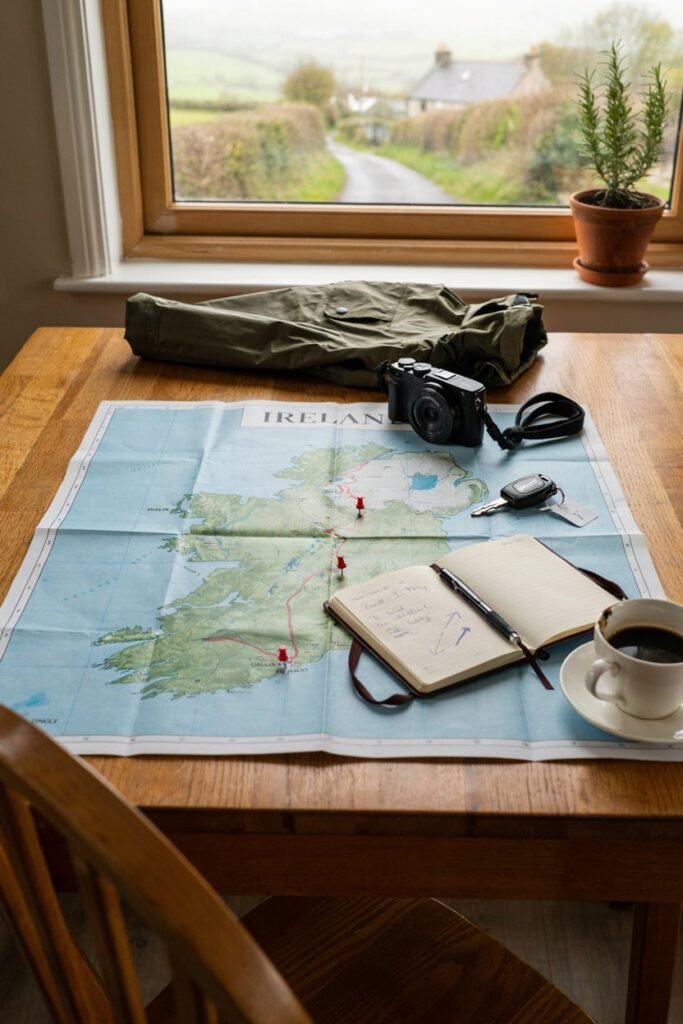
One thing I learned while exploring Ireland is that trying to visit too many villages in one trip takes away from what makes them so special. These places are meant to be enjoyed slowly.
Instead of rushing through several villages in a single day, give yourself time to wander without a plan. Step into the little bakery that catches your eye.
Sit down for an extra cup of tea. Talk with the shop owner who recommends a hidden walking trail. Those unplanned moments often become the stories you’ll tell long after you return home.
A few things that made my own trip much easier include:
- Rent a small car because many country roads are narrow.
- Download offline maps before leaving larger towns.
- Carry a waterproof jacket every day.
- Book accommodation early if traveling between May and September.
- Keep cash for small cafés, markets, and local shops.
- Leave room in your itinerary for unexpected stops.
Frequently Asked Questions
What is the prettiest village in Ireland?
Many travelers consider Adare the prettiest because of its beautiful thatched cottages, colorful gardens, and historic buildings.
However, villages like Dingle, Kinsale, and Clifden each have their own unique charm that makes choosing just one nearly impossible.
Is it better to rent a car in Ireland?
Yes. Renting a car gives you much more freedom to explore small villages, scenic coastal roads, and hidden attractions that public transportation may not reach easily.
How many villages can I visit in one week?
Four to five villages is a comfortable pace. It allows enough time to explore each destination without feeling like you’re constantly rushing to the next stop.
Are Irish villages safe for tourists?
Ireland is one of Europe’s safest countries for visitors. Most villages have very low crime rates, but it’s still wise to stay aware of your belongings, especially in busy tourist areas, and follow safety signs near cliffs and coastal paths.
What is the best time to visit?
Late spring through early autumn offers the longest days and the mildest weather. Personally, I love visiting in May or September when the villages feel a little quieter but the landscapes are still incredibly beautiful.
Final Thoughts
I love the idea of building an Ireland trip around places that allow me to slow down and actually enjoy where I am.
A quiet village street, a colorful row of cottages, or a small café with a beautiful view sounds far more appealing to me than rushing from one crowded attraction to another.
Adare, Doolin, Cong, and Eyeries all have a charm that makes them easy to remember.
I can already picture myself taking my time in each village, stopping for photos, enjoying a relaxed meal, and letting the day unfold without constantly checking the itinerary.
If I were planning my next Ireland trip, I would absolutely leave room for several of these villages.
They are the kind of places that can quietly become the highlight of your entire journey.