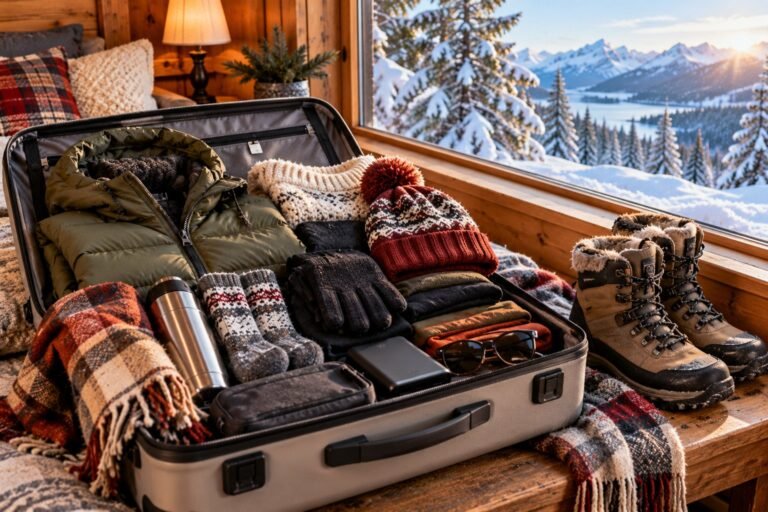

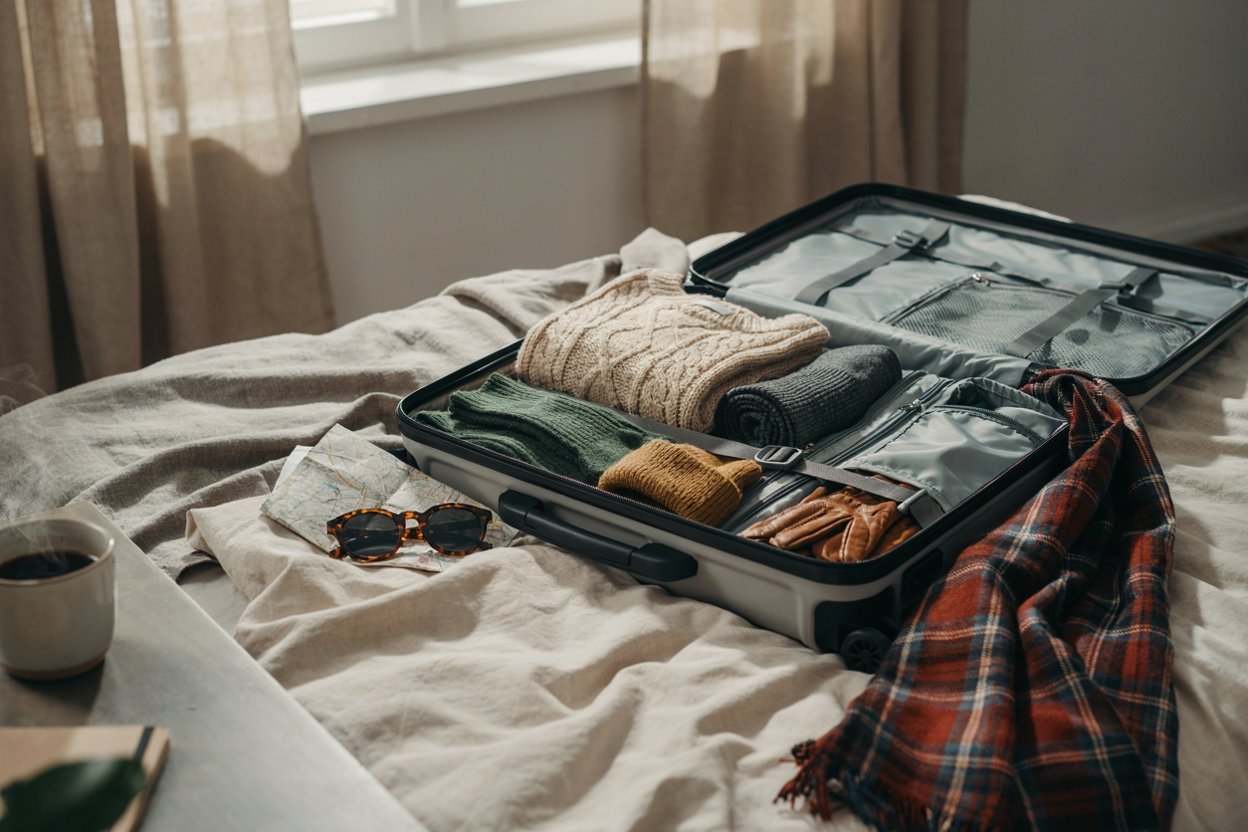
Cold weather has a way of exposing every packing mistake.
I have learned that after a few winter trips where I either brought bulky items I never used or forgot something that would have made the journey much more comfortable.
Now, I pack with a clear plan.
Every item in my suitcase has a purpose, from the layers that keep me warm on freezing mornings to the travel essentials that make snowy airports, long flights, and chilly days of sightseeing much easier to manage.
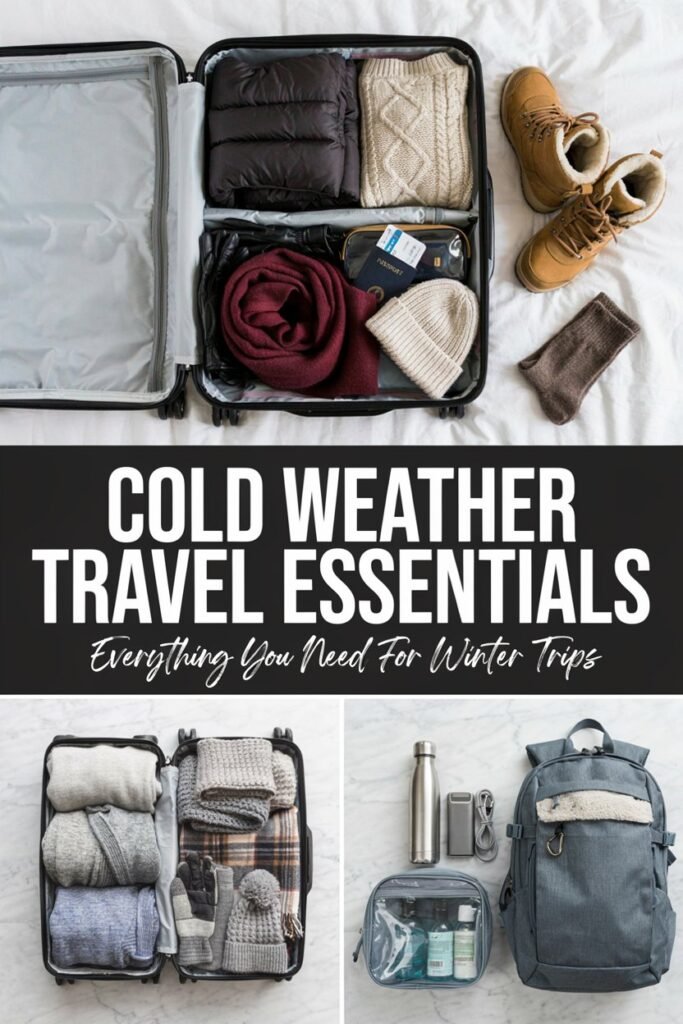
This guide brings together everything I actually pack for cold weather travel.
These are the essentials that have earned a permanent place in my luggage through real trips, helping me stay warm, comfortable, and prepared wherever winter takes me.
Why Cold Weather Travel Essentials Matter

One winter trip taught me just how unforgiving cold weather can be. I stepped off a plane during a long layover wearing a jacket that was perfect for autumn but completely outmatched by freezing temperatures. Within minutes, I was wishing I had packed differently.
That experience completely changed the way I prepare for winter travel. I stopped guessing what I might need and started building a packing list around the items that actually make a difference when temperatures drop.
Cold weather is far easier to enjoy when you are properly prepared. The right clothing, accessories, and travel essentials keep you warm, comfortable, and ready to explore instead of spending the day trying to escape the cold.
Every item in this guide has earned its place through real trips, making winter travel smoother and far more enjoyable.
Dress in Layers Instead of One Heavy Coat
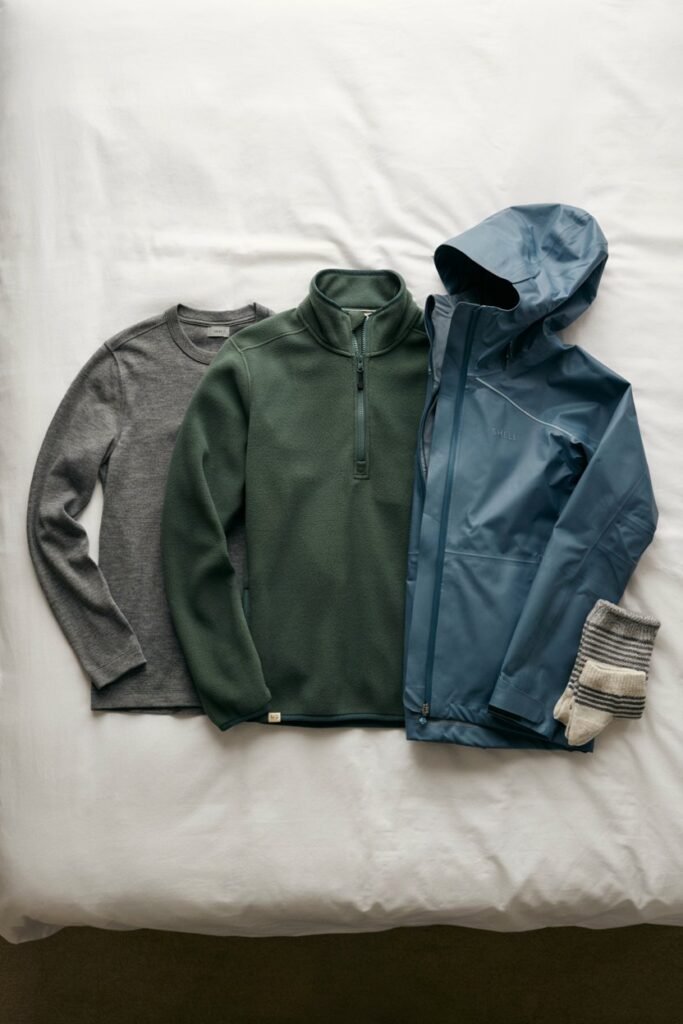
On a winter trip through the mountains, I underestimated how quickly temperatures could change between a warm airport, a heated car, and the freezing outdoors.
I spent the day constantly taking my coat off and putting it back on because I was either too hot or too cold.
Since then, layering has become my go to strategy for cold weather travel.
A simple layering system includes:
- Moisture wicking base layer to keep sweat away from your skin.
- Insulating mid layer like fleece or wool to trap body heat.
- Waterproof or windproof outer shell to protect against wind, rain, and snow.
- Easy to remove or add layers as temperatures change throughout the day.
- More comfort and flexibility than wearing one bulky winter coat.
Layering lets you adjust to changing conditions without packing multiple heavy outfits, making it much easier to stay comfortable whether you’re sightseeing, hiking, or traveling between destinations.
Pack a Warm Insulated Jacket That Actually Performs
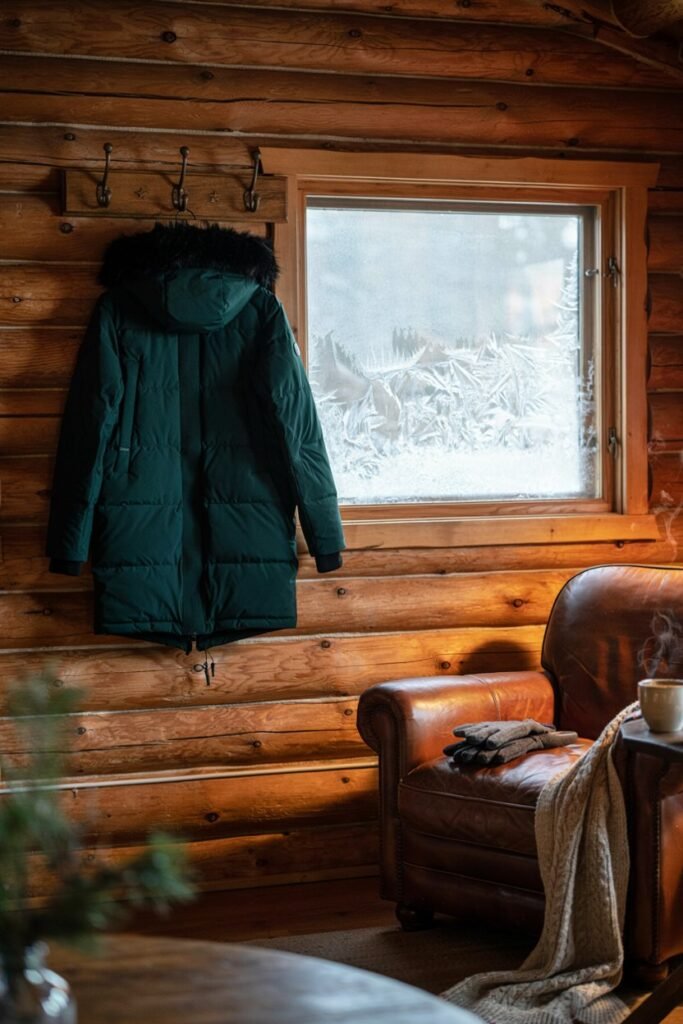
I learned this lesson after relying on a thin winter coat that looked warm in the store but did very little once I stepped outside.
Within minutes, I was freezing and wishing I had packed something more practical.
Now, a quality insulated jacket is one of the first things I pack for any cold weather trip.
Look for a jacket that:
- Provides reliable insulation without feeling overly bulky.
- Blocks cold wind and light rain or snow.
- Packs easily into your suitcase if you’re traveling light.
- Has a hood and secure pockets for extra warmth and convenience.
- Is rated for the coldest temperatures you expect, not just the average forecast.
Down insulation is lightweight, highly compressible, and offers excellent warmth, making it ideal for cold, dry climates.
Synthetic insulation is a better choice if you’re expecting wet or humid conditions because it continues to keep you warm even when damp.
A good insulated jacket can make the difference between enjoying hours outdoors and cutting your day short because you’re too cold.
Don’t Forget Thermal Base Layers
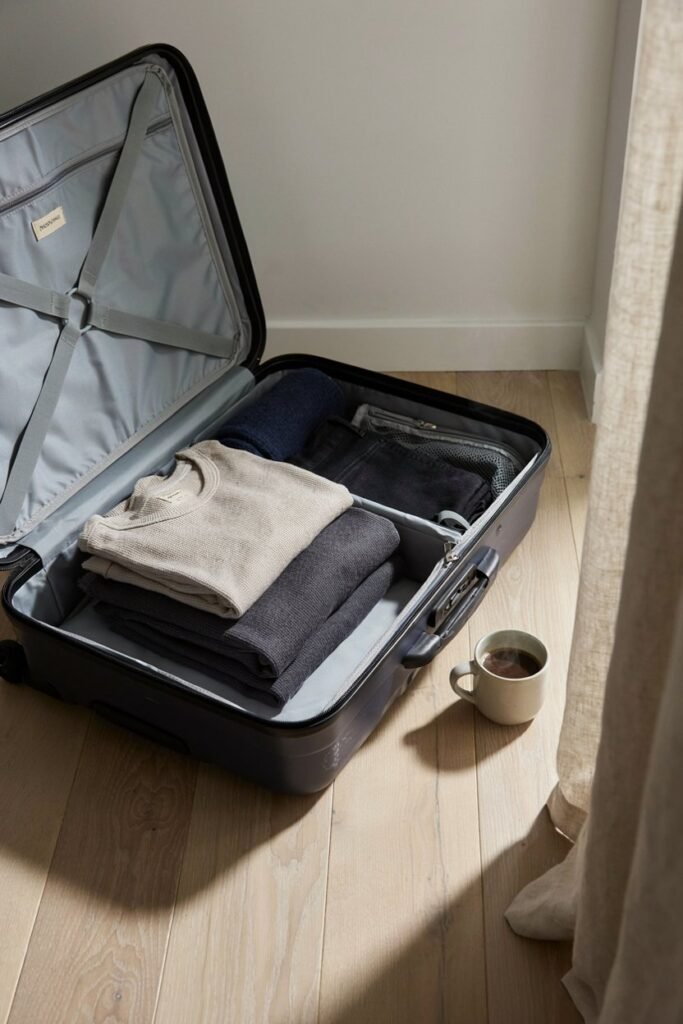
I learned this lesson after skipping thermal base layers on an early winter trip because I thought jeans and a sweater would be warm enough.
By the afternoon, my legs were so cold that I couldn’t enjoy sightseeing anymore, and I ended up buying thermal leggings from a local store just to stay comfortable.
Now they’re one of the first things I pack.
Thermal base layers are worth bringing because they:
- Add extra warmth without making your outfit bulky.
- Fit comfortably under jeans, pants, sweaters, and jackets.
- Fold flat and take up very little suitcase space.
- Help you stay outside longer without feeling chilled.
- Make cold morning walks and evening outings much more comfortable.
A lightweight pair of thermal leggings and a long sleeve thermal top can make a huge difference on cold weather trips. They’re small, easy to pack, and one of the simplest ways to stay warm throughout the day.
Wear Warm Socks and Waterproof Boots
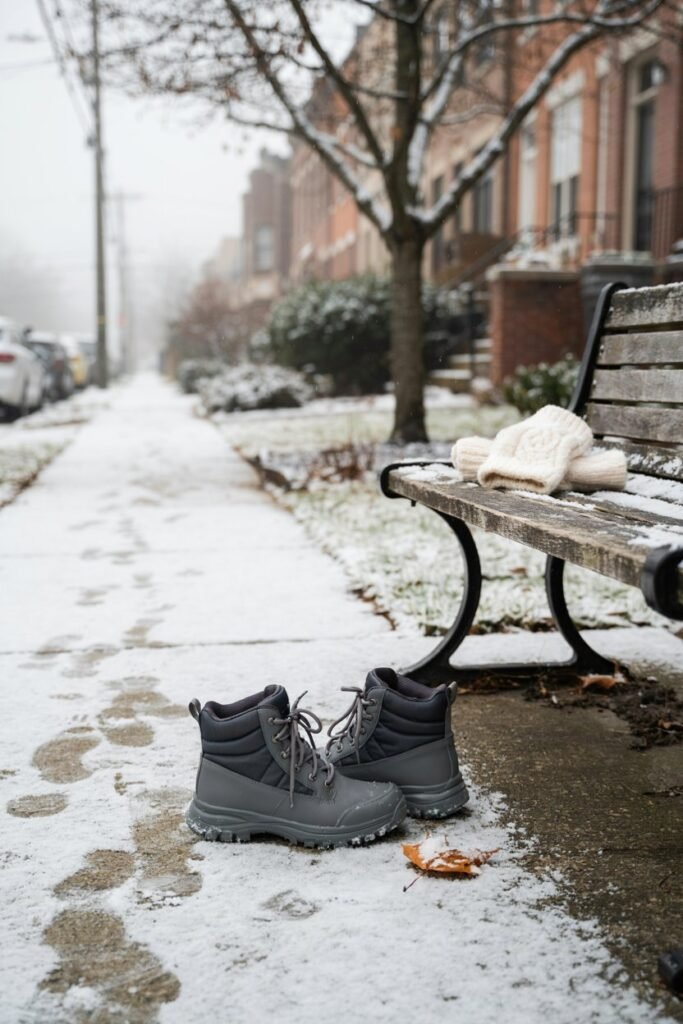
During one of my first winter city trips, I packed regular cotton socks without thinking twice.
After a full day of walking, my feet were cold, slightly damp, and so uncomfortable that all I wanted to do was get back inside.
Now, I never travel in winter without warm socks and waterproof boots.
Choose footwear that offers:
- Wool or thermal socks that stay warm even if they become slightly damp.
- Waterproof insulated boots to keep snow, slush, and cold water out.
- Good traction to reduce the risk of slipping on icy or wet sidewalks.
- Cushioned support for long days of sightseeing and walking.
- Enough room to wear thick socks without your boots feeling too tight.
Keeping your feet warm and dry makes a huge difference during winter travel. Comfortable footwear means you can spend more time exploring instead of looking for the nearest place to warm up.
Pack a Warm Hat, Gloves, and Scarf
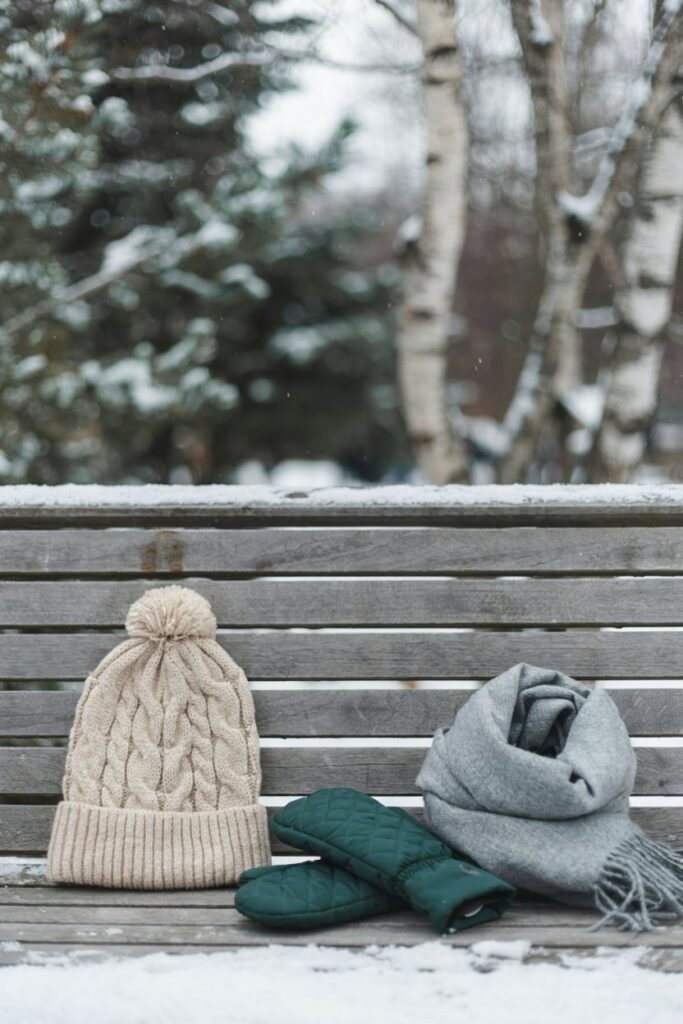
On one of my early winter trips, I completely overlooked cold weather accessories. Within twenty minutes of being outside, my ears and hands were so cold that it was hard to enjoy the rest of the day.
Now, these small items are always at the top of my packing list.
Don’t forget to pack:
- An insulated hat or beanie to help retain body heat and protect your ears.
- Warm gloves that match your activities, whether you’re sightseeing, hiking, or skiing.
- A scarf or neck gaiter to block cold wind from your neck and chest.
- Touchscreen compatible gloves if you’ll be using your phone outdoors.
- A spare pair of gloves in case one pair gets wet.
These accessories take up very little space in your suitcase, but they make a big difference in keeping you warm and comfortable throughout your trip.
Bring Hand and Toe Warmers
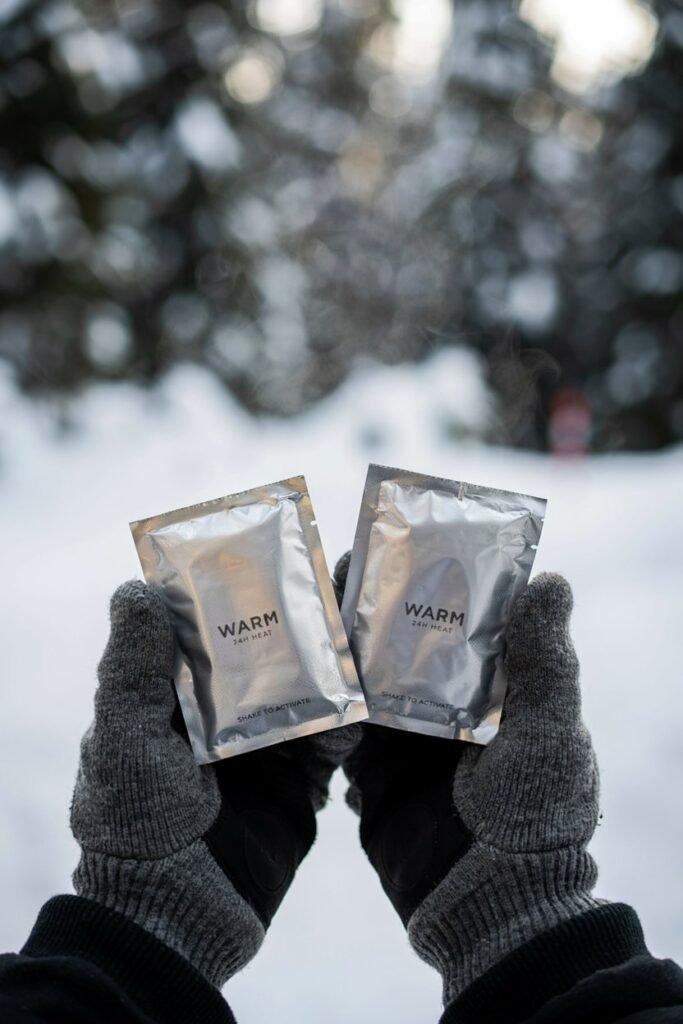
After spending hours at a freezing outdoor event, I started carrying disposable hand and toe warmers on every winter trip.
They turned an uncomfortable afternoon into one that was much easier to get through.
Now, I never leave home without a few packs in my bag.
They’re great for:
- Keeping your hands and feet warm during long periods outdoors.
- Long sightseeing days when you’re exposed to the cold for hours.
- Transit delays at airports, train stations, or bus stops.
- Sporting events, festivals, and holiday markets in chilly weather.
- Emergency backup warmth if temperatures drop unexpectedly.
Hand and toe warmers are inexpensive, lightweight, and take up almost no space, making them one of the easiest cold weather essentials to pack.
Pack an Insulated Thermos
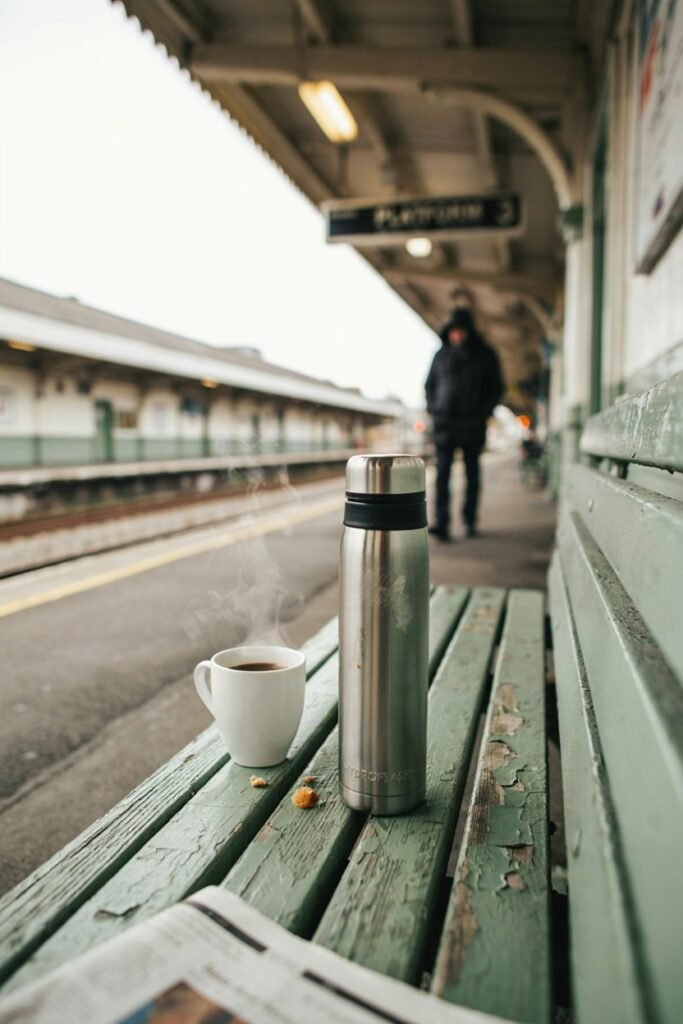
Waiting for a delayed train on a freezing morning with nowhere to buy a hot drink convinced me that an insulated thermos is a winter travel essential.
A warm cup of coffee made all the difference, and I’ve packed one on every cold weather trip since.
An insulated thermos is perfect for:
- Keeping coffee, tea, or hot chocolate warm for hours.
- Carrying hot soup on long travel days.
- Staying warm during train, bus, or flight delays.
- Road trips and outdoor adventures where cafés aren’t nearby.
- Saving money by bringing your favorite hot drink instead of buying one on the go.
A quality insulated thermos takes up very little space and keeps a comforting hot drink within reach whenever the temperatures drop.
Pack Lip Balm and Moisturizer
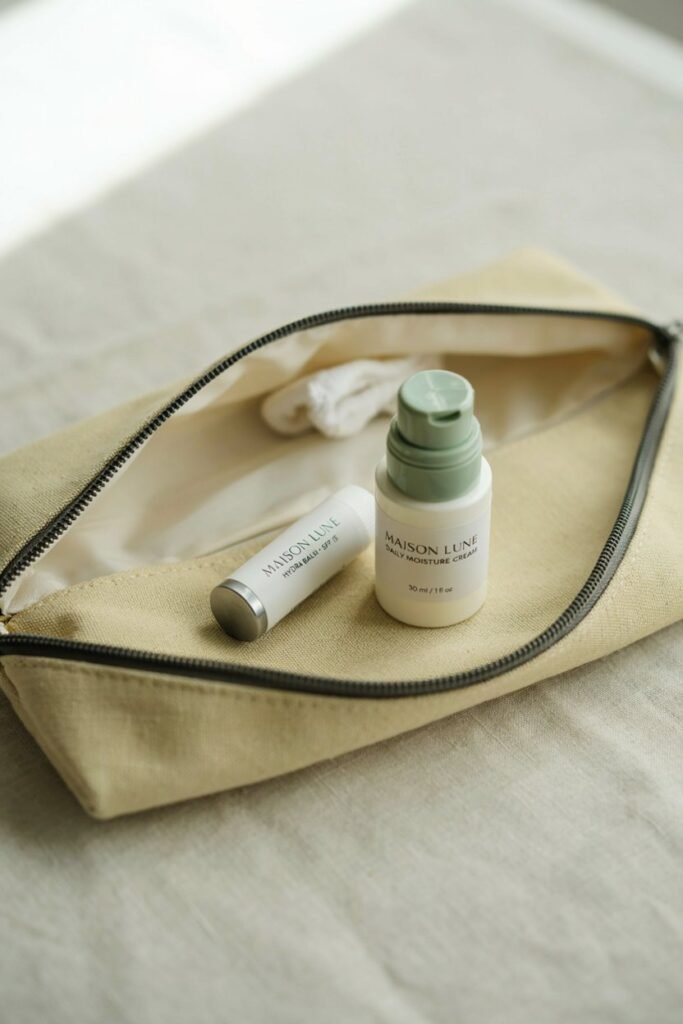
One winter trip was all it took to convince me that cold, dry air can be just as challenging as the freezing temperatures. By the end of the day, my lips were cracked, and my skin felt tight and uncomfortable.
Now, I always pack a few winter skincare essentials.
Don’t leave without:
- A nourishing lip balm with SPF to help prevent dry, chapped lips.
- A thick moisturizer to keep your skin hydrated and protected.
- A travel size hand cream to prevent dry, cracked hands.
- A gentle facial moisturizer that’s suitable for cold, windy weather.
- Small travel containers that fit easily in your day bag.
A few skincare essentials take up very little room but can make a huge difference in keeping your skin comfortable throughout your winter trip.
Bring a Portable Power Bank
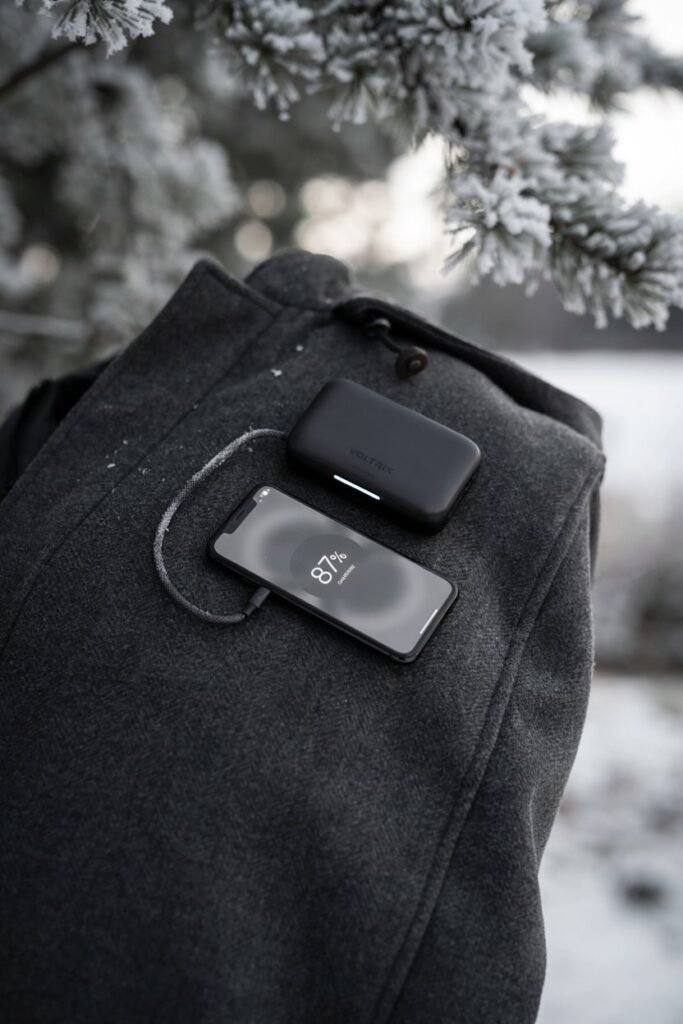
My phone battery died while I was using it to navigate an unfamiliar city on a freezing day.
I hadn’t realized how quickly cold temperatures could drain the battery, and suddenly I was without maps, directions, or an easy way to contact anyone.
Now, a fully charged portable power bank is always in my day bag.
A power bank is useful for:
- Keeping your phone charged for maps and navigation.
- Taking photos and videos without worrying about battery life.
- Staying connected during emergencies or travel delays.
- Charging other devices like wireless earbuds or smartwatches.
- Providing backup power when you’re away from an outlet all day.
Cold weather can drain your phone much faster than usual, so carrying a portable power bank gives you peace of mind and helps keep your essential devices running when you need them most.
Pack a Travel Blanket or Extra Layer
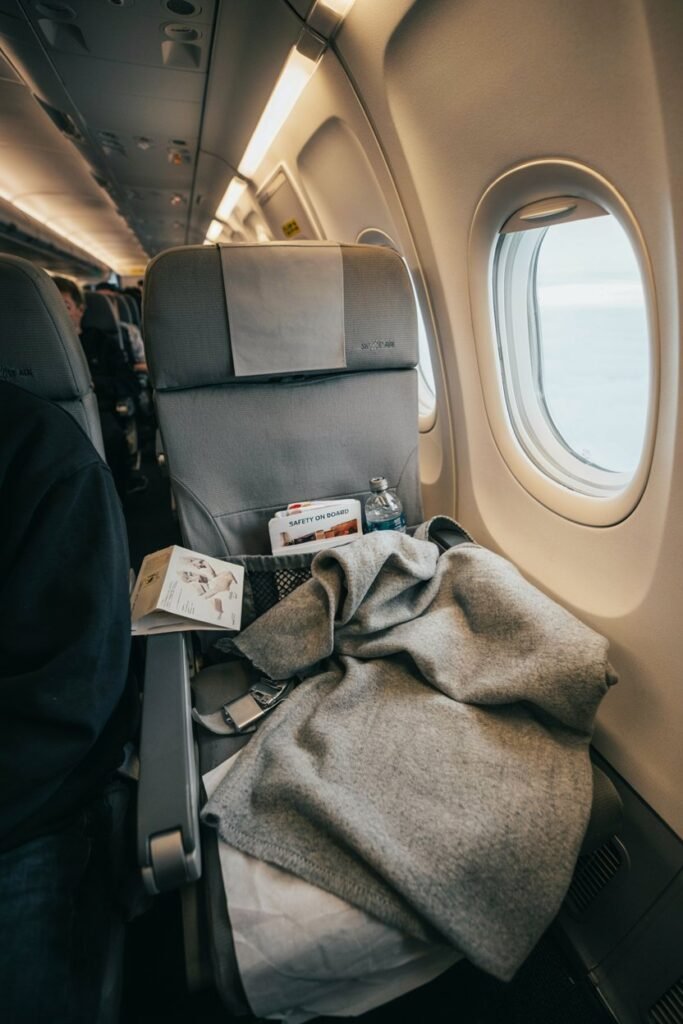
A compact travel blanket has come in handy more times than I can count, especially on chilly flights, long train rides, and in accommodations that weren’t as warm as expected.
It’s one of those items you don’t always need, but you’ll be glad you packed when temperatures drop.
Consider bringing:
- A compact travel blanket for flights, trains, and road trips.
- A lightweight packable jacket or fleece for an extra layer of warmth.
- A soft blanket that folds into its own carrying pouch to save space.
- An easy to carry layer that fits in your backpack or carry on.
- A versatile option that can double as a pillow or cushion while traveling.
A travel blanket or extra layer takes up very little room in your luggage but adds plenty of warmth and comfort whenever the weather turns colder than expected.
Pack Medications and a Small First Aid Kit
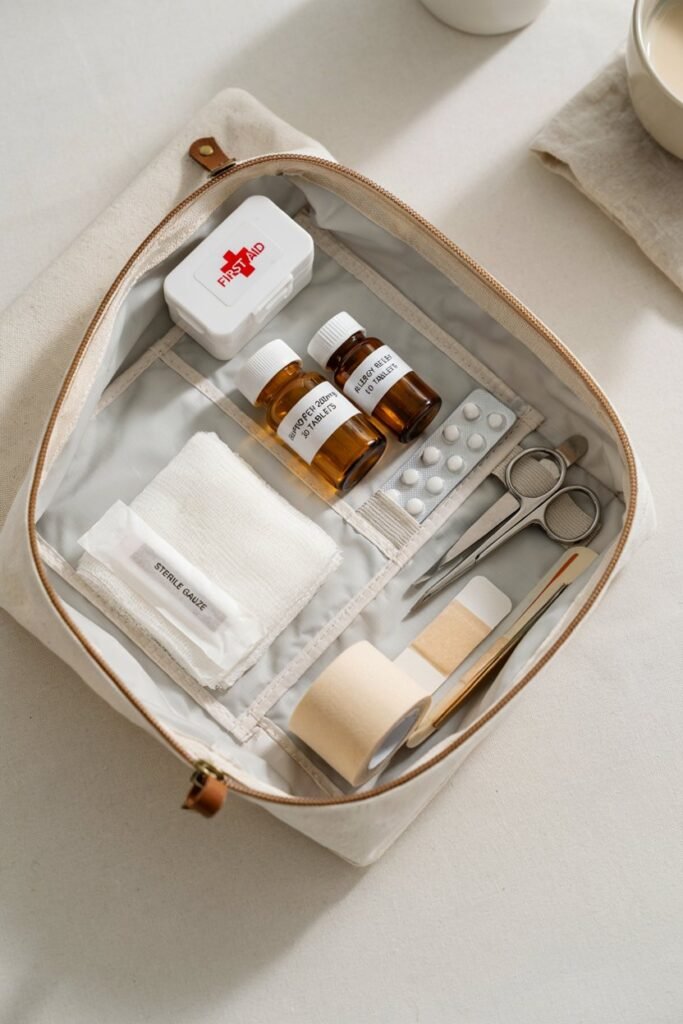
After getting caught on a much colder trip than expected without the medications I needed, I realized how important it is to be prepared. Since then, I never travel in winter without a small health kit.
Be sure to pack:
- Prescription medications in their original containers.
- Cold and flu essentials for unexpected symptoms.
- Pain relievers for headaches, sore muscles, or minor aches.
- Blister treatment for long days of walking in winter boots.
- Bandages and basic first aid supplies for minor cuts and scrapes.
- Muscle relief cream or patches to soothe tired muscles after a day outdoors.
A compact first aid kit takes up very little space but can save you from searching for a pharmacy when you least expect it, helping you stay comfortable and enjoy your trip.
Extra Tips for Cold Weather Travel

Check the Weather for Every Stop, Not Just Your Destination
I once packed for the mild weather at my final destination and completely ignored the layover city, which turned out to be far colder than expected.
Now I check the forecast for every stop along the way, not just where I am ultimately headed.
Pack a Few Extra Layers Than You Think You Need
Cold weather trips are one situation where slightly overpacking pays off, and I have never once regretted bringing an extra base layer or pair of socks.
They take up little space but solve a lot of discomfort.
Keep Electronics Warm When Possible
My phone shut off completely mid photo on a freezing hike once because the battery could not handle the cold.
Now I keep my phone and camera in an inner jacket pocket rather than an outer layer whenever I can.
Wear Broken In Footwear
Blisters from stiff new boots ruined an entire afternoon of a winter trip for me.
I never travel in brand new footwear anymore, no matter how good the boots look in the box.
Protect Your Skin Even on Cloudy Days
I got a surprising sunburn on a snowy overcast day because I assumed clouds meant no sun exposure.
Sun reflecting off snow can burn skin just as easily as summer sun, so I always pack sunscreen for cold weather trips involving snow or high altitude now.
Frequently Asked Questions
What are the most important winter travel essentials?
If you’re only packing the basics, prioritize warm layers, an insulated jacket, thermal base layers, waterproof boots, wool socks, gloves, a hat, a scarf, and a portable power bank. These essentials will keep you warm, comfortable, and prepared for changing weather conditions.
How do I stay warm without packing bulky clothes?
The best approach is to dress in layers. A moisture wicking base layer, an insulating mid layer, and a waterproof outer layer provide excellent warmth while giving you the flexibility to add or remove clothing as temperatures change throughout the day.
Are waterproof boots really necessary?
If you’re traveling somewhere with snow, slush, or frequent rain, waterproof boots are well worth packing. Keeping your feet warm and dry makes walking much more comfortable and helps prevent cold feet throughout the day.
What should I keep in my day bag during winter?
A few useful items include a portable power bank, insulated water bottle or thermos, hand warmers, lip balm, moisturizer, gloves, and any personal medications. These items are lightweight but can make a big difference during long days of sightseeing.
How can I protect my phone battery in cold weather?
Cold temperatures can cause phone batteries to drain much faster than normal. Keep your phone in an inside pocket close to your body when possible, avoid leaving it exposed to the cold for long periods, and carry a fully charged portable power bank as a backup.
What’s the biggest mistake people make when packing for winter travel?
One of the most common mistakes is underestimating how quickly temperatures can change. Packing only fashionable clothing or relying on one heavy coat often leads to discomfort. Choosing practical layers and the right accessories will help you stay warm in a variety of conditions.
Final Thoughts
Packing for cold weather doesn’t mean filling your suitcase with bulky clothing. Choosing versatile layers, warm accessories, comfortable footwear, and a few thoughtful travel essentials can make every part of your trip more enjoyable.
Many of these items take up very little space, yet they can make the difference between spending the day comfortably exploring and heading back indoors because you’re cold.
A little preparation goes a long way, whether you’re visiting a snowy city, heading into the mountains, or simply traveling somewhere with chilly winter temperatures.
With these winter travel essentials in your suitcase, you’ll be ready to stay warm, comfortable, and enjoy every moment of your adventure, no matter how cold the forecast looks.