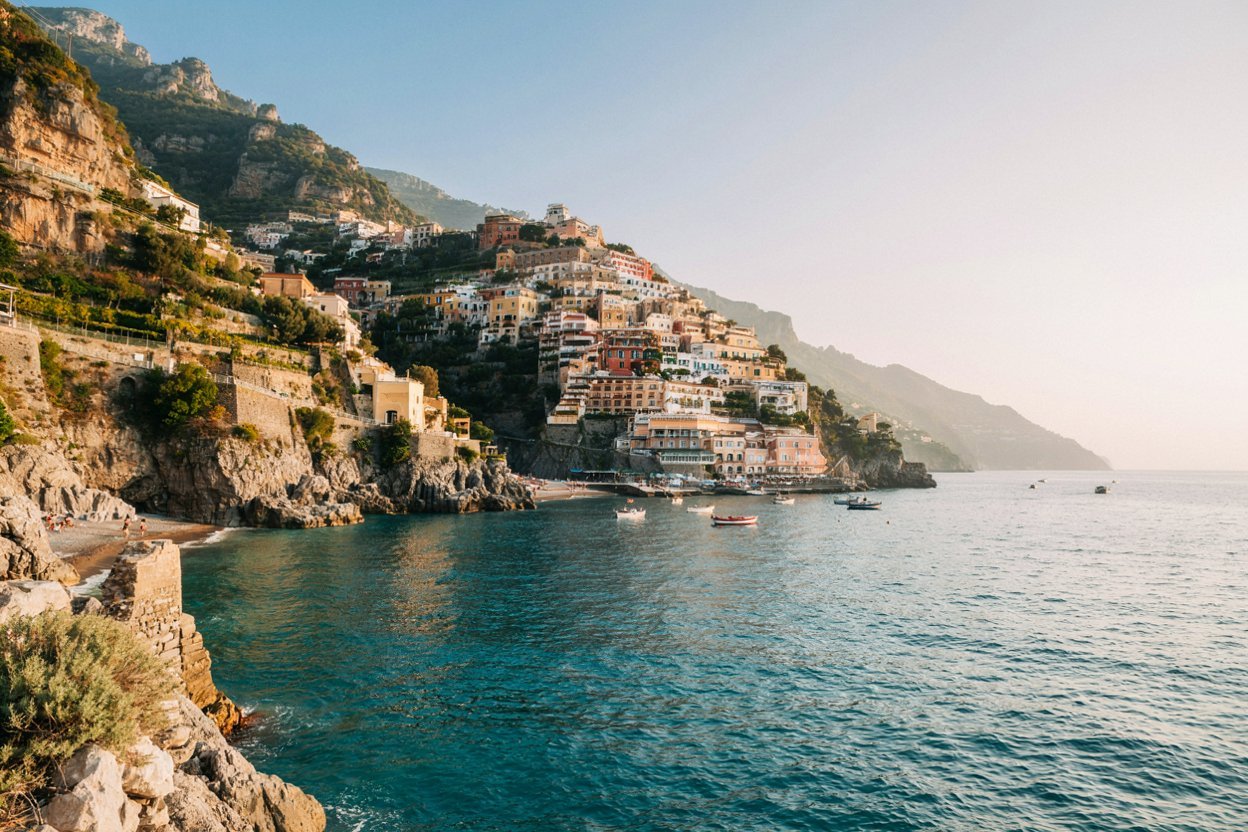
Positano, Amalfi, and Ravello earn their fame honestly, but the Amalfi Coast holds considerably more depth than its three most photographed towns.
Tucked along the same dramatic stretch of coastline, smaller villages, quiet coves, and inland valleys offer the same striking scenery with a fraction of the crowds, along with a more genuine sense of daily Italian coastal life.
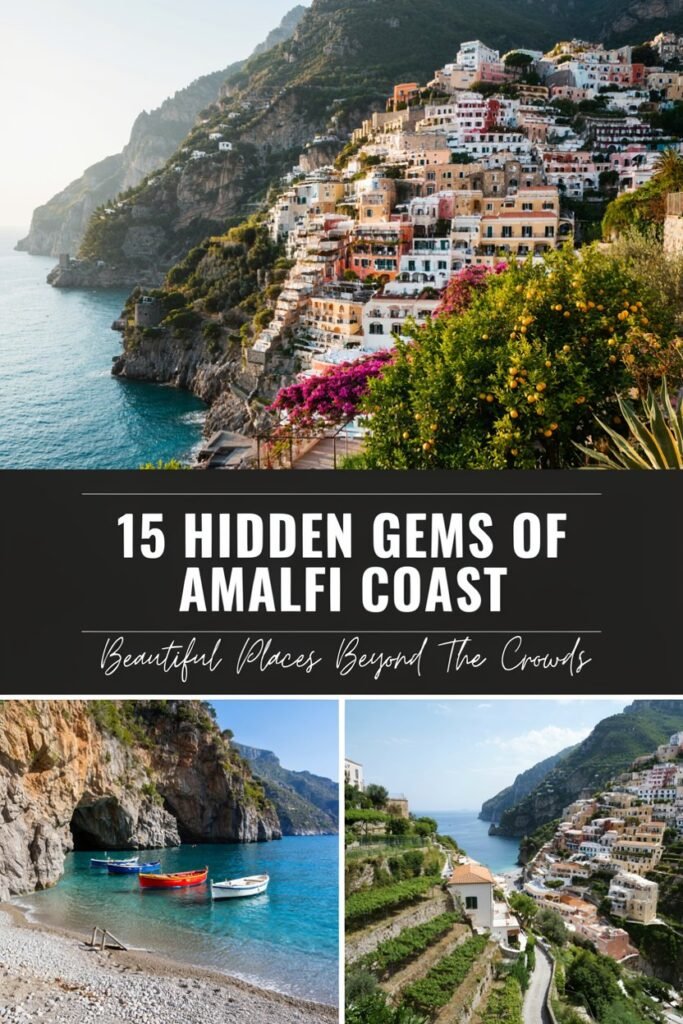
This guide covers fifteen spots across the region that consistently reward travelers willing to venture beyond the postcard towns.
Each one comes with practical details on why it belongs on your itinerary, how to get there, where to stay, what to actually do, and a personal tip to help you experience the Amalfi Coast the way locals actually know it, closer to the deliberate approach behind packing with real intention rather than assuming every stop needs the same plan.
Quick Comparison
| Destination | Known For | Best For | Recommended Stay |
|---|---|---|---|
| Nerano | Quiet fishing village | Peaceful coastal dining | 1 to 2 nights |
| Furore | Cliffside fjord village | Dramatic, under visited scenery | Day trip |
| Cetara | Anchovy fishing traditions | Authentic seafood and local life | 1 night |
| Praiano | Quiet alternative to Positano | Sunset views without crowds | 2 to 3 nights |
| Atrani | Smallest town in southern Italy | Compact, authentic charm | 1 to 2 nights |
| Valle delle Ferriere | Waterfall nature reserve | Hiking and cool forest scenery | Half day |
| Conca dei Marini | Emerald Grotto | Unique cave and grotto visit | Day trip |
| Scala | Oldest town on the coast | Quiet history above Ravello | 1 night |
| Minori | Roman villa and lemon groves | Relaxed beach town with history | 1 to 2 nights |
| Maiori | Longest beach on the coast | Wide, uncrowded beach time | 2 nights |
| Sentiero degli Dei | Path of the Gods hiking trail | Dramatic coastal hiking | Half day |
| Vietri sul Mare | Ceramics and ceramics workshops | Shopping and craft culture | 1 night |
| Marina di Praia | Small hidden cove | Quiet swimming and dining | Half day |
| Bomerano | Mountain village trailhead | Starting point for hikes | 1 night |
| Tramonti | Inland valley villages | Wine, cheese, and quiet countryside | 1 to 2 nights |
The 15 Hidden Gems of Amalfi Coast
1. Nerano
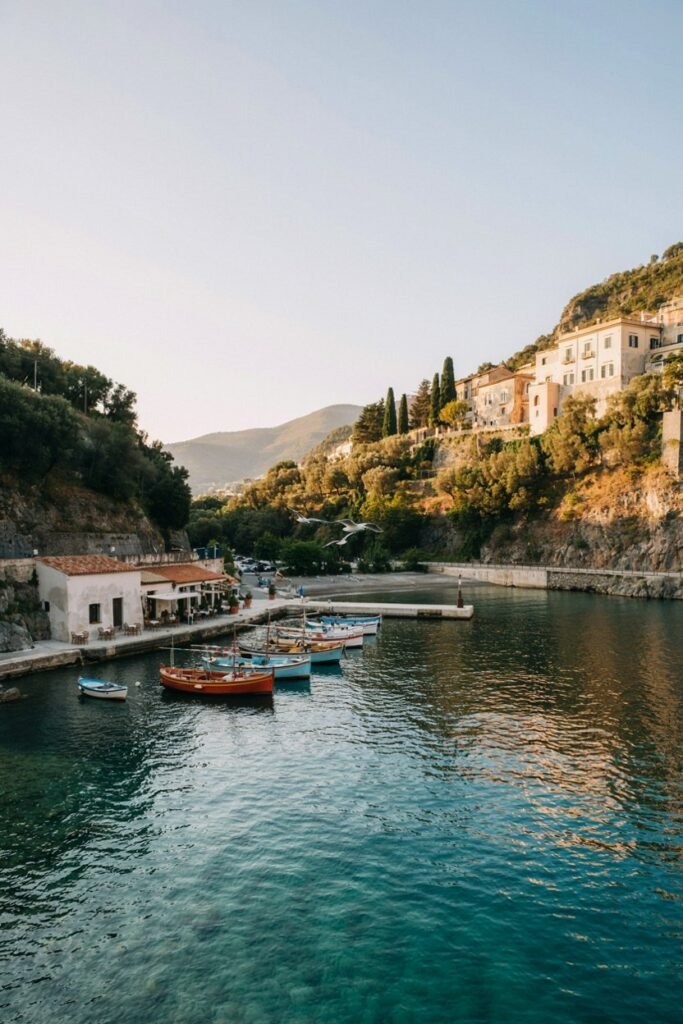
Nerano sits on the Sorrento Peninsula’s edge, just before the coastline curves into the Amalfi Coast proper, and it remains genuinely under visited despite being home to some of the region’s best seafood restaurants.
Why It’s Worth Seeking Out
The small bay at Marina del Cantone, Nerano’s harbor, offers a quiet, authentic alternative to the busier marinas further along the coast, with several excellent restaurants serving the day’s catch in a genuinely unpretentious setting.
Getting There
Nerano is reached by bus or car from Sorrento, roughly a thirty minute drive along winding coastal roads.
Where to Stay
Small guesthouses near Marina del Cantone put you close to the harbor and its restaurants, offering a quieter base than staying directly in Sorrento or Positano.
What to Do
Swim at Marina del Cantone, hike a portion of the coastal trail toward Punta Campanella for dramatic views, and enjoy a leisurely seafood lunch at one of the small harborside restaurants.
My Tip
I would book a boat trip from Nerano to nearby Ieranto Bay, a genuinely stunning, protected cove accessible primarily by water or a moderate hike, closer to the reward worth seeking out over the more obvious, crowded option most travelers default to.
2. Furore
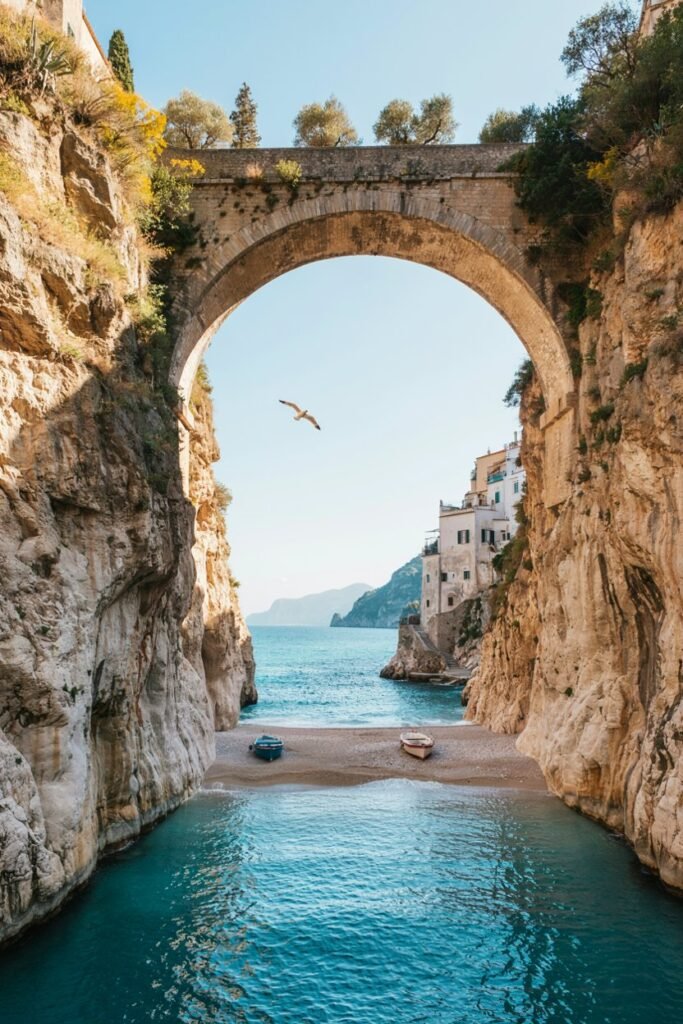
Furore is less a single village than a scattered collection of homes built into the cliffside above a dramatic fjord, and it remains one of the most visually striking, least crowded spots on the entire coast.
Why It’s Worth Seeking Out
The Fiordo di Furore, a narrow inlet with a small beach at its base and a bridge spanning the gorge above, delivers scenery that rivals anything in Positano with a fraction of the visitors.
Getting There
Furore sits along the main coastal road between Amalfi and Positano, easily reached by car or the regional SITA bus, with the fjord itself marked by a small parking area and staircase down to the water.
Where to Stay
Most visitors treat Furore as a stop rather than an overnight base, given its small size and limited accommodation options, though a handful of small guesthouses exist for travelers wanting a genuinely quiet stay.
What to Do
Walk down to the small beach at the base of the fjord for a swim in genuinely clear water, and take photos from the bridge above for the classic, dramatic view down into the gorge.
My Tip
I would visit early in the day, both for better light on the fjord and to claim one of the limited parking spots before they fill during peak season.
3. Cetara
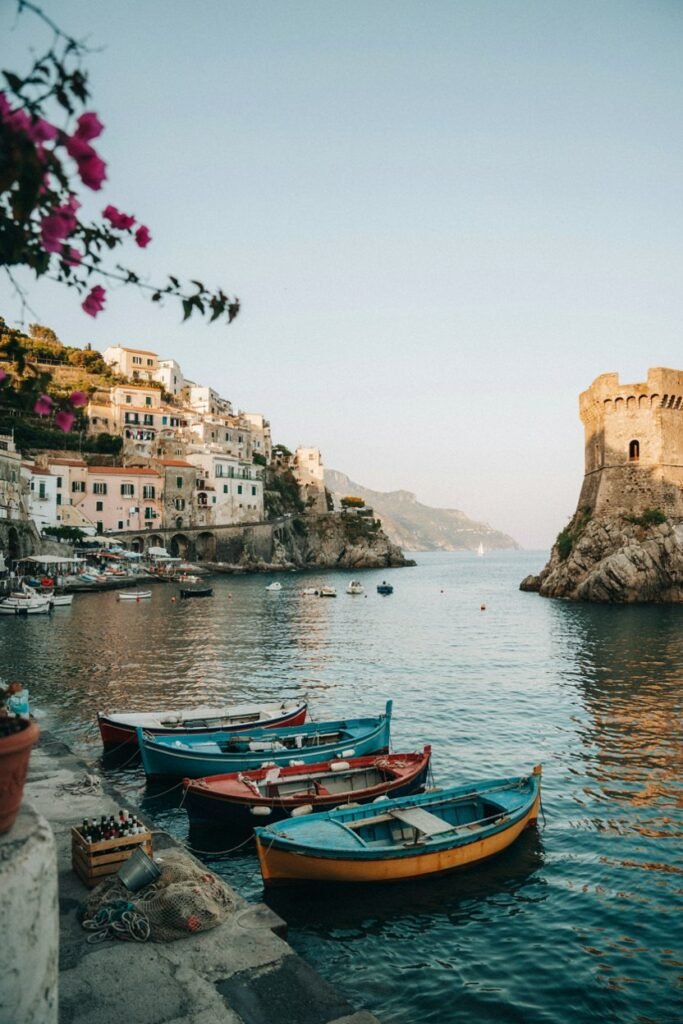
Cetara retains a genuine working fishing village identity, built around its historic anchovy fishing tradition, and it offers some of the most authentic, least touristy dining on the entire coast.
Why It’s Worth Seeking Out
The village’s continued production of colatura di alici, a traditional anchovy sauce with roots tracing back to ancient Roman garum, gives Cetara a genuine culinary identity distinct from the more generic coastal town experience found elsewhere.
Getting There
Cetara sits along the main coastal road between Salerno and Amalfi, easily reached by car or bus.
Where to Stay
Small guesthouses throughout the compact village center offer an authentic, low key stay within walking distance of the harbor and main square.
What to Do
Try the local anchovy specialties at one of the village’s restaurants, watch the fishing boats come in at the small harbor, and explore the compact historic center, centered around a watchtower built to defend against historical pirate raids.
My Tip
I would time a visit around lunch specifically, since Cetara’s restaurants serving fresh, local seafood are genuinely worth building a stop around rather than treating as an afterthought, similar to the value in choosing versatile pieces suited to a warm coastal trip.
4. Praiano
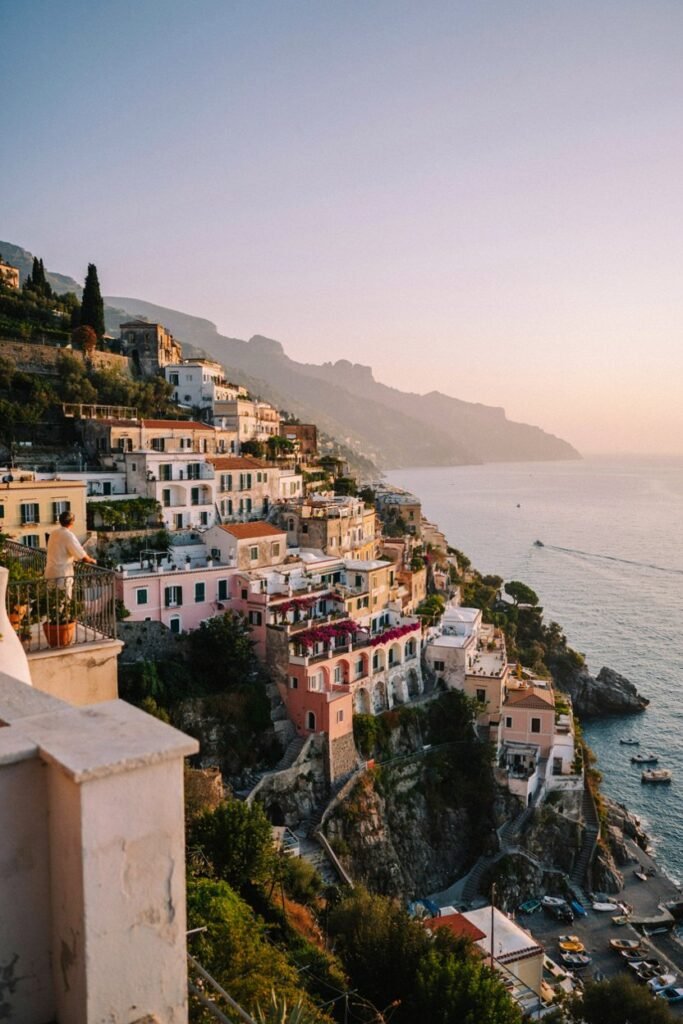
Praiano sits between Positano and Amalfi, offering nearly identical dramatic coastal views with considerably fewer crowds and lower prices than its more famous neighbor.
Why It’s Worth Seeking Out
The sunset views from Praiano rival Positano’s famous vistas, and the town’s more relaxed, residential character gives it a genuinely different feel than the increasingly crowded main towns just a short drive away.
Getting There
Praiano sits along the main coastal road, easily reached by car or the regional SITA bus from either Positano or Amalfi.
Where to Stay
Small hotels and guesthouses throughout the town offer sea views at a noticeably lower cost than comparable accommodations in Positano, making Praiano a smart base for exploring the wider region.
What to Do
Watch sunset from one of the town’s clifftop viewpoints or bars, swim at Marina di Praia, covered separately on this list, and use Praiano as a genuinely convenient, more affordable base for day trips to Positano and Amalfi.
My Tip
I would base an entire multi night stay here rather than in Positano specifically, saving meaningfully on accommodation while remaining a short bus ride from the more famous towns, similar to the value focused thinking behind choosing a genuinely worthwhile base rather than one that only looks impressive on paper.
5. Atrani
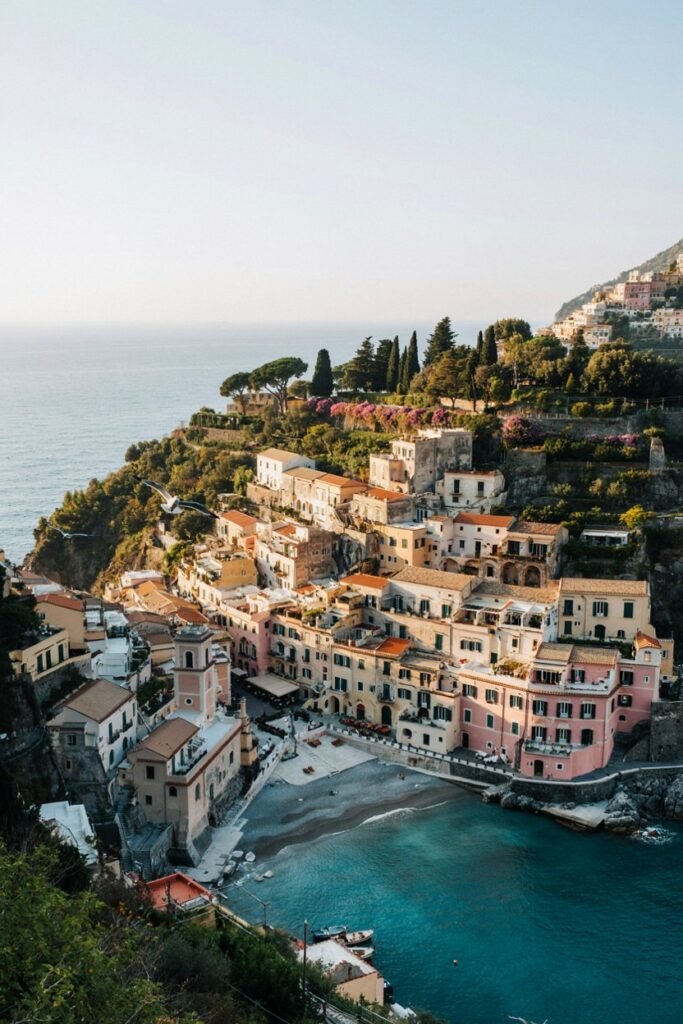
Atrani holds the distinction of being the smallest town in southern Italy, tucked immediately next to Amalfi but feeling like an entirely different, quieter world.
Why It’s Worth Seeking Out
Despite sitting just a five minute walk from Amalfi’s busy main square, Atrani retains a genuine, quiet village atmosphere, with narrow medieval streets and a small piazza that rarely sees the crowds found just around the corner.
Getting There
Atrani is reached on foot from Amalfi, connected by a short coastal path, or by the same bus routes serving Amalfi itself.
Where to Stay
Small guesthouses throughout the compact village offer an authentic stay within easy walking distance of Amalfi’s amenities, giving you the best of both a quiet base and convenient access to a larger town’s services.
What to Do
Wander the village’s narrow medieval streets, relax on the small but genuinely pleasant beach, and visit the Church of San Salvatore de Bireto, historically significant as the coronation site for the Doges of the Amalfi Republic.
My Tip
I would stay in Atrani rather than Amalfi itself if budget or crowds are a concern, since the short walk between the two towns means you lose almost nothing in convenience while gaining a considerably quieter home base, similar to the smart, budget conscious approach behind packing efficiently for a longer trip without overdoing it.
6. Valle delle Ferriere
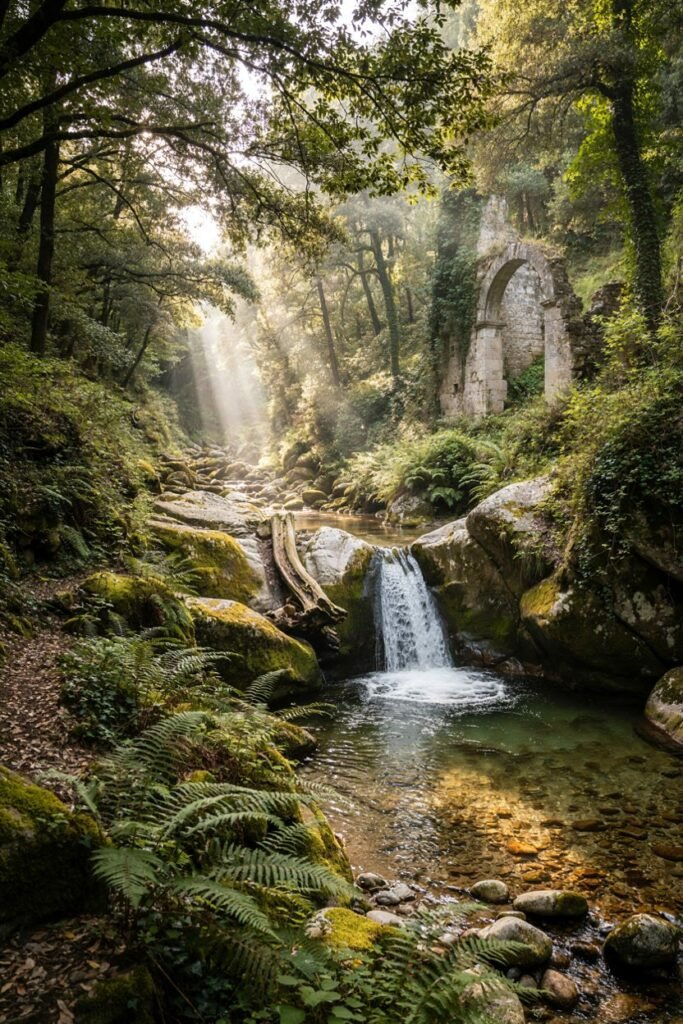
This nature reserve just outside Amalfi offers a genuinely different landscape than the coast’s dramatic cliffs and beaches, a cool, lush valley filled with waterfalls and centuries old paper mill ruins.
Why It’s Worth Seeking Out
The valley’s microclimate, cooler and more humid than the surrounding coastline, supports a genuinely unique ecosystem, including rare fern species found almost nowhere else in Europe, alongside a network of waterfalls that few coastal visitors ever see.
Getting There
The trailhead is a short walk from central Amalfi, with the full hike taking a few hours round trip depending on how far into the valley you go.
Where to Stay
Most visitors base themselves in Amalfi or Atrani and treat this as a half day hiking excursion rather than an overnight destination in its own right.
What to Do
Hike into the valley, stopping at the various waterfalls along the marked trail, and take in the abandoned paper mill ruins that once made this valley an industrial center for the region centuries ago.
My Tip
I would wear proper hiking shoes rather than sandals for this specific excursion, since the trail includes some genuinely uneven, occasionally slippery terrain near the waterfalls, similar to the footwear worth prioritizing for any multi day trip with real elevation and changing conditions.
7. Conca dei Marini
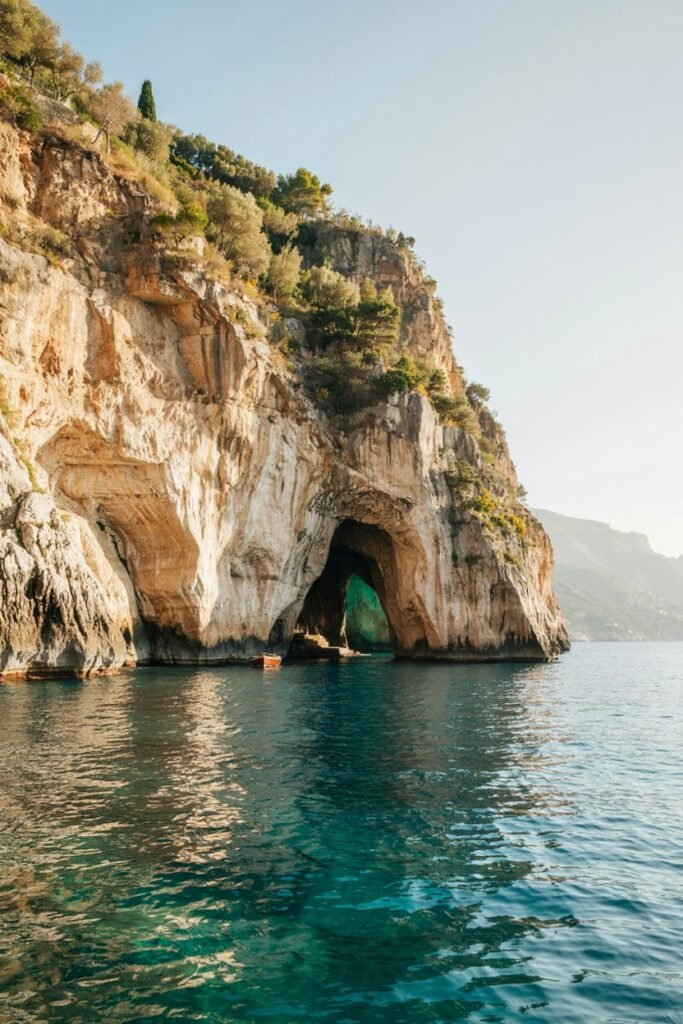
This small village is home to the Emerald Grotto, a genuinely striking sea cave known for its glowing green water, offering an experience distinct from anything else on the Amalfi Coast.
Why It’s Worth Seeking Out
The grotto’s unusual lighting effect, caused by sunlight filtering through an underwater opening, creates a genuinely otherworldly green glow throughout the cave, and the village itself retains a quiet, residential character beyond the grotto’s fame.
Getting There
Conca dei Marini sits along the main coastal road between Amalfi and Positano, with the grotto accessible via a short elevator or staircase down from the road.
Where to Stay
A handful of small hotels and guesthouses throughout the village offer sea views at a more modest price point than the larger towns nearby.
What to Do
Visit the Emerald Grotto, ideally earlier in the day before tour groups arrive, and explore the village’s quiet streets and small beaches away from the grotto’s more concentrated visitor traffic.
My Tip
I would check the grotto’s current opening hours and water levels before planning a visit specifically, since access occasionally varies with tide and weather conditions.
8. Scala
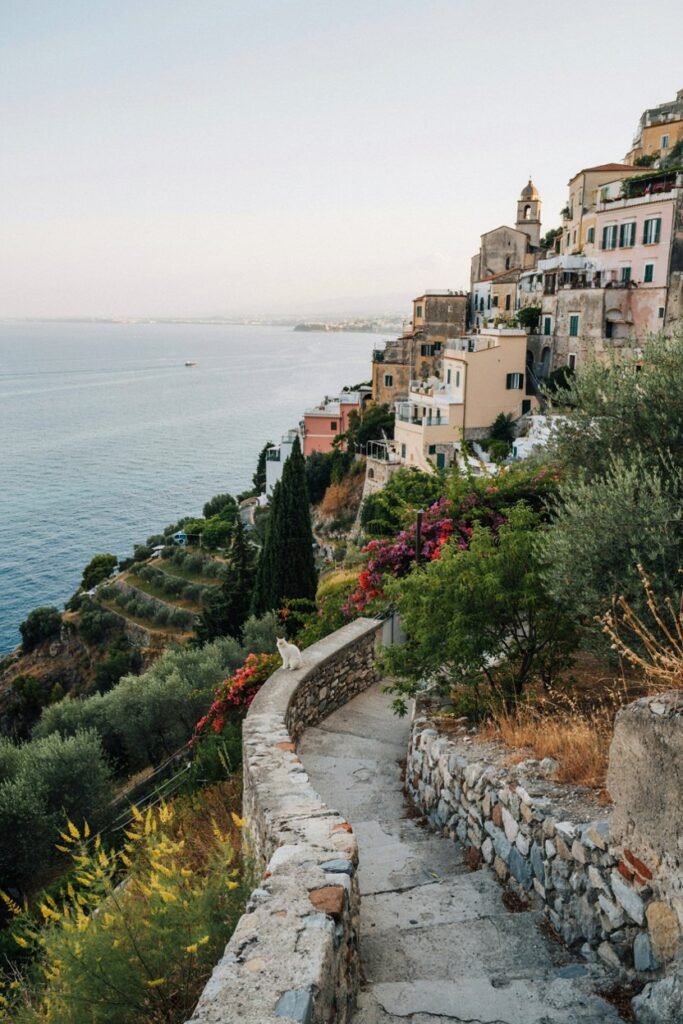
Scala, perched above Ravello, holds the distinction of being the oldest settlement on the Amalfi Coast, and it remains genuinely quiet even as its more famous neighbor draws increasing crowds.
Why It’s Worth Seeking Out
The town’s elevated position offers some of the best panoramic views in the entire region, and its historic churches and quiet streets provide a genuinely peaceful contrast to Ravello’s growing popularity just a short walk away.
Getting There
Scala is reached by a short bus ride or walk from Ravello, connected by a scenic path through the surrounding countryside.
Where to Stay
A small number of guesthouses throughout the town offer a genuinely quiet, authentic stay with sweeping views, well suited to travelers seeking a slower pace than the busier coastal towns provide.
What to Do
Visit the Duomo di Scala, one of the oldest churches on the coast, walk the scenic path connecting Scala to Ravello for one of the region’s most rewarding short hikes, and take in the panoramic views from the town’s elevated position.
My Tip
I would walk the path between Scala and Ravello rather than driving, since this connecting trail offers some of the best views on the entire coast and remains genuinely uncrowded compared to the towns at either end.
9. Minori
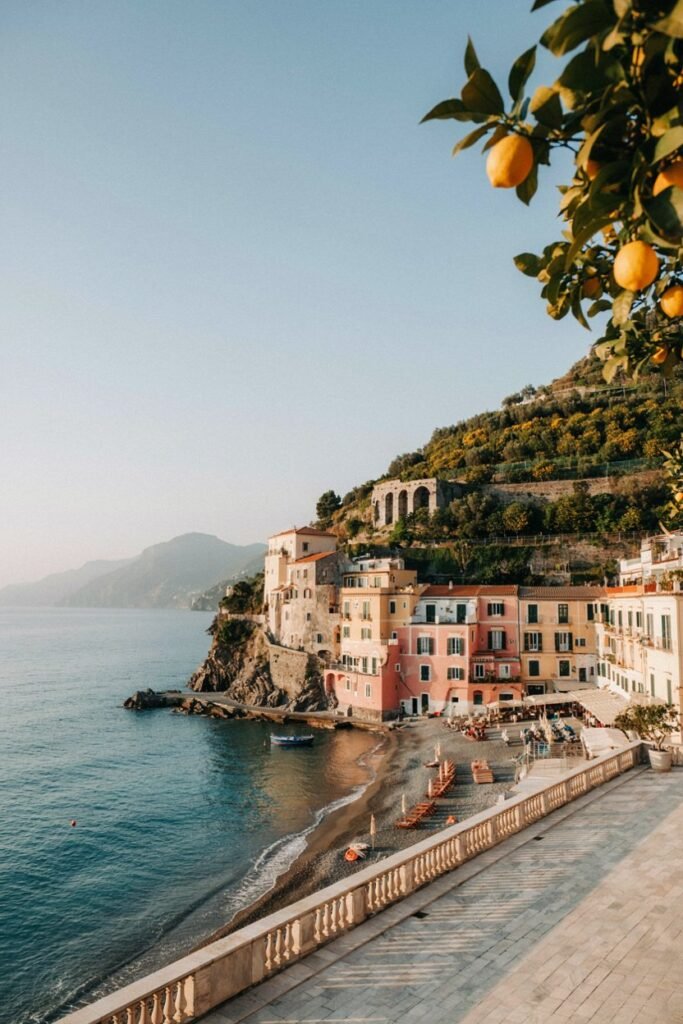
Minori combines a relaxed beach town atmosphere with genuine historical significance, home to one of the best preserved Roman villas on the entire Amalfi Coast.
Why It’s Worth Seeking Out
The Villa Marittima Romana, a remarkably intact Roman seaside villa complete with original mosaics, offers a genuine historical depth rarely found alongside such an otherwise relaxed, low key beach town.
Getting There
Minori sits along the main coastal road, easily reached by car or bus from Amalfi, just a short distance away.
Where to Stay
Minori offers a range of accommodations at generally lower prices than the more famous towns, with beachfront options putting you close to both the villa and the town’s pleasant, walkable center.
What to Do
Tour the Roman villa and its preserved mosaics, relax on Minori’s beach, noticeably less crowded than Positano’s, and sample the region’s famous lemon based desserts at one of the local pasticcerias, since Minori sits at the heart of the coast’s lemon growing region.
My Tip
I would combine Minori with neighboring Maiori, covered next on this list, for a single day covering two of the coast’s most underrated beach towns.
10. Maiori
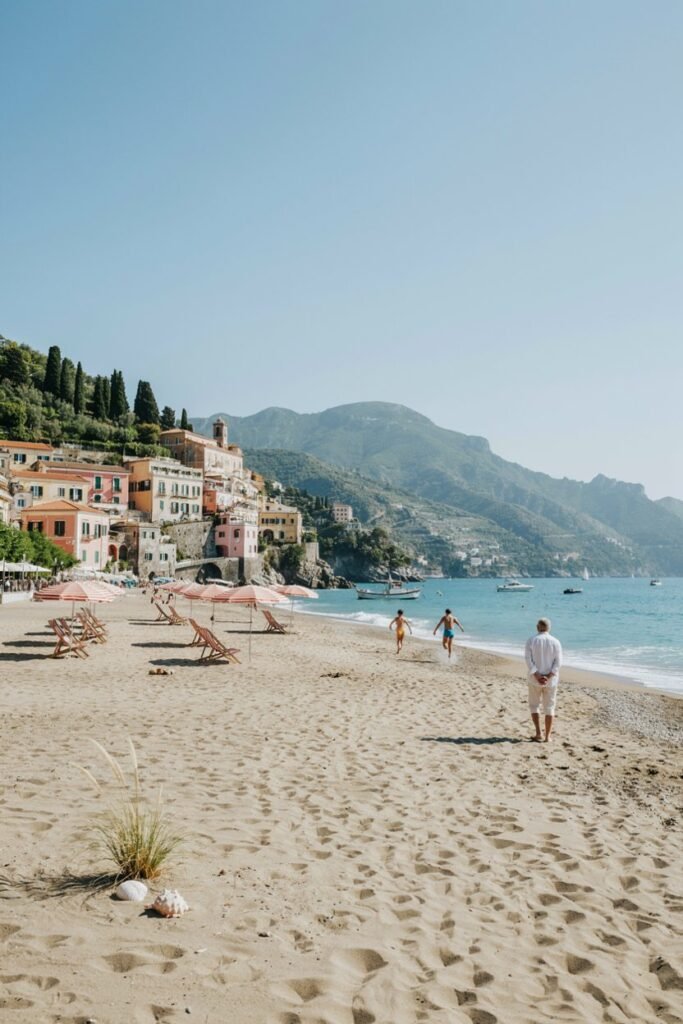
Maiori offers the longest continuous beach on the entire Amalfi Coast, a genuine rarity given the region’s typically small, rocky coves, along with a noticeably more relaxed, spacious atmosphere than the cliffside towns further along the coast.
Why It’s Worth Seeking Out
The wide, sandy beach and broader, more open town layout give Maiori a fundamentally different feel than the vertical, cliff hugging towns the Amalfi Coast is typically known for, appealing to travelers who want genuine beach space rather than a small, crowded cove.
Getting There
Maiori sits along the main coastal road, easily reached by car or bus, directly adjacent to Minori.
Where to Stay
Maiori offers some of the coast’s better value accommodations, with beachfront hotels putting you directly on the region’s most spacious stretch of sand.
What to Do
Spend a genuinely relaxed day on the beach, explore the town’s collegiate church, and walk the scenic path connecting Maiori to Minori along the coastline for views back over both towns.
My Tip
I would prioritize Maiori specifically if beach time matters more to your trip than the postcard cliffside views, since it offers considerably more space and comfort for actual swimming and sunbathing than the coast’s more famous towns.
11. Sentiero degli Dei (Path of the Gods)
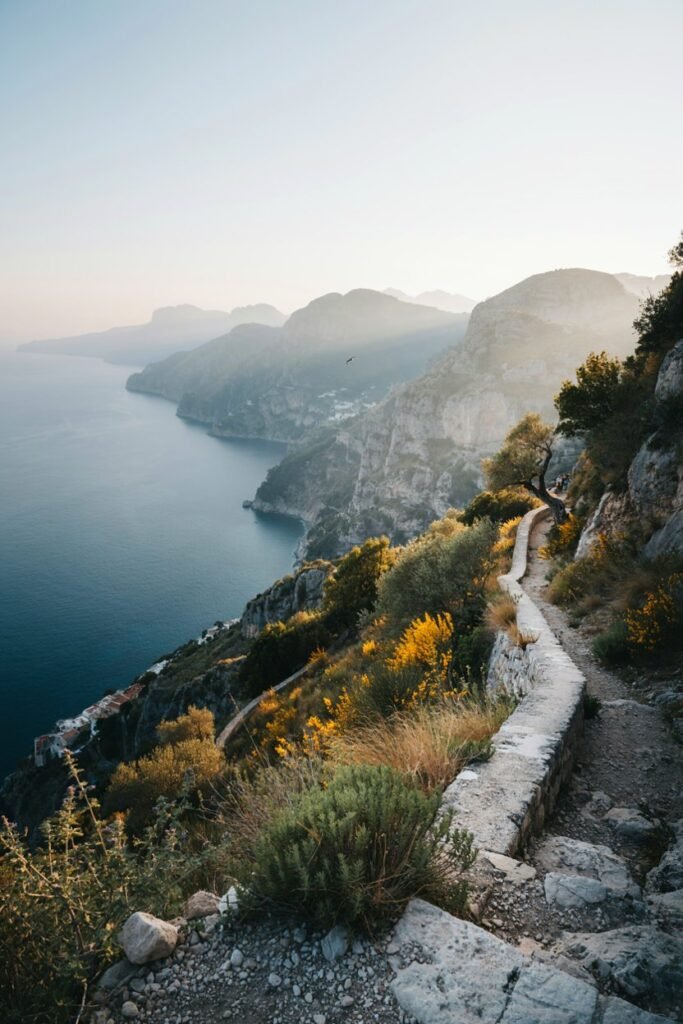
This legendary hiking trail traces a dramatic route along the cliffs high above the coastline, connecting the mountain village of Bomerano to Nocelle above Positano, and it delivers some of the most spectacular views in all of Italy.
Why It’s Worth Seeking Out
The trail’s combination of dramatic cliffside views, relatively accessible difficulty for a moderately fit hiker, and a genuine sense of remoteness despite its growing popularity make it one of the most rewarding experiences on the entire coast.
Getting There
The trail typically starts in Bomerano, reached by bus from Amalfi, with the hike itself taking roughly three to five hours depending on pace and stops.
Where to Stay
Basing yourself in Bomerano, Praiano, or Positano all work well depending on which direction you plan to hike the trail.
What to Do
Hike the full trail if time and fitness allow, stopping frequently for the dramatic coastal views that give the trail its name, and descend into Positano at the trail’s end for a well earned meal and possibly a swim.
My Tip
I would start early in the morning, both to avoid the heat and the crowds that build through the day, and I would carry more water than feels necessary, since shade is limited along significant stretches of the trail, similar to the preparation worth taking seriously before any long haul travel day where being caught unprepared costs you more than planning ahead would have.
12. Vietri sul Mare
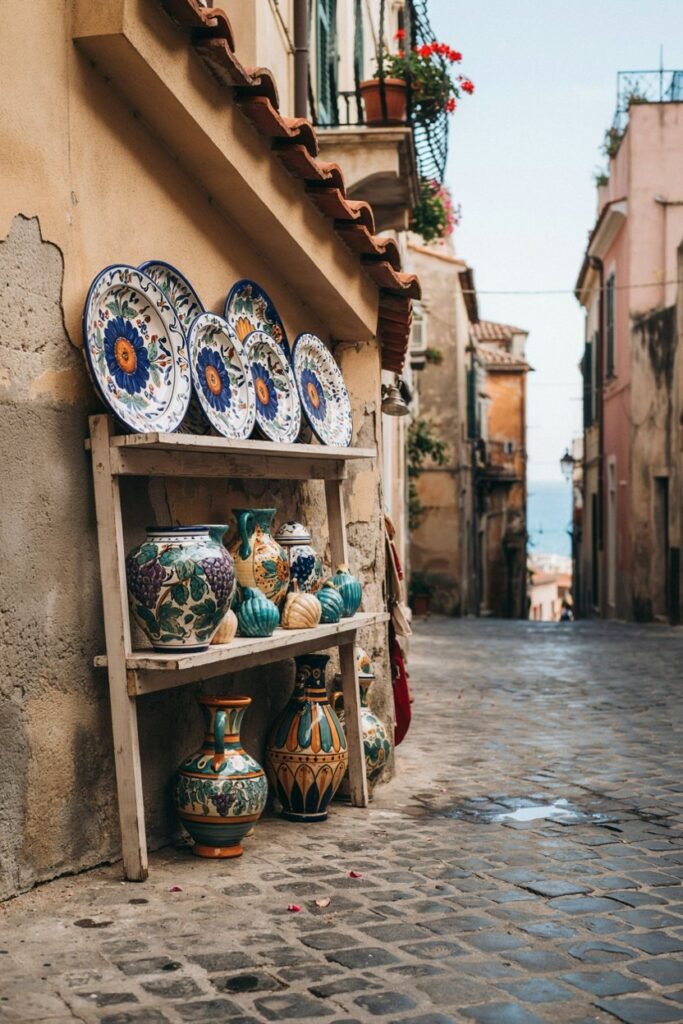
Vietri sul Mare serves as the traditional gateway to the Amalfi Coast when arriving from Salerno, and it remains genuinely underrated despite being home to the region’s most famous ceramics tradition.
Why It’s Worth Seeking Out
The town’s centuries old ceramics workshops, visible throughout its colorful streets and the striking majolica tiled dome of its main church, offer a genuine craft tradition worth exploring beyond the shopping opportunities alone.
Getting There
Vietri sul Mare sits at the eastern edge of the Amalfi Coast, easily reached by train to Salerno followed by a short bus or taxi ride.
Where to Stay
A handful of guesthouses throughout the town offer an authentic, less touristy base, particularly useful for travelers arriving or departing via Salerno.
What to Do
Browse the town’s numerous ceramics workshops and shops, many offering genuine handcrafted pieces rather than mass produced tourist souvenirs, and visit the Church of San Giovanni Battista for its striking majolica tiled dome.
My Tip
I would visit a workshop where you can actually watch pieces being made rather than only browsing finished products in a shop, since seeing the craft in action adds real depth to understanding the tradition, similar to the appeal behind wandering through a small, storybook town without a rushed itinerary.
13. Marina di Praia
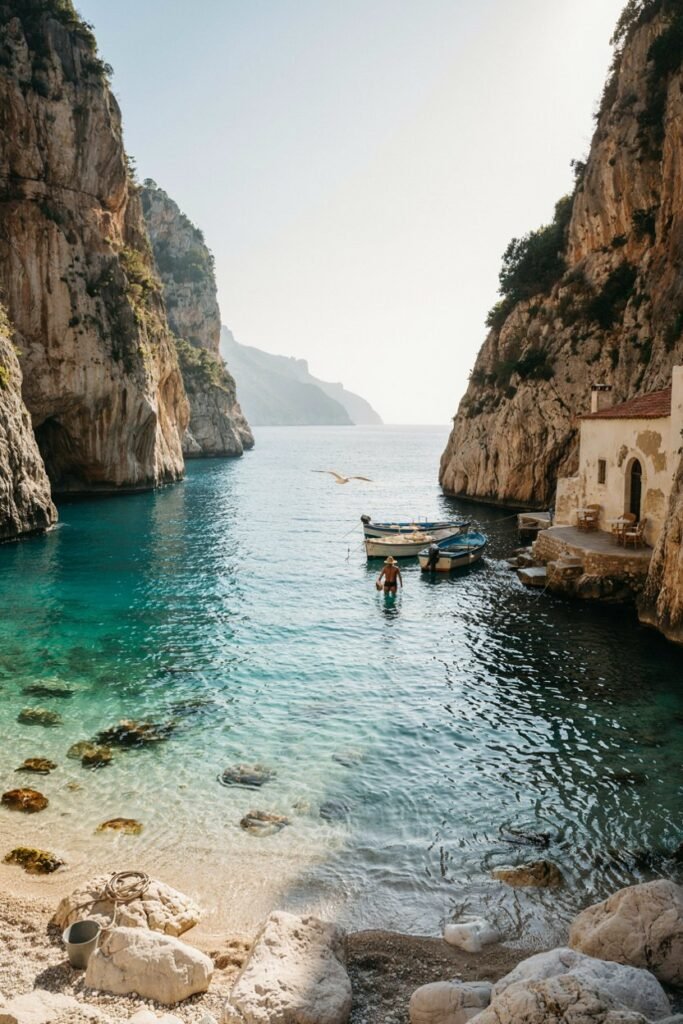
This small, hidden cove tucked beneath Praiano offers one of the most peaceful swimming spots on the entire coast, accessible via a short but genuinely rewarding walk down from the main road.
Why It’s Worth Seeking Out
The cove’s small scale and relatively hidden access, down a steep but short path, keep it noticeably quieter than the beaches directly in front of the coast’s more famous towns, despite offering genuinely excellent swimming conditions.
Getting There
Marina di Praia sits just below the main coastal road near Praiano, reached via a marked staircase path down from a small parking area.
Where to Stay
Most visitors treat this as a swimming stop from a Praiano based stay rather than an overnight destination given its small size, though a couple of small guesthouses exist directly at the cove.
What to Do
Swim in the cove’s genuinely clear water, enjoy a seafood lunch at one of the small restaurants right at the water’s edge, and watch the local fishing boats that still use this cove as a working harbor.
My Tip
I would visit in the late afternoon rather than midday, since the cove’s small size means it can feel crowded during peak hours, while a later visit often catches beautiful evening light with a noticeably thinner crowd.
14. Bomerano
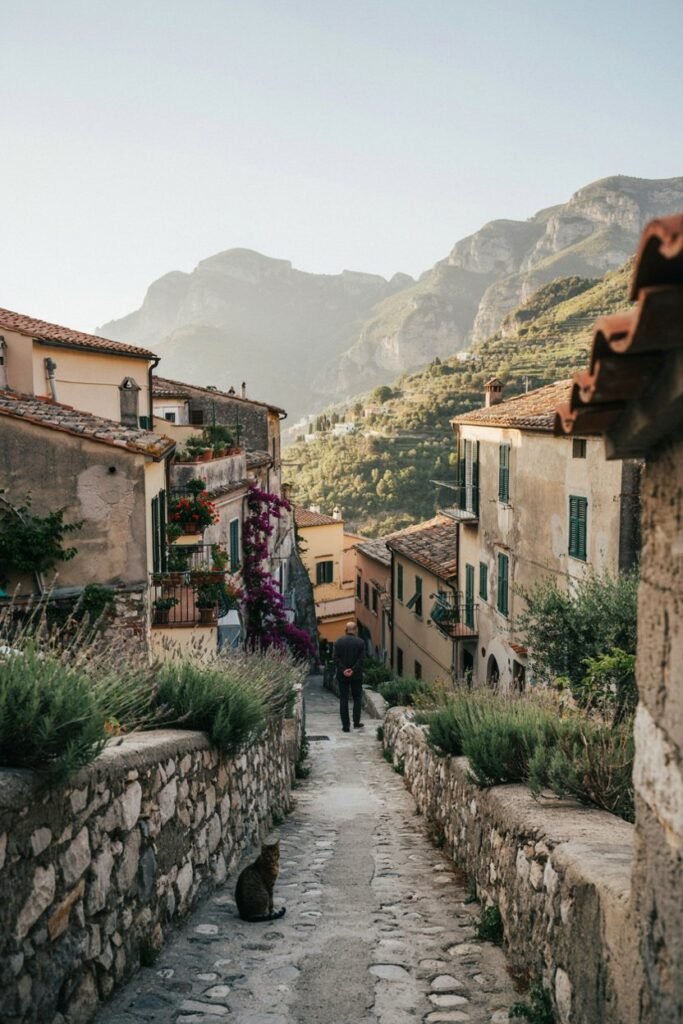
Bomerano, a mountain village sitting above the coastline, serves as the traditional starting point for the Path of the Gods hike, and it offers a genuinely different perspective on the region, cooler, quieter, and distinctly rural compared to the coastal towns below.
Why It’s Worth Seeking Out
The village’s elevated position and relative remoteness from the busier coastal towns give it an authentic, unhurried character, along with genuinely excellent views over the surrounding mountains and, on clear days, glimpses of the coastline far below.
Getting There
Bomerano is reached by bus from Amalfi, climbing up into the mountains above the coast on a scenic but winding route.
Where to Stay
A small number of guesthouses throughout the village offer a genuinely peaceful, rural stay, particularly useful for travelers planning to hike the Path of the Gods early the following morning.
What to Do
Explore the village’s quiet streets, visit before or after hiking the Path of the Gods, and enjoy a meal at one of the local restaurants serving genuine mountain and countryside dishes distinct from the seafood heavy menus found along the coast.
My Tip
I would stay overnight here specifically if hiking the Path of the Gods, since it lets you start the trail early in the morning before the day trip crowds arrive from the coast below.
15. Tramonti
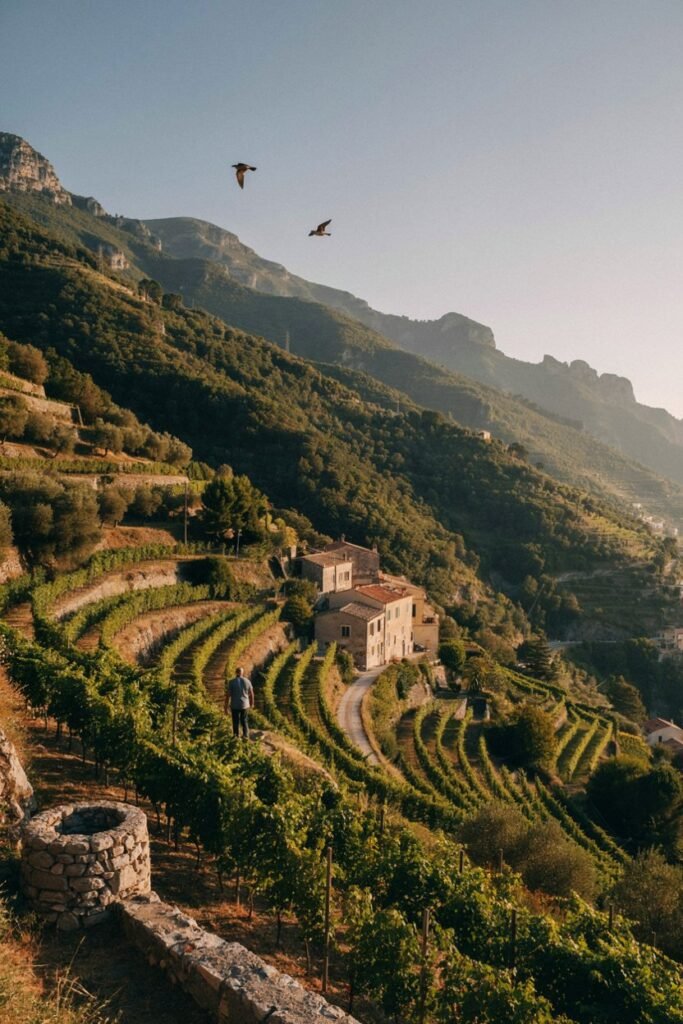
Tramonti is actually a collection of thirteen small hamlets spread across an inland valley behind the coastal cliffs, offering a genuinely different Amalfi Coast experience built around wine, cheese, and quiet countryside rather than dramatic sea views.
Why It’s Worth Seeking Out
The valley’s cooler climate and rural character support local wine and dairy production distinct from anything found along the coast itself, and the area remains almost entirely unknown to international visitors despite sitting just a short drive from the busiest coastal towns.
Getting There
Tramonti is reached by car from Amalfi or Maiori, climbing up into the valley on winding mountain roads.
Where to Stay
Small agriturismi, working farms offering accommodation, throughout the valley provide a genuinely rural stay with home cooked meals featuring local products.
What to Do
Visit a local vineyard or cheese producer, walk through the valley’s quiet countryside connecting the various small hamlets, and enjoy a meal built around genuinely local ingredients rarely found on coastal restaurant menus.
My Tip
I would combine a stay in Tramonti with day trips down to the coast, similar to the value in pairing a quiet, inland stop with a nearby complementary destination, since the valley offers a genuinely restful base while keeping the coast’s main attractions within easy reach.
How to Plan a Hidden Gems Trip Along the Amalfi Coast
Basing yourself in one of the region’s less famous towns, Praiano or Minori rather than Positano, and taking day trips to the more well known sights offers real savings and a considerably more relaxed home base without sacrificing access to anything on this list.
The regional SITA bus network connects most of these destinations, though the coastal road’s winding, often congested nature means travel times run longer than distances alone would suggest.
Building buffer time into your itinerary matters more here than on a typical trip, since the Amalfi Coast rewards a slower pace and unplanned stops just as much as any specific itinerary item. The same deliberate, unhurried approach worth taking behind choosing a genuinely worthwhile destination rather than rushing through a predetermined list applies particularly well here.
Getting Around the Amalfi Coast
The regional SITA bus network covers the entire coast reliably, though buses fill up quickly during peak season and the winding coastal road means journeys take longer than the distance suggests.
Ferries connect several coastal towns during the warmer months, offering a genuinely scenic and often faster alternative to the road for certain routes.
Renting a car offers flexibility for reaching the more inland destinations on this list, particularly Tramonti, though the coastal road’s narrow, winding nature and limited parking in most towns make driving here a genuinely different experience than a typical road trip, worth approaching with caution if you are not confident navigating unfamiliar mountain roads.
What to Pack for Exploring the Amalfi Coast
Comfortable walking shoes matter enormously here, given how many of these destinations involve steps, hills, or genuine hiking trails rather than flat, easy walking. The same emphasis on proper footwear worth prioritizing for any walking heavy destination with real elevation changes applies directly to this region.
A swimsuit and quick drying towel are worth keeping accessible throughout any day of exploring, given how many of these hidden gems center around swimming in genuinely inviting water.
Sun protection deserves real priority too, given how much time is spent outdoors on this coast, along with a reusable water bottle, particularly important for the region’s hiking trails.
Frequently Asked Questions
Which of these hidden gems is easiest to visit as a day trip from Positano or Amalfi?
Atrani, Furore, and Conca dei Marini all sit close enough to the main towns that they work well as a half day addition without requiring an overnight stay elsewhere.
Is it worth basing my entire trip in one of these hidden gem towns instead of Positano?
Yes, particularly Praiano, which offers nearly identical views at a lower cost while remaining a short bus ride from Positano and Amalfi whenever you want to visit them.
How difficult is the Path of the Gods hike for an average fitness level?
The trail is moderately challenging but accessible to most reasonably fit hikers, with a well marked path and clear elevation changes rather than any technical climbing required.
Are these destinations crowded during peak summer season?
Considerably less so than Positano and Amalfi, though popularity has grown for several spots on this list, particularly the Path of the Gods and Furore’s fjord, so visiting earlier in the day still matters even at these quieter alternatives.
Do I need a car to visit all fifteen of these destinations?
Not necessarily, since the SITA bus network covers most coastal destinations well. A car becomes genuinely useful specifically for reaching Tramonti and offers more flexibility overall, though it is not strictly required for a trip focused on the coastal towns.
What is the best time of year to visit these hidden gems?
Late spring and early fall generally offer the best balance of warm weather and manageable crowds, avoiding both the intense heat and heaviest tourist volume of peak summer months, particularly July and August.
Are these destinations budget friendly compared to Positano and Amalfi?
Generally yes. Most of these towns offer considerably lower accommodation and dining costs than the coast’s most famous destinations, since they have not developed the same premium tourist pricing found in Positano specifically.
Can I combine several of these hidden gems into a single day trip?
Yes, particularly along the coastal road. Furore, Conca dei Marini, and Praiano all sit close enough together for a single well planned day covering multiple stops, while Minori and Maiori pair naturally given their direct adjacency.
Final Thoughts
The Amalfi Coast’s fame rests on real, well earned beauty, but that same fame means its most photographed towns increasingly come with real crowds and rising costs. These fifteen hidden gems offer the same dramatic coastline, the same genuine Italian charm, without asking you to fight through the busiest version of the experience.
Whichever of these destinations you choose to seek out, building in the time to actually slow down, rather than rushing between every famous name on a checklist, tends to produce the kind of trip worth remembering long after you have returned home.
There is a particular satisfaction in telling someone about a stop on the Amalfi Coast they have genuinely never heard of, a small fjord village, an inland valley known for its cheese rather than its view, a beach town with actual room to stretch out.
That reaction is not really the reason to seek out destinations like these, but it reflects just how much of this famous coastline remains overlooked by travelers who only ever see the three most photographed towns.
Let this list be a starting point, and trust that the coast has considerably more to offer than its postcards suggest.