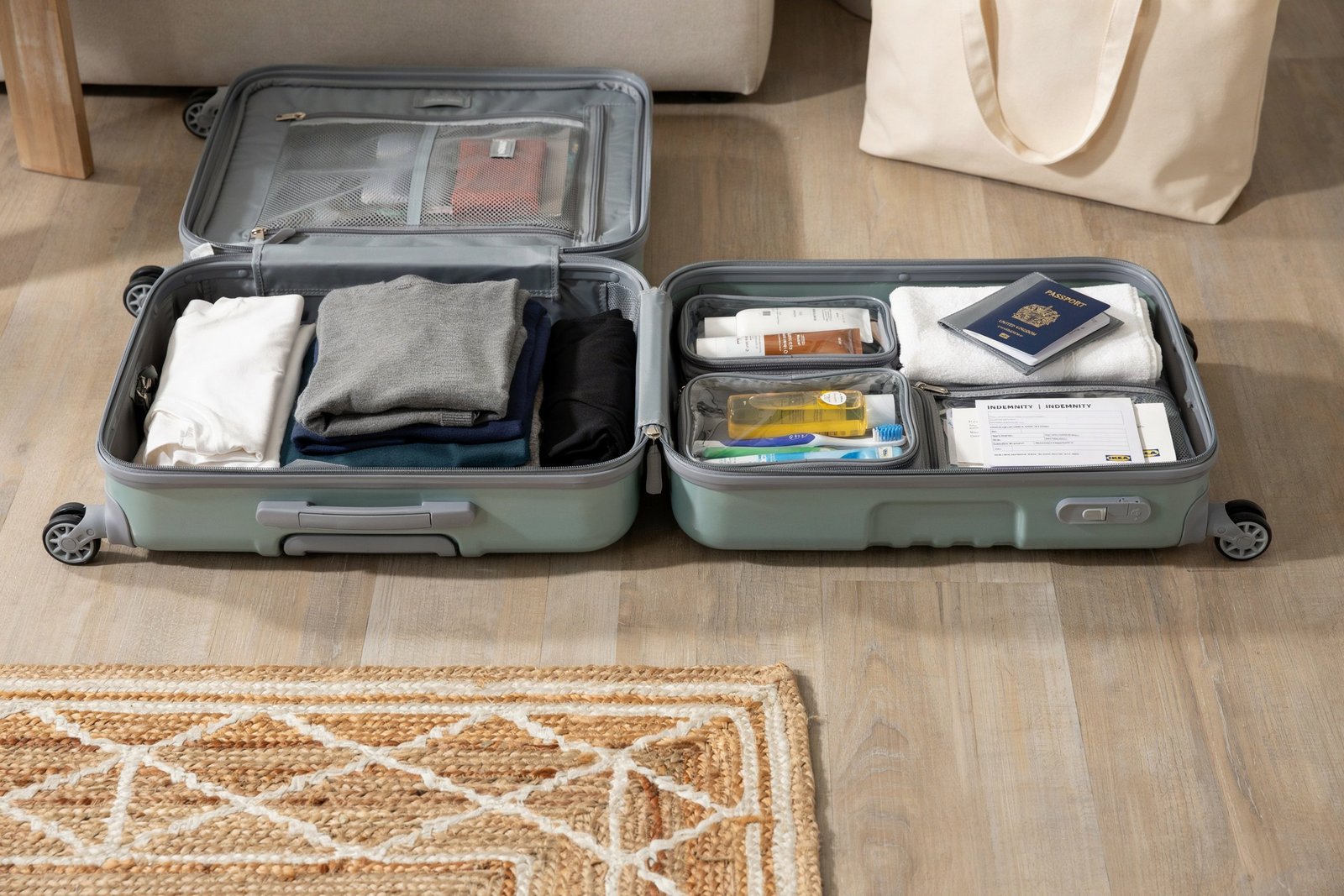
Traveling has taught me one important lesson: packing less often leads to a better trip.
Early on, I made the mistake of stuffing my suitcase with things I thought I might need.
The result was heavy luggage, unnecessary stress, extra baggage fees, and the frustration of digging through items I never used.
Over time, I learned that smart packing is not about bringing everything—it is about bringing the right things.
Whether you’re planning a weekend getaway, a business trip, a beach vacation, or an international adventure, knowing what not to pack can be just as important as knowing what to bring.
Many travelers unknowingly waste valuable luggage space on items that create inconvenience, increase costs, or even cause problems at airports and customs checkpoints.
This guide covers 11 common things you should avoid packing for any travel destination.
By leaving these items at home, you’ll enjoy lighter luggage, easier transportation, fewer travel headaches, and a more enjoyable experience overall.
Disclaimer
This post may contain affiliate links. As an Amazon Associate, I earn from qualifying purchases at no additional cost to you. The information in this article is for educational and informational purposes only. I only recommend products that I believe are relevant to this topic. Travel regulations, airline baggage rules, and destination requirements may change, so always verify the latest information before traveling.
Amazon Shopping List
- BAGAIL Compression Packing Cubes Set
- Etekcity Digital Luggage Scale
- MATEIN Travel Laptop Backpack
- Venture Pal Foldable Travel Daypack
- Anker Portable Power Bank
- TSA Approved Reusable Travel Bottles Set
- ZOPPEN RFID Blocking Travel Passport Wallet
Why Packing Light Makes Travel Easier
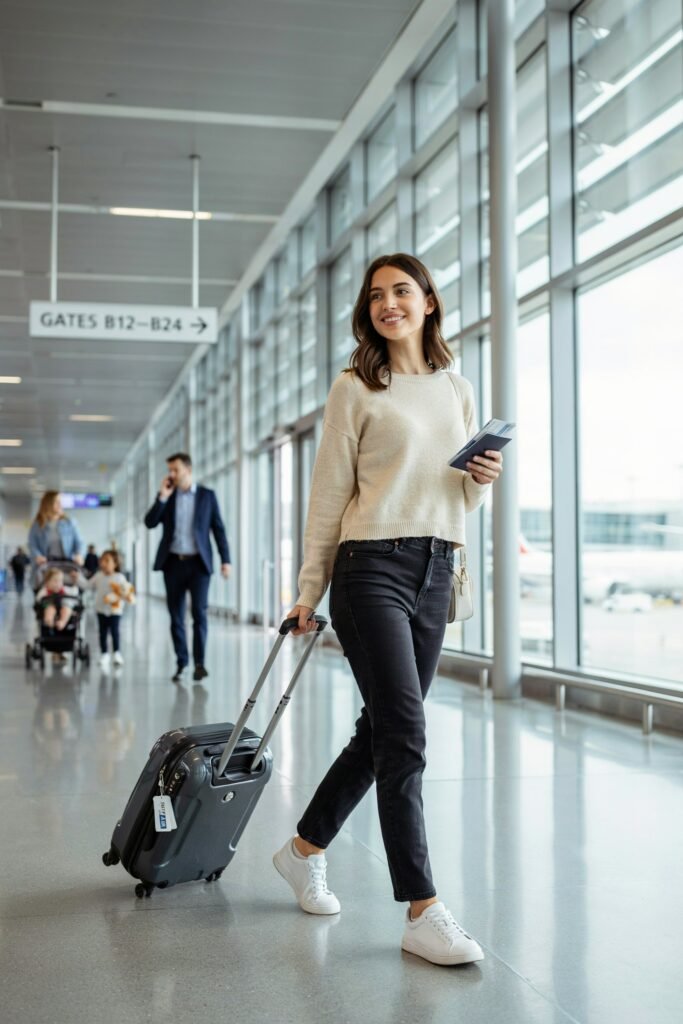
Packing light offers advantages that many travelers don’t realize until they’ve experienced both sides.
A lighter suitcase means:
- Easier airport navigation
- Faster hotel check-ins
- Less physical strain
- Lower baggage fees
- More room for souvenirs
- Reduced risk of losing important items
- Simpler organization throughout your trip
Every item you place in your suitcase should earn its space. If it doesn’t serve a clear purpose, it probably shouldn’t come along.
You will also like: 25 Things You Should Always Pack in Your Carry-On (Smart Travel Essentials You’ll Be Glad You Brought)
Video Guide for Ideas
1. Too Many Clothes
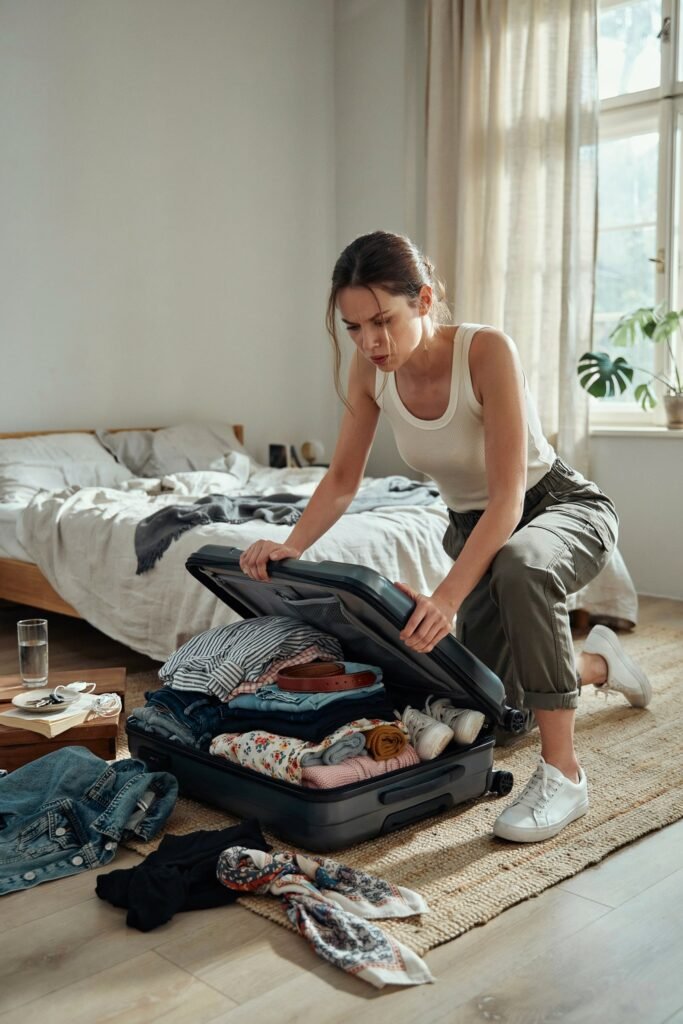
One of the most common packing mistakes is bringing far more clothing than necessary.
Many travelers pack for every possible scenario, creating a suitcase filled with outfits that never get worn.
Most people end up wearing the same favorite pieces repeatedly during a trip.
Why You Should Avoid It
Overpacking clothes:
- Adds unnecessary weight
- Creates clutter
- Makes finding items difficult
- Increases baggage costs
- Leaves little room for purchases
Better Alternative
Choose versatile pieces that can mix and match.
For example:
- Neutral-colored shirts
- Comfortable jeans
- Lightweight jackets
- Multi-purpose shoes
A simple rule many experienced travelers follow is to pack for one week, regardless of trip length, and plan to do laundry if necessary.
You will enjoy reading this: 11 Long-Flight Essentials You’ll Regret Not Packing
2. Expensive Jewelry

Luxury jewelry often attracts unwanted attention and creates unnecessary risk while traveling.
Even destinations considered safe can present opportunities for loss, theft, or accidental damage.
Why You Should Avoid It
Expensive jewelry can:
- Be lost during transit
- Get stolen
- Cause stress throughout the trip
- Require extra security precautions
Better Alternative
Leave valuable items at home and bring inexpensive accessories that can still complement your outfits.
Many travelers discover they enjoy their vacation more when they are not constantly worrying about protecting valuable possessions.
Read more: 11 Things You Should Always Pack in Your Carry-On.
3. Full-Size Toiletries
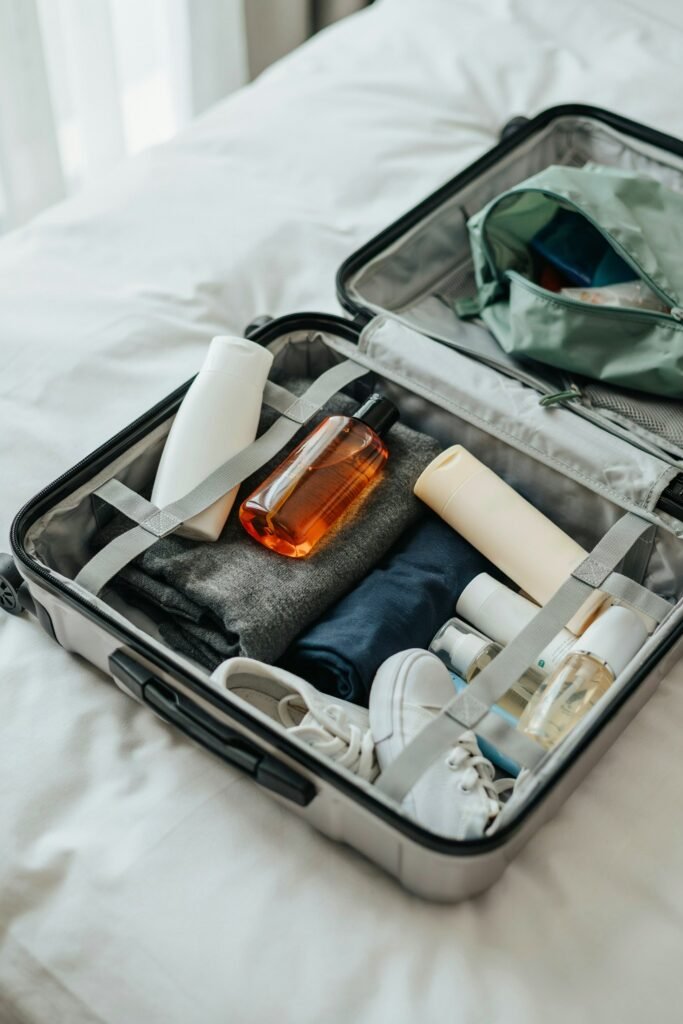
Large shampoo bottles, body washes, lotions, and other toiletries consume valuable luggage space.
In many cases, travelers can purchase these products at their destination if needed.
Why You Should Avoid It
Full-size products:
- Add weight
- Increase leak risks
- Take up space
- May violate airline liquid restrictions
Better Alternative
Use travel-sized containers.
Transfer products into reusable travel bottles and pack only what you’ll realistically use during the trip.
Learn more: The Ultimate Summer Vacation Packing List for Couples (Everything You Actually Need)
4. Too Many Shoes

Shoes are among the heaviest items in any suitcase.
Many travelers bring four or five pairs and wear only one or two.
Why You Should Avoid It
Extra shoes:
- Consume luggage space
- Add significant weight
- Make packing more difficult
Better Alternative
Pack shoes that serve multiple purposes.
A simple travel shoe collection often includes:
- Comfortable walking shoes
- Casual sandals or flats
- One dressier option if needed
Limiting yourself to two or three pairs can dramatically reduce luggage weight.
Discover more: 11 Summer Vacation Packing Essentials You’ll Regret Not Packing (Fully Detailed Guide)
5. Excessive Electronics
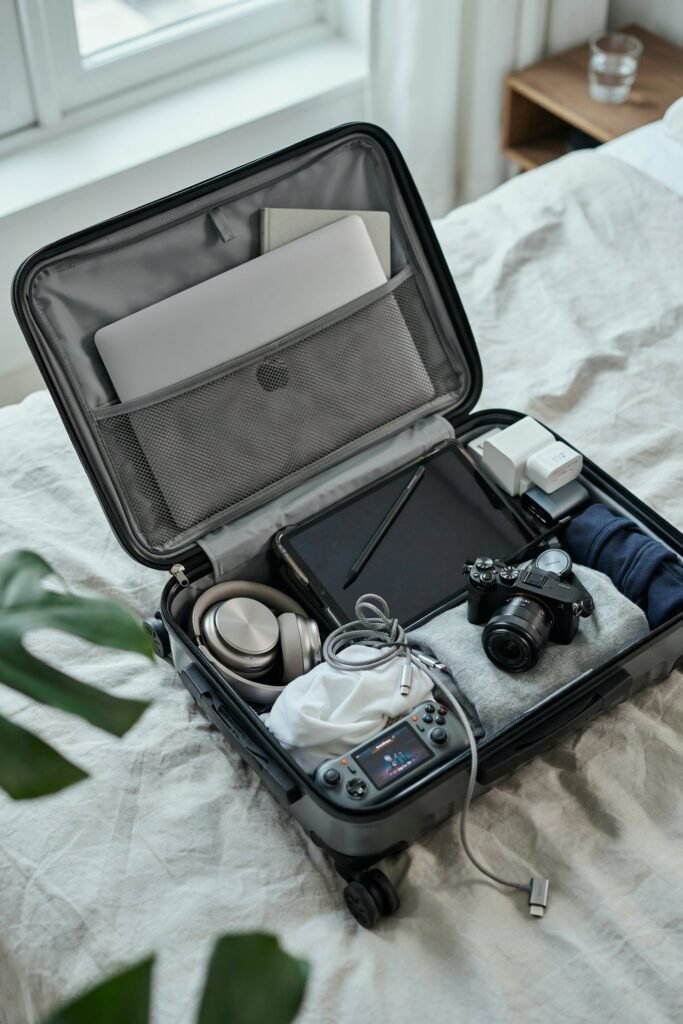
Technology is useful, but bringing every gadget you own rarely improves a trip.
Some travelers pack:
- Tablets
- Multiple laptops
- Cameras
- Gaming devices
- Extra monitors
- Numerous chargers
Why You Should Avoid It
Too many electronics:
- Increase luggage weight
- Create security concerns
- Require additional charging equipment
- Increase theft risk
Better Alternative
Bring only the devices you’ll genuinely use.
For many travelers, a smartphone and one additional device are more than enough.
6. Large Amounts of Cash
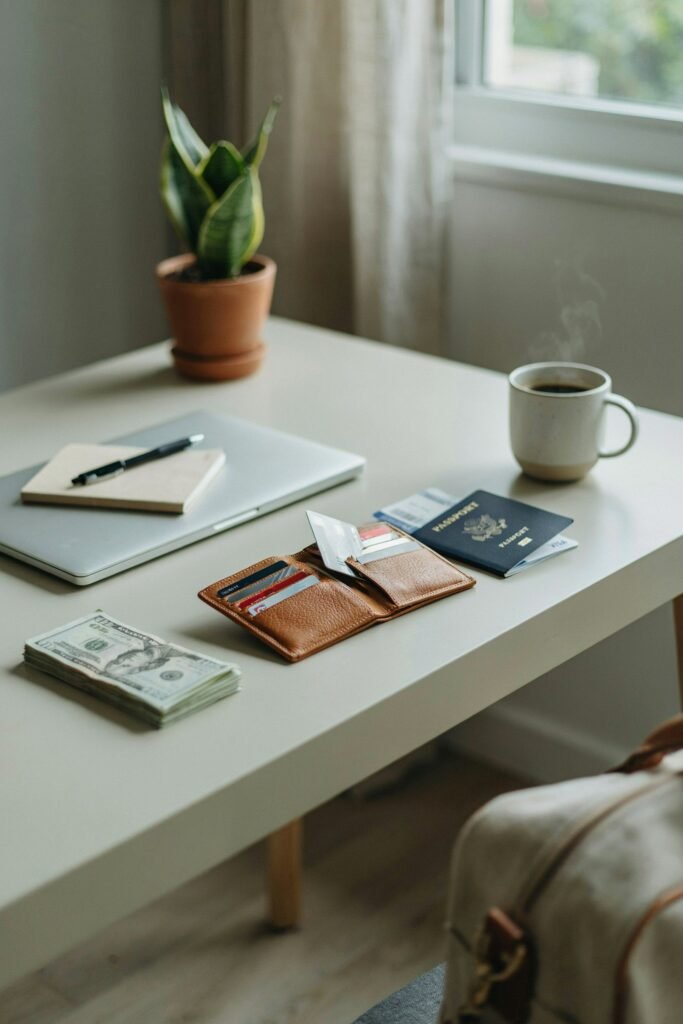
Carrying excessive cash may seem convenient, but it can create significant problems if lost or stolen.
Modern travel offers many secure payment options.
Why You Should Avoid It
Too much cash can:
- Be difficult to replace
- Attract thieves
- Create customs concerns in some countries
- Increase stress
Better Alternative
Carry a reasonable amount of local currency and rely on credit cards, debit cards, and secure payment methods whenever possible.
Store backup payment methods separately from your primary wallet.
7. Heavy Books

Many travelers love reading, but hardcover books can quickly add several pounds to luggage.
A few books may not seem like much, but their weight becomes noticeable during long journeys.
Why You Should Avoid It
Physical books:
- Add weight
- Consume packing space
- Are difficult to carry daily
Better Alternative
Use an e-reader, tablet, or smartphone reading app.
Thousands of books can fit on a single lightweight device.
8. Items Prohibited by Airlines
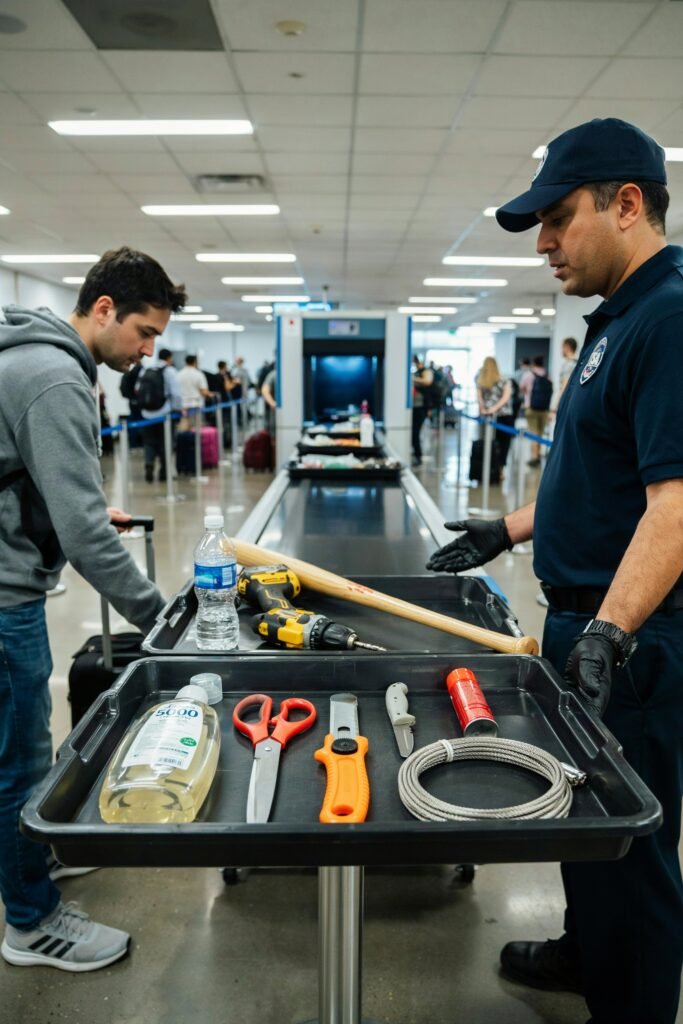
Many travelers unknowingly pack items that airport security may confiscate.
Examples include:
- Large liquid containers
- Certain batteries
- Sharp objects
- Restricted sporting equipment
Why You Should Avoid It
Prohibited items can:
- Delay security screening
- Cause stress
- Lead to confiscation
- Result in missed flights
Better Alternative
Review airline and airport regulations before packing.
Checking official guidelines can save significant time and frustration.
9. “Just In Case” Items

This category includes random objects packed without a clear purpose.
Examples include:
- Multiple backup outfits
- Extra gadgets
- Rarely used accessories
- Duplicate personal items
Why You Should Avoid It
Most “just in case” items never leave the suitcase.
They simply take up valuable space and add weight.
Better Alternative
Ask yourself one question:
“Will I realistically use this item during my trip?”
If the answer isn’t clearly yes, leave it at home.
10. Bulky Towels
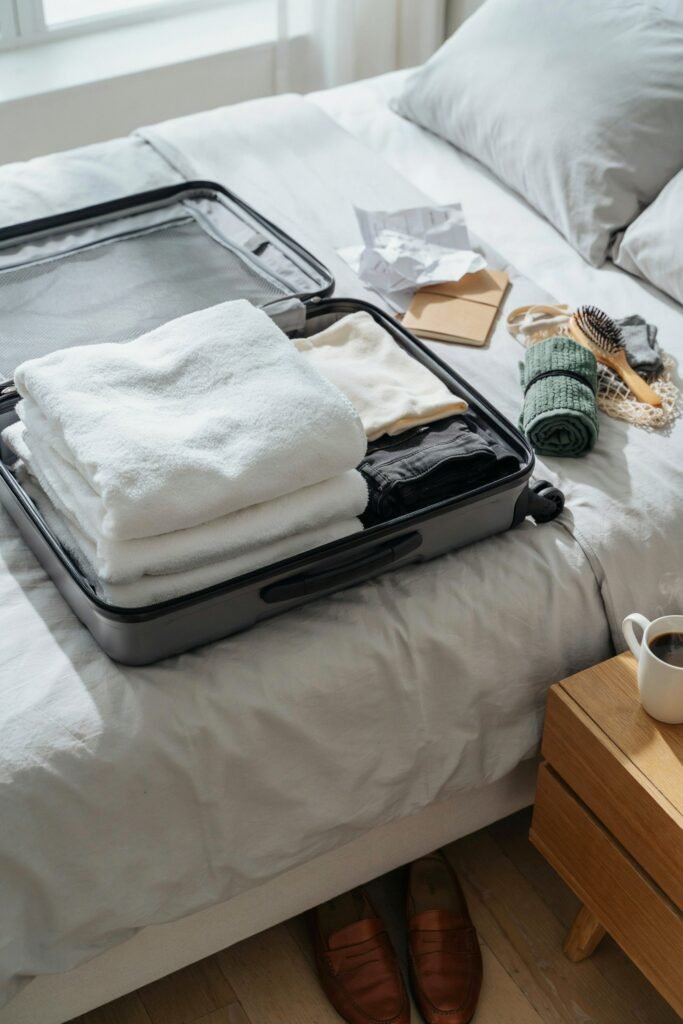
Many travelers pack large bath towels even when accommodations already provide them.
This wastes a surprising amount of luggage space.
Why You Should Avoid It
Bulky towels:
- Take up significant room
- Dry slowly
- Add unnecessary weight
Better Alternative
Use towels provided by hotels, resorts, hostels, or vacation rentals.
If you need your own, choose a compact microfiber travel towel.
11. Too Many Beauty Products

Skincare and beauty routines are important, but bringing an entire bathroom cabinet isn’t practical for travel.
Many travelers overestimate how many products they’ll actually use.
Why You Should Avoid It
Extra products:
- Increase luggage weight
- Create leak risks
- Complicate security screening
- Occupy valuable space
Better Alternative
Simplify your routine during travel.
Focus on essentials such as:
- Cleanser
- Moisturizer
- Sunscreen
- Basic makeup products
Most travelers find they need far fewer products than expected.
Travel Packing Checklist: Questions to Ask Before Packing Anything
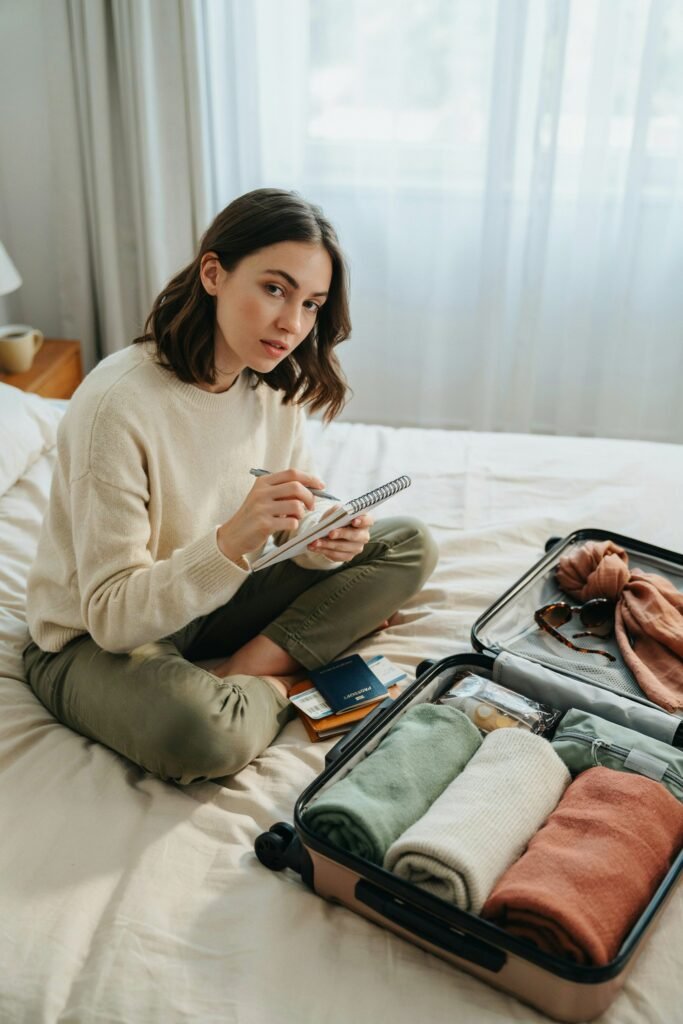
Before placing an item into your suitcase, ask:
- Will I definitely use this?
- Can I buy it at my destination?
- Does it serve more than one purpose?
- Is there a lighter alternative?
- Would I miss it if I left it behind?
These simple questions can eliminate unnecessary items and make packing significantly easier.
Common Travel Packing Mistakes That Cost Travelers Money
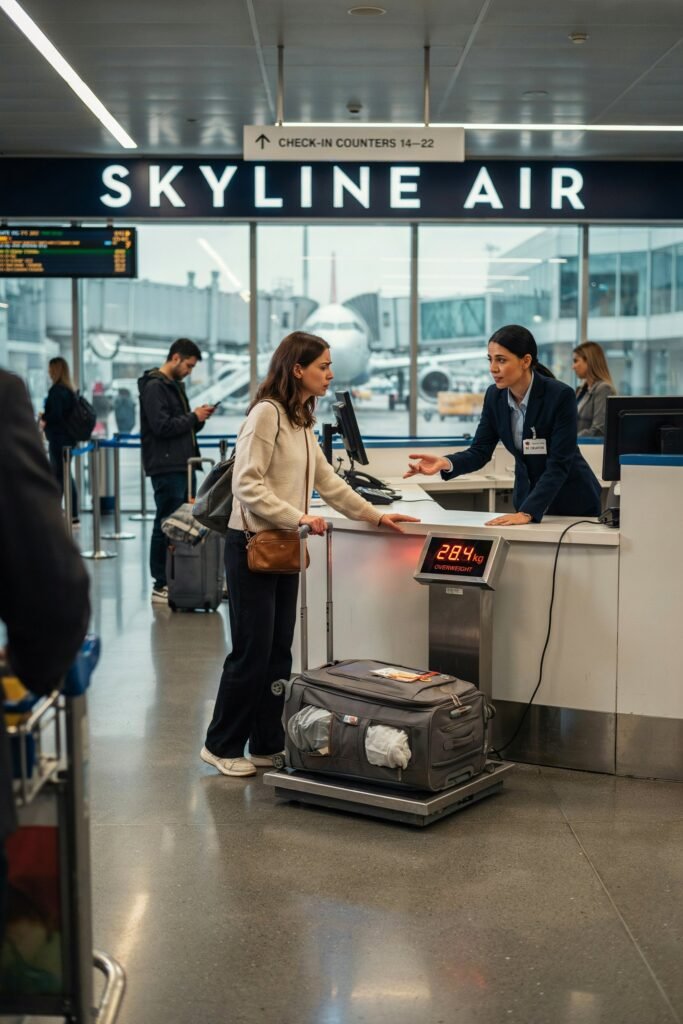
Packing mistakes don’t just make your luggage heavier—they can directly impact your wallet.
Paying Extra Baggage Fees
Many airlines charge significant fees for overweight or oversized luggage.
Overpacking often results in surprise charges at the airport that could have been avoided with smarter planning.
Purchasing Forgotten Essentials
Poor organization can lead to leaving important items behind. Travelers then spend money replacing things they already own.
Damaged Items
Overstuffed luggage increases the likelihood of broken electronics, crushed souvenirs, and damaged personal belongings.
Lost Valuables
Bringing expensive items that aren’t necessary creates opportunities for theft or loss, which can be costly and stressful.
Smart Packing Tips Experienced Travelers Swear By
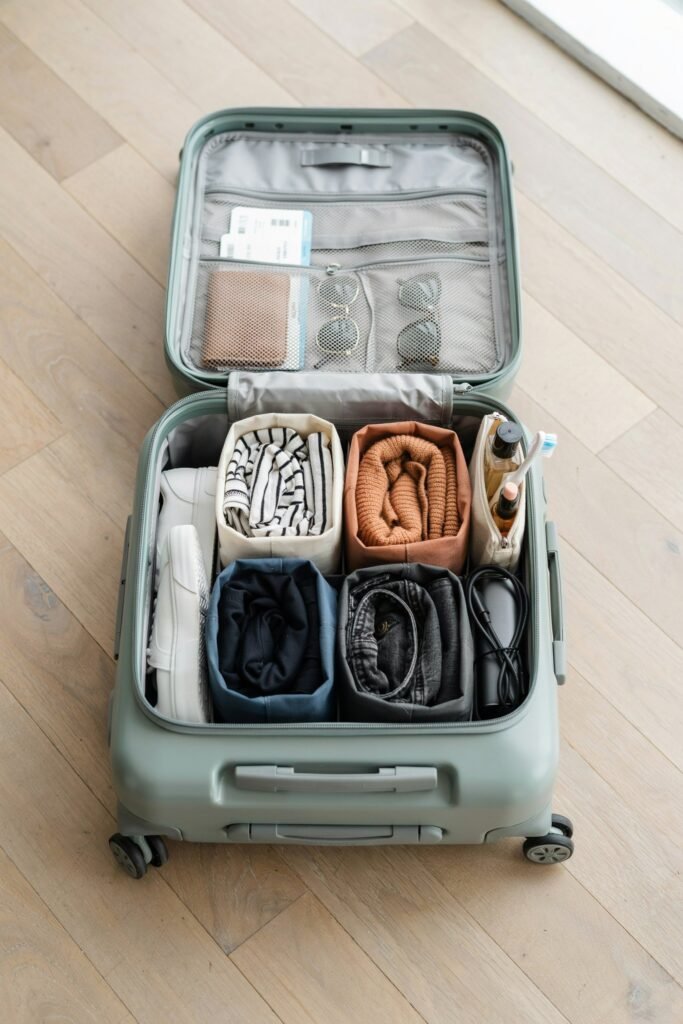
After years of travel, seasoned travelers tend to follow similar packing strategies.
Use Packing Cubes
Packing cubes help organize clothing, maximize luggage space, and make it easier to find items without unpacking your entire suitcase.
Follow The 3-Color Rule
Choose clothing in three coordinating colors so everything can be mixed and matched. This allows fewer items to create more outfit combinations.
Roll Instead Of Fold
Rolling clothes often reduces wrinkles and helps maximize available suitcase space.
Wear Your Bulkiest Items
If you’re bringing a jacket, boots, or other heavy items, wear them during transit rather than packing them.
Leave Room For Souvenirs
Many travelers forget they’ll likely purchase items during their trip. Leaving extra space prevents luggage from becoming overcrowded on the return journey.
Carry-On Packing Strategy For Stress-Free Travel
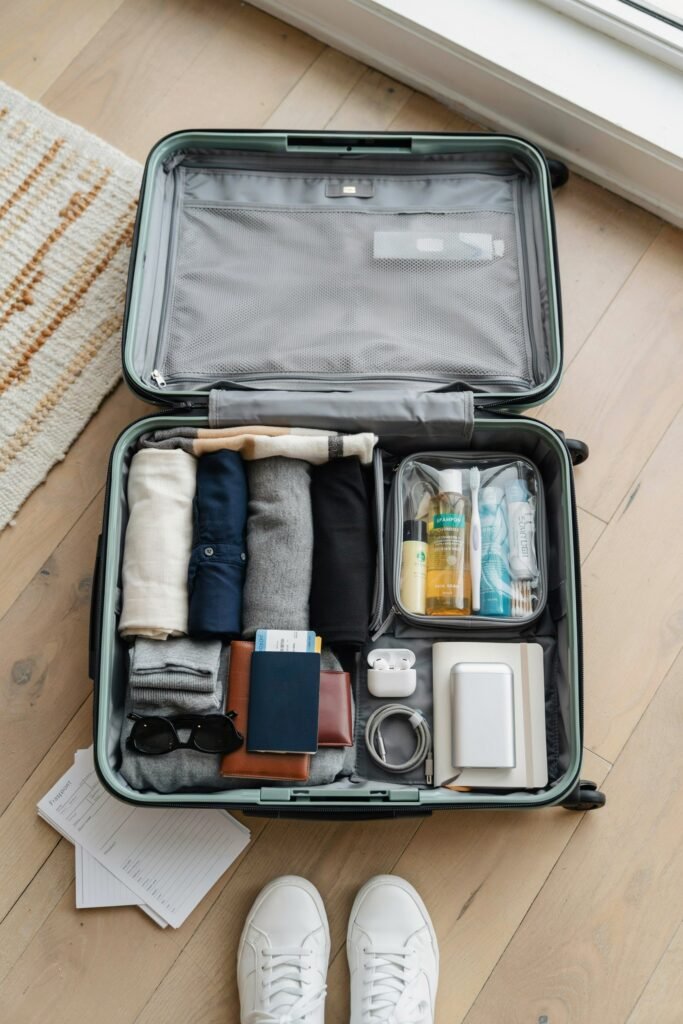
If your goal is to travel lighter, mastering carry-on packing can be a game changer.
Clothing
Pack versatile pieces that work in multiple situations.
Examples include:
- Neutral t-shirts
- Comfortable pants
- Lightweight layers
- One dressier outfit
Toiletries
Keep liquids within airline requirements and store them in a clear travel pouch for easy security screening.
Electronics
Bring only essentials:
- Phone
- Charger
- Power bank
- Headphones
Important Documents
Always keep these accessible:
- Passport
- Identification
- Boarding passes
- Travel insurance information
- Hotel reservations
Medications
Carry medications in your carry-on rather than checked luggage to ensure they remain accessible if your bags are delayed.
International Travel Packing Advice
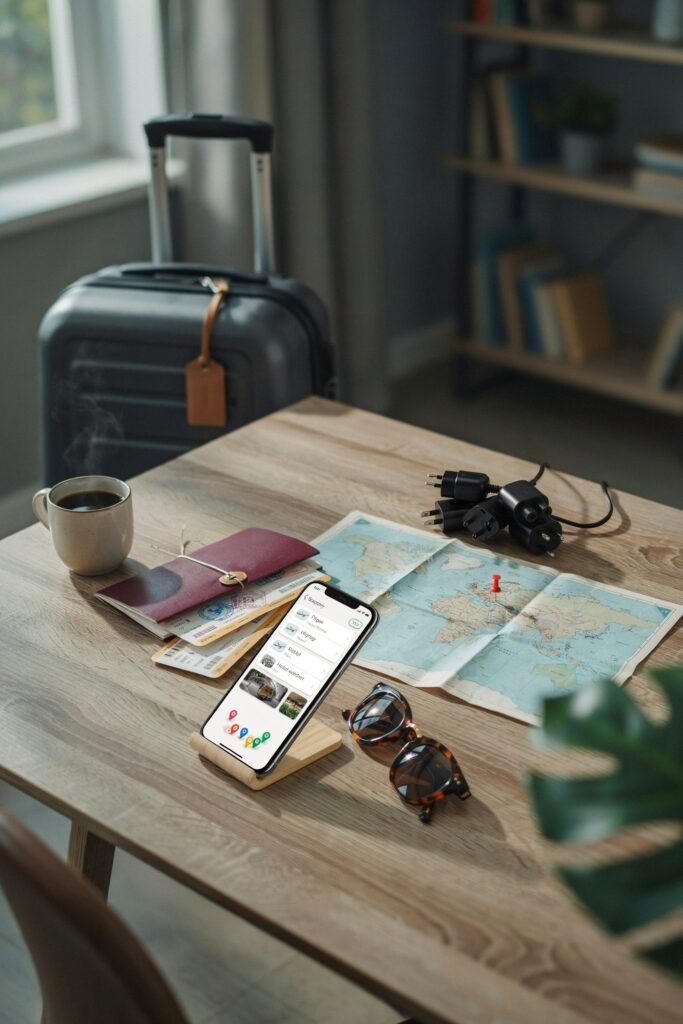
International travel often requires a little more preparation.
Research Local Weather
Checking average temperatures before your trip helps prevent unnecessary packing.
Understand Cultural Expectations
Some destinations have clothing customs or dress codes for religious sites and public places.
Check Electrical Requirements
Different countries use different plug types and voltage standards.
Know Customs Restrictions
Certain items allowed in one country may be restricted in another. Research destination-specific rules before departure.
Prepare Digital Copies
Store copies of important documents securely online in case originals are lost or stolen.
My Personal Packing Rule That Changed Everything
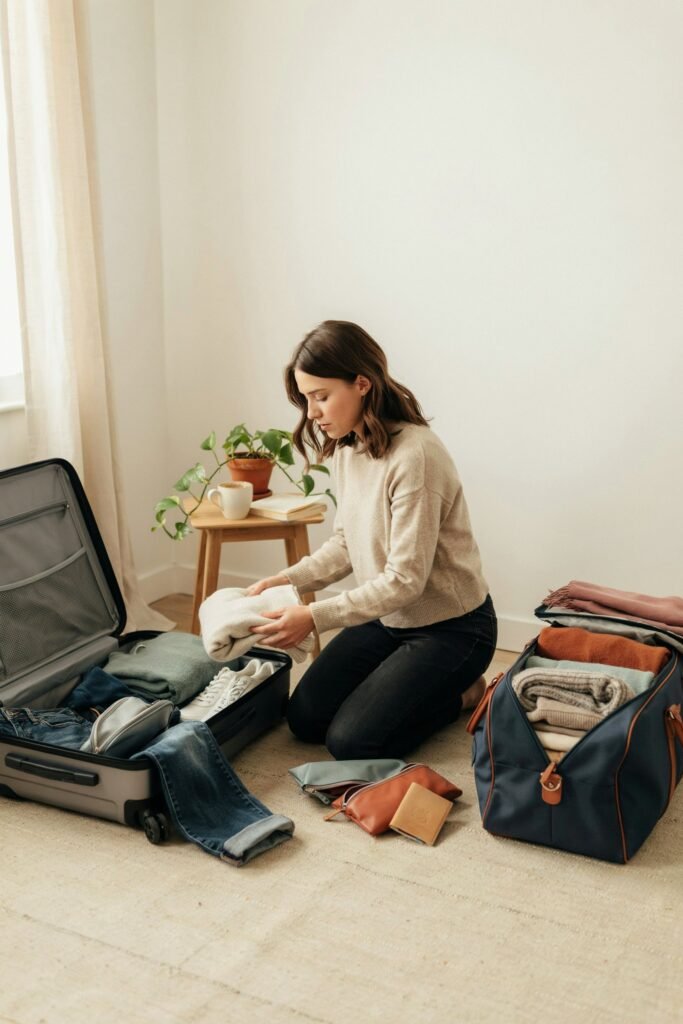
One lesson I learned after several trips was that I almost always packed too much.
Every vacation seemed to end with unworn clothes, unused gadgets, and unnecessary accessories returning home untouched.
Now I follow a simple rule: if I can’t clearly explain why I’ll use an item, it doesn’t get packed.
This single habit has made traveling easier, faster, and significantly less stressful.
Airports feel less overwhelming, hotel stays are more organized, and moving between destinations becomes far more enjoyable.
Travel is ultimately about experiences, not possessions.
The less time spent managing luggage, the more time you can spend exploring new places, trying local foods, meeting people, and creating lasting memories.
Frequently Asked Questions
What Is the Biggest Packing Mistake Travelers Make?
The biggest mistake is packing for possibilities instead of realities.
Many travelers fill their suitcases with items they might use rather than things they know they’ll need.
This leads to heavier luggage, unnecessary baggage fees, and more stress throughout the trip.
Focusing on essentials and versatile items creates a far more enjoyable travel experience.
How Many Outfits Should I Pack For Vacation?
A good rule is to pack enough clothing for about one week, regardless of trip length.
Choose items that can be mixed and matched to create multiple outfits.
If you’re traveling for longer than a week, consider doing laundry during your trip rather than packing excessive clothing.
Is It Better To Travel With Carry-On Luggage Only?
For many trips, yes. Carry-on luggage saves time at airports, reduces baggage fees, and eliminates the risk of lost checked bags.
It also encourages smarter packing and helps travelers move around more easily.
Should I Bring Full-Size Toiletries?
In most cases, travel-sized toiletries are a better option. They save space, reduce weight, and comply with airline liquid restrictions.
Many destinations also have stores where you can purchase replacements if needed.
How Can I Avoid Overpacking?
Create a packing list before your trip and stick to it. Lay out everything you plan to bring, then remove at least 20% of the items.
Most travelers discover they can comfortably travel with far less than they originally planned.
Final Thoughts
The best travel experiences often begin with a lighter suitcase.
Every unnecessary item creates additional weight, clutter, and stress that can distract from enjoying your destination.
By avoiding the common packing mistakes covered in this guide, you’ll travel more efficiently, move more comfortably, and focus on making memories rather than managing baggage.
The next time you prepare for a trip, challenge yourself to pack smarter instead of packing more.
Your back, your budget, and your travel experience will thank you for it.