
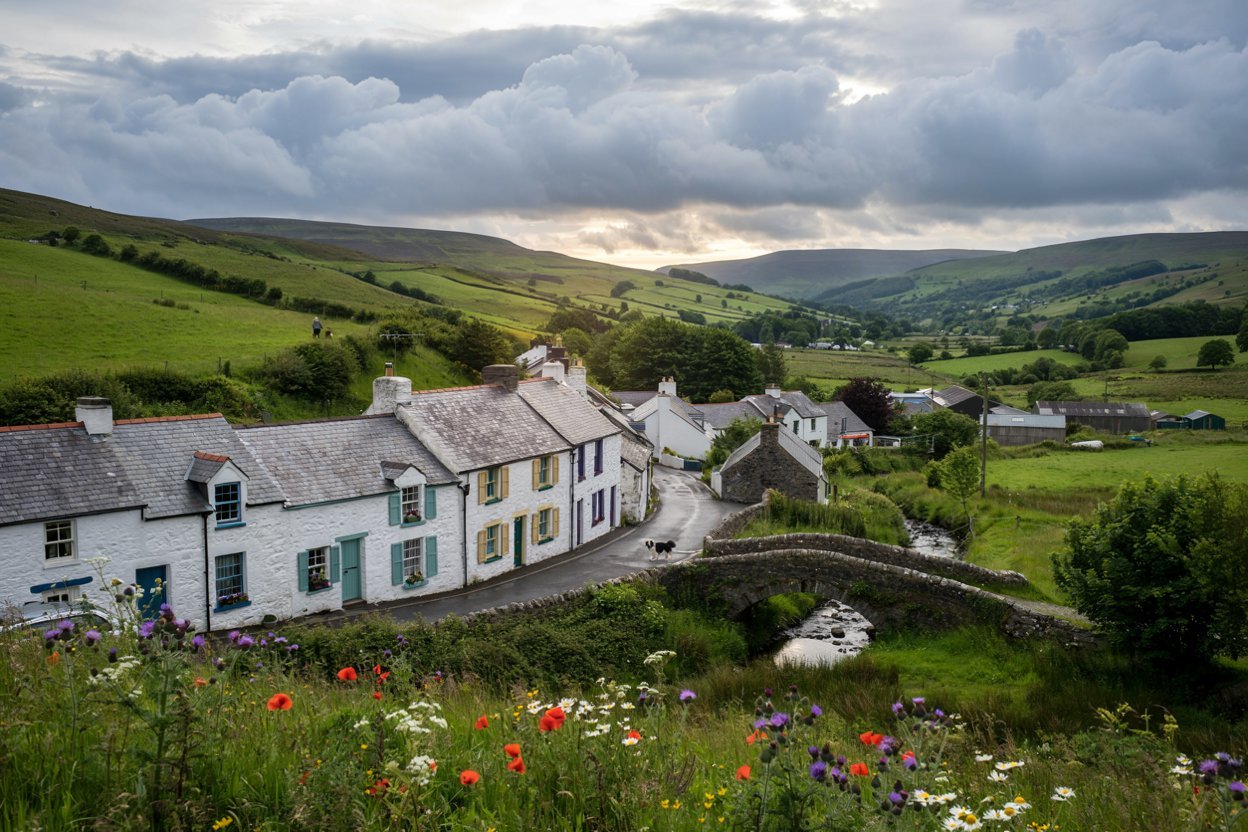
There’s a specific moment on every Ireland trip when I realize the place I just stumbled into wasn’t mentioned in a single guidebook, and it’s usually the best part of the whole day.
This list is built entirely from those moments, villages I found through a wrong turn, a local’s offhand recommendation, or simple curiosity about what was down an unmarked side road.
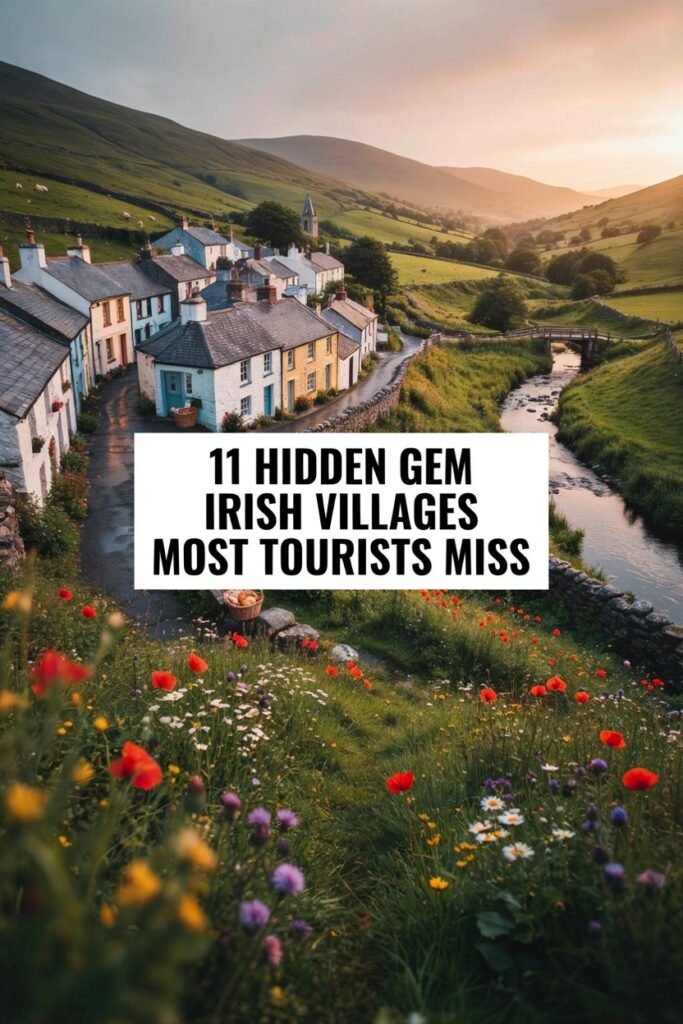
None of these show up on the standard Ring of Kerry or Cliffs of Moher circuit, and that’s exactly the point.
If you want a different angle on Irish villages, our 11 beautiful Irish villages for a romantic getaway, 10 peaceful Irish villages for a quiet escape, and 10 amazing things to do in Irish villages are worth reading too, and our Irish village Airbnbs guide covers where to actually stay once you’ve picked a few of these.
Disclaimer
This post may contain affiliate links. As an Amazon Associate, I earn from qualifying purchases at no additional cost to you. The information in this article is for educational and informational purposes only. I only recommend products that I believe are relevant to this topic. Travel information, attraction hours, transportation schedules, and local conditions may change, so always verify details before your trip.
Amazon Shopping List
- Rick Steves Ireland Travel Guide
- Ireland Road Atlas & Travel Map
- Anker Portable Power Bank
- ZOPPEN RFID Blocking Passport Wallet
- BAGAIL Compression Packing Cubes
- Repel Windproof Travel Umbrella
- Tbinoculars for Travel and Sightseeing
Why These Villages Stay Off the Radar

Before the list itself, it’s worth understanding why these eleven villages haven’t been discovered the way places like Adare or Kinsale have.
- Geography works against easy access. Several sit at the end of long peninsula roads that most itineraries skip in favor of a faster route.
- They don’t have one single famous landmark. A village needs a castle, a film connection, or a “prettiest in Ireland” title to end up on most tourist lists, and these simply don’t have that one hook.
- They reward a slower kind of trip. Most require you to actually stop and look rather than snap a photo from a moving car, which filters out a lot of rushed itineraries.
- Local knowledge matters more than search results. Nearly every village on this list came from a conversation, not an online search.
With that context, here are eleven villages worth the detour.
1. Eyeries, County Cork
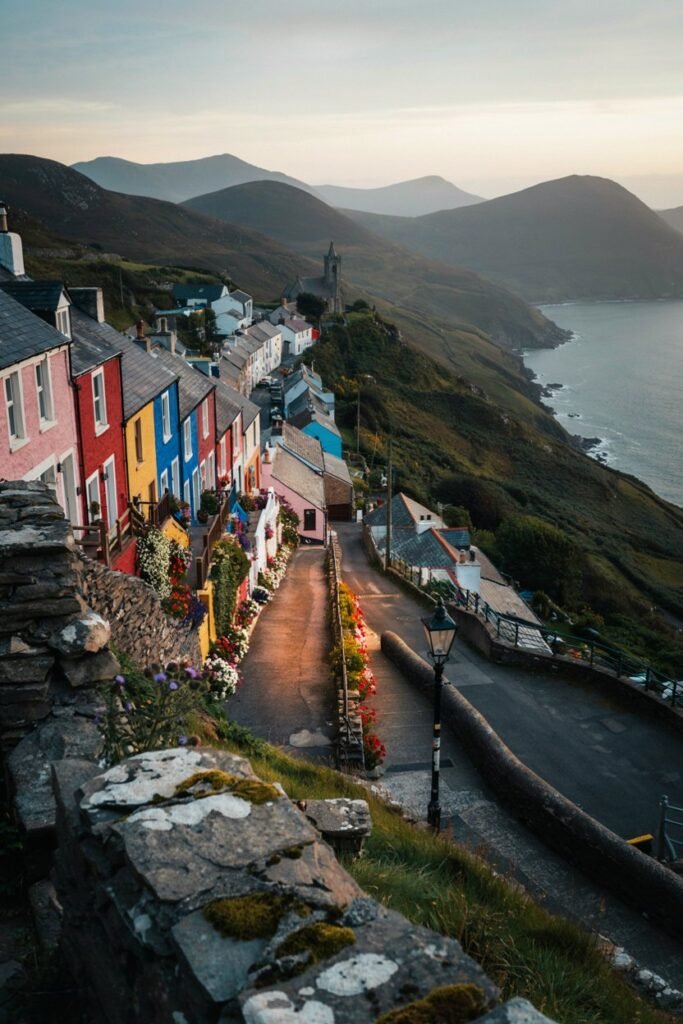
Eyeries sits on the Beara Peninsula, a stretch of Ireland even many Irish visitors skip in favor of the more famous Ring of Kerry next door, and its rainbow-colored row of houses is one of the most photogenic streets I’ve found anywhere in the country.
How to get there Eyeries is about two and a half hours from Cork Airport, along the increasingly narrow and scenic Beara Peninsula road.
Where to stay A small guesthouse or cottage in the village puts you within walking distance of the main street and the harbor just below it.
Getting around The village itself is tiny and walkable in minutes, with a car essential for exploring the wider Beara Peninsula.
Fun things to do Walk the short main street to photograph the colorful houses, visit the small harbor, and drive the nearby Healy Pass for some of the most dramatic mountain views on the whole peninsula.
Best time to visit Late spring through early autumn, when the peninsula roads are most reliably clear of weather-related closures.
My story with it A local shopkeeper in Kenmare mentioned Eyeries almost offhand when I asked where to find something quieter than the Ring of Kerry, and I nearly didn’t make the drive given how far out of the way it seemed on the map. It turned out to be one of the most visually striking villages I’ve found in Ireland, and I saw maybe a dozen other visitors the entire afternoon.
Safety tip The Beara Peninsula’s roads are narrow with sharp turns and minimal barriers in places. Drive slowly, especially on the Healy Pass, and use pull-offs for photos rather than stopping on the road.
2. Allihies, County Cork
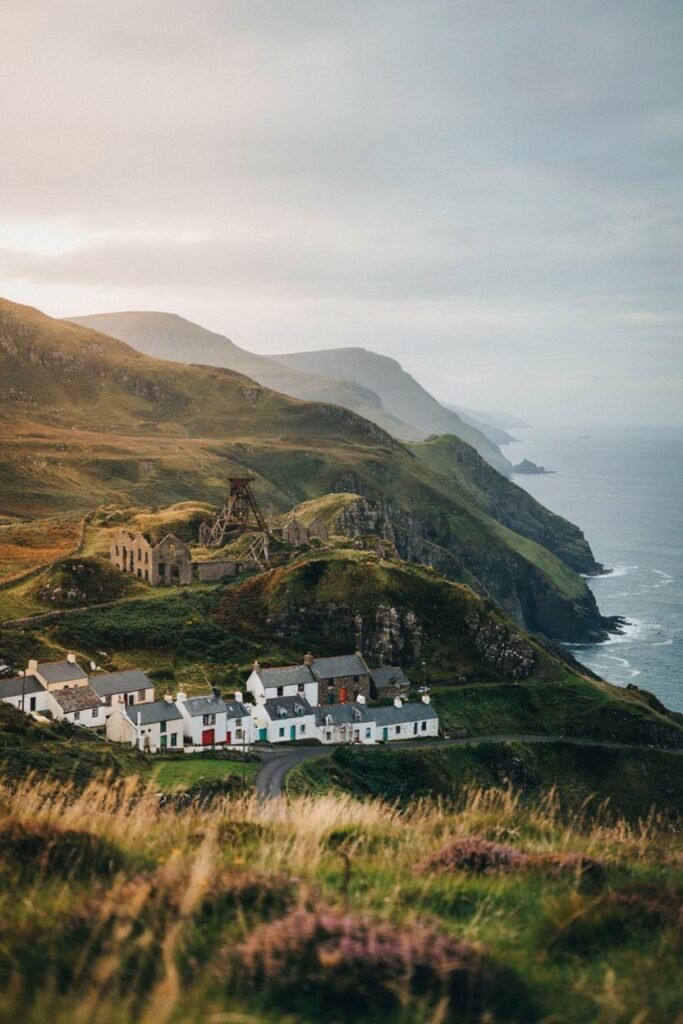
Further along the Beara Peninsula from Eyeries, Allihies sits at the edge of dramatic cliffs with the ruins of old copper mines visible on the surrounding hillsides.
How to get there Allihies is about 20 minutes past Eyeries, roughly two hours and 50 minutes from Cork Airport in total.
Where to stay Limited accommodation exists directly in the village, so a guesthouse in nearby Castletownbere, a short drive away, works well as a base.
Getting around The village center is small and walkable, with a car necessary for reaching the old mine ruins and nearby beaches.
Fun things to do Walk up to the copper mine ruins for sweeping views over the Atlantic, visit the small mining heritage museum, and spend an afternoon at the quiet beach just below the village.
Best time to visit Summer for the most reliable weather, given how exposed this part of the coast is to Atlantic storms in other seasons.
My story with it Walking among the old mine ruins on the hillside above the village, with the Atlantic stretching out below and almost no one else in sight, gave me a strange, quiet sense of Ireland’s industrial history that I hadn’t encountered anywhere else on a trip otherwise focused on castles and coastline.
Safety tip The mine ruins are unrestored and unfenced in places. Stick to visible paths and keep a safe distance from any open shafts or unstable structures.
3. Portmagee, County Kerry

Portmagee is best known as the departure point for boats to Skellig Michael, but the village itself, a single row of brightly painted buildings along a small harbor, is worth staying in rather than just passing through.
How to get there Portmagee is about an hour and 45 minutes from Kerry Airport, along the Ring of Kerry and Skellig Ring routes.
Where to stay A guesthouse directly on the harbor front puts you within steps of the village’s small selection of restaurants and pubs.
Getting around The village is fully walkable, with a car necessary for reaching the wider Skellig Ring and nearby Valentia Island.
Fun things to do Book a boat trip to Skellig Michael if weather allows, walk across the bridge to Valentia Island, and spend an evening at one of the village’s pubs, several of which host informal music sessions.
Best time to visit Late spring through early autumn, both for weather and for Skellig Michael boat trip availability, which typically only runs seasonally.
My story with it We stayed an extra night here after a Skellig Michael boat trip got weathered out, and the unplanned evening in the village, a quiet pub, a good meal, no real plan, ended up being one of the better parts of that entire trip.
Safety tip Skellig Michael boat trips are genuinely weather-dependent and can be canceled with little notice. Build flexibility into your schedule if this is a priority, and never attempt the crossing with an unlicensed operator.
4. Ballydehob, County Cork
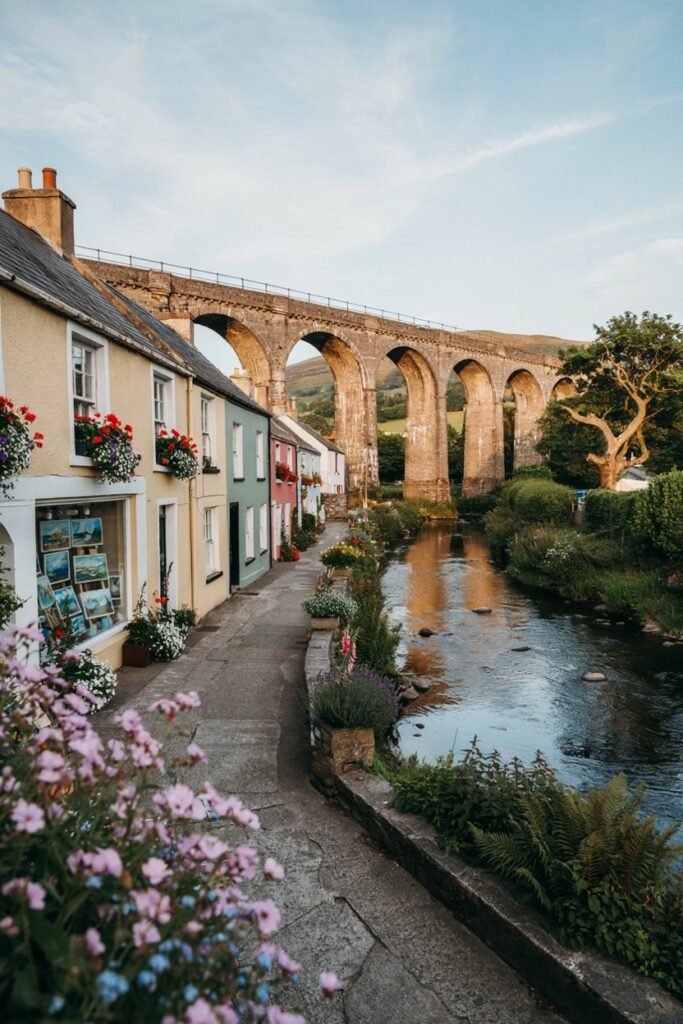
A small, artsy West Cork village known for its distinctive twelve-arch bridge and a surprisingly strong food and craft scene for its size.
How to get there Ballydehob is about an hour and 45 minutes from Cork Airport, along the West Cork coastal route.
Where to stay A guesthouse or cottage near the village center puts you within walking distance of the main street and bridge.
Getting around The village itself is compact and walkable, with a car useful for exploring the wider West Cork region.
Fun things to do Walk the old railway bridge on the edge of the village, browse the small art galleries and craft shops along the main street, and try one of the village’s genuinely well-regarded small restaurants.
Best time to visit Late spring through early autumn, when the village’s outdoor spaces and gardens are at their best.
My story with it A gallery owner here talked to us for nearly twenty minutes about the history of the village’s old railway line, completely unprompted, simply because we’d asked a passing question about the bridge. That kind of unhurried conversation is exactly what’s missing from busier tourist stops.
Safety tip The old railway bridge has minimal railings in sections. Keep a reasonable distance from the edges, especially with children.
5. Terryglass, County Tipperary
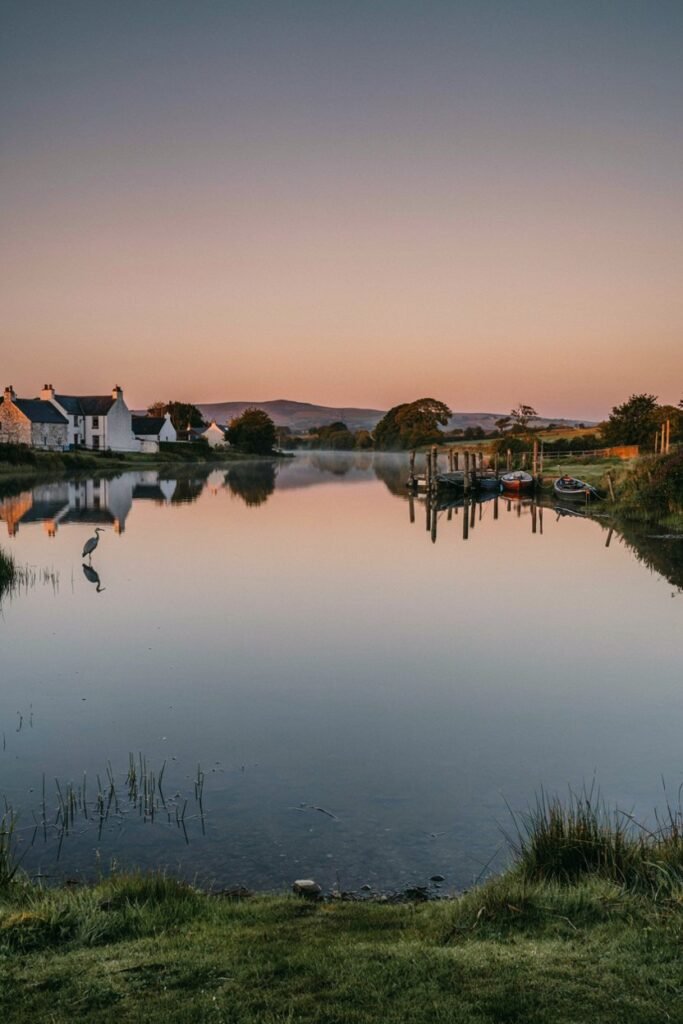
A small village on the shores of Lough Derg, Terryglass offers genuine lakeside quiet in the middle of Ireland, far from the coastal circuits most visitors focus on.
How to get there Terryglass is about an hour and 45 minutes from Shannon Airport, or roughly two hours from Dublin.
Where to stay A small guesthouse near the village center puts you within walking distance of the lake and local pubs.
Getting around The village is small and walkable, with a car useful for exploring the wider Lough Derg shoreline.
Fun things to do Walk the short path down to the lake, rent a small boat if available locally, and spend an evening at one of the village’s traditional pubs, known locally for informal music sessions.
Best time to visit Summer for the most reliable weather for lake activities, though the village is pleasant nearly year-round given its inland, sheltered position.
My story with it Sitting by Lough Derg in the evening here, water completely still, no wind, no other visitors in sight, gave me one of the quietest moments of an entire multi-week Ireland trip, and I hadn’t expected to find that kind of stillness anywhere inland.
Safety tip Lake conditions can change quickly with wind. If renting a boat, check conditions with the operator before heading out, and always wear a life jacket.
6. Dunfanaghy, County Donegal
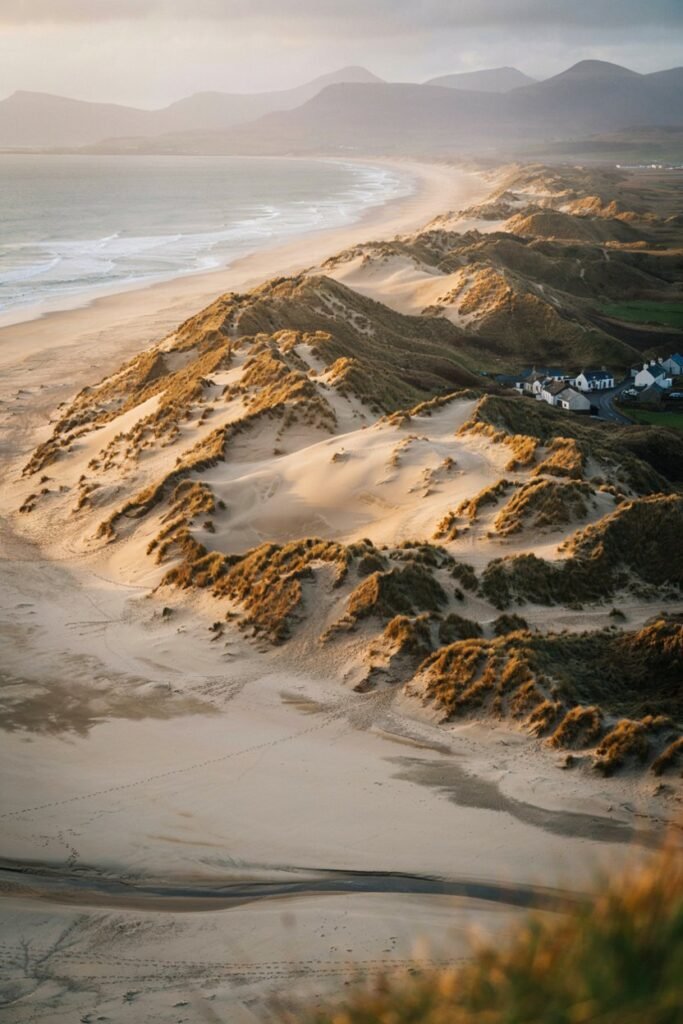
A small village on Donegal’s dramatic northern coast, Dunfanaghy sits near some of the most striking dune and beach landscapes in the entire country, with a fraction of the visitors found further south.
How to get there Dunfanaghy is about an hour from Donegal or Derry’s smaller regional airports, or roughly four hours from Dublin by car.
Where to stay A guesthouse in the village center puts you within walking distance of local restaurants and short drives to the surrounding beaches.
Getting around The village itself is small and walkable, with a car essential for exploring the wider Donegal coastline.
Fun things to do Walk the dunes at nearby Tra na Rossan or Marble Hill Strand, visit the small local heritage center, and spend an evening at one of the village’s unpretentious pubs.
Best time to visit Summer, given how exposed this stretch of coast is to Atlantic weather during other seasons.
My story with it Walking the dunes near Dunfanaghy at golden hour, with genuinely no one else visible in either direction along the beach, made me realize how much of Donegal simply gets skipped by visitors sticking to the more famous southern and western routes.
Safety tip Coastal winds here can be strong and sudden. Secure loose items and be cautious walking near dune edges, which can be more unstable than they appear.
7. Rathmullan, County Donegal
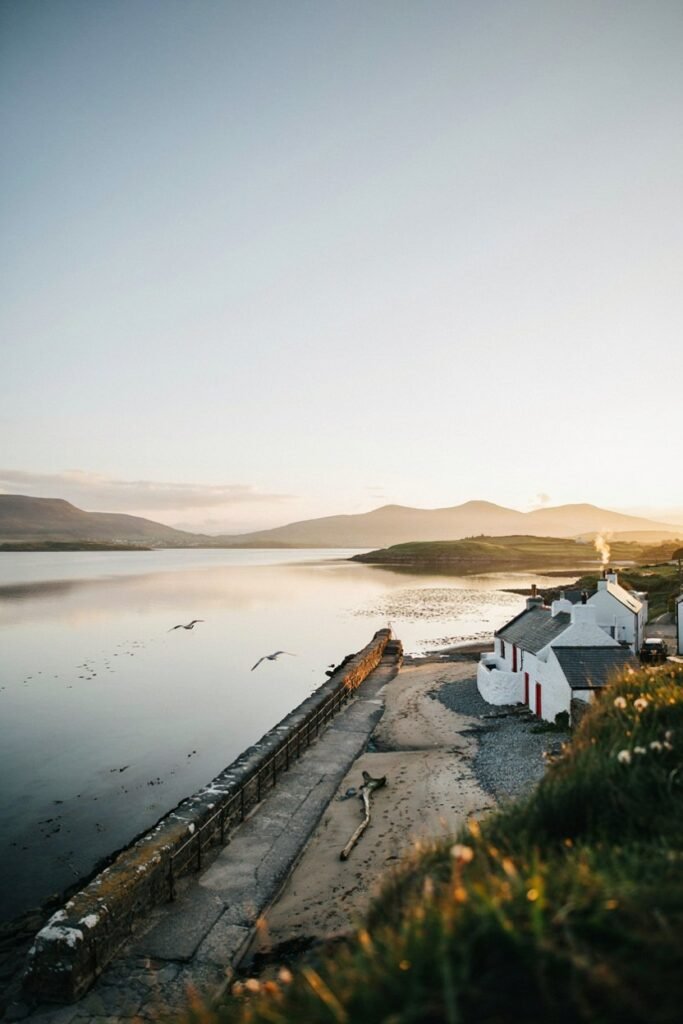
A quiet village on the shores of Lough Swilly, Rathmullan has genuine historical significance, it’s tied to the Flight of the Earls, one of the pivotal moments in Irish history, while remaining almost entirely overlooked by visitors.
How to get there Rathmullan is about 40 minutes from Derry Airport, or roughly four hours from Dublin.
Where to stay A guesthouse near the village pier puts you within walking distance of the small beach and local restaurants.
Getting around The village is small and walkable, with a car necessary for exploring the wider Fanad Peninsula.
Fun things to do Walk the pier and beach along Lough Swilly, visit the small heritage center covering the Flight of the Earls history, and explore the ruins of a 16th-century friary at the edge of the village.
Best time to visit Late spring through early autumn for the most reliable weather.
My story with it Standing at the pier where the Flight of the Earls actually departed in 1607, with almost no signage and no other visitors, gave this stop a weight that felt strangely at odds with how few people seemed to know it existed.
Safety tip The friary ruins are unrestored and can have uneven, overgrown ground. Wear proper footwear and watch your step, particularly in wetter months.
8. Glencolmcille, County Donegal
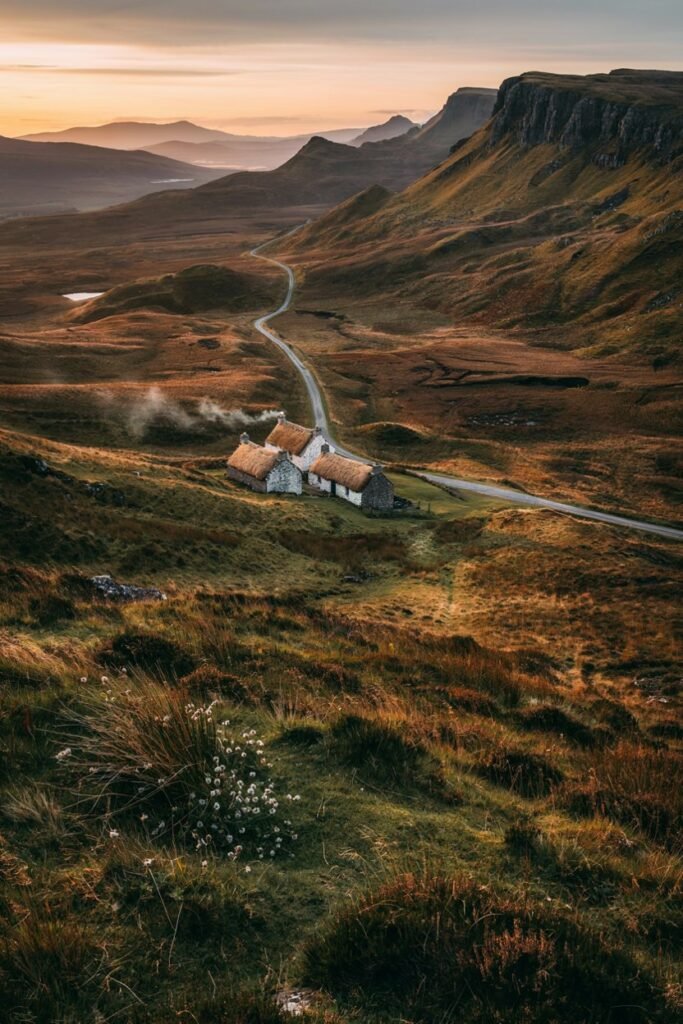
A remote village at the far southwestern edge of Donegal, Glencolmcille sits in a genuinely dramatic valley surrounded by cliffs and moorland, with an unusually strong tradition of Irish language and culture still actively preserved locally.
How to get there Glencolmcille is about two hours from Donegal or Sligo’s regional airports, along increasingly remote roads.
Where to stay A small guesthouse or cottage in the village puts you within walking distance of the folk village museum and local pubs.
Getting around The village itself is small and walkable, with a car essential given how remote the surrounding area is.
Fun things to do Visit the Glencolmcille Folk Village, a recreated series of traditional cottages spanning different eras, walk the coastal path toward the dramatic cliffs nearby, and attend a local music session if the timing works out.
Best time to visit Summer, given the genuinely remote and weather-exposed location.
My story with it This is one of the most remote villages I’ve visited in Ireland, and the drive in alone, through increasingly wild, empty landscape, made the destination feel earned in a way that few other stops on any Ireland trip have matched.
Safety tip This area has limited cell service and is genuinely remote. Download offline maps before you arrive, and let someone know your general plans if you’re hiking the coastal paths.
9. Ballycastle, County Mayo
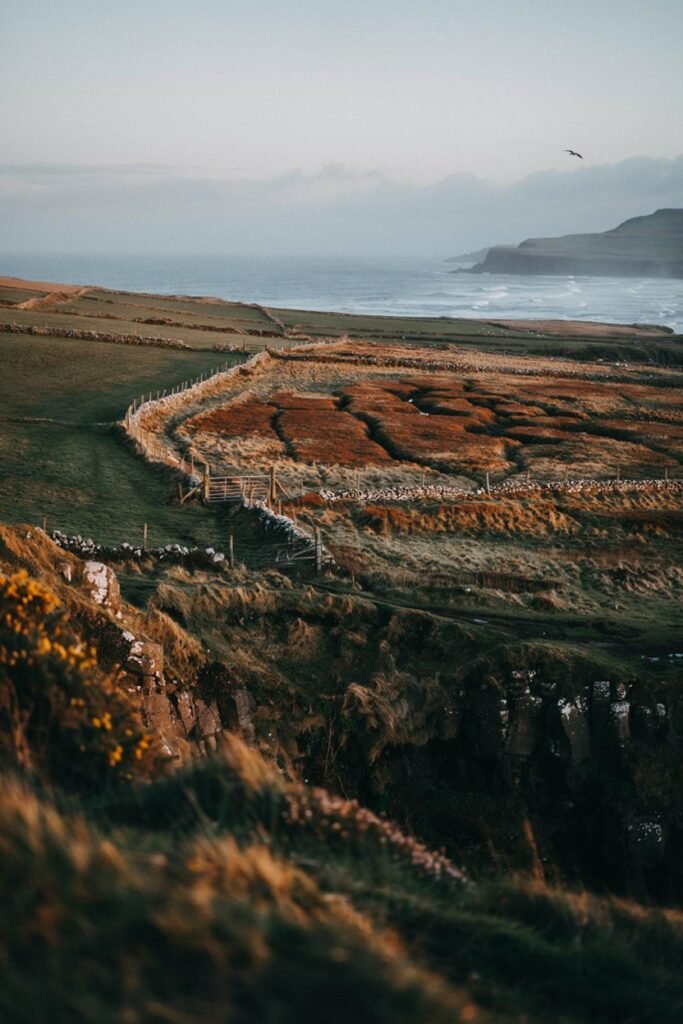
Not to be confused with the better-known Ballycastle in Northern Ireland, this small Mayo village sits near the dramatic Céide Fields, one of the oldest known field systems in the world, largely undiscovered by mainstream Ireland tourism.
How to get there Ballycastle is about an hour from Ireland West Airport Knock, along quiet Mayo coastal roads.
Where to stay A small guesthouse in the village puts you within walking distance of the main street, with the Céide Fields a short drive away.
Getting around The village itself is small and walkable, with a car necessary for reaching Céide Fields and the surrounding coastline.
Fun things to do Visit the Céide Fields visitor center to learn about the 5,500-year-old preserved farming landscape, walk the coastal cliffs nearby, and explore the small village’s local shops and pubs.
Best time to visit Late spring through early autumn, both for weather and for the Céide Fields visitor center’s operating hours.
My story with it Standing at the Céide Fields, looking out over farmland preserved beneath peat bog for thousands of years, with almost no other visitors around, gave me a sense of scale and history that felt genuinely underappreciated compared to more famous ancient sites elsewhere in the country.
Safety tip The coastal cliffs near the site have minimal barriers. Stay on marked paths, especially in wind or wet weather.
10. Avoca, County Wicklow

Best known to some as a filming location, Avoca sits in the genuinely peaceful Wicklow countryside, close enough to Dublin for a day trip but quiet enough to feel like a proper escape.
How to get there Avoca is about an hour and 15 minutes from Dublin, through the scenic Wicklow Mountains.
Where to stay A small guesthouse in the village center puts you within walking distance of the river and local shops.
Getting around The village itself is small and walkable, with a car useful for exploring the wider Wicklow Mountains National Park.
Fun things to do Walk along the River Avoca, visit the historic Avoca Handweavers mill, and drive the short distance to Glendalough for one of Wicklow’s most dramatic monastic sites.
Best time to visit Late spring through early autumn, when the surrounding Wicklow Mountains are at their most colorful.
My story with it A quiet riverside walk here, close enough to Dublin that we’d initially assumed it would be crowded, turned out to be one of the more peaceful afternoons of an otherwise busier trip, mostly locals, barely any other visitors.
Safety tip Wicklow Mountains weather can shift quickly even close to Dublin. Carry a light rain layer regardless of how clear the morning looks.
11. Kilmore Quay, County Wexford
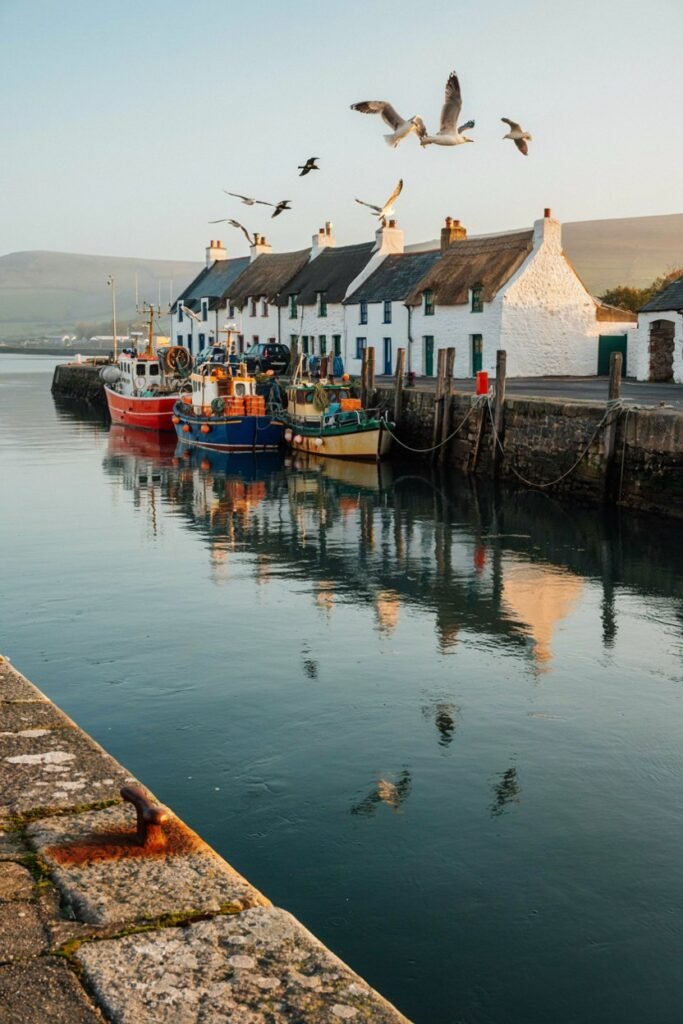
A small, working fishing village on Ireland’s southeast coast, Kilmore Quay offers a genuinely different coastal character than the more famous cliffside villages further west, thatched cottages and a real, active harbor.
How to get there Kilmore Quay is about two hours from Dublin, or roughly an hour and 15 minutes from Waterford.
Where to stay A guesthouse near the harbor puts you within walking distance of the village’s thatched cottages and small seafood restaurants.
Getting around The village itself is small and walkable, with a car useful for exploring the wider Wexford coastline.
Fun things to do Walk along the harbor and admire the village’s collection of well-preserved thatched cottages, try the local seafood at one of the small restaurants, and take a boat trip to the nearby Saltee Islands, one of Ireland’s most significant bird sanctuaries.
Best time to visit Late spring through summer, both for weather and for Saltee Islands boat trip availability and peak bird nesting season.
My story with it A boat trip out to the Saltee Islands here, surrounded by thousands of nesting seabirds with barely another tourist boat in sight, felt like one of the more genuinely wild experiences I’ve had in Ireland, despite being just a short trip from a working harbor village.
Safety tip Saltee Islands boat trips are weather-dependent, and the islands themselves have no facilities. Bring water, sun protection, and appropriate footwear, and confirm return times with your boat operator before setting out.
General Tips for Finding More Hidden Gem Villages Yourself

- Ask locals, not search engines. Nearly every village on this list came from a conversation with a shopkeeper, bartender, or fellow traveler rather than an online search.
- Follow peninsula roads to their end. Villages at the far tip of a peninsula, like Allihies or Glencolmcille, are consistently the ones most itineraries skip entirely.
- Rent a car and build in flexibility. Public transport doesn’t reach most of these villages, and the best discoveries on this list happened because we had the freedom to follow an unplanned turn.
- Check weather and tide conditions before remote excursions. Several activities on this list, boat trips, coastal walks, are genuinely weather-dependent given how exposed these locations are.
- Download offline maps for the most remote stops. Cell service is unreliable in areas like Glencolmcille and parts of the Beara Peninsula.
FAQ
How do I find hidden gem villages like these on my own trip? Ask locally rather than relying purely on online searches. Shopkeepers, guesthouse hosts, and bartenders consistently pointed us toward places that never showed up in any guidebook or search result.
Are these villages difficult to reach without a car? Yes, nearly all of them require a car, since public transport in Ireland focuses on connecting larger towns and cities rather than smaller villages, especially those at the end of peninsula roads.
Which of these is best for a first-time visitor still building confidence with Irish driving? Avoca and Terryglass are both relatively close to Dublin with more straightforward roads, making them a gentler introduction before tackling narrower peninsula routes like Beara or the Skellig Ring.
Is it safe to visit these remote villages alone? Generally yes, these are small, low-crime areas, though several involve remote coastal or mountain access with limited cell service, so letting someone know your general plans is a reasonable precaution, as noted in the safety tips above.
What’s the best time of year to visit for the most authentic, undiscovered feeling? Shoulder season, May or September specifically, offers reliable weather with the fewest visitors, even in villages that see modest upticks during peak July and August.
Final Thoughts
Eleven villages, and every single one came from a moment of genuine curiosity rather than a guidebook recommendation, a wrong turn, an offhand suggestion, a peninsula road that seemed worth following just to see where it ended.
That’s really the throughline of this entire list. The villages most tourists miss aren’t hidden because they’re hard to find on a map, they’re hidden because most itineraries don’t leave room to actually look.
Build in that room on your next Ireland trip, and you’ll likely end up with a list of your own.