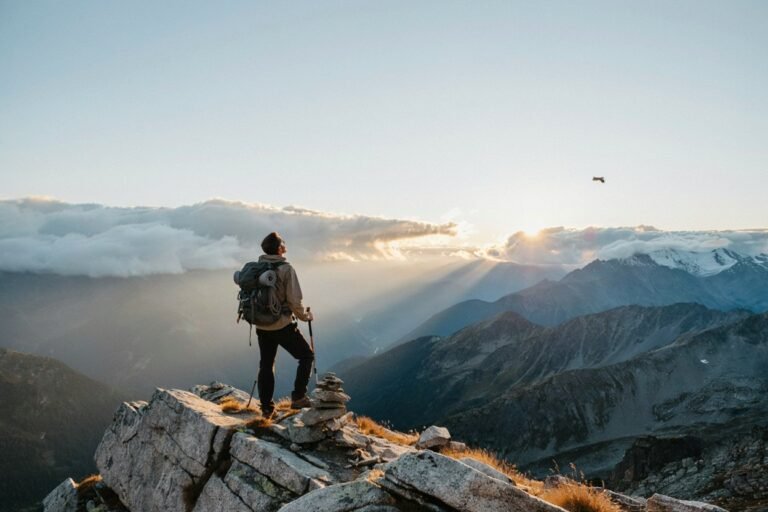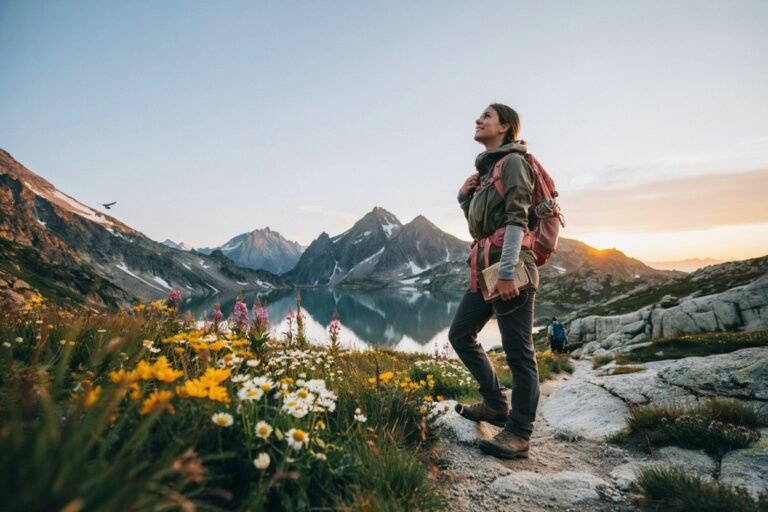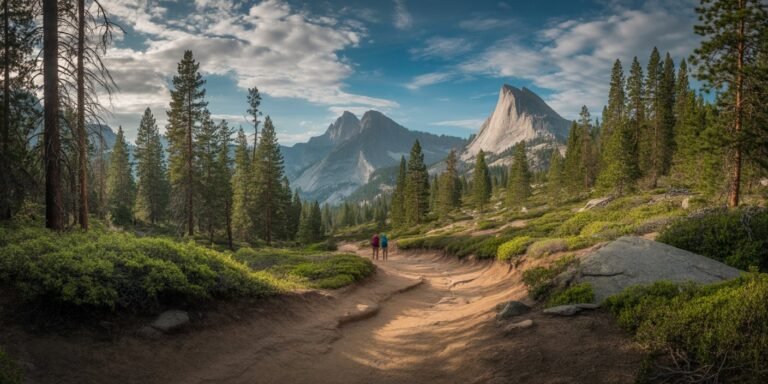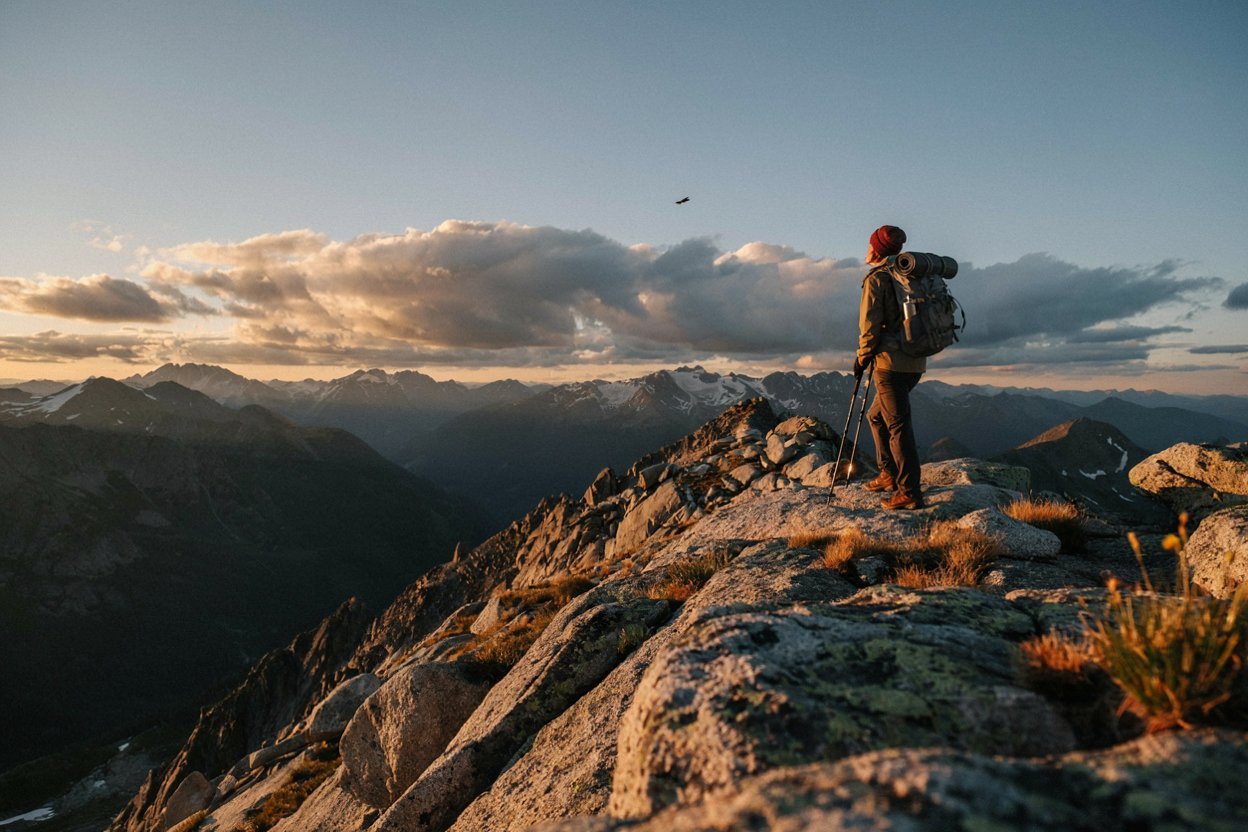
There’s a certain feeling that only hits you on a trail.
Your lungs fill with cold morning air, your boots find their rhythm on the dirt, and somewhere around the second mile, your mind finally goes quiet.
I’ve chased that feeling across mountains, coastlines, deserts, and forests, and I’ve learned that not all hikes are created equal.
Some simply move your legs. Others change the way you see the world.
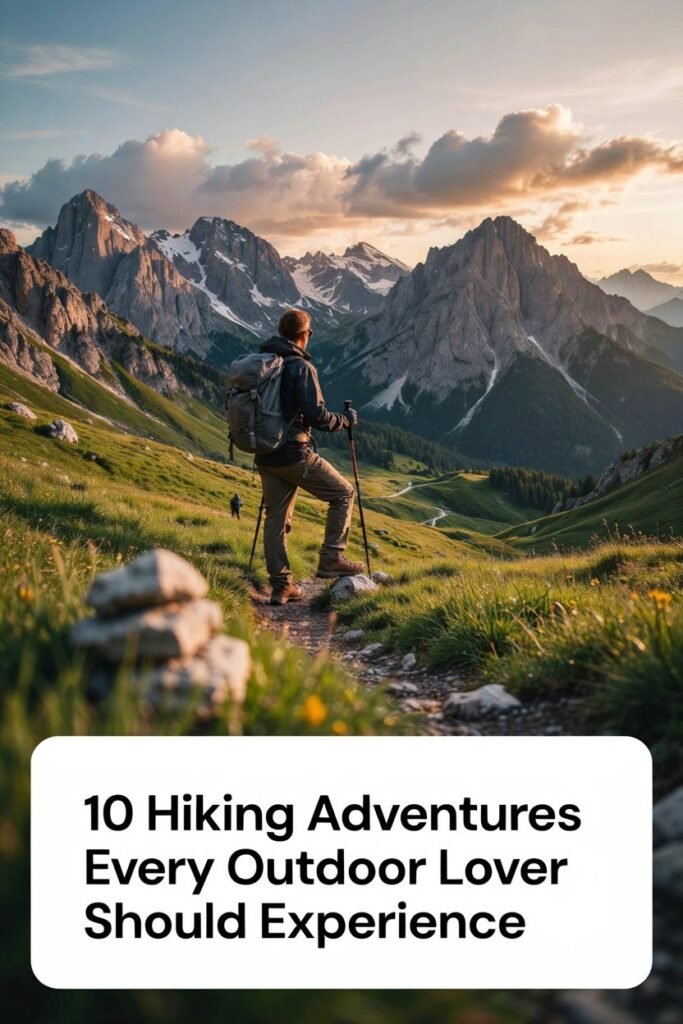
This list is built from trails that do the second thing.
Whether you’re a weekend wanderer or someone chasing your first big summit, these ten adventures belong on your radar.
I’ve also included a full breakdown of the gear that actually matters and a simple step by step approach to preparing for any of these hikes safely and confidently.
Grab a coffee, settle in, and let’s plan your next great escape into the wild.
Disclaimer
This post may contain affiliate links. As an Amazon Associate, I earn from qualifying purchases at no additional cost to you. The information in this article is for educational and informational purposes only. I only recommend products that I believe are relevant to this topic. Hiking conditions, weather, and park regulations may change, so always plan ahead and follow local safety guidelines.
Amazon Shopping List
- Osprey Daylite Hiking Backpack
- Merrell Moab Hiking Boots
- Trekology Collapsible Trekking Poles
- LifeStraw Personal Water Filter
- Columbia Watertight II Waterproof Rain Jacket
- Garmin eTrex Handheld GPS Navigator
- Black Diamond Spot Headlamp
1. Torres del Paine Circuit, Chile
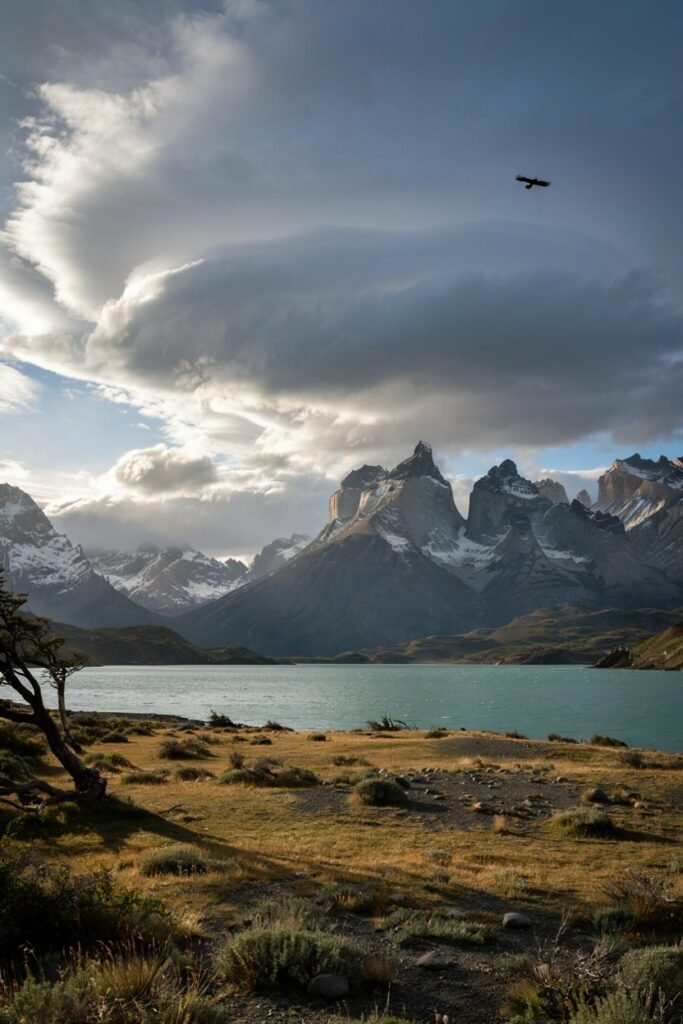
Patagonia has a way of humbling you the moment you step off the bus.
The Torres del Paine Circuit, often called the “O Circuit,” wraps around one of the most dramatic mountain ranges on Earth.
Over roughly eight to ten days, you’ll pass turquoise glacial lakes, hanging glaciers, and windswept valleys that feel untouched by time.
What makes this trek special isn’t just the scenery, it’s the isolation.
Days can pass with only a handful of other hikers in sight, and the silence out there has a way of resetting your entire nervous system.
The final push to the base of the towers, granite spires that pierce straight into the sky, is a moment I still think about years later.
2. The Inca Trail, Peru
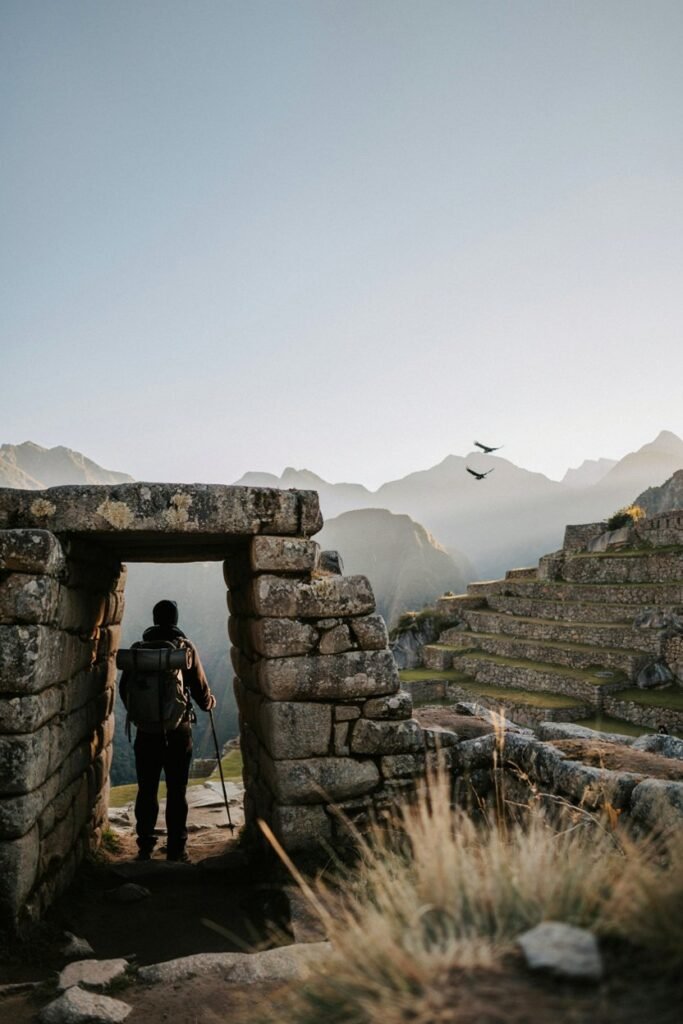
Walking the same stone path that Incan messengers once ran centuries ago is a humbling kind of magic.
The classic four day trek to Machu Picchu takes you through cloud forests, past ancient ruins, and over the notorious Dead Woman’s Pass, which sits above 13,000 feet.
The real reward comes on the final morning, when you arrive at the Sun Gate just as light spills over Machu Picchu for the first time.
Photos never quite capture that moment. Book this one early though, permits are limited and sell out months in advance.
3. Zion Narrows, Utah
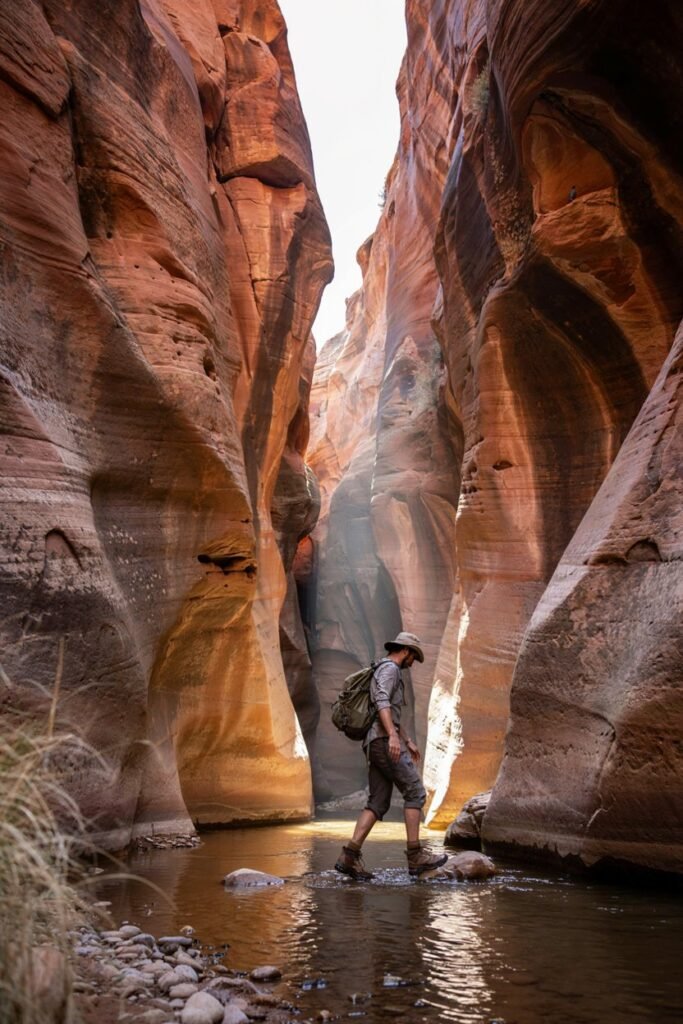
This is hiking with your feet literally in the river.
The Narrows takes you directly through the Virgin River, with towering sandstone walls rising hundreds of feet on either side, sometimes narrowing to just twenty feet apart.
There’s no traditional trail here, the riverbed is the path.
It’s an unusual sensation wading through cool water while sunlight filters down between canyon walls that seem to lean in and whisper.
Depending on water levels, this hike can range from a relaxed afternoon walk to a genuinely challenging trek, so checking conditions beforehand is essential.
4. Tour du Mont Blanc, Europe
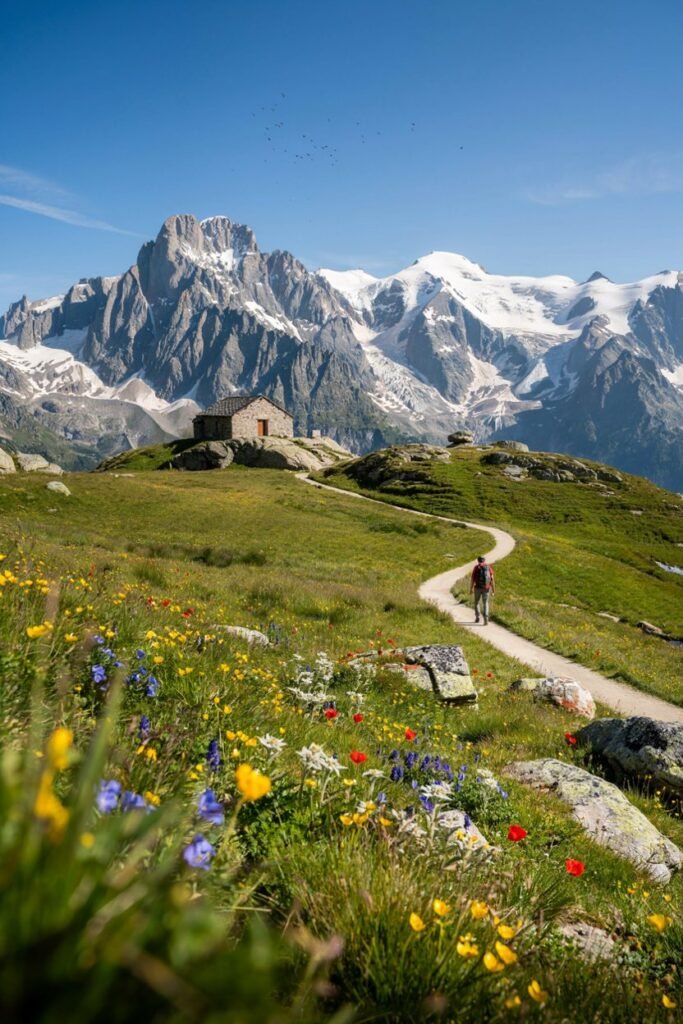
Few trails let you cross three countries in a single trip, but the Tour du Mont Blanc does exactly that, weaving through France, Italy, and Switzerland over about eleven days.
You’ll circle the entire Mont Blanc massif, passing through charming alpine villages where fresh bread and mountain cheese await at the end of long days.
What sets this trek apart is the comfort woven into the challenge.
Mountain huts along the route mean you don’t need to carry a tent, and the trail rewards you constantly with views of glaciers, wildflower meadows, and some of the most photogenic peaks in Europe.
5. Milford Track, New Zealand
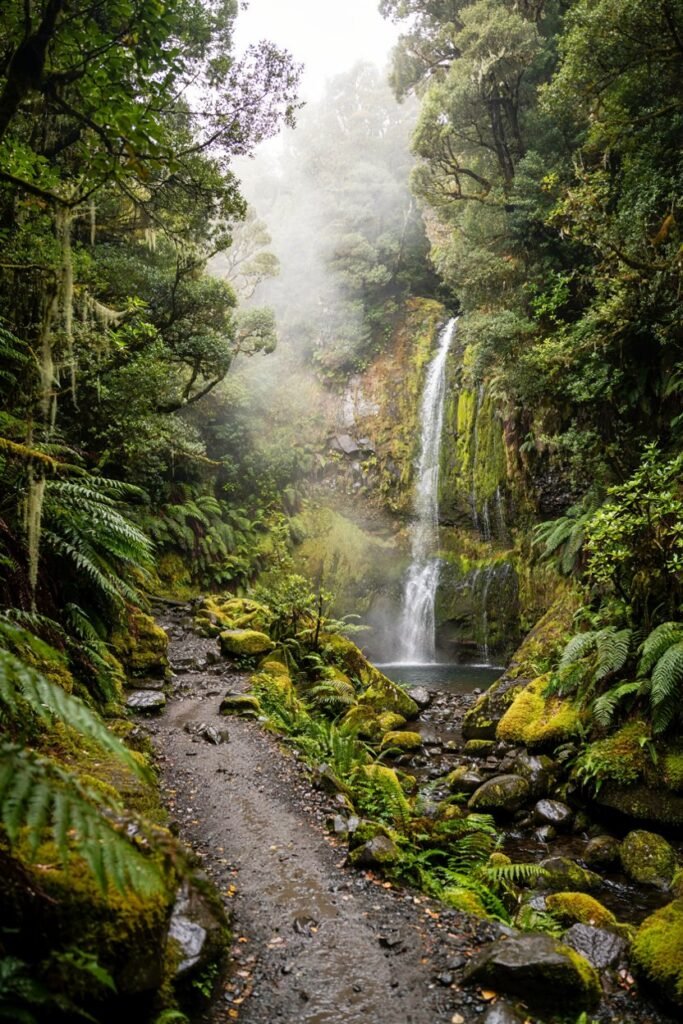
Often called the finest walk in the world, the Milford Track is a four day journey through Fiordland National Park on New Zealand’s South Island.
Rainforest canopies, thundering waterfalls, and the dramatic Mackinnon Pass all feature on this route, and the changing weather only adds to the drama.
Because access is tightly controlled to protect the ecosystem, you’ll need to book well in advance and hike in one direction on a set schedule.
That structure actually adds to the experience, it feels less like a hike and more like being invited into something rare and carefully preserved.
6. Angels Landing, Utah
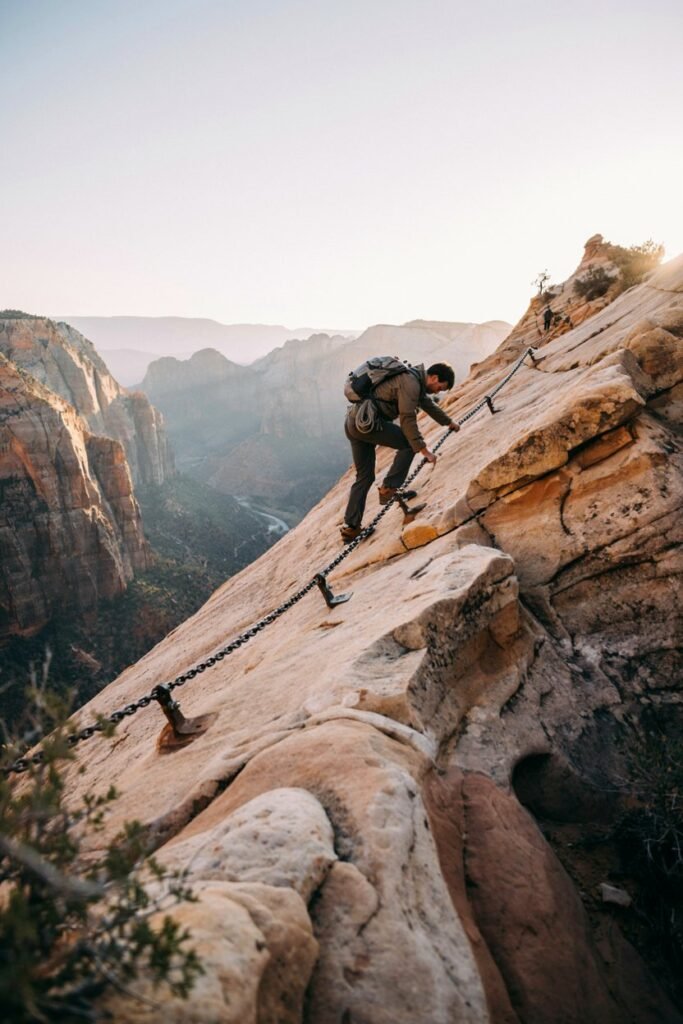
For hikers who want a serious adrenaline rush packed into just a few hours, Angels Landing delivers.
The final half mile involves climbing along a narrow ridge with sheer drop offs on both sides, holding onto chains bolted into the rock for support.
It’s not a hike for those uneasy with heights, but the payoff is a sweeping view over Zion Canyon that few other viewpoints can match.
A permit is now required for the final section, so plan ahead if this one is calling your name.
7. Kalalau Trail, Hawaii
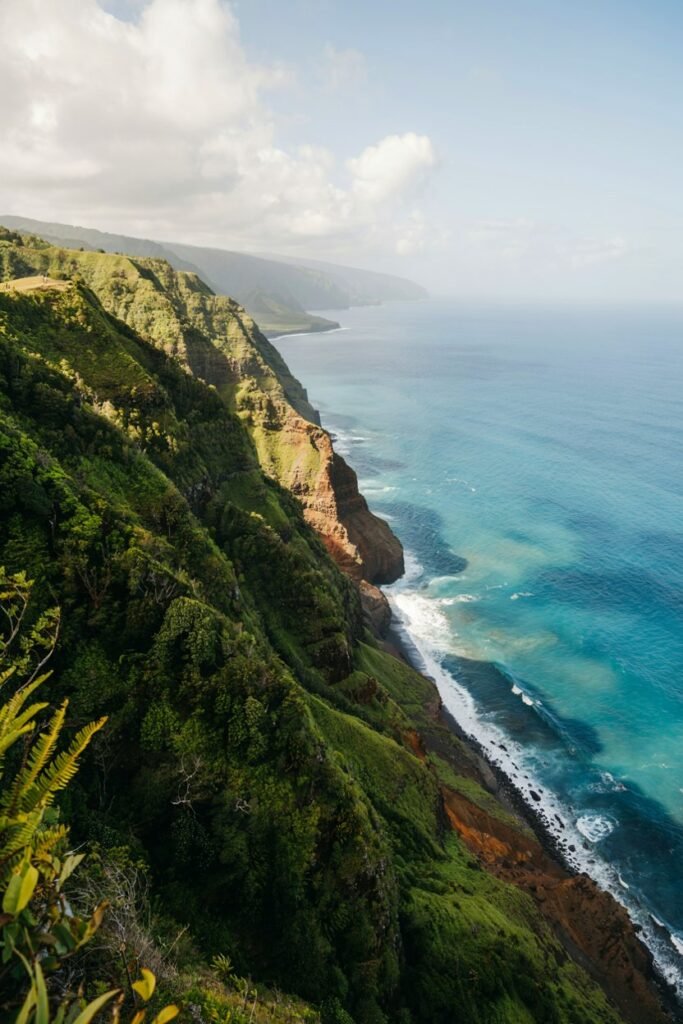
Running along the Napali Coast on the island of Kauai, the Kalalau Trail is eleven miles of pure tropical drama.
Expect sea cliffs plunging into the Pacific, hidden waterfalls, and jungle so lush it feels prehistoric.
This trail demands respect. Sections become slick and dangerous after rain, and permits are required for overnight stays at Kalalau Beach.
Still, reaching that remote stretch of sand after a hard day of hiking, with cliffs rising behind you and ocean stretching endlessly ahead, is one of those moments that redefines what a beach can feel like.
8. Everest Base Camp Trek, Nepal
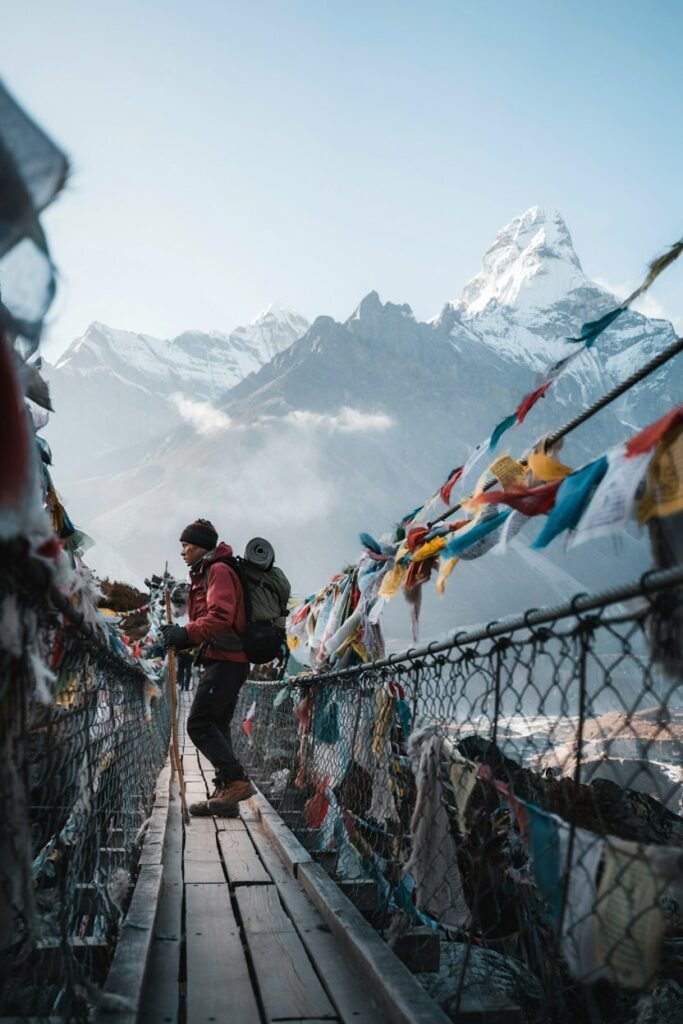
You don’t need mountaineering skills to stand in the shadow of the tallest mountain on Earth, just determination and a solid set of lungs.
The trek to Everest Base Camp typically takes around twelve to fourteen days, passing through Sherpa villages, suspension bridges, and increasingly thin air as you climb toward 17,500 feet.
Altitude is the real challenge here, not distance, so proper acclimatization days are non negotiable.
Along the way you’ll pass through Namche Bazaar and Tengboche Monastery, and the sight of Everest’s peak framed by prayer flags is something every serious trekker should witness at least once.
9. The Wave, Arizona
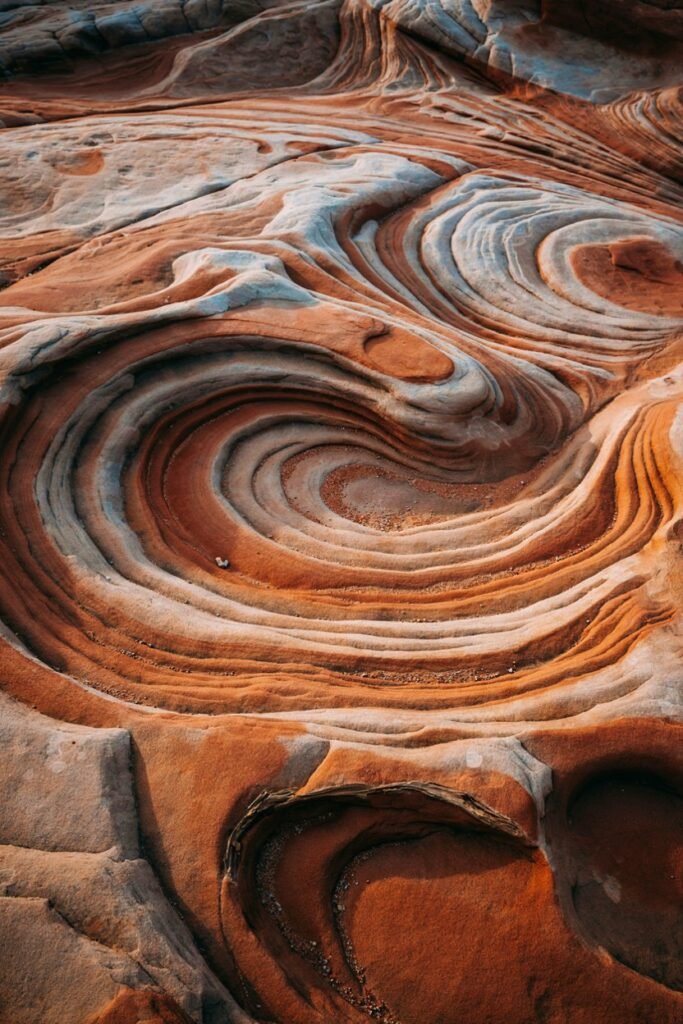
Part hike, part surreal art installation, The Wave sits on the Arizona Utah border and looks like something painted rather than eroded.
Swirling red and orange sandstone ripples across the landscape in patterns shaped by millions of years of wind and water.
Access is limited through a strict permit lottery system, which keeps the area pristine but also makes getting there feel like winning a small victory.
There’s no marked trail, just navigation using landmarks, which adds a layer of adventure most hikes simply don’t offer.
10. Skye Trail, Scotland
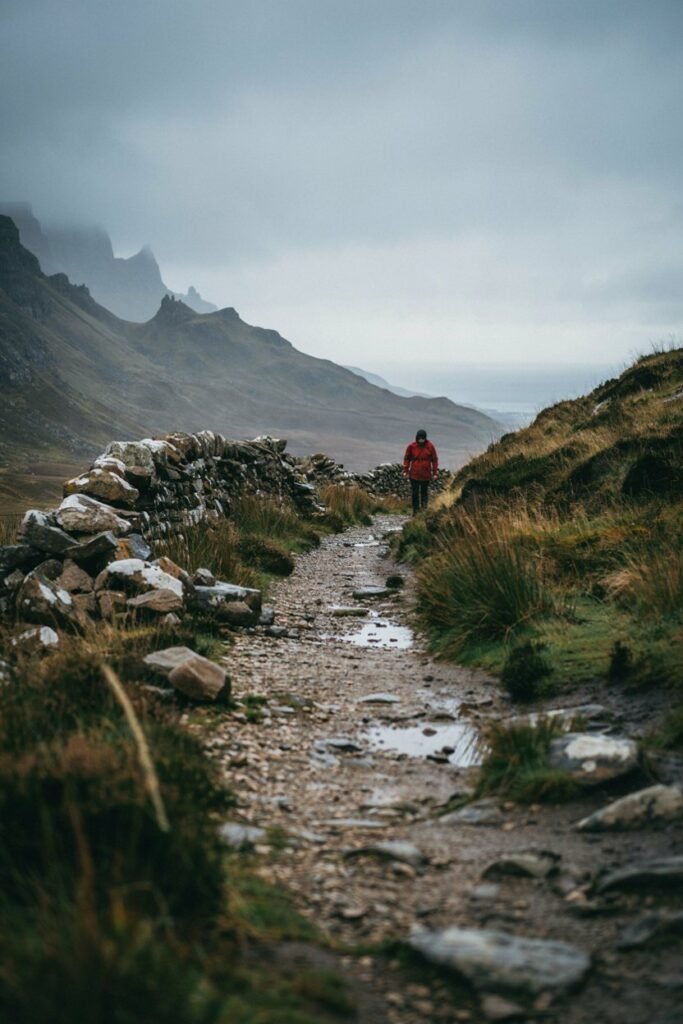
For something wilder and less crowded, the Isle of Skye delivers rugged beauty that feels almost otherworldly.
The Skye Trail runs roughly eighty miles across dramatic ridgelines, past the jagged Cuillin mountains, and along cliffs overlooking the sea.
Weather here changes fast, and the terrain can be demanding, but that unpredictability is part of the charm.
Misty mornings give way to golden afternoon light, and the sense of remoteness makes this one of the most underrated long distance hikes in the world.
Essential Gear for Every Hiking Adventure
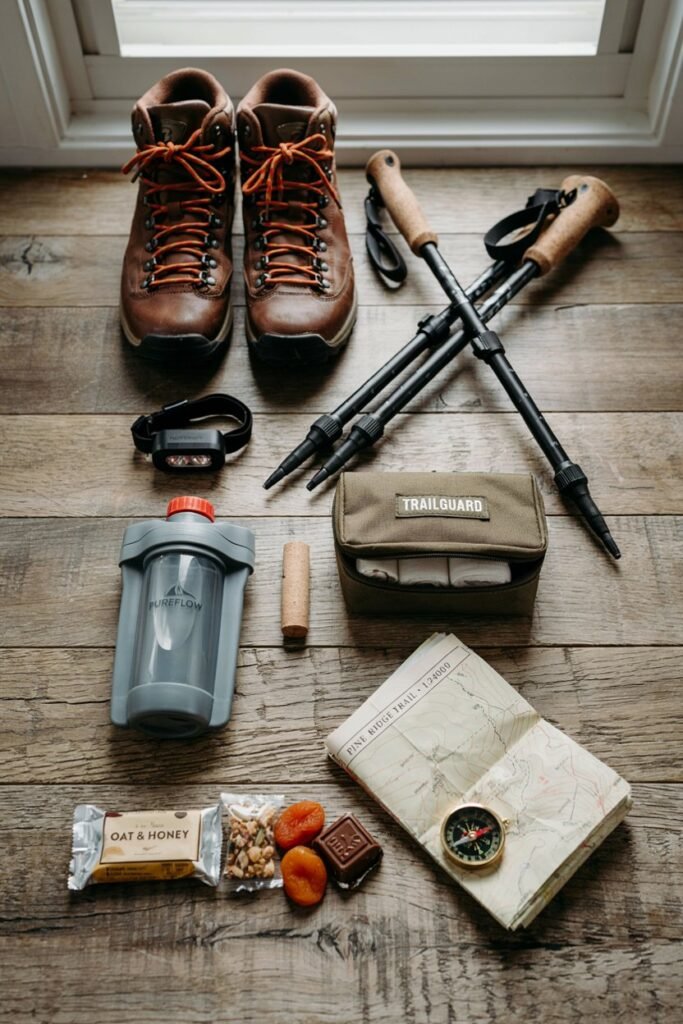
Every one of these trails taught me something about what actually belongs in a pack.
Here’s the gear I trust, along with a short honest introduction to what each item does for you on the trail.
Hiking Boots My feet have carried me through rivers and scree, and good boots made every mile bearable.
Moisture Wicking Base Layers Sweat soaked cotton ruined an early trip for me, so synthetic layers became non negotiable gear.
Trekking Poles Steep descents used to wreck my knees until poles took the pressure off my joints.
Water Filtration System Refilling from streams saved my back on multi day treks and kept me hydrated safely.
Layered Rain Jacket Mountain weather flipped on me more than once, and a packable shell kept me dry.
Headlamp With Spare Batteries An unexpected late finish taught me that darkness on a trail arrives faster than planned.
Navigation Tools and Offline Maps Cell signal disappeared on remote ridgelines, so paper maps and GPS became my quiet safety net.
High Energy Trail Snacks Long climbs drain you fast, and nuts and dried fruit kept my energy steady all day.
First Aid Kit A twisted ankle miles from camp reminded me that small kits prevent big problems fast.
Sun Protection Essentials High altitude sun burned me badly once, and now sunscreen and a hat travel everywhere with me.
A Simple Guide to Preparing for Your Hike
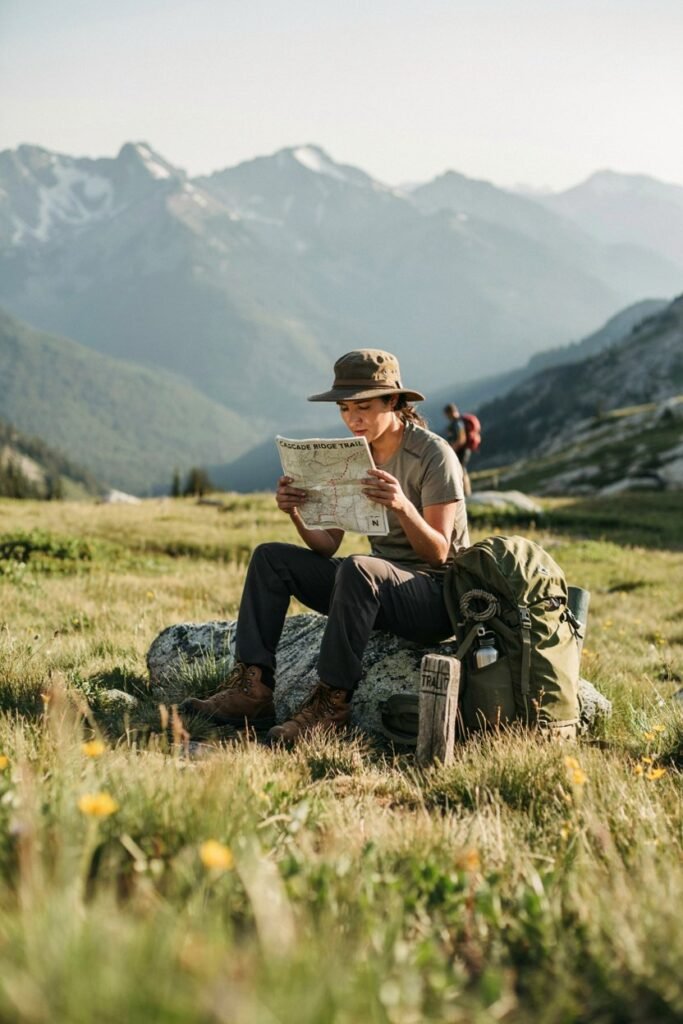
Standing at a trailhead unprepared is a feeling I never want to repeat, so here’s the process I follow before tackling any serious trek.
Step One: Research the Trail Thoroughly Read recent trip reports, check permit requirements, and understand elevation gain before committing to a route.
Step Two: Train Your Body Ahead of Time Start walking with a loaded pack weeks in advance so your body adjusts gradually to the demands.
Step Three: Break In Your Boots Early Never wear brand new boots on a long trek, blisters form fast when leather hasn’t softened yet.
Step Four: Plan Your Water and Food Strategy Map out water sources along the route and pack enough calories for the effort required each day.
Step Five: Check the Weather Forecast Repeatedly Mountain weather shifts quickly, so check forecasts the week before, the day before, and the morning of.
Step Six: Pack Smart and Pack Light Lay everything out, then remove anything that isn’t essential, your shoulders will thank you later.
Step Seven: Share Your Itinerary With Someone Tell a trusted person your route and expected return time before heading into remote areas.
Step Eight: Start Early and Pace Yourself Early starts give you daylight buffer and cooler temperatures, especially on longer summit pushes.
Step Nine: Listen to Your Body on the Trail Fatigue, dizziness, or pain are signals to slow down, rest, or turn back if needed.
Step Ten: Leave No Trace Behind Pack out everything you bring in and respect the wild places that made the hike unforgettable.
Frequently Asked Questions
How do I choose which hike to start with?
Think honestly about your current fitness level and available time.
A weekend hiker should start with something like Angels Landing or Zion Narrows before attempting a multi day trek like Everest Base Camp.
Build confidence on shorter trails, then work your way up to the bigger commitments as your endurance and experience grow.
Do I need a guide for these hikes?
Some trails, like the Inca Trail, legally require a licensed guide and porter team.
Others, like Angels Landing, can be done solo with proper preparation.
Always check local regulations before you go, since rules change based on conservation efforts and safety concerns in each region.
What is the best time of year to hike these trails?
Timing varies widely by location.
Patagonia is best visited during the southern hemisphere summer, from November through March, while Everest Base Camp is typically hiked in spring or autumn to avoid monsoon season and extreme winter cold.
Always research seasonal weather patterns months before booking your trip.
How much should I budget for a trek like this?
Costs range dramatically.
A day hike like Zion Narrows might only cost the price of a permit and gear rental, while a fully guided trek to Everest Base Camp can run into thousands of dollars once you factor in flights, permits, guides, and gear.
Set a realistic budget early so you can plan and save accordingly.
Final Thoughts
Every trail on this list taught me something different about patience, endurance, and the quiet reward of putting one foot in front of the other for hours at a time.
You don’t need to check off all ten in a single year, or even in a single decade.
What matters is starting somewhere, preparing well, and letting the trail teach you what it has to offer.
Pick one that speaks to you, do the research, train your legs, and go find out what’s waiting at the end of the path.
The mountains, canyons, and coastlines aren’t going anywhere, but the version of you that comes back from that first big hike will be different in the best possible way.