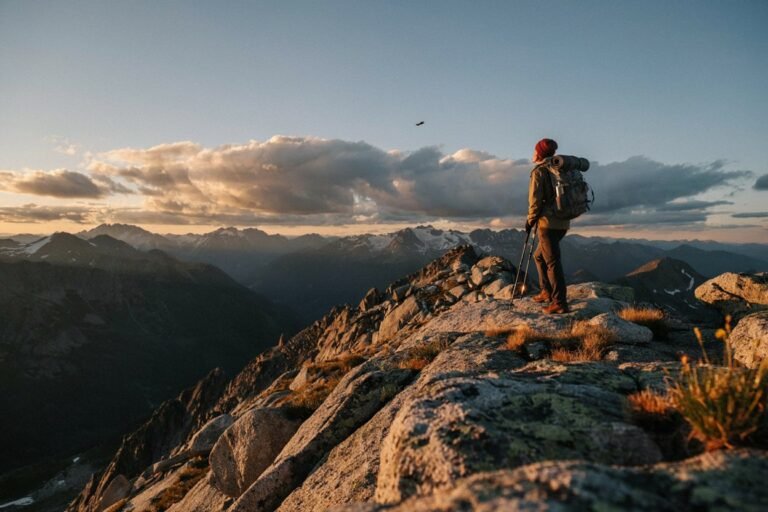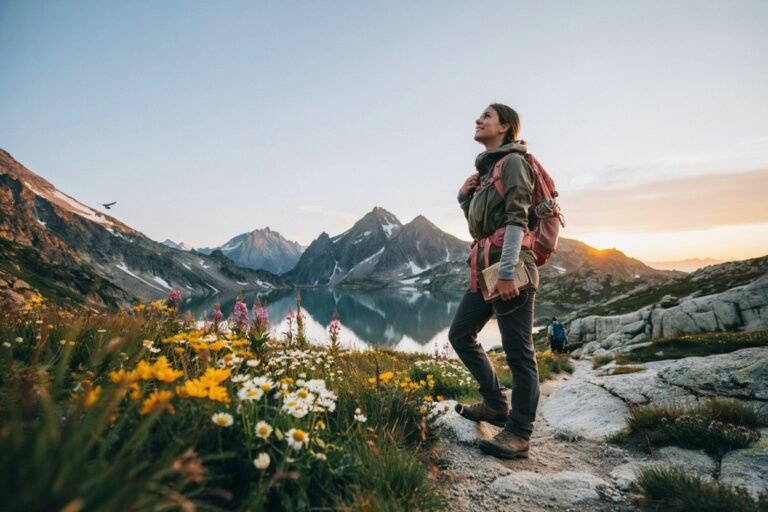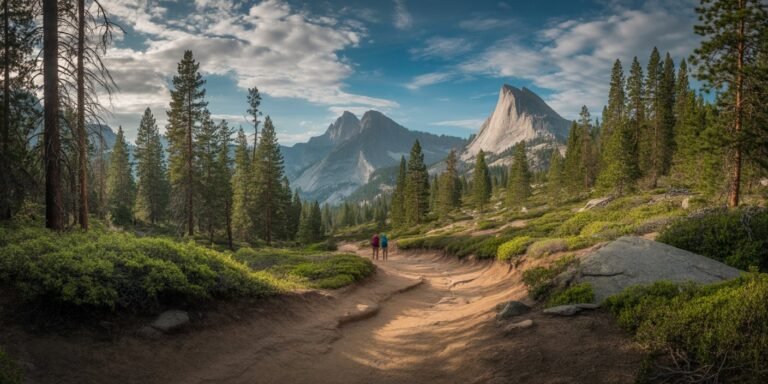

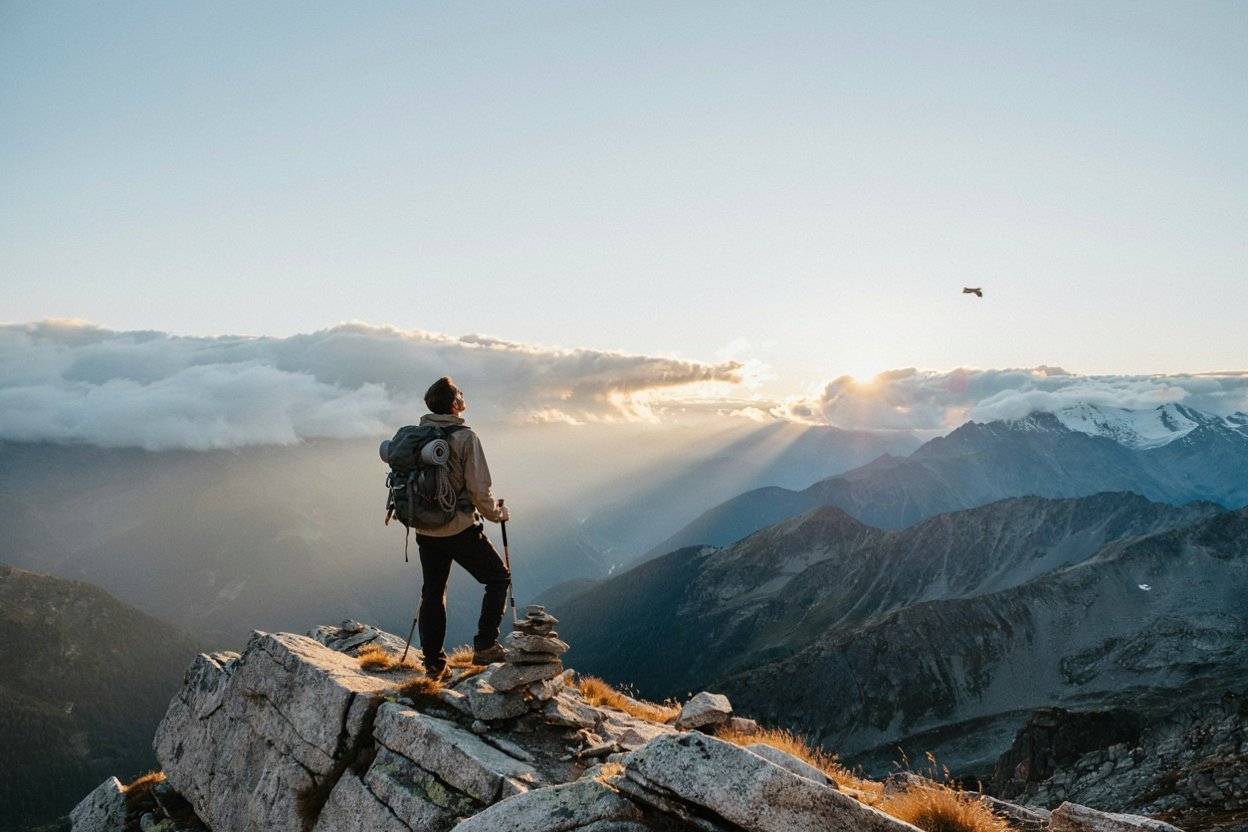
Some places stay with you long after you’ve left them behind.
For me, the best national park hikes are not just about reaching a summit or checking another trail off a list. They are about the quiet moments along the way.
Watching the sun rise over a mountain ridge before most people are awake. Hearing nothing but birds and the sound of a nearby river. Standing at an overlook that makes every mile of climbing feel completely worth it.
I have hiked trails that challenged me more than I expected and others that surprised me with breathtaking views around every corner.
Some days ended with sore legs and dusty boots, but every single one left me with memories I still think about whenever I start planning my next adventure.
What I love most about hiking in America’s national parks is that no two trails ever feel the same. One day you might find yourself walking beside turquoise glacial lakes surrounded by towering peaks.
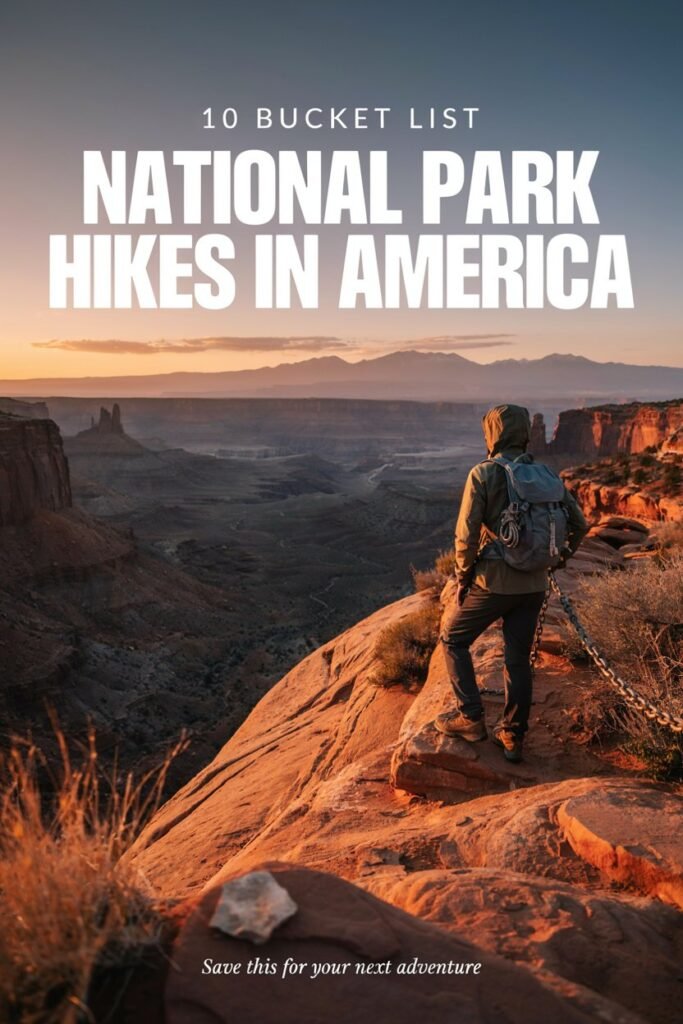
The next, you could be weaving through colorful sandstone cliffs, climbing above the clouds, or standing beneath waterfalls that can be heard long before they come into view.
Over time, I realized that the hikes I remembered most were not always the easiest or the most famous. They were the ones that made me slow down, look around, and truly appreciate the incredible landscapes that make these parks so special.
In this guide, I am sharing ten national park hikes that I believe every outdoor lover should experience at least once.
These are the trails that impressed me the most, challenged me in the best ways, and reminded me why I keep coming back to the mountains, forests, and canyons whenever I get the chance.
Whether you are planning your very first national park vacation or adding new adventures to your hiking bucket list, I hope this guide helps you discover a trail that becomes just as unforgettable for you as these have been for me.
Before You Hit the Trail

One thing I have learned is that even the most beautiful hike can become stressful if you are not prepared.
Weather changes quickly in many national parks, especially in the mountains. A sunny morning can turn into rain or strong winds by the afternoon.
I always check the weather before leaving, start my hikes early, and pack more water than I think I will need.
Comfortable hiking shoes have also made a huge difference for me. Early on, I underestimated how important good footwear was, and my feet reminded me of that decision for days afterward.
Now I never head to a trail without supportive hiking shoes, plenty of water, snacks, sunscreen, and a lightweight jacket.
Another habit I have developed is arriving early. Not only does it make parking much easier, but it also allows me to enjoy the trail before larger crowds arrive.
Some of my favorite hiking moments happened during those quiet early morning hours when the only sounds were birds singing and the wind moving through the trees.
Most importantly, always respect nature. Stay on marked trails, pack out everything you bring, and give wildlife plenty of space.
Protecting these incredible places means future visitors will be able to enjoy them just as much as we do today.
Quick Comparison of These Bucket List Hikes
| Hike | National Park | Difficulty | Best Time to Visit |
|---|---|---|---|
| Angels Landing | Zion | Challenging | Spring and Fall |
| Skyline Trail | Mount Rainier | Moderate | Summer |
| Grinnell Glacier Trail | Glacier | Moderate | Summer |
| Bright Angel Trail | Grand Canyon | Challenging | Spring and Fall |
| Highline Trail | Glacier | Moderate | Summer |
| Navajo Loop Trail | Bryce Canyon | Easy to Moderate | Spring through Fall |
| Emerald Lake Trail | Rocky Mountain | Easy | Summer and Early Fall |
| Delicate Arch Trail | Arches | Moderate | Spring and Fall |
| Cascade Canyon Trail | Grand Teton | Moderate | Summer |
| Harding Icefield Trail | Kenai Fjords | Challenging | Summer |
1. Angels Landing, Zion National Park (Utah)
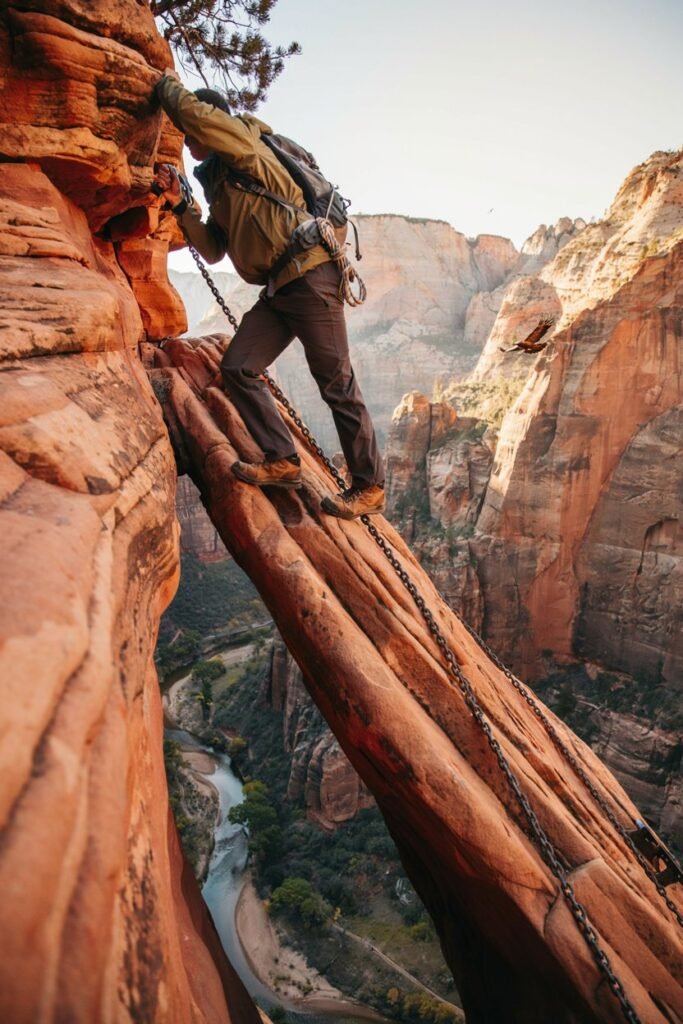
The first time I saw Angels Landing, I understood why it appears on so many bucket lists. The towering red cliffs and incredible views make it one of the most unforgettable hikes in the United States.
The climb is challenging, especially near the top where chains help you navigate the narrow ridgeline, but reaching the summit is an experience I will never forget.
Why This Hike Belongs on Your Bucket List
Angels Landing is famous for its dramatic scenery and thrilling climb. It is one of the most rewarding hikes in Zion National Park and offers some of the best panoramic views in the Southwest.
What to Expect
The trail is about 5.4 miles round trip with roughly 1,500 feet of elevation gain. Most hikers complete it in four to five hours. The final section follows a narrow ridge with chains to help you reach the summit.
Difficulty Level
This is a strenuous hike best suited for hikers who are comfortable with steep climbs and exposed heights.
Best Time to Hike
Spring and fall offer the most comfortable temperatures. If you’re visiting in summer, start early to avoid the midday heat.
What to Bring
- Plenty of water
- Energy snacks
- Hiking shoes with good grip
- Sunscreen and a hat
- A small first aid kit
- A camera for the incredible views
Helpful Tips
A permit is required for the chain section, so reserve yours before visiting. Check the weather, avoid hiking during storms, and take your time on the exposed sections.
Why You’ll Love It
Standing at the top of Angels Landing and looking across Zion Canyon is one of those travel moments that stays with you.
The views are breathtaking, the sense of accomplishment is unforgettable, and it’s the kind of hike that makes all the effort feel completely worthwhile.
2. Half Dome, Yosemite National Park (California)
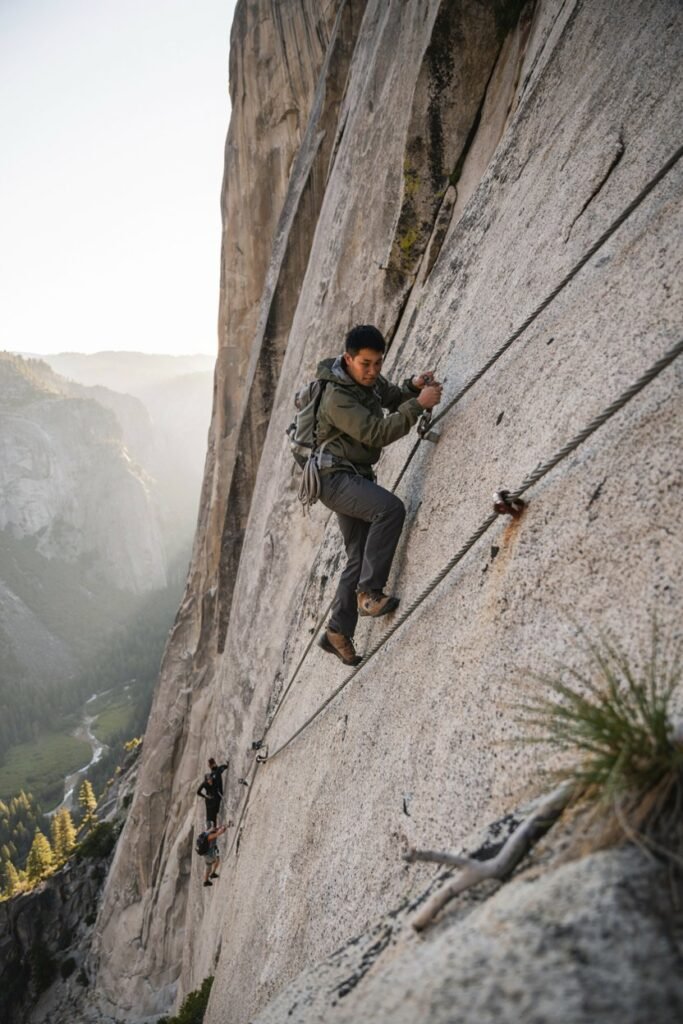
Half Dome is one of those hikes that challenges you from the very beginning, but every mile brings another reason to keep going.
Surrounded by Yosemite’s granite cliffs, waterfalls, and towering pine trees, it is easily one of the most rewarding adventures I’ve experienced in a national park.
The final climb up the famous cable route is the part most people talk about, and while it can be intimidating, reaching the summit and taking in the panoramic views over Yosemite Valley is something you’ll never forget.
Why This Hike Belongs on Your Bucket List
Half Dome is one of the most iconic hikes in the world. Between the breathtaking scenery, the famous cable ascent, and the unforgettable summit views, it’s a once in a lifetime experience for many hikers.
What to Expect
The hike is about 14 to 16 miles round trip, depending on your starting point, with nearly 4,800 feet of elevation gain. Most hikers take 10 to 12 hours to complete the trail. The final section uses steel cables to help you climb the steep granite face.
Difficulty Level
This is an extremely strenuous hike recommended for experienced hikers with good fitness and endurance.
Best Time to Hike
The best time to hike Half Dome is from late May through early October, when the cables are typically in place and weather conditions are more favorable.
What to Bring
- Plenty of water
- High energy snacks and lunch
- Hiking shoes with excellent grip
- Sunscreen and a hat
- Lightweight layers
- A small first aid kit
Helpful Tips
A permit is required to hike the Half Dome cables, so reserve one well in advance.
Start before sunrise to avoid the hottest part of the day, check the weather forecast carefully, and never attempt the cable section if storms are expected.
Why You’ll Love It
Standing on top of Half Dome feels like you’ve earned every view. Looking across Yosemite’s granite peaks, forests, and valleys is an unforgettable experience that makes the long climb completely worthwhile.
3. The Narrows, Zion National Park (Utah)
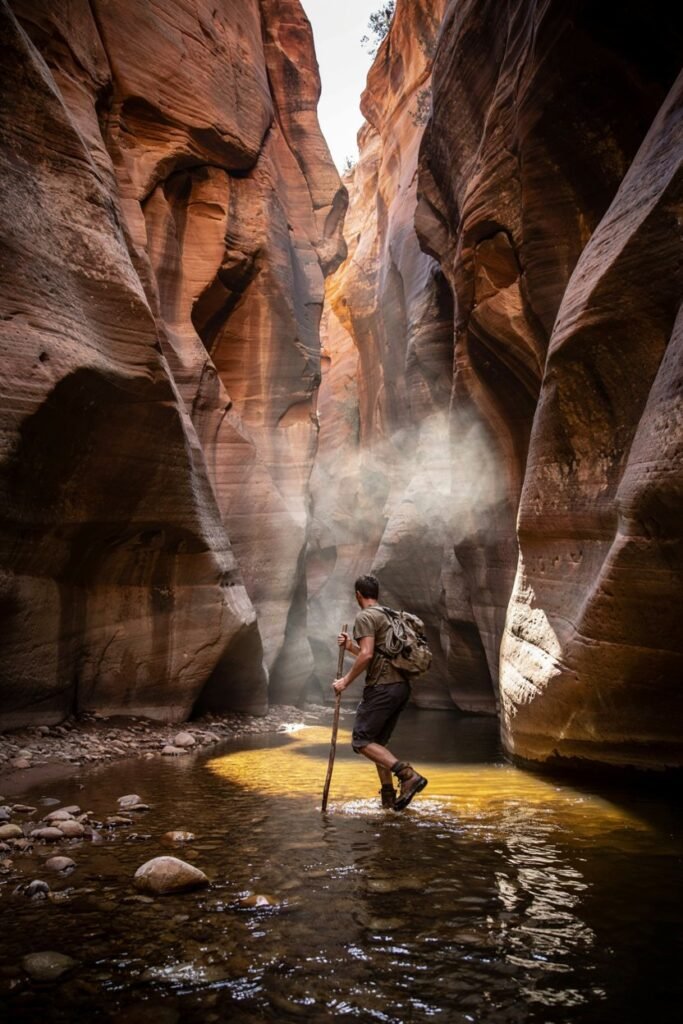
The Narrows is unlike any hike I’ve ever done. Instead of following a traditional trail, you’ll spend much of the journey walking through the Virgin River, surrounded by towering canyon walls that make you feel incredibly small.
It is one of those adventures that feels completely different from the moment you step into the water.
Every turn reveals another stunning section of the canyon, making it easy to understand why The Narrows is one of Zion National Park’s most popular hikes.
Why This Hike Belongs on Your Bucket List
The Narrows offers a hiking experience you simply won’t find in many other places. Walking through the river beneath massive sandstone cliffs creates an unforgettable adventure and some of the most beautiful scenery in the park.
What to Expect
Most visitors hike the Bottom Up route, which allows you to turn around whenever you choose. The full round trip is about 9.4 miles, but many people hike a shorter section before heading back.
Difficulty Level
This is a moderate to strenuous hike. The uneven riverbed, flowing water, and slippery rocks make it more challenging than a typical trail.
Best Time to Hike
Late spring through early fall is usually the best time to visit, but always check current river conditions before starting your hike.
What to Bring
- Water shoes or sturdy hiking shoes
- Neoprene socks if the water is cold
- A walking stick for balance
- Plenty of water and snacks
- Dry bag for your phone and valuables
Helpful Tips
Flash floods are a serious danger in The Narrows. Always check the weather forecast and park alerts before hiking, and never enter the canyon if there is a risk of flooding.
Why You’ll Love It
Walking through the cool river while towering canyon walls rise hundreds of feet above you is an experience you’ll never forget.
The Narrows is one of those hikes that feels more like an adventure than a walk, making it a true bucket list experience.
4. Skyline Trail, Mount Rainier National Park (Washington)
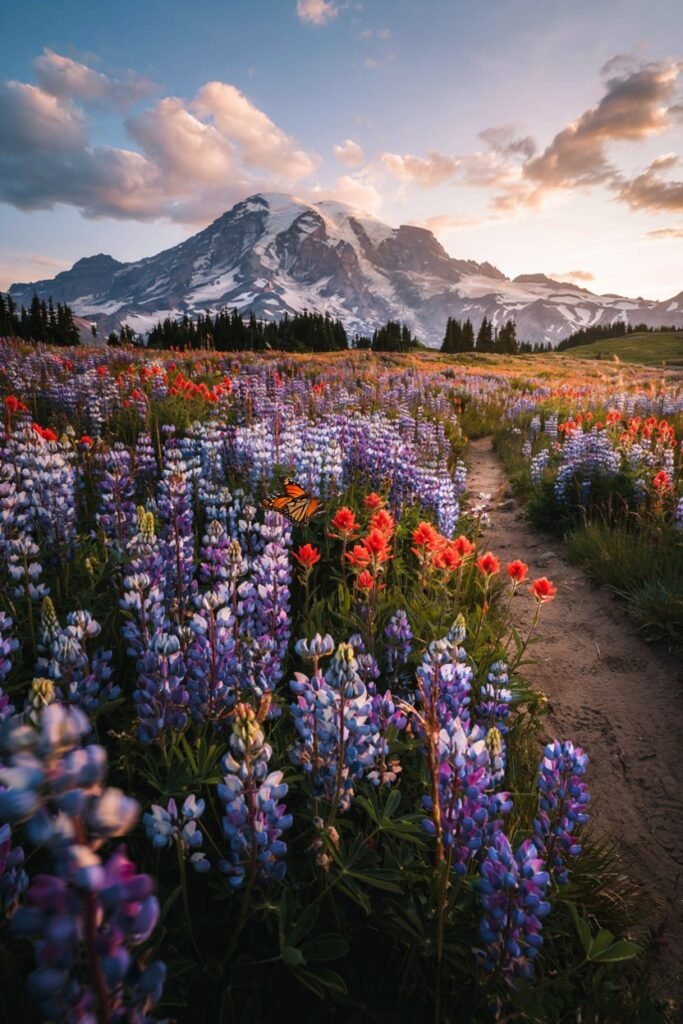
The Skyline Trail is one of those hikes that reminds you just how beautiful the Pacific Northwest can be.
From colorful wildflower meadows to glaciers and panoramic mountain views, every part of the trail feels like a postcard. If you visit on a clear day, Mount Rainier dominates the landscape from almost every angle.
I found myself stopping far more often than expected, not because the hike was difficult, but because the scenery kept getting better around every corner.
Why This Hike Belongs on Your Bucket List
The Skyline Trail offers some of the best views in Mount Rainier National Park. Between the alpine meadows, waterfalls, glaciers, and incredible mountain scenery, it’s one of the park’s most rewarding day hikes.
What to Expect
The full loop is about 5.5 miles with roughly 1,700 feet of elevation gain. Most hikers complete the trail in 3 to 4 hours, depending on how often they stop for photos and viewpoints.
Difficulty Level
This is considered a moderate to strenuous hike with several steep sections, but the trail is well maintained and suitable for most hikers with a reasonable fitness level.
Best Time to Hike
The best time to visit is late July through September, when the wildflowers are in bloom and most of the snow has melted from the trail.
What to Bring
- Plenty of water
- Snacks
- Comfortable hiking shoes
- Layers for changing mountain weather
- Sunscreen and sunglasses
- A camera for the incredible scenery
Helpful Tips
Start early to find parking at Paradise Visitor Center, especially during summer weekends. Check trail conditions before your visit, as snow can remain on higher sections well into summer.
Why You’ll Love It
If you’re looking for one hike that showcases everything Mount Rainier National Park is famous for, this is it. The combination of wildflowers, glaciers, waterfalls, and breathtaking mountain views makes the Skyline Trail an unforgettable adventure.
5. Bright Angel Trail, Grand Canyon National Park (Arizona)
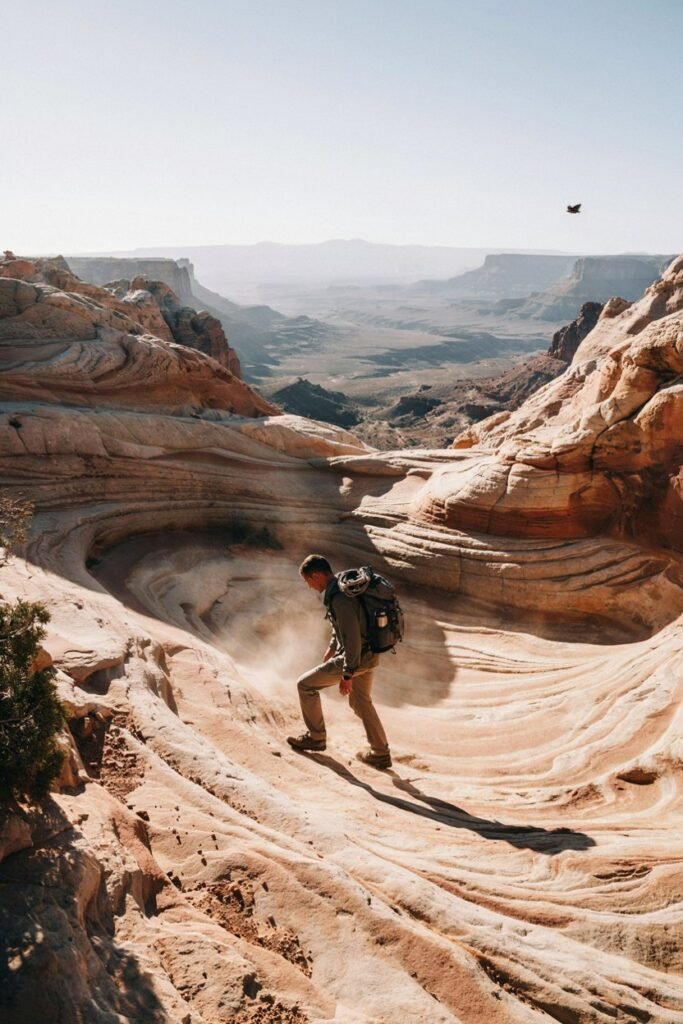
The first time I hiked the Bright Angel Trail, I quickly realized the Grand Canyon looks completely different once you leave the rim behind.
Every step takes you deeper into the canyon, revealing towering rock walls, incredible viewpoints, and landscapes that seem to change with every mile.
It is one of those hikes where the journey is just as rewarding as the destination, and no matter how far you go, the views are unforgettable.
Why This Hike Belongs on Your Bucket List
Bright Angel Trail is one of the most famous hikes in the Grand Canyon. It offers incredible scenery, well maintained trails, and several turnaround points, making it suitable for hikers looking for either a shorter adventure or a full day challenge.
What to Expect
The trail stretches 15.8 miles round trip to the Colorado River with nearly 4,500 feet of elevation change, but many visitors hike only to places like 1.5 Mile Resthouse, 3 Mile Resthouse, or Indian Garden before returning.
Difficulty Level
This is a strenuous hike. Remember that the return trip is much harder because you’ll be climbing back up to the canyon rim.
Best Time to Hike
Spring and fall offer the most comfortable temperatures. If you’re hiking during summer, start before sunrise to avoid the intense desert heat.
What to Bring
- Plenty of water
- Electrolytes and energy snacks
- Sturdy hiking shoes
- Sunscreen and a wide brim hat
- Lightweight layers
- A small first aid kit
Helpful Tips
Never underestimate the climb back to the rim. Pace yourself, drink water regularly, and turn around before you become too tired.
The National Park Service advises against attempting the river and back in a single day for most hikers.
Why You’ll Love It
Bright Angel Trail gives you the chance to experience the Grand Canyon from a completely different perspective.
Walking below the canyon rim and taking in the massive rock formations around you is an experience you’ll remember long after the hike is over.
6. Highline Trail, Glacier National Park (Montana)
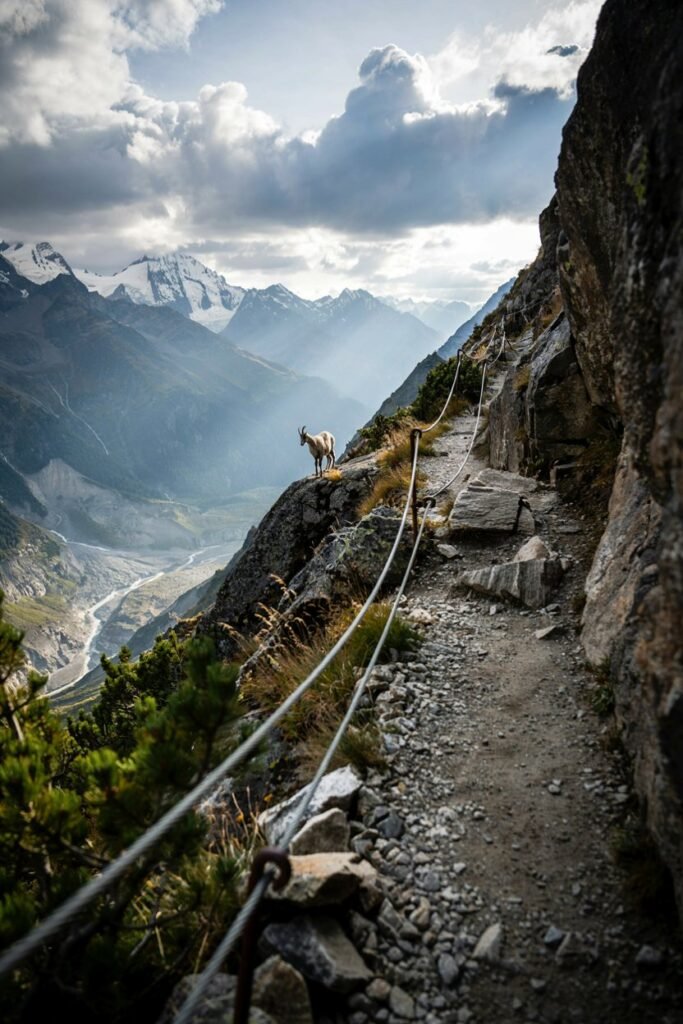
The Highline Trail is one of those hikes where the views begin almost immediately and never seem to stop.
From the moment you step onto the trail, you’re surrounded by rugged mountain peaks, alpine meadows, and sweeping valleys that make Glacier National Park feel even more spectacular.
I found myself stopping constantly to take in the scenery because every turn seemed to reveal another incredible viewpoint.
Why This Hike Belongs on Your Bucket List
The Highline Trail is one of Glacier National Park’s signature hikes. Its dramatic mountain scenery, abundant wildlife, and breathtaking overlooks make it one of the most memorable trails in the country.
What to Expect
The full trail is about 15 miles one way from Logan Pass to The Loop, although many hikers choose to complete shorter sections. The trail follows the mountainside, offering spectacular views for most of the hike.
Difficulty Level
This is a strenuous hike due to its length, but the elevation gain is fairly gradual compared to many other mountain trails.
Best Time to Hike
The best time to visit is late July through September, when the trail is usually free of snow and the wildflowers are in bloom.
What to Bring
- Plenty of water
- Snacks or a packed lunch
- Hiking shoes with good grip
- Bear spray
- Sunscreen and a hat
- A light jacket for changing mountain weather
Helpful Tips
Start early to secure parking at Logan Pass, carry bear spray, and keep a safe distance from wildlife. Weather can change quickly in the mountains, so always check the forecast before setting out.
Why You’ll Love It
If you enjoy big mountain views, peaceful alpine scenery, and unforgettable landscapes, the Highline Trail is hard to beat.
It is one of those hikes that reminds you why Glacier National Park is often called the Crown of the Continent.
7. Delicate Arch Trail, Arches National Park (Utah)
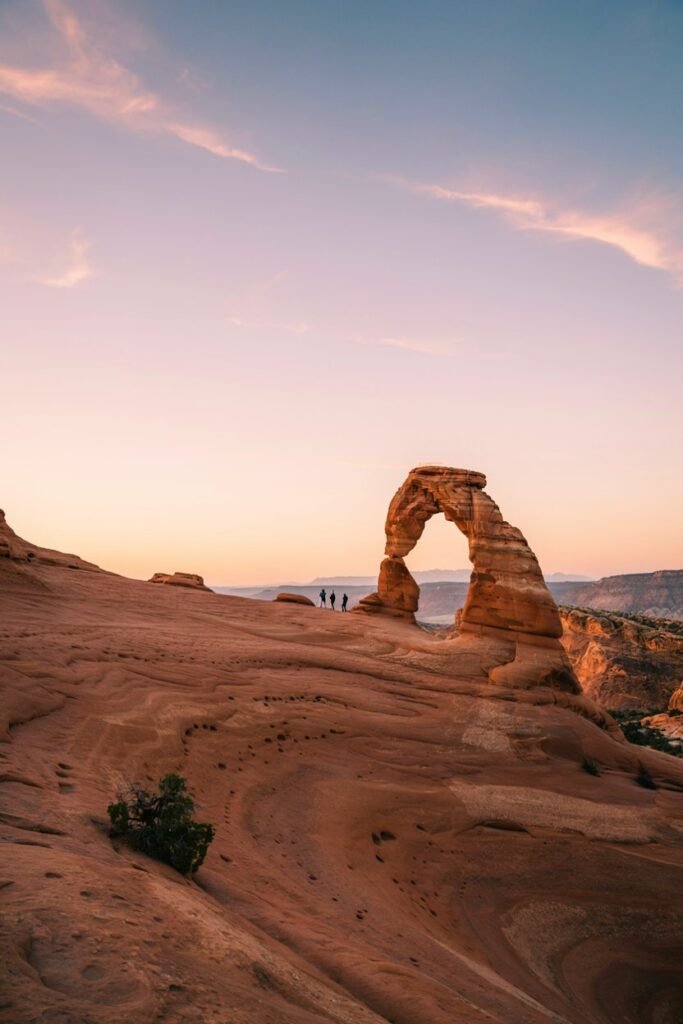
Delicate Arch is one of the most recognizable landmarks in the United States, and seeing it in person is even more impressive than the photos.
The hike takes you across open slickrock with incredible desert scenery before revealing the famous sandstone arch standing on the edge of a natural bowl.
I still remember the first time the arch came into view. After the steady climb, seeing it standing alone against the Utah landscape made the hike feel completely worthwhile.
Why This Hike Belongs on Your Bucket List
Delicate Arch is the signature landmark of Arches National Park and one of the most photographed natural arches in the world.
The hike offers stunning desert views and the chance to see one of America’s most iconic rock formations up close.
What to Expect
The trail is about 3.2 miles round trip with roughly 480 feet of elevation gain. Most hikers complete it in 2 to 3 hours, depending on how long they spend enjoying the views at the arch.
Difficulty Level
This is considered a moderate hike. The trail includes exposed slickrock and very little shade, so it can feel more challenging during hot weather.
Best Time to Hike
Spring and fall offer the most pleasant temperatures. If you’re visiting in summer, start early in the morning or hike later in the evening to avoid the intense desert heat.
What to Bring
- Plenty of water
- Comfortable hiking shoes
- Sunscreen and a hat
- Sunglasses
- Light snacks
- A camera for the incredible views
Helpful Tips
There is very little shade along the trail, so staying hydrated is essential. Check the weather before you go, wear plenty of sun protection, and consider visiting around sunset when the arch glows with beautiful orange and red colors.
Why You’ll Love It
Standing beneath Delicate Arch and seeing one of America’s most famous natural landmarks up close is an unforgettable experience.
Between the dramatic desert scenery and the incredible photo opportunities, it’s a hike that deserves a spot on every national park bucket list.
8. Cadillac Mountain South Ridge Trail, Acadia National Park (Maine)
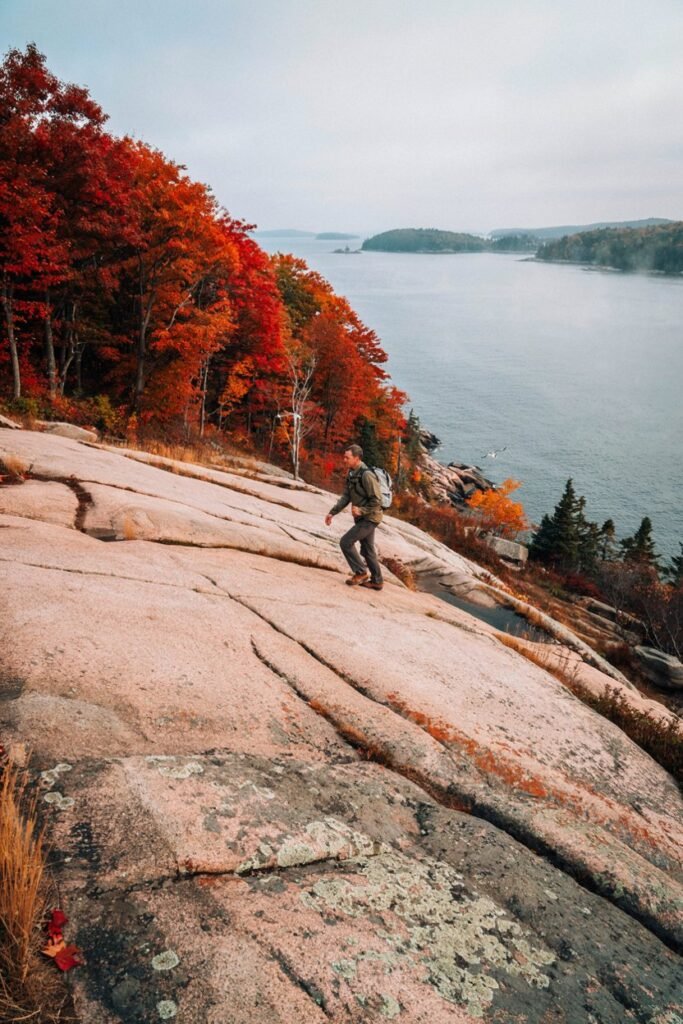
The Cadillac Mountain South Ridge Trail offers a completely different hiking experience from many of the rugged mountain trails out West.
Instead of towering cliffs and desert landscapes, you’ll hike through peaceful forests, across exposed granite ridges, and enjoy sweeping views of the Atlantic coastline. It is one of the most scenic hikes in Acadia National Park.
One of my favorite moments was reaching the higher sections of the trail and seeing the ocean stretching far into the distance. The combination of mountains, forests, and coastline makes this hike feel truly unique.
Why This Hike Belongs on Your Bucket List
Cadillac Mountain is famous for its incredible summit views and stunning sunrises. The South Ridge Trail offers a quieter and more rewarding way to reach the top while showcasing some of Acadia’s most beautiful scenery.
What to Expect
The trail is about 7.1 miles round trip with roughly 1,350 feet of elevation gain. Most hikers complete it in 4 to 6 hours, depending on pace and time spent enjoying the views.
Difficulty Level
This is considered a moderate hike with steady climbing, rocky sections, and exposed granite near the summit.
Best Time to Hike
The best time to visit is late spring through early fall, when the weather is pleasant and the trail conditions are at their best.
What to Bring
- Plenty of water
- Hiking shoes with good grip
- Light snacks
- Sunscreen and sunglasses
- A lightweight jacket
- A camera for the coastal views
Helpful Tips
Start early if you want to avoid crowds, especially during the busy summer months. Check the weather before heading out, as fog can sometimes reduce visibility near the summit.
Why You’ll Love It
This hike combines everything that makes Acadia National Park special. From peaceful forests and granite ridges to breathtaking views of the Atlantic Ocean, the South Ridge Trail offers a memorable adventure that feels completely different from any other hike on this list.
9. Teton Crest Trail, Grand Teton National Park (Wyoming)
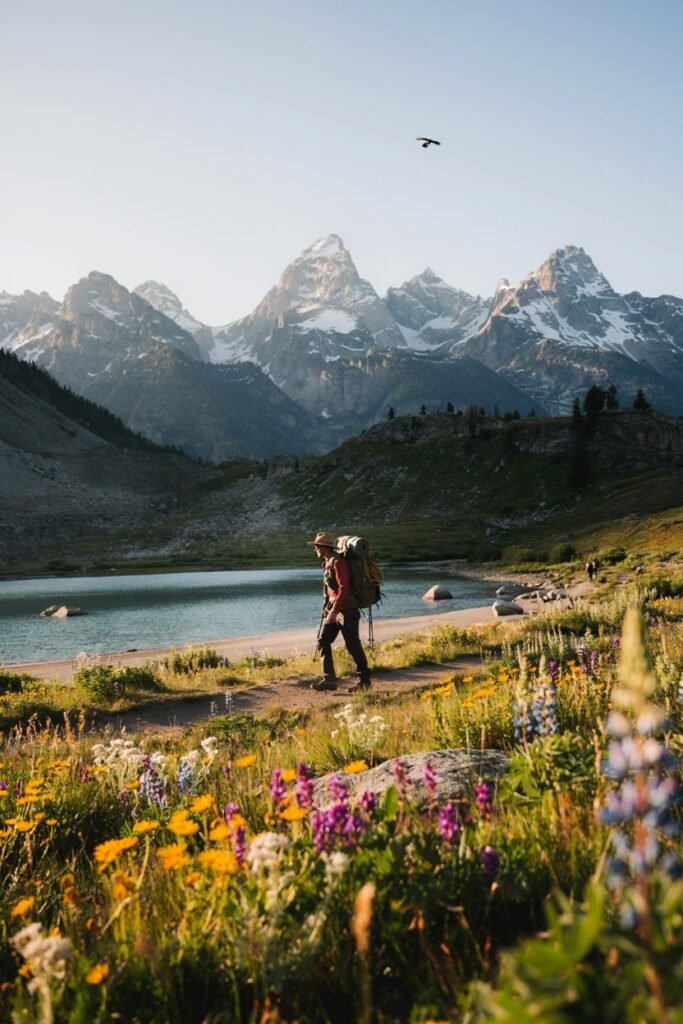
The Teton Crest Trail is one of those hikes that makes you appreciate just how wild and beautiful the American West really is.
Surrounded by jagged mountain peaks, alpine lakes, and colorful wildflower meadows, every section of the trail feels like a postcard.
Even if you only hike part of the route, the scenery is unforgettable and offers some of the best views in Grand Teton National Park.
Why This Hike Belongs on Your Bucket List
The Teton Crest Trail is considered one of the premier backpacking routes in the United States.
It showcases the park’s dramatic mountain landscapes, peaceful alpine scenery, and incredible wildlife viewing opportunities.
What to Expect
The full trail is about 40 miles one way, usually completed over 3 to 5 days. While many hikers backpack the entire route, shorter day hikes along sections of the trail are also popular.
Difficulty Level
This is a strenuous hike with significant elevation changes, making it best suited for experienced hikers and backpackers.
Best Time to Hike
The best time to visit is late July through early September, when most of the snow has melted and the high mountain passes are accessible.
What to Bring
- Plenty of water or a water filter
- High energy snacks and meals
- Hiking boots with good support
- Layers for changing mountain weather
- Bear spray
- A map or GPS device
Helpful Tips
Backcountry permits are required for overnight trips, so reserve them well in advance. Always carry bear spray, store food properly, and check trail conditions before starting your hike.
Why You’ll Love It
The Teton Crest Trail offers some of the most breathtaking mountain scenery in the country.
Whether you tackle the entire route or explore a shorter section, the towering peaks, alpine meadows, and unforgettable views make it a true bucket list adventure.
10. Mist Trail to Vernal and Nevada Falls, Yosemite National Park (California)
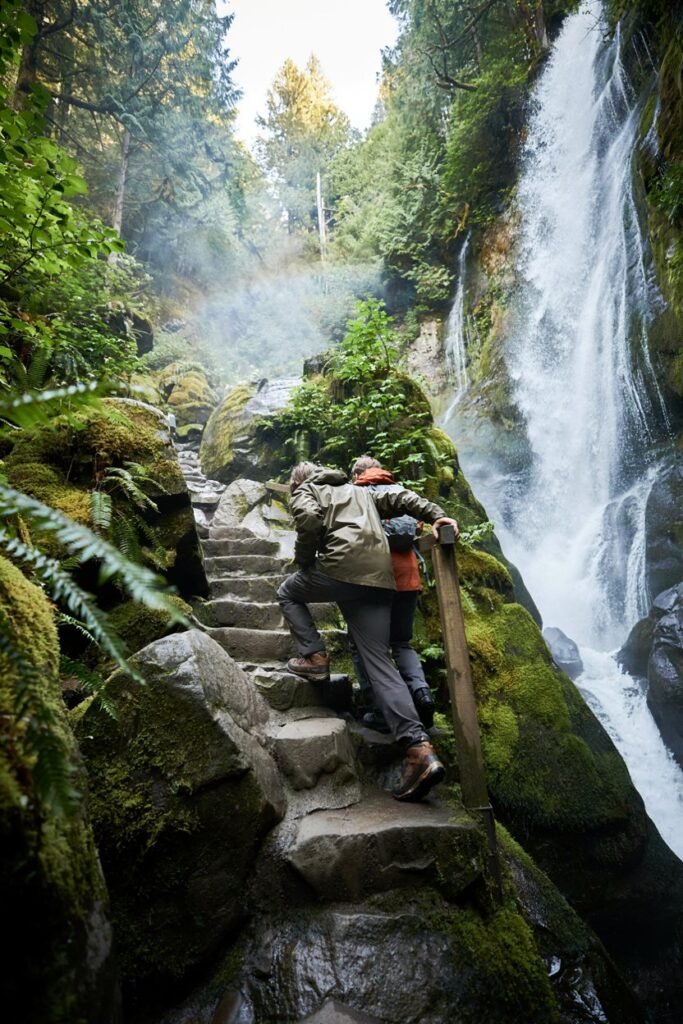
The Mist Trail is one of those hikes that makes Yosemite unforgettable. From the moment you hear the roar of Vernal Fall, you know you’re in for something special.
Climbing the granite steps beside the waterfalls is both challenging and rewarding, and the scenery only gets better as you continue toward Nevada Fall.
I still remember feeling the cool mist from the waterfalls on a warm day. It was one of those hiking moments that made every step feel worthwhile.
Why This Hike Belongs on Your Bucket List
The Mist Trail is one of Yosemite’s most iconic hikes, combining spectacular waterfalls, dramatic granite cliffs, and unforgettable views into one incredible adventure.
What to Expect
The round trip to Vernal Fall is about 3 miles, while continuing to Nevada Fall makes the hike roughly 6 to 7 miles round trip with around 2,000 feet of elevation gain.
Difficulty Level
This is a strenuous hike with steep granite steps that can become slippery from the waterfall mist, especially during spring and early summer.
Best Time to Hike
Spring and early summer offer the most impressive waterfall views, while fall provides cooler temperatures and fewer crowds.
What to Bring
- Plenty of water
- Energy snacks
- Hiking shoes with good traction
- Sunscreen and a hat
- A light rain jacket if visiting during peak waterfall season
- A camera for the incredible scenery
Helpful Tips
Start early to avoid crowds and midday heat. Stay on the designated trail, use extra caution on wet steps, and take your time while climbing near the waterfalls.
Why You’ll Love It
The combination of towering waterfalls, breathtaking views, and the excitement of climbing beside rushing water makes the Mist Trail one of the most memorable hikes in Yosemite National Park.
It is the perfect way to experience some of the park’s most famous natural wonders up close.
Planning Tips for Tackling These Trails
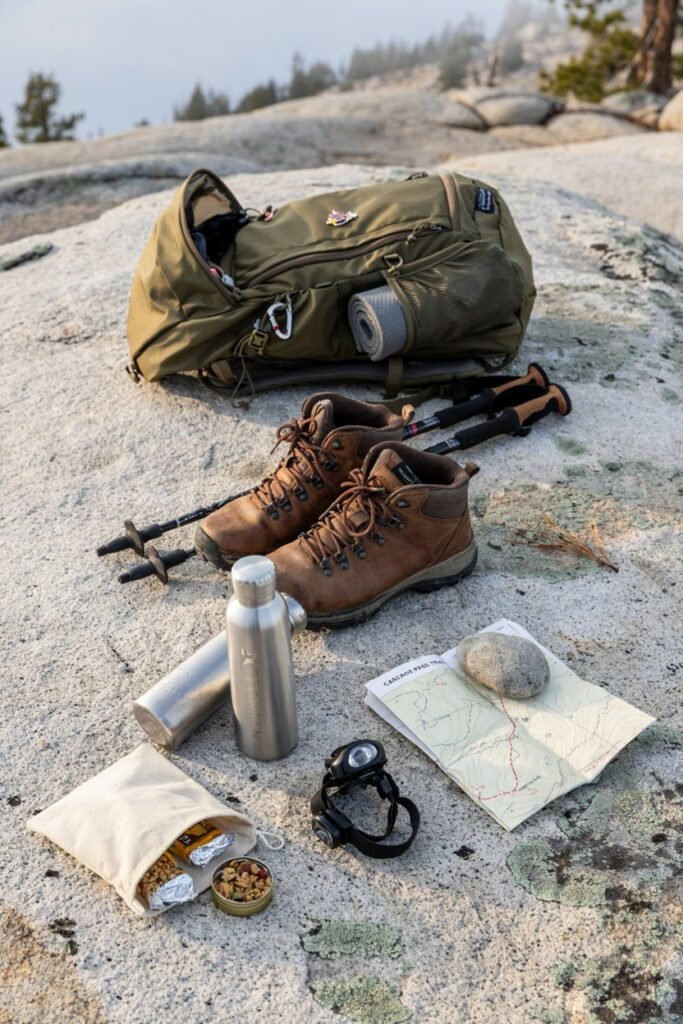
A little preparation can make the difference between an enjoyable hike and a difficult day on the trail.
Before heading out, spend a few minutes researching the hike, checking the weather, and making sure you have everything you need.
I always try to start early in the morning whenever possible. The trails are usually quieter, temperatures are cooler, and you’ll have plenty of time to enjoy the views without feeling rushed.
Here are a few tips I never skip before a big hike:
- Check the latest trail conditions and weather forecast.
- Find out if permits or reservations are required.
- Carry plenty of water and high energy snacks.
- Wear hiking shoes or boots with good grip.
- Pack layers since mountain weather can change quickly.
- Download offline maps in case you lose cell service.
- Let someone know where you’re hiking and when you expect to return.
- Stay on marked trails and respect wildlife by keeping a safe distance.
Most importantly, hike at your own pace. Some of the best moments happen when you slow down, take in the scenery, and enjoy the journey instead of focusing only on reaching the summit.
Frequently Asked Questions
What is the most difficult hike on this list?
Half Dome and the Teton Crest Trail are generally considered the most challenging because of their length, elevation gain, and physical demands.
Angels Landing is also difficult due to its steep climb and exposed sections near the summit.
Which hike is best for beginners?
The Delicate Arch Trail is one of the most beginner friendly hikes on this list. While it includes some uphill walking, it is much shorter than many of the other trails and rewards hikers with one of the most famous landmarks in the United States.
Do I need permits for these hikes?
Some trails require permits. Angels Landing uses a permit system for the chain section, and Half Dome requires a permit for the cable route.
Always check the National Park Service website before your trip, as permit requirements can change.
What is the best time of year to hike these trails?
Late spring through early fall is generally the best time for most of these hikes. During this period, trails are usually snow free, the weather is more predictable, and park facilities are fully open. Always check current trail conditions before visiting.
Final Thoughts
The best hikes are about more than reaching the summit. They are about the memories you make along the way, the incredible landscapes you discover, and the sense of accomplishment that stays with you long after you’ve returned home.
Whether you choose the thrilling climb to Angels Landing, the unforgettable waterfalls of Yosemite’s Mist Trail, or the breathtaking mountain views along the Skyline Trail, each of these hikes offers an experience you’ll remember for years.
Before setting out, take time to plan ahead, check trail conditions, pack the right gear, and hike at a pace that feels comfortable for you.
A little preparation goes a long way toward making your adventure safer and more enjoyable.
I hope this guide inspires you to lace up your hiking boots and explore some of America’s most incredible trails.
No matter which one you choose first, you’re sure to come home with amazing photos, unforgettable memories, and maybe even a new favorite national park.