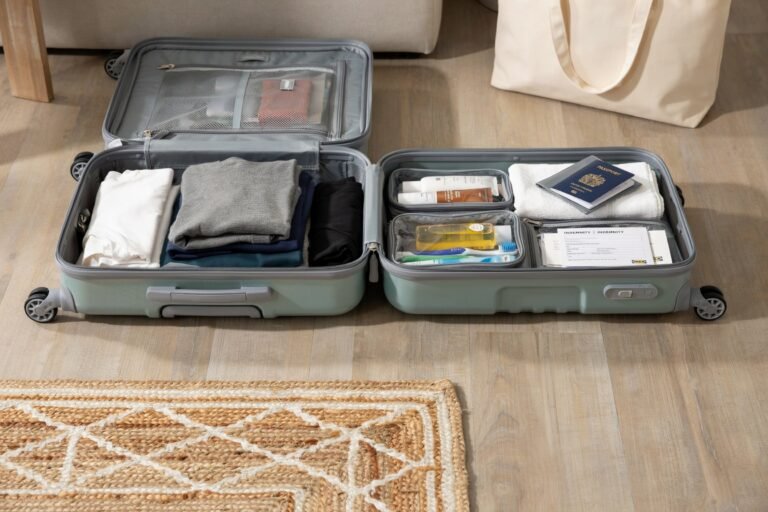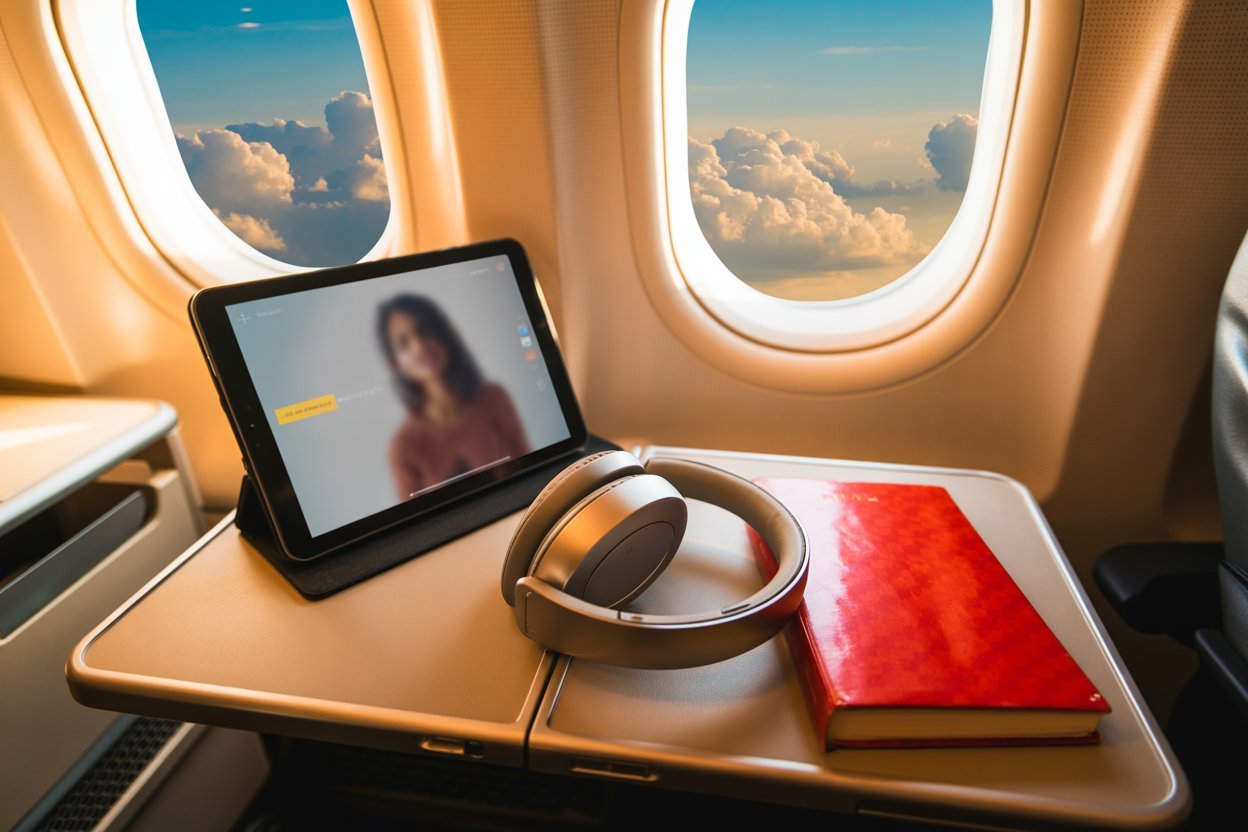
Packing a carry-on properly can completely change how smooth your trip feels.
Whether it is a short flight or a long international journey, the items you keep in your carry-on determine how comfortable, prepared, and stress-free your travel experience will be.
I’ve learned over time that the goal is not just to “pack light,” but to pack smart.
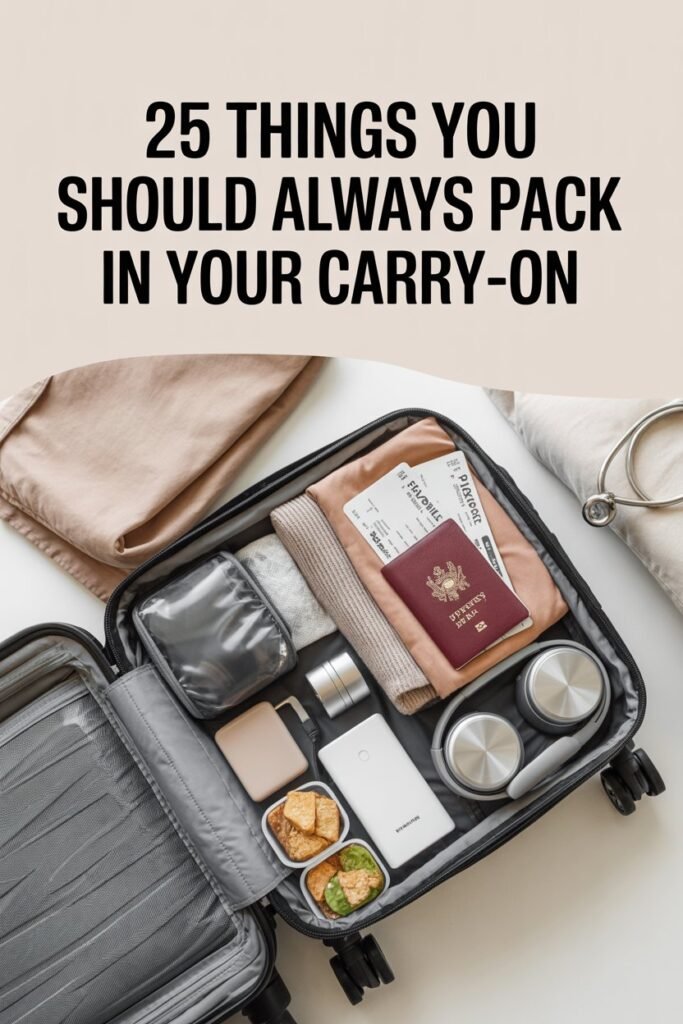
Your carry-on should hold everything you need to survive delays, stay comfortable in transit, and avoid unnecessary stress if your checked luggage gets delayed.
This guide breaks down 25 essential items you should always have in your carry-on, no matter where you are traveling.
Disclaimer: This post may contain affiliate links, which means I may earn a small commission at no extra cost to you. Packing needs vary based on destination, trip length, and airline policies, so always check travel requirements before your trip.

Amazon Shopping List: 25 Things You Should Always Pack in Your Carry-On
- Lightweight Carry-On Suitcase
- Packing Cubes Travel Organizer Set
- Travel Neck Pillow & Eye Mask Set
- TSA Approved Toiletry Bottles Set
- Foldable Travel Backpack or Daypack
- Portable Luggage Scale
- Anti-Theft Crossbody Travel Bag
Why Your Carry-On Matters More Than You Think
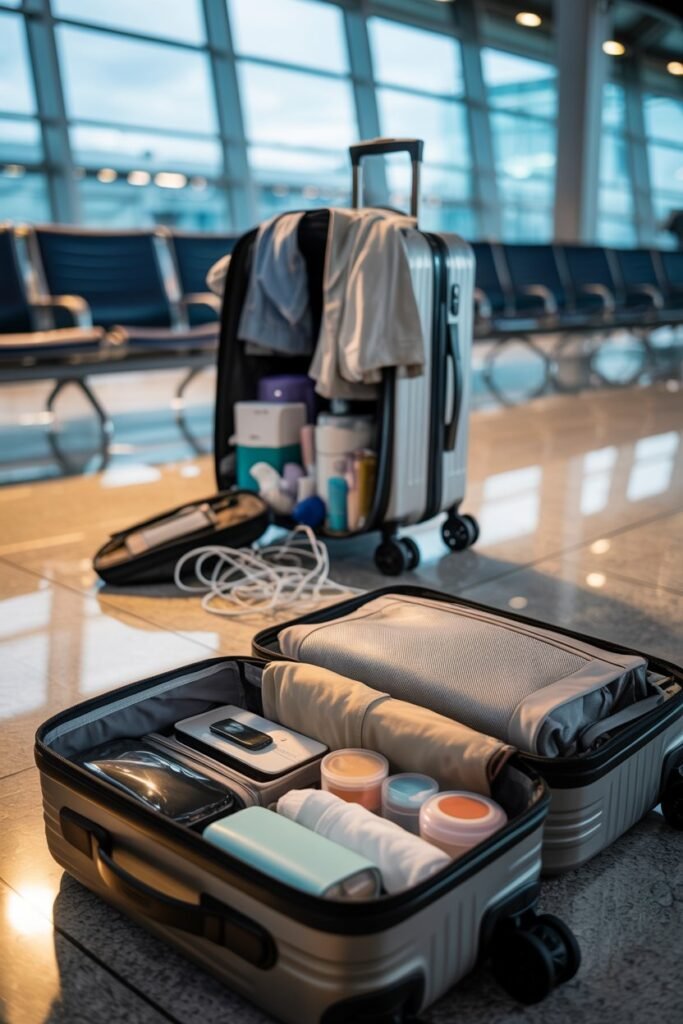
Your carry-on is your survival kit for travel days. Flights get delayed, luggage gets misplaced, weather changes plans, and sometimes you arrive tired and just need immediate access to essentials.
A well-prepared carry-on gives you:
- Comfort during long flights or layovers
- Security in case checked luggage is delayed
- Easy access to important documents and valuables
- A smoother, more organized travel experience
Once you get this right, traveling becomes noticeably easier.
You will also love: 11 Long-Flight Essentials You’ll Regret Not Packing
25 Things You Should Always Pack in Your Carry-On
Packing your carry-on the right way can make travel much smoother and less stressful.
From essential documents to comfort items and emergency basics, the things you keep with you onboard can save you time, money, and unnecessary hassle during your trip.
This checklist covers 25 must-have items every traveler should always pack before boarding.
1. Passport and Essential Travel Documents

Your passport is the single most important item in your carry-on, and it should always be the first thing you secure before leaving home.
Alongside it, keep your visa (if required), boarding pass, hotel confirmations, and any entry documents neatly organized in one easy-to-access folder or pouch.
At the airport, you will often need to present these multiple times, so keeping them together saves time and prevents unnecessary stress.
A simple travel document holder makes a big difference here.
You will like reading this post: 11 Things You Should Always Pack in Your Carry-On.

2. Wallet with Everyday Essentials
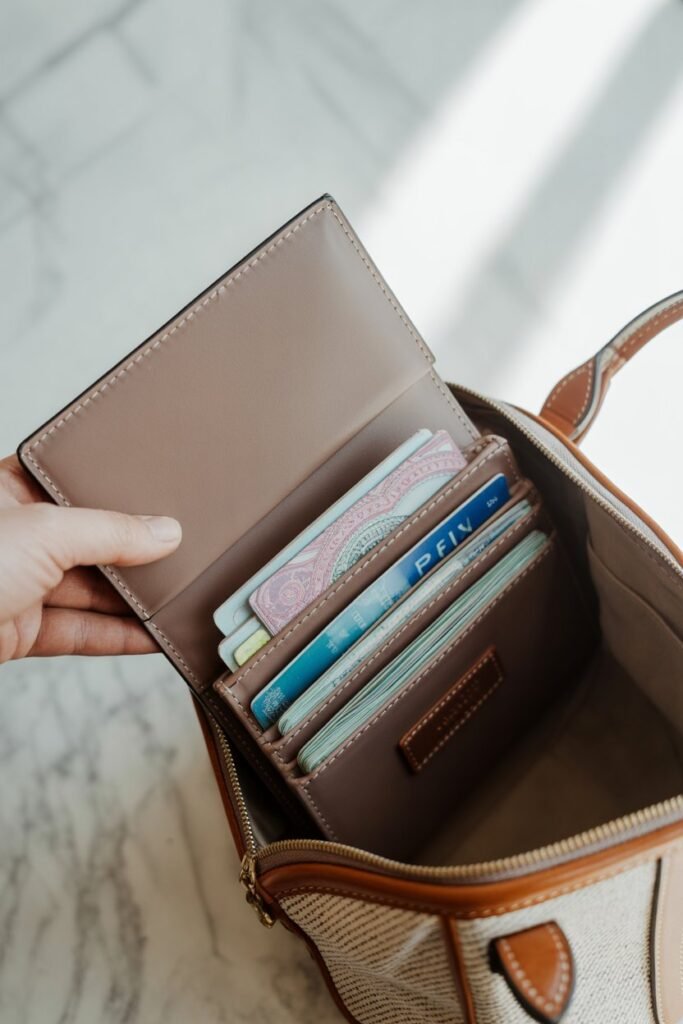
Your wallet should contain only what you truly need for the trip.
This includes your ID, debit or credit cards, and a small amount of local currency for immediate expenses like transport or snacks.
Avoid overloading it with unnecessary cards or receipts. The goal is to keep it light, secure, and easy to access when needed. A slim wallet works best for travel days.
3. Phone and Charging Essentials
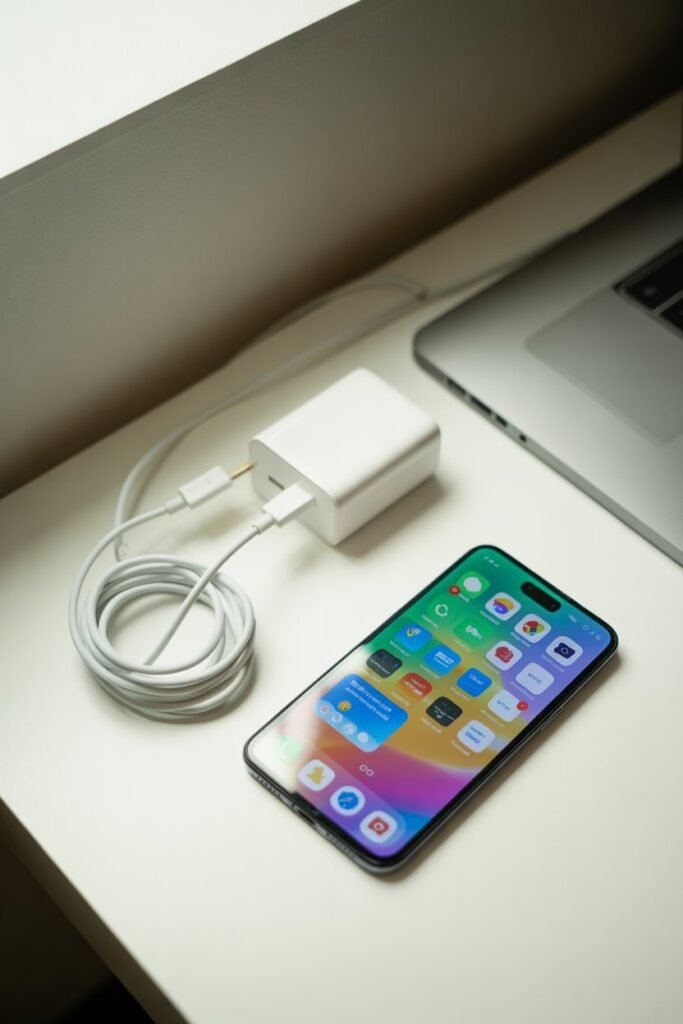
Your phone is your navigation tool, communication device, and travel assistant all in one.
From boarding passes to hotel bookings, everything is usually stored on it.
Before leaving, ensure your phone is fully charged and functioning properly.
It’s also smart to enable offline access for maps and important documents in case of poor network during travel.
Read more: The Ultimate Summer Vacation Packing List for Couples (Everything You Actually Need)
4. Power Bank (Portable Charger)
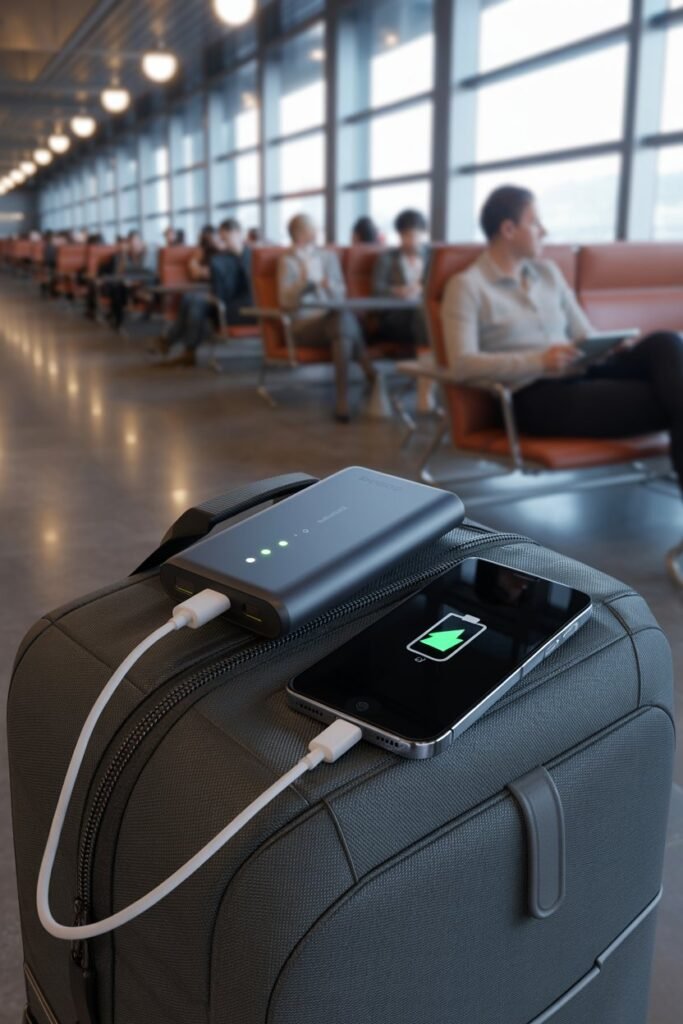
A power bank is one of the most valuable items you can carry in your hand luggage.
Long flights, layovers, and airport delays can drain your battery quickly, and charging points are not always available or convenient.
A fully charged power bank ensures you can stay connected, access your travel apps, and keep your phone running throughout the journey without worry.

5. Charging Cable and Travel Adapter
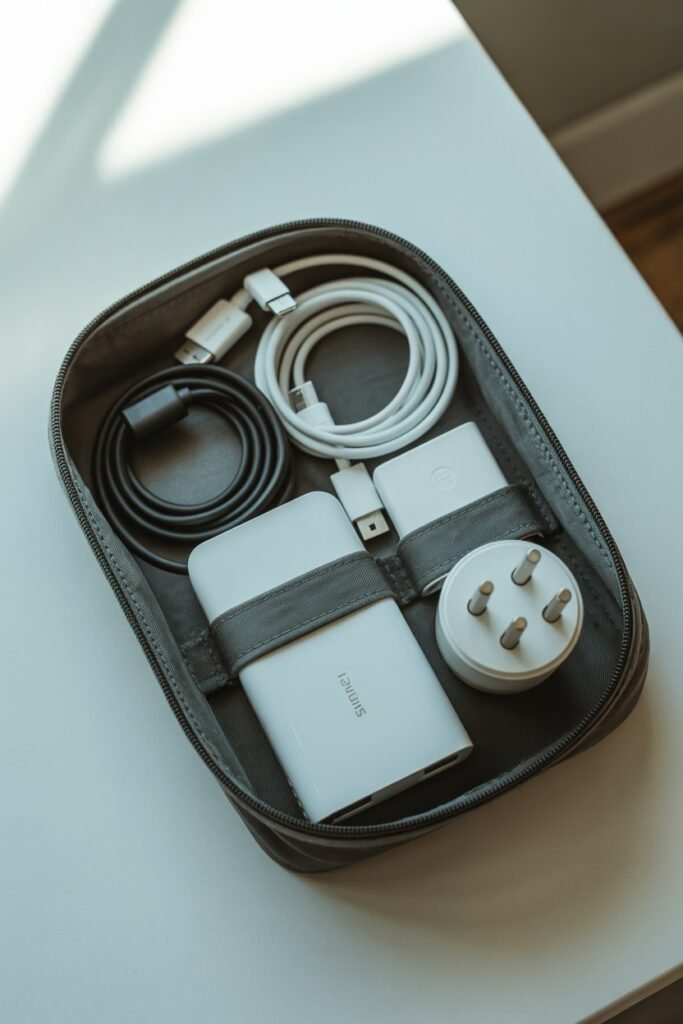
Even with a power bank, you still need your charging cable. Always pack it in your carry-on, never in checked luggage, so it stays accessible at all times.
If you are traveling internationally, a universal travel adapter is equally important.
Different countries use different plug types, and having the right adapter ensures you can charge your devices anywhere without stress.
6. Noise-Canceling Headphones or Earbuds
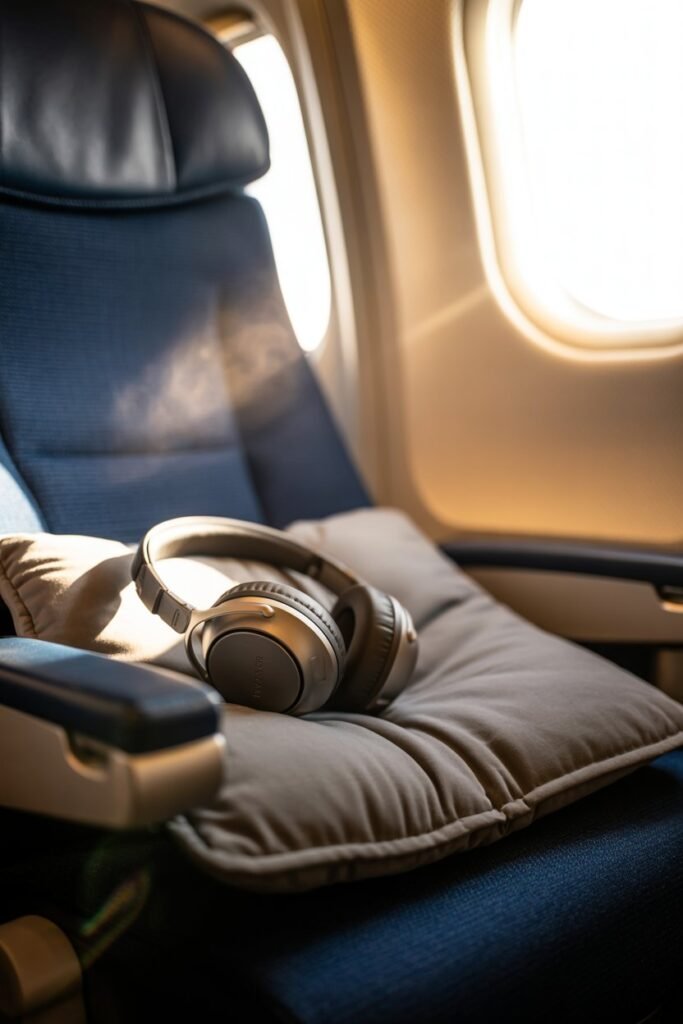
Good headphones can completely change your travel experience, especially on long flights or noisy airports.
Noise-canceling headphones help block out engine sounds, chatter, and general airport noise so you can relax, sleep, or focus on entertainment.
If you prefer something lighter, compact earbuds also work well. The key is having something that helps you create your own quiet space during travel.
Discover more: 11 Things You Should Avoid Packing for Any Travel Destination
7. Basic Medication Kit
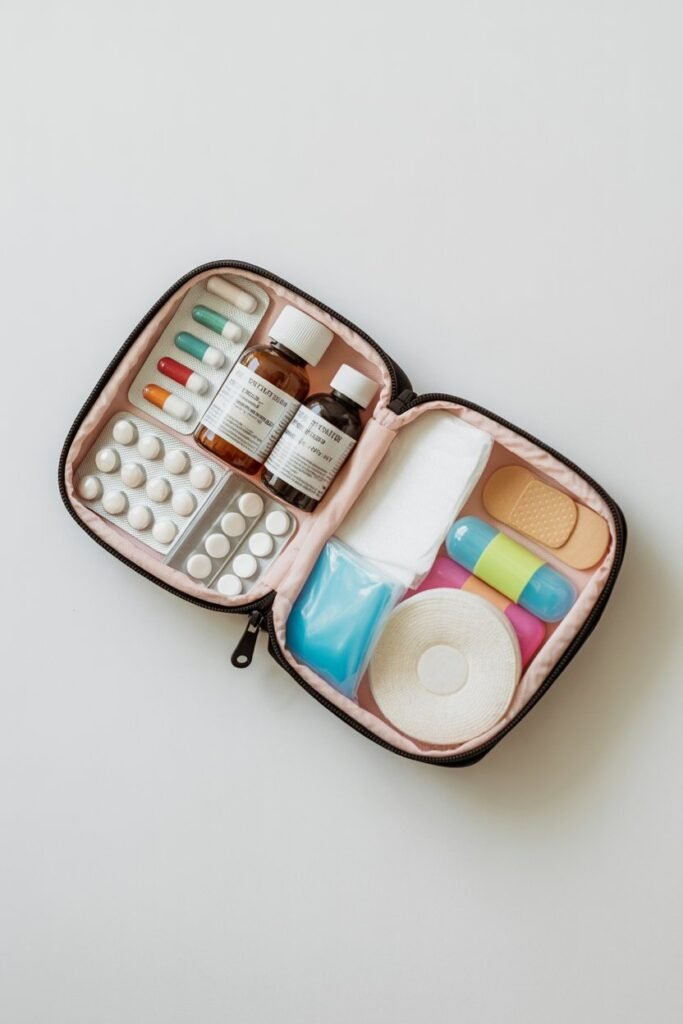
A small medication kit is something many travelers forget until they actually need it.
It should include basic pain relievers, motion sickness tablets, allergy medicine, and any personal medication you regularly use.
Keeping these in your carry-on ensures you are prepared for headaches, stomach discomfort, or unexpected health issues during transit, without needing to search for a pharmacy at the airport.
8. Hand Sanitizer
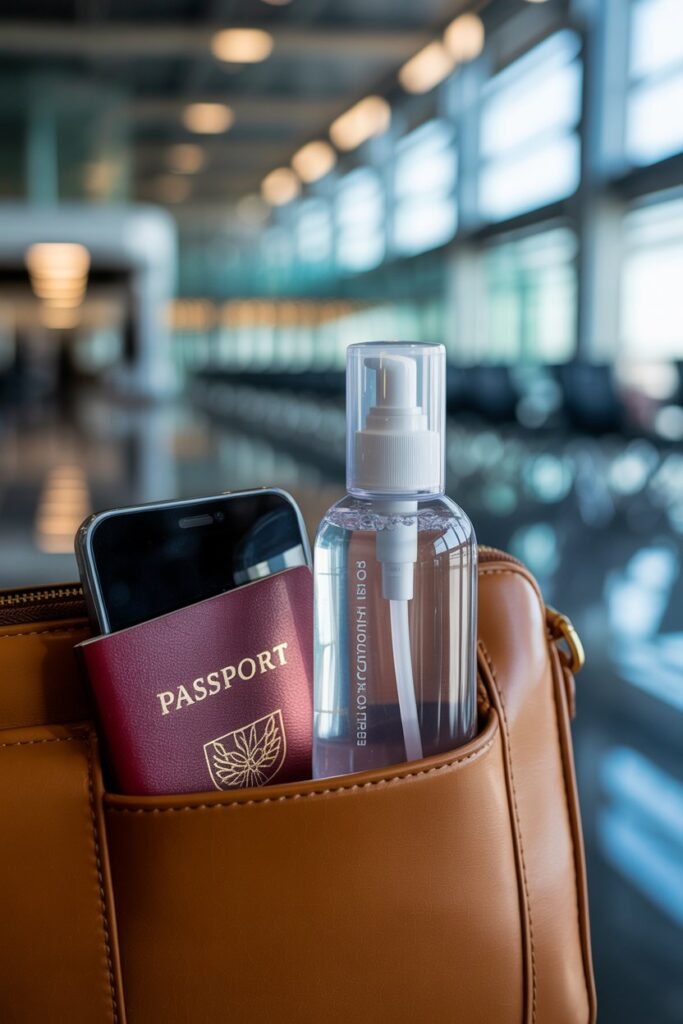
Airports, airplanes, and public transport involve constant contact with shared surfaces.
A small bottle of hand sanitizer helps you maintain hygiene when soap and water are not immediately available.
It is especially useful right before eating, after using airport facilities, or after handling luggage.
A travel-sized bottle is enough and easy to keep in your pocket or side pouch.
Explore more: 11 Summer Vacation Packing Essentials You’ll Regret Not Packing (Fully Detailed Guide)
9. Face Masks (Optional but Useful)
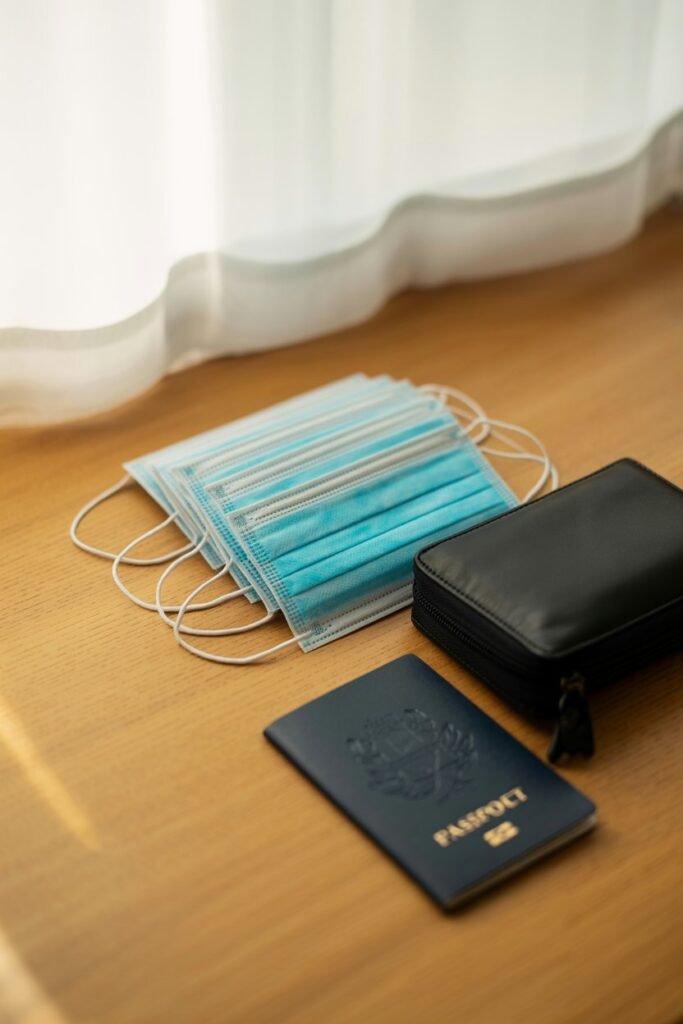
Even when not required, face masks can still be helpful during travel.
Airports are crowded, and airplanes are enclosed spaces, so masks can offer an extra layer of comfort and protection.
They are also useful if you are sensitive to dust, air conditioning, or strong smells during long journeys.
10. Lip Balm and Moisturizer
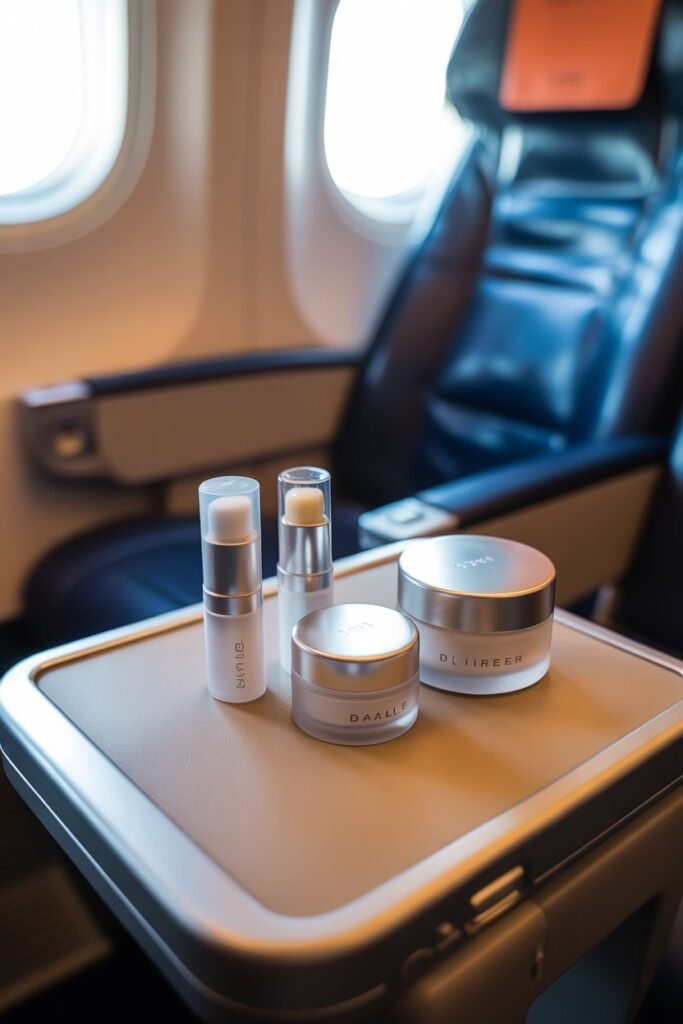
Airplane cabins are known for being extremely dry, which can quickly affect your skin and lips.
A simple lip balm helps prevent cracking, while a small moisturizer keeps your skin from feeling tight or uncomfortable.
These are small items, but they make a noticeable difference during long flights, especially if you are traveling overnight or on international routes.
11. Travel Pillow
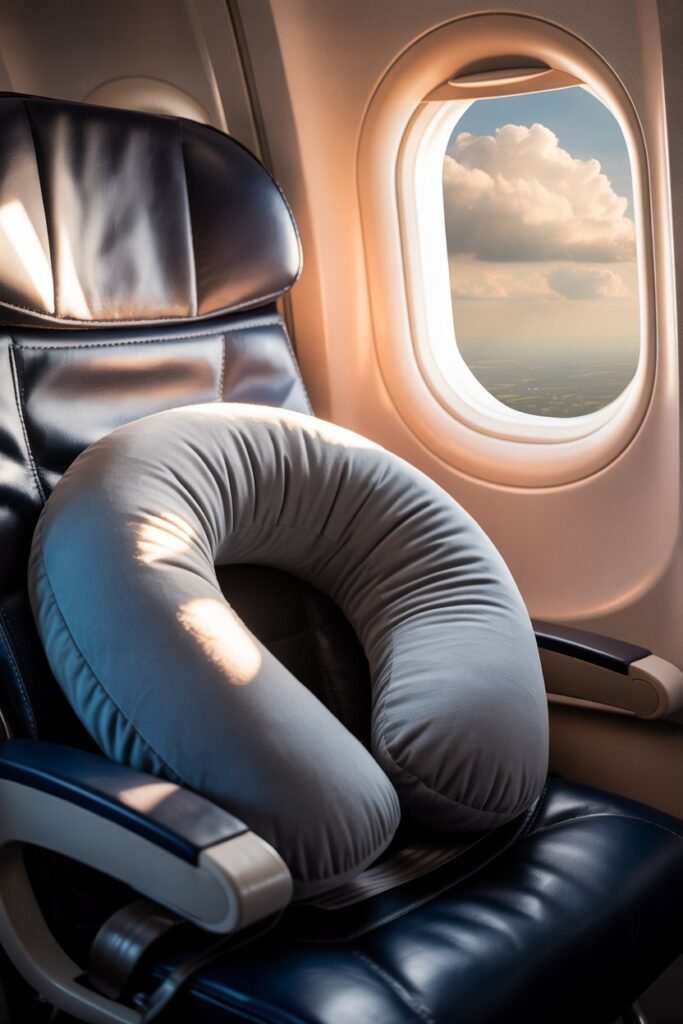
A travel pillow is one of those small comforts that makes a big difference, especially on long flights or overnight journeys.
It helps support your neck and prevents stiffness when you try to sleep in an upright position.
A good U-shaped neck pillow can help you rest better and arrive at your destination feeling less tired and sore.
12. Eye Mask
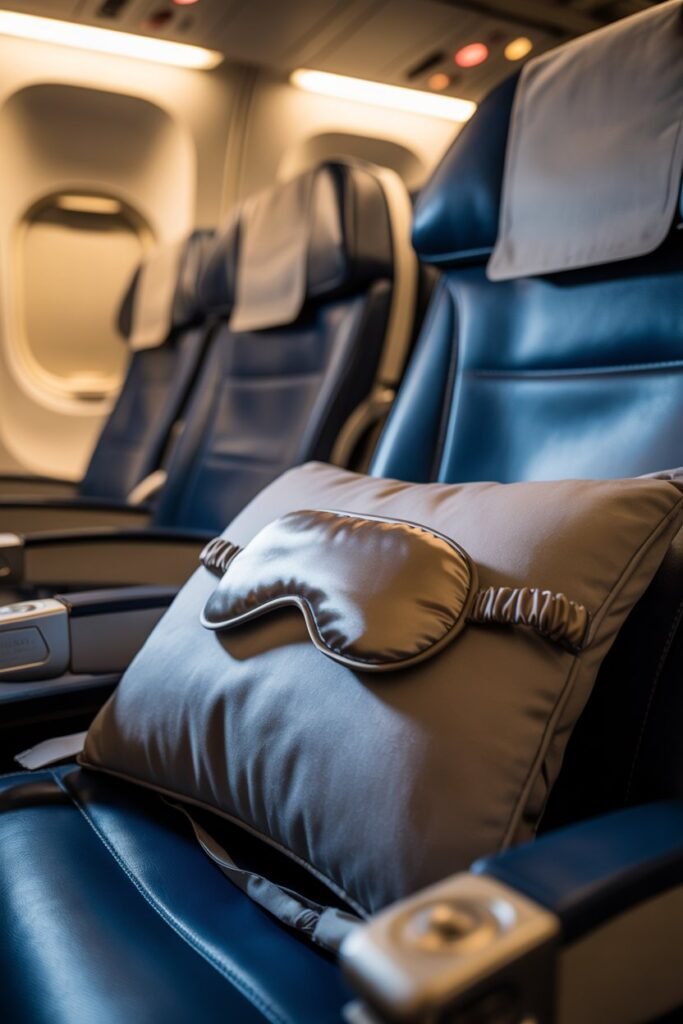
An eye mask is simple but surprisingly effective.
It blocks out light from the cabin, airport lounges, or even daytime flights, helping your body relax and fall asleep more easily.
If you struggle to sleep while traveling, pairing an eye mask with headphones or earplugs can create a much more comfortable resting environment.
13. Empty Water Bottle
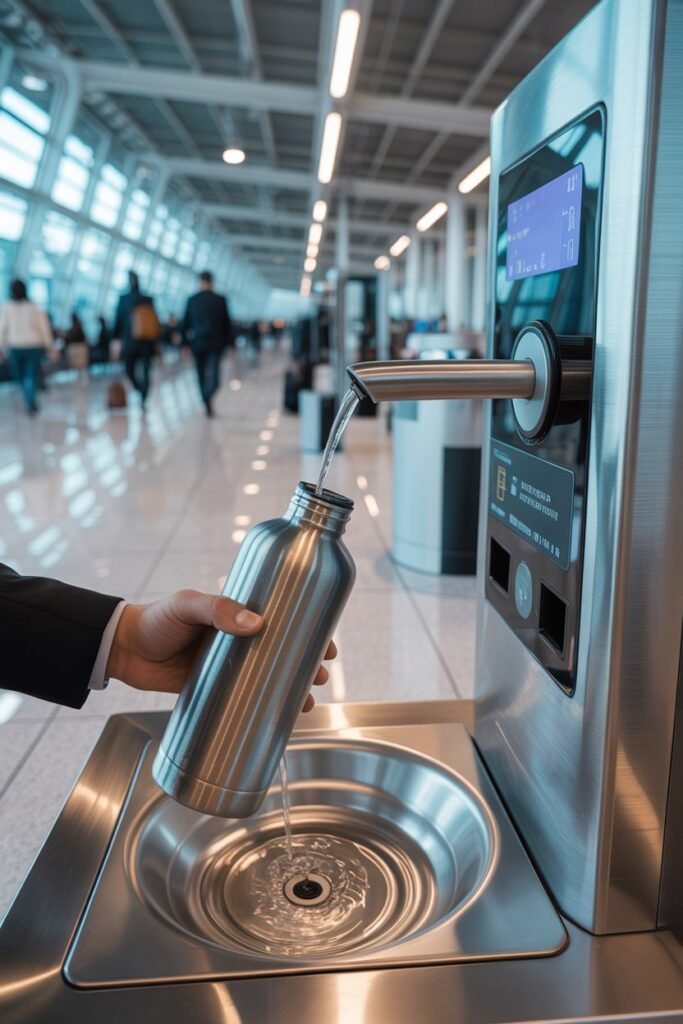
Staying hydrated during travel is very important, especially on flights where cabin air is dry.
An empty reusable water bottle is perfect because you can fill it after passing airport security.
This saves money and ensures you always have water within reach without relying on limited airline service.
14. Healthy Snacks

Air travel can involve delays, long waiting times, or food you may not enjoy.
Carrying your own snacks helps you stay comfortable and avoid hunger during unexpected situations.
Good options include protein bars, nuts, granola, or dried fruit. These are easy to pack, non-messy, and give you steady energy throughout your journey.
15. Change of Clothes
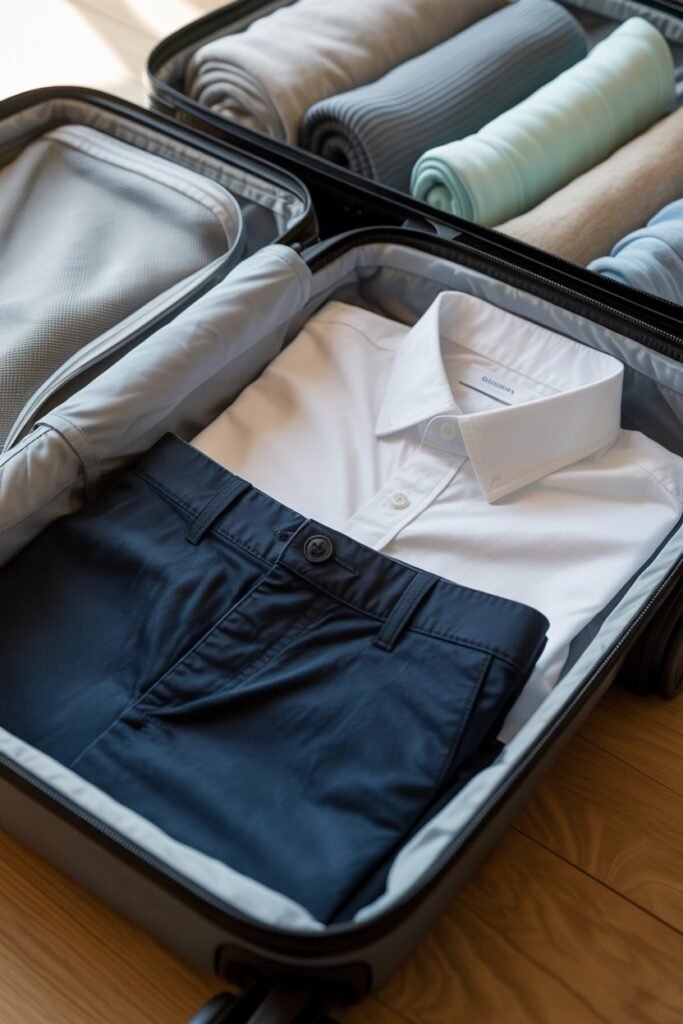
A spare set of clothes in your carry-on is a simple but smart travel habit.
It becomes very useful if your checked luggage is delayed, or if you need a fresh outfit after a long flight.
Even just a lightweight shirt, comfortable pants, or a simple outfit can make you feel refreshed and more comfortable when you arrive.
16. Underwear and Socks
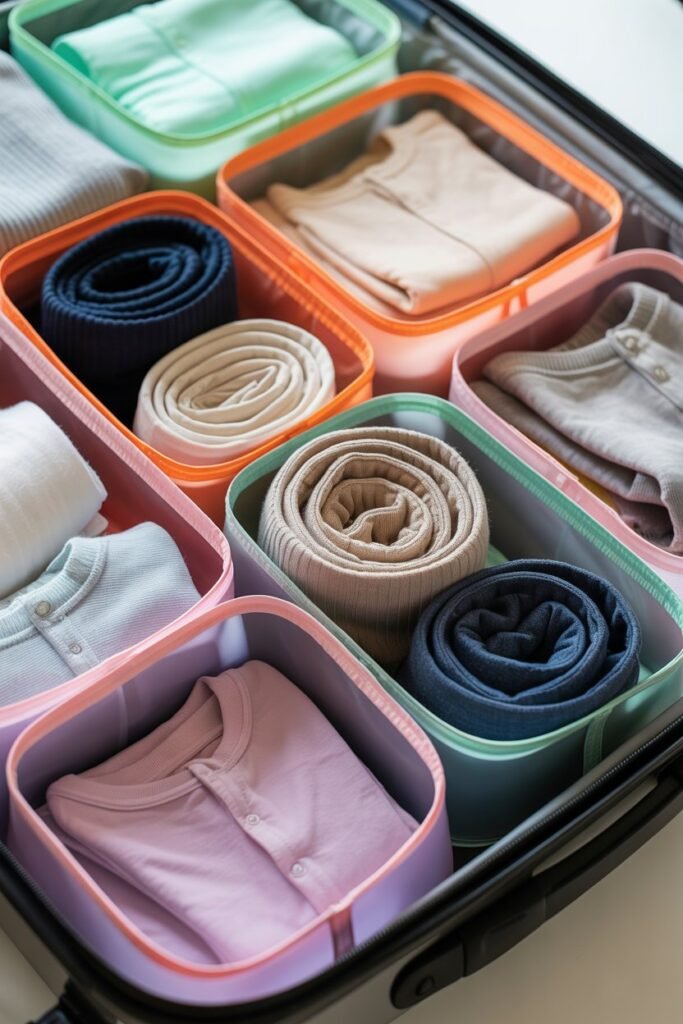
Even if you only pack a small change of clothes, always include fresh underwear and socks in your carry-on.
These are essential in case your checked luggage is delayed or you need to freshen up after a long journey.
It’s a small detail, but having clean basics can make you feel significantly more comfortable and put together after hours of travel.
17. Travel Toiletry Essentials
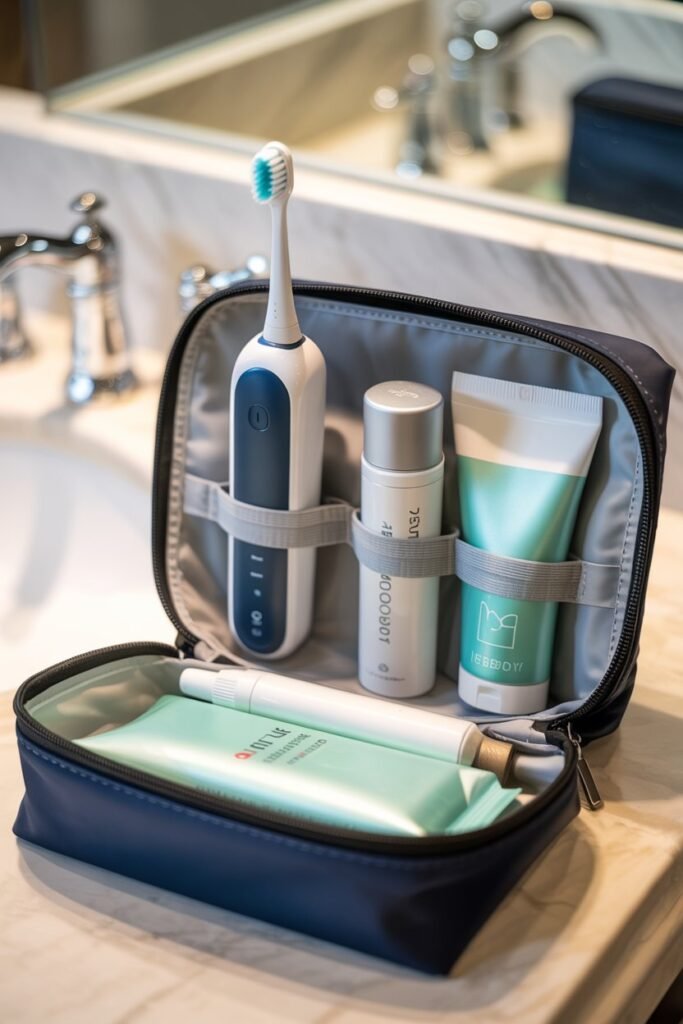
Keep your toiletry kit simple and travel-sized.
The basics usually include a toothbrush, toothpaste, deodorant, and facial wipes or tissue.
This helps you freshen up during layovers or after long flights, especially if you have connecting journeys or early arrivals.
Stick to TSA-friendly sizes if you’re flying internationally.
18. Wet Wipes or Cleaning Wipes
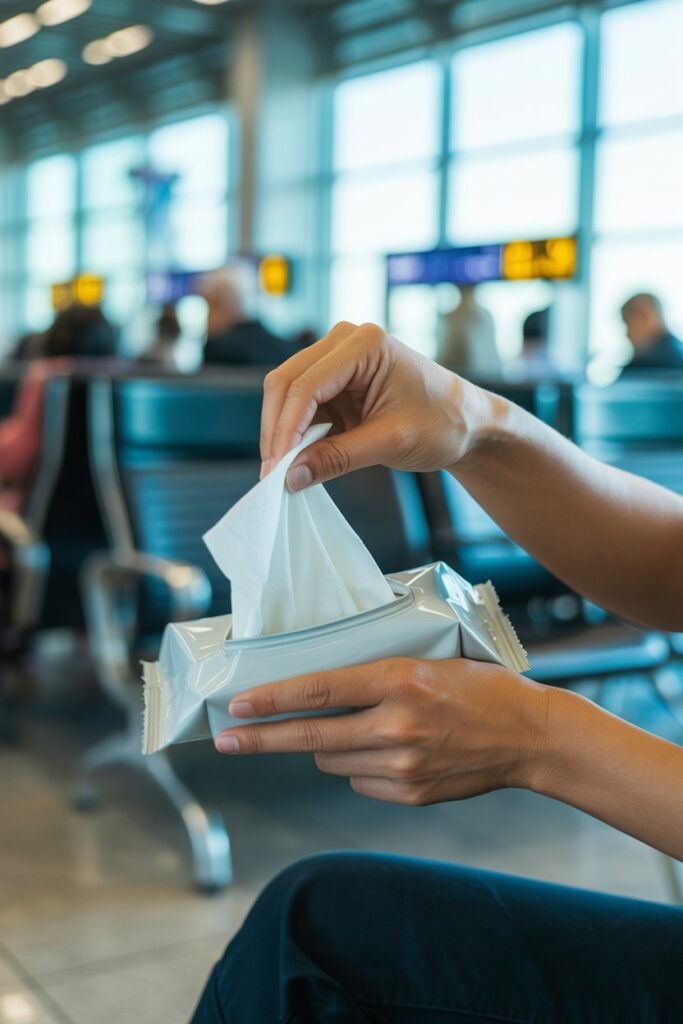
Wet wipes are one of the most underrated travel essentials.
They are useful for cleaning your hands, wiping surfaces like tray tables, or freshening up when bathrooms are not nearby.
They also come in handy for quick clean-ups during meals or long waits at the airport, making them a simple but powerful hygiene tool.
19. Small First Aid Kit
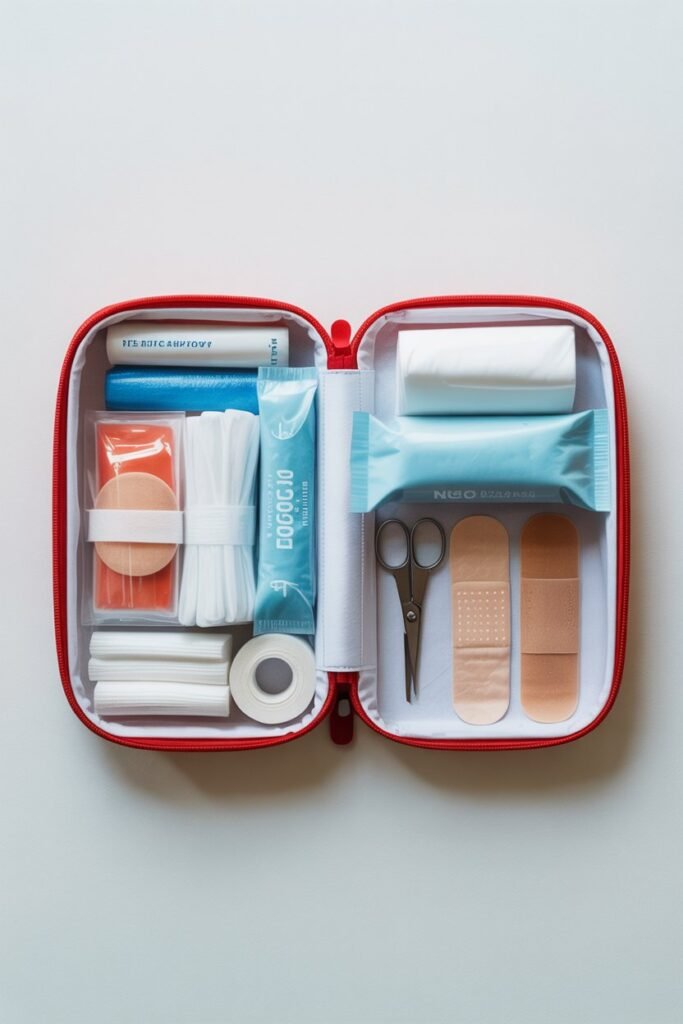
A compact first aid kit can save you a lot of discomfort during travel.
It doesn’t need to be complicated—just include band-aids, antiseptic wipes, and a few basic supplies for minor injuries or irritation.
If you have personal medical needs, you can also add items specific to your situation so you’re always prepared on the go.
20. Extra Supply of Prescription Medication
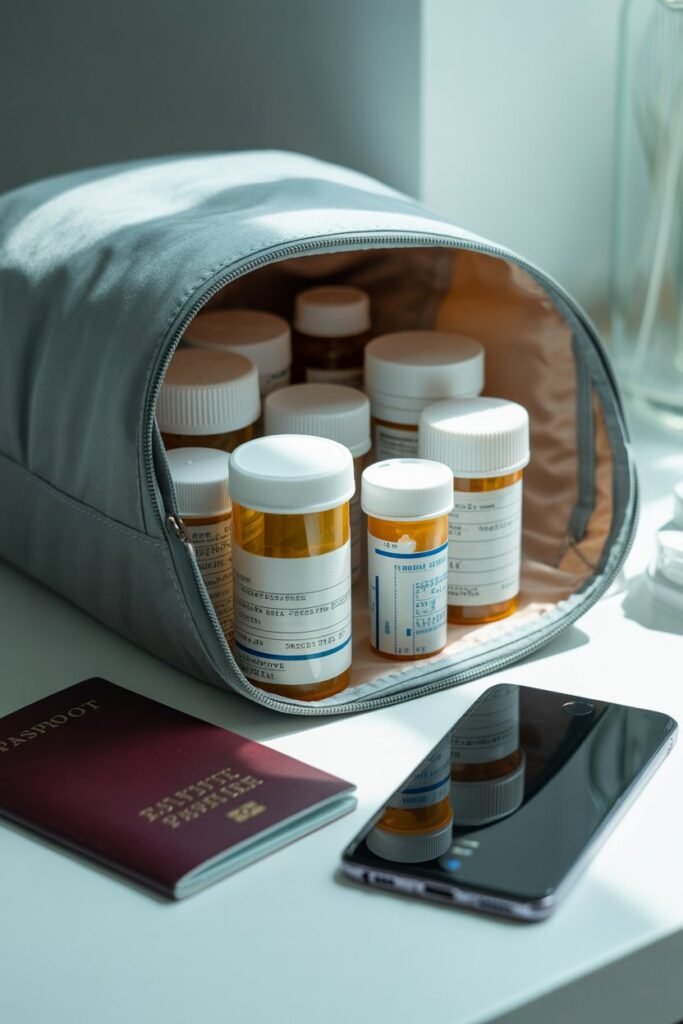
If you take any prescribed medication, always carry extra doses in your carry-on rather than checking them in.
Travel delays or lost luggage can happen, and having your medication with you ensures you never miss a dose.
It’s also smart to keep medications in their original packaging for easy identification and security checks.
21. Notebook and Pen
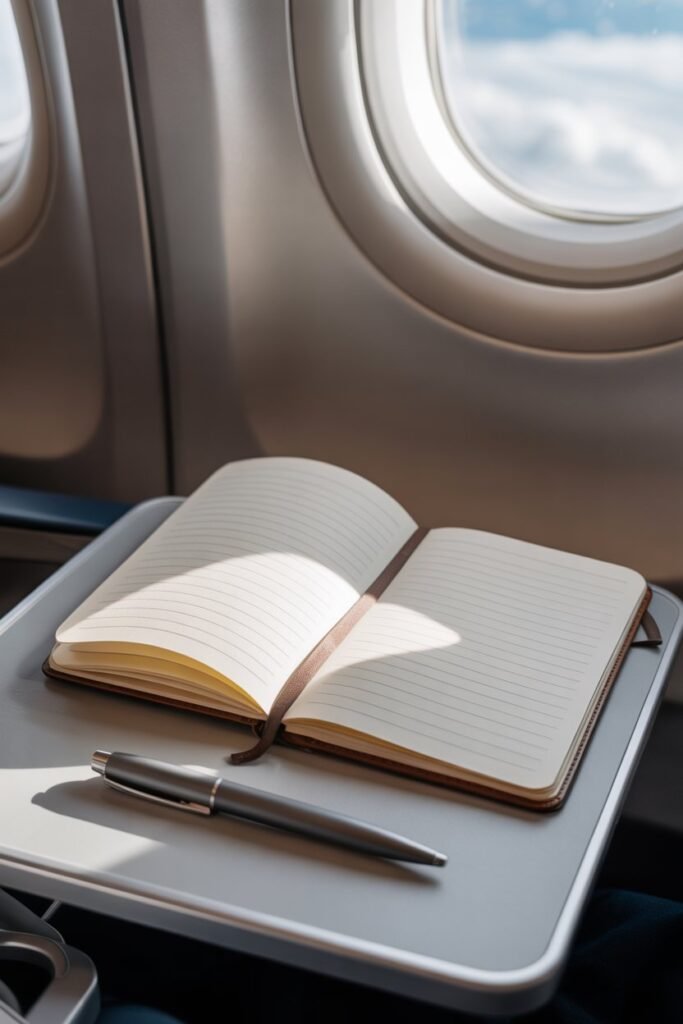
Even in a digital world, a simple notebook and pen still come in handy while traveling.
You may need to fill out forms, jot down directions, write reminders, or track travel details like hotel check-in information.
It’s especially useful when your phone battery is low or when you need something quick without scrolling through apps.
22. Travel Insurance Details
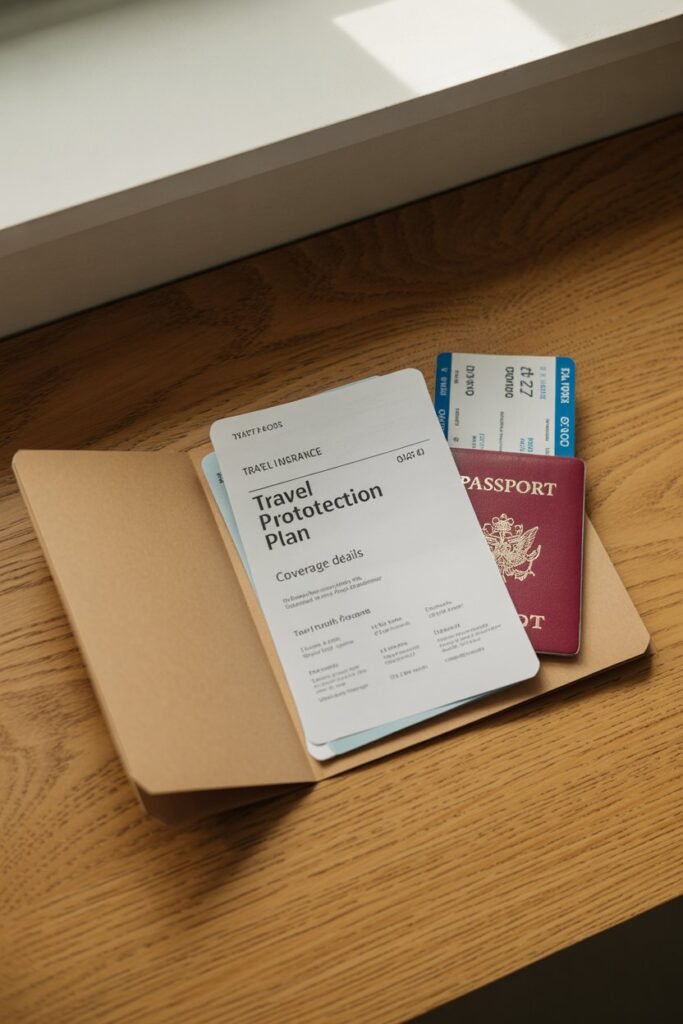
Always keep a copy of your travel insurance details in your carry-on, both printed and saved digitally.
In case of emergencies, delays, or lost luggage, having quick access to your policy information is extremely important.
It helps you act faster and avoid confusion if you need assistance while traveling.
23. Copies of Important Documents
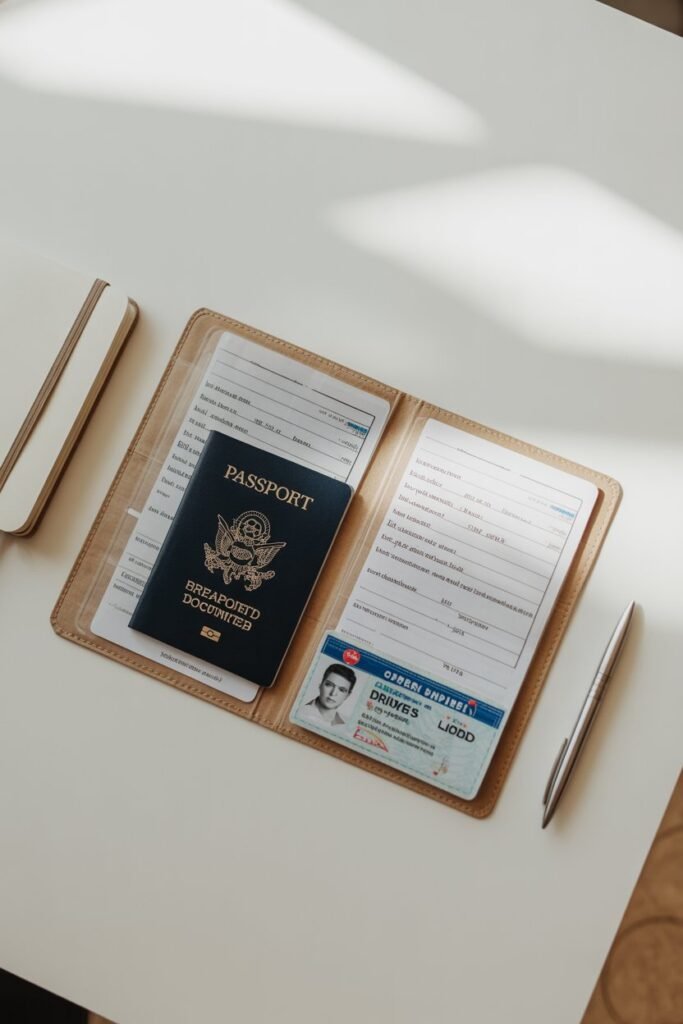
In addition to your originals, carry photocopies or digital backups of key documents like your passport, ID, and visa.
This is a safety measure in case your original documents are misplaced.
Having copies can make it easier to verify your identity and continue your travel process smoothly.
24. Light Jacket or Sweater
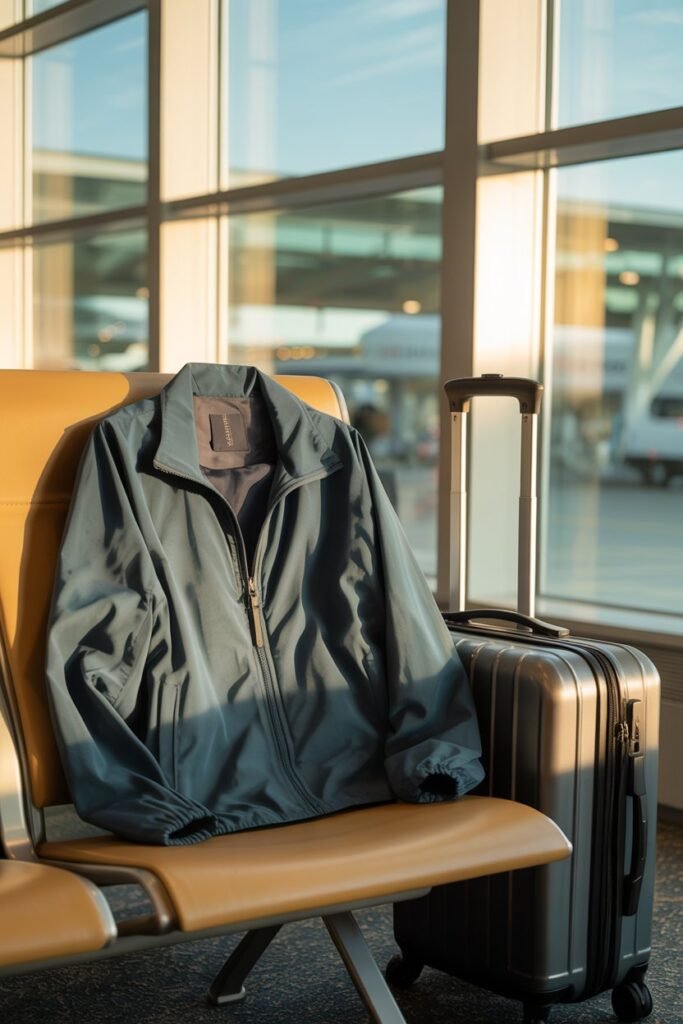
Airplane cabins are often colder than expected due to air conditioning.
A light jacket, hoodie, or sweater helps you stay warm and comfortable during your flight.
It can also double as a blanket or pillow support, making it a versatile item for long journeys.
25. Small Entertainment Options
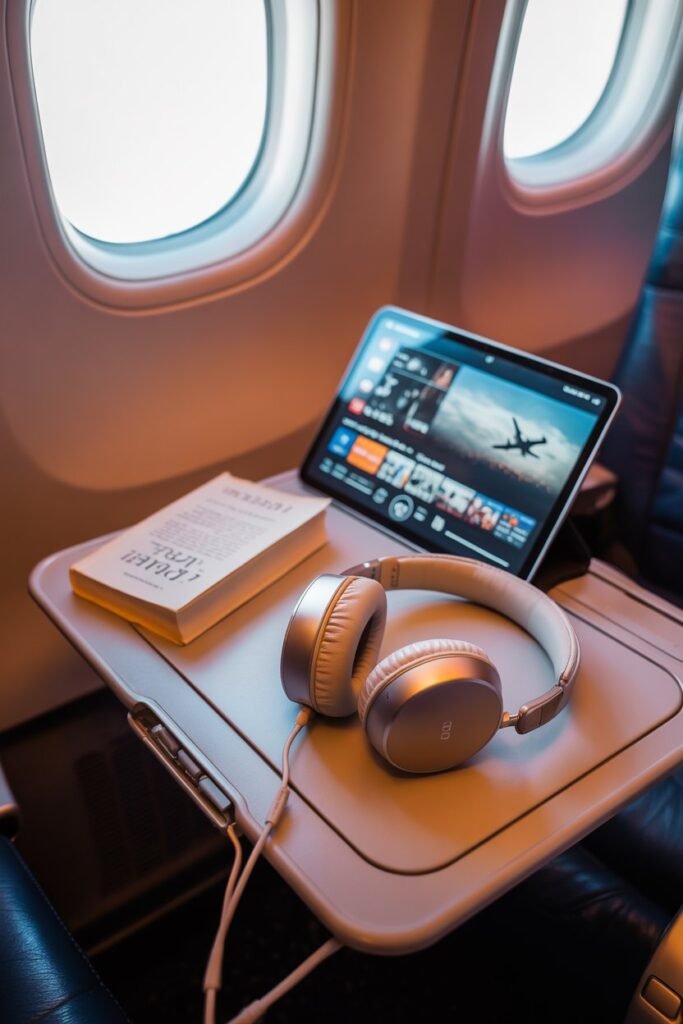
Long flights and layovers can feel tiring, so it helps to have something to keep you entertained.
This could be a downloaded movie, music playlist, audiobook, or a physical book.
Having entertainment ready prevents boredom, especially when Wi-Fi is limited or unavailable.
Smart Carry-On Packing Tips
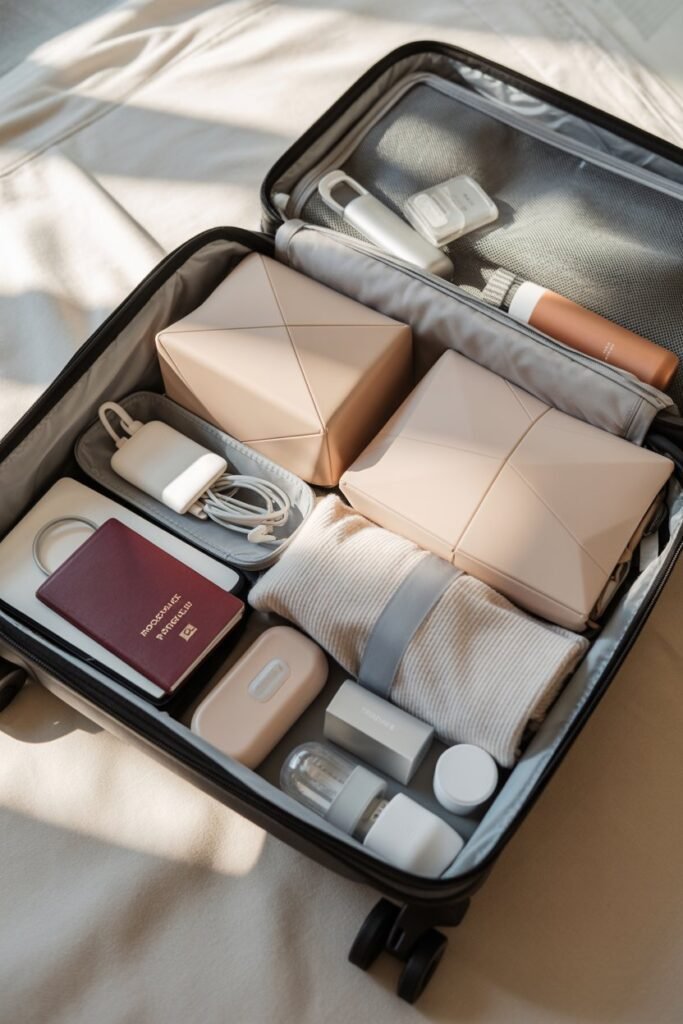
Packing the right items is only part of the process. How you pack matters just as much.
- Keep essentials in a top or front pocket for quick access
- Use small pouches to organize categories (toiletries, electronics, meds)
- Avoid overpacking your carry-on so it stays lightweight
- Always check airline liquid rules before packing toiletries
- Keep valuables close to you at all times
A well-organized carry-on saves time, reduces stress, and makes airport navigation easier.
Common Mistakes to Avoid
Many travelers make simple mistakes that cause unnecessary stress later.
- Packing valuables in checked luggage instead of carry-on
- Forgetting chargers or adapters
- Not carrying a change of clothes for long trips
- Overpacking liquids beyond airline limits
- Ignoring comfort items like neck pillows or snacks
Avoiding these mistakes alone can make your travel experience much smoother.
Why Smart Carry-On Packing Changes Your Travel Experience
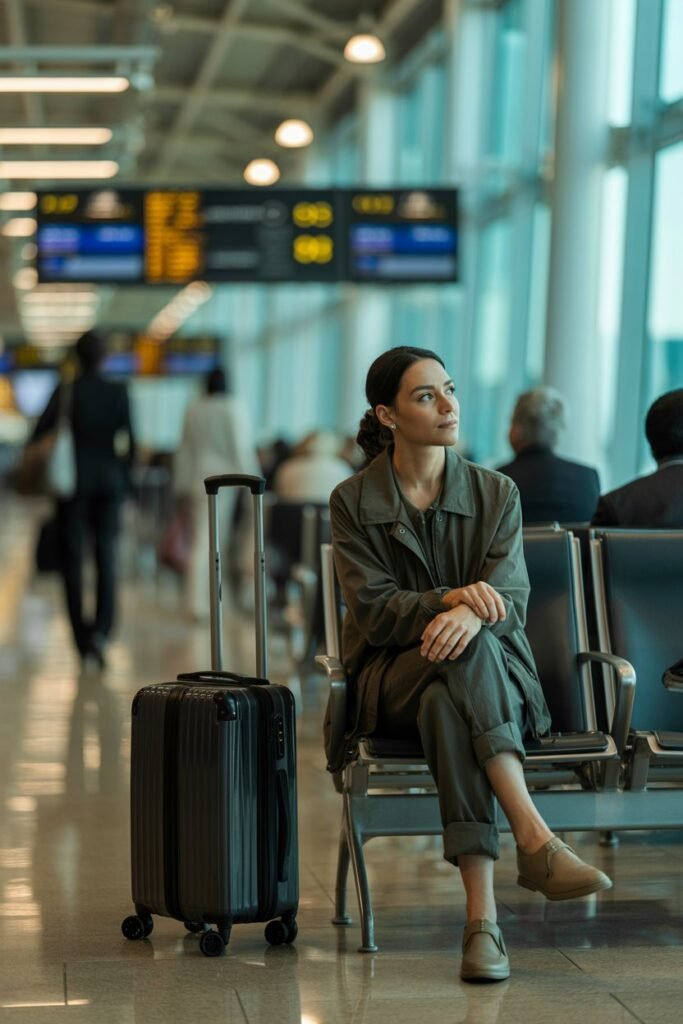
Once your carry-on is properly packed, you stop worrying about “what if” situations. Instead of stressing over lost luggage or discomfort, you feel prepared and in control.
It also helps you move faster through airports, stay more comfortable on flights, and adjust easily when travel plans change unexpectedly.
Frequently Asked Questions
What should never go into checked luggage?
Important documents, medications, electronics, wallets, and valuable items should stay in your carry on.
Should medications stay in a carry on?
Yes. Keep medications close to you during travel.
How many snacks should I bring?
Bring enough for delays and long travel periods without overpacking.
Is a power bank important?
Yes. Delays and heavy phone use can drain batteries quickly.
How heavy should a carry on be?
This depends on your airline, so always check baggage guidelines before flying.
Final Thoughts
Packing a carry on is not about stuffing as many items as possible into a bag. It is about packing smart.
The right essentials can make your trip more comfortable, less stressful, and much easier to manage.
I have found that some of the smallest items end up becoming the most useful ones during travel.
A charger, extra socks, snacks, or a simple hoodie may not seem important at home, but during a long travel day they can completely change your experience.
The goal is simple. Pack what truly helps and leave behind what you do not need. A smart carry on can make almost every trip feel smoother from start to finish.