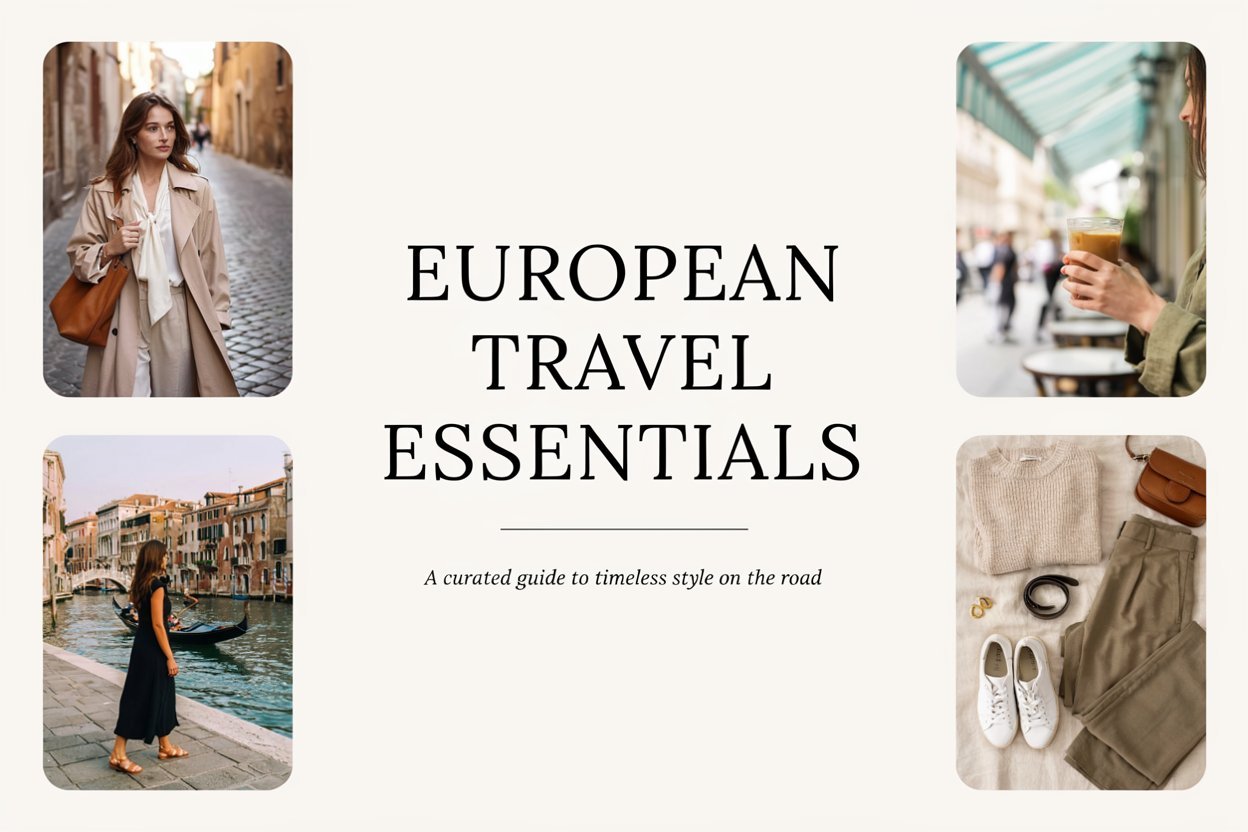
I can usually tell how well someone planned their Italy wardrobe by lunchtime.
The outfit that looked perfect while leaving the hotel often feels completely different after several hours of walking through cobblestone streets, climbing church steps, and exploring busy piazzas under the afternoon sun.
I learned this lesson on one of my first trips when I packed clothes that looked great in photos but were far less comfortable after a full day of sightseeing.
By the evening, I wished I had focused less on fashion trends and more on pieces that were practical enough for long days without sacrificing style.
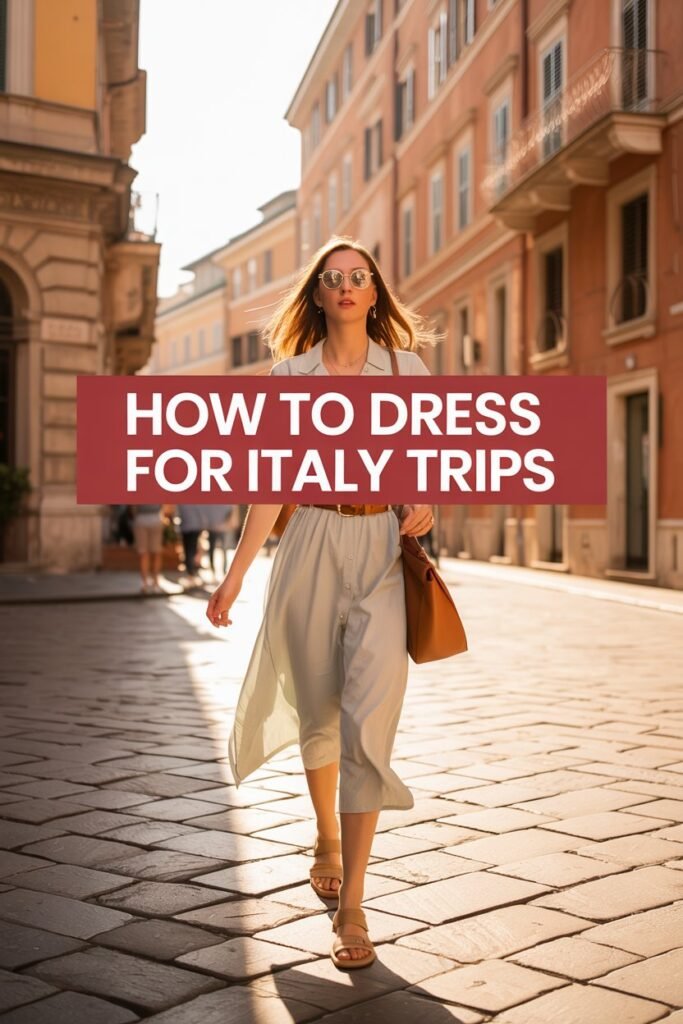
Since then, I have realized that dressing well in Italy is not about filling your suitcase with more clothes.
It is about choosing versatile outfits that are comfortable to wear, easy to mix and match, and suitable for everything from visiting historic landmarks to enjoying a relaxed dinner at a local trattoria.
Whether you are spending your days exploring Rome, wandering through the streets of Florence, relaxing along the Amalfi Coast, or visiting charming villages in Tuscany, the right wardrobe can make your trip much more enjoyable.
In this guide, I am sharing the outfit ideas and practical tips I would use to stay both stylish and comfortable while traveling through Italy.
Disclaimer: This post may contain affiliate links, which means I may earn a small commission at no extra cost to you. Always choose comfortable, weather-appropriate outfits for travel and check seasonal conditions before your trip.
Amazon Shopping List: How to Dress for Italy Trips
- Linen Summer Dress Set (Lightweight & Breathable)
- Neutral Color Wide-Leg Pants (Travel Friendly)
- Comfortable Walking Sandals (Cushioned Sole)
- Stylish Crossbody Travel Bag (Anti-Theft)
- Lightweight Blazers or Cardigans (Layering Pieces)
- Sunglasses (UV Protection, Fashion Style)
- Foldable Wide-Brim Sun Hat
Why Italian Style Feels Different
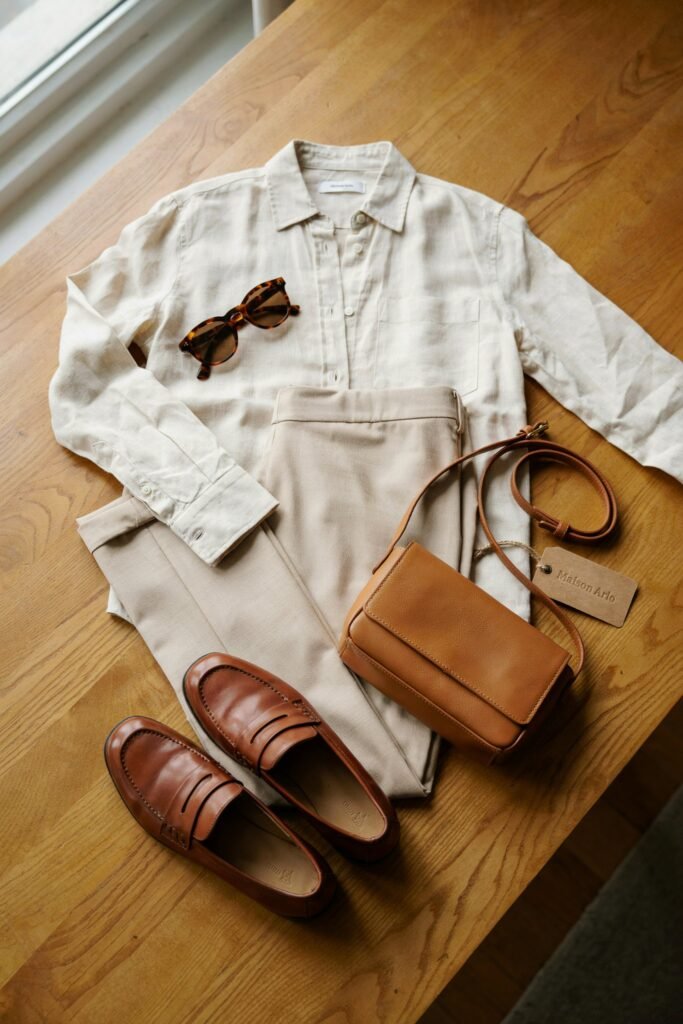
One of the first things I noticed while traveling through Italy was how effortlessly stylish people looked.
Nobody seemed to be trying too hard, yet almost everyone looked polished and confident. It quickly became clear that Italian style is less about wearing expensive designer clothes and more about choosing simple, well fitting pieces that work together.
Another thing that stands out is how practical many outfits are. Since walking is such a big part of everyday life, especially in cities like Rome, Florence, and Venice, comfortable shoes and breathable clothing are just as important as looking fashionable.
You will often see people wearing neutral colors, lightweight layers, and timeless pieces that can easily transition from sightseeing during the day to dinner in the evening.
That is what I appreciate most about Italian fashion. It feels natural rather than forced.
Instead of chasing trends, the focus is on quality, comfort, and confidence. When packing for Italy, keeping your wardrobe simple and versatile will help you blend in while making your trip far more comfortable.
Packing by Season: What to Wear in Italy All Year Round
Italy changes personality depending on when you visit, and your suitcase should change with it.
What works in the middle of a Roman summer left me sweating through a linen shirt by 10 a.m. on one trip, while that same shirt would have been useless in Florence during a December visit two years later.
Here’s how I’ve learned to pack for each season, mistakes included.
Spring in Italy (March to May)
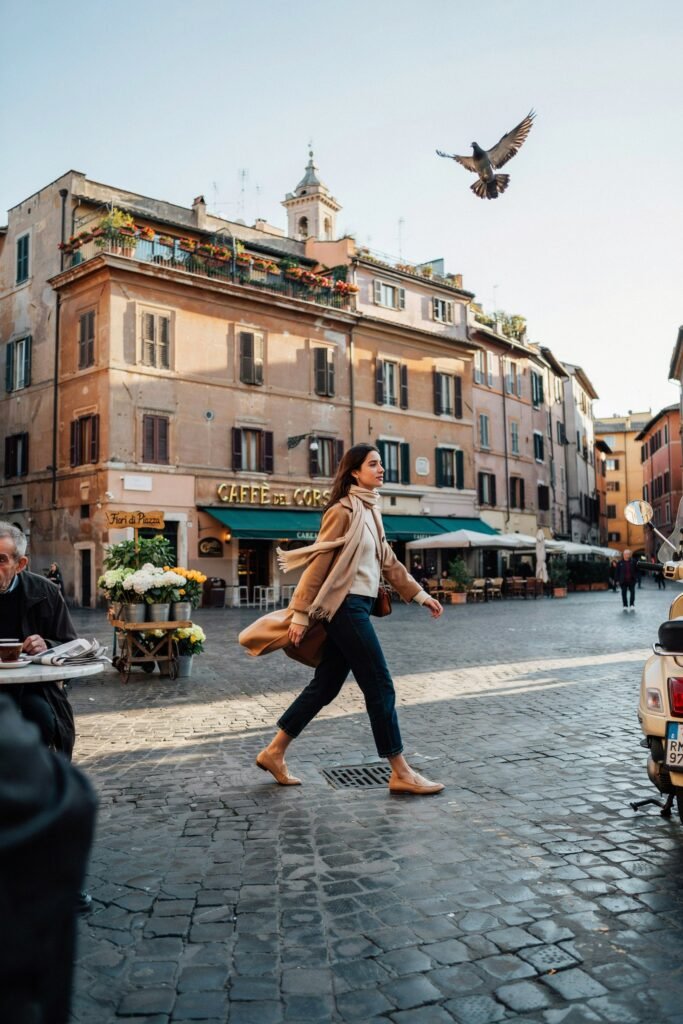
Spring caught me off guard the first time I visited in early April.
I left my hotel in Rome wearing just a light sweater, convinced the sunny sky meant a warm day, and ended up buying a scarf from a street vendor near the Pantheon by 11 a.m. because the wind coming off the piazza was brutal.
Mornings can feel cool while afternoons warm up quickly, so layering is everything.
What to pack:
- A lightweight trench coat or denim jacket for cooler mornings
- Breathable long sleeve tops that layer easily under a jacket
- A mix of jeans and lightweight trousers
- A scarf, which works for both warmth and covering shoulders in churches
- Comfortable flats or low block heels for cobblestone streets
My rule now, learned the hard way, is to always pack one layer more than the weather app suggests.
Spring weather in Italy has a way of humbling anyone who trusts a forecast too much.
Summer in Italy (June to August)
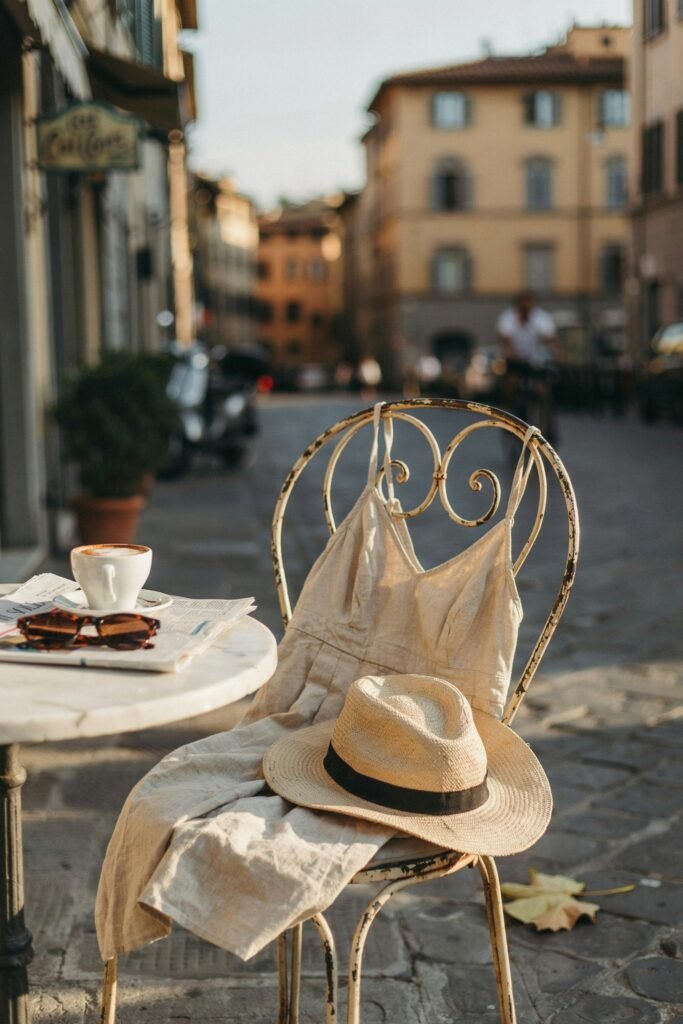
I spent a July afternoon in Florence wearing a cotton dress that felt reasonable when I packed it back home, and by the time I reached the Uffizi, it was clinging to me in a way that made every museum room feel ten degrees hotter.
That trip taught me the difference between cotton and linen in a way no packing list ever had.
What to pack:
- Linen dresses, shirts, and trousers, since linen breathes far better than cotton in high heat
- Loose, flowy tops that keep air moving
- A lightweight cardigan or shawl for entering churches, where bare shoulders are often not allowed
- Sandals with good support for long days of walking
- A wide brim hat and sunglasses for coastal towns and city squares
Now I pack almost exclusively linen for June and July trips, even though it wrinkles the moment you look at it.
A slightly creased linen dress still looks more put together in Italian heat than a synthetic one that’s soaked through by lunchtime.
Fall in Italy (September to November)
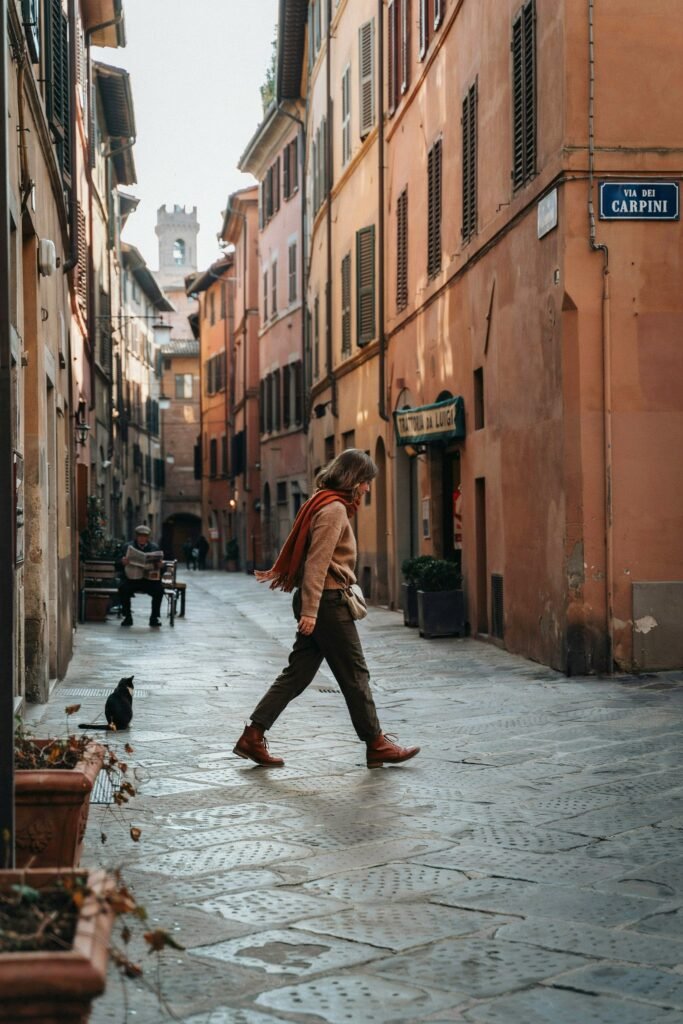
Fall is the season I keep going back to, mostly because of a trip to Bologna a few autumns ago where I wore a simple wool sweater and jeans nearly every day and somehow never felt underdressed, even at a nicer dinner one evening.
The weather cooperated in a way that made outfit planning almost effortless.
What to pack:
- Midweight sweaters that pair easily with jeans or trousers
- A structured jacket or coat for cooler evenings
- Ankle boots, which handle both city streets and countryside visits well
- Scarves in richer, warmer tones
- Layers you can adjust as temperatures shift from morning to night
If I had to recommend one season for first time visitors nervous about “dressing wrong” for Italy, it would be fall. The clothes practically do the work for you.
Winter in Italy (December to February)
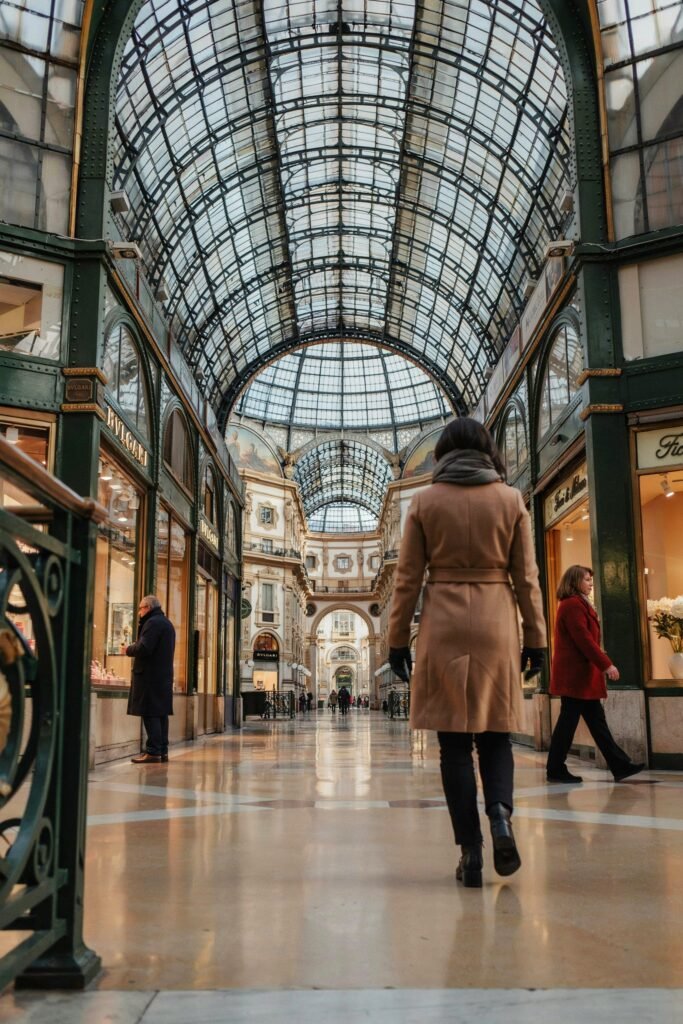
Winter is the season that surprised me most.
I assumed Italy’s Mediterranean reputation meant mild temperatures year round, so my first December trip to Milan involved a coat that was nowhere near warm enough and a very cold walk through the Galleria Vittorio Emanuele wishing I had packed differently.
What to pack:
- A wool or heavier coat, ideally one that also looks polished for dinners
- Thermal layers for underneath sweaters on colder days
- Warm scarves and gloves
- Waterproof boots with good tread for wet cobblestones
- A slightly heavier crossbody bag that keeps hands free for chillier days
These days, my winter Italy packing list always includes a real coat, not a fashionable jacket pretending to be one.
Milan in particular calls for something that can handle both cold air and a nice dinner without needing to change.
Dressing for Different Italian Cities
One of the biggest mistakes I made on my early trips was packing one outfit formula and expecting it to work everywhere.
Italy doesn’t really work that way.
Rome has a different energy than Florence, and Venice has almost nothing in common with the Amalfi Coast when it comes to what feels appropriate to wear.
Here’s how I approach each one now.
Rome
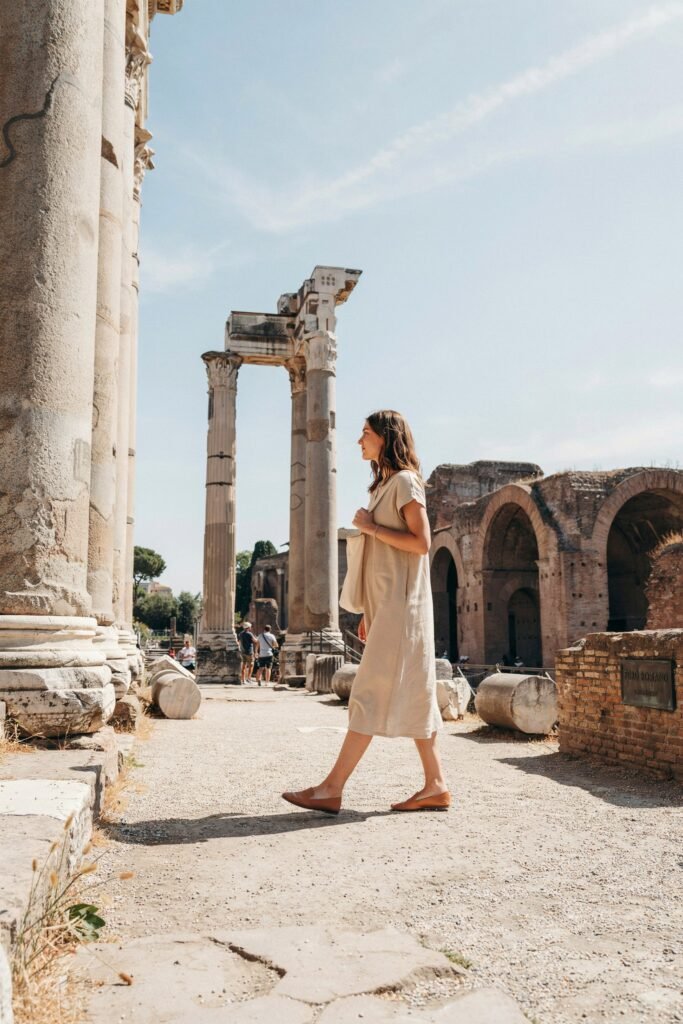
Rome is busy, historic, and surprisingly casual compared to what a lot of visitors expect.
Locals dress well, but practically, since so much of daily life involves walking on uneven streets and hopping on and off buses.
What works well in Rome:
- Simple dresses or trousers paired with flats
- A cross body bag instead of anything bulky, since crowded areas near the Trevi Fountain and Colosseum call for something secure
- A scarf you can use for both style and covering shoulders when visiting St. Peter’s Basilica
- Neutral tones that hide dust from the city’s ancient streets better than bright whites
I learned during my second Rome trip that comfortable shoes matter more here than almost anywhere else in Italy.
Between the Forum, the Vatican, and the sheer distance between neighborhoods, Rome will test your feet before it tests your outfit choices.
Florence
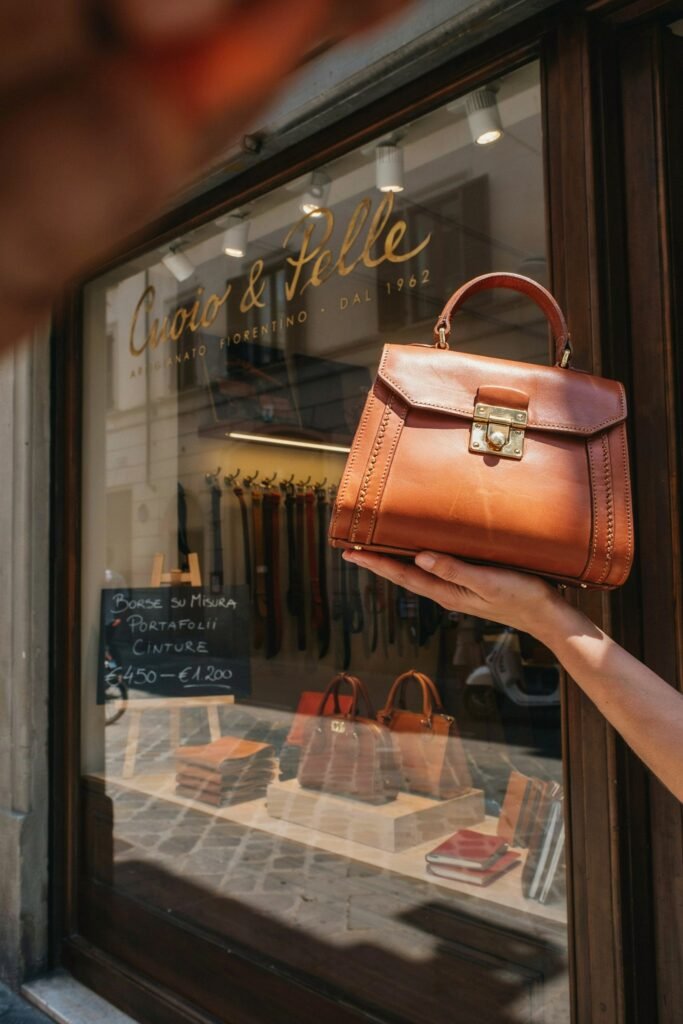
Florence has a slower, more polished feel.
It’s a smaller city, which means people notice details more, and the fashion history of the region shows in how residents dress even for errands.
What works well in Florence:
- Tailored trousers or a simple skirt with a fitted top
- A leather bag, since Florence is famous for its leather goods and locals take quality seriously
- Ankle boots that handle both cobblestones and a nice dinner
- Light layers, since the city sits in a valley and temperatures shift depending on the time of day
My favorite thing about dressing for Florence is that it rewards simplicity.
A well fitted outfit in two or three neutral colors will always look more at home here than something flashy.
Venice
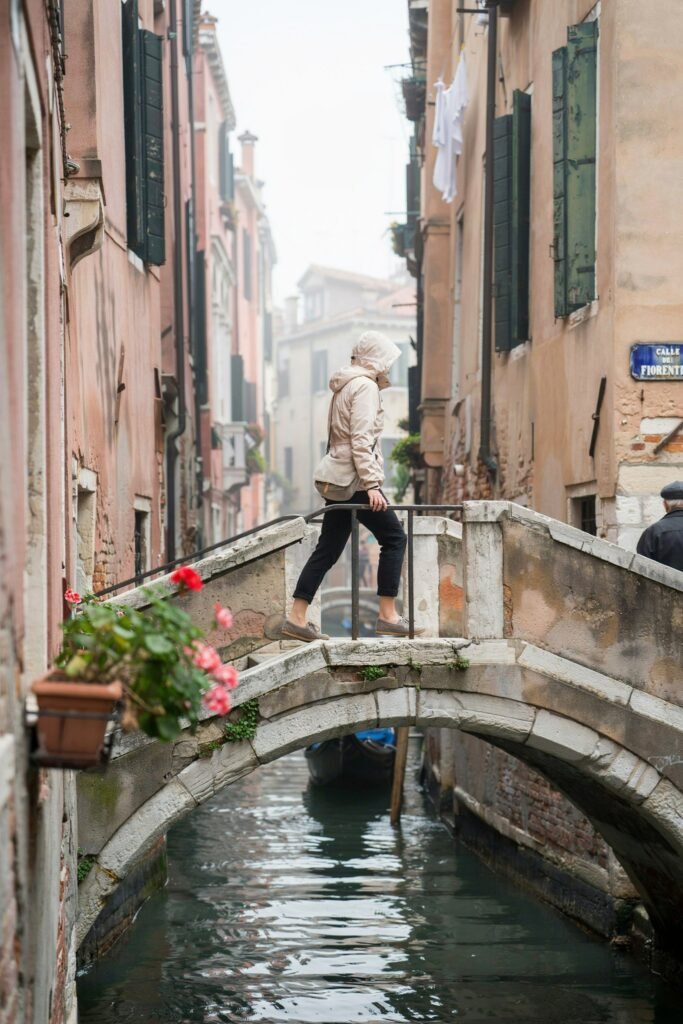
Venice is unlike anywhere else in Italy, and that extends to how you should dress.
Between the bridges, the water taxis, and the sheer amount of walking involved, practicality has to come first, but Venice also has a romantic, slightly formal feel that makes people want to dress up a little more for dinner.
What works well in Venice:
- Flat shoes with good grip, since bridges and damp stone paths are unforgiving on heels
- A light raincoat or umbrella, since acqua alta flooding can happen unexpectedly in certain seasons
- Elegant but simple daytime outfits, saving anything dressier for evening
- A crossbody bag that sits close to your body in narrow, crowded alleyways
I once wore wedge sandals across Venice for an entire day and regretted it by the second bridge.
Flat, supportive shoes are non negotiable here no matter how the outfit looks on paper.
The Amalfi Coast
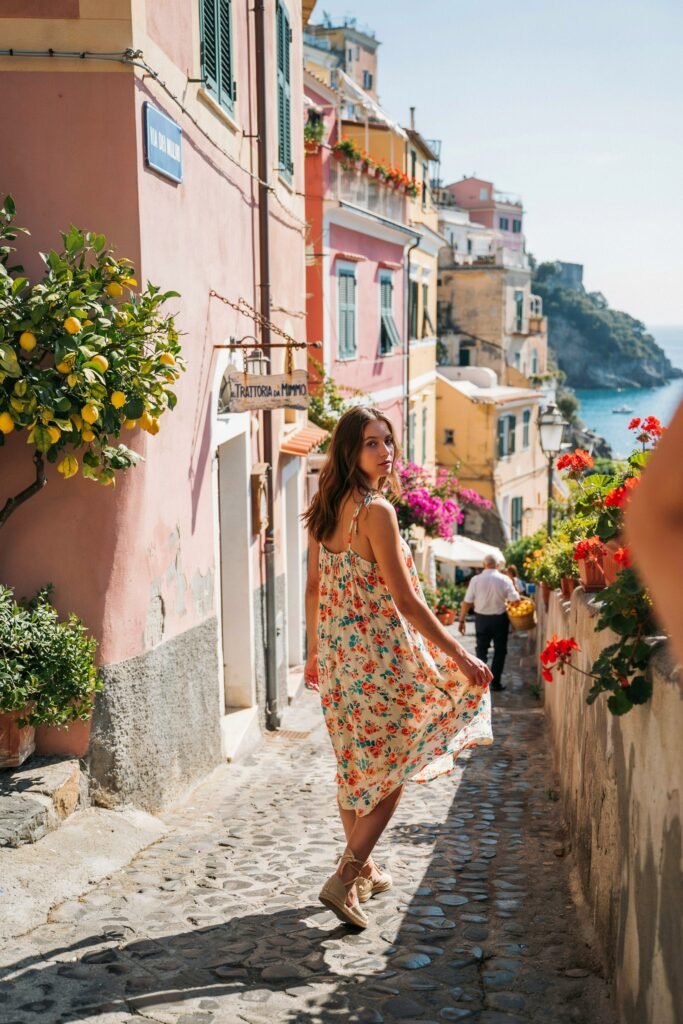
The Amalfi Coast has an entirely different energy from the cities.
It’s relaxed, colorful, and much more forgiving when it comes to style, since the towns themselves are built for beach days and long dinners with a view.
What works well on the Amalfi Coast:
- Flowy sundresses or linen sets in brighter colors than you might wear in Rome or Florence
- Espadrilles or sandals with good grip for steep, hilly streets
- A swimsuit you’re comfortable wearing under a cover up, since many towns have small beach clubs
- A light jacket for evenings, since coastal breezes cool things down after sunset
Positano in particular taught me to pack lighter fabrics and brighter colors than I normally would in Italy.
The towns practically ask you to relax a little more with your outfit choices.
Milan
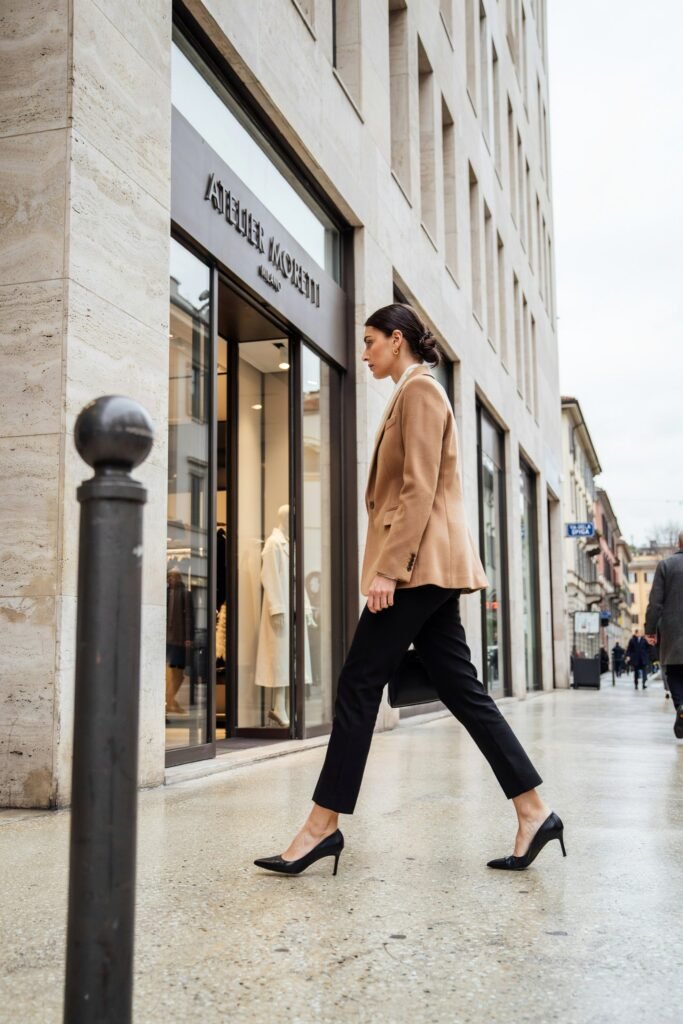
Milan is the exception to almost everything else on this list.
As a global fashion capital, the city leans polished, structured, and a little more fashion forward than anywhere else in Italy.
What works well in Milan:
- Tailored blazers or coats, even for casual outings
- Structured bags rather than casual totes or backpacks
- Statement accessories, since Milanese style tends to favor a few strong pieces over many small ones
- Sleek, closed toe shoes rather than sandals, even in warmer months
Milan is the one city where I’ve felt genuinely underdressed wearing the exact outfit that worked perfectly in Rome the week before.
It’s worth packing at least one slightly elevated outfit if Milan is part of your itinerary.
Footwear and Church Dress Codes: The Two Things That Trip Up Most Travelers
If there’s one part of packing for Italy that people underestimate, it’s footwear.
And if there’s one rule that catches first time visitors off guard, it’s how strict church dress codes actually are.
I’ve made mistakes on both fronts, so let’s break down exactly what works.
Choosing the Right Shoes
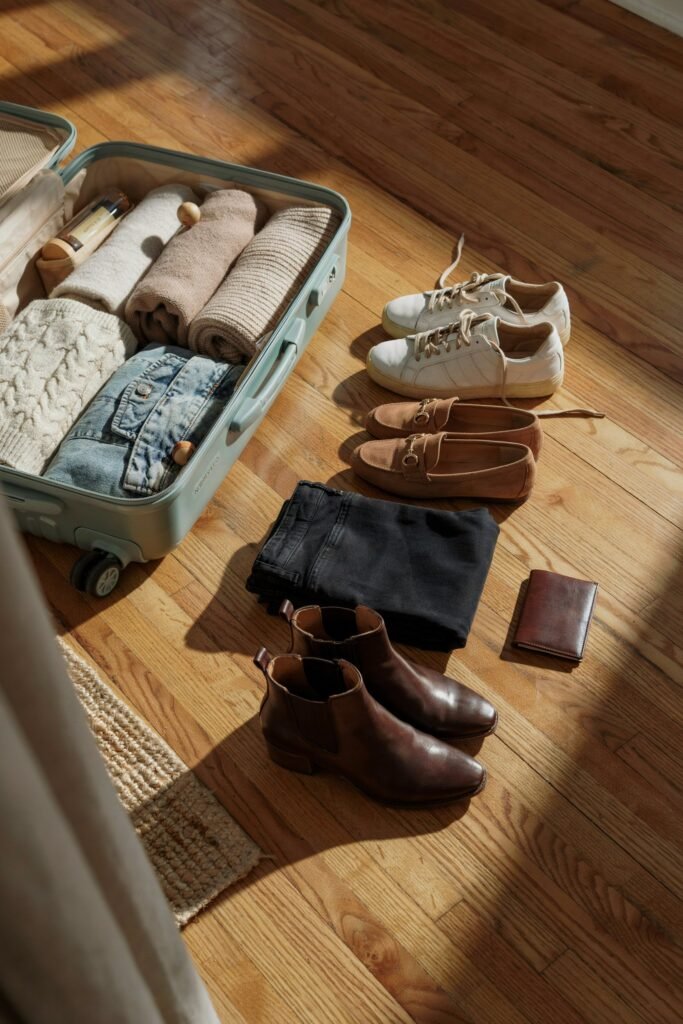
Italy is not a country you can wear brand new shoes in and expect to be comfortable by day three.
Between cobblestones, marble floors, and miles of walking that add up faster than you’d think, footwear deserves more thought than almost anything else in your suitcase.
What I look for now:
- Shoes with a slightly thicker sole, since thin soled flats transfer every bump from cobblestone streets straight into your feet
- Closed toe options for cities, since sandals tend to catch on uneven stone more than people expect
- At least one dressier pair for dinners, since Italians rarely wear sneakers to restaurants even casual ones
- Broken in shoes only, never anything new straight out of the box
I made the mistake of packing brand new leather flats for a Rome trip years ago, thinking they’d be professional and comfortable.
By the second day, I had blisters bad enough that I ended up buying gel inserts from a farmacia near the Spanish Steps.
Comfort and style can absolutely coexist, but only if you test your shoes before you travel, not during.
A few shoe styles that tend to work well across most of Italy:
- Leather sneakers in white, black, or tan, since they read as intentional rather than athletic
- Loafers, which work for both walking and dinner
- Ankle boots for fall and winter trips
- Block heel sandals for summer evenings
Dressing for Churches and Religious Sites
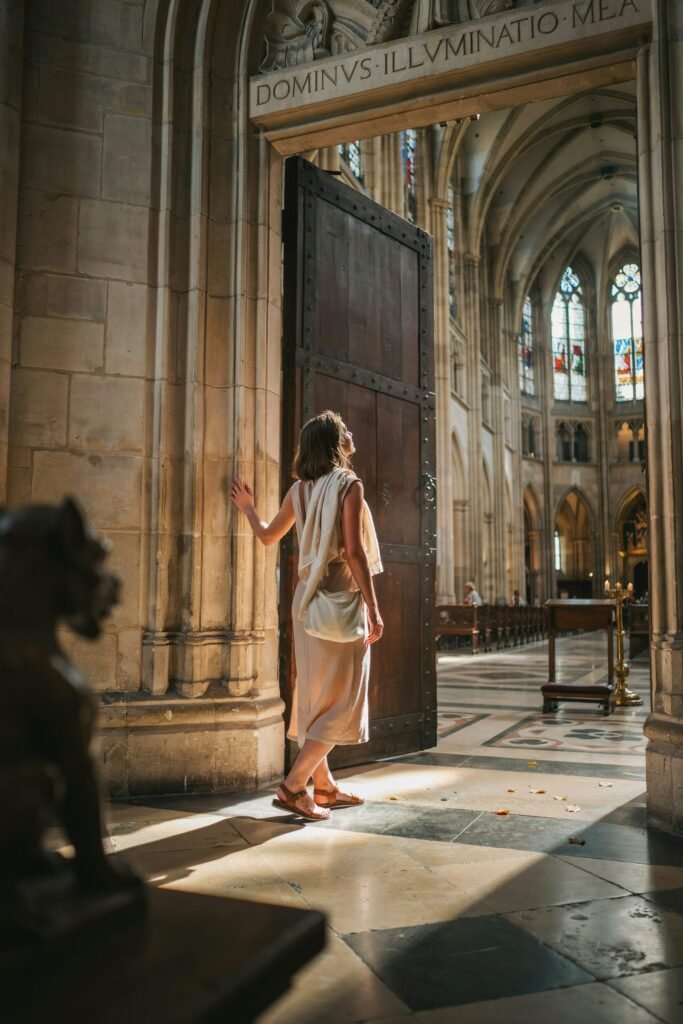
This is the part of dressing for Italy that surprises the most visitors, and it caught me off guard the first time I tried to enter Florence’s Duomo in a sleeveless top only to be turned away at the door.
Most churches and basilicas in Italy, including major sites like St. Peter’s Basilica, the Duomo in Florence, and countless smaller churches, enforce a dress code that applies to both men and women.
General rules to follow:
- Shoulders should be covered, so bring a scarf or light cardigan even in summer
- Knees should be covered, which rules out shorts and short skirts in most major churches
- Avoid anything sheer or overly revealing, even if shoulders and knees are technically covered
- Hats should be removed before entering, especially for men
The scarf trick has saved me more times than I can count.
I keep a lightweight scarf in my bag on every single day in Italy, even on the hottest days of summer, because you genuinely never know when you’ll pass a beautiful church worth stepping into.
A few churches I’d specifically flag for strict enforcement:
- St. Peter’s Basilica in Vatican City, where guards actively turn people away at the entrance
- The Duomo in Florence, which has similar enforcement during peak tourist season
- St. Mark’s Basilica in Venice, where bare shoulders are not allowed even briefly
The easiest fix for all of this is building your daily outfit around versatility.
A dress or top that covers shoulders, paired with pants or a longer skirt, means you can walk into almost any church in Italy without needing to change or carry extra layers just in case.
The Ultimate Italy Packing List and Capsule Wardrobe Approach
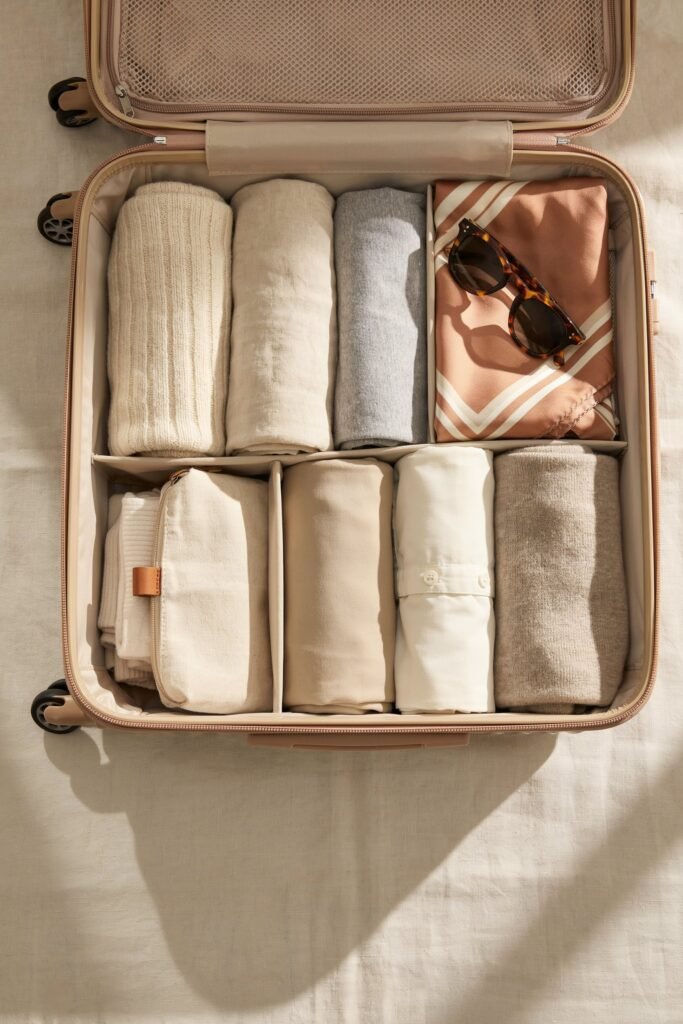
After enough trips to Italy, I’ve landed on a packing method that keeps my suitcase light without ever leaving me without the right outfit.
It comes down to building a small capsule wardrobe rather than packing an outfit for every single day.
Why a Capsule Wardrobe Works Best for Italy
The idea is simple. Pack fewer pieces that all work together, rather than a full outfit for each day that can only be worn once.
This matters even more in Italy, where cobblestone streets and train travel make hauling an overpacked suitcase genuinely exhausting.
On my last trip through Tuscany, I packed exactly six tops, three bottoms, and one dress, and still managed to create a different outfit combination for all ten days without repeating a single look.
That trip changed how I pack for every destination now, not just Italy.
Core Packing List
Tops:
- Two to three neutral tees or blouses
- One or two lightweight sweaters, depending on season
- One button down shirt, which works for layering and dressing up
Bottoms:
- One pair of well fitted jeans
- One pair of tailored trousers
- One skirt or dress, depending on personal style
Outerwear:
- One versatile jacket suited to the season
- A scarf, useful in every season for both style and church visits
Shoes:
- One pair of comfortable walking shoes, broken in beforehand
- One dressier pair for evenings
Accessories:
- A cross body bag that keeps hands free
- Sunglasses
- A hat, especially for summer trips
What to Leave at Home
A few things I’ve learned to skip after packing them unnecessarily on early trips:
- Athletic wear, unless you’re specifically planning a hike
- Bulky backpacks, which stand out and can be harder to navigate through crowded streets
- More than one pair of white sneakers, since one is plenty and they get dirty fast on Italy’s older streets
- Anything that needs ironing, since most rentals and hotels don’t have one readily available
A Few Extra Tips That Make a Real Difference
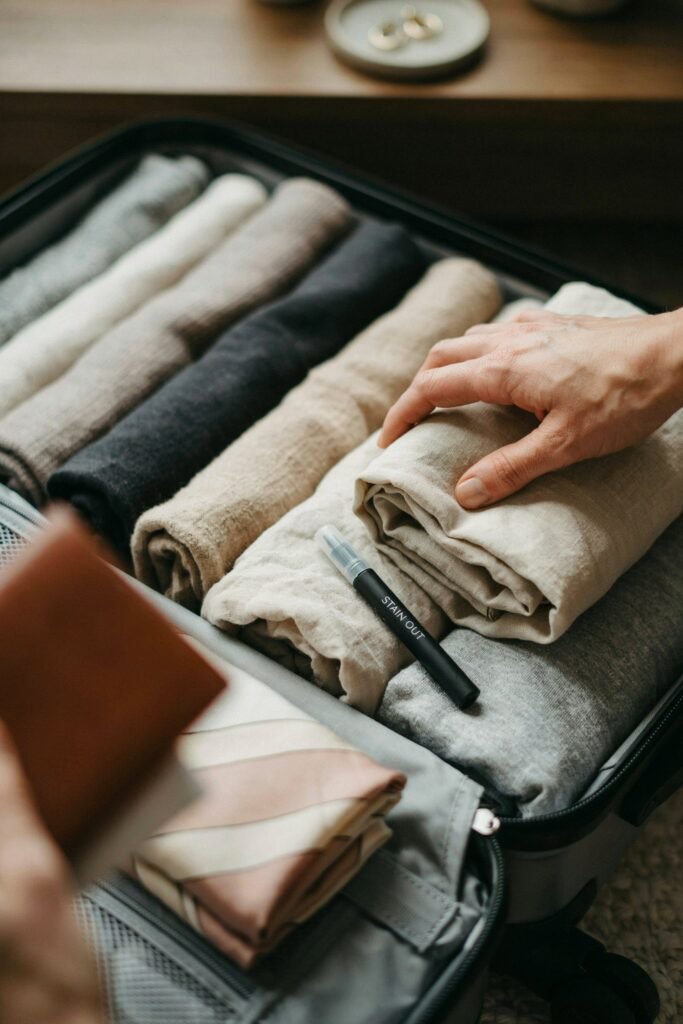
- Roll clothes instead of folding to save space and reduce wrinkles
- Choose one color palette for your whole trip so every piece mixes and matches easily
- Pack a small stain remover pen, since gelato and red sauce have a way of finding their way onto light colored clothing
- Bring a foldable tote bag for the inevitable extra shopping, whether it’s leather goods in Florence or ceramics in the Amalfi towns
I used to think packing for two weeks in Italy meant a bigger suitcase.
Now I know it just means packing smarter pieces that work harder.
Frequently Asked Questions
What should I wear when visiting Italy?
Comfortable, well fitting clothing is usually the best choice. Lightweight tops, breathable fabrics, comfortable walking shoes, and versatile layers work well for most destinations and seasons.
Can I wear sneakers in Italy?
Yes. Comfortable sneakers are common, especially in larger cities where you will spend hours walking. Choose clean, stylish sneakers instead of athletic running shoes if you want a more polished look.
Do I need different outfits for daytime and evening?
Not necessarily. Many travelers pack versatile pieces that can easily transition from sightseeing during the day to dinner in the evening by changing shoes or adding a light jacket or accessories.
What shoes are best for walking around Italy?
Supportive sneakers or comfortable walking shoes are the best option. Italy’s cobblestone streets, hills, and historic neighborhoods can be difficult to navigate in uncomfortable footwear.
Final Thoughts
Packing for Italy does not mean choosing between looking stylish and staying comfortable. With a little planning, you can easily build a wardrobe that does both.
The right outfits will help you enjoy long sightseeing days, feel confident at dinner, and be prepared for everything from historic city streets to beautiful coastal towns.
Focus on versatile pieces that you can mix and match instead of filling your suitcase with clothes you may only wear once.
Comfortable shoes, lightweight layers, and timeless styles will take you much further than following the latest fashion trends.
Most importantly, wear outfits that let you enjoy the experience without constantly thinking about what you are wearing.
Italy is a place to wander through charming streets, explore incredible landmarks, and enjoy long meals without feeling restricted by uncomfortable clothing.
A well planned wardrobe will not only save space in your suitcase, but it will also make every day of your trip more relaxed, practical, and enjoyable.