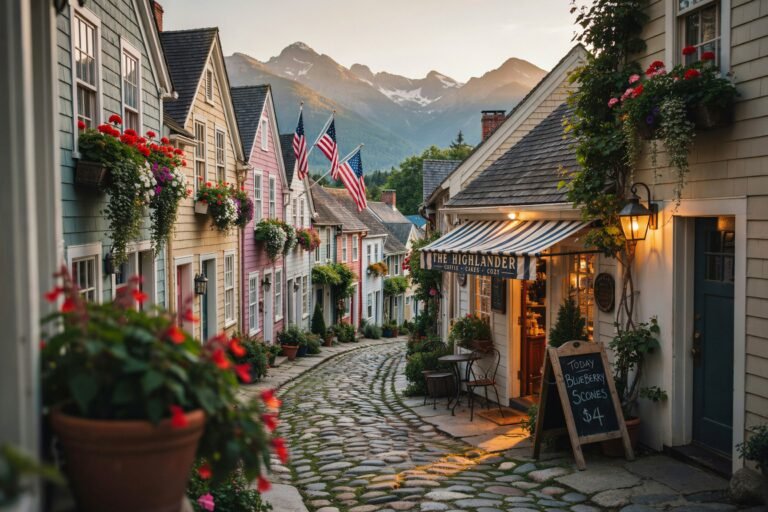
There’s something about the South that feels like stepping into a story you’ve always wanted to be a part of.
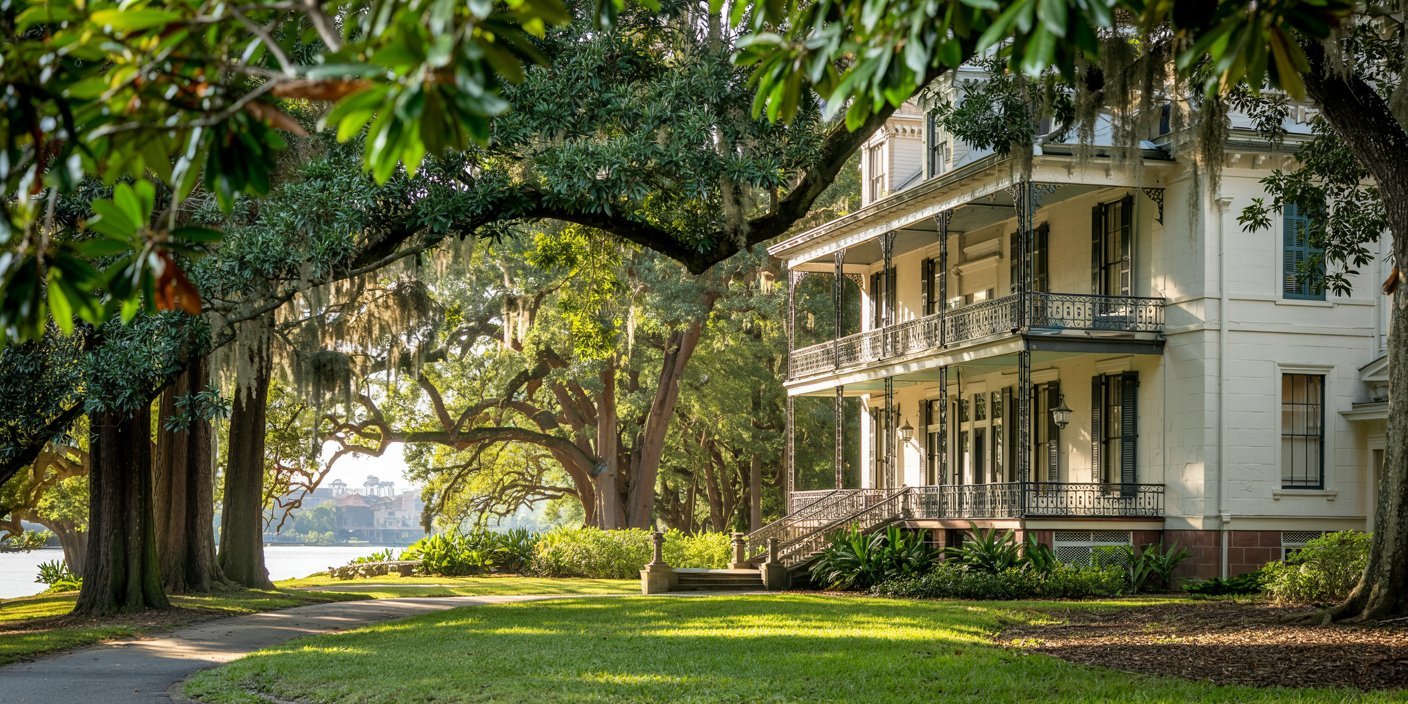
I imagine mornings where sunlight filters through tall oak trees draped in Spanish moss, the air smells faintly of sweet magnolia, and the streets hum with history, laughter, and music.
Even from my quiet home life, with the kettle boiling and family routines buzzing around me, I can picture myself walking along cobblestone streets in Charleston, exploring hidden waterfalls in Tennessee, or watching the sun melt into the horizon on a Gulf Coast beach.
For me, the South isn’t just a destination — it’s a feeling. It’s slow afternoons on porches with iced tea, the aroma of home-cooked meals drifting through small towns, and the warmth of people who seem to live life at a gentler pace.
Planning a visit here is like stepping into a different rhythm, one where you notice the small things: the curve of a river, the texture of historic brick, the way music spills from cafés and bars, and the stories behind every corner.
In this post, I want to share 10 gorgeous places in the southern USA that have captured my imagination.
These are places I’ve studied, dreamed about, and hope to explore someday.
I’ve included recommendations for safe hotels, must-try local restaurants, and attractions worth visiting, so you can experience the beauty of the South fully — whether it’s your first visit or a return trip.
Because for me, traveling isn’t just about seeing new places — it’s about feeling them, letting them touch your heart, and coming away with memories that stay with you long after you leave.
Disclaimer: This post contains affiliate links. As an Amazon Associate, I earn from qualifying purchases at no extra cost to you.
Amazon Shopping List: Southern USA Travel Essentials
- Lightweight Carry-On Luggage
Perfect for quick trips to charming southern destinations.
BUY NOW ON AMAZON - Sun Hat (Wide-Brim)
Protects you from the warm southern sun while exploring outdoors.
BUY NOW ON AMAZON - Travel Packing Cubes Set
Keeps clothes and essentials organized for smooth travel.
BUY NOW ON AMAZON - Compact Travel Backpack
Great for day trips, beach visits, and exploring cities.
BUY NOW ON AMAZON - Comfortable Walking Shoes
Ideal for strolling through historic towns, parks, and scenic streets.
BUY NOW ON AMAZON
1. Charleston, South Carolina
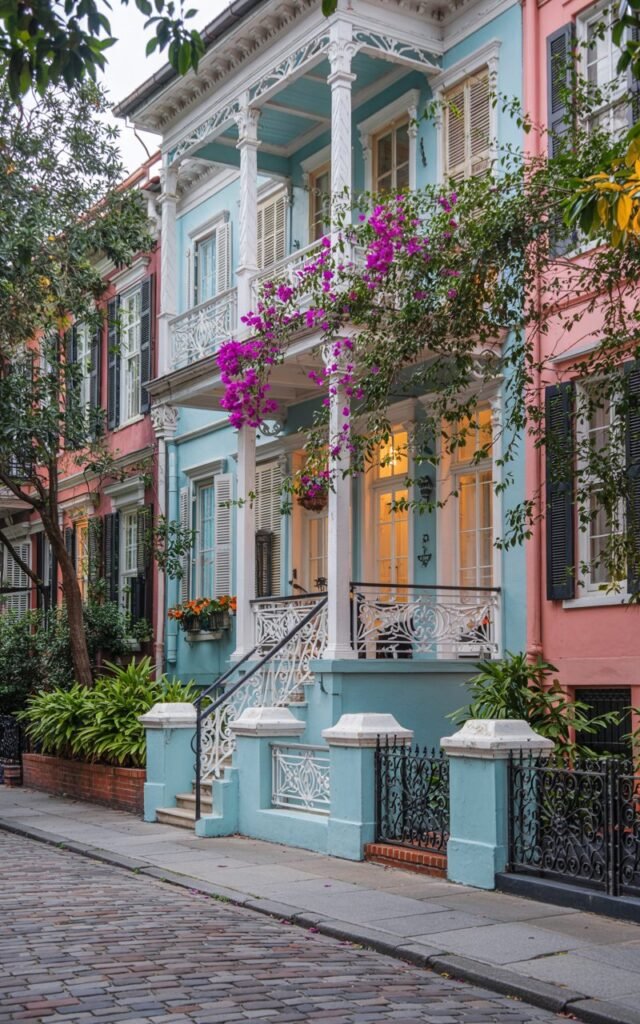
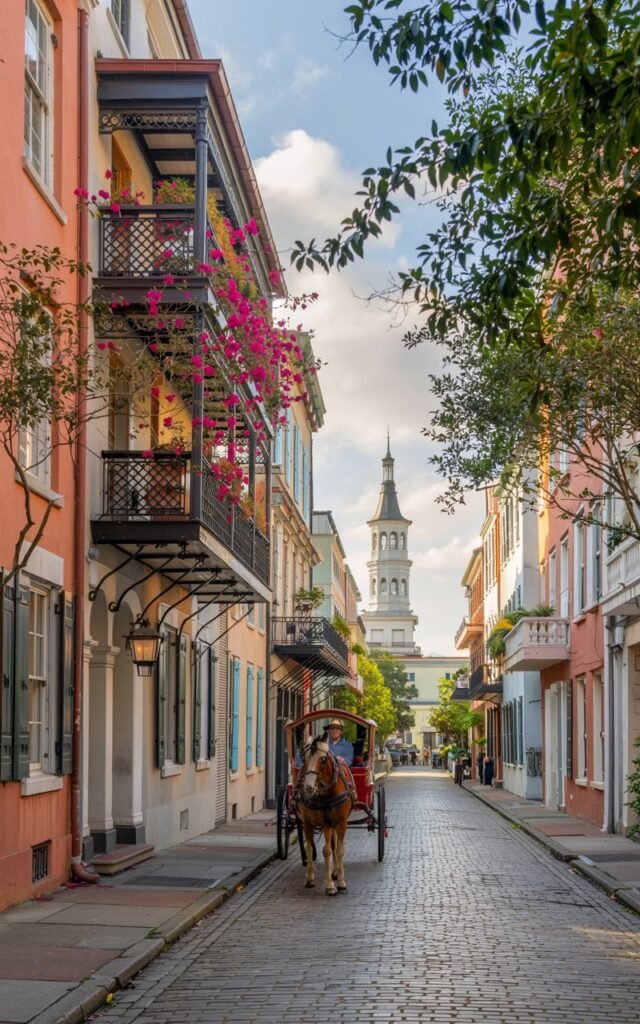
Charleston feels like stepping into another era.
Cobblestone streets, horse-drawn carriages, historic churches, pastel-colored homes, and waterfront views make this one of the most romantic and visually stunning cities in the South.
But Charleston is more than beautiful architecture. The city has a calm elegance that makes visitors slow down naturally.
You spend less time rushing and more time noticing details — hidden courtyards, iron gates, flower boxes, jazz music drifting from restaurants, and the salty breeze from the harbor.
Best Time to Visit
- March to May: Best weather and blooming flowers
- September to November: Warm but less crowded
- Summer: Beautiful but very humid and hot
Best Area to Stay
For first-time visitors, stay in:
- Historic District
- French Quarter
- Waterfront Area
These neighborhoods are walkable, safe for tourists, and close to major attractions.
Recommended Hotels
- The Mills House Wyndham Grand
- French Quarter Inn
- Planters Inn
What to Eat
Charleston is famous for Southern comfort food and seafood.
Must-try dishes:
- Shrimp and grits
- She-crab soup
- Fried green tomatoes
- Fresh oysters
- Biscuits with honey butter
Top restaurants:
- Husk
- Fleet Landing
- Callie’s Hot Little Biscuit
Things to Do
- Walk through Rainbow Row
- Visit The Battery & White Point Garden
- Explore Charleston City Market
- Take a harbor sunset cruise
- Visit Magnolia Plantation & Gardens
- Spend a day at Folly Beach
Helpful Travel Tips
- Wear comfortable walking shoes — the cobblestone streets can be uneven.
- Book plantation tours in advance during spring.
- Parking downtown can be expensive, so many travelers prefer walking or rideshares.
- Summers are humid, so carry water constantly.
2. Savannah, Georgia
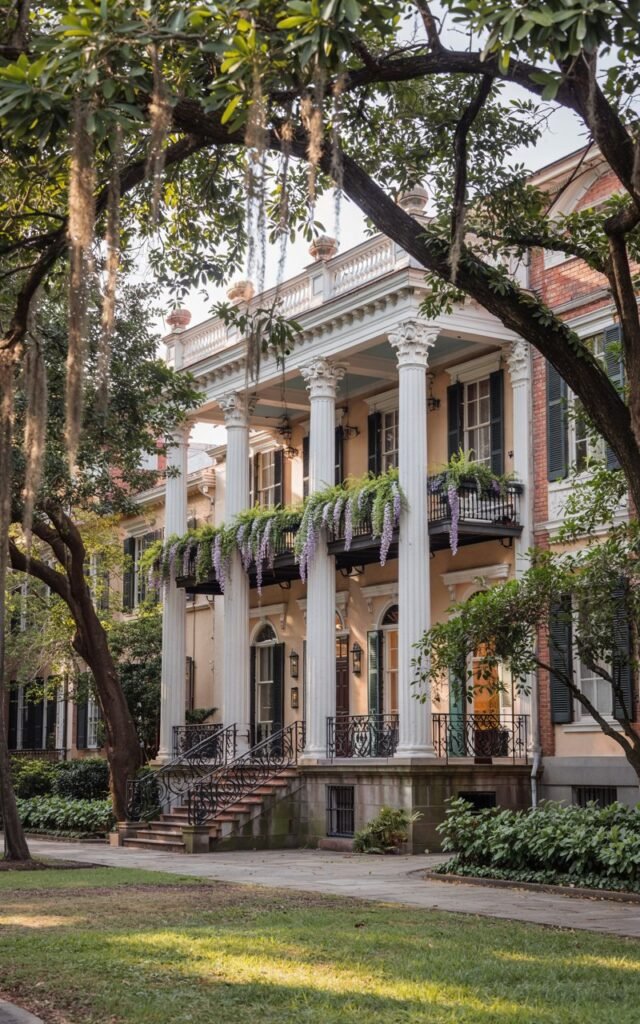
Savannah feels soft, romantic, and peaceful.
The city is filled with historic squares shaded by giant oak trees draped in Spanish moss. Walking through Savannah feels almost cinematic.
There’s beauty everywhere — hidden gardens, old mansions, quiet cafés, lantern-lit streets, and historic fountains.
Savannah is also one of the most walkable Southern cities, making it perfect for slow travel.
Best Time to Visit
- March to May: Ideal weather
- October to November: Cooler temperatures and fewer crowds
Best Areas to Stay
- Historic District
- River Street Area
- Forsyth Park Area
These areas are safest and most convenient for tourists.
Recommended Hotels
- The Gastonian
- Andaz Savannah
- Hamilton-Turner Inn
What to Eat
Savannah’s food scene combines traditional Southern flavors with modern creativity.
Must-try foods:
- Fried chicken
- Shrimp and grits
- Pecan pralines
- Low-country boil
- Peach cobbler
Top restaurants:
- Mrs. Wilkes’ Dining Room
- The Collins Quarter
- The Grey
Things to Do
- Walk through Forsyth Park
- Explore River Street
- Take a ghost tour
- Visit Bonaventure Cemetery
- Enjoy a Savannah River cruise
- Explore the historic squares
Helpful Travel Tips
- Savannah is extremely walkable bring breathable clothes and good shoes.
- Ghost tours are popular, especially at night, so reserve early.
- Summer heat can be intense with high humidity.
- The city is safer in tourist-heavy districts at night.
3. Asheville, North Carolina
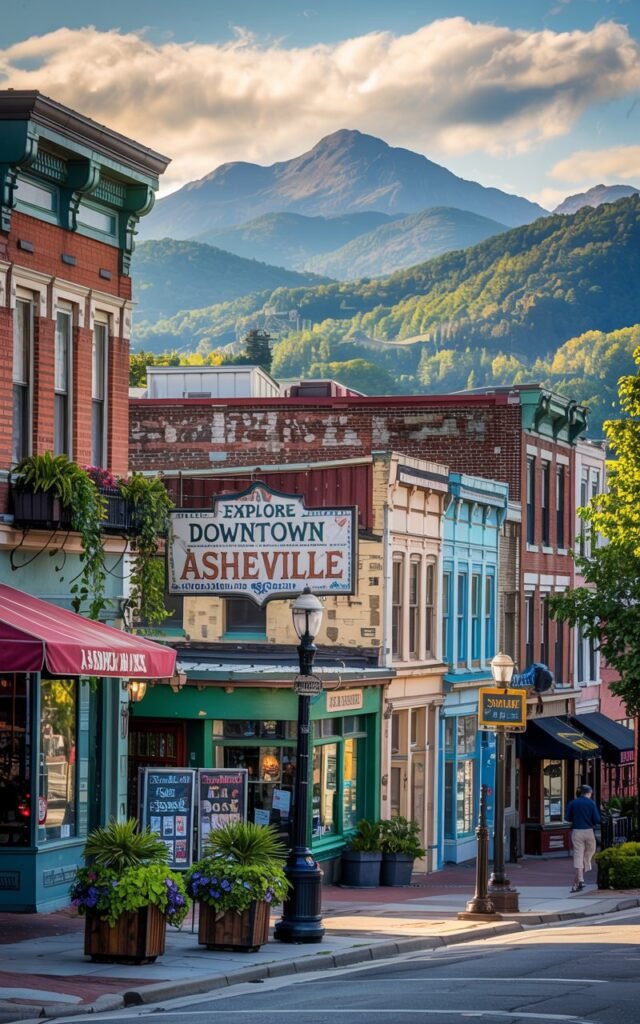
Asheville is where mountains, creativity, and cozy small-town charm come together beautifully.
Surrounded by the Blue Ridge Mountains, Asheville attracts travelers who love nature, art, coffee shops, scenic drives, and peaceful escapes.
It’s one of the best destinations in the South for travelers who want both adventure and relaxation.
Best Time to Visit
- Fall (September–October): Famous autumn colors
- Spring: Blooming mountain scenery
- Summer: Great for hiking
Best Areas to Stay
- Downtown Asheville
- Biltmore Village
- West Asheville
Recommended Hotels
- The Omni Grove Park Inn
- Foundry Hotel Asheville
- AC Hotel Asheville Downtown
What to Eat
Asheville has one of the South’s best food scenes.
Top spots:
- Tupelo Honey
- Cúrate
- High Five Coffee
Must-try experiences:
- Farm-to-table dining
- Local breweries
- Mountain breakfasts
- Artisan bakeries
Things to Do
- Drive the Blue Ridge Parkway
- Visit Biltmore Estate
- Hike Craggy Gardens
- Explore the River Arts District
- Visit local breweries
- Watch the sunset from the mountains
Helpful Travel Tips
- Renting a car is highly recommended.
- Weather changes quickly in the mountains — pack layers.
- Some hiking trails have limited phone signal.
- Book fall trips months in advance because leaf season gets crowded.
4. New Orleans, Louisiana
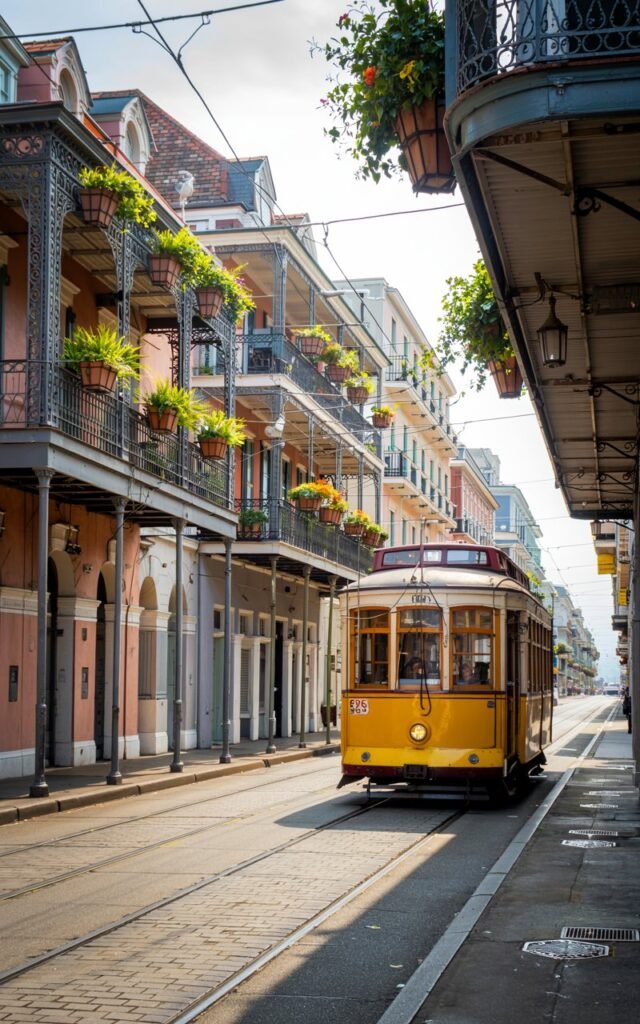
New Orleans is unlike anywhere else in America.
The city is alive with jazz music, Creole cuisine, colorful architecture, festivals, and energy that spills into every street corner.
New Orleans feels vibrant day and night.
But beyond Bourbon Street, the city also has quiet beauty — historic homes, riverfront walks, garden-lined streets, and incredible cultural history.
Best Time to Visit
- February to May: Festival season
- October to December: Pleasant weather
Avoid peak summer if you dislike humidity.
Best Areas to Stay
- French Quarter
- Garden District
- Central Business District
Recommended Hotels
- Hotel Monteleone
- The Roosevelt New Orleans
- Windsor Court Hotel
What to Eat
New Orleans is one of America’s greatest food cities.
Must-try dishes:
- Beignets
- Gumbo
- Jambalaya
- Crawfish étouffée
- Po’boys
Top food spots:
- Café du Monde
- Commander’s Palace
- Cochon Butcher
Things to Do
- Explore the French Quarter
- Listen to live jazz on Frenchmen Street
- Ride the St. Charles streetcar
- Visit Jackson Square
- Tour the Garden District
- Take a swamp tour
Helpful Travel Tips
- Stay aware of your surroundings at night.
- Avoid carrying large amounts of cash.
- Streetcars are affordable and fun for transportation.
- Mardi Gras season gets very crowded and expensive.
5. Natchez, Mississippi
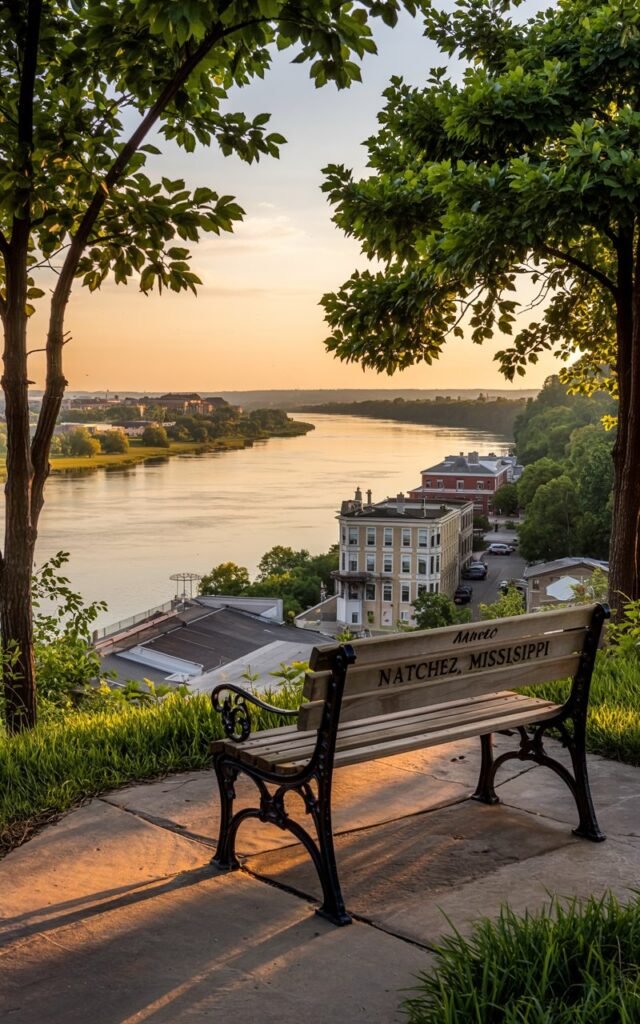
Natchez is one of the South’s most underrated destinations.
This riverside town is filled with grand historic mansions, peaceful streets, and classic Southern hospitality.
Natchez feels slower and quieter than larger Southern cities, which makes it perfect for travelers wanting relaxation and history.
Best Areas to Stay
- Downtown Historic District
- Riverfront Area
Recommended Hotels
- Natchez Grand Hotel
- Monmouth Historic Inn
- Eola Hotel
Things to Eat
- Southern fried chicken
- Homemade pies
- Biscuits and gravy
- Mississippi catfish
Top restaurants:
- Mammy’s Cupboard
- The Castle Restaurant
Things to Do
- Tour Longwood Mansion
- Visit Natchez National Historical Park
- Drive the Natchez Trace Parkway
- Watch the sunset over the Mississippi River
Helpful Travel Tips
- A car is helpful for exploring nearby attractions.
- Many historic homes have guided tours.
- The town is quieter at night compared to larger cities.
6. Asheville, North Carolina
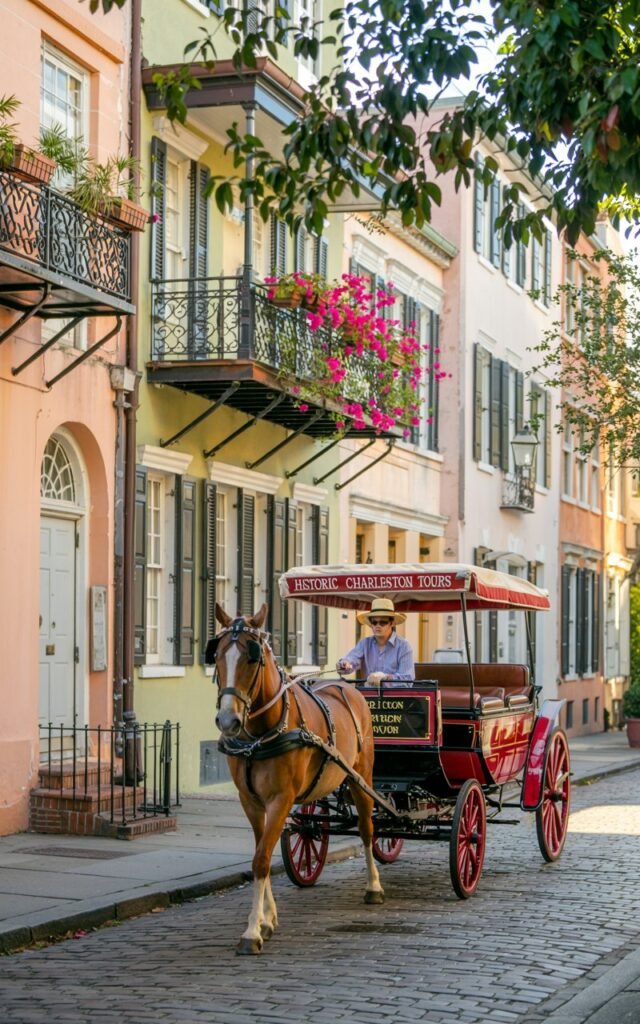
Destin is famous for emerald-colored water, white sand beaches, and laid-back coastal energy.
This is one of the best beach destinations in the Southern USA for families, couples, and solo travelers alike.
Best Time to Visit
- April to May
- September to October
These months offer warm weather with fewer crowds.
Best Areas to Stay
- Crystal Beach
- Destin Harbor
- Miramar Beach
Recommended Hotels
- The Henderson Beach Resort
- Henderson Park Inn
- Sandestin Golf and Beach Resort
What to Eat
Top seafood spots:
- The Back Porch
- Dewey Destin’s Seafood Restaurant
- Another Broken Egg Cafe
Things to Do
- Relax at Henderson Beach State Park
- Go dolphin watching
- Try paddleboarding
- Take a sunset cruise
- Visit Destin Harbor Boardwalk
Helpful Travel Tips
- Beaches get crowded during summer school holidays.
- Reserve beach hotels early.
- UV levels are very strong — sunscreen is essential.
- Seafood restaurants are busiest around sunset.
7. Charleston, South Carolina
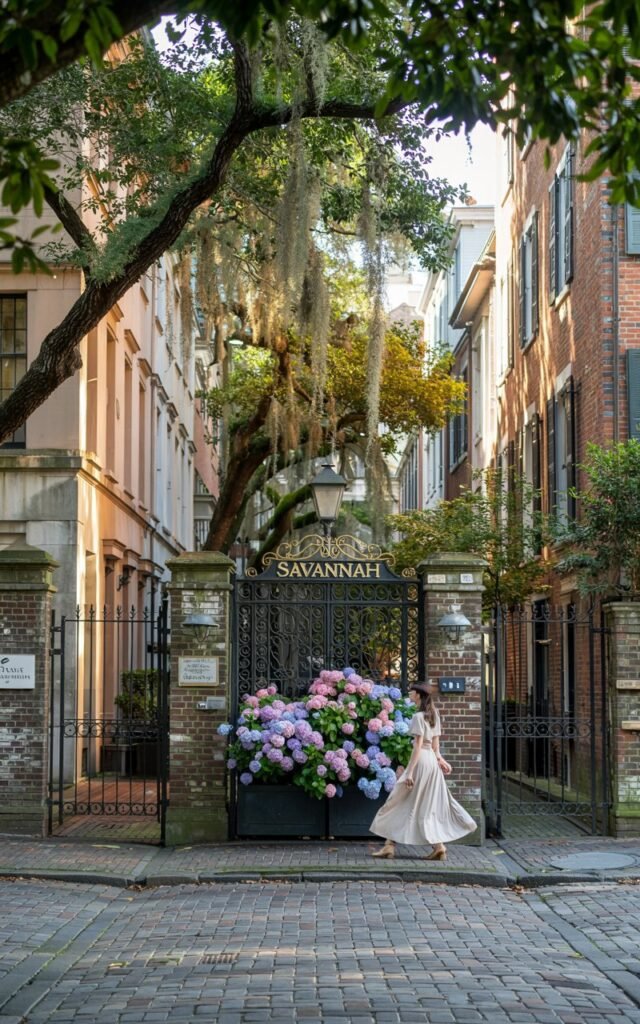
Nashville combines Southern hospitality with music, nightlife, and incredible food.
Even travelers who aren’t country music fans usually fall in love with Nashville’s atmosphere.
The city feels energetic without losing its warmth.
Best Areas to Stay
- Downtown Nashville
- The Gulch
- Music Row
Recommended Hotels
- The Hermitage Hotel
- Graduate Nashville
- Omni Nashville Hotel
What to Eat
Must-try:
- Nashville hot chicken
- Southern barbecue
- Biscuits
- Banana pudding
Top food spots:
- Hattie B’s Hot Chicken
- Prince’s Hot Chicken Shack
Things to Do
- Visit the Grand Ole Opry
- Explore Broadway
- Tour the Country Music Hall of Fame
- Watch live music performances
- Visit Centennial Park
Helpful Travel Tips
- Downtown can be noisy late at night.
- Ride shares are easier than parking downtown.
- Weekends are extremely busy year-round.
8. Savannah, Georgia
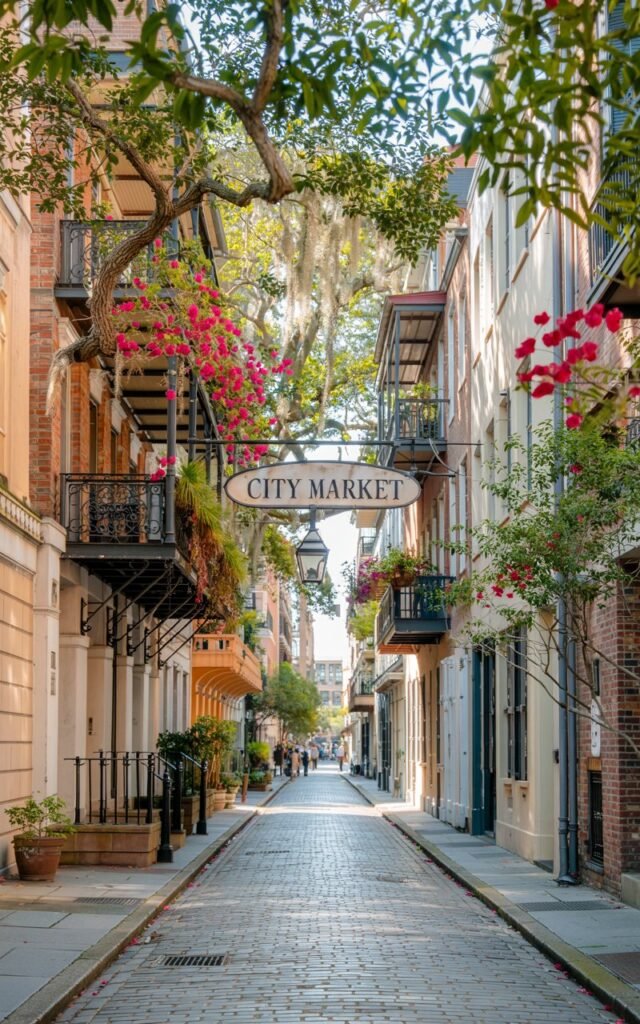
Hilton Head Island is the kind of destination that instantly makes you slow down. Unlike some busy beach towns that feel crowded and noisy, Hilton Head feels peaceful, polished, and relaxing from the moment you arrive.
The island is known for its wide sandy beaches, beautiful bike trails, swaying palm trees, golf resorts, and quiet luxury atmosphere.
It’s perfect for couples looking for a romantic coastal escape, families wanting a calm beach vacation, or travelers who simply want rest without sacrificing comfort.
One of the things people love most about Hilton Head is how natural it feels. Even with resorts and restaurants nearby, the island has worked hard to preserve its beauty.
You’ll find shaded walking paths, marsh views, quiet beaches, and stunning sunsets that make everyday life feel very far away.
Best Time to Visit
- March to May: Warm temperatures, fewer crowds, beautiful spring scenery
- September to November: Pleasant weather and quieter beaches
- Summer: Great for beach lovers, but more crowded and expensive
Best Areas to Stay
For first-time visitors, these areas are ideal:
- Coligny Beach Area – Great for walkability, restaurants, and beach access
- Harbour Town – Famous for the lighthouse and marina views
- Palmetto Dunes – Quiet, upscale, and family-friendly
- Sea Pines Resort Area – Beautiful nature, golf, and luxury accommodations
These neighborhoods are safe, clean, and convenient for tourists.
Recommended Hotels & Resorts
- The Westin Hilton Head Island Resort & Spa
- Omni Hilton Head Oceanfront Resort
- Sonesta Resort Hilton Head Island
- Inn & Club at Harbour Town
What to Eat
Hilton Head has an excellent seafood scene mixed with Southern coastal flavors.
Must-try dishes:
- Fresh shrimp
- Crab cakes
- Low-country boil
- Oysters
- Key lime pie
Top restaurants:
- Hudson’s Seafood House On The Docks
- The Crazy Crab Harbour Town
- A Lowcountry Backyard Restaurant
- Skull Creek Boathouse
Things to Do
Relax at Coligny Beach
Coligny Beach is one of the island’s most popular beach areas because it’s beautiful, clean, and easy to access. The soft sand and calm water make it perfect for long walks, swimming, or simply relaxing with a book.
Visit Harbour Town Lighthouse
The iconic red-and-white striped lighthouse is one of Hilton Head’s most photographed landmarks. The marina area nearby is full of shops, restaurants, and waterfront views.
Explore the Island by Bike
Hilton Head is famous for its bike-friendly paths. Renting a bicycle is one of the best ways to experience the island slowly while enjoying the scenery.
Go Dolphin Watching
Boat tours around the island often include dolphin sightings, sunset cruises, and scenic coastal views.
Visit Sea Pines Forest Preserve
This protected natural area offers walking trails, wildlife spotting, lakes, and peaceful scenery away from the beach crowds.
Helpful Travel Tips
- Renting bicycles is highly recommended.
- The island is more relaxed and quieter than many Florida beach destinations.
- Reserve accommodations early during summer and spring break.
- Sunset restaurants get busy quickly, especially near the marina.
- A car is still useful for exploring different parts of the island.
9. Destin, Florida
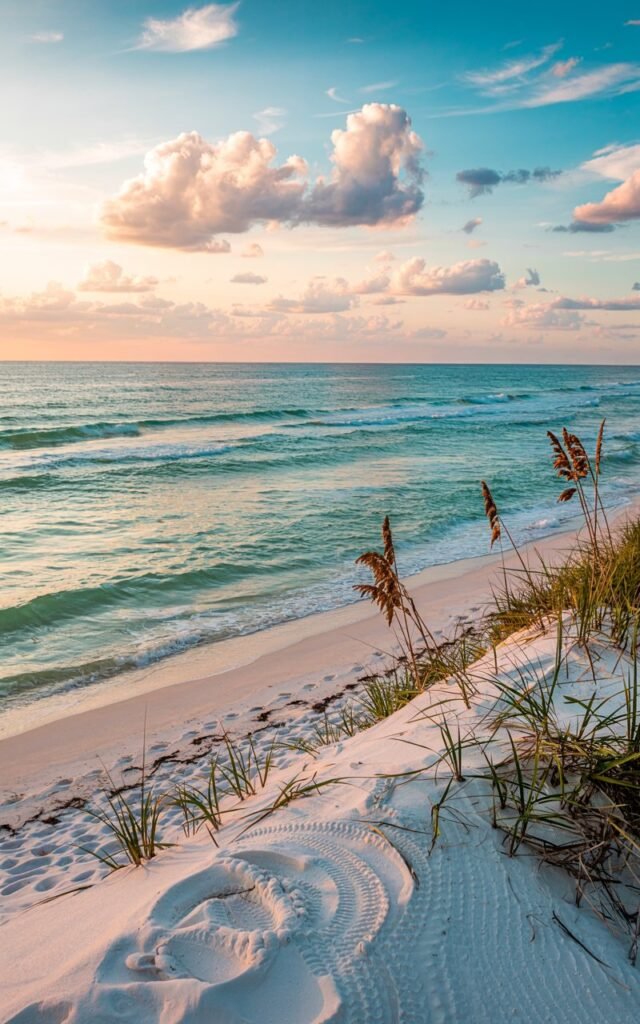
Blue Ridge Mountains are one of the most breathtaking regions in the Southern USA, especially for travelers who love nature, scenic drives, cozy cabins, waterfalls, and peaceful mountain towns.
This region feels completely different from the fast pace of modern life. Mornings are filled with cool mountain air, mist rolling over hills, and quiet forests that make you feel instantly calmer.
Whether you’re hiking to waterfalls, driving winding mountain roads, or sitting beside a cabin fireplace with coffee in hand, the Blue Ridge Mountains offer the kind of peace many travelers spend years searching for.
Best Time to Visit
- September to October: Stunning fall foliage colors
- Spring: Wildflowers and waterfalls are at their best
- Summer: Excellent hiking weather
- Winter: Cozy cabin season with fewer tourists
Best Areas to Stay
Some of the best mountain towns include:
- Blue Ridge, Georgia
- Boone, North Carolina
- Blowing Rock, North Carolina
- Cherokee, North Carolina
- Bryson City, North Carolina
These towns are safe, scenic, and ideal for mountain travelers.
Recommended Hotels & Cabins
- The Lodge at Blue Ridge
- Chetola Resort
- Old Edwards Inn and Spa
- The Swag
Many travelers also rent mountain cabins for a more peaceful experience.
What to Eat
Mountain towns in this region are known for hearty comfort food and cozy cafés.
Must-try foods:
- Southern barbecue
- Biscuits and gravy
- Apple pie
- Trout dishes
- Homemade pancakes
Top restaurants:
- The Black Sheep Restaurant
- The Gamekeeper Restaurant
- Daniel Boone Inn
Things to Do
Drive the Blue Ridge Parkway
This is one of America’s most scenic drives. The mountain views, overlooks, tunnels, and forests are unforgettable, especially during autumn.
Visit Waterfalls
The region is filled with waterfalls hidden inside forests and hiking trails.
Popular waterfall areas include:
- Linville Falls
- Dry Falls
- Looking Glass Falls
- Amicalola Falls
Stay in a Mountain Cabin
One of the best experiences here is simply slowing down in a cabin surrounded by nature.
Many cabins include:
- Fireplaces
- Hot tubs
- Mountain views
- Outdoor decks
Go Hiking
Popular hiking trails include:
- Craggy Gardens
- Grandfather Mountain
- Mount Mitchell
- Black Balsam Knob
Explore Small Mountain Towns
The charm of this region is not just the mountains it’s also the tiny towns filled with antique stores, bakeries, local art shops, bookstores, and cafés.
Helpful Travel Tips
- Mountain roads can become foggy at night, so drive carefully.
- Cell service may disappear in remote areas.
- Weather changes quickly in the mountains.
- Bring hiking shoes even if you plan casual exploring.
- Fall foliage season requires booking hotels months ahead.
10. Charleston, South Carolina
San Antonio is one of the most culturally rich and vibrant cities in the Southern USA.
The city blends Texan energy with strong Mexican and Spanish influences, creating a destination full of color, history, music, incredible food, and beautiful architecture.
San Antonio feels lively without feeling overwhelming. You can spend the morning exploring historic missions, the afternoon eating incredible Tex-Mex food, and the evening walking beside the glowing River Walk while live music fills the air.
Best Time to Visit
- March to April: Pleasant weather and spring festivals
- October to November: Cooler temperatures and fewer crowds
Summer is extremely hot, especially during midday.
Best Areas to Stay
For first-time visitors, these areas are ideal:
- River Walk Area
- Downtown San Antonio
- Pearl District
- La Cantera Area
These neighborhoods are safe, lively, and convenient for visitors.
Recommended Hotels
- Hotel Valencia Riverwalk
- Mokara Hotel & Spa
- Hotel Emma
- Omni La Mansion del Rio
What to Eat
San Antonio is a dream destination for food lovers.
Must-try foods:
- Tex-Mex tacos
- Breakfast tacos
- Queso dip
- Texas barbecue
- Fresh churros
- Tamales
Top restaurants:
- Mi Tierra Cafe y Panaderia
- Boudro’s Texas Bistro
- The Guenther House
- 2M Smokehouse
Things to Do
Walk the San Antonio River Walk
The River Walk is the heart of the city. Restaurants, cafés, shops, bridges, and lights line the river, creating one of the most beautiful evening atmospheres in Texas.
Visit The Alamo
One of the most famous historic sites in America, The Alamo tells an important story in Texas history and is a must-visit for first-time travelers.
Explore the Pearl District
The Pearl District mixes modern restaurants, boutique shops, cafés, and local culture in a stylish, walkable area.
Visit San Antonio Missions National Historical Park
This UNESCO World Heritage Site showcases beautifully preserved Spanish missions filled with history and architecture.
Enjoy Local Markets
Historic Market Square is perfect for shopping, local food, music, and cultural experiences.
Helpful Travel Tips
- Summers can become dangerously hot, so plan outdoor activities early in the morning.
- Comfortable shoes are essential because the River Walk involves a lot of walking.
- River cruises are worth doing at sunset.
- Downtown parking can be expensive, so many visitors prefer walking or rideshares.
- Tex-Mex portions are usually very large, so sharing meals is common.
Important Southern USA Travel Tips
1. Rent a Car for Maximum Flexibility
Many Southern destinations are spread out, especially mountain and coastal regions.
A rental car gives you freedom to explore scenic roads, beaches, hidden cafés, and smaller towns.
2. Prepare for Humidity
Southern summers can feel much hotter because of humidity.
Pack:
- Lightweight clothing
- Sunscreen
- Reusable water bottle
- Comfortable sandals
- Breathable fabrics
3. Southern Food Portions Are Huge
Many restaurants serve large portions.
Sharing meals can save money and prevent waste.
4. Tipping Culture Matters
In the USA, tipping is expected.
General guideline:
- Restaurants: 18–20%
- Hotel staff: small tips appreciated
- Tour guides: optional but common
5. Book Early During Festivals
Southern cities host major events throughout the year:
- Mardi Gras in New Orleans
- Music festivals in Nashville
- Food festivals in Charleston
- Fall foliage season in Asheville
Hotels can sell out months ahead.
Suggested Southern USA Itinerary
7-Day Trip
- Charleston — 2 days
- Savannah — 2 days
- Asheville — 2 days
- Nashville — 1 day
10-Day Trip
- Charleston
- Savannah
- Asheville
- Nashville
- New Orleans
2-Week Southern Road Trip
- Charleston
- Savannah
- Hilton Head
- Asheville
- Nashville
- Natchez
- New Orleans
- Destin
Conclusion
The Southern USA is a region of contrasts, charm, and unforgettable experiences.
From the historic streets of Charleston and Savannah to the mountains of Asheville, the rivers of Natchez, and the sparkling beaches of Destin and Hilton Head, each place offers something unique.
For first-time visitors, my advice is simple: stay in safe, convenient areas, sample local food, explore neighborhoods beyond the main attractions, and take time to enjoy the atmosphere.
Travel is about feeling the place — the colors, smells, sounds, and stories — not just checking destinations off a list.
Exploring these 10 gorgeous Southern destinations reminds me why travel is worth every effort: it teaches patience, curiosity, and appreciation for beauty in its many forms.
Whether it’s a quiet porch in Natchez or a sunset on Destin Beach, the South has a way of leaving its mark on your heart.