
Just off Highway 89 between Kanab and Big Water, a completely unassuming pullout hides one of southern Utah’s most photogenic little secrets.
Belly of the Dragon is a short, man made tunnel carved through soft Utah sandstone, originally built as a drainage culvert to route water beneath the highway, that has since become a genuinely popular stop for anyone road tripping through this stretch of red rock country.
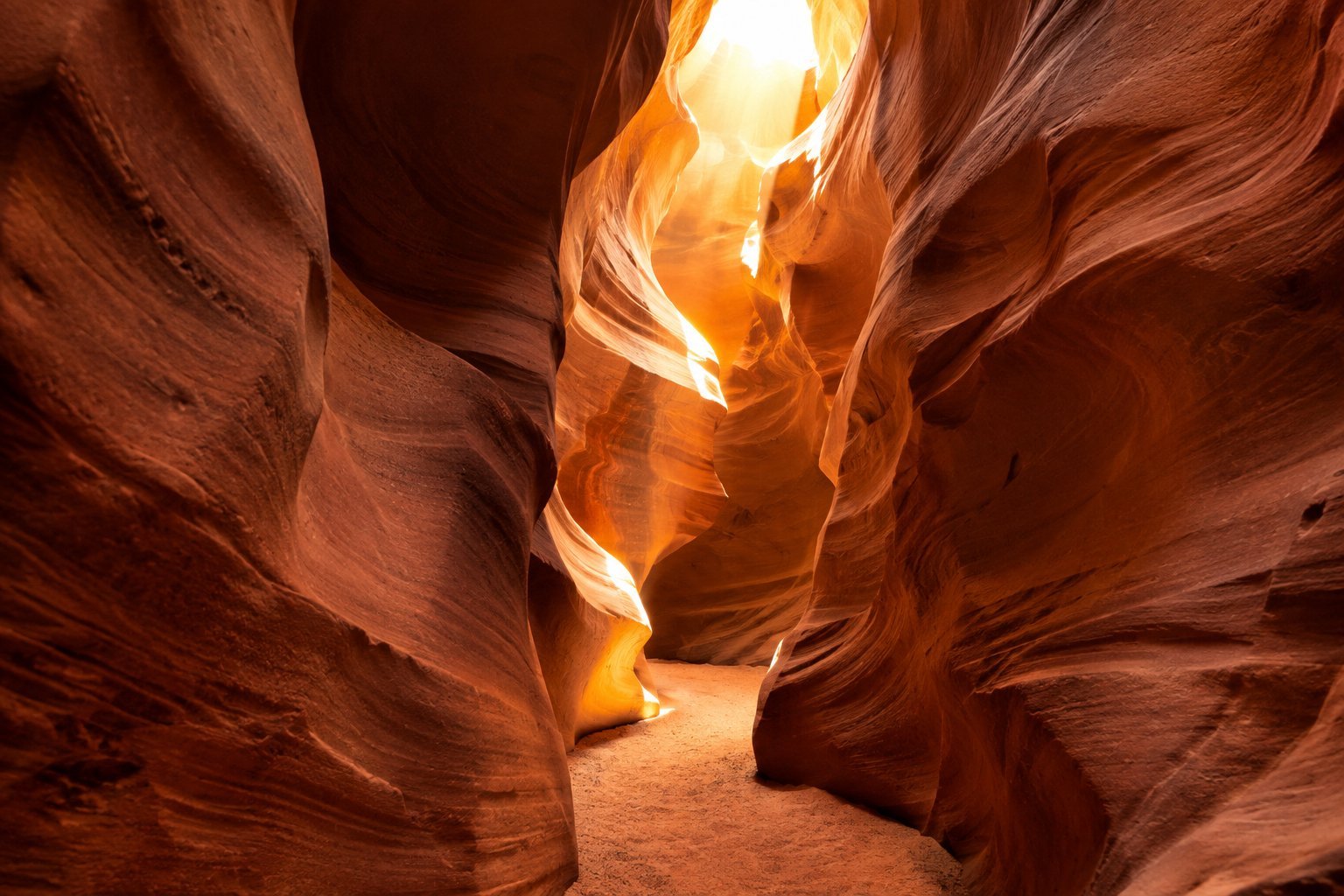
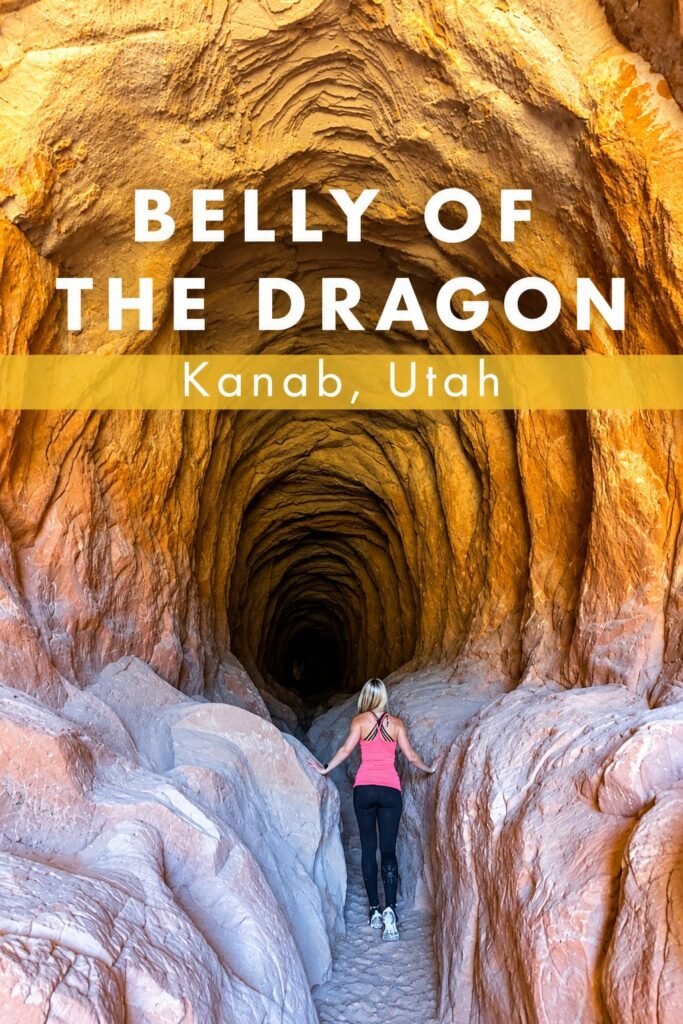
The tunnel’s curved, ribbed walls and shafts of light filtering in from above give it a slot canyon look, without the multi-hour hike or permit typically required to see something similar.
This guide covers what to actually expect once you’re there, how to fit it into a broader southern Utah road trip, and the practical details worth knowing before you go.
If you’re building a bigger itinerary around this stretch of the Southwest, my best travel destinations in Arizona and best road trips in America guides both cover nearby ground worth pairing with a stop here.
What Is Belly of the Dragon?
Despite its dramatic name and its slot canyon appearance, Belly of the Dragon isn’t a natural formation.
It’s a tunnel dug through the sandstone decades ago specifically to channel water beneath the highway during flash floods, part of the area’s broader drainage infrastructure.
Erosion and the tunnel’s curved construction have left the interior with the same kind of smooth, undulating walls you’d expect from a genuine natural slot canyon, and the soft, warm light that filters down through the openings at either end creates the same kind of striking photo opportunities that draw people to more famous, harder to access canyons nearby.
The tunnel itself is short, only a few hundred feet long, and takes most visitors somewhere between five and fifteen minutes to walk through, depending on how much time you spend taking photos along the way.
What to Expect When You Visit
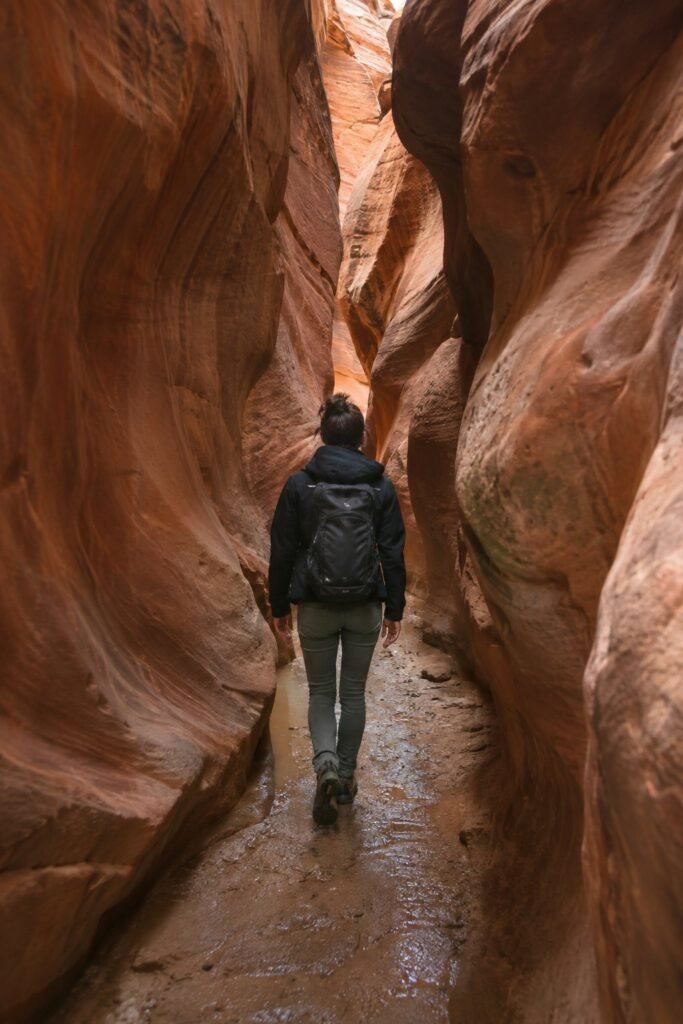
The walk through the tunnel is easy and mostly flat, though the ground can be sandy, muddy, or occasionally have standing water depending on recent weather, so waterproof or at least water resistant shoes are worth wearing rather than showing up in sandals you’d rather keep dry.
The tunnel is tall enough to walk through comfortably in most sections without ducking, though it does narrow in places.
Photography is the main draw for most visitors, and the combination of warm sandstone color and shafts of natural light coming through the openings above makes for genuinely striking photos without needing much editing.
Morning and midday light tend to produce the most dramatic beams, so timing your visit accordingly is worth the extra planning if photos are a priority.
How to Get There
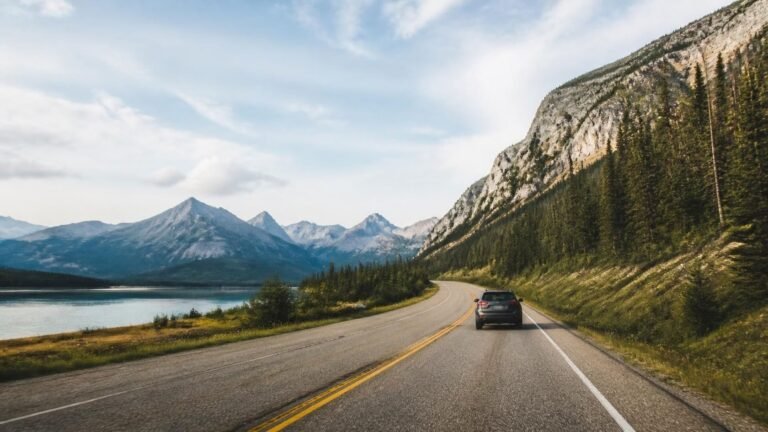
Belly of the Dragon sits along Highway 89, roughly fifteen minutes east of Kanab and a similar distance from the town of Big Water, making it an easy stop if you’re already driving this stretch of road between Zion, Bryce Canyon, or the Grand Canyon’s North Rim and the Lake Powell or Page, Arizona area.
There’s a small, unmarked pullout parking area near the tunnel entrance, and the site itself has no formal signage, gate, or visitor center, so keep an eye out for the parking area and a short, informal path leading toward the tunnel entrance.
Where to Stay
Most visitors treat Belly of the Dragon as a quick stop rather than a destination requiring an overnight stay of its own.
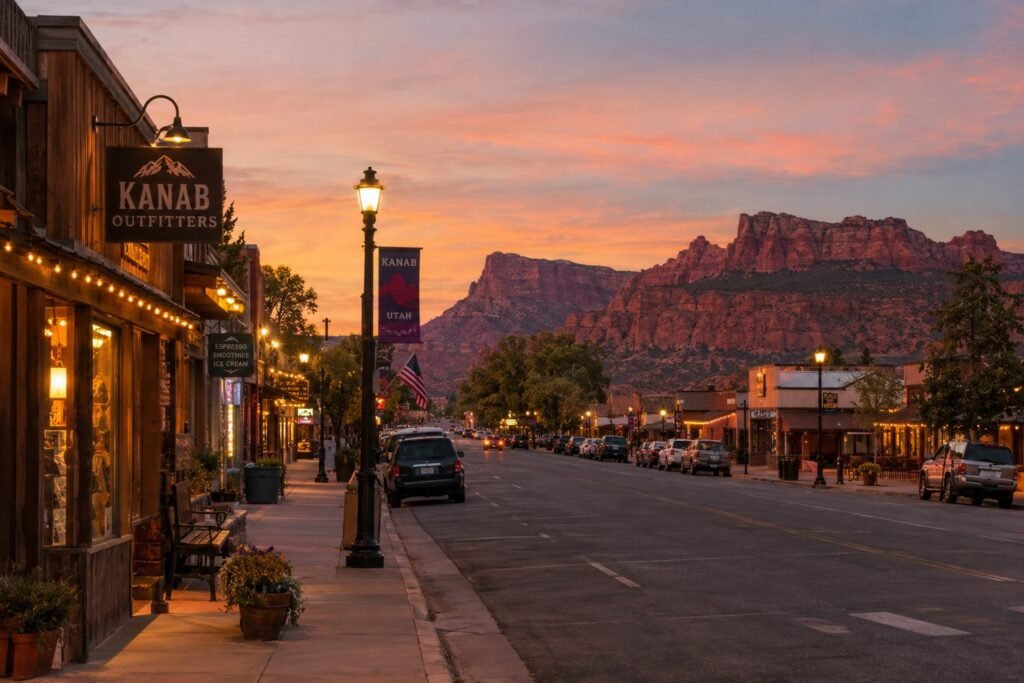
Kanab, a short drive away, offers a solid range of hotels and makes a practical base if you’re exploring this broader region, including nearby Zion National Park and the Grand Staircase-Escalante area.
Page, Arizona, on the other side, works just as well if your itinerary is oriented more toward Lake Powell and Antelope Canyon.
Best Time to Visit
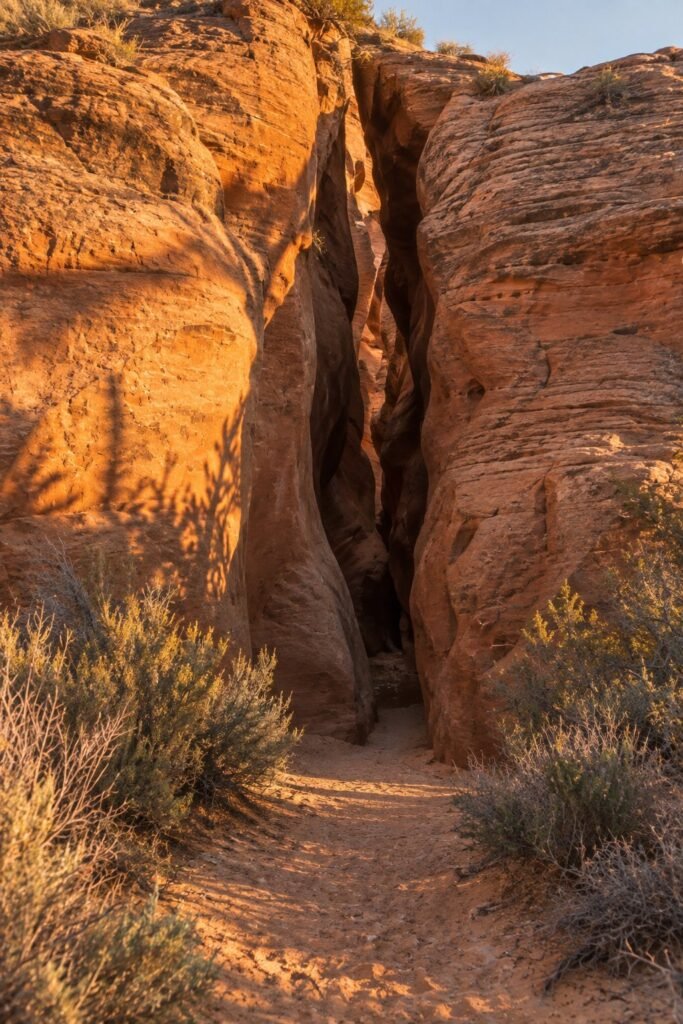
Spring and fall offer the most comfortable temperatures for the short walk and any time spent outside photographing the entrances.
Summer brings genuine desert heat to this part of Utah, though the tunnel’s interior stays noticeably cooler than the exposed pullout area outside it.
Avoid visiting during or immediately after heavy rain, since this tunnel exists specifically to channel flash flood water, and standing water or muddy conditions are far more likely following a storm.
Budget Tips
Belly of the Dragon is completely free to visit, with no entrance fee, permit, or reservation required, which makes it one of the best value stops on an entire southern Utah road trip.
Since it only takes a few minutes to walk through, it costs nothing beyond the time and gas to make the short detour off the highway.
Safety Tips
Check the weather before visiting, since this tunnel is part of a genuine flash flood drainage system, and heavy rain anywhere upstream can send water through quickly with little warning, similar to the risk in any slot canyon.
Wear shoes you don’t mind getting muddy or wet, since standing water is common depending on recent conditions.
Watch your footing on the uneven, sometimes slick sandstone floor, and supervise kids closely, since the tunnel’s tall openings and uneven surface aren’t difficult but do require some basic attention.
Frequently Asked Questions
Is Belly of the Dragon a natural slot canyon? No, it’s a man made tunnel originally built as a drainage culvert, though erosion has given its interior a natural slot canyon appearance.
How long does it take to visit? Most visitors spend between five and twenty minutes walking through and taking photos, making it an easy, quick stop on a longer road trip.
Is there an entrance fee? No, it’s completely free to visit with no permit or reservation required.
Is it good for kids? Yes, generally, since the walk is short and flat, though supervise kids around any standing water or uneven sandstone sections.
Can I bring a dog? Many visitors do bring dogs, though as with any outdoor site, keep pets leashed and clean up after them.
What should I wear? Closed toe shoes you don’t mind getting a little muddy or wet are the safest choice, since ground conditions vary depending on recent weather.
Final Thoughts
Belly of the Dragon is exactly the kind of stop that rewards travelers willing to pull off the highway for something that isn’t on every official park map.
It costs nothing, takes almost no time, and delivers a genuinely striking, photogenic experience that punches well above its unassuming roadside pullout.
If you’re already making the drive between Zion, Bryce, or the Grand Canyon and Lake Powell, this is an easy, worthwhile detour to build into the day.