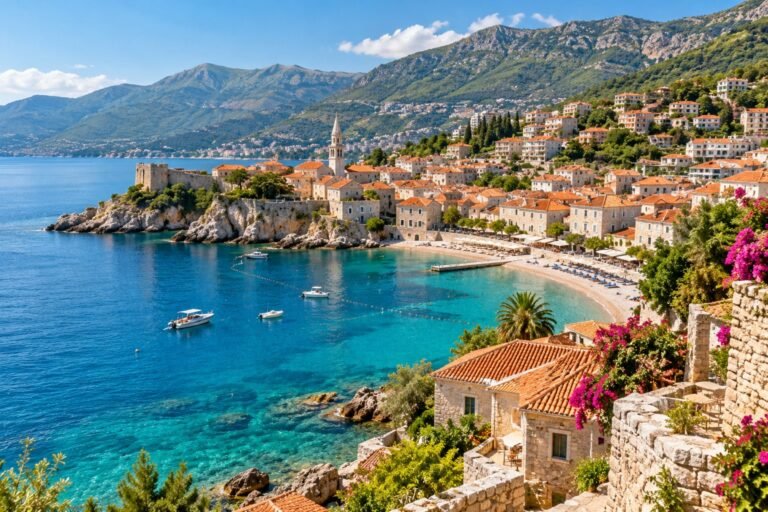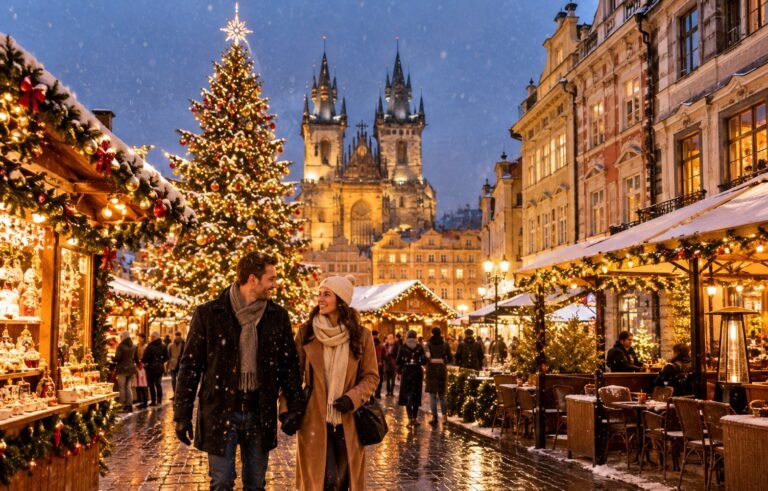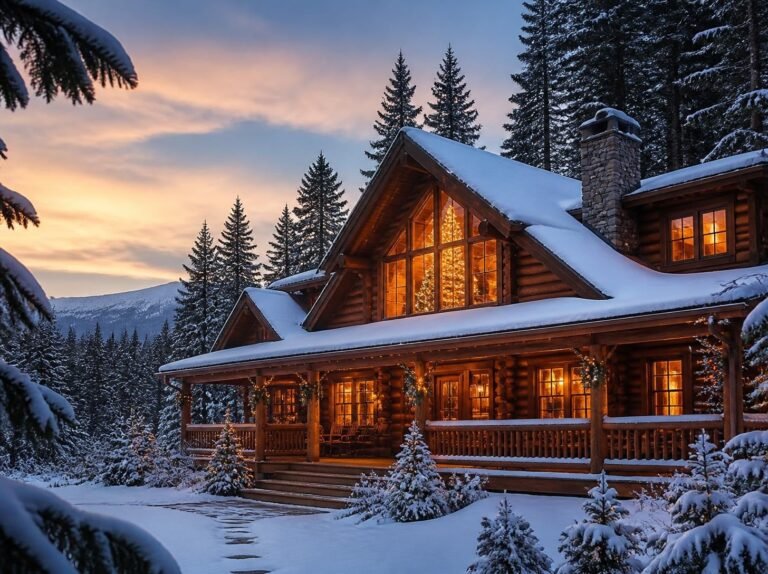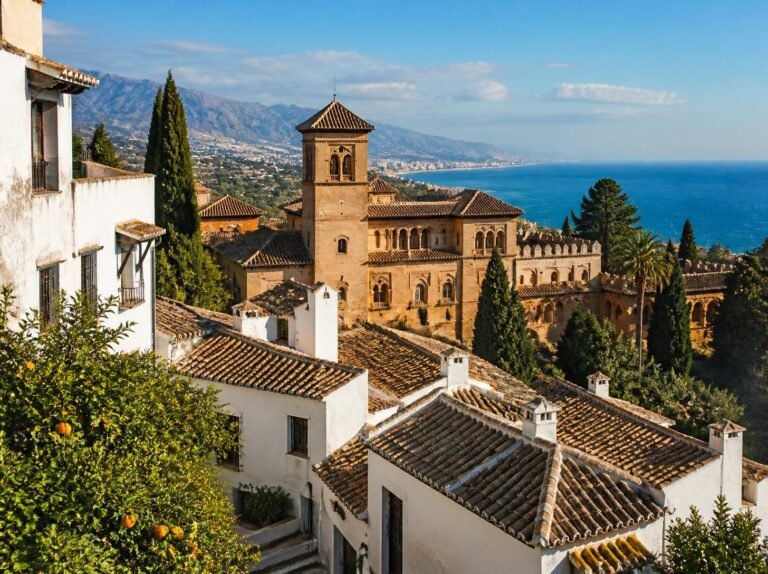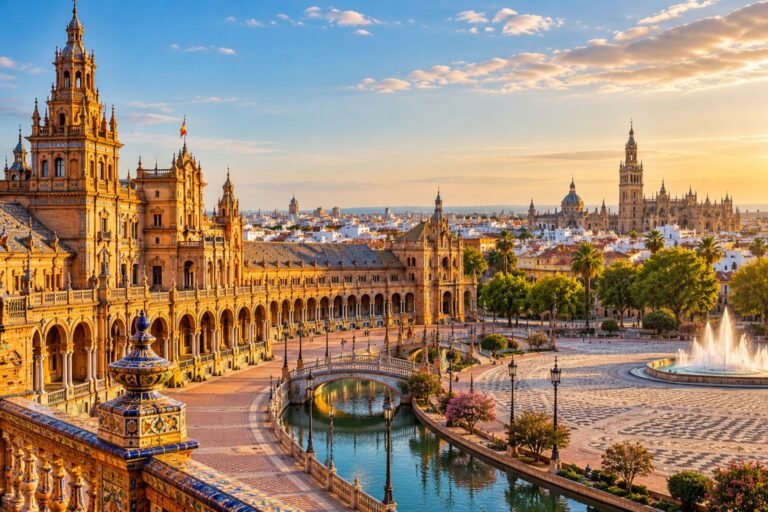

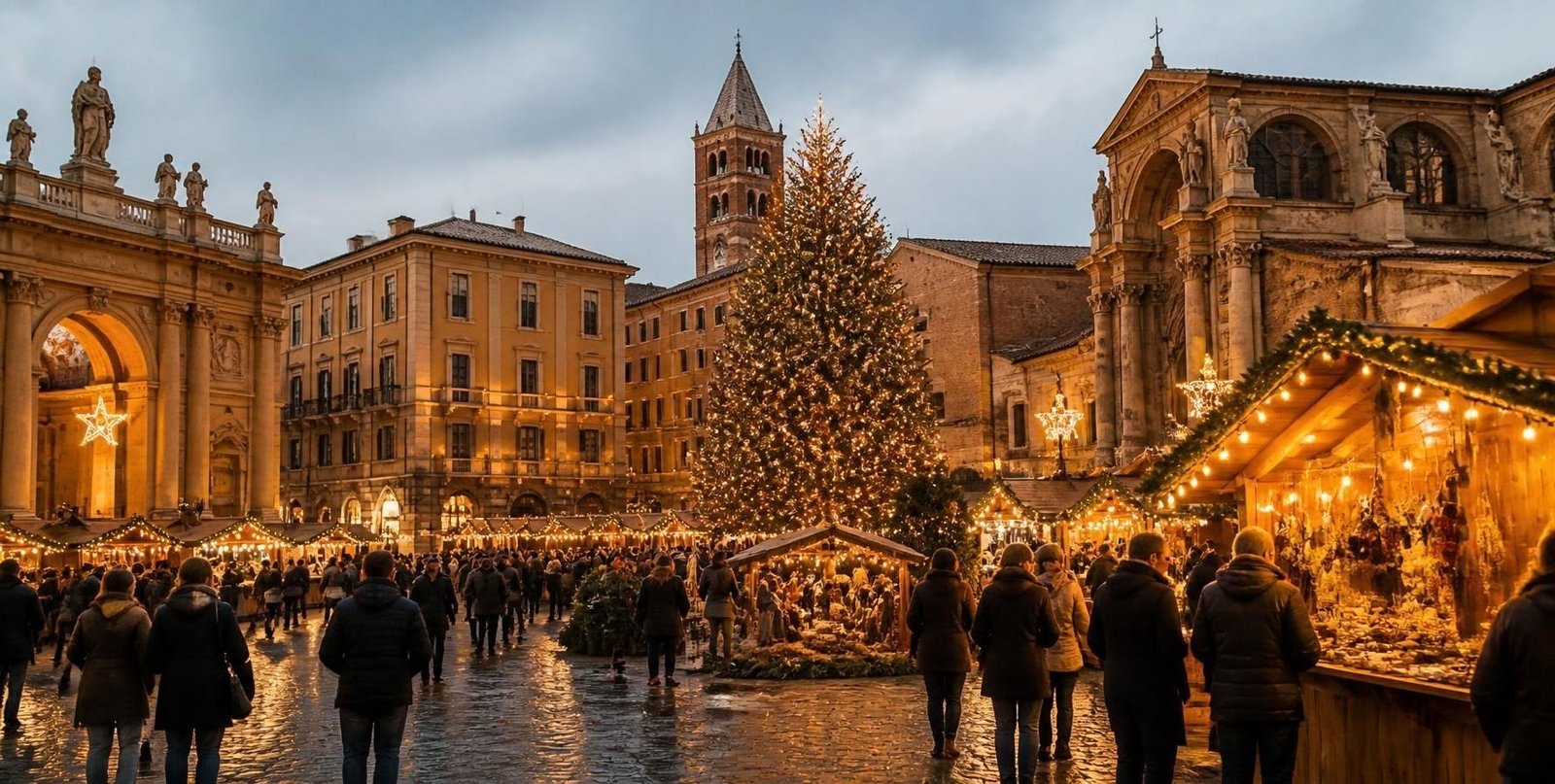
Christmas in Italy doesn’t look quite like Christmas anywhere else in Europe. It’s quieter and more devotional in some places, more theatrical and food obsessed in others, and almost always built around the nativity scene rather than a decorated tree.
The country’s Christmas season runs unusually long too, stretching from early December through Epiphany on January 6th, which means there’s a genuinely wide window to plan around, with lights, markets, and traditions that vary dramatically from region to region.
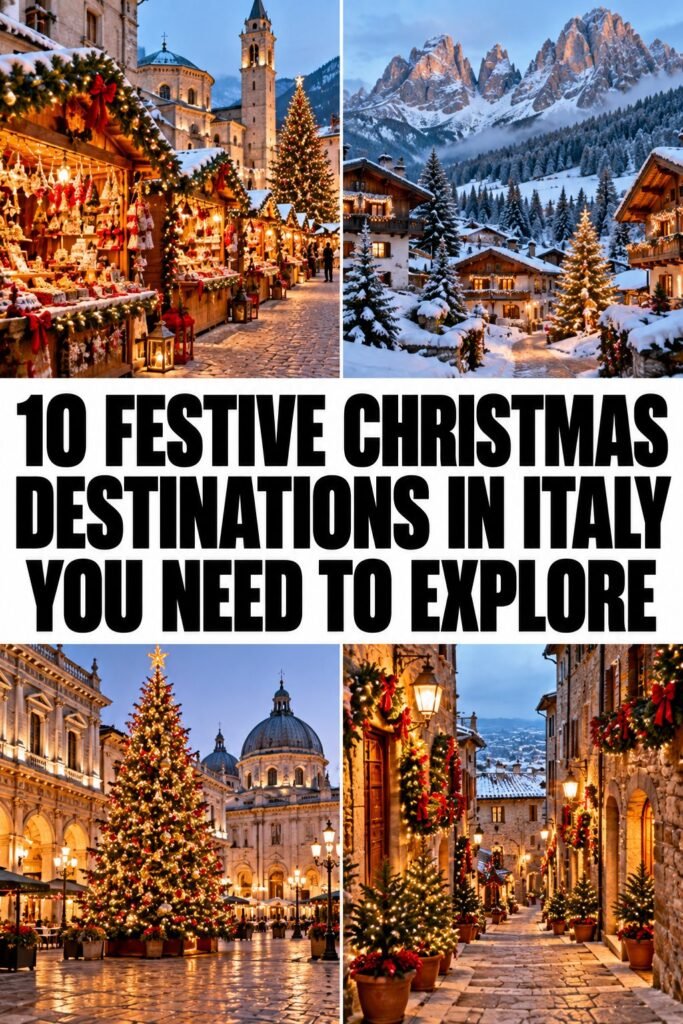
This guide covers ten of the best destinations to experience that festive season, from the Alpine Christmas markets of the north to the nativity artisans of Naples in the south, along with the practical details to plan around each one.
If you’re also considering Germany’s more famous market circuit, my 7 best Christmas travel destinations in Germany guide covers a natural pairing, and my airport carry on essentials guide is worth a look for the flight side of any winter European trip.
Quick Guide to Italy’s Festive Christmas Destinations
| Destination | Known For | Ideal Stay |
|---|---|---|
| Rome | Nativity scenes, St. Peter’s Square | 3 to 4 days |
| Bolzano | Alpine Christmas market | 2 to 3 days |
| Verona | Romantic market, historic setting | 2 days |
| Florence | Renaissance backdrop, festive lights | 2 to 3 days |
| Milan | Duomo lights, shopping, panettone | 2 to 3 days |
| Naples | Nativity artisan street, pizza | 2 to 3 days |
| Merano | Alpine market, thermal baths | 2 days |
| Trento | Compact, cozy market | 1 to 2 days |
| Venice | Quiet winter canals, festive lights | 2 to 3 days |
| Turin | Light art installations, chocolate | 2 days |
1. Rome
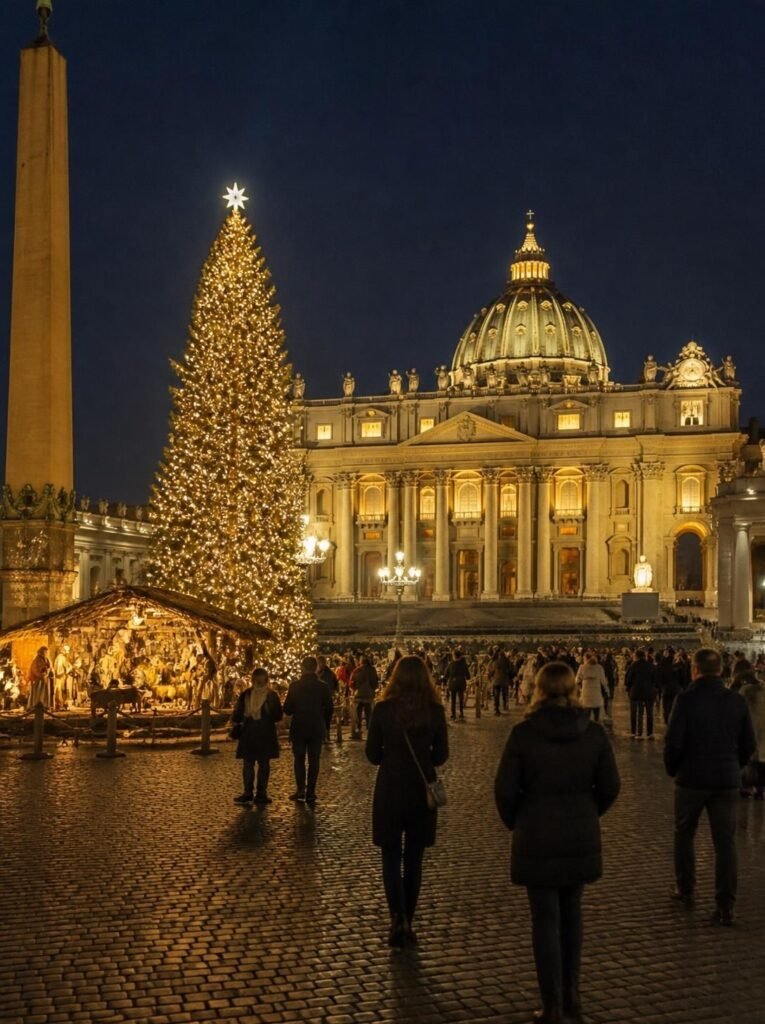
Why it’s festive. Christmas in Rome centers on the Vatican, where a massive nativity scene and Christmas tree fill St. Peter’s Square, and where the Pope’s Christmas Eve and Christmas Day masses draw pilgrims from around the world.
Best things to do. See the nativity scene and tree in St. Peter’s Square, browse the Christmas market in Piazza Navona, and wander the city’s churches, many of which display their own elaborate nativity scenes throughout the season.
How to get there. Rome has two major airports, Fiumicino and Ciampino, both with direct connections to most major European cities and many long haul destinations.
Where to stay. The historic center, near Piazza Navona or the Pantheon, puts you within walking distance of most festive attractions.
Getting around. The historic center is very walkable, with the metro and buses covering longer distances if needed.
Best time to visit. Early to mid December offers festive atmosphere with smaller crowds than the final days before Christmas.
Budget tips. Entering churches to see nativity scenes costs nothing, and the Piazza Navona market is free to browse, making festive Rome surprisingly affordable to enjoy.
Safety tips. Christmas crowds near the Vatican can be dense, so keep belongings secured and stay alert for pickpockets in the busiest areas.
2. Bolzano
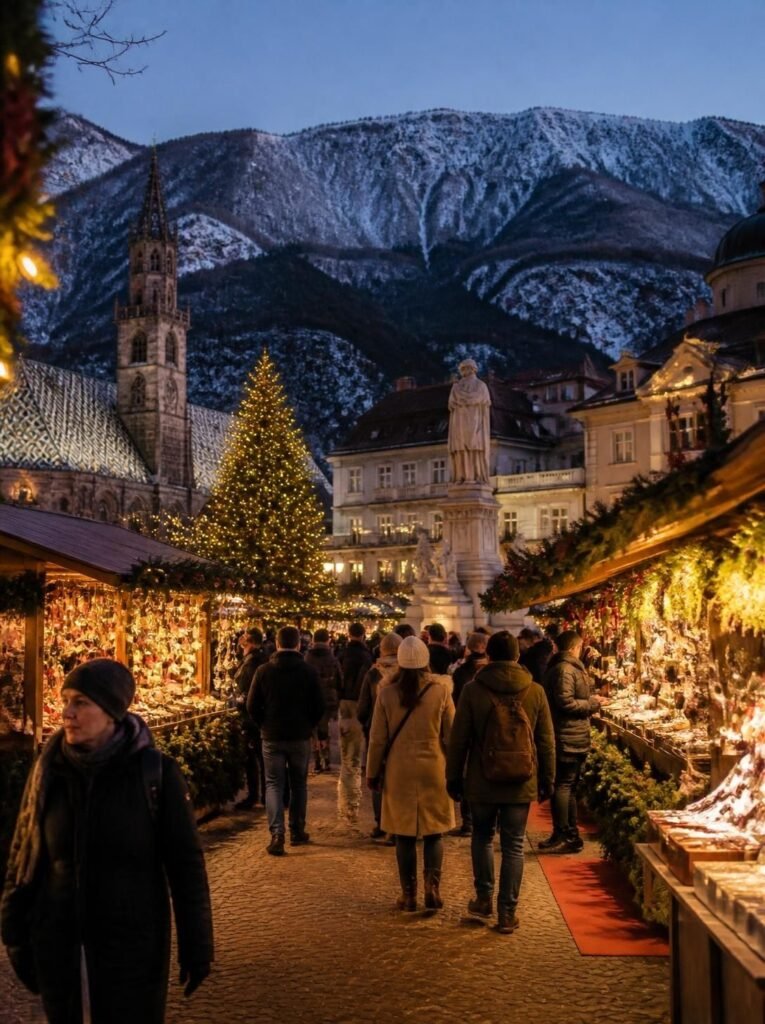
Why it’s festive. Bolzano hosts one of the largest and most celebrated Christmas markets in Italy, set in the Tyrolean Alps with a distinctly Austrian flavor thanks to the region’s history and culture.
Best things to do. Browse the market stalls in Piazza Walther, sample local specialties like speck and strudel, and take the cable car up to the nearby Renon plateau for mountain views.
How to get there. Fly into Verona or Innsbruck and continue by train, or take a direct train from Verona or Munich.
Where to stay. Staying in the compact old town puts you within steps of the market.
Getting around. The old town is entirely walkable, with no car needed.
Best time to visit. The market typically runs from late November through early January, with weekday evenings offering a calmer experience than weekends.
Budget tips. Entry to the market is free, so the main costs are food, drink, and souvenirs.
Safety tips. Dress warmly and watch for icy cobblestones after dark.
3. Verona
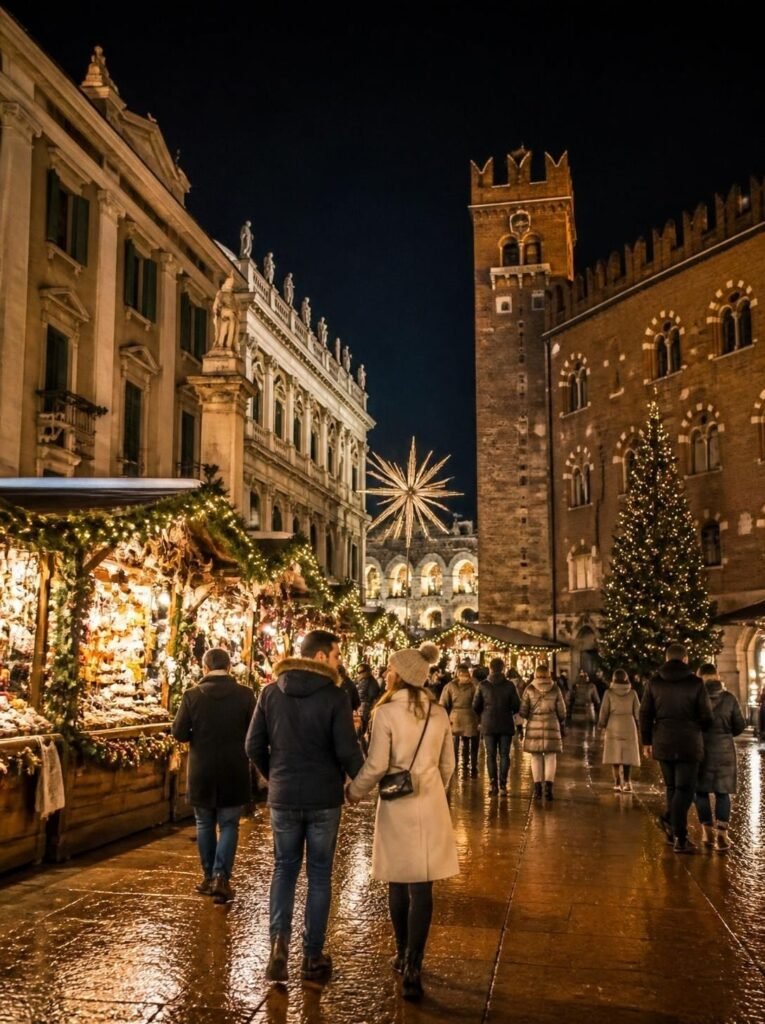
Why it’s festive. Best known as the setting of Romeo and Juliet, Verona’s historic center takes on an especially romantic glow during Christmas, with a market in Piazza dei Signori and festive lights strung across the old town.
Best things to do. Visit the Christmas market, see Juliet’s balcony, and look up at the enormous star installation that hangs over the Arena di Verona’s piazza each year.
How to get there. Verona has its own airport and is well connected by train from Milan, Venice, and Bologna.
Where to stay. The historic center keeps you close to the market and main sights.
Getting around. The center is compact and walkable.
Best time to visit. Early December offers festive lights without the biggest holiday crowds.
Budget tips. The star installation and general wandering cost nothing, making this a budget friendly festive stop.
Safety tips. Standard city awareness applies in crowded areas near Juliet’s balcony.
4. Florence
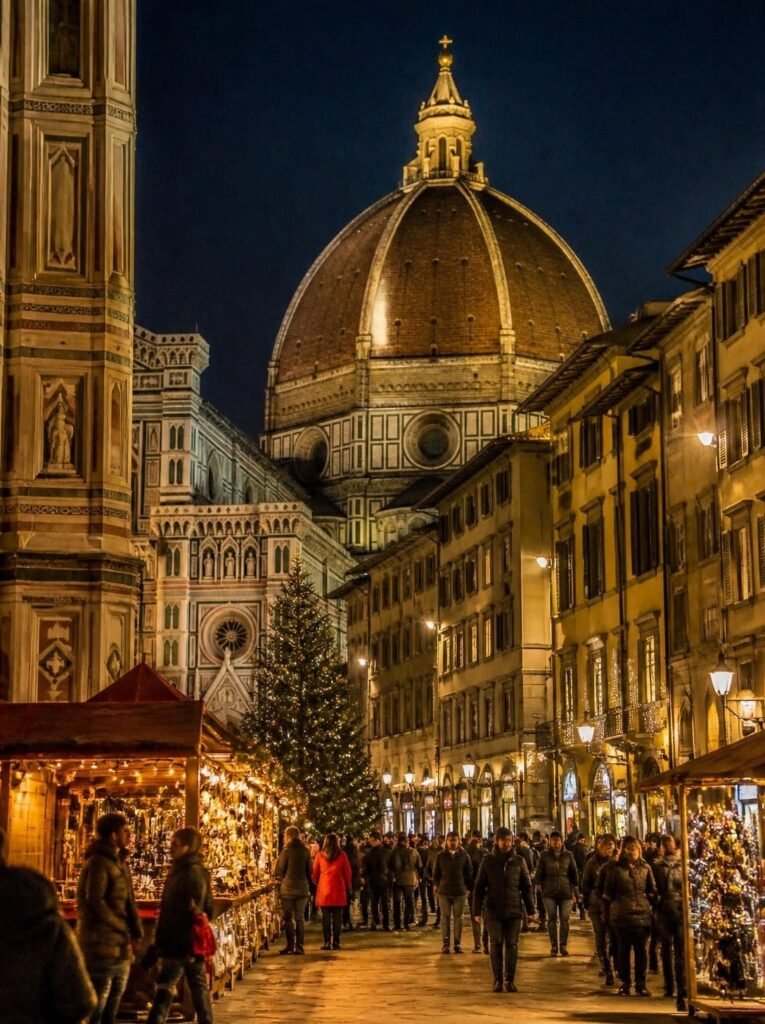
Why it’s festive. Florence’s Renaissance architecture takes on an especially warm glow under holiday lights, with a market in Piazza Santa Croce and a classic carousel in Piazza della Repubblica adding to the atmosphere.
Best things to do. Browse the Santa Croce market, see the lights around the Duomo, and enjoy a quieter time at the city’s major museums, since winter sees fewer tourists than summer.
How to get there. Fly into Florence’s small airport or Pisa, or take a fast train from Rome or Milan.
Where to stay. The historic center keeps everything within walking distance.
Getting around. The center is very walkable, and a car is unnecessary and inconvenient.
Best time to visit. Early to mid December offers festive atmosphere with milder crowds than peak summer.
Budget tips. Museum visits are cheaper and less crowded in winter, and wandering the lit up streets costs nothing.
Safety tips. Watch for pickpockets in crowded tourist zones near the Duomo.
5. Milan
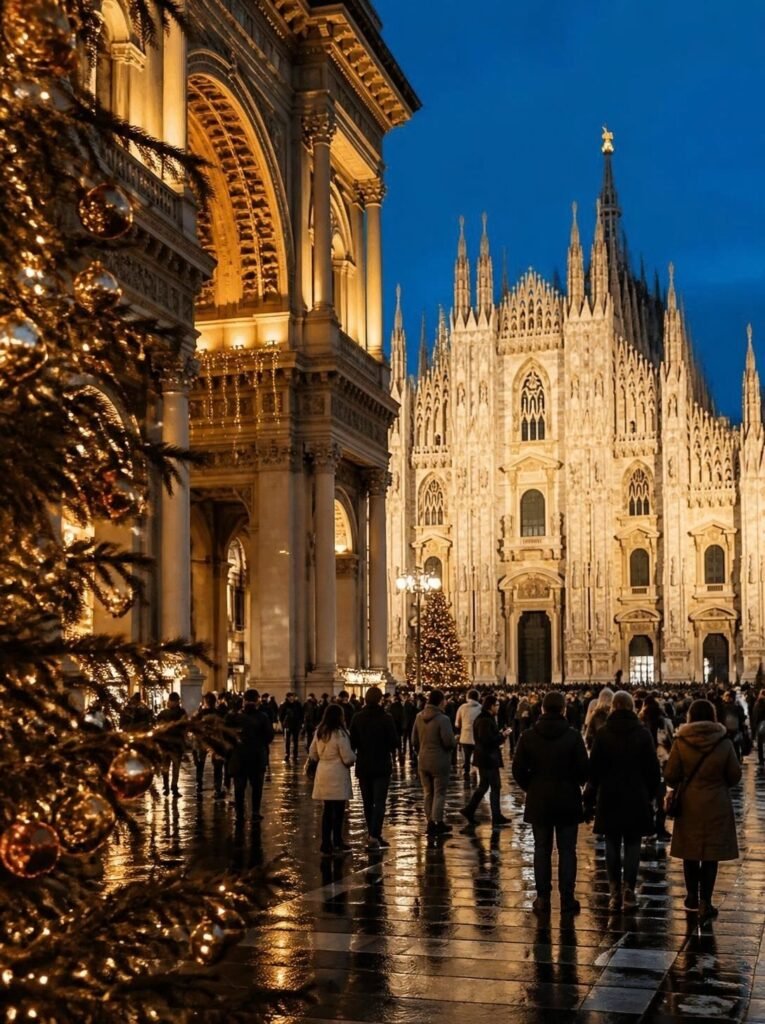
Why it’s festive. Milan’s Duomo and the Galleria Vittorio Emanuele II glitter with lights during the holidays, and the city is home to panettone, Italy’s famous Christmas cake, which originated here.
Best things to do. See the Duomo lit up at night, browse the Oh Bej! Oh Bej! market near Sforza Castle, and try authentic panettone from a local bakery.
How to get there. Milan has several major airports, and it’s a major rail hub with connections across Italy and Europe.
Where to stay. Staying near the Duomo or in the Brera district puts you in the heart of the festive atmosphere.
Getting around. The metro and trams make getting around easy, and the center itself is walkable.
Best time to visit. Early December offers lights and markets without the biggest holiday crowds.
Budget tips. Milan runs pricier than many Italian cities, so staying slightly outside the center and using the metro helps manage cost.
Safety tips. Be alert for pickpockets around the Duomo and the busy metro stations.
6. Naples
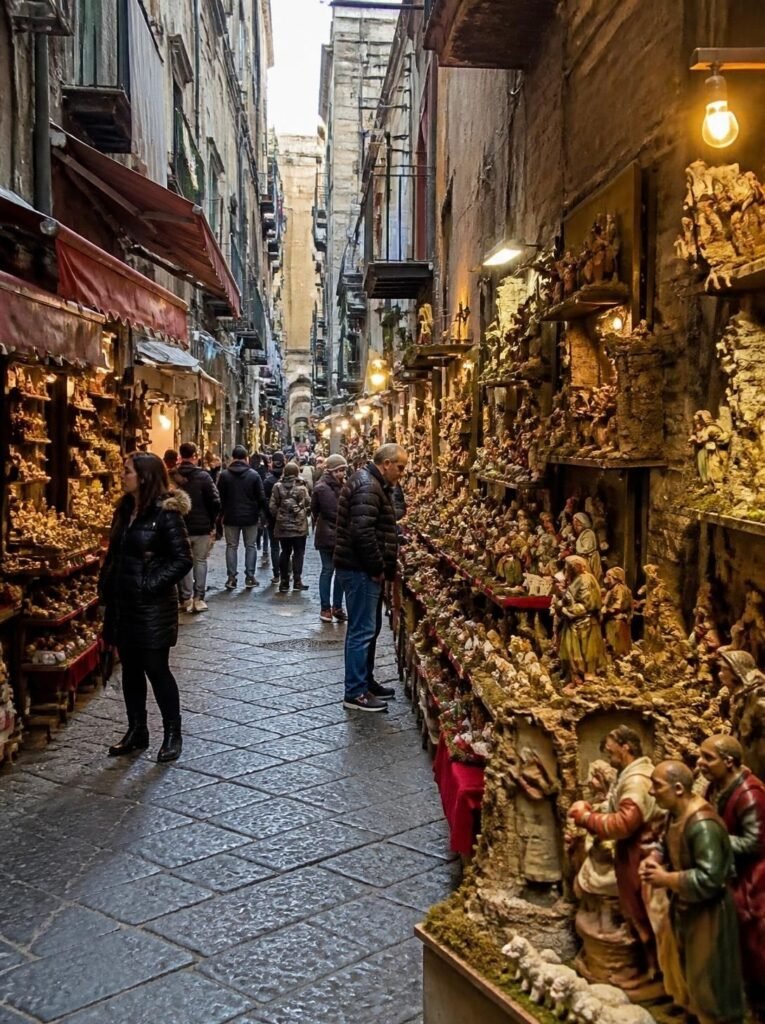
Why it’s festive. Naples is the undisputed capital of the Italian nativity scene tradition, with an entire street, Via San Gregorio Armeno, devoted year round to artisans crafting elaborate nativity figurines.
Best things to do. Walk Via San Gregorio Armeno and watch the artisans at work, eat a proper Neapolitan pizza, and visit the city’s historic churches, many with elaborate nativity displays.
How to get there. Naples has its own international airport and is a short, fast train ride from Rome.
Where to stay. The historic center keeps you close to the nativity street and the best pizzerias.
Getting around. The historic center is walkable, with the metro covering longer distances.
Best time to visit. December is peak season for the nativity street, with crowds building significantly closer to Christmas.
Budget tips. Pizza and street food in Naples are among the best value meals in Italy, and the nativity street itself costs nothing to wander.
Safety tips. Naples can feel chaotic, so keep valuables secure and stay alert in crowded areas.
7. Merano
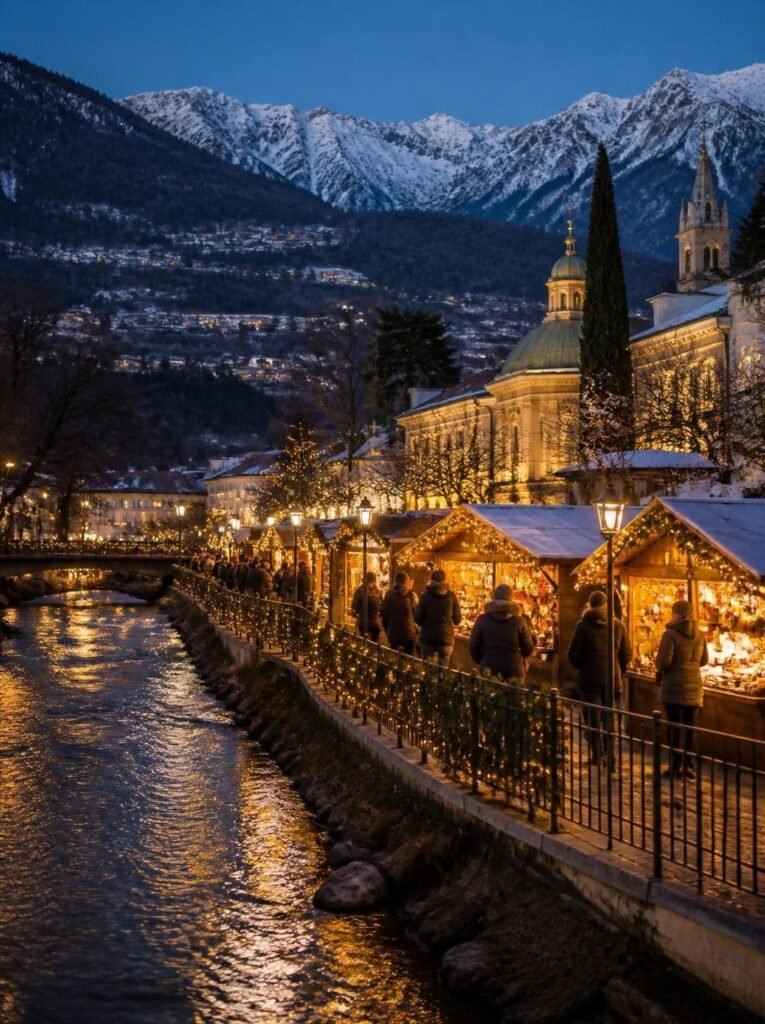
Why it’s festive. This smaller South Tyrol town offers a quieter, more intimate Christmas market than nearby Bolzano, set along a river promenade with a genuinely cozy, Alpine atmosphere.
Best things to do. Browse the market along the Passer River, soak in the town’s famous thermal baths, and walk the scenic Tappeiner Path above the town.
How to get there. Take a train from Bolzano, about forty minutes away.
Where to stay. The town center keeps you close to the market and the river promenade.
Getting around. The center is compact and walkable.
Best time to visit. Late November through early January, with weekday evenings offering a quieter experience.
Budget tips. Market entry is free, and combining Merano with a Bolzano visit saves on travel logistics.
Safety tips. Dress warmly for the cold Alpine air and watch for icy paths near the river.
8. Trento
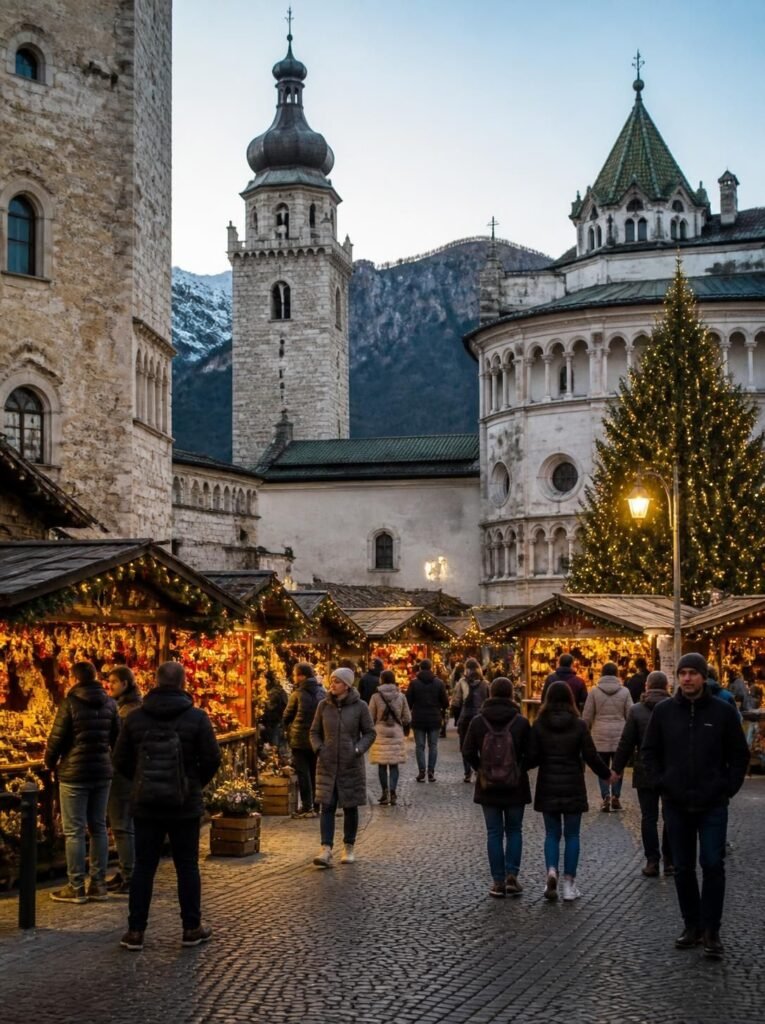
Why it’s festive. This compact Alpine city hosts a cozy, well organized Christmas market in the heart of its historic center, with a distinct local character that sets it apart from the more famous Tyrolean markets.
Best things to do. Browse the market stalls, visit the Castello del Buonconsiglio, and sample local specialties like strangolapreti, a traditional bread dumpling dish.
How to get there. Trento is well connected by train from Verona and Bolzano.
Where to stay. The old town keeps everything within easy walking distance.
Getting around. The center is small and entirely walkable.
Best time to visit. The market typically runs from late November through early January.
Budget tips. Trento runs more affordable than Bolzano or Merano, making it a good value festive stop.
Safety tips. Standard small city awareness applies, with extra care on cobblestones when they’re wet or icy.
9. Venice
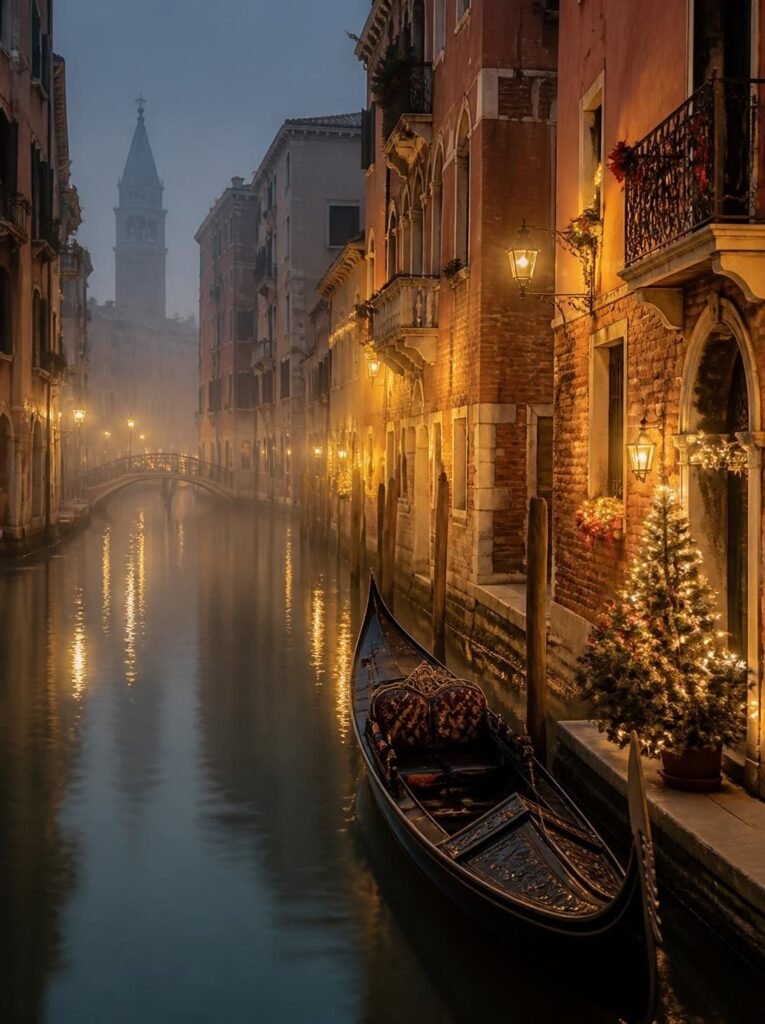
Why it’s festive. Venice in winter is quieter and moodier than its summer self, with festive lights reflecting on the canals and a more local, less overwhelmed atmosphere that many visitors prefer.
Best things to do. Walk the canals after dark when the holiday lights glow on the water, visit a smaller Christmas market, and enjoy St. Mark’s Basilica without summer’s enormous crowds.
How to get there. Fly into Venice Marco Polo Airport, then take a water bus or taxi into the historic center.
Where to stay. Cannaregio or Dorsoduro offer a quieter, more local feel than the area directly around St. Mark’s Square.
Getting around. Walking and the water bus cover the entire city.
Best time to visit. Early December offers festive lights without the heavy flooding, known as acqua alta, that sometimes affects Venice later in winter.
Budget tips. Winter hotel rates run considerably lower than summer, making Venice meaningfully more affordable at Christmas.
Safety tips. Be prepared for possible high water, and pack waterproof boots in case acqua alta affects your visit.
10. Turin

Why it’s festive. Turin transforms each winter with Luci d’Artista, an annual installation of large scale light art displays strung across the city’s streets and squares, giving it a festive atmosphere unlike any other on this list.
Best things to do. Walk the city to see the illuminated art installations, enjoy a cup of Turin’s famous thick hot chocolate, and visit the Egyptian Museum, one of the most important in the world outside Cairo.
How to get there. Turin has its own airport and is a short train ride from Milan.
Where to stay. The city center keeps you close to most of the light installations.
Getting around. The center is walkable, with trams and a metro covering longer distances.
Best time to visit. The light installations typically run from late November through mid January.
Budget tips. Viewing the light installations costs nothing, making this one of the best value festive experiences in Italy.
Safety tips. Standard city awareness applies, particularly in crowded areas around the main squares.
Which Festive Italian Destination Fits Your Trip?
| If you want… | Go to… |
|---|---|
| Nativity scenes and Vatican traditions | Rome |
| A classic Alpine Christmas market | Bolzano |
| A romantic, historic setting | Verona |
| Renaissance charm with festive lights | Florence |
| Panettone and big city sparkle | Milan |
| Artisan nativity craft and pizza | Naples |
| A quieter, cozy Alpine market | Merano |
| A budget friendly, compact market | Trento |
| Quiet canals and moody winter lights | Venice |
| Unique light art installations | Turin |
How to Plan a Christmas Trip to Italy
The most practical approach is picking two or three destinations that connect easily by train rather than trying to cover the whole country in one trip.
A northern itinerary pairing Bolzano, Merano, and Trento covers Italy’s Alpine market tradition in a compact area, while a central itinerary linking Rome, Florence, and Naples captures the country’s nativity and historic city traditions.
Italy’s rail network makes connecting these cities remarkably easy, so building your itinerary around train routes rather than flights saves both time and money.
Best Time to Visit
Early to mid December offers the best balance of festive atmosphere and manageable crowds across nearly every destination on this list.
Italy’s Christmas season extends all the way through Epiphany on January 6th, so a post Christmas trip can still capture much of the festive atmosphere, often at lower prices and with thinner crowds.
Be aware that many shops, restaurants, and attractions close on Christmas Day itself and sometimes December 26th, so plan accordingly rather than assuming everything stays open throughout the holiday.
What to Pack
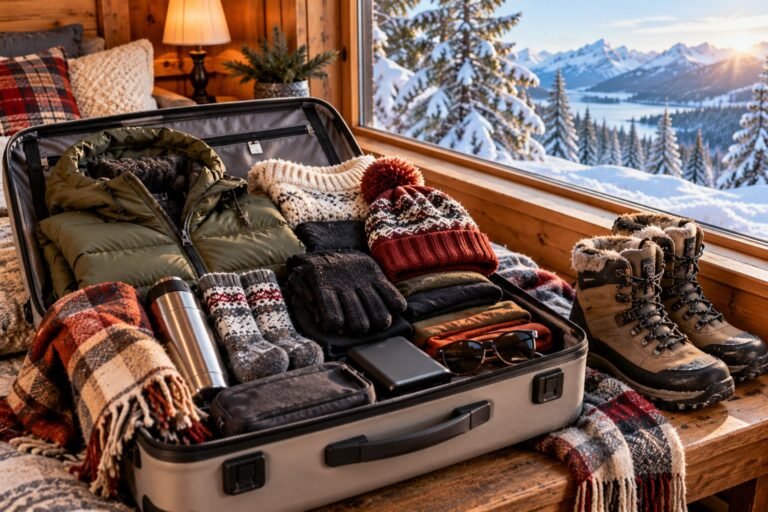
Layers matter across the whole country, but the packing list differs noticeably between the Alpine north, where genuinely cold weather and potential snow require proper winter gear, and the south, where winter temperatures in places like Naples stay considerably milder.
Comfortable, waterproof shoes handle cobblestones and wet streets across all ten destinations, and a compact umbrella is worth carrying given December’s frequent rain in many parts of Italy.
For more on the broader packing side of a winter European trip, my how to pack for USA Christmas vacations guide covers general winter packing logic that adapts well beyond just US destinations.
Frequently Asked Questions
When do Italian Christmas markets typically open? Most open in late November and run through early January, though exact dates vary by city.
Is Italy a good Christmas destination for families? Yes, particularly the Alpine markets in Bolzano and Merano, and Naples’ nativity street, which offer festive, kid friendly experiences without the intensity of a major city’s crowds.
Are shops and restaurants open on Christmas Day in Italy? Many close on Christmas Day itself, so plan your meals and activities ahead of time rather than assuming everything is open.
What traditional foods should I try at Christmas in Italy? Panettone and pandoro are the signature Christmas cakes, with regional specialties like speck and strudel in the north and struffoli, a fried honey dessert, in the south.
Is it cold in Italy at Christmas? It varies enormously by region, with the Alpine north often cold and snowy, while the south stays notably milder.
Final Thoughts
Italy’s Christmas season rewards travelers willing to look beyond the obvious. Whether that means warming up with hot chocolate in Turin under glowing light installations, wandering the nativity artisans’ street in Naples, or browsing a quiet Alpine market in Merano, each of these ten destinations offers a distinctly different take on the same holiday.
Pick two or three that suit your pace, book accommodation early, and let the festive atmosphere do most of the work.
If you’re building a longer European winter trip, my 15 best places to visit in France guide and 5 best places to visit in Granada guide both cover nearby stops worth considering.