

There is a moment every fall trip when I am loading the car and realize, again, that fall camping requires a completely different mindset than summer camping. It is not just about tossing in a slightly heavier jacket.
It means checking the overnight low instead of just the daytime high, adding an extra sleeping layer I would never bother with in July, packing rain gear even when the forecast looks clear, and keeping a strictly separate bag for dry clothes just in case something gets wet along the way.

Evenings get dark noticeably earlier too, which changes how much lighting and indoor friendly entertainment actually matters once the sun goes down around six.
This guide is built around everything I have learned packing for fall trips across genuinely different parts of the country, from damp Pacific Northwest mornings to sharp, sudden Midwest temperature swings.
If you are also fine tuning your gear collection, this pairs well with my best camping gear under $50 guide, since a lot of the small, inexpensive items mentioned there show up again throughout this packing list.
Quick Fall Camping Packing Checklist

Before the full breakdown, here are the major categories this list covers: shelter, sleeping gear, clothing, cooking and food, camp furniture, lighting, weather protection, personal items, safety and emergency supplies, navigation and communication, cleaning supplies, and a few extras purely for comfort.
Each section below explains not just what to bring, but why it earns its place in a fall specific packing list.
What Makes Fall Camping Different

Fall weather is defined by how much it changes, both across a single day and across the country.
A 65 degree afternoon can still turn into a genuinely cold night once the sun goes down, and that gap between daytime high and overnight low is really the entire challenge of packing for this season.
Shorter daylight hours mean more of your evening happens in the dark. Rain becomes more likely in a lot of regions, and once gear gets wet in cooler temperatures, it stays uncomfortable for the rest of the trip unless you planned ahead.
None of this means fall camping is difficult. It just means the packing list needs to account for a wider range of conditions than a straightforward summer trip does.
Shelter and Camp Setup

1. A Reliable Tent
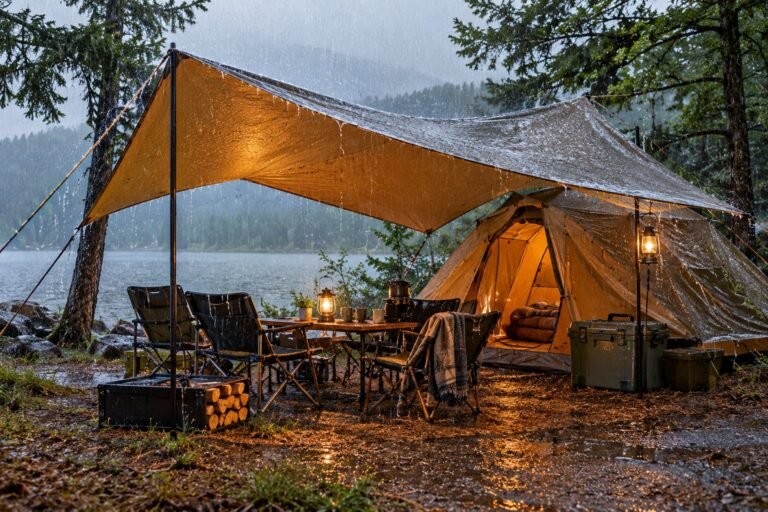
Your tent is the first thing I would prioritize, because fall weather can be genuinely unpredictable.
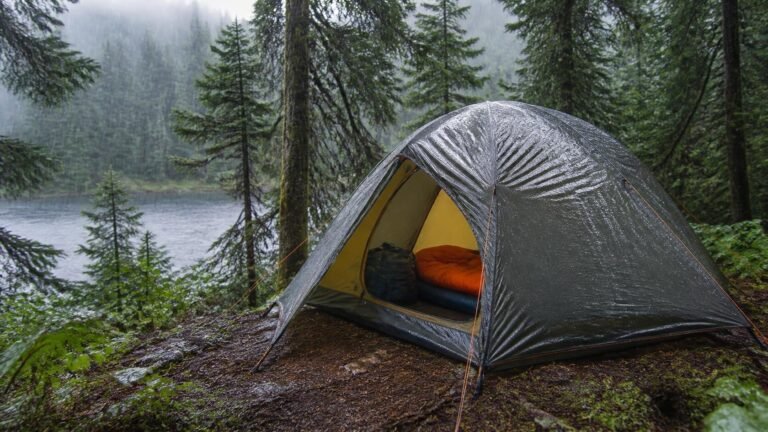
A summer tent may work perfectly well in mild conditions, but I prefer a tent with strong rain protection, sturdy poles, proper ventilation, and enough room to keep sleeping bags and clothing off the tent walls where moisture tends to collect overnight.
What to look for. A full rainfly, a waterproof floor, strong poles, good ventilation, enough space for everyone sleeping inside, and ideally a vestibule for muddy shoes and wet gear.
2. Tent Footprint
A footprint protects the floor of your tent from moisture and abrasion, which matters more in fall when the ground is often damp from morning dew or recent rain.
3. Tarp
A tarp is one of the most versatile things I pack, full stop. It can cover a cooking area, add extra rain protection over the tent, or create a dry staging area for gear.
4. Stakes
Extra stakes are cheap and easy to forget, but wind picks up more in fall, and a tent that is not properly secured is a miserable thing to deal with at two in the morning.
5. Camp Chairs
Comfortable seating matters just as much in cooler weather, maybe more, since you are likely to spend more time sitting around a fire than swimming or hiking through the heat of the day.
Sleeping Gear for Cold Fall Nights

6. Sleeping Bag
Don’t choose a sleeping bag based on the average daytime temperature. Choose it based on the coldest overnight low you might realistically encounter, then add a small buffer, since ratings tend to be more optimistic than accurate.
7. Sleeping Pad
A sleeping pad is not just about comfort. It provides genuine insulation from the cold ground underneath you, and skipping it is one of the most common reasons people wake up cold despite having a perfectly warm sleeping bag.
8. Pillow
A real camping pillow, or even just a compact travel pillow, makes a surprisingly big difference to how well you actually sleep.
9. Extra Blanket
A lightweight fleece blanket is useful as an additional layer on an especially cold night, or simply for sitting around the fire before bed.
10. Sleep Clothes
Keep a dry set of clothes specifically for sleeping, separate from whatever you wore during the day. Climbing into a sleeping bag in the same clothes you hiked in, even slightly damp ones, is one of the fastest ways to end up cold overnight.
Clothing and Cold Weather Gear

Don’t Pack for the Afternoon Temperature
This is genuinely one of the most important pieces of advice in this whole guide.
Pay attention to the overnight low, wind, rain, and elevation, not just the daytime high.
A pleasant 65 degree afternoon can still mean waking up to temperatures near freezing, especially at higher elevation campsites.
The most reliable approach is a layering system: a base layer to manage moisture against your skin, an insulating layer for warmth, and a weatherproof outer layer to block wind and rain.
11. Base Layers
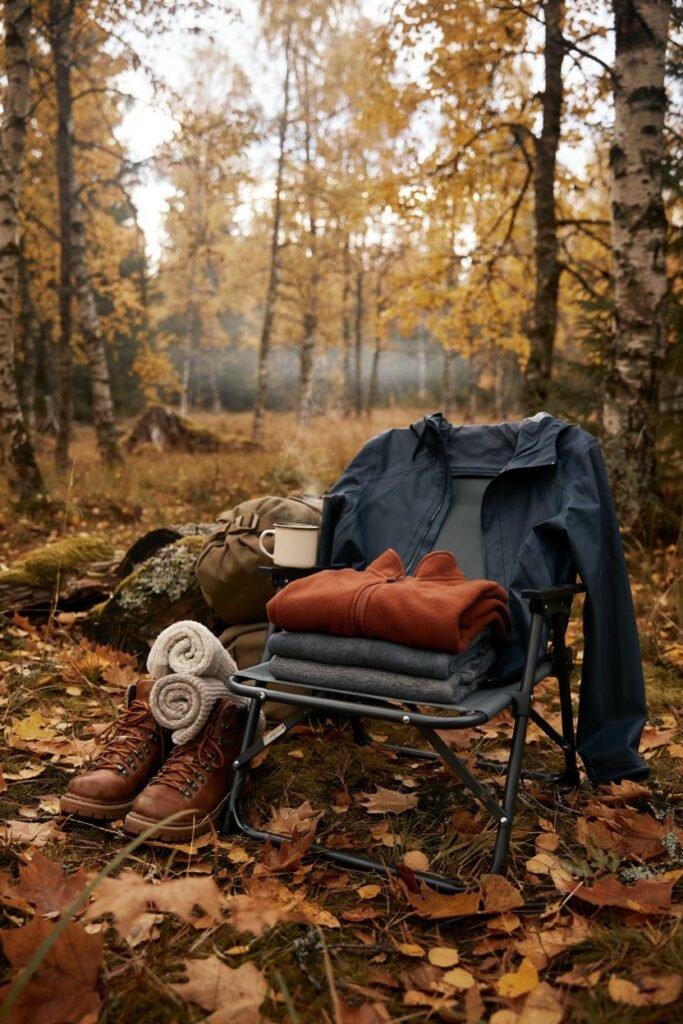
A good base layer manages moisture and forms the foundation of the entire layering system.
12. Fleece or Insulated Jacket
This is your primary insulating layer, and it should be warm enough to handle a genuinely cold evening around camp.
13. Waterproof Rain Jacket
Pack this even if the forecast looks completely clear. Fall weather changes fast, and I would always rather have an unused rain jacket than discover I need one after everything is already soaked.
14. Hiking Pants
Durable, quick drying pants hold up much better than jeans, which stay wet and cold for hours once they get damp.
15. Beanie
A significant amount of body heat escapes through your head, and a beanie is one of the smallest, cheapest items with an outsized impact on comfort.
16. Gloves
Cold hands make everything from cooking to setting up a tent more difficult, and a basic pair of gloves solves that completely.
17. Wool or Warm Hiking Socks
Wool holds warmth even if it gets slightly damp, unlike cotton, which loses its insulating value almost immediately once wet.
18. Waterproof Hiking Boots
Wet, cold feet can ruin a day faster than almost anything else on this list.
19. Extra Clothes
Pack more than you think you need. Fall trips have a way of involving more layer changes than summer ones, especially with kids or a full day of mixed weather.
What to Pack for Fall Camping in Different Parts of the USA

Fall camping does not mean the same thing everywhere, and it is worth thinking regionally rather than assuming a single packing list applies universally.
Pacific Northwest
Expect the real possibility of rain, wet ground, cool mornings, and damp clothing throughout your trip.
Prioritize waterproof layers, strong rain protection, dry storage bags, and a shelter setup that can genuinely handle sustained wet weather rather than just an occasional shower.
Northeast
Think cold nights, rapid temperature swings, wet fallen leaves underfoot, and the possibility of early snow at higher elevations later in the season.
Warm layers and a properly rated sleeping bag become especially important once you get into late October or November.
Midwest
Prepare for wind, chilly mornings, sudden rain, and large swings between daytime and overnight temperatures. This is a region where the layering system really earns its keep.
Mountain West
Higher elevations can be significantly colder than nearby lowland areas suggest, sometimes by twenty degrees or more.
Always check the actual forecast for your specific campground and elevation rather than assuming conditions will match the nearest city, which is a mistake I have made more than once.
Southeast
Fall here can still mean warm afternoons and real humidity, alongside rain and noticeably cooler evenings. Layering still matters, just with a lighter overall kit than colder regions require.
What People Often Forget

There are fifteen small things that seem to get left behind more than anything else, no matter how many trips I have taken. Extra socks.
A headlamp. Extra batteries. Trash bags. Toilet paper. Hand sanitizer. A camp towel. Zip top bags for wet or dirty items. Dry bags. A power bank. A car charger.
A lighter or waterproof matches. Basic first aid supplies. Earplugs, especially useful at a busier campground. And simply more water than you think you will need.
What to Pack for Rainy Fall Camping

Rain and fall camping go together in a lot of parts of the country, so it deserves its own section rather than being an afterthought.
A rain jacket, waterproof boots, a solid tent rainfly, a tarp, dry bags, additional waterproof storage, extra socks, quick dry clothing, a camp towel, and a few plastic bags for wet clothing all belong on this list.
One tip that has genuinely changed how I pack: separate wet and dry gear before you even leave home.
Use separate bags or packing cubes so a single wet jacket does not turn your entire clothing bag into a damp, cold mess by the second day.
Fall Camping Cooking Essentials

21. Camp Stove
A reliable stove matters more once you cannot count on long daylight hours for cooking outside near a fire.
22. Fuel
Bring more than you think you will use, especially on a colder trip when a stove tends to run less efficiently.
23. Cookware
Basic pots and a pan cover the vast majority of fall camping meals.
24. Plates, Bowls, and Utensils
Simple and durable is all you need here, nothing fancy required.
25. Cooler
Keep this appropriately sized for your trip length, since fall temperatures generally help ice last a bit longer than a summer trip would.
26. Water Containers
Extra water storage matters if your site does not have a reliable water source nearby.
27. Food Storage
Secure, wildlife appropriate food storage matters just as much in fall as any other season, sometimes more, since animals are actively preparing for winter.
A few easy fall meal ideas worth packing for: a pot of chili, foil packet meals cooked directly in the coals, campfire potatoes, oatmeal for a quick warm breakfast, a simple soup, breakfast burritos, hot chocolate for the evening, and a one pot pasta dish that comes together with minimal cleanup.
Lighting and Power

28. Headlamp
With sunset arriving so much earlier, a headlamp becomes essential for nearly every basic task after dinner.
29. Lantern
A lantern provides broader lighting for the cooking and eating area than a headlamp alone can offer.
30. Extra Batteries
Cold weather drains batteries noticeably faster, so pack more than you would for a summer trip.
31. Power Bank
Keeps your phone and any rechargeable lights topped up throughout the trip, which matters more given how much time you will spend relying on lighting after an early sunset.
Camp Comfort
Comfort items are not technically essential, but a few of them are genuinely worth the space in the car.
A good camp chair, a warm blanket, a thermos, a folding camp table, a lantern, a small rug or mat for the tent entrance, a portable power bank, a book, a deck of cards, a proper coffee mug, and an extra towel all make the list of things I personally consider worth packing rather than leaving behind to save space.
Fall Camping Safety Essentials

32. First Aid Kit
Covers the minor scrapes, blisters, and headaches that happen on nearly every trip regardless of season.
33. Navigation Tools
A physical map or offline downloaded maps matter more once you consider how unreliable cell service can be at a lot of fall camping destinations.
34. Emergency Supplies
An emergency blanket, a whistle, and a small stash of emergency food are worth having even if you never end up needing them.
35. Hygiene Supplies
Basic hygiene items round out the full list, and they are easy to forget when you are focused on gear and clothing.
Beyond the physical items, a fully charged phone before you leave, checking weather alerts along your route, packing extra water, and understanding basic wildlife precautions for your specific destination all belong in the same mental category as the physical safety gear above.
Fall Camping Packing Checklist

Shelter Tent Tent footprint Tarp Stakes Mallet
Sleeping Sleeping bag Sleeping pad Pillow Blanket Sleeping clothes
Clothing Base layers Warm jacket Rain jacket Hiking pants Socks Hat Gloves Waterproof shoes Extra clothes
Cooking and Food Camp stove Fuel Cookware Utensils Cooler Water containers Food storage
Lighting and Power Headlamp Lantern Extra batteries Power bank
Safety and Personal First aid kit Navigation tools Emergency supplies Hygiene supplies
What I Would Leave at Home
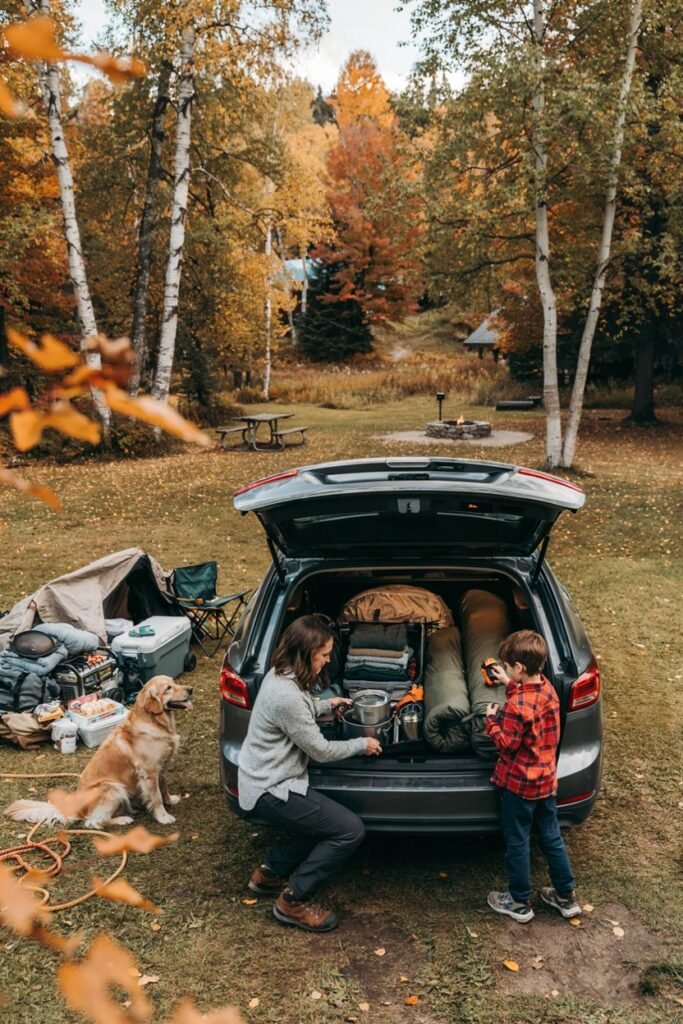
This is worth being just as intentional about as what you pack. Too many outfits beyond what your trip length actually requires.
Bulky, duplicate cookware you will not realistically use. Excessive toiletries sized for a week when you are only gone for two nights. Multiple extra blankets when one or two genuinely covers it.
Large, decorative camping items that look nice in photos but do not solve any actual problem at the campsite.
And more food than the trip actually requires, which just becomes extra weight and clutter by the halfway point.
The goal is packing for the actual conditions you’ll face, not for every possible scenario you can imagine.
What to Pack for a 2 Night Fall Camping Trip

Clothing. Two base outfits, sleep clothes, a couple of layering pieces, full rain gear, and extra socks.
Sleeping. Tent, complete sleeping system, and one extra blanket.
Food. Breakfast, lunch, and dinner for each day, plus snacks and drinks.
Safety. First aid kit, full lighting setup, a power bank, and basic emergency supplies.
Before You Leave Home

Run through this final list before pulling out of the driveway. Check the weather forecast, specifically the overnight temperature rather than just the daytime high. Confirm campground rules and any current fire restrictions.
Check road conditions, especially for higher elevation routes. Confirm water availability at your specific site. Review any food storage requirements for the area, particularly regarding wildlife. Check expected cell service along your route.
Confirm your reservation. Have emergency contacts written down somewhere that does not rely on your phone. Check your tire pressure and fuel level.
And do one final check of your tent, rainfly, sleeping bags, and headlamps, since these are the items that cause the most trouble if something is missing or not working properly.
Camping Gear Worth Spending More On

A handful of categories genuinely deserve more of your budget: your tent, your sleeping bag, your sleeping pad, hiking boots, a rain jacket, and a headlamp.
These are the items where quality has a direct, noticeable impact on how comfortable and safe your trip actually is.
Where You Can Save Money

On the other hand, camp chairs, storage bags, basic utensils, extra blankets, and simple organizers are all reasonable places to save, since the performance difference between a budget option and an expensive one is much smaller here.
My best camping gear under $50 guide goes into a lot more detail on exactly which inexpensive items are genuinely worth buying.
Final Thoughts
Fall camping rewards a bit of extra thought during packing, not because it is difficult, but because the range of conditions you might face is simply wider than a typical summer trip.
If the forecast is calling for mild afternoons but temperatures near freezing overnight, I would prioritize the sleeping system before adding extra camp accessories every time.
A warm sleeping bag and an insulated sleeping pad will do far more for your comfort than another chair or a decorative camp item ever could.
Pack with the actual conditions in mind, keep wet and dry gear separated, and you will spend a lot less time managing discomfort and a lot more time enjoying crisp mornings, colorful trees, and an earlier, cozier campfire than summer ever gives you.
If a longer fall road trip is part of the plan, my guides to the most incredible hiking trips in the USA and best road trips in America are great places to start mapping out where to go next.
And for the packing side of trips beyond the campsite, my backpacking essentials for your next trip, backpack essentials for multi day hiking, summer packing list for couples, and cheap weekend getaways for couples guides round out a well planned year of trips.