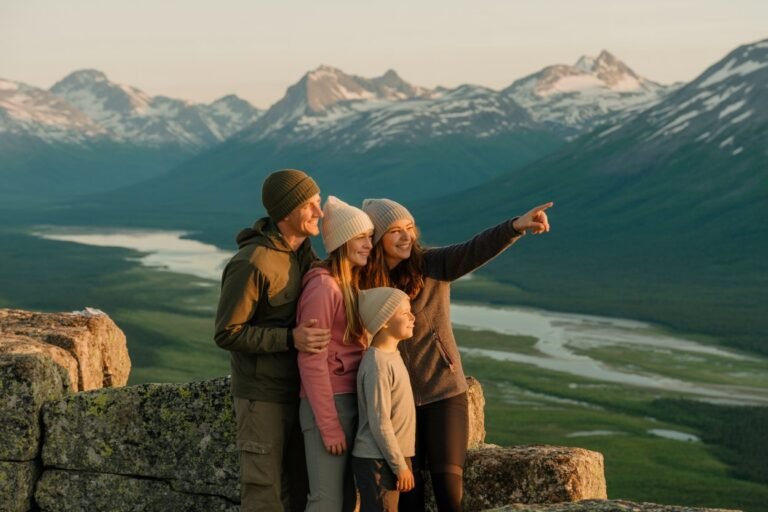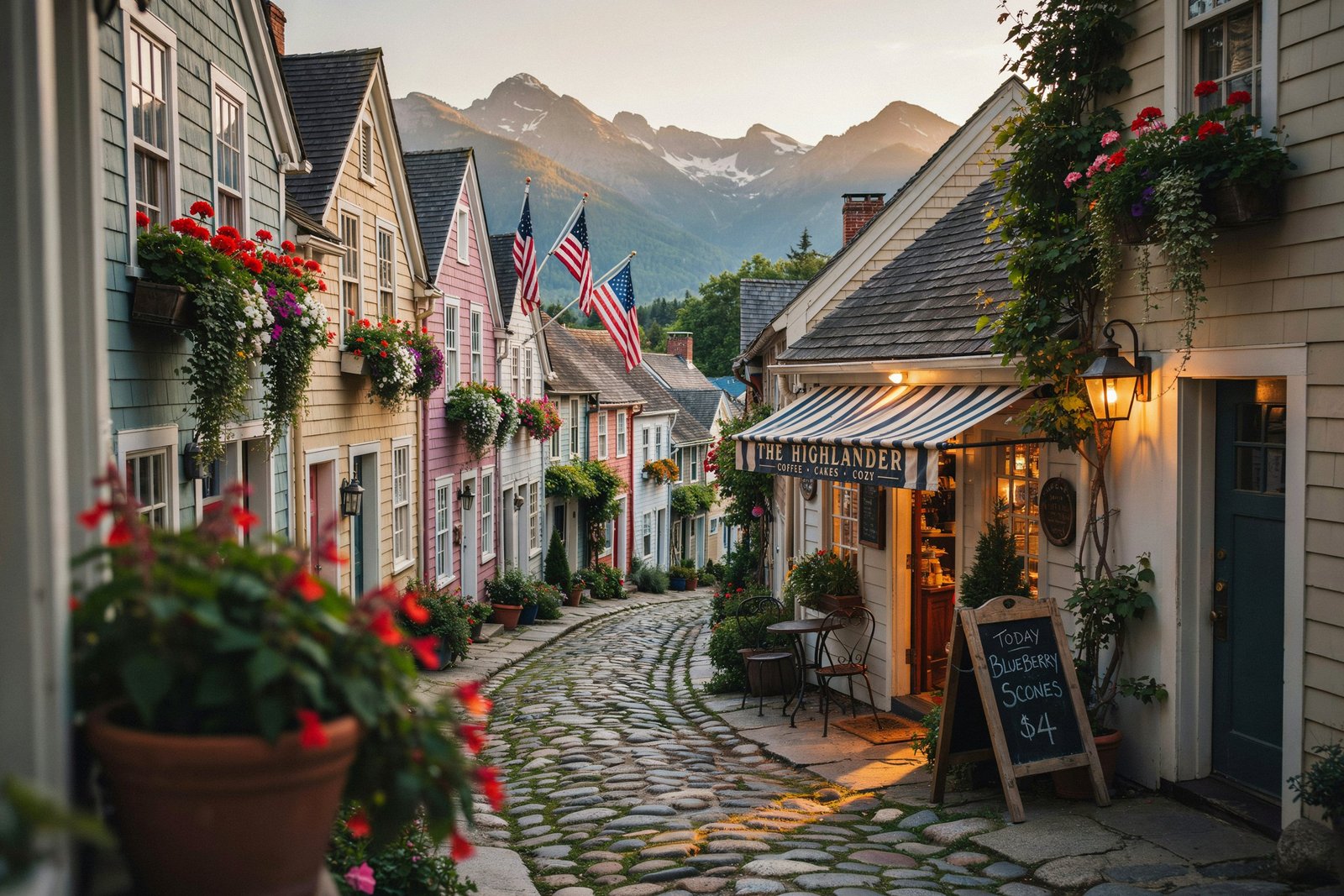
Some of the most unforgettable vacations are not found in crowded cities or busy tourist hotspots.
They are hidden inside charming villages where life moves a little slower, the scenery feels like a postcard, and every street seems to tell a story.
Over the years, my family and I have visited several small towns and villages across the United States, and some of our favorite travel memories were created in places many travelers overlook.
From mountain villages surrounded by breathtaking peaks to coastal communities filled with colorful cottages and fresh seafood, America is home to countless magical destinations waiting to be explored.
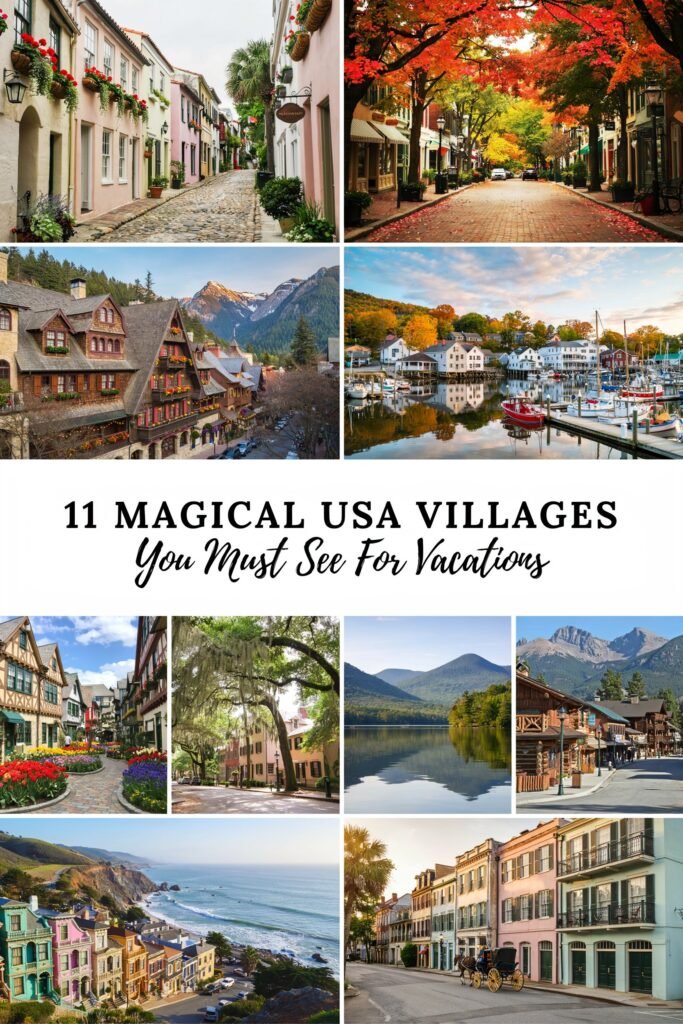
These villages offer beautiful landscapes, rich history, local culture, delicious food, outdoor adventures, and unique experiences that are difficult to find elsewhere.
Whether you are planning a romantic getaway, a family vacation, a solo adventure, or a peaceful weekend retreat, these destinations deserve a place on your travel bucket list.
In this guide, you will discover eleven magical USA villages that feel like they belong in a storybook. You’ll also learn what to do, where to explore, and how to make the most of your visit.
Disclaimer: This post may contain affiliate links, which means I may earn a small commission at no extra cost to you. Travel experiences, accessibility, and conditions vary by location and season. Always check local information, weather, and travel requirements before planning your trip.
Amazon Shopping List: Magical USA Villages You Must See for Vacations
- USA Travel Guide Book (Hidden Gems & Small Towns Edition)
- Lightweight Carry-On Suitcase (Hard Shell, Durable)
- Comfortable Walking Shoes for Long Sightseeing Days
- Anti-Theft Crossbody Travel Bag
- Portable Power Bank (Fast Charging)
- Packing Cubes Travel Organizer Set
- Compact Travel Umbrella (Windproof for Weather Changes)
Why Village Vacations Are Becoming More Popular
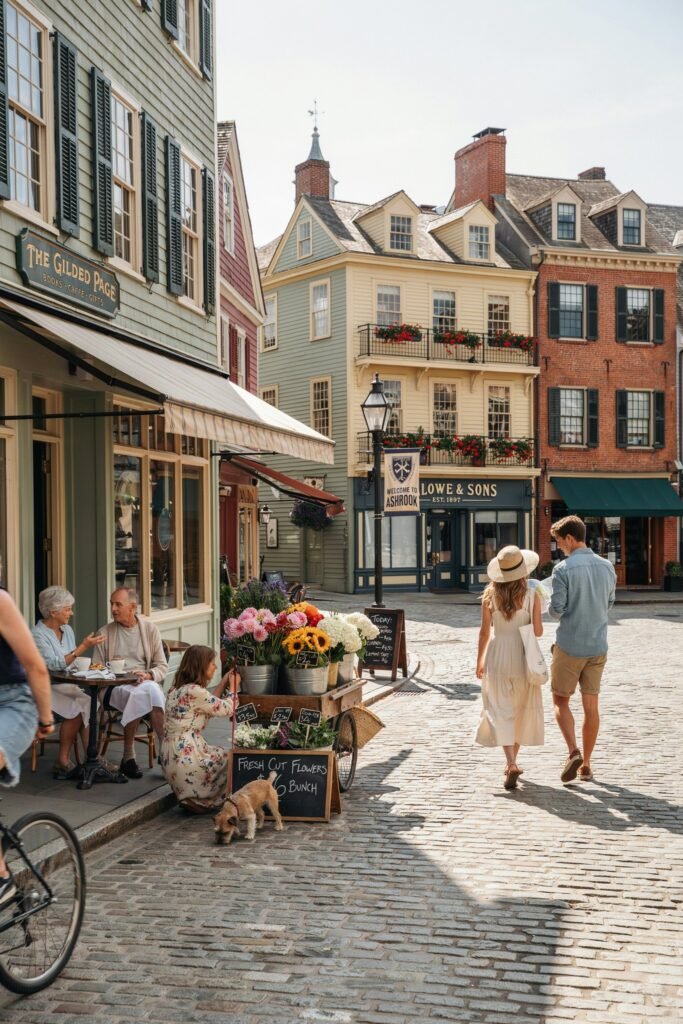
Many travelers are choosing smaller destinations over large cities because villages offer:
- Less crowded attractions
- More affordable accommodations
- Authentic local experiences
- Unique shops and restaurants
- Beautiful scenery
- Relaxing atmospheres
- Excellent opportunities for photography
- Easy access to nature
- A chance to disconnect from everyday stress
Village vacations allow travelers to slow down and enjoy the journey instead of rushing through packed itineraries.
1. Leavenworth, Washington
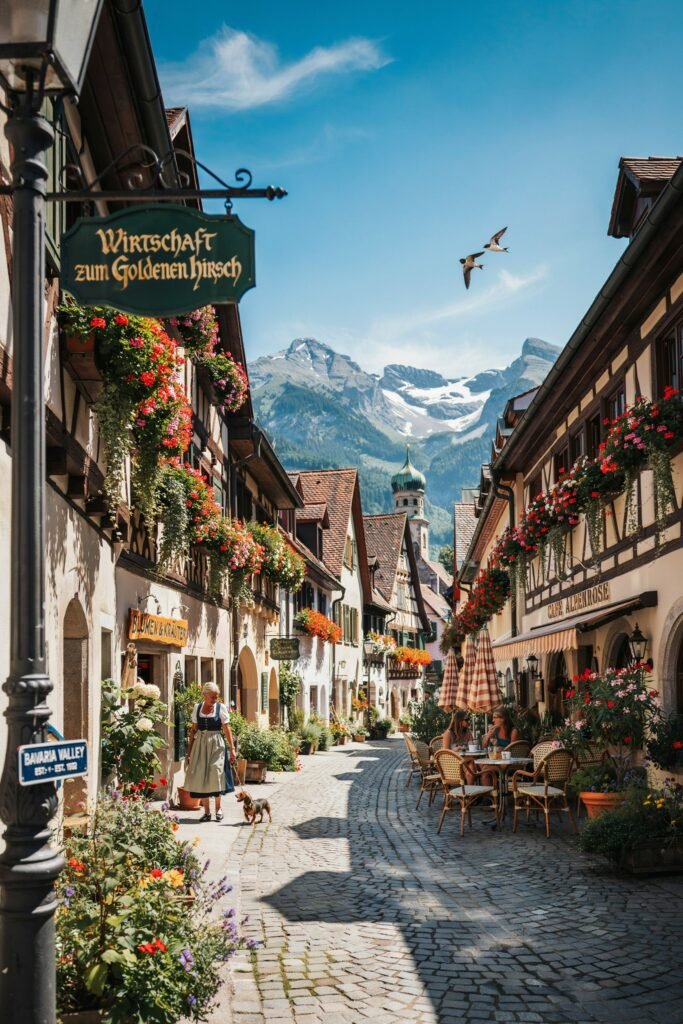
Leavenworth looks like a Bavarian village transported directly from Germany into the mountains of Washington State.
Snow covered peaks surround the village during winter while flower filled streets create a colorful atmosphere during warmer months.
The architecture, restaurants, festivals, and shops all reflect Bavarian culture, making visitors feel like they have stepped into Europe.
What Makes It Magical
- Traditional alpine buildings
- Mountain views in every direction
- Seasonal festivals
- Christmas lighting displays
- Beautiful hiking trails
- Authentic German food
How To Experience Leavenworth
- Begin your day with a walk through downtown.
- Visit local bakeries and coffee shops.
- Browse handcrafted gifts and artisan products.
- Enjoy traditional German dishes at local restaurants.
- Spend an afternoon hiking nearby mountain trails.
Visit during the holiday season to experience one of America’s most famous Christmas villages.
Best Time To Visit
- December for Christmas celebrations
- Spring for wildflowers
- Summer for hiking
- Autumn for colorful foliage
2. Carmel by the Sea, California
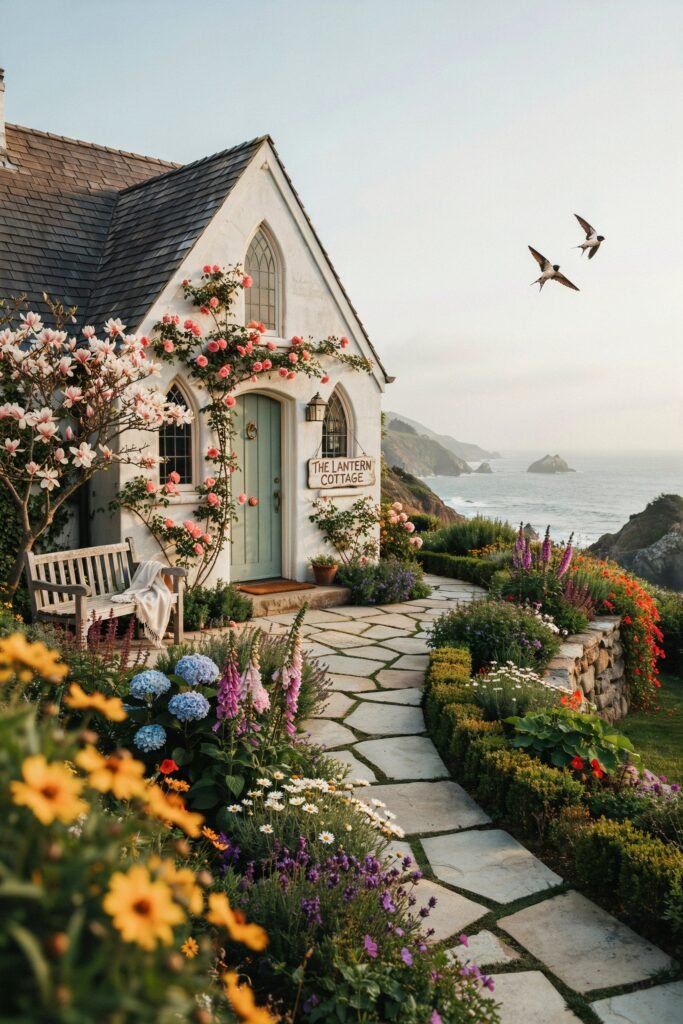
Carmel by the Sea feels like a fairytale village sitting along California’s stunning coastline.
Charming cottages, art galleries, boutique shops, and white sandy beaches make this destination unforgettable.
Every corner seems designed for leisurely walks and beautiful photographs.
What Makes It Magical
- Storybook cottages
- Ocean views
- Art galleries
- Beautiful beaches
- Tree lined streets
- Luxury dining experiences
How To Experience Carmel
- Start with a morning walk along Carmel Beach.
- Explore local art galleries.
- Visit charming bookstores and specialty shops.
- Enjoy fresh seafood at waterfront restaurants.
- Watch the sunset over the Pacific Ocean.
- Take a scenic drive along nearby coastal routes.
Best Time To Visit
Spring and fall provide mild weather and fewer crowds.
3. Woodstock, Vermont
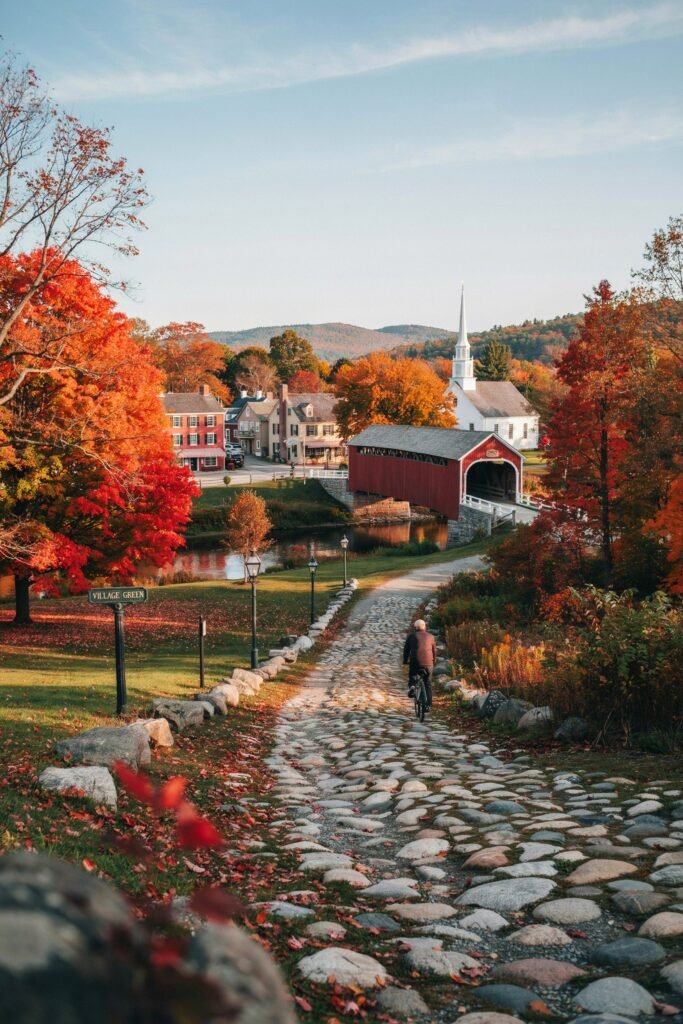
Woodstock is one of the most picturesque villages in New England.
Covered bridges, historic homes, rolling hills, and traditional town squares create a timeless atmosphere.
It feels especially magical during autumn when the leaves transform into brilliant shades of red, orange, and gold.
What Makes It Magical
- Classic New England charm
- Covered bridges
- Historic architecture
- Fall foliage
- Farm experiences
- Scenic countryside
How To Experience Woodstock
- Explore the village center on foot.
- Visit local farms and markets.
- Tour nearby covered bridges.
- Enjoy seasonal festivals.
- Spend time hiking local nature trails.
- Photograph the beautiful countryside during sunrise and sunset.
Best Time To Visit
September through October for peak fall colors.
4. Eureka Springs, Arkansas
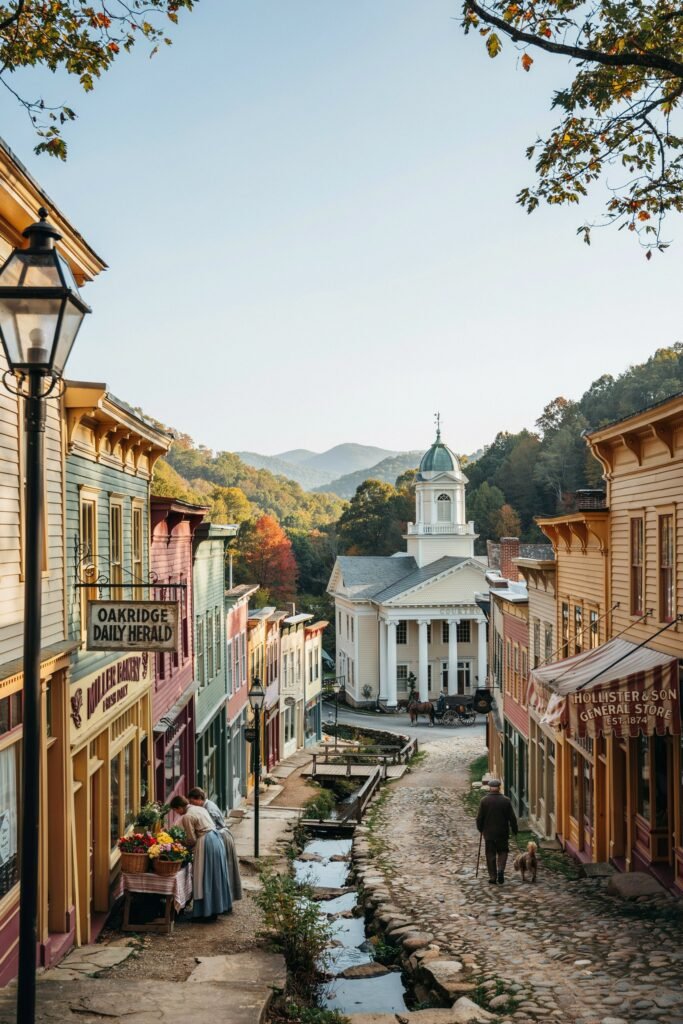
Nestled in the Ozark Mountains, Eureka Springs offers a unique combination of history, natural beauty, and artistic culture.
Its winding streets, Victorian architecture, and hillside setting make it one of America’s most distinctive villages.
What Makes It Magical
- Victorian buildings
- Mountain scenery
- Natural springs
- Unique shopping districts
- Art galleries
- Historic charm
How To Experience Eureka Springs
- Walk through the historic downtown district.
- Visit local art studios.
- Explore nearby hiking trails.
- Tour historic buildings and landmarks.
- Take a scenic trolley ride around town.
- Visit natural springs throughout the village.
Best Time To Visit
Spring and fall offer the most comfortable temperatures.
5. Stowe, Vermont
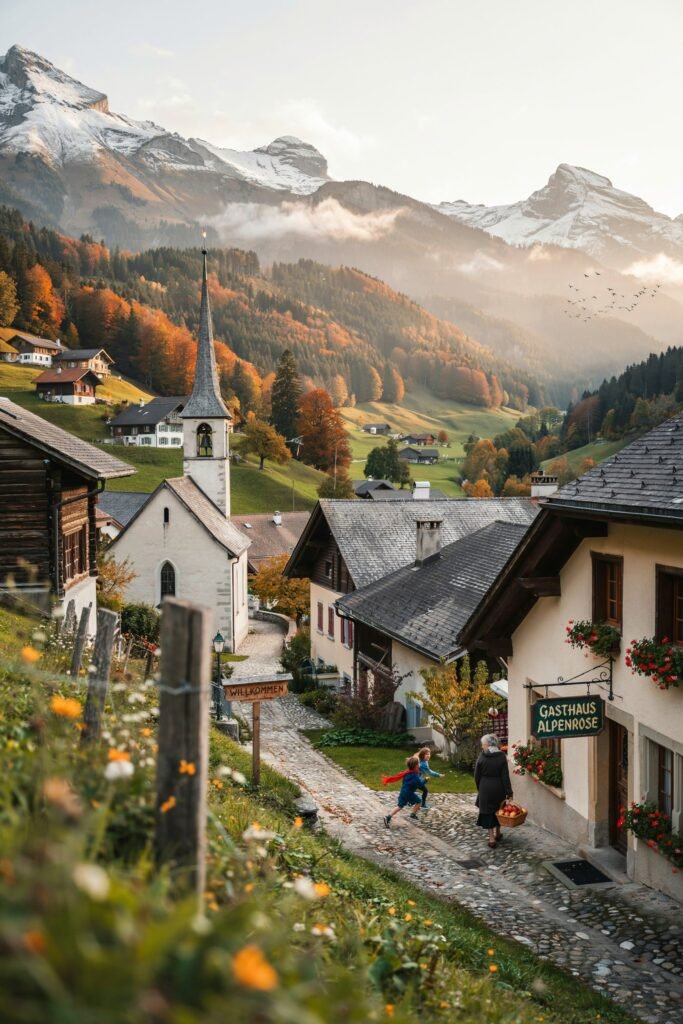
Stowe combines outdoor adventure with charming village living.
The destination is famous for skiing, mountain scenery, hiking trails, and beautiful seasonal colors.
Visitors can enjoy both relaxation and adventure in one destination.
What Makes It Magical
- Mountain landscapes
- Traditional village atmosphere
- Excellent skiing
- Scenic drives
- Beautiful hiking opportunities
- Covered bridges
How To Experience Stowe
- Ride the gondola for spectacular views.
- Visit local cafes and bakeries.
- Explore nearby hiking routes.
- Take scenic drives through the mountains.
- Enjoy skiing during winter months.
- Spend an evening dining at locally owned restaurants.
Best Time To Visit
- Winter for skiing
- Autumn for foliage
- Summer for outdoor adventures
6. Cape May, New Jersey
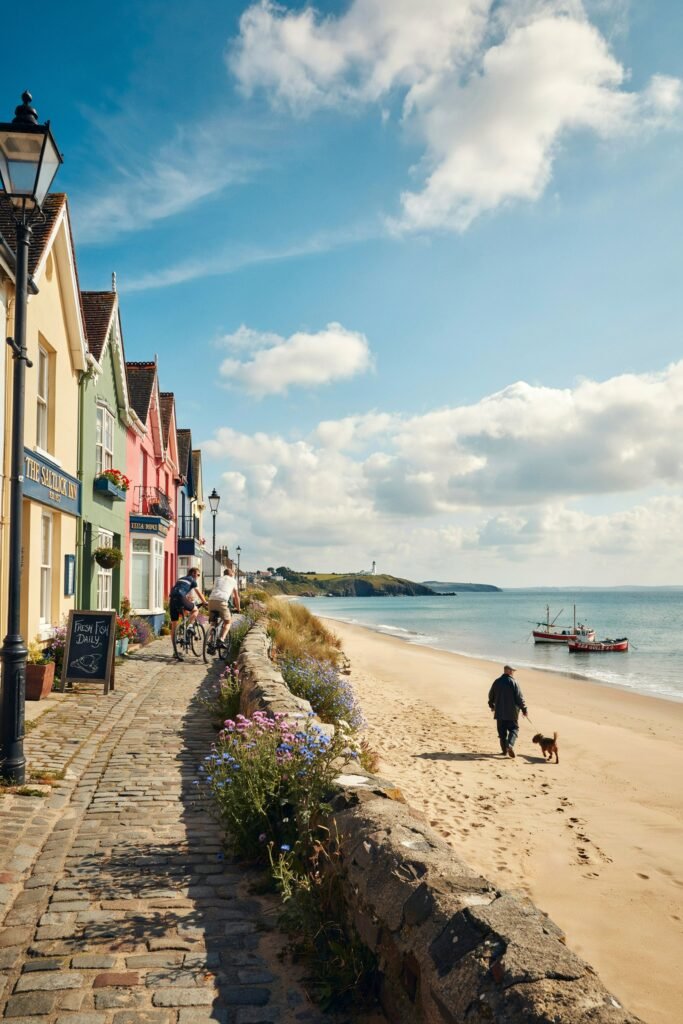
Cape May is one of America’s oldest seaside resort villages.
Its colorful Victorian homes, beautiful beaches, and relaxed atmosphere attract visitors year after year.
The village combines coastal beauty with rich history.
What Makes It Magical
- Victorian architecture
- Oceanfront views
- Historic charm
- Beautiful beaches
- Sunset watching
- Local seafood
How To Experience Cape May
- Take a guided walking tour.
- Visit historic homes.
- Relax on the beach.
- Go whale watching.
- Enjoy fresh seafood dinners.
- Watch the sunset from the shoreline.
- Explore local boutiques and specialty shops.
Best Time To Visit
Late spring through early fall provides ideal beach weather.
7. Mackinac Island, Michigan
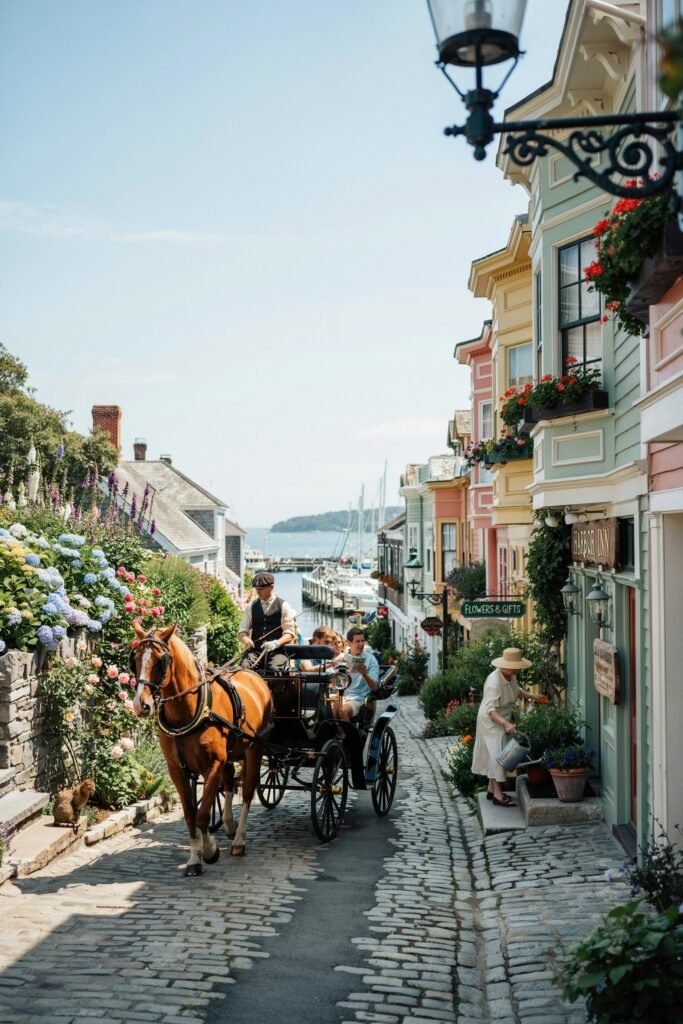
Mackinac Island feels like stepping back in time. One of the most unique aspects of this destination is that cars are not allowed on the island.
Transportation is primarily by bicycle, horse drawn carriage, or walking.
The peaceful atmosphere, historic buildings, and breathtaking waterfront views create a truly magical vacation experience.
What Makes It Magical
- Horse drawn carriages
- Historic architecture
- Lake views
- Beautiful gardens
- Famous fudge shops
- Peaceful environment
- Unique island culture
How To Experience Mackinac Island
- Take a ferry to the island.
- Rent a bicycle and explore the scenic roads.
- Visit historic forts and museums.
- Sample locally made fudge from famous candy shops.
- Walk through beautiful gardens and parks.
- Take a horse drawn carriage tour to learn about island history.
- Spend an evening enjoying lakefront views and fresh local cuisine.
Best Time To Visit
Late spring through early fall offers the best weather and the widest variety of activities.
8. Telluride, Colorado
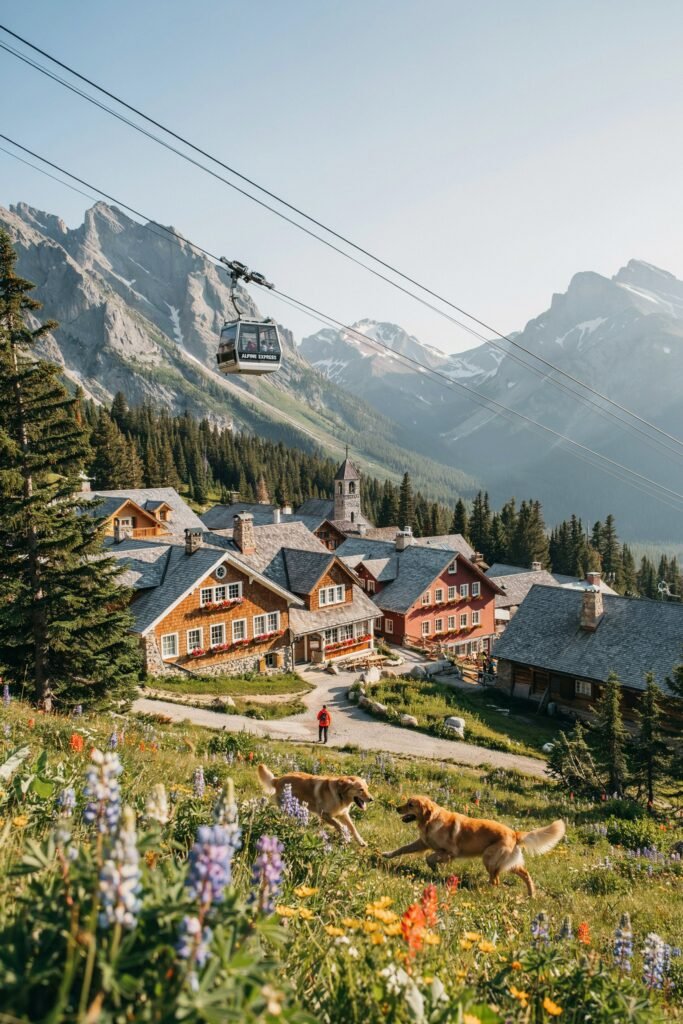
Surrounded by dramatic mountain peaks, Telluride is one of the most beautiful mountain villages in America.
The combination of outdoor adventure, charming streets, and spectacular scenery makes it a dream destination for travelers who love nature.
What Makes It Magical
- Towering mountains
- Scenic gondola rides
- Waterfalls
- Historic downtown district
- World class hiking
- Winter skiing opportunities
- Beautiful seasonal scenery
How To Experience Telluride
- Ride the free gondola for incredible views.
- Explore the historic downtown area.
- Hike nearby mountain trails.
- Visit local restaurants and coffee shops.
- Attend seasonal festivals and events.
- Take scenic photographs from elevated viewpoints.
- Enjoy skiing or snowboarding during winter.
Best Time To Visit
- Summer for hiking and festivals
- Winter for skiing and snow activities
- Autumn for colorful mountain landscapes
9. Helen, Georgia
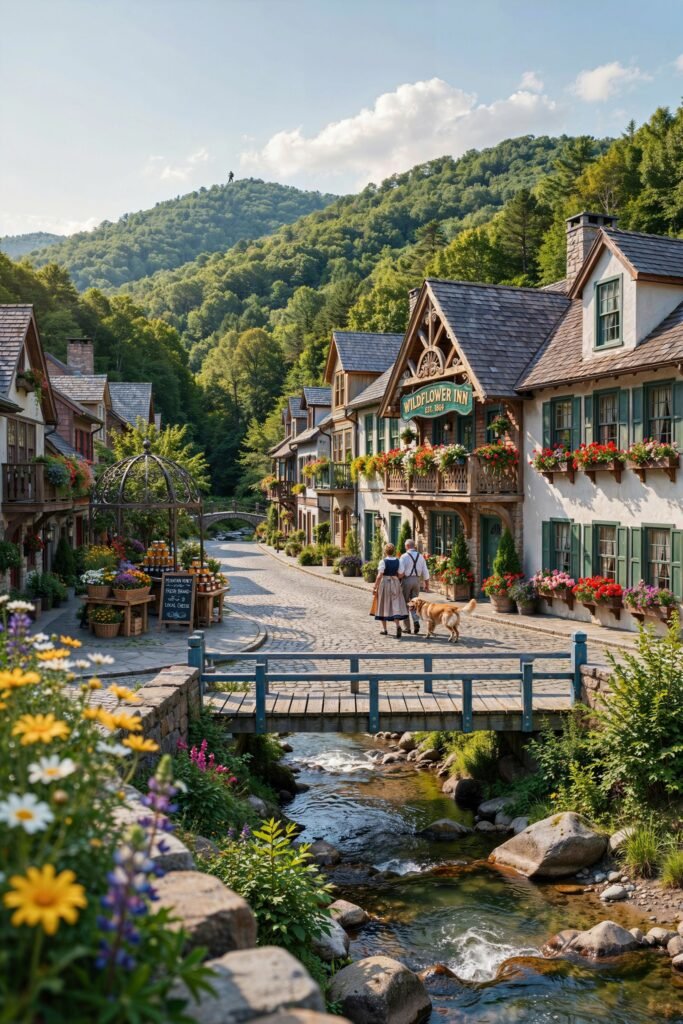
Helen is a charming alpine inspired village nestled in the mountains of northern Georgia.
Modeled after a Bavarian town, Helen offers visitors a unique European atmosphere without leaving the United States.
What Makes It Magical
- Bavarian style buildings
- Mountain scenery
- River tubing adventures
- Festivals and celebrations
- Traditional German inspired dining
- Beautiful natural surroundings
How To Experience Helen
- Walk through the village center.
- Visit local bakeries and specialty stores.
- Enjoy river tubing during warmer months.
- Explore nearby waterfalls.
- Take scenic drives through the mountains.
- Attend seasonal festivals.
- Try traditional German inspired dishes and desserts.
Best Time To Visit
- Spring for flowers
- Summer for tubing
- Autumn for foliage
- Winter for holiday celebrations
10. Jim Thorpe, Pennsylvania
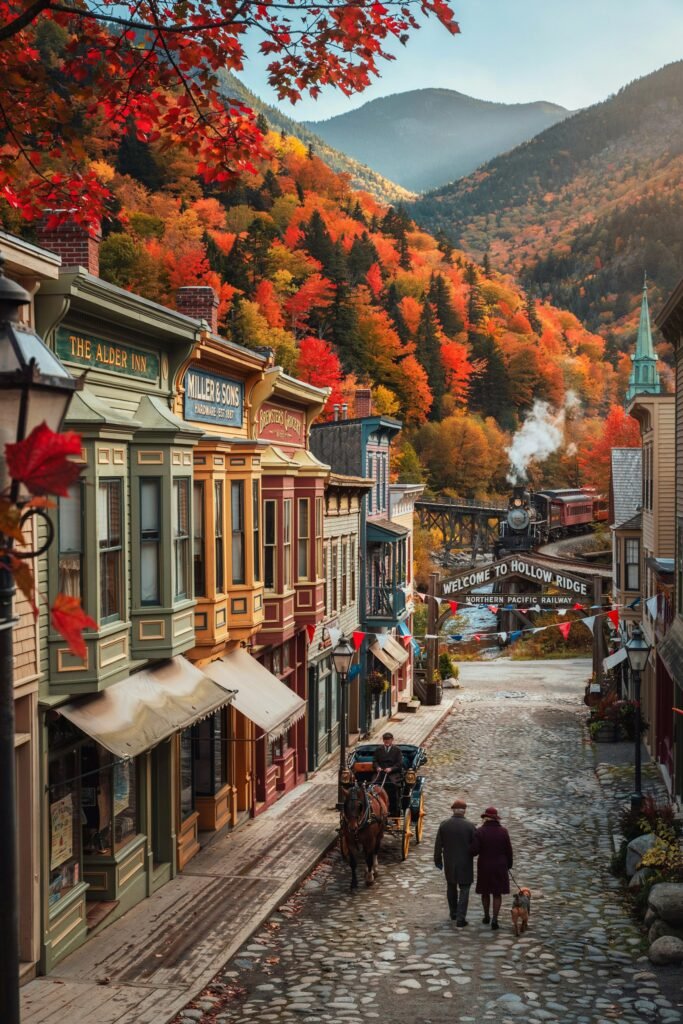
Often called the Switzerland of America, Jim Thorpe offers breathtaking mountain scenery and rich historical character.
The village combines outdoor recreation with fascinating architecture and cultural attractions.
What Makes It Magical
- Historic downtown district
- Mountain views
- Scenic rail excursions
- Outdoor adventures
- Victorian architecture
- Beautiful seasonal colors
How To Experience Jim Thorpe
- Walk through the historic streets.
- Visit museums and historical attractions.
- Ride scenic railways through the mountains.
- Explore nearby hiking trails.
- Enjoy local dining and shopping.
- Photograph the beautiful architecture throughout the village.
Best Time To Visit
Autumn offers spectacular foliage.
Spring and summer provide ideal outdoor conditions.
11. Sedona Village Area, Arizona
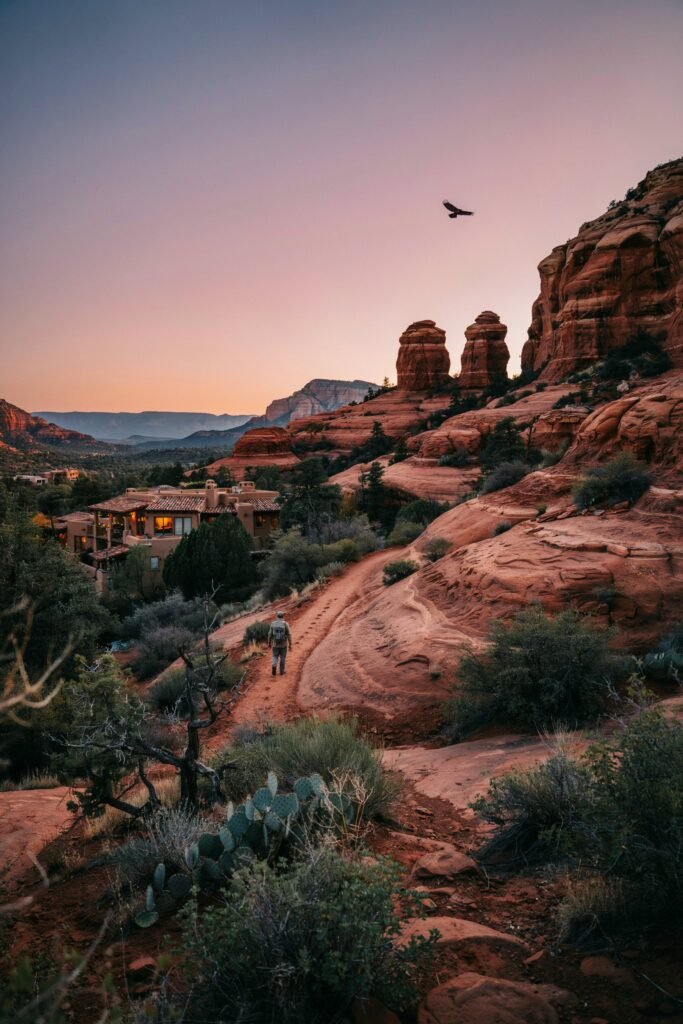
While Sedona itself is widely known, the surrounding village areas provide a quieter and equally magical experience.
Red rock formations create some of the most stunning scenery in the country.
Visitors come from around the world to experience the natural beauty and peaceful atmosphere.
What Makes It Magical
- Massive red rock formations
- Desert landscapes
- Scenic hiking trails
- Stunning sunsets
- Art galleries
- Unique local culture
- Exceptional photography opportunities
How To Experience Sedona
- Start your day with a sunrise hike.
- Visit scenic viewpoints throughout the area.
- Explore local galleries and shops.
- Enjoy outdoor dining with mountain views.
- Take guided nature tours.
- Watch the sunset as the red rocks glow with vibrant colors.
- Spend time stargazing during clear evenings.
Best Time To Visit
Spring and fall offer comfortable temperatures and excellent outdoor conditions.
How To Plan the Perfect USA Village Vacation
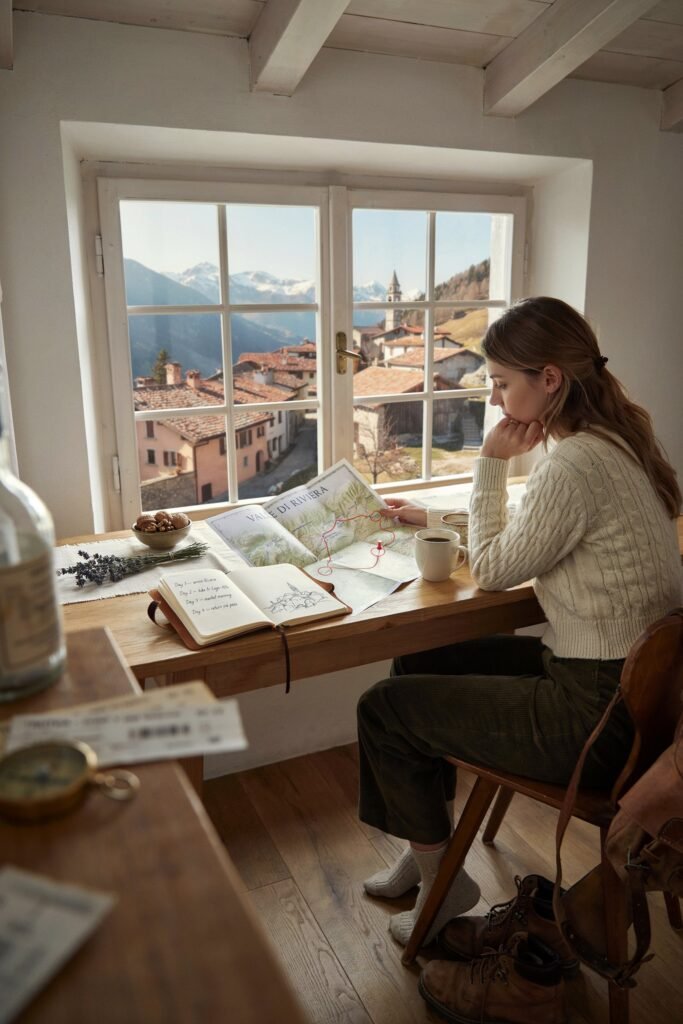
The best village vacations are often the ones that allow flexibility and plenty of time for exploration.
Step 1: Choose the Right Village
Consider your travel style.
- For mountain adventures choose Telluride or Stowe.
- For coastal charm choose Carmel by the Sea or Cape May.
- For historic experiences choose Woodstock or Jim Thorpe.
- For unique cultural experiences choose Leavenworth or Helen.
Step 2: Book Early
- Many small villages have limited accommodations.
- Popular seasons often sell out months in advance.
- Reserve hotels, inns, cabins, or vacation rentals as early as possible.
Step 3: Create a Flexible Itinerary
Plan major attractions but leave room for unexpected discoveries.
Some of the best experiences happen while wandering local streets, browsing shops, or speaking with residents.
Step 4: Support Local Businesses
- Shop at locally owned stores.
- Eat at independent restaurants.
- Purchase handmade products from local artisans.
Supporting small businesses helps preserve the character that makes these villages special.
Family Vacation Tips for Village Travel
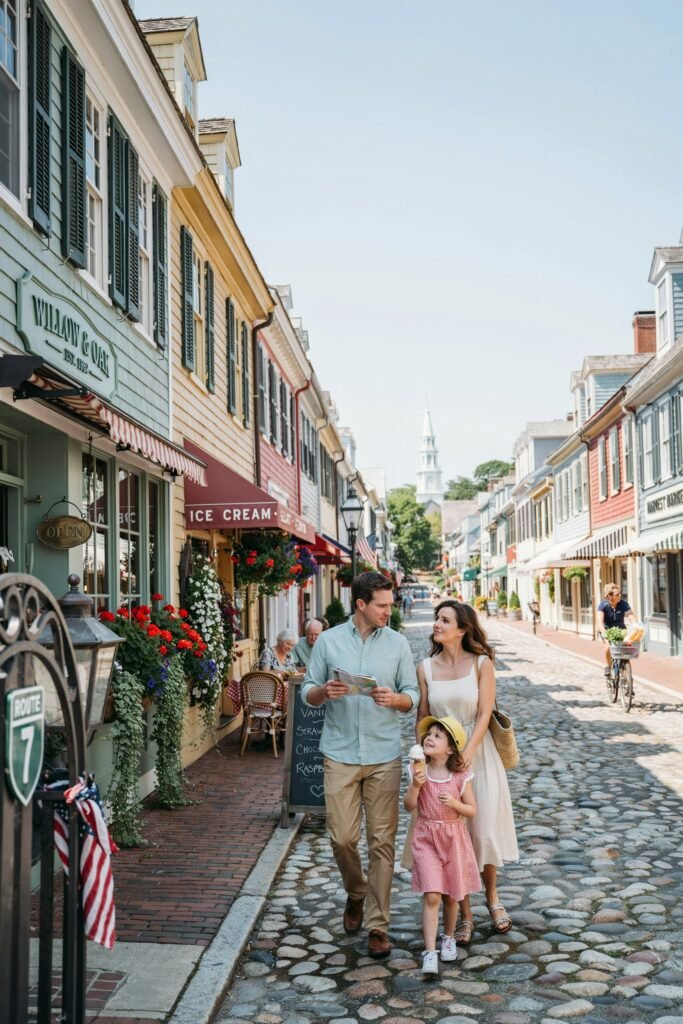
Village destinations are excellent for families because they provide safe, walkable environments and unique educational experiences.
- Allow children to explore local history.
- Visit farms and outdoor attractions.
- Encourage participation in cultural festivals.
- Pack snacks and water for walking tours.
- Schedule downtime between activities.
- Take advantage of nature based adventures.
Budgeting for a Village Getaway
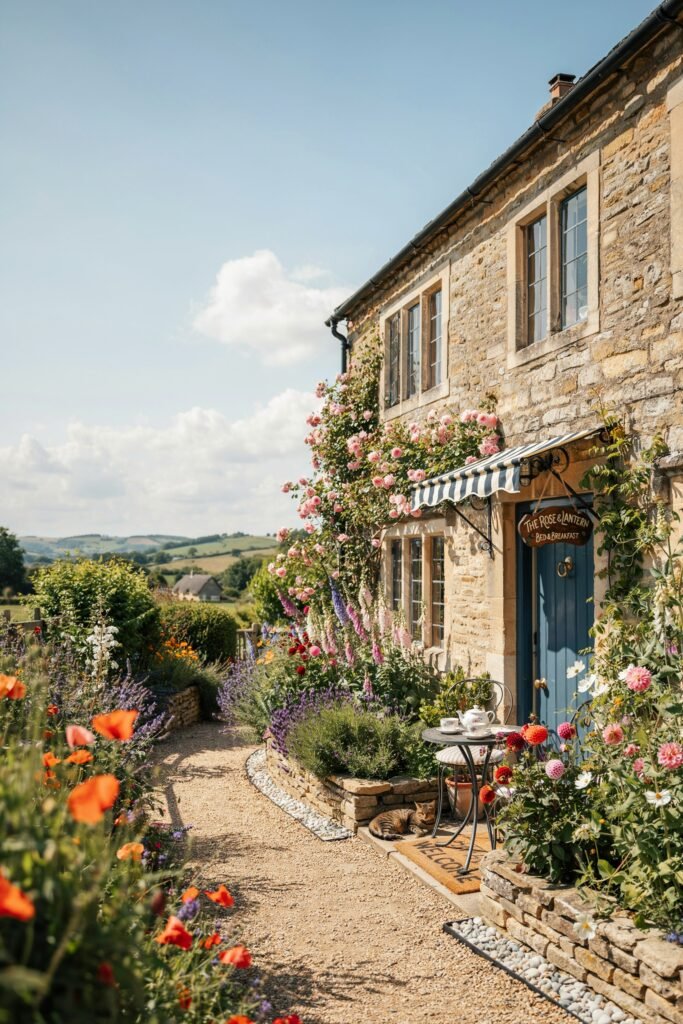
Village vacations can often be more affordable than major city trips.
Ways to save money include:
- Travel during shoulder seasons.
- Book accommodations in advance.
- Choose local cafes over tourist restaurants.
- Look for free festivals and events.
- Use public transportation when available.
- Pack reusable water bottles and snacks.
- Travel with family or friends to share lodging costs.
Hidden Gems to Look For
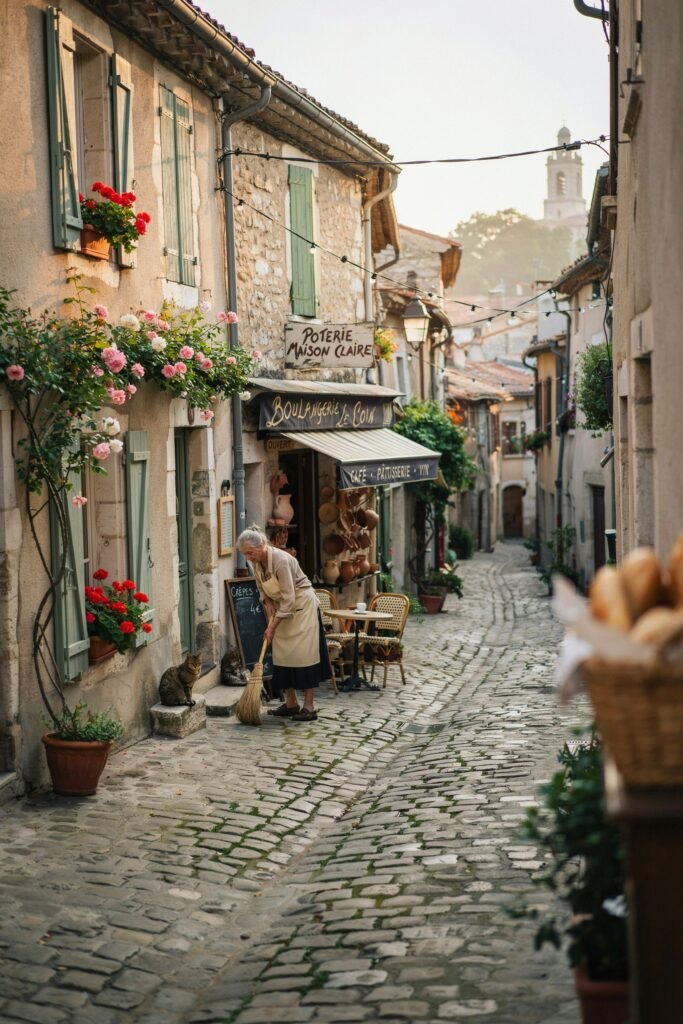
Many travelers focus only on famous attractions, but villages often hide their best experiences in unexpected places.
Look for:
- Local bakeries
- Farmers markets
- Historic walking trails
- Small museums
- Family owned restaurants
- Scenic overlooks
- Artisan workshops
- Seasonal community events
Local recommendations often lead to unforgettable discoveries.
Benefits of Visiting Small Villages
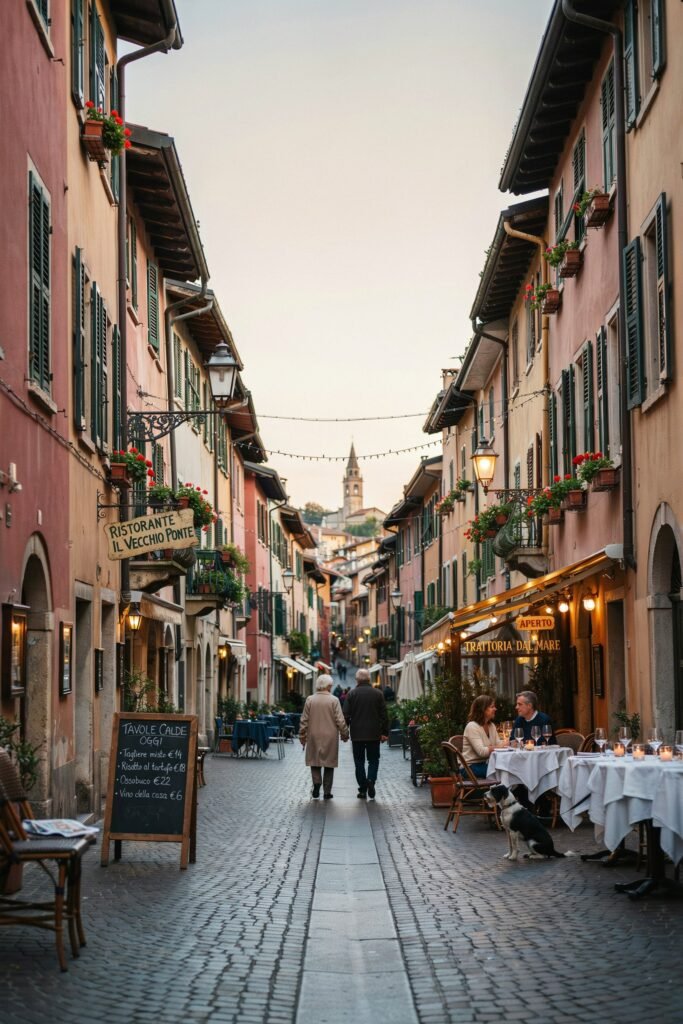
Village vacations offer experiences that larger destinations cannot always provide.
Benefits include:
- Less crowded attractions
- More authentic local culture
- Beautiful scenery
- Unique architecture
- Personal interactions with residents
- Relaxed pace of travel
- Exceptional photography opportunities
- Memorable family experiences
Many travelers discover that small villages become their favorite vacation destinations.
Frequently Asked Questions
What is the most beautiful village in America?
Beauty is subjective, but many travelers consider Carmel by the Sea, Leavenworth, and Woodstock among the most beautiful villages in the United States.
Which village is best for families?
Mackinac Island, Stowe, and Cape May are excellent choices for family vacations because they offer activities suitable for all ages.
What is the best season for village vacations?
The best season depends on the destination. Autumn is ideal for New England villages, while spring and summer are perfect for coastal destinations.
Are village vacations expensive?
Many village destinations can be budget friendly, especially when compared to large cities and major resort areas.
How many days should I stay in a village?
A stay of three to five days allows enough time to explore attractions, enjoy local culture, and relax without feeling rushed.
Final Thoughts
America’s most magical villages offer something increasingly rare in modern travel.
They provide authenticity, charm, natural beauty, and unforgettable experiences that stay with you long after the trip ends.
Whether you dream of strolling through a Bavarian style mountain town, relaxing beside the ocean, exploring historic streets, or hiking among breathtaking landscapes, these villages deliver experiences that feel both exciting and deeply relaxing.
The next time you plan a vacation, consider skipping the crowded tourist hotspots and discovering one of these magical USA villages instead.
You may find your new favorite destination waiting in a place you never expected.
Every village on this list offers its own unique personality, history, and charm. The hardest part may be deciding which one to visit first.