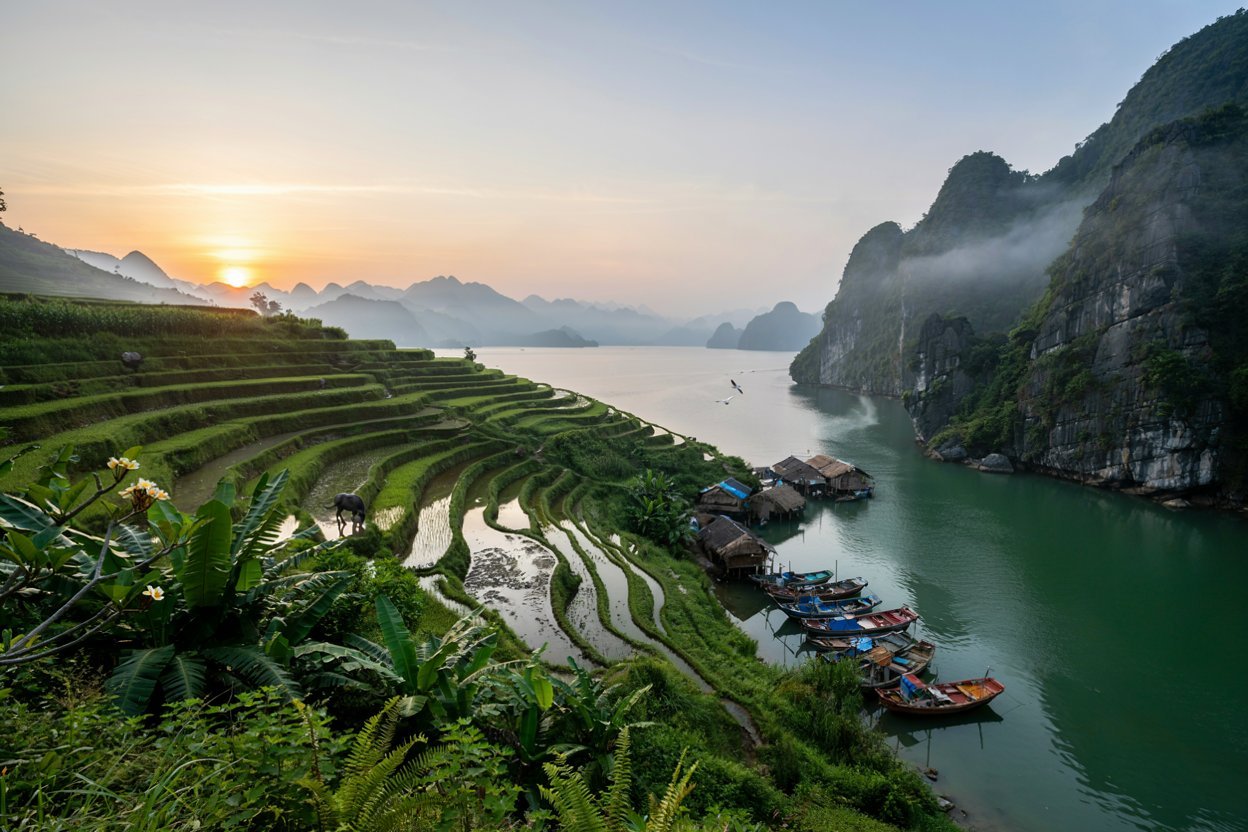
Vietnam is filled with places that rarely make it onto popular itineraries.
Hanoi, Ho Chi Minh City, Ha Long Bay, and Hoi An deserve their popularity, but some of the country’s most rewarding experiences happen in quiet fishing villages, peaceful mountain valleys, untouched beaches, and small towns where life moves at a slower pace than anywhere on the standard tourist route.
This guide focuses on destinations that offer authentic culture, stunning scenery, fewer crowds, and memorable local experiences.

You’ll find the best time to visit each one, how to get there, what makes it unique, practical travel tips, nearby attractions worth combining into your route, and who each destination is best suited for.
If you’re building out a wider Southeast Asia budget trip alongside this list, our budget places to travel in the world is worth reading too.
Quick Overview
| Destination | Best For | Time Needed |
|---|---|---|
| Pu Luong Nature Reserve | Nature and slow travel | 2 days |
| Bai Xep | Beach and quiet coastline | 1 to 2 days |
| Ha Giang Loop | Road trip and adventure | 3 to 5 days |
| Con Dao Islands | Relaxation and diving | 2 to 4 days |
| Ban Gioc Falls | Photography and nature | 1 day |
| Ly Son Island | Beach and local seafood | 2 days |
| Phong Nha countryside | Caves and hiking | 2 to 3 days |
| Tam Coc backroads | Cycling and scenery | 1 day |
| Quy Nhon | Beach without crowds | 2 to 3 days |
| Ba Be Lake | Boating and forest scenery | 2 days |
| Mui Ne fishing village | Culture and local life | 1 day |
| Bach Ma National Park | Hiking and cool mountain air | 1 to 2 days |
| Dak Lak | Coffee farms and elephants | 2 days |
| Cham Islands | Snorkeling and marine life | 1 day |
| Cao Bang | Waterfalls and countryside | 2 to 3 days |
Before You Go

A few things worth sorting out before you focus on specific destinations.
Best months to visit. Vietnam’s climate varies significantly by region, so timing depends on where you’re headed. Generally, February through April and August through October offer the most reliable weather across the north and central regions.
Weather. The north has four distinct seasons with cold winters, while the south stays warm year round with a clear wet and dry season split.
Transportation. Domestic flights, trains, and long distance buses connect major cities well, but reaching the destinations on this list often requires a private transfer, motorbike, or local bus once you’re off the main routes.
Cash versus cards. Cash is essential in rural areas and smaller towns, where card acceptance is limited or nonexistent.
SIM cards. A local SIM, available cheaply at the airport, makes navigation and booking transport in remote areas significantly easier.
What to pack. Lightweight, breathable clothing works for most of the country, though northern mountain regions like Ha Giang and Cao Bang get genuinely cold, especially at night. Our backpacking essentials guide covers general packing habits that apply well here too.
Local etiquette. Modest dress is expected at temples and pagodas, and removing shoes before entering someone’s home is standard practice throughout the country.
Map Guide for Visiting Those Hidden Gems
1. Pu Luong Nature Reserve
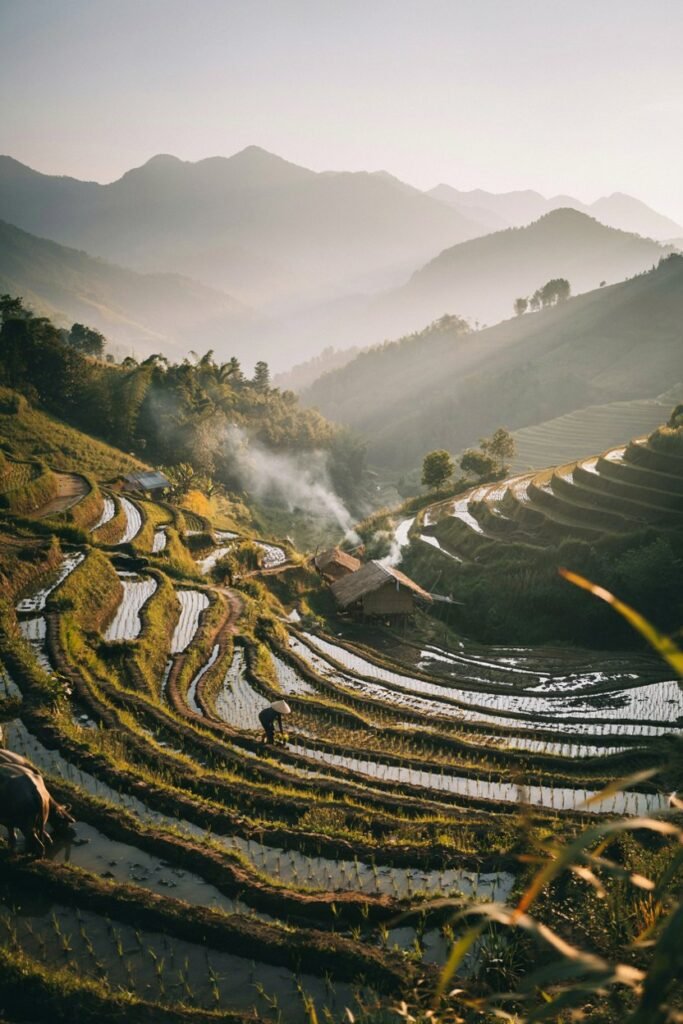
Why I think it’s worth visiting I love destinations where you can slow down instead of rushing between attractions.
Pu Luong is one of those places where every drive, walk, and viewpoint feels peaceful. Watching the rice terraces change color throughout the day is something photos never fully capture.
Why it’s special Unlike the more famous Sapa, Pu Luong offers similar mountain scenery with fewer crowds, quieter villages, and a slower pace that makes it easier to connect with local communities.
Highlights
- Rice terraces
- Bamboo rafting
- Local villages
- Hiking trails
- Traditional water wheels
Best time to visit: May through June for the flooding rice season, or September through October for golden harvest views.
How to get there: Fly into Hanoi, then take a private transfer or bus roughly three to four hours to Pu Luong.
Things to do Walk between villages along the valley floor, take a short bamboo rafting trip on the river, and hike up to one of the higher viewpoints for a full look over the terraces.
Helpful tips Wear proper hiking shoes, carry cash since card access is essentially nonexistent here, and start hikes early to avoid the midday heat.
Nearby places Mai Chau, a similarly scenic valley about two hours away, pairs well with Pu Luong on a longer northern loop.
Is it worth visiting? Yes, particularly if Sapa’s crowds have put you off mountain scenery elsewhere in the north.
2. Bai Xep
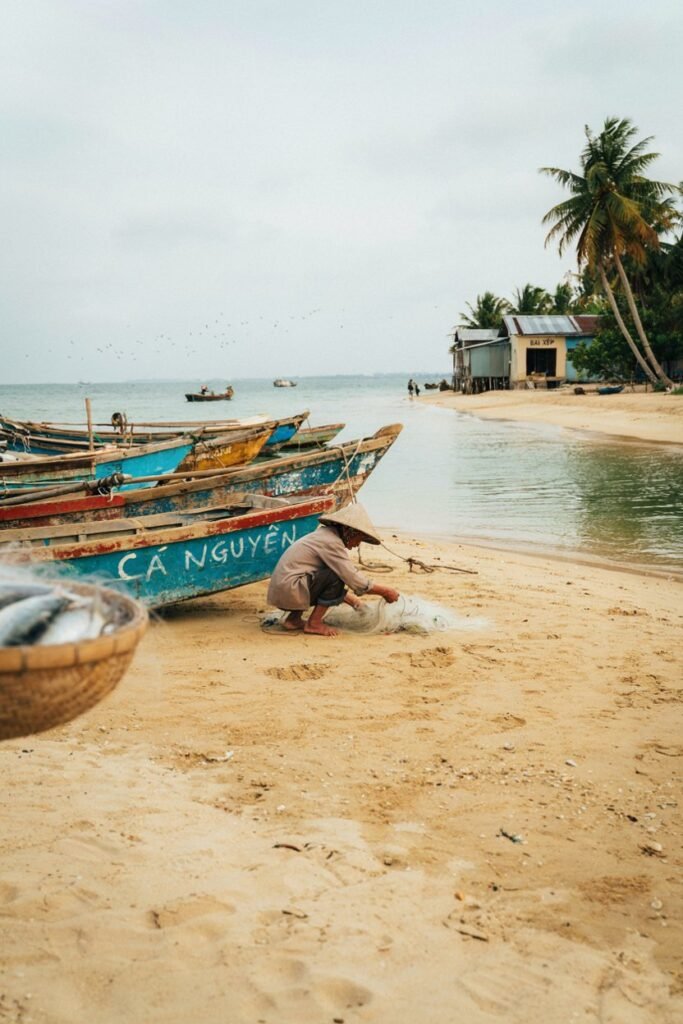
Why I think it’s worth visiting This is the kind of fishing village beach that feels increasingly rare in Vietnam, a real working village rather than something built around tourism.
Why it’s special Located near the larger city of Quy Nhon, Bai Xep has stayed small and quiet while nearby beaches have developed rapidly.
Highlights
- Quiet, uncrowded beach
- Fresh local seafood
- Fishing boats still in daily use
- Simple beachside guesthouses
Best time to visit: February through August, avoiding the wetter months later in the year.
How to get there: Fly into Quy Nhon, then a short taxi or motorbike ride south to the village.
Things to do Swim at the beach without crowds, watch fishing boats return with the day’s catch in the late afternoon, and eat at one of the small local seafood restaurants.
Helpful tips This is a genuinely small village, so book accommodation ahead during peak months, and bring cash for local restaurants.
Nearby places Quy Nhon city itself, worth a day for its own quieter beach scene.
Is it worth visiting? Yes, especially as a calmer alternative to Vietnam’s more developed coastal towns.
3. Ha Giang Loop
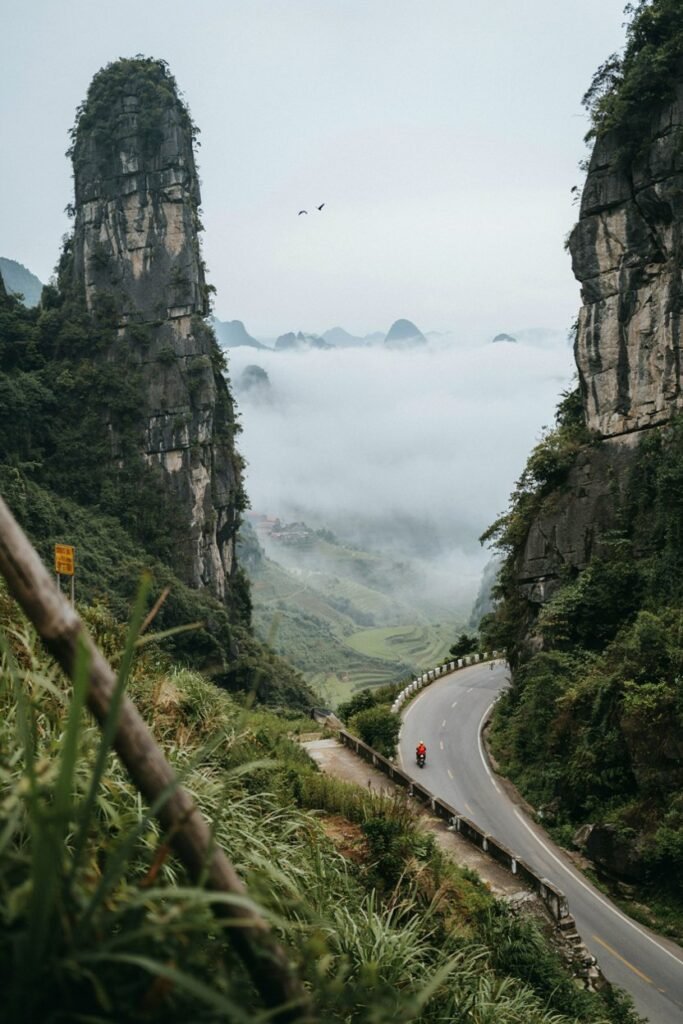
Why I think it’s worth visiting This is the most dramatic motorbike route I’ve come across anywhere in Vietnam, mountain passes, terraced valleys, and villages that see a fraction of the visitors further south.
Why it’s special Ha Giang remains one of the least developed regions in the country, and the loop itself passes through genuinely remote ethnic minority communities.
Highlights
- Ma Pi Leng Pass
- Dong Van Karst Plateau
- Local ethnic minority markets
- Dramatic mountain scenery throughout
Best time to visit: September through November, when the region’s buckwheat flowers bloom and weather is most stable.
How to get there: Fly or take an overnight bus to Ha Giang city from Hanoi, roughly six to seven hours by road.
Things to do Ride the full loop over several days, stop at local markets in smaller towns along the way, and visit the Dong Van Karst Plateau for some of the route’s best viewpoints.
Helpful tips Book a guide or join a group tour if you’re not experienced on a motorbike, since sections of this route are genuinely challenging. Bring warm layers, since mountain evenings get cold even outside winter.
Nearby places Cao Bang, covered further down this list, connects well if you’re extending a longer northern loop.
Is it worth visiting? Yes, and it’s consistently one of the most recommended experiences among travelers who’ve done it.
4. Con Dao Islands
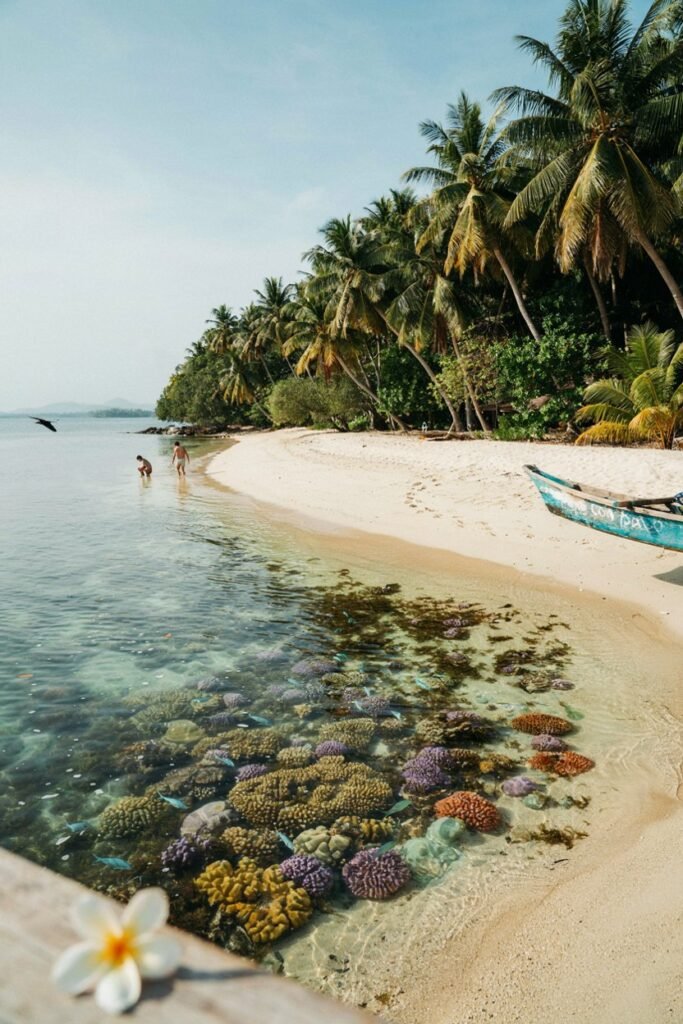
Why I think it’s worth visiting Con Dao offers some of the cleanest water and healthiest coral I’ve encountered anywhere in Vietnam, with a fraction of the visitors found on more accessible islands.
Why it’s special Limited flight capacity to the islands has kept development slower here than at more accessible coastal destinations, preserving both the marine environment and a genuinely relaxed pace.
Highlights
- Clear water and healthy coral reefs
- Sea turtle nesting season
- Historic sites from the islands’ complex past
- Quiet, undeveloped beaches
Best time to visit: March through September for the calmest seas and best diving conditions.
How to get there: A short domestic flight from Ho Chi Minh City is the most practical option, since ferry connections take considerably longer.
Things to do Snorkel or dive around the surrounding reefs, visit during nesting season for a chance to see sea turtles, and explore the islands’ historic sites.
Helpful tips Book flights well ahead, since capacity is limited and prices rise quickly closer to peak season.
Nearby places Ho Chi Minh City itself, worth a few days before or after flying out to the islands.
Is it worth visiting? Yes, particularly for anyone interested in diving or snorkeling away from more crowded coastal areas.
5. Ban Gioc Falls
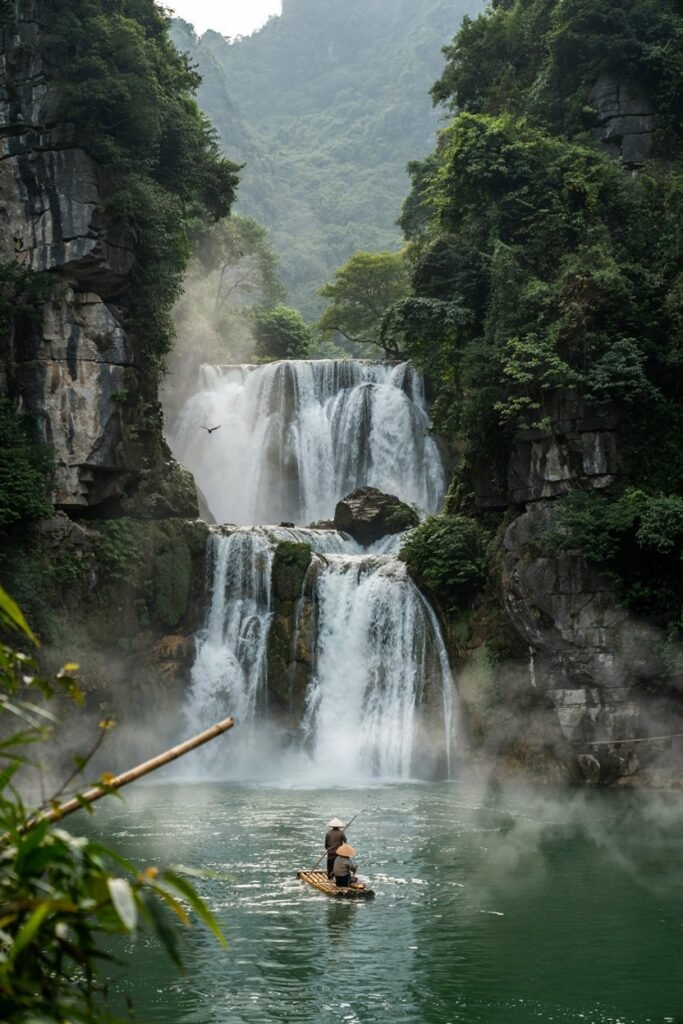
Why I think it’s worth visiting This waterfall straddles the border between Vietnam and China, and standing in front of it gives a sense of scale that photos consistently undersell.
Why it’s special Few visitors make it this far north, which keeps the site remarkably peaceful compared to similarly impressive waterfalls closer to major cities.
Highlights
- Dramatic, wide waterfall spanning an international border
- Bamboo raft rides close to the base
- Surrounding limestone karst scenery
- Nearby caves worth combining into a day trip
Best time to visit: June through September, when water flow is at its strongest.
How to get there: A private transfer or bus from Cao Bang city, about a two hour drive.
Things to do Take a bamboo raft close to the base of the falls, walk the surrounding viewpoints, and visit nearby Nguom Ngao Cave the same day.
Helpful tips Visit earlier in the day for softer light and fewer visitors, since this spot has become more popular with domestic tourists in recent years.
Nearby places Nguom Ngao Cave, a short drive away, pairs naturally with a Ban Gioc visit.
Is it worth visiting? Yes, especially if you’re already exploring Cao Bang province.
6. Ly Son Island
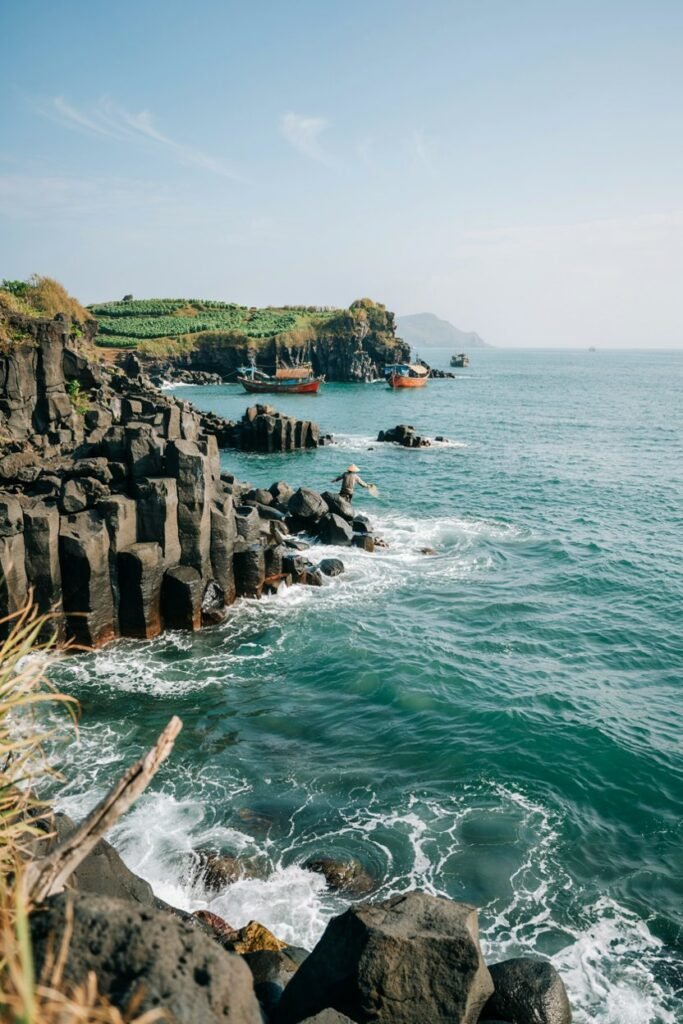
Why I think it’s worth visiting Ly Son gave me some of the best garlic infused seafood I’ve had anywhere in Vietnam, alongside genuinely striking volcanic coastline.
Why it’s special This small volcanic island is known locally for its garlic farming, giving the local cuisine a distinct character not found elsewhere in the country.
Highlights
- Volcanic crater viewpoints
- Fresh, garlic forward local seafood
- Quiet beaches
- Small fishing communities
Best time to visit: April through August, avoiding the rougher seas of typhoon season later in the year.
How to get there: Fly into Chu Lai or Da Nang, then a ferry from Sa Ky port to the island.
Things to do Hike up to the old volcanic crater for panoramic island views, swim at one of the quieter beaches, and eat at a local restaurant built around the island’s garlic farming.
Helpful tips Check ferry schedules ahead, since services can be limited or canceled in rough weather.
Nearby places Quang Ngai city on the mainland, a reasonable base before or after the island crossing.
Is it worth visiting? Yes, particularly for travelers interested in food alongside scenery.
7. Phong Nha Countryside
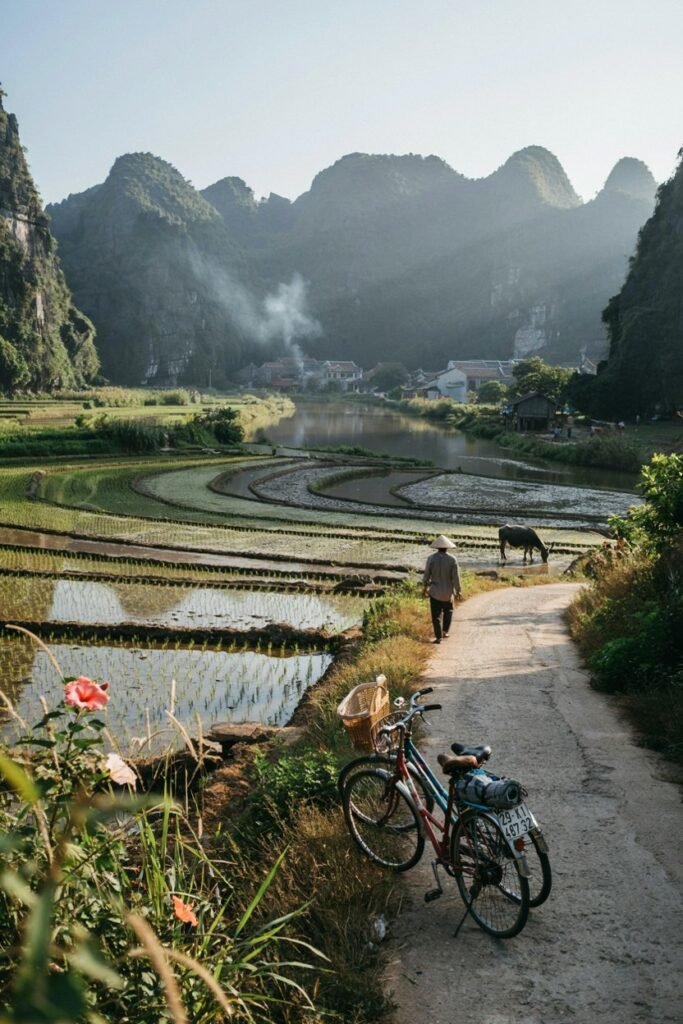
Why I think it’s worth visiting Phong Nha’s caves get some attention from travelers, but the surrounding countryside, quiet farmland and river scenery, sees far fewer visitors than the caves themselves.
Why it’s special This region combines some of the world’s most significant cave systems with genuinely peaceful rural scenery just outside the main tourist areas.
Highlights
- Cave systems including Phong Nha and Paradise Cave
- Quiet countryside cycling routes
- The Chay River
- Local farming villages
Best time to visit: February through August, avoiding the region’s heaviest rainfall later in the year.
How to get there: Fly into Dong Hoi, then a short transfer to Phong Nha town.
Things to do Tour one of the major cave systems, rent a bike to explore the surrounding countryside, and take a boat trip along the Chay River.
Helpful tips Book major cave tours in advance during peak season, since capacity is limited for some of the more famous systems.
Nearby places Hue, a few hours south, pairs well with a Phong Nha stop on a central Vietnam route.
Is it worth visiting? Yes, both for the caves and for the quieter countryside most visitors skip.
8. Tam Coc Backroads
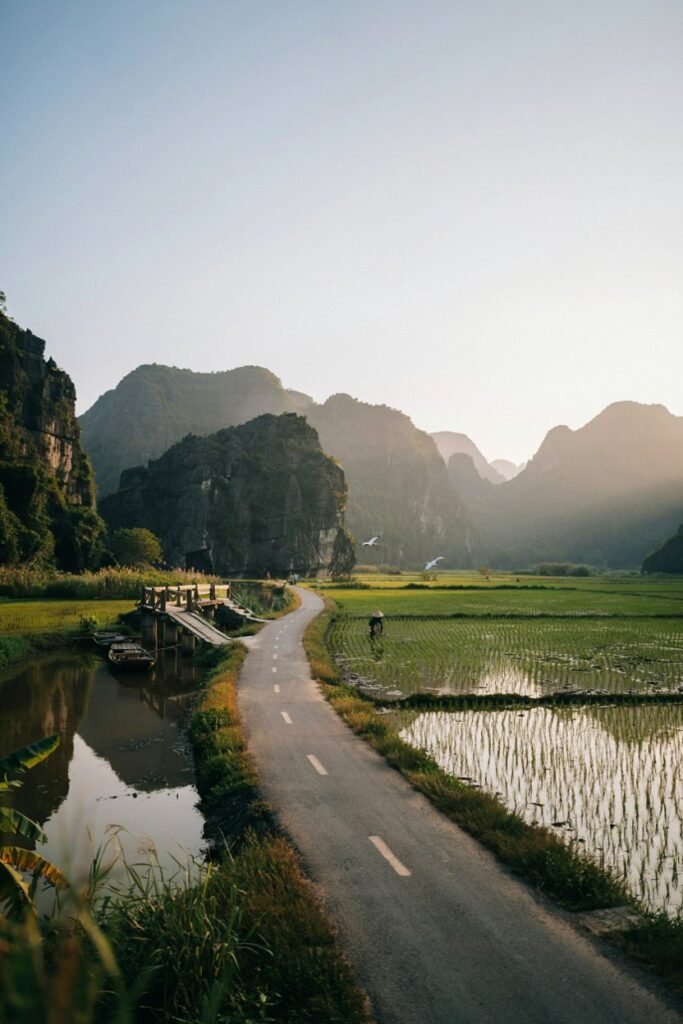
Why I think it’s worth visiting Tam Coc’s boat rides through limestone karst scenery are well known, but cycling the quieter backroads around the river gives a completely different, less crowded perspective on the same landscape.
Why it’s special Renting a bike and exploring beyond the main boat launch area reveals rice paddies and small villages that most day trippers never see.
Highlights
- Karst limestone scenery
- Rice paddy cycling routes
- Bich Dong Pagoda
- Quiet local villages
Best time to visit: May through June for flooded rice fields, or September through October for the harvest.
How to get there: A day trip or short stay from Ninh Binh, itself about two hours from Hanoi.
Things to do Cycle the backroads beyond the main boat launch, visit Bich Dong Pagoda, and take the traditional boat ride through the caves at a quieter time of day.
Helpful tips Rent a bike rather than relying only on the boat tour, since it’s the best way to see the area’s quieter corners.
Nearby places Trang An, a similar but slightly more famous karst boat route nearby.
Is it worth visiting? Yes, especially paired with a bike rental rather than just the standard boat tour.
9. Quy Nhon
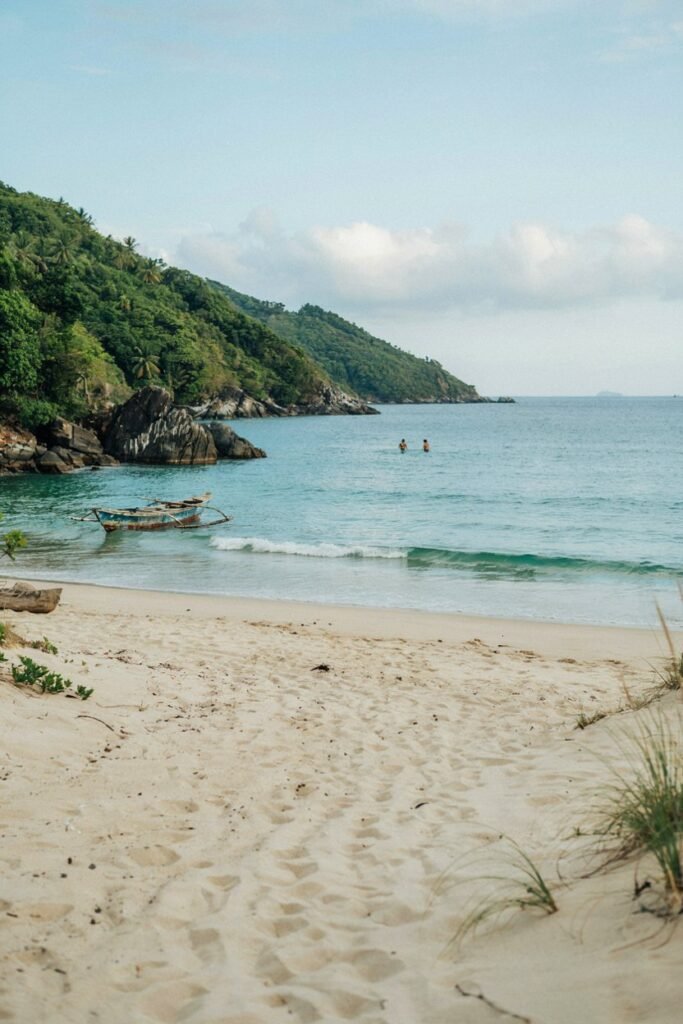
Why I think it’s worth visiting Quy Nhon offers the beach scenery of more famous coastal cities without the crowds, still relatively undiscovered by international travelers.
Why it’s special Despite being a real, sizable city, Quy Nhon’s beaches have stayed noticeably quieter than comparable coastal destinations further south.
Highlights
- Uncrowded city beaches
- Fresh seafood along the waterfront
- Nearby Eo Gio and Ky Co beaches
- A relaxed, less touristy atmosphere
Best time to visit: February through August for the most reliable weather.
How to get there: Direct domestic flights connect Quy Nhon to Hanoi and Ho Chi Minh City.
Things to do Relax on the city’s own beaches, take a short trip to nearby Ky Co beach, and eat seafood along the waterfront in the evening.
Helpful tips Rent a motorbike to reach the more scenic beaches just outside the city, since they’re not well served by public transport.
Nearby places Bai Xep, covered earlier in this list, sits a short drive south.
Is it worth visiting? Yes, particularly for beach focused travelers wanting to skip more crowded coastal cities.
10. Ba Be Lake

Why I think it’s worth visiting Ba Be is Vietnam’s largest natural lake, and boating across it surrounded by forested limestone mountains felt genuinely remote in a way few destinations this accessible manage.
Why it’s special The lake sits within a national park, keeping development minimal and the surrounding forest largely intact.
Highlights
- Boat trips across the lake
- Surrounding forested mountains
- Local ethnic minority villages
- Waterfalls within the national park
Best time to visit: September through November, avoiding the heaviest summer rainfall.
How to get there: A private transfer or bus from Hanoi, roughly five to six hours.
Things to do Take a boat trip across the lake, hike to nearby waterfalls within the park, and visit a local village for a homestay experience.
Helpful tips Book a homestay rather than a hotel for a more genuine sense of the area, and confirm transport times ahead given how remote this destination is.
Nearby places Ha Giang, covered earlier in this list, can be combined into a longer northern loop.
Is it worth visiting? Yes, especially for travelers wanting genuine remoteness without a multi day trek.
11. Mui Ne Fishing Village
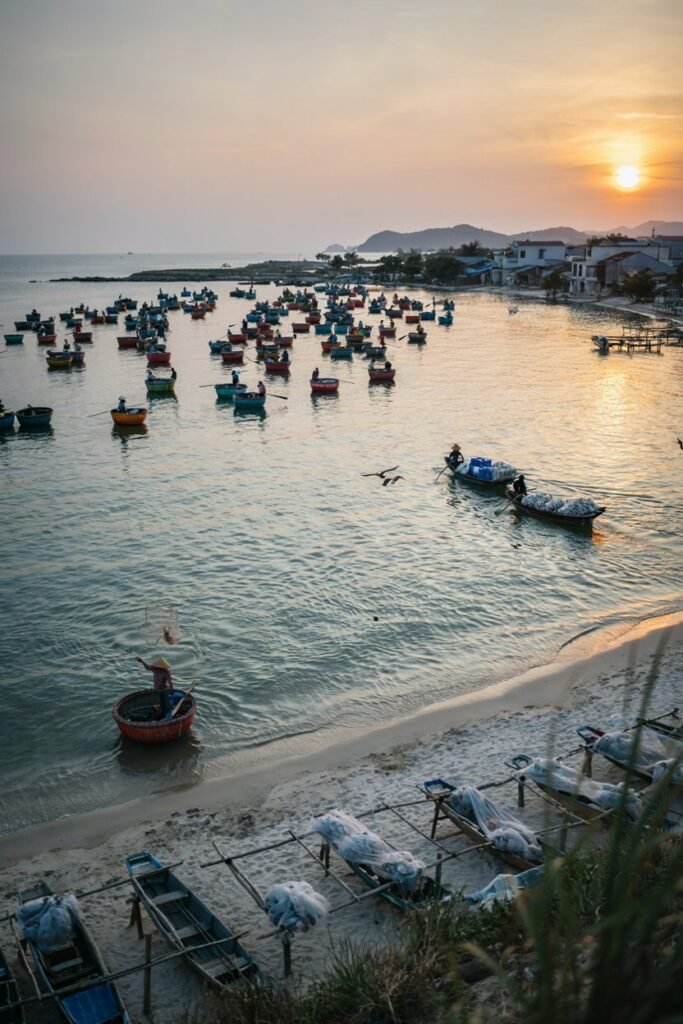
Why I think it’s worth visiting Mui Ne’s sand dunes get most of the attention, but the fishing village itself, with its distinctive round basket boats, offers a much more authentic slice of local life.
Why it’s special Watching the daily fish market unfold at dawn, with hundreds of round boats bobbing just offshore, is a genuinely different experience from the resort strip nearby.
Highlights
- Early morning fish market
- Traditional round basket boats
- Red and white sand dunes nearby
- Local seafood restaurants
Best time to visit: November through April, avoiding the wetter months later in the year.
How to get there: A bus or private transfer from Ho Chi Minh City, roughly four to five hours.
Things to do Watch the fish market at sunrise, visit the nearby red and white sand dunes, and eat at a local restaurant away from the main resort strip.
Helpful tips Arrive at the fishing village genuinely early, since the market activity winds down within a couple of hours of sunrise.
Nearby places The famous Fairy Stream and sand dunes, both a short drive from the village.
Is it worth visiting? Yes, particularly if you’re already planning to visit Mui Ne for the dunes.
12. Bach Ma National Park
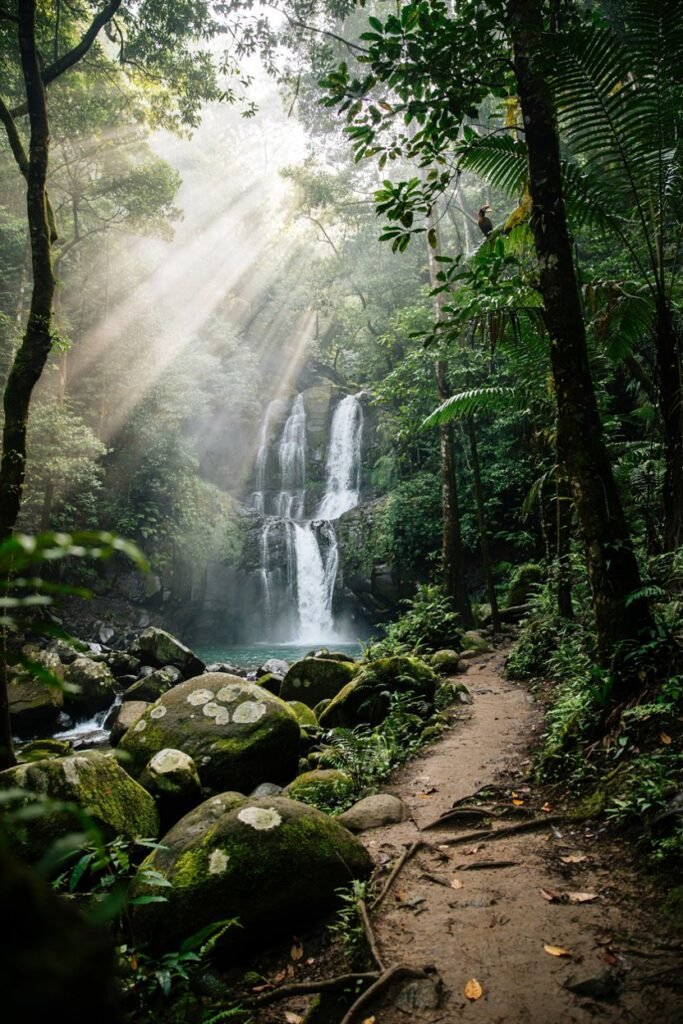
Why I think it’s worth visiting Bach Ma offers a genuine escape from central Vietnam’s heat, with cooler mountain air and hiking trails that see relatively few visitors.
Why it’s special The park’s elevation gives it a noticeably cooler climate than the coastal cities nearby, along with French colonial ruins scattered throughout the higher trails.
Highlights
- Cool mountain air, a relief from coastal heat
- Multiple waterfalls
- French colonial ruins
- Panoramic viewpoints
Best time to visit: February through August, avoiding the region’s heaviest rain later in the year.
How to get there: A private transfer from Hue or Da Nang, both roughly an hour and a half away.
Things to do Hike to one of the park’s waterfalls, explore the old French colonial ruins near the summit, and take in the panoramic viewpoint at the top.
Helpful tips Bring a light layer, since temperatures at higher elevation are noticeably cooler than the coast below.
Nearby places Hue’s historic imperial city, a natural pairing for a central Vietnam route.
Is it worth visiting? Yes, especially as a cooler break from a hot coastal itinerary.
13. Dak Lak
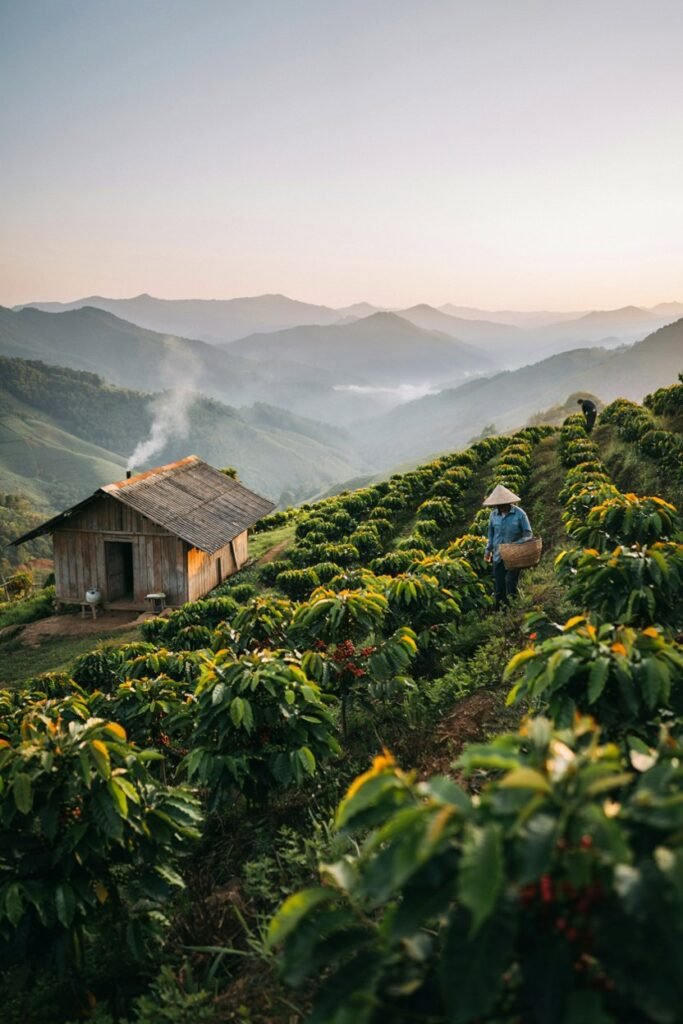
Why I think it’s worth visiting Dak Lak gave me a genuinely different side of Vietnam, coffee farms, ethnic minority culture, and a slower, more rural pace than the coast.
Why it’s special This region produces a significant share of Vietnam’s coffee, and visiting a working farm here offers real insight into an industry most visitors only experience through a cup at breakfast.
Highlights
- Working coffee farms
- Lak Lake
- Local ethnic minority villages
- Elephant conservation centers, worth researching for ethical practices before booking
Best time to visit: November through April, during the dry season.
How to get there: Fly into Buon Ma Thuot, the regional hub.
Things to do Visit a working coffee farm, take a boat trip on Lak Lake, and spend time in a local village to learn about the region’s ethnic minority culture.
Helpful tips Research any wildlife related activity carefully beforehand, and prioritize operators with genuine conservation and ethical practices.
Nearby places Da Lat, a popular hill town further south, though it sees considerably more tourism than Dak Lak itself.
Is it worth visiting? Yes, particularly for travelers interested in coffee culture and rural Vietnam beyond the coast.
14. Cham Islands
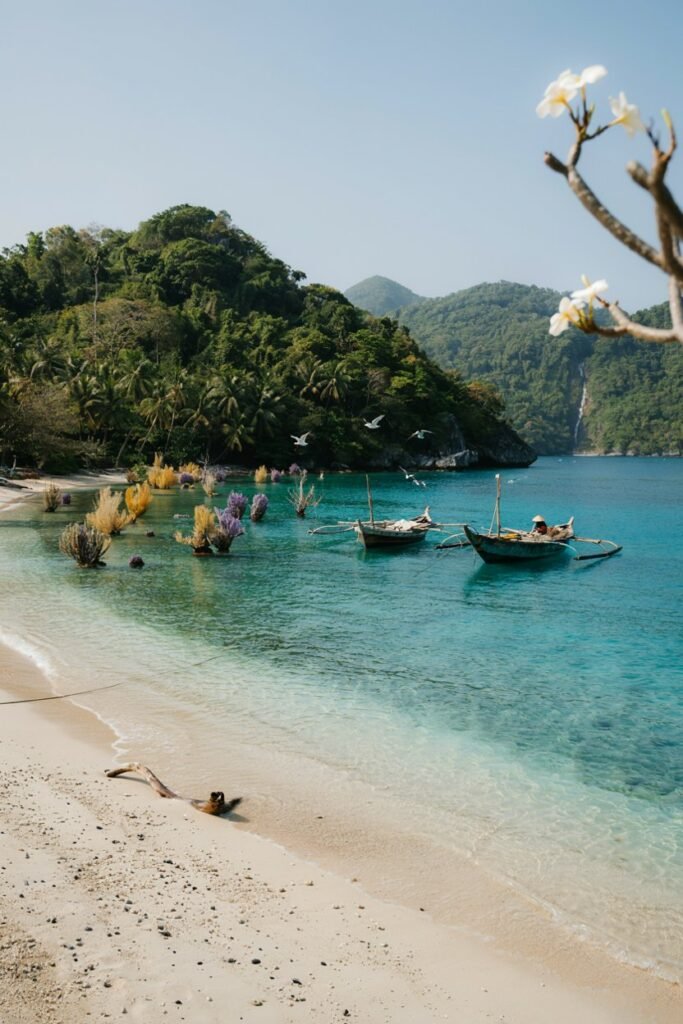
Why I think it’s worth visiting The Cham Islands offer some of the clearest snorkeling water near Hoi An, with a fraction of the crowds found on the mainland’s more famous beaches.
Why it’s special Strict visitor limits, part of the islands’ marine protected area status, have kept both the reef and the overall atmosphere noticeably calmer than nearby coastal destinations.
Highlights
- Clear water and healthy coral
- Small local fishing community
- Quiet beaches
- A short, easy boat crossing from Hoi An
Best time to visit: March through August, avoiding rougher seas later in the year.
How to get there: A short boat trip from Hoi An or Cua Dai beach.
Things to do Snorkel around the reef, walk the small local village, and relax on the islands’ quieter beaches.
Helpful tips Book your boat crossing in advance during peak season, since daily visitor numbers are capped.
Nearby places Hoi An itself, worth several days on its own before or after the island trip.
Is it worth visiting? Yes, especially as an easy addition to a Hoi An based itinerary.
15. Cao Bang
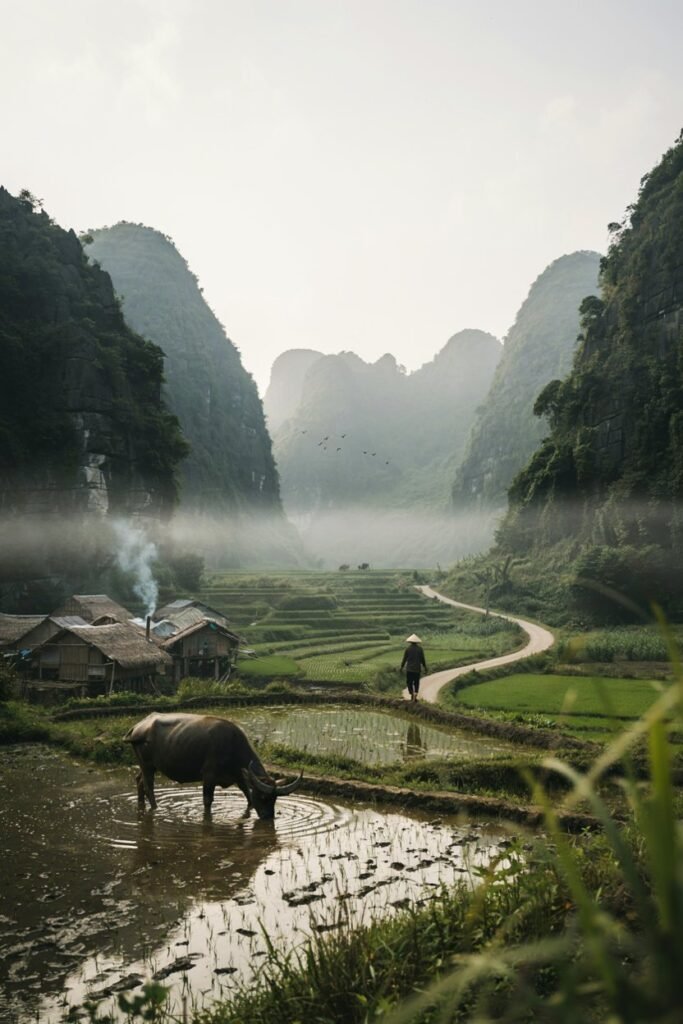
Why I think it’s worth visiting Cao Bang gave me some of the most dramatic countryside scenery in northern Vietnam, waterfalls, caves, and terraced valleys with a genuine sense of remoteness.
Why it’s special This province sees far fewer visitors than neighboring Ha Giang, despite offering similarly striking mountain and valley scenery.
Highlights
- Ban Gioc Falls, covered earlier in this list
- Nguom Ngao Cave
- Terraced valley scenery
- Quiet mountain villages
Best time to visit: September through November for the most stable weather.
How to get there: An overnight bus or private transfer from Hanoi, roughly six hours.
Things to do Visit Ban Gioc Falls and the nearby cave, drive through the province’s terraced valleys, and stop in smaller villages along the way.
Helpful tips Combine this with Ha Giang for a longer northern loop if your schedule allows it, since the two regions connect reasonably well by road.
Nearby places Ha Giang, covered earlier in this list.
Is it worth visiting? Yes, particularly for travelers who enjoyed Ha Giang and want a similarly scenic, quieter follow up.
How to Choose the Right Hidden Gem
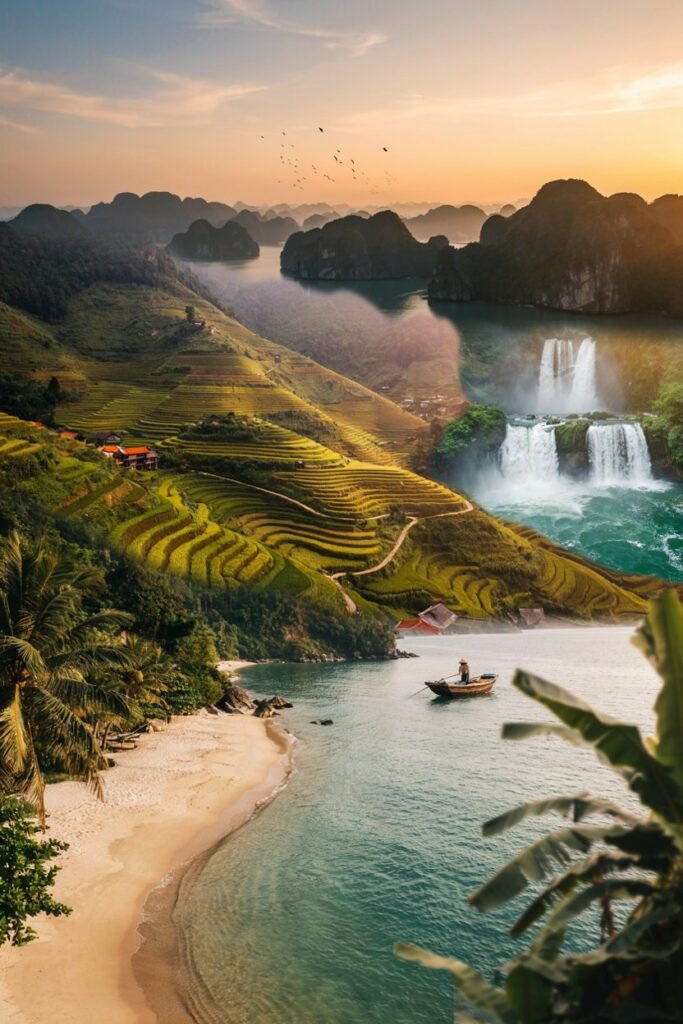
Nature lovers: Pu Luong, Ba Be Lake, or Bach Ma National Park
Beach lovers: Bai Xep, Quy Nhon, or Ly Son Island
Adventure travelers: Ha Giang Loop or Cao Bang
Families: Phong Nha countryside or Tam Coc backroads, both easy paced with plenty of daylight activities
Couples: Con Dao Islands or the Cham Islands
Backpackers: Ha Giang Loop or Dak Lak
Luxury travelers: Con Dao Islands, where limited development supports higher end, quieter properties
Suggested Itineraries

5 day hidden Vietnam trip: Start in Hanoi, spend two days in Pu Luong, then two days around Ninh Binh exploring the Tam Coc backroads before returning to Hanoi.
7 day hidden Vietnam trip: Add Ha Giang to the above, extending the northern loop by two to three days for the province’s dramatic mountain roads.
10 day hidden Vietnam adventure: Combine the north (Ha Giang and Cao Bang) with a flight south to Con Dao Islands or the Cham Islands for a genuinely varied mix of mountains and coastline.
Common Mistakes

- Visiting during rainy season without checking regional forecasts, since Vietnam’s climate varies significantly north to south
- Underestimating travel distances between destinations, since road conditions slow things down more than the map suggests
- Forgetting cash in rural areas where card payment simply isn’t an option
- Packing only beach clothes when a northern mountain leg is part of the trip
- Booking transportation too late for popular routes like the Ha Giang Loop or Con Dao flights
- Skipping travel insurance, particularly relevant for anything involving a motorbike
FAQ
What is the most underrated place in Vietnam? Pu Luong consistently surprises travelers who expected something similar to Sapa but quieter, and it delivers on that expectation.
Which hidden beaches in Vietnam are worth visiting? Bai Xep and Ly Son Island both offer genuinely quiet coastline with far fewer visitors than Vietnam’s more famous beach towns.
Are hidden destinations in Vietnam safe? Generally yes, though remote regions warrant standard precautions, informing someone of your route, carrying cash, and being cautious on unfamiliar mountain roads if self driving a motorbike.
What is the least crowded island in Vietnam? Con Dao, largely due to limited flight capacity keeping visitor numbers naturally capped.
How many days should I spend exploring northern Vietnam? At least five to seven days if you want to properly experience both Ha Giang and Pu Luong without rushing.
Can I visit these places without renting a motorbike? Most, yes, using private transfers or local buses instead. The Ha Giang Loop specifically is best experienced by motorbike, though guided van tours exist as an alternative.
What is the best hidden destination for families? Phong Nha countryside and the Tam Coc backroads both offer easy paced activities suited to a range of ages.
Final Thoughts
Venture beyond Vietnam’s famous attractions and the quieter side of the country reveals itself, memorable conversations, local food, and landscapes that rarely make it into a standard itinerary.
These fifteen places won’t all fit into a single trip, and that’s fine.
Pick the ones that match how you actually like to travel, build in enough time to slow down once you arrive, and Vietnam’s hidden corners will likely end up being the part of the trip you talk about most when you get home.