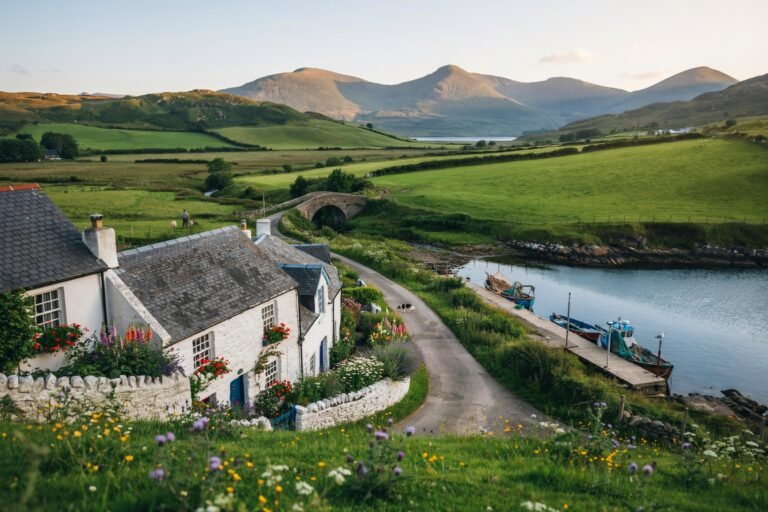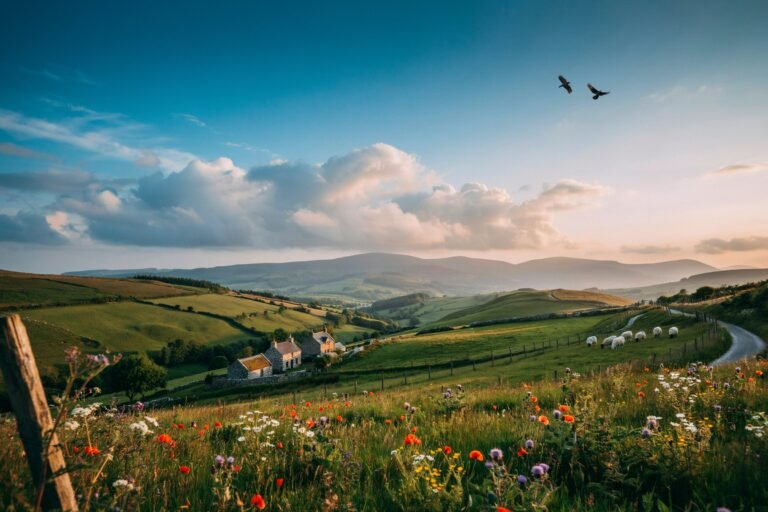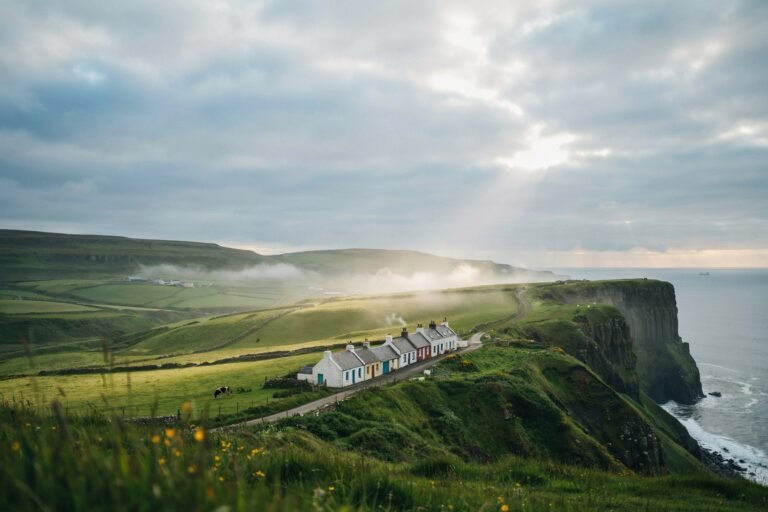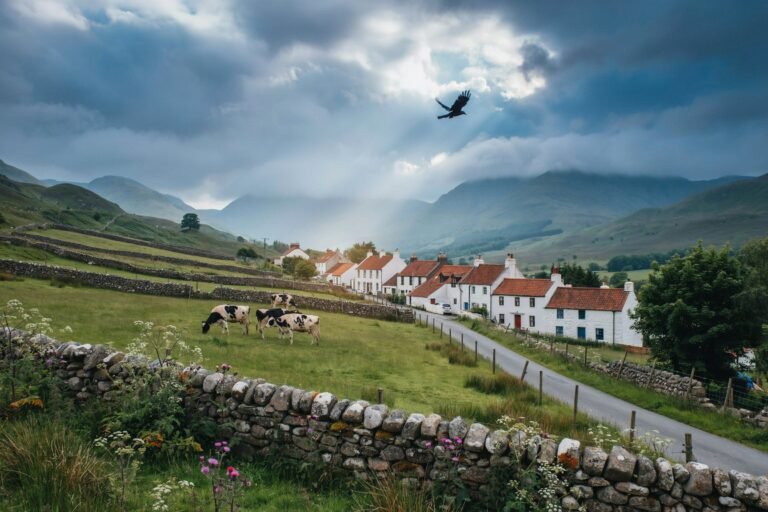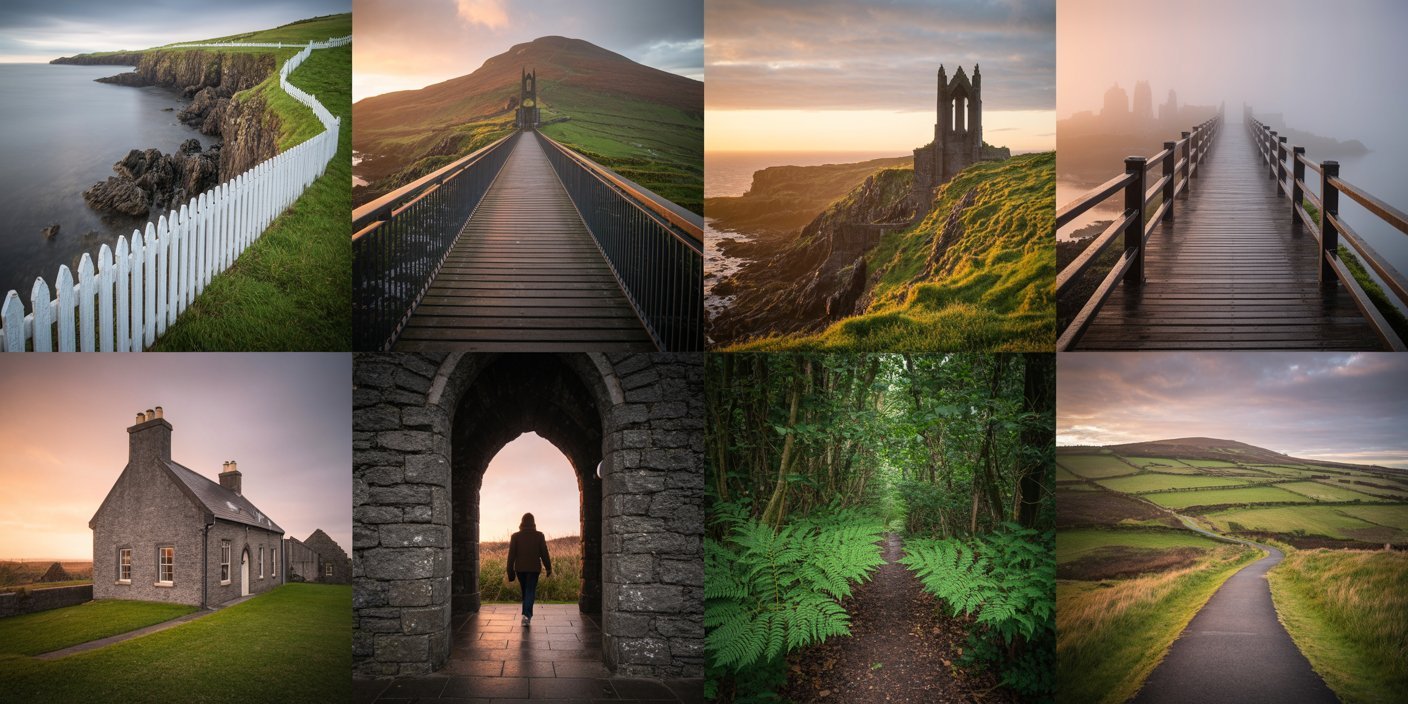
Unusual Things to Do in Ireland That Most Tourists Miss

I have always been the kind of traveler who is happy to leave the main road if something interesting catches my attention.

A small sign pointing toward a village I have never heard of or a quiet road leading somewhere unexpected is usually enough to make me change my plans.

More often than not, those spontaneous detours become the moments I remember long after the trip is over.

That is exactly what happened during my time in Ireland. While the famous castles, cliffs, and lively cities were every bit as impressive as I had imagined, it was the unexpected discoveries that made the journey feel truly special.

I stumbled across places with fascinating stories, unique traditions, and landscapes that rarely appeared in the guidebooks I had been reading before the trip.

Ireland has no shortage of iconic attractions, but it also has a wonderfully unusual side that many visitors never experience.

Hidden museums, mysterious ancient sites, quirky local landmarks, and unforgettable experiences are scattered across the country if you are willing to look beyond the usual tourist trail.

If you want your trip to include more than the classic sightseeing stops, this guide is for you.

These unusual experiences offer a different perspective on Ireland and might just become the highlights of your entire adventure, leaving you with stories you’ll still be sharing long after you return home.

Disclaimer

This post may contain affiliate links. As an Amazon Associate, I earn from qualifying purchases at no additional cost to you. I only recommend travel products that I genuinely believe can make exploring Ireland more comfortable and enjoyable. The information in this article is for general informational purposes only. Travel information, opening hours, and local conditions may change, so always check the latest details before your trip.

Amazon Shopping List You Need

Why These Hidden Gems Are Worth Finding

Ireland’s most famous attractions are popular for good reason, but they often come with crowded viewpoints, busy parking areas, and a pace that makes it difficult to simply enjoy where you are.

The places on this list offer a completely different experience. Instead of competing with crowds for the best view, you often have the space to slow down and appreciate the landscape at your own pace.

The nearby towns also tend to feel more welcoming, with local cafés, small shops, and traditional pubs that give you a better sense of everyday life in Ireland.

Another thing I appreciate is how much more relaxed these destinations feel. You spend less time waiting in lines and more time exploring, taking photos, and discovering places that many travelers overlook.

None of these hidden gems are especially difficult to reach. They simply require a little more intention when planning your route, and that extra effort is often rewarded with quieter scenery, more authentic experiences, and some of the most memorable moments of the entire trip.

How to Travel Ireland for Newbies

Getting there

Most first time visitors fly into Dublin Airport (DUB), the country’s main international gateway, with direct connections from North America, the UK, and mainland Europe.

Shannon Airport in the west is a solid alternative if your trip starts along the Wild Atlantic Way rather than in Dublin.

Renting a car

A car opens up far more of Ireland than trains or buses ever will, especially for reaching places like Loop Head, the Burren, or Achill Island.

Ireland drives on the left, and roads narrow quickly once you’re off the motorways, so budget extra time and expect a short adjustment period behind the wheel.

Getting around without a car

Dublin, Galway, Cork, and other cities are easily walkable, and trains or buses connect the major towns reasonably well.

That said, many of the more unusual, less touristed spots on this list are only realistically reachable by car, so factor that into how much of the country you want to see.

Where to stay

Mixing city hotels with rural cottages, guesthouses, or farm stays gives a fuller sense of the country than sticking to one type of accommodation.

Booking ahead matters more in summer, though rural areas tend to have more flexibility than city centers.

Money and costs

Ireland uses the euro, and card payments are widely accepted, though it’s worth carrying some cash for smaller villages, pubs, and rural attractions. Costs run noticeably higher in Dublin and during peak summer months than in the countryside or shoulder season.

Best time to visit

Late spring through early fall, roughly May through September, brings the most reliable weather and longest daylight hours.

Shoulder months like May and September offer a good balance of decent weather, thinner crowds, and lower prices.

Packing essentials

Weather shifts quickly and unpredictably, so layers and a proper rain jacket matter more than anything else.

Sturdy, waterproof shoes are worth prioritizing too, given how much of the country is best explored on foot.

Travel tip for newbies: Don’t over plan every day. Some of the best moments in Ireland come from unplanned stops, a recommendation from a local, or a random turn off the main road, and a rigid itinerary leaves little room for that.

Loop Head Peninsula, County Clare

We drove past the last of the tour buses somewhere around Kilkee and didn’t see another one for the rest of the day.

Loop Head sits far enough off the usual Clare route that most visitors never make it out here, which is exactly why the lighthouse and cliffs felt like ours alone that afternoon.

Why you will love it

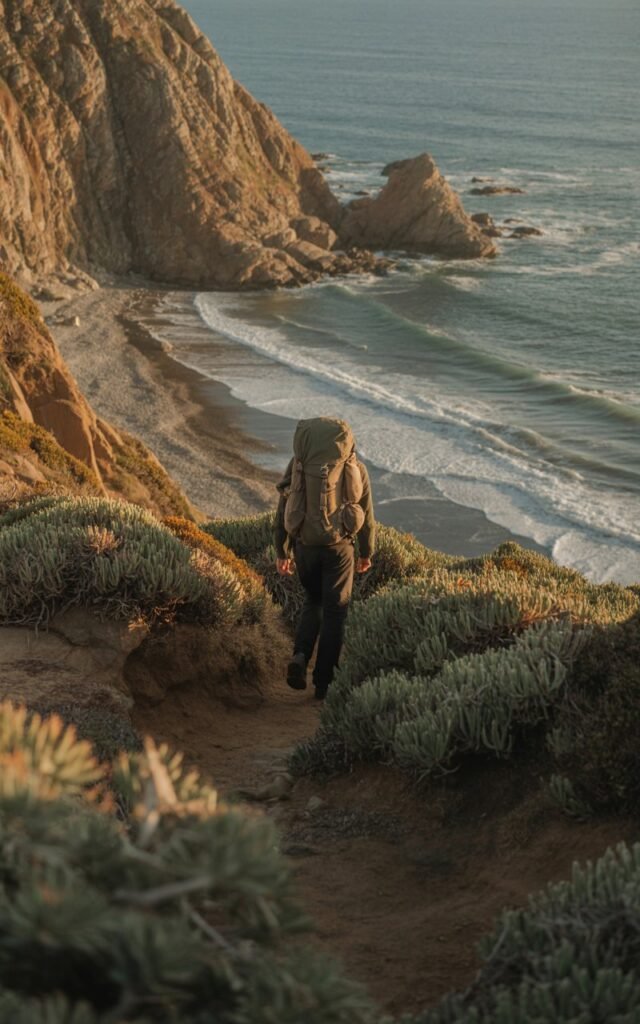
Loop Head gives you the same dramatic cliff scenery as the Cliffs of Moher, without the crowds, tour buses, or gift shops.

It feels like a reward for going slightly out of your way, the kind of place that ends up in your favorite photos from the trip precisely because nobody told you to go there.

How to locate it

Loop Head sits at the far southwestern tip of County Clare, about an hour past the Cliffs of Moher along the coast road.

There is no train or bus route out here, so a car is the only realistic way in, following signs for Kilkee and then Loop Head Lighthouse from there.

What to do

  • Climb the lighthouse for sweeping views over the Atlantic and the Shannon estuary
  • Walk sections of the Loop Head Way, a quieter alternative to the Cliffs of Moher trail
  • Watch for dolphins along the coast, regularly spotted in the estuary waters

Best time to visit: May to September, for calmer weather and better visibility along the cliffs.

Safety tip: Stay back from the cliff edges, since paths here are less developed and less fenced than the more touristed Cliffs of Moher nearby.

The Hellfire Club, Dublin

We hiked up through the forest at Montpelier Hill expecting a quick photo stop and ended up staying almost two hours, drawn in by the ruin itself and the odd stories our guide back in the city had warned us about the night before.

Whatever the truth behind them, standing inside that roofless stone building at dusk was enough to make us walk a little faster back down.

Why you will love it

The Hellfire Club is a strange mix of easy hike, genuine history, and local legend, all within twenty minutes of Dublin city center.

It’s the kind of spot that surprises people who assumed a quick nature walk couldn’t also come with centuries of ghost stories attached.

How to locate it

The ruin sits atop Montpelier Hill in the Dublin Mountains, reached by a short but steady climb through forest trails from the car park below.

It’s about a twenty five minute drive south of Dublin city center, with clear signage once you reach Montpelier Hill itself.

What to do

  • Hike the forest trail up to the ruin, roughly twenty minutes each way
  • Explore the roofless stone building and take in the views over Dublin below
  • Ask a local about the building’s reputation before you go, it adds something to the visit

Best time to visit: Spring through fall, and ideally in daylight, since the forest trail has no lighting after dark.

Safety tip: Stick to marked trails and head back before dark, since the forest paths are uneven and unlit once the sun goes down.

Sky Road, Connemara

We pulled over more times than we could count along this drive, each turn opening up onto another stretch of coastline that looked better than the last, until we finally gave up trying to find the best viewpoint and just accepted that the whole road was the point.

Why you will love it

Sky Road delivers some of the best coastal views in Connemara without requiring a hike or a tour booking, just a car and a willingness to stop often.

It’s a short loop that feels far more dramatic than its length suggests, especially for a route most visitors to Galway never hear about.

How to locate it

Sky Road starts just outside Clifden in County Galway, looping out along the coast and back into town.

It’s clearly signposted from Clifden itself, and the full loop takes under an hour to drive without stops, though stops are really the whole reason to go.

What to do

  • Drive the full loop slowly, pulling over at any of the marked viewpoints
  • Stop at the highest point for views over Clifden Bay and the surrounding islands
  • Bring a camera, this is one of the more photogenic drives in the country

Best time to visit: Late spring through early fall, for clearer skies and better visibility over the bay.

Safety tip: The road is narrow with tight turns in places, so drive slowly and pull fully off the road at designated viewpoints rather than stopping in the lane.

Marble Arch Caves, County Fermanagh

We climbed onto a small boat just inside the cave entrance, gliding along an underground river in near total darkness except for the guide’s lamp, and spent the next hour and a half completely losing track of time underground.

Neither of us expected a cave tour to feel that immersive.

Why you will love it

Marble Arch Caves combines real geology with genuine atmosphere, an underground river, towering formations, and passageways most visitors to Ireland never think to look for below ground.

It’s a rare chance to explore rather than just view a landscape, and the boat ride adds a bit of drama most cave tours don’t have.

How to locate it

The caves sit near Florencecourt in County Fermanagh, just across the border in Northern Ireland, about ninety minutes from Sligo or two hours from Dublin.

A car is necessary, with clear signage once you’re in the Florencecourt area.

What to do

  • Take the guided cave tour, including the underground boat ride along the river
  • Walk the surrounding Marble Arch Global Geopark trails above ground afterward
  • Bring a light jacket, temperatures underground stay cool year round

Best time to visit: March to October, when the caves are open for tours, since they close seasonally due to water levels.

Safety tip: Wear sturdy, non slip shoes, since cave floors can be uneven and damp throughout the tour.

Poulnabrone Dolmen at Sunrise, The Burren

We got up before dawn on a whim, more out of stubbornness than any real plan, and stood alone in the Burren’s cracked limestone landscape watching the sky turn pink behind a five thousand year old tomb.

No one else showed up until we were already walking back to the car.

Why you will love it

Poulnabrone Dolmen draws steady crowds by midday, but almost no one comes for sunrise, when the light and the silence make the site feel genuinely ancient rather than like a stop on a bus tour.

It’s one of the rare moments on an Ireland trip where a bit of lost sleep pays off immediately.

How to locate it

The dolmen sits within the Burren in County Clare, just off the R480 road between Ballyvaughan and Corofin. It’s well signposted, with a small car park right beside the site, making it an easy stop even in the dark.

What to do

  • Arrive before sunrise and watch the light change over the limestone landscape
  • Walk the short path around the dolmen itself, no guide or ticket required
  • Explore more of the Burren’s karst landscape nearby once the sun is fully up

Best time to visit: April to September for sunrise timing that doesn’t require an unreasonably early alarm.

Safety tip: The limestone ground is uneven and can be slippery when wet, so watch your footing, especially in low early morning light.

Voya Seaweed Baths, Strandhill, County Sligo

We walked in cold and salty from a failed attempt at surfing on the beach next door, and left almost boneless, soaking in a cast iron tub of hot seawater and fresh seaweed until neither of us wanted to move.

It is not something either of us would have thought to plan a stop around, and it ended up being one of the more memorable hours of that leg of the trip.

Why you will love it

Voya turns a genuinely old Irish tradition into one of the most relaxing hours you’ll spend on the trip, especially after a day outdoors in Sligo’s wind and surf.

It’s the kind of stop that sounds unusual until you’re actually in the tub, and then it makes complete sense.

How to locate it

Voya Seaweed Baths sits right in Strandhill village, County Sligo, a short walk from the beach itself. It’s easy to find on foot once you’re in the village, with clear signage from the main street.

What to do

  • Book a private seaweed bath, ideally after a day of surfing or hiking nearby
  • Pair it with a walk on Strandhill Beach before or after
  • Try the steam room if it’s included in your package, a good complement to the bath

Best time to visit: Year round, though pairing it with a beach day works best from late spring through early fall.

Safety tip: Book ahead, especially in summer, since walk in availability is limited and baths run on a set schedule.

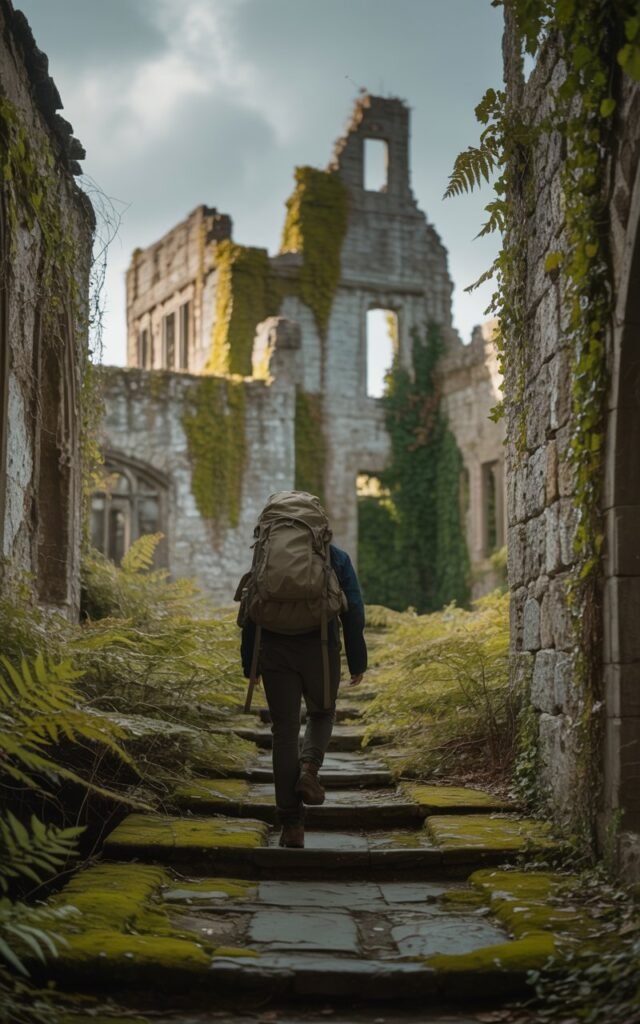
Rock of Dunamase, County Laois

We nearly skipped this one entirely, a quick stop between two longer drives, and ended up staying almost an hour longer than planned, climbing through the ruins with barely another visitor in sight.

It’s the kind of place that outperforms expectations set by how little attention it gets.

Why you will love it

The Rock of Dunamase delivers real medieval ruins and sweeping views over the surrounding countryside, all without the crowds or entrance fees of Ireland’s more famous castle stops.

It’s an easy, free detour that feels far more rewarding than its low profile suggests.

How to locate it

The ruins sit just outside Portlaoise in County Laois, right off the N80, making it a convenient stop if you’re driving between Dublin and the west or south of the country. A car is necessary, with a small parking area at the base of the rock.

What to do

  • Climb up through the ruins to the top of the rock for views over the countryside
  • Explore the remains of the medieval fortress at your own pace, no guide needed
  • Bring a picnic and make a stop of it, given the free entry and open grounds

Best time to visit: Spring through fall, avoiding the muddiest winter months for easier footing on the climb.

Safety tip: Watch your footing on the uneven stone paths, especially near the higher sections of the ruins where there is little in the way of railing.

The Deserted Village, Achill Island, County Mayo

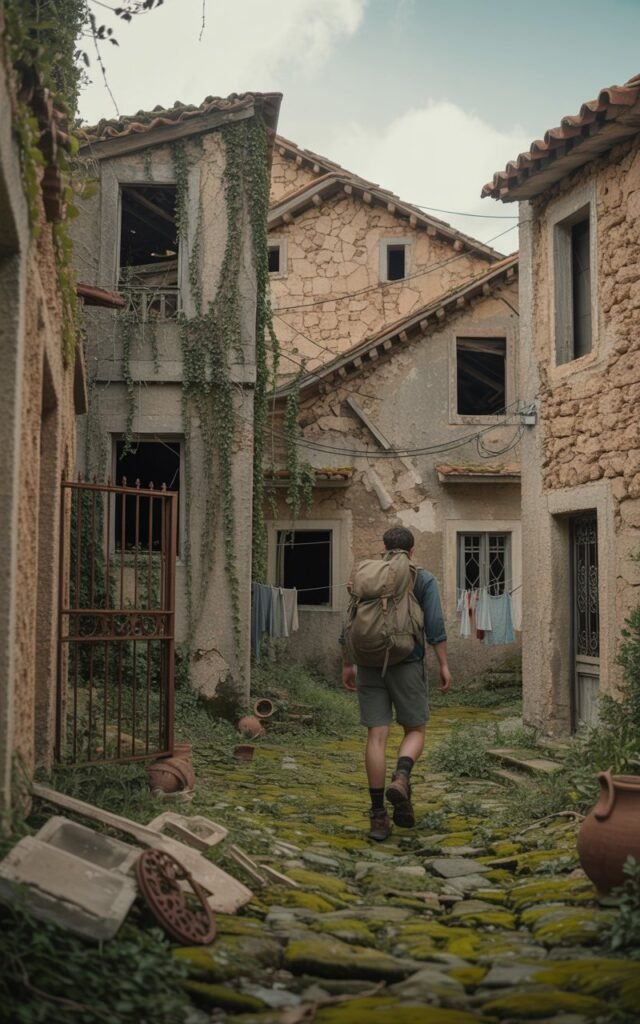
We walked the length of the ruined village in near total silence, over a hundred stone cottages lined up along the base of Slievemore with nothing but sheep and wind for company, and neither of us said much until we were back in the car.

It’s a strange kind of quiet, the sort that makes a place feel heavier than the scenery alone would suggest.

Why you will love it

The Deserted Village is one of the most haunting, least visited sites in Ireland, over a hundred abandoned stone cottages set against Achill Island’s dramatic backdrop.

It’s a rare chance to walk through real famine era history without a ticket booth or gift shop anywhere nearby.

How to locate it

The village sits at the base of Slievemore mountain on Achill Island, County Mayo, reached by a short drive from Keel village along a signposted road. A car is necessary, with informal parking near the site itself.

What to do

  • Walk the length of the ruined village, reading what’s known of its history beforehand
  • Continue on to a short hike partway up Slievemore for a wider view over the site
  • Visit nearby Keel Beach afterward, a natural pairing given the short distance

Best time to visit: May to September, for easier walking conditions and longer daylight hours.

Safety tip: Watch your footing among the ruins, since stones and uneven ground are common and mostly unmarked.

How to Fit These Into an Ireland Itinerary

These spots aren’t clustered together, so a little route planning goes a long way.

  • County Clare cluster: Loop Head and Poulnabrone Dolmen sit close enough to combine in one long day, especially if you’re already exploring the Burren or staying in Doolin or Ennis.
  • Dublin add on: The Hellfire Club works well as a half day trip if you’re based in Dublin for a few nights and want a break from the city center.
  • West coast stretch: Sky Road in Connemara pairs naturally with a Galway to Mayo drive, and you could reasonably add the Deserted Village on Achill if you’re continuing that direction.
  • Northern loop: Marble Arch Caves makes sense if you’re already crossing into Northern Ireland or looping through Fermanagh and Cavan.
  • Midlands stopover: Rock of Dunamase is genuinely one of the best stretch break stops if you’re driving between Dublin and anywhere south or west, so I’d treat it as a bonus rather than a dedicated day trip.

I’d avoid trying to hit more than two of these in a single day.

Irish roads are slower than they look on a map, and rushing defeats the entire point of visiting places built for lingering.

What to Pack for This Kind of Exploring

A few things I never leave in the car anymore after learning the hard way.

  • A proper rain layer, even on days that start clear
  • Shoes with real grip, since grass, limestone, and cave paths all get slippery fast
  • A portable charger, since some of these drives run longer than expected with fewer charging stops
  • Cash in small notes, since several of the local shops and cafes near these spots don’t take cards
  • Offline maps downloaded the night before, especially for Loop Head, Achill, and the Burren

None of this is complicated, but it’s the difference between a smooth day and one where you’re improvising in the rain without a jacket, which I’ve done more than once.

Quick Reference Guide

LocationCountyBest TimeDifficulty
Loop Head PeninsulaClareEarly eveningEasy
The Hellfire ClubDublinSunsetModerate
Sky RoadGalwayLate afternoonEasy
Marble Arch CavesFermanaghWeekday morningsEasy, guided
Poulnabrone DolmenClareSunriseEasy
Voya Seaweed BathsSligoWeekdays, off seasonEasy
Rock of DunamaseLaoisLate afternoonEasy
The Deserted VillageMayoLate afternoonEasy

Nearby Places to Eat or Stay

A few favorites near each region, gathered from actual stops on my own trips rather than a generic list.

Near Loop Head and Poulnabrone (Clare)

Stay in Doolin or Ennis, both good bases for the Burren.

Gus O’Connor’s Pub in Doolin does a proper seafood chowder that’s become something of a ritual for me after a long day of driving.

Near the Hellfire Club (Dublin)

No need to stay outside the city for this one.

Grab lunch beforehand in Rathfarnham village, where a few casual cafes make for an easy pre hike stop.

Near Sky Road (Connemara)

Clifden is the obvious base and a genuinely nice town to wind down in.

Mitchell’s Restaurant does excellent local seafood, and there are several solid guesthouses within walking distance of the town center.

Near Marble Arch Caves (Fermanagh)

Enniskillen is the closest town with real options for both food and a bed for the night.

The Blakes of the Hollow pub is worth a stop for a pint and a bite after the caves.

Near Voya Seaweed Baths (Sligo)

Strandhill itself has a great little food scene for its size.

Shells Cafe does a strong breakfast if you’re combining the baths with an early beach walk.

Near Rock of Dunamase (Laois)

Portlaoise is close by and useful mostly as a lunch stop rather than an overnight base, since most people are passing through on a longer drive south.

Near the Deserted Village (Mayo)

Stay in Keel or Dooagh on Achill Island.

The Beehive Craft and Coffee Shop is a relaxed spot for lunch with sea views, and it’s an easy stop before or after the village.

Safety Tips

I’ve picked up most of these the hard way, so hopefully you can skip the lesson.

  • Watch the cliff edges. There’s no fencing at Loop Head or Sky Road, and the wind there caught me off guard more than once. Keep your distance, especially with kids or in a gust.
  • Pack a rain layer no matter what the forecast says. I started my Poulnabrone sunrise dry and finished soaked. Irish weather doesn’t really give warnings.
  • Download offline maps before you go. My phone lost signal completely near Loop Head and again on Achill, right when I actually needed directions.
  • Fill up your tank early. I cut it closer than I’d like admitting on the drive out to Achill. Petrol stations get scarce fast once you’re off the main roads.
  • Wear real shoes. I wore sneakers to the Hellfire Club and regretted every muddy step. Anything with grip will save you.

None of this should scare you off. These places are safe, just quieter and less looked after than the big tourist sites, so a little extra care goes a long way.

FAQ

Do I need a car for these?

Pretty much yes. I tried stretching public transport out to Clare once and gave up halfway through planning.

A rental car makes this whole list realistic.

When’s the best time to go?

I’ve had the best luck in May and September.

Good light, fewer crowds, and slightly more forgiving weather than peak summer, though I’ve still been rained on in every month I’ve visited.

Can I do a few of these in one day?

Loop Head and Poulnabrone pair well since they’re both in Clare, and that’s the only combo I’d actually attempt in a single day.

Everything else deserves its own unrushed half day.

Do I need to book ahead?

Only Marble Arch Caves and Voya Seaweed Baths, both of which I’d book at least a few days out.

Everything else I’ve just shown up to.

Is it safe to go alone?

I did the Poulnabrone sunrise and the Deserted Village solo with no issues.

I just make sure someone knows roughly where I am, since help isn’t quick to reach in places this remote.

Final Thoughts

What ties all of these places together isn’t that they’re hidden exactly, since most Irish people know them well. It’s that they ask a little more of you than the famous stops do.

A slightly longer drive, an earlier alarm, a willingness to follow a stranger’s tip in a pub or a random brown road sign you almost drove past.

Every one of these detours became the story I actually tell people when they ask about my trip, not the postcard stops I’d already seen in a hundred photos before I arrived.

If you build even two or three of these into your next Ireland itinerary, I think you’ll come home with the same feeling I did, that you saw a version of the country most visitors never get close to.

Clara Mike
Clara Mike
Articles: 206

Leave a Reply

Your email address will not be published. Required fields are marked *