

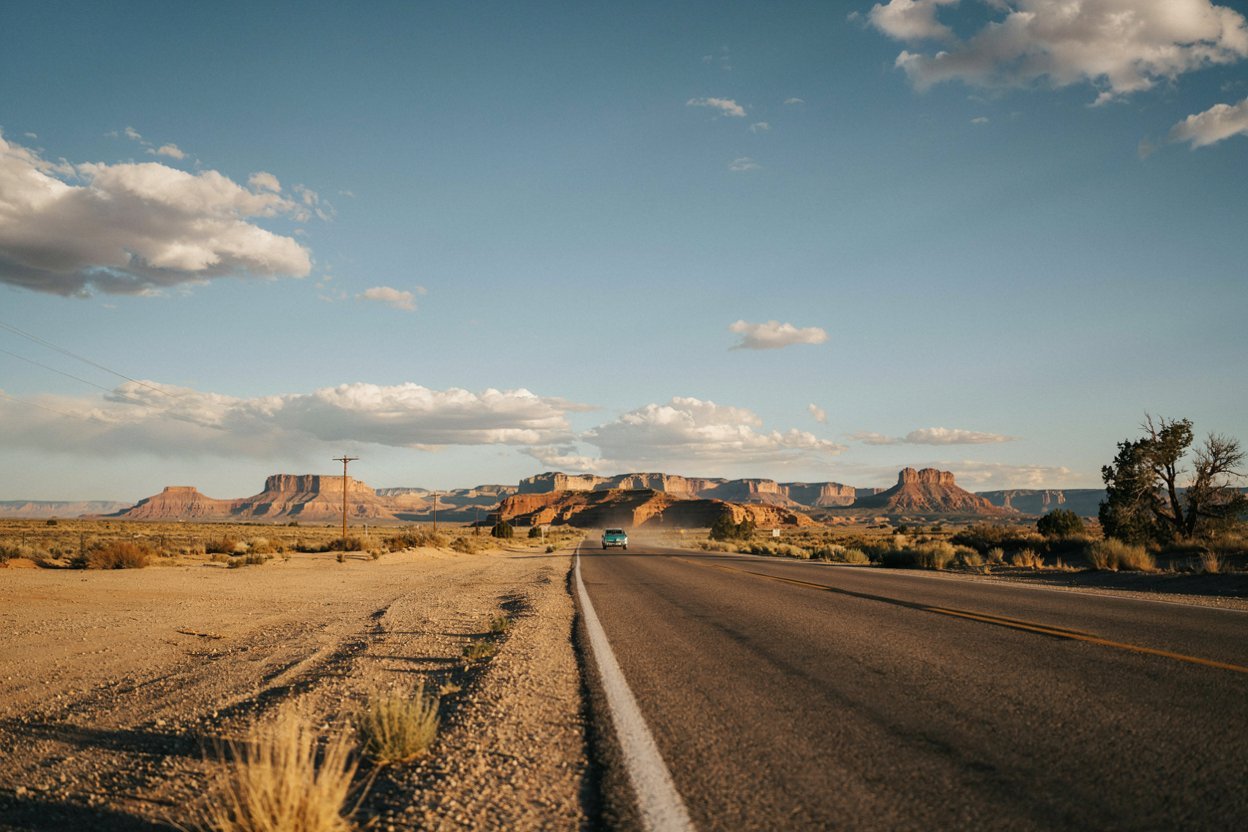
The United States is, geographically speaking, absurd. It contains subtropical islands, alpine glaciers, red rock deserts, temperate rainforests, and a coastline that touches three different oceans, all within the same set of borders.
No single road trip, no matter how ambitious, can cover it all — which is exactly why a bucket list matters. It forces you to prioritize the places that actually define the American landscape, instead of just the ones nearest to your last flight.

This guide pulls together the destinations that consistently earn their spot on a “must-see” list — not because they’re trendy, but because they represent something you genuinely can’t get anywhere else.
We’ve grouped everything by region so you can plan realistically, whether you’ve got a long weekend or you’re stitching together a cross-country trip.
If you’re already narrowing down where to go, it’s worth pairing this list with our deeper dive on breathtaking places to visit with travel tips, food, and lodging for planning specifics once you’ve picked a destination.
How to Use This Bucket List
Before diving in, a quick note on approach: trying to “do” this entire list in one trip is a recipe for exhaustion.
The best way to use a bucket list like this is to treat it as a long-term map. Pick one region per trip, do it properly, and let the list pull you back to the country again and again.
We’ve organized the destinations into:
- National Parks and Natural Wonders
- Iconic Cities
- Coastal and Island Escapes
- Road Trips and Scenic Drives
- Food and Culture Destinations
- Practical Planning Tips
Skip to whatever matches your travel style, or read straight through for the full picture.
National Parks and Natural Wonders
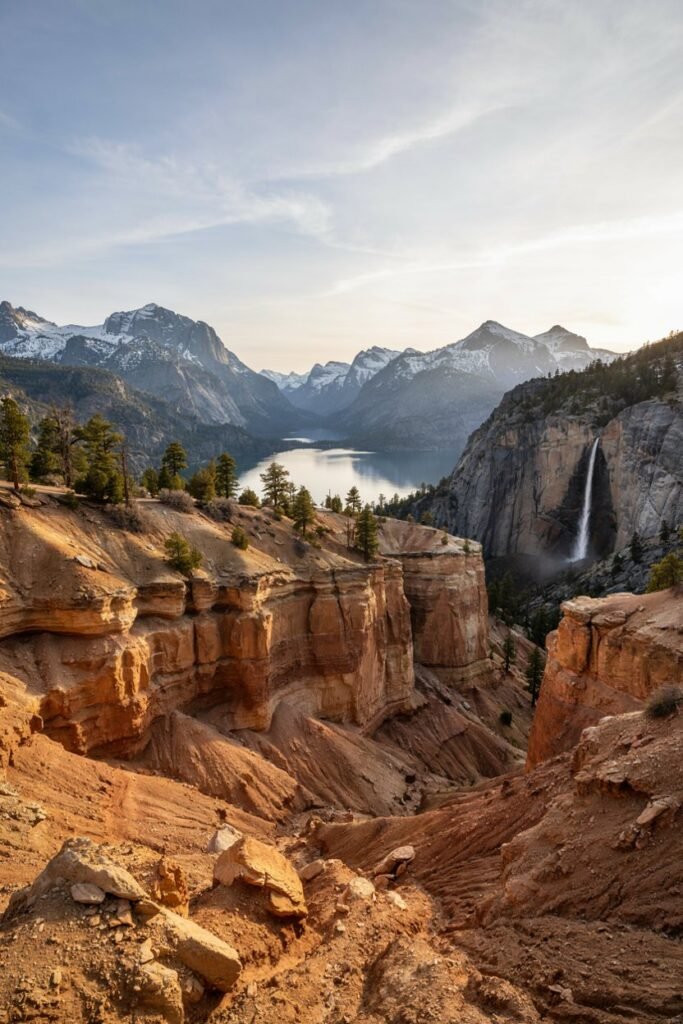
America’s national park system is arguably its greatest export. With 63 national parks and hundreds of additional monuments, seashores, and preserves, the sheer variety on offer is hard to overstate.
Grand Canyon National Park, Arizona
No description does it justice, and that’s sort of the point — the Grand Canyon is one of the few places on Earth that genuinely exceeds the hype.
The South Rim is more developed and accessible, with paved viewpoints and shuttle buses, while the North Rim is quieter, higher in elevation, and only open seasonally.
For a bucket-list-worthy experience, consider a sunrise or sunset viewing at Mather Point or Yavapai Point, when the canyon walls shift through a dozen shades of orange and red.
Yellowstone National Park, Wyoming/Montana/Idaho
Yellowstone was the world’s first national park, and it remains one of the most biologically dense wilderness areas in the country — geysers, hot springs, roaming bison herds, and one of the largest concentrations of wildlife in the lower 48.
Old Faithful gets the crowds, but the Grand Prismatic Spring, the Lamar Valley (nicknamed “America’s Serengeti” for its wildlife density), and the Yellowstone River’s Grand Canyon are equally essential.
Yosemite National Park, California
Yosemite Valley’s granite cliffs — El Capitan and Half Dome chief among them — plus its waterfalls and giant sequoia groves make it a defining image of American wilderness.
Visit in late spring for the waterfalls at peak flow, or in autumn for thinner crowds and golden light on the valley walls.
Zion National Park, Utah
Zion’s narrow slot canyons and towering sandstone cliffs offer some of the most striking hiking in the country, including the famous (and genuinely challenging) Angels Landing trail, which requires a permit due to its popularity and exposure.
The Narrows — a hike that takes you directly through the Virgin River between towering canyon walls — is equally iconic and requires far less nerve.
Glacier National Park, Montana
Glacier’s Going-to-the-Sun Road is consistently ranked among the most scenic drives in America, cutting directly through the Continental Divide with mountain views in every direction.
Because the park’s glaciers are retreating, there’s a genuine urgency to visiting Glacier sooner rather than later.
Acadia National Park, Maine
The only national park in the northeastern U.S., Acadia combines rocky Atlantic coastline, dense forest, and granite peaks like Cadillac Mountain, which is famously one of the first places in the continental U.S. to see the sunrise for part of the year.
If you’re planning a national parks trip specifically, our guide to the most breathtaking hikes in U.S. national parks goes much deeper into trail-by-trail specifics.
Iconic American Cities

New York City, New York
NYC’s skyline, museums, and sheer density of culture make it a near-mandatory bucket list stop.
Beyond the Statue of Liberty and Times Square, don’t skip the High Line, a neighborhood-by-neighborhood food crawl, and at least one Broadway show.
Our guide to the best NYC food tours is a great starting point for eating your way through the city properly.
San Francisco, California
Rolling hills, the Golden Gate Bridge, cable cars, and a food scene shaped by more than a century of immigration make San Francisco endlessly walkable and photogenic. Alcatraz Island, Chinatown, and the Mission District’s murals are essentials.
New Orleans, Louisiana
Few American cities have a culture as distinct as New Orleans — French and Spanish colonial architecture, jazz born on its streets, and a food scene that has its own vocabulary (gumbo, po’ boys, beignets).
The French Quarter gets the attention, but the Garden District and its historic mansions are just as worth a slow walk.
Chicago, Illinois
Chicago’s skyline along Lake Michigan, its deep-dish pizza, and its architectural river cruise (genuinely one of the best city tours in the country) make it a standout Midwest destination that often gets overlooked in favor of the coasts.
Charleston, South Carolina & Savannah, Georgia
These two Southern cities, about two hours apart, offer cobblestone streets, antebellum architecture, and a slower pace that contrasts sharply with the bigger coastal cities.
Both are frequently included in lists of the best places to celebrate Easter in the USA thanks to their gardens and mild spring weather.
Coastal and Island Escapes

The Florida Keys
A string of islands connected by the Overseas Highway, the Keys offer some of the best snorkeling and diving in the continental U.S., plus a laid-back, tropical pace that feels worlds away from mainland Florida.
Key West, at the very end of the chain, has its own quirky, sunset-obsessed culture.
Hawaii’s Big Island and Maui
Hawaii deserves its own dedicated trip, but if you’re picking just one island, the Big Island offers active volcanoes (Hawai’i Volcanoes National Park), black sand beaches, and dramatic elevation changes from sea level to snow-capped summit within a single drive. Maui’s Road to Hana is one of the most scenic — and slow — drives in the country.
Outer Banks, North Carolina
A string of barrier islands known for wide, uncrowded beaches, wild horses roaming Corolla’s northern beaches, and the site of the Wright brothers’ first flight at Kitty Hawk.
San Juan Islands, Washington
A quieter Pacific Northwest alternative to more crowded coastal destinations, the San Juan Islands offer whale watching, kayaking, and a slower island pace just a ferry ride from Seattle.
If beach relaxation is more your speed than sightseeing, our roundups of all-inclusive resorts in the USA and luxury adults-only resorts in Florida are worth a look for booking specifics.
Road Trips and Scenic Drives
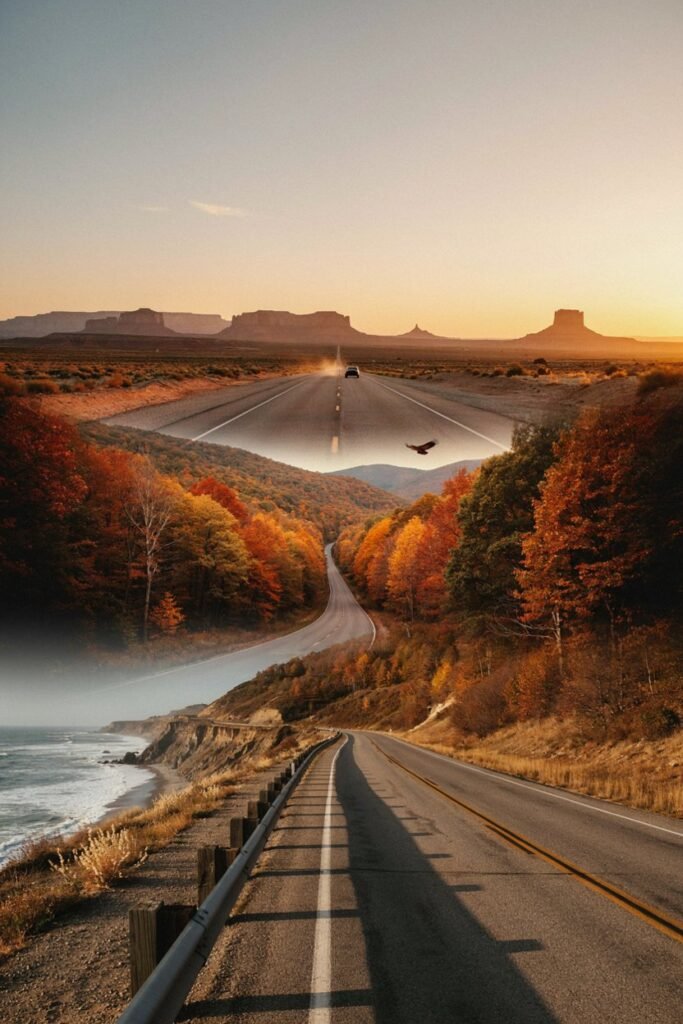
Pacific Coast Highway, California
Highway 1 running along California’s coastline is one of the most famous drives in the world, passing Big Sur’s cliffs, Hearst Castle, and the seaside town of Carmel-by-the-Sea. Plan for it to take far longer than Google Maps estimates — this is a drive best done slowly.
Blue Ridge Parkway, Virginia/North Carolina
Connecting Shenandoah National Park to the Great Smoky Mountains, the Blue Ridge Parkway is especially spectacular in autumn, when the Appalachian foothills turn deep red and gold.
Route 66
The original American road trip route, stretching from Chicago to Santa Monica, is less about any single stop and more about the collection of retro diners, neon signs, and small-town Americana along the way.
Alaska’s road system and beyond
Alaska deserves special mention as one of the most singular travel experiences in the country — glaciers, fjords, and wildlife on a scale that’s hard to find elsewhere in the U.S.
If Alaska is on your list, our guide on how to plan the perfect trip to Alaska covers logistics in detail, since it requires more planning than most domestic destinations.
Food and Culture Destinations

Part of any USA bucket list should be regional food, since American food culture is really a patchwork of dozens of distinct regional traditions rather than one unified cuisine.
- Texas barbecue, particularly around Austin, is worth planning a meal (or three) around.
- New Orleans Creole and Cajun cuisine — gumbo, jambalaya, and beignets from Café du Monde.
- New England seafood, especially Maine lobster rolls eaten dockside.
- Nashville hot chicken, a genuinely regional specialty that’s spread nationally but is still best at its source.
- Los Angeles’ multicultural food scene, which draws from Korean, Mexican, Salvadoran, and dozens of other culinary traditions in a single city.
If you’re traveling with kids or want a reliably crowd-pleasing meal in a major city, our list of family-friendly restaurants in LA is a solid starting point.
Underrated Additions Worth Considering
A true bucket list shouldn’t be only the obvious hits. A few destinations that consistently surprise first-time visitors:
- Sedona, Arizona — red rock formations and hiking trails with a completely different color palette from the Grand Canyon, just a few hours away.
- Asheville, North Carolina — a mountain town with a thriving arts and food scene, gateway to the Blue Ridge Parkway.
- Savannah’s Bonaventure Cemetery — a hauntingly beautiful historic cemetery that feels more like a botanical garden.
- Marfa, Texas — a tiny desert town known for minimalist art installations and an almost otherworldly stillness.
- Door County, Wisconsin — a peninsula on Lake Michigan often called the “Cape Cod of the Midwest,” with orchards, lighthouses, and quiet beaches.
Best Times to Visit, Region by Region
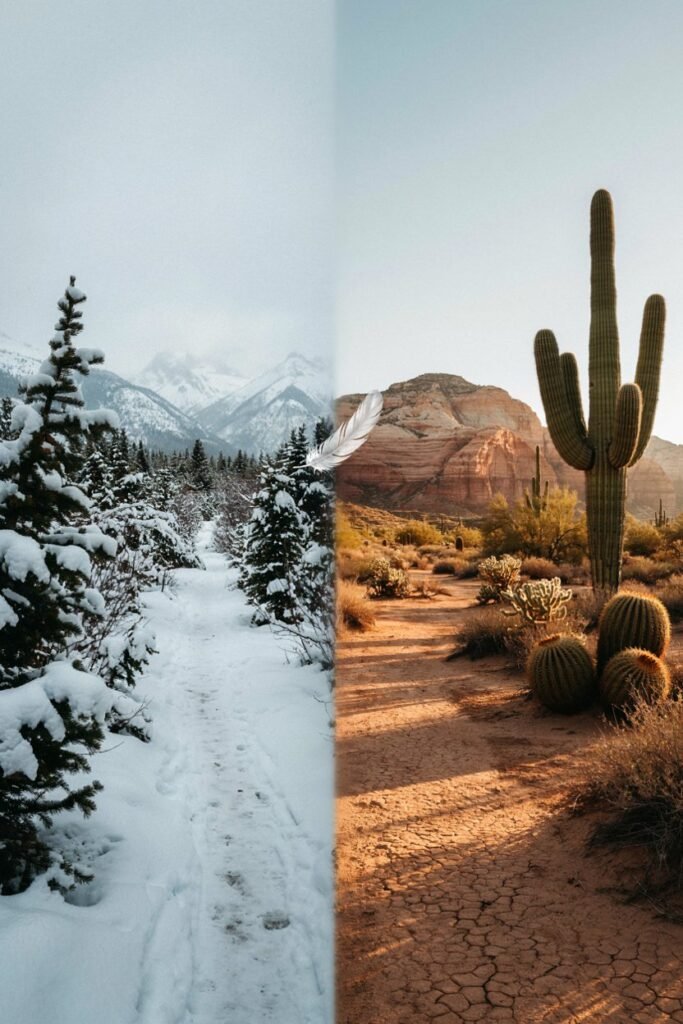
- National Parks (Southwest — Zion, Grand Canyon): Spring (March–May) and fall (September–November) avoid both summer heat and winter closures.
- Northeast (Acadia, New England road trips): Late September to mid-October for peak fall foliage.
- Pacific Northwest and Alaska: June through August for the most reliable weather and longest daylight hours.
- Florida and the Gulf Coast: December through April, avoiding both hurricane season and peak summer humidity.
- Hawaii: April–May or September–October, shoulder seasons with lower prices and thinner crowds than summer or the winter holidays.
Practical Planning Tips for a USA Bucket List Trip
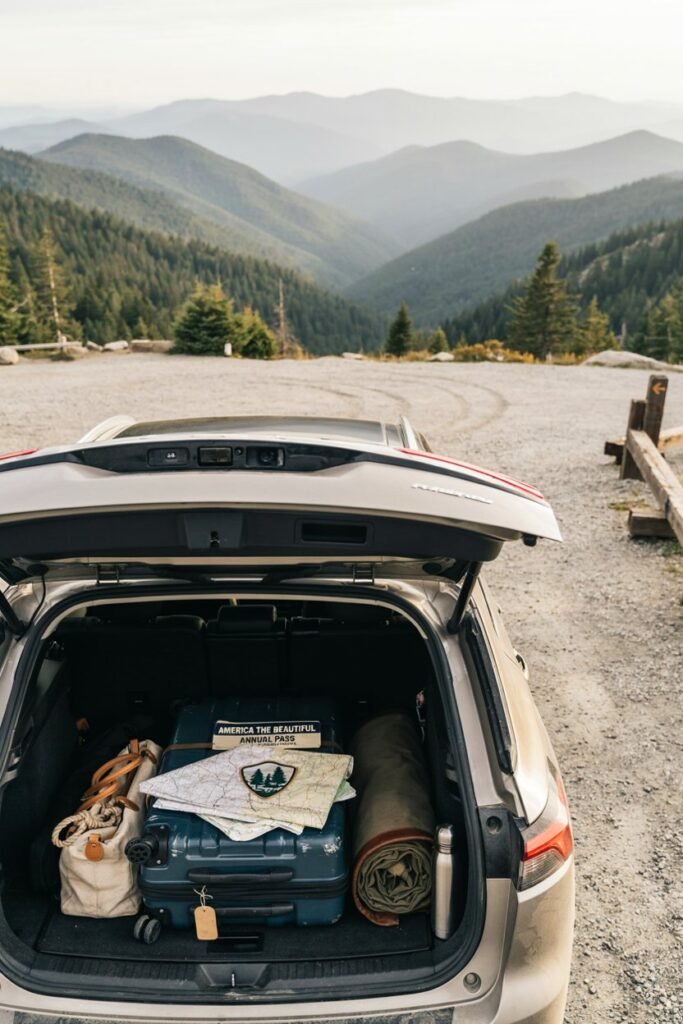
Distances are bigger than they look on a map. The USA’s scale surprises a lot of international visitors — driving from Los Angeles to New York is roughly the same distance as driving from London to Moscow. Build realistic driving days into any itinerary, especially if you’re combining multiple regions.
National park entrance passes pay for themselves fast. If you’re visiting more than three parks in a year, the “America the Beautiful” annual pass is almost always cheaper than paying individual entrance fees.
Book national park lodging far in advance. Lodges inside parks like Yosemite and Yellowstone can book out 6–12 months ahead for peak season. If you’re flexible, staying just outside the park boundary usually opens up far more last-minute options.
Pack for serious variability. Between a desert national park and a coastal city, you might need everything from sun protection to a warm layer for chilly evenings. Our 1-week packing essentials for USA trips guide is built specifically around this kind of multi-climate itinerary.
Consider a road trip over flying between every stop. Renting a car and driving between regional clusters (say, Utah’s national parks, or the Southeast’s historic cities) is often cheaper and far more scenic than a series of short domestic flights.
Timing your trip around a holiday? If you’re planning around a specific season, our guides on Easter getaways in the USA and Valentine’s Day weekend trips cover destination-specific timing in more detail.
A Sample Two-Week Southwest & West Coast Itinerary
If you want a starting framework rather than a scattershot list, here’s a rough two-week loop that hits several bucket-list essentials without overextending:
- Days 1–3: Las Vegas to Zion National Park. Fly into Vegas, drive roughly three hours to Zion, hike the Narrows or Angels Landing.
- Days 4–5: Bryce Canyon and Antelope Canyon. A short drive from Zion, both offer completely different rock formations worth the detour.
- Days 6–8: Grand Canyon South Rim. Sunrise and sunset viewpoints, a short rim trail hike, one night camping or lodging nearby.
- Days 9–10: Sedona. A slower pace after several intense park days, with red rock hikes and a genuinely different desert landscape.
- Days 11–12: Los Angeles. City time, food, and a day trip along the Pacific Coast Highway toward Santa Barbara.
- Days 13–14: San Francisco. Fly or drive up the coast, explore the city, and wrap the trip with a final night in Golden Gate Park or along the Embarcadero.
Adjust freely based on flight logistics — the point is demonstrating how several bucket-list destinations can realistically link together into a single trip rather than requiring separate visits.
Frequently Asked Questions
How many places should be on a realistic USA bucket list? Most travelers find 15–20 destinations is a manageable long-term list — enough to feel ambitious without becoming so long it feels unreachable. Treat this guide as a menu, not a checklist you need to complete in one trip.
What’s the best way to see multiple national parks in one trip? Cluster parks that are geographically close. Utah’s “Mighty Five” (Zion, Bryce Canyon, Capitol Reef, Canyonlands, and Arches) can realistically be combined into a single road trip, as can Wyoming’s Yellowstone and Grand Teton.
Is it better to fly or drive between USA bucket list destinations? It depends on the region. In dense clusters like the Southwest national parks or the Northeast’s historic cities, driving is usually faster and more scenic. For destinations thousands of miles apart — say, New York to Hawaii — flying is the only realistic option.
Do I need a car to see most of these places? For the national parks, road trips, and smaller coastal towns, yes — a car is close to essential. Major cities like New York, San Francisco, and Chicago are the exception, where public transportation and walking cover most of what you’ll want to see.
What’s the most underrated entry on this list? Acadia National Park and Marfa, Texas consistently surprise first-time visitors the most — both offer an experience genuinely different from what most international (and even domestic) travelers expect from the USA.
Final Thoughts
The USA’s bucket list is less a single itinerary than a lifelong project — the country is simply too large and too varied to see in one trip. The goal isn’t to rush through every entry on this list, but to pick a region, do it properly, and let the rest wait for next time. Whether that’s a canyon at sunrise, a plate of gumbo in New Orleans, or a quiet island beach in the San Juans, the point is the same: these are the places that define what makes traveling across America worth doing at all.
For more destination-specific planning, check out our guides on romantic getaways in the USA, affordable spa resorts, and the cheapest islands to visit in 2026 if you’re looking to round out your trip planning even further.


