
Some of the most rewarding trips in this country happen in places that never quite make it onto a mainstream bucket list.
Not because they’re any less beautiful than the famous national parks and coastal towns everyone already knows, but because they simply haven’t caught on the same way, whether that’s due to distance from a major airport, a name that doesn’t roll off the tongue, or just the plain luck of not going viral yet.
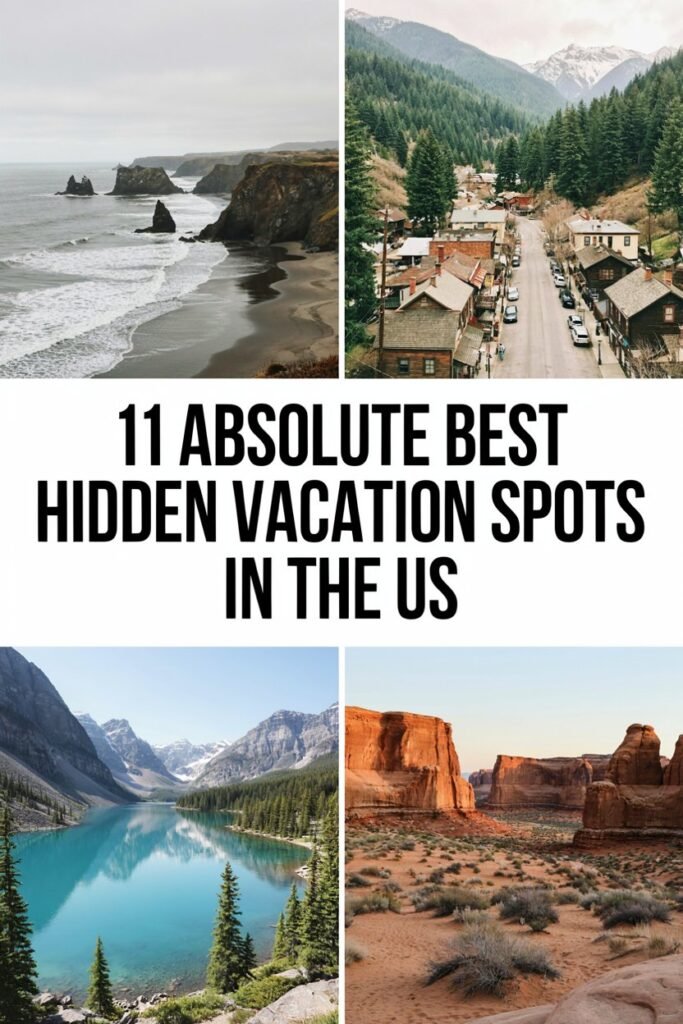
This list covers eleven destinations across the country that consistently deliver dramatic scenery, genuine quiet, or a completely unique experience, all while staying refreshingly free of the crowds you’d find at a more famous equivalent.
If you’re deciding between a splurge stay and something more budget conscious once you pick a destination, my best road trips in America and cheap weekend getaways for couples guides both cover ground worth reviewing alongside this list.
Quick Guide to These Hidden Spots
| Destination | State | Perfect For | Ideal Stay |
|---|---|---|---|
| Apostle Islands | Wisconsin | Sea caves, kayaking | 2 to 4 days |
| Bisti Badlands | New Mexico | Otherworldly rock formations | 1 day |
| Steens Mountain | Oregon | Remote high desert scenery | 2 to 3 days |
| The Driftless Area | Wisconsin/Minnesota/Iowa | Rolling hills, small towns | 2 to 3 days |
| Beartooth Highway | Montana/Wyoming | Scenic mountain drive | 1 to 2 days |
| Merritt Island | Florida | Wildlife, wetlands | 1 to 2 days |
| Ausable Chasm | New York | Gorge hiking, rafting | 1 to 2 days |
| The Palouse | Washington | Rolling farmland scenery | 1 to 2 days |
| Cedar Key | Florida | Old Florida fishing village | 2 to 3 days |
| Great Basin National Park | Nevada | Caves, dark skies | 2 to 3 days |
| Tybee Island | Georgia | Quiet beach town | 2 to 3 days |
1. Apostle Islands, Wisconsin
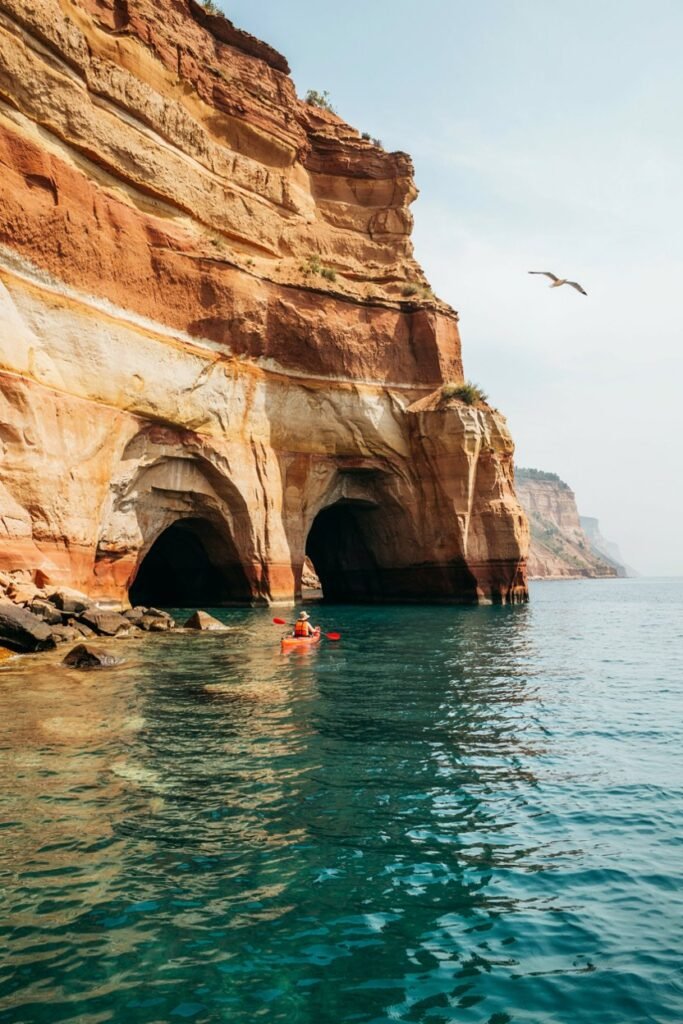
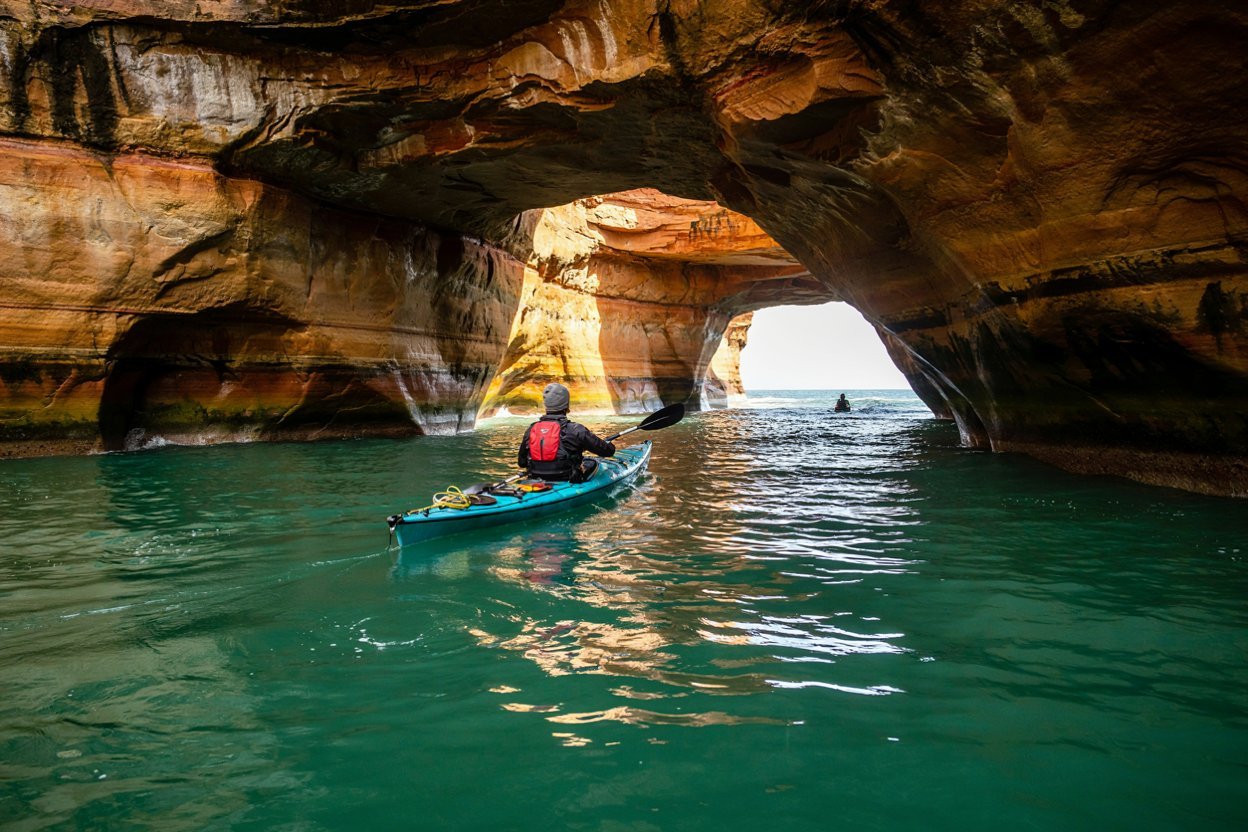
Why it’s hidden. Tucked into the far northern edge of Wisconsin on Lake Superior, this cluster of twenty two islands offers sea caves, sandstone cliffs, and genuinely clear water that feels more like a coastal destination than something in the Midwest.
How to get there. Fly into Duluth, Minnesota, then drive about an hour and a half to the mainland town of Bayfield, the main departure point for the islands.
Where to stay. Bayfield offers a range of small inns and guesthouses within easy walking distance of the ferry docks and kayak outfitters.
Getting around. Boat tours and kayak rentals handle most of the exploring, since the islands themselves are only reachable by water.
Fun things to do. Kayak into the sea caves on the mainland unit when conditions allow, take a boat tour around several islands in one trip, and visit the historic lighthouses scattered across the archipelago.
Budget tips. A guided sea kayak tour costs less than renting a boat independently, and camping on one of the islands is a genuinely affordable way to spend a night out on the lake.
Safety tips. Lake Superior water stays cold even in summer and conditions can shift quickly, so check weather and wave forecasts carefully before any kayaking trip.
2. Bisti Badlands, New Mexico
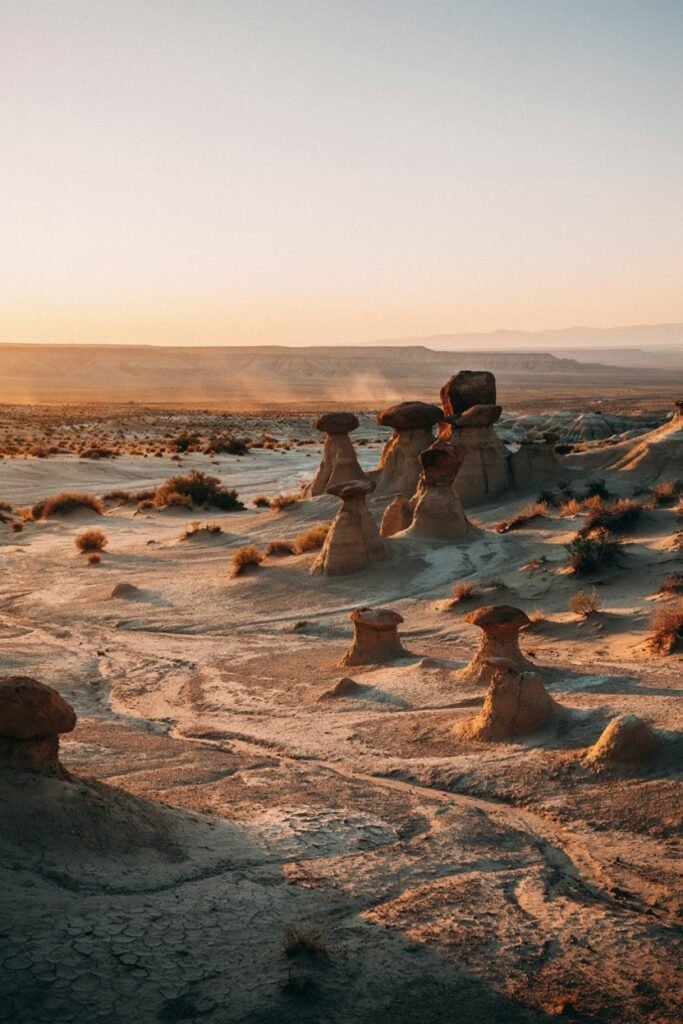
Why it’s hidden. This wilderness area in northwestern New Mexico contains some of the strangest rock formations in the entire country, hoodoos, cracked earth, and eroded shapes that look almost alien, with no marked trails and very few visitors.
How to get there. Fly into Albuquerque or Farmington, then drive to the trailhead, roughly two and a half hours from Albuquerque.
Where to stay. Farmington offers the closest practical lodging, since the badlands themselves have no facilities of any kind.
Getting around. Everything here is explored on foot, with no official trail system, so a GPS or offline map is genuinely necessary to find your way back to your car.
Fun things to do. Wander freely among the rock formations, photograph the area during golden hour when the shadows make the eroded shapes even more dramatic, and take your time, since there’s no rush here with virtually no other visitors around.
Budget tips. Entry is free, and this is one of the least expensive destinations on this entire list once you’ve covered the drive to get there.
Safety tips. Bring more water than you think you’ll need, since there’s no shade and no facilities, and let someone know your planned route given how easy it is to lose your bearings among the formations.
3. Steens Mountain, Oregon
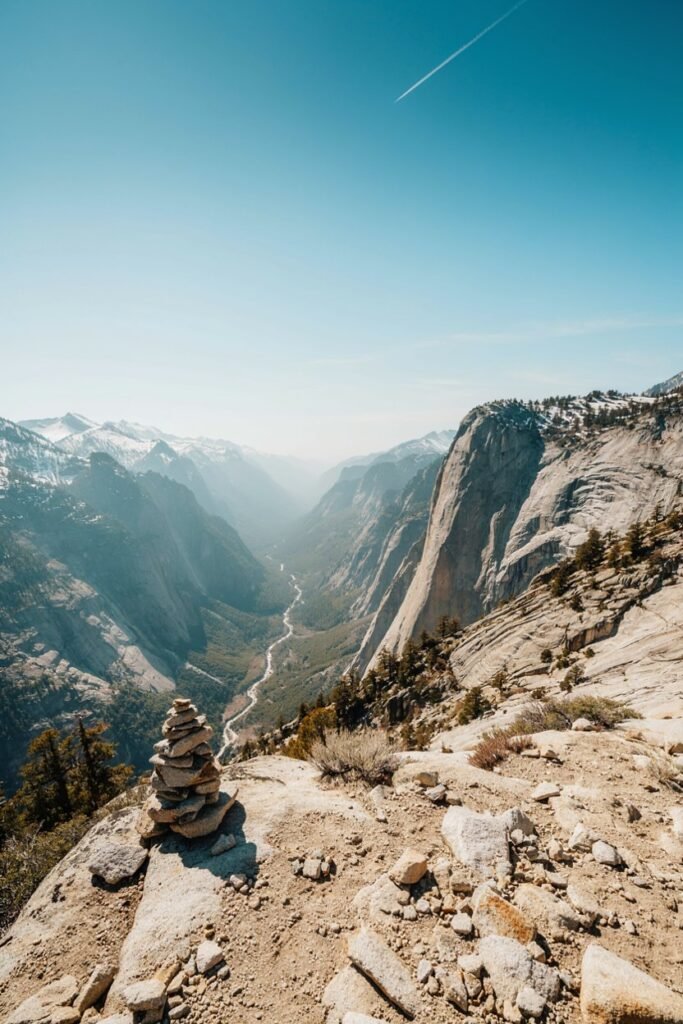
Why it’s hidden. This massive fault block mountain rises dramatically out of Oregon’s high desert, offering sweeping gorge views and genuine solitude in one of the least visited corners of the state.
How to get there. Fly into Boise, Idaho, then drive roughly three hours to the small town of Frenchglen, the main access point for the mountain.
Where to stay. Frenchglen offers a small historic hotel, one of the few lodging options in the immediate area.
Getting around. A high clearance vehicle is recommended for the unpaved Steens Mountain Loop Road, which climbs to genuinely dramatic overlooks.
Fun things to do. Drive the full loop road for views into the mountain’s deep glacial gorges, watch for wild horses in the surrounding Kiger Gorge area, and camp under some of the darkest skies in the country.
Budget tips. Camping is the most affordable and arguably most appropriate way to experience this remote destination, given how few developed lodging options exist nearby.
Safety tips. Check road conditions before attempting the loop road, since sections can be rough or seasonally closed, and carry extra water and fuel given the remote location.
4. The Driftless Area, Wisconsin, Minnesota, and Iowa
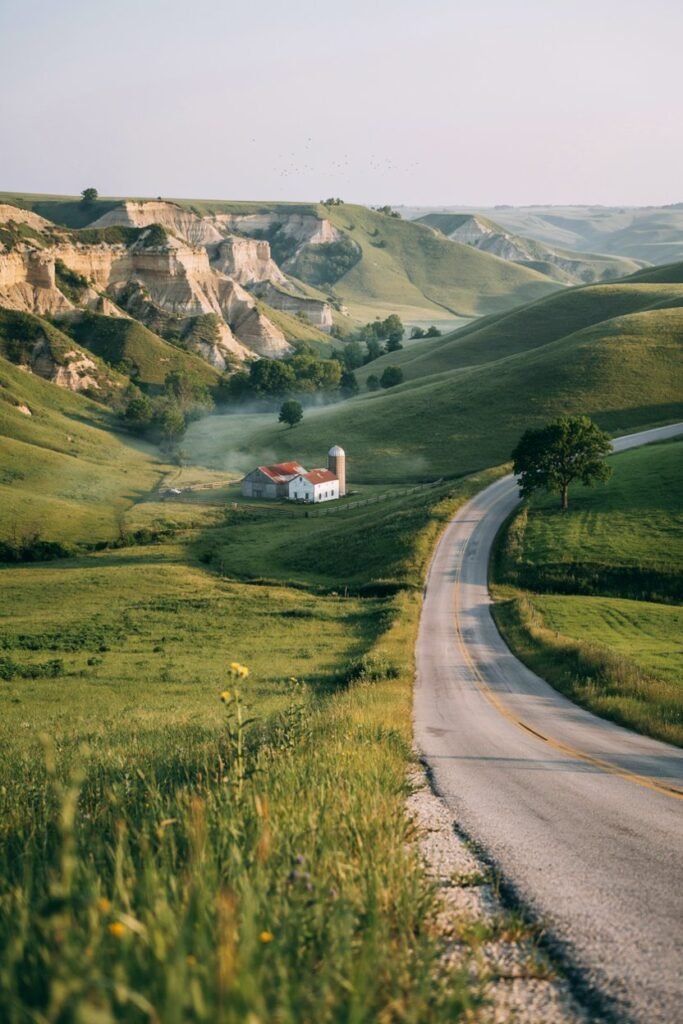
Why it’s hidden. This unglaciated pocket of the upper Midwest features rolling hills, limestone bluffs, and trout streams that look almost nothing like the flat farmland most people picture when they think of this part of the country.
How to get there. Fly into Minneapolis or La Crosse, Wisconsin, both within a reasonable drive of the region’s small towns.
Where to stay. Small towns like Viroqua, Wisconsin, or Decorah, Iowa, both offer charming inns and bed and breakfasts scattered throughout the region.
Getting around. A car is necessary, since the appeal here is a scenic driving route connecting small towns and overlooks across three states.
Fun things to do. Drive the winding country roads through the bluffs, fish one of the region’s celebrated trout streams, and stop in small towns for local food and antique shops.
Budget tips. Scenic driving and small town wandering cost nothing, making this an easy, affordable regional road trip.
Safety tips. Rural roads here can be narrow and winding, so drive attentively, particularly around farm equipment sharing the road during harvest season.
5. Beartooth Highway, Montana and Wyoming
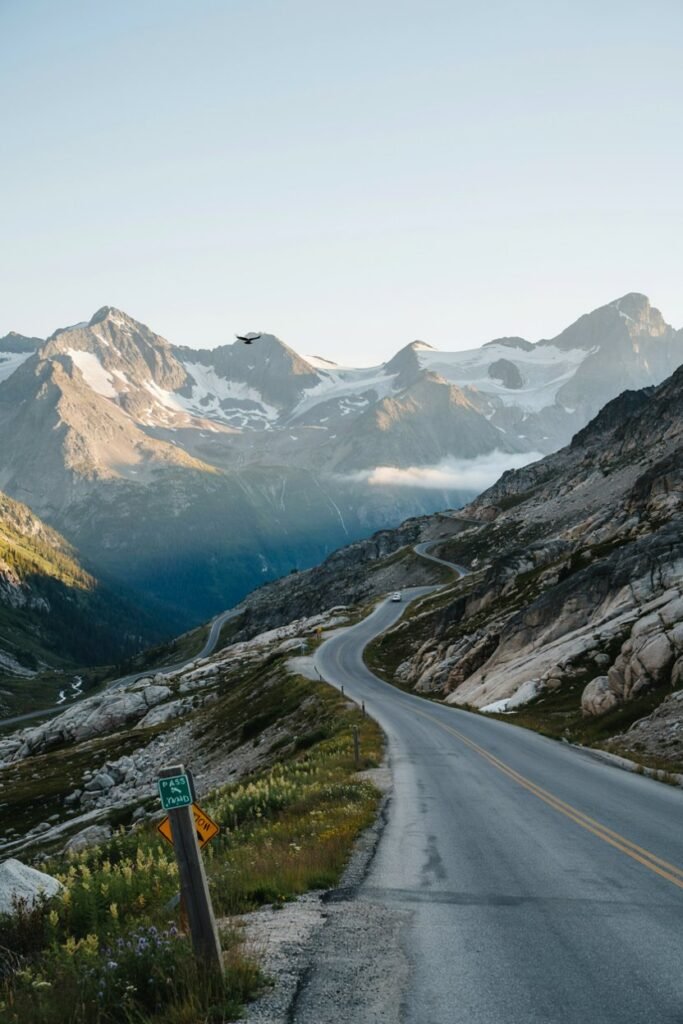
Why it’s hidden. Often overshadowed by the nearby entrance to Yellowstone, this high alpine drive climbs to nearly eleven thousand feet, offering some of the most dramatic mountain switchback scenery in the country.
How to get there. Fly into Billings, Montana, then drive roughly two hours to the town of Red Lodge, the northern starting point of the highway.
Where to stay. Red Lodge offers a range of small lodges and inns, making a good base before or after driving the highway itself.
Getting around. This is a scenic drive by design, so a car is the entire point, and the road itself is the destination.
Fun things to do. Stop at the numerous overlooks along the climb, hike a short trail near the summit if weather allows, and continue on into Yellowstone’s northeast entrance if that’s part of your broader itinerary.
Budget tips. Driving the highway itself is free, and it makes a dramatic, no cost addition to any Yellowstone area trip.
Safety tips. The highway is only open seasonally, typically late spring through fall, and weather at this elevation can shift very quickly, so check current conditions before setting out.
6. Merritt Island National Wildlife Refuge, Florida
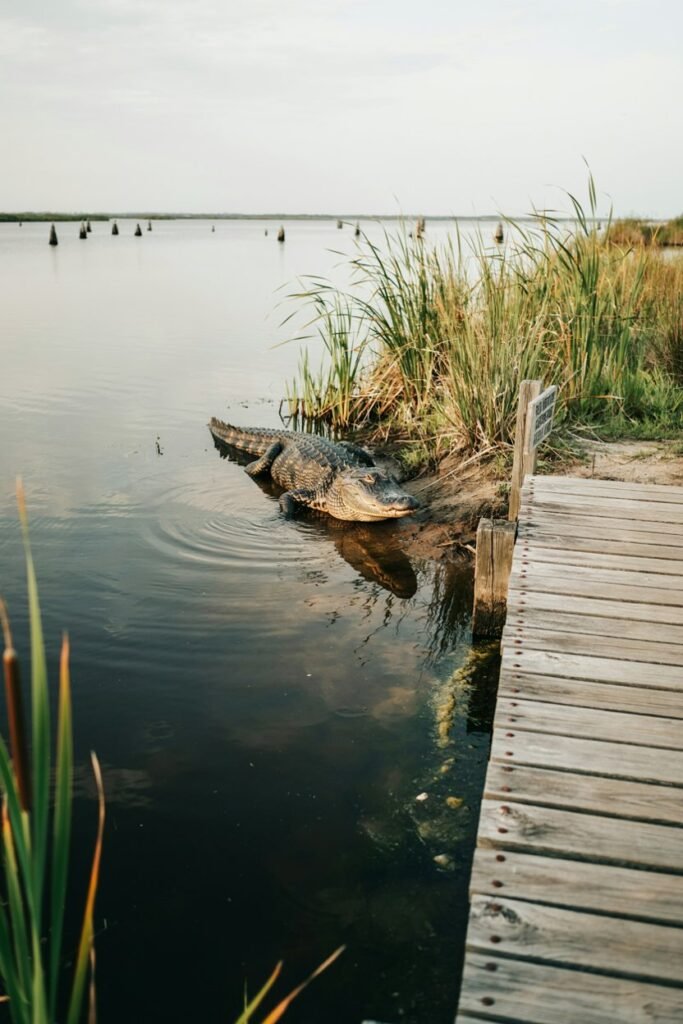
Why it’s hidden. Sitting adjacent to Kennedy Space Center, this refuge offers genuinely excellent birdwatching and wildlife viewing that gets completely overshadowed by its more famous neighbor.
How to get there. Fly into Orlando, then drive about an hour to the refuge.
Where to stay. Nearby Titusville offers practical, affordable lodging options within easy reach of the refuge entrance.
Getting around. A car is necessary to drive the refuge’s wildlife loop road, though several trails are also available for walking.
Fun things to do. Drive the Black Point Wildlife Drive for alligator and bird sightings, walk one of the boardwalk trails through the wetlands, and time a visit around a rocket launch if one happens to be scheduled at the nearby space center.
Budget tips. Entry to the refuge is minimal, and driving the wildlife loop costs nothing beyond gas, making this one of the most affordable wildlife viewing experiences in the state.
Safety tips. Stay in your vehicle or on marked trails around alligator habitat, and bring insect repellent given the wetland environment.
7. Ausable Chasm, New York
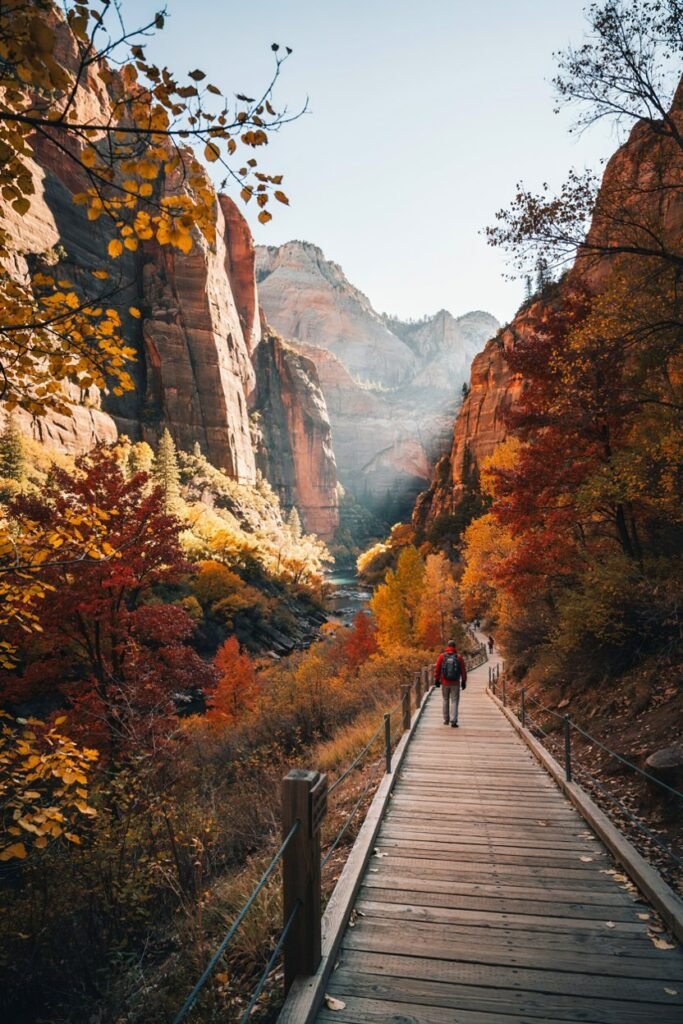
Why it’s hidden. Nicknamed by some as a smaller eastern gorge experience, this sandstone canyon in the Adirondacks offers boardwalk trails, suspension bridges, and rafting through a genuinely dramatic river gorge.
How to get there. Fly into Burlington, Vermont, then take a ferry across Lake Champlain, or fly into Albany and drive roughly two hours north.
Where to stay. Nearby Plattsburgh or the town of Keeseville, right next to the chasm, both offer practical lodging options.
Getting around. A car is necessary to reach the site, though once there, the chasm itself is explored on foot via boardwalks and trails.
Fun things to do. Walk the boardwalk trail along the gorge rim, take a guided rafting or tubing trip through calmer sections of the river, and visit in fall when the surrounding foliage frames the canyon in color.
Budget tips. The boardwalk trail alone offers dramatic views for a modest entry fee, without needing to add the more expensive rafting experience if budget is tight.
Safety tips. Stay on marked trails and behind railings at overlooks, since the gorge drops are genuinely steep in places.
8. The Palouse, Washington
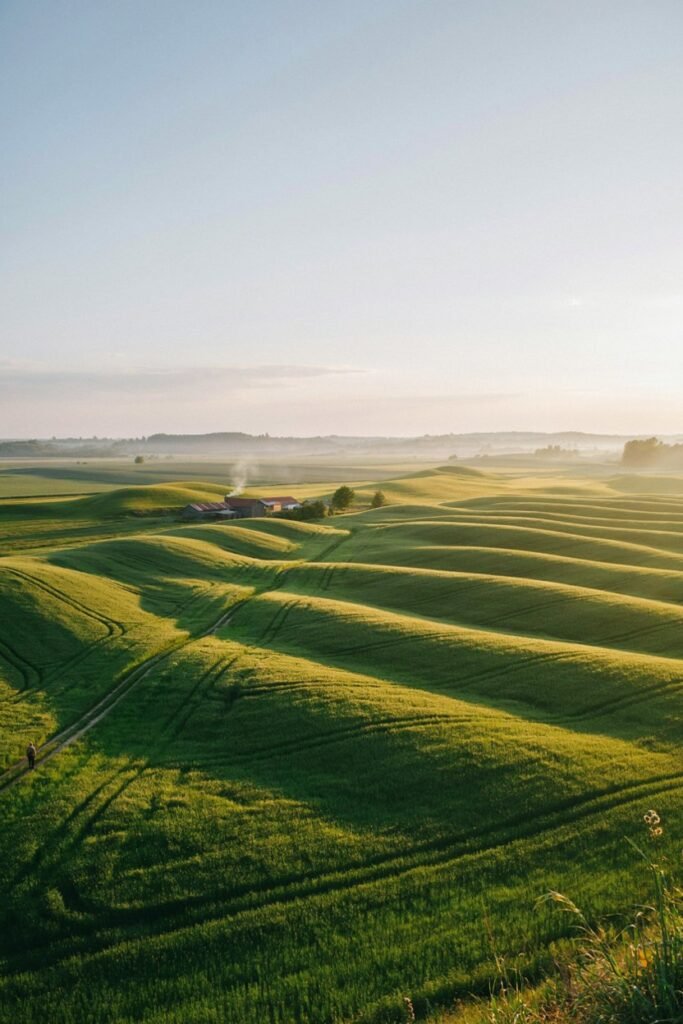
Why it’s hidden. This region of rolling wheat farmland in eastern Washington creates a genuinely striking, wave-like landscape that photographers travel specifically to capture, despite most visitors to the state never making it this far east.
How to get there. Fly into Spokane, then drive about an hour south into the heart of the Palouse region.
Where to stay. The small town of Colfax or nearby Pullman offer practical bases for exploring the area.
Getting around. A car is essential, since the appeal here is driving the rolling back roads and stopping at scenic overlooks.
Fun things to do. Drive to Steptoe Butte for a sweeping overlook of the entire rolling landscape below, photograph the fields at sunrise or sunset when the light rakes across the hills, and time a visit for early summer when the wheat is green rather than the golden harvest color.
Budget tips. This is an entirely free destination to explore, since the appeal is simply driving and taking in the scenery.
Safety tips. Rural roads here are narrow and shared with farm equipment, so drive carefully, especially during planting and harvest seasons.
9. Cedar Key, Florida
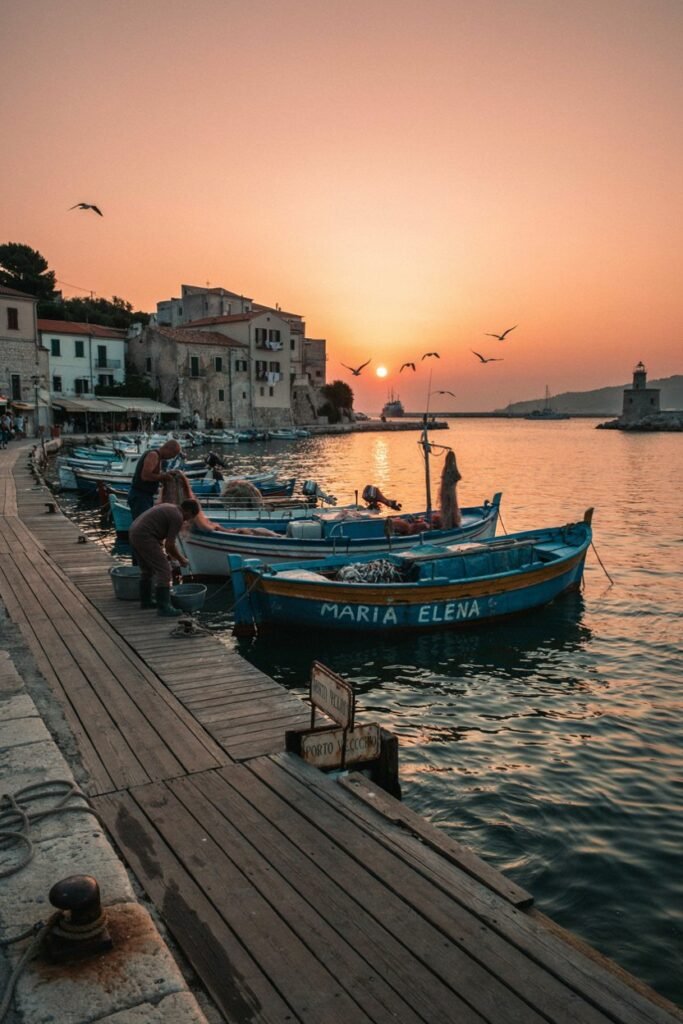
Why it’s hidden. This small island fishing village on Florida’s Gulf Coast has resisted the large scale development found elsewhere in the state, keeping its old Florida charm largely intact.
How to get there. Fly into Gainesville, then drive about an hour southwest to the island.
Where to stay. The town itself offers a handful of small inns and guesthouses within walking distance of the waterfront.
Getting around. The town is small enough to explore entirely on foot or by golf cart, a popular local rental option.
Fun things to do. Watch the sunset from the waterfront, take a boat tour into the surrounding nature preserve, and eat fresh local clams, one of the area’s genuine specialties.
Budget tips. This remains one of the more affordable coastal Florida destinations, since it hasn’t seen the same resort development driving up prices elsewhere in the state.
Safety tips. Check tide and weather conditions before any boat trip into the surrounding wetlands, since the area is prone to sudden afternoon storms typical of Florida’s coast.
10. Great Basin National Park, Nevada
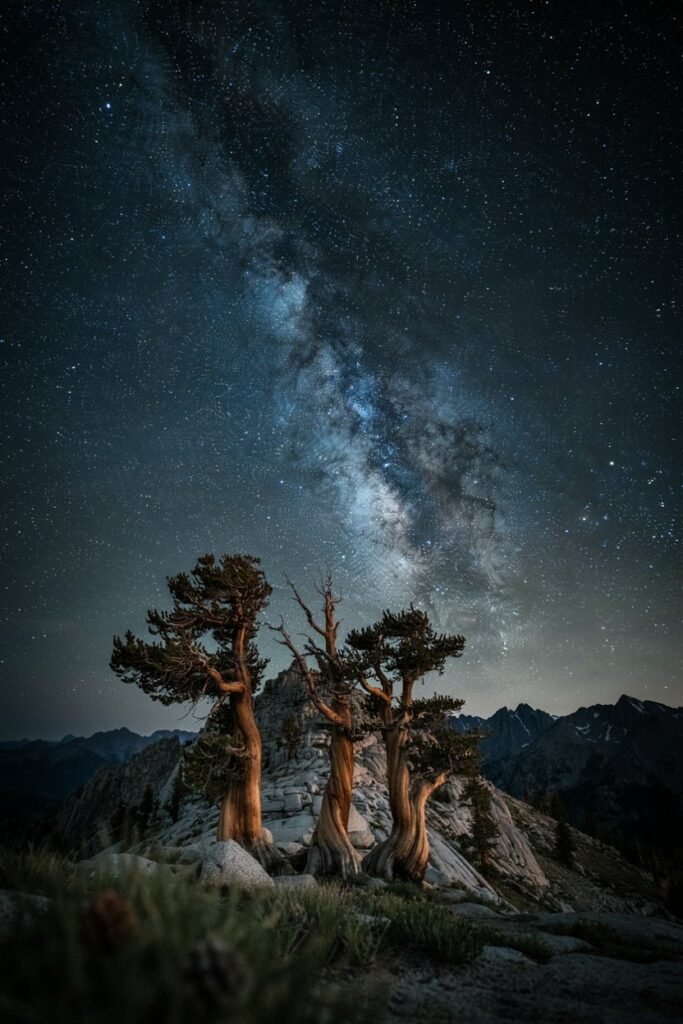
Why it’s hidden. One of the least visited national parks in the entire system, Great Basin offers ancient bristlecone pines, a genuine cave system, and some of the darkest night skies in the country, all with a fraction of the crowds of Nevada’s more famous attractions.
How to get there. Fly into Las Vegas or Salt Lake City, then drive roughly four to five hours to the remote park entrance.
Where to stay. The small nearby town of Baker offers limited but sufficient lodging, or camping within the park itself.
Getting around. A car is necessary given the park’s remote location, and the scenic drive up Wheeler Peak is a highlight in its own right.
Fun things to do. Tour the Lehman Caves, hike among the ancient bristlecone pines, some of the oldest living trees on earth, and stay after dark for genuinely exceptional stargazing.
Budget tips. There’s no entrance fee for the park itself, with only the guided cave tour requiring a modest ticket price.
Safety tips. Cell service is essentially nonexistent throughout the park, so download offline maps and let someone know your itinerary before heading out on any hike.
11. Tybee Island, Georgia
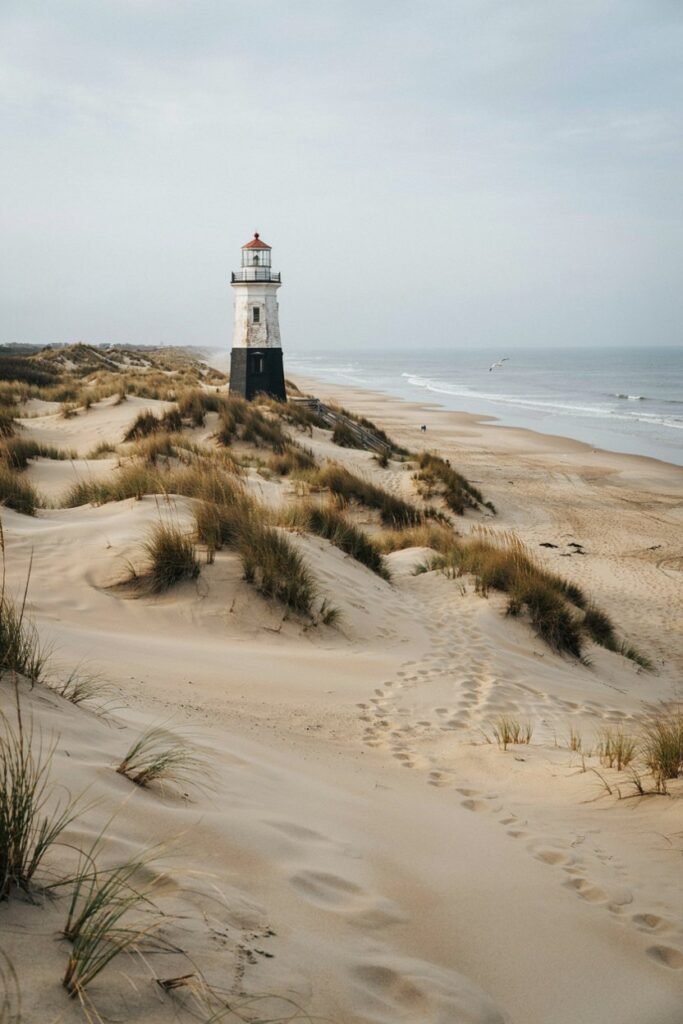
Why it’s hidden. Just a short drive from Savannah, this small beach town offers a genuinely quieter, more laid back coastal experience than Georgia’s more developed beach destinations.
How to get there. Fly into Savannah, then drive about twenty five minutes east to the island.
Where to stay. The island itself offers a mix of beach cottages and small inns, all within easy reach of the main beach.
Getting around. The island is small enough to bike around comfortably, and a car isn’t strictly necessary once you’re there.
Fun things to do. Climb the historic Tybee Island Light Station, spend an afternoon on the beach, and pair your visit with a day in nearby Savannah for a combined coastal and historic city trip.
Budget tips. Beach time is free, and pairing Tybee with Savannah lets you split lodging costs between a cheaper beach stay and a pricier city night, rather than paying premium rates for an entire trip in one location.
Safety tips. Standard beach safety applies, checking for rip current warnings and swimming near a lifeguard station rather than an unpatrolled stretch of sand.
Which Hidden Spot Fits Your Trip?
| If you want… | Go to… |
|---|---|
| Sea caves and island kayaking | Apostle Islands |
| Strange, otherworldly rock formations | Bisti Badlands |
| Remote high desert solitude | Steens Mountain |
| Rolling hills and small towns | The Driftless Area |
| A dramatic mountain drive | Beartooth Highway |
| Wildlife and wetlands | Merritt Island |
| A gorge hike and rafting | Ausable Chasm |
| Rolling farmland scenery | The Palouse |
| An old Florida fishing village | Cedar Key |
| Caves and the darkest night skies | Great Basin National Park |
| A quiet beach town near a city | Tybee Island |
Frequently Asked Questions
Are these hidden spots actually worth the extra effort to reach? Yes, most earn a spot on this list specifically because their relative remoteness keeps them from feeling overrun, and the payoff in scenery or atmosphere genuinely compares to far more famous, harder to enjoy alternatives.
Do I need a car for most of these destinations? Yes, nearly all of them require a car to reach and explore, with the exception of Tybee Island and Cedar Key, which are small enough to get around on foot or by bike once you arrive.
Which of these is best for a short weekend trip? Ausable Chasm, Merritt Island, and Tybee Island all work well as quick weekend trips given their more manageable scope and proximity to a major airport.
Are these destinations family friendly? Most are, particularly Merritt Island, Cedar Key, and Tybee Island, though a few, like Bisti Badlands and Steens Mountain, require more preparation and are better suited to older kids or adults comfortable with remote, trail-less terrain.
What’s the best time of year to visit this list overall? It varies by region, but spring and fall generally offer the most comfortable conditions across most of this list, avoiding summer heat in the desert destinations and difficult winter road conditions in the mountain ones.
Final Thoughts
The best trips don’t always require chasing the same handful of famous names everyone else already has on their list.
Whether that means kayaking into a sea cave on Lake Superior, wandering alien-looking rock formations in New Mexico, or watching sunset from a quiet Georgia beach town, these eleven destinations prove that some of the country’s most memorable experiences are still sitting quietly, waiting for someone to actually show up.
If you’re mapping out a bigger road trip around any of these, my best road trips in America guide is a solid place to keep planning from here.