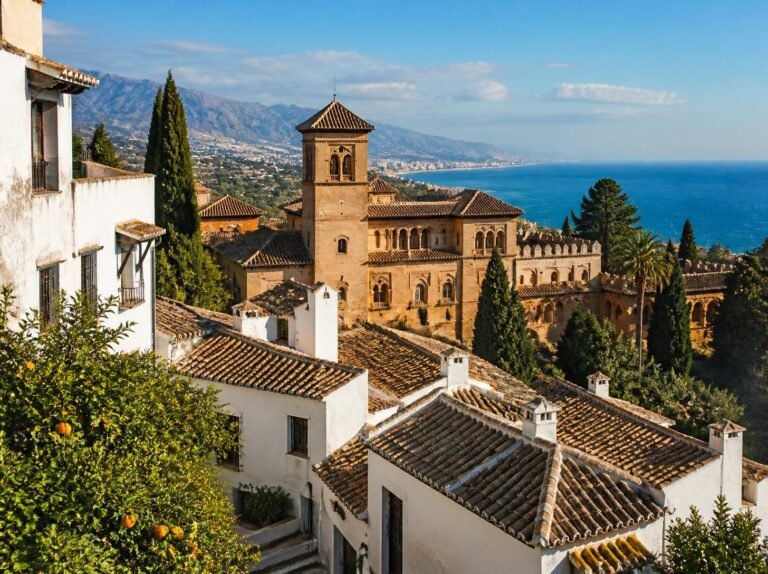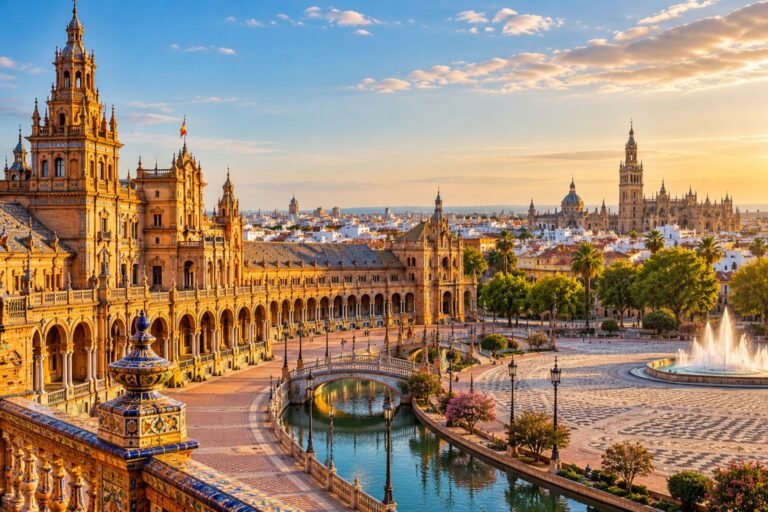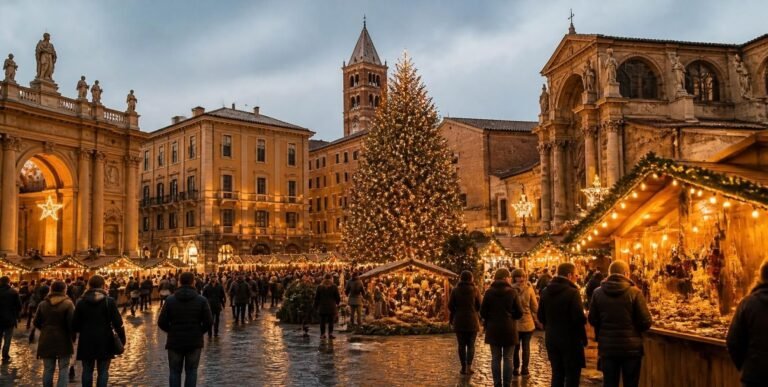

Europe has a reputation for being expensive, and in places like Switzerland, Norway, and much of Western Europe, that reputation is earned.
Hotel rooms can take up a large part of your budget, restaurant meals add up quickly, and even a short trip between popular cities can cost more than expected.
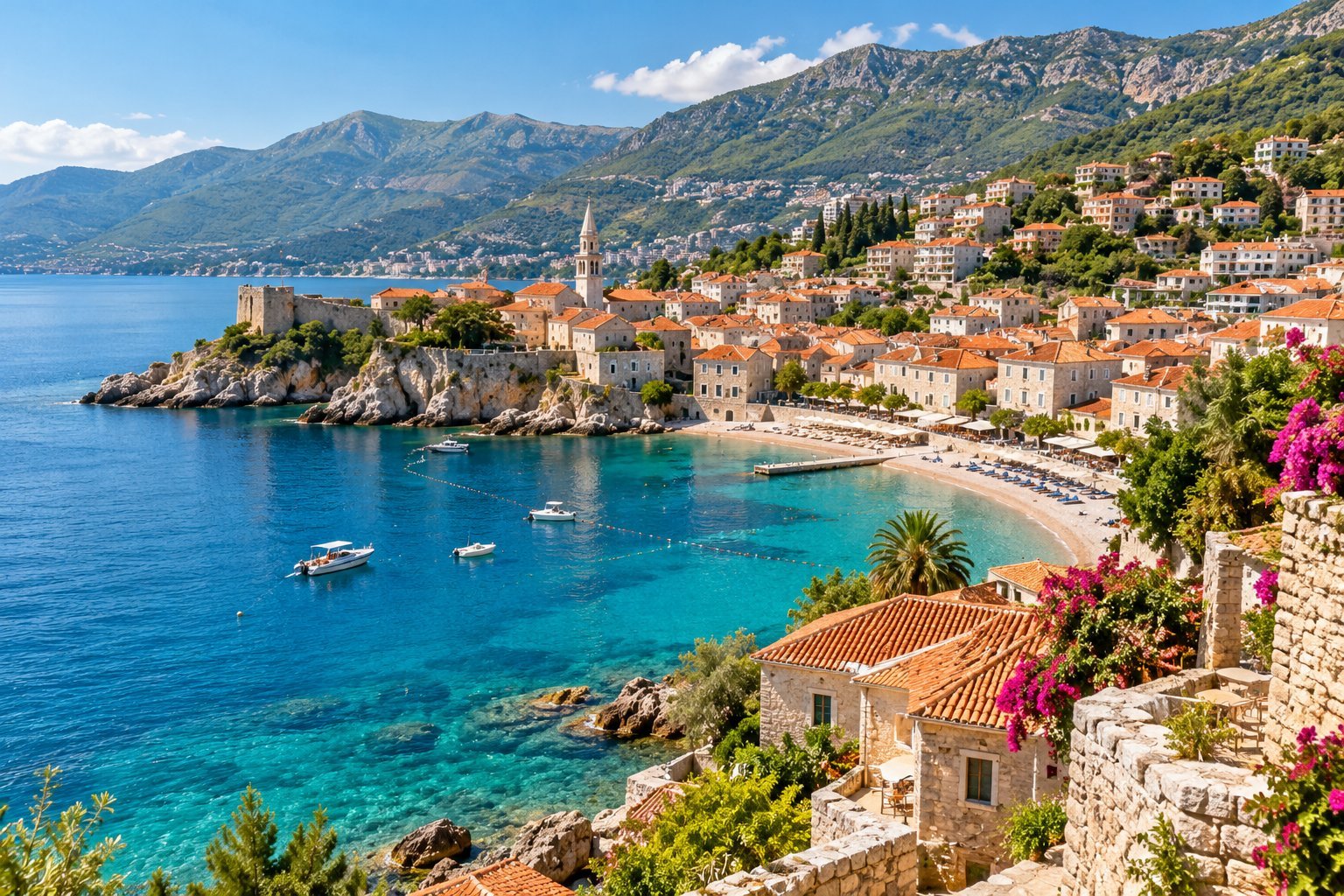
But Europe is much bigger and more varied than its most famous tourist destinations. Travel a little farther east or south, and you can discover beautiful beaches, historic towns, mountain villages, and lively cities without spending a fortune.
Some of the cheapest countries in Europe offer experiences that rival those found in much more expensive destinations.
You can walk through centuries old streets, enjoy a traditional meal in a family run restaurant, swim in clear blue water, explore impressive castles, or spend an afternoon beside a mountain lake.
In many places, everyday expenses such as accommodation, public transportation, and food remain relatively affordable compared with major Western European destinations.
What I love about planning a budget friendly European trip is that saving money does not have to mean missing out on the best experiences.
Sometimes, choosing a smaller town instead of a famous capital or visiting a popular beach a few weeks before peak summer can make a significant difference to the overall cost.
You can also discover places that feel less crowded and give you a better opportunity to experience local culture.
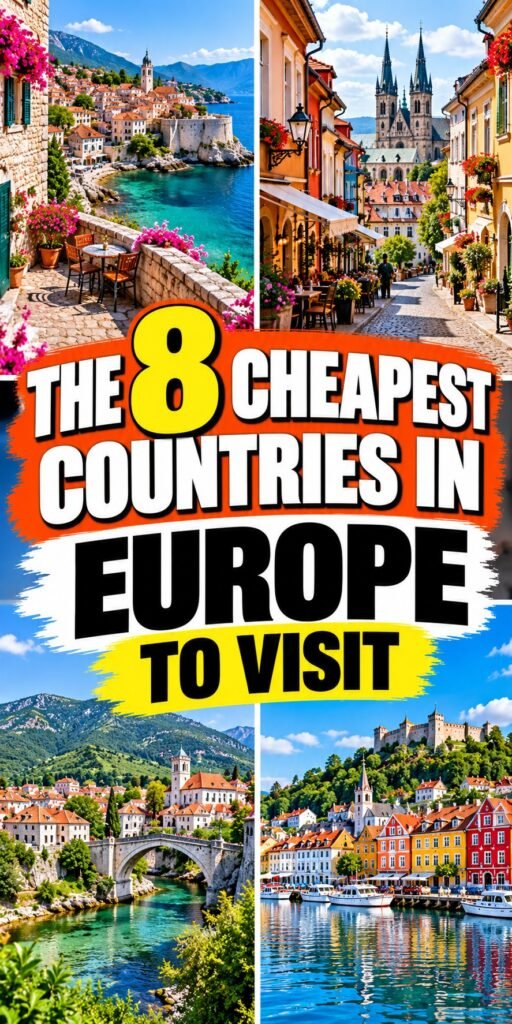
This guide covers eight of the cheapest countries in Europe to visit, including what makes each destination worth exploring, where to go, how to get around, and practical ways to keep your travel expenses under control.
Whether you are planning a beach holiday, a city break, a mountain adventure, or a longer European itinerary, these destinations offer plenty of possibilities for traveling on a budget.
One important thing to remember is that travel costs change with exchange rates, inflation, accommodation demand, and tourism trends.
Treat the cost levels below as relative comparisons rather than guaranteed prices, and check current rates before booking. Your final budget will also depend on your travel style, the season, and where you choose to stay.
If you are comparing affordable European destinations, my cheap Greek islands on a budget guide and 10 budget friendly things to do on the Amalfi Coast guide cover ways to explore more expensive regions without letting costs get out of hand.
Quick Comparison: The Cheapest Countries in Europe
The following comparison gives you a starting point for deciding which destination best suits your interests and budget.
| Country | Relative Cost | Best For | Best Season | Currency |
|---|---|---|---|---|
| Albania | Very low | Beaches, mountains, history | May to June, September | Albanian lek |
| Bulgaria | Very low | Mountains, Black Sea, ancient towns | May to September | Bulgarian lev or current official currency |
| Romania | Low | Castles, mountains, medieval towns | May to September | Romanian leu |
| North Macedonia | Very low | Lakes, hiking, old towns | May to September | Macedonian denar |
| Bosnia and Herzegovina | Very low | History, rivers, old towns | April to October | Convertible mark |
| Serbia | Low | City life, nightlife, nature | April to October | Serbian dinar |
| Poland | Low to moderate | Cities, history, food | May to September | Polish złoty |
| Hungary | Low to moderate | Thermal baths, wine, Budapest | April to October | Hungarian forint |
These countries are not equally cheap in every situation. A seaside resort in Albania during August can cost considerably more than a small inland town, while a centrally located hotel in Budapest may be much more expensive than a guesthouse outside the city center.
For the best value, compare the total cost of your trip rather than focusing only on hotel prices. Consider flights, airport transfers, meals, local transportation, sightseeing tickets, and any additional fees.
1. Albania: One of Europe’s Best Budget Beach Destinations
Why it’s cheap
Albania remains one of the most attractive options for travelers looking for an affordable European holiday. Food, guesthouses, local transportation, and many everyday expenses can cost less than comparable services in popular Western European destinations.
The country is especially appealing because it combines several types of travel in one relatively small area. You can spend a few days exploring a lively capital, travel to historic towns surrounded by mountains, and finish your trip on the Mediterranean style coastline.
However, Albania’s growing popularity means prices are not equally low everywhere. Coastal destinations that attract large numbers of international visitors can become significantly more expensive during the busiest summer weeks. Planning ahead is particularly important if you want to visit the most popular beaches.
What to see
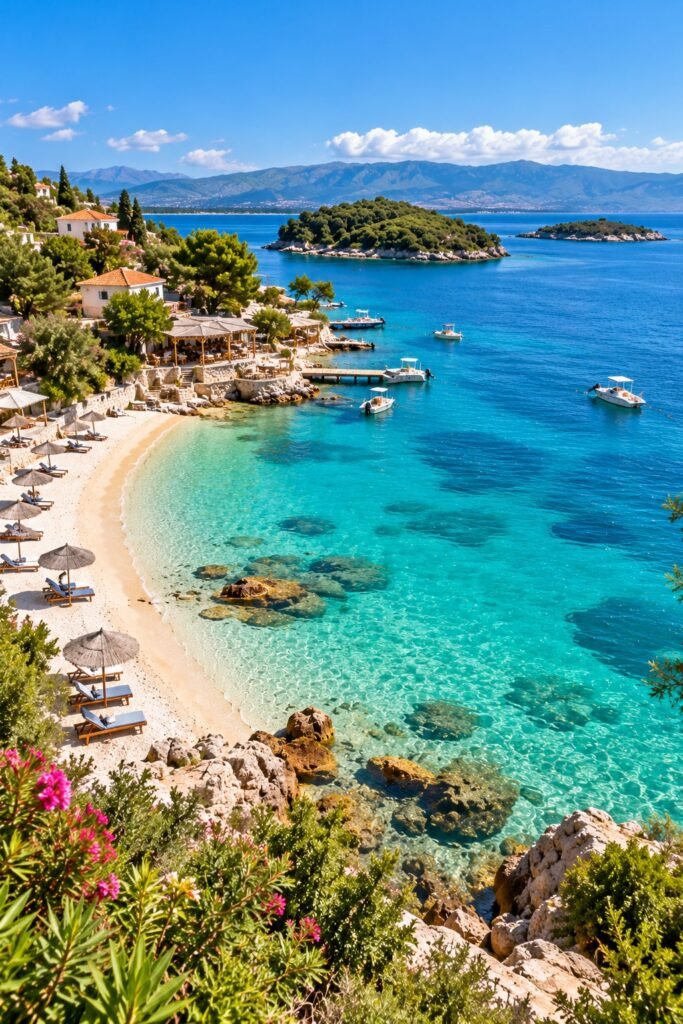
The Albanian Riviera is one of the country’s biggest attractions. Towns and coastal areas around Ksamil and Himara offer beautiful scenery, inviting beaches, and opportunities to spend long afternoons swimming or relaxing beside the water.
Ksamil is particularly popular for its turquoise sea and small offshore islands. It can be an excellent choice for travelers who want a beach focused holiday, although accommodation and restaurant prices may rise considerably during peak season.
Himara is another appealing coastal base. It offers access to beaches, waterfront restaurants, and surrounding villages, making it worth considering if you want to explore different parts of the Riviera.
Away from the coast, Berat and Gjirokastër provide a different experience. These UNESCO listed historic towns are known for traditional architecture, stone streets, historic buildings, and beautiful hillside views. They are excellent places to slow down, take photographs, explore local history, and enjoy a more traditional side of Albania.
The capital, Tirana, is worth including if you want museums, cafes, markets, colorful buildings, and a livelier urban atmosphere. If you enjoy outdoor adventures, the Albanian Alps around Theth and Valbona offer hiking trails, dramatic mountain scenery, and traditional guesthouses.
Getting around
Buses and minibuses connect many major towns, but schedules and departure arrangements can be less straightforward than in countries with extensive railway networks. Confirm departure points and times locally, especially when traveling between smaller destinations.
A rental car can provide more flexibility for reaching remote beaches and mountain villages. However, factor in fuel, parking, insurance, and the condition of the roads before deciding that driving is the cheapest option.
For a first visit, you could spend a few nights in Tirana, continue to Berat or Gjirokastër, and then head toward the coast. If hiking is your priority, plan a separate mountain itinerary rather than trying to fit every region into a short trip.
Where to stay on a budget
Family run guesthouses, small hotels, and apartments can offer excellent value. Staying a short walk from the busiest waterfront areas may reduce accommodation costs while still keeping beaches and restaurants within reach.
In historic towns, look for guesthouses within walking distance of the old center. This can help you save on taxis and make it easier to explore early in the morning or after dinner.
Budget tip
Eat at family run restaurants and local bakeries, where traditional dishes and simple meals may be less expensive than in tourist focused establishments. Look for accommodation that includes breakfast if it represents good value, and compare apartment prices with hotels before booking.
If you plan to visit several destinations, calculate the cost of transportation between them before choosing where to stay. Moving every day can increase your expenses and leave less time for enjoying the places you visit.
Best time to visit
May, June, and September are particularly appealing for balancing pleasant weather with fewer peak summer crowds. July and August are popular for beach holidays, but they can also bring higher accommodation prices, busy roads, and crowded coastal areas.
Tip
Beach areas can get busy and more expensive in July and August, so visit in the shoulder season. If your schedule allows, staying for several nights in one coastal town can also help you avoid the extra cost of constantly changing accommodation.
2. Bulgaria: Affordable Cities, Mountains, and Black Sea Beaches
Why it’s cheap
Bulgaria is an excellent choice for travelers who want a mixture of city sightseeing, mountain adventures, historic attractions, and seaside relaxation. Food, public transportation, and accommodation can be relatively affordable, especially when compared with many established Western European tourist destinations.
Another advantage is the country’s variety. You can explore a capital city, spend a day visiting ancient ruins, take a trip into the mountains, and finish with a relaxing stay on the Black Sea coast.
Bulgaria also attracts winter sports enthusiasts because some ski resorts can offer lower overall costs than famous Alpine destinations. The best value depends on your dates, accommodation choice, equipment rental, and whether you travel during school holidays.
What to see
Sofia is a practical starting point for a first visit. The capital combines historic churches, Roman archaeological remains, parks, museums, and modern neighborhoods. Many central sights are close enough to explore on foot, helping you reduce transportation expenses.
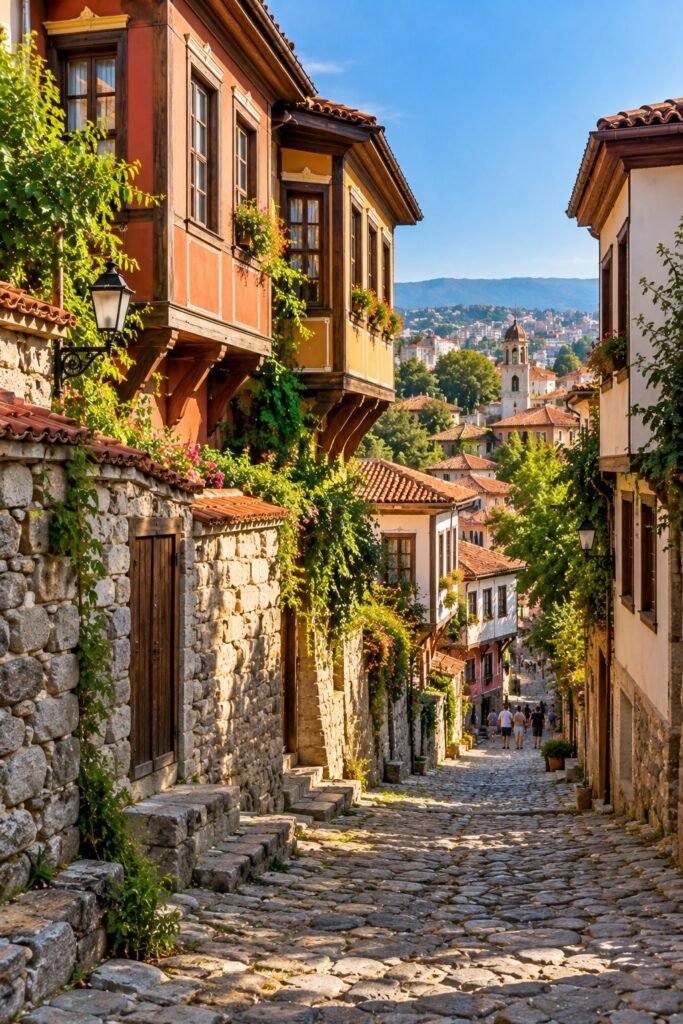
Plovdiv is another destination worth adding to your itinerary. Its old town features traditional houses, cobbled streets, and an ancient Roman theater. It is a rewarding place to spend a day or two without needing an expensive sightseeing schedule.
Rila Monastery, surrounded by mountain scenery, is one of Bulgaria’s most recognizable historic landmarks. It offers a different experience from the cities and can be included in a trip focused on architecture, culture, and nature.
For a seaside holiday, Nessebar is known for its historic peninsula and coastal setting. Other Black Sea destinations offer beaches, resorts, and waterfront dining, although prices vary widely depending on the location and season.
If you enjoy unusual cultural traditions, Bulgaria is also known for Kukeri celebrations, which feature elaborate costumes and masks. My 11 incredible celebration places in Europe guide covers destinations and celebrations worth exploring when planning a culture focused trip.
Getting around
Trains and buses connect major cities and towns. Trains can be useful for certain routes, while buses may offer more convenient connections to places that are less well served by rail.
For a short city break, public transportation and walking can keep expenses manageable. If you plan to visit monasteries, remote villages, or mountain areas, check whether organized excursions or a rental car makes more sense.
Avoid assuming that every attraction is easy to reach on public transport. Check the return journey before setting off on a day trip, particularly when visiting rural areas.
Where to stay on a budget
In Sofia and Plovdiv, compare accommodation in central neighborhoods with properties slightly outside the busiest areas. Staying near a metro station or a reliable bus route can provide a useful balance between affordability and convenience.
For the coast, consider traveling outside the main summer holiday period. Small guesthouses and apartments may offer better value than large beachfront resorts, especially if you are staying for several nights.
Budget tip
Take advantage of local restaurants, bakeries, and inexpensive lunch options. Markets can be useful for picking up fruit, snacks, and other simple food for day trips.
If you want to visit several cities, compare train and bus fares before booking. It can also be worth grouping nearby attractions together rather than paying for separate excursions on different days.
Best time to visit
May through September is a good general period for sightseeing and coastal travel, although conditions vary by region. Spring and early autumn can be especially comfortable for exploring cities and historic towns.
Winter may be appealing for skiing, but check snow conditions, resort prices, and transportation arrangements before booking.
Tip
Check the current currency and payment details before you travel, since Bulgaria’s currency situation has been changing. Confirm the official currency in use for your travel dates and whether your bank cards will work conveniently at your chosen destinations.
3. Romania: Medieval Towns, Castles, and Beautiful Mountains
Why it’s cheap
Romania offers a strong combination of historic attractions, scenic countryside, and relatively affordable accommodation and dining.
It is particularly appealing if you want to explore Europe beyond the usual tourist routes without giving up beautiful architecture, interesting museums, or memorable landscapes.
Prices can be higher in Bucharest and the most popular tourist areas, but smaller towns and rural guesthouses can offer better value.
Romania is also a good option for travelers who enjoy road trips, mountain scenery, and spending time in places where local traditions remain visible in everyday life.
What to see
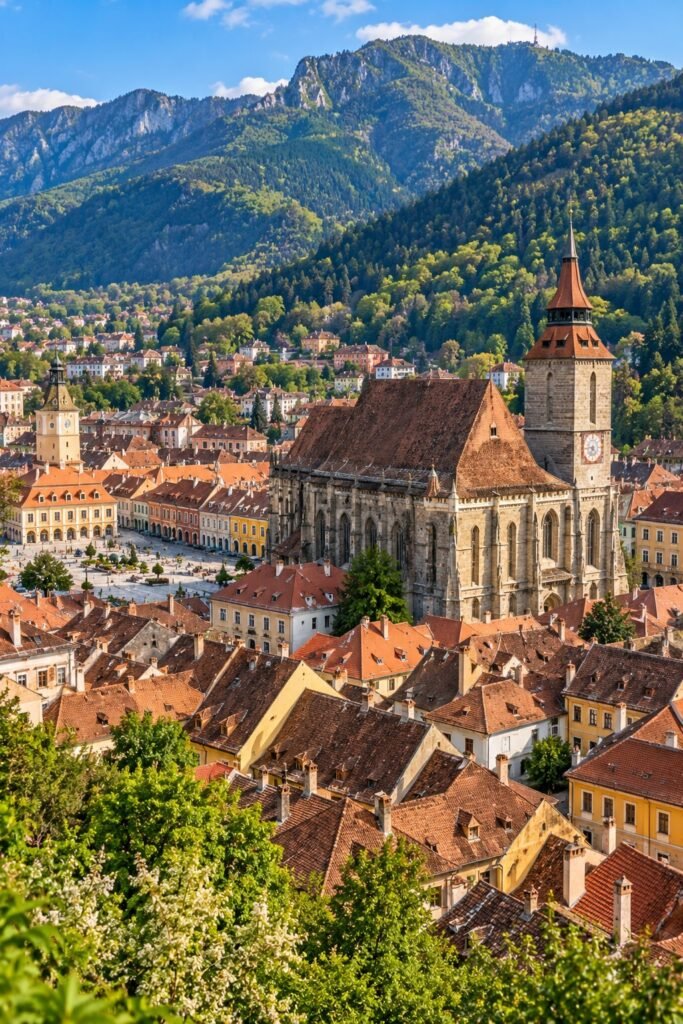
Transylvania is one of Romania’s most appealing regions. Brașov has an attractive historic center, access to the surrounding mountains, and a convenient location for visiting nearby attractions. Sighișoara is known for its colorful medieval streets, historic towers, and preserved old town.
Bran Castle is another famous stop. Its association with Dracula makes it especially popular with visitors interested in legends and Gothic history, although its real history is more complex than the stories often suggest.
Bucharest offers a different atmosphere, with grand boulevards, museums, historic churches, and modern restaurants. It can be a useful starting point if you want to combine a city break with trips into the countryside.
Travelers interested in religious architecture and traditional culture may enjoy the painted monasteries of Bucovina. The Danube Delta, meanwhile, is known for its wetlands, birdlife, waterways, and opportunities for nature focused travel.
The Transfăgărășan Highway is famous for its dramatic mountain scenery and winding roads. It is a particularly memorable drive, but seasonal closures and weather conditions mean you should check access before planning your trip around it.
Getting around
Romania has an extensive rail network connecting many major cities. Trains can be affordable, but journey times vary, and some routes are slower than travelers may expect.
A rental car can be useful for visiting small villages, countryside guesthouses, and attractions that are difficult to reach by public transport. If you rent a car, allow extra time for mountain roads and traffic, especially during busy travel periods.
For a first visit, consider concentrating on Bucharest and Transylvania rather than trying to cover the entire country in one week. Spending more time in fewer places can reduce transportation costs and make your trip less rushed.
Where to stay on a budget
Guesthouses in smaller towns can provide a more personal experience and may cost less than hotels in heavily visited destinations. Look for properties that offer breakfast or easy access to local restaurants.
In Brașov, staying within walking distance of the historic center can help you save time and transportation expenses. In rural areas, confirm whether your accommodation is close to restaurants, shops, and public transportation before booking.
Budget tip
Try traditional Romanian dishes at local restaurants instead of relying on international chains. Look for daily menus, bakeries, and neighborhood eateries, particularly outside the most touristy streets.
If you are planning several castle visits, check admission prices and opening hours in advance. Some attractions require more travel time than expected, and combining nearby stops can help you get more from a single day.
Best time to visit
May through September is generally a good period for exploring towns, castles, and mountain landscapes. Late spring and early autumn can be especially attractive if you prefer milder temperatures and fewer crowds.
Mountain weather can change quickly, so bring suitable clothing even when the forecast looks warm in the cities.
Tip
Drive carefully on mountain roads, and check road conditions before you go. If a scenic route is a major part of your itinerary, verify seasonal access and allow time for unexpected closures or weather delays.
4. North Macedonia: Lakeside Relaxation and Cultural Discoveries
Why it’s cheap
North Macedonia is one of Europe’s appealing budget destinations for travelers who enjoy lakes, historic neighborhoods, mountain scenery, and a slower pace of travel.
The country is relatively compact, which makes it possible to combine several experiences without covering enormous distances.
Accommodation and food can be affordable, particularly if you stay in guesthouses and eat at local restaurants rather than choosing the most expensive tourist establishments.
It can also be a good alternative for travelers who want a lake holiday but do not want to pay the prices associated with some of Europe’s more famous summer destinations.
What to see
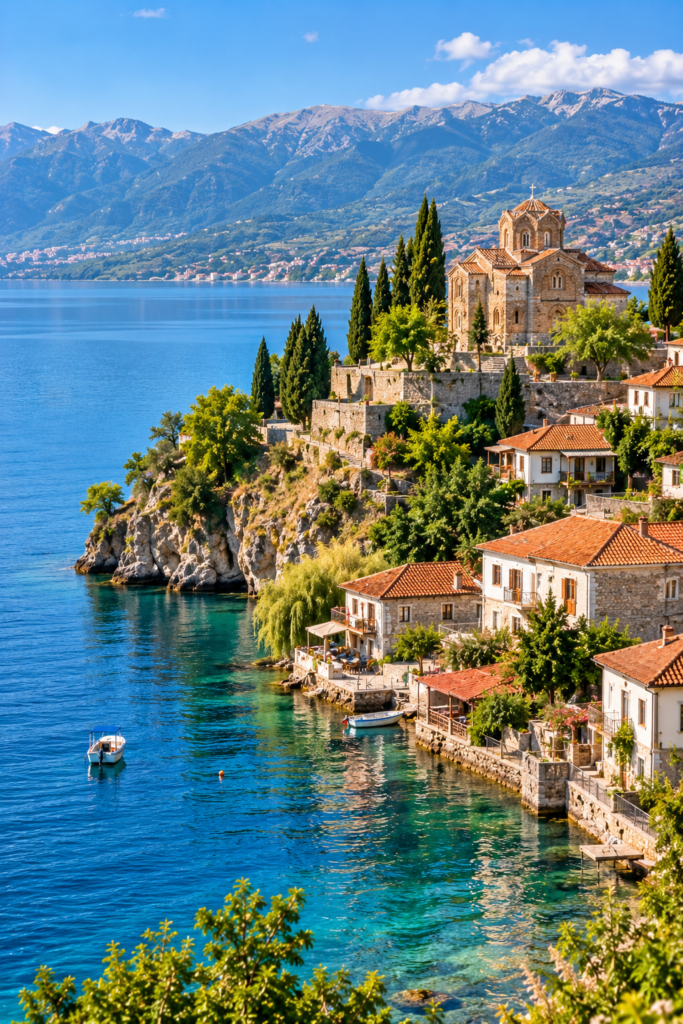
Lake Ohrid is the highlight for many visitors. The lake is known for its clear water, surrounding mountains, historic churches, and attractive old town. Its cultural and natural importance is recognized through UNESCO World Heritage status.
Ohrid is a rewarding destination for travelers who want to combine sightseeing with relaxation. You can explore narrow streets, visit historic religious buildings, enjoy lakeside walks, and spend time near the water without planning a packed schedule.
Skopje, the capital, offers a different experience. The city combines Ottoman era landmarks, traditional markets, modern public spaces, and a distinctive collection of monumental architecture. The Old Bazaar is particularly interesting for browsing shops, stopping for food, and experiencing a historic commercial district.
Matka Canyon, outside Skopje, is another worthwhile destination. Its steep cliffs, water, and surrounding greenery make it popular for walking, boat trips, and outdoor activities.
If you enjoy hiking, the country’s mountainous regions provide additional opportunities, although you should check trail conditions and transport options before heading into more remote areas.
Getting around
Buses connect Skopje, Ohrid, and other major towns. For many visitors, public transportation is sufficient for a simple itinerary built around these main destinations.
Day trips are possible from both Skopje and Ohrid, but check departure times and return options in advance. If you want to explore several remote villages or mountain areas, a rental car may provide greater flexibility.
A relaxed itinerary could include two or three nights in Skopje followed by several nights in Ohrid. This gives you time to enjoy both the city and the lake without constantly moving between accommodations.
Where to stay on a budget
Ohrid has a range of guesthouses, apartments, and small hotels. Properties a little farther from the most popular waterfront areas may offer better prices, especially during summer.
In Skopje, consider staying within walking distance of the center or close to convenient public transportation. Compare the total cost of accommodation and transport rather than choosing a property solely because its nightly rate is low.
Budget tip
Lakeside guesthouses and local restaurants offer good value. You can also save money by combining free sightseeing, walking, and relaxing by the lake with just a few paid attractions.
If you plan to take boat trips or join organized excursions, compare prices and confirm what is included. Booking several activities together is not always cheaper than arranging them separately.
Best time to visit
May through September is a good general period for lake visits, sightseeing, and outdoor activities. June and September can be particularly attractive for travelers who prefer to avoid the busiest part of summer.
If hiking is your main reason for visiting, research the specific trails and seasonal weather rather than relying on general countrywide recommendations.
Tip
Combine North Macedonia with neighboring Albania for a Balkan trip. If you plan to cross the border, check current entry requirements, transportation connections, and any documentation needed for your nationality.
5. Bosnia and Herzegovina: Historic Towns, Waterfalls, and Mountain Scenery
Why it’s cheap
Bosnia and Herzegovina is an excellent option for travelers looking for historic architecture, dramatic natural landscapes, and relatively low everyday expenses.
Food, accommodation, and local transportation can be affordable compared with many European destinations. The country also offers a variety of experiences within a manageable travel area, from atmospheric old towns to rivers, waterfalls, and mountain landscapes.
It is particularly appealing if you enjoy destinations where different cultural influences are visible in the architecture, cuisine, religious buildings, and daily life.
What to see
Sarajevo is a compelling starting point. Its historic center features traditional shops, cafes, mosques, churches, and streets that reflect the city’s diverse cultural history.
The Baščaršija old bazaar is one of the most recognizable parts of Sarajevo. It is a good place to explore on foot, browse small shops, try traditional food, and spend time in local cafes.
Sarajevo also has important museums and memorial sites that explain the city’s complex history, including the Bosnian War and the siege of Sarajevo. Allow enough time to visit these places thoughtfully rather than treating them as quick sightseeing stops.
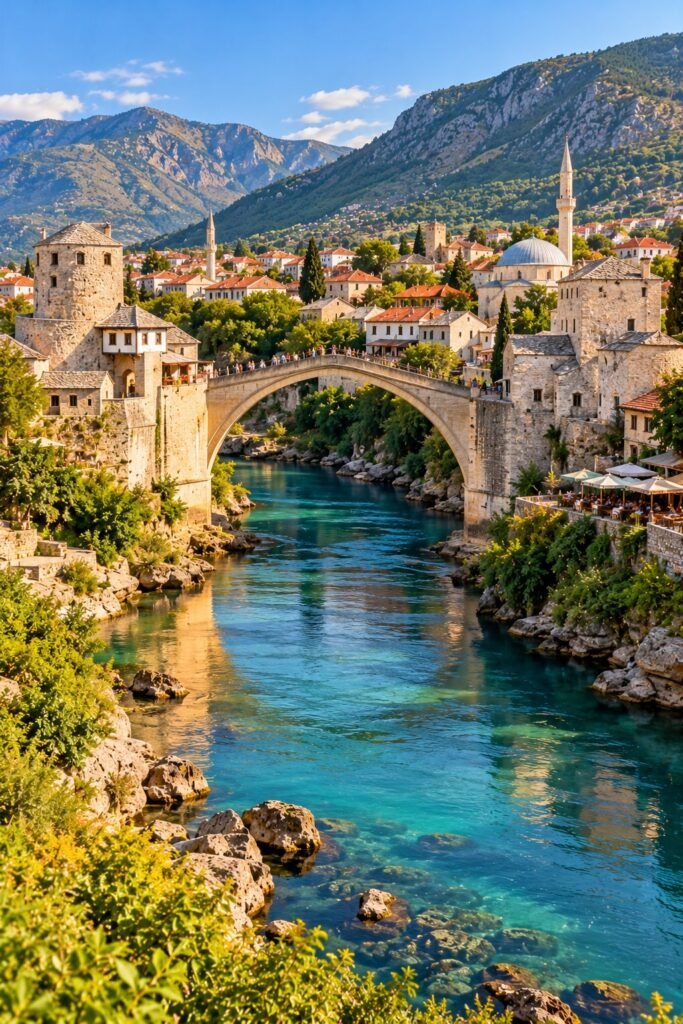
Mostar is another destination that deserves a place on your itinerary. Its famous Stari Most bridge spans the Neretva River and is surrounded by historic streets, traditional architecture, and cafes. The old town is particularly attractive for walking and photography.
For nature lovers, Kravice waterfalls offer a beautiful setting for a day trip, while nearby historic villages provide additional opportunities to explore local culture. Mountain areas also offer hiking and outdoor activities, depending on the season.
Getting around
Buses connect Sarajevo, Mostar, and many other towns. They can be a practical option for travelers who want to keep transportation expenses low.
Road journeys may take longer than expected because of winding routes and mountainous terrain. Check journey times carefully and leave some flexibility in your schedule.
For a first visit, consider staying in Sarajevo for several nights before traveling to Mostar. If you want to visit waterfalls and smaller villages, look into organized day trips or confirm that public transport will get you there and back.
Where to stay on a budget
Guesthouses and small hotels can provide good value in Sarajevo and Mostar. Staying within walking distance of the historic center may help reduce taxi costs, although properties immediately beside major tourist attractions can charge more.
If you are visiting during summer, book ahead for popular dates. Comparing cancellation policies and the total price, including taxes and fees, can help you avoid unexpected costs.
Budget tip
Local cafes and traditional restaurants can be affordable places to enjoy regional dishes. Look for neighborhood eateries rather than choosing a restaurant solely because it overlooks a major landmark.
Many of the most enjoyable experiences involve walking through historic districts, admiring architecture, and exploring public spaces. You do not need to book an expensive tour every day to appreciate the country.
Best time to visit
April through October can be a good period for sightseeing and outdoor activities, depending on the region. Spring brings greener landscapes, while early autumn can offer comfortable temperatures for exploring towns.
Summer is popular for waterfalls and outdoor trips, so check seasonal admission arrangements and transport options before visiting major attractions.
Tip
Stay on marked paths when hiking in rural areas, since some regions still have landmine warnings, and follow local guidance. Check current official safety information before venturing off established routes, particularly in remote areas.
6. Serbia: Affordable City Breaks, Nightlife, and Nature
Why it’s cheap
Serbia is worth considering if you want a European city break with lively cafes, historic landmarks, nightlife, and opportunities to explore the countryside without spending as much as you might in many Western European capitals.
Belgrade offers a wide range of accommodation and dining choices, while smaller cities can provide a quieter and sometimes less expensive alternative. Traditional food, public transportation, and local cafes can also help keep everyday expenses manageable.
Serbia is especially attractive to travelers who enjoy mixing urban experiences with outdoor activities. You can spend a few days exploring the capital before heading to historic towns, national parks, or scenic rural areas.
What to see
Belgrade is the obvious starting point for many visitors. The city is known for its lively atmosphere, historic architecture, riverfront areas, and varied dining scene.
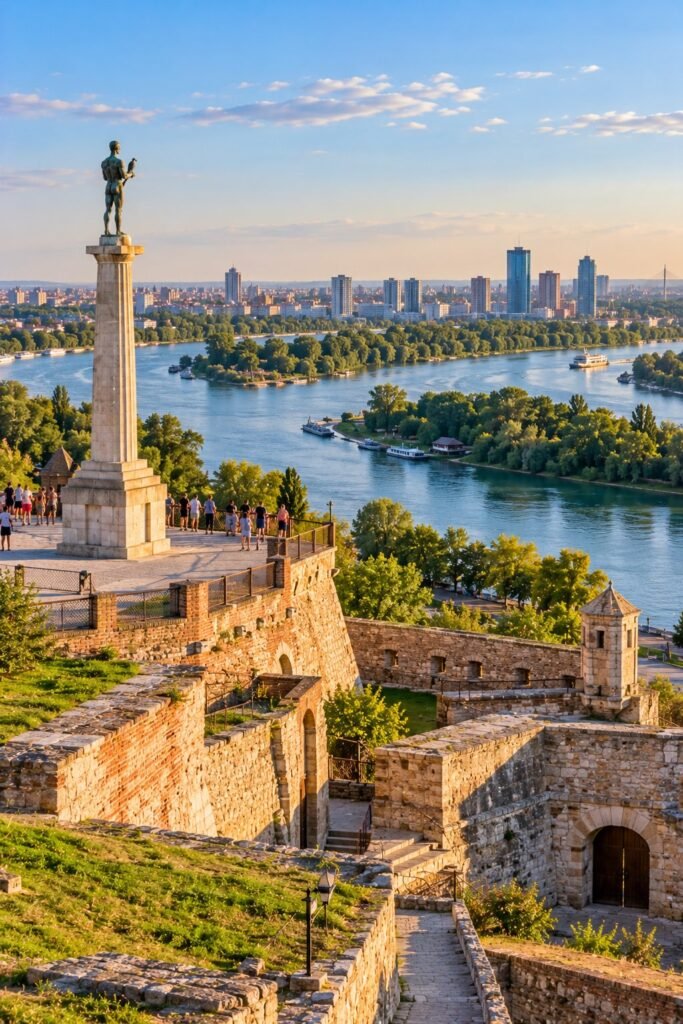
Kalemegdan Fortress is a major highlight, offering historic surroundings and views over the meeting point of the Sava and Danube rivers. The surrounding park is a pleasant place to walk and take a break from the busy streets.
Belgrade also has museums, pedestrian shopping areas, traditional restaurants, and neighborhoods with different personalities. You can spend a full day exploring on foot without paying admission to every attraction.
Novi Sad is another excellent stop. Its historic center, cafes, cultural events, and Petrovaradin Fortress make it appealing for a relaxed city break. Depending on your interests, it can also be a convenient base for exploring the surrounding region.
For outdoor scenery, Tara National Park offers forests, viewpoints, and hiking opportunities. Devil’s Town, known for its unusual rock formations, is another interesting destination, although reaching attractions outside the main cities may require more planning.
Getting around
Buses connect many cities and towns, while rail services operate on selected routes. Compare current journey times and departure points before deciding which option works best for your itinerary.
In Belgrade, walking and public transportation can cover many central attractions. Ride hailing services may be convenient for certain journeys, but check the fare and use legitimate services.
If you want to explore national parks and rural areas, research transport connections carefully. A destination that looks close on a map may take much longer to reach by road than expected.
Where to stay on a budget
In Belgrade, compare accommodation in the central districts with options in nearby neighborhoods that have convenient public transportation. Staying somewhere that allows you to walk to several attractions can reduce transport costs.
In Novi Sad, a guesthouse or small hotel within reasonable walking distance of the center can make a short stay easy to manage. Book ahead if your visit coincides with a major event or festival.
Budget tip
Eat at local restaurants and bakeries, and explore on foot. Markets, bakeries, and traditional eateries can provide affordable alternatives to restaurants aimed primarily at international visitors.
If nightlife is part of your trip, decide on a daily spending limit before going out. Drinks, taxis, and late night food can quickly become a significant part of your budget, even in a relatively affordable destination.
Best time to visit
April through October is a useful general window for sightseeing, city breaks, and outdoor activities. Spring and early autumn can be especially pleasant for walking around Belgrade and Novi Sad.
Summer can bring festivals and lively outdoor events, but accommodation demand may rise during major occasions.
Tip
Check entry requirements and travel advisories before you go, since rules can change. If you plan to travel onward to another Balkan country, verify border crossing arrangements and transportation schedules before purchasing tickets.
7. Poland: Affordable Cities, Rich History, and Excellent Food
Why it’s cheap
Poland is a strong choice for travelers who want historic cities, cultural attractions, good public transportation, and a varied food scene without paying the prices common in many Western European destinations.
It can cost more than some Balkan countries, especially in central areas of popular cities or during major events. However, careful planning can still make Poland a good value for a European holiday.
One advantage is that the country has several attractive cities, each with its own character. You can build a trip around historic architecture, museums, local cuisine, coastal scenery, or mountain landscapes rather than spending your entire visit in one place.
What to see
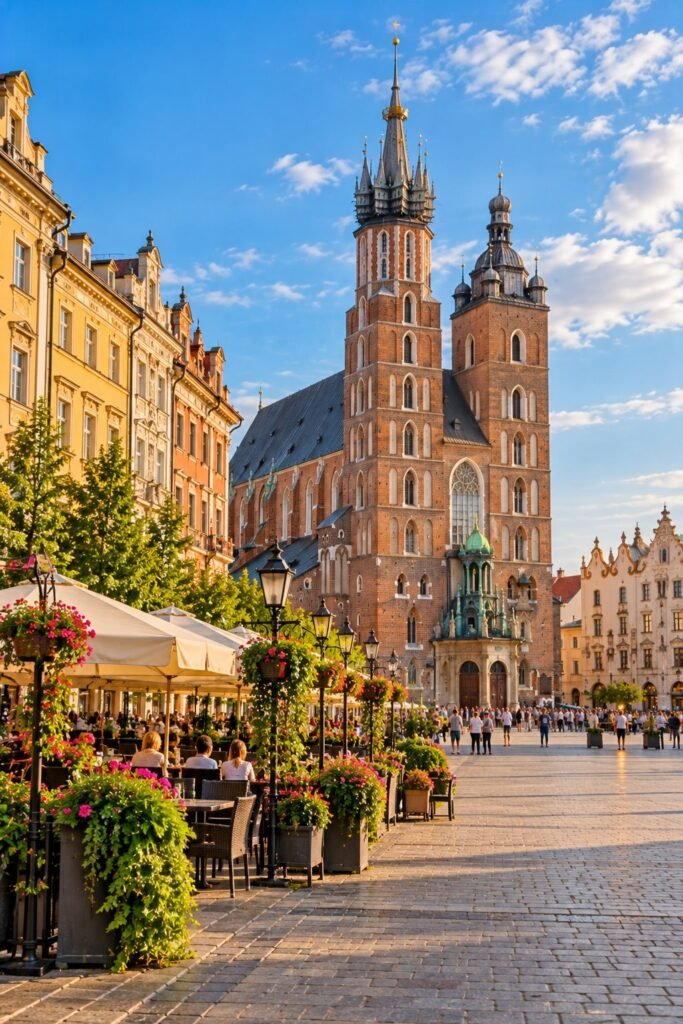
Kraków is one of the most popular destinations for a reason. Its historic center features an impressive main square, traditional streets, churches, cafes, and access to Wawel Castle. The city is easy to explore on foot, which can help reduce transportation expenses.
Warsaw offers a different atmosphere. Its rebuilt historic center, museums, parks, modern neighborhoods, and restaurants make it an appealing destination for travelers interested in history and contemporary city life.
Gdańsk is worth considering if you prefer coastal scenery and historic waterfront streets. Its architecture, maritime history, and proximity to the Baltic coast make it a useful addition to a longer itinerary.
If you enjoy mountain scenery, Zakopane provides access to the Tatra Mountains, walking routes, and outdoor activities. It can be especially popular during holidays, so accommodation prices and transport availability should be checked in advance.
Auschwitz-Birkenau, near Oświęcim, is an important and sobering memorial site documenting the atrocities of the Holocaust. If you plan to visit, allow adequate time, prepare yourself for the nature of the experience, and follow the site’s visitor guidance. Advance reservations may be required, depending on the visit.
Getting around
Poland has a well developed network of trains and buses connecting major cities. Train travel can be particularly convenient for a multi city itinerary, although journey times and fares depend on the route and service.
Book popular journeys early when possible, and compare ticket conditions before purchasing. The cheapest ticket is not always the most flexible if your plans change.
Within cities, trams, buses, and metro services where available can make sightseeing straightforward. Walking is also practical in many historic centers.
Where to stay on a budget
Hostels, apartments, guesthouses, and budget hotels are widely available in major cities. Staying just outside the most expensive historic districts can reduce costs, especially if the property is close to public transportation.
If you are visiting several cities, consider the cost of accommodation alongside train fares. Spending an extra night in one location may be cheaper and more relaxing than moving every day.
Budget tip
Eat at milk bars, traditional cafeterias serving inexpensive Polish meals. They can be a practical way to sample local food without paying restaurant prices at major tourist attractions.
You can also save money by visiting parks, walking through historic districts, and choosing a few museums or paid attractions that genuinely interest you. Research free admission days where available, but confirm schedules before relying on them.
Best time to visit
May through September is generally a good period for city sightseeing, coastal visits, and mountain trips. Late spring and early autumn can offer comfortable weather without the busiest summer crowds.
Winter can also be rewarding for travelers interested in festive markets and snowy mountain scenery, although cold weather and seasonal demand can affect your plans.
Tip
Book trains in advance for the best fares. For popular destinations, also compare accommodation prices across weekdays and weekends, since a short city break can become more expensive when your dates coincide with major events.
8. Hungary: Thermal Baths, Historic Streets, and Affordable City Breaks
Why it’s cheap
Hungary, particularly outside the most expensive parts of Budapest, can offer good value compared with many Western European destinations. The country is known for its thermal baths, historic architecture, wine regions, and traditional cuisine.
Budapest is often the main attraction for first time visitors, and it can be a rewarding destination even if you are traveling on a limited budget. The city has beautiful river views, historic neighborhoods, public transportation, markets, and many places to explore on foot.
However, Hungary is not equally inexpensive everywhere. Popular hotels, riverfront restaurants, and central tourist attractions can cost considerably more than everyday establishments in residential neighborhoods.
What to see
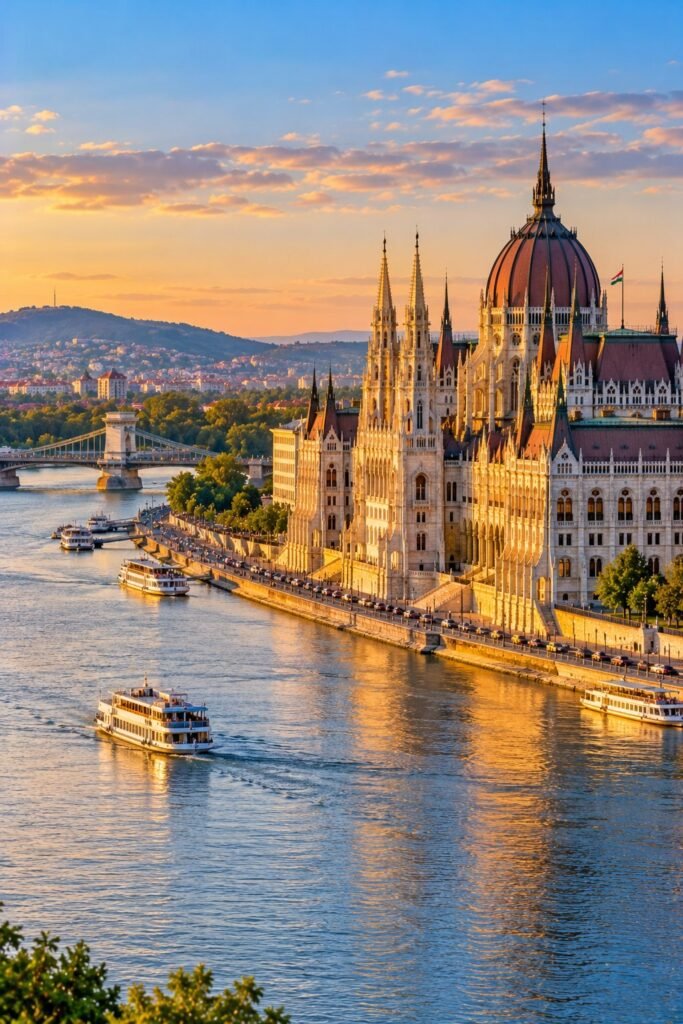
Budapest is the natural starting point. The Danube divides the city into Buda and Pest, creating a dramatic setting for historic buildings, bridges, and riverside walks.
Buda Castle, Fisherman’s Bastion, and the surrounding historic district offer excellent opportunities for sightseeing and photography. On the Pest side, you can explore grand boulevards, markets, cafes, and the impressive Hungarian Parliament Building.
Thermal baths are one of Budapest’s signature experiences. Spending a few hours in the city’s historic bathing complexes can be a memorable part of a visit, but entrance prices vary by venue, date, and ticket type. Check the current rates before deciding which bath to visit.
Beyond the capital, Eger is known for its historic center, wine culture, and castle. Lake Balaton is another appealing option, particularly for summer trips involving lakeside relaxation, cycling, and visits to nearby towns.
If you are planning a winter holiday, my 6 best winter getaway ideas for couples guide covers Budapest in winter.
Getting around
Budapest has an extensive public transportation network, including metro lines, trams, and buses. Buying the appropriate ticket or travel pass can be cheaper than paying for individual journeys, depending on how frequently you travel.
Walking is practical in many central areas, although some attractions are separated by the river or involve uphill routes. Use public transportation when it saves time or energy.
Trains and buses connect Budapest with other parts of Hungary. If you plan to visit Lake Balaton or Eger, check journey times and return options before arranging day trips.
Where to stay on a budget
In Budapest, compare accommodation in central districts with options farther out that have good public transportation. A hotel or apartment near a metro station can be more convenient than a cheaper property requiring several transfers.
If you plan to spend time outside the capital, consider staying overnight in smaller towns rather than returning to Budapest after every excursion. This can make the itinerary more relaxed and may reduce transportation costs.
Budget tip
Visit thermal baths on weekdays and buy tickets online when possible. Compare admission options carefully, since lockers, cabins, and additional services may affect the final price.
For meals, explore local markets, bakeries, and neighborhood restaurants. You can also enjoy Budapest’s architecture and river views without booking expensive tours, particularly if you are happy to explore on foot.
Best time to visit
April through October is generally a good period for city sightseeing and exploring the countryside. Spring and autumn can offer comfortable temperatures for walking, while summer is attractive for Lake Balaton.
Winter is worth considering if you enjoy seasonal markets, thermal baths, and festive city breaks. Compare accommodation prices and event dates before booking.
Tip
Watch for tourist traps in central Budapest, and check menus and prices before sitting down. Choose restaurants with clearly displayed prices, confirm any additional charges, and check the current public transportation fares before traveling.
How We Think About “Cheap”
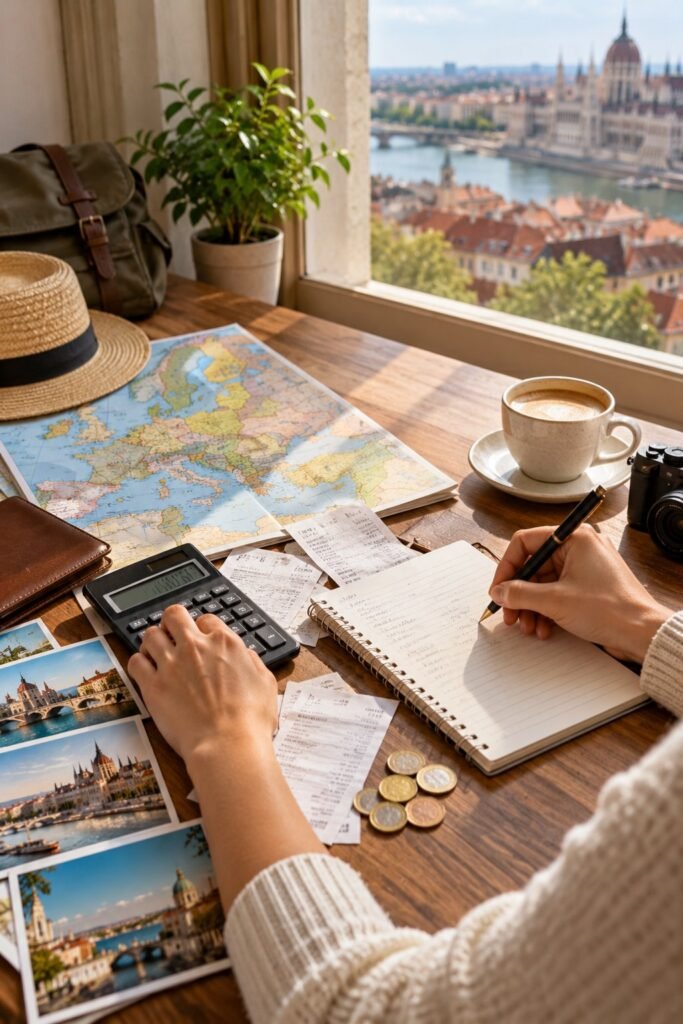
A cheap country isn’t just about low prices. It is about how much you can comfortably do with the money you have available.
A destination might have inexpensive hotels but costly flights. Another country might have slightly higher restaurant prices but excellent public transportation that saves you money throughout the trip. The best budget destination is the one that gives you the experiences you want without stretching your finances.
When comparing countries, I recommend looking at five main expenses.
1. Accommodation
Accommodation is often one of the biggest costs of a European holiday. Compare guesthouses, hostels, apartments, and budget hotels rather than assuming a hotel is always the best choice.
Think about location as well as the nightly rate. A cheaper room far outside the center may require additional transportation expenses, while a modestly priced room within walking distance of the main attractions could offer better overall value.
2. Food and drinks
Eating at local restaurants, bakeries, markets, and neighborhood cafes can help you experience regional cuisine while keeping your daily spending manageable.
You do not have to avoid restaurants entirely to save money. Instead, consider having a larger meal at lunchtime when affordable set menus may be available, then choosing something simple in the evening.
3. Transportation
Look at the cost of getting from the airport to your accommodation, traveling between cities, and reaching attractions outside the main tourist areas.
A country with cheap buses and trains may be more convenient for travelers without a rental car. If you need a car to reach remote locations, include fuel, parking, insurance, and rental charges in your calculations.
4. Activities and sightseeing
Some of Europe’s most memorable experiences are free or inexpensive. Walking through a historic neighborhood, visiting a public park, enjoying a scenic viewpoint, or exploring a local market can make a trip feel full without requiring a large sightseeing budget.
Paid attractions can still be worthwhile. Choose the museums, historic sites, guided tours, and activities that matter most to you instead of trying to see everything.
5. Season and location
Prices can change dramatically depending on when and where you travel. Coastal destinations may be expensive during school holidays, while major cities can see higher rates during conferences, festivals, and special events.
Traveling in the shoulder season, staying outside the busiest districts, and booking early when appropriate can all make a difference.
Ultimately, Albania, Bulgaria, North Macedonia, and Bosnia and Herzegovina are particularly attractive if keeping costs low is your main priority. Romania, Serbia, Poland, and Hungary can also offer excellent value, especially when you choose your destinations and travel dates carefully.
How to Travel Cheaply in Europe
Once you have chosen a country, a few practical decisions can help you reduce expenses without making your trip uncomfortable.
Travel During the Shoulder Season
The shoulder season refers to the periods just before or after the busiest travel months. In many European destinations, spring and early autumn offer a useful balance of pleasant weather, manageable crowds, and potentially lower prices.
For beach destinations, May, June, and September can be worth considering. For cities and historic towns, spring and autumn often provide comfortable conditions for walking and sightseeing.
The best dates depend on the destination. Check local holidays, major events, and seasonal opening hours before booking.
Choose Accommodation Carefully
Look beyond the nightly rate and compare what each property includes. Breakfast, kitchen access, free cancellation, parking, and proximity to public transportation can all affect the total cost.
If you are traveling with friends or family, an apartment may offer good value when the cost is divided among several people. Solo travelers may find that hostels or small guesthouses are more economical.
Read recent reviews and check the exact location before paying. Saving a small amount on a room is not worthwhile if the location creates expensive or inconvenient daily journeys.
Eat Where Local Residents Eat
Restaurants beside major attractions often charge more than establishments on nearby residential streets. Walk a little farther from the busiest squares and waterfront areas to compare menus and prices.
Local bakeries and markets can be useful for breakfast, snacks, and food to take on day trips. If your accommodation has a kitchen, preparing a few simple meals may help reduce expenses further.
At the same time, make room in your budget for regional dishes that you genuinely want to try. Food is an important part of discovering a destination, and saving money does not mean avoiding every memorable meal.
Use Public Transportation
Buses, trams, and trains can be much more affordable than taxis or rental cars in many cities. Before arriving, check whether the destination offers daily passes, multi journey tickets, or discounted fares.
For travel between cities, compare departure stations, journey times, baggage rules, and cancellation conditions. Book early when lower fares are available, but avoid buying nonrefundable tickets before your plans are reasonably firm.
Walking is another excellent way to save money. Many historic centers are compact, and exploring on foot often reveals small streets, local shops, and quiet corners that you might otherwise miss.
Look for Free Attractions
You can build a satisfying itinerary around public spaces, historic districts, viewpoints, markets, and walking routes.
Many cities have free museums or designated free admission periods, although availability varies. Check official attraction websites before visiting rather than assuming every museum has the same policy.
If you enjoy guided walking tours, check the payment arrangements carefully. Some operate on a tip based model, so a contribution may still be expected.
Compare Flights and Total Journey Costs
A low airfare does not always mean a cheap trip. An airport far from the city, expensive baggage fees, or an inconvenient arrival time can increase your overall costs.
Compare the total journey, including airport transfers and any overnight accommodation needed because of flight schedules.
If you are traveling to several countries, compare the cost of flying between them with the cost of buses and trains. The best choice depends on your route, baggage, and how much time you have.
For more ideas, my cheap weekend getaways for couples guide covers budget planning, and my airport carry on essentials guide helps you avoid baggage fees.
Set a Daily Spending Budget
Before your trip, estimate how much you can comfortably spend each day. Separate essential expenses such as accommodation and transportation from optional costs such as shopping, nightlife, and paid excursions.
You can then adjust your plans before overspending. If you choose a more expensive activity one day, balance it with a relaxed day of walking and free sightseeing.
Keep a small reserve for unexpected expenses, such as transport changes, medical needs, or an extra night’s accommodation. A realistic budget should include room for surprises rather than assuming everything will go exactly as planned.
Check Payment Methods Before You Leave
Card acceptance varies between businesses and regions. Major hotels and restaurants may accept cards, while smaller establishments in rural areas may prefer cash.
Check foreign transaction fees with your bank and understand how to access local currency. If you use an ATM, review the displayed fees and conversion options before confirming the transaction.
It is also sensible to carry a backup payment method and keep it separate from your main wallet.
Safety and Practical Tips
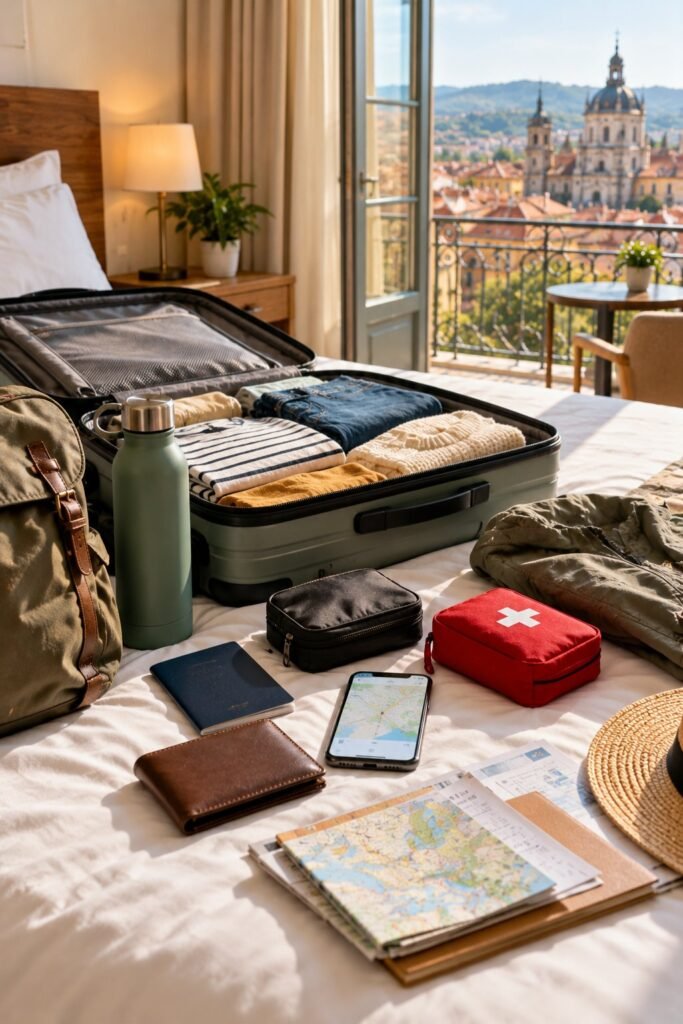
Affordable travel is most enjoyable when you feel prepared. These practical precautions can help you avoid unnecessary problems while exploring Europe.
Protect your belongings. Keep an eye on your phone, wallet, and bags in crowded markets, train stations, public transportation, and busy tourist areas. Use accommodation safes when available and avoid keeping all your cash and cards in one place.
Use reliable transportation. Use official taxis or reputable ride hailing services where available. Confirm the fare or pricing method before starting your journey, and check public transportation schedules when traveling late at night.
Check entry requirements. Visa rules and passport requirements depend on your nationality, destination, and travel dates. Confirm current requirements through official government sources before booking nonrefundable flights or accommodation.
Consider travel insurance. A suitable policy can help cover certain unexpected medical expenses, trip interruptions, lost baggage, and other covered events. Read the terms carefully so you understand exclusions and coverage limits.
Plan for local weather. Mountain regions can experience sudden weather changes, while summer temperatures can be uncomfortable in cities and along the coast. Pack clothing appropriate for your activities and check local forecasts before outdoor excursions.
Respect local customs. Dress appropriately when visiting religious buildings, follow photography rules at museums and memorials, and observe local expectations in residential neighborhoods.
Take care on rural roads and trails. Road conditions and lighting vary, especially outside major cities. Check driving requirements before renting a car, and use marked trails when hiking. In areas with landmine warnings, follow official safety guidance and never leave established safe routes.
Keep important information accessible. Save your accommodation address, travel documents, emergency contacts, and transportation details somewhere you can access if your phone battery runs out. Keep secure copies of important documents separate from the originals.
Finally, check current travel advisories before departure. Conditions can change, and general advice about a country should never replace up to date information for the specific places you plan to visit.
Frequently Asked Questions
What is the cheapest country in Europe to visit?
Albania, Bosnia and Herzegovina, and North Macedonia are frequently considered among Europe’s more affordable destinations. They offer relatively low everyday costs in many areas, along with beaches, historic towns, lakes, and mountain scenery.
However, the cheapest choice for you depends on flight prices, the season, accommodation, and how you plan to travel. Compare the total cost of your itinerary rather than relying on a single country’s reputation for affordability.
Is the cheapest country also the best for budget travelers?
Not necessarily. A destination with very low hotel prices may have limited transportation connections, meaning you spend more on taxis or rental cars.
Slightly more expensive countries can offer better transport networks, convenient connections, and more opportunities to explore without paying for organized tours. The best option is the one that balances cost, convenience, safety, and the experiences you want.
What’s the cheapest time to visit Europe?
Shoulder seasons, especially spring and autumn, often offer a good balance of lower prices and comfortable sightseeing conditions.
The ideal month depends on your destination. Beach resorts may be more affordable outside peak summer, while winter can offer value in some cities and mountain destinations. Always compare actual prices for your dates because festivals, school holidays, and major events can affect costs.
Is Eastern Europe safe for tourists?
Safety varies by destination and circumstance, but many of the countries in this guide welcome large numbers of international visitors. Common precautions include protecting your belongings, using reliable transportation, respecting local laws, and checking current travel advisories.
If you plan to hike, drive, or visit remote areas, research the specific risks and local conditions. In parts of Bosnia and Herzegovina, for example, landmine warnings make it especially important to remain on marked routes and follow official guidance.
Can I combine several of these countries in one trip?
Yes. Several Balkan destinations can be combined into a longer itinerary, particularly Albania and North Macedonia. Other regional combinations may also work depending on your interests and available travel time.
Before planning a multi country trip, compare border crossing requirements, transportation schedules, and journey times. Direct connections are not available on every route, and a journey that looks short on a map may take several hours.
For a one week holiday, choosing one or two countries is often more relaxing than trying to visit four or five. You will spend less time in transit and more time enjoying each destination.
How much money should I budget for a cheap European trip?
There is no single daily budget that works for every traveler. Your expenses depend on the destination, season, accommodation type, transport choices, food preferences, and planned activities.
Start by calculating flights and accommodation, then add daily estimates for meals, local transportation, admission fees, and personal spending. Include travel insurance and a reserve for unexpected costs.
Research current prices for your exact dates rather than relying on older online budget estimates. This is particularly important in popular coastal areas and capital cities, where prices can change significantly.
Is it cheaper to stay in a city or a smaller town?
Smaller towns can offer lower accommodation prices, especially outside major tourist centers. However, staying outside a city may increase transportation costs if you need to travel into the center every day.
Compare the combined cost of lodging and transport. If you want to visit several museums and historic attractions, staying centrally may be worth the extra expense. If you prefer nature, beaches, or a slower pace, a smaller town may be a better fit.
Should I book everything in advance when traveling on a budget?
Booking ahead can help you secure better choices for flights, popular train journeys, and accommodation during busy periods. It is especially useful when visiting well known coastal destinations in summer or attending major events.
However, flexibility can also be valuable. Compare cancellation policies and avoid paying for nonrefundable reservations before your travel plans are firm. A balanced approach is to reserve the essential parts of your trip and leave some room for spontaneous activities.
Final Thoughts
Traveling cheaply in Europe doesn’t mean settling for less. The continent offers plenty of destinations where beautiful scenery, fascinating history, memorable food, and welcoming local communities can be enjoyed without the costs associated with its most expensive tourist hotspots.
Albania is an appealing option for travelers dreaming of beaches and mountain scenery. Bulgaria combines affordable cities with historic landmarks and Black Sea resorts.
Romania offers medieval towns and dramatic landscapes, while North Macedonia is ideal for lake views and a slower pace.
Bosnia and Herzegovina combines cultural depth with impressive natural attractions, and Serbia offers lively city breaks alongside opportunities to explore the countryside.
Poland and Hungary may cost a little more in popular areas, but both provide excellent opportunities for exploring historic cities, sampling regional food, and enjoying cultural attractions on a carefully planned budget.
My advice is to choose your destination based on what you most want from the trip. If you love the sea, focus on the coast and travel outside the busiest summer weeks.
If history and architecture interest you, choose a city with plenty of walkable attractions. If you prefer nature, look for guesthouses and towns that provide convenient access to hiking trails, lakes, or mountain scenery.
Plan your major expenses, compare transportation options, and leave enough flexibility in your budget for the experiences that matter most to you. You do not need to visit every famous landmark or move between cities every day to have a wonderful European holiday.
Sometimes, the most rewarding trips are the ones where you spend a little longer in one place, discover a local restaurant, wander through an old neighborhood, or find a beautiful viewpoint that was never part of your original plan.
If you’re planning more European travel, my 15 best places to visit in France guide and Spain in one week: six different itineraries guide are good next reads. With thoughtful planning, you can explore more of Europe, enjoy meaningful experiences, and keep your travel budget under control.