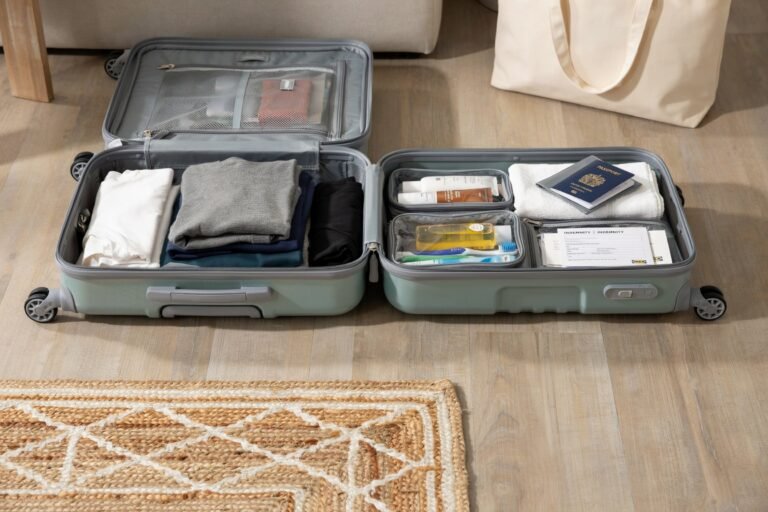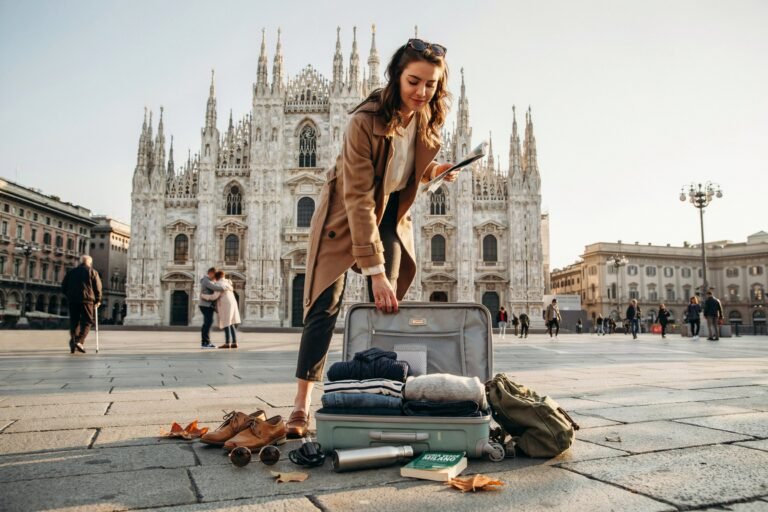
Traveling to Italy is a dream for many people.
From the romantic canals of Venice to the ancient streets of Rome and the breathtaking Amalfi Coast, Italy offers a mix of history, fashion, culture, and unforgettable food.
But here’s the truth most travelers realize too late — packing for Italy is not as simple as throwing clothes into a suitcase.
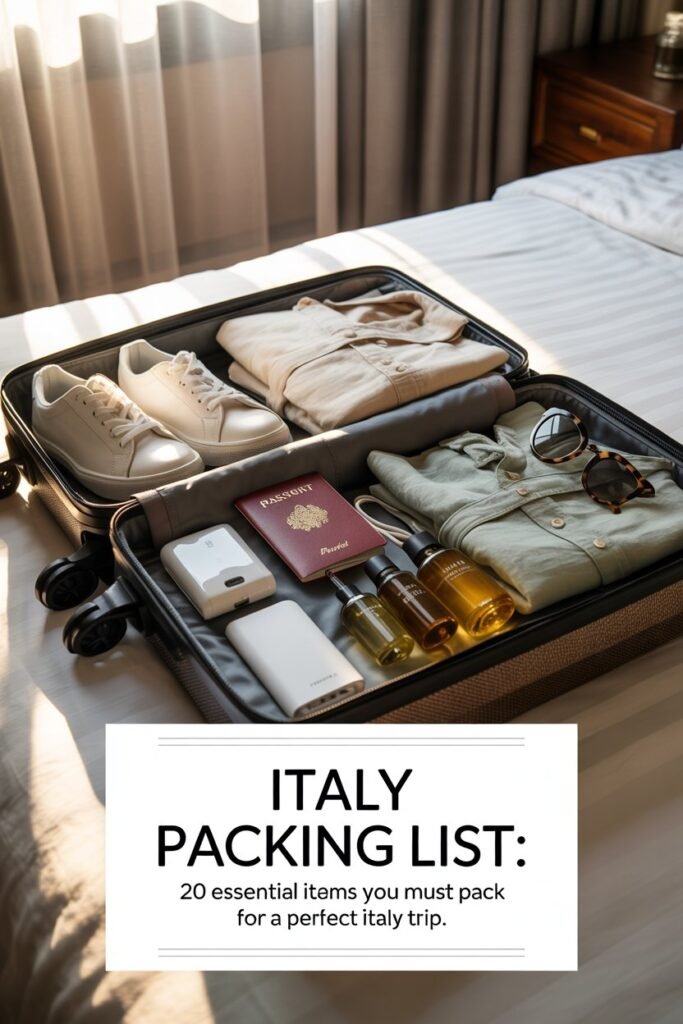
The country has different weather zones, walking-heavy cities, strict fashion culture, and plenty of “I wish I brought that” moments.
This guide gives you a complete Italy packing list with 20 essential items, plus expert travel tips to help you pack smart, travel light, and enjoy your trip without stress.
Disclaimer: This post may contain affiliate links, which means I may earn a small commission at no extra cost to you. Packing needs may vary depending on the season, destinations, and travel style. Always check local weather forecasts and airline baggage requirements before your trip.
Amazon Shopping List: Italy Packing List – 20 Essential Items You Must Pack for a Perfect Italy Trip
- Lightweight Carry-On Suitcase (Hard Shell)
- Packing Cubes Travel Organizer Set
- Comfortable Walking Shoes for Cobblestone Streets
- Anti-Theft Crossbody Travel Bag
- Portable Luggage Scale
- Universal Travel Adapter (Europe Compatible)
- Foldable Daypack Backpack
Why Packing Smart for Italy Matters
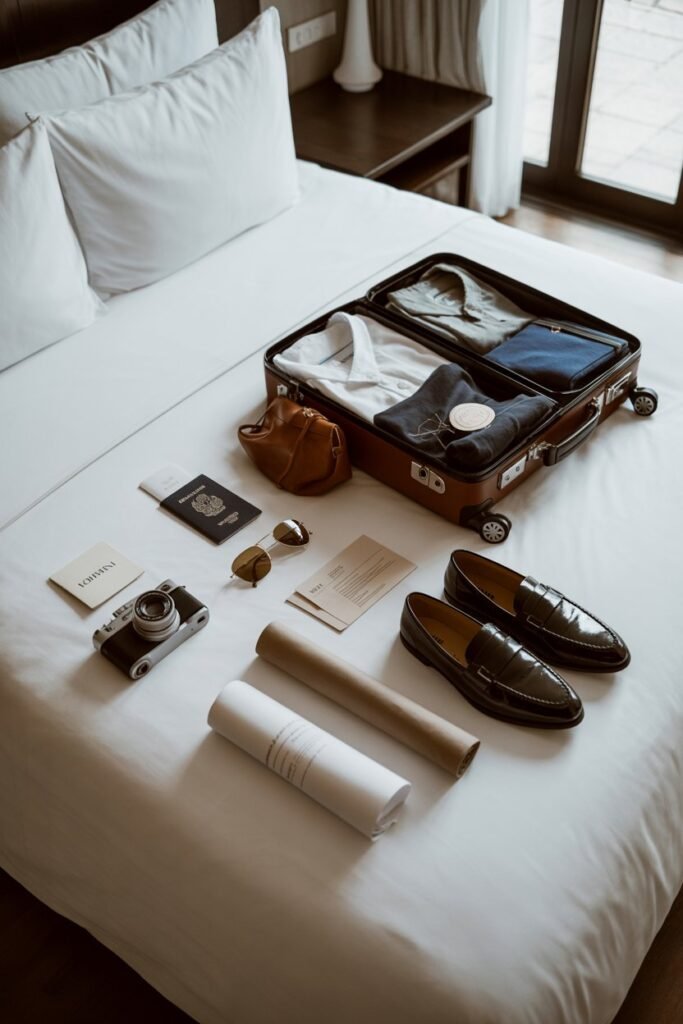
Before we jump into the list, it’s important to understand why Italy requires thoughtful packing:
Italy is a country where:
- You walk a LOT (cobblestones, hills, historic centers)
- Weather changes by region and season
- Churches require modest dress codes
- Fashion style is noticeably more polished
- Pickpocketing can happen in tourist hotspots
So your packing strategy should balance:
comfort + style + safety + versatility
Complete Italy Packing List: 20 Essential Items
Planning a trip to Italy is exciting, but packing the right way can make all the difference between a smooth, enjoyable journey and a stressful one.
From walking through ancient streets in Rome to exploring the canals of Venice and the coastal beauty of the Amalfi Coast, you’ll need more than just clothes in your suitcase.
This guide breaks down the 20 essential items to pack for Italy trips so you can travel light, stay comfortable, and be fully prepared for every moment of your adventure.
1. Comfortable Walking Shoes (Your Most Important Travel Item)
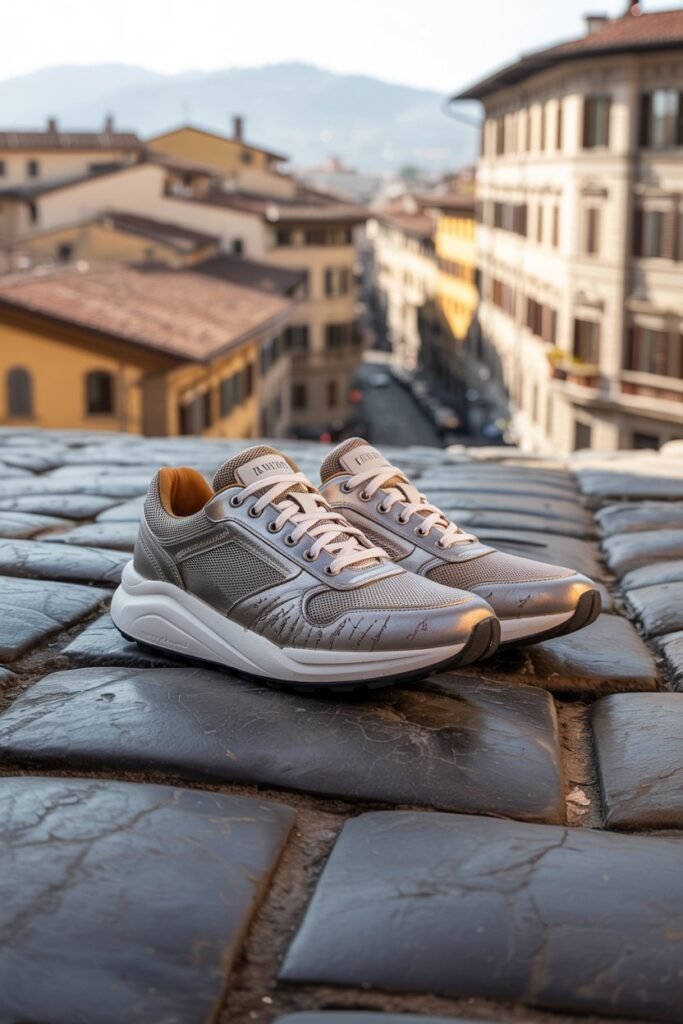
If there is one item you should never compromise on, it is your shoes.
Traveling through Italy means spending long hours on your feet.
Whether you’re exploring Rome’s ancient ruins, climbing Florence’s viewpoints, or walking across Venice’s bridges, you’ll easily clock 15,000–25,000 steps per day.
And the challenge? Most of these paths are made of uneven cobblestones, stone pavements, and steep walkways.
What to pack:
- Supportive walking sneakers with cushioned soles
- Lightweight shoes with good grip
- Comfortable flats (for evenings or light walking)
- Shoes you’ve already broken in (very important)
What to avoid:
- Brand-new shoes (they cause blisters quickly)
- High heels for sightseeing
- Thin-soled fashion shoes with no support
In Italy, comfort is not optional — it’s what allows you to actually enjoy your trip.
2. Lightweight, Versatile Clothing (Mix-and-Match Essentials)
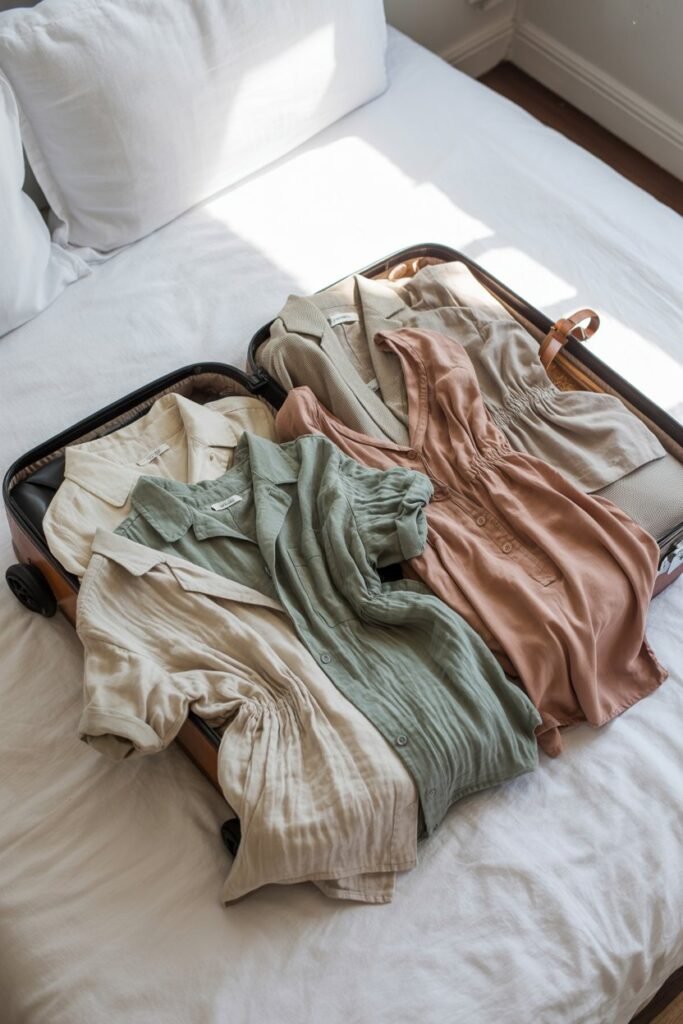
Packing for Italy is all about smart, breathable, and versatile clothing. You don’t need a large wardrobe — you need the right pieces that work together.
Italy’s weather can shift depending on the region and season, so lightweight clothing helps you stay comfortable while exploring.
What to pack:
- Cotton and linen tops
- Neutral-colored T-shirts
- Lightweight trousers or jeans
- Midi skirts or casual dresses
- Breathable shorts (summer trips)
Style tip:
Italian fashion leans toward simple elegance. Neutral colors like white, beige, black, and navy help you:
- Mix outfits easily
- Look more put-together
- Pack lighter without repeating obvious outfits
Think “effortless and clean” rather than “overpacked and trendy.”
3. Smart Layering Jacket (For Weather Changes & Evenings)

Even if you travel during warm months, Italy can surprise you with cool mornings, breezy evenings, or temperature shifts between cities.
That’s why a smart layering jacket is essential.
Best options:
- Lightweight trench coat (stylish and practical)
- Denim jacket (casual city look)
- Thin insulated jacket (for colder months)
Why it matters:
- Churches and indoor attractions can feel cool
- Coastal areas like Amalfi get breezy at night
- Northern cities can be significantly colder than the south
A good jacket doesn’t just keep you warm — it also upgrades your entire travel outfit instantly.
4. Travel Adapters & Charging Essentials (Stay Powered Everywhere)
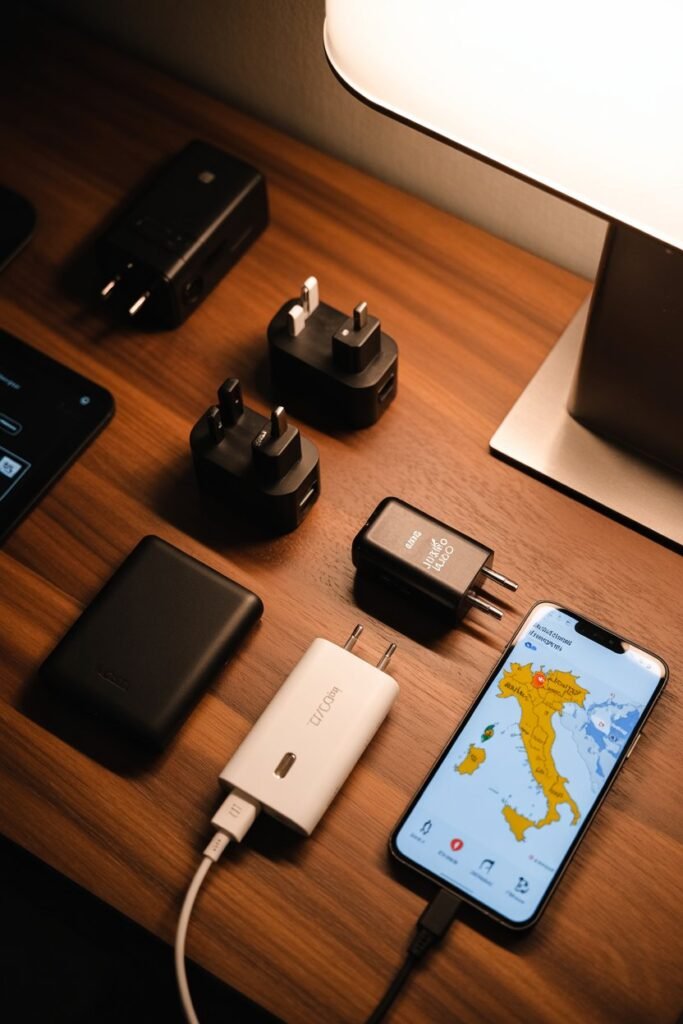
One of the most frustrating travel problems is a dead phone — especially when you rely on maps, tickets, and translation apps.
In Italy, plug types differ from many countries, so you must come prepared.
What you need:
- Universal travel adapter (supports Type C, F, and L plugs)
- Phone charger (preferably long cable for hotel convenience)
- High-capacity power bank (10,000–20,000 mAh recommended)
Why it’s essential:
- You’ll use navigation constantly
- You’ll take hundreds of photos daily
- You’ll book tickets and reservations on the go
Staying charged means staying stress-free.
5. Anti-Theft Crossbody Bag (Safety Meets Style)
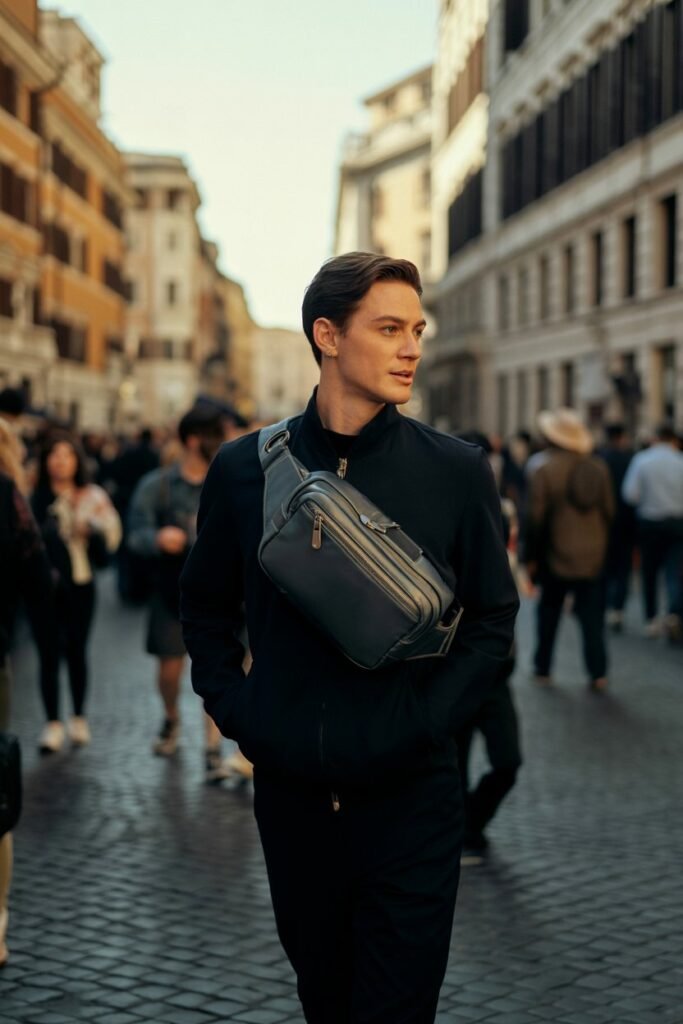
Italy is generally safe, but in busy tourist areas like train stations, metro lines, and landmarks, pickpocketing can happen — especially when travelers are distracted.
That’s why a secure, well-designed bag is essential.
What to look for:
- Crossbody strap for hands-free security
- Strong zippers (not open-top bags)
- Hidden compartments for valuables
- Lightweight but durable material
Why it matters:
A good travel bag helps you:
- Keep your passport and money secure
- Move comfortably through crowded areas
- Travel with peace of mind
The goal is simple: stay stylish while staying secure.
6. Travel Documents Organizer (Keep Everything Safe & Accessible)
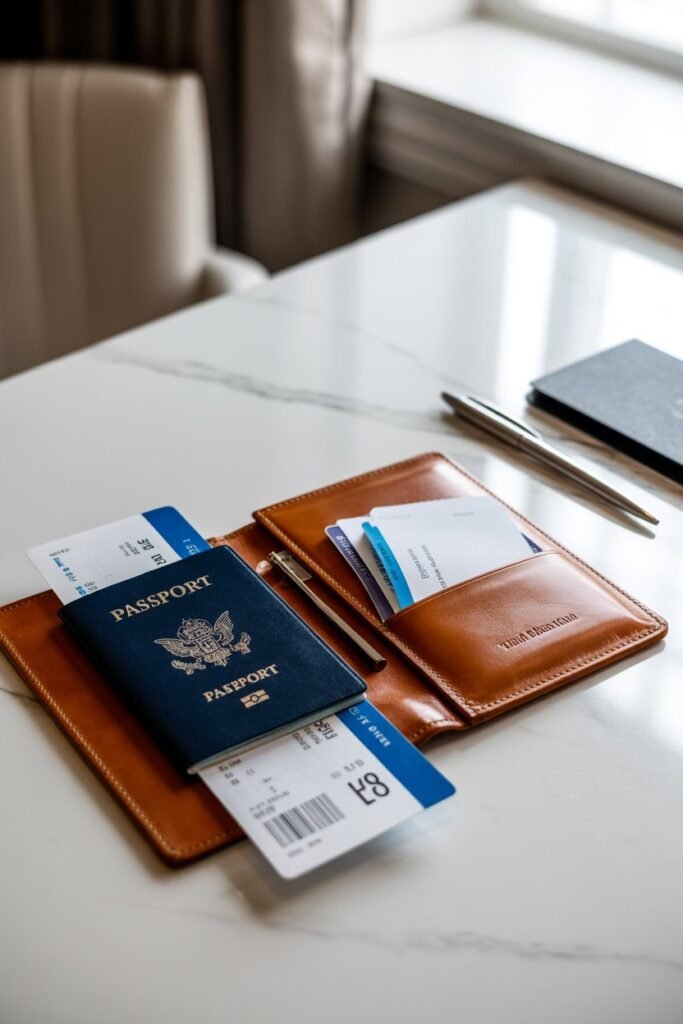
When traveling to Italy, your documents are just as important as your clothes. Losing track of them can quickly turn a dream trip into a stressful situation.
A travel documents organizer helps you keep everything in one secure, easy-to-reach place.
What to include:
- Passport
- Visa or entry documents (if required)
- Flight tickets or boarding passes
- Hotel confirmations
- Travel insurance documents
- Emergency contact list
Why it matters:
- Reduces stress at airports and hotels
- Helps you stay organized during multiple city trips
- Prevents last-minute panic searching
Pro tip: Always keep both printed and digital copies stored separately.
7. Travel Insurance (Essential Protection for Peace of Mind)
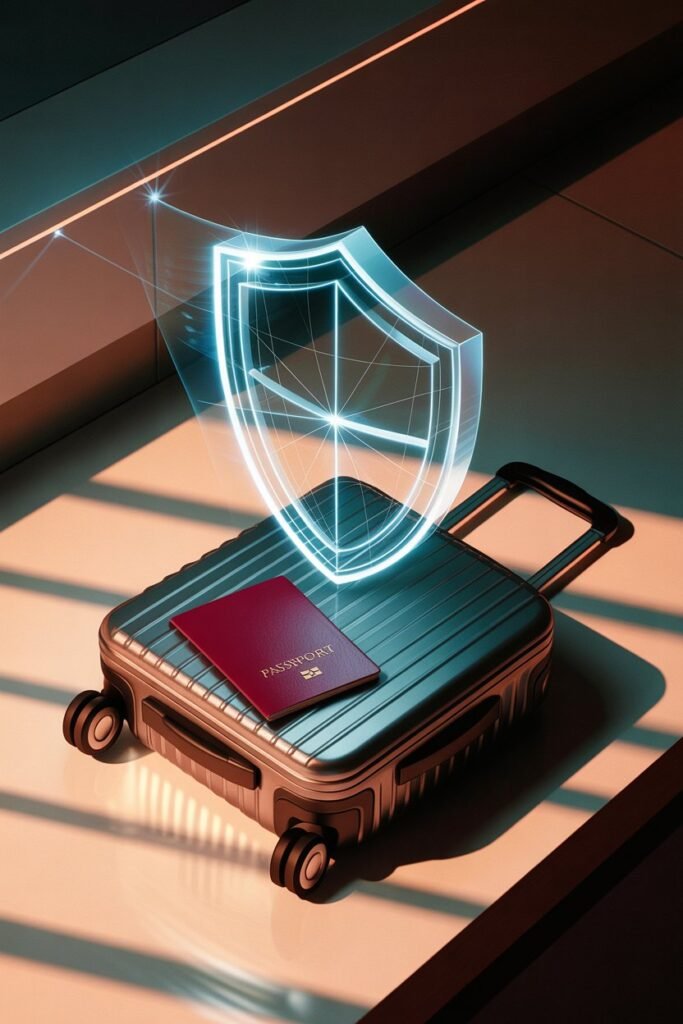
Travel insurance is one of those things many travelers overlook — until they actually need it.
Before heading to Italy, ensure you have valid coverage that protects you throughout your journey.
Good travel insurance should cover:
- Medical emergencies
- Trip cancellations or delays
- Lost or delayed luggage
- Emergency evacuation (rare but important)
Why it’s important:
- Healthcare abroad can be expensive
- Flights and connections can be delayed
- Luggage loss can happen in busy airports
Think of it as protection for your entire trip — not just paperwork.
8. Reusable Water Bottle (Stay Hydrated & Save Money)
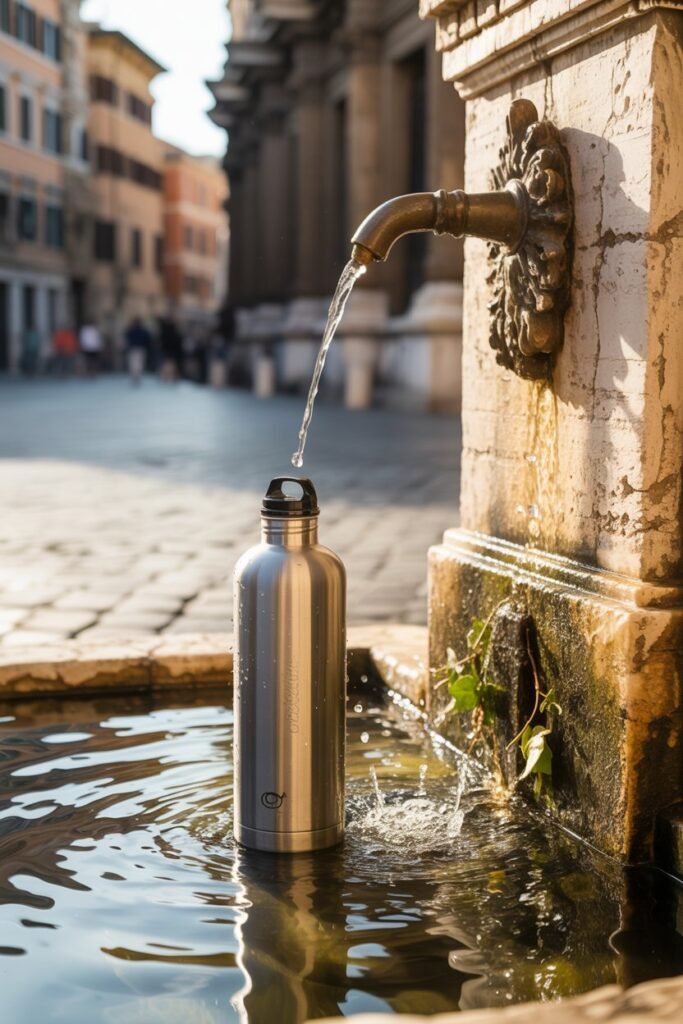
Walking through Italy’s historic cities can be exhausting, especially in warm weather. Staying hydrated is essential — and luckily, Italy makes it easy.
Many cities have clean public drinking fountains where you can refill your bottle for free.
What to pack:
- Stainless steel or BPA-free reusable bottle
- Insulated bottle for warm climates
Why it’s useful:
- Saves money on bottled water
- Eco-friendly travel choice
- Convenient during long sightseeing days
Bonus tip: Rome has famous public fountains called “nasoni” with fresh drinking water.
9. Sun Protection Essentials (Protect Your Skin While Exploring)
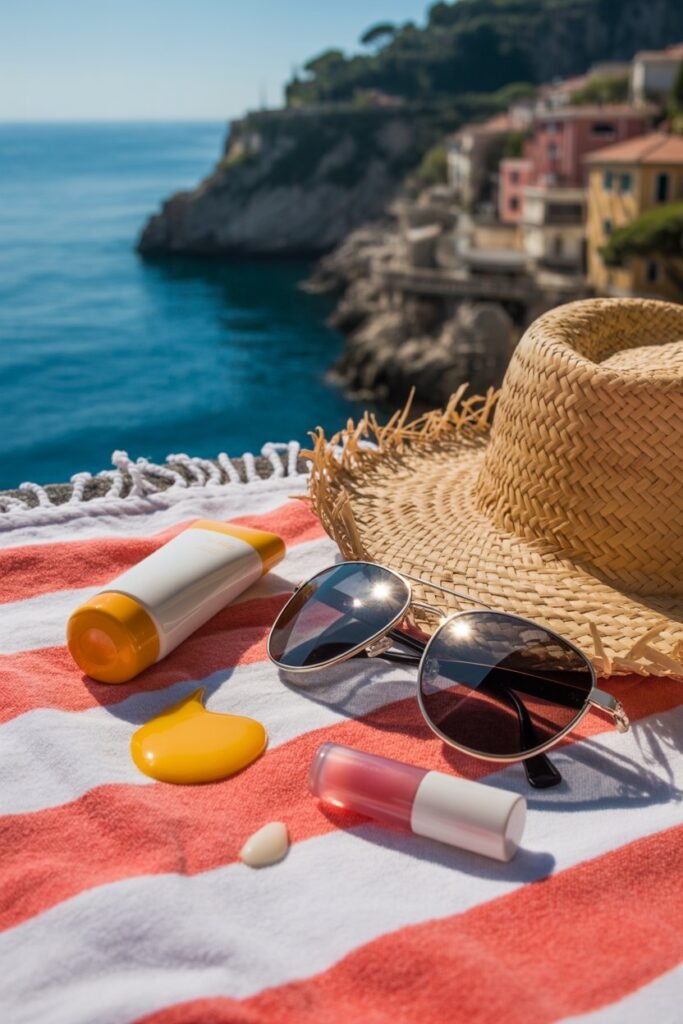
Italy’s sun can be stronger than expected, especially in southern regions or during summer months. Even on cloudy days, UV exposure can still be high.
Must-pack sun protection items:
- SPF 30–50 sunscreen
- UV-protection sunglasses
- Lip balm with SPF
- Hat or cap for long walks
Why it matters:
- Prevents sunburn during long sightseeing days
- Protects your skin from long-term damage
- Keeps you comfortable while exploring outdoors
If you’re walking all day under the sun, protection is not optional — it’s essential.
10. Power Bank (Your Travel Lifeline)
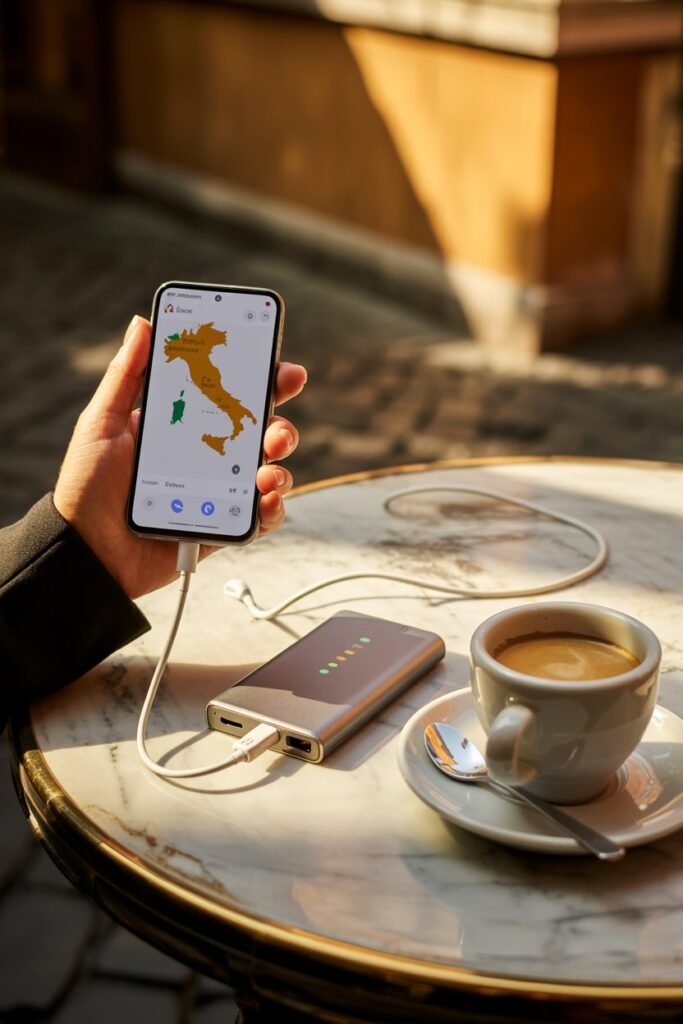
A power bank is one of the most important travel essentials in modern travel.
When you’re navigating new cities, your phone becomes your map, camera, translator, and ticket holder all in one.
What to choose:
- 10,000–20,000 mAh capacity
- Lightweight and portable design
- Fast-charging support if possible
Why you need it:
- Long sightseeing days drain battery quickly
- Google Maps and camera use consume power fast
- You may not always find charging points outdoors
A dead phone in a foreign city can be stressful — a power bank eliminates that risk completely.
11. Basic Toiletries Kit (Your Daily Comfort Essentials)

Even though many hotels in Italy provide basic toiletries, you should never rely on them completely.
Having your own essentials ensures comfort, hygiene, and consistency throughout your trip.
What to pack:
- Toothbrush and toothpaste
- Shampoo and conditioner (travel-size)
- Face wash or cleanser
- Deodorant
- Moisturizer (important for travel dryness)
- Hairbrush or comb
- Feminine hygiene products (if needed)
Why it matters:
- Avoids last-minute shopping in unfamiliar places
- Ensures your skin and hair routine stays consistent
- Saves space when using travel-size containers
Pro tip: Use a clear toiletry bag for airport security convenience and easy access.
12. Mini First Aid Kit (Small but Very Important)
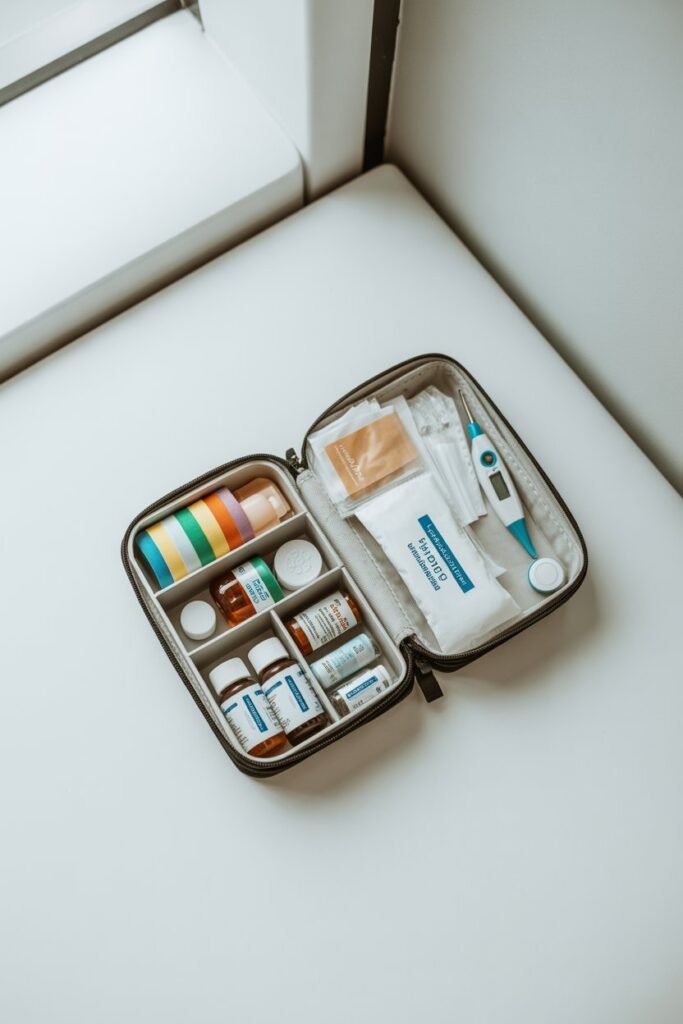
Accidents or small health issues can happen anytime during travel, especially when you’re walking long distances or adjusting to a new environment.
A compact first aid kit gives you peace of mind.
What to include:
- Pain relievers (headache or body pain)
- Band-aids for blisters or cuts
- Antiseptic wipes or cream
- Antihistamines for allergies
- Motion sickness tablets (for boats or long rides)
- Any personal prescription medication
Why it matters:
- Prevents minor issues from ruining your day
- Saves time searching for pharmacies
- Helps you stay prepared for unexpected situations
Always carry essential medications in your hand luggage, not checked bags.
13. Stylish Evening Outfits (Blend In with Italian Elegance)

Italy is known for its fashion culture — even in casual settings, people tend to dress neatly and stylishly.
Evening outings, dinners, or walks through city centers often call for slightly more polished outfits.
What to pack:
- Smart dresses or jumpsuits
- Button-down shirts with tailored trousers
- Lightweight blazers or elegant tops
- Clean, stylish shoes or sandals
Style approach:
- Keep it simple and elegant
- Avoid overly flashy or loud outfits
- Focus on clean cuts and neutral tones
You don’t need luxury clothing — just well-fitted, coordinated pieces that look intentional.
14. Lightweight Day Backpack (Your Everyday Travel Companion)
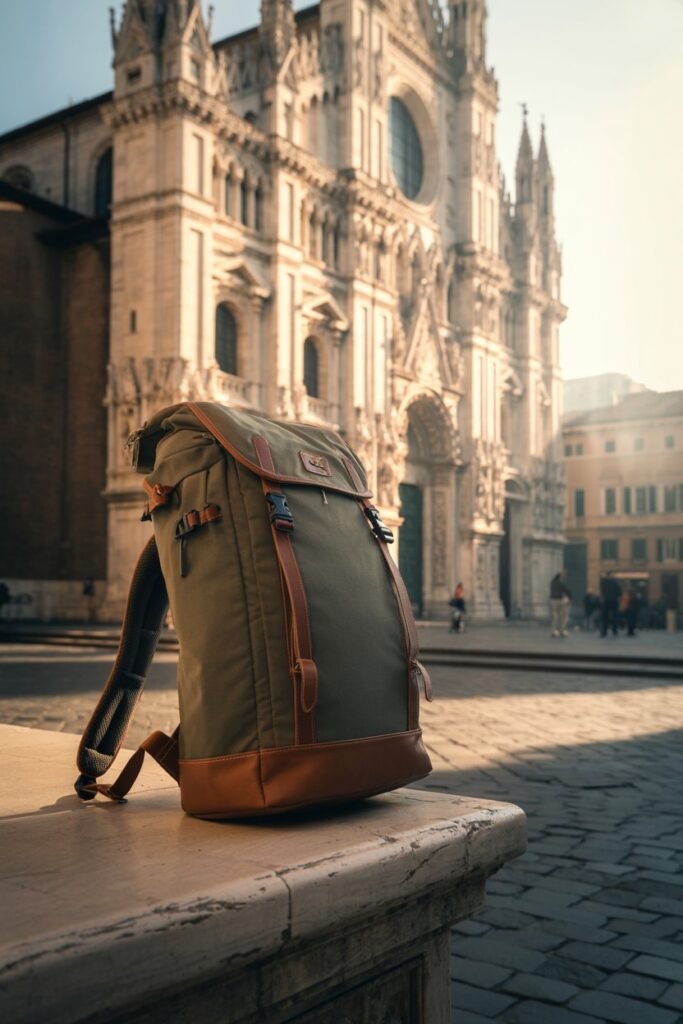
A day backpack is essential for daily sightseeing while exploring Italy. You’ll need something practical to carry your daily essentials without feeling heavy or uncomfortable.
What it should carry:
- Water bottle
- Phone and power bank
- Camera or travel gadgets
- Light jacket or scarf
- Snacks and small personal items
What to look for:
- Lightweight design
- Comfortable straps for long wear
- Secure zippers (important in crowded areas)
- Compact but spacious enough for essentials
A good backpack keeps your hands free so you can fully enjoy walking through historic streets and landmarks.
15. SIM Card or eSIM (Stay Connected Anywhere)

Staying connected while traveling through Italy is extremely important for navigation, communication, and booking services on the go.
Your options:
- Local Italian SIM card
- International roaming plan
- eSIM (fastest and most convenient option for modern travelers)
Why it matters:
- Helps with Google Maps navigation
- Allows instant bookings and reservations
- Keeps you connected in case of emergencies
- Makes translation apps accessible anytime
Pro tip: Install your eSIM before departure so you arrive already connected.
16. Versatile Clothing Pieces (Maximize Outfits, Minimize Luggage)
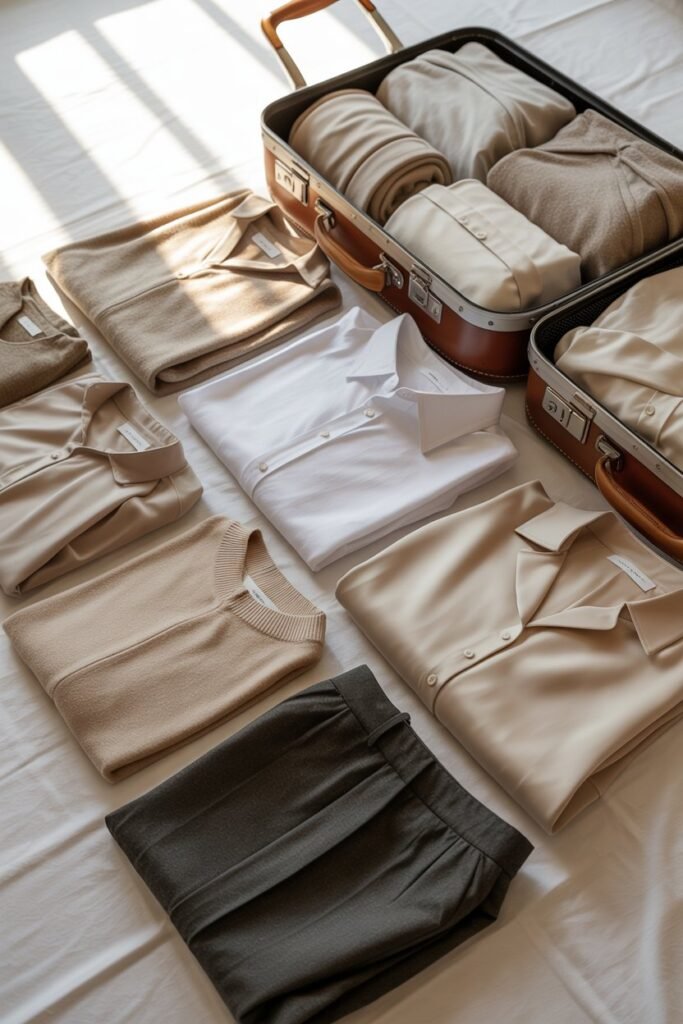
When packing for Italy, the smartest strategy is not packing more clothes — it’s packing smarter clothes.
Versatile pieces allow you to create multiple outfits from fewer items, helping you travel light without repeating obvious looks.
What to pack:
- Dresses that work for both daytime and evening wear
- Neutral-colored tops that match multiple bottoms
- Convertible clothing (e.g., pants that can become shorts)
- Lightweight layers like cardigans or thin shirts
- Simple, well-fitted basics
Why it matters:
- Reduces suitcase weight
- Saves time choosing outfits daily
- Helps you stay stylish with fewer items
Think of it as building a small travel wardrobe, not packing random clothes.
17. Travel Laundry Kit (Extend Your Wardrobe on the Go)

If your trip is longer than a few days, a small travel laundry kit becomes incredibly useful. Instead of overpacking, you can simply wash and reuse outfits during your stay.
What to include:
- Travel detergent sheets or small liquid detergent
- Sink stopper (for washing clothes in hotel sinks)
- Lightweight clothesline or travel drying rope
- A few laundry bags for separating dirty clothes
Why it matters:
- Allows you to pack fewer clothes
- Saves luggage space for souvenirs
- Keeps your outfits fresh throughout the trip
This is especially helpful for backpackers or multi-city travelers across Italy.
18. Offline Maps & Travel Guides (Stay Navigationally Ready)
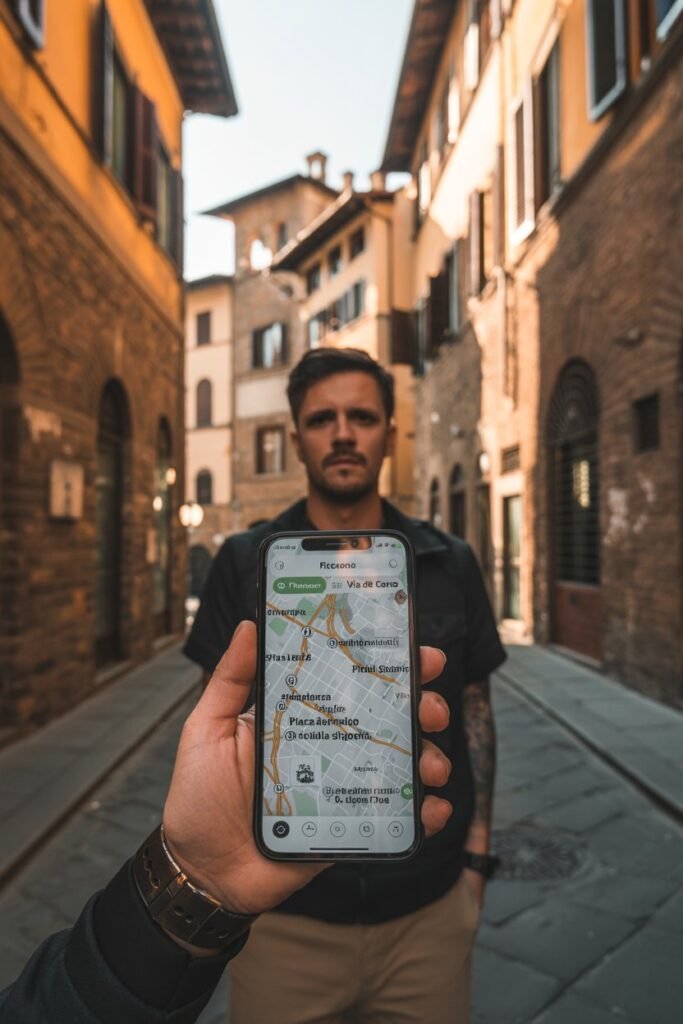
Even though mobile data is widely available, it’s still important to have offline access to maps and travel information when exploring Italy.
What to prepare:
- Download offline Google Maps of your destinations
- Save hotel locations and key attractions
- Download city travel guides or itineraries
- Screenshot important booking details
Why it matters:
- Internet signal can be weak in rural or historic areas
- Helps you navigate without stress or delays
- Useful for emergencies or lost connection situations
Offline access ensures you’re never completely dependent on Wi-Fi.
19. Travel Snacks (Energy for Long Exploration Days)
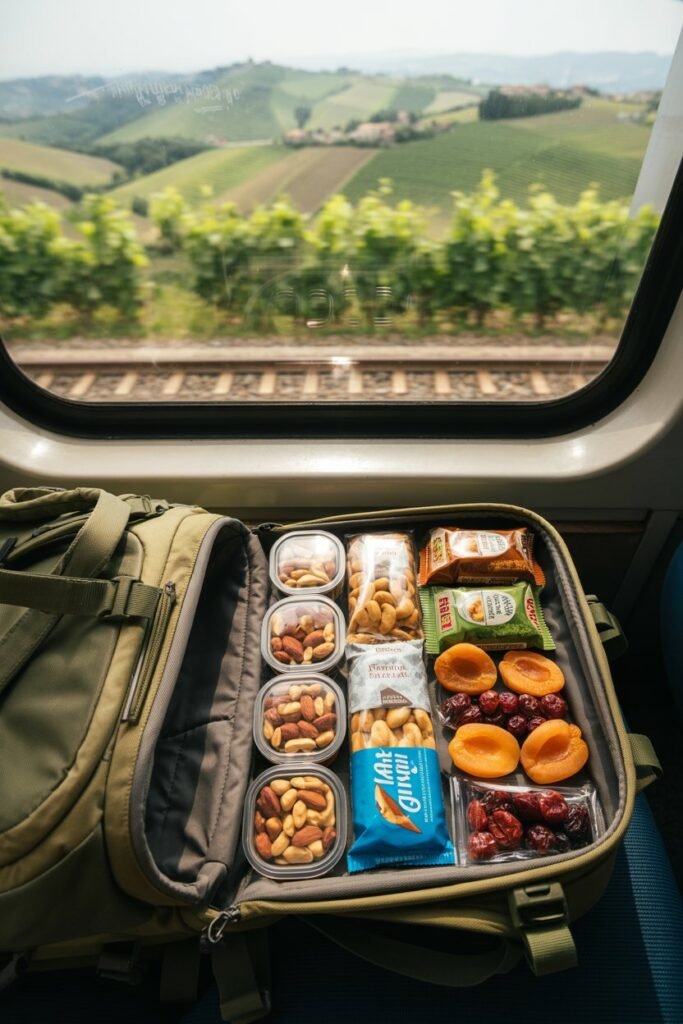
Exploring Italy often involves long walking tours, train rides between cities, and busy sightseeing schedules.
Having snacks on hand keeps your energy levels stable and prevents unnecessary stops.
What to pack:
- Protein bars or energy bars
- Mixed nuts or trail mix
- Dried fruits
- Light biscuits or crackers
- Small chocolate snacks for quick energy
Why it matters:
- Saves money on frequent food stops
- Keeps you energized during long travel days
- Useful during delays or transportation gaps
Always pack lightweight, non-messy snacks that are easy to carry.
20. A Flexible Travel Mindset (The Most Important Essential)

While not a physical item, your mindset is the most powerful thing you bring to Italy.
Italy is a country best experienced slowly and openly — not rigidly planned or rushed.
What this means:
- Be open to spontaneous detours
- Enjoy unplanned café stops or hidden streets
- Don’t over-schedule every hour
- Embrace delays or cultural differences calmly
Why it matters:
- Some of the best travel moments are unplanned
- Reduces stress when things don’t go perfectly
- Helps you truly experience Italian culture
The best travelers are not the most prepared — they are the most adaptable.
Seasonal Packing Tips for Italy

Summer (June–August)
- Lightweight fabrics
- Sun protection
- Breathable shoes
Spring (March–May)
- Light jacket
- Layers
- Comfortable walking shoes
Autumn (September–November)
- Sweaters
- Light coat
- Closed shoes
Winter (December–February)
- Warm coat
- Scarves
- Thermal layers
Common Packing Mistakes to Avoid
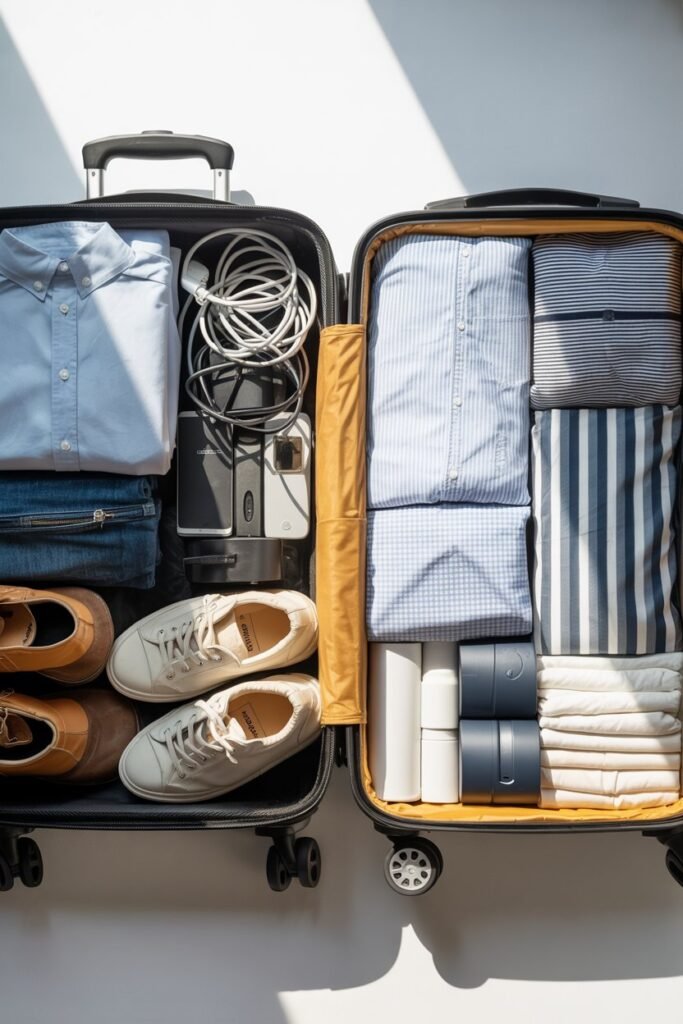
- Overpacking shoes
- Bringing heavy jeans in summer
- Ignoring dress codes for churches
- Forgetting power adapters
- Packing too many “just in case” outfits
- Using brand-new shoes
Final Travel Packing Advice
The best travelers are not the ones who pack the most — but the ones who pack the smartest.
When visiting Italy, remember:
- Less is more
- Comfort beats fashion extremes
- Flexibility beats overplanning
Frequently Asked Questions (FAQ)
1. What should I not pack for Italy?
Avoid:
- Too many shoes
- Heavy winter clothes in summer
- Flashy or impractical outfits
- Large backpacks for daily sightseeing
2. How many outfits should I pack for a 7-day trip?
A good rule:
- 4–6 tops
- 2–3 bottoms
- 1–2 dresses or smart outfits
- 2 pairs of shoes
You can rewear and mix outfits easily.
3. Do I need special clothes for churches in Italy?
Yes. Many churches require:
- Covered shoulders
- Covered knees
Carry a scarf or light shawl for convenience.
4. Is Italy safe for tourists?
Yes, but like many tourist destinations:
- Watch your belongings in crowded areas
- Use anti-theft bags
- Stay aware in train stations
5. Can I drink tap water in Italy?
Yes, in most cities it is safe. You can also refill bottles at public fountains.
6. Do I need cash in Italy?
Yes, but not too much.
- Cards are widely accepted
- Small cash is useful for cafés, markets, and tips
7. What is the best luggage type for Italy?
- Medium suitcase or carry-on
- Lightweight backpack for daily use
- Avoid oversized luggage (cobblestones make it hard to move)
8. Should I pack a travel adapter?
Yes. Italy uses Type C, F, and L plugs, so a universal adapter is necessary.
Final Thoughts
Packing for Italy doesn’t have to be stressful. With the right preparation, you can travel lighter, move easier, and enjoy every moment of your journey.
Remember: Italy rewards travelers who are comfortable, practical, and slightly stylish.
So if you’re heading to Italy soon, use this checklist as your go-to guide — and you’ll be fully ready for an unforgettable experience filled with culture, food, history, and adventure.