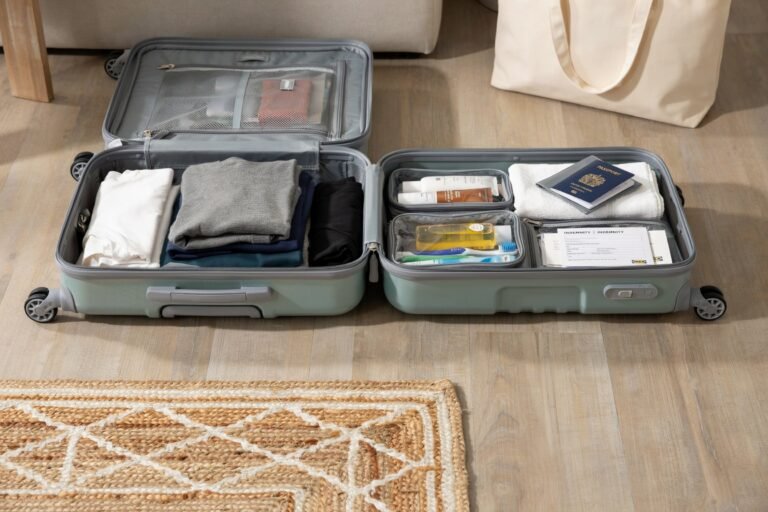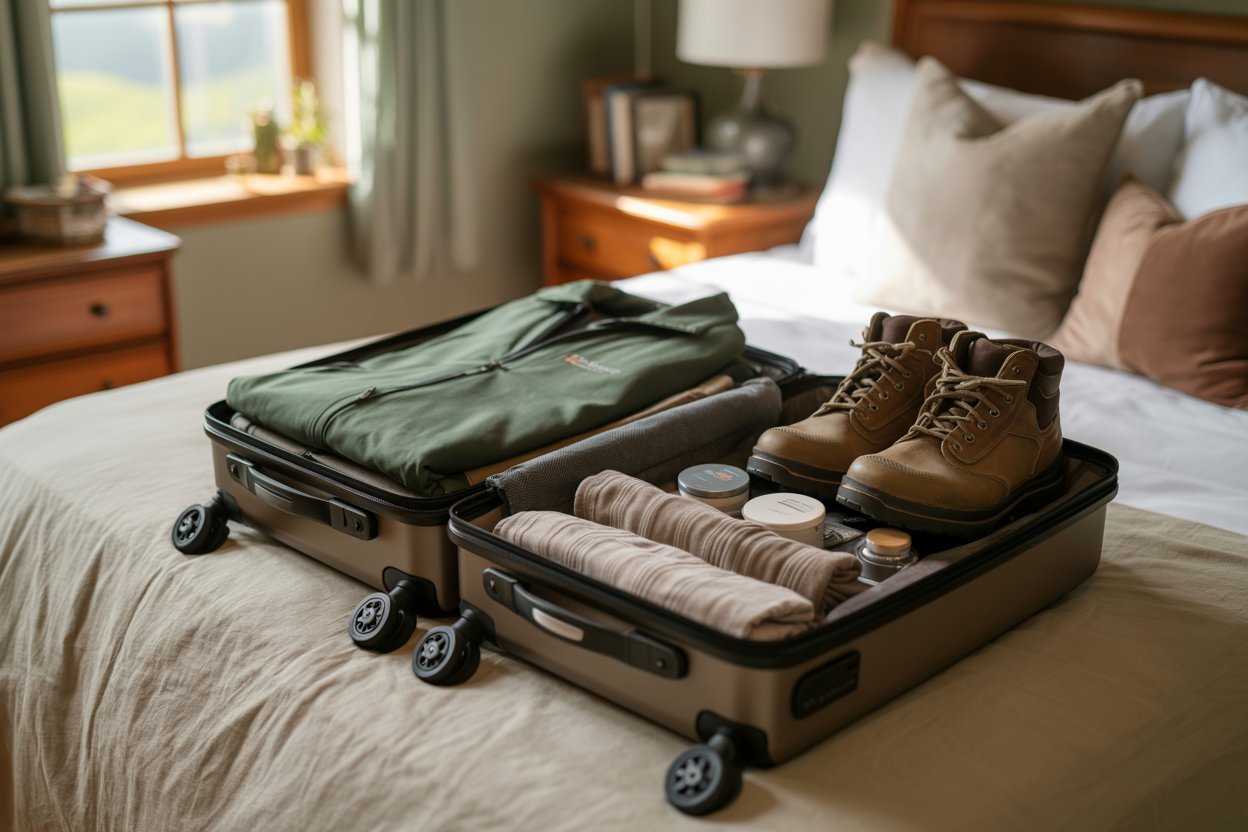
Packing for a 7-day trip to an Irish village can feel a bit tricky, especially if you’re not sure what to expect from the weather or daily activities.
Ireland is known for its cool temperatures, changing weather, and relaxed lifestyle, so having the right travel essentials makes a big difference.
The key is to focus on smart packing, comfortable outfits, layering pieces, and weather-ready clothing that you can easily mix and match.
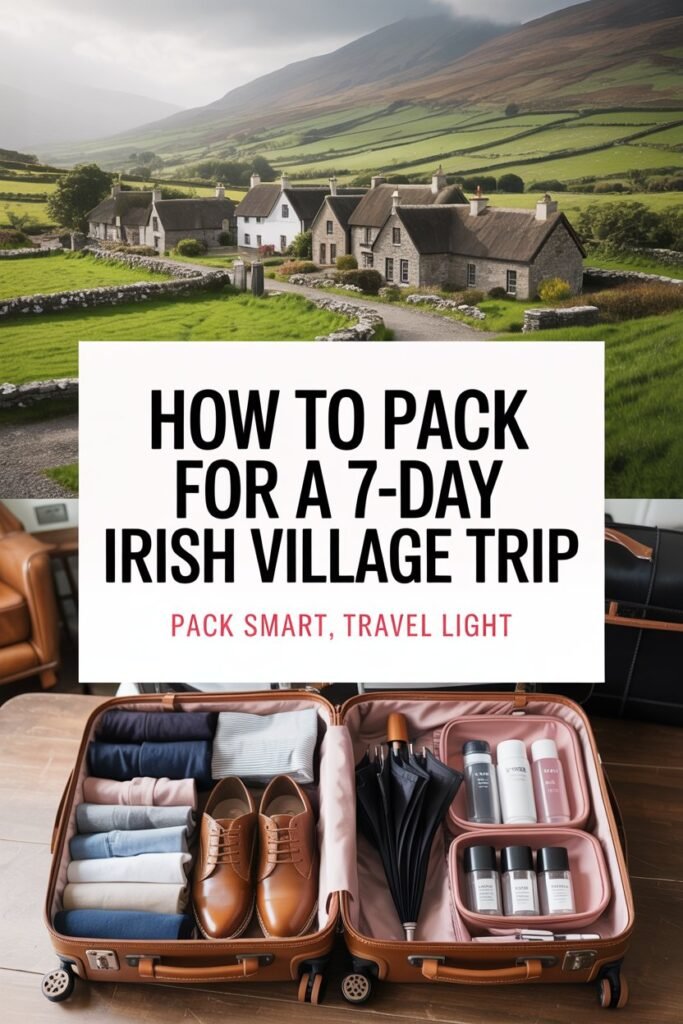
You don’t need a large suitcase full of options—just practical items that keep you warm, dry, and comfortable while exploring.
Whether you’re walking through scenic countryside, visiting cozy pubs, or enjoying quiet village life, this packing guide will help you stay organized, prepared, and stylish without overpacking.
Disclaimer: This post may contain affiliate links, which means I may earn a small commission at no extra cost to you. Weather conditions can change quickly, so always check the local forecast before packing for your trip.
Amazon Shopping List: How to Pack for a 7-Day Irish Village Trip
- Waterproof Lightweight Rain Jacket
- Comfortable Waterproof Walking Shoes
- Packing Cubes Travel Organizer Set
- Foldable Travel Backpack (Daypack)
- Travel Umbrella (Windproof Compact Style)
- Thermal Layering Top Set
- Anti-Theft Crossbody Travel Bag
What to Know Before You Pack

Before you start packing, it helps to understand what your trip will actually look like.
Irish villages are calm, scenic, and very relaxed, so you won’t need anything too fancy or overstyled.
The weather can change quickly—sun, wind, and light rain can all happen in one day. That’s why layering and waterproof items are important.
You’ll likely be walking a lot, exploring outdoors, and spending time in cozy indoor spots like cafés or pubs.
Comfort should be your priority. Think practical outfits, comfortable shoes, and pieces you can easily mix and match.
Once you pack with this in mind, everything else becomes much easier.
You will also love: 25 Incredible Irish Villages You Need to Visit Once in a Lifetime
7-Day Irish Village Packing Guide
Clothing Essentials
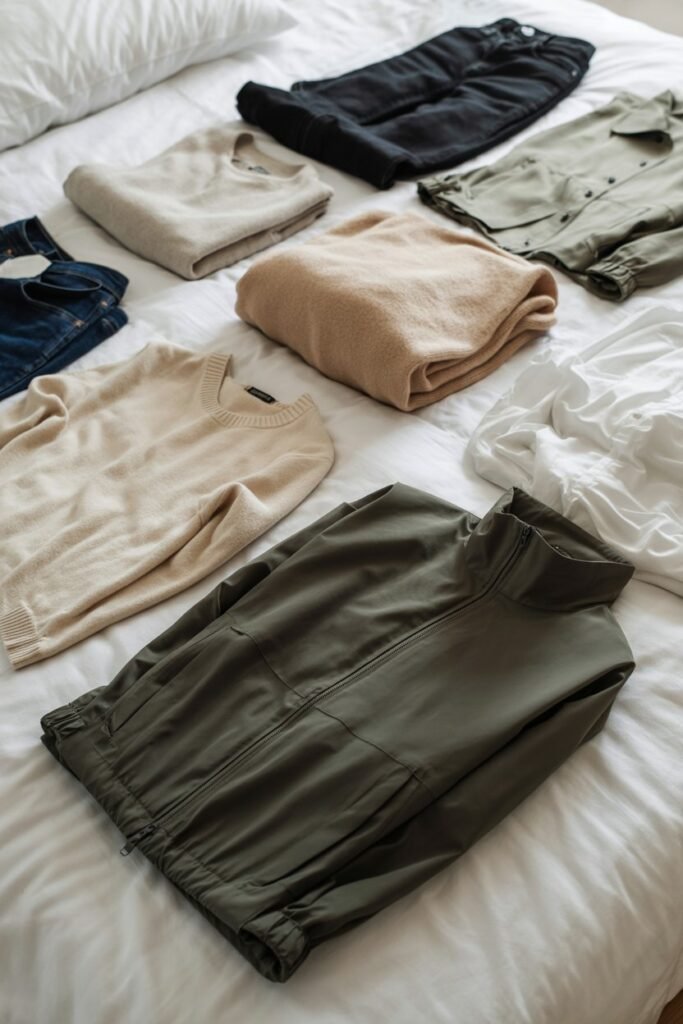
Packing the right clothes will make your trip much easier. Focus on simple, comfortable pieces you can layer and rewear throughout the week.
What to Pack
- 4–5 tops
Mix of short and long sleeve shirts for easy layering - 2 warm layers
Sweaters or hoodies for chilly mornings and evenings - 1 waterproof jacket
A must-have for rain and wind - 2 bottoms
Jeans, trousers, or leggings that are comfortable for walking - 1 casual outfit
Something simple but nice for dinners or evenings out - Sleepwear
Keep it light and comfortable - Underwear and socks
Enough for the full trip, plus a few extras
Keep your colors neutral so everything matches easily. This helps you create different outfits without overpacking.
Read more: 10 Magical Irish Villages That Feel Like a Fairytale
Footwear
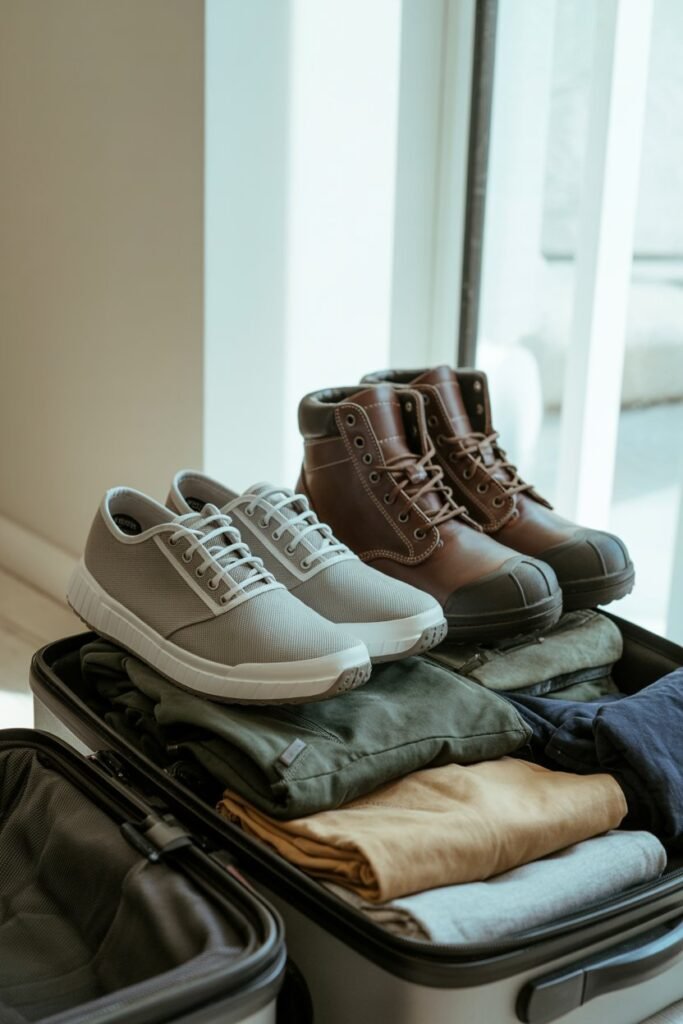
The right shoes can make or break your trip, especially since you’ll be walking a lot in an Irish village. Focus on comfort, support, and weather protection.
What to Pack
- Comfortable walking shoes
Your main pair for daily exploring. Choose something broken-in and supportive - Waterproof shoes or boots
Helpful for rainy days and wet paths - Optional casual pair
Simple flats or sneakers for evenings or lighter outings
Stick to 2–3 pairs max to save space and keep your luggage light.
Weather Protection
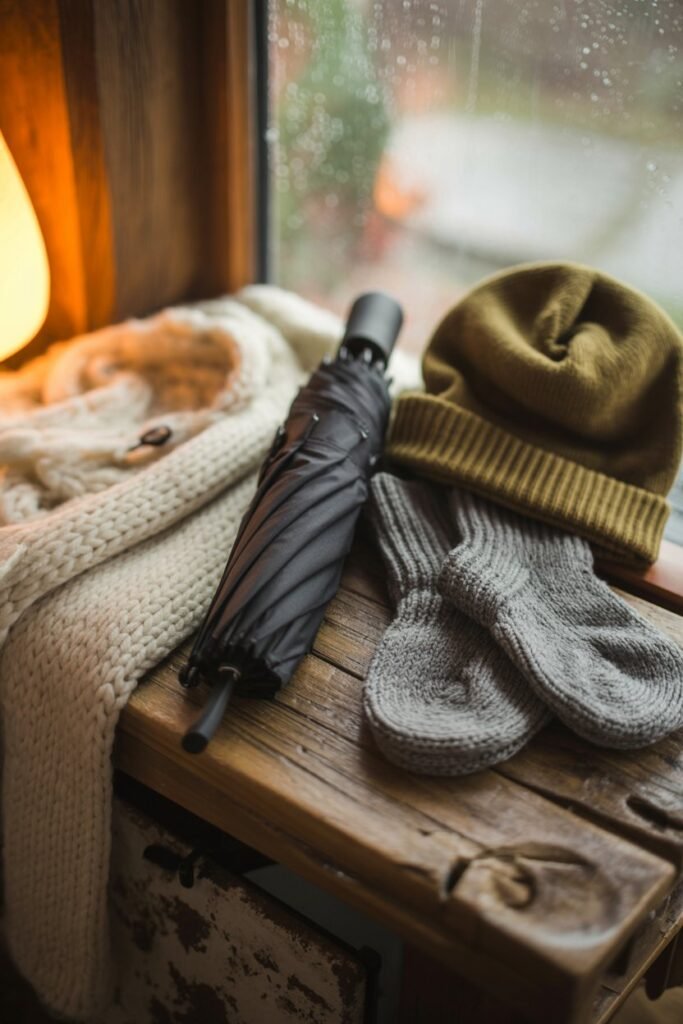
Ireland’s weather can change quickly, so being prepared will keep you comfortable throughout your trip. Focus on light, practical items you can carry easily.
What to Pack
- Compact umbrella
Easy to carry and useful for sudden rain - Lightweight scarf
Adds warmth on chilly or windy days - Warm socks
Keeps your feet comfortable, especially in cold or damp weather - Hat or beanie
Helpful for wind, cold, or light rain
Choose items that are easy to pack and layer so you can adjust quickly to changing weather conditions.
Learn more: 11 Irish Villages That Look Straight Out of a Movie
Toiletries & Personal Care
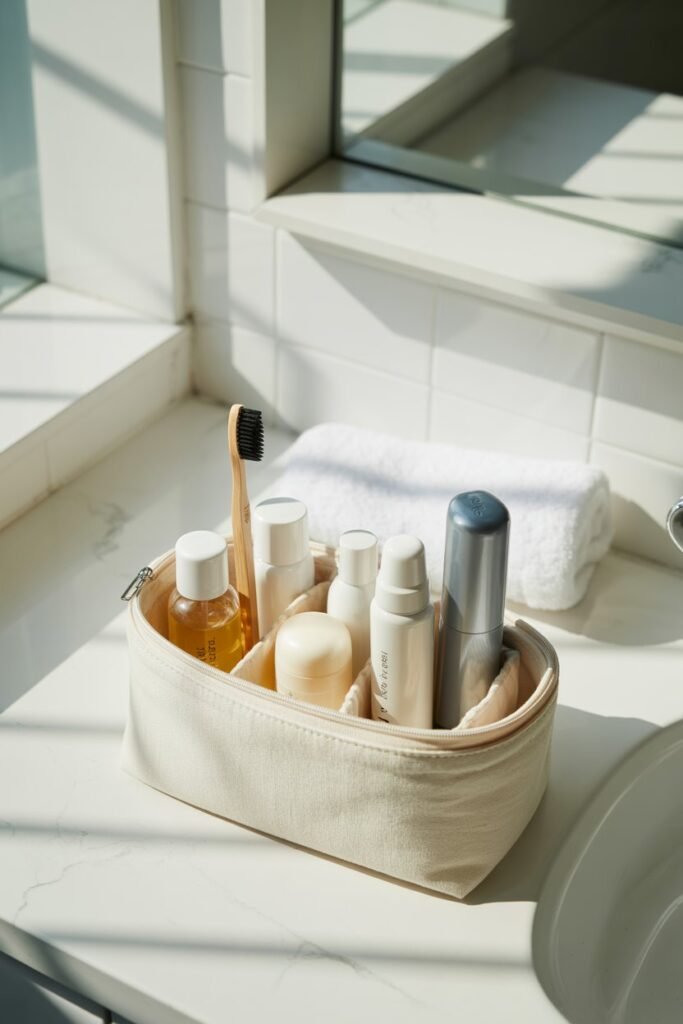
Keep your toiletries simple and travel-friendly so you stay fresh and comfortable throughout your 7-day Irish village trip.
What to Pack
- Toothbrush and toothpaste
For daily oral hygiene and fresh breath - Skincare basics
Cleanser, moisturizer, and sunscreen for healthy skin - Deodorant
Essential for staying fresh during travel days - Shampoo and body wash (travel size)
Keeps your routine easy and compact - Hairbrush or comb
For neat and tidy hair every day - Personal essentials
Any skincare or hygiene products you use daily
Stick to small or travel-size products to save space and keep your packing light and organized.
Travel Essentials
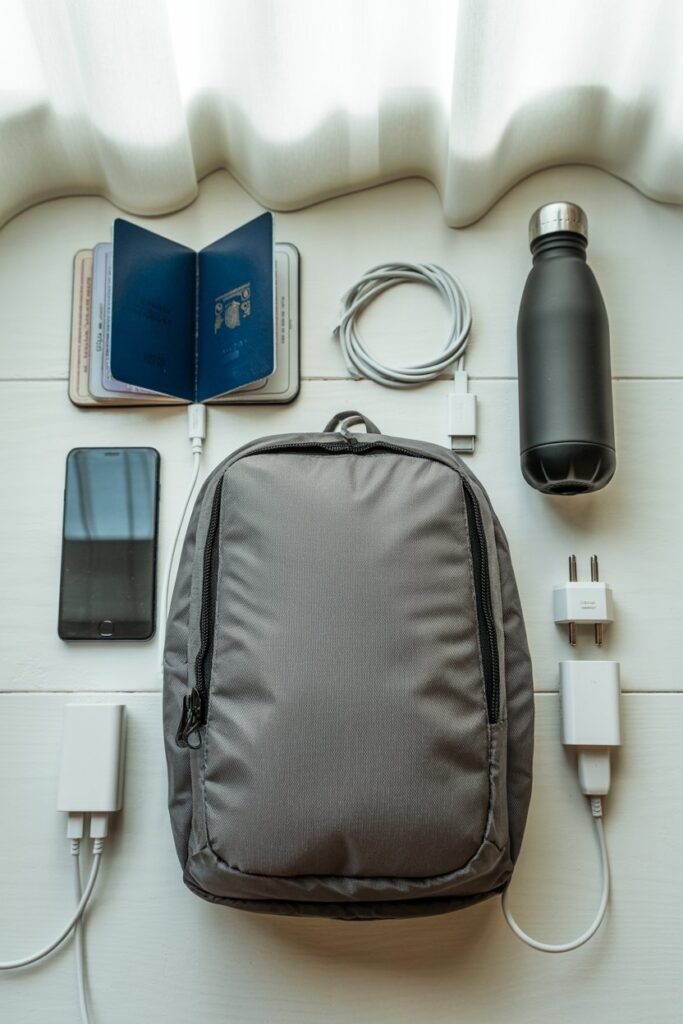
These are the important items you should keep with you at all times to make your 7-day Irish village trip smooth, safe, and stress-free.
What to Pack
- Passport and travel documents
Keep them safe and easy to access - Phone and charger
Your main tool for navigation and communication - Power adapter (UK/Ireland type)
Needed to charge your devices - Small backpack or day bag
For daily outings and carrying essentials - Reusable water bottle
Keeps you hydrated while exploring
Pack these in a way that’s easy to reach, especially when you’re traveling or moving around daily.
Discover more: 10 Magical Irish Villages You Must See – Ireland Travel Guide
Extras You’ll Be Glad You Packed
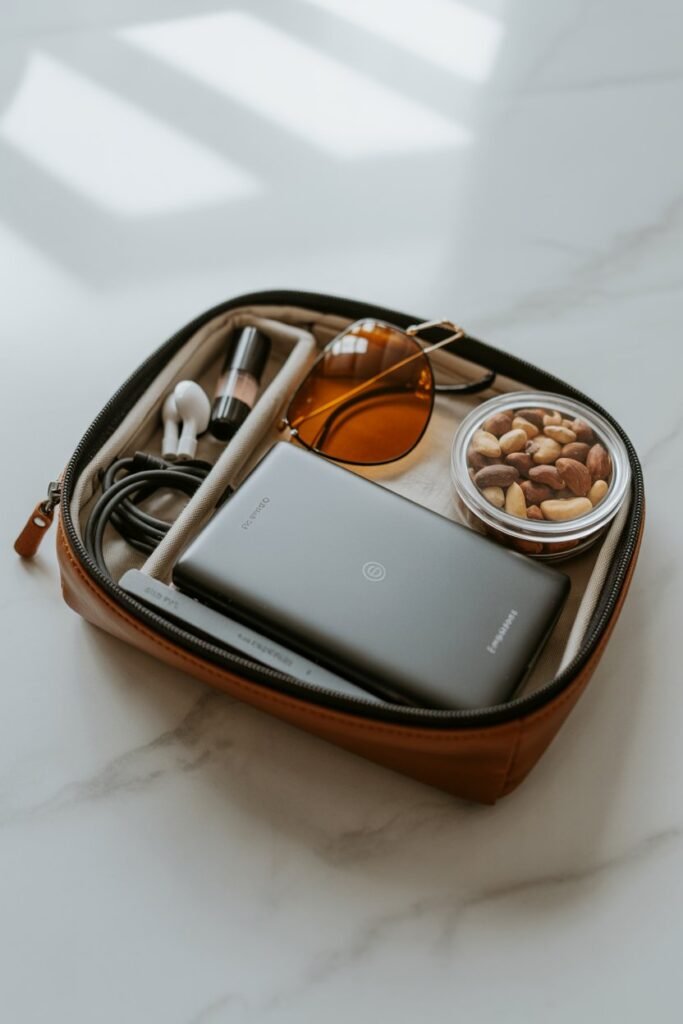
These are small but useful items that can make your trip more comfortable and convenient once you’re in Ireland.
What to Pack
- Portable charger
Keeps your phone charged while you’re out all day - Sunglasses
Useful even on cloudy days for eye comfort - Light snacks
Helpful for travel days or long outings - Simple accessories
Small items to change up your outfits easily - Basic first aid items
Plasters or pain relief for minor issues
These extras don’t take up much space, but they can make your 7-day trip much easier and more enjoyable.
Packing Tips to Make It Easier
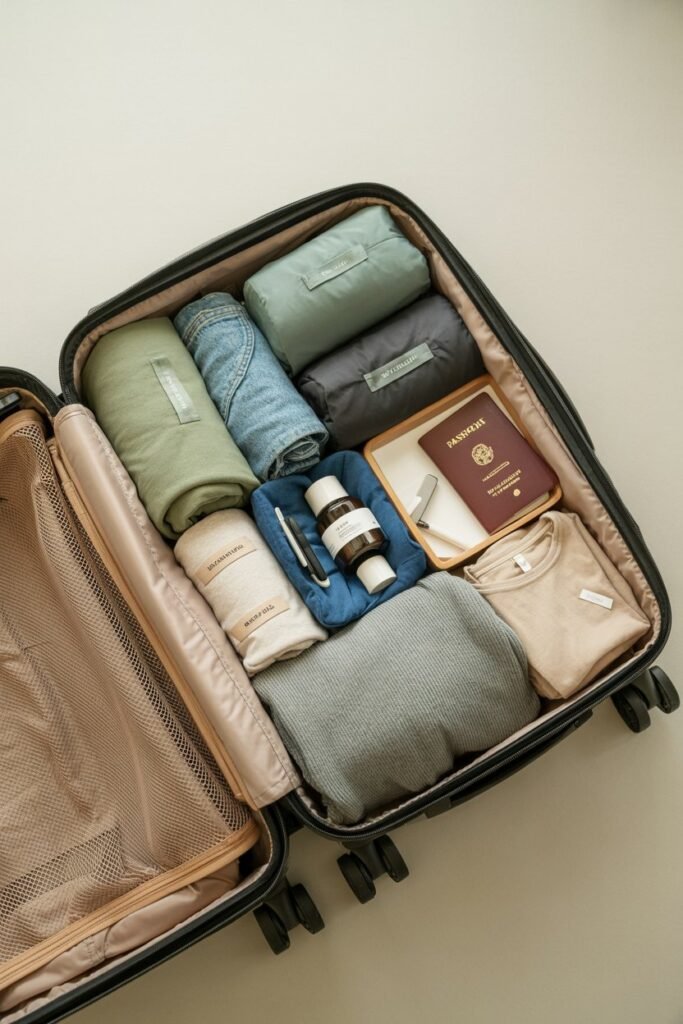
- Pack in layers for changing weather
- Stick to neutral colors for easy outfit mixing
- Avoid overpacking and choose rewearable items
- Leave space in your bag for souvenirs
- Keep outfits simple, comfortable, and practical
- Roll clothes instead of folding to save space
- Use packing cubes to stay organized
- Pack shoes that match multiple outfits
- Keep travel documents in one easy-to-reach pouch
- Bring only travel-size toiletries to reduce weight
- Plan outfits ahead to avoid unnecessary items
Outfit Planning Idea for 7 Days
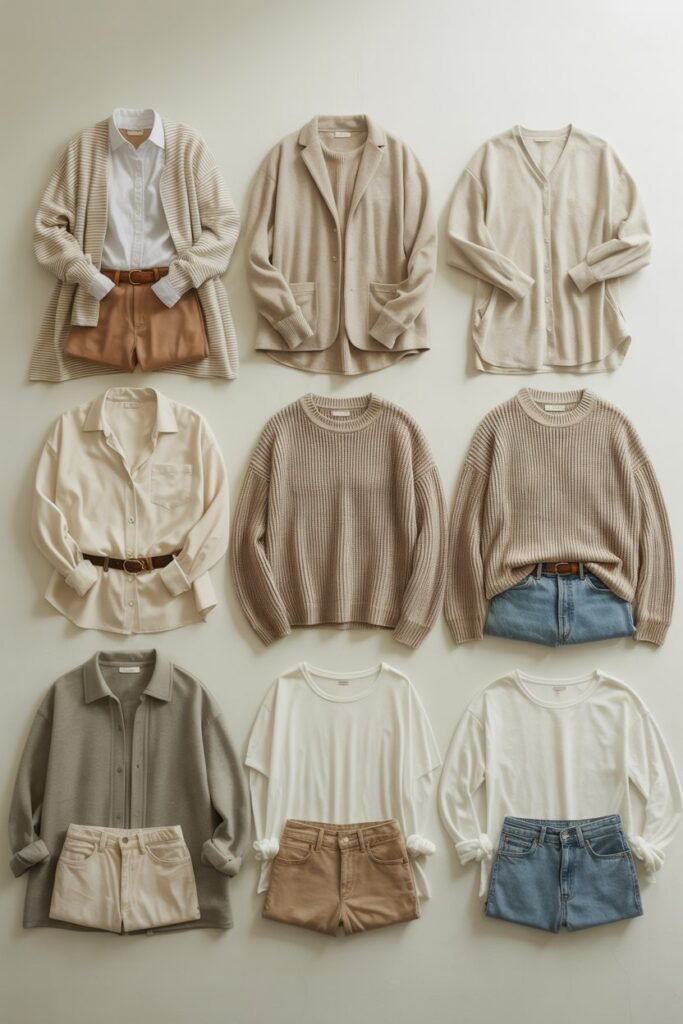
- Day 1–2: Comfortable travel outfit for arrival and settling in
- Day 3: Casual layered outfit for exploring the village
- Day 4: Warm sweater + jeans for walking and sightseeing
- Day 5: Waterproof jacket + comfy trousers for outdoor weather
- Day 6: Relaxed cozy outfit for slow village day or café visits
- Day 7: Simple, comfortable travel outfit for departure
- Extra: One mix-and-match outfit option for flexibility or unexpected plans
Final Packing Reminder
Before you close your suitcase, double-check that you’ve packed for comfort, weather changes, and daily movement.
Focus on practical items you’ll actually use, not extra things you might not need.
Make sure you have layers for changing weather, comfortable walking shoes, and all your travel essentials like documents, chargers, and toiletries.
If everything feels light, organized, and versatile, you’re ready for a smooth 7-day Irish village trip.
Tips About Visiting an Irish Village
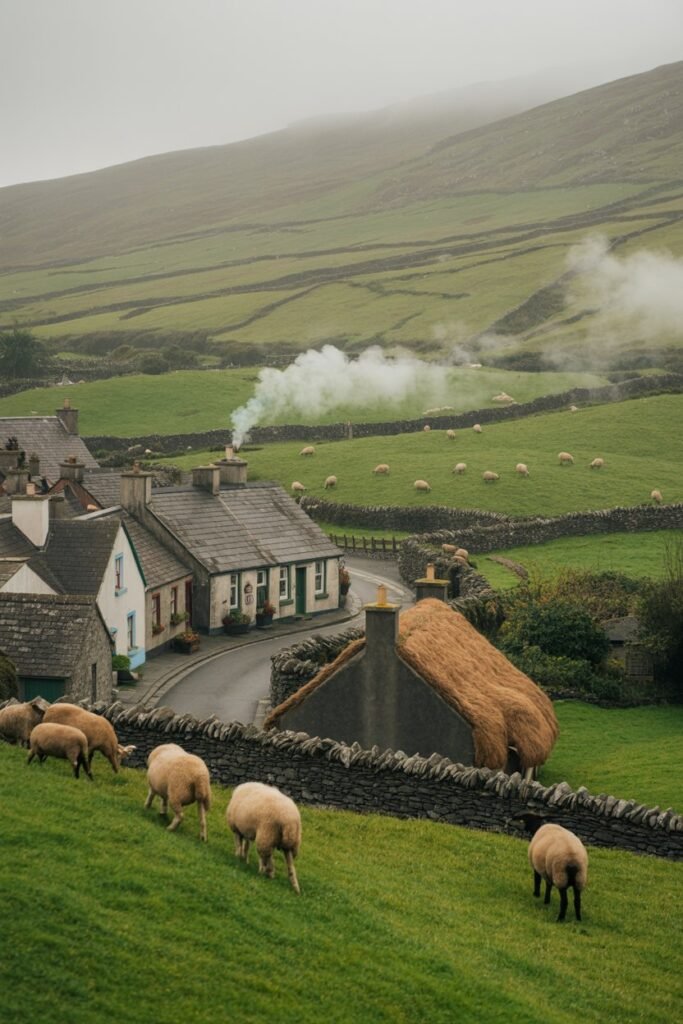
- Expect changing weather
Be ready for sun, wind, and light rain all in one day. Layered clothing is always helpful. - Walk as much as possible
Irish villages are best explored on foot. Comfortable shoes will make your experience much better. - Enjoy the slow pace
Life in villages is calm and relaxed. Don’t rush—take your time and enjoy the atmosphere. - Try local food and pubs
Small cafés and traditional pubs are a big part of village culture and worth experiencing. - Be friendly and polite
Locals are usually warm and welcoming. A simple greeting goes a long way. - Carry cash and card
Most places accept cards, but small shops may prefer cash. - Stay open to spontaneous moments
Some of the best experiences come from unplanned walks, views, and conversations.
Common Packing Mistakes to Avoid
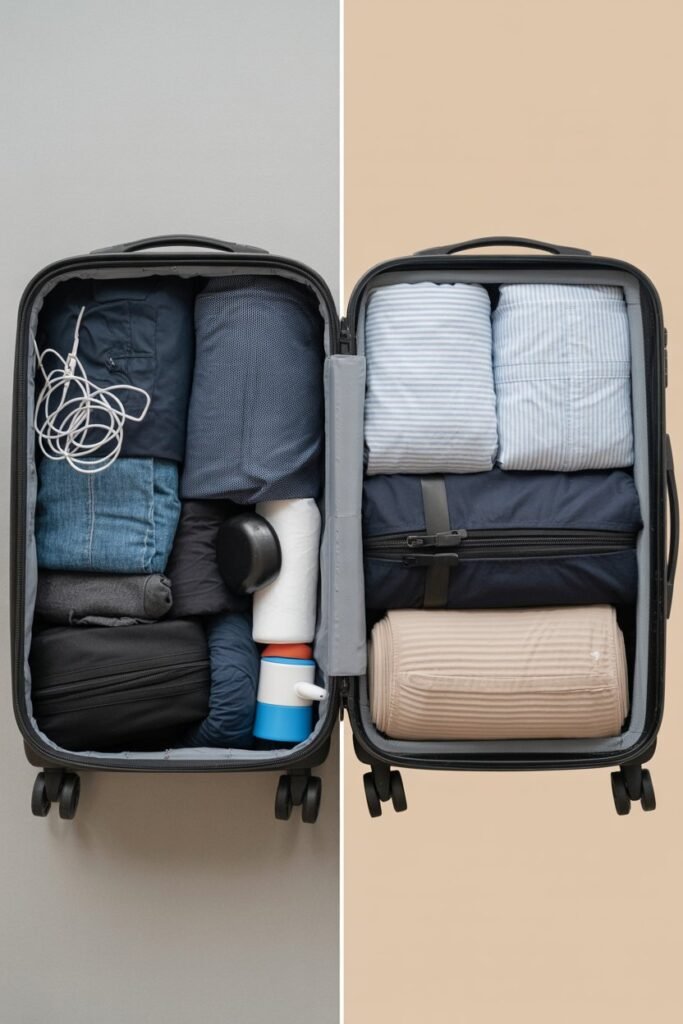
- Overpacking clothes you won’t actually wear
- Forgetting waterproof items for rain and wind
- Bringing uncomfortable shoes instead of walking-friendly ones
- Ignoring layering (Ireland weather changes fast)
- Packing full-size toiletries instead of travel sizes
- Not checking plug type or travel adapter needs
- Forgetting a small day bag for daily outings
FAQ (Frequently Asked Questions)
1. What is the most important thing to pack for an Irish village trip?
Comfortable clothing, waterproof items, and good walking shoes are the most important because of the weather and daily walking.
2. Do I need heavy winter clothes for Ireland?
Not usually. Layering with sweaters, a jacket, and warm socks is enough for most seasons unless you’re traveling in peak winter.
3. How many outfits should I pack for 7 days?
You don’t need 7 different outfits. Around 4–5 mix-and-match outfits are enough since you can rewear and layer clothes.
4. Is it necessary to bring waterproof clothing?
Yes. Light rain is common in Irish villages, so a waterproof jacket and umbrella are very useful.
5. What kind of shoes are best for this trip?
Comfortable walking shoes are essential. A waterproof pair is also helpful for rainy days or countryside walks.
Final Thought
Packing for a 7-day Irish village trip is all about keeping things simple, practical, and weather-ready.
When you focus on comfort, layering, and versatile essentials, you avoid overpacking and make your travel experience much easier.
The goal is not to bring everything you own, but to bring what actually works for walking, changing weather, and everyday village life.
If your bag feels light, organized, and useful, you’re already packed the right way for a smooth and enjoyable trip.