
Most RV advice focuses on gear, what to buy, what to bolt on, what to pack. But the things that make or break life in an RV are often habits rather than gadgets.
The rhythm of your travel days, how you manage water and power, how you choose a campsite, and how you keep a small space from feeling like a smaller one over time.

These are the lessons that tend to arrive the hard way, usually a few trips in, and they’re the ones I wish someone had spelled out at the start.
This list covers ten of them, with the practical detail to actually put each one to work. If you’re still building your setup, my 11 gadgets every RVer should own guide and 7 must have items for your RV guide cover the equipment side of things.
Quick Guide to These RV Living Hacks
| Hack | The Problem It Solves |
|---|---|
| Keep travel days short | Burnout and rushed, stressful arrivals |
| Know your weight limits | Overloaded rigs and unsafe handling |
| Use a written checklist | Costly departure mistakes |
| Learn your power limits | Tripped breakers and fried appliances |
| Manage water like a budget | Running out at the worst moment |
| Fight condensation daily | Mildew, musty smells, damp gear |
| Choose your site carefully | Bad sites, noise, and tight spots |
| Book ahead, keep a backup | Full campgrounds and lost days |
| Carry a basic spares kit | Small problems turning into big ones |
| Leave room to breathe | Cabin fever and clutter creep |
1. Keep Travel Days Short
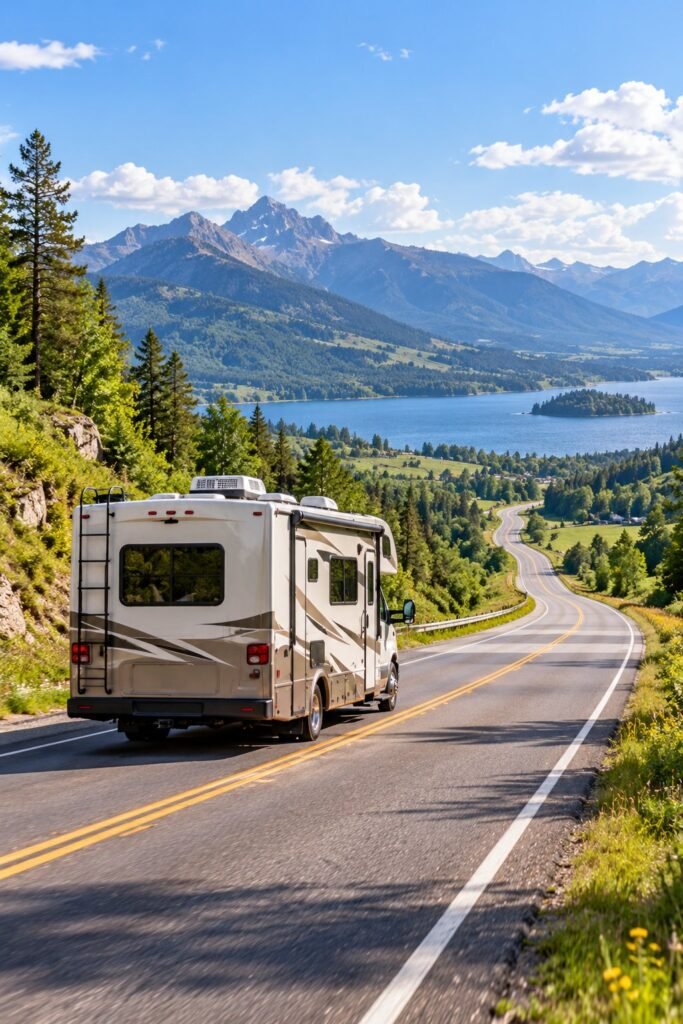
What I wish I knew. The fastest route is rarely the best one. Long driving days in a large, heavy vehicle are tiring, and tired drivers make mistakes, miss exits, and arrive after dark to a campground they can’t see well.
Why it matters. RV travel is meant to be part of the vacation, not a race against it. Rushing turns the trip into a series of drives, and you lose the time you came to enjoy.
How to do it. Many RVers use a rule of thumb sometimes called the 3-3-3 rule, which suggests driving no more than about 300 miles in a day, arriving by about 3 in the afternoon, and staying at least 3 nights when you can. It’s a guideline rather than a law, but the idea is sound, shorter drives, daylight arrivals, and fewer one night stops.
Tip. If you have a long distance to cover, break it into legs with a comfortable stopover rather than pushing through. If you’re planning a bigger route, my 11 epic USA road trip itineraries guide is a good place to start.
2. Know Your Weight Limits

What I wish I knew. Every RV has weight ratings, and it’s surprisingly easy to exceed them once you load up food, water, gear, and everything else you decide to bring.
Why it matters. Overloading affects braking, handling, and tire safety, and exceeding a limit can create real risk on the road. It also affects how your rig behaves on grades and in crosswinds.
How to do it. Find your rig’s cargo carrying capacity on the manufacturer’s label, often a sticker inside the RV or on the frame, and compare it with what you actually carry. You can weigh your loaded RV at a truck scale to see where you stand.
Tip. Water is heavy. A full fresh water tank adds a lot of weight, so consider traveling with less water when you’re driving and filling up at your destination.
3. Use a Written Checklist
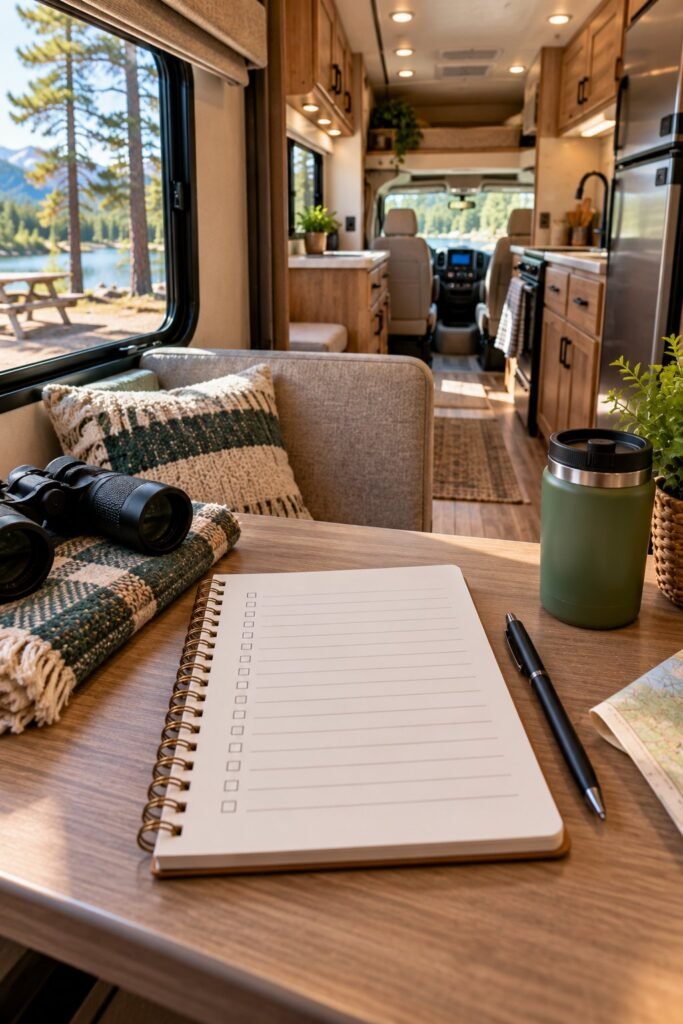
What I wish I knew. The mistakes that cost the most are usually simple ones, like driving off with the awning out, a step still down, or a slide-out not fully in.
Why it matters. A single missed step can mean serious damage, and the more tired you are on departure day, the more likely you are to forget something.
How to do it. Create a pre-departure checklist and run through it every time. A typical one includes retracting slide-outs and the awning, raising the steps, securing doors and cabinets, closing roof vents, checking the hitch and lights, and confirming tire pressure.
Tip. Make a matching arrival checklist for setup, covering leveling, hookups, and checking connections, so you don’t skip steps when you’re eager to relax.
4. Learn Your Power Limits Before You Need To
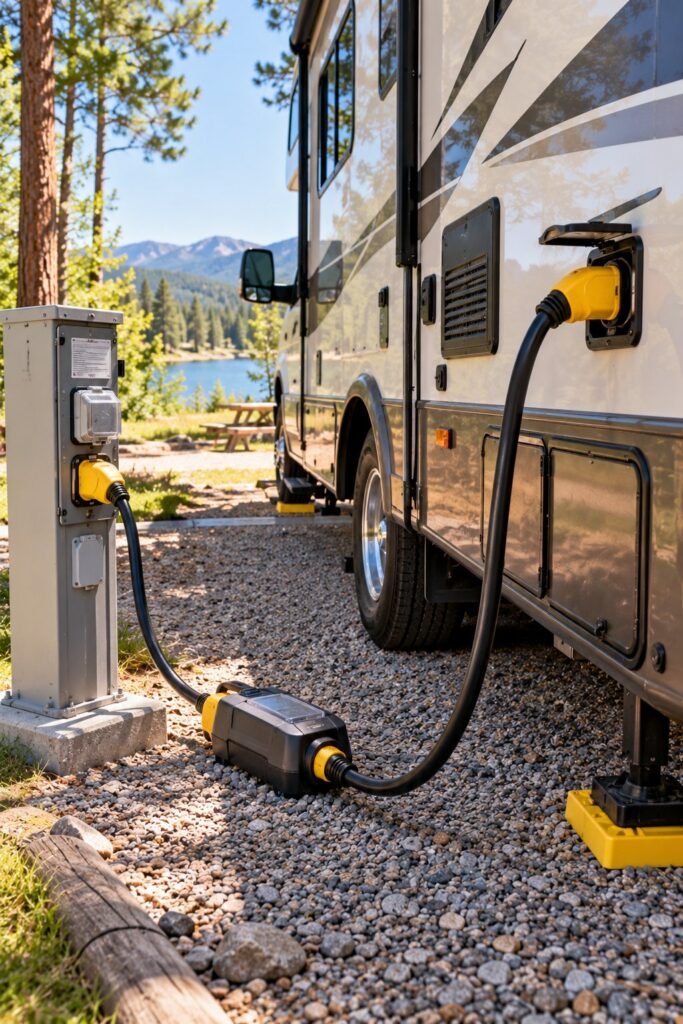
What I wish I knew. A campground hookup has a limit, and running too many appliances at once will trip a breaker. A 30 amp connection, for example, supplies roughly 3,600 watts, and an air conditioner, microwave, and hair dryer can eat through that quickly.
Why it matters. Tripped breakers are annoying, but power problems can also stress your electrical system and appliances. Knowing your load helps you avoid both.
How to do it. Learn the rough wattage of your main appliances and avoid running several large ones simultaneously. Stagger usage, for example, by using the microwave when the AC isn’t at full draw.
Tip. A surge protector or electrical management system adds a layer of protection, and my 5 must have camper gadgets guide covers one.
5. Manage Water Like a Budget
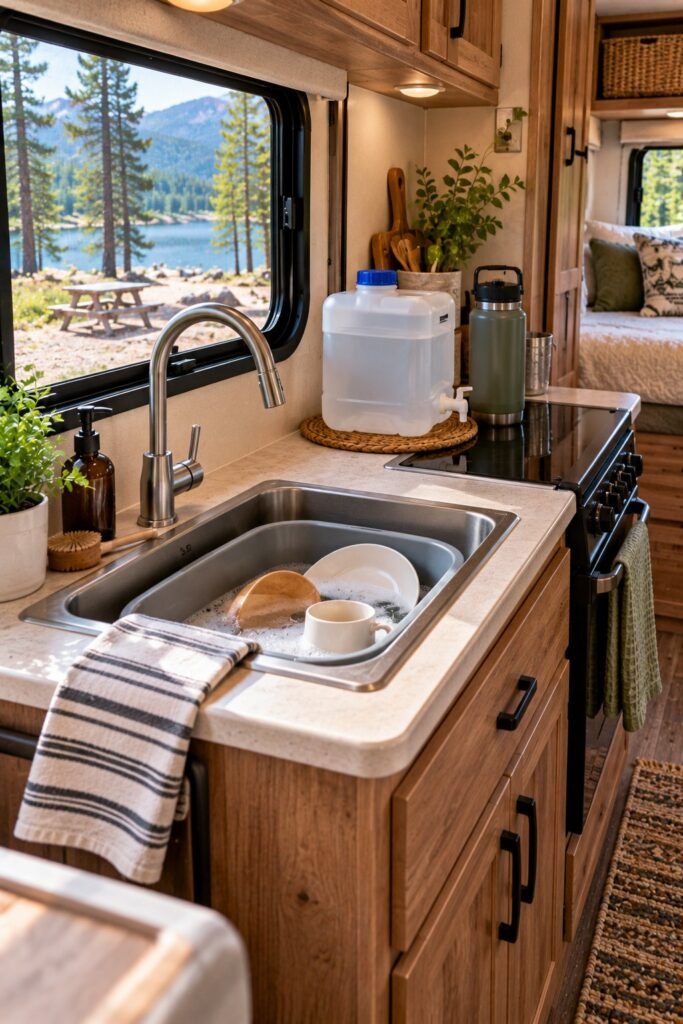
What I wish I knew. Fresh, gray, and black tanks are finite, and running out, or filling up, always seems to happen at an inconvenient moment.
Why it matters. Water management shapes how long you can stay put, especially when you’re camping without hookups.
How to do it. Take shorter showers, turning the water off while you lather, wash dishes in a basin rather than under a running tap, and keep an eye on tank levels. Before heading to a site without hookups, fill your fresh tank and empty your waste tanks.
Tip. Keep a couple of jugs of drinking water on hand so you aren’t relying entirely on the onboard tank.
6. Fight Condensation Every Day
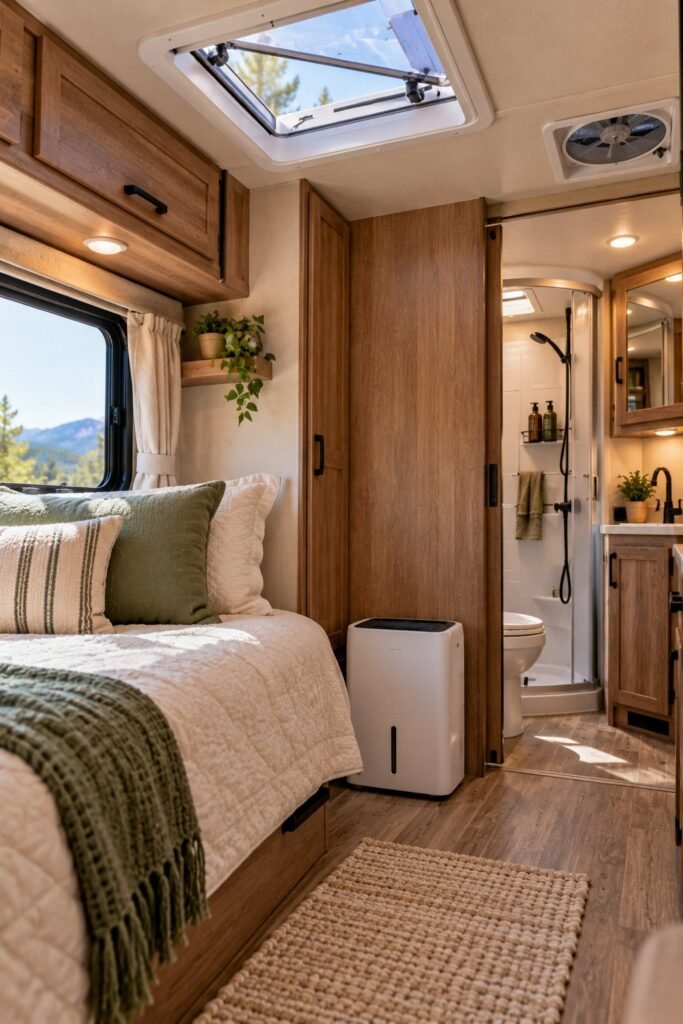
What I wish I knew. Living in a small space produces a lot of moisture, from cooking, showering, and breathing, and it needs somewhere to go.
Why it matters. Unchecked moisture leads to mildew, musty smells, and damp bedding, and it can cause real damage over time.
How to do it. Use vent fans when you cook and shower, crack a window or roof vent to keep air moving, and wipe down surfaces where condensation collects. A small dehumidifier can help in humid conditions.
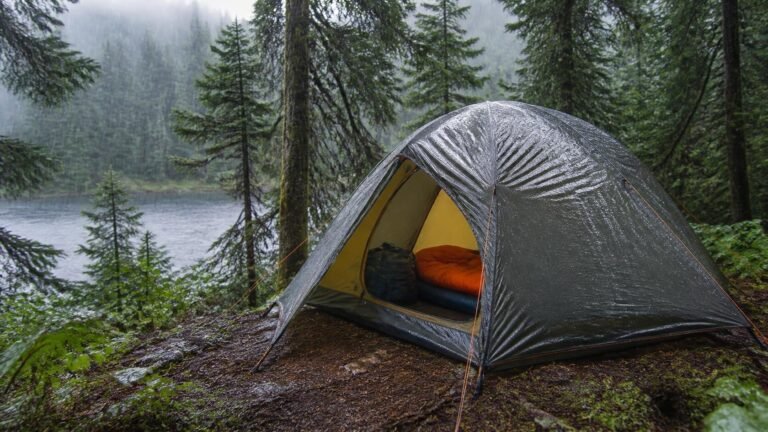
Tip. My 11 easy hacks for camping in the rain guide has more ideas for keeping gear dry when the weather turns.
7. Arrive in Daylight and Choose Your Site Carefully
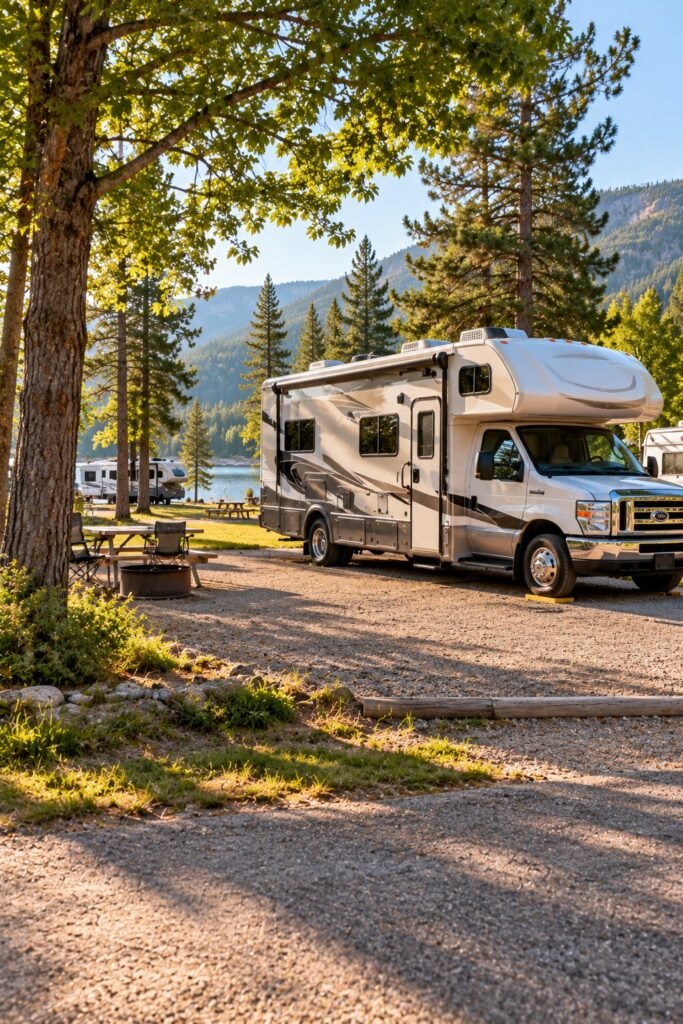
What I wish I knew. Not all sites are equal, even within the same campground, and backing a large rig into an unfamiliar spot in the dark is stressful.
Why it matters. The site you choose affects your comfort, from shade and levelness to how close you are to the road, the bathrooms, and your neighbors.
How to do it. Plan to arrive during daylight, and look at the site before you commit, if you can. Think about whether you need a pull-through or back-in, how much shade you want, and whether the site is big enough for your rig and slide-outs.
Tip. Ask the campground for photos of the specific site when you book, and check reviews for notes about noise and slope. My top 15 RV parks in North America guide highlights some parks worth planning around.
8. Book Ahead, but Keep a Backup Plan
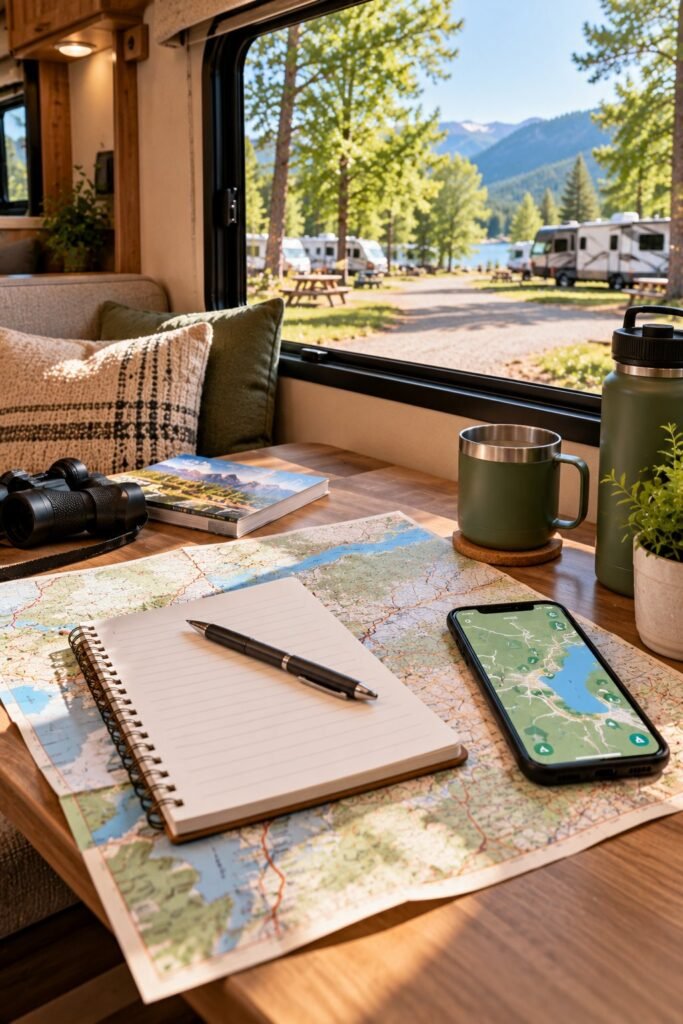
What I wish I knew. Popular campgrounds, especially near national parks and during holidays, can fill up months in advance, but plans also change.
Why it matters. Showing up without a reservation in peak season can mean driving farther than you planned to find a spot, which undoes the point of a relaxed trip.
How to do it. Reserve the places you really care about as early as you can, then keep the rest of the route flexible. Know a few backup options for each stop, whether that’s another campground or a different night.
Tip. Look at cancellation policies before booking, so a change of plan doesn’t cost you more than necessary.
9. Carry a Basic Spares Kit
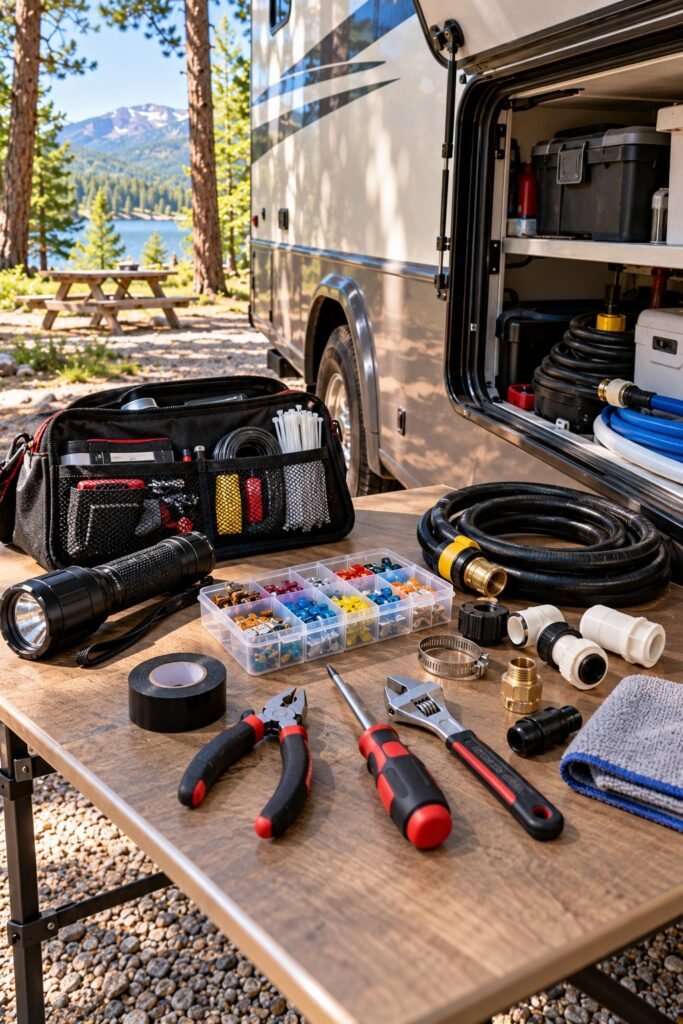
What I wish I knew. Small problems, a blown fuse, a loose connection, a leaking fitting, are common, and they become much bigger if you can’t fix them quickly.
Why it matters. Being able to handle minor issues keeps a hiccup from becoming a ruined trip, and it can save a trip to a repair shop.
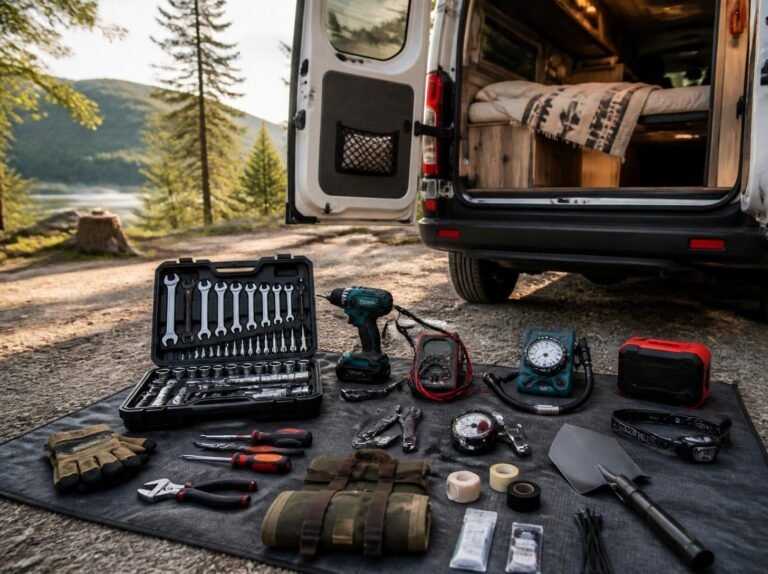
How to do it. Keep a small kit with spare fuses, basic tools, tape, a few common fittings, and a flashlight. Know where your fuse panel and breakers are, and keep the number for roadside assistance handy.
Tip. My 7 must have items for your RV guide covers a starter tool kit that fits this purpose.
10. Leave Room to Breathe

What I wish I knew. A small space gets cluttered quickly, and being in it every day can wear on you if you don’t plan for breathing room.
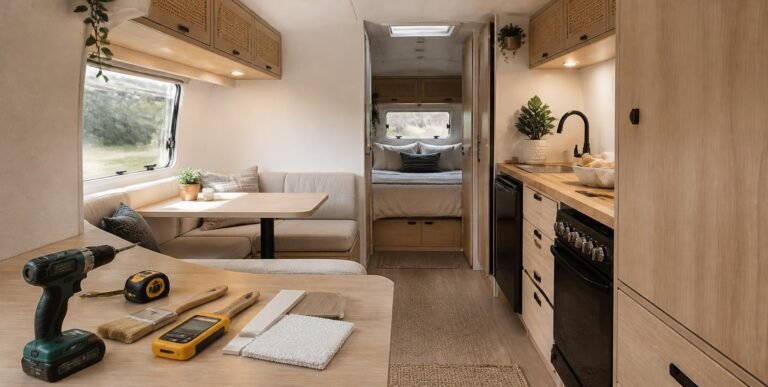
Why it matters. Whether you’re traveling for a week or living full time, a space that feels tidy and comfortable makes the whole experience more enjoyable.
How to do it. Adopt a one in, one out habit for belongings, keep surfaces clear, and make sure everyone has a bit of personal space. Build in downtime, a rest day between moves or a few days in one spot, rather than packing every day with activity.
Tip. My 5 easy RV organization accessories and hacks guide has simple ways to keep storage under control.
Frequently Asked Questions
How far should I drive in a day with an RV? Many RVers aim for roughly 300 miles or less, with an afternoon arrival, but the right distance depends on your rig, the roads, and how comfortable you feel driving.
How do I know if my RV is overloaded? Compare your loaded weight with your rig’s weight ratings, and consider weighing it at a truck scale if you’re unsure.
What’s the easiest way to avoid departure mistakes? Use a written checklist and run through it every time, even when you’re confident you remember everything.
How can I avoid tripping breakers at a campground? Know the rough wattage of your appliances and avoid running several large ones at once, especially on a 30 amp connection.
Is condensation really a big deal? Yes, because persistent moisture can lead to mildew and damage, and it’s easier to prevent with daily ventilation than to fix later.
Final Thoughts
None of these hacks require special equipment, just a bit of habit and attention. Keep travel days short, know your limits for weight, power, and water, check things before you leave, and leave yourself a little room to breathe.
Do that, and the stress of RV life tends to melt away, leaving more time for the parts that make it worth doing.
If you’re looking for where to take your rig next, my top 15 RV parks in North America guide is a good next read.