
Dublin punches well above its weight for a city of its size, packing centuries of history, a genuinely world famous pub culture, and enough literary and musical heritage into a compact, walkable center that most visitors are surprised by how much they can cover in just a few days.
This isn’t a city that requires a rental car or a complicated transit plan. It’s a city built for wandering, stopping into a pub when it starts raining, and letting one attraction lead naturally into the next.
This guide covers ten of the most iconic things to actually do once you’re there, along with the practical details to plan around each one.
If you’re prepping for your first trip to Ireland more broadly, my Ireland tips for your first visit guide covers a lot of the cultural and practical groundwork worth knowing before you land, and my airport carry on essentials guide is worth a look for the flight itself.
Quick Guide to Dublin’s Most Iconic Spots
| Attraction | Best For | Ideal Time Needed |
|---|---|---|
| Guinness Storehouse | First timers, brewery history | 1.5 to 2 hours |
| Trinity College and the Book of Kells | History, literature | 1 to 1.5 hours |
| Temple Bar | Nightlife, live music | 2 to 4 hours |
| Dublin Castle | History, architecture | 1 to 1.5 hours |
| St. Patrick’s Cathedral | History, quiet reflection | 45 minutes to 1 hour |
| Kilmainham Gaol | Irish independence history | 1.5 to 2 hours |
| Grafton Street | Shopping, street performers | 1 to 2 hours |
| Phoenix Park | Nature, wildlife | 1.5 to 3 hours |
| Ha’penny Bridge | Photos, quick stop | 15 to 20 minutes |
| Christ Church Cathedral | History, architecture | 45 minutes to 1 hour |
1. Guinness Storehouse
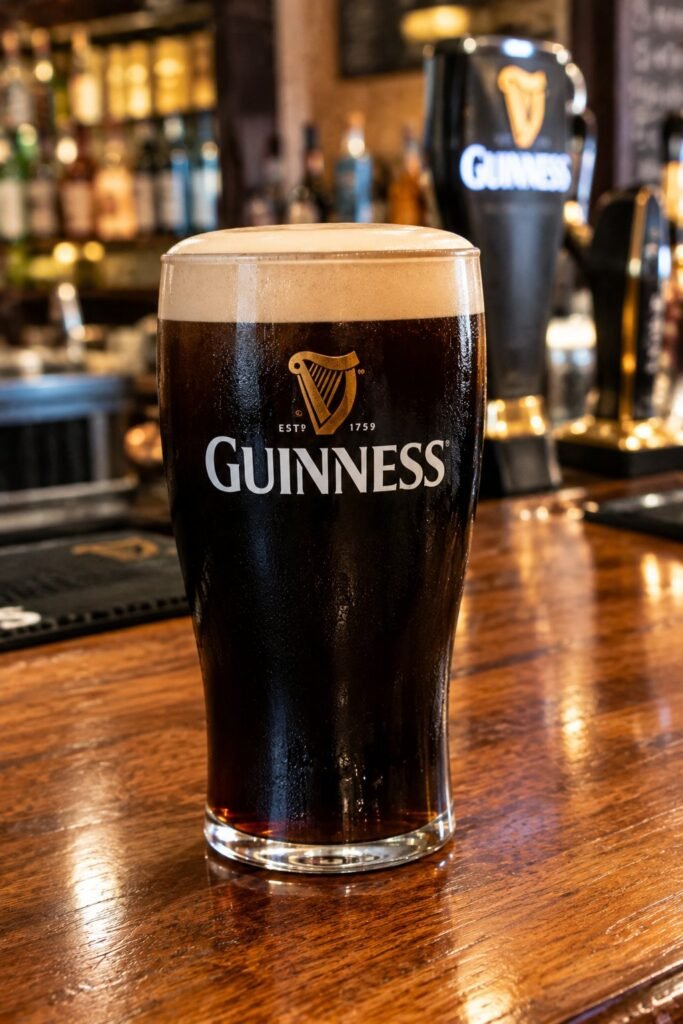
Why it’s iconic. Housed in the original fermentation plant of the Guinness brewery, this is one of Ireland’s most visited attractions for good reason, blending brewing history with genuinely engaging exhibits, all culminating in a pint at the rooftop Gravity Bar with panoramic views over the city.
What to expect. Self guided exhibits cover the beer’s ingredients, brewing process, and advertising history, spread across several floors, with the top floor Gravity Bar offering both a included pint and one of the best views in Dublin.
How to get there. A short walk, bus, or tram ride from the city center, roughly twenty minutes on foot from Temple Bar.
Budget tips. Book tickets online in advance for a better rate than purchasing at the door, and treat the included pint at the top as part of the ticket price rather than an extra expense.
Best time to visit. Early morning or late afternoon slots tend to be less crowded than the busy midday hours.
2. Trinity College and the Book of Kells
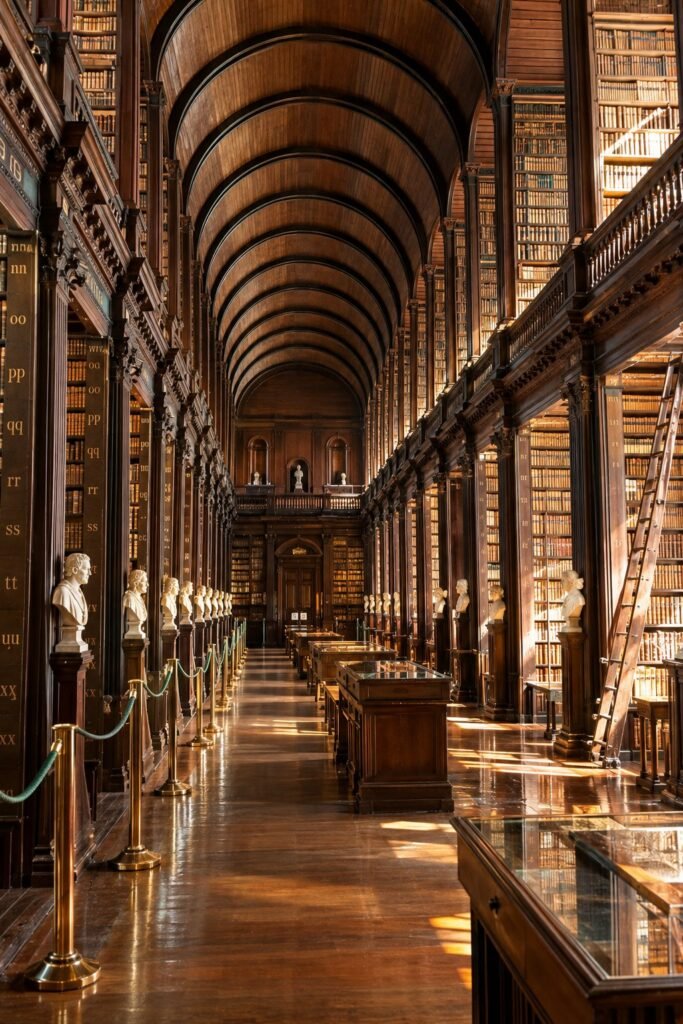
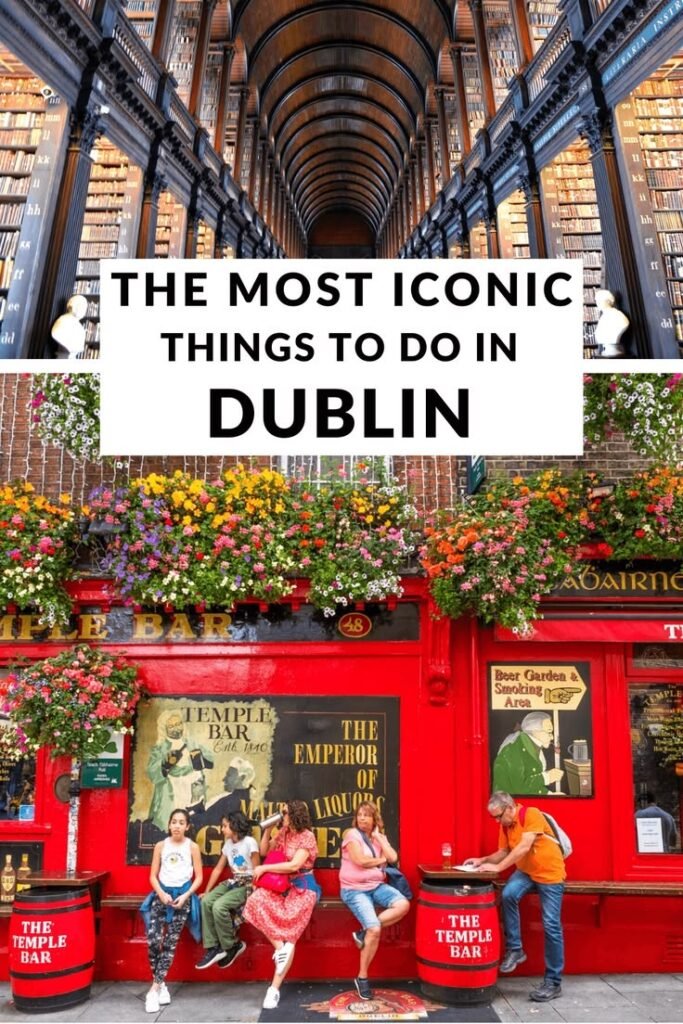
Why it’s iconic. Trinity College’s stunning Long Room library, lined floor to ceiling with old leather bound books, has become one of the most photographed library interiors in the world, and it houses the Book of Kells, an ornately illustrated medieval manuscript considered one of Ireland’s greatest treasures.
What to expect. A guided or self guided viewing of the Book of Kells exhibit, followed by the Long Room itself, a genuinely breathtaking space that looks like something out of a film set.
How to get there. Right in the heart of the city center, an easy walk from most central Dublin accommodation.
Budget tips. Book tickets online ahead of time, since both the price and the line tend to be better than showing up without a reservation, especially during peak season.
Best time to visit. Morning visits, right at opening, offer the best chance of a quieter Long Room before tour groups arrive in force.
3. Temple Bar
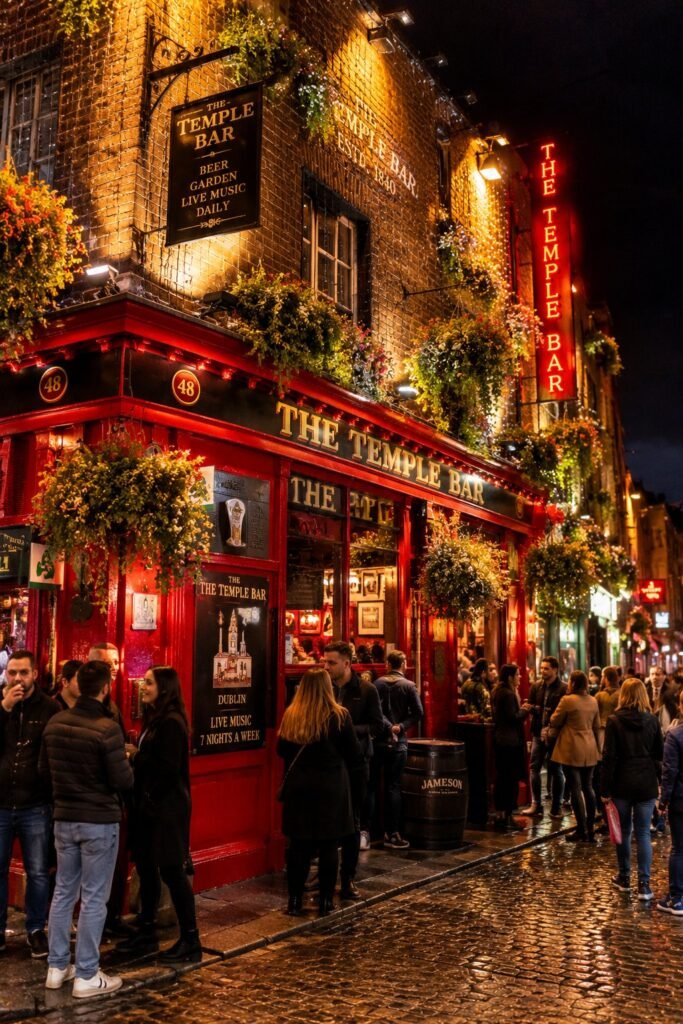
Why it’s iconic. This cobblestone neighborhood, with its colorful pub facades and near constant live traditional music, is the version of Dublin nightlife most visitors picture before they ever arrive.
What to expect. A concentrated cluster of pubs, many with live music sessions running through the evening, along with restaurants, shops, and a genuinely lively atmosphere, especially after dark.
How to get there. Centrally located and walkable from nearly anywhere in central Dublin.
Budget tips. Drink prices in Temple Bar itself tend to run higher than pubs just a few streets away, so wandering slightly outside the immediate Temple Bar core often gets you the same live music atmosphere for less.
Best time to visit. Evening is when the area truly comes alive, though a daytime walk-through offers a quieter look at the same colorful streets.
4. Dublin Castle
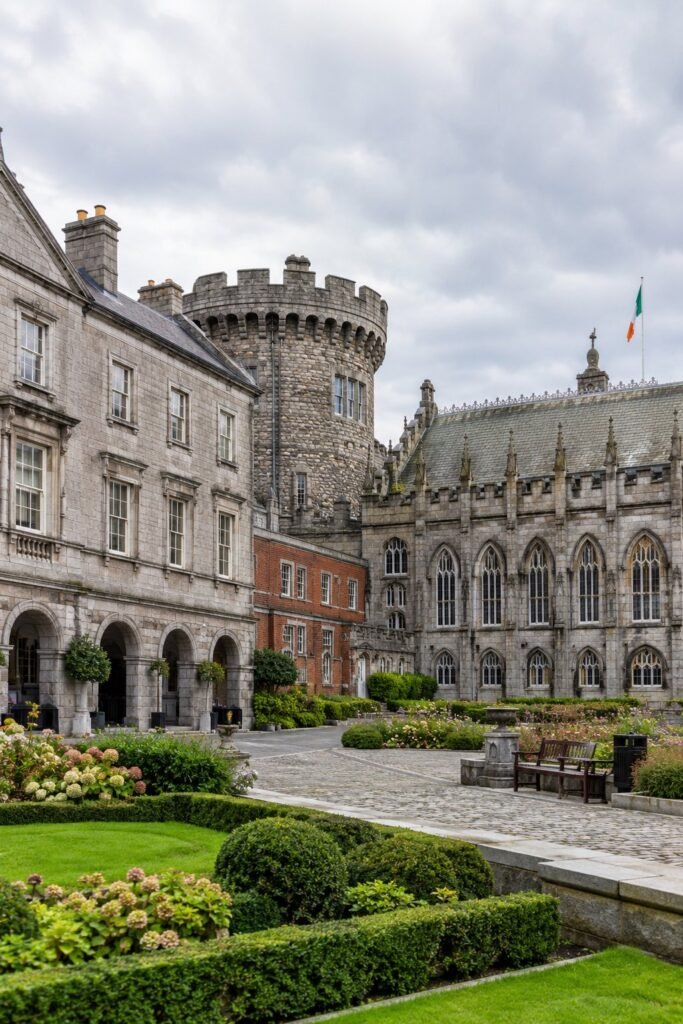
Why it’s iconic. Once the seat of British rule in Ireland for centuries, Dublin Castle now serves government functions while remaining open for tours through its historic State Apartments and grounds.
What to expect. A guided or self guided tour through ornate state rooms, along with the castle’s gardens and the remains of the original medieval structure visible beneath the modern buildings.
How to get there. Centrally located, an easy walk from Temple Bar or Trinity College.
Budget tips. The castle gardens and courtyard are free to explore even without booking a paid tour of the interior state rooms.
Best time to visit. Weekday mornings tend to be quieter than weekend afternoons.
5. St. Patrick’s Cathedral
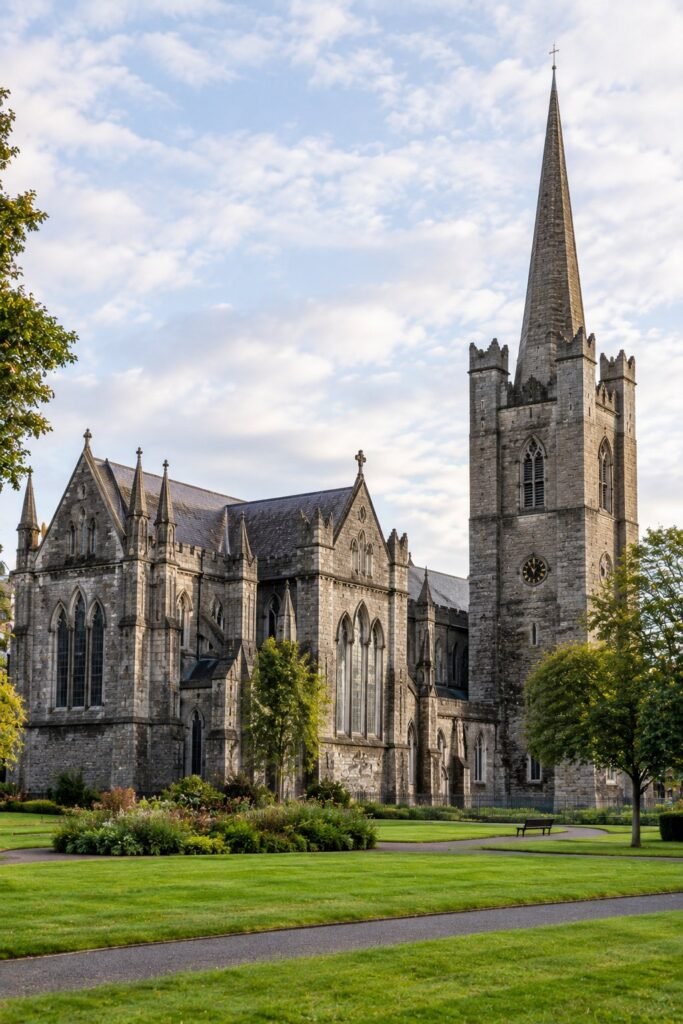
Why it’s iconic. Ireland’s largest cathedral, founded in the 12th century, holds deep significance in Irish religious and literary history, including its connection to Jonathan Swift, who served as dean here.
What to expect. A self guided walk through the cathedral’s soaring interior, historic monuments, and quiet, reflective atmosphere, a genuine change of pace from the busier attractions elsewhere in the city.
How to get there. A fifteen to twenty minute walk south of Temple Bar.
Budget tips. Entry requires a modest fee, though visiting during a service, when open to the public, is sometimes free depending on current cathedral policy.
Best time to visit. Late morning or early afternoon on a weekday tends to be quieter than weekend visits.
6. Kilmainham Gaol
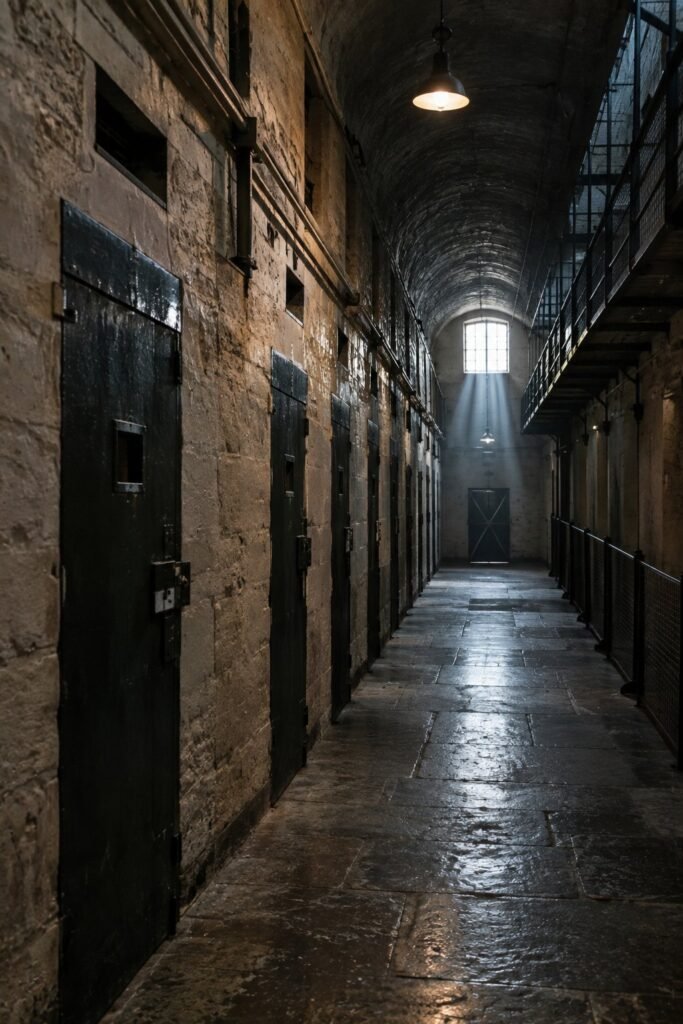
Why it’s iconic. This former prison played a central role in Ireland’s fight for independence, having held and executed several leaders of the 1916 Easter Rising, making it one of the most historically significant sites in the country.
What to expect. A guided tour, required for entry, walking through the prison’s stone corridors and the execution yard, paired with genuinely moving storytelling about the site’s role in Irish history.
How to get there. A short bus ride or a longer walk west of the city center.
Budget tips. Book your guided tour slot well in advance, since this is one of Dublin’s most popular attractions and tours regularly sell out, especially in summer.
Best time to visit. Book the earliest available tour slot for the best chance at availability and a quieter group size.
7. Grafton Street
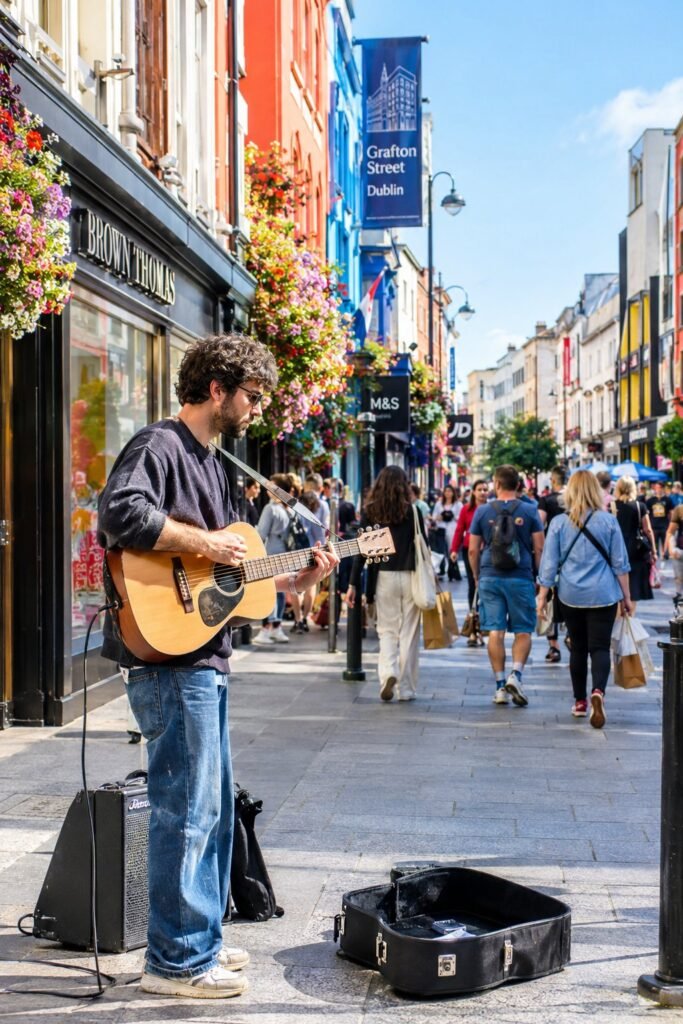
Why it’s iconic. This pedestrianized shopping street sits at the heart of Dublin’s retail and street performance scene, lined with shops, cafes, and buskers who have launched more than a few genuine music careers over the years.
What to expect. A lively pedestrian street filled with shopping, street performers, and a general buzz that makes it one of the most photographed streets in the city.
How to get there. Centrally located, connecting naturally to a walk through Trinity College or St. Stephen’s Green.
Budget tips. Window shopping and enjoying the free street performances cost nothing, making this an easy, budget friendly stop to fill time between paid attractions.
Best time to visit. Afternoon, when street performers are most active and the atmosphere is at its liveliest.
8. Phoenix Park
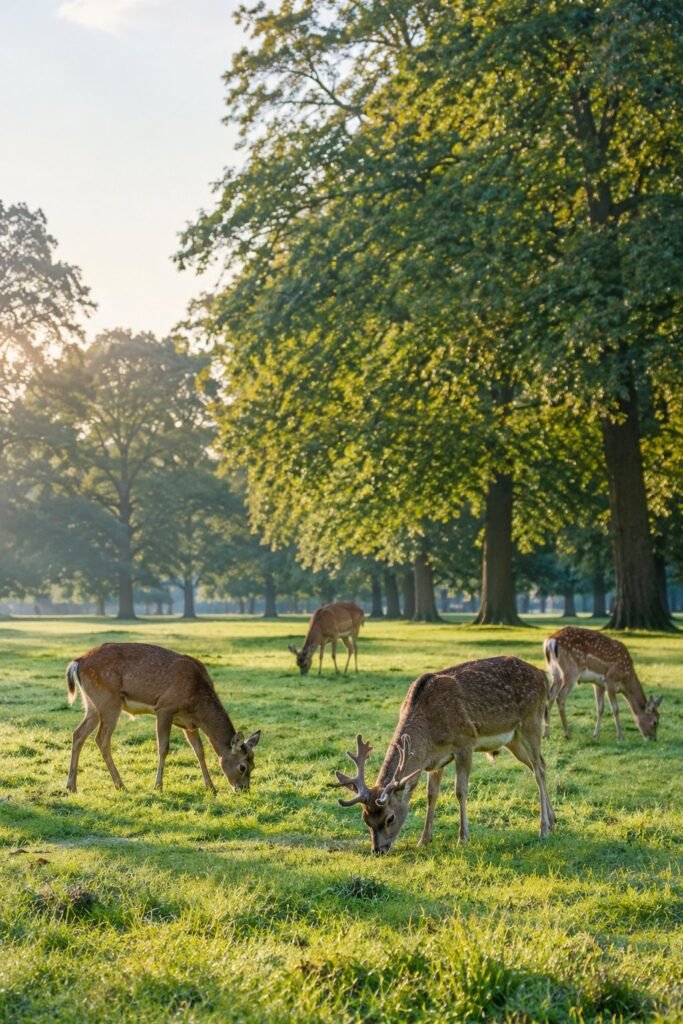
Why it’s iconic. One of the largest enclosed urban parks in Europe, Phoenix Park offers genuine green space, wandering deer, and the official residences of both the Irish President and the US Ambassador, all within walking distance of the city center.
What to expect. Wide open walking and cycling paths, a genuine chance of spotting the park’s resident wild deer herd, and enough space to spend anywhere from an hour to a full afternoon.
How to get there. A short bus ride or a longer walk west of the city center, easily combined with a visit to the nearby Guinness Storehouse.
Budget tips. The park itself is completely free, making it one of the best value stops on this entire list.
Best time to visit. Early morning or late afternoon offer the best chance of spotting the deer herd, which tends to be less active during the busiest midday hours.
9. Ha’penny Bridge
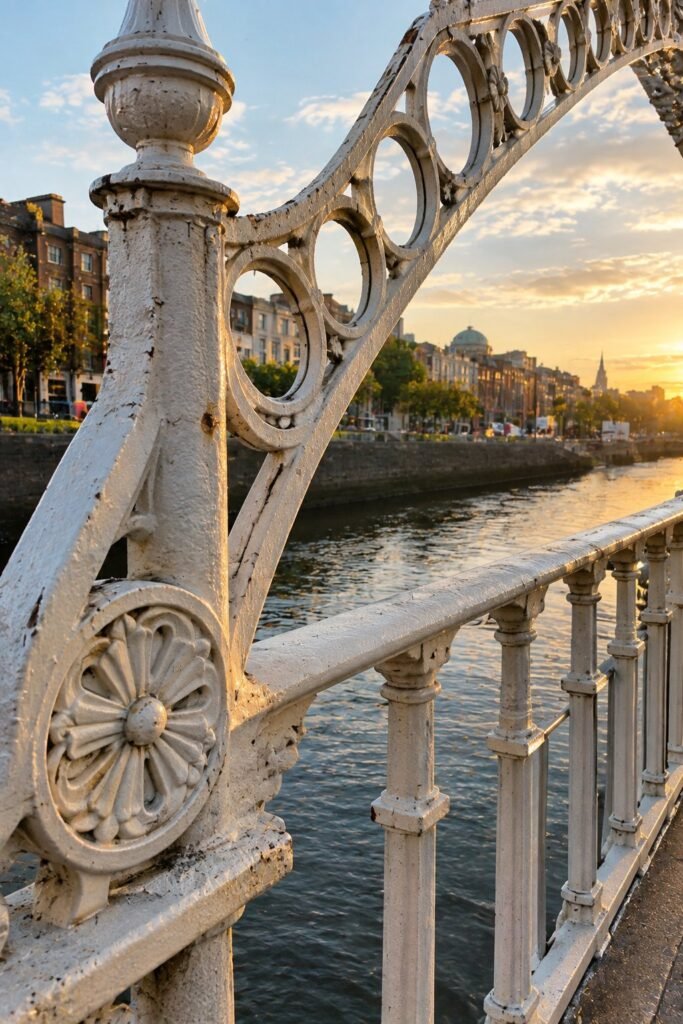
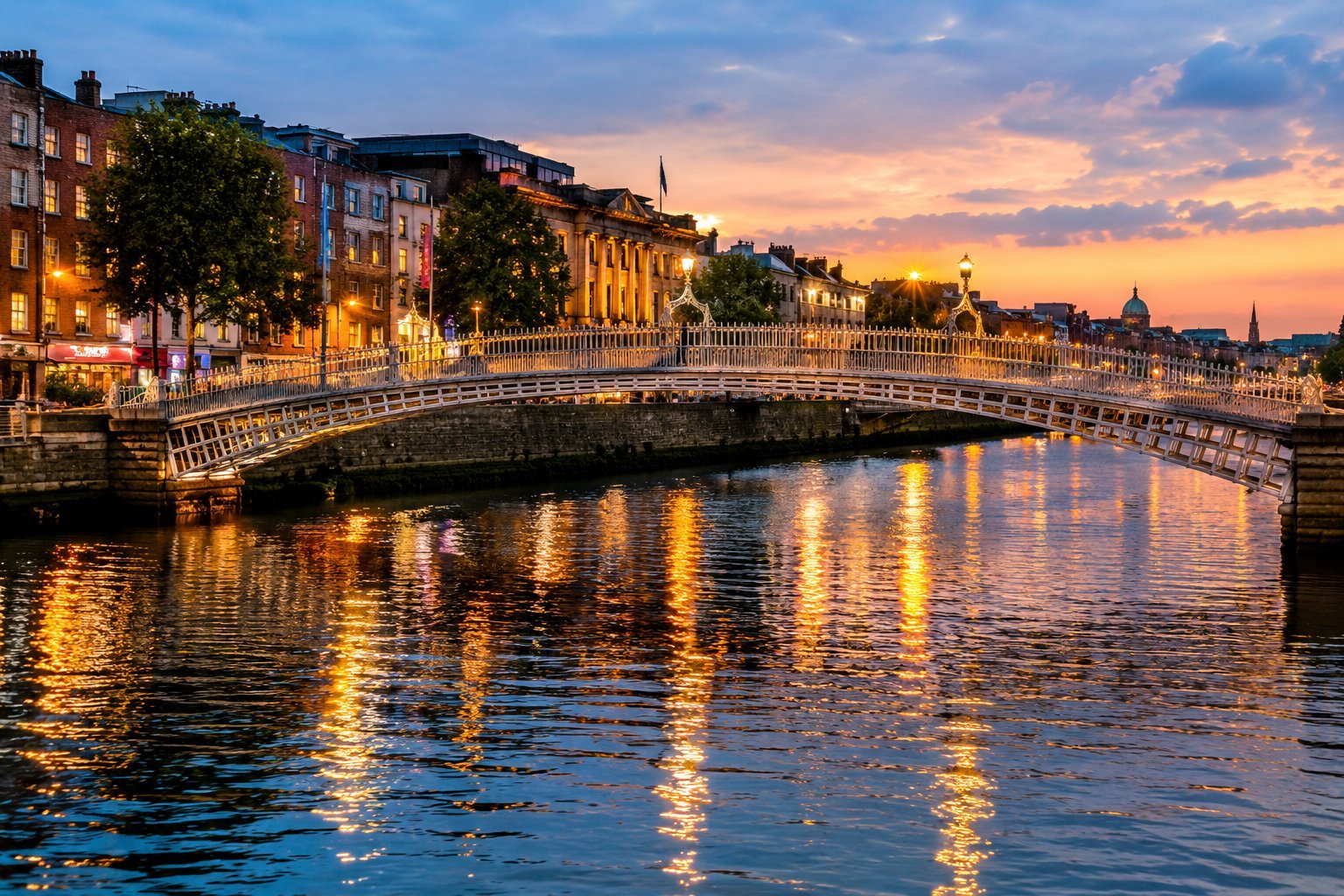
Why it’s iconic. This elegant, cast iron pedestrian bridge crossing the River Liffey has become one of Dublin’s most photographed landmarks, named for the half penny toll once charged to cross it.
What to expect. A quick stop for photos, with the bridge itself and the surrounding riverside views taking only a few minutes to fully appreciate.
How to get there. Centrally located, connecting Temple Bar to the northern side of the city center.
Budget tips. Completely free, and one of the quickest, easiest additions to any Dublin itinerary.
Best time to visit. Early morning or evening light both photograph beautifully against the bridge’s ironwork.
10. Christ Church Cathedral
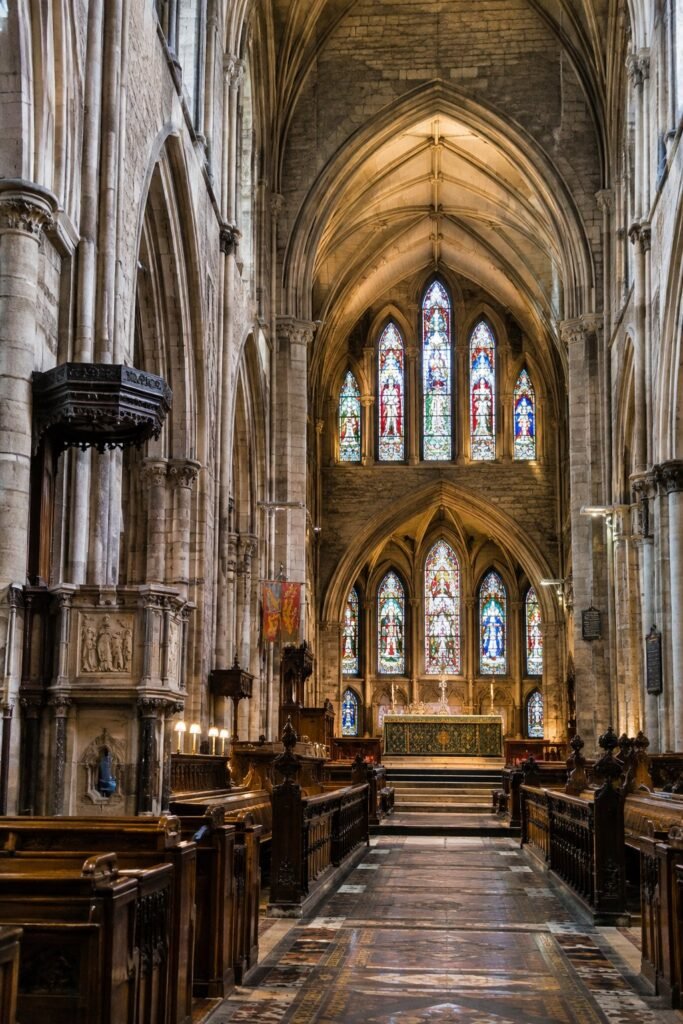
Why it’s iconic. One of Dublin’s two medieval cathedrals, Christ Church dates back nearly a thousand years and includes a genuinely fascinating medieval crypt, one of the largest of its kind in Britain or Ireland.
What to expect. A self guided walk through the cathedral’s Gothic interior, followed by a visit to the atmospheric crypt below, which houses historical artifacts and even a mummified cat and rat, a genuinely odd but memorable detail.
How to get there. A short walk from Temple Bar or Dublin Castle.
Budget tips. Combined tickets covering both Christ Church and the nearby Dublinia museum sometimes offer better value than paying for each separately.
Best time to visit. Weekday mornings tend to be quieter than weekend afternoons.
Which Dublin Attraction Fits Your Trip?
| If you want… | Go to… |
|---|---|
| Ireland’s most famous export | Guinness Storehouse |
| A stunning historic library | Trinity College |
| Live music and nightlife | Temple Bar |
| Centuries of political history | Dublin Castle |
| Quiet, reflective history | St. Patrick’s Cathedral |
| Irish independence history | Kilmainham Gaol |
| Shopping and street performers | Grafton Street |
| Green space and wildlife | Phoenix Park |
| A quick, iconic photo stop | Ha’penny Bridge |
| Medieval architecture and crypts | Christ Church Cathedral |
Frequently Asked Questions
How many days do you need to see Dublin’s main attractions? Two to three full days comfortably covers everything on this list without feeling rushed, though a single very full day can hit the highlights if that’s all your schedule allows.
Is Dublin walkable? Yes, the vast majority of these attractions sit within Dublin’s compact city center and are easily reached on foot, with buses and trams covering the slightly further stops like Kilmainham Gaol and Phoenix Park.
Do I need to book tickets in advance? For Kilmainham Gaol and the Book of Kells especially, yes, since both regularly sell out, particularly during summer. The Guinness Storehouse and Dublin Castle also benefit from advance booking, though same day tickets are sometimes available outside peak season.
What’s the best free thing to do in Dublin? Phoenix Park, Grafton Street’s street performances, and a walk across the Ha’penny Bridge all cost nothing and rank among the city’s most memorable experiences.
Is Dublin expensive to visit? It runs on the pricier side for a European capital, though free attractions like Phoenix Park and Grafton Street help balance out the cost of paid sites like the Guinness Storehouse and Kilmainham Gaol.
What’s the best time of year to visit Dublin? Late spring and early fall offer the most comfortable weather for walking between attractions, though Dublin remains a viable year round destination given how much of its appeal is indoors or covered.
Final Thoughts
Dublin’s iconic status comes from genuine substance rather than a single headline attraction.
Between a pint at the Guinness Storehouse, an evening of live music in Temple Bar, and a walk through Kilmainham Gaol’s sobering history, this list covers a city that rewards curiosity as much as it rewards a checklist approach.
Pace yourself, leave room for an unplanned pub stop when the weather turns, and let one attraction lead naturally into the next the way Dublin itself seems built for.