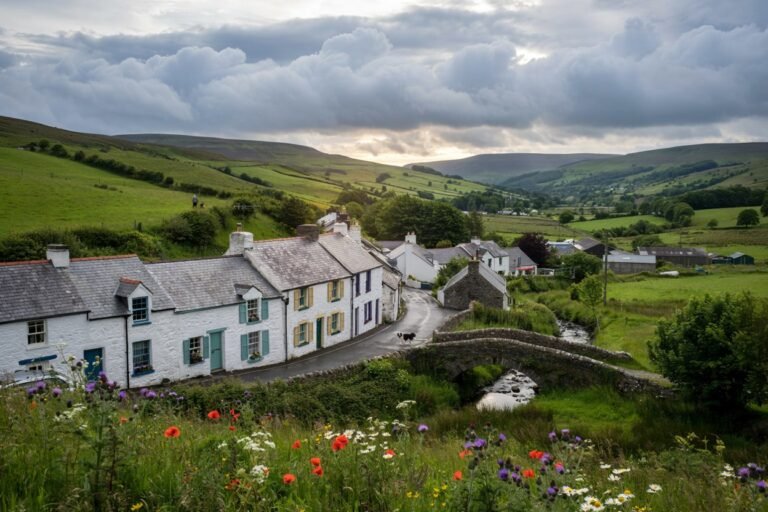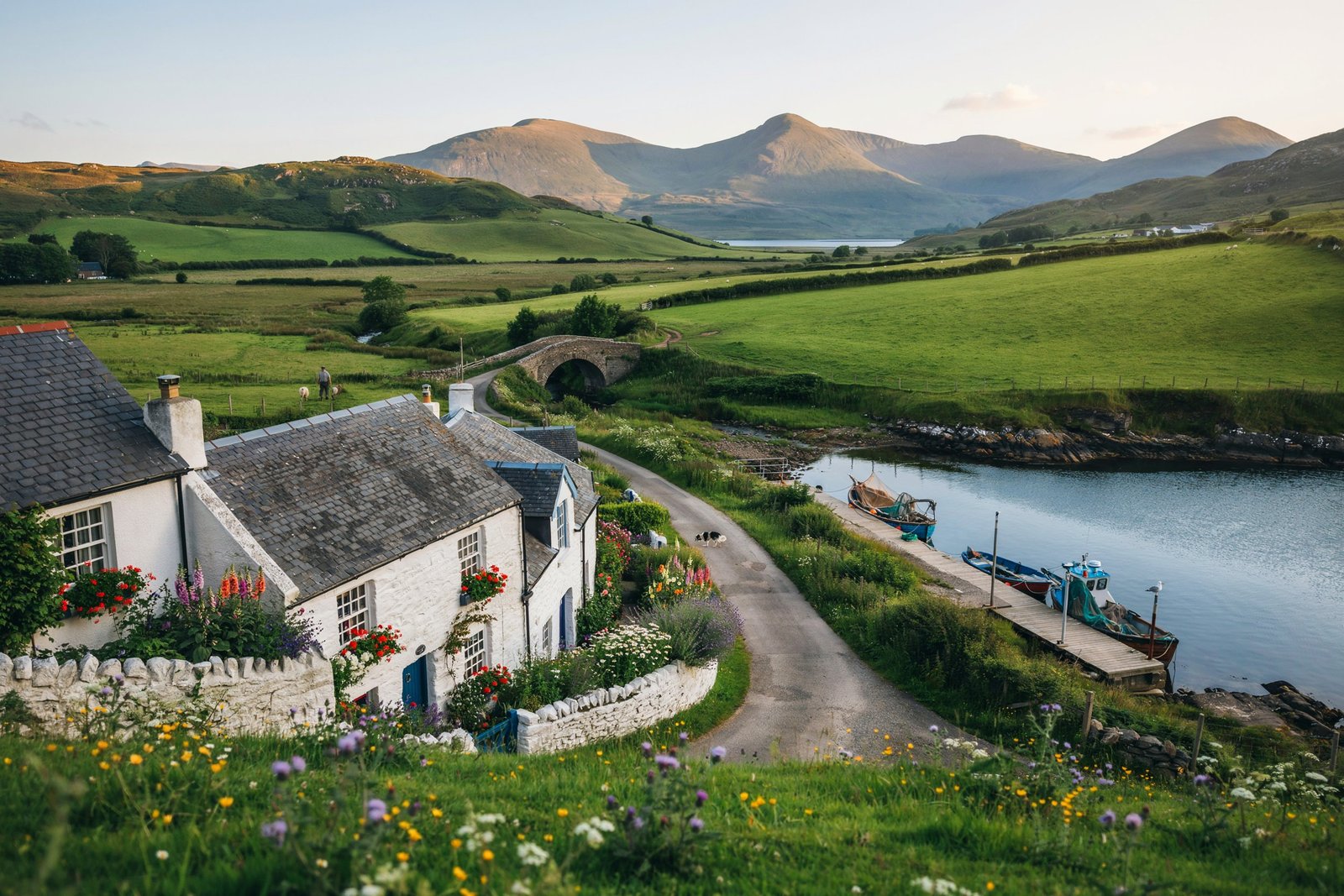
A few years ago, I found myself craving a slower pace of life.
The constant noise of busy cities, endless notifications, and packed schedules left me dreaming about quiet places where I could simply breathe, walk, and enjoy the beauty around me.
That search led me to some of Ireland’s most peaceful villages, hidden among rolling green hills, rugged coastlines, sparkling lakes, and charming countryside roads.
What surprised me most wasn’t just the scenery. It was the feeling of calm that seemed to settle over everything.
Locals greeted visitors with warm smiles, traditional pubs welcomed travelers without crowds, and every village seemed to move at its own relaxed rhythm.
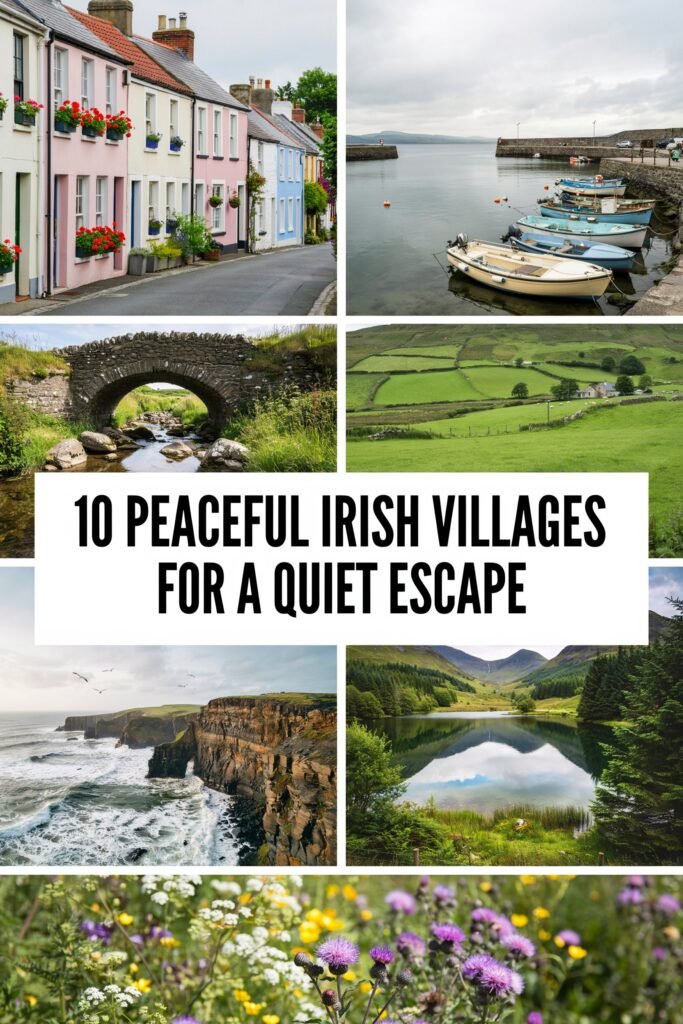
These destinations offered exactly what many travelers seek but rarely find: genuine peace and simplicity.
Whether you’re planning a relaxing holiday, a romantic getaway, a solo retreat, or simply dreaming about your next adventure, these peaceful Irish villages offer the perfect escape from everyday stress.
From colorful harbor towns to lakeside communities and coastal gems, each village has its own unique charm and unforgettable atmosphere.
Disclaimer
This post may contain affiliate links. As an Amazon Associate, I earn from qualifying purchases at no additional cost to you. The information in this article is for educational and informational purposes only. I only recommend products that I believe are relevant to this topic. Travel information, prices, and availability may change over time, so always verify details before making travel plans.

Amazon Shopping List
- Ireland Travel Guide Book
- RFID Blocking Travel Wallet
- Universal Travel Adapter
- Lightweight Carry-On Backpack
- Portable Power Bank
- Compact Travel Umbrella
- Travel Journal and Planner
Why These Villages Are Worth the Vacation
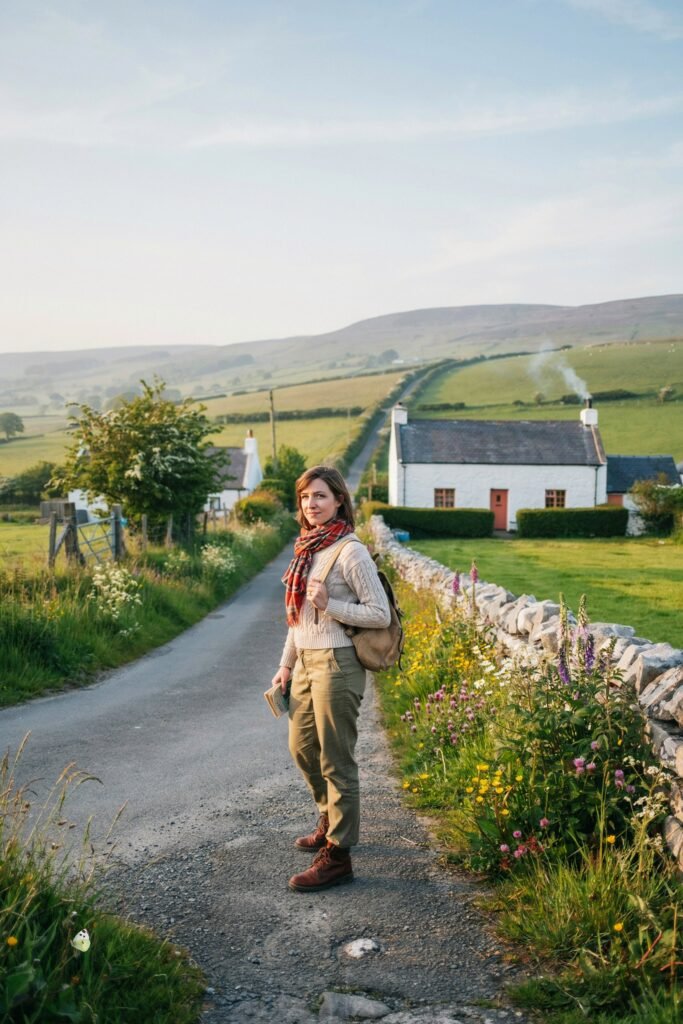
If your idea of a perfect vacation involves escaping busy crowds, slowing down, and soaking in beautiful scenery, these Irish villages deliver exactly that.
Each destination offers a unique blend of breathtaking landscapes, rich history, welcoming locals, and authentic Irish charm.
Whether you’re strolling through colorful streets, enjoying coastal views, exploring ancient landmarks, or simply relaxing in a traditional pub, these villages provide memorable experiences that are difficult to find in larger tourist destinations.
They are the perfect places to reconnect with nature, discover local culture, and enjoy a truly peaceful getaway.
Here are ten of the most peaceful Irish villages worth adding to your travel bucket list.
1. Adare, County Limerick
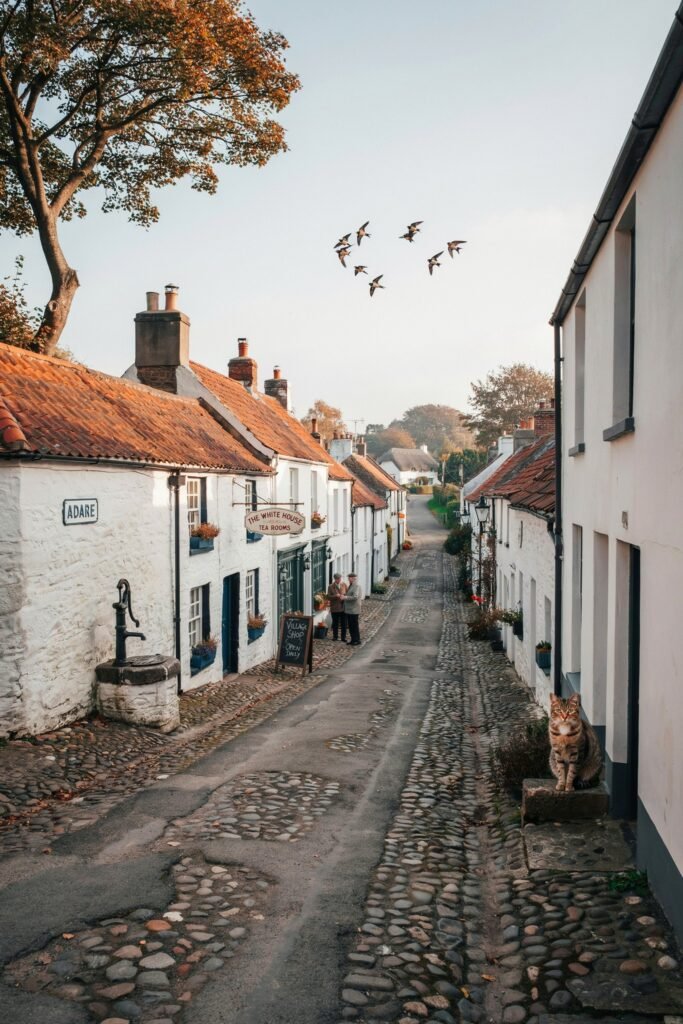
Often called Ireland’s prettiest village, Adare feels like stepping into a storybook.
The village is famous for its picturesque thatched cottages, historic stone buildings, and beautifully maintained gardens.
Visitors can stroll along quiet streets lined with colorful flowers, explore local boutiques, or relax beside the gentle River Maigue.
The village’s peaceful atmosphere makes it ideal for travelers looking to slow down and enjoy Ireland’s countryside beauty.
What Makes Adare Special
- Traditional thatched cottages
- Historic churches and monasteries
- Scenic walking routes
- Relaxed village atmosphere
- Charming local cafés
Best Time to Visit
Late spring through early autumn offers mild weather and blooming gardens that make Adare particularly beautiful.
2. Cong, County Mayo
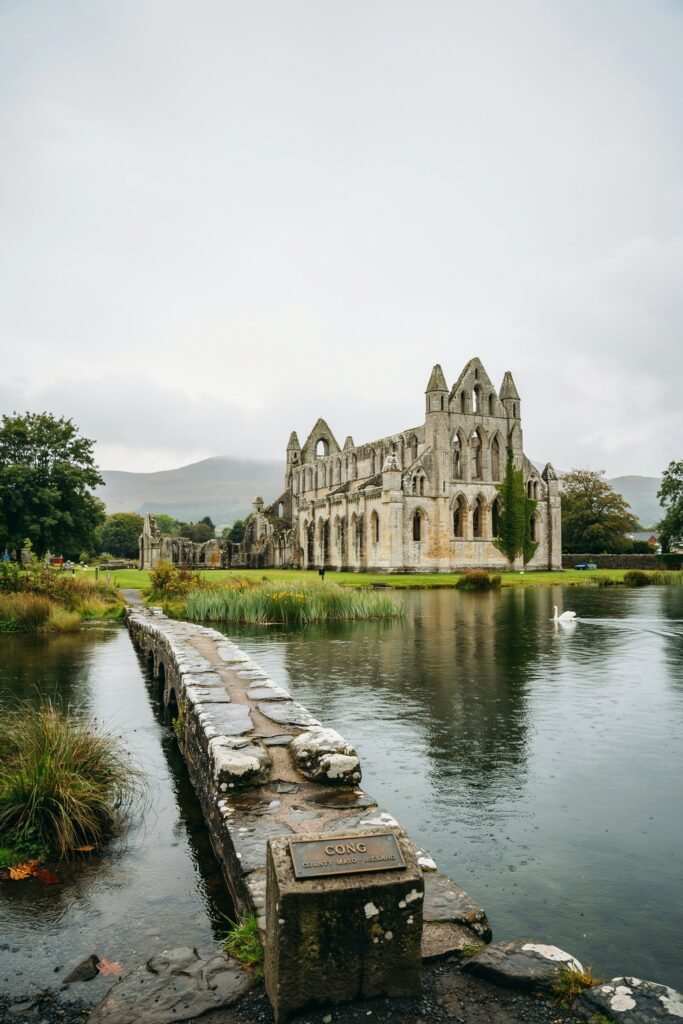
Nestled between Lough Corrib and Lough Mask, Cong is one of Ireland’s most tranquil villages.
Surrounded by forests, lakes, and rivers, it provides countless opportunities for peaceful outdoor adventures.
The village gained international attention after serving as a filming location for the classic movie “The Quiet Man,” but it has never lost its calm and authentic character.
Things to Do
- Walk through Cong Woods
- Explore Ashford Castle grounds
- Visit ancient abbey ruins
- Enjoy lakeside walks
- Go fishing or boating
Why Travelers Love It
The combination of water, woodland, and historic landmarks creates a deeply relaxing environment perfect for unwinding.

3. Doolin, County Clare
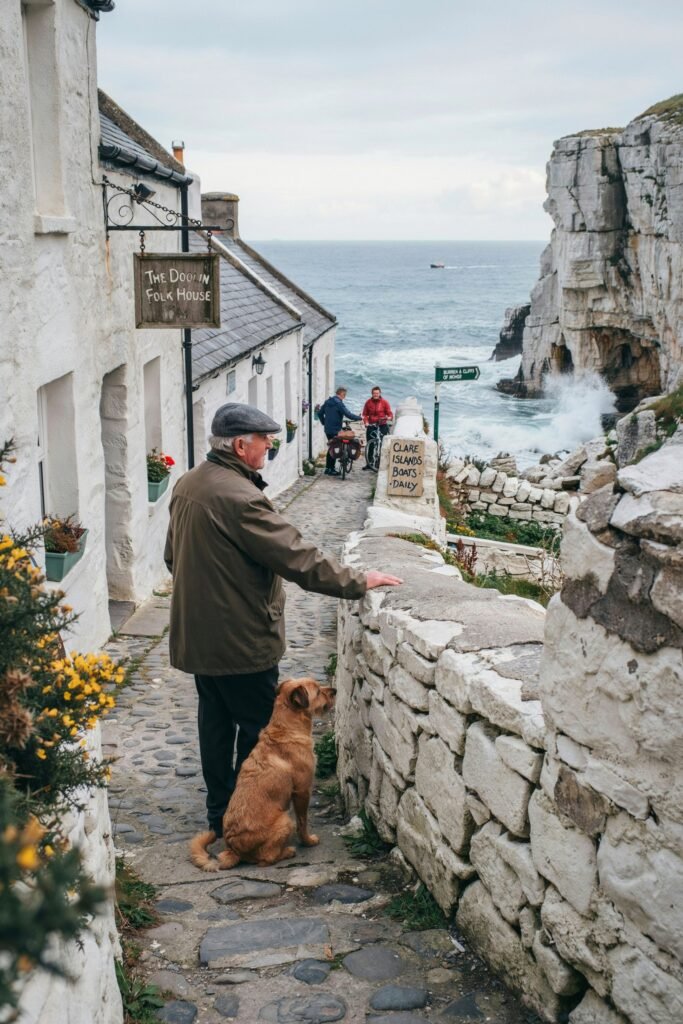
While Doolin is famous as the gateway to the Cliffs of Moher, the village itself remains surprisingly peaceful.
Colorful cottages, ocean views, and traditional Irish music create an unforgettable atmosphere.
Unlike larger tourist destinations, Doolin maintains its small-village charm while offering excellent hospitality and breathtaking coastal scenery.
Highlights
- Atlantic Ocean views
- Traditional Irish music sessions
- Access to the Aran Islands
- Scenic coastal walks
- Friendly local community
Perfect For
Nature lovers, photographers, and travelers seeking a slower pace near Ireland’s west coast.
4. Roundstone, County Galway
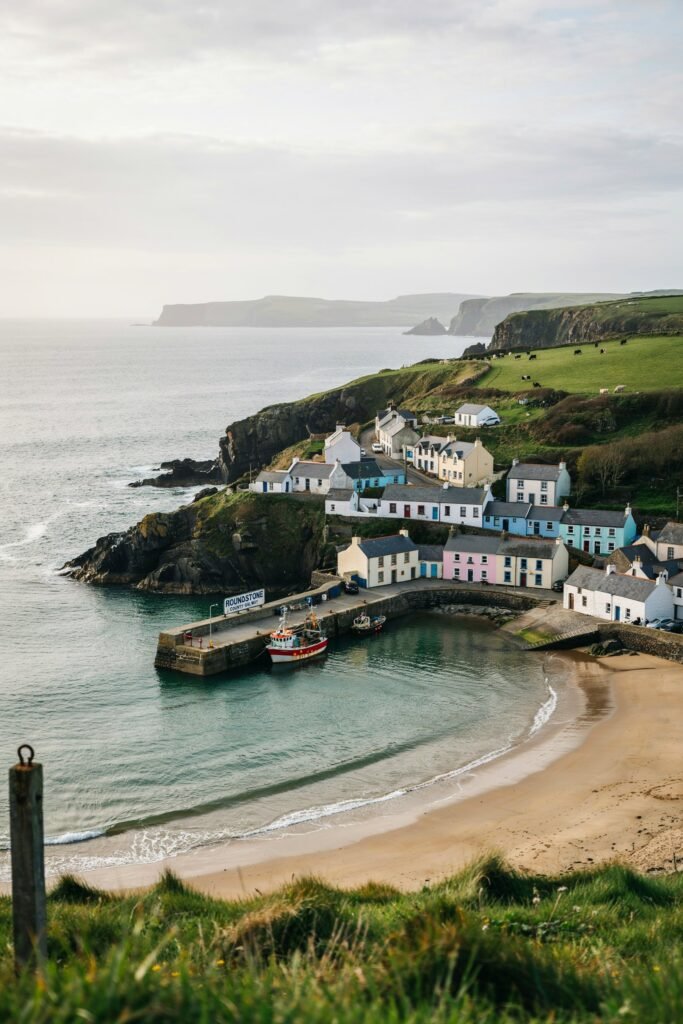
Located along the spectacular Connemara coast, Roundstone is one of Ireland’s hidden treasures.
Surrounded by mountains, beaches, and rugged landscapes, it offers incredible natural beauty without large crowds.
The village’s harbor provides a peaceful setting where fishing boats gently sway in the water while visitors enjoy stunning views in every direction.
Must-See Attractions
- Dog’s Bay Beach
- Gurteen Beach
- Connemara National Park
- Local artisan workshops
- Scenic harbor views
Atmosphere
Quiet, artistic, and deeply connected to nature.
5. Carlingford, County Louth
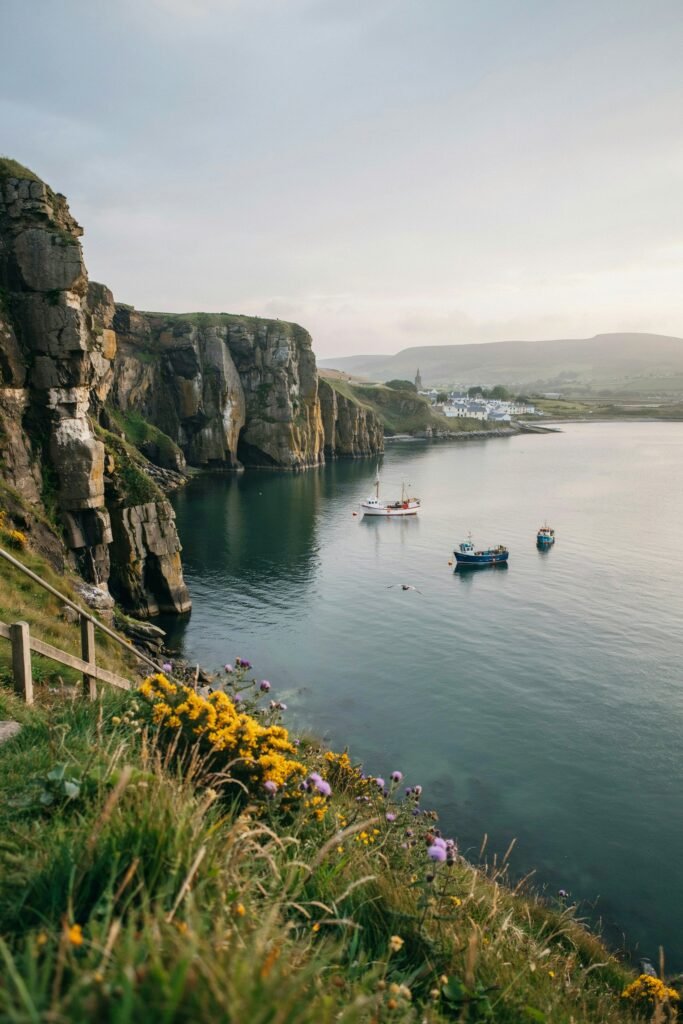
Set against the backdrop of the Cooley Mountains, Carlingford combines medieval history with peaceful coastal scenery.
Narrow streets, ancient buildings, and waterfront views create a unique atmosphere that feels both historic and relaxing.
Why Visit
- Medieval architecture
- Coastal walking trails
- Mountain views
- Quiet harbor setting
- Rich local history
Ideal For
History enthusiasts and travelers who enjoy scenic landscapes.

6. Inistioge, County Kilkenny
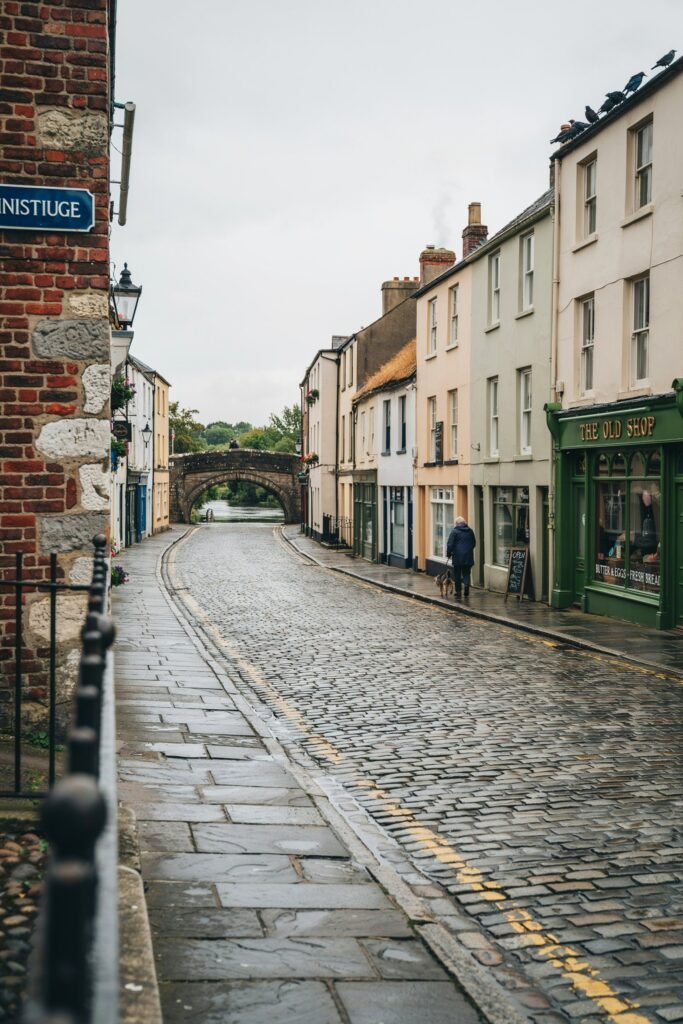
Inistioge is often overlooked by international visitors, making it one of Ireland’s most peaceful villages.
Located beside the River Nore, the village features beautiful stone bridges, tree-lined pathways, and elegant Georgian architecture.
Top Experiences
- Walk along the River Nore
- Explore Woodstock Gardens
- Visit historic churches
- Enjoy peaceful riverside picnics
- Discover local cafés
What You’ll Love
The village feels untouched by time and offers a genuine glimpse into rural Irish life.
7. Kinvara, County Galway
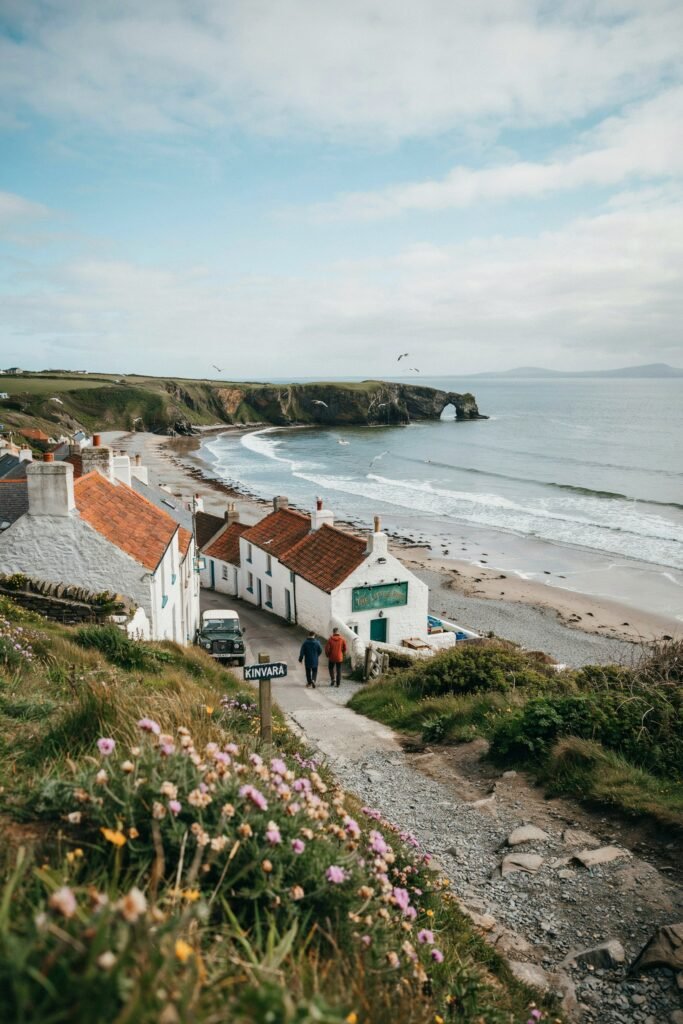
Kinvara sits on the edge of Galway Bay and offers a wonderful combination of coastal beauty and traditional Irish culture.
Despite its popularity with locals, the village maintains a calm and welcoming atmosphere throughout much of the year.
Popular Attractions
- Dunguaire Castle
- Galway Bay views
- Local seafood restaurants
- Scenic coastal drives
- Traditional Irish pubs
Best Feature
Sunset views over Galway Bay are particularly memorable and provide a sense of complete tranquility.
8. Glandore, County Cork
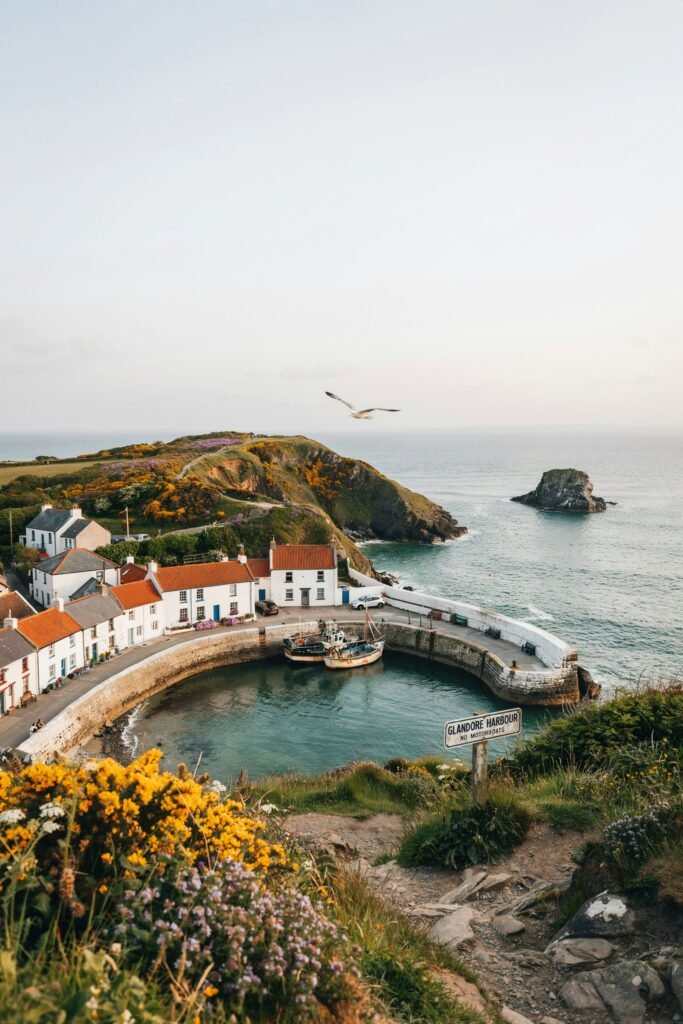
For travelers seeking true peace and quiet, Glandore is hard to beat. This tiny harbor village offers stunning waterfront scenery and a wonderfully relaxed pace of life.
The village overlooks a beautiful natural harbor and is surrounded by rolling hills and coastal landscapes.
Activities
- Harbor walks
- Sailing and kayaking
- Birdwatching
- Coastal photography
- Relaxing seaside dining
Why It’s Peaceful
Limited traffic and a small population help preserve the village’s calm atmosphere.
9. Graiguenamanagh, County Kilkenny
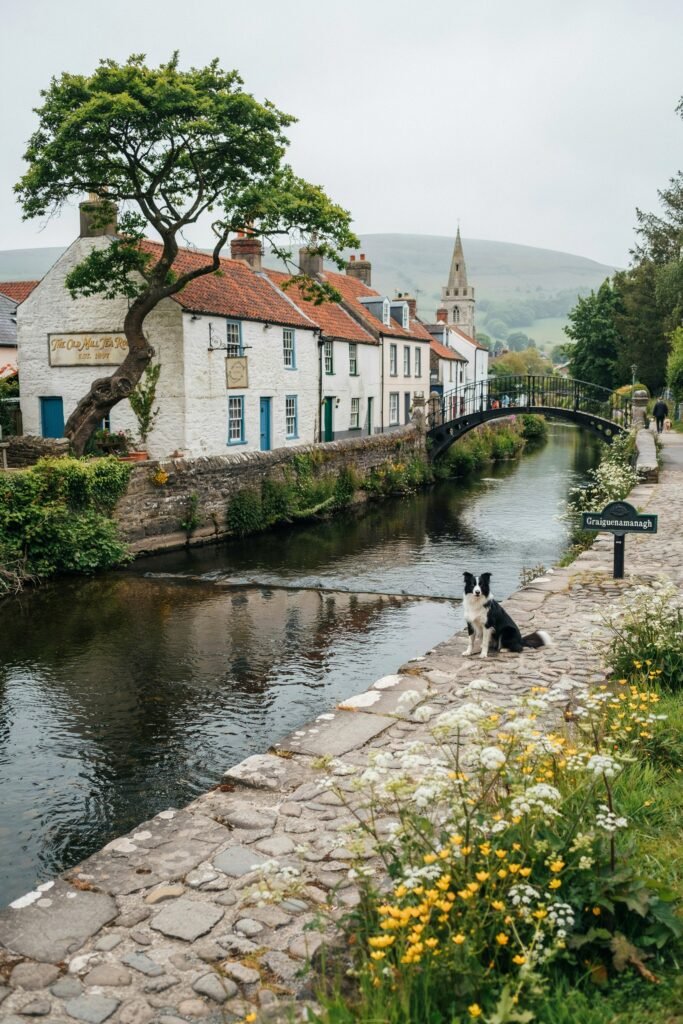
Situated along the River Barrow, Graiguenamanagh offers beautiful scenery, historic landmarks, and peaceful outdoor recreation opportunities.
The village is particularly popular among walkers, cyclists, and nature lovers looking to escape busy urban environments.
Highlights
- Duiske Abbey
- River Barrow trails
- Canoeing opportunities
- Scenic countryside views
- Traditional Irish hospitality
Local Charm
Friendly residents and slower-paced living create an inviting environment for visitors.
10. Sneem, County Kerry
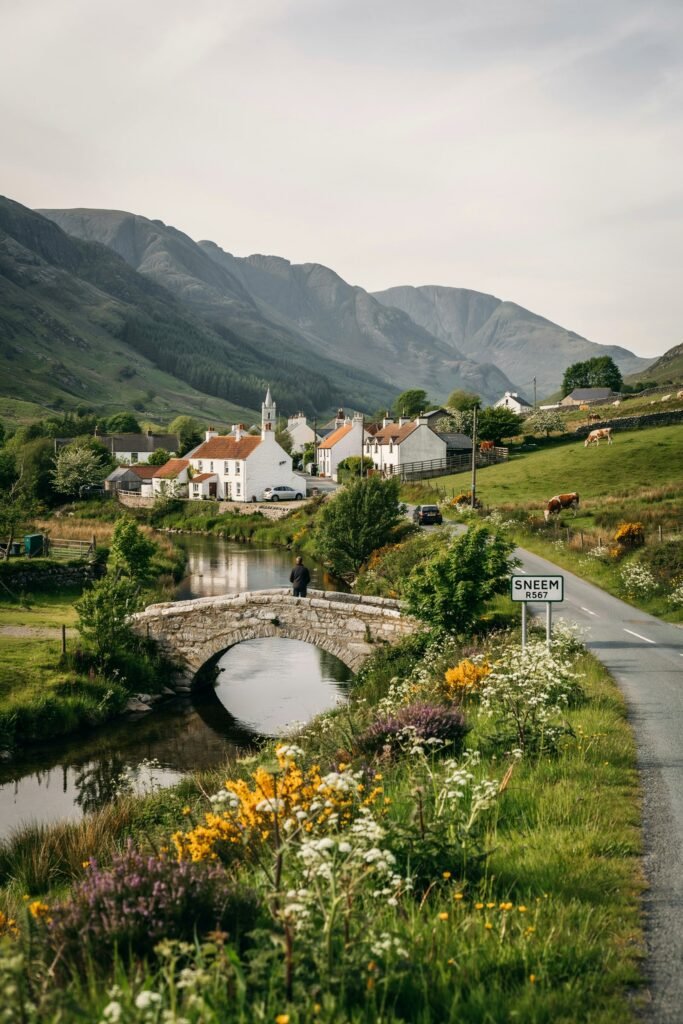
Located on the famous Ring of Kerry, Sneem is one of Ireland’s most colorful and peaceful villages.
Brightly painted buildings, mountain scenery, and nearby coastal views make it a favorite among travelers exploring southwest Ireland.
Top Reasons to Visit
- Colorful village center
- Ring of Kerry location
- Nearby hiking routes
- Mountain and sea views
- Relaxed atmosphere
Best For
Road trip travelers looking for a scenic and peaceful stop.
Tips for Planning a Quiet Irish Village Escape
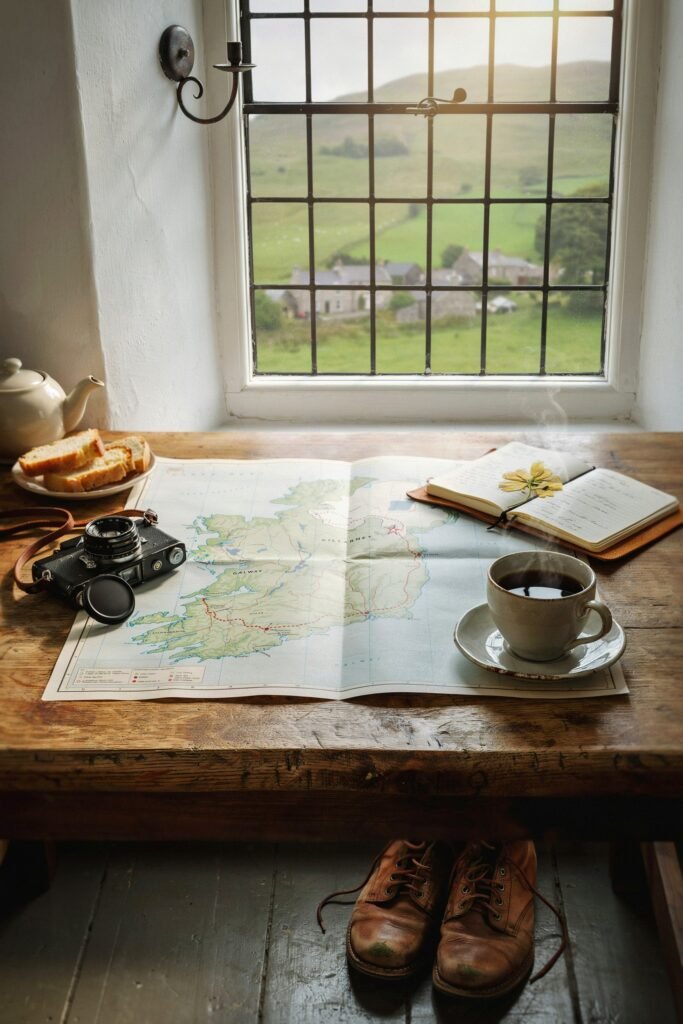
Choosing the right season can significantly impact your experience.
Spring and autumn often provide fewer crowds while still offering pleasant weather and beautiful scenery.
Consider renting a car if you plan to visit multiple villages.
Many of Ireland’s most peaceful destinations are located in rural areas where public transportation options may be limited.
Spend at least two nights in each village whenever possible.
The slower pace is part of the experience, and rushing from one destination to another can diminish the relaxing atmosphere.
Support local businesses by dining in family-owned restaurants, shopping at local markets, and staying in independent guesthouses.
These experiences often provide the most authentic connections with Irish culture.
Pack comfortable walking shoes because many of the best experiences involve exploring village streets, coastal paths, and countryside trails on foot.
Frequently Asked Questions
What is the most peaceful village in Ireland?
Many travelers consider Adare one of the most peaceful villages due to its charming thatched cottages, quiet streets, and relaxed atmosphere.
When is the best time to visit Irish villages?
Spring and early autumn are ideal because of mild weather, beautiful scenery, and fewer crowds.
Are Irish villages good for solo travelers?
Yes, Irish villages are known for their friendly locals, safe environments, and welcoming communities.
Can you visit these villages without a car?
Some villages are accessible by public transportation, but renting a car offers greater flexibility to explore rural areas.
Which Irish village is best for coastal views?
Doolin, Roundstone, and Glandore are excellent choices for stunning coastal scenery and peaceful waterfront experiences.
Final Thoughts
Ireland’s peaceful villages offer something increasingly rare in today’s fast-paced world: genuine tranquility.
Whether you’re wandering through the storybook streets of Adare, watching fishing boats in Roundstone Harbor, exploring lakeside trails in Cong, or enjoying a quiet evening in Sneem, these destinations provide the perfect opportunity to slow down and reconnect with nature, history, and simple pleasures.
Each village has its own personality, yet they all share the qualities that make Ireland such a beloved travel destination: breathtaking landscapes, welcoming communities, rich heritage, and a pace of life that encourages visitors to relax and savor every moment.
If you’re searching for a destination where peaceful mornings, scenic walks, and authentic experiences take priority over crowded attractions, these ten Irish villages deserve a place on your travel itinerary.