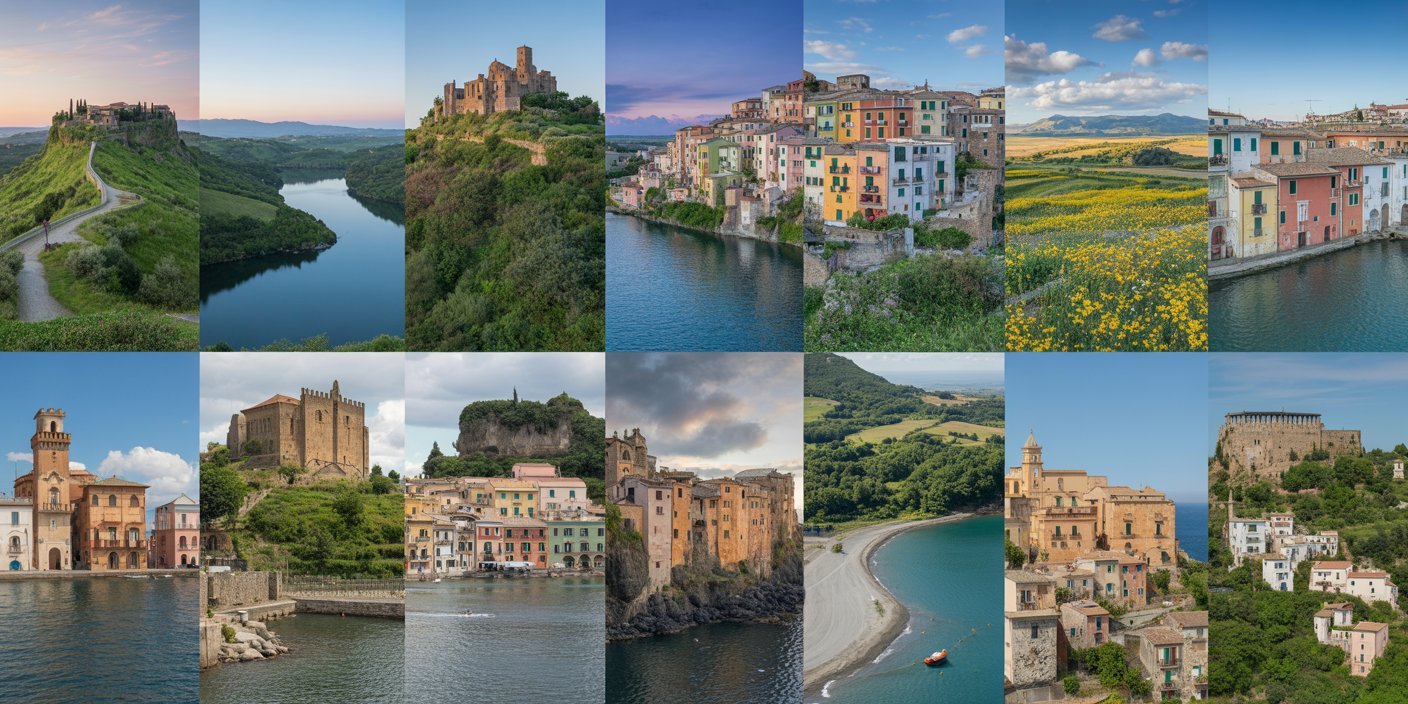
15 places in italy almost no one knows about

Everyone plans an Italy trip around the same five cities, and I did too on my first visit, ticking off Rome, Florence, Venice, and Milan like a checklist.

It wasn’t until a friend dragged me to a tiny hilltop town most guidebooks barely mention that I realized how much of Italy I’d been skipping entirely.

This list is for anyone who wants to see a different side of the country, the towns locals actually talk about instead of the ones flooding every travel feed, now with the real planning detail behind each one, how to actually get there, where to stay, where to eat without overpaying for the view, and what to watch out for once you arrive.

If you’re building out the rest of your itinerary alongside these stops, our 11 most beautiful places to visit on earth and travel checklist are worth reading before you go, and our 12 cheapest islands to visit in 2026 is a good companion if a few of these stops left you surprised at how affordable Italy can actually be.

Disclaimer: This post may contain affiliate links, which means I may earn a small commission at no extra cost to you. Travel experiences can vary, so always check local conditions, transportation schedules, and seasonal information before planning your trip.

Amazon Shopping List You Need

Where This List Actually Came From

I didn’t set out to write a guide to overlooked Italian towns. I set out to stop repeating my own mistakes.

My first three trips followed almost the exact same pattern, Rome for a few days, a quick stop in Florence, maybe Venice, and I came home each time with good photos and a nagging sense I’d seen a version of Italy built for someone else’s itinerary, not my own curiosity.

The shift happened on a trip where a flight delay stranded me in Orvieto longer than planned.

I wandered into the town’s underground tunnels on a whim, mostly to kill time, and that single accidental stop taught me more than any guidebook had, ask locals what’s nearby, follow a specific-sounding recommendation, and stop assuming the famous stop is automatically the better one.

This list built itself slowly from there, partly research, partly conversations that never make it into a search result.

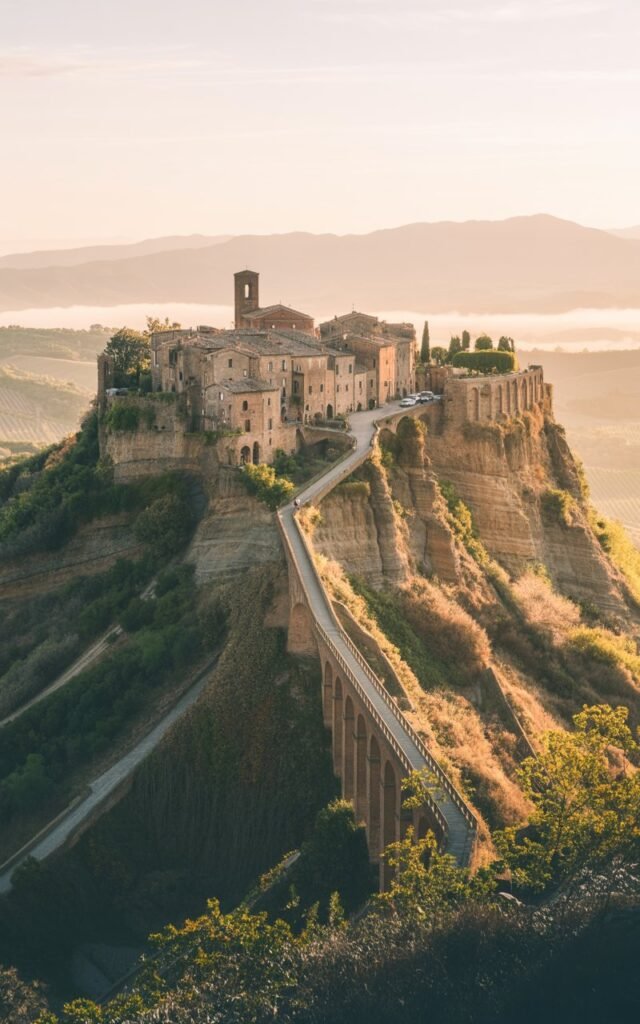
1. Civita di Bagnoregio

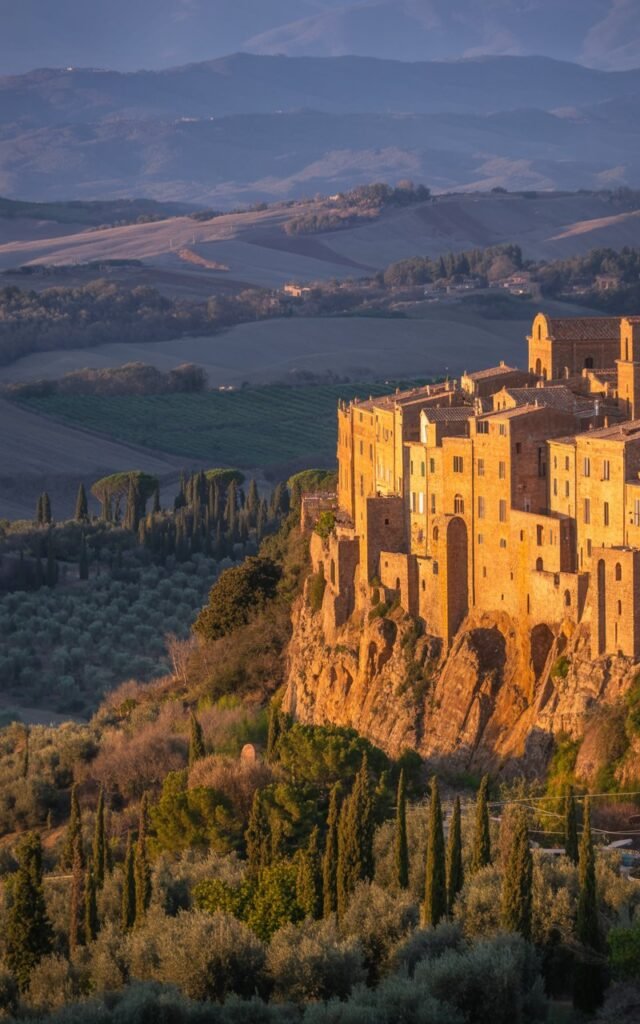
This tiny hilltop town, accessible only by a footbridge, is often called the dying town because erosion is slowly shrinking the cliff it sits on.

I crossed that bridge expecting a quick photo stop and ended up staying for hours, wandering streets with barely another visitor in sight once the day-trip crowds thinned out.

How to get there Rome’s Fiumicino Airport (FCO) is the nearest major gateway, about a two-hour drive north.

The closest town, Bagnoregio, is reachable by regional bus from Orvieto, which itself connects easily to Rome by train.

Where to stay Civita itself has very limited accommodation, so most visitors base themselves in Bagnoregio or Orvieto, both a short drive away with more hotel and guesthouse options.

Where to eat Civita has a small handful of restaurants right inside the town walls, worth eating at despite the tourist prices given how limited seating is and how quickly it fills at lunch.

For better value, eat in Bagnoregio proper, where local trattorias serve the same regional Umbrian dishes at a noticeably lower cost.

How to navigate Once you’ve crossed the footbridge, Civita is entirely walkable in under an hour, no cars allowed inside.

A rental car is useful for reaching Bagnoregio and exploring the wider Umbria region.

Things to do Walk the length of the town, visit the small church at its center, and find a quiet edge to sit and take in the surrounding valley.

Best time to visit: Early morning or late afternoon, avoiding the midday tour bus crowds from nearby Orvieto.

Personal tip: Visit early morning or late afternoon specifically. I arrived at midday once and the footbridge was uncomfortably crowded with day trippers.

Safety tip The footbridge and town’s stone streets can be slippery when wet, so wear proper shoes. Some viewpoints near the cliff edge have minimal barriers, so keep a safe distance.

If off-the-beaten-path destinations like this appeal to you, our 11 most beautiful places to visit on earth covers a few similarly striking, less crowded spots.

2. Procida

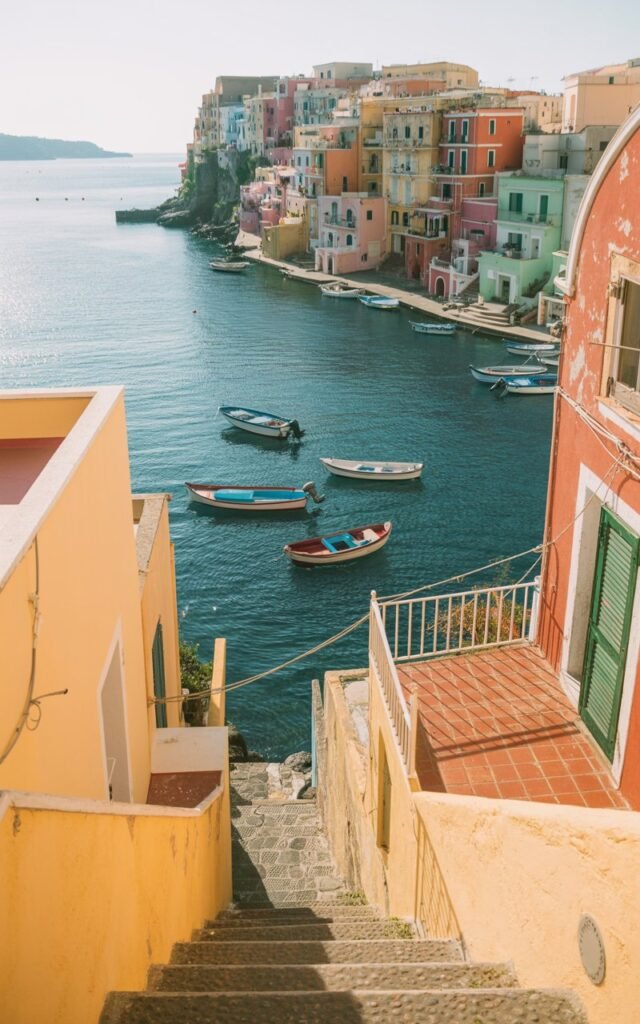
Just a short ferry ride from Naples, Procida’s pastel fishing village feels like Positano without the crowds.

I stumbled onto it after a ferry schedule mix-up and now recommend it over the Amalfi Coast to anyone wanting quieter charm without sacrificing the classic Italian coastal look.

How to get there Naples International Airport (NAP) is the main gateway, about a 40-minute drive or taxi to the ferry terminal.

From there, regular ferries to Procida take roughly 40 minutes to an hour depending on the route and season.

Where to stay Small guesthouses and rooms above the Corricella harbor put you right in the most photogenic part of the island, with easy walking access to restaurants and the water.

Where to eat Corricella’s waterfront restaurants serve genuinely excellent, simply prepared seafood, and while prices sit slightly higher here than inland, the setting and quality both justify it.

For a cheaper, equally good meal, head a few streets back into the island’s residential areas, where smaller family-run spots serve the same fresh catch without the harbor premium.

How to navigate The island is small enough to explore partly on foot, though renting a scooter is the easiest way to see all of it in a day, widely available for rent near the main ferry dock.

Things to do Wander the Corricella harbor, rent a scooter to explore the small island fully, and stop for fresh seafood at one of the waterfront restaurants.

Best time to visit: Late spring through early summer, before peak season crowds arrive and while the weather is still comfortable for walking.

Personal tip: Book your return ferry in advance during summer. I nearly missed the last boat back to Naples after underestimating how full the evening schedule gets.

Safety tip Scooter rental requires caution on Procida’s narrow, sometimes steep streets, so go slowly if you’re not an experienced rider.

If quieter alternatives to famous coastal destinations appeal to you, our 10 special places couples should experience together covers a similar theme of finding calmer versions of well-known trip types.

3. Otranto

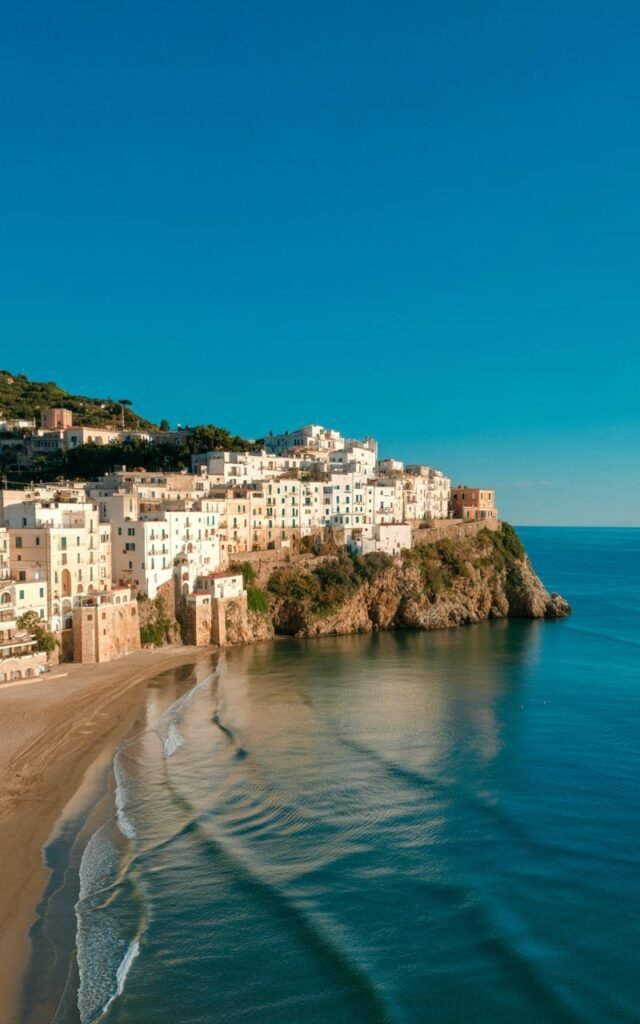
This whitewashed coastal town in Puglia has some of the clearest water I’ve seen in Italy, and far fewer tourists than better-known coastal spots further north.

A local pointed me toward a hidden cove here that I still think about, water so clear I could see the sandy bottom from well above the surface.

How to get there Brindisi Airport (BDS) is the closest gateway, about an hour’s drive south to Otranto. Bari’s larger airport works too, adding roughly two hours of driving but with more flight options.

Where to stay Small guesthouses and boutique hotels within the old town walls put you within walking distance of the cathedral and harbor, generally more affordable than similar coastal towns further north in Italy.

Where to eat Restaurants along the harbor serve solid, reliably good seafood, though slightly marked up for the view.

For better value, walk a few streets into the old town, where smaller trattorias serve the same regional Puglian dishes, orecchiette, fresh fish, local olive oil, at a noticeably lower price.

How to navigate The old town is entirely walkable, with a car useful for reaching nearby beaches and coves outside the immediate center. Renting a car in Brindisi or Bari gives the most flexibility for exploring the wider Salento coastline.

Things to do Visit the Otranto Cathedral to see its remarkable medieval mosaic floor, then spend an afternoon swimming at Baia dei Turchi just outside town.

Best time to visit: June or September, avoiding the peak heat and crowds of July and August while still getting reliably warm swimming weather.

Personal tip: Ask a local for cove recommendations rather than relying only on maps. My best swimming spot here came entirely from a conversation, not a search.

Safety tip Some of the quieter coves have no lifeguard presence, so swim cautiously and be aware of your own limits, especially in choppier water.

If clear-water coastal towns like this appeal to you, our 12 cheapest islands to visit in 2026 covers similarly affordable, less crowded water destinations.

4. Ostuni

Known as the White City for its whitewashed buildings cascading down a hillside, Ostuni gave me one of my favorite sunset views in the entire country.

Watching the light shift across the rooftops from a rooftop bar, with the coastline visible in the distance, made this one of those stops I hadn’t planned much time for and ended up wishing I’d booked longer.

How to get there Brindisi Airport (BDS) is the closest gateway, about a 40-minute drive to Ostuni. Bari’s airport works too, adding roughly an hour of driving with more flight options available.

Where to stay Small guesthouses and boutique hotels within the old town’s whitewashed maze put you within walking distance of the main square and viewpoints, generally more affordable than coastal properties nearby.

Where to eat Restaurants in the old town’s upper streets, closer to the cathedral, tend to have the best views but charge accordingly.

For better value, head toward the lower town, where local trattorias serve genuinely excellent Puglian classics like orecchiette and fava bean puree at a fraction of the upper-town price.

How to navigate The old town’s steep, whitewashed streets are best explored entirely on foot, no cars allowed in the historic center. A rental car is useful for reaching the nearby coast and countryside, easily arranged at either Brindisi or Bari airport.

Things to do Get intentionally lost in the old town’s maze of narrow streets, then head to a rooftop bar near sunset for views stretching toward the coast.

Best time to visit: May or September, avoiding peak summer heat while the weather still allows for comfortable evening walks.

Personal tip: Wear shoes with good grip. The whitewashed stone streets get slippery, especially on the steeper sections near the top of town.

Safety tip The steep streets can be genuinely difficult in wet weather, so slow down and use handrails where available.

If hillside villages with dramatic views appeal to you, our 11 most beautiful places to visit on earth covers a few similarly striking elevated destinations.

5. Polignano a Mare

Built directly into limestone cliffs above the Adriatic, this town surprised me with how dramatic its setting felt despite barely showing up in most Italy itineraries.

Watching cliff divers here on what felt like a completely undiscovered afternoon, with the water shifting through every shade of blue below, made this one of the most visually striking stops on this entire list.

How to get there Bari Karol Wojtyła Airport (BRI) is the closest gateway, about a 40-minute drive south to Polignano a Mare. Brindisi’s smaller airport works too, adding roughly an hour of driving.

Where to stay Small guesthouses and boutique hotels in the old town put you within walking distance of the main bridge and beach cove, generally more affordable than similar cliffside towns further up Italy’s coast.

Where to eat Restaurants directly overlooking Lama Monachile beach charge a premium for the view, understandably given how striking it is.

For better value without sacrificing quality, head into the old town’s side streets, where smaller family-run spots serve the same fresh Adriatic seafood at noticeably lower prices.

How to navigate The old town is entirely walkable, compact enough to see in a few hours on foot. A rental car, easily arranged at Bari airport, is useful for exploring the wider Puglia coastline beyond the town itself.

Things to do Walk out onto the bridge overlooking Lama Monachile beach, watch local cliff divers if you’re lucky enough to catch them, and grab gelato from a shop overlooking the water.

Best time to visit: Late spring or early autumn, when the light is dramatic and the summer crowds haven’t fully arrived.

Personal tip: Visit at golden hour. The light hitting the cliffs and turquoise water in the early evening is dramatically better than the flat midday light.

Safety tip The cliffside walkways and viewpoints have minimal railings in places, so keep a safe distance from the edge, especially with a camera out.

If you’re building a longer Puglia coastal trip, our travel checklist is a useful starting point for organizing the logistics.

6. Alberobello

Famous for its trulli, cone-roofed stone houses found nowhere else in the world, Alberobello felt like stepping into a fairy tale.

Wandering the Rione Monti district at sunset, once the day-trip buses had cleared out, gave me entire streets of these strange, whitewashed cone-roofed buildings almost completely to myself.

How to get there Bari Karol Wojtyła Airport (BRI) is the closest gateway, about an hour’s drive south to Alberobello. Brindisi Airport works too, with a similar drive time depending on your route.

Where to stay Several trulli in the Rione Monti and Aia Piccola districts have been converted into small guesthouses, genuinely worth booking if the budget allows, since sleeping inside one of these cone-roofed structures is a large part of the appeal.

Where to eat Restaurants directly within the Rione Monti tourist district charge accordingly for the setting.

For better value, head toward the newer part of town outside the trulli district, where local trattorias serve the same regional Puglian dishes, orecchiette, fava beans, local wine, at more reasonable prices.

How to navigate Alberobello’s historic districts are entirely walkable and compact, easily covered in a few hours on foot.

A rental car, arranged at either Bari or Brindisi airport, is useful for exploring the wider Valle d’Itria region and nearby towns like Locorotondo.

Things to do Wander the Rione Monti district where most trulli are concentrated, and consider staying overnight in one, since several have been converted into small guesthouses.

Best time to visit: Late spring or early autumn, avoiding peak summer crowds that fill the narrow trulli streets by midday.

Personal tip: Come at sunset once the day trip buses leave. I had entire streets nearly to myself once the crowds cleared out for the evening.

Safety tip The trulli district’s narrow stone streets can be uneven, so wear proper walking shoes rather than sandals. If unusual architecture and lesser-known regions appeal to you, our 15 places in Italy almost no one knows about covers more of this same off-the-beaten-path spirit across the country.

7. Matera

Matera’s ancient cave dwellings, carved directly into the rock, make it one of the oldest continuously inhabited places on earth.

Walking through the Sassi district at dusk, lit by warm lantern light spilling out of centuries-old cave doorways, remains one of the most striking scenes I’ve witnessed anywhere.

How to get there Bari Karol Wojtyła Airport (BRI) is the closest gateway, about an hour and 15 minutes’ drive to Matera.

There’s no direct train service into Matera itself, so a bus or rental car from Bari is the most practical route.

Where to stay A cave hotel in the Sassi district is genuinely worth the splurge here, since sleeping inside a converted centuries-old cave dwelling is a large part of what makes Matera unlike anywhere else in Italy.

Where to eat Restaurants directly within the Sassi district charge more for the atmosphere, understandably given the setting.

For better value, head toward the newer part of town above the Sassi, where local trattorias serve the same regional Basilicata dishes at noticeably lower prices.

How to navigate The Sassi district is entirely walkable, though genuinely steep and uneven in places, so pace yourself.

A rental car, arranged at Bari airport, is useful for exploring the wider Basilicata region beyond the city itself.

Things to do Walk through the Sassi district at dusk when lantern light comes on, visit one of the rock-cut churches, and book a cave hotel stay if your budget allows it.

Best time to visit: Late spring or early autumn, when temperatures are comfortable for the significant amount of walking involved.

Personal tip: Hire a local guide for at least the first hour. Mine explained details about the cave dwellings’ history that completely changed how I saw the rest of the town.

Safety tip The Sassi district’s stone streets are steep, uneven, and can be slippery when wet, so proper footwear matters more here than almost anywhere else on this list.

If ancient, historically rich destinations appeal to you, our 11 most beautiful places to visit on earth covers a few similarly significant historic sites.

8. Orvieto

Perched on a volcanic plateau in Umbria, Orvieto has a stunning cathedral and an underground network of caves most visitors never learn about.

A guided tour beneath the city revealed tunnels and cellars carved over centuries that completely changed how I saw the town above once I resurfaced.

How to get there Rome’s Fiumicino Airport (FCO) is the nearest major gateway, about a 90-minute drive or a direct train connection of roughly the same time.

Orvieto’s train station sits at the base of the hill, with a funicular connecting up to the historic center.

Where to stay Small hotels and guesthouses within the historic hilltop center put you within walking distance of the cathedral and underground tour entrances, generally more affordable than comparable hilltop towns in Tuscany.

Where to eat Restaurants directly on the main square near the cathedral charge a premium for the view.

For better value, head into the side streets just off the square, where local trattorias serve genuine Umbrian dishes alongside the region’s well-known Orvieto Classico wine at noticeably lower prices.

How to navigate The historic center is entirely walkable, compact enough to see in a day. The funicular handles the elevation change from the train station, so a car isn’t necessary if you’re arriving by rail, though renting one at Rome’s airport is useful for exploring the wider Umbria region.

Things to do Tour the underground tunnels and cellars beneath the city, visit the cathedral’s striped facade, and try the local Orvieto Classico wine.

Best time to visit: Spring or early autumn, when the hilltop town’s outdoor spaces and views are at their most comfortable to explore.

Personal tip: Book the underground tour in advance. Spots are limited, and I nearly missed it after assuming I could walk up and buy a ticket same day.

Safety tip The underground tunnels involve low ceilings and uneven, sometimes narrow passages, so anyone with mobility concerns or claustrophobia should ask the guide about accessible sections beforehand.

Our travel checklist is a useful starting point if you’re organizing a longer Umbria and Tuscany itinerary around stops like this one.

9. San Gimignano

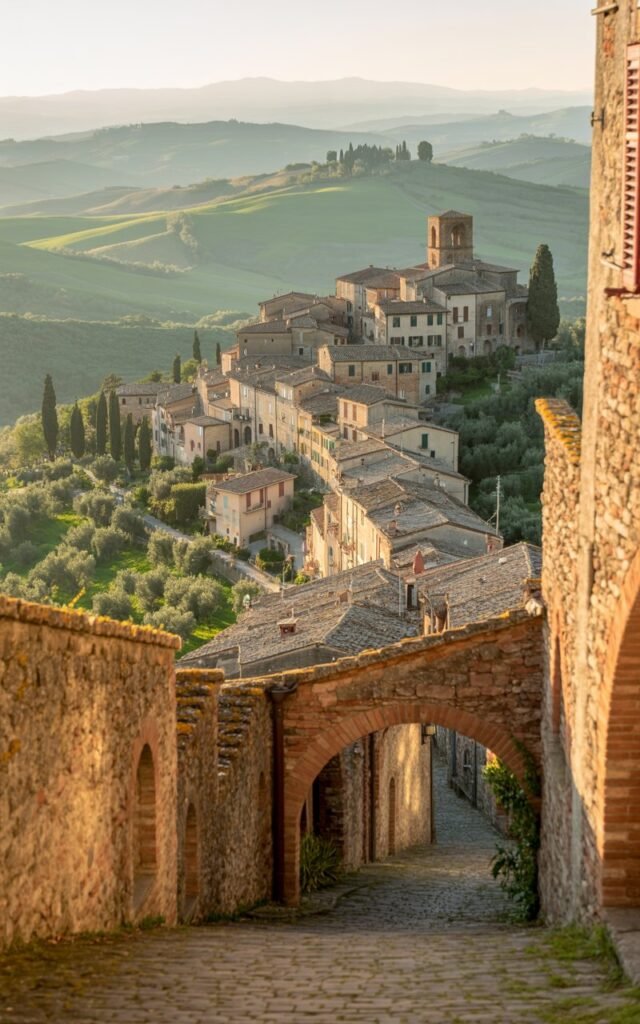
Nicknamed the Medieval Manhattan for its towering stone skyline, San Gimignano gets some tourist traffic but far less than its Tuscan neighbors like Florence and Siena.

I visited on a rainy weekday and had entire towers and viewpoints essentially to myself, watching mist drift between the medieval stone spires.

How to get there Florence Airport (FLR) or Pisa Airport (PSA) are the closest gateways, both about an hour and a half’s drive to San Gimignano.

There’s no direct train into the town itself, so a rental car or a bus connection through Poggibonsi is the most practical route.

Where to stay Small guesthouses and countryside agriturismi just outside the walls offer quieter, often better-value stays than hotels directly inside the historic center, with easy walking or short driving access into town.

Where to eat Restaurants on the main square charge a premium for the view of the towers.

For better value, head into the quieter side streets, where local trattorias serve genuine Tuscan dishes, wild boar ragù, pici pasta, alongside the town’s well-known Vernaccia white wine at noticeably lower prices.

How to navigate The historic center is entirely walkable, compact enough to see in half a day. A rental car, arranged at either Florence or Pisa airport, is essential for reaching the town itself and exploring the wider Tuscan countryside.

Things to do Climb one of the towers for views over the Tuscan countryside, and try the local saffron-based dishes the region is known for.

Best time to visit: Weekdays in spring or early autumn, when the town sees noticeably fewer visitors than summer weekends.

Personal tip: Visit on a weekday if possible. I went on a rainy weekday and had entire towers and viewpoints essentially to myself.

Safety tip The tower staircases are narrow, steep, and can involve significant queuing in peak season, so anyone with mobility concerns should check accessibility before booking a climb.

Our 11 most beautiful places to visit on earth covers a few similarly striking historic destinations worth comparing.

10. Ravello

Sitting above the Amalfi Coast rather than along it, Ravello offers the same dramatic views with a fraction of the crowds found in Positano or Amalfi town.

The gardens at Villa Cimbrone gave me one of the best coastal views of my entire trip, and I stayed far longer than planned just taking it in.

How to get there Naples International Airport (NAP) is the closest gateway, about an hour and a half’s drive or transfer to Ravello, typically routed through Amalfi town first.

Where to stay Small hotels and guesthouses within the historic center put you within walking distance of both Villa Cimbrone and Villa Rufolo, generally more affordable than comparable properties directly on the coast below.

Where to eat Restaurants near the main piazza charge a premium for the setting and views. For better value, head toward the quieter streets just off the square, where local trattorias serve genuine Campanian dishes, fresh seafood, lemon-based specialties, at noticeably lower prices than the coastal towns below.

How to navigate The historic center is entirely walkable, compact enough to see in a few hours. Take the bus up from Amalfi rather than driving yourself, since the road is narrow and winding, and a rental car isn’t necessary once you’ve arrived.

Things to do Visit the gardens at Villa Cimbrone and Villa Rufolo, both offering sweeping coastal views, and check if a summer concert is scheduled during your visit.

Best time to visit: Late spring or early autumn, avoiding peak summer crowds along the coast below while the weather is still comfortable for garden walks.

Personal tip: Take the bus up from Amalfi rather than driving. The road is narrow and winding, and I found the bus far less stressful than navigating it myself.

Safety tip The garden terraces at Villa Cimbrone have dramatic drop-offs with minimal barriers in places, so keep a safe distance from the edges, especially with children.

Our travel checklist is a useful starting point if you’re organizing a longer Amalfi Coast itinerary around stops like this one.

11. Tropea

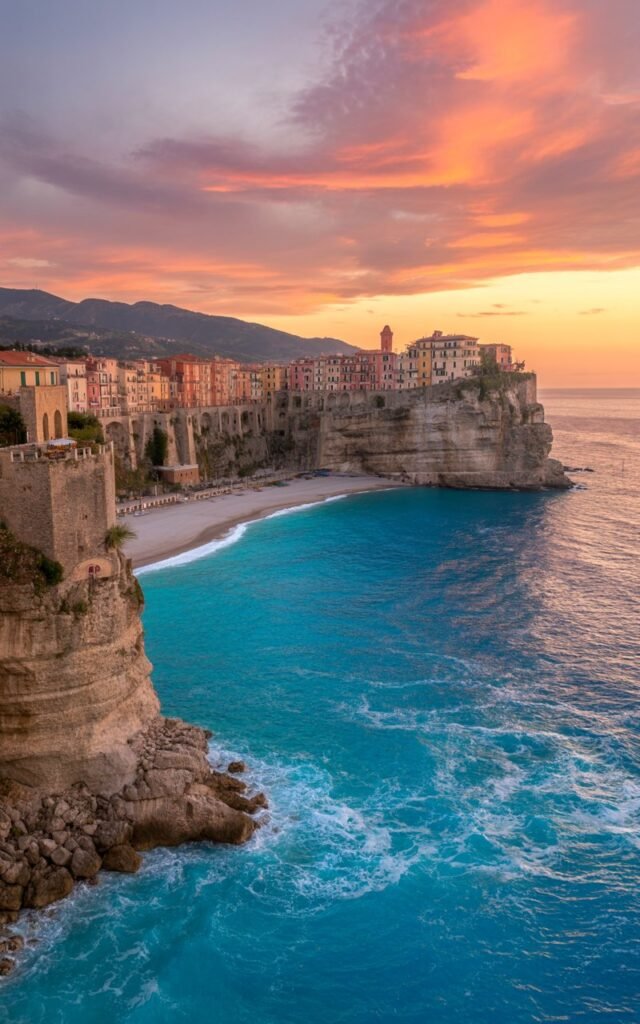
This clifftop town in Calabria has beaches that rival anywhere in Italy, along with the famous red onions the region is known for.

I found it almost by accident while researching southern Italy and couldn’t believe how few foreign travelers I saw there, especially given how genuinely stunning the setting is.

How to get there Lamezia Terme Airport (SUF) is the closest gateway, about an hour’s drive to Tropea. Reggio Calabria Airport works too, adding roughly an hour and a half of driving with more limited flight options.

Where to stay Small hotels and guesthouses within the old town put you within walking distance of the clifftop viewpoints and the beach below, generally more affordable than comparable coastal towns further north in Italy.

Where to eat Restaurants along the clifftop main street charge a premium for the view. For better value, head into the old town’s side streets, where local trattorias serve Calabrian specialties, swordfish, ‘nduja, and dishes built around the region’s famous red onions, at noticeably lower prices.

How to navigate The old town is entirely walkable, compact enough to explore in a few hours. A rental car, arranged at Lamezia Terme airport, is useful for exploring the wider Calabrian coastline beyond the town itself.

Things to do Relax on the beach beneath the clifftop old town, visit the Santa Maria dell’Isola church perched on its own rock outcrop, and try local dishes featuring Tropea’s famous red onions.

Best time to visit: Early June or September, avoiding peak July and August heat and crowds while the water is still warm for swimming.

Personal tip: Go in shoulder season if you can. I visited in early June and still found the beaches noticeably quieter than similar coastal towns further north.

Safety tip The clifftop viewpoints have minimal barriers in several spots, so keep a safe distance from the edges, especially when crowded at sunset.

Our 12 cheapest islands to visit in 2026 covers similarly affordable, less-crowded coastal destinations worth comparing.

12. Bomarzo

Home to the Park of the Monsters, a bizarre sixteenth-century garden filled with giant stone sculptures, Bomarzo is one of the strangest and most memorable places I’ve visited in Italy.

It barely registers on most travelers’ radar at all, and I planned for a quick stop that turned into hours of genuinely fascinated wandering.

How to get there Rome’s Fiumicino Airport (FCO) is the nearest major gateway, about an hour and a half’s drive north to Bomarzo.

There’s no direct train into the village itself, so a rental car is the most practical way to reach it.

Where to stay Bomarzo has very limited accommodation, so most visitors base themselves in nearby Viterbo, a short drive away with a wider range of hotels and guesthouses.

Where to eat The village itself has only a handful of small restaurants, worth trying for simple, genuinely local Lazio cooking without tourist markup, given how few visitors actually stay to eat here.

For more variety, Viterbo has a stronger restaurant scene worth the short drive.

How to navigate The Park of the Monsters is explored entirely on foot, with no set path, so wander at your own pace.

A rental car, arranged at Rome’s airport, is essential for reaching Bomarzo and the surrounding countryside.

Things to do Explore the sculpture park at your own pace, since there’s no set route, and take time to read about the garden’s unusual history if placards are available.

Best time to visit: Spring or early autumn, when the gardens are lush and temperatures are comfortable for extended outdoor wandering.

Personal tip: Set aside at least two hours. I planned for a quick stop and ended up staying far longer than expected, genuinely fascinated by how strange the whole place is.

Safety tip The park’s paths can be uneven and the sculptures themselves are old, unrestored stonework, so keep children from climbing on them and watch your footing throughout.

Our 10 special places couples should experience together covers a different but similarly memorable style of trip worth comparing.

13. Urbino

This Renaissance hill town in the Marche region produced Raphael and still feels remarkably untouched by mass tourism.

Wandering its steep, quiet streets felt like having an entire art history lesson without a single other tourist in the frame, something increasingly rare in a country this popular.

How to get there Ancona Falconara Airport (AOI) is the closest gateway, about an hour and 15 minutes’ drive to Urbino.

There’s no direct train into the town itself, so a rental car or a bus connection from Ancona’s train station is the most practical route.

Where to stay Small guesthouses and hotels within the historic walls put you within walking distance of the Ducal Palace and the town’s steep central streets, generally more affordable than comparable Renaissance hill towns in Tuscany.

Where to eat Restaurants near the Ducal Palace charge a premium for the location.

For better value, head into the quieter residential streets, where local trattorias serve Marche specialties, crescia flatbread, tagliatelle with truffle, at noticeably lower prices than the main tourist strip.

How to navigate The historic center is entirely walkable, though genuinely steep in places, so pace yourself. A rental car, arranged at Ancona airport, is essential for reaching Urbino and exploring the wider Marche region.

Things to do Visit the Ducal Palace, walk the artist’s birthplace, and wander the steep, quiet streets that make up the historic center.

Best time to visit: Spring or early autumn, when temperatures are comfortable for the significant amount of uphill walking involved.

Personal tip: Bring good walking shoes. The town’s steep hills are more demanding than they look from photos, especially after a full day of exploring.

Safety tip The steep, cobbled streets can be genuinely slippery when wet, so proper footwear matters more here than in flatter Italian towns.

Our travel checklist is a useful starting point if you’re organizing a longer Marche or central Italy itinerary around stops like this one.

14. Ferrara

A flat, bike-friendly city in Emilia-Romagna, Ferrara has a beautifully preserved medieval castle and streets built for cycling rather than walking.

Renting a bike here turned out to be one of the most relaxed afternoons of my entire trip, weaving through quiet streets that most itineraries through this region skip entirely.

How to get there Bologna Guglielmo Marconi Airport (BLQ) is the closest gateway, about a 40-minute drive or a direct train connection of similar length to Ferrara.

Where to stay Small hotels and guesthouses within the historic center put you within walking or biking distance of the castle and main sights, generally more affordable than comparable cities like Bologna or Verona nearby.

Where to eat Restaurants near the castle charge a premium for the location.

For better value, head into the quieter residential streets, where local trattorias serve Ferrara specialties, cappellacci di zucca, salama da sugo, at noticeably lower prices than the main tourist center.

How to navigate Ferrara is famously flat and bike-friendly, and renting a bike is genuinely the best way to see the city, widely available near the train station and historic center.

A car isn’t necessary for the city itself, though useful for exploring the wider Emilia-Romagna region if arranged at Bologna’s airport.

Things to do Rent a bike to explore the city properly, tour the Estense Castle, and try the region’s distinct cuisine, different from what you’ll find further south.

Best time to visit: Spring or early autumn, when temperatures are comfortable for a full day of cycling around the city.

Personal tip: Rent your bike early in the day. Rental shops can run low on bikes by midafternoon during busier weekends.

Safety tip Ferrara’s streets are genuinely bike-heavy, so pay attention to cycling traffic even as a pedestrian, and follow posted bike lane rules if you’re cycling yourself.

Our 11 most beautiful places to visit on earth covers a few similarly underrated European destinations worth comparing.

15. Cefalù

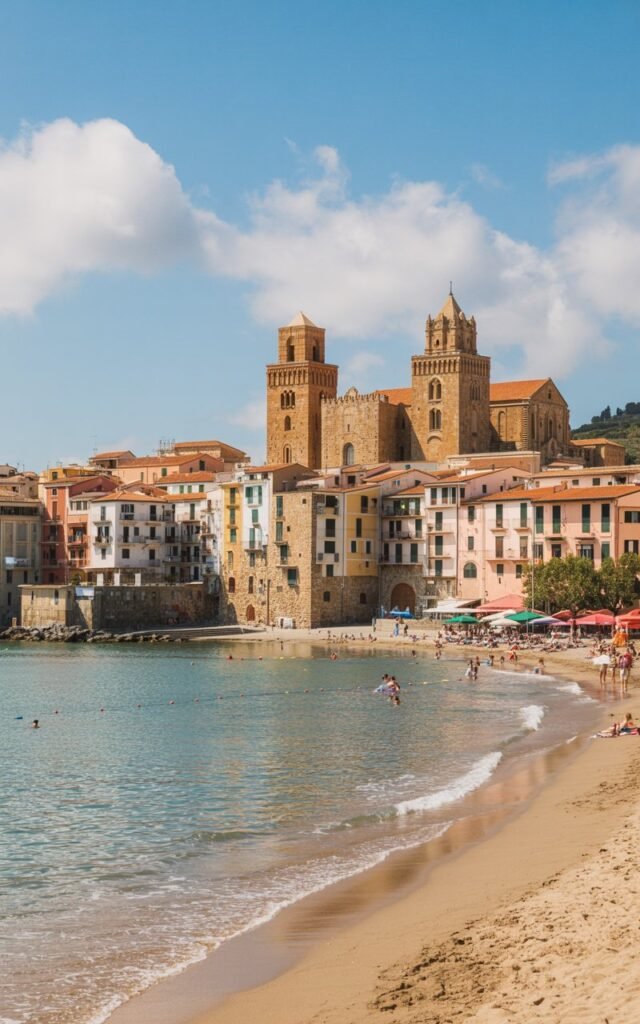
This Sicilian coastal town combines a stunning Norman cathedral with a genuinely gorgeous beach, and somehow still flies under the radar compared to other Sicilian destinations.

I spent an entire afternoon here without hearing a single other language besides Italian, a genuine rarity on a coastline this beautiful.

How to get there Palermo Airport (PMO) is the closest gateway, about an hour’s drive along the coast to Cefalù.

A direct train from Palermo also connects to Cefalù in roughly an hour, a convenient option if you’d rather not drive.

Where to stay Small hotels and guesthouses within the old town put you within walking distance of both the cathedral and the main beach, generally more affordable than comparable coastal towns in mainland Italy.

Where to eat Restaurants directly on the beachfront charge a premium for the setting. For better value, head into the old town’s narrow streets, where local trattorias serve genuine Sicilian dishes, fresh swordfish, arancini, pasta alla Norma, at noticeably lower prices than the waterfront spots.

How to navigate The old town is entirely walkable, compact enough to see in a day. A rental car, arranged at Palermo airport, is useful for exploring the wider Sicilian coastline, though the train makes a car-free day trip from Palermo entirely feasible too.

Things to do Visit the cathedral’s striking interior, relax on the main beach, and hike up to La Rocca for panoramic views over the town and coastline.

Best time to visit: Late spring or early autumn, avoiding peak summer heat and crowds while the water is still warm enough to swim.

Personal tip: Do the La Rocca hike early morning to avoid the heat. I made the mistake of climbing midday and regretted not starting earlier.

Safety tip The La Rocca trail involves steep, uneven sections with real sun exposure, so bring water and start early regardless of season. Our 12 cheapest islands to visit in 2026 covers similarly affordable coastal destinations worth comparing if Sicily’s prices surprised you in a good way.

Tips for Visiting Italy’s Lesser Known Towns

A few things I’ve learned after chasing down enough of these smaller destinations myself.

  • Public transport thins out the further you get from major cities, so a rental car often makes more sense here than it does between larger cities
  • Smaller towns tend to have limited restaurant hours, so plan meals around local schedules rather than assuming late dining will be available
  • Many of these places are best explored slowly, with no fixed itinerary, since getting a little lost is often the whole point
  • Pack comfortable shoes regardless of destination, since hill towns in particular involve steep, uneven streets. Our Italy outfit ideas guide covers this in more detail
  • If you’re building a longer, slower trip around stops like these, our travel checklist is a good place to start planning logistics

FAQ

Are these places difficult to reach without a car? Some are, especially smaller hill towns like Civita di Bagnoregio and Bomarzo. Coastal towns like Otranto, Polignano a Mare, and Cefalù are generally easier to reach by train, but a rental car gives you far more flexibility for this kind of itinerary overall.

What’s the best way to fit these into a broader Italy trip? I’d pick two or three from this list and pair them with a nearby major city rather than trying to see all fifteen in one trip. Matera pairs well with a Puglia coastal loop, while Orvieto and San Gimignano work naturally alongside a Tuscany itinerary.

Are these towns crowded during peak summer months? Less so than major cities, though a few, like Alberobello and Ravello, have become more popular in recent years. Visiting in shoulder season, spring or early fall, gave me noticeably quieter experiences at nearly every stop on this list.

Which of these places would you recommend first to a new visitor? Matera, without hesitation. The Sassi district is unlike anywhere else I’ve traveled, and it’s become more accessible in recent years while still feeling far less crowded than Italy’s major tourist cities.

Do I need to speak Italian to visit these smaller towns? It helps, but it’s not essential. I got by with basic phrases and a translation app, though I did notice English is spoken less consistently here than in major tourist cities, so a little preparation goes a long way.

Final Thoughts

Fifteen places, and every single one reminded me why I stopped planning Italy trips around the same five cities everyone else visits.

The country reveals a completely different personality once you’re willing to take the slower road, the smaller ferry, or the wrong turn that ends up being the best part of the trip.

If you’re mapping out where these towns might fit into your own itinerary, our dream vacations bucket list, unforgettable destinations guide, and best places to travel this year are all worth exploring alongside this list.

The next time you’re tempted to book the obvious route through Italy, consider leaving room for at least one town almost no one else is talking about.

Clara Mike
Clara Mike
Articles: 206

Leave a Reply

Your email address will not be published. Required fields are marked *