I keep a running note on my phone titled simply “someday,” and it’s grown embarrassingly long through years of flight deal alerts, documentaries that stopped me mid-scroll, and friends coming home from a trip talking about it in a way that made me pull out my phone before they’d even finished the story.
This list is a distilled version of that note, ten destinations that go beyond a nice weekend getaway and into the kind of travel that genuinely reshapes how you see the world, whether that’s a river crossing in the Serengeti, a sunrise over ancient ruins in Peru, or a fjord so quiet the only sound is a distant waterfall.

If you’ve already worked through some of the more accessible destinations on your own list, our 11 most beautiful places to visit on earth and 10 special places couples should experience together are good companion reads for rounding out a longer travel wish list, and our travel checklist is worth bookmarking once you’ve picked which one of these ten to book first.
How I Built This List

Before getting into the destinations themselves, here’s what actually separated a true bucket list trip from a nice vacation in my mind, and why some genuinely pretty places still didn’t make the final cut.
A real bucket list trip requires actual planning, not something you book on a Tuesday for that same weekend.
It usually involves logistics, permits, or seasonal timing that force you to plan weeks or months ahead, and that upfront effort is part of what makes the eventual trip feel earned rather than just convenient.
I also looked for a signature experience that genuinely can’t be replicated closer to home, a river crossing during the Great Migration, standing behind a waterfall in Iceland, moments that only happen in one specific place on Earth.
I mixed trips I’ve taken myself with a few still sitting on my own someday list, and cost mattered less than how transformative the experience sounded or felt. With that in mind, here are the ten trips worth building your future travel plans around.
1. Kyoto, Japan

Walking through the Arashiyama Bamboo Grove just after sunrise, before the tour groups arrived, gave me one of the quietest, most surreal moments I’ve experienced anywhere in the world.
The stalks creak and sway overhead in a way that feels almost deliberate, like the forest itself is breathing, and standing there with almost no one else around made Kyoto the trip I still measure other destinations against.
How to get there Kansai International Airport (KIX) is the main gateway for Kyoto, about 75 minutes away by direct train. Osaka’s Itami Airport is a domestic alternative if you’re connecting from within Japan.
Many travelers also fly into Tokyo and take the Shinkansen bullet train to Kyoto, a scenic and genuinely enjoyable roughly two-and-a-half-hour journey.
Where to stay
- Budget: Guesthouses and capsule hotels near Kyoto Station offer excellent value and easy access to trains connecting the rest of the city.
- Mid-range: A standard hotel in the Gion or Higashiyama district puts you within walking distance of temples and traditional streets without the highest price tag.
- Luxury: A traditional ryokan with a private onsen bath and kaiseki dinner service is the definitive Kyoto splurge, and genuinely worth the cost for at least one night.
How to navigate Kyoto’s bus and train network is excellent and easy for visitors to use, so a rental car isn’t necessary and honestly isn’t recommended given narrow streets and limited parking.
Buy a day pass for the bus system if you’re planning to hit several temples in one day, since it pays for itself quickly. For day trips slightly outside the city, regional trains are reliable and well signed in English.
Things to do
- Walk the Arashiyama Bamboo Grove early morning, before the crowds
- Visit Fushimi Inari Shrine and its thousands of orange torii gates
- Experience a traditional tea ceremony in a quiet, less touristy district
- Explore the Gion district in the early evening for a chance at spotting a geisha
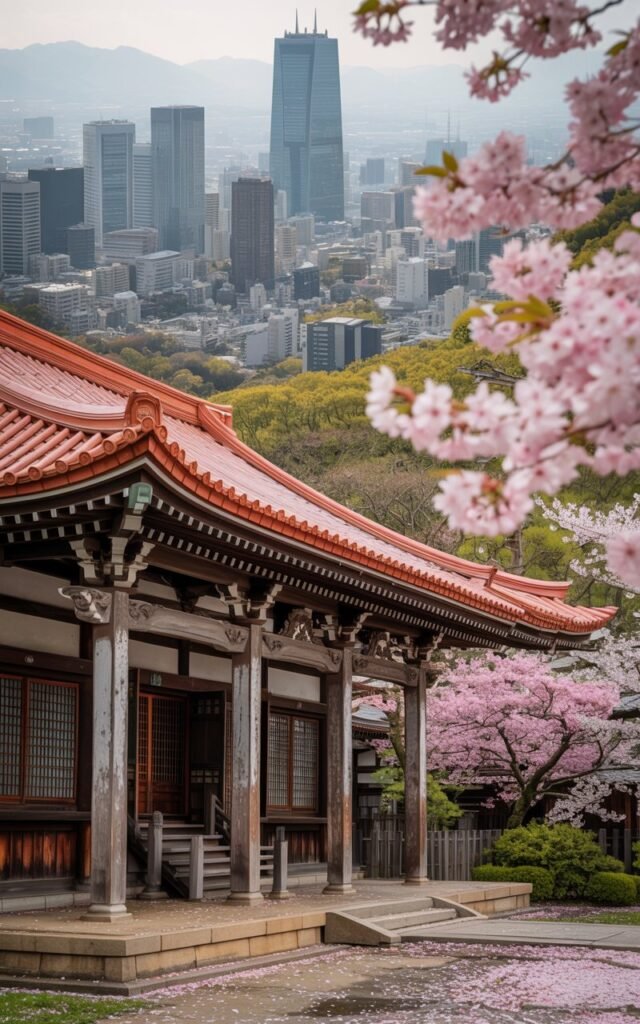
Best time to visit: Late March to early April for cherry blossoms, or November for fall foliage, both extremely popular so book well ahead.
Personal tip: Visit major temples and shrines right at opening time. Kyoto’s most famous sites get overwhelmed by mid-morning tour groups, and an early start makes a genuine difference.
Safety tip Kyoto is very safe by international standards, but stick to marked paths in bamboo groves and forested shrine areas, since wandering off trail can damage protected natural sites and isn’t culturally welcomed.
Photography is restricted or discouraged in some temple interiors and around geisha in certain districts, so watch for posted signs and be respectful if asked not to photograph someone.
If you’re building a longer Japan itinerary, our 11 most beautiful places to visit on earth covers a few similarly serene, nature-forward destinations worth comparing.
2. The Maldives

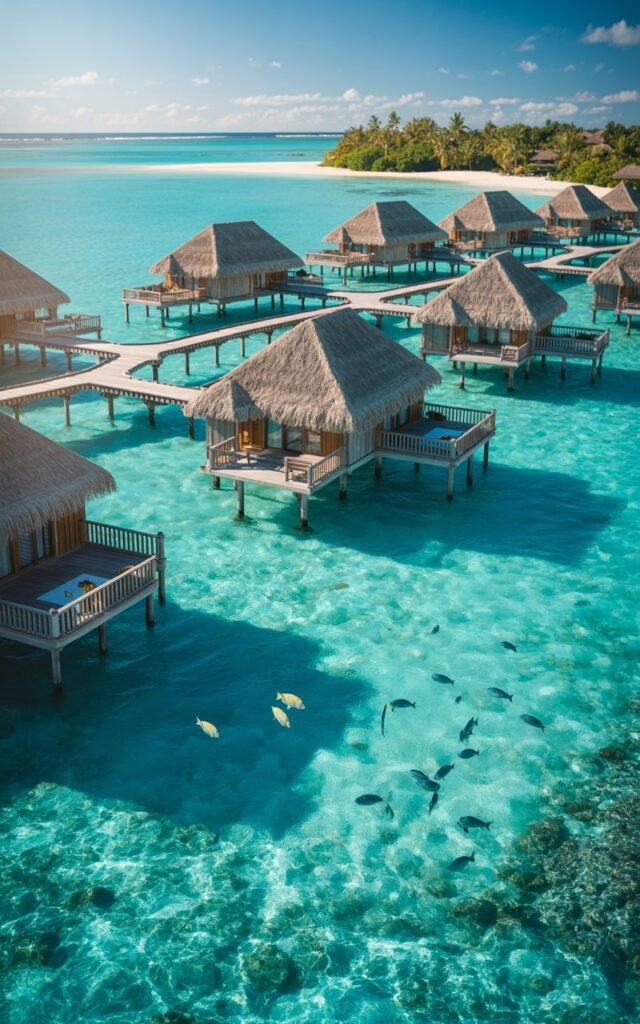
Snorkeling directly off the deck of our overwater bungalow, with reef sharks and rays visible in water clear enough to see the sandy bottom from the surface, made the Maldives the first place that ever fully lived up to its own hype for me.
I’ve been skeptical of destinations this heavily marketed before, and this is the one that actually delivered on every promise.
How to get there Velana International Airport (MLE) near Malé is the main gateway, with direct flights from several major hubs in Europe, the Middle East, and Asia.
From there, most resorts arrange either a speedboat transfer or a domestic seaplane flight, since the islands themselves are spread across a huge area of ocean and many resorts sit on their own private atoll.
Where to stay
- Budget: Local guesthouses on inhabited islands like Maafushi offer a genuinely more affordable way to experience the Maldives, though without the private overwater bungalow experience.
- Mid-range: A garden or beach villa at a mid-tier resort gets you real reef access and island atmosphere without the highest price tag attached to overwater rooms.
- Luxury: An overwater bungalow with a private plunge pool and direct lagoon access is the definitive Maldives splurge, and for a genuine bucket list trip, it’s worth prioritizing at least once. Our overwater bungalows in Bora Bora guide covers a similar style of stay if you want to compare the two destinations directly.
How to navigate You won’t need or want a rental car here, since resort islands are small and self-contained, and most activities are arranged directly through your accommodation.
Getting between islands, whether for a day trip or resort hopping, happens by boat or seaplane, both typically booked through your resort rather than independently.
Things to do
- Snorkel directly from your bungalow deck or a short boat ride to a nearby reef
- Book a sunset dolphin cruise, genuinely likely to spot pods in the wild
- Try a guided scuba dive if you’re certified, given how healthy the reefs are here
- Take a seaplane tour for aerial views of the atolls, one of the most photographed experiences in the country
Best time to visit: November to April, the dry season, for the calmest water and best visibility.
Personal tip: Book a resort on a smaller, quieter atoll rather than one of the larger, more commercial islands. A quieter property genuinely changes how private and relaxing the trip feels.
Safety tip Reef-safe sunscreen matters both for your skin and for protecting the coral, since regular sunscreen chemicals contribute to reef damage in exactly the ecosystem you’re there to see.
Currents around reef edges can be stronger than they look from the surface, so snorkel with a buddy and stay within areas your resort marks as safe.
If tropical, water-forward destinations are what draw you here, our 12 cheapest islands to visit in 2026 covers more affordable alternatives with a similar feel.
3. Machu Picchu, Peru

Watching the fog slowly lift off the ancient stone terraces at sunrise, revealing the ruins piece by piece, is a moment I still think about regularly.
Machu Picchu had been on my list for over a decade before I finally went, and the buildup only made standing there feel more earned.
How to get there Jorge Chávez International Airport (LIM) in Lima is the main gateway, with a connecting domestic flight to Cusco.
From Cusco, most travelers either hike the multi-day Inca Trail or take a scenic train from Ollantaytambo to Aguas Calientes, the town at the base of the mountain, followed by a short bus ride up.
Where to stay
- Budget: Hostels and budget guesthouses in Aguas Calientes offer the most affordable base with easy early access to the site.
- Mid-range: A standard hotel in Aguas Calientes or Ollantaytambo balances comfort and cost.
- Luxury: A high-end lodge along the Inca Trail or a luxury hotel in Aguas Calientes, several offering private guided access, is the definitive splurge.
Where to eat Aguas Calientes has a solid range of restaurants for such a small town.
Look for smaller, locally run spots serving Peruvian classics like lomo saltado rather than generic tourist-menu restaurants on the main strip, since quality and prices both improve a block off the busiest street.
How to navigate No roads reach Machu Picchu, so the train or the Inca Trail hike are your only options, followed by a short shuttle bus up. Book train tickets well ahead during peak season.
Things to do
- Hike the Inca Trail if your schedule and fitness allow it
- Watch sunrise from the site with an early entry ticket
- Climb Huayna Picchu for an overhead view, booked separately
- Explore Cusco’s historic center before or after
Best time to visit: May to September, the dry season, for clear skies and easier hiking.
Personal tip: Hike the Inca Trail rather than taking the train if you can. The multi-day approach made the arrival feel far more significant.
Safety tip Budget a day or two to acclimatize to the altitude before strenuous hiking.
Book Inca Trail permits only through a licensed, reputable operator. Our 15 places in Italy almost no one knows about covers a similarly rewarding kind of off-the-beaten-path discovery.
4. Serengeti, Tanzania

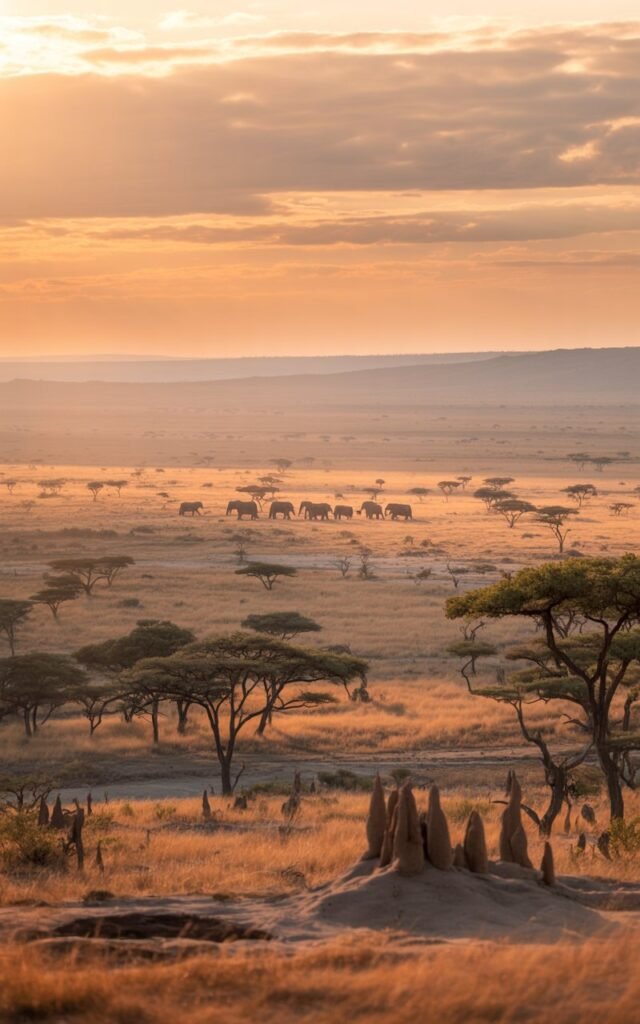
Watching a river crossing during the Great Migration, thousands of wildebeest and zebra moving at once, taught me what it actually means to witness nature at scale.
I’d seen this scene in documentaries a hundred times, and none of it prepared me for how it feels in person.
How to get there Kilimanjaro International Airport (JRO) is the main gateway, with a connecting flight or road transfer to Arusha, the typical safari starting point.
From Arusha, most travelers take a small chartered flight directly into the park, since driving can take six hours or more.
Where to stay
- Budget: Public campsites or lodges just outside the park offer a more affordable safari with fewer amenities.
- Mid-range: A tented camp near the park balances comfort and cost, typically including guided game drives.
- Luxury: A high-end permanent camp with a private plunge pool, positioned along seasonal migration routes, is the definitive splurge.
Where to eat Dining happens through your camp, since the Serengeti has no independent restaurants.
Most camps include full board built around the day’s game drive schedule, and better properties put real effort into fresh, locally sourced meals.
How to navigate No rental car here, guided game drives arranged through your camp are how you experience the park. Book through a reputable, licensed operator well ahead of peak migration season.
Things to do
- Take multiple game drives at different times of day
- Watch a river crossing if timing aligns with the migration
- Take a sunrise hot air balloon ride over the plains
- Visit a nearby Maasai village with a respectful, guided tour
Best time to visit: June to October for reliable dry season conditions and strong migration viewing.
Personal tip: Time your visit around the migration’s seasonal position rather than assuming a fixed location.
Safety tip Always stay inside the vehicle during game drives. Malaria risk exists here, so consult a travel doctor beforehand. Our 11 epic Tanzania travel experiences covers this region in more depth.
5. Iceland’s Ring Road

Standing behind Seljalandsfoss waterfall, completely soaked and laughing, remains one of my favorite unplanned moments from any trip I’ve taken.
Iceland has a way of turning ordinary stops into genuine highlights, waterfalls, black sand beaches, and glaciers all within a day’s drive of each other.
How to get there Keflavík International Airport (KEF) is Iceland’s main gateway, about 45 minutes from Reykjavik, where most Ring Road trips begin and end. Direct flights connect Keflavík to major cities across Europe and North America.
Where to stay
- Budget: Guesthouses and hostels in smaller towns along the route offer solid value, with camping also a popular low-cost option in summer.
- Mid-range: A mix of countryside hotels and farm stays along the route balances comfort and cost well, especially useful given how spread out accommodation options are outside Reykjavik.
- Luxury: A design hotel with a private geothermal hot tub, several found near the south coast and in the north near Akureyri, is a strong Iceland splurge.
Where to eat Reykjavik has a genuinely excellent food scene for a small capital, worth a day or two on its own before or after the drive.
Along the Ring Road itself, dining options thin out considerably, so smaller towns like Vík and Höfn have a handful of solid, locally run restaurants worth planning meals around rather than assuming you’ll find something at every stop.
How to navigate Renting a proper four-wheel drive vehicle is worth it outside peak summer, since Iceland’s weather and road conditions shift fast.
Book your rental at Keflavík Airport, and download offline maps, since cell service drops out in more remote stretches of the route.
Things to do
- Stand behind Seljalandsfoss waterfall, one of the few in Iceland you can walk behind
- Walk the black sand beach at Reynisfjara, staying well back from the water
- Visit a glacier lagoon like Jökulsárlón for a chance to see icebergs up close
- Soak in a geothermal hot spring along the route
Best time to visit: June to August for the most reliable road conditions and long daylight hours, though shoulder season offers a real chance at the northern lights.
Personal tip: Rent a proper four-wheel drive vehicle if you’re visiting outside peak summer. Iceland’s weather shifts fast, and the extra traction matters more than once on unexpectedly icy roads.
Safety tip Reynisfjara’s sneaker waves have caused real injuries and deaths, so never turn your back on the ocean there, regardless of how calm it looks.
Check road.is for current road and weather conditions before each day’s drive, since conditions change quickly outside summer.
Our 11 most beautiful places to visit on earth covers Iceland’s Faroe Islands neighbor in similar depth if this kind of dramatic Nordic landscape appeals to you.
6. Santorini and the Greek Islands

Island hopping by ferry, with no fixed plan beyond catching the next boat, gave this trip a spontaneity that a single-destination vacation rarely allows.
Some of my best days had zero itinerary at all, just wherever a ferry schedule happened to take us next.
How to get there Athens International Airport (ATH) is the main gateway for most Greek island trips, with direct flights from major cities worldwide.
From Athens, domestic flights or high-speed ferries connect to Santorini and other islands like Naxos and Milos, with ferry travel being the more scenic, budget-friendly option if your schedule allows the extra time.
Where to stay
- Budget: Guesthouses on quieter islands like Naxos offer noticeably better value than Santorini’s caldera-view properties.
- Mid-range: A mid-tier hotel a short walk from Santorini’s caldera path, without direct sea views, cuts cost significantly while keeping you close to the main sights.
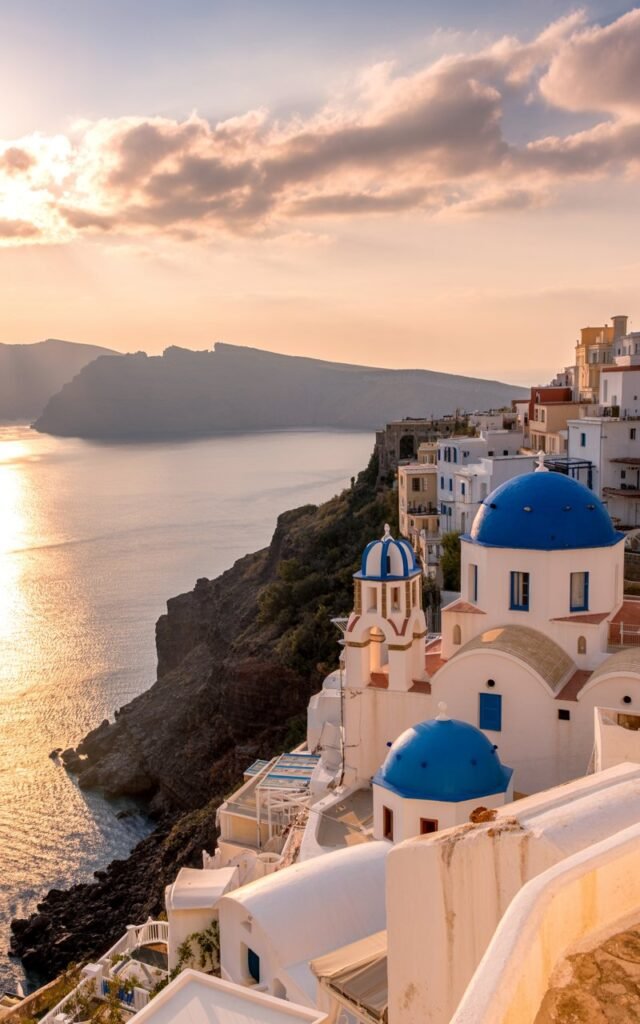
- Luxury: A cave-style suite with a private plunge pool in Oia remains the classic Greek islands splurge for a reason.
Where to eat Santorini’s restaurants directly along the caldera path charge a real premium for the view, so venture a few streets back for meals at roughly half the price with comparable quality.
On quieter islands like Naxos, family-run tavernas serving whatever was caught or grown that day are consistently the best value and the best food on this whole itinerary.
How to navigate Ferries connect the islands and are genuinely part of the experience, so build slack into your schedule rather than a tight itinerary.
On Santorini specifically, renting a small car or ATV is the easiest way to get around, since the island is larger than it appears and buses run on a limited schedule.
Things to do
- Watch sunset in Oia, arriving at least an hour early for a good spot
- Take a ferry to a quieter island like Naxos or Milos for a slower pace
- Visit Akrotiri, an ancient Minoan site on Santorini sometimes called the Greek Pompeii
- Swim at one of Milos’s dramatically colored beaches, less crowded than Santorini’s coastline
Best time to visit: Late May to June or September, avoiding peak July and August crowds and heat.
Personal tip: Build in buffer days between islands. Ferry schedules can shift with weather, and cutting your timeline too tight risks missing a connection.
Safety tip Ferry schedules can change or cancel with rough weather, so avoid booking tight same-day connections between islands.
Santorini’s caldera-facing paths have unprotected cliff edges in several spots, so keep a safe distance, especially during crowded sunset hours.
Our 11 most beautiful places to visit on earth covers Santorini’s caldera views in more depth if you want the full single-island breakdown.
7. The Norwegian Fjords

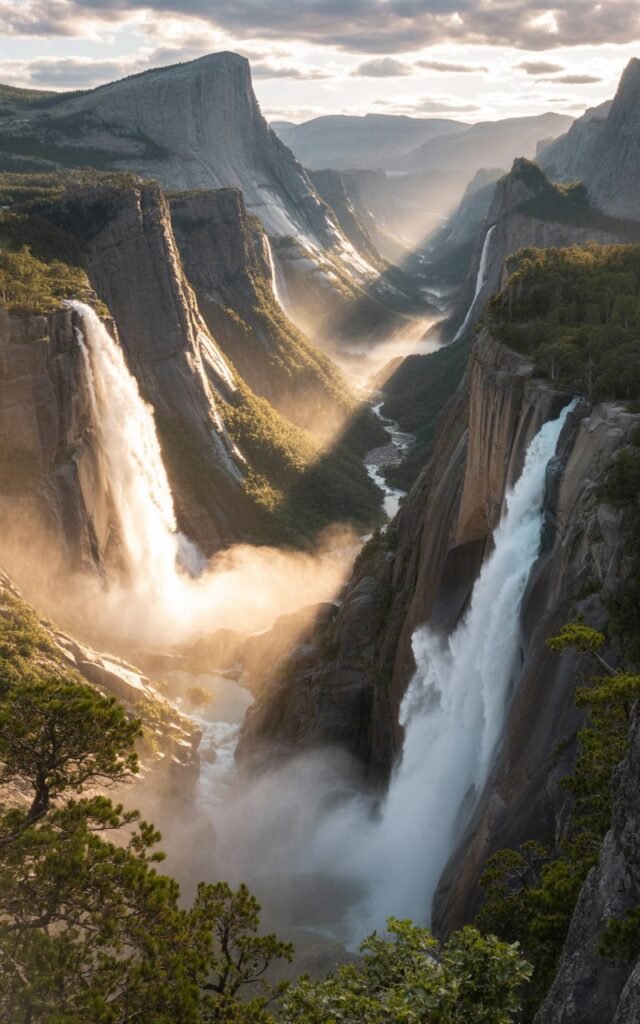
Taking a ferry through Nærøyfjord, one of the narrowest fjords in the world, gave me a sense of scale that photos genuinely can’t replicate. The silence out on the water, broken only by distant waterfalls, is something I still think about.
How to get there Bergen Airport (BGO) is the most common gateway for fjord trips, with direct flights from major European cities.
Oslo Airport (OSL) works too if you’re combining this with a longer Norway itinerary, with a scenic train connecting the two cities in about seven hours.
Where to stay
- Budget: Guesthouses and hostels in Bergen or smaller fjord towns like Flåm offer solid value, with camping also popular in summer.
- Mid-range: A standard hotel in a fjord-side town like Aurland or Balestrand balances comfort and cost well.
- Luxury: A cliffside hotel or fjord-view lodge, several with private balconies overlooking the water, is the standout Norwegian splurge.
Where to eat Bergen has a genuinely strong food scene worth a day before heading into the fjords, particularly around the historic Bryggen waterfront.
Along the fjords themselves, dining options are limited to what each small town offers, so smaller places like Flåm and Aurland have a handful of solid, locally run restaurants worth planning meals around rather than expecting variety at every stop.
How to navigate A rental car gives the most flexibility for exploring multiple fjords and viewpoints, booked easily at either Bergen or Oslo airport.
The famous “Norway in a Nutshell” route combines train, ferry, and bus without needing a car at all, a strong option if you’d rather not drive Norway’s winding mountain roads yourself.
Things to do
- Take a ferry through Nærøyfjord or Geirangerfjord, both UNESCO-listed for their dramatic scenery
- Ride the Flåm Railway, one of the steepest standard-gauge railways in the world
- Hike to a viewpoint like Pulpit Rock or Trolltunga for a dramatic overhead perspective
- Visit Bergen’s historic Bryggen wharf before or after your fjord journey
Best time to visit: Late May to early September for accessible mountain roads and long daylight hours, since many routes remain closed well into spring.
Personal tip: Visit in late spring or early summer for the best combination of accessible roads and long daylight hours, since many mountain routes stay closed later than people expect.
Safety tip Trails to viewpoints like Trolltunga are long, exposed, and weather-dependent, so check conditions and start early regardless of season.
Fjord ferry schedules can be affected by weather, so build flexibility into tightly connected travel days.
Our 11 most beautiful places to visit on earth covers the Faroe Islands in similar depth if this kind of dramatic Nordic scenery is what draws you to this list.
8. The Great Barrier Reef, Australia

This one is still on my own someday list, but every diver and traveler I’ve talked to describes an overwhelming sense of scale underwater that no smaller reef system or aquarium comes close to matching.
It consistently sits at the top of the list for anyone I know who takes diving seriously.
How to get there Cairns Airport (CNS) is the main gateway for most Great Barrier Reef trips, with direct flights from major Australian cities and a handful of direct international routes.
From Cairns, most reef trips depart by boat directly from the marina, a short taxi ride from the airport.
Where to stay
- Budget: Hostels and budget hotels in Cairns offer good value while putting you close to reef tour departure points.
- Mid-range: A standard hotel along the Cairns esplanade balances comfort and cost, with easy access to both the marina and the city’s restaurants.
- Luxury: An island resort directly on the reef, several offering private beach access and included snorkeling excursions, is the standout splurge for this destination.
Where to eat Cairns has a solid, varied food scene built around its role as the main reef gateway city, with a strong seafood focus given the location.
Reef tour boats typically include lunch as part of a full-day excursion, and quality varies by operator, so it’s worth checking reviews specifically for food quality alongside the diving or snorkeling experience itself.
How to navigate You don’t need a rental car for the reef itself, since access is exclusively by boat, arranged through a tour operator or your resort.
A car is useful if you’re exploring the wider Cairns and Port Douglas region beyond the reef, including the nearby Daintree Rainforest.
Things to do
- Snorkel or scuba dive at one of the outer reef sites, generally offering the clearest water and healthiest coral
- Take a scenic flight over the reef for an aerial view of its scale and color
- Visit the Daintree Rainforest as a contrasting day trip from Cairns
- Try a liveaboard trip for multi-day access to more remote reef sections
Best time to visit: June to October for the best visibility and most comfortable diving conditions, avoiding the wetter, stinger-heavy summer months.
Personal tip: Book with an operator that specifically supports reef conservation efforts. It’s worth the research, and it tends to correlate with genuinely better guiding and site knowledge too.
Safety tip Marine stinger season runs roughly November to May in this region, so check current advice and wear a protective stinger suit if you’re swimming during those months.
Always dive or snorkel with a buddy and stay within the boundaries your tour operator sets, since currents around outer reef sites can be stronger than they appear.
Our overwater bungalows in Bora Bora covers a different but similarly reef-adjacent tropical destination worth comparing.
9. Marrakech, Morocco

Getting genuinely lost in the medina, no map, no real plan, turned into one of the most memorable afternoons of that entire trip.
Every wrong turn led to something worth stopping for, a spice stall, a hidden courtyard, a doorway opening onto a completely different scene than the street outside.
How to get there Marrakech Menara Airport (RAK) is the main gateway, with direct flights from several major European cities and a growing number of longer-haul routes.
The airport sits about 20 minutes from the medina by taxi, one of the more convenient airport transfers on this list.
Where to stay
- Budget: Simple guesthouses just outside the main medina offer solid value with an easy walk into the old city.
- Mid-range: A traditional riad inside the medina, without the highest-end finishes, balances authenticity and cost well.
- Luxury: A high-end riad with a private plant-filled courtyard and rooftop terrace is the definitive Marrakech splurge, and genuinely different from a standard hotel experience.
Where to eat Jemaa el-Fnaa’s food stalls come alive at night and are worth experiencing at least once, though quality varies significantly between vendors, so go where the crowds of locals are gathered rather than the stalls most aggressively calling out to tourists.
For a calmer meal, smaller restaurants tucked into the medina’s side streets consistently offer better value and more authentic dishes than anything directly on the main square.
How to navigate The medina is best explored entirely on foot, since its narrow, maze-like streets aren’t suited to cars, and getting lost is genuinely part of the experience.
For reaching areas outside the old city, taxis are cheap and plentiful, though agreeing on a price before getting in, or insisting on the meter, avoids overpaying.
Things to do
- Wander the medina with no fixed destination, and let yourself get a little lost
- Visit the Jardin Majorelle, a striking blue-toned botanical garden
- Explore Jemaa el-Fnaa in the evening as it transforms with food stalls and performers
- Take a day trip to the Atlas Mountains for a change of pace from the city
Best time to visit: March to May or September to November, avoiding the intense heat of summer.
Personal tip: Stay in a traditional riad rather than a standard hotel. The quiet, plant-filled courtyard inside mine felt like a completely different world from the noise just outside its walls.
Safety tip Persistent, sometimes aggressive vendor attention in the medina is common, and a polite but firm “no thank you” without stopping to engage generally works best.
Agree on taxi fares before the ride begins, since meters aren’t always used consistently, especially for tourist-heavy routes from the airport.
10. The Swiss Alps

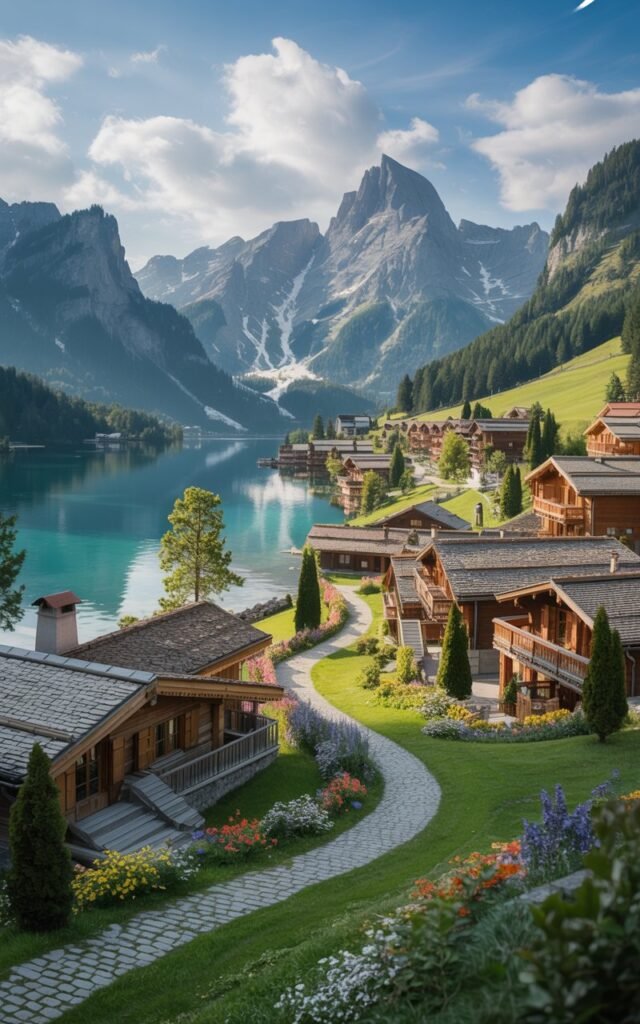
Riding the Gornergrat train up toward the Matterhorn, watching the peak slowly reveal itself through the clouds, is one of those moments where I genuinely stopped talking mid-conversation just to take it in.
The Swiss Alps deliver on the postcard version of themselves in a way that surprisingly few destinations actually manage.
How to get there Zurich Airport (ZRH) is the main international gateway, with a scenic train connecting to towns like Zermatt or Interlaken in roughly three to four hours.
Geneva Airport (GVA) works too if you’re focusing on the western side of the country, with similarly good rail connections into the mountains.
Where to stay
- Budget: Hostels and guesthouses in Interlaken offer solid value while still putting you within reach of major alpine viewpoints.
- Mid-range: A standard hotel in Zermatt or Grindelwald balances mountain views and cost, both well-connected to cable cars and trains.
- Luxury: A ski-in chalet or a hotel with a direct Matterhorn view, several offering private balconies and spa access, is the classic Swiss Alps splurge.
Where to eat Mountain restaurants accessible only by cable car or a short hike are a genuine highlight here, often serving hearty Swiss classics like fondue and rösti with views that make the premium pricing feel justified.
In town, smaller family-run restaurants consistently offer better value than anything directly on the main tourist strip, similar to the pattern in most heavily touristed alpine towns.
How to navigate Switzerland’s train and cable car network is excellent enough that a rental car genuinely isn’t necessary, and in towns like Zermatt, cars aren’t even allowed.
A Swiss Travel Pass is worth the cost if you’re covering multiple regions, since it covers most trains, buses, and even some cable cars.
Things to do
- Ride the Gornergrat train for panoramic Matterhorn views
- Hike part of the trail network around Zermatt or Grindelwald, with routes suited to a range of fitness levels
- Take a cable car up to a high-altitude viewpoint like Schilthorn for a 360-degree panorama
- Visit a mountain lake like Lake Oeschinen for a quieter, less crowded alpine experience
Best time to visit: July to September for the most reliable hiking conditions, or December to March if a winter, snow-focused trip is the goal.
Personal tip: Book mountain train tickets in advance during summer. Demand is higher than most visitors expect, and same-day departures can be fully booked.
Safety tip Mountain weather changes fast even in summer, so pack proper layers regardless of how clear the morning looks.
Stick to marked trails, since alpine terrain can be more unstable than it appears, and check current conditions at a visitor center before any longer hike given how quickly snow or fog can roll in at higher elevations.
Tips for Planning a True Bucket List Trip

A few things I’ve learned after chasing enough of these dream trips myself.
- Save for experiences, not just flights and hotels. Some of the best parts of these trips, a guided trek, a proper safari operator, a quality dive excursion, are worth the extra investment.
- Build in flexibility. Weather, ferry schedules, and wildlife sightings rarely follow a strict itinerary, and the best trips on this list left room for that unpredictability.
- Research the best season for each destination specifically. Timing affects almost everything, from Iceland’s road conditions to the Serengeti’s migration patterns.
- Pack for the specific trip, not a generic vacation. Our backpack essentials guide and travel checklist are both useful starting points depending on which of these trips you’re planning.
- Don’t wait for the perfect time. I put off several of these trips for years waiting for ideal circumstances, and the ones I finally booked anyway ended up being some of the best decisions I’ve made.
FAQ
Which of these trips is the most beginner friendly for a first big bucket list trip? I’d start with Santorini and the Greek Islands or the Swiss Alps.
Both offer stunning scenery with reliable infrastructure, making them easier to plan than destinations like the Serengeti or Machu Picchu, which require more advance logistics.
How far in advance should I start planning a trip like these? For most of these, I’d start planning at least six months ahead, and closer to a year for anything involving a guided trek, safari, or peak season travel like the Serengeti migration or the Inca Trail.
Are these trips realistic on a moderate budget? Several are more accessible than people assume.
Marrakech and parts of Greece can be done affordably, while destinations like the Maldives and a full Serengeti safari tend to require a larger budget regardless of how you plan.
Do I need to be an experienced traveler to take on a trip like Machu Picchu or the Serengeti? Not necessarily, though a reasonable fitness level helps for Machu Picchu if you’re hiking the Inca Trail.
Both destinations are best tackled with an experienced local guide or operator, which handles most of the logistics for you.
What’s the best way to prioritize this list if I can only take one trip a year? I’d prioritize based on physical demands and seasonal windows first.
Trips like the Serengeti migration or Iceland’s summer road conditions are more time sensitive than something like Kyoto or Marrakech, which are more flexible year round.
Final Thoughts
Ten trips, and every single one represents a completely different reason to finally use that vacation time you’ve been saving.
What ties this list together isn’t the destinations themselves, it’s the reminder that the “someday” list only gets shorter once you actually start booking flights instead of just adding to the notes app.
If you’re ready to keep building out your own list, our 11 most beautiful places to visit on earth and best places to travel this year are great next stops for more inspiration. Whichever trip on this list speaks to you most, that’s usually the one worth booking first.