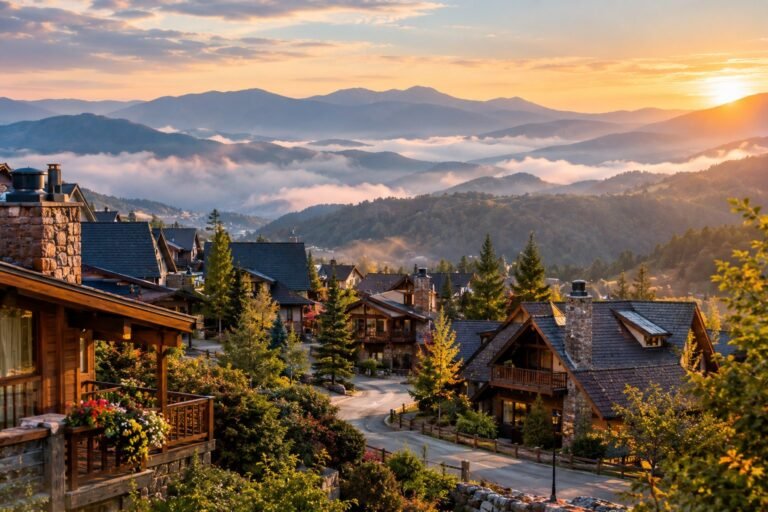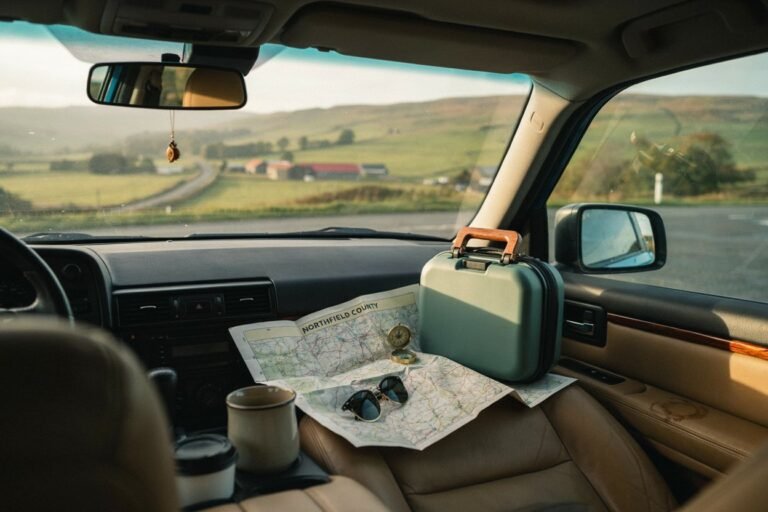

We landed in Dublin with a loose itinerary, two rental car reservations, and a plane ticket out of Glasgow two weeks later, mostly trusting that the middle would sort itself out. It did, but not in the way either of us expected.
What started as a straightforward Ireland trip turned into something bigger once we realized how easy it was to bridge into Scotland with one short flight.
Fourteen days ended up covering Dublin’s pubs and Georgian streets, the wild stretch of coastline out past Galway, the quiet shock of Edinburgh’s skyline, the raw scale of the Highlands, and a final couple of days winding down in Stirling and Glasgow.
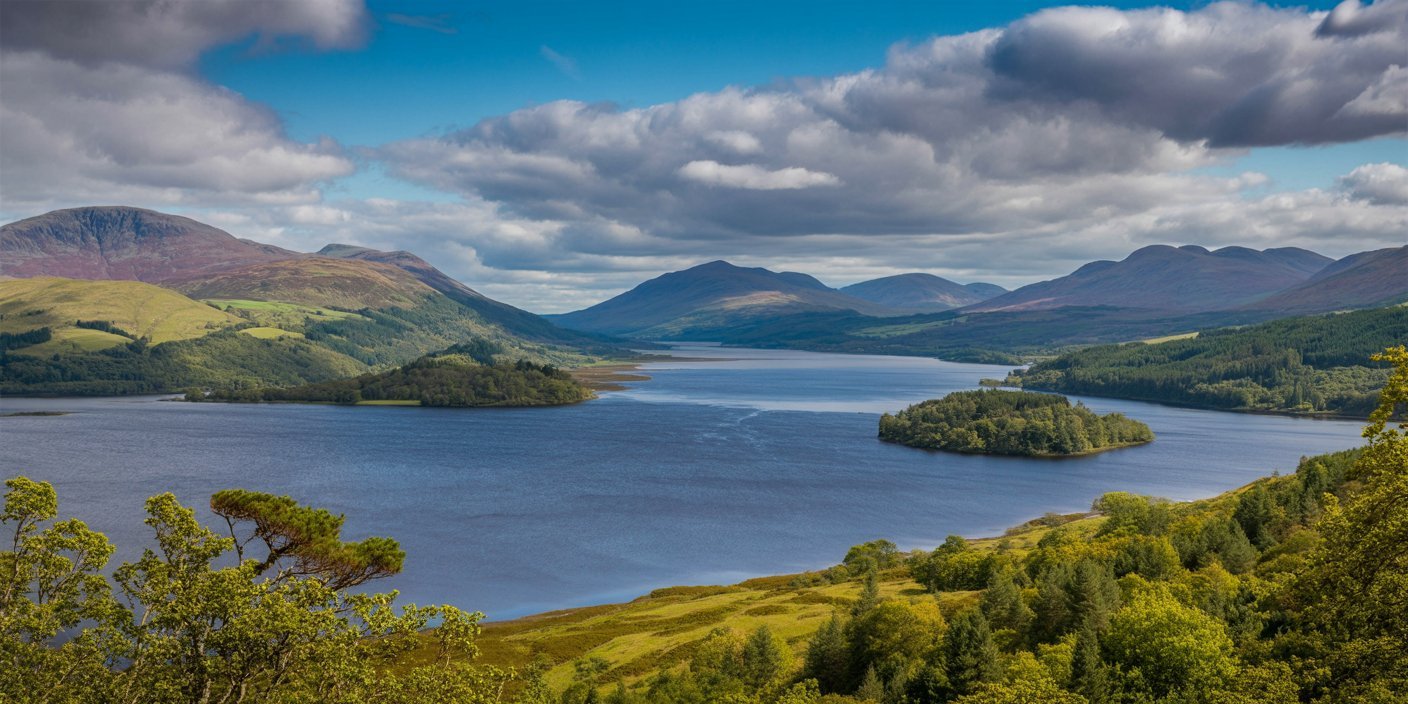
Two countries that share a surprising amount in weather, humor, and hospitality, but still felt distinct enough that neither leg blurred into the other.
This itinerary is built from that actual trip, day by day, including the parts we got right and the couple of things we’d change if we did it again.
It’s meant less as a rigid schedule and more as a framework, one flexible enough to shift around depending on how much time you have and what kind of pace you’re after.
If you’re still deciding how much time to set aside, our dream vacations bucket list is a good place to figure out where this trip fits into a bigger travel plan.
How to Travel This Ireland and Scotland Itinerary
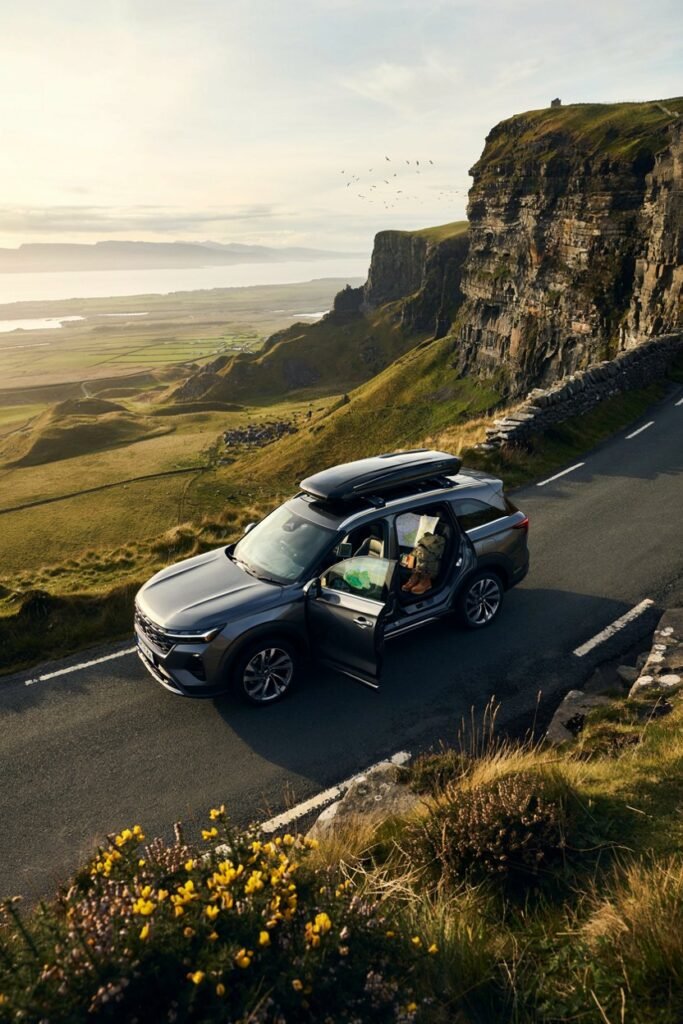
Getting there
Most travelers fly into Dublin Airport (DUB) to start the trip, with direct connections from major hubs across North America and Europe.
At the other end, Glasgow Airport (GLA) handles the return flight home, making the route a practical one way loop rather than a there and back trip through the same city twice.
Getting between Ireland and Scotland
The most efficient way to bridge the two countries is a short flight from Shannon Airport (SNN) to Edinburgh, fitting naturally between the Galway leg and the Edinburgh leg of this itinerary.
Ferries between Belfast and Scotland exist as an alternative, but they add significant travel time and generally only make sense if you want to build in Northern Ireland as an extra stop.
Renting a car
A car is necessary for the Galway, Cliffs of Moher, and Highlands stretches, but unnecessary and often a hassle in Dublin, Edinburgh, and Glasgow themselves.
Pick up the rental in Dublin once you’re ready to leave the city, and plan to return it in Glasgow at the very end, rather than holding onto it through every city stop.
Driving considerations
Both countries drive on the left, which takes most visitors a day or so to adjust to.
Highland and coastal roads are often single lane with passing points, so budget more time than GPS estimates suggest, especially in Scotland’s north.
Best time to visit
Late spring through early fall, roughly May through September, brings the most reliable weather and the longest daylight hours, which matters most for the long Highland driving days.
Late May and September offer a good middle ground, milder crowds and lower prices than peak summer, without losing much daylight.
Winter is workable for the cities but makes the Highlands and coastal drives noticeably harder, with shorter days and less predictable roads.
Budgeting for the trip
Costs run higher in city centers and during summer months, so shoulder season travel in late spring or early fall brings meaningful savings on both accommodations and rental cars.
Mixing city stays with rural cottages, guesthouses, or Highland lodges, rather than hotels the whole way through, also keeps the overall budget more reasonable.
Packing for the route
Weather shifts quickly in both countries, sometimes within the same day, so layers and a proper rain layer matter more than anything else on the packing list.
Sturdy, comfortable shoes are worth prioritizing too, given how much of this itinerary happens on foot, from cobblestone streets to cliffside paths.
Travel tip: Build the trip around the flight from Shannon to Edinburgh as the natural midpoint, rather than trying to force a single continuous drive between the two countries.
It keeps the pacing of this itinerary intact and saves a significant amount of travel time.
Day 1-3: Dublin, Ireland – Starting Where the Heart Is
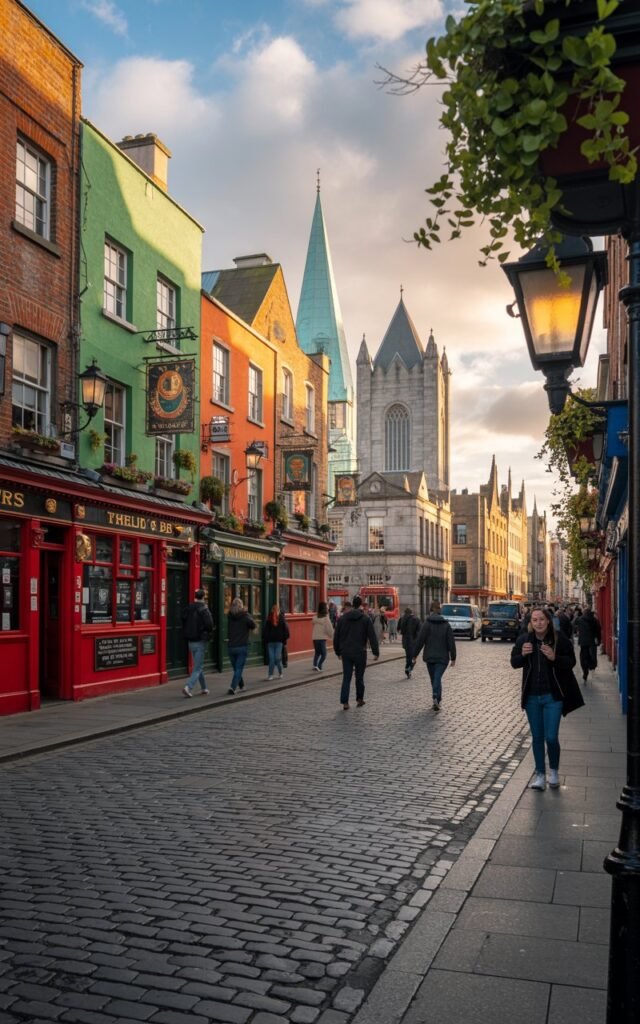
We landed jet lagged and slightly delirious, dropped our bags at the hotel, and made the classic first day mistake of heading straight to a pub instead of sleeping it off. It turned out to be the right call.
A local next to us at the bar ended up sketching out a rough plan for our first three days on a napkin, and we followed most of it.
Why it is worth it
Dublin is the natural starting point for a trip that eventually heads north into Scotland, and three days here is enough to get a real feel for the city without rushing through it. It sets the tone for the rest of the trip, easing you in before the pace picks up.
What to do
- Walk Trinity College and see the Book of Kells in the morning, before tour groups arrive
- Spend an afternoon in the Guinness Storehouse, worth it for the rooftop view alone
- Wander Temple Bar once, mostly for the atmosphere, then find a quieter pub elsewhere
- Visit Kilmainham Gaol for a heavier but essential look at Irish history
Where to stay
A hotel or apartment in the city center keeps everything walkable, which matters more in Dublin than in most cities on this itinerary.
Areas near Temple Bar are lively but loud, while spots slightly further out, like the Liberties, offer a quieter base without losing walkability.
Where to eat
Dublin’s food scene runs from traditional pub fare to genuinely excellent modern Irish restaurants.
Ask locals rather than relying only on apps, since some of the best meals here come from places without much of an online presence.
Getting around
Dublin city center is entirely walkable, and a car is unnecessary until you leave for the rest of Ireland. Save renting a car for day three or four, once you’re ready to head out of the city.
Travel tip: Push through the jet lag with a short walk and an early dinner rather than a long nap, it makes adjusting to the time change easier for the days ahead.
Day 4-6: Galway and the Cliffs of Moher – Ireland’s Wild Beauty
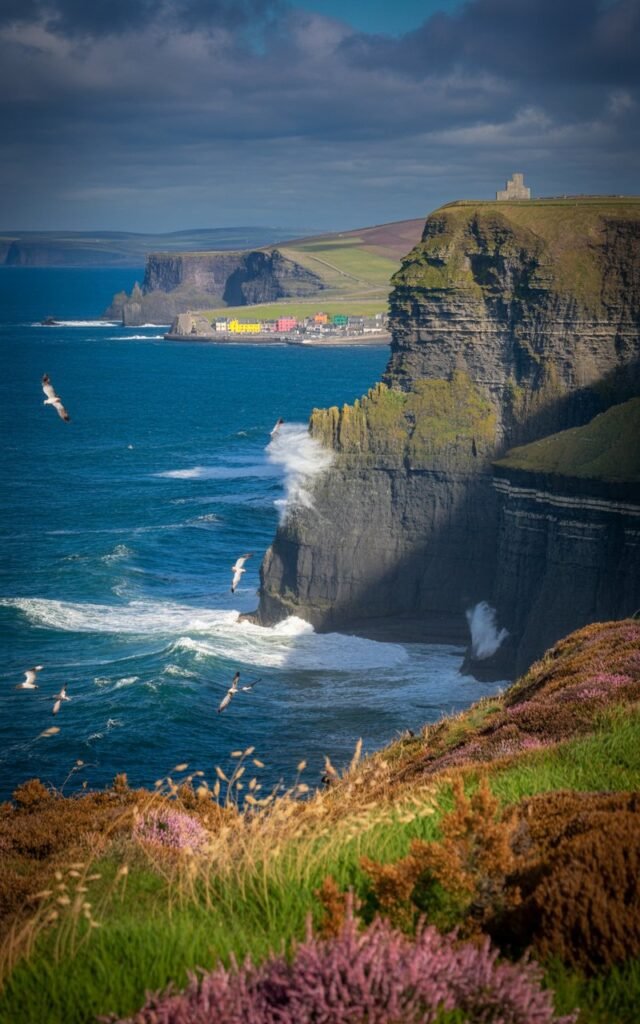
We picked up the rental car in Dublin and pointed it west, and somewhere past the halfway mark the landscape just opened up, stone walls cutting across green fields in every direction.
By the time we reached Galway, it already felt like a different country than the one we’d landed in three days earlier.
Why it is worth it
This stretch trades city energy for open landscape, and it is where Ireland starts to look like the postcards.
Galway gives you a lively small city base, while the Cliffs of Moher deliver the kind of scale that photos never quite capture.
What to do
- Wander Galway’s Latin Quarter, especially in the evening when the street music starts
- Walk the cliffside path at the Cliffs of Moher, staying well back from the edge
- Day trip out to the Aran Islands if time allows, for an even quieter pace
- Drive a stretch of the Wild Atlantic Way, stopping wherever the view demands it
Where to stay
Galway city center puts you close to restaurants and nightlife, ideal for the two nights you’ll likely spend there.
If staying closer to the cliffs themselves, a coastal cottage or guesthouse in County Clare makes an early morning visit easier before the crowds arrive.
Where to eat
Galway has a strong seafood scene given its coastal location, alongside a solid mix of casual and upscale spots in the city center.
Smaller villages along the drive out to the cliffs tend to have simple, reliable pub food worth stopping for.
Getting around
A car is essential for this leg, since the cliffs and coastal stops are not realistically reachable by public transport on a tight schedule.
Roads narrow considerably outside the city, so budget extra time for the drive.
Travel tip: Visit the Cliffs of Moher first thing in the morning or later in the evening. Midday brings both crowds and tour buses, and the light is better at the edges of the day anyway.
Day 7-9: Edinburgh, Scotland – History Meets Charm
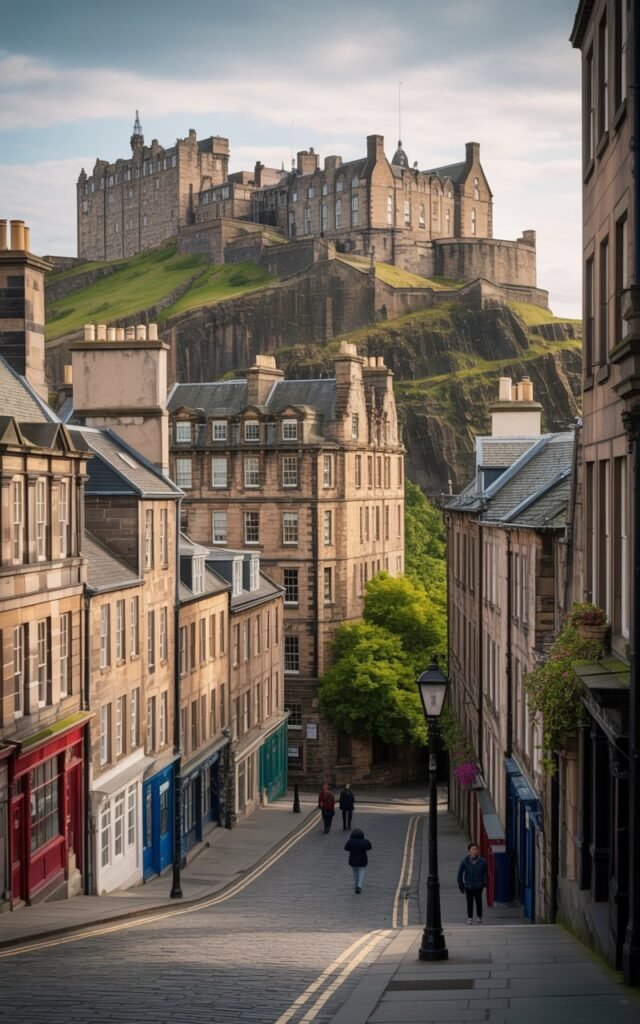
We flew from Shannon into Edinburgh and felt the shift almost immediately, cobblestones underfoot, a skyline dominated by the castle, and a chill in the air that hadn’t quite reached us in Ireland yet.
It felt like stepping into a different chapter of the same trip rather than a separate one.
Why it is worth it
Edinburgh pairs naturally with an Irish leg of travel, close enough for an easy flight but distinct enough in character to feel like real variety. Three days here covers the essentials without leaving the city feeling rushed.
What to do
- Walk the Royal Mile from the castle down to Holyrood Palace
- Tour Edinburgh Castle in the morning, before crowds build through the day
- Climb Arthur’s Seat for a wide view over the whole city, especially at sunset
- Explore the Old Town’s closes and alleys, many with genuinely strange histories attached
Where to stay
Old Town puts you closest to the main sights and within walking distance of nearly everything on this list, though it runs busier and pricier.
New Town offers a quieter, still central alternative with easy access to the Royal Mile on foot.
Where to eat
Edinburgh’s food scene ranges from traditional Scottish pub fare to a strong modern dining scene, particularly around the New Town.
Ask locals for a proper Scotch pie or haggis recommendation rather than the most tourist facing option near the castle.
Getting around
Edinburgh’s city center is compact and walkable, so a car is unnecessary and often more of a hassle given narrow, historic streets. Save the rental car for once you’re heading further into the Highlands.
Travel tip: Climb Arthur’s Seat in the early morning or at sunset rather than midday, both for the light and to avoid the busiest stretch of the trail.
Day 10-12: Highlands and Loch Ness – Scotland’s Magical Landscapes
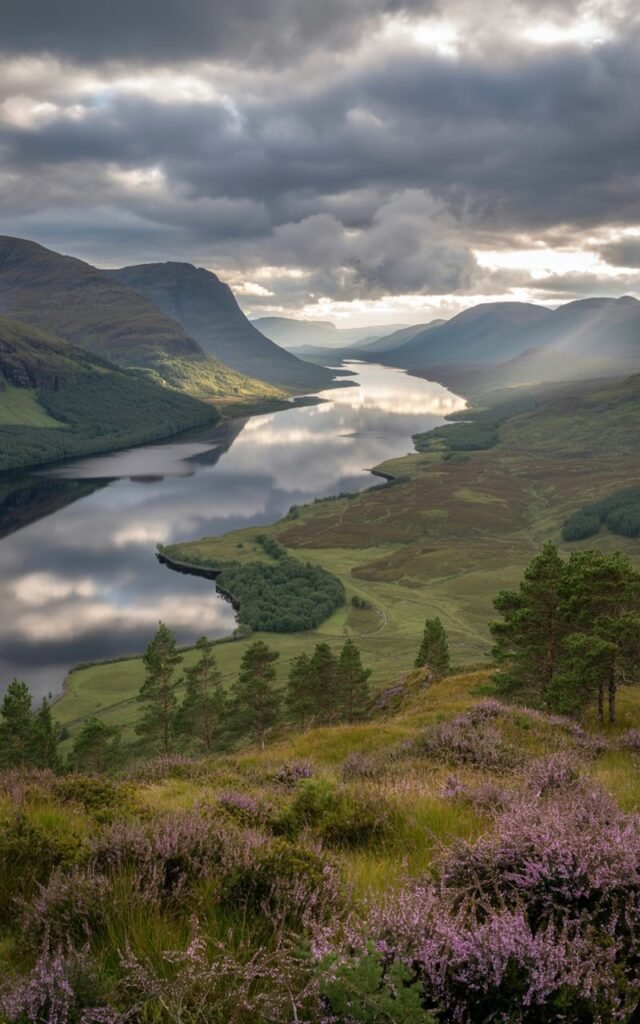
We picked up the car in Edinburgh and drove north, and somewhere past Pitlochry the road narrowed and the hills got bigger, until it felt like the trip had quietly shifted into its most dramatic chapter.
Neither of us said much for a good stretch of that drive. There wasn’t much to add to it.
Why it is worth it
This is the part of the trip built around scale and scenery rather than sights to check off.
The Highlands and Loch Ness deliver the kind of raw landscape that made the earlier city stops feel, in hindsight, like a warm up.
What to do
- Drive through Glencoe, one of the most dramatic stretches of road in the country
- Take a boat trip on Loch Ness, monster hunting optional but hard to resist
- Visit Urquhart Castle on the loch’s edge for both the ruins and the view
- Stop often. This leg rewards pulling over more than sticking to a schedule
Where to stay
A guesthouse or small hotel in Fort William or Inverness makes a solid base, close to both Glencoe and Loch Ness without long daily drives.
Smaller Highland villages offer an even quieter option if you don’t mind driving a bit further each day.
Where to eat
Food options thin out the further into the Highlands you go, so lean on guesthouse recommendations and small local pubs rather than searching for something specific. A proper Scottish breakfast goes a long way on a long driving day.
Getting around
A car is essential here, and distances take longer than they look on a map given winding single lane roads in places.
Fill up on fuel when you see a station, since they are not always frequent in the more remote stretches.
Travel tip: Build extra time into each driving day. The temptation to stop for a view, a ruin, or a random sheep crossing the road is constant, and it’s worth giving in to.
Day 13-14: Stirling and Glasgow – Culture and Farewell
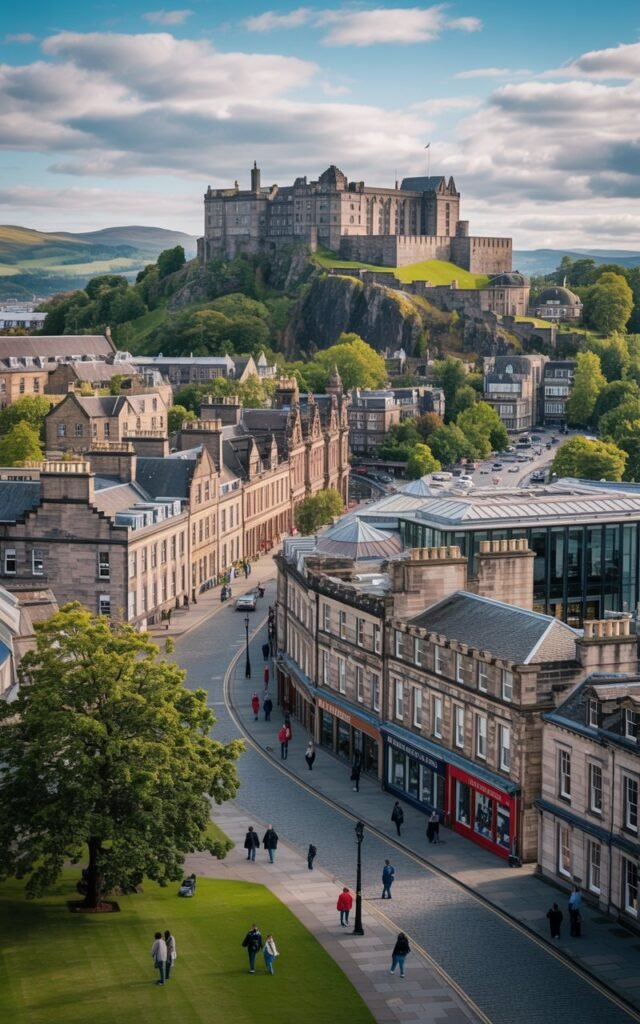
We rolled into Stirling with the castle visible from nearly a mile out, sitting up on its rock the way it’s clearly meant to be seen from a distance first.
After days of empty Highland roads, seeing a proper skyline again felt strange in a good way, like the trip was gently easing us back toward the end of it.
Why it is worth it
Stirling and Glasgow close out the trip with a mix of history and city energy, a natural way to wind down from the Highlands before flying home.
It’s a shorter, lower key final stretch that still leaves room for a proper last few days.
What to do
- Tour Stirling Castle, with real historical weight and fewer crowds than Edinburgh’s
- Visit the National Wallace Monument for the view and the history behind it
- Spend a day in Glasgow exploring the Kelvingrove Art Gallery and West End
- Catch some live music in Glasgow, a city that takes its music scene seriously
Where to stay
Stirling works well for a single night given its smaller size, close enough to the castle to walk.
Glasgow’s West End offers a good final base, walkable and close to restaurants for a proper last night out.
Where to eat
Glasgow has a strong, varied food scene, from casual spots throughout the West End to more upscale options in the city center.
Stirling is smaller, so a solid pub dinner is usually the easiest and most reliable choice.
Getting around
The drive from the Highlands to Stirling and on to Glasgow is straightforward compared to earlier legs, mostly major roads.
Return your rental car in Glasgow, where flight connections home are easiest to arrange.
Travel tip: Leave Glasgow for last rather than Edinburgh. It’s a slightly easier city to fly out of, and ending on live music and a good meal is a solid final note for the trip.
Tips for Making the Most of Ireland and Scotland
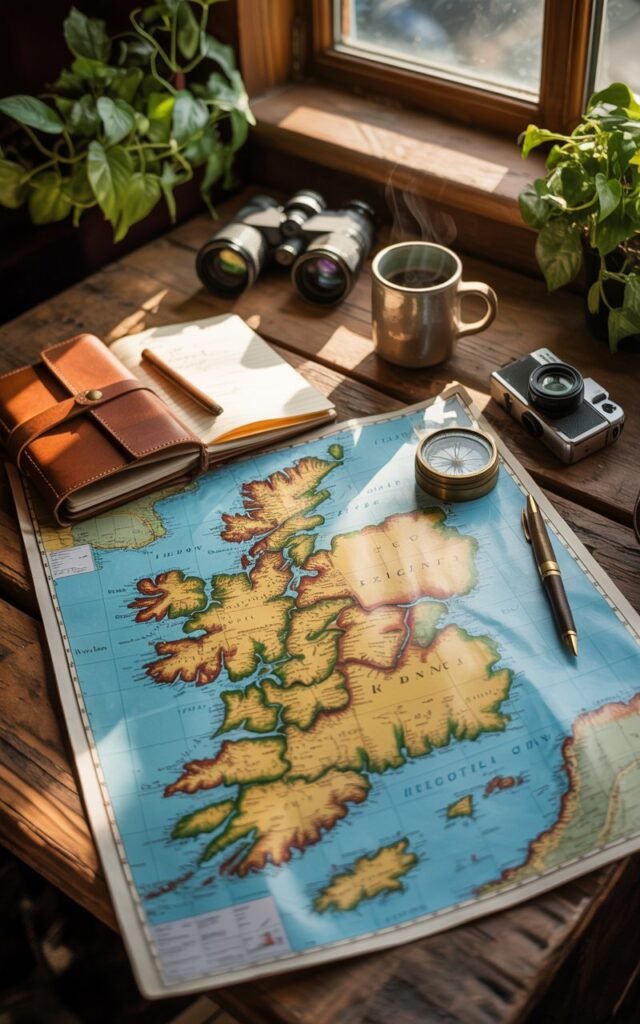
Looking back over these fourteen days, the details that made the trip work weren’t really about the sights themselves.
They were about the small decisions in between, when to drive, when to slow down, when to just pull over because the view demanded it. A few things worth carrying into your own version of this trip.
A few things tie the whole itinerary together
- Rental car logistics matter more than they seem to at first. Pick up in Dublin, drop off in Glasgow, and build in a flight between Shannon and Edinburgh rather than trying to drive the whole route.
- The pace should ease you in and out. Start in a city, build toward the wildest landscapes in the middle, and close on something lower key. This itinerary is built around that arc for a reason.
- Weather changes plans more than schedules do. Both countries reward flexibility, especially in the Highlands and along Ireland’s west coast, so leave room to shift a day if needed.
- Locals are the best source of recommendations either country will give you. Bartenders, hosts, and shop owners pointed us toward more good meals and quiet spots than any app did.
Planning tip
Book accommodations and any ferry or flight connections between Ireland and Scotland well ahead of time, especially in summer.
The driving legs and Highland stops are more forgiving to plan last minute than the connection between countries.
Packing tip
Bring layers regardless of season. Both countries shift weather quickly, sometimes within the same afternoon, and a good rain layer will get more use than almost anything else you pack.
Safety tip
Take single lane and coastal roads slowly, particularly in the Highlands and along Ireland’s western coast, where blind corners and narrow shoulders are common.
Fuel up whenever you see a station in remote stretches, rather than waiting until you need to.
FAQ
Do I need a car for this entire trip?
Not for every leg. Dublin, Edinburgh, and Glasgow are all walkable on their own, so a car mainly matters for the stretches in between, Galway and the Cliffs of Moher, and the Highlands and Loch Ness.
Renting for those middle sections rather than the whole trip can save some cost.
How do I get from Ireland to Scotland?
A short flight between Shannon and Edinburgh is the easiest option, and it’s built into this itinerary between day six and day seven.
Ferry options exist but generally add more time than they save for a two week trip.
Is fourteen days enough time for both countries?
It’s enough to get a real feel for each without constantly rushing, though both countries could easily fill a trip on their own.
This itinerary trades depth in any one place for a broader sense of both, which suits a first visit well.
What’s the best time of year to do this trip?
Late spring through early fall brings the most reliable weather and longer daylight hours, especially useful for the Highland driving days.
Summer is busiest and priciest, so late May or September offer a good middle ground.
Do I need to book accommodations far in advance?
For city stays and anything during summer, yes. Highland guesthouses and smaller villages are more flexible, but Dublin, Edinburgh, and Glasgow book up quickly during peak season.
Final Thought
Some trips are built around a single destination, and this one deliberately isn’t. It’s built around contrast, Dublin’s energy against Highland silence, Edinburgh’s history against Glasgow’s music scene, the ease of a walkable city against the demands of a single lane coastal road.
None of it would have worked as well without the flexibility to slow down when a place asked for it. If there’s one thing worth carrying from these fourteen days, it’s that the best parts of a trip like this rarely show up on the schedule.
They show up in the pull over, the local recommendation, the extra ten minutes spent somewhere you hadn’t planned to stop. Build room for that, and the rest tends to take care of itself.