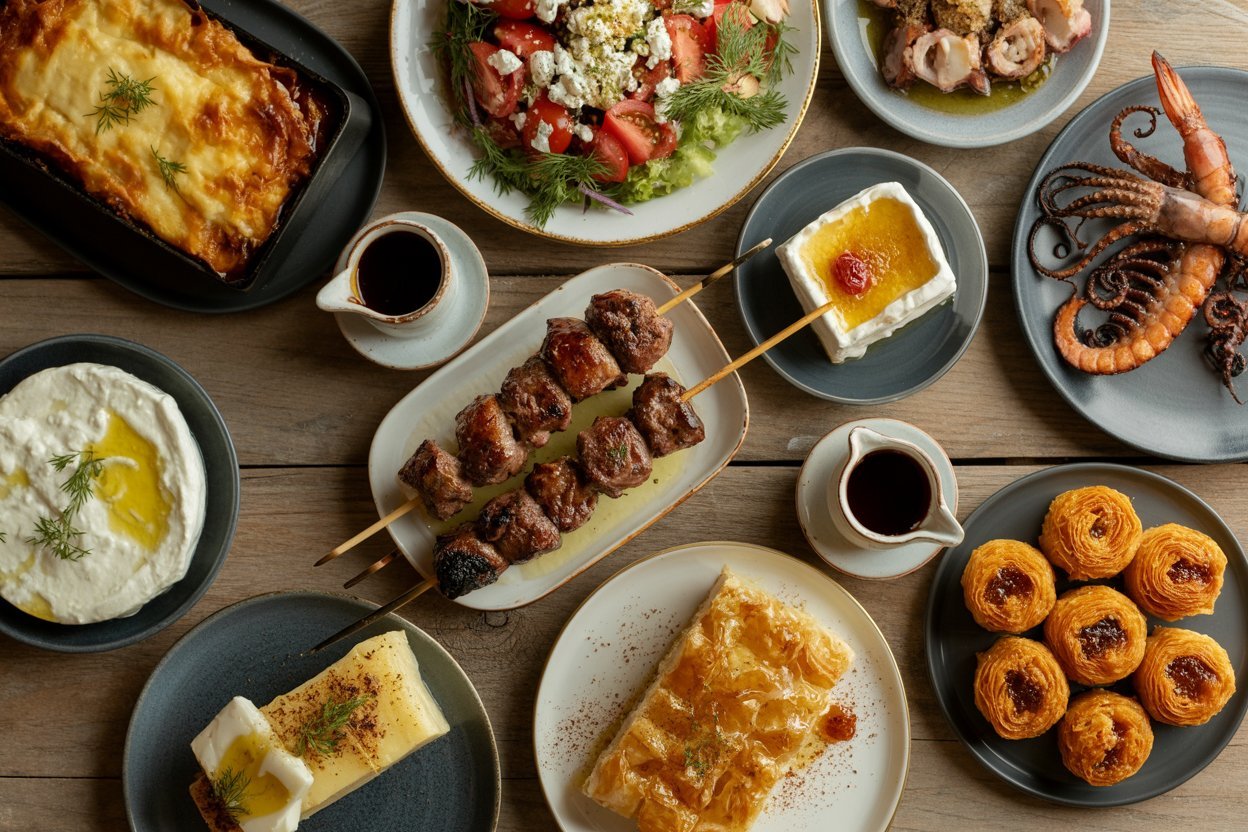
If you’ve ever dreamt of wandering the sun-soaked streets of Greece, you know it’s not just the views that make it unforgettable—it’s the food.
Greek cuisine is one of those rare things that manages to be both incredibly simple and deeply satisfying.
From fresh seafood by the Aegean Sea to sweet treats that melt in your mouth, every bite tells a story of history, culture, and tradition.
I’ve spent time sampling dishes from Athens to Santorini, and what struck me most is how each region adds its own twist.

Some flavors are bold and hearty, others light and refreshing, but every dish is crafted with care, using ingredients that have been celebrated for centuries.
In this post, I’ll walk you through the 10 best foods and drinks in Greece—from must-try classics like moussaka and souvlaki to local beverages like ouzo and Greek coffee.
Whether you’re planning your first trip or just dreaming from afar, this guide will make your mouth water and your travel plans a little more delicious.
Disclaimer: This post contains affiliate links. If you make a purchase through these links, we may earn a small commission at no extra cost to you.
Amazon Shopping List: 10 Best Foods and Drinks
- Organic Extra Virgin Olive Oil
- Raw Honey (Organic)
- Green Tea Variety Pack
- Dark Chocolate (70% Cocoa or Higher)
- Greek Yogurt (High Protein, Low Sugar)
- Almonds (Raw or Roasted, Unsalted)
- Quinoa (Organic Whole Grain)
- Cold-Pressed Juice Variety Pack
- Bone Broth (High-Protein Drink)
- Sparkling Water Variety Pack
Before We Dive In: What You Should Know About Eating in Greece
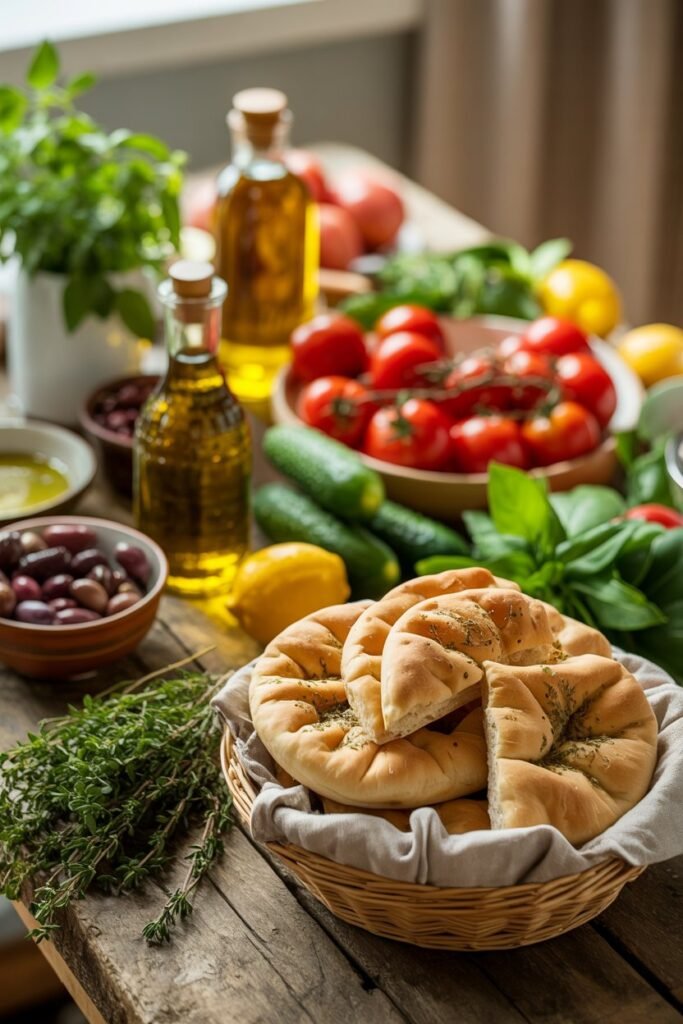
Before you jump into sampling everything Greece has to offer, there are a few things I learned that make the experience even better.
Greek cuisine is delicious, but knowing how it works will help you eat smarter, enjoy more, and feel like a local.
1. Meals Are a Social Experience
In Greece, food is meant to be shared. Restaurants often serve meze plates—small dishes perfect for sharing with friends or family.
Don’t be afraid to order multiple dishes and taste a little of everything.
2. Timing Matters
Greece has a different rhythm than many other countries.
Lunch usually starts around 1–3 PM, and dinner can go as late as 9–11 PM, especially in tourist areas like Santorini or Mykonos.
Planning your meals around these times means fresher dishes and a more authentic experience.
3. Fresh Ingredients Are Key
Greek cuisine thrives on fresh, local ingredients. Olive oil, feta cheese, seafood, and seasonal vegetables appear in nearly every dish.
If something is in season, it’s usually on the menu—and it will taste incredible.
4. Don’t Skip the Drinks
Greek food is often paired with local drinks like ouzo, raki, or Greek wines.
Even a simple Greek coffee can be an experience—thick, strong, and served in small cups with a relaxed vibe.
5. Ask Locals for Recommendations
Tourist spots are tempting, but the best food is often found off the main streets.
Don’t hesitate to ask locals for their favorite taverna, bakery, or street food spot. It’s the fastest way to discover hidden gems.
By keeping these tips in mind, you’ll enjoy Greece not just as a tourist—but as someone truly experiencing the country’s culinary soul.
1. Moussaka – Greece’s Comfort Food Classic
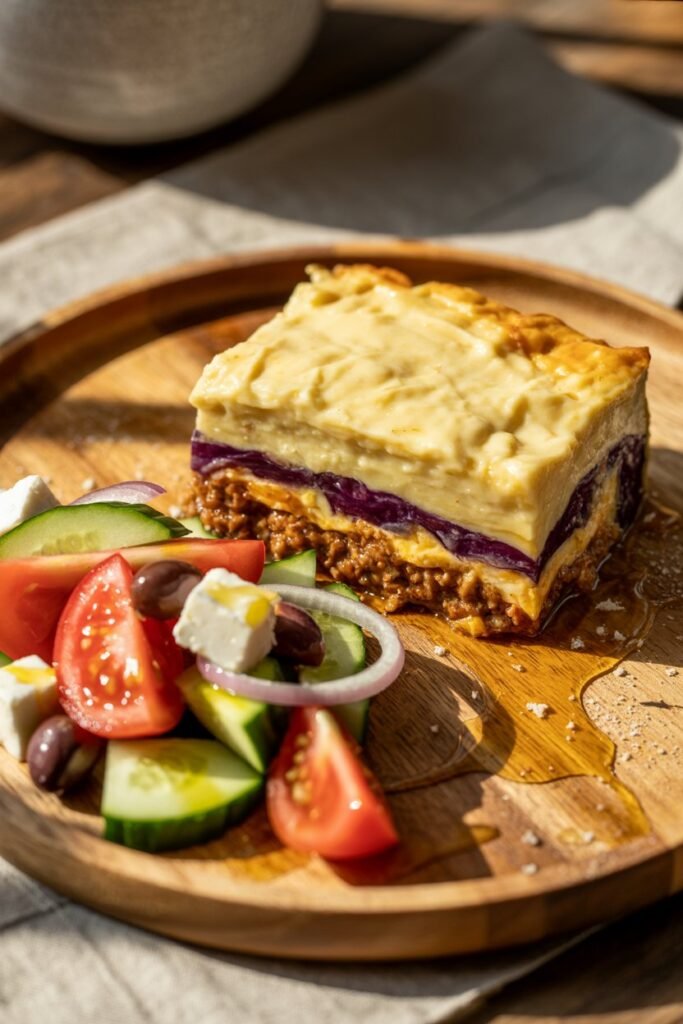
If there’s one dish that instantly screams Greece, it’s moussaka. Think of it as Greece’s answer to a layered comfort food—rich, hearty, and packed with flavor.
Traditionally, it’s made with layers of eggplant, ground lamb or beef, tomatoes, and béchamel sauce, baked until golden and bubbling.
I remember the first time I tried moussaka in a small taverna in Athens.
The aroma of cinnamon and nutmeg in the meat mixture immediately hit me, and the creamy béchamel on top made each bite indulgent but never heavy.
It’s the kind of dish that makes you pause and appreciate how something so simple in ingredients can taste so extraordinary.
Why You Should Try It
- Signature Greek dish loved by locals and visitors alike
- A perfect introduction to traditional Greek spices and flavors
- Often served with a simple Greek salad, letting fresh ingredients shine
My Tip
Eat moussaka warm, right out of the oven. Pair it with a glass of Greek red wine or retsina, and you’ll get a full sense of why this is one of the best Greek foods to try.
2. Souvlaki – Greece’s Iconic Street Food

If you’re wandering the streets of Athens or Thessaloniki, you’ll quickly notice souvlaki everywhere—and for good reason.
This Greek street food staple is simple, flavorful, and incredibly satisfying.
Traditionally, it’s grilled skewers of marinated meat, often pork, chicken, or lamb, served with pita bread, fresh vegetables, and a drizzle of tzatziki.
I still remember grabbing my first souvlaki from a tiny street vendor near Monastiraki Square.
The meat was perfectly seasoned, smoky from the grill, and the pita was soft but held everything together.
Each bite was a perfect balance of juicy meat, cool tzatziki, and fresh veggies.
It’s one of those dishes that makes you understand why Greeks love their food so much—it’s casual, communal, and unbelievably tasty.
Why You Should Try It
- Perfect introduction to Greek street food culture
- Highly customizable—choose your meat, toppings, and sauces
- Easy to eat on the go while exploring the city
My Tip
Try souvlaki from a local vendor rather than a touristy spot.
And if you can, pair it with a cold Mythos beer or a refreshing Greek soda—it elevates the experience and makes it one of the best foods to eat in Greece.
3. Greek Salad (Horiatiki) – Freshness in Every Bite
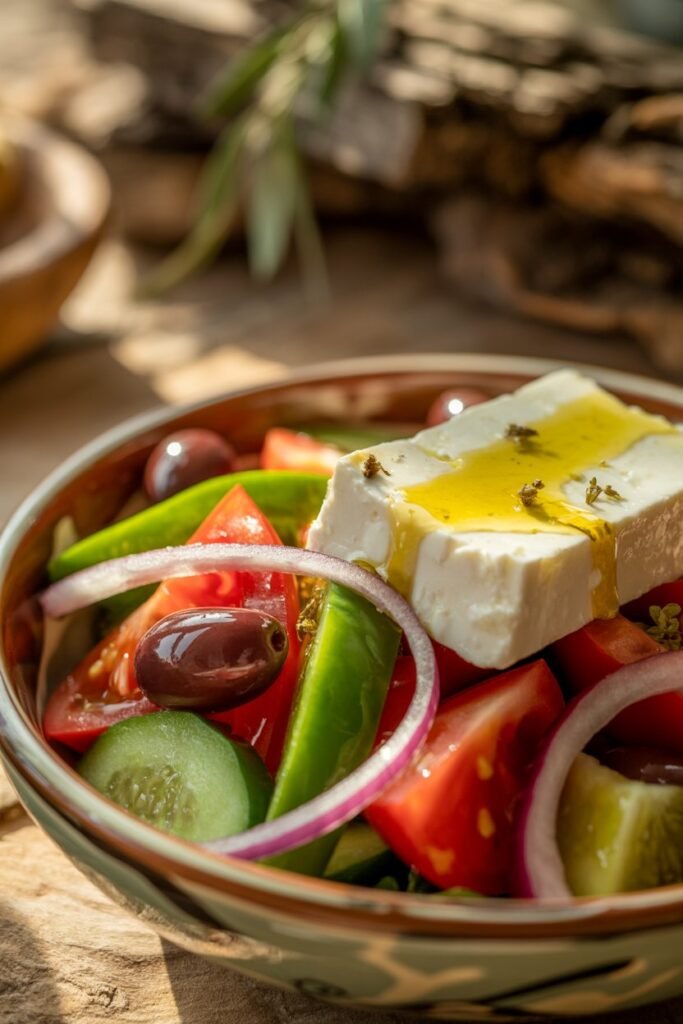
When it comes to foods to eat in Greece, nothing says “fresh and authentic” quite like a Greek salad, or Horiatiki as locals call it.
Unlike the salads you may find elsewhere, this one is simple, vibrant, and packed with flavor.
The classic ingredients are ripe tomatoes, cucumbers, red onions, green peppers, Kalamata olives, and a generous block of feta cheese, all drizzled with extra virgin olive oil and sprinkled with oregano.
I’ll never forget enjoying a Greek salad on a sunlit terrace in Santorini, watching the waves lap against the shore.
The first bite was pure magic—the sweetness of the tomatoes, the saltiness of the feta, and the tang of the olives made it feel like the very essence of Greece on my plate.
It’s the perfect reminder that sometimes, simplicity is the ultimate sophistication in food.
Why You Should Try It
- Refreshing and light, perfect for hot days
- Showcases fresh, local ingredients
- A great companion to grilled meats, seafood, or simply eaten alone
My Tip
Always ask for local olive oil—it makes a huge difference. And if possible, enjoy it with a chilled glass of Assyrtiko wine, especially when you’re by the sea.
Greek salad is one of those must-try dishes in Greece that will stay in your memory long after your trip.
4. Tzatziki & Traditional Greek Dips – Creamy, Flavorful, Irresistible
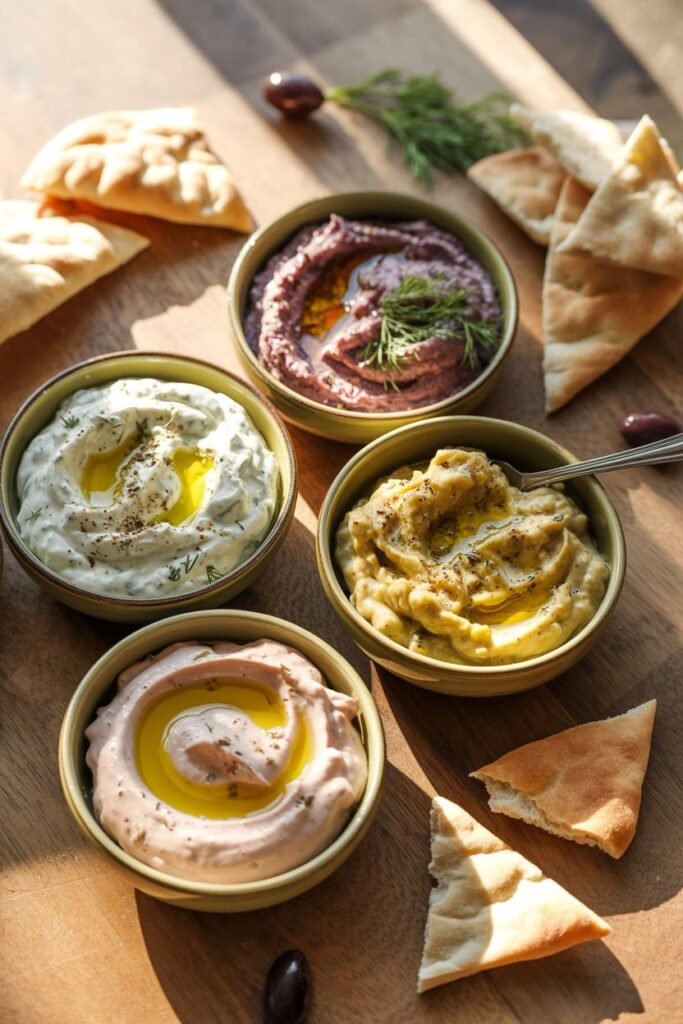
No trip to Greece is complete without tasting tzatziki and other traditional Greek dips.
Tzatziki is a creamy yogurt-based dip flavored with cucumber, garlic, olive oil, lemon, and fresh herbs like dill or mint.
It’s often served alongside grilled meats, fresh bread, or as part of a meze platter, the classic Greek small-plates experience.
One of my favorite memories was sitting in a seaside taverna in Rhodes, dipping warm pita into tzatziki while savoring the salty sea breeze.
The cool creaminess perfectly balanced the robust garlic and tangy yogurt—simple, yet unforgettable.
Beyond tzatziki, Greek cuisine also features dips like melitzanosalata (eggplant), taramasalata (fish roe), and fava (yellow split pea), each offering a unique flavor profile and showcasing Greece’s love for fresh, high-quality ingredients.
Why You Should Try It
- A staple of Greek meze culture, perfect for sharing
- Highlights fresh, local ingredients like yogurt, olive oil, and herbs
- Pairs beautifully with grilled meats, seafood, or veggies
My Tip
If you have the chance, try a meze platter at a local taverna and sample a few dips at once. Pair with a crisp glass of white Greek wine or ouzo for the full experience.
Tzatziki is one of those classic Greek foods that feels light yet packed with flavor, and it’s a dish you’ll want to recreate at home after your trip.
5. Saganaki – Greece’s Famous Fried Cheese

If you’ve ever dreamed of Greek comfort food with a golden, crispy twist, then saganaki is a must-try.
This iconic dish is fried cheese, usually made with kefalotyri or kasseri, lightly floured, and pan-seared until it forms a crispy, golden crust while staying soft and gooey inside.
Often, it’s flambéed with a splash of brandy and served with a wedge of lemon to squeeze over the top.
I still remember my first bite at a cozy taverna in Thessaloniki. The cheese was warm and stretchy, the outside perfectly crisp, and the lemon added a bright tang that cut through the richness.
Eating saganaki felt like a celebration of everything that makes Greek food so unforgettable—simple ingredients elevated to perfection.
Why You Should Try It
- Iconic Greek appetizer, perfect for sharing
- Crispy, golden, and gooey texture makes it unforgettable
- Pairs wonderfully with bread, meze platters, or a glass of wine
My Tip
Eat it immediately while it’s hot—saganaki waits for no one! Pair with a cold glass of Assyrtiko or a small ouzo to balance the richness.
It’s one of those best Greek foods that feels indulgent yet authentically Mediterranean.
6. Fresh Greek Seafood – A Taste of the Aegean
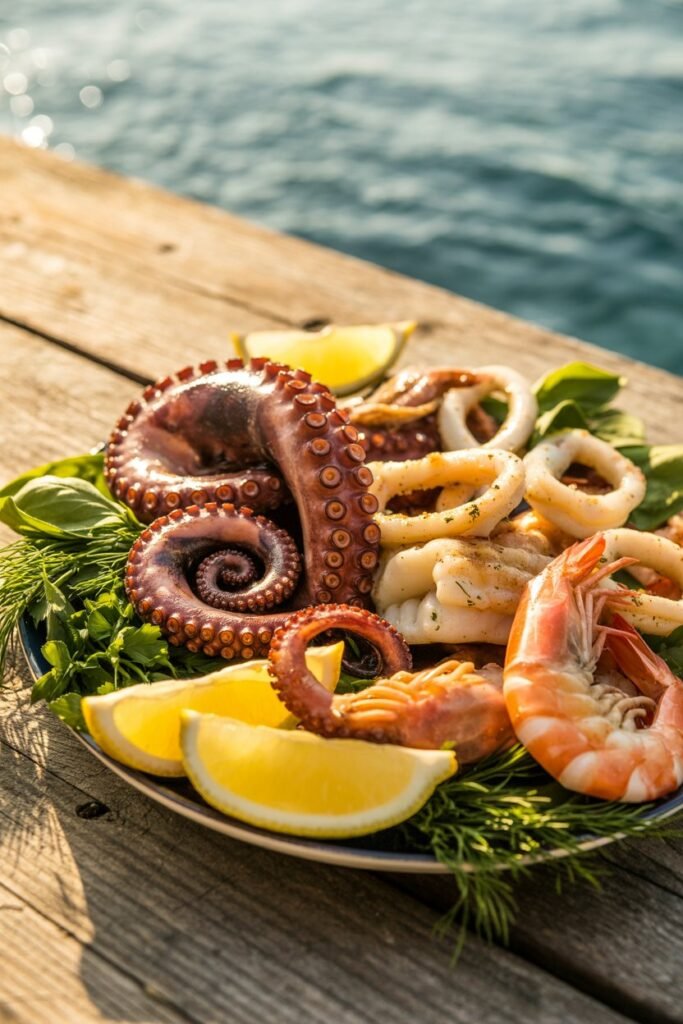
When you think of eating in Greece, fresh seafood immediately comes to mind—and for good reason.
With the Aegean and Ionian Seas surrounding much of the country, Greece offers some of the freshest fish, octopus, calamari, and shrimp you’ll ever taste.
From small seaside tavernas to bustling fish markets, seafood is a must-try for any foodie visiting Greece.
I’ll never forget sitting by the harbor in Santorini, savoring grilled octopus with lemon and olive oil while watching the sunset.
The flavors were delicate yet rich, and each bite reminded me why the Greeks pride themselves on fresh, local ingredients.
Other favorites include fried calamari, grilled seabass, and shrimp saganaki—each dish prepared with minimal seasoning to let the natural flavors shine.
Why You Should Try It
- Fresh, locally caught seafood is abundant and flavorful
- Highlights Greek simplicity—fresh ingredients prepared with care
- Perfectly pairs with light salads, meze plates, and chilled white wine
My Tip
Go to a seaside taverna or local fish market for the freshest experience. Pair your meal with Assyrtiko wine or a crisp white from Santorini.
Eating Greek seafood feels like tasting the Aegean itself—it’s one of the most memorable foods to try in Greece.
7. Baklava – Greece’s Iconic Sweet Treat

No culinary journey in Greece is complete without tasting baklava, the rich, sweet pastry that has captured hearts worldwide.
Layers of crisp phyllo dough, filled with chopped nuts—often walnuts or pistachios—and soaked in a fragrant syrup of honey and spices, make each bite sweet, sticky, and utterly addictive.
I remember trying baklava for the first time in a tiny Athens bakery tucked down a cobblestone street.
The crunch of the pastry, the sweetness of the honey, and the earthy flavor of the nuts created a flavor harmony that was unforgettable.
It’s one of those Greek desserts that truly embodies the country’s love for bold, simple flavors done perfectly.
Why You Should Try It
- Classic Greek dessert loved by locals and travelers alike
- Perfect example of Greek pastry-making tradition
- Pairs beautifully with coffee or dessert wine
My Tip
Eat baklava fresh, preferably in a small local bakery rather than a touristy spot.
Pair it with a strong Greek coffee or a small glass of Mavrodaphne dessert wine for the ultimate Greek dessert experience.
It’s one of the must-try foods in Greece for anyone with a sweet tooth.
8. Greek Coffee – The Heart of Daily Life

No trip to Greece is complete without experiencing Greek coffee, a staple that goes far beyond just a caffeine fix.
Served in small cups, strong, thick, and slightly sweetened, it’s a drink meant to be sipped slowly while enjoying conversation and life’s small moments.
The grounds settle at the bottom, and part of the experience is reading your future in the leftover coffee—a charming local tradition called kafemanteio.
I remember sitting in a sunlit café in Thessaloniki, watching locals linger over their morning coffee. It was more than a drink—it was a cultural ritual.
The rich, earthy flavor of the coffee paired perfectly with a small sweet like baklava or kataifi, making it a must-try for anyone visiting Greece.
Why You Should Try It
- A unique cultural experience, not just a beverage
- Strong, bold, and full of flavor
- Perfect accompaniment to Greek pastries or desserts
My Tip
Sip slowly, enjoy the ritual, and don’t rush. If you want a local experience, try it at a small café away from tourist areas.
Greek coffee is one of those authentic Greek experiences that lets you feel the rhythm of daily life in the country.
9. Ouzo – Greece’s Famous Anise-Flavored Spirit

If you want to experience a true taste of Greek tradition, ouzo is the drink to try.
This anise-flavored spirit is often enjoyed as an aperitif or alongside a variety of small dishes called meze.
Its bold, licorice-like flavor can be surprising at first, but it’s part of the authentic Greek dining experience.
I still remember sitting at a waterfront taverna in Mykonos, sipping ouzo while tasting small plates of grilled seafood and olives.
The crisp, slightly sweet liquor paired beautifully with the salty, fresh flavors of the dishes, creating a perfect balance.
Locals often take their time with ouzo, enjoying it as part of a leisurely meal—a reminder that Greek culture values slowing down and savoring life.
Why You Should Try It
- Iconic Greek drink, deeply tied to tradition and meze culture
- Pairs perfectly with seafood, cheeses, and olives
- Offers a taste of authentic Greek hospitality and lifestyle
My Tip
Try ouzo chilled or with a splash of water to soften its intensity. Pair it with a selection of meze for the full experience.
Ouzo is one of the must-try drinks in Greece, perfect for enjoying the local flavors and culture.
10. Loukoumades – Greek Honey Doughnuts

If you’ve got a sweet tooth, you cannot leave Greece without trying loukoumades—bite-sized golden doughnuts drizzled with honey and sprinkled with cinnamon or crushed nuts.
They’re crispy on the outside, soft and fluffy inside, and utterly addictive. Served warm, they feel like a little taste of heaven in every bite.
I’ll never forget walking through a night market in Crete, stopping at a small stall, and tasting my first loukoumades.
The honey glistened in the lights, the aroma of cinnamon filled the air, and the first bite made me instantly smile.
It’s one of those desserts that perfectly captures the joyful, indulgent side of Greek cuisine.
Why You Should Try It
- Classic Greek dessert and street food favorite
- Perfect balance of sweet, crispy, and soft textures
- Often served warm, making it ideal for sharing or snacking on the go
My Tip
Try them fresh from a local bakery or street vendor, and pair with a cup of Greek coffee or a small glass of sweet dessert wine.
Loukoumades are one of the best Greek foods for anyone craving an authentic taste of local sweets.
Tips for Travelers / Eating Like a Local
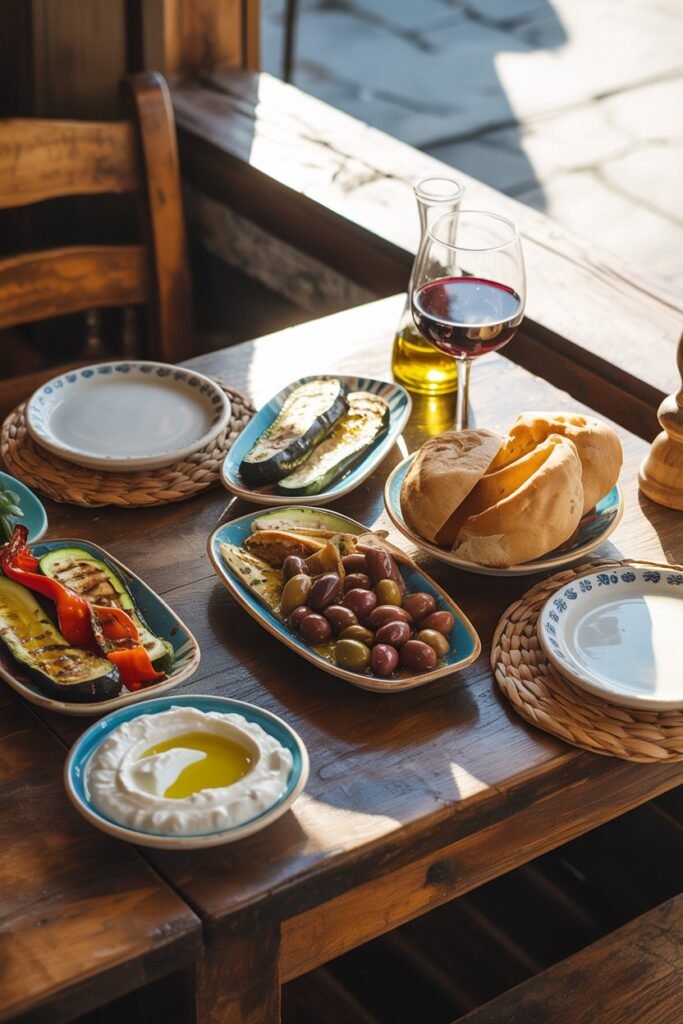
- Eat at local tavernas or bakeries for the most authentic experience.
- Try dishes at the right times—late lunch (1–3 PM) or late dinner (9–11 PM).
- Pair drinks and dishes for the full experience (wine with seafood, ouzo with meze).
- Sample multiple dishes to get the true variety of Greek cuisine.
- “Which Greek dish are you most excited to try? Save this guide for your trip, or pin it for later, and don’t forget to explore the local flavors that make Greece unforgettable.”
Final Thoughts.
Greek cuisine is more than just food—it’s culture, history, and celebration on a plate.
Trying local dishes, tasting fresh seafood by the sea, or sipping ouzo with small meze plates gives you a glimpse into Greek life.
Don’t be afraid to explore both tourist favorites and hidden local spots—it’s all part of the adventure.