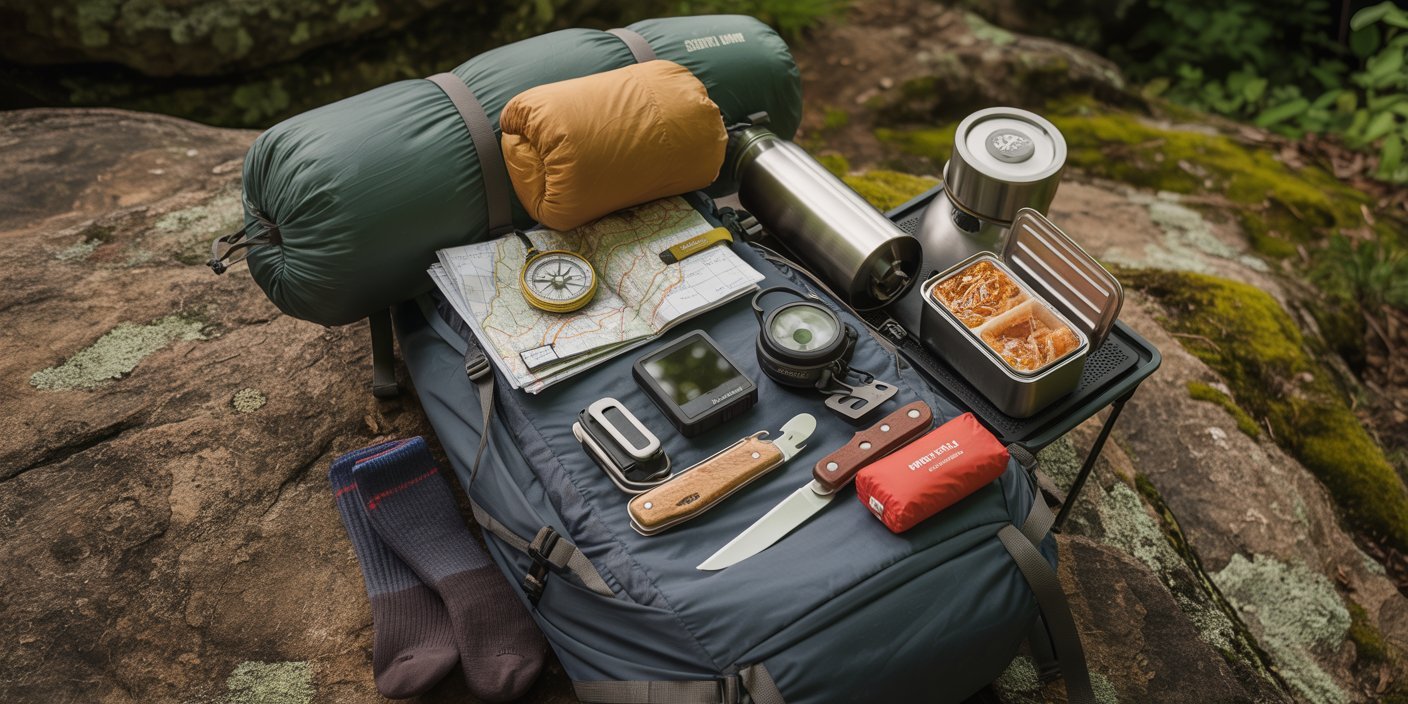
The first time I packed for a trip that lasted more than a weekend, I honestly thought I was prepared. I had snacks, a few outfits, and a sturdy bag I’d used plenty of times before.
That confidence faded somewhere between the second sunrise and a long stretch of trail where there was no shop, no signal, and no quick way back.
I remember sitting on a rock, tightening my laces, realizing how different long journeys feel when you’re fully responsible for what you carry.
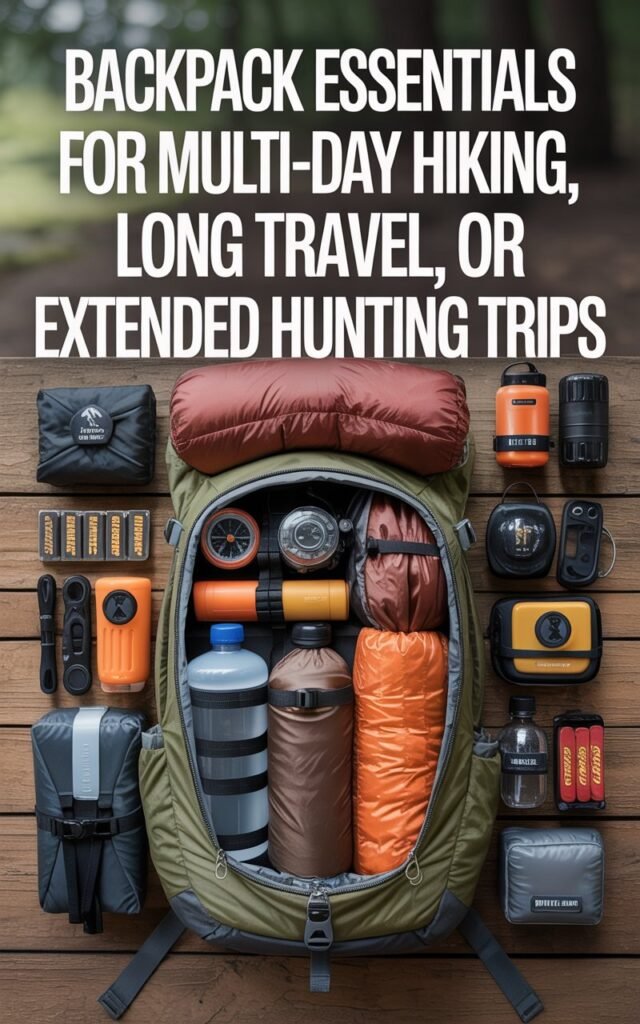
That experience changed how I prepare for extended time away from home.
Whether it’s a multi-day hike, a drawn-out travel route across unfamiliar places, or accompanying relatives on hunting trips that start before dawn and end long after sunset, packing has become something I take seriously.
Over time, and after many adjustments, I’ve learned what truly earns space inside a backpack and what quietly becomes dead weight.
Disclaimer: This post contains affiliate links. If you make a purchase through these links, we may earn a small commission at no extra cost to you.
Amazon Shopping List: Backpack Essentials for Multi-Day Hiking, Long Travel, or Extended Hunting Trips
Lightweight Carry-On Backpack
Perfect for organizing gear efficiently while keeping your load manageable on long trips.
BUY NOW ON AMAZON
Durable Outdoor Clothing Set
Keeps you comfortable, weather-ready, and protected during extended outdoor adventures.
BUY NOW ON AMAZON
Wide-Brim Sun Hat
Great for sun protection during long hikes, travel days, and open terrain exposure.
BUY NOW ON AMAZON
All-Terrain Hiking Boots
Ideal for rough trails, long distances, and maintaining stability on uneven ground.
BUY NOW ON AMAZON
Compact Sleeping Blanket
Perfect for resting during overnight stays, camping breaks, or unexpected stops.
BUY NOW ON AMAZON
Choosing the Right Bag Comes First
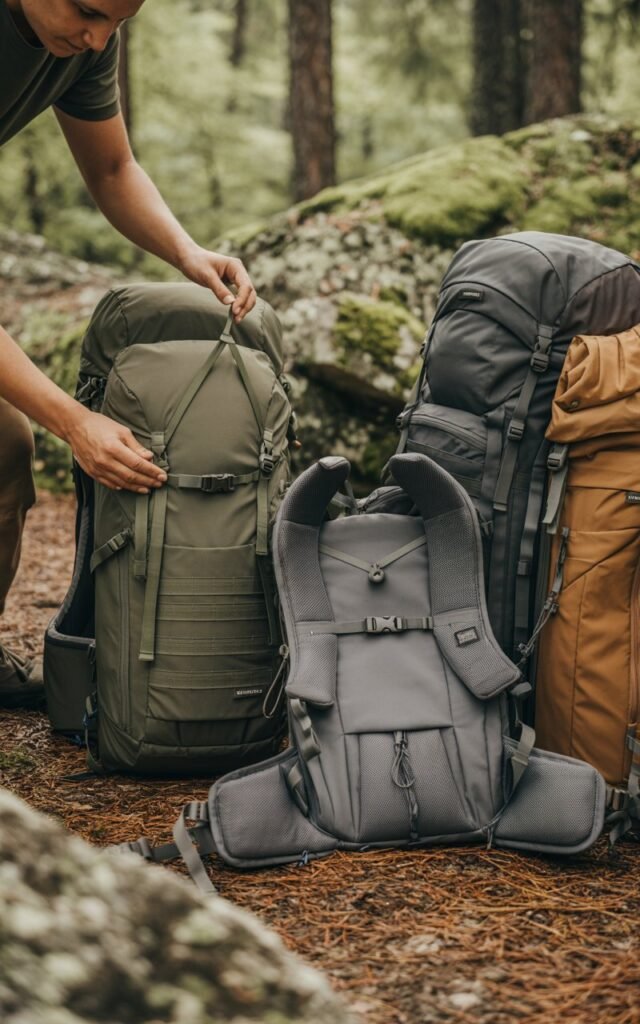
Before packing anything, I always start with selecting the right backpack.
It’s the foundation of any multi-day trip—whether it’s a hiking trail, a long travel adventure, or a hunting expedition.
A bag that fits well, distributes weight evenly, and has enough compartments can make the difference between a comfortable journey and a sore, tired back by the second day.
For me, I look for:
- Capacity: 40–60L for multi-day trips, larger if carrying hunting gear.
- Fit: Adjustable straps, hip belt, and back support to prevent strain.
- Durability: Water-resistant materials and sturdy zippers for all conditions.
- Accessibility: Easy-to-reach pockets for essentials like water, snacks, or maps.
Choosing the right bag first sets the tone for everything else you pack, making the trip more organized, efficient, and enjoyable.
Clothing That Works Beyond Day One
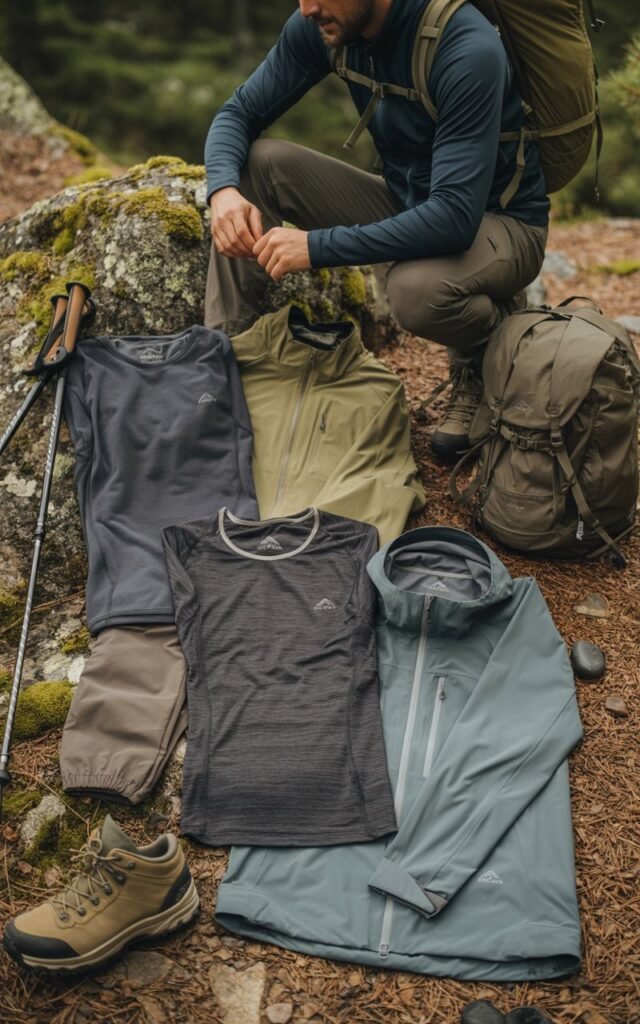
Packing clothes just for the first day can make multi-day trips uncomfortable. You need clothing that stays fresh, dries quickly, and layers well.
Fabrics like merino wool or synthetic blends resist odor, wick sweat, and dry fast if you get caught in rain or cross a stream.
I pack:
- Base layers for moisture control.
- Insulating layers like a lightweight fleece or down jacket.
- Outer layers that are waterproof and windproof.
- Versatile pants suitable for hiking, relaxing, or casual town visits.
- Extra socks and underwear for comfort and freshness.
Extra Tips:
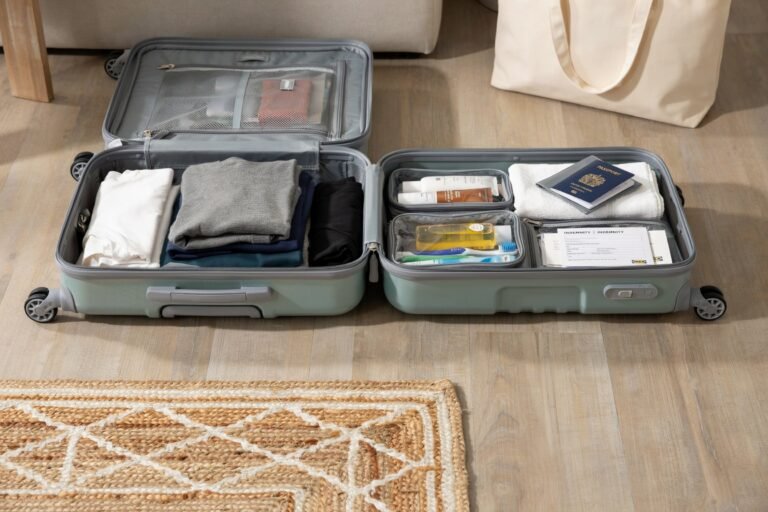
- Roll clothes to save space and reduce wrinkles.
- Bring a lightweight packable jacket even if the forecast looks clear.
- Use mesh or dry bags to separate clean and dirty clothes.
- Include a buff or multifunctional scarf for sun protection, warmth, or even as a towel.
Proper clothing keeps your pack lighter and your adventure more comfortable, letting you focus on the experience instead of worrying about laundry or wet layers.
Foot Care Is Non-Negotiable
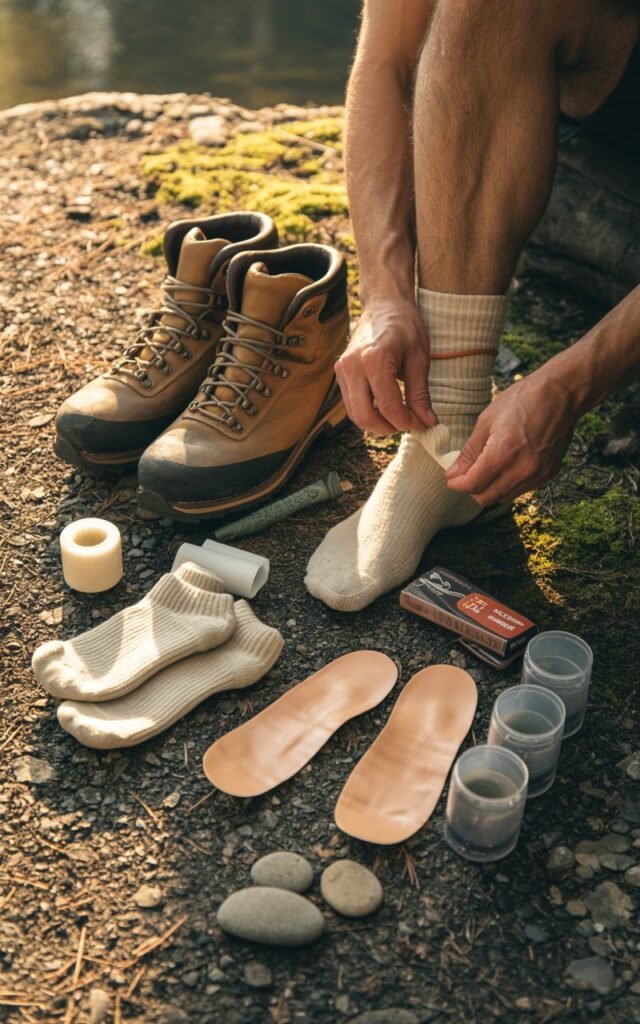
On long hikes, multi-day trips, or extended hunting trips, your feet are your most important gear.
I’ve learned the hard way that ignoring foot care can turn an adventure into a nightmare. Sore arches, hot spots, or blisters can slow you down—or even cut your trip short.
I always bring moisture-wicking socks, comfortable broken-in boots, and blister prevention supplies.
I also make a habit of checking my feet at the end of each day, drying them, and letting them breathe when possible.
My Go-To Foot Care Tips:
- Wear two layers of socks—a thin liner plus a thicker hiking sock—to prevent friction.
- Break in boots gradually before a long trip; don’t rely on brand-new boots.
- Carry moleskin, blister pads, or tape for emergencies—it’s saved me countless times.
- Air out your feet at rest stops, and massage arches to keep them from tightening.
- Keep toenails trimmed to avoid pressure points or bruising.
- Sprinkle a little foot powder if hiking in hot weather to prevent sweat and odor.
- Change socks daily, or more often if they get wet, and always have a backup pair in your pack.
I’ve found that a few extra minutes of foot care each day makes the difference between painful steps and walking comfortably for miles.
Taking care of your feet keeps you moving, enjoying the journey, and fully immersed in the adventure.
Food Planning That Makes Sense
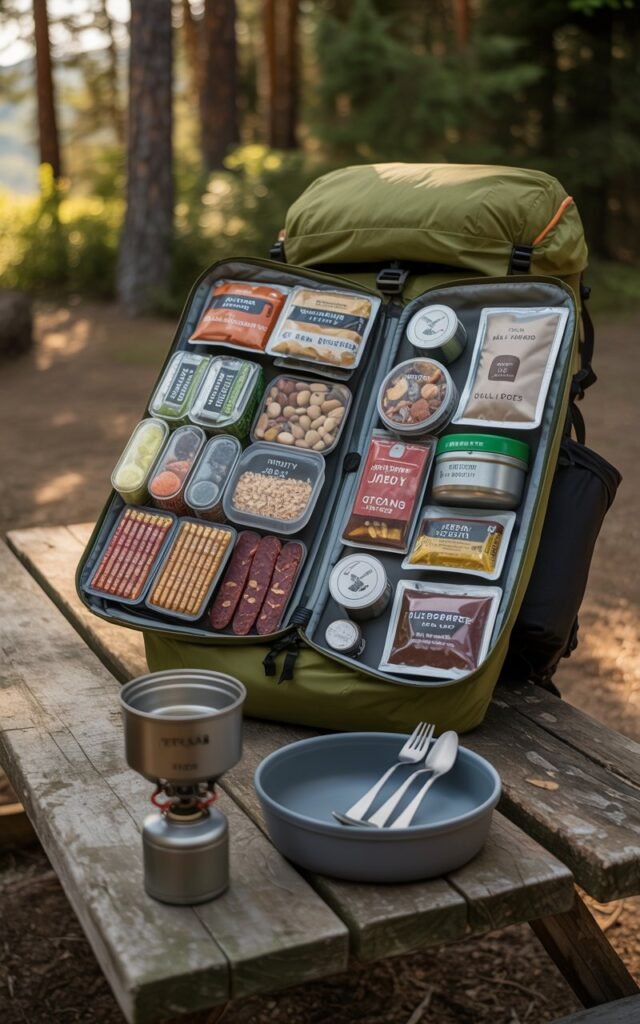
Having the right food can make or break a multi-day trip.
I’ve learned that carrying too much slows me down, while not packing enough leaves me drained and hungry.
Planning meals that are lightweight, nutritious, and easy to prepare is key.
My Food Planning Tips:
- Bring high-calorie, compact foods like nuts, dried fruit, energy bars, and jerky.
- Pack meals that don’t require much cooking, unless you’re carrying a stove.
- Include easy snacks for quick energy while hiking or traveling.
- Use resealable bags or containers to keep food fresh and organized.
- Plan a balance of carbs, protein, and fats to stay energized throughout the day.
- Consider freeze-dried meals for longer trips—they’re lightweight and only need hot water.
- Always carry a small emergency snack in your pack, just in case plans change or a meal is delayed.
With smart food planning, I can focus on the adventure instead of worrying about what’s for lunch, staying energized and ready for every mile.
Water and the Ability to Stay Hydrated
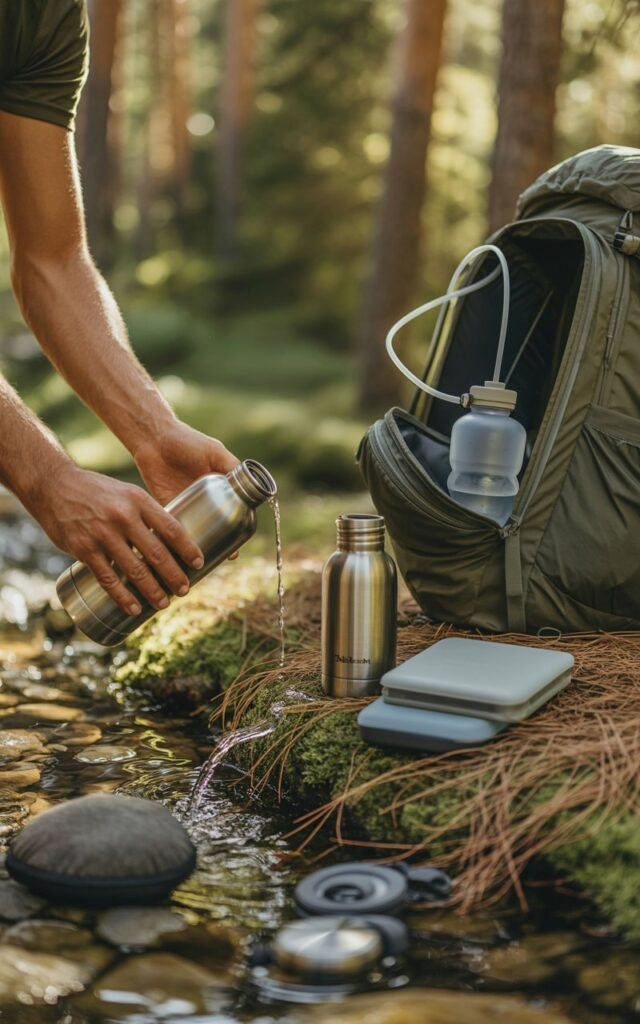
Staying hydrated is non-negotiable on multi-day trips, long hikes, or hunting adventures.
I’ve learned that even mild dehydration can sap energy, slow you down, and ruin your experience.
Carrying enough water and having a reliable way to refill is just as important as food or clothing.
Hydration Tips I Rely On:
- Bring a durable water bladder or bottles that fit comfortably in your pack.
- Plan refill points along the route if streams or springs are available.
- Carry a portable water filter or purification tablets for emergencies.
- Drink small amounts frequently, instead of waiting until you’re thirsty.
- Include electrolyte tablets or powders to replace salts lost through sweat.
- I always keep a backup bottle in an easy-to-reach pocket for quick sips.
- Monitor urine color—light yellow means you’re hydrated; dark means you need more fluids.
Having water on hand and knowing how to stay hydrated keeps me energized, focused, and ready for every leg of the adventure—without constantly worrying about thirst.
Navigation and Awareness Tools
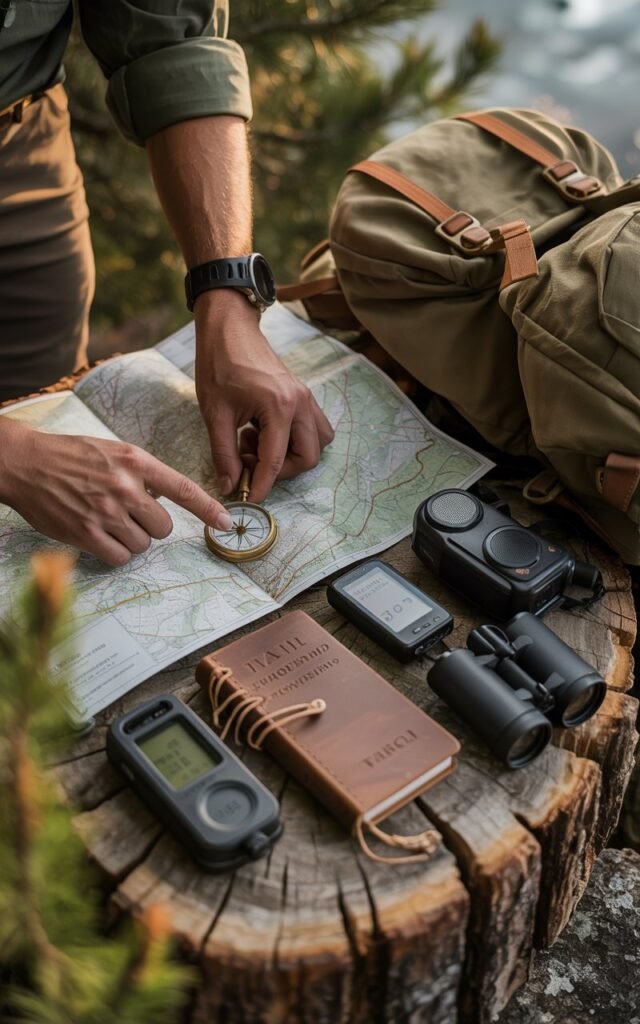
Getting lost is easier than people think, especially on long hikes or in unfamiliar areas.
I never rely on just one method—I always make sure I have multiple ways to stay on track and aware of my surroundings.
I usually carry a mix of offline maps, a compass, and a GPS-enabled phone. Even when I think I know the route, I still check in regularly to stay oriented. It saves time, energy, and unnecessary stress.
Navigation Tips I Always Follow:
- Download offline maps before leaving—signal isn’t always reliable.
- Carry a physical map and compass as a backup.
- Check your location regularly, not just when you feel lost.
- Pay attention to landmarks like rivers, peaks, or trail signs.
- Keep your phone charged with a power bank.
- Let someone know your route and expected return time.
Staying aware of where you are at all times gives you confidence and keeps your trip safe, smooth, and stress-free.
Sleeping Gear That Actually Lets You Rest
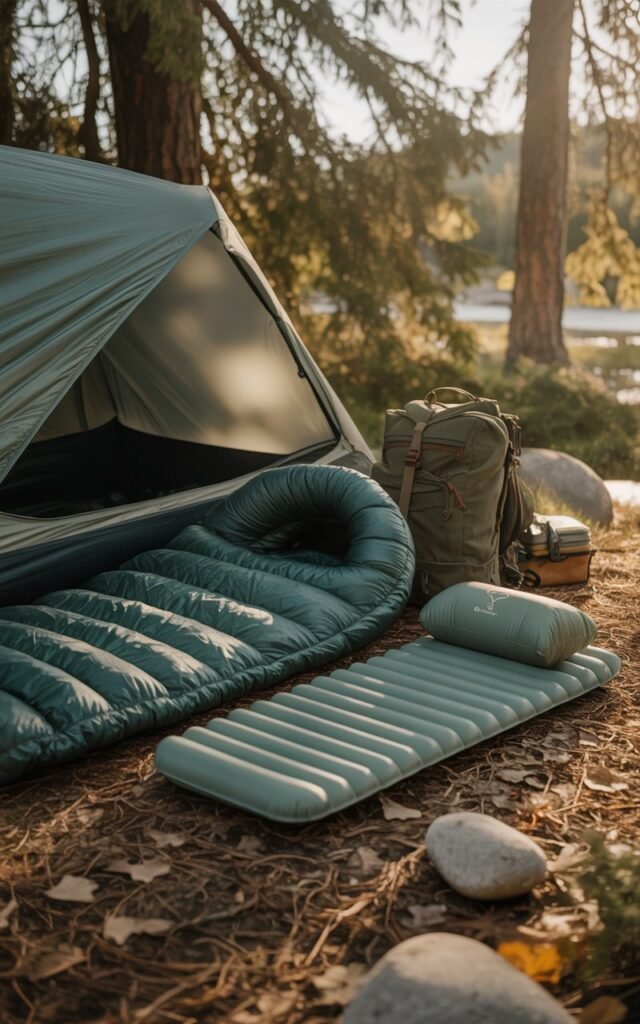
A good night’s sleep can completely change how the next day feels.
I’ve had trips where poor sleep made everything harder—low energy, sore body, no motivation.
Getting the right sleeping setup isn’t a luxury, it’s essential.
I always focus on lightweight but comfortable gear that keeps me warm and supported.
A good sleeping bag, a reliable pad, and proper insulation from the ground make a huge difference, especially after a long day.
What I Always Keep in Mind:
- Choose a sleeping bag rated for the temperature, not just the season.
- Use a sleeping pad or inflatable mat for insulation and comfort.
- Pack a compact pillow or use clothes to support your neck.
- Keep your sleeping gear dry at all times—a wet bag ruins your night.
- Change into dry clothes before sleeping to stay warm and comfortable.
- If it’s cold, I keep extra layers or socks nearby for the night.
- Try to set up your sleeping area on flat, sheltered ground away from wind.
Sleeping well means waking up refreshed, energized, and ready to keep going without dragging through the day.
First Aid and Personal Care Items
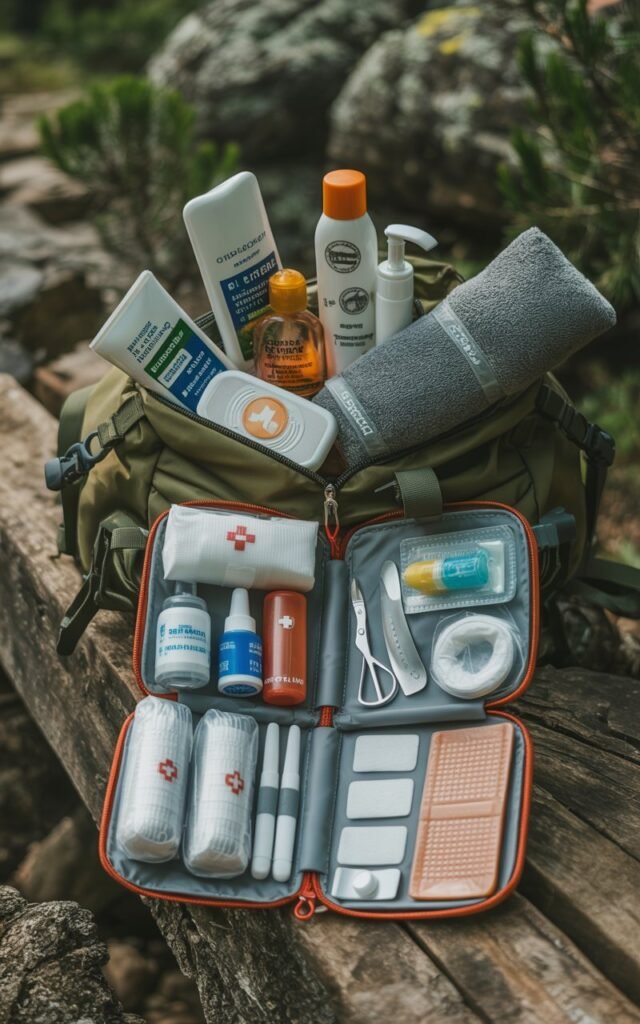
Carrying a basic first aid kit isn’t optional—it’s a lifesaver on multi-day hikes, long travel trips, or hunting adventures.
I’ve learned that even small cuts, blisters, or headaches can quickly ruin a day if you’re not prepared.
What I Always Pack:
- Bandages and blister pads for cuts or hotspots.
- Antiseptic wipes or cream to prevent infections.
- Pain relievers like ibuprofen or acetaminophen.
- Tweezers and small scissors for splinters or emergencies.
- Personal hygiene items: toothbrush, toothpaste, wet wipes, hand sanitizer.
- Sunscreen and lip balm to protect from sun and wind.
- Insect repellent to keep bugs from ruining the trip.
Extra Tips:
- Check your kit before every trip to replace used or expired items.
- Pack everything in a waterproof bag to keep it dry.
- Include any personal medications you might need for allergies or chronic conditions.
- Keep the kit easily accessible in your pack—you never know when you’ll need it.
Having a well-stocked first aid and personal care kit keeps me prepared, comfortable, and confident no matter where the adventure takes me.
Tools That Earn Their Spot
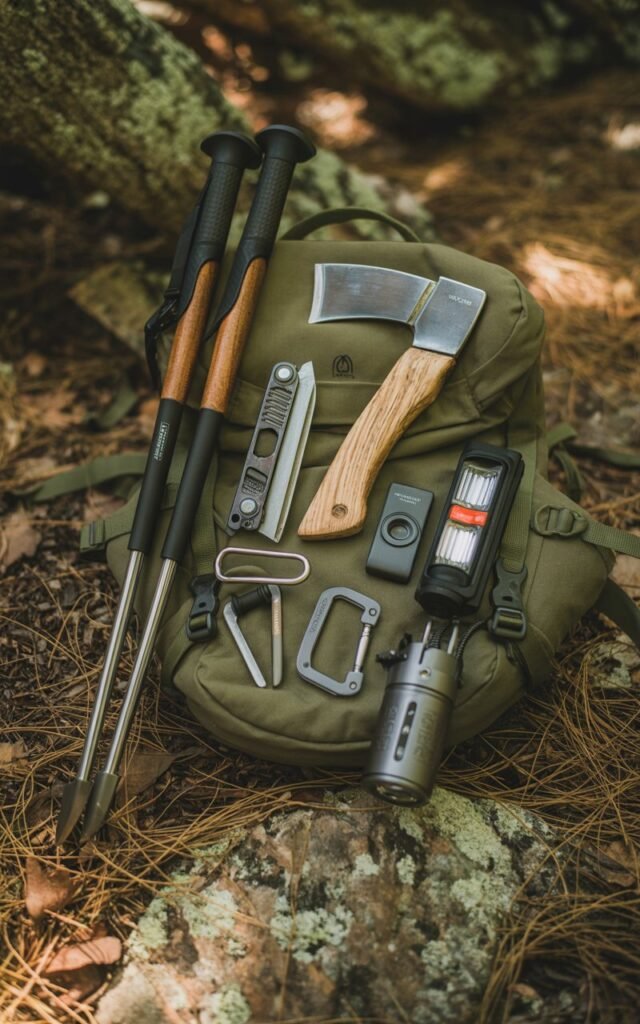
Every item in your pack should justify its weight and space.
I’ve learned that carrying unnecessary gadgets slows you down, so I only bring tools that I truly rely on during multi-day trips, long hikes, or hunting trips.
Essential Tools I Always Pack:
- Multi-tool or knife – useful for cutting, repairs, or opening packages.
- Headlamp or flashlight – hands-free light is invaluable after dark.
- Fire starter or lighter – even if I don’t plan to camp overnight.
- Small repair kit – duct tape, zip ties, and cord for quick fixes.
- Portable charger or power bank – keeps devices running in emergencies.
Extra Tips:
- Test all tools before your trip to make sure they work properly.
- Keep tools organized and easily accessible to avoid digging through your pack.
- Only pack tools you know how to use safely—practice first if needed.
- Choose multi-purpose tools to save weight and space.
Having the right tools ensures you can handle unexpected situations efficiently and enjoy your adventure without unnecessary stress.
Keeping the Pack Organized
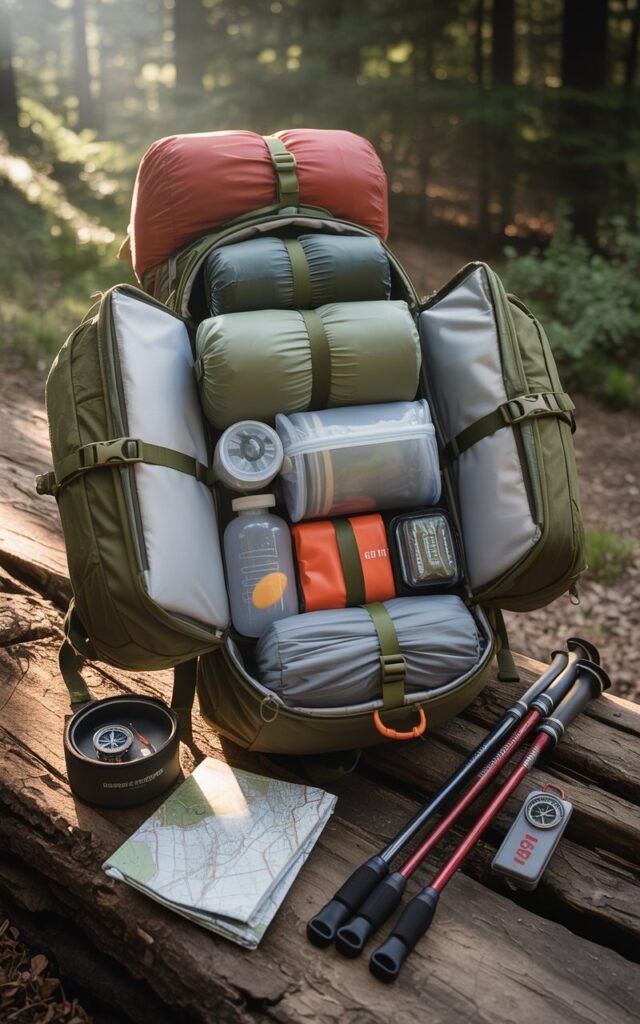
An organized backpack makes every trip easier.
I’ve had days where digging for a snack or my map turned into a mini treasure hunt—frustrating and time-consuming.
Keeping gear sorted saves time, energy, and stress.
Organization Tips I Follow:
- Use packing cubes or dry bags to separate clothing, food, and gear.
- Keep frequently used items in top or side pockets for easy access.
- Label or color-code bags for quick identification.
- Roll clothes instead of folding to maximize space and reduce wrinkles.
- Use elastic straps or mesh compartments to secure small items like cables, utensils, or first aid supplies.
- Pack heavier items closer to your back for better balance and comfort.
- Do a quick check each morning to make sure nothing shifted overnight.
A well-organized pack makes hiking, traveling, or hunting trips more efficient, comfortable, and stress-free, letting you focus on the adventure instead of rummaging through your bag.
Final Thoughts from the Road
Packing for multi-day hiking, long travel, or hunting trips has become part of my routine, not something I rush through the night before.
Each trip adds a lesson. Each adjustment makes the next journey smoother.
What I carry now reflects experience, family influence, trial, error, and the desire to move comfortably through unfamiliar places. The right essentials don’t weigh you down.
They support you quietly, letting you focus on where you are, who you’re with, and the moments that make being away from home worth it.