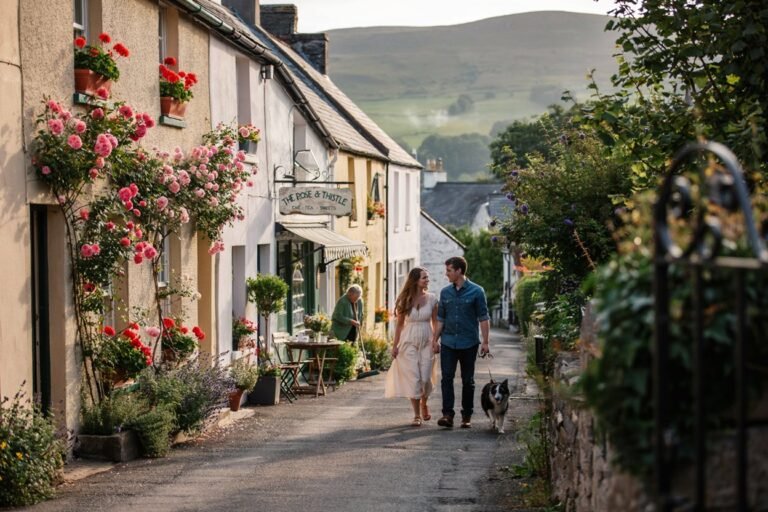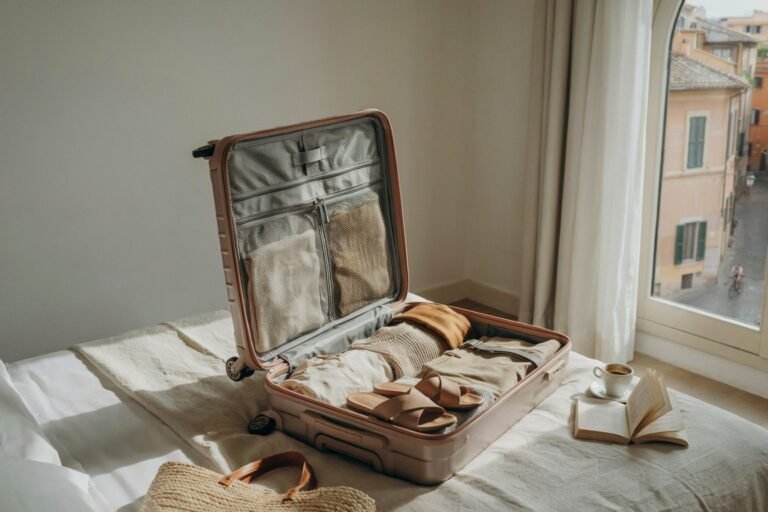
I’ve taken enough Italy trips now that I can tell within the first hour whether a place is going to be one we talk about for years or one we barely remember.
This list is built from the ones that stuck, plus a few we’re still planning to return to. If you’re building out the planning side of an Italy trip alongside this list, our Italy packing list guide, Italy outfit ideas, and mistakes to avoid in Italy are worth reading first.
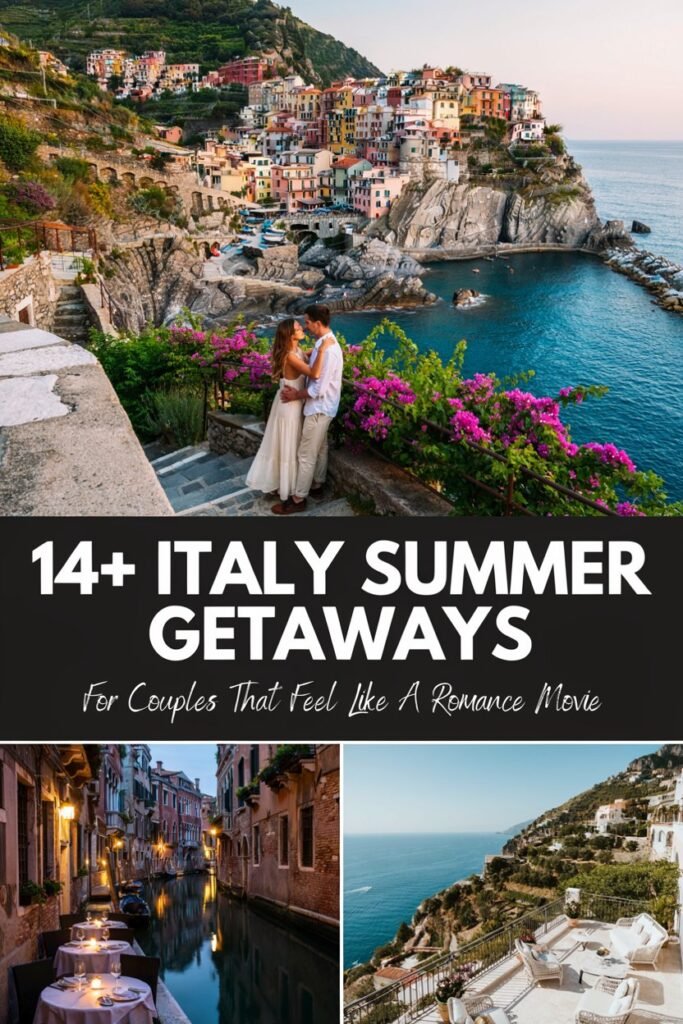
For broader travel planning, our travel checklist, dream vacations bucket list, most beautiful places to visit on earth, and 10 special places couples should experience together are good companion reads too.
Disclaimer: This post may contain affiliate links, which means I may earn a small commission at no extra cost to you. Travel costs, weather conditions, and destination availability may vary. Always check local travel requirements and seasonal conditions before booking your trip.
Amazon Shopping List: Italy Summer Getaways for Couples
- Lightweight Carry-On Suitcase Set
- Anti-Theft Crossbody Travel Bag
- Portable Phone Charger (Power Bank)
- Comfortable Walking Shoes for Travel
- Wide-Brim Sun Hat
- Packing Cubes Travel Organizer Set
- Compact Travel Umbrella for Summer Showers
A Little Travel Shopping Tip
I try to order my travel essentials before the week of my trip because last minute shopping is stressful enough. If you regularly order packing and travel items from Amazon, Prime may be worth looking into for convenient delivery. Check out Amazon Prime here.
What Makes an Italy Trip Feel Like a Romance Movie
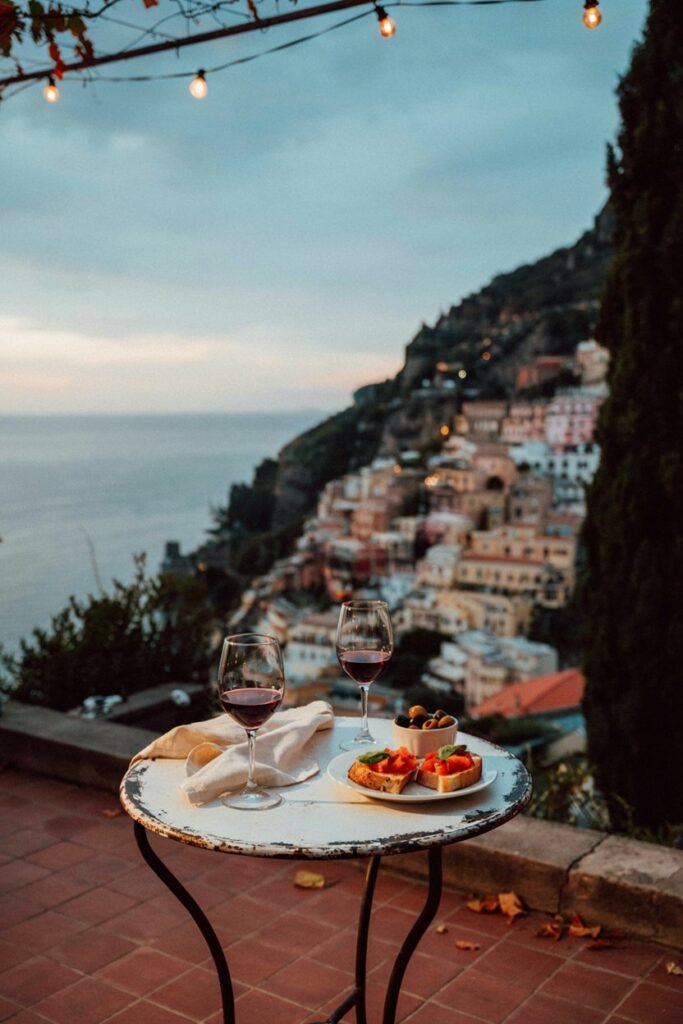
The trips I remember most are never the ones where I rushed from one attraction to the next.
They are the ones filled with slow walks through old streets, long dinners that stretched into the evening, and quiet moments spent admiring a view without checking the time.
That is the feeling I wanted this list to capture. Every destination offers more than beautiful scenery.
They are places where you can wander charming villages, discover hidden corners together, enjoy incredible Italian food, and create the kind of memories that stay with you long after the trip is over.
If you are looking for an Italian getaway that feels romantic, timeless, and unforgettable, these destinations are a wonderful place to start.
1. Positano, Amalfi Coast
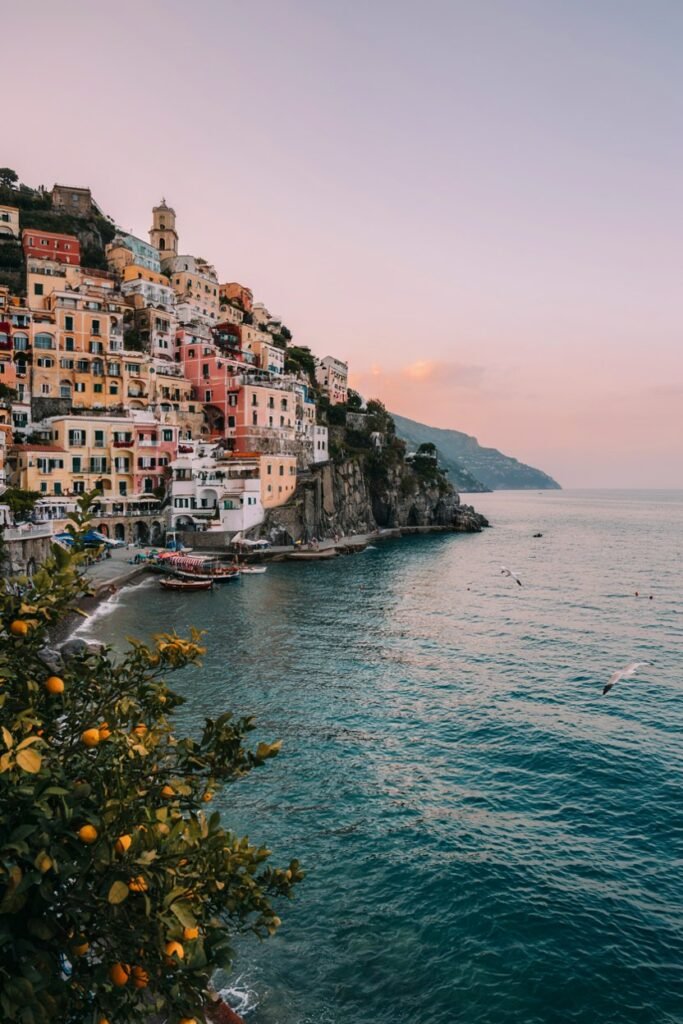
Positano is the postcard everyone pictures when they think of Italian summer, pastel buildings stacked up a cliffside above the sea.
Getting there Fly into Naples, then take a private transfer, ferry, or SITA bus along the coast, roughly 90 minutes to two hours depending on traffic. Summer traffic on the coastal road gets heavy, so a morning transfer beats an afternoon one.
Where to stay Stay in town rather than on the outskirts if you want to walk everywhere. Rooms with a sea view book out months ahead for summer.
Navigating the town Positano is built almost entirely on stairs. Comfortable shoes matter more here than anywhere else on this list.
My story with it We watched the sunset from a restaurant terrace here with the whole town glowing pink behind us, and neither of us said much for a good ten minutes. It’s the kind of quiet that’s hard to manufacture anywhere else.
Safety tip The coastal road (SS163) has sharp blind curves. If you’re driving yourselves, go slowly and use pull-offs to let faster local traffic pass.
2. Capri
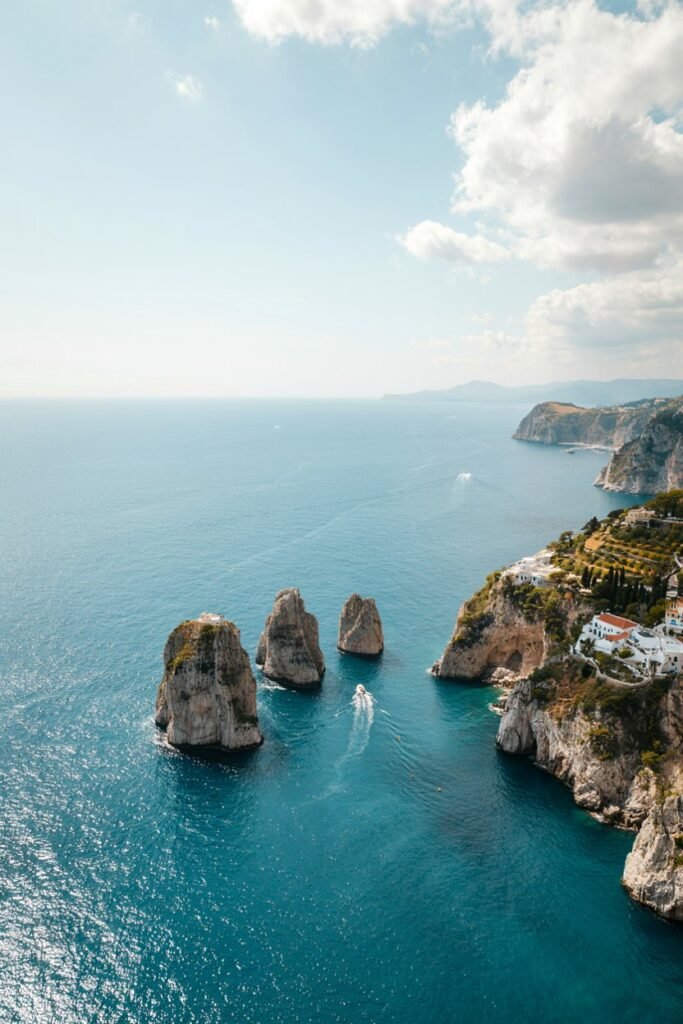
A short boat ride from Naples or Sorrento, Capri feels like a different, more polished world the moment you step off the ferry.
Getting there Ferries run regularly from Naples (about 50 minutes) and Sorrento (about 25 minutes). Book tickets in advance during peak summer, since afternoon departures sell out.
Where to stay Anacapri, the quieter upper town, offers better value and views than the busier Capri town below.
Navigating the island Cars are heavily restricted. Walk, take the funicular between the port and Capri town, or use local taxis and buses to reach Anacapri.
My story with it We took the chairlift up Monte Solaro almost on a whim, and the view over both sides of the island from the top became the photo we still use as a shared phone background.
Safety tip Ferry schedules can be cancelled with little notice in rough weather. Build a buffer day into your itinerary if Capri is a day trip on a tight schedule.
3. Ravello
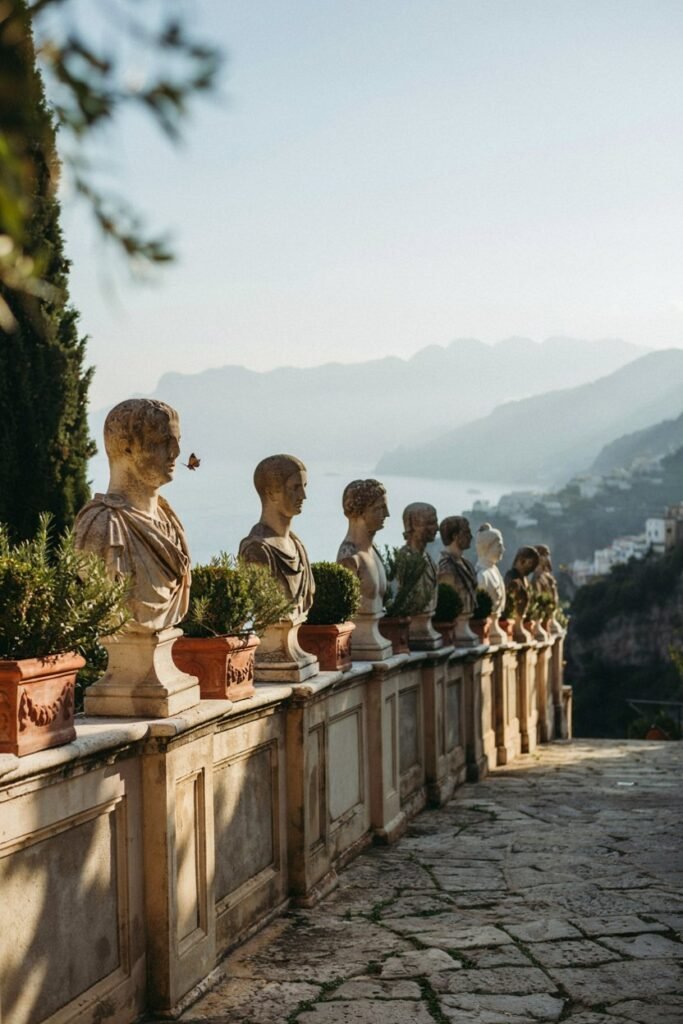
Perched above the Amalfi Coast rather than along it, Ravello trades beach access for some of the best views in the entire region.
Getting there Buses and taxis connect Ravello to Amalfi town, about a 20-minute winding drive up the mountain.
Where to stay Book a room with garden or terrace access at one of the villa-style hotels here, since the views are the whole point of staying overnight.
Navigating the town Ravello’s center is compact and walkable, with the main draw being the gardens at Villa Cimbrone and Villa Rufolo.
My story with it We sat in the gardens at Villa Cimbrone for almost an hour longer than planned, just looking at the coastline below. It’s one of the only views that’s genuinely made either of us stop talking mid-sentence.
Safety tip The road up from Amalfi is narrow with steep drop-offs. If either of you gets carsick on winding roads, sit on the mountain side rather than the cliff side.
4. Sorrento
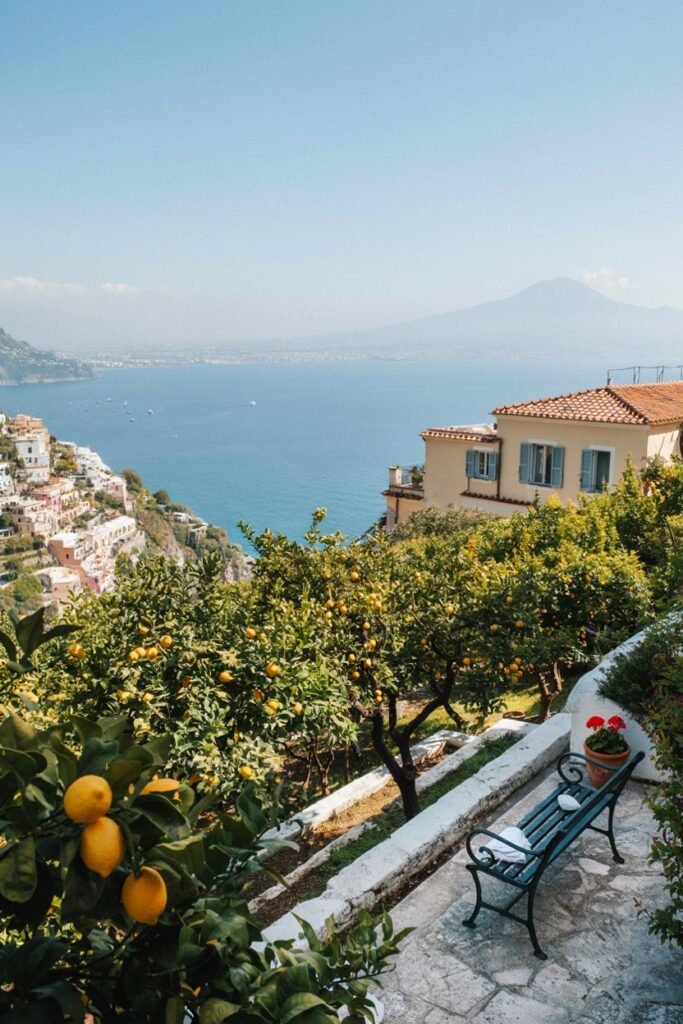
Sorrento is calmer and flatter than the cliffside towns nearby, making it a good base for exploring the wider Amalfi Coast.
Getting there A direct train from Naples takes about an hour, making Sorrento one of the easier towns on this list to reach without a car.
Where to stay Stay near the historic center for walkability, with easy access to the clifftop gardens overlooking the Bay of Naples.
Navigating the town Sorrento is genuinely walkable, a rarity on this list, and a good place to base yourselves for day trips to Positano, Capri, and Pompeii.
My story with it We ended up here almost by accident after a ferry delay, and it turned into one of our most relaxed stops precisely because there was nothing urgent to rush toward.
Safety tip Watch for scooters when walking the narrow streets near the center. Sidewalks are minimal in places.
5. Cinque Terre
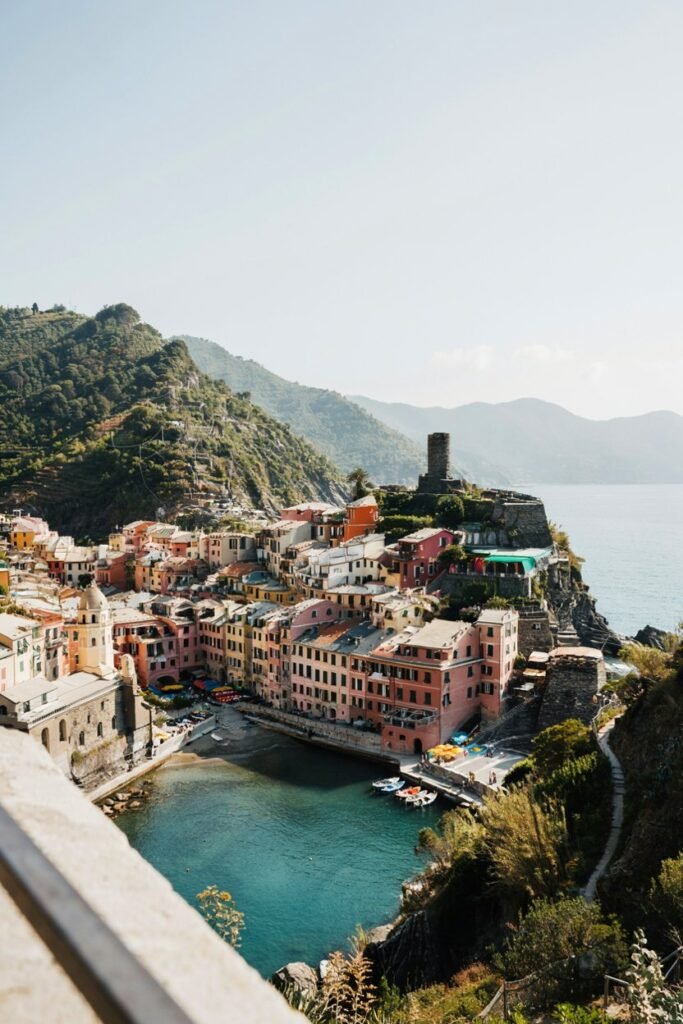
Five cliffside villages connected by hiking trails and a short train line, Cinque Terre rewards couples who like a bit of physical effort with their scenery.
Getting there Fly into Pisa or Genoa, then train to La Spezia, which connects to all five villages by local rail.
Where to stay Base yourselves in one village, Vernazza or Monterosso are both good options, and day trip to the rest by train.
Navigating the villages Cars aren’t practical here. Use the train between villages and hike the connecting trails where they’re open.
My story with it We hiked between two villages on a whim, sweaty and unprepared, and it turned into one of the more genuinely earned views either of us has experienced together.
Safety tip Check trail conditions before hiking, since sections close periodically due to landslides. Carry more water than feels necessary in summer heat.
6. Lake Como
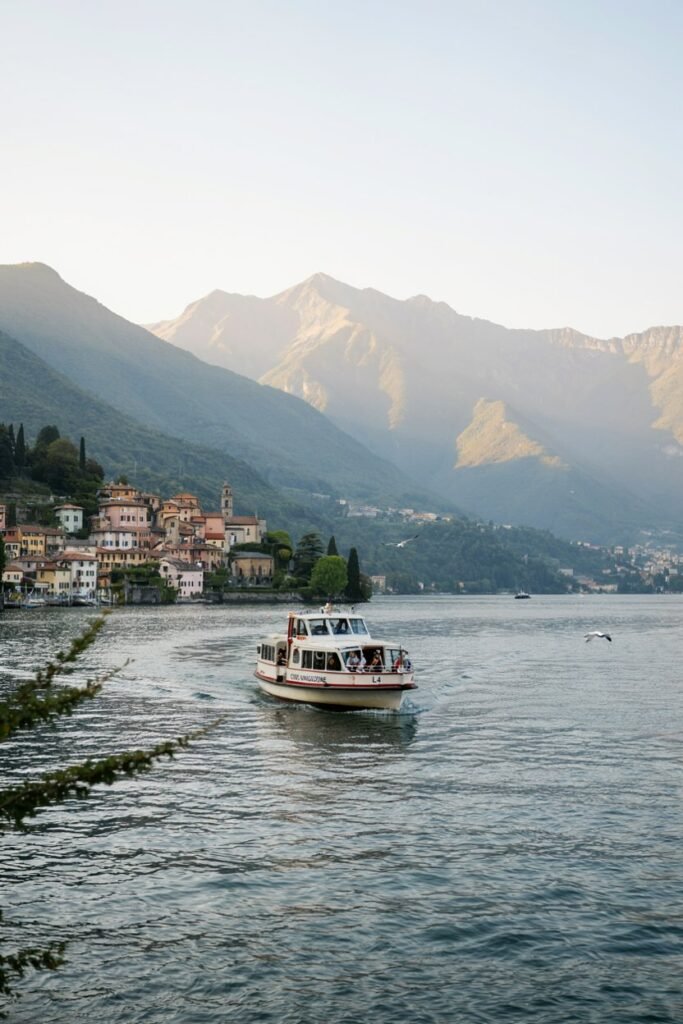
Mountain backdrops and quiet lakeside villages give Lake Como a completely different kind of romance than the coast.
Getting there Fly into Milan, then train or drive roughly an hour to the lake.
Where to stay Varenna offers a quieter, less touristy base than Bellagio, with easy ferry access to other villages.
Navigating the lake Ferries connect the main villages. A car helps for reaching quieter spots but isn’t essential if you’re staying centrally.
My story with it Taking the ferry between villages with no fixed plan gave us some of our best conversations of that entire trip, just watching the mountains shift as we moved across the water.
Safety tip Ferry schedules thin out significantly outside peak season. Confirm return times before heading to a smaller village for the day.
7. Portofino
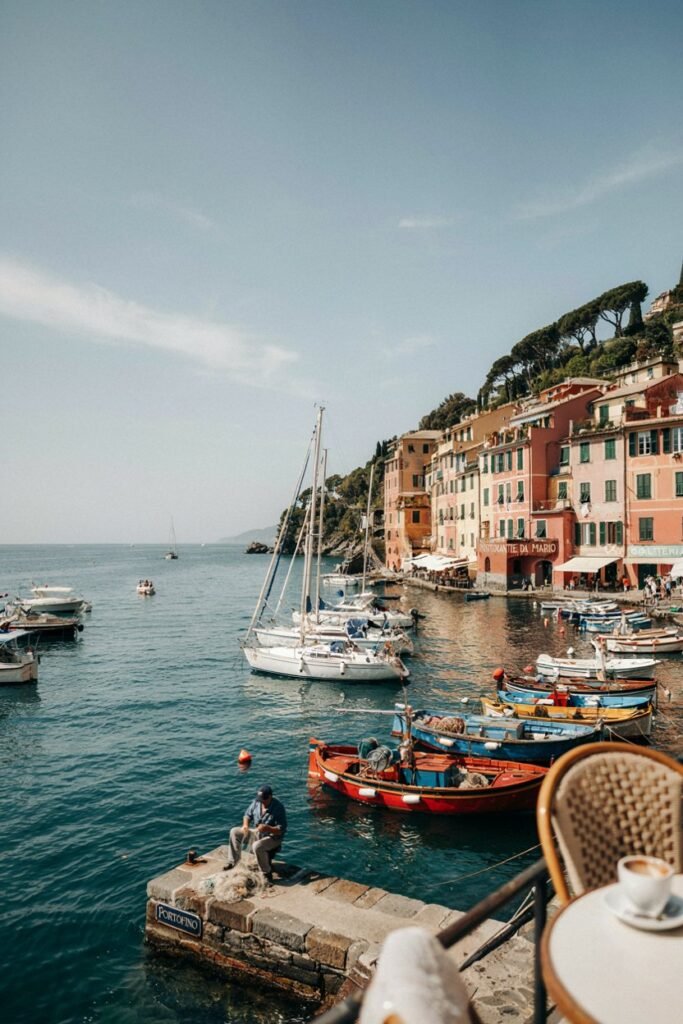
A tiny, exclusive fishing village turned yacht-set destination, Portofino delivers a lot of postcard charm in a very small footprint.
Getting there Train to Santa Margherita Ligure, then a short bus or boat ride, or fly into Genoa and drive about 40 minutes.
Where to stay Portofino itself is expensive and small. Staying in nearby Santa Margherita Ligure saves money without losing easy access.
Navigating the village Portofino’s harbor area is fully walkable. A short hike leads up to Castello Brown for sweeping harbor views.
My story with it We packed a simple lunch and ate it on the path up to the castle, which ended up being better than any restaurant meal we had in the harbor itself.
Safety tip The village gets extremely crowded midday in summer. Visit early morning or evening for a quieter, more romantic version of the harbor.
8. Verona
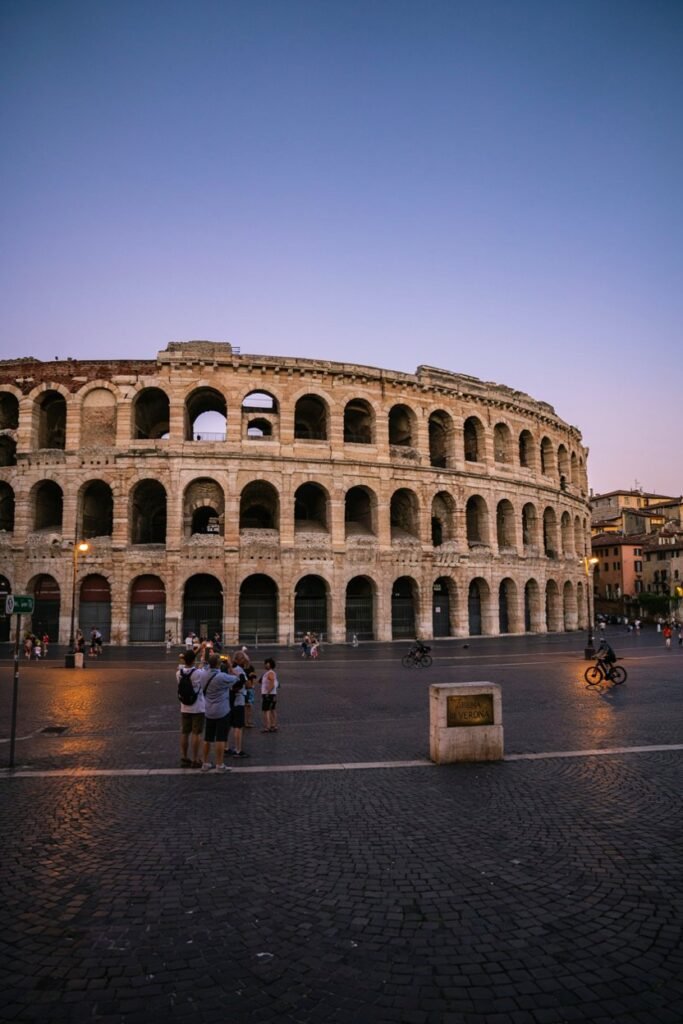
Famous as the setting of Romeo and Juliet, Verona earns its romantic reputation honestly, with well-preserved Roman and medieval architecture throughout.
Getting there Verona has its own airport, or take a direct train from Venice (about an hour) or Milan (about an hour and a half).
Where to stay Stay within the historic center walls for easy walking access to everything, including the Roman arena and Juliet’s balcony.
Navigating the city Verona is compact and walkable, one of the easiest cities on this list to explore without a car.
My story with it We stumbled into an outdoor opera performance at the Roman arena without having planned for it, and it remains one of the more unexpectedly magical evenings of any trip we’ve taken.
Safety tip Check the arena’s summer opera schedule in advance if you want tickets, since performances sell out and last-minute seating is limited.
9. Venice
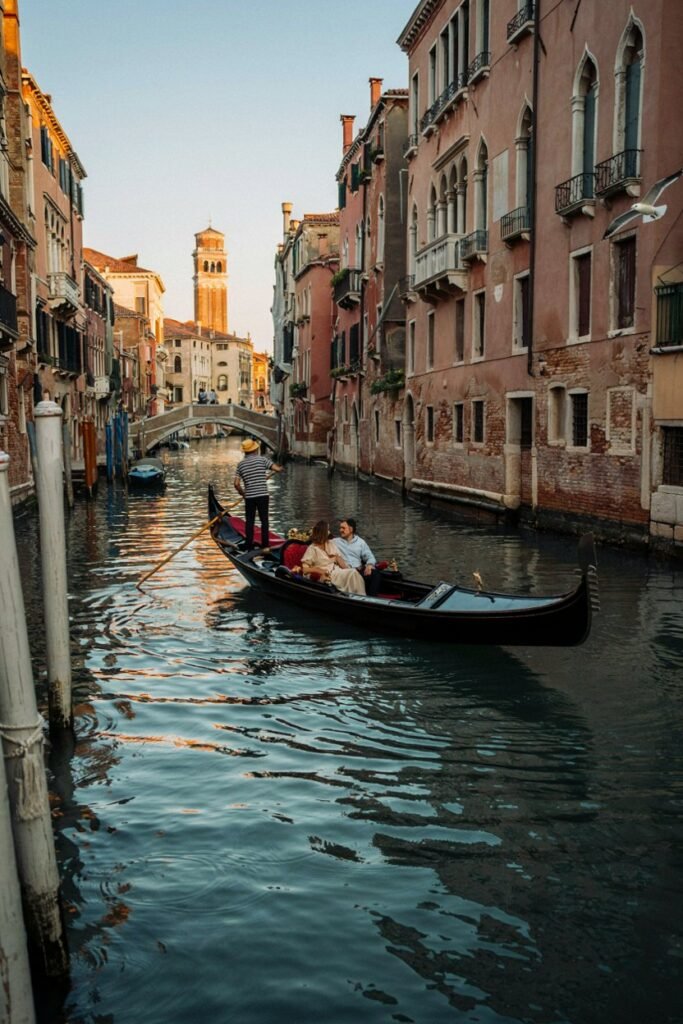
Venice needs little introduction, though visiting outside the most crowded hours changes the experience entirely.
Getting there Fly into Venice Marco Polo Airport, then water taxi or vaporetto (public boat) into the city itself.
Where to stay Stay in a quieter neighborhood like Dorsoduro or Cannaregio rather than directly near San Marco for better value and a calmer atmosphere.
Navigating the city No cars, ever. Walking and vaporetto are your only options, and getting lost on purpose is genuinely part of the experience.
My story with it A gondola ride at sunset, which felt like a cliché right up until we were actually on the water, turned out to be worth every bit of the hype.
Safety tip Watch your footing on wet bridges and steps, especially after rain. Venice’s stone surfaces get slick fast.
10. Lake Garda
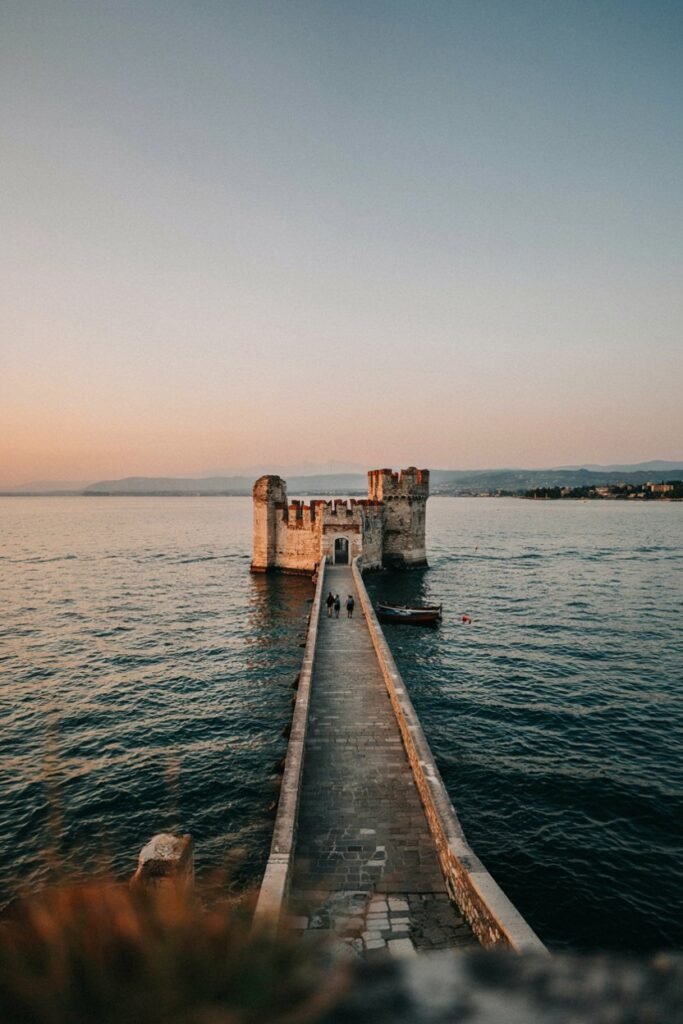
Italy’s largest lake offers a mix of mountain and Mediterranean scenery, with more affordable options than Lake Como.
Getting there Fly into Verona or Milan, both roughly an hour to an hour and a half from the lake by car or train.
Where to stay Sirmione, on a small peninsula with its own castle, offers a compact, walkable base with easy lake access.
Navigating the lake Ferries connect most towns, and the lake is large enough that a car helps if you want to explore multiple areas in one day.
My story with it Sirmione’s castle at sunset, with the lake stretching out on both sides, gave us one of the more underrated views of an entire multi-lake trip through northern Italy.
Safety tip Summer weekends bring heavy tourist traffic to Sirmione specifically. Visit early or book parking in advance if you’re driving.
11. Taormina, Sicily
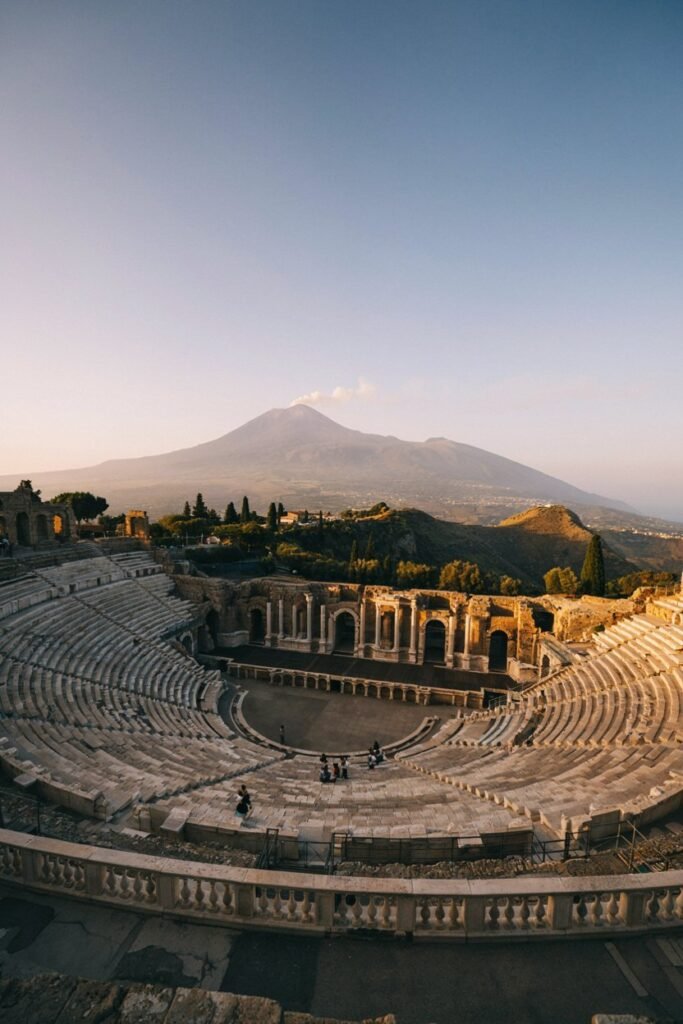
Perched on a cliff with Mount Etna visible in the distance, Taormina combines dramatic scenery with a genuinely walkable historic center.
Getting there Fly into Catania, then a roughly 45-minute train or transfer to Taormina.
Where to stay Stay within the historic center for walking access to the Ancient Theatre and main viewpoints.
Navigating the town Taormina’s center is pedestrian-friendly, though steep in places. A cable car connects the town to the beach below.
My story with it Watching the sunset from the Ancient Theatre, with Mount Etna smoking faintly in the distance, is one of the more surreal views either of us has shared.
Safety tip Mount Etna is an active volcano. Check current activity advisories if you’re planning to visit the mountain itself rather than just viewing it from town.
12. San Gimignano, Tuscany
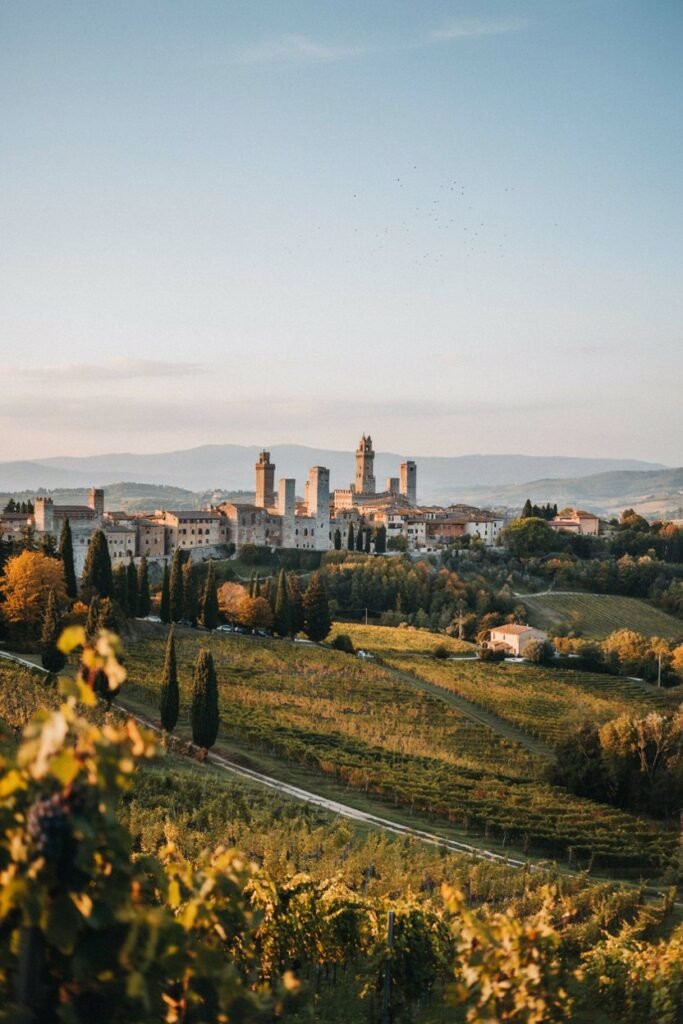
Nicknamed the Medieval Manhattan for its towering stone skyline, San Gimignano offers Tuscan romance without Florence’s crowds.
Getting there Fly into Florence or Pisa, then rent a car for the roughly hour-long drive.
Where to stay Stay just outside town at a countryside agriturismo for a quieter evening with vineyard views, driving in for the day.
Navigating the town The historic center is compact and walkable, best explored slowly with wine stops built into the day.
My story with it We rented a car specifically to reach smaller Tuscan towns like this one, and getting slightly lost on the countryside roads between vineyards became its own kind of romantic detour.
Safety tip Rural Tuscan roads are narrow and often unmarked at intersections. Download offline maps before you lose signal outside town.
13. Procida
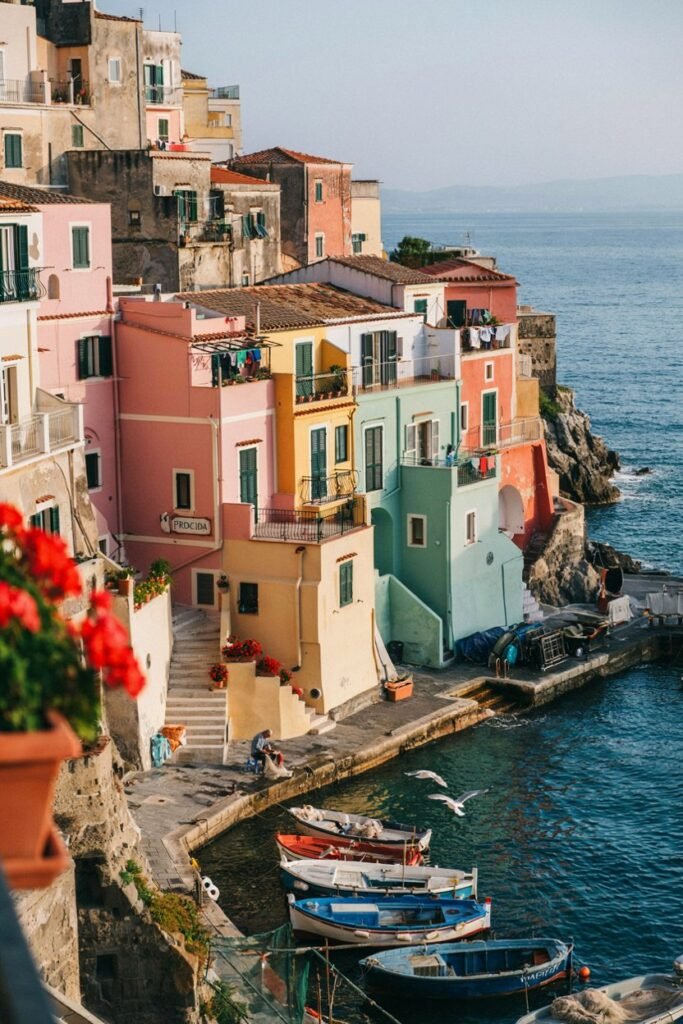
A quieter, more colorful alternative to Capri, Procida offers pastel fishing village charm with a fraction of the crowds.
Getting there Ferries run from Naples, about 40 minutes, with fewer crowds than the Capri-bound boats.
Where to stay Stay near the Corricella harbor for the most photogenic, walkable part of the island.
Navigating the island Rent a scooter to explore beyond the harbor area, since Procida is small but spread out enough to benefit from wheels.
My story with it We found this island almost by accident after a ferry schedule mix-up, and it’s become the one we recommend most to friends planning an Amalfi Coast trip who want something quieter.
Safety tip Scooter rental requires a valid license and, in many cases, an international driving permit. Confirm requirements before you arrive.
14. Polignano a Mare, Puglia
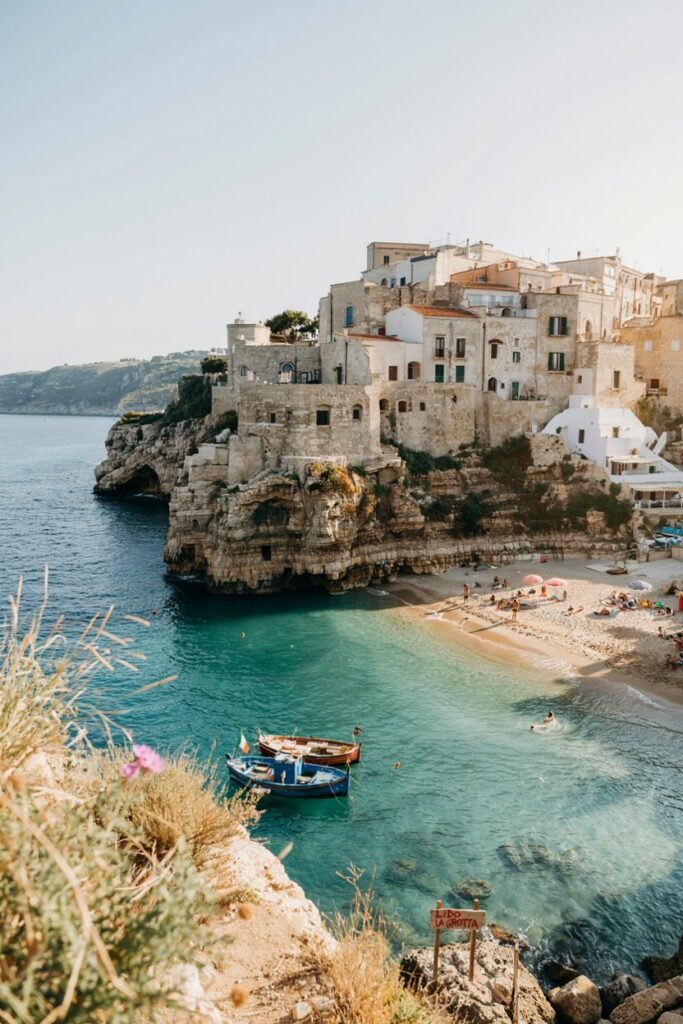
Built directly into limestone cliffs above the Adriatic, this Puglia town delivers dramatic scenery most visitors never make it far enough south to see.
Getting there Fly into Bari, then a short train or drive, about 30 to 40 minutes.
Where to stay Stay in the historic center for direct access to the cliffside walkways and the beach cove below town.
Navigating the town The center is walkable and compact, with the main draw being the bridge overlooking Lama Monachile beach.
My story with it We watched local cliff divers here on what felt like a completely undiscovered afternoon, without another foreign traveler in sight the entire time.
Safety tip The cliffside walkways have minimal railings in places. Keep a reasonable distance from the edge, especially with a camera or phone out.
Tips for Planning an Italy Summer Trip Together
- Book accommodations at least four to six months ahead for peak summer dates, especially in Positano, Capri, and Venice
- Rent a car for the Tuscany, Lake Como, and Lake Garda legs, but rely on trains and ferries for the Amalfi Coast, Cinque Terre, and Venice
- Pack layers even in summer, since coastal evenings and lake regions cool down more than the daytime heat suggests
- Build in at least one unplanned day per week of travel, since some of the best moments on this list happened by accident
- Carry a portable charger and offline maps, since cell service drops out in mountain and rural stretches more than expected
FAQ
Which of these is best for a first Italy trip together? Sorrento or Verona both offer an easier introduction, with strong train access and a walkable center that doesn’t require renting a car right away.
Do we need to rent a car for this kind of trip? For the Amalfi Coast, Cinque Terre, and Venice, no, trains, ferries, and buses cover everything well. For Tuscany, Lake Como, and Lake Garda, a car opens up far more of the surrounding area.
How many of these destinations can we realistically combine in one trip? Three to four works well for a two-week trip without feeling rushed. Trying to combine more than that tends to turn a romantic trip into a checklist.
What’s the best time in summer to avoid the worst crowds? Early June or September, technically outside peak summer but still warm, both come with noticeably fewer crowds than July and August.
Is it safe to drive on Italy’s coastal roads as a couple unfamiliar with the routes? Yes with caution. The Amalfi Coast road specifically has sharp curves and heavy summer traffic, so going slowly and using pull-offs when needed makes a real difference.
Final Thoughts
Every destination on this list has its own kind of romance.
Some won me over with breathtaking views, others with quiet streets, unforgettable sunsets, or long evenings spent enjoying great food without feeling the need to rush anywhere.
That is what I love most about traveling through Italy.
Even the unexpected moments, whether it is taking the wrong street, waiting for a late train, or stumbling across a hidden little café, somehow end up becoming part of the memories you talk about long after the trip is over.