

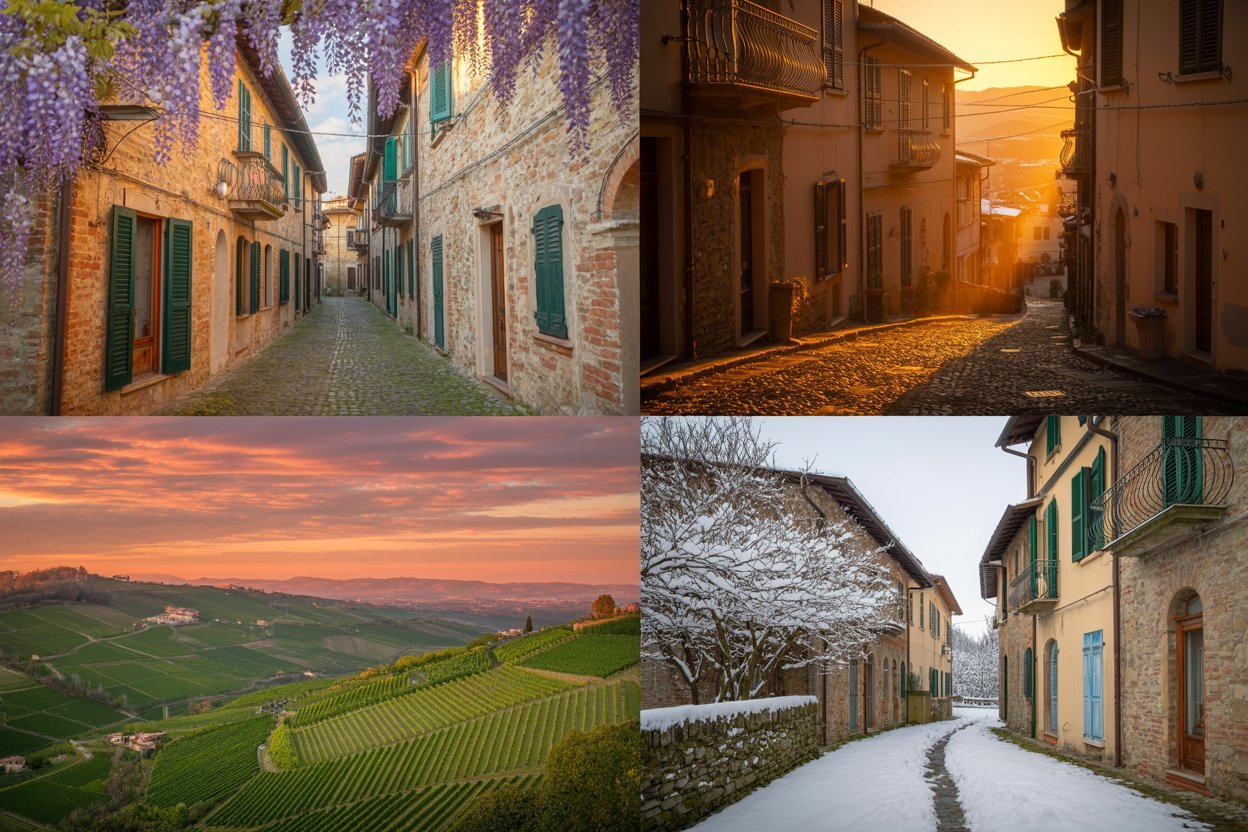
I used to plan Italy trips around cities, Rome, Florence, Venice, treating villages as quick detours squeezed between the real stops.
It took a wrong turn outside Siena, and an unplanned afternoon in a hill town I hadn’t even researched, to realize I had the whole approach backwards.
The villages ended up being the parts of the trip that actually stuck. A footbridge into a crumbling clifftop town, a zip line strung between two mountain peaks, a lagoon island where house colors are registered by law, none of it fit the itinerary I’d originally planned, and all of it turned into the stories worth telling once I got home.
This list covers eleven villages that earned their place through actual visits, from the famous stretches of coastline everyone already knows to a few far enough off the map that most travelers never make it out there. Some reward a quick afternoon stop, others are worth building a full day or two around.
If you’re planning a longer Italy trip around these, our Italy packing list guide is a solid place to start once you know which villages made your list.
Disclaimer: This post may contain affiliate links, which means I may earn a small commission at no extra cost to you. Travel experiences may vary, so always check local conditions, transportation schedules, and seasonal information before planning your trip.
Amazon Shopping List: 11 Magical Italy Villages You Must See for Vacations
- Italy Travel Guide Book (Hidden Villages & Scenic Routes)
- Comfortable Walking Shoes for Travel
- Anti-Theft Crossbody Travel Bag
- Packing Cubes Travel Organizer Set
- Foldable Travel Backpack (Daypack)
- Compact Travel Umbrella (Windproof)
- Binoculars for Scenic Views & Countryside Exploration
Why Italy’s Small Villages Feel So Different
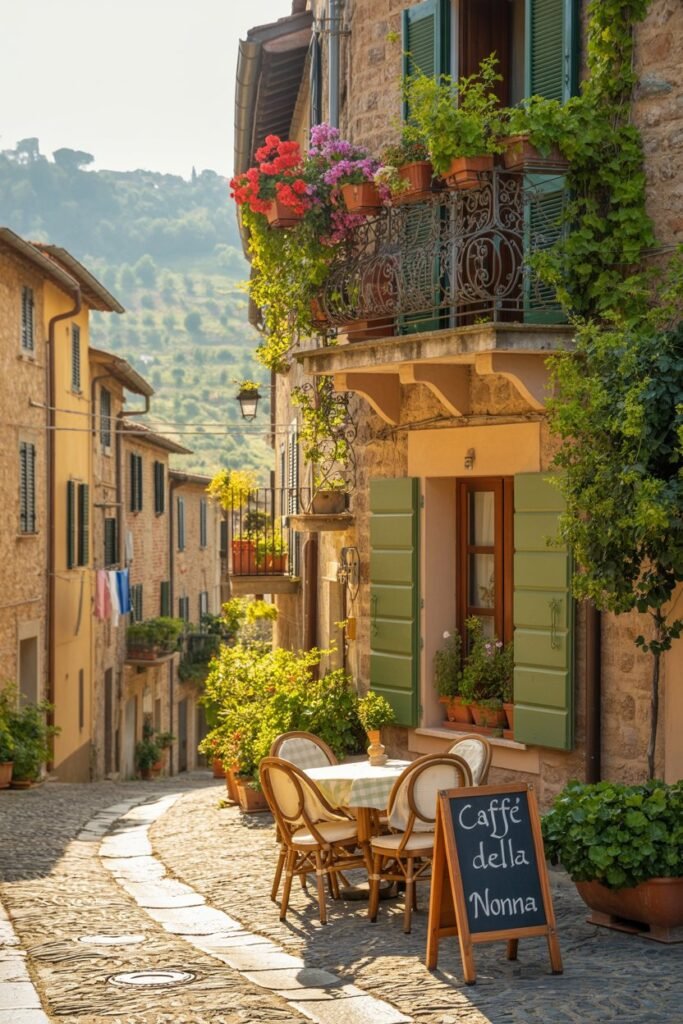
There’s a version of Italy built almost entirely for visitors, timed entry tickets, roped-off viewpoints, a gift shop at the exit of everything. Most of these eleven villages have some of that too.
But underneath it, something else is still running, a fisherman mending nets before the day boats arrive, a shopkeeper who actually knows why the houses are painted the way they are, a village council still enforcing rules that predate anyone visiting to photograph them.
That’s the difference. Cities in Italy perform for the people passing through, and they do it well. Villages, even the famous ones, are still mostly going about their own business, and visitors are just briefly inside it.
A few things explain why that feeling holds up across such different places
- Scale keeps things honest. A village small enough to walk in an hour doesn’t have room to hide behind size the way a city can. What you see is closer to what’s actually there.
- Isolation preserves character. Places reached only by footbridge, boat, or a single winding road, like Civita di Bagnoregio or Vernazza, hold onto their rhythm simply because it’s harder for anything else to move in.
- Local rules still shape daily life. Burano’s color regulations, Alberobello’s trulli construction history, San Gimignano’s medieval tower rivalry, these aren’t museum exhibits. They’re the reason the place looks the way it does, still enforced or still visible in the architecture itself.
- Slower visits reveal more. A village doesn’t reward a checklist stop the way a major museum might. It rewards sitting in one square long enough to notice who actually lives there.
The takeaway
The villages that stay with you longest usually aren’t the most photographed ones. They’re the ones where something ordinary was happening right alongside the extraordinary, and you happened to be there long enough to notice both.
11 Magical Italy Villages You Must See for Vacations
Italy is full of breathtaking destinations, but its small villages are where the real magic happens.
From colorful coastal towns to peaceful mountain escapes, these beautiful Italy villages offer unforgettable views, charming streets, and the perfect relaxing vacation atmosphere.
1. Positano
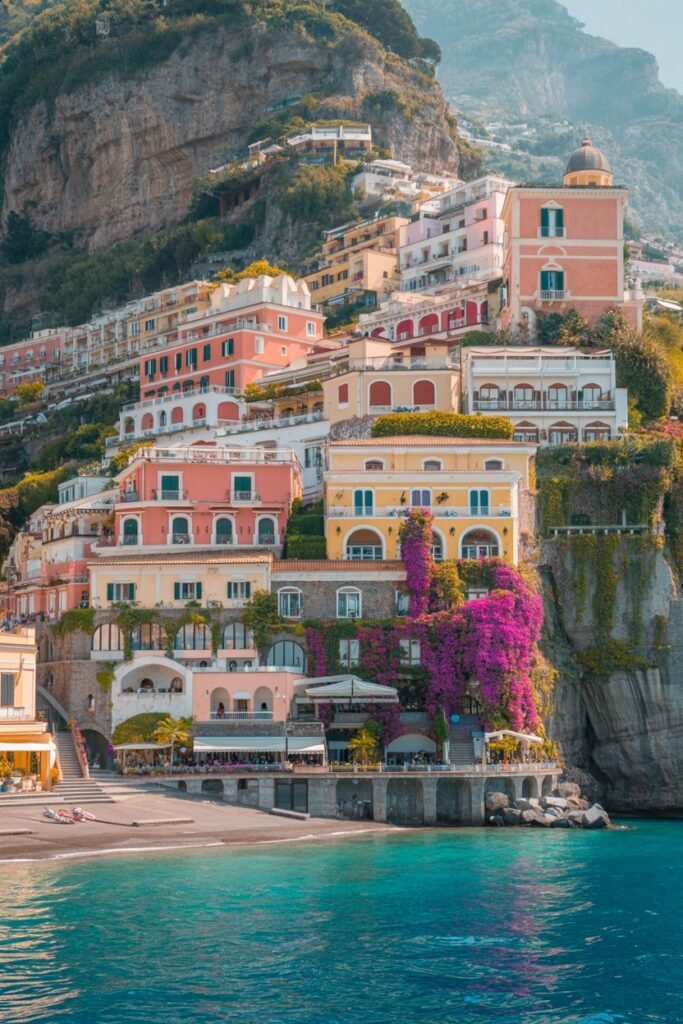
A friend once described Positano as a village that looks better in real life than in any photo, which sounded like an exaggeration until the ferry rounded the cliff and the pastel houses came into view stacked straight up the hillside toward the sky.
Why you will love it
Positano is the postcard image of the Amalfi Coast for good reason, colorful houses cascading down steep cliffs to a small beach and harbor below.
It’s dramatic, walkable in short bursts, and photogenic from nearly every angle, even with the crowds that come with that reputation.
How to locate there
Positano sits on Italy’s Amalfi Coast in the Campania region, reachable by car, bus, or ferry from Naples or Sorrento. The village itself is steep and largely pedestrian, built on staircases rather than flat streets.
Where to stay
- Budget: Guesthouses and rooms further up the hillside cost less than anything near the beach.
- Mid range: Small hotels closer to the center put you within walking distance of the harbor.
- Luxury: Cliffside hotels with private terraces and sea views are the classic Positano splurge.
What to do
- Walk down to Spiaggia Grande for a swim and a view back up at the village
- Wander the boutiques and narrow lanes near the main church
- Take a boat trip along the coast toward Amalfi or Capri
- Watch sunset from a terrace bar above the harbor
Best time to visit: May to June or September to October, avoiding peak summer crowds and heat.
Safety tip: Wear proper shoes for the steep staircases, and watch footing on wet stone steps after rain.
2. Manarola
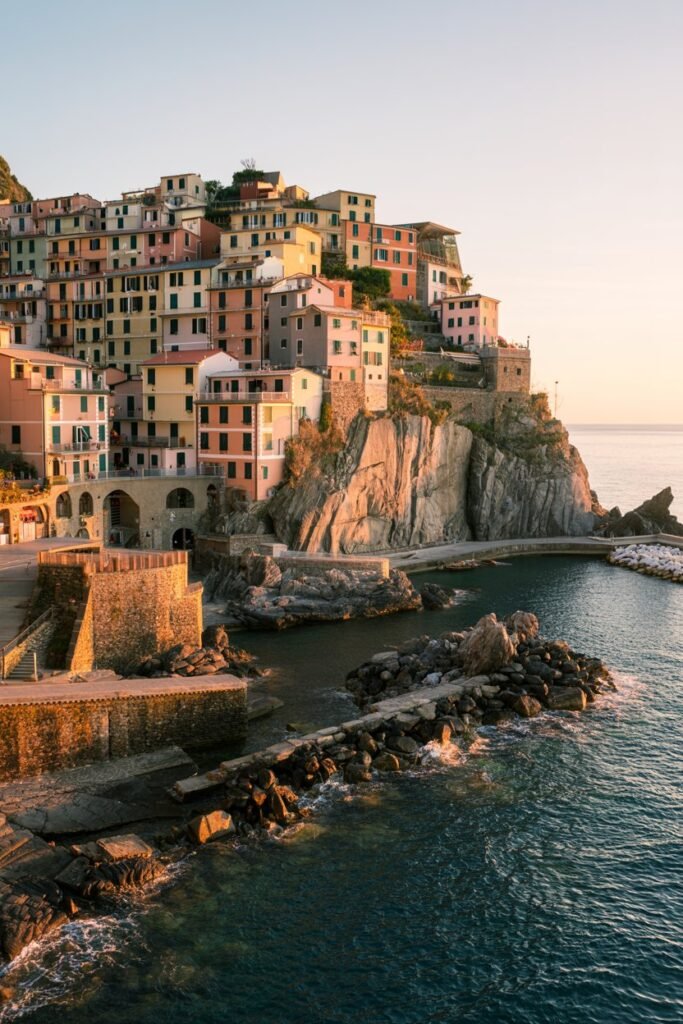
The train from La Spezia dropped us at a station that seemed to open straight onto a postcard, colorful houses stacked above the harbor with fishing boats pulled up on the rocks below, and it took a minute to actually believe we’d arrived rather than stumbled onto a film set.
Why you will love it
Manarola is widely considered the most photogenic of the five Cinque Terre villages, its tower houses in shades of pink, orange, and yellow rising steeply above a small rocky harbor.
It’s compact enough to explore fully in an afternoon, though most visitors end up staying longer than planned.
How to locate there
Manarola sits in the Cinque Terre region of Liguria, connected to the other four villages by train, hiking trail, and boat.
The Cinque Terre train line from La Spezia or Levanto is the easiest way in, with the village itself just a short walk from the station.
Where to stay
- Budget: Rooms in nearby La Spezia or Levanto cost noticeably less than staying inside the village.
- Mid range: Small guesthouses and rooms within Manarola itself put you close to the harbor and trails.
- Luxury: A handful of boutique rooms with sea views offer a higher end version of the same village charm.
What to do
- Walk down to the harbor and watch the fishing boats come in
- Hike a section of the coastal trail toward Corniglia or Riomaggiore
- Watch sunset from the rocks above the harbor, a well known local ritual
- Try the local wine, made from grapes grown on the terraced hillsides
Best time to visit: April to June or September to October, for milder weather and thinner crowds.
Safety tip: Coastal trail sections can be closed after heavy rain due to landslide risk, so check trail status before setting out.
3. Bellagio
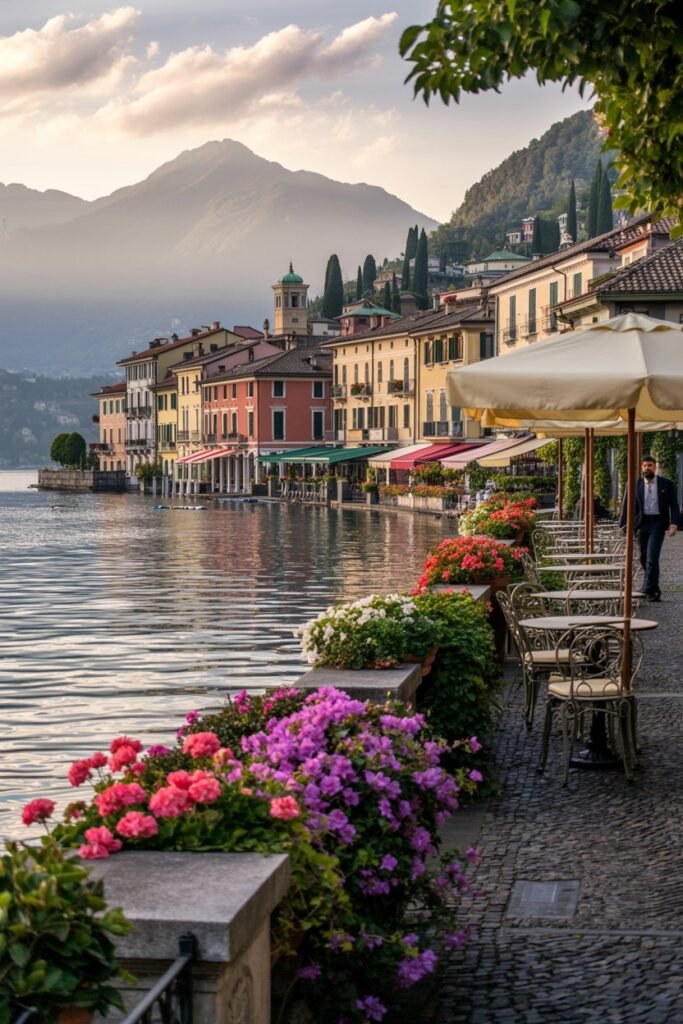
The ferry pulled into Bellagio’s harbor just as the evening light hit the hills across Lake Como, and every terrace restaurant along the water seemed to have timed its dinner service around exactly that view, which made picking a table feel less like a decision and more like following everyone else’s lead.
Why you will love it
Bellagio sits at the point where Lake Como splits into its two southern branches, earning it the nickname “Pearl of the Lake” for the sweeping views in nearly every direction.
Steep cobblestone streets, lakeside promenades, and pastel villas give it the kind of elegance that made this stretch of Italy famous in the first place.
How to locate there
Bellagio sits on Lake Como in Lombardy, reachable by ferry from Como town or Varenna, or by car along winding lakeside roads.
The village center is compact and largely pedestrian, with steep lanes connecting the harbor to the upper streets.
Where to stay
- Budget: Guesthouses in nearby Como town cost less, with an easy ferry ride over to Bellagio.
- Mid range: Small hotels within the village put you close to the harbor and main streets.
- Luxury: Historic lakeside villas turned hotels, some with private gardens, are the classic Lake Como splurge.
What to do
- Walk the steep cobblestone lanes up from the harbor
- Visit the gardens at Villa Melzi or Villa Serbelloni
- Take a ferry across to Varenna or Menaggio for the day
- Sit at a lakeside café and watch the boats come and go
Best time to visit: April to June or September to October, for comfortable weather and calmer lake conditions.
Safety tip: Steep, narrow lanes can be slippery when wet, so wear proper footwear, especially after rain.
4. Alberobello
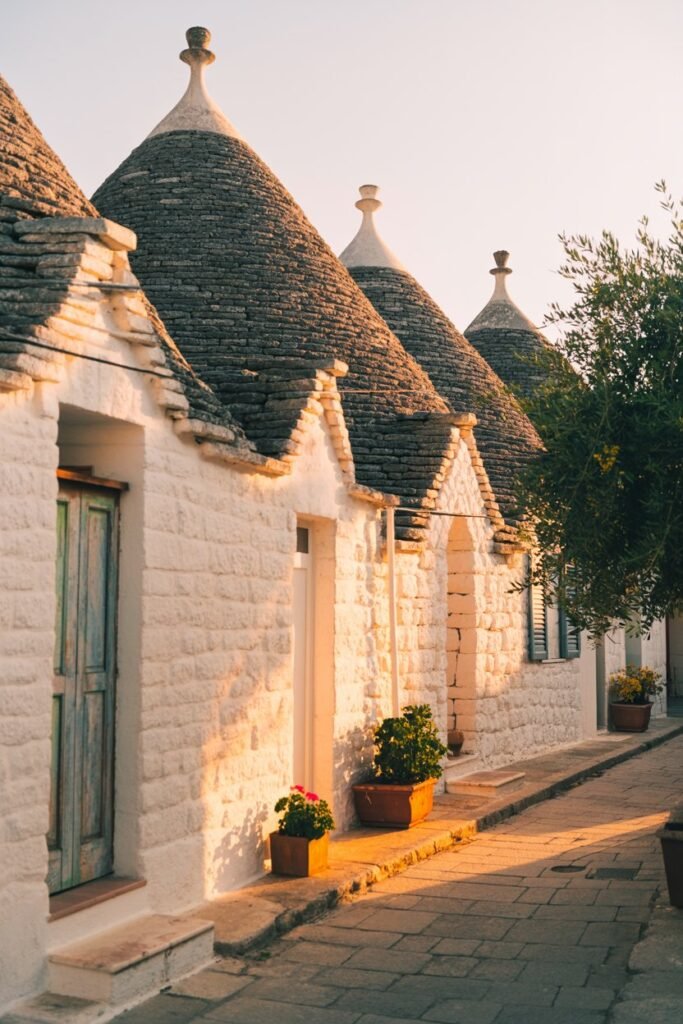
A local guide pointed out that the cone shaped roofs scattered across town could once be dismantled overnight to avoid a tax inspector, and standing in the middle of a street lined with them, it was hard to imagine anyone in a hurry to take apart something this strange and specific.
Why you will love it
Alberobello is home to over a thousand trulli, whitewashed stone buildings with distinctive conical roofs found almost nowhere else in the world.
It’s less a village of pretty streets and more a genuine architectural oddity, the kind of place photos don’t quite prepare you for.
How to locate there
Alberobello sits in the Puglia region in Italy’s southeast, about an hour from Bari by car or train. The historic Rioni Monti and Aia Piccola districts, where most trulli are concentrated, are compact and fully walkable.
Where to stay
- Budget: Guesthouses on the edge of town cost less while staying within walking distance of the trulli districts.
- Mid range: Small hotels in the historic center put you right among the trulli themselves.
- Luxury: Converted trullo suites, some with private courtyards, offer a rare chance to actually sleep inside one.
What to do
- Wander the Rioni Monti district, home to the highest concentration of trulli
- Visit Trullo Sovrano, the only two story trullo in town, now a small museum
- Browse local shops selling Puglian ceramics and olive oil
- Take a day trip to nearby Locorotondo or Ostuni for more Puglia scenery
Best time to visit: April to June or September to October, avoiding the heaviest summer heat and crowds.
Safety tip: Streets are narrow and busy with visitors in peak season, so watch for foot traffic in tight spaces between trulli.
5. Vernazza
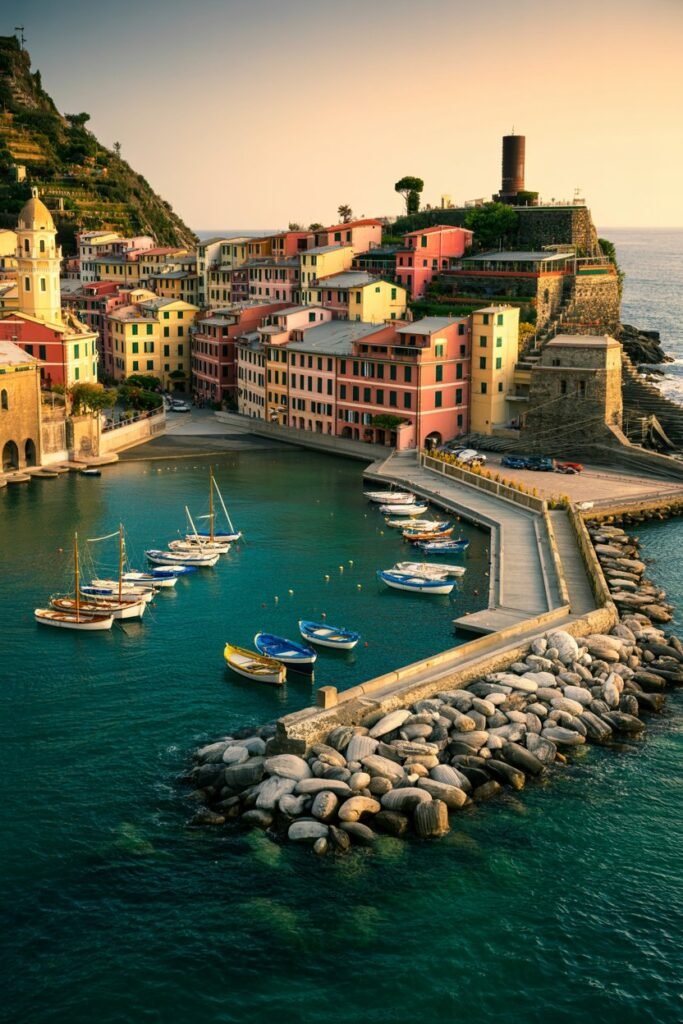
A fisherman mending nets along the harbor wall barely looked up as we walked past, going about an ordinary afternoon in a village that everyone else seemed to be photographing, and it was a reminder that Vernazza is still a working port before it’s anything else.
Why you will love it
Vernazza is often called the most beautiful of the Cinque Terre villages, its harbor ringed by tall, colorful buildings and a small castle tower standing guard above the water.
Unlike some of its neighbors, it still has a working fishing fleet, giving it a slightly rougher, more genuine edge.
How to locate there
Vernazza sits in the Cinque Terre region of Liguria, connected by the same coastal train line running from La Spezia or Levanto.
The village is just steps from the train station, with the harbor a short walk further down.
Where to stay
- Budget: Rooms in nearby Monterosso or La Spezia cost less than staying in the village itself.
- Mid range: Guesthouses and small hotels within Vernazza put you close to the harbor.
- Luxury: A handful of higher end rooms with sea views offer the same charm with more comfort.
What to do
- Sit at the harbor and watch the fishing boats come and go
- Climb up to the Doria Castle tower for views over the village
- Hike the coastal trail toward Monterosso or Corniglia
- Try fresh seafood at one of the harborside restaurants
Best time to visit: April to June or September to October, for milder weather and thinner crowds.
Safety tip: Flash flooding has affected Vernazza in the past, so check weather and trail conditions before hiking or visiting during heavy rain forecasts.
6. Civita di Bagnoregio
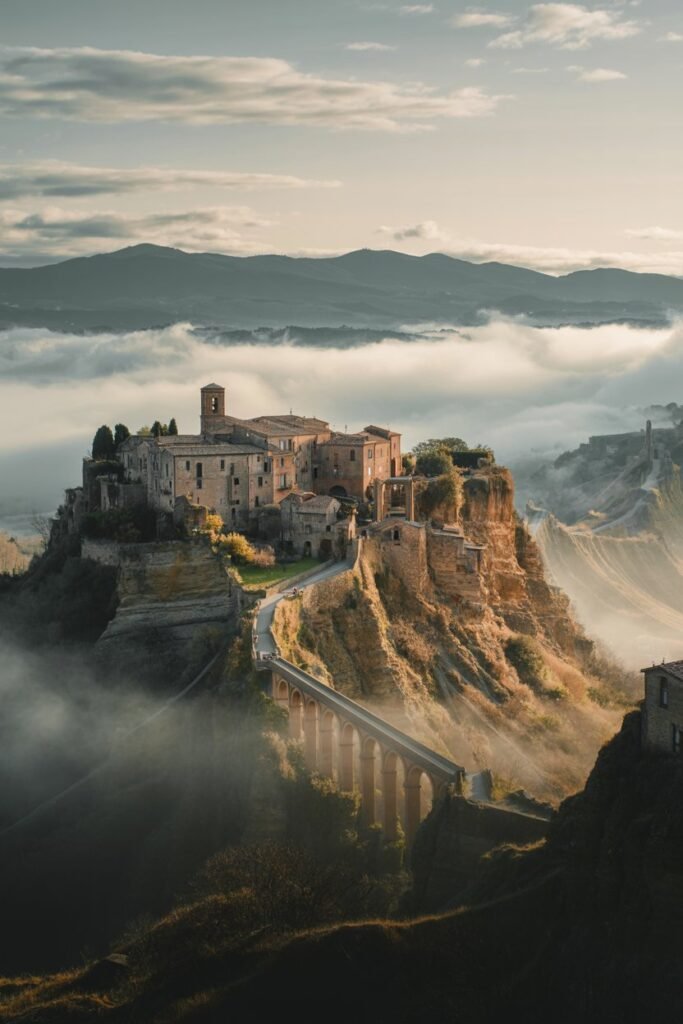
The footbridge stretched out ahead of us over a deep ravine, the only way in or out of a village that looked like it was slowly being left behind by the hillside itself, and it took the whole walk across to fully believe people still actually lived there.
Why you will love it
Civita di Bagnoregio is known as “the dying town,” perched on a crumbling volcanic plateau that has been eroding for centuries, accessible only by a single footbridge.
It’s one of the most dramatic, otherworldly villages in Italy, small enough to see fully in an afternoon but strange enough to remember for years.
How to locate there
Civita di Bagnoregio sits in the Lazio region, about two hours north of Rome by car. Visitors park in the nearby town of Bagnoregio and cross a long pedestrian footbridge to reach the village itself, since no cars are permitted inside.
Where to stay
- Budget: Guesthouses in Bagnoregio town cost less while staying a short walk from the footbridge.
- Mid range: A handful of small B&Bs within Civita itself offer the rare chance to stay inside the village overnight.
- Luxury: Boutique rooms in restored stone buildings provide a higher end version of the same historic setting.
What to do
- Walk the footbridge into the village, especially striking at sunset
- Wander the nearly empty stone streets once day-trip crowds have left
- Visit the small church at the village center
- Look out over the surrounding badlands from the village edge
Best time to visit: April to June or September to October, for comfortable walking weather and thinner crowds.
Safety tip: The footbridge and village edges offer little in the way of railing in places, so keep a safe distance from unguarded drop-offs.
7. Portofino
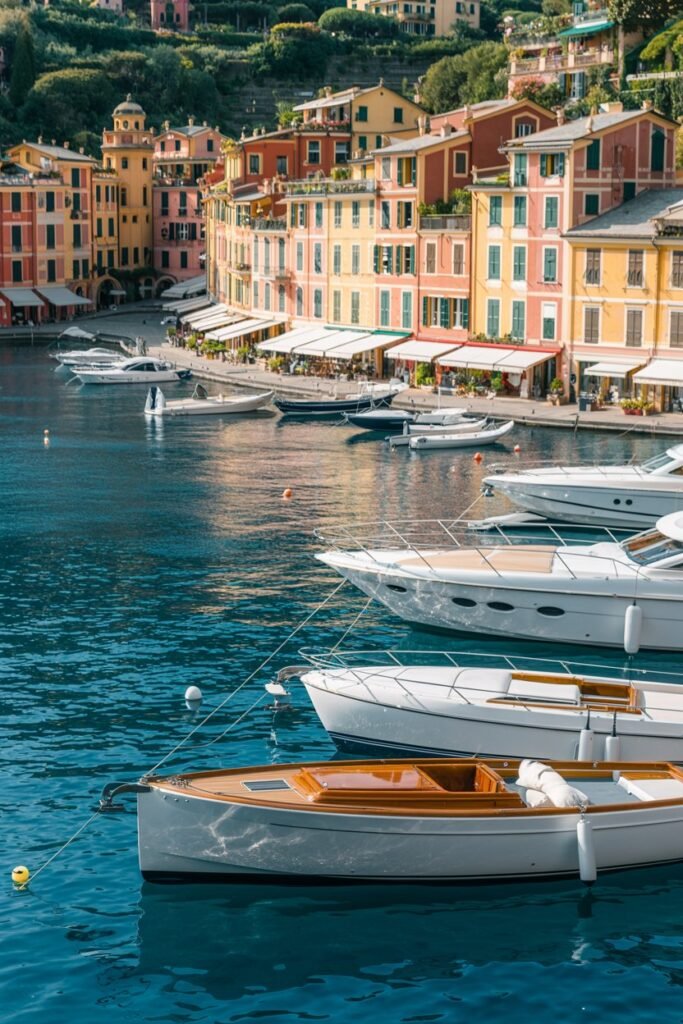
A boat captain ferrying us in from Santa Margherita pointed out the yachts crowding the tiny harbor and mentioned, almost proudly, that Portofino’s whole population could fit on two of them, which made the scale of the place click in a way the postcards never quite managed.
Why you will love it
Portofino packs outsized glamour into a genuinely small fishing village, its pastel harbor buildings framed by green hills and some of the most expensive real estate on the Italian coast.
It’s compact, walkable in under an hour, and still manages to feel like a proper destination rather than just a photo stop.
How to locate there
Portofino sits on the Ligurian coast, a short drive or ferry ride from Santa Margherita Ligure or Camogli.
The village itself is car-free at its center, with most visitors arriving by boat, bus, or a short walk from a nearby parking area.
Where to stay
- Budget: Rooms in Santa Margherita or Camogli cost far less, with an easy ferry ride into Portofino.
- Mid range: Small hotels just outside the harbor area offer a middle ground without Portofino’s steepest prices.
- Luxury: Historic harborfront hotels with private terraces are the classic, and famously expensive, Portofino stay.
What to do
- Walk the harbor and browse the boutiques lining the piazzetta
- Hike up to Castello Brown for views over the village and coast
- Continue the walk to the lighthouse at Punta del Capo
- Take a boat trip to nearby San Fruttuoso Abbey
Best time to visit: May to June or September, for good weather while avoiding the most crowded and expensive peak summer weeks.
Safety tip: The hike to the lighthouse involves uneven stone paths, so wear proper shoes, especially if visiting after rain.
8. Castelmezzano
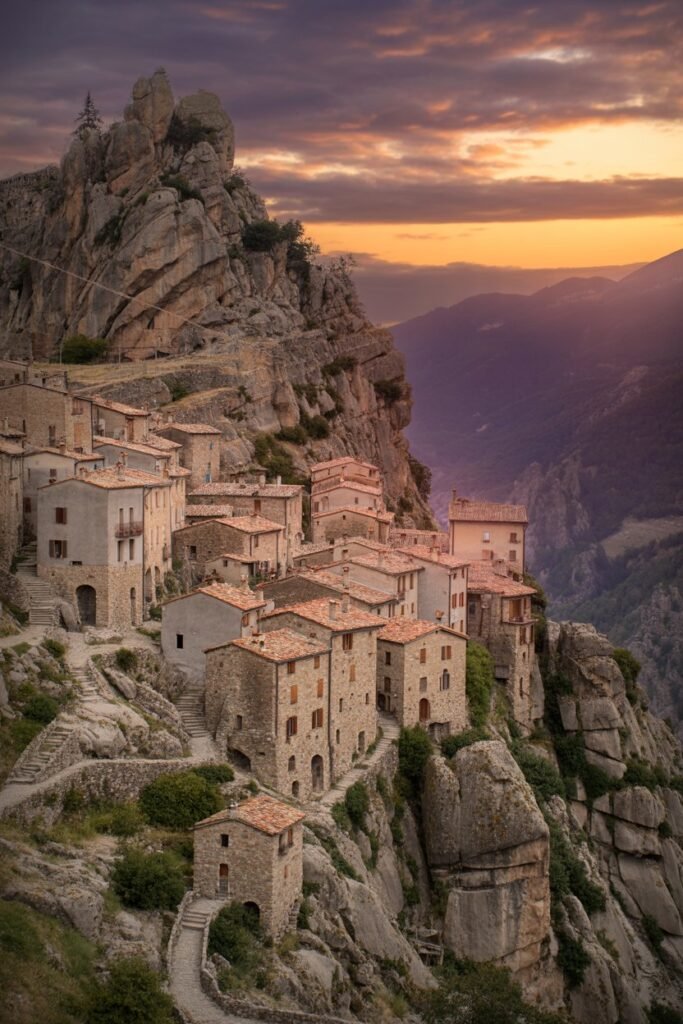
A guide mentioned almost offhandedly that a steel cable zip line connects this village to its neighbor across the valley, and it took a second to register that people actually fly between two mountaintop towns here for fun, not as some tourist gimmick built after the fact.
Why you will love it
Castelmezzano is wedged into the jagged Dolomiti Lucane rock formations of Basilicata, a village so tightly built into the cliffside it seems to grow directly out of the stone.
It’s one of Italy’s least visited dramatic villages, offering scenery that rivals better known spots without the crowds.
How to locate there
Castelmezzano sits in the Basilicata region in Italy’s south, about an hour from Potenza by car.
It’s a remote, mountainous drive in, with the village itself small and steep, best explored entirely on foot.
Where to stay
- Budget: Simple guesthouses and rooms in the village keep costs low given the remote location.
- Mid range: Small hotels in nearby Pietrapertosa, its twin village across the valley, offer a similar experience with a bit more choice.
- Luxury: A handful of boutique stays built into restored stone buildings offer a higher end version of the same setting.
What to do
- Walk the steep stone streets built directly into the rock face
- Ride the Volo dell’Angelo zip line across the valley to Pietrapertosa
- Hike trails through the surrounding Dolomiti Lucane formations
- Visit the small churches tucked into the cliffside
Best time to visit: May to June or September to October, for comfortable hiking weather and the best conditions for the zip line.
Safety tip: Steep stone streets and cliffside paths call for sturdy shoes, and the zip line has weight and weather restrictions worth checking before booking.
9. Burano
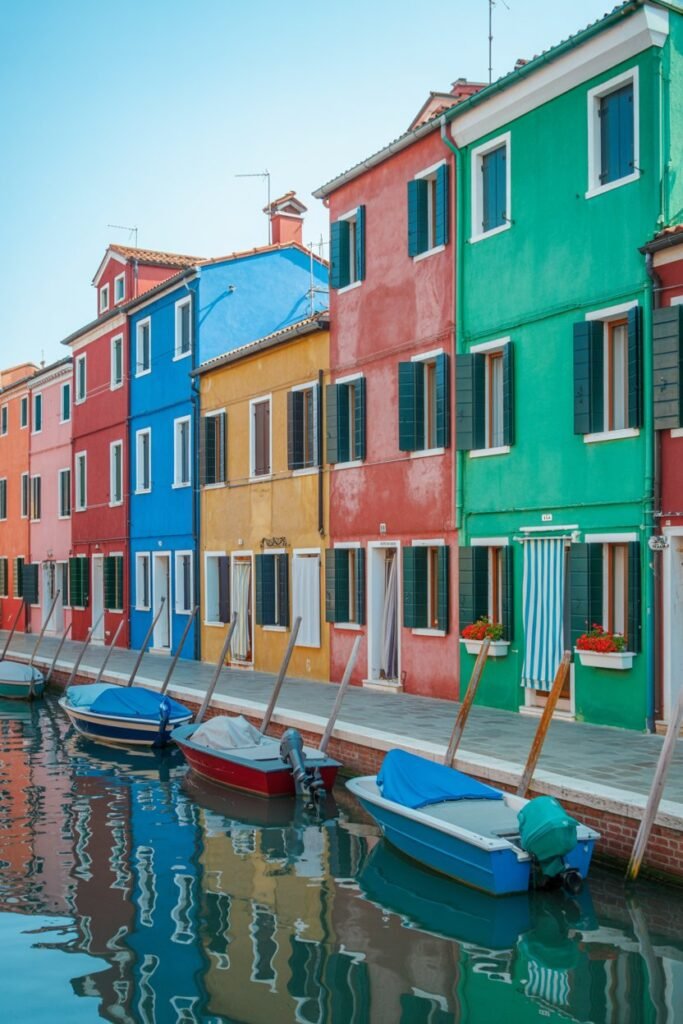
A shopkeeper explained that every house color on the island is registered with the local government, so residents can’t just repaint on a whim, and looking down a street of clashing turquoise, pink, and yellow facades, it made sense that keeping that much color coordinated would need some kind of system.
Why you will love it
Burano is famous for its rows of brightly colored fishermen’s houses, a small lagoon island near Venice that feels like a different world despite being only a short boat ride away.
It’s compact, cheerful, and easy to fall for within minutes of stepping off the vaporetto.
How to locate it
Burano sits in the Venetian Lagoon, reached by vaporetto from Venice’s Fondamente Nove, roughly 40 to 45 minutes each way. The island itself is small and entirely walkable, with no cars permitted.
Where to stay
- Budget: Staying in Venice proper and day-tripping to Burano costs less than lodging on the island itself.
- Mid range: A handful of guesthouses on Burano offer a quieter alternative to Venice’s crowds.
- Luxury: Boutique rooms on the island, limited in number, offer a rare chance to see Burano once the day-trip crowds have left.
What to do
- Wander the canals and photograph the colorful house facades
- Visit the Lace Museum, a nod to Burano’s traditional lace-making history
- Walk to nearby Mazzorbo for a quieter, less crowded contrast
- Try the local buranelli cookies from a bakery near the main canal
Best time to visit: April to June or September to October, for comfortable weather and fewer day-trip crowds.
Safety tip: Vaporetto schedules can be affected by weather or high tide, so check timing before planning your return to Venice.
10. San Gimignano
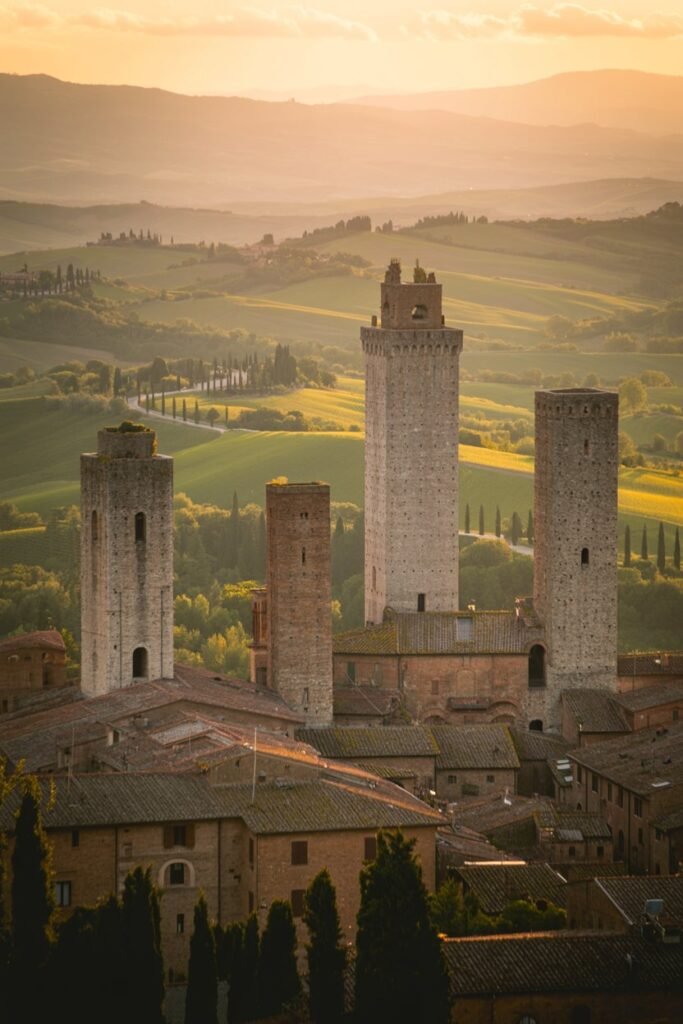
A vineyard owner outside town mentioned that the medieval towers rising over San Gimignano were once a kind of status symbol, families racing to build the tallest one, and standing in the main square looking up at over a dozen of them still standing, it read less like history and more like an argument that never quite ended.
Why you will love it
San Gimignano is known as the “Medieval Manhattan” for its skyline of stone towers, a rare surviving example of the fortified tower houses that once dotted Tuscan hill towns.
Combined with its position amid rolling vineyards, it offers both striking architecture and classic Tuscan scenery in one stop.
How to locate it
San Gimignano sits in Tuscany, about 45 minutes from Siena and just over an hour from Florence by car.
The historic walled center is compact and pedestrian, with parking available just outside the town walls.
Where to stay
- Budget: Agriturismi and guesthouses in the surrounding countryside cost less while staying close to town.
- Mid range: Small hotels within the walled center put you close to the towers and main piazzas.
- Luxury: Restored countryside villas with vineyard views offer a higher end version of the same Tuscan setting.
What to do
- Climb the Torre Grossa for views over the towers and surrounding countryside
- Wander the Piazza della Cisterna and the narrow medieval streets
- Visit a local vineyard for a Vernaccia wine tasting, the town’s signature white
- Try the local gelato, regularly ranked among Italy’s best
Best time to visit: April to June or September to October, for comfortable weather and thinner crowds.
Safety tip: Cobblestone streets can be uneven, so wear sturdy shoes, especially when climbing the tower’s narrow stairs.
11. Ravello
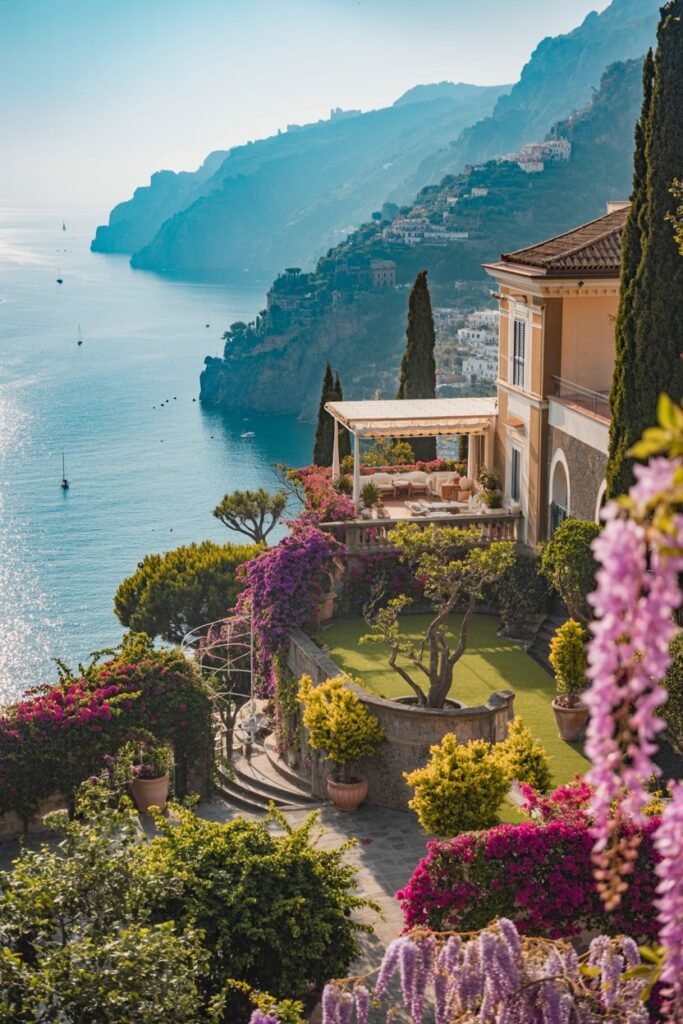
A musician setting up for an evening concert on the terrace at Villa Rufolo mentioned that Wagner once stood in that same spot and declared he’d finally found the garden from his opera, and looking out over the Amalfi Coast from up there, it wasn’t hard to see why he’d said it.
Why you will love it
Ravello sits high above the Amalfi Coast rather than down at sea level, trading beach access for sweeping views and a quieter, more refined pace than its coastal neighbors.
Between its clifftop gardens and long history as an artistic retreat, it’s less about a quick photo and more about lingering somewhere genuinely beautiful.
How to locate it
Ravello sits in the Campania region above the Amalfi Coast, reachable by a winding drive or bus ride up from Amalfi town below. The village center is compact and largely pedestrian, with parking available just outside.
Where to stay
- Budget: Guesthouses in Amalfi or Minori cost less, with a short bus ride up to Ravello.
- Mid range: Small hotels within the village put you close to the main piazza and gardens.
- Luxury: Clifftop hotels with panoramic terraces are the classic Ravello splurge, some hosting the town’s summer concerts.
What to do
- Walk the gardens at Villa Rufolo and Villa Cimbrone, both known for their coastal views
- Catch a concert if visiting during the Ravello Festival, held through summer
- Wander the quiet streets of the historic center
- Take in the view from Villa Cimbrone’s Terrace of Infinity
Best time to visit: May to June or September to October, for comfortable weather and the tail end or early stretch of festival season.
Safety tip: Terraces and garden viewpoints sit close to steep drops in places, so keep a safe distance from unguarded edges, especially with children.
Helpful Tips Before Visiting Italy Villages
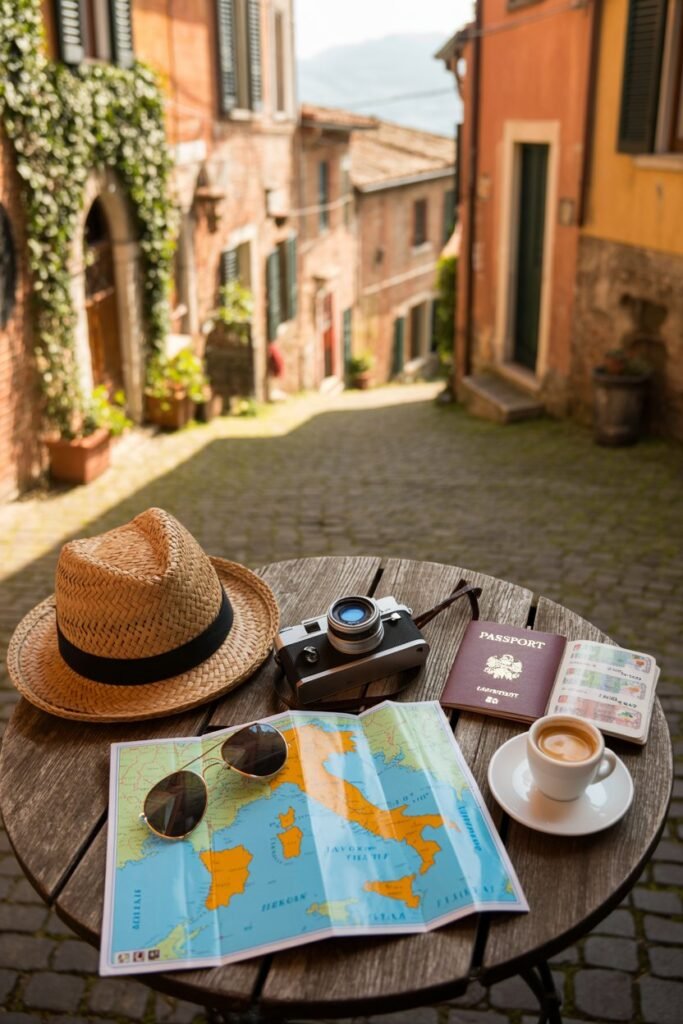
Book accommodations well ahead for Amalfi Coast and Cinque Terre villages, especially in summer, since rooms are limited and demand is high.
A car helps for Tuscany and Basilicata but becomes a liability in car-free centers like Portofino, Burano, and parts of the Cinque Terre, so plan parking or public transport accordingly.
Wear sturdy shoes everywhere. Cobblestones, steep staircases, and cliffside paths are the norm, not the exception, across nearly every village on this list.
Visit shoulder season, April to June or September to October, for better weather, thinner crowds, and lower prices than peak summer.
Carry some cash for smaller villages, and confirm train or ferry schedules in advance, since several of these stops depend entirely on one.
What to Pack for Italy Village Vacations

Packing for Italy’s villages is all about comfort and simplicity, especially because many streets are steep, cobblestoned, and best explored on foot.
Here’s what I’d personally make sure to bring:
- Comfortable walking shoes for hills and cobblestone streets
- Light, breathable outfits for warm weather
- A crossbody bag for safety and convenience
- Sunglasses and sunscreen for sunny coastal areas
- Portable phone charger for long sightseeing days
- A light jacket for cooler evenings
- Camera or phone with good storage for photos
Keeping luggage light makes it easier to move between villages and enjoy the trip without stress.
How to Travel Between Italy Villages
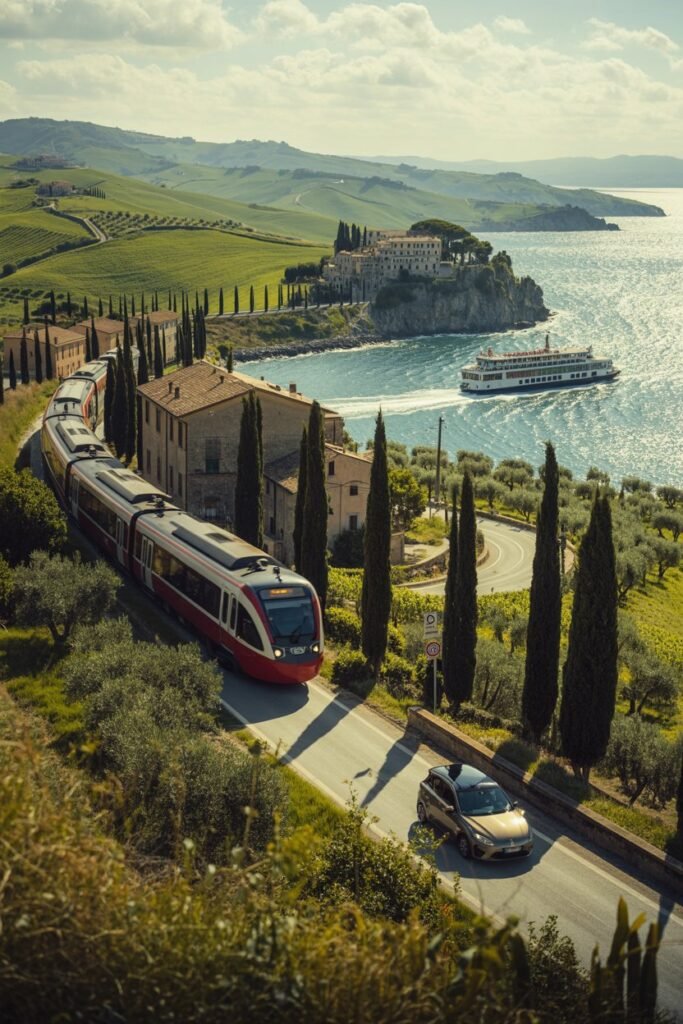
Group villages by region rather than trying to cover the whole country in one trip. The Amalfi Coast (Positano, Ravello), Cinque Terre (Manarola, Vernazza), and Tuscany (San Gimignano) each cluster well together, while outliers like Alberobello, Castelmezzano, and Civita di Bagnoregio require dedicated detours.
Trains connect most regions efficiently, especially the Cinque Terre’s coastal line and routes between major cities like Florence, Rome, and Naples. Ferries are often faster and more scenic than driving along the Amalfi Coast, particularly in summer traffic.
A rental car works best for Tuscany, Basilicata, and reaching remote stops like Civita di Bagnoregio, but becomes a burden in car-free centers like Portofino and Burano.
Build in buffer time between stops. Coastal roads and mountain routes take longer than distances suggest, and the best moments in these villages tend to come from lingering, not rushing to the next one.
Most Romantic Italy Villages for Couples
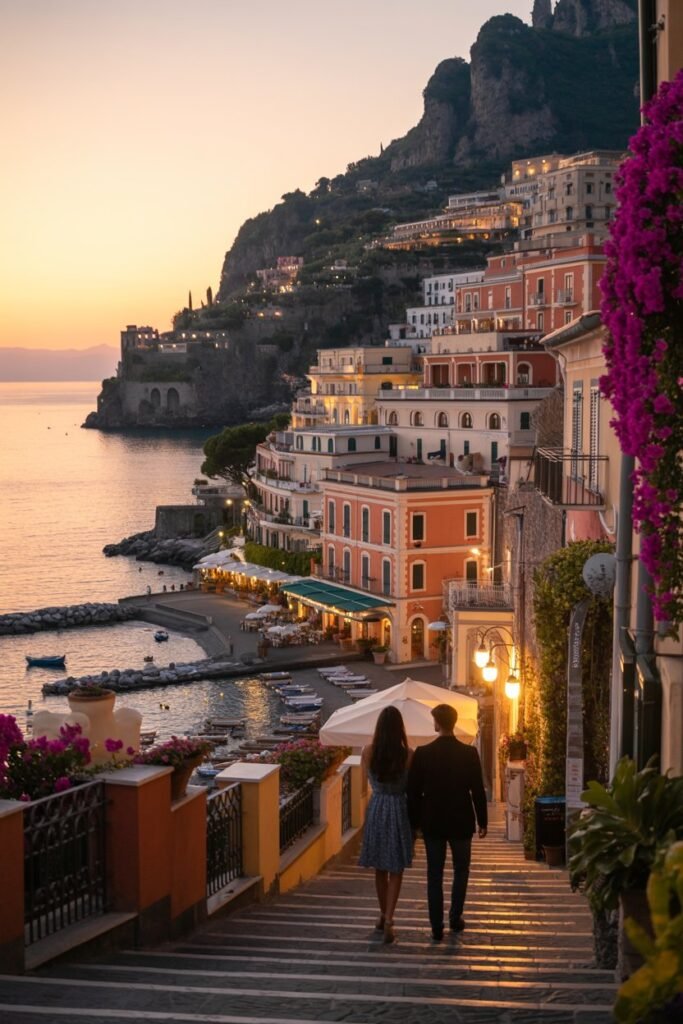
Italy is one of the most romantic destinations in the world, and its villages make it even more special.
Some of the most romantic spots include:
- Positano with its sunset cliff views
- Ravello with peaceful gardens and sea views
- Bellagio on the calm shores of Lake Como
- Portofino with its elegant harbor atmosphere
These villages are perfect for slow walks, waterfront dinners, and quiet moments overlooking beautiful scenery.
Budget Tips for Visiting Italy Villages
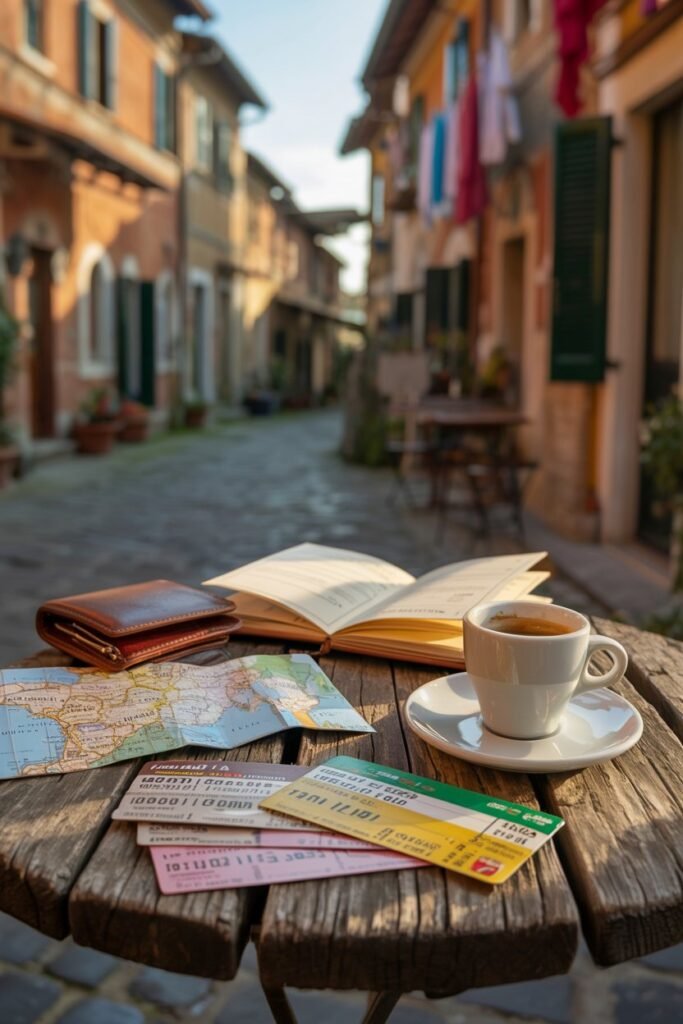
Italy can be expensive in popular tourist areas, but there are smart ways to save money while still enjoying the experience.
One of the best tips is to stay slightly outside the most famous villages. Nearby towns often offer cheaper accommodations while still keeping you close to the main attractions.
Traveling during shoulder seasons (spring or early fall) can also reduce costs for hotels and flights.
Using trains instead of private taxis or tours is another simple way to save money, especially when moving between nearby villages.
Finally, eating at small family-owned restaurants instead of tourist hotspots often gives you better food at lower prices.
Foods You Must Try in Italy Villages
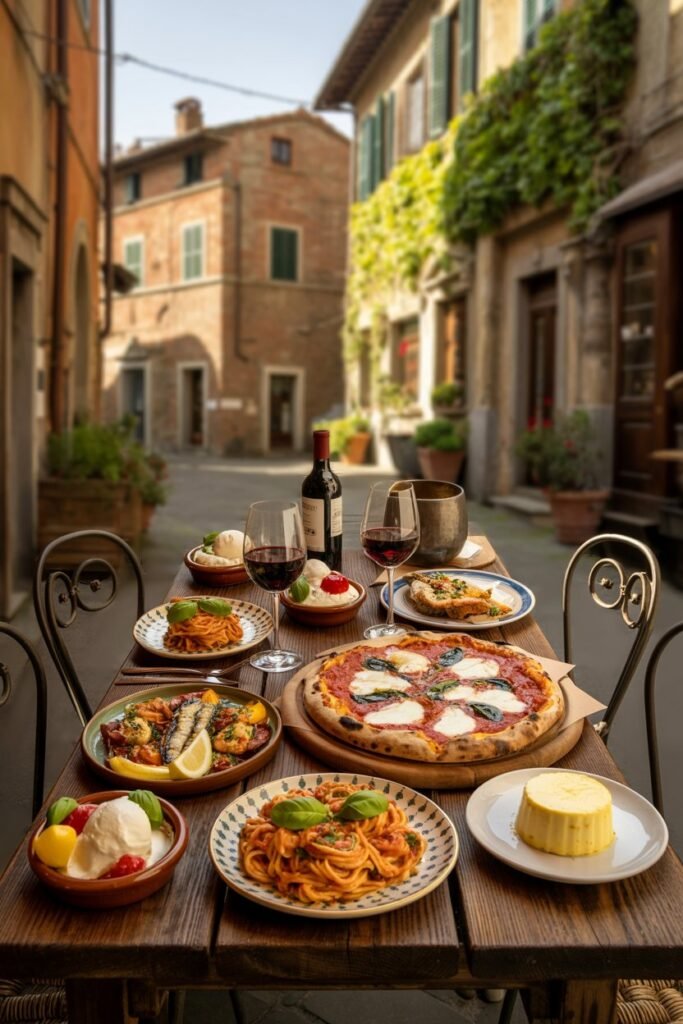
One of the best parts of visiting Italy villages is the food. Each region has its own specialties, and trying local dishes is part of the experience.
Some must-try foods include fresh seafood pasta along the coast, creamy gelato from small gelaterias, handmade pizza in local bakeries, and Tuscan wine in countryside villages.
In southern Italy, lemon-based desserts are especially popular, while northern regions often focus on richer dishes and cheeses.
Eating locally in small village restaurants often leads to the most memorable meals of the entire trip.
Hidden Gems Most Tourists Miss
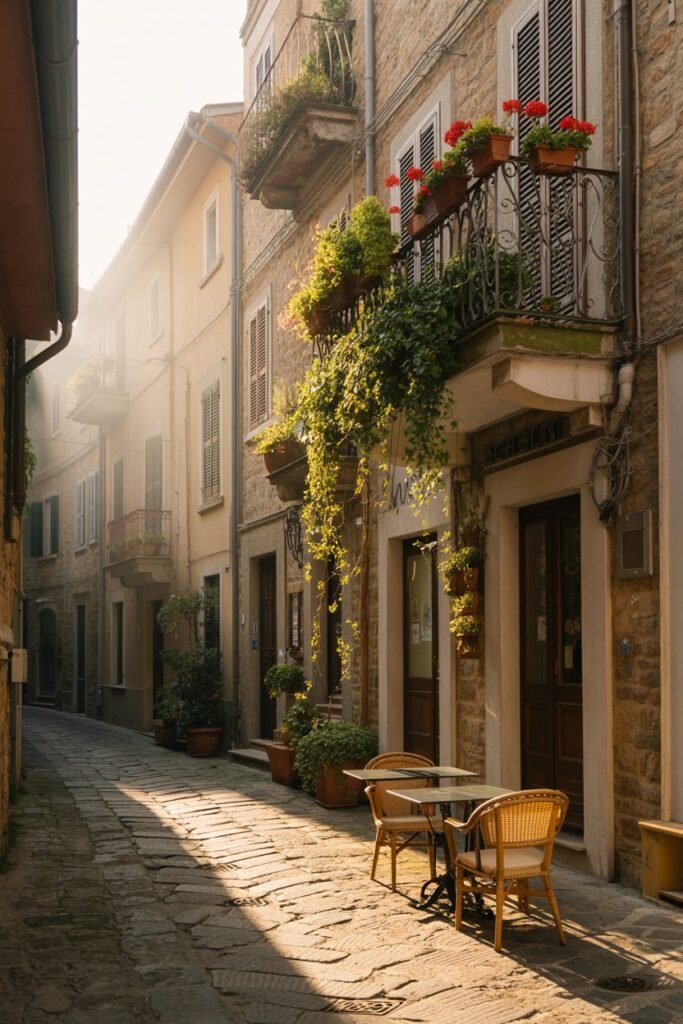
While famous villages are stunning, some of the best experiences come from the quieter, less crowded spots.
Early mornings are magical in almost every village, when the streets are empty and the light is soft. Small cafés tucked away in alleyways often serve the best coffee and pastries.
Local bakeries, family-run trattorias, and quiet viewpoints away from main tourist paths can completely change your experience of Italy.
Even just sitting on a bench in a small square and watching daily life go by can feel incredibly peaceful.
Sample Italy Village Itinerary (7 Days)
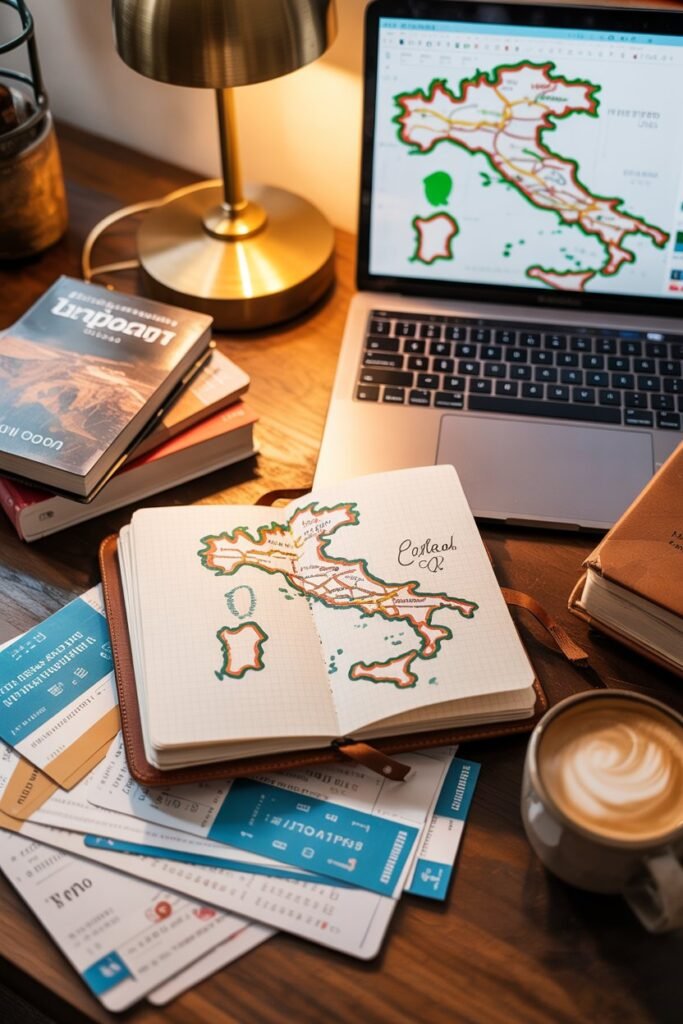
If you’re planning a short trip, here’s a simple 7-day idea:
- Days 1–2: Amalfi Coast (Positano + Ravello)
- Days 3–4: Cinque Terre (Manarola + Vernazza)
- Days 5–6: Tuscany (San Gimignano countryside)
- Day 7: Lake Como (Bellagio relaxation day)
This type of itinerary gives a mix of coastal beauty, countryside charm, and peaceful lake views without feeling rushed.
Common Mistakes to Avoid
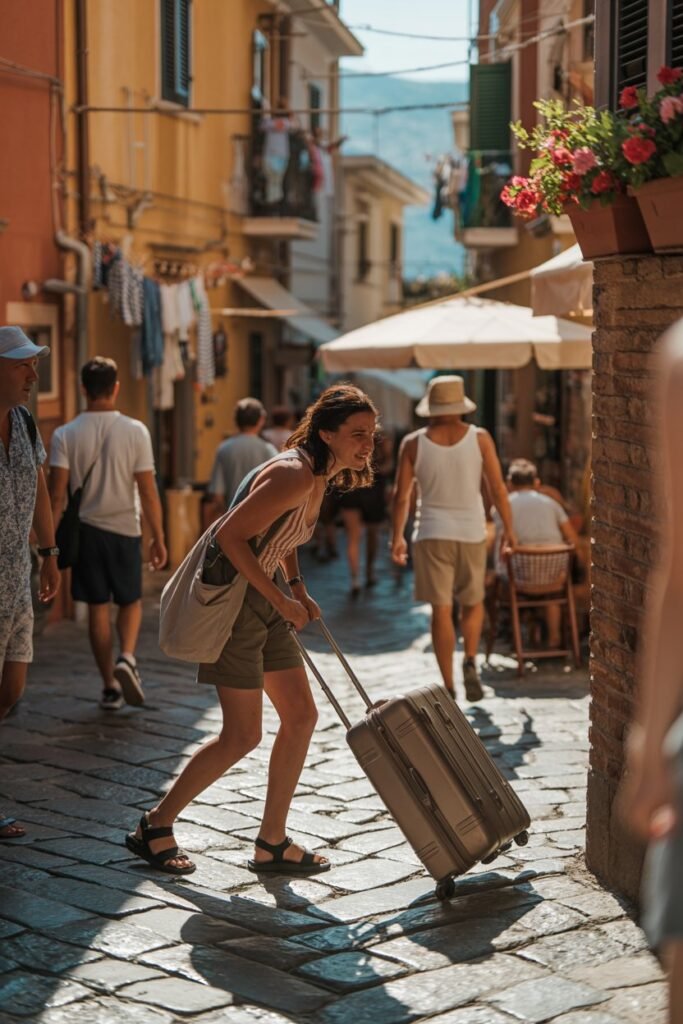
Trying to see too many villages in too few days is the biggest one. These places reward slowing down, not checklist tourism.
Skipping advance bookings for Amalfi Coast and Cinque Terre stays, then arriving to find everything full or overpriced.
Bringing a car into car-free centers like Portofino, Burano, or the Cinque Terre villages, only to spend the visit hunting for parking outside town.
Visiting in peak summer without accounting for heat, crowds, and inflated prices.
Wearing impractical shoes for cobblestones and steep stairs.
Skipping ferry or train schedule checks, then missing the last connection out of a village with limited transport options.
FAQ
Do I need a car to visit these villages?
It depends on the region. Tuscany, Basilicata, and Civita di Bagnoregio are easier with a car, while Portofino, Burano, and the Cinque Terre villages are car-free at their centers, so trains, ferries, and buses work better there.
How many villages can I realistically visit in one trip?
Three or four well-paired villages, grouped by region, usually works better than trying to string together all eleven across the country.
Is advance booking really necessary?
Yes, especially for Amalfi Coast and Cinque Terre stays in summer, when rooms fill up months ahead and last-minute options run scarce and expensive.
What’s the best time of year to visit?
April through June or September through October, for milder weather, thinner crowds, and lower prices than peak summer.
Are these villages walkable?
Most are, though expect steep staircases, cobblestones, and uneven paths, so sturdy shoes matter more than they might in a typical city stop.
Final Thought
What stays with you after visiting these eleven villages isn’t really the postcard version, the colorful houses or the clifftop views everyone already expects.
It’s the moments that come from actually being there long enough to notice something small, a fisherman mending nets in Vernazza, a shopkeeper explaining Burano’s color rules, a musician setting up where Wagner once stood in Ravello. None of that shows up in a quick photo stop.
Pick a few villages that genuinely fit the pace of trip you want, build in time to slow down, and let the rest sort itself out.
Italy’s villages reward patience more than any checklist ever could, and the best memories from a trip like this rarely come from rushing to the next stop.