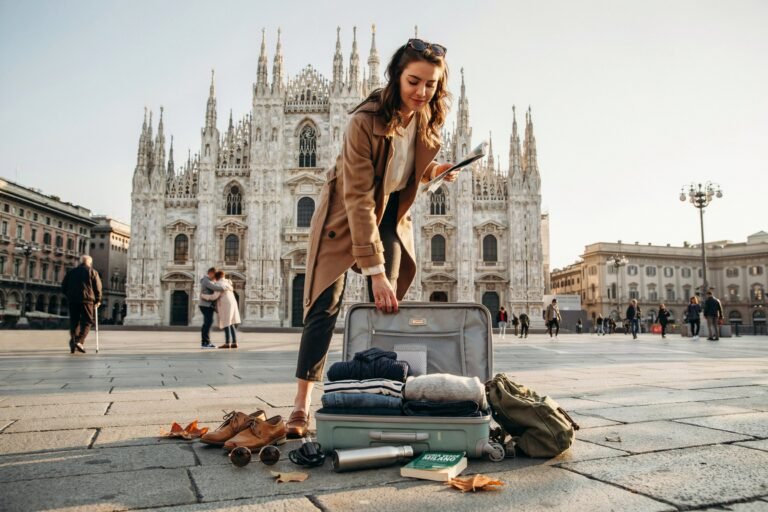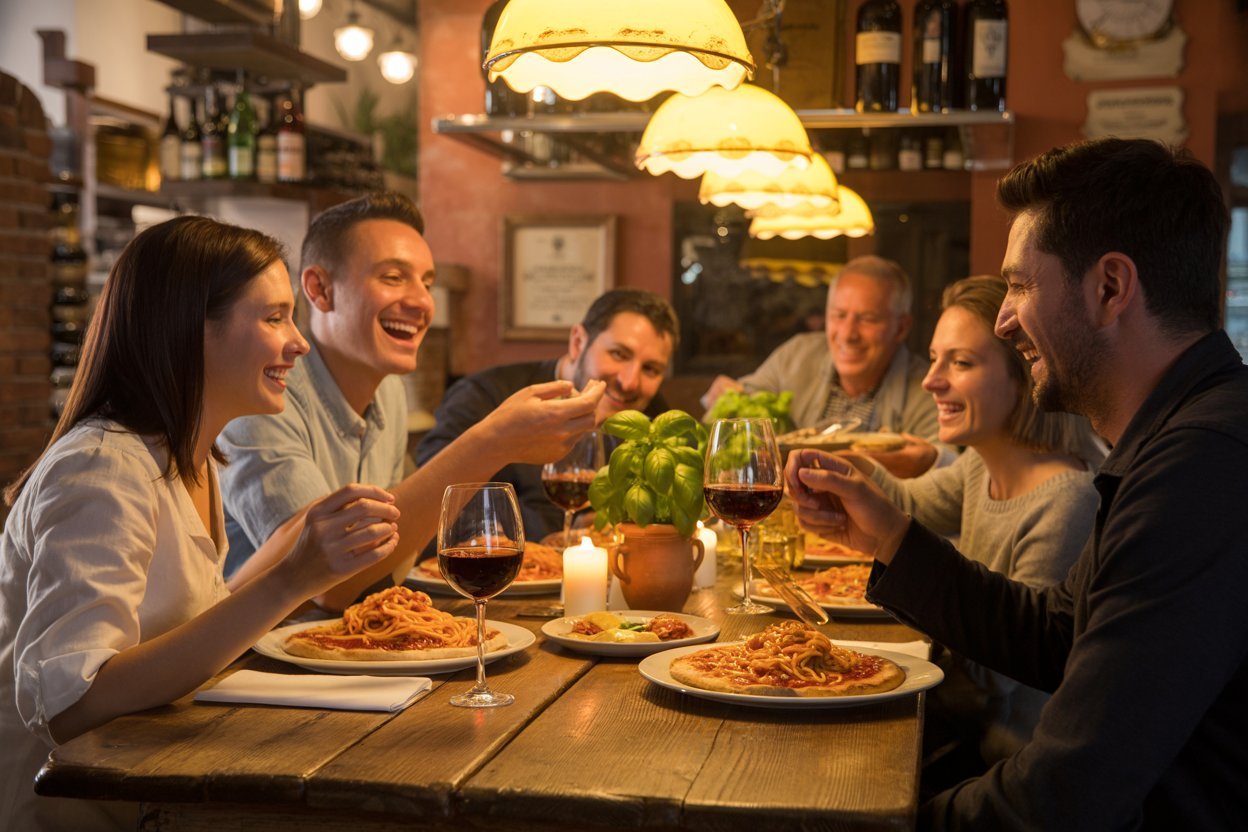
Italy has always been a dream destination for me—not just for its stunning cities and historic landmarks, but for its world-famous food.
From the vibrant streets of Rome to the romantic canals of Venice, every region offers authentic Italian cuisine that tells a story.
During my trips across Italy, I’ve savored everything from traditional pasta and pizza to Michelin-starred fine dining and hidden local gems that only the locals know.
If you’re planning your Italian adventure, these are the 10 best restaurants in Italy you must visit, offering unforgettable meals, regional specialties, and the true taste of Italy. W
hether you’re craving Florentine steak in Florence, fresh seafood in Venice, or the perfect Margherita pizza in Naples, this guide will help you discover Italy’s culinary treasures like a local.
Disclaimer: This post contains affiliate links. If you make a purchase through these links, we may earn a small commission at no extra cost to you.
Amazon Shopping List: Best Restaurants in Italy
- Italy Travel Guidebook (Food & Restaurants Edition)
Helps you discover top-rated restaurants, hidden gems, and regional specialties across Italy.
BUY NOW ON AMAZON - Travel Phrasebook (Italian for Dining & Travel)
Useful for ordering food, understanding menus, and communicating in local restaurants.
BUY NOW ON AMAZON - Lightweight Crossbody Travel Bag
Keeps your essentials secure while exploring restaurants in busy Italian cities.
BUY NOW ON AMAZON - Reusable Water Bottle (Insulated)
Keeps you hydrated while exploring Italy’s streets and dining spots.
BUY NOW ON AMAZON - Compact Travel Umbrella
Useful for unexpected rain while restaurant hopping in Italian cities.
BUY NOW ON AMAZON
What to Expect from Italian Dining
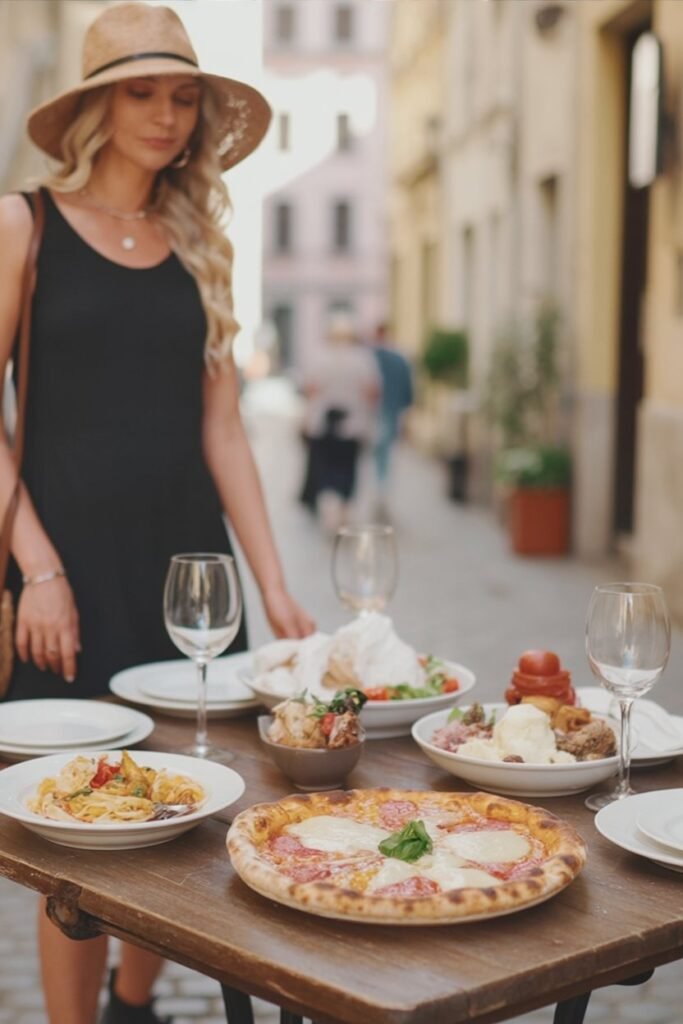
Before exploring individual restaurants, it’s helpful to understand that Italian food is deeply regional and traditional.
Each city and town has its own signature dishes, ingredients, and cooking style, so what you eat in Rome will be very different from what you find in Naples or Venice.
Meals in Italy are usually relaxed and enjoyed slowly, often with multiple courses and simple, high-quality ingredients.
Many of the best dining experiences come from small local trattorias rather than just luxury restaurants.
This guide will help you discover both famous spots and authentic local favorites so you can truly enjoy Italy’s food culture.
1. Osteria Francescana – Modena
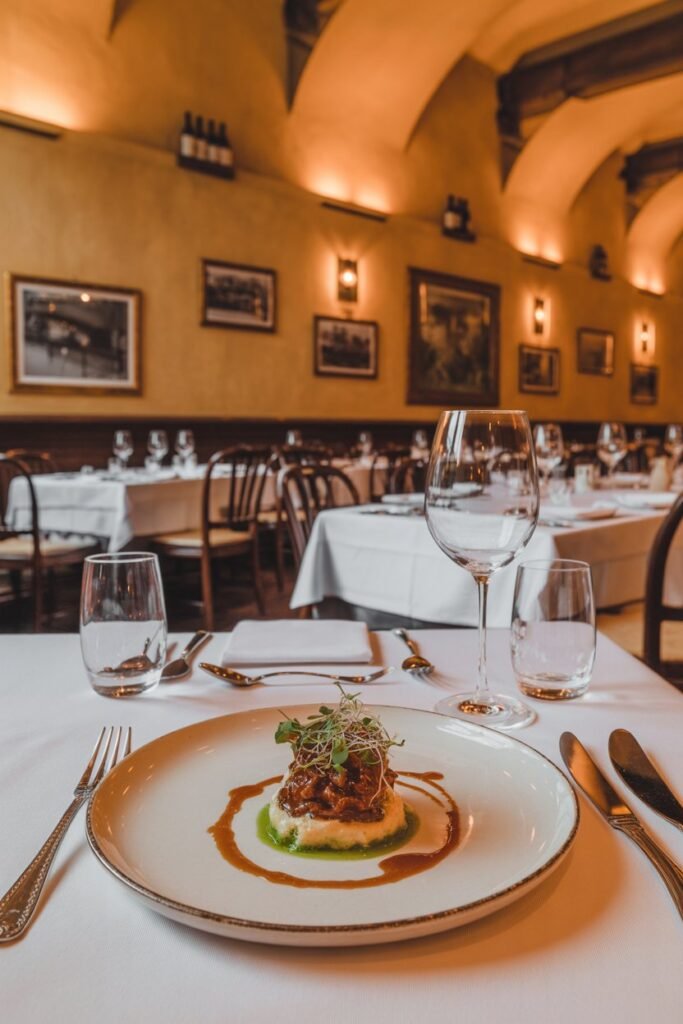
When I first stepped into Osteria Francescana in Modena, I immediately felt I was entering a place where art meets food.
Chef Massimo Bottura isn’t just serving meals—he’s creating culinary masterpieces that tell stories of Italian tradition with a modern twist.
Why You Should Visit: This restaurant has repeatedly been ranked among the world’s best restaurants.
Every dish is crafted with creativity, precision, and a deep respect for Italian ingredients and flavors.
It’s perfect for anyone who wants a Michelin-starred dining experience while exploring Italy’s rich food culture.
What to Try: The tasting menu is a must. I’ll never forget the playful “OOPS! I Dropped the Lemon Tart”, a dish that blends surprise, flavor, and storytelling in one bite.
Also, try the seasonal creations—each visit can offer something completely new.
Tips for First-Timers:
- Book early: Reservations can take months, so plan ahead.
- Dress smartly: It’s fine dining, and the elegant setting makes the experience even more memorable.
- Go with an open mind: Bottura’s dishes often combine flavors in unexpected ways, so be ready to try something unique.
Visiting Osteria Francescana felt like stepping into a food lover’s dream, and it’s a spot I still dream about today whenever I think of Italy.
2. Da Enzo al 29 – Rome
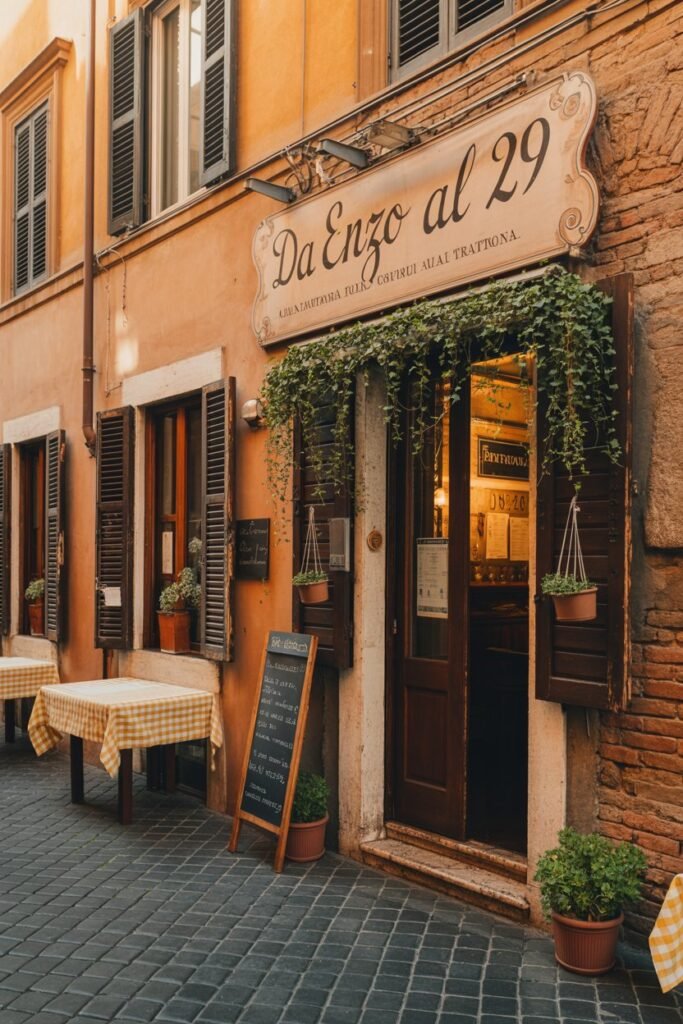
During my first stroll through Trastevere, Rome’s charming cobblestone neighborhood, I discovered Da Enzo al 29—a cozy, family-run trattoria that instantly felt like home.
The lively atmosphere, the smell of fresh pasta, and the friendly staff made me realize why this spot is considered a must-visit for authentic Roman cuisine.
Why You Should Visit: Da Enzo al 29 is a local favorite, which is always a sign of true quality.
Unlike tourist-heavy restaurants, this trattoria serves classic Roman dishes made with tradition and passion, giving visitors an authentic taste of Rome.
What to Try: Their Carbonara is unforgettable—creamy, perfectly seasoned, and made with real Pecorino Romano.
Don’t miss the Cacio e Pepe or the suppli (fried rice balls) as starters. Each dish reminded me that simple ingredients can create extraordinary flavors.
Tips for First-Time Visitors:
- Arrive early: The restaurant is small and fills up quickly.
- Bring cash: Preferred for this casual yet authentic dining experience.
- Embrace the vibe: Sit at a communal table and enjoy the bustling, friendly atmosphere—it’s part of what makes dining here so special.
3. Trattoria Mario – Florence
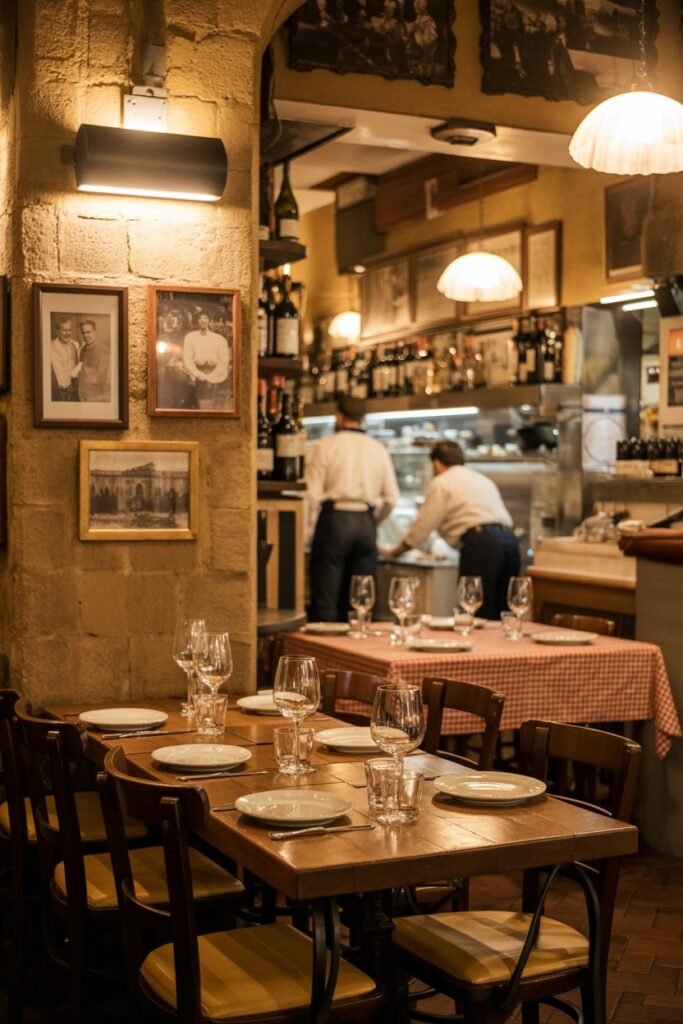
In Florence, I wanted to experience food the locals love, and Trattoria Mario exceeded all expectations.
Tucked just a few steps from the bustling central market, this family-run trattoria is lively, full of energy, and serves hearty, traditional Tuscan dishes that make you feel like you’re truly part of the city.
Why You Should Visit: Trattoria Mario is famous for authentic Florentine cuisine without any touristy pretense.
It’s the perfect place to enjoy classic dishes like Florentine steak and fresh pasta exactly the way the locals do.
What to Try: Their Bistecca alla Fiorentina is legendary—thick, juicy, and cooked over a wood-fired grill.
Seasonal pasta dishes are always fresh and bursting with flavor. Every bite reminded me why Tuscany is a food lover’s paradise.
Tips for First-Time Visitors:
- Cash only: Trattoria Mario doesn’t accept cards, so bring some Euros.
- Communal seating: Don’t be shy—sit next to locals for the full experience.
- Come hungry: Portions are generous, and every dish is made with love and tradition.
4. Antica Pizzeria Da Michele – Naples
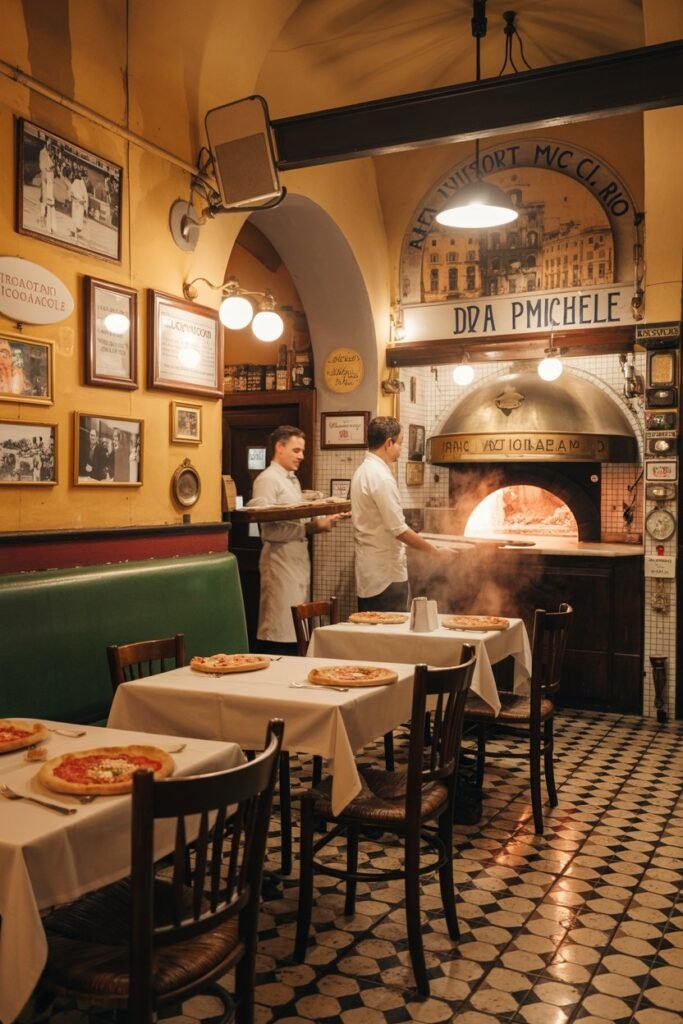
No trip to Italy feels complete without visiting Naples, the birthplace of pizza, and Antica Pizzeria Da Michele is the ultimate destination for pizza lovers like me.
Walking into this historic pizzeria, you immediately feel the authentic Neapolitan vibe—the smell of wood-fired pizzas, the chatter of locals, and the energy of a place that has perfected its craft over generations.
Why You Should Visit: Da Michele is famous worldwide for its classic Margherita and Marinara pizzas, and rightly so.
Every pizza is simple, fresh, and incredibly flavorful, proving that sometimes the best food comes from the simplest ingredients done perfectly.
What to Try: The Margherita pizza is a must—thin, soft, with the perfect balance of tomato, mozzarella, and fresh basil.
If you want to try something more traditional, go for the Marinara, topped only with tomato, garlic, and oregano. Every bite feels like a true taste of Naples.
Tips for First-Time Visitors:
- Expect a line: This place is popular, so be ready to wait—it moves fast and is well worth it.
- Keep it simple: Stick to the classics; they’ve perfected them over centuries.
- Go hungry: The pizzas are generous and incredibly satisfying.
Visiting Antica Pizzeria Da Michele reminded me that Italian cuisine is as much about tradition and passion as it is about flavor—and that sometimes, the simplest meals leave the most unforgettable impressions.
5. La Pergola – Rome
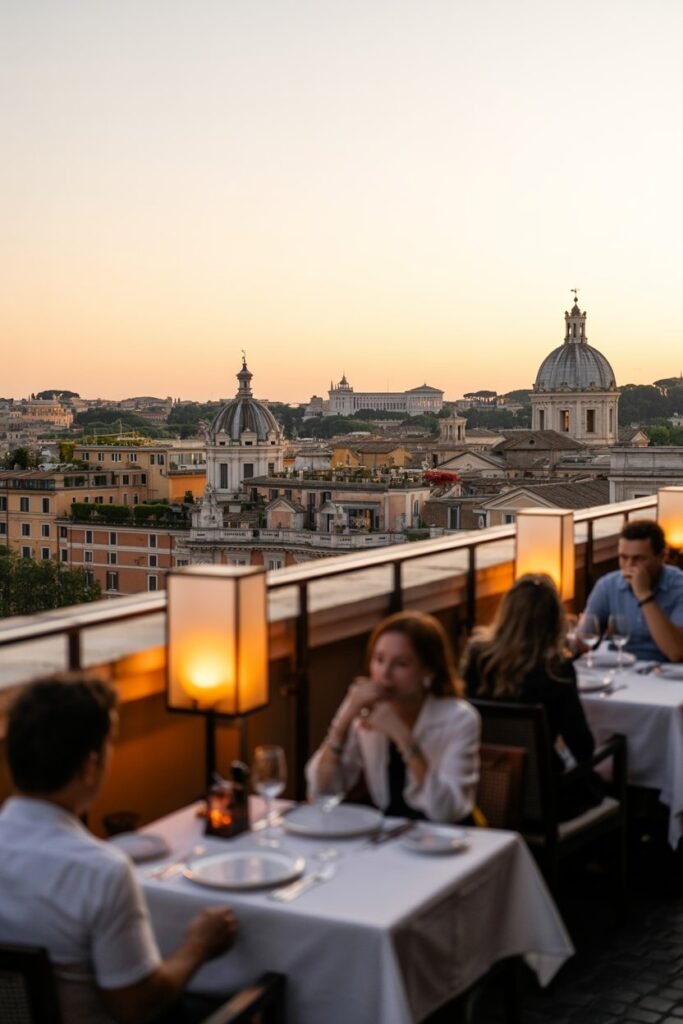
During my trip to Rome, I wanted to experience Italian fine dining at its absolute best, and La Pergola did not disappoint.
Located in the elegant Cavalieri Hotel, this Michelin three-star restaurant combines luxury, innovation, and breathtaking views over the Eternal City.
Why You Should Visit: Chef Heinz Beck’s creations are more than meals—they’re masterpieces.
Each dish blends Italian flavors with creative techniques, making La Pergola perfect for anyone seeking a world-class dining experience in Rome.
What to Try: The tasting menu is unforgettable, offering a journey through Italian cuisine with each carefully plated course. Pair your meal with wine from their extensive cellar for a complete gastronomic experience.
Tips for First-Time Visitors:
- Book well in advance: La Pergola is one of Rome’s most sought-after restaurants.
- Dress elegantly: It’s fine dining, and the ambiance is part of the experience.
- Be open-minded: Many dishes combine unexpected flavors—embrace the creativity for a true culinary adventure.
Dining at La Pergola felt like stepping into a world where food, art, and luxury meet, and it’s a memory I’ll always treasure from my travels in Italy.
6. Ristorante Da Vittorio – Bergamo
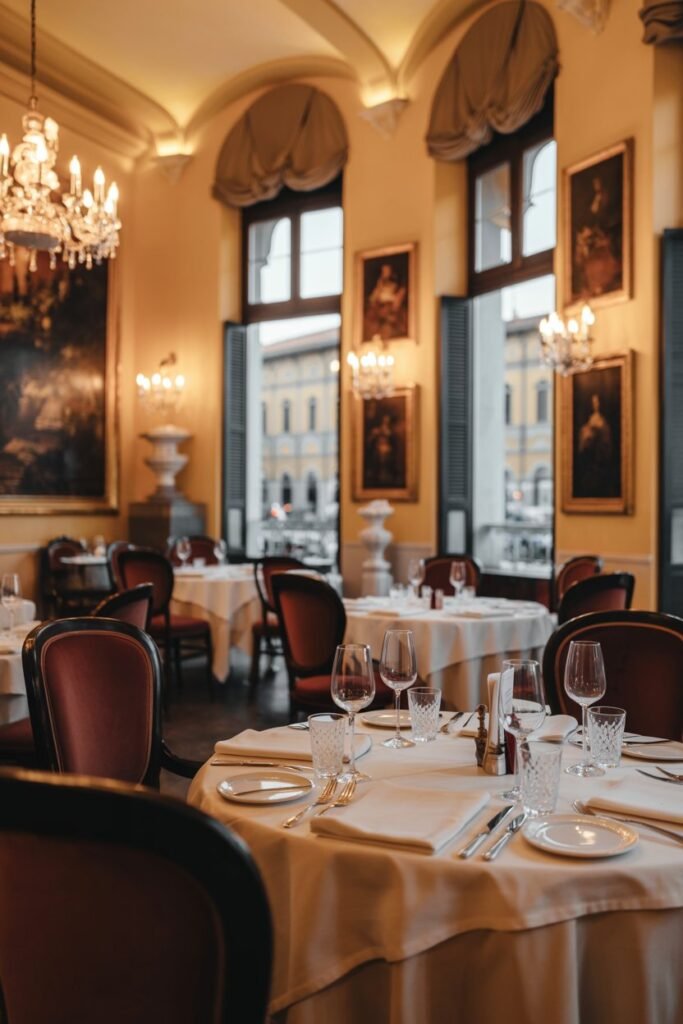
During my travels through Northern Italy, I stumbled upon Ristorante Da Vittorio in Bergamo, a family-run gem that has been delighting guests for generations.
From the moment I walked in, I could feel the passion and tradition behind every dish, making it a must-visit for anyone who loves classic Italian cuisine with a modern touch.
Why You Should Visit: Da Vittorio combines authentic flavors with refined presentation, offering a dining experience that’s both luxurious and deeply rooted in Italian culinary tradition.
It’s perfect for those seeking high-quality Northern Italian dishes and a sophisticated yet welcoming atmosphere.
What to Try: The risotto is a standout—creamy, perfectly cooked, and bursting with flavor.
Fresh seafood dishes are also incredible, and the desserts are decadent masterpieces that make the meal unforgettable.
Tips for First-Time Visitors:
- Perfect for special occasions: Whether it’s a birthday, anniversary, or just a treat-yourself moment, Da Vittorio is ideal.
- Reserve in advance: This popular restaurant fills up quickly, especially during weekends and holidays.
- Savor slowly: Each course is crafted to be enjoyed fully—take your time to appreciate the flavors and presentation.
Dining at Ristorante Da Vittorio felt like a celebration of Italian cuisine, and it’s one of those experiences that reminds you why Italy is a food lover’s paradise.
7. Il Gatto Nero – Lake Como
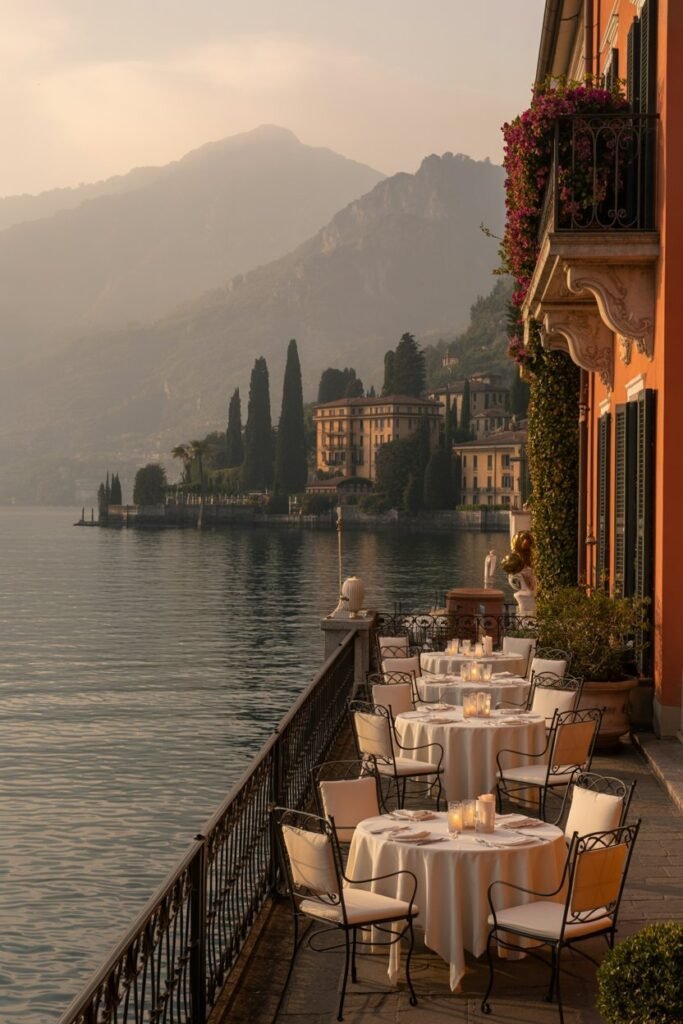
While exploring the stunning Lake Como region, I discovered Il Gatto Nero, a charming restaurant perched above the lake with breathtaking panoramic views.
Walking in, I immediately felt the combination of authentic Northern Italian cuisine and a serene, picturesque setting, making it one of my most memorable dining experiences in Italy.
Why You Should Visit: Il Gatto Nero is famous not only for its fresh, flavorful dishes but also for its incredible location overlooking Lake Como.
It’s perfect for anyone who wants to enjoy regional Italian cuisine while soaking in some of the country’s most beautiful scenery.
What to Try: Fresh fish from the lake is a must, along with their homemade pasta and local specialties like risotto.
Pair your meal with a glass of Northern Italian wine while watching the sun set over the water—it’s unforgettable.
Tips for First-Time Visitors:
- Reserve a window table: Sunset dinners here are magical and highly recommended.
- Go hungry: Portions are generous, and the flavors are rich and satisfying.
- Take your time: This is a place to enjoy the view and savor every bite, not rush through a meal.
Dining at Il Gatto Nero reminded me why Lake Como is not just a visual paradise, but a culinary one too, where food and scenery combine to create an unforgettable experience.
Extra Tips for First-Time Visitors to Italian Restaurants
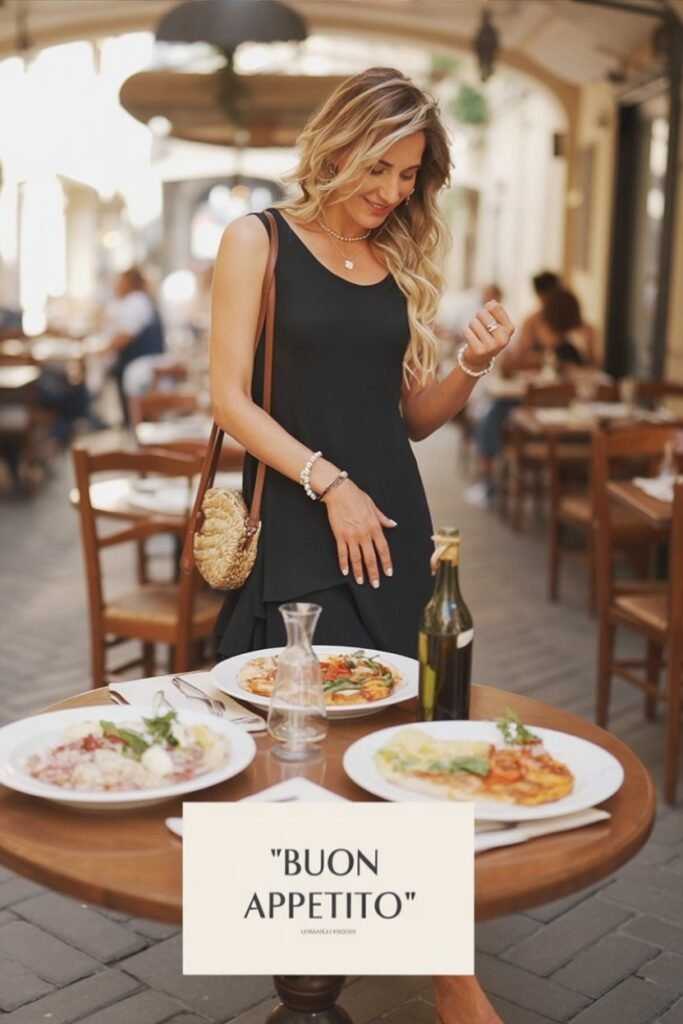
- Take your time and don’t rush your meal
- Understand that meals are often served in courses
- Bread may be charged separately (coperto/service fee)
- Cappuccino is usually for breakfast, not after meals
- Check your bill for service charge inclusion
- Portions are smaller but focused on quality
- Ask for local dish recommendations
- Make reservations for popular restaurants
FAQ (Frequently Asked Questions)
1. What is the best food to try in Italy?
Some must-try foods include pasta dishes like carbonara and lasagna, Neapolitan pizza, risotto, seafood dishes, and gelato.
2. Do I need to book restaurants in advance in Italy?
For popular or Michelin-star restaurants, yes. For small local trattorias, you can often walk in, but booking is still recommended during busy seasons.
3. Is Italian food the same in every city?
No. Each region has its own specialties. For example, Naples is famous for pizza, Rome for pasta, and Venice for seafood.
4. Are restaurants in Italy expensive?
It depends. You can find affordable local eateries as well as high-end fine dining restaurants. Trattorias are usually budget-friendly.
5. What is the best time to eat in Italy?
Lunch is usually around 12–2 pm and dinner is later, around 7:30–9 pm. Italians tend to eat slowly and enjoy long meals.
Final Thought
Eating in Italy is more than just dining—it’s about experiencing culture, tradition, and passion through food.
Whether you’re trying street food, local trattorias, or fine dining restaurants, every meal tells a story.
Take your time, explore different regions, and enjoy every bite of Italy’s rich food culture.