
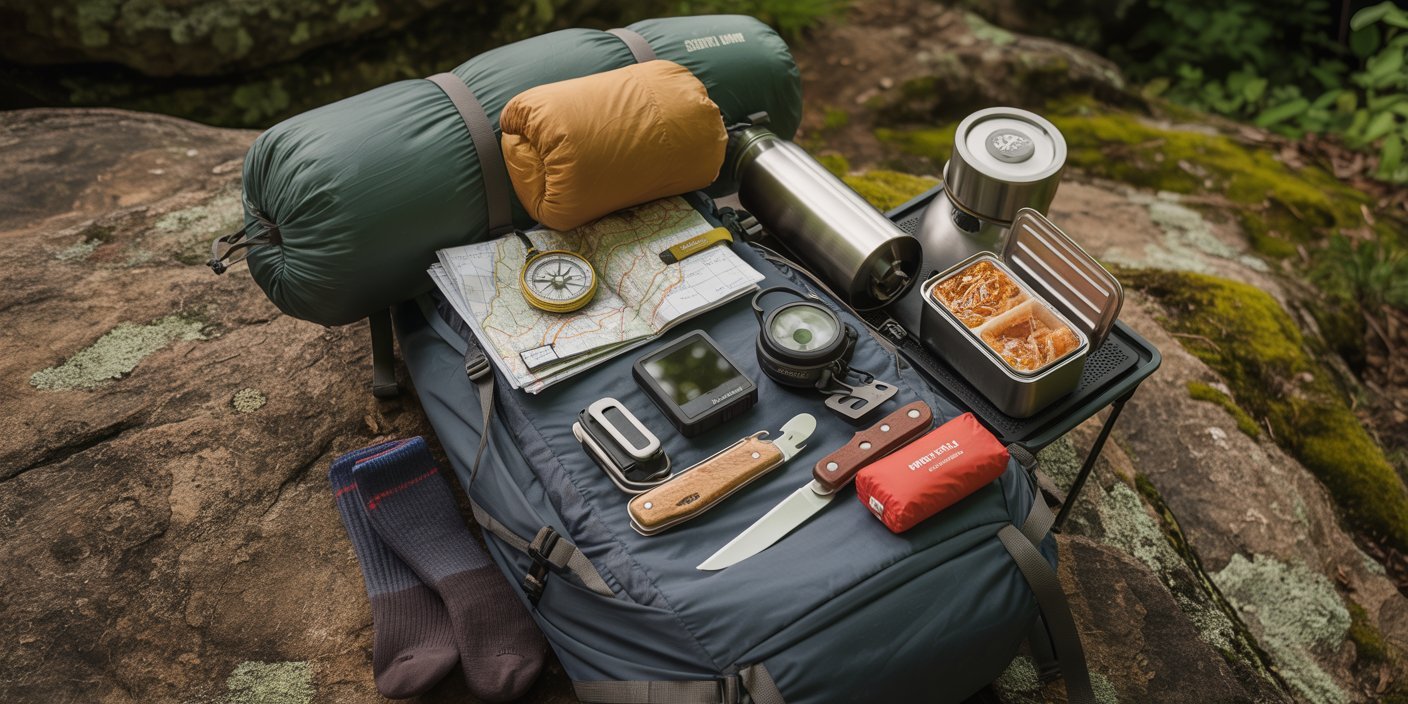
The first time I packed for a trip that lasted more than a weekend, I honestly thought I was prepared. I had snacks, a few outfits, and a sturdy bag I’d used plenty of times before.
That confidence faded somewhere between the second sunrise and a long stretch of trail where there was no shop, no signal, and no quick way back.
I remember sitting on a rock, tightening my laces, realizing how different long journeys feel when you’re fully responsible for what you carry.
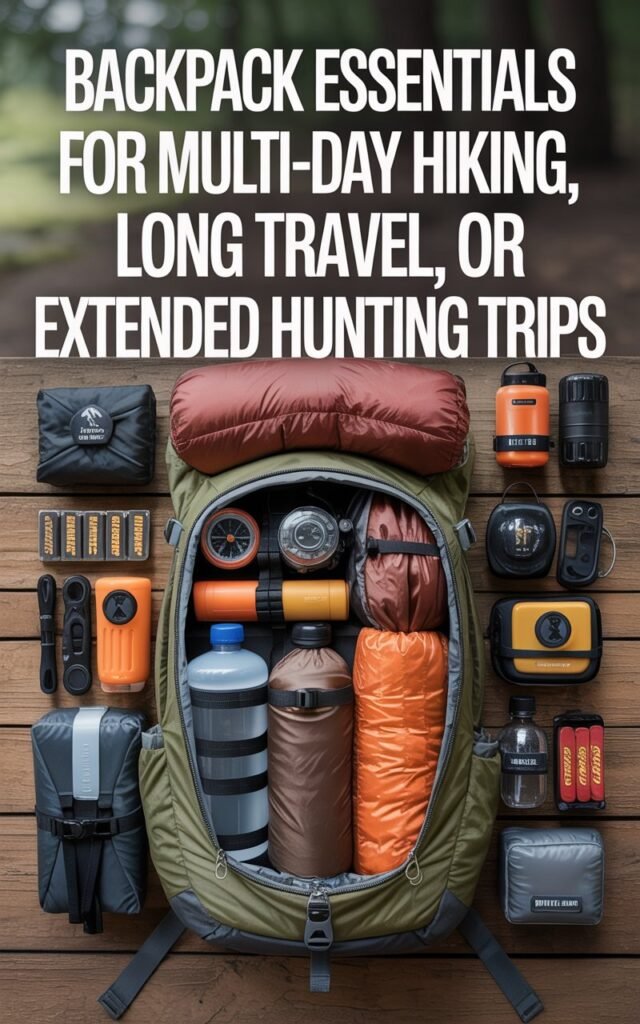
That experience changed how I prepare for extended time away from home.
Whether it’s a multi-day hike, a drawn-out travel route across unfamiliar places, or accompanying relatives on hunting trips that start before dawn and end long after sunset, packing has become something I take seriously.
Over time, and after many adjustments, I’ve learned what truly earns space inside a backpack and what quietly becomes dead weight.
Choosing the Right Bag Comes First
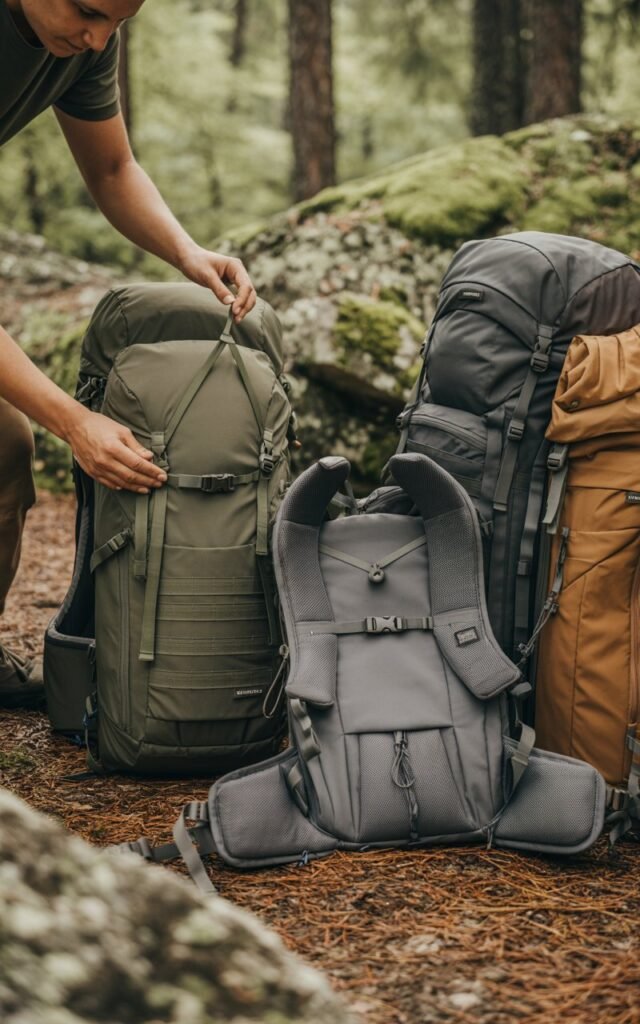
Before anything goes inside, the backpack itself matters. I learned this the hard way after using a bag that looked good but pressed awkwardly against my shoulders after a few hours.
Now, I always choose one with a supportive frame, adjustable straps, and a waist belt that actually transfers weight away from my back.
My sister in California hikes often and once mailed me her old pack after upgrading. That bag fit like it was made for me.
Since then, I always test a backpack fully loaded before committing to a trip. Walking around the neighborhood with weight inside tells you more than any label ever could.
Clothing That Works Beyond Day One
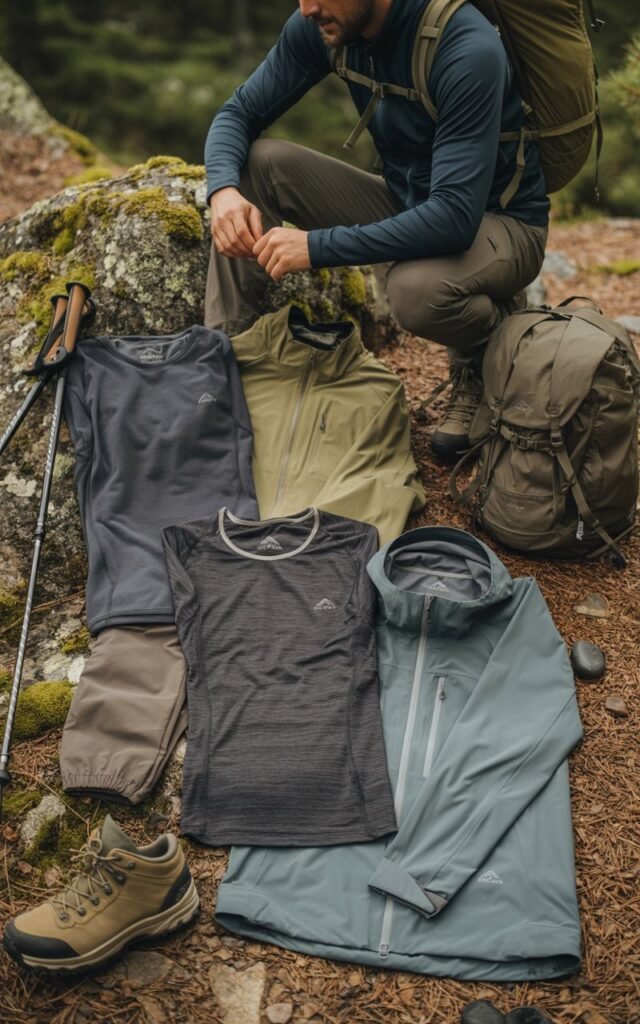
For longer stretches outdoors or extended movement between locations, clothing has to perform.
I pack pieces that dry quickly, resist odor, and layer well. Instead of multiple bulky outfits, I focus on versatile items that work in changing weather.
A lightweight thermal layer has saved me on chilly mornings, especially during hunting trips where waiting quietly is part of the day.
I also bring one comfortable set just for sleeping.
That small luxury makes a big difference mentally, especially after long hours on your feet.
Foot Care Is Non-Negotiable
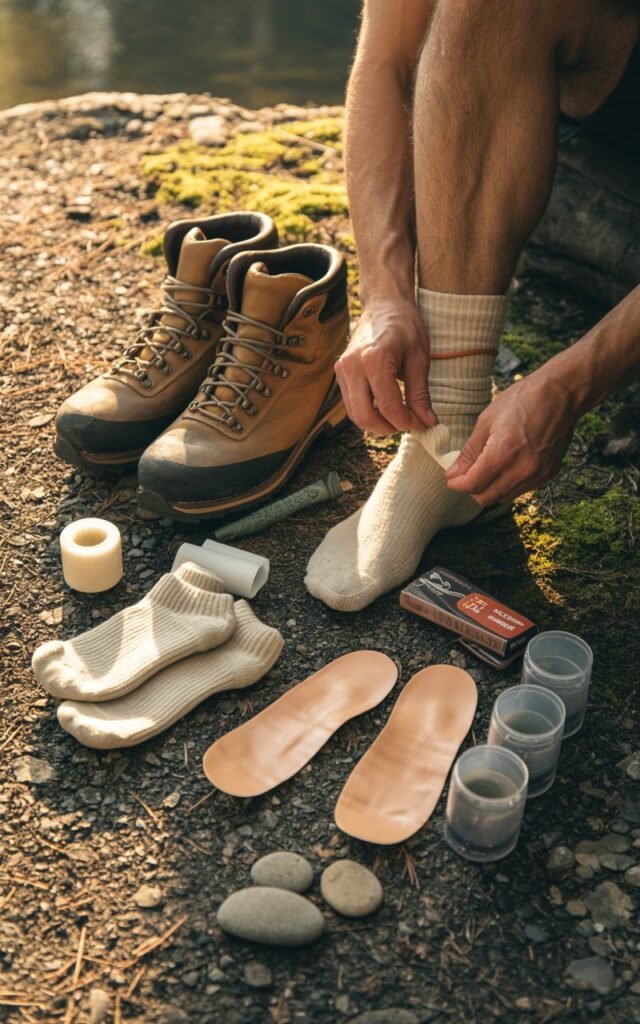
After one trip where a blister nearly ruined my mood for days, I learned to respect foot care.
Extra socks, blister patches, and a small balm stay in my pack no matter where I’m going.
Dry feet change how far you can go and how much energy you have left at the end of the day.
When I travel for longer periods, especially through uneven terrain, I also bring lightweight sandals. They’re a relief after boots come off and help air everything out overnight.
Food Planning That Makes Sense
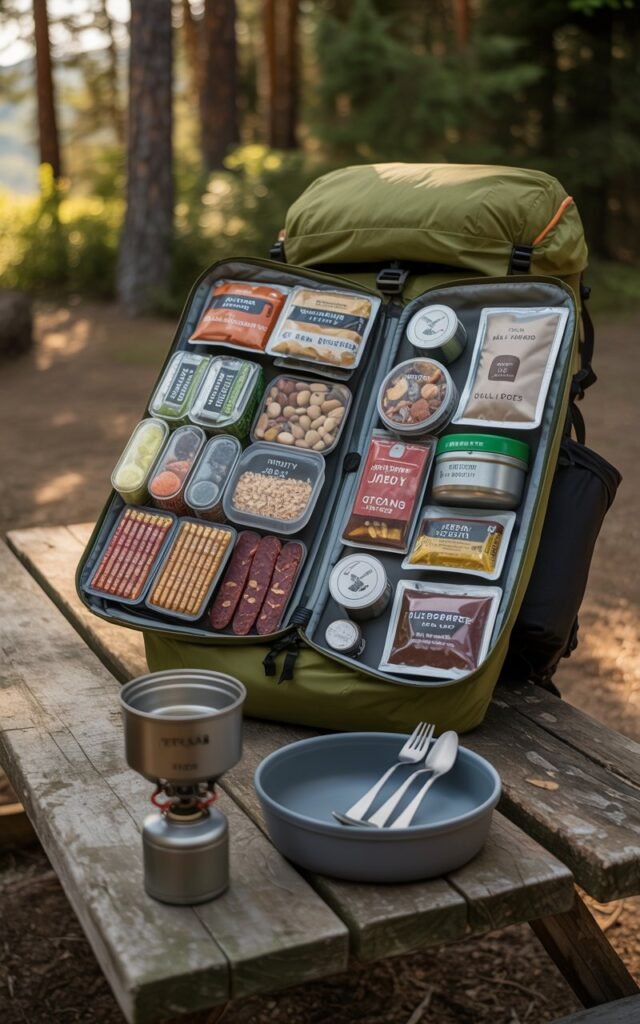
I don’t overcomplicate meals anymore. On longer outings, food should be easy to prepare, filling, and familiar.
I pack items I already eat at home so my body doesn’t feel shocked by sudden changes.
I learned this from family camping trips when my kids were younger. Simple meals kept everyone calmer and more energized.
For extended adventures, I bring calorie-dense options, easy proteins, and something small that feels like a treat at the end of the day.
A warm drink at night can feel like comfort, even far from home.
Water and the Ability to Stay Hydrated
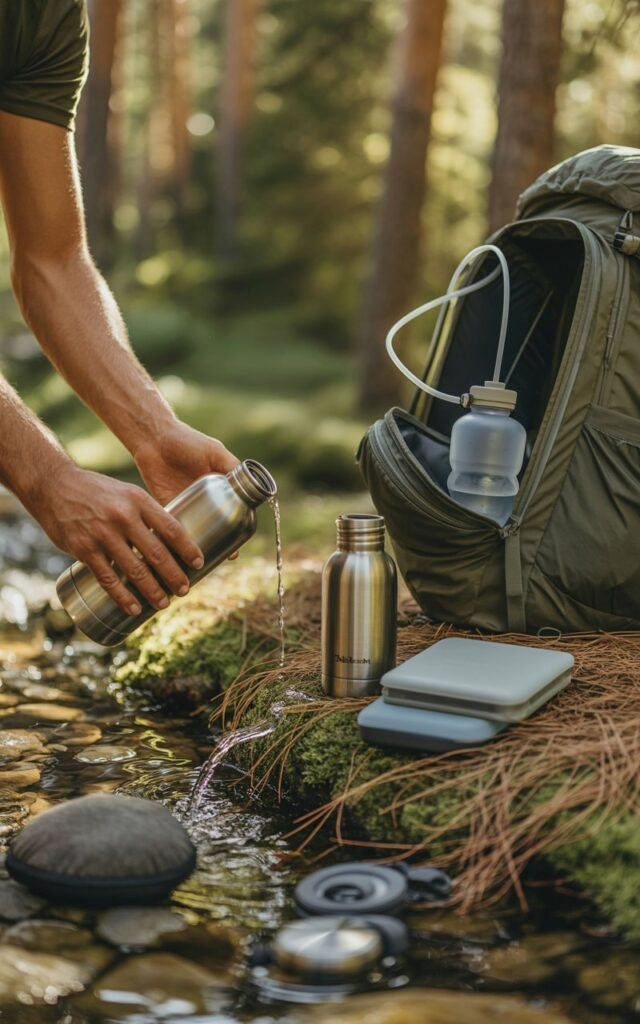
Carrying enough water is obvious, but having a way to refill safely is what matters on longer trips.
I always bring a reliable filtration option. It gives peace of mind and flexibility, especially when plans change.
During a long hike with relatives, we encountered a dry stretch that wasn’t on our map.
Having a backup purification method kept everyone relaxed instead of panicked.
Navigation and Awareness Tools
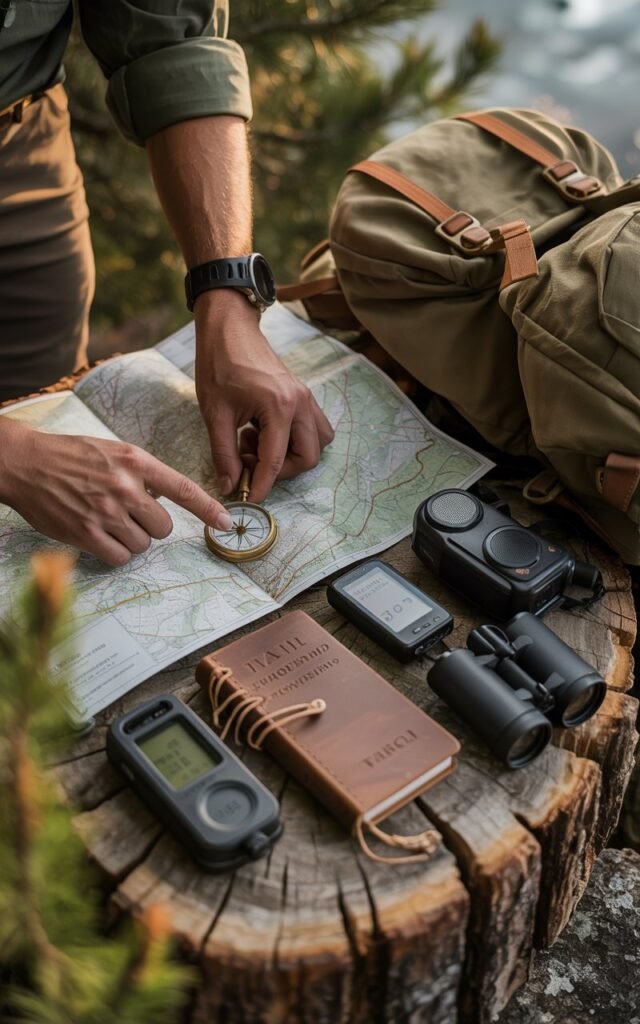
I never rely on one source for directions. A physical map lives in a waterproof sleeve, even when I’m carrying a GPS or phone.
Batteries fail. Signals disappear. Knowing where you are without technology builds confidence.
On hunting trips, this becomes even more important. Understanding terrain, distance, and safe routes matters for both safety and timing.
Sleeping Gear That Actually Lets You Rest
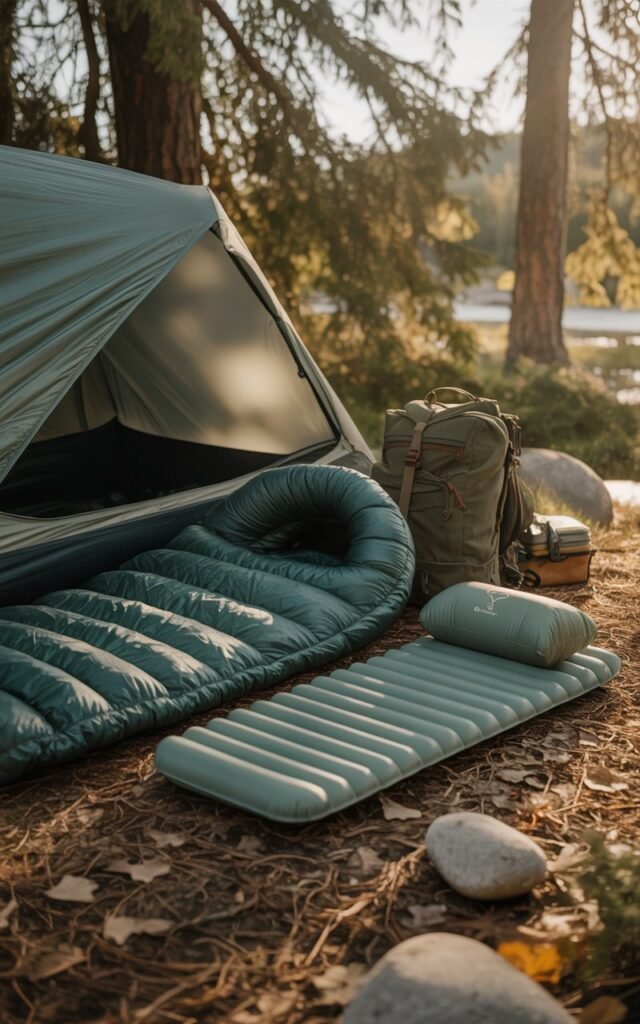
Sleep changes everything. A compact sleeping system that fits the climate makes the next day easier.
I choose a sleeping bag rated slightly lower than expected temperatures and pair it with a supportive pad.
One trip taught me that sleeping directly on the ground, even with a good bag, drains energy. After that, I never skipped a proper base layer for rest.
First Aid and Personal Care Items
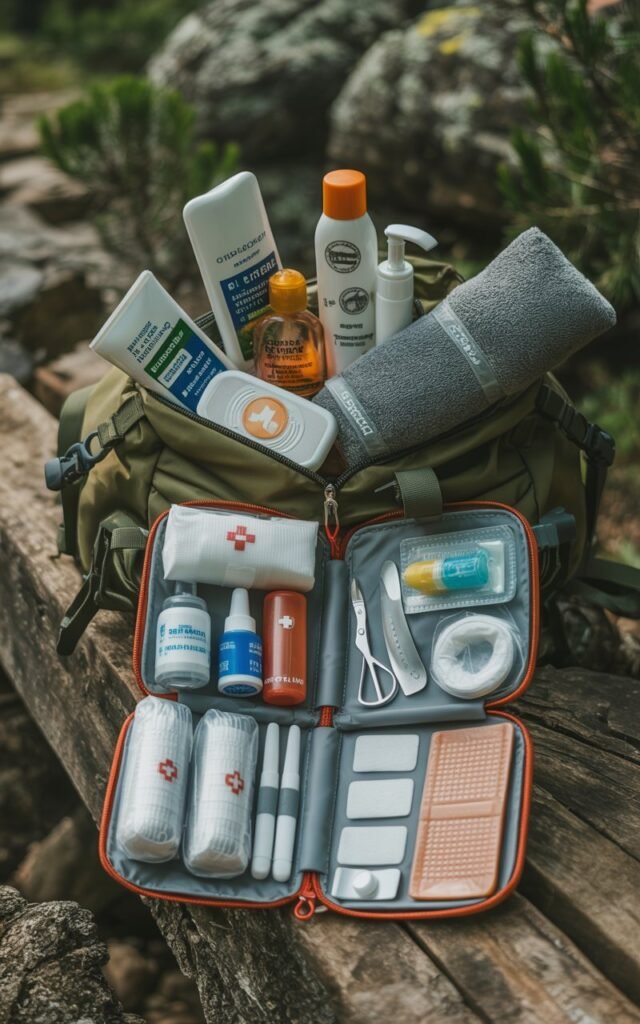
I keep a simple medical kit that covers small injuries, aches, and common issues. Nothing fancy, just practical supplies I know how to use. I also include personal hygiene items in travel-size portions.
Staying clean on longer journeys isn’t about luxury. It’s about comfort, confidence, and preventing problems before they start.
Tools That Earn Their Spot
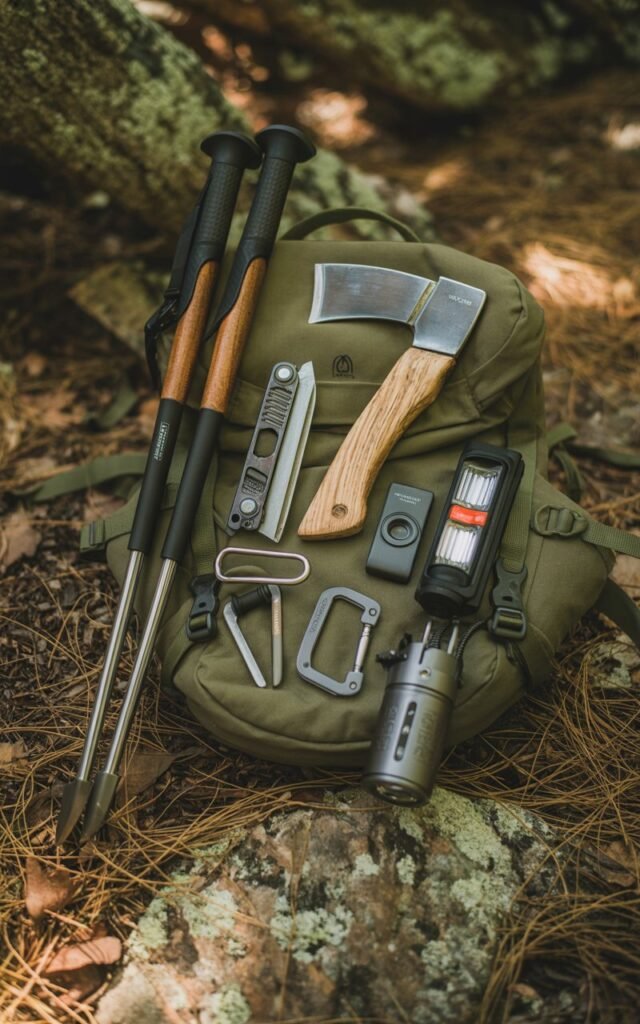
I’m selective with tools now. A reliable knife, a compact light source, and a power backup are enough for most situations.
I’ve learned that carrying fewer items but knowing how to use them matters more than stuffing a bag with extras.
During one extended travel stretch, a small headlamp turned into the most-used item in my pack, helping with everything from late arrivals to early starts.
Keeping the Pack Organized
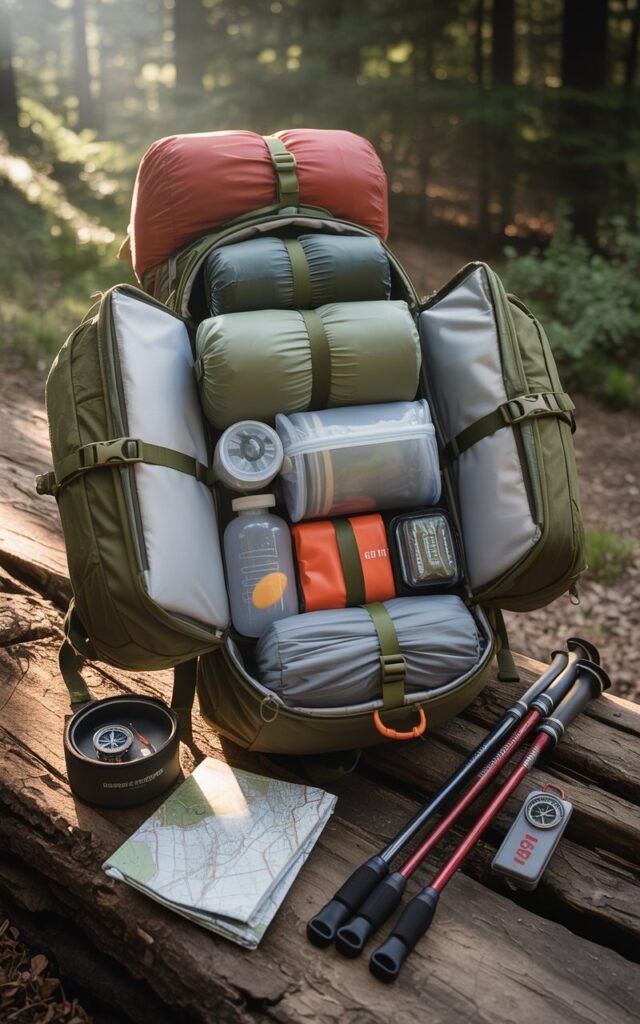
Organization saves time and energy. I group items by use and store them in lightweight pouches. That way, I’m not digging endlessly when I need something quickly.
This habit came from managing family travel. When everything has a place, stress drops instantly.
Final Thoughts from the Road
Packing for multi-day hiking, long travel, or hunting trips has become part of my routine, not something I rush through the night before.
Each trip adds a lesson. Each adjustment makes the next journey smoother.
What I carry now reflects experience, family influence, trial, error, and the desire to move comfortably through unfamiliar places. The right essentials don’t weigh you down.
They support you quietly, letting you focus on where you are, who you’re with, and the moments that make being away from home worth it.