Every time I plan a vacation, I like to imagine not just the destination, but the experience — the smell of the air, the sounds of nature, the feeling of waking up somewhere new.
Over the years, my family and I have traveled to countless destinations, but two tropical paradises consistently top our list: Costa Rica and Hawaii.
Both are stunning, both offer incredible experiences, and both make you feel far away from the everyday hustle. But which is better for your vacation? That depends on what you want to get out of it.

Having visited both places with my kids, friends, and family, I’ve had the chance to compare landscapes, activities, food, accommodations, and the overall vibe.
Here’s an in-depth look at how Costa Rica and Hawaii differ — and what kind of traveler will enjoy each the most.
1. Scenery and Landscapes
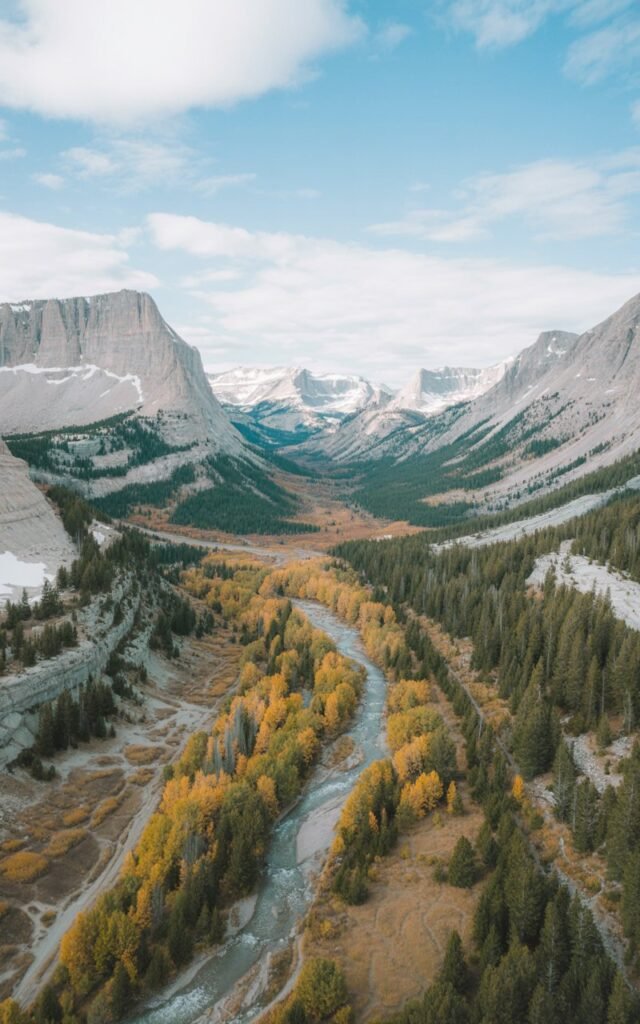
The first thing that hits me on any U.S. national park hike is the scenery.
From the towering red cliffs of Zion National Park to the turquoise waters at Emerald Lake, every trail offers something breathtaking.
Whether it’s the dramatic hoodoos of Bryce Canyon, the cascading waterfalls of Yosemite, or the alpine meadows and glaciers of Mount Rainier, each landscape feels unique and unforgettable.
Why It Matters:
The landscapes aren’t just beautiful—they set the tone for the entire hike.
Personally, I find that pausing to admire these views gives me energy, perspective, and a deep sense of calm.
The scenery also helps me connect with nature, making even challenging trails feel rewarding.
Every peak, river, or canyon tells its own story, and I love discovering those stories step by step.
Quick Tips (From Me):
- Bring a camera or phone for photos—you’ll regret it if you don’t
- Take short breaks just to soak in the views
- Notice the details: wildflowers, rock formations, wildlife, and changing light
- Use scenic points as rest stops to catch your breath and fully enjoy the moment
Scenery and landscapes are the soul of these hikes—they’re what make every step memorable, photo-worthy, and inspiring.
2. Activities and Adventures

One of the things I love most about hiking in U.S. national parks is that it’s never just a walk—it’s an adventure.
Trails like Angels Landing push me to test my limits with steep climbs and narrow ridges, while trails like
The Narrows turn every step into a unique water hike. From scrambling over rocks, gripping chains, and balancing on cliff edges to wading through rivers or backpacking long-distance trails like the Wonderland Trail, there’s always a thrill waiting at every corner.
Why It Matters:
These activities make the hikes more than just exercise—they turn them into full experiences.
Personally, I feel alive when navigating tricky terrain, spotting wildlife, or discovering hidden viewpoints that most people miss.
Adventures like these also create stories I love sharing with friends and family.
Quick Tips (From Me):
- Choose activities that match your skill level—safety first
- Pack the right gear: gloves, walking sticks, water shoes, or backpacks for multi-day hikes
- Take time to enjoy small adventures along the way, like side trails or scenic viewpoints
- Always check trail conditions before attempting challenging hikes
Whether it’s a heart-pumping climb, river trek, or long-distance backpacking, activities and adventures are what make national park hikes unforgettable.
3. Wildlife
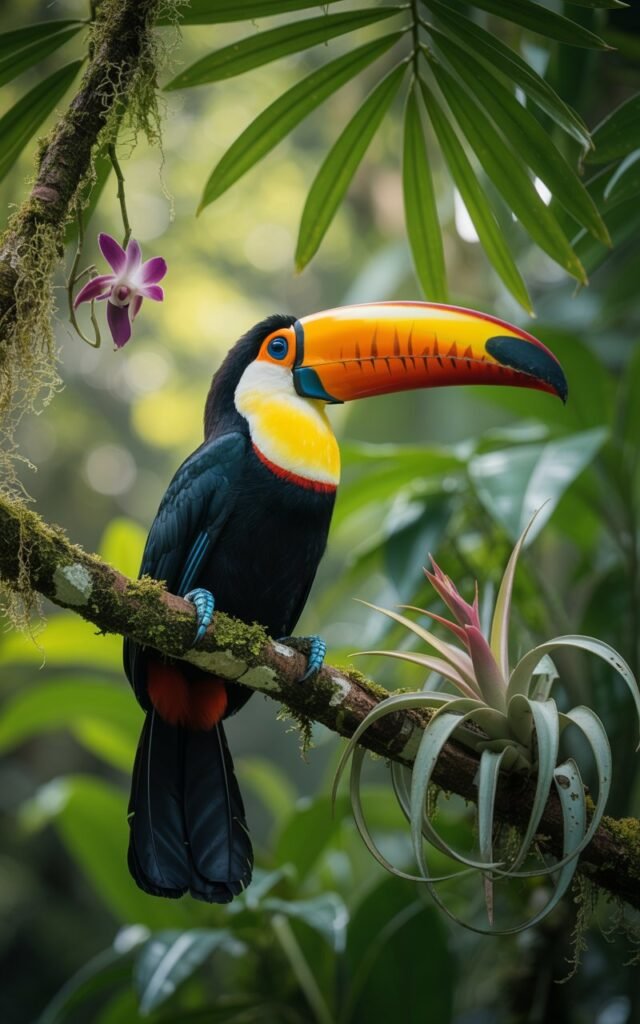
One of my favorite parts of hiking in U.S. national parks is the chance to see wildlife up close.
From spotting mountain goats along the Highline Trail to watching deer graze near the meadows of Emerald Lake Trail, every hike feels alive.
Even smaller animals—like marmots, birds, or colorful insects—add charm and surprise to the journey.
Why It Matters:
Seeing wildlife makes each hike feel unique and reminds me of the natural balance these parks protect.
Personally, I love pausing to watch an animal in its habitat—it’s calming, exciting, and makes the trail feel more magical.
Every encounter tells a story about the ecosystem, and it makes me appreciate the parks even more.
Quick Tips (From Me):
- Keep a safe distance—never approach or feed animals
- Bring binoculars or a zoom lens for a closer look without disturbing them
- Make minimal noise to avoid scaring wildlife
- Early mornings and late afternoons are usually the best times to spot animals
Wildlife encounters add wonder, excitement, and unforgettable moments to every national park hike.
4. Beaches

Hiking isn’t always about mountains and forests—some U.S. national park trails lead you straight to breathtaking beaches.
Walking along the sandy shores of places like Assateague Island or coastal trails in Acadia National Park offers a completely different kind of serenity.
The sound of waves, salty breeze, and wide-open horizons make these hikes feel relaxing yet invigorating at the same time.
Why It Matters:
Beaches add a refreshing contrast to forested or mountainous trails.
Personally, I love ending a hike by dipping my feet in the water or just sitting to watch the waves.
It’s a perfect way to unwind while still feeling connected to nature.
Quick Tips (From Me):
- Check tides and weather before heading out—coastal conditions can change quickly
- Wear shoes suitable for sand and rocky sections
- Bring sunscreen, a hat, and water to stay comfortable
- Early morning or late afternoon gives the best light for photos and fewer crowds
Beaches make hikes in national parks feel peaceful, scenic, and uniquely memorable, offering a mix of adventure and relaxation.
5. Food and Dining

Hiking through U.S. national parks isn’t just about trails—it’s also about the meals that keep you going.
Whether I’m packing snacks for a long trek on the Wonderland Trail or stopping at a small café near Yosemite Village, good food makes the experience so much better.
I’ve learned that a well-timed snack or hearty lunch can turn a tough hike into a truly enjoyable adventure.
Why It Matters:
Food keeps your energy up and makes the hike more fun. Personally, I always bring easy-to-carry items like trail mix, protein bars, or sandwiches for longer trails.
On shorter hikes, treating myself to a café or picnic spot adds a cozy, personal touch to the day.
Quick Tips (From Me):
- Pack high-energy, lightweight snacks for long hikes
- Stay hydrated—carry plenty of water or use refill stations
- If stopping at a café, try local specialties—it adds to the adventure
- Consider bringing a small reusable bag for trash to keep parks clean
Food and dining, whether packed or enjoyed at a park spot, make hiking feel rewarding, fueling both the body and the experience.
6. Accommodations and Budget

Planning a national park hike isn’t just about the trail—it’s also about where you stay and how you manage your budget.
From cozy lodges near Yosemite National Park to campgrounds along the Wonderland Trail, having the right accommodations can make your trip more enjoyable and stress-free.
Personally, I like a mix: a night or two in a lodge for comfort, and a night under the stars for the full adventure feel.
Why It Matters:
Choosing the right place to stay affects your energy and enjoyment on the trails.
Budget-friendly camping options let you experience the park up close, while lodges or cabins provide convenience and warmth after a long hike.
Planning ahead helps you balance cost, comfort, and convenience.
Quick Tips (From Me):
- Book accommodations well in advance—parks fill up fast, especially in peak season
- Consider camping or cabins for a budget-friendly and immersive experience
- Factor in travel costs to trailheads when planning your budget
- Bring small comforts like a portable stove, sleeping bag, or snacks if camping
Smart planning of accommodations and budget ensures your hikes are enjoyable, sustainable, and stress-free, letting you focus on the trails and experiences ahead.
7. Travel Logistics

Getting to and around U.S. national parks is a big part of the hiking experience.
From driving to trailheads in Zion National Park to taking shuttles in Yosemite National Park, planning your route can save a lot of stress.
Personally, I always map out parking, shuttle schedules, and estimated travel times before a hike—it makes the day feel smooth and enjoyable.
Why It Matters:
Good travel logistics mean more time on the trail and less time worrying.
Knowing where to park, which entrances to use, and how long it takes to reach trailheads allows you to start hikes early, avoid crowds, and make the most of your day.
Quick Tips (From Me):
- Check park websites for shuttle schedules, parking rules, and trailhead info
- Arrive early to secure parking at popular trails
- Factor in extra time for scenic stops along the drive
- Have backup routes or entrances in case of closures or full parking lots
Planning your travel logistics carefully ensures a smoother, stress-free experience, letting you focus on enjoying the hike and the park’s natural beauty.
Final Thoughts
Choosing between Costa Rica and Hawaii depends on your priorities.
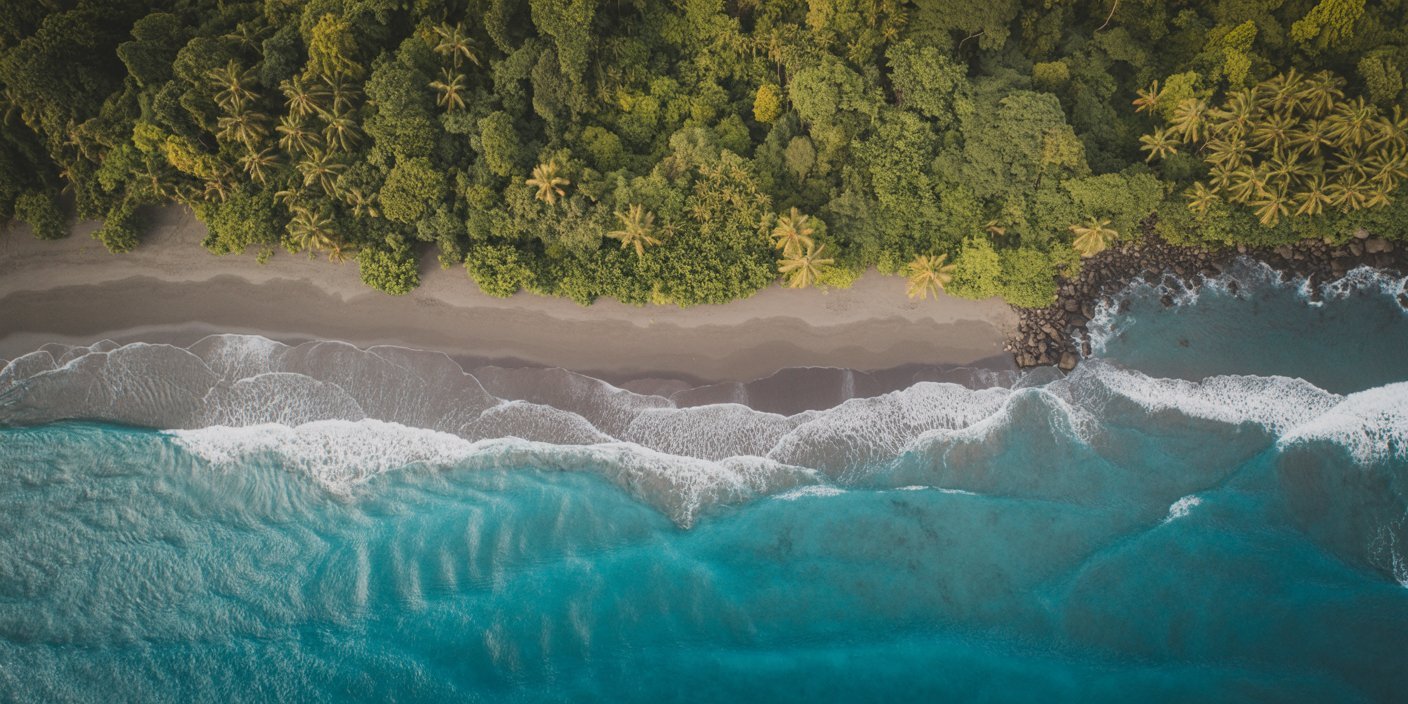
- Choose Costa Rica if you want rainforest adventures, wildlife, budget-friendly accommodations, and eco-focused experiences.
- Choose Hawaii if you want beach paradise, family-friendly hikes, luxury accommodations, and iconic tropical scenery.
For my family, we’ve returned to both destinations multiple times, and each trip feels entirely different.
Costa Rica teaches patience, adventure, and discovery in the jungle, while Hawaii offers relaxation, iconic beaches, and unforgettable sunsets.
Ultimately, either destination guarantees memories that last a lifetime — it just depends on whether you crave rainforest exploration or sun-soaked island paradise.